

What Is Art Deco?
The modern world’s most glamorous style, from a Paris fair in 1925 to the furniture and skylines it still shapes today
Art Deco was the look the modern age chose for itself. For about twenty years, from the early 1920s to the start of the Second World War, it was simply how a modern thing was supposed to look, shaping everything from skyscrapers and ocean liners to the radios, clocks, and cocktail shakers of ordinary life. It could be hand-built for a single client or mass-produced for everyone, but it always carried the same confidence: a style that admired the machine, the speed of the new century, and a glamour earlier movements had been too austere to allow.
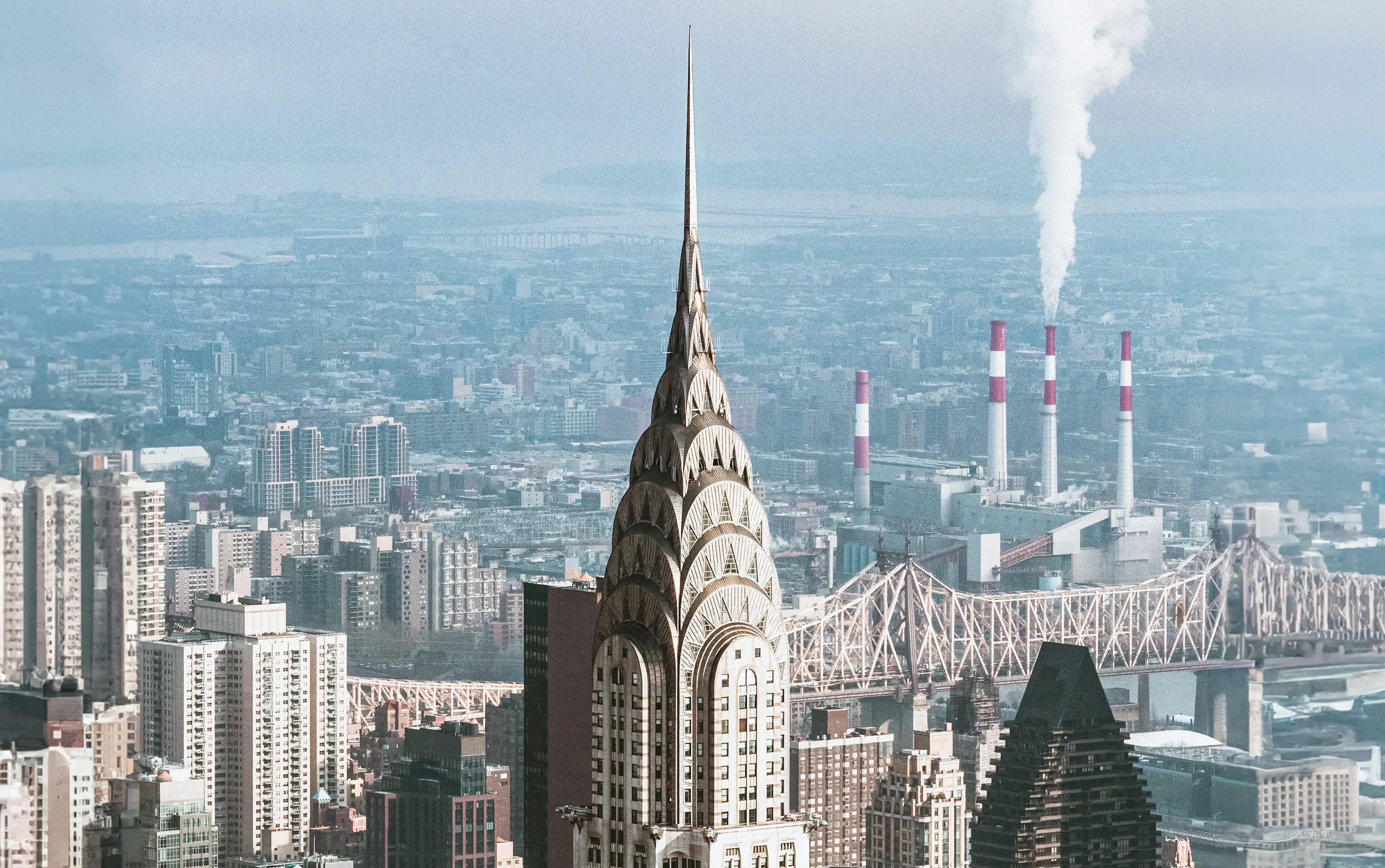
Chrysler Building, William Van Alen, New York, 1930
The origins of a modern style
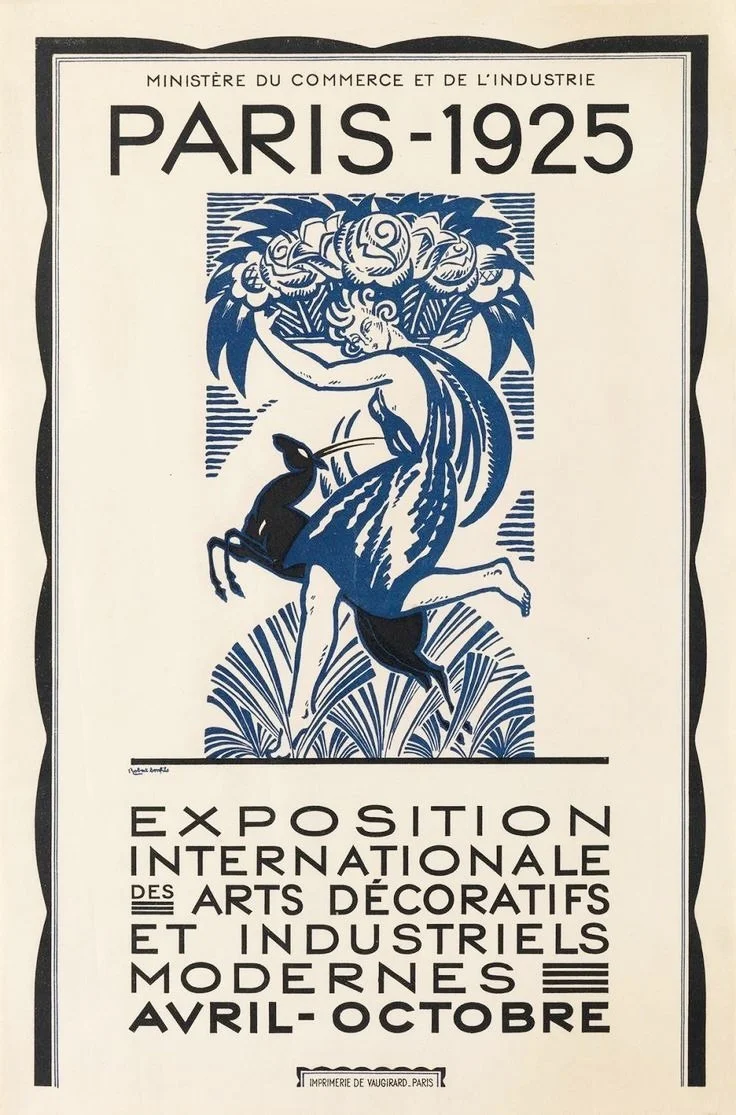 The style we now call Art Deco took shape in France just before the First World War and came of age in the 1920s, though its name arrived much later. During the period, people called it modern, modernistic, or style moderne, and only in the 1960s did the term Art Deco enter common use, borrowed from the 1925 Paris exhibition that had introduced the new design to the world. To understand it, it helps to know what it was reacting against. For most of the previous century, serious buildings spoke the language of Beaux-Arts, a heavy, symmetrical, classical style borrowed from the palaces of Europe. It was imposing and accomplished, but by the 1920s, it no longer fit the world that was building it.
Two forces broke it open. The first was the skyscraper. Structural steel let buildings climb far higher than classical proportion was ever meant to handle, and New York’s 1916 zoning law, which forced tall buildings to step back as they rose, gave the age one of its defining shapes: the setback, rendered by the illustrator Hugh Ferriss as brooding artificial mountains that looked less like regulation than prophecy. The second force was the First World War, which killed more than twenty million people, toppled four empires, and left a generation with little patience for nostalgia. Across music, fashion, art, and architecture, people stopped looking to the past and turned, deliberately and with real excitement, toward the future.
Two events then gave that mood a public stage. In 1922 the Chicago Tribune held a competition for its new headquarters, drawing more than two hundred and sixty entries from around the world. The winning design, a Gothic tower by John Howells and Raymond Hood, was competent but historical, and many in the profession felt the real prize had gone to the wrong entry. The Finnish architect Eliel Saarinen‘s second-place tower took the same soaring vertical lines, stripped away the medieval costume, and shaped them into something entirely new, rising through clean setbacks that felt like the future. It was never built, but it changed how architects thought about the tall building. Three years later, the Exposition Internationale des Arts Décoratifs et Industriels Modernes filled Paris with modern design under one firm rule, that nothing historical would be permitted. Sixteen million people came. The United States sent no national pavilion, convinced it had nothing modern enough to show, but its architects and department-store buyers came anyway and carried the style home, where it would soon find its grandest expression.
“To seek beauty is a more worthy aim than to display luxury.”
René Lalique, 1925
What defines the style
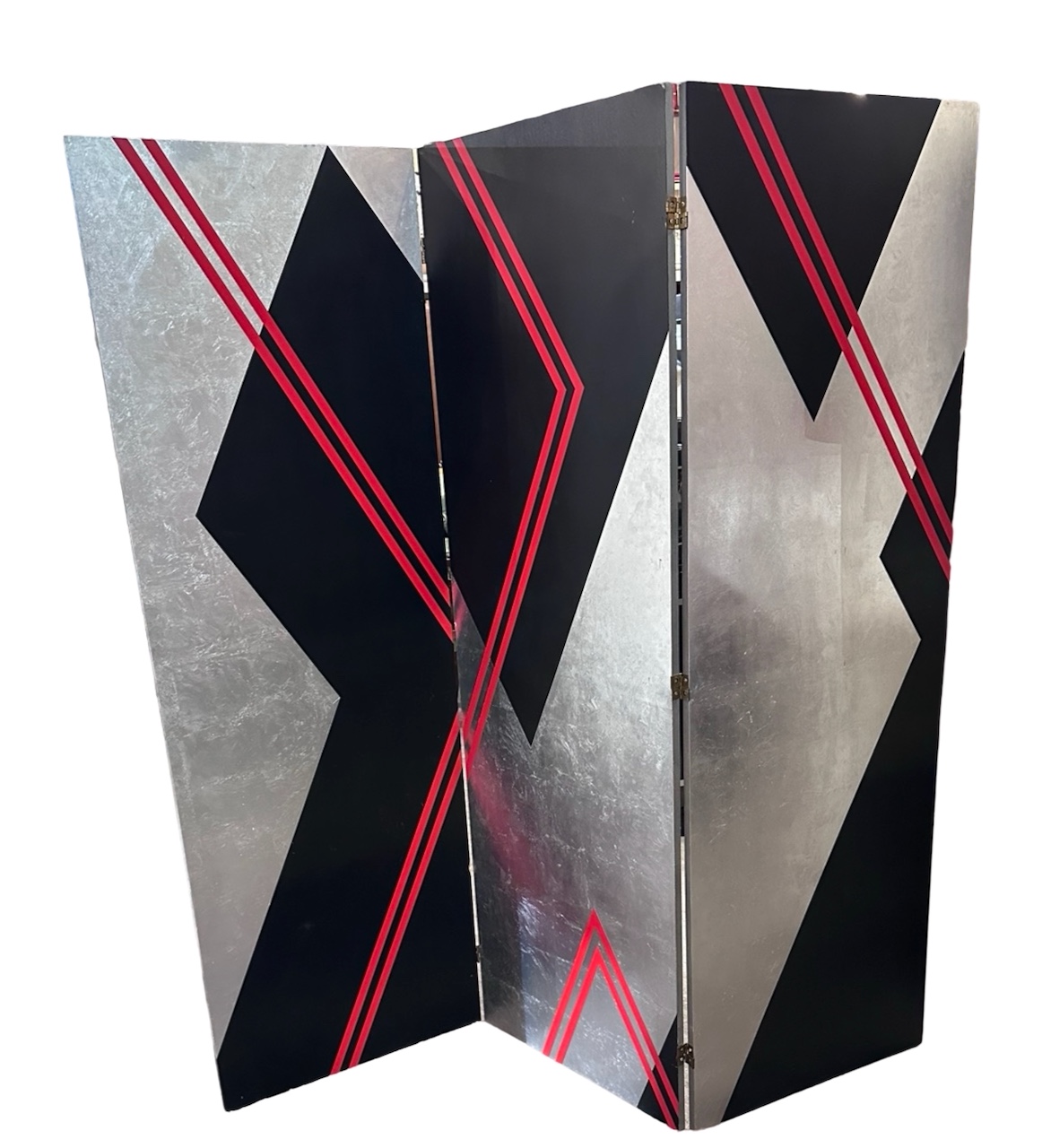
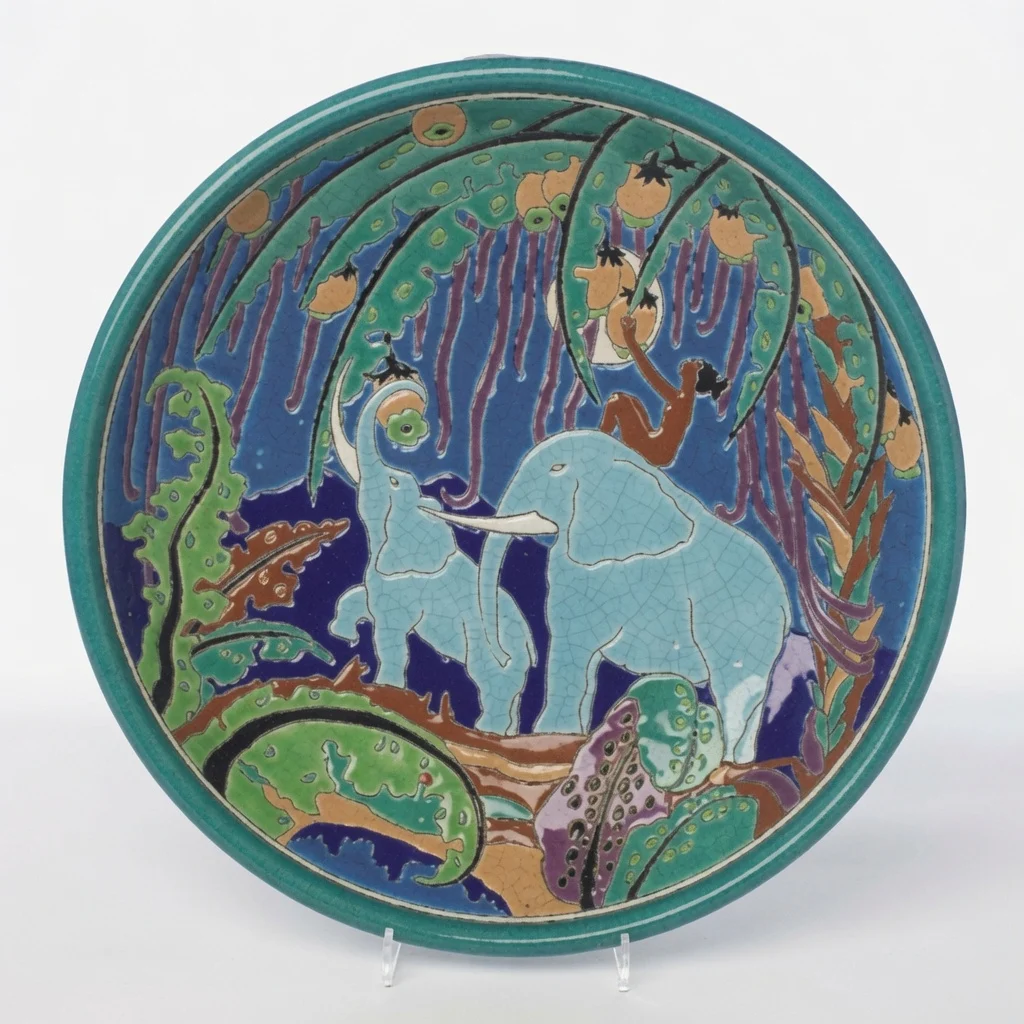
There is no single Art Deco motif, but a family of them, and once you know the vocabulary it becomes easy to recognize across every medium. The foundation is geometry, bold and confident, softened by stylized nature and sharpened by a fascination with the machine. Art Deco drew on an unusually wide range of sources and fused them into something that felt entirely of its own moment. From Cubism it took the fracturing of form into angular planes. From Vienna’s Secession movement and the Wiener Werkstätte, where Josef Hoffmann had already married straight lines and fine craftsmanship into complete interiors, it took disciplined geometry and the idea of total design. From the Ballets Russes and the Fauvist painters it took explosive, clashing color. And from the ancient world, from Egypt, the Maya and Aztec, Mesopotamia, Africa, and East Asia, it took motifs that it stripped down, stylized, and made entirely its own. What unites all of it is the way Art Deco handled these sources. It never copied them faithfully. It simplified, geometrized, and recombined them into a look that felt new because it was.
The hallmarks
Bold geometry: zigzags and chevrons, sunbursts, lightning bolts, stepped ziggurats, and squares set within squares.
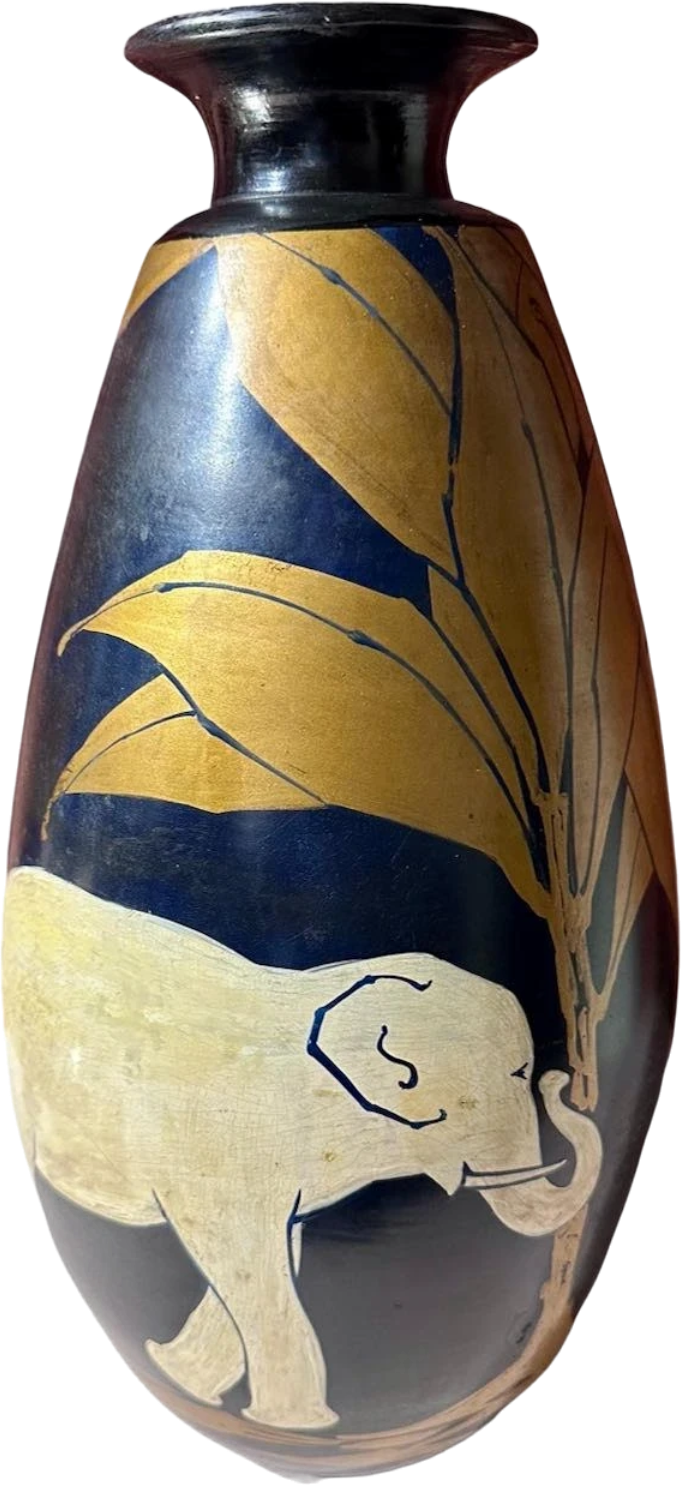
Nature brought to order: fountains, stylized flowers and leaves, gazelles and greyhounds, and the human figure in clean lines, a sharp turn from the flowing vines of Art Nouveau.
The exotic and the ancient: motifs drawn from Egypt, the Maya and Aztec, Mesopotamia, Africa, and East Asia, stylized and modernized.
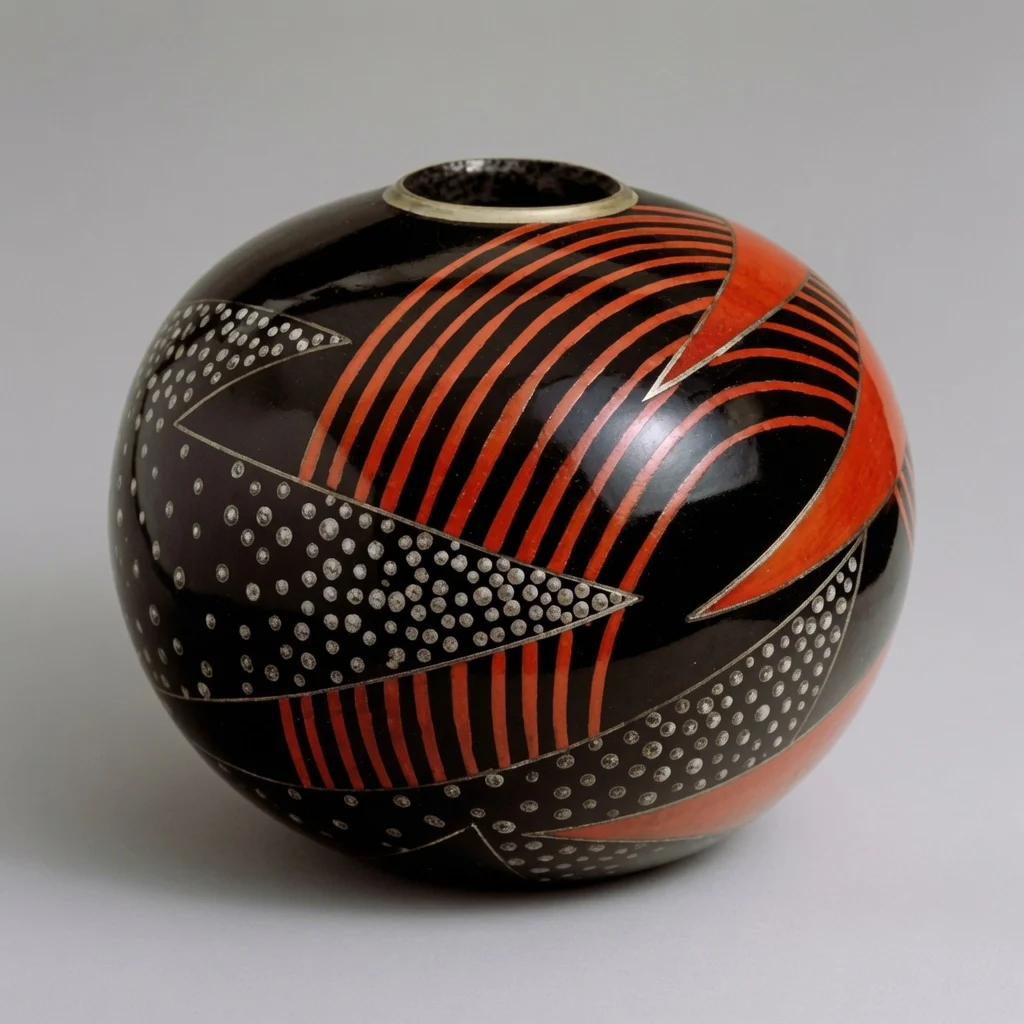
Luxurious materials: ebony, ivory, lacquer, shagreen, exotic veneers, and precious stones at one end of the style.
Machine-age materials: chrome, stainless steel, aluminum, glass block, and Bakelite at the other.
Symmetry, strong color, and motion: order and glamour rather than restraint.
That split in materials reflects a real and productive division inside the movement. On one side were traditionalists like Émile-Jacques Ruhlmann, who pushed old-world craftsmanship into new forms, building furniture in Macassar ebony and rosewood inlaid with ivory, finished so perfectly the pieces looked carved from a single block. On the other were modernists like Le Corbusier, who declared a house a machine for living and wanted good design mass-produced for everyone, an outlook shared by the Bauhaus in Germany. The tension between them was one of the engines of the period, and most of what we love about Art Deco lives in the space between them, borrowing the modernists’ clean lines and the traditionalists’ love of surface and material.
Art Deco architecture
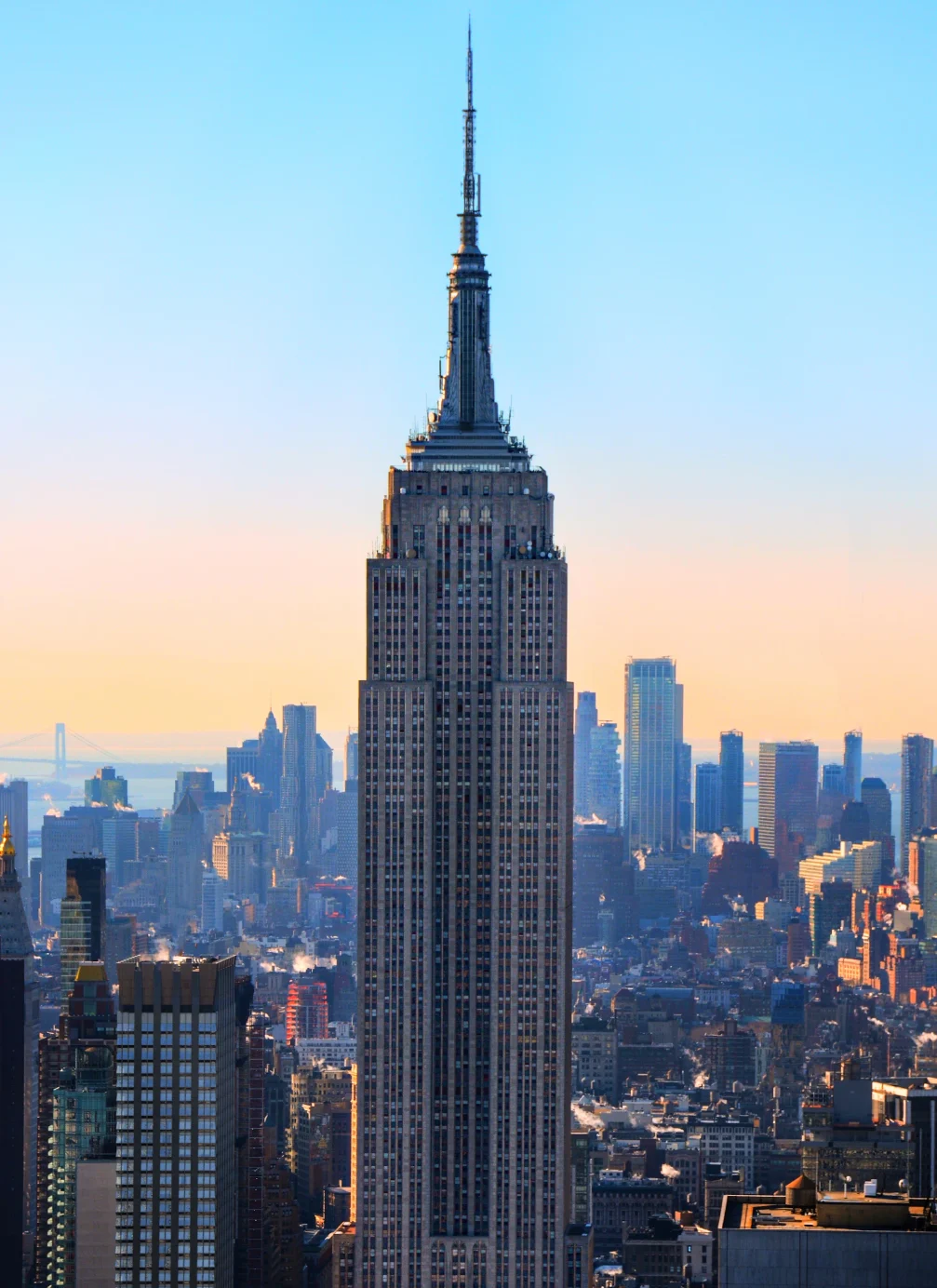
Architecture is where Art Deco made its most visible and lasting mark, and the buildings of the period remain among the most beloved in the world. In New York the Chrysler Building, completed in 1930, gave the style its most iconic image, with its gleaming stainless steel crown, its eagle gargoyles, and its tapering arches catching the light at every hour of the day. The Empire State Building followed a year later, and Rockefeller Center, through the 1930s, brought the style to its civic peak. These towers showed what the setback profile, first imagined as a legal requirement, could become in the hands of architects who understood it as an opportunity for drama.
Art Deco architecture divides into three overlapping styles, each with its own character and mood.
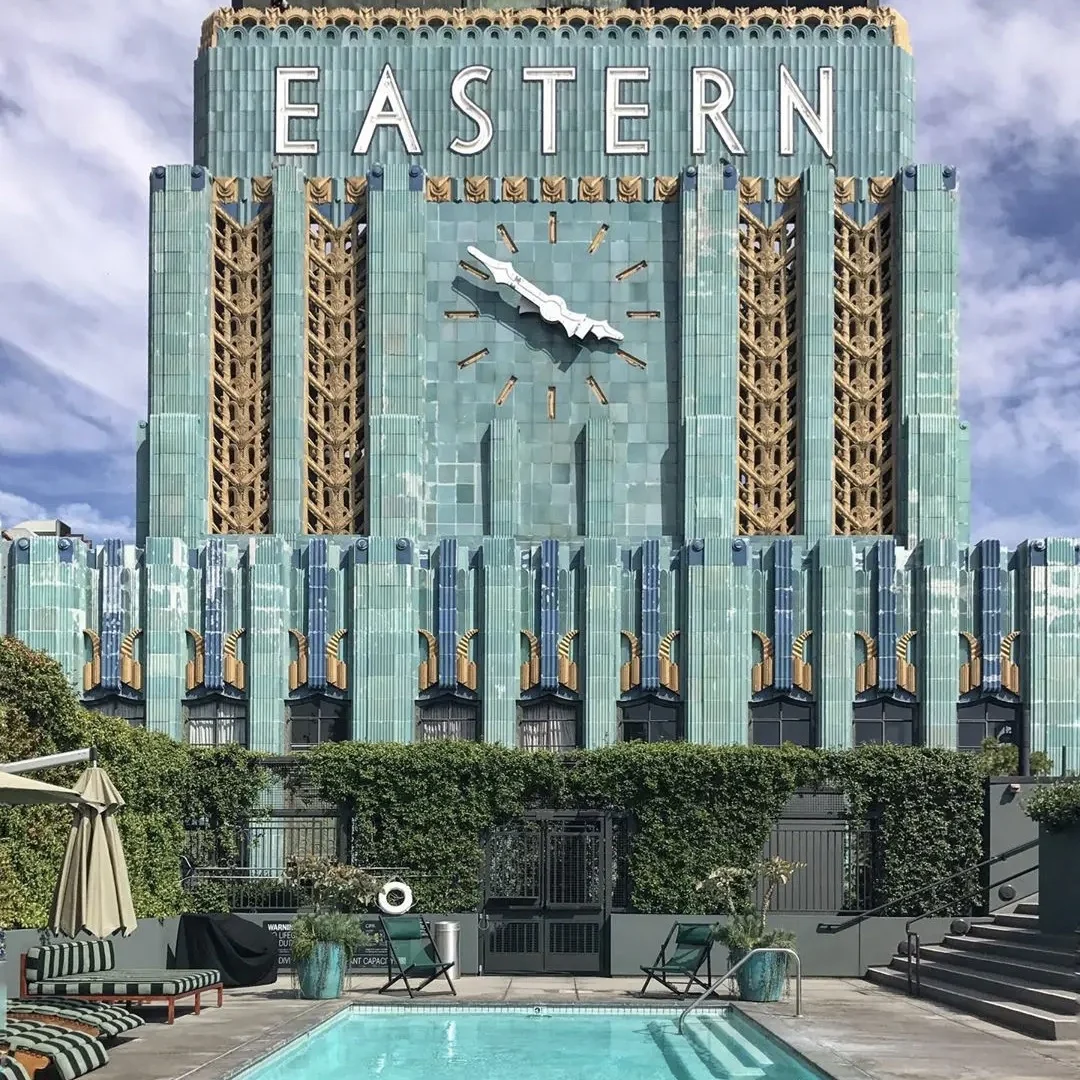
Zigzag Moderne, the earliest and most exuberant, reaches upward and covers itself in rich ornament, with zigzags, chevrons, sunbursts, and bright color across the facade. The Chrysler Building and Empire State Building in New York, Bullocks Wilshire and the turquoise Eastern Columbia Building in Los Angeles, and the Guardian Building in Detroit are among its finest expressions.
Classical Moderne, also called WPA or PWA Moderne, is the restrained civic style of the Depression years, stripping Beaux-Arts down to clean symmetry and stylized ornament. Los Angeles City Hall, the Griffith Observatory, the Nebraska State Capitol, and the Federal Triangle buildings in Washington D.C. are characteristic examples.
Streamline Moderne is the machine age made architecture, borrowing the look of ships, trains, and aircraft to produce buildings that run low and horizontal with rounded corners, porthole windows, and pipe railings, some of which look frankly like vessels run aground. The Coca-Cola Bottling Plant in Los Angeles, the Pan Pacific Auditorium, Cincinnati Union Terminal, and the Hoover Factory in London are among its best-known.
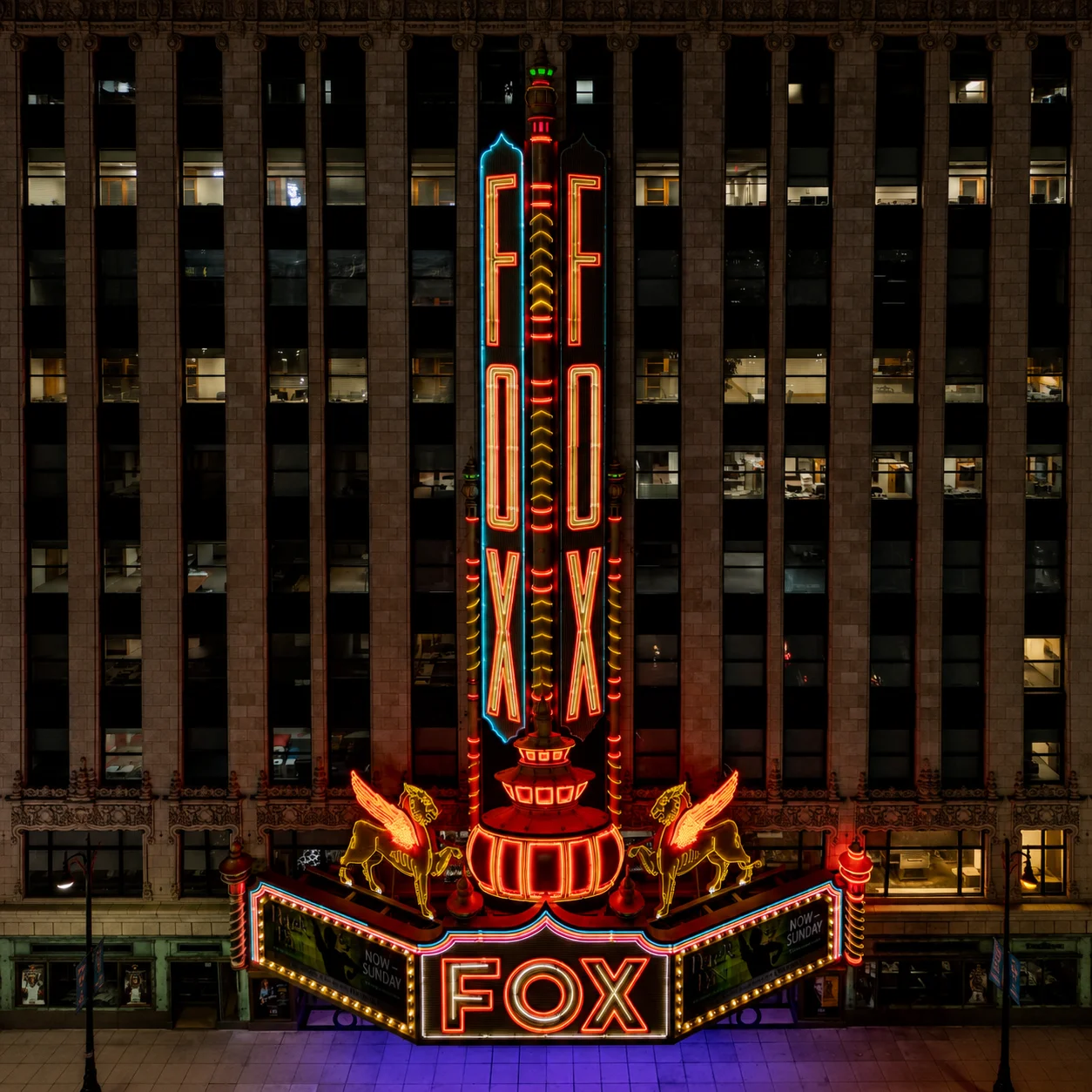
The great movie palaces belong to a category of their own. Theaters like the Fox Theatre in Atlanta and the Oakland Paramount were designed to make every visit feel like an event, with lobbies that rivaled hotel ballrooms and auditoriums draped in ornament from floor to ceiling. Many survive today as concert halls and performing arts centers, still doing exactly the job they were built to do.
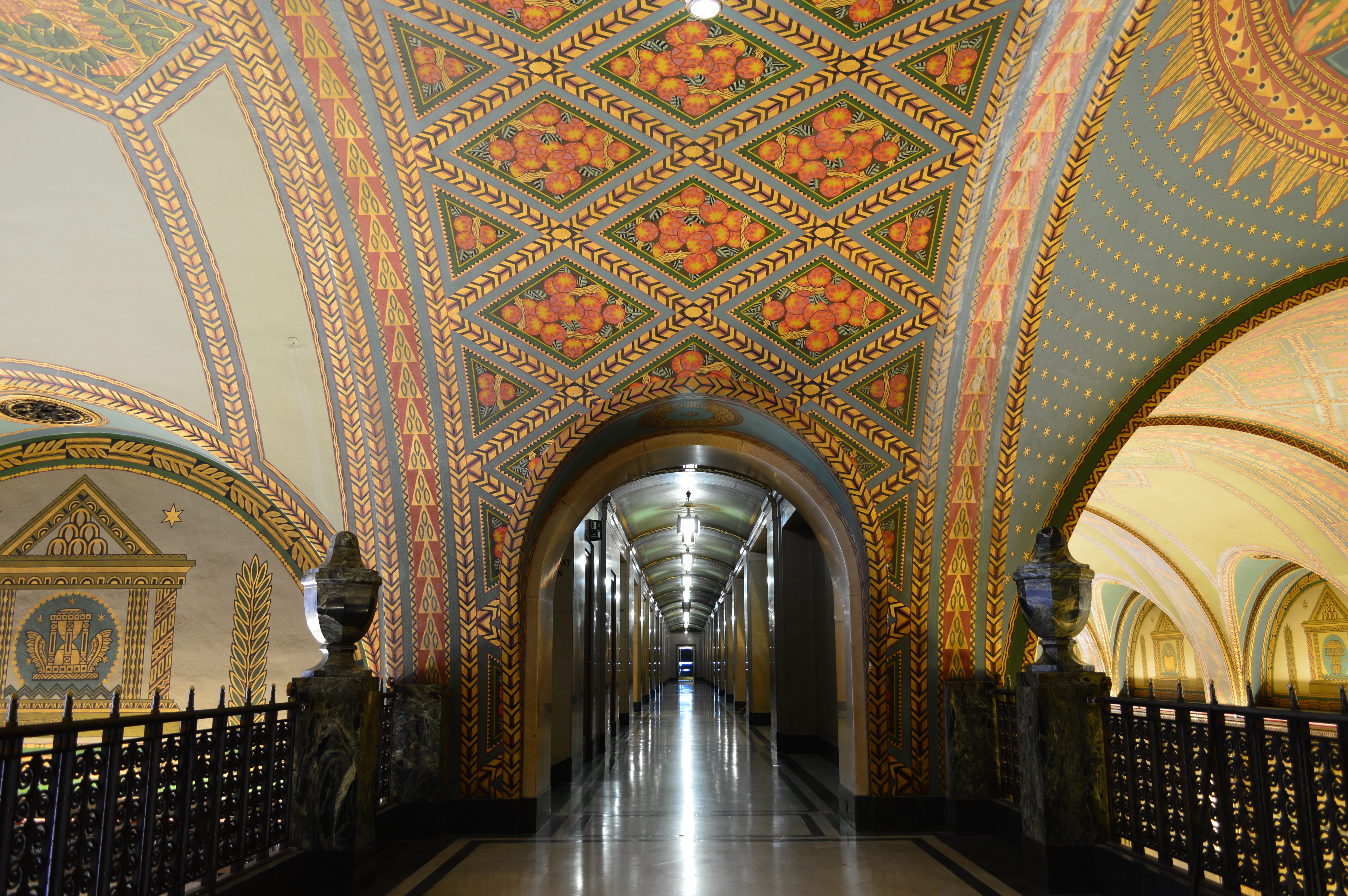
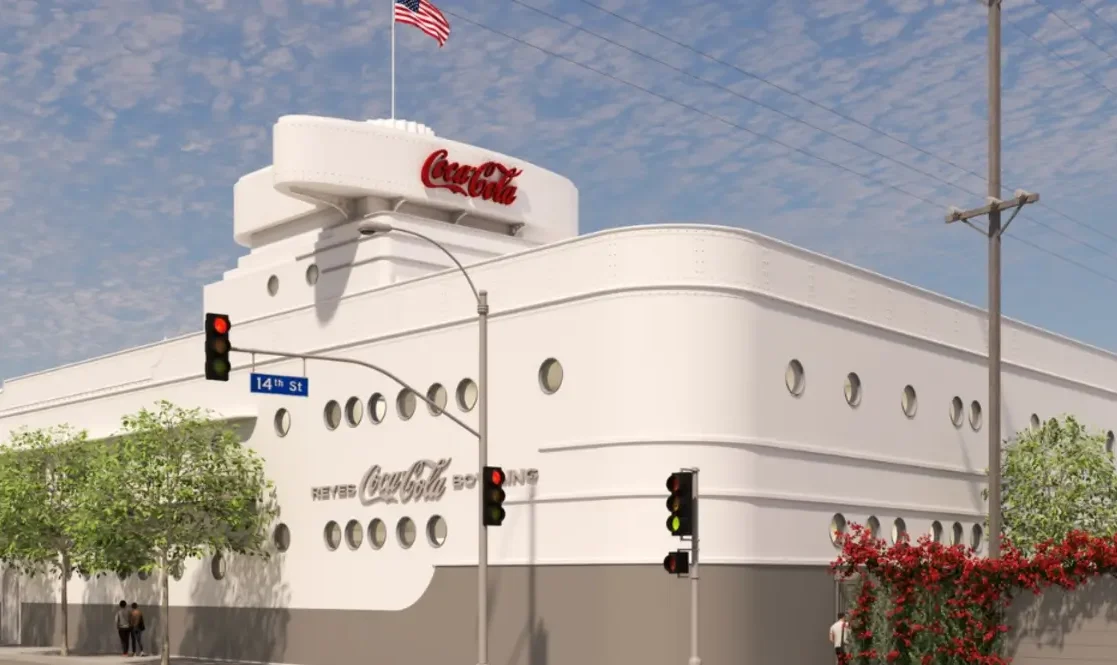
Left: Fisher Building lobby, Albert Kahn, Detroit, 1928, Right: Coca-Cola Bottling Plant, Robert Derrah, Los Angeles, 1939
Furniture, lighting, and the decorative arts
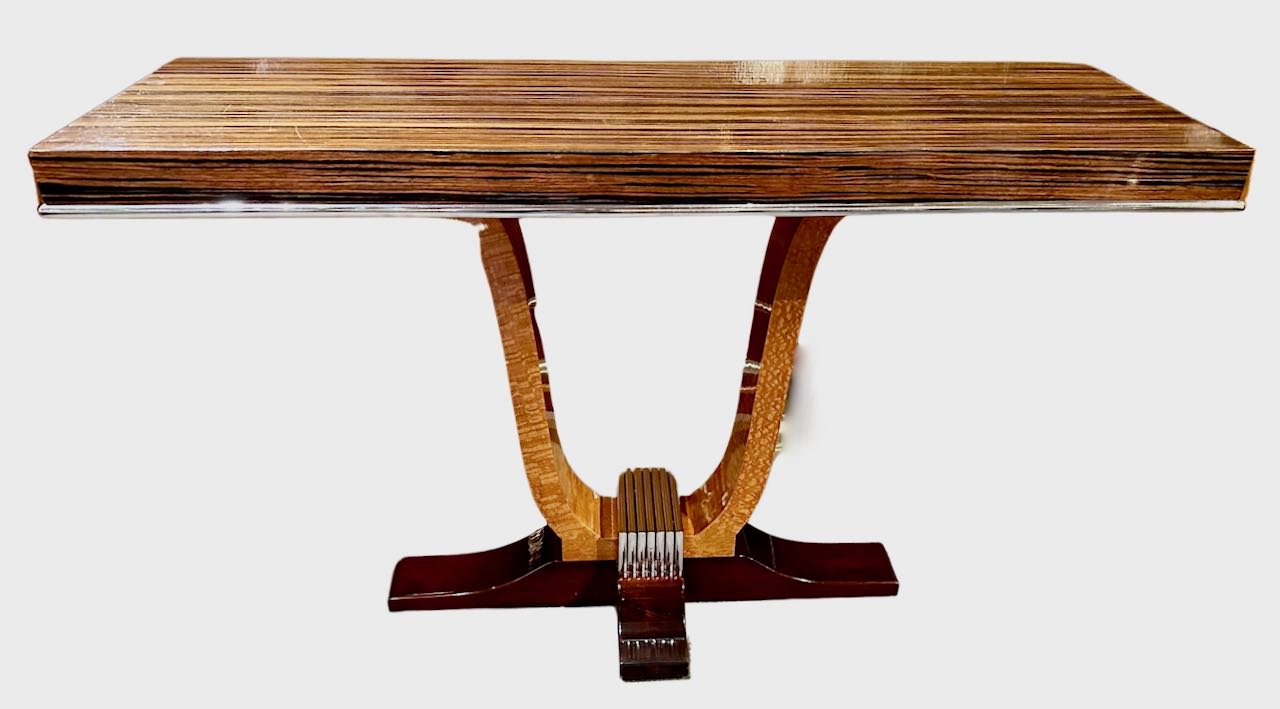
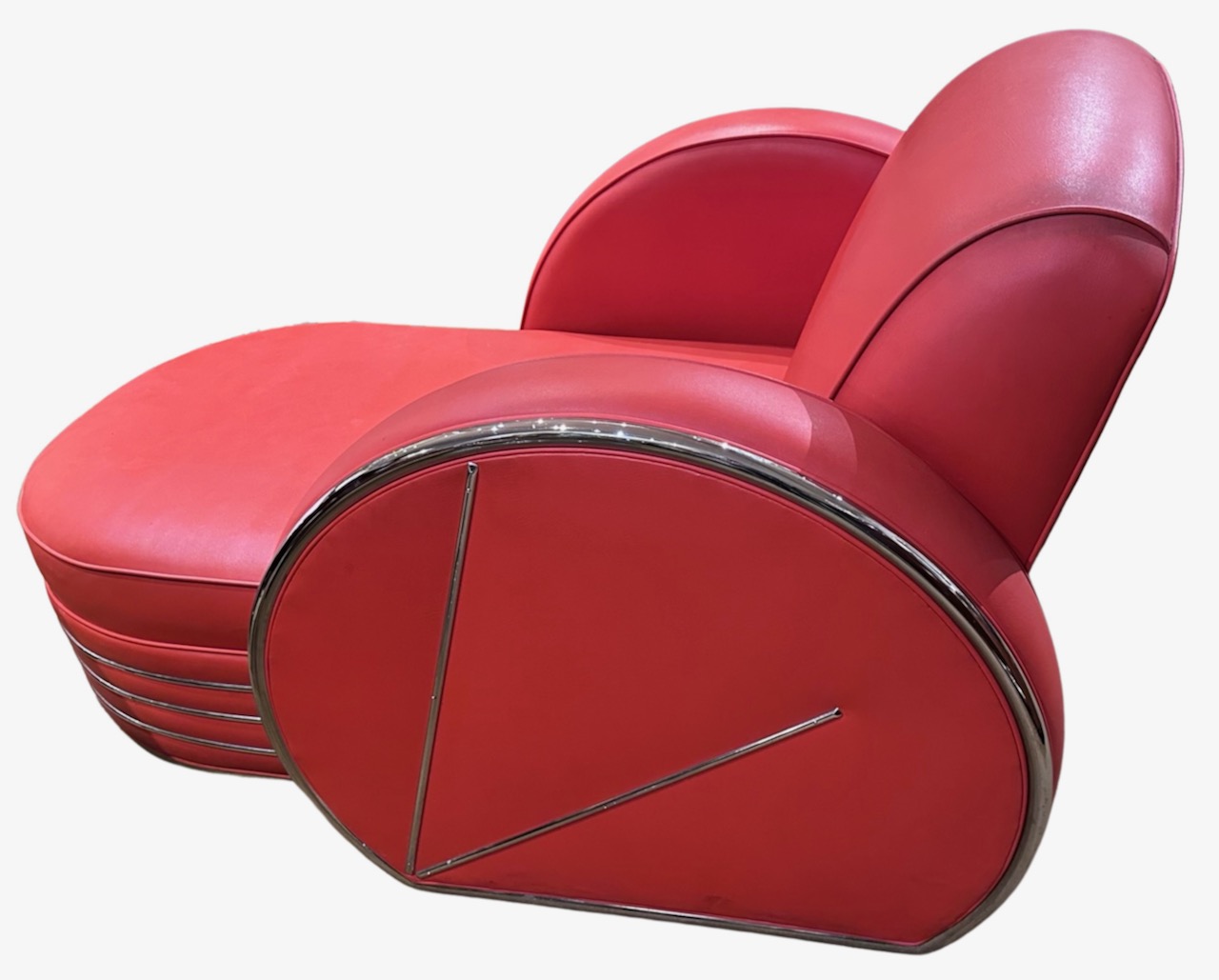
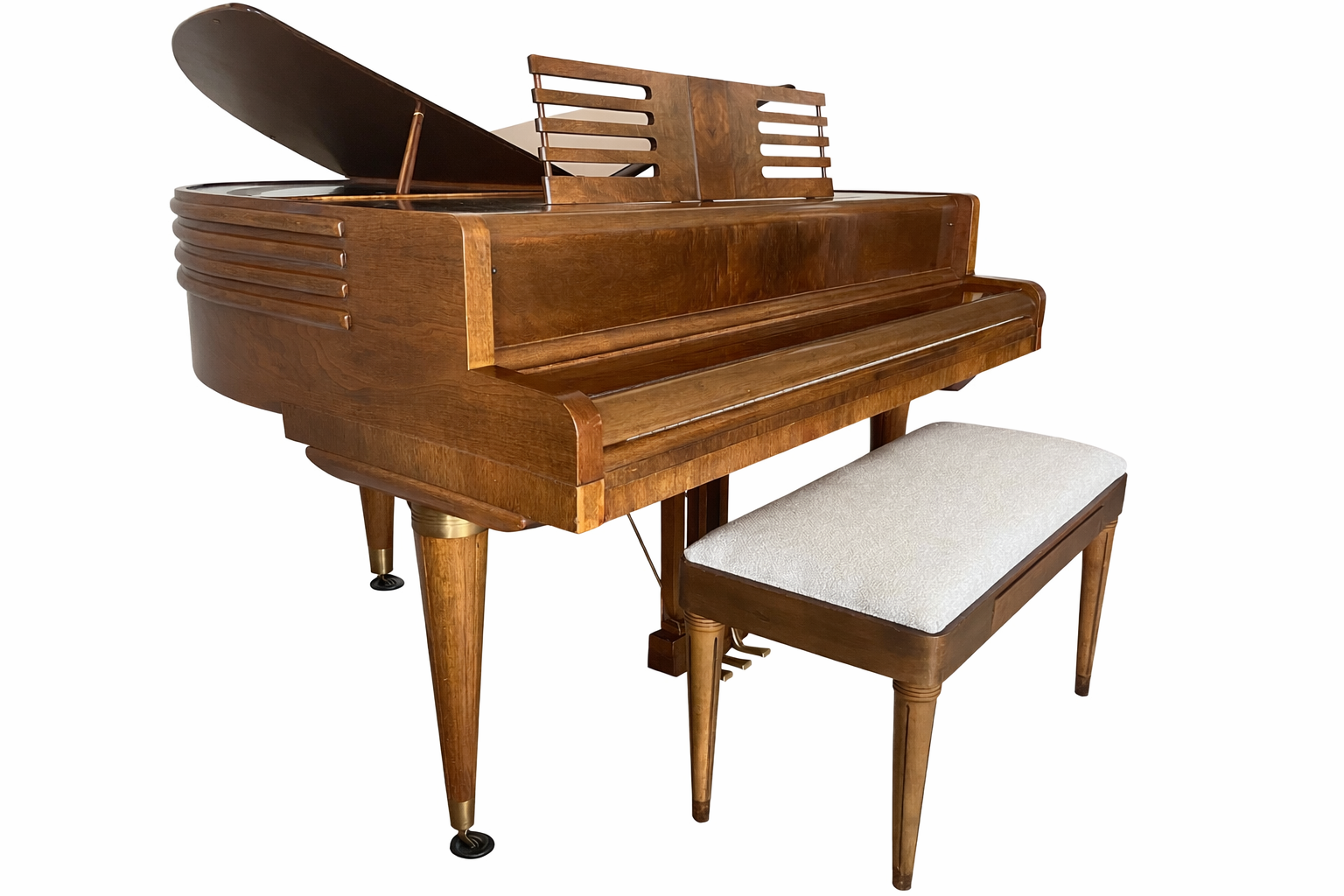
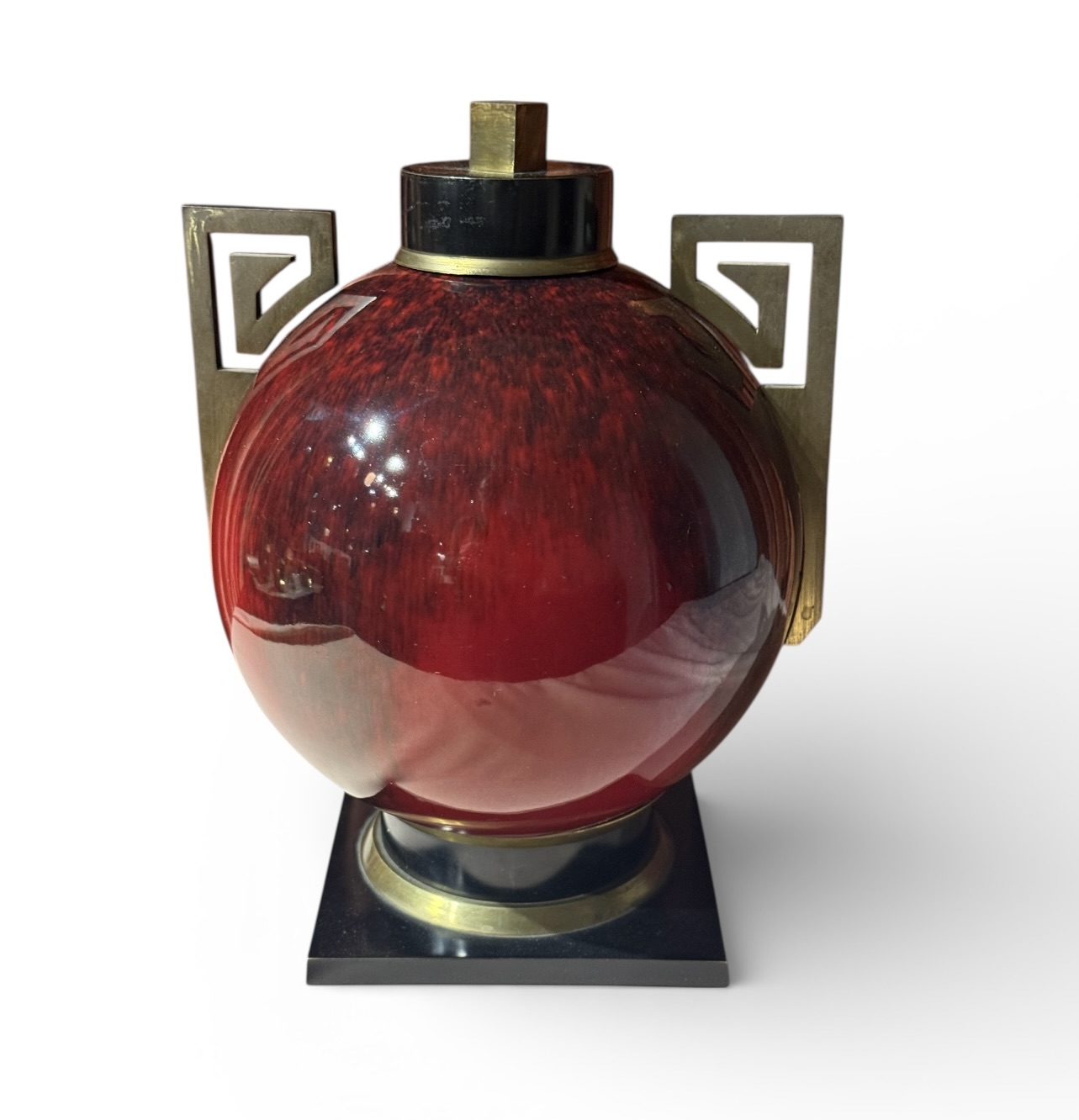
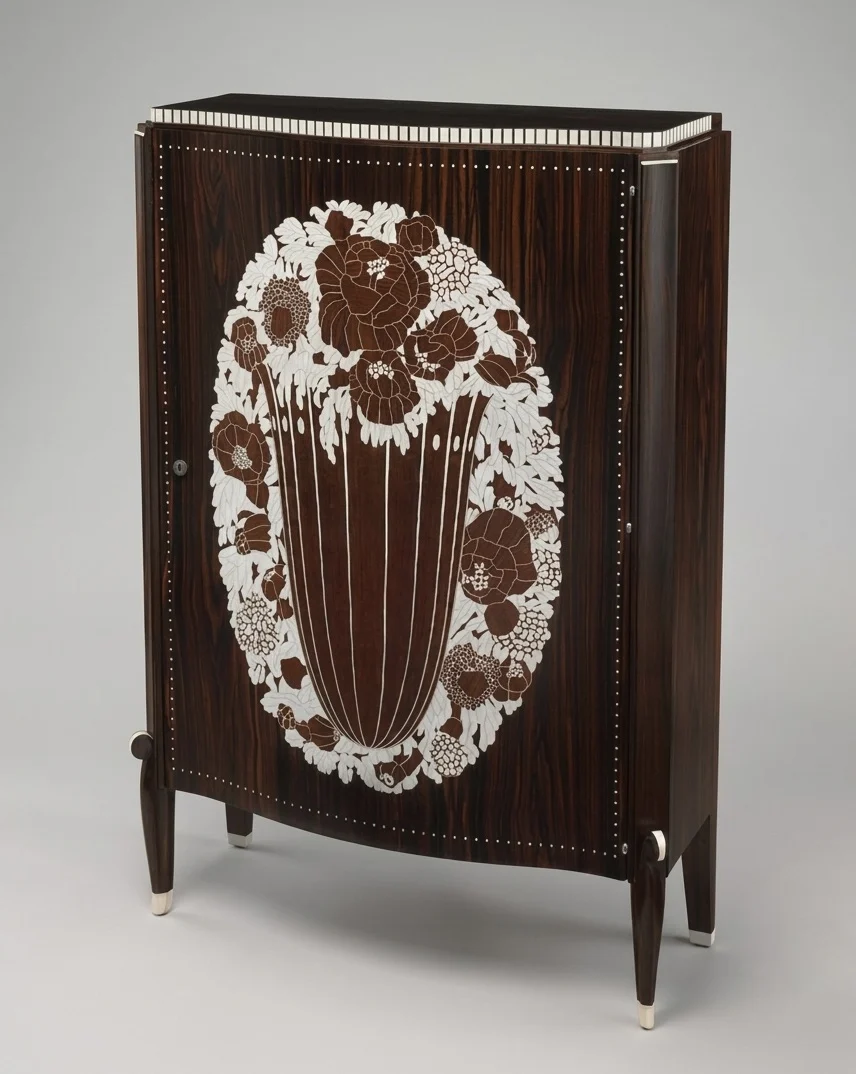 Art Deco was first and most fully a movement in the decorative arts, and furniture was its showpiece. The great French makers treated a cabinet the way a jeweler treats a brooch. Ruhlmann built pieces in Macassar ebony and rosewood, inlaid with ivory and mother of pearl and finished so smoothly they looked carved from a single block. The firm of Süe et Mare produced entire coordinated interiors, and Eileen Gray brought a cooler, more architectural sensibility that bridged the luxury style and the modernism that followed. The vocabulary of Deco furniture is consistent and easy to recognize: exotic veneers and lacquered surfaces, geometric forms with rounded or stepped edges, contrasting light and dark woods, shagreen and exotic hides on seating, and inlays of ivory or metal. The French club chair, with its low curved arms and deep upholstery, remains one of the period’s most enduring forms, and sideboards, dressing tables, and the blond, rounded plywood pieces known as Waterfall furniture carried the look into ordinary homes.
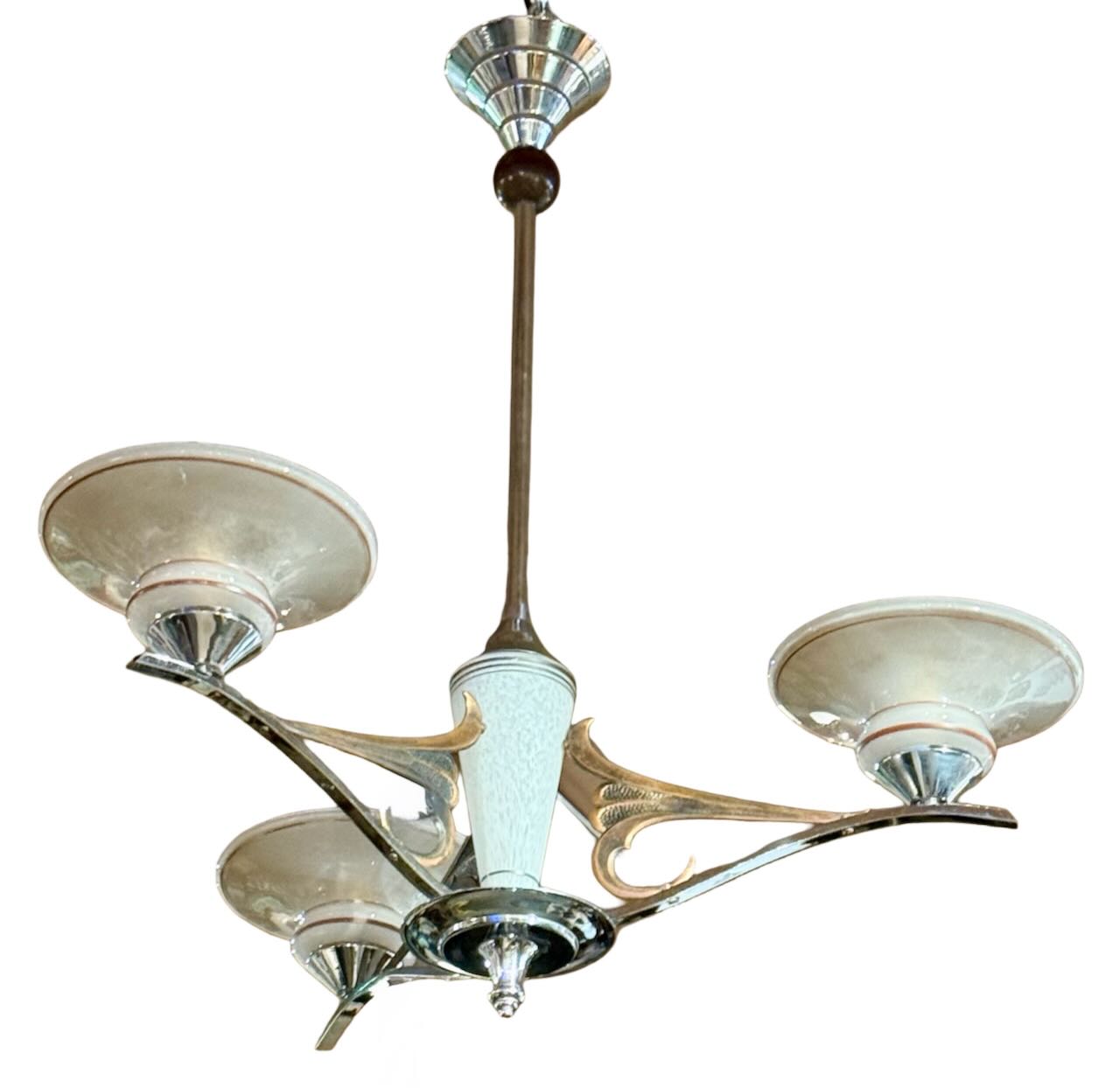
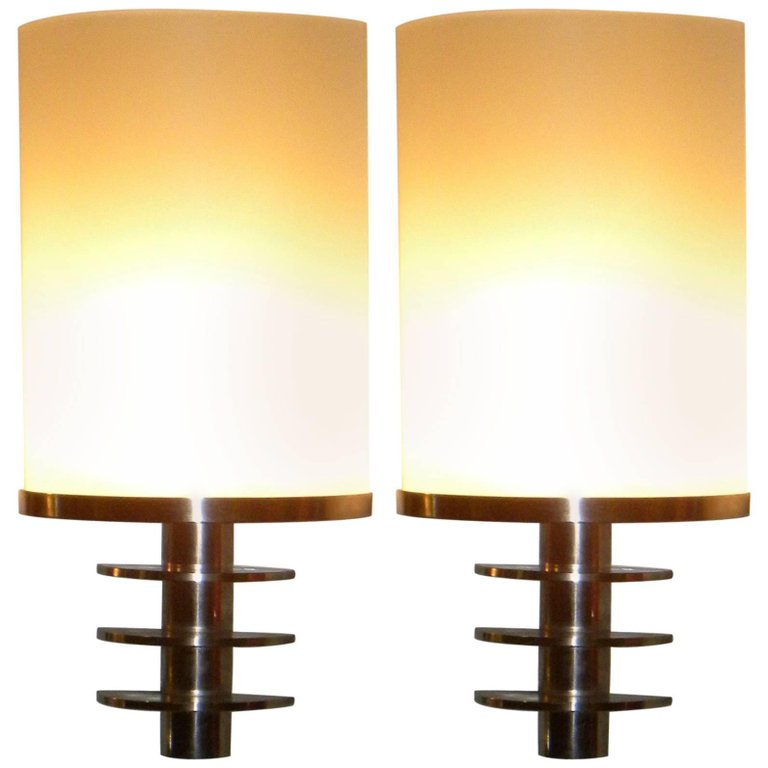
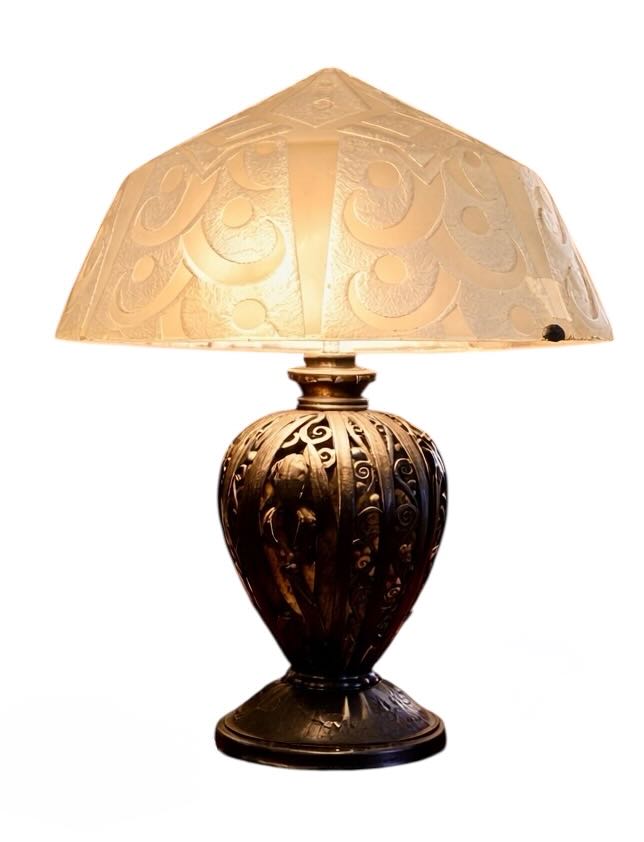
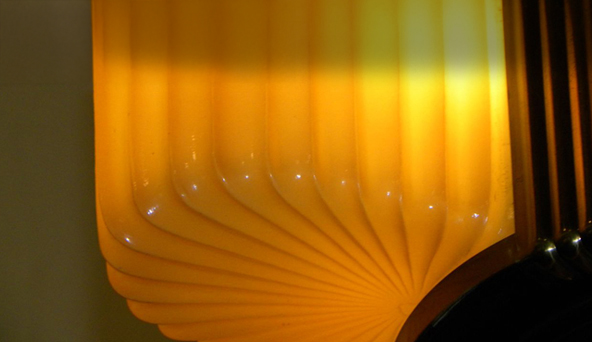
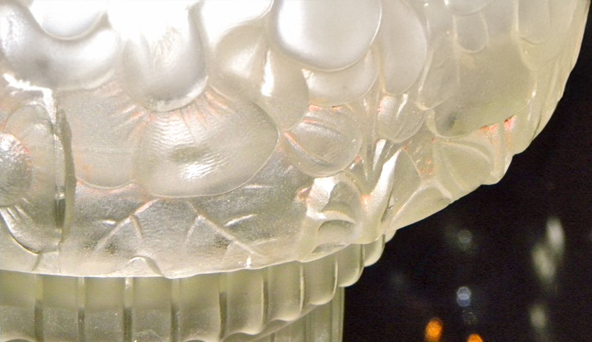
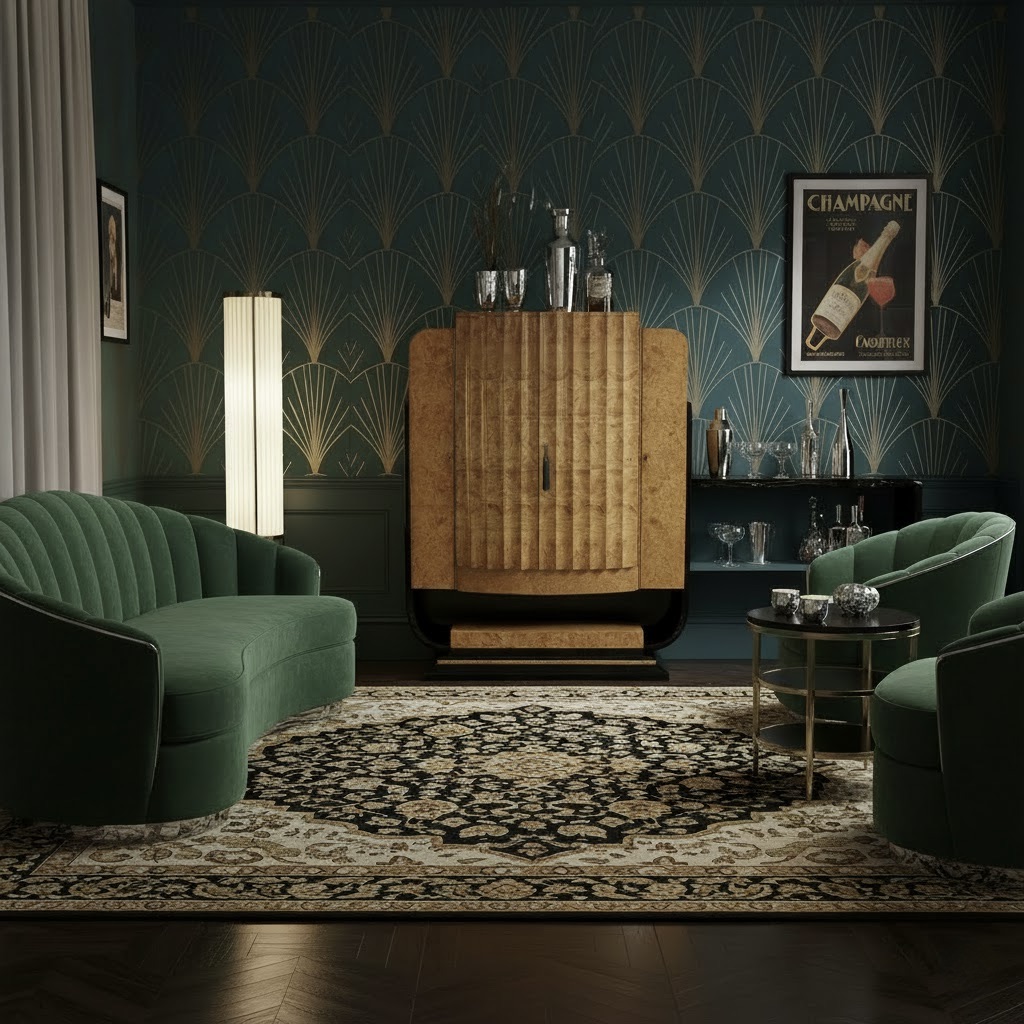
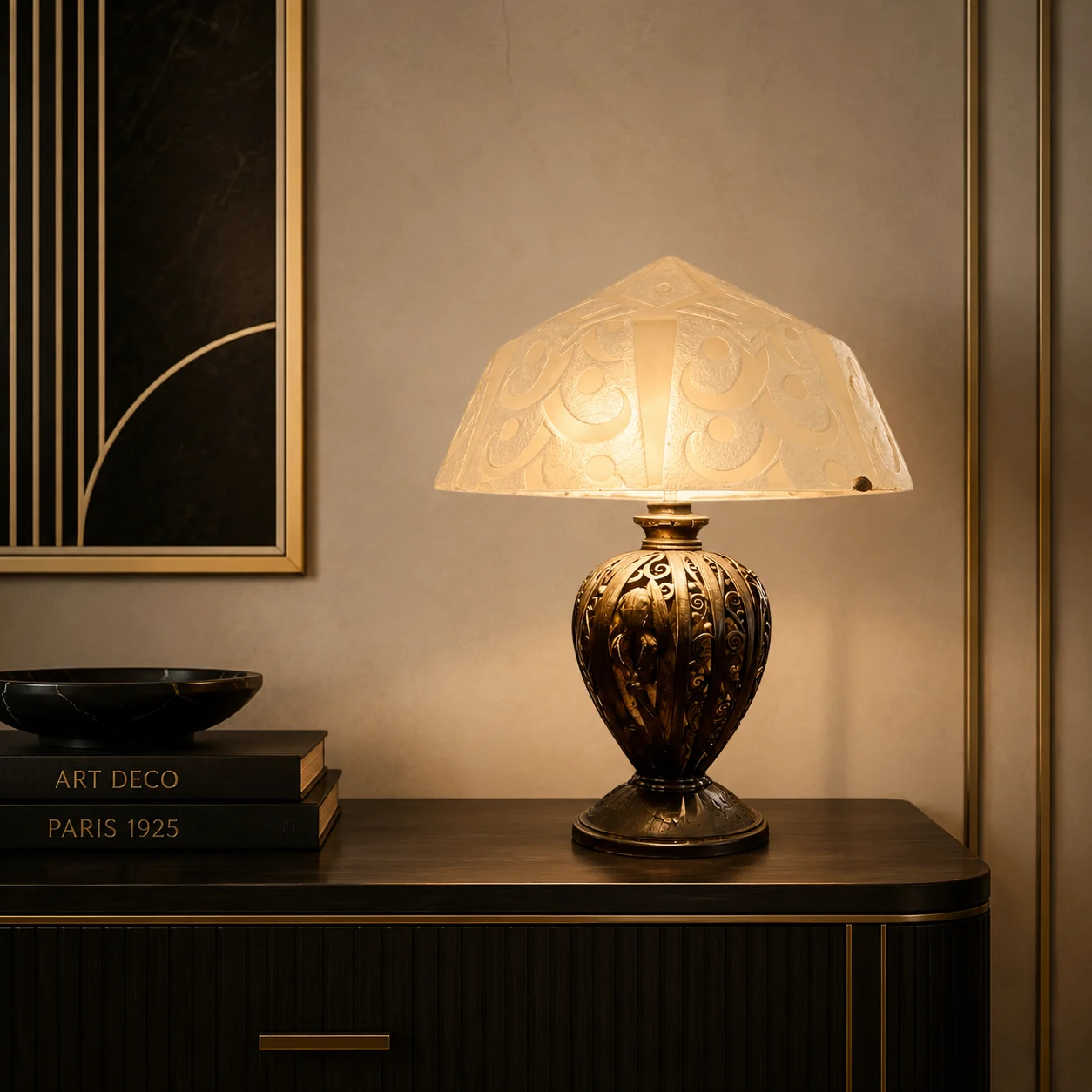
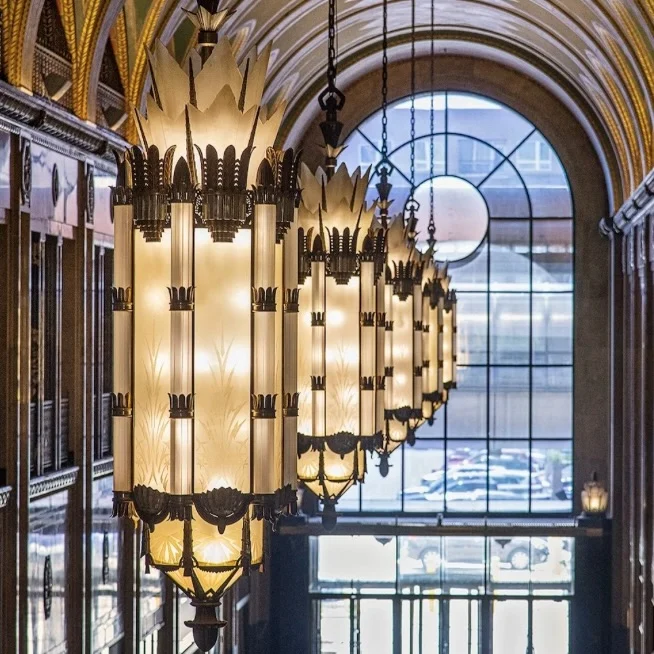
Lighting became sculptural in a way it never had before. Stepped and skyscraper-form lamps in bronze and frosted glass, geometric torcheres, and the molded opalescent shades of makers like Daum and Muller Frères turned every fixture into an object worth looking at on its own terms. Grand geometric chandeliers hung in theater lobbies and hotel ballrooms, and the period’s love of illuminated surfaces, of glass that glowed from within, anticipated the lit interiors of the modern age.
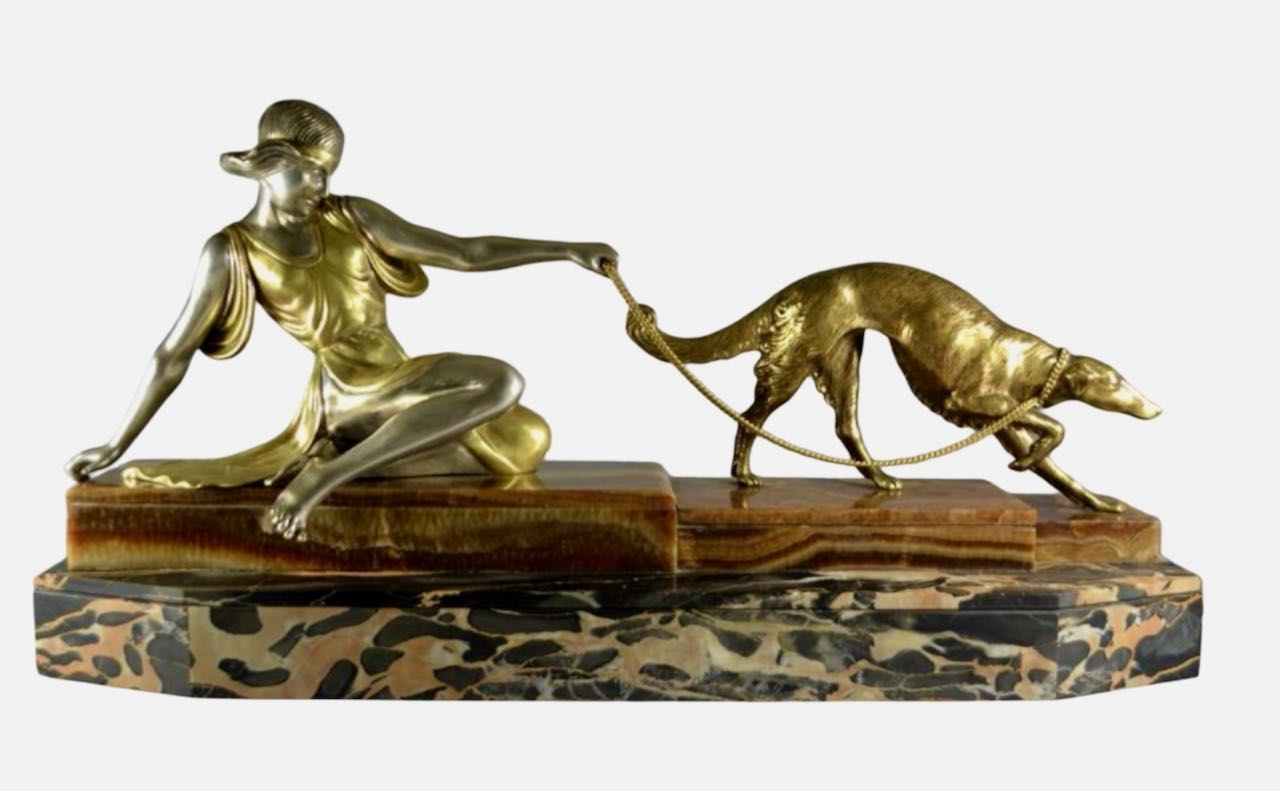
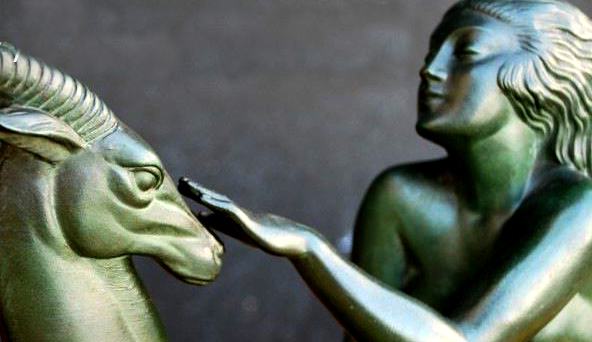
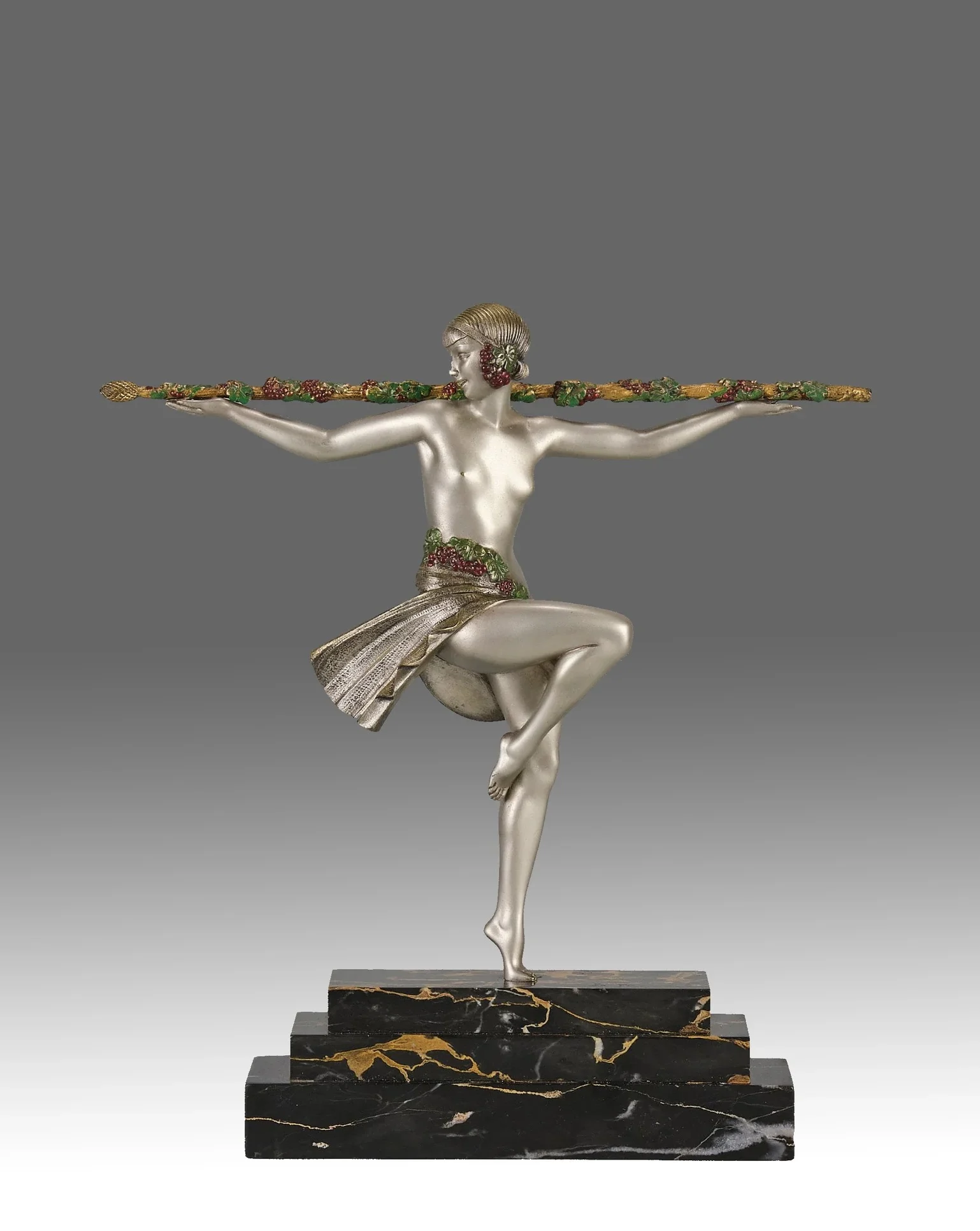
Sculpture flourished at every scale. The heroic figures on building facades were among the finest public art of the century. At the other end of the scale, the small chryselephantine figures cast in bronze and ivory by Demétre Chiparus and Pierre Le Faguays captured the period’s fascination with dancers and performers with an extraordinary refinement of finish. The stylized animals of François Pompon and Édouard-Marcel Sandoz showed that the same geometric sensibility applied to the natural world with equal grace. In glass, René Lalique treated the material almost as sculpture, producing vases, statuettes, and illuminated panels for ocean liners and railway cars that remain among the most collectible objects of the twentieth century.
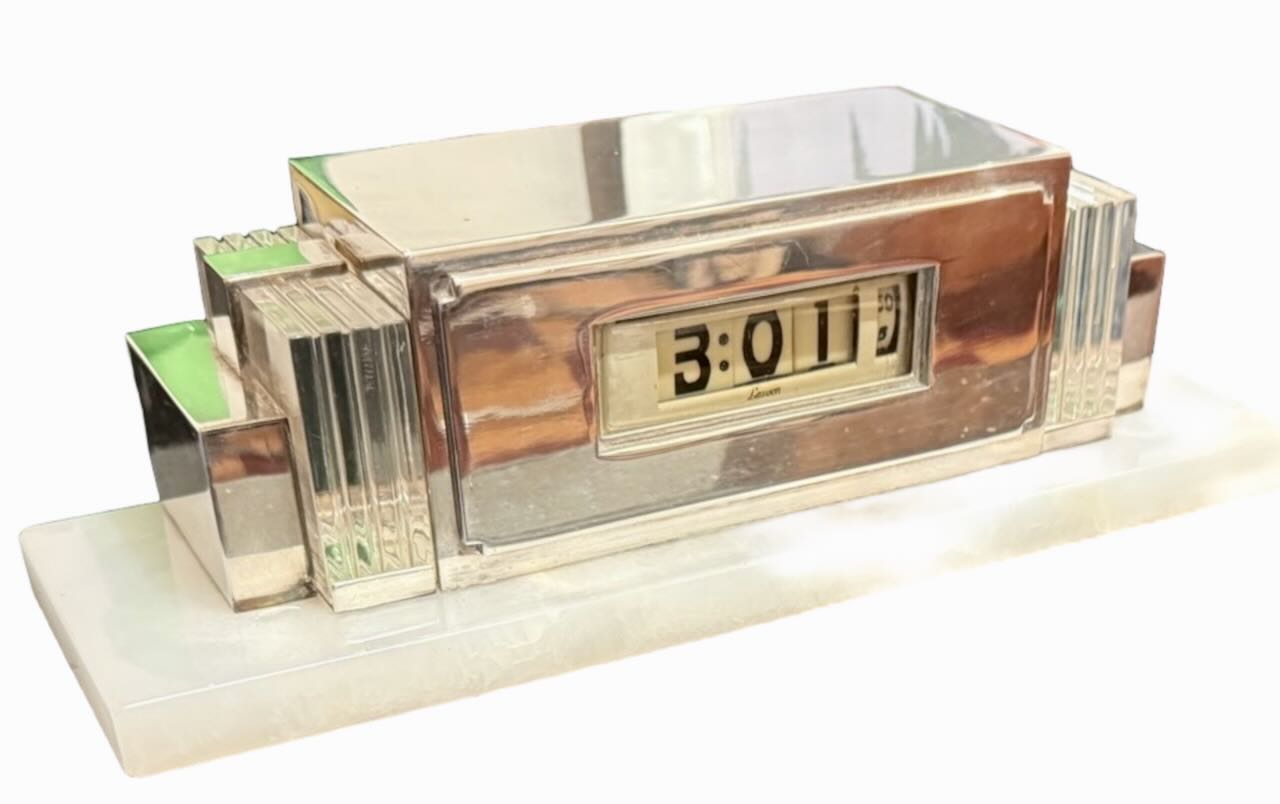
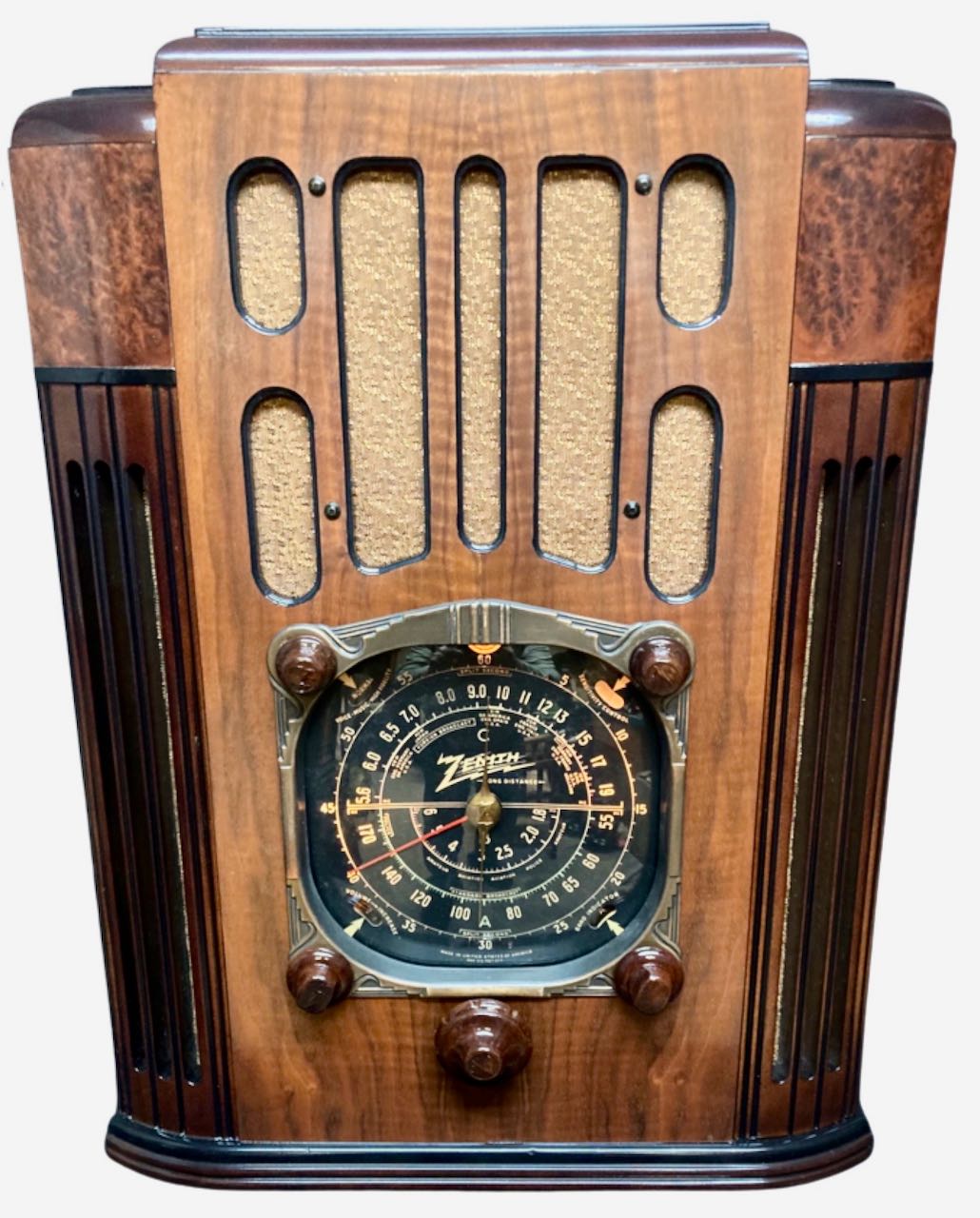
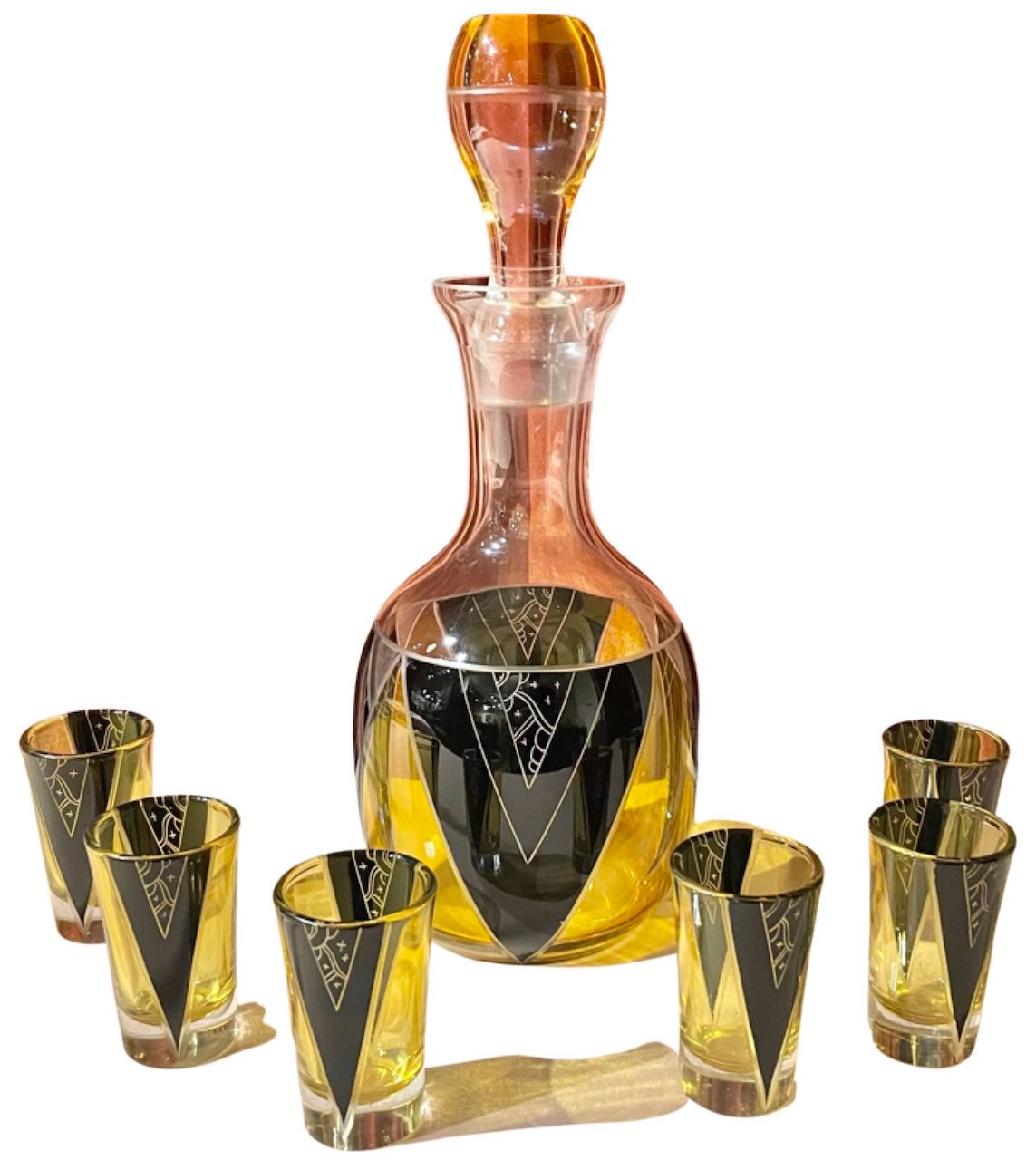
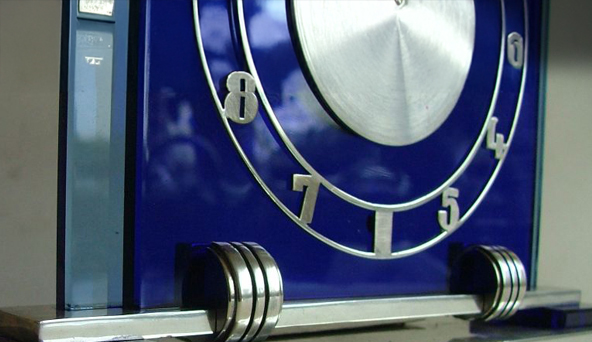
 Beyond the major categories, the style ran through nearly everything a modern home contained. Jewelry by Cartier, Boucheron, and Van Cleef and Arpels set bright stones in geometric patterns and turned bracelets, brooches, and cigarette cases into small machines of luxury. Mantel clocks took on stepped and architectural forms that echoed the skyline outside the window. Rugs were reinvented as fields of bold geometric pattern. Lighters, compacts and vanity cases, and the molded Bakelite radios that put modern design in millions of living rooms completed the picture of a style that refused to leave any surface unaddressed. It is this range, from a one-off Paris cabinet to a mass-market plastic radio, that makes Art Deco such a deep and rewarding field for collectors today.
From the Collection
Pieces in the spirit of the period
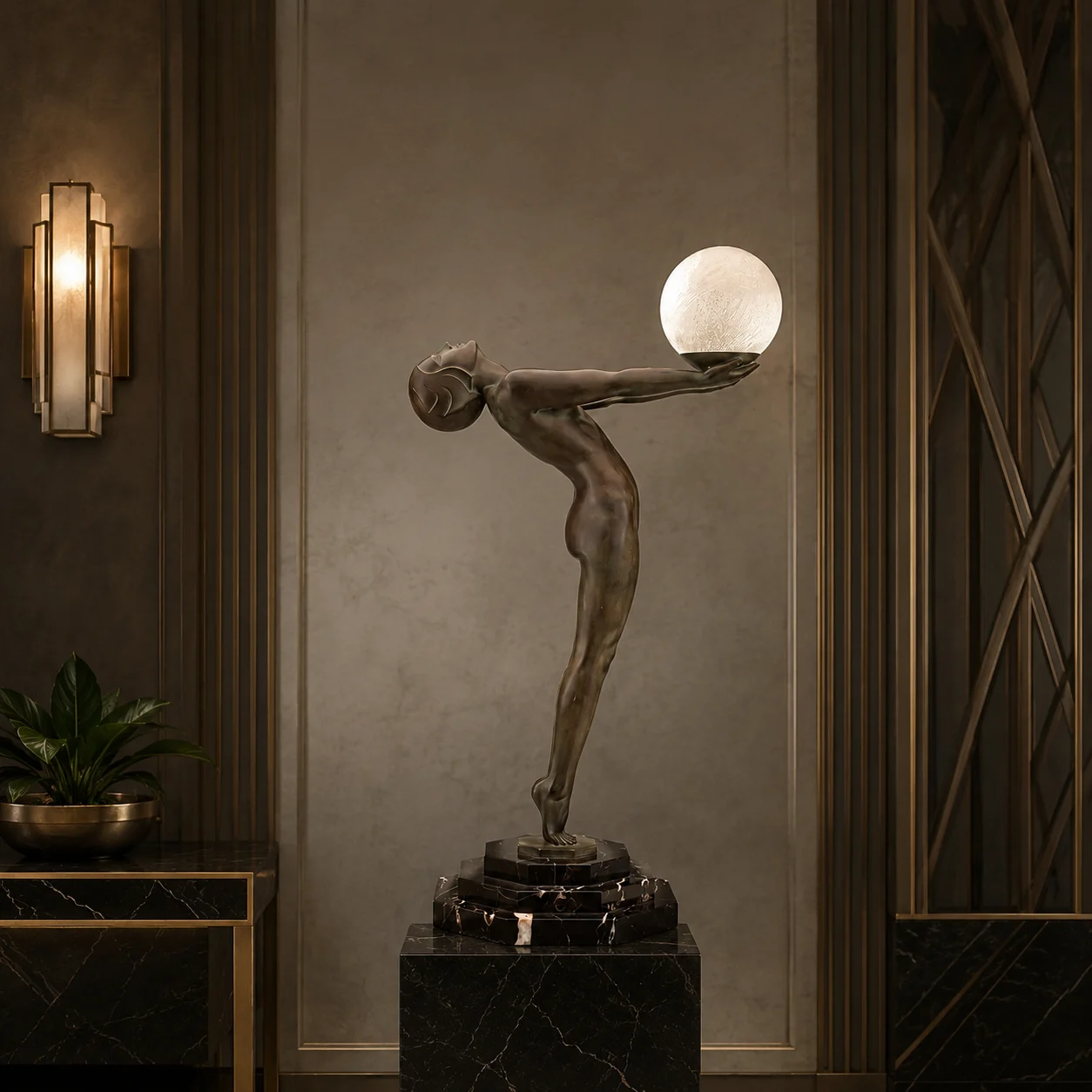
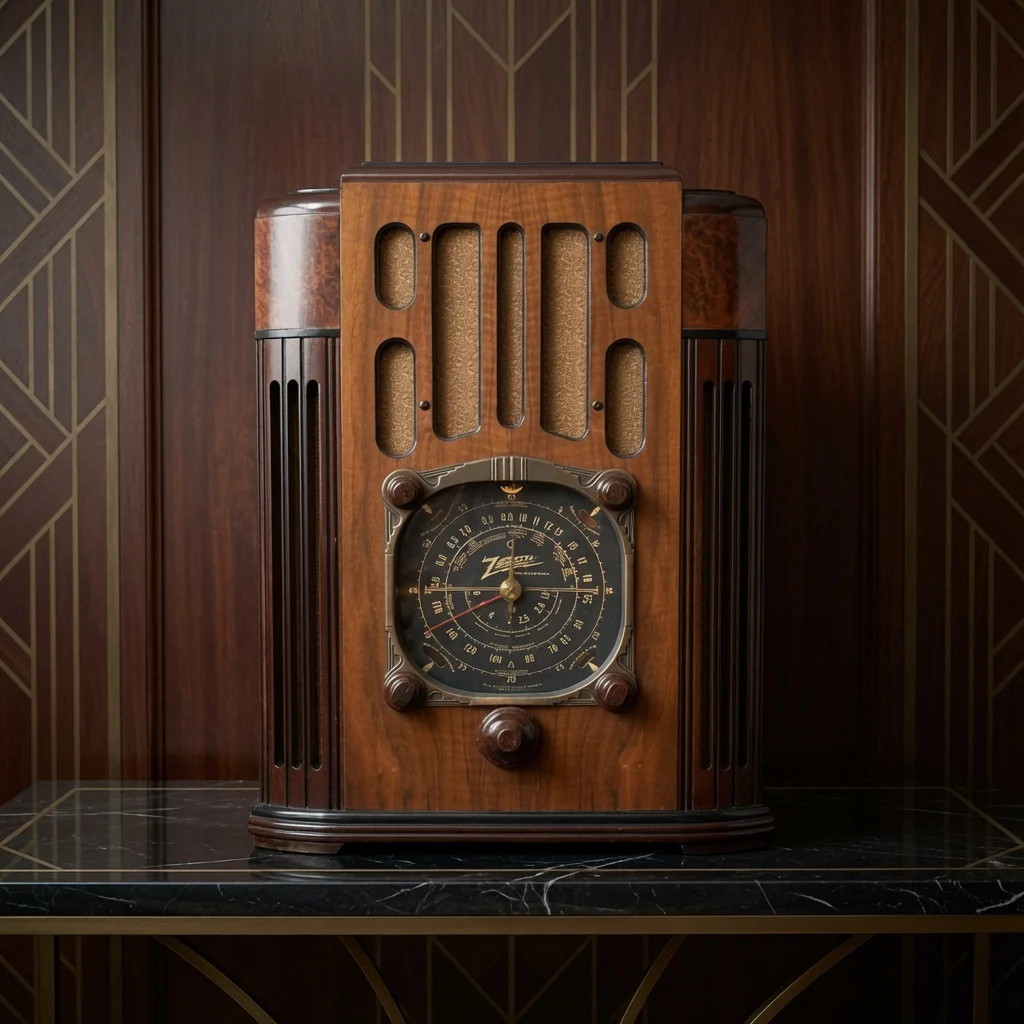
Art, posters, and graphic design
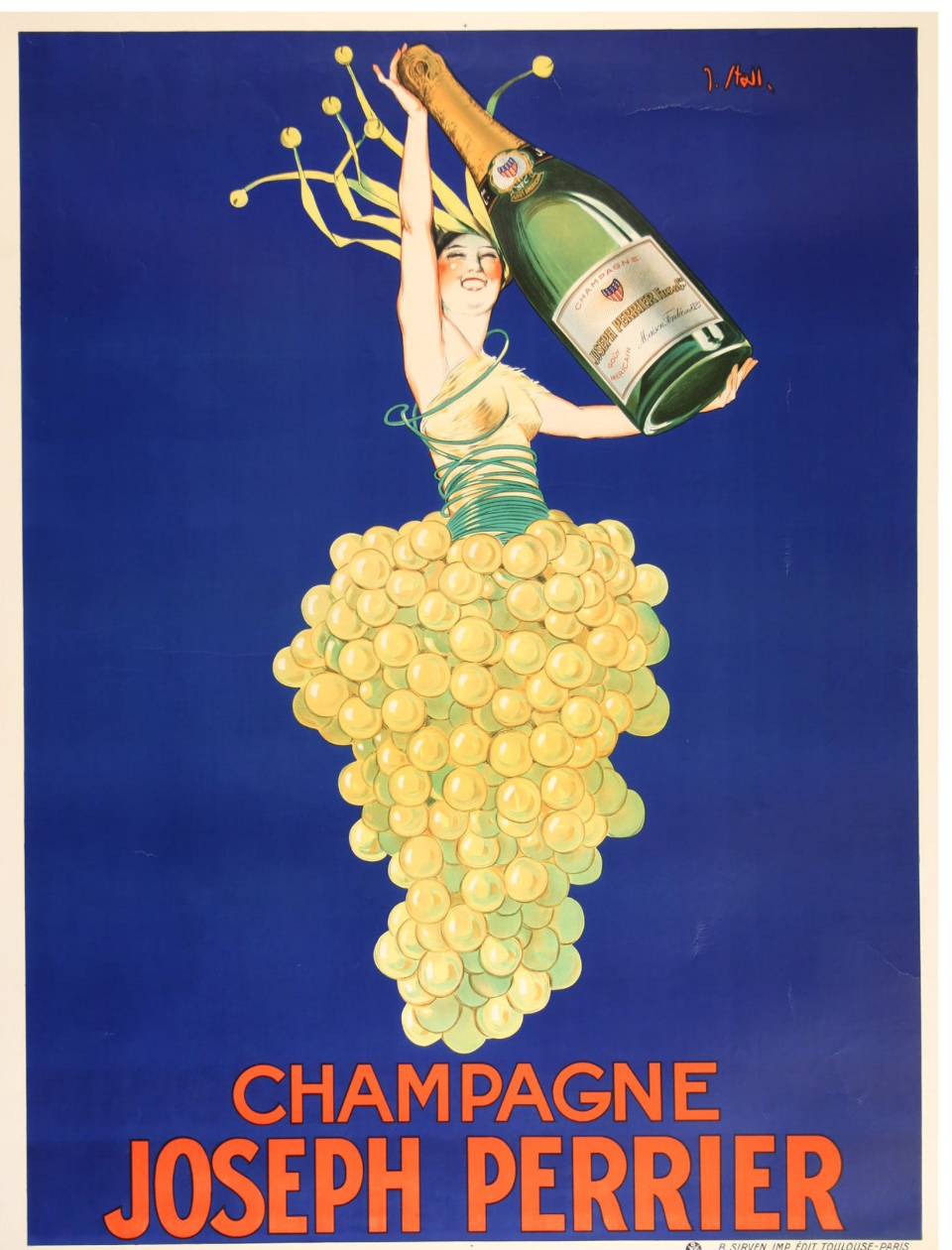
Art Deco produced one of the great ages of the poster. The flowing imagery of the Art Nouveau era gave way to bold, simplified compositions built around a single subject set against a flat field of color, and the results were some of the most powerful graphic design ever made. Cassandre‘s poster for the ocean liner Normandie, with its towering hull seen from directly below, is as compelling today as it was in 1935. Travel posters for steamship lines and airlines turned the romance of modern travel into art, and designers like Roger Broders and Paul Colin brought the same clarity and confidence to advertising and fashion illustration. The period’s graphic language, its bold typography, its flat color, its geometric framing, fed directly into the visual culture of the twentieth century and has never entirely left it.
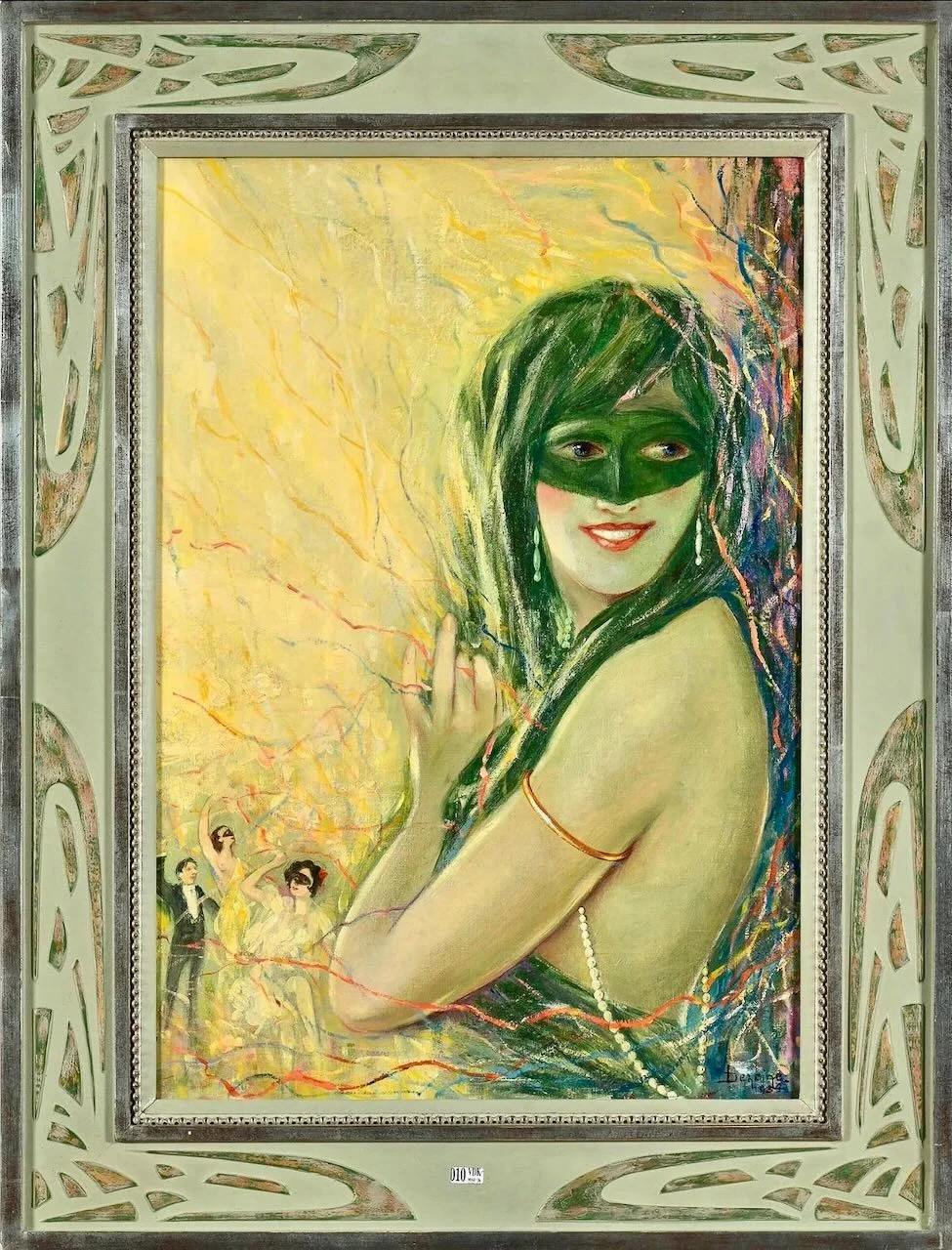
In painting the style found its most celebrated voice in Tamara de Lempicka, whose portraits combined the angular planes of Cubism with a cool, charged glamour that was entirely her own. Jean Dupas decorated the grand salons of the Normandie with murals of mythological figures in a languorous Deco idiom, and the WPA murals commissioned for American public buildings through the 1930s brought the same decorative ambition to post offices, courthouses, and schools across the country. The neon sign, arriving in America in the late 1920s, turned the modern street into something that looked at night like a living Art Deco poster, and the best examples of the form were works of considerable artistry.
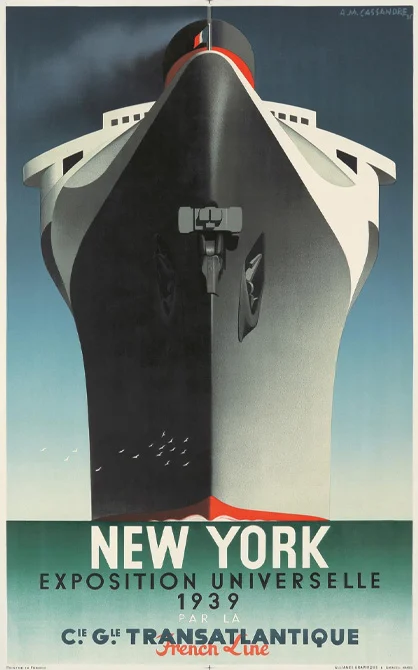
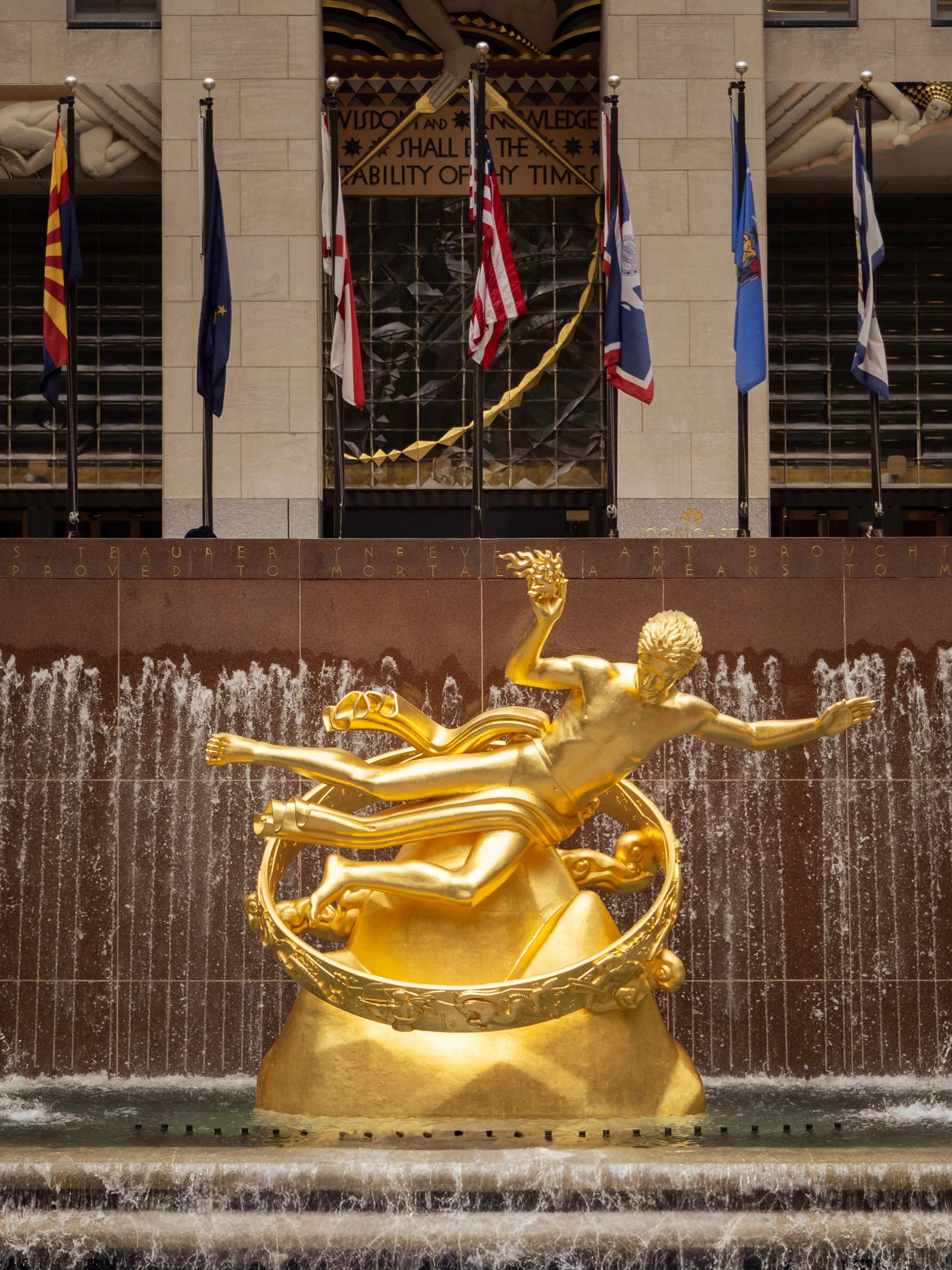
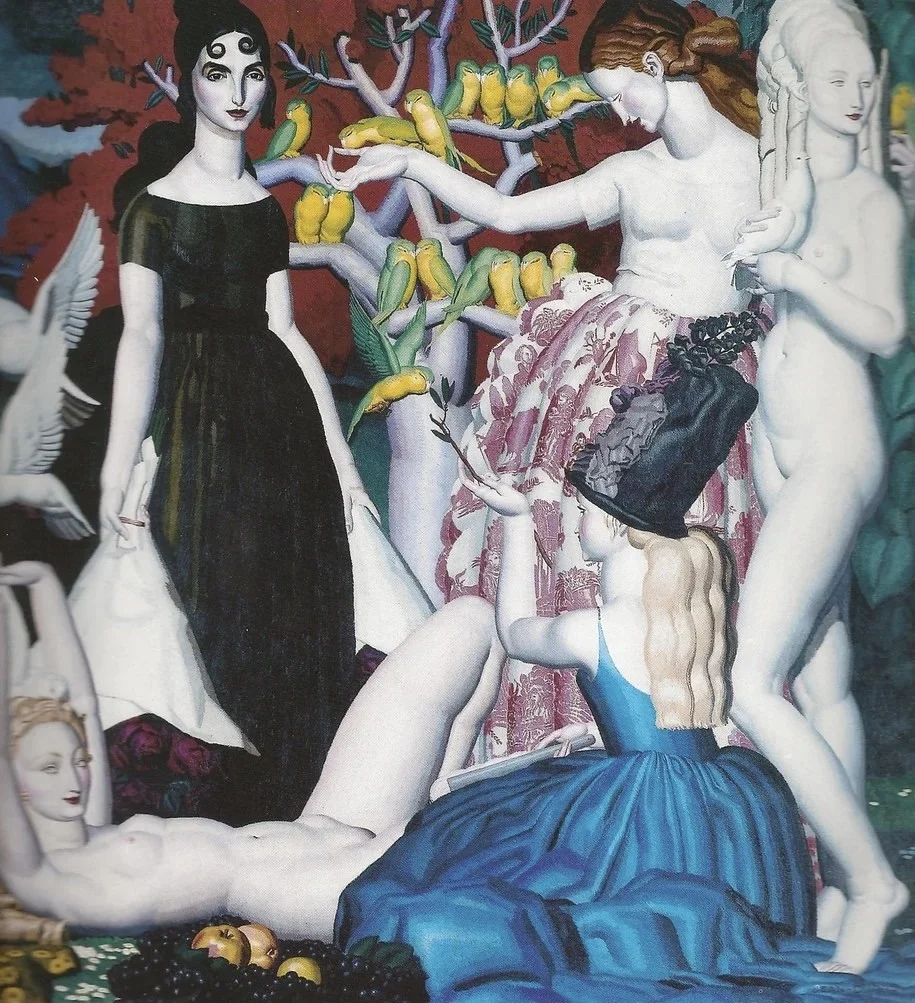
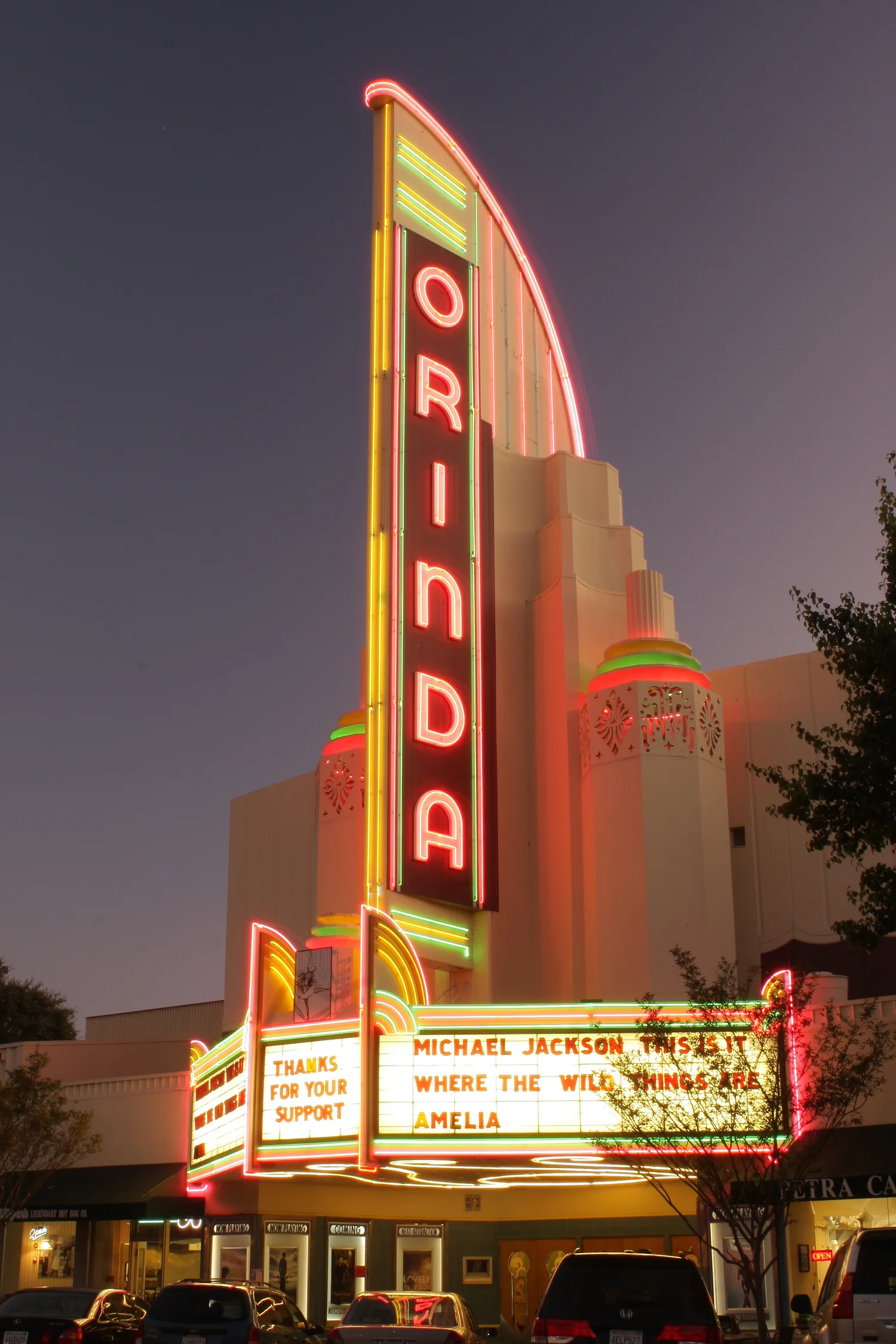
Left: Normandie, A.M. Cassandre, French Line, 1935, Center Left: Prometheus, Paul Manship, Rockefeller Center, New York, 1934, Center Right: Les Perruches, Jean Dupas, 1925, Right: Orinda Theatre marquee, Alexander Cantin, Orinda, California, 1941
Fashion, film, and the modern body
Fashion moved in lockstep with the rest of the style. Paul Poiret had already swept away the corseted silhouette of the previous era before the war, and Coco Chanel completed the transformation in the 1920s, popularizing a sporty, modern ease that made the elaborate dress of the Belle Époque look as dated as a Beaux-Arts column. The flapper, with her bobbed hair, her dropped waist, and her geometric beading, was the human embodiment of the Art Deco sensibility, and the jewelry, shoes, handbags, and accessories that surrounded her were designed with the same geometric precision as the buildings going up outside. Illustrators like George Barbier and J.C. Leyendecker defined the visual language of the period in the pages of fashion magazines, while photographers like Edward Steichen gave the era its most enduring portraits. Hollywood amplified all of it. The great studios of the 1930s built sets that were essentially Art Deco showrooms, and art directors like Cedric Gibbons dressed their stars in interiors that carried the style to every corner of the world.
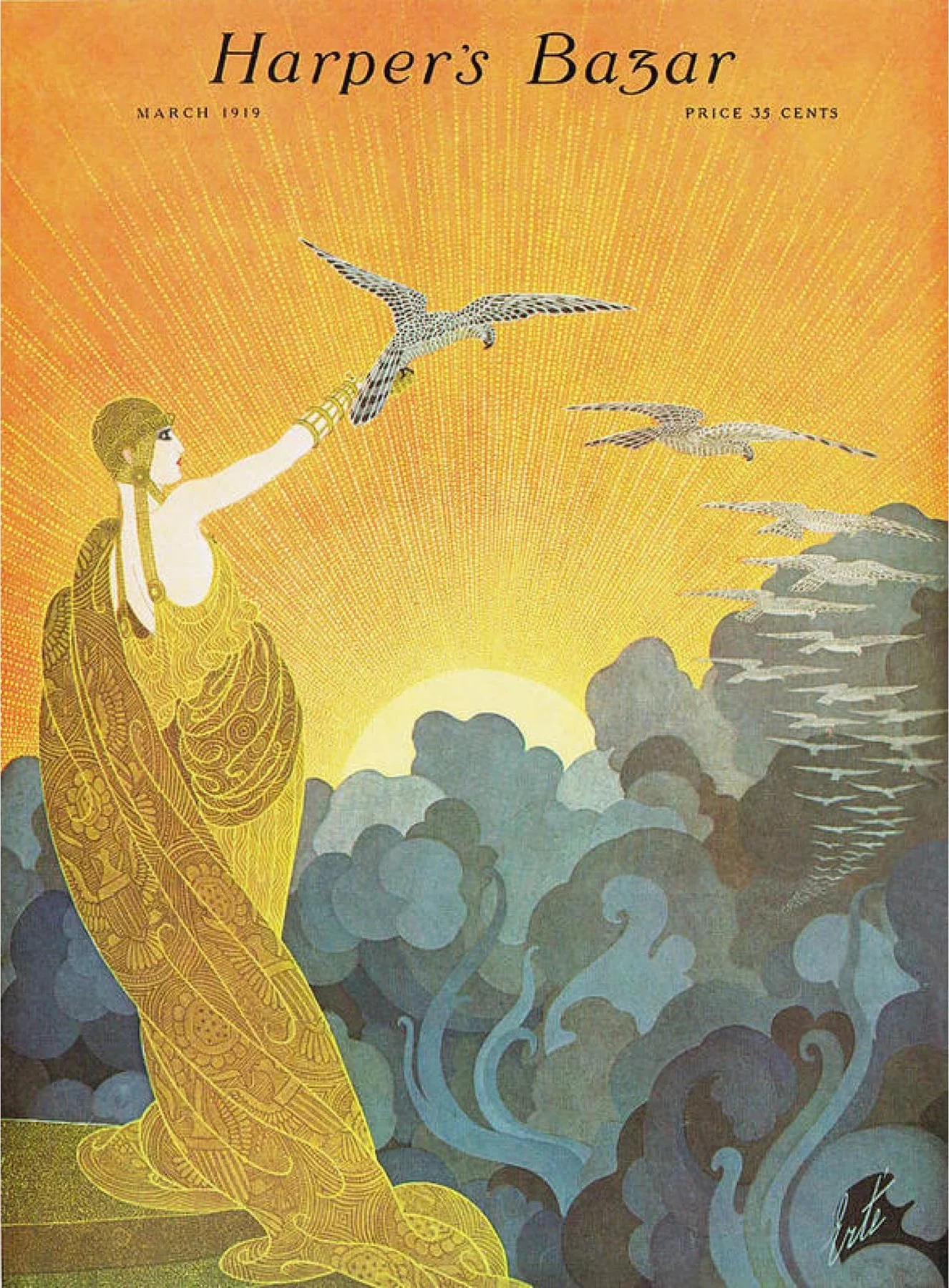
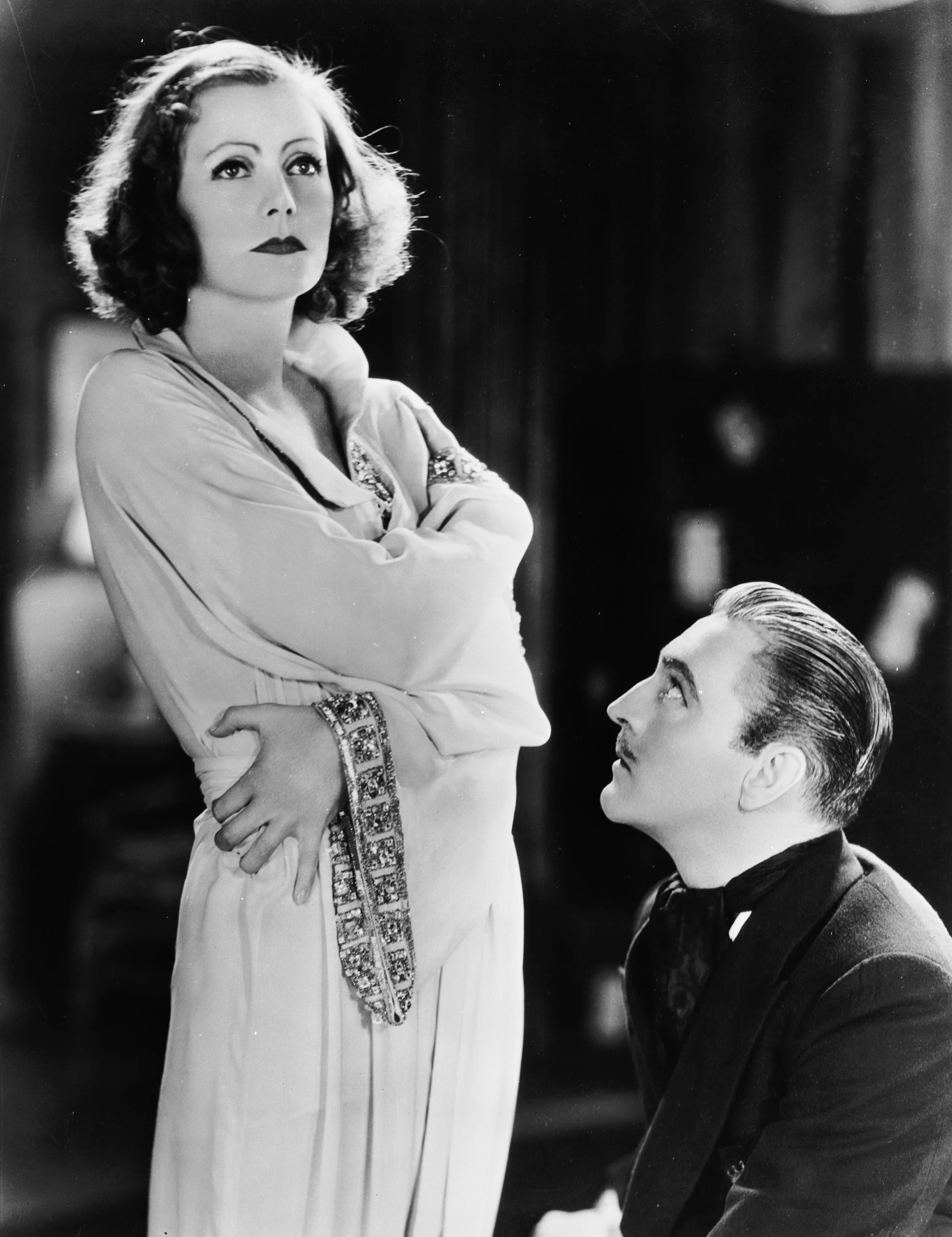
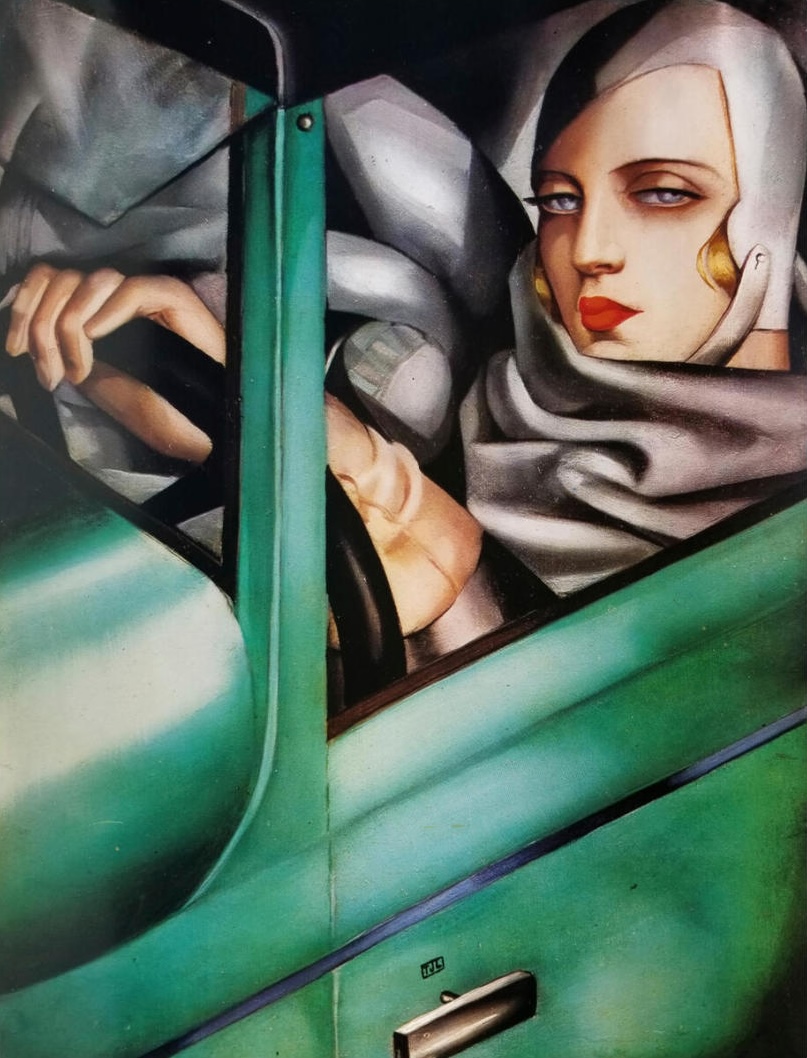
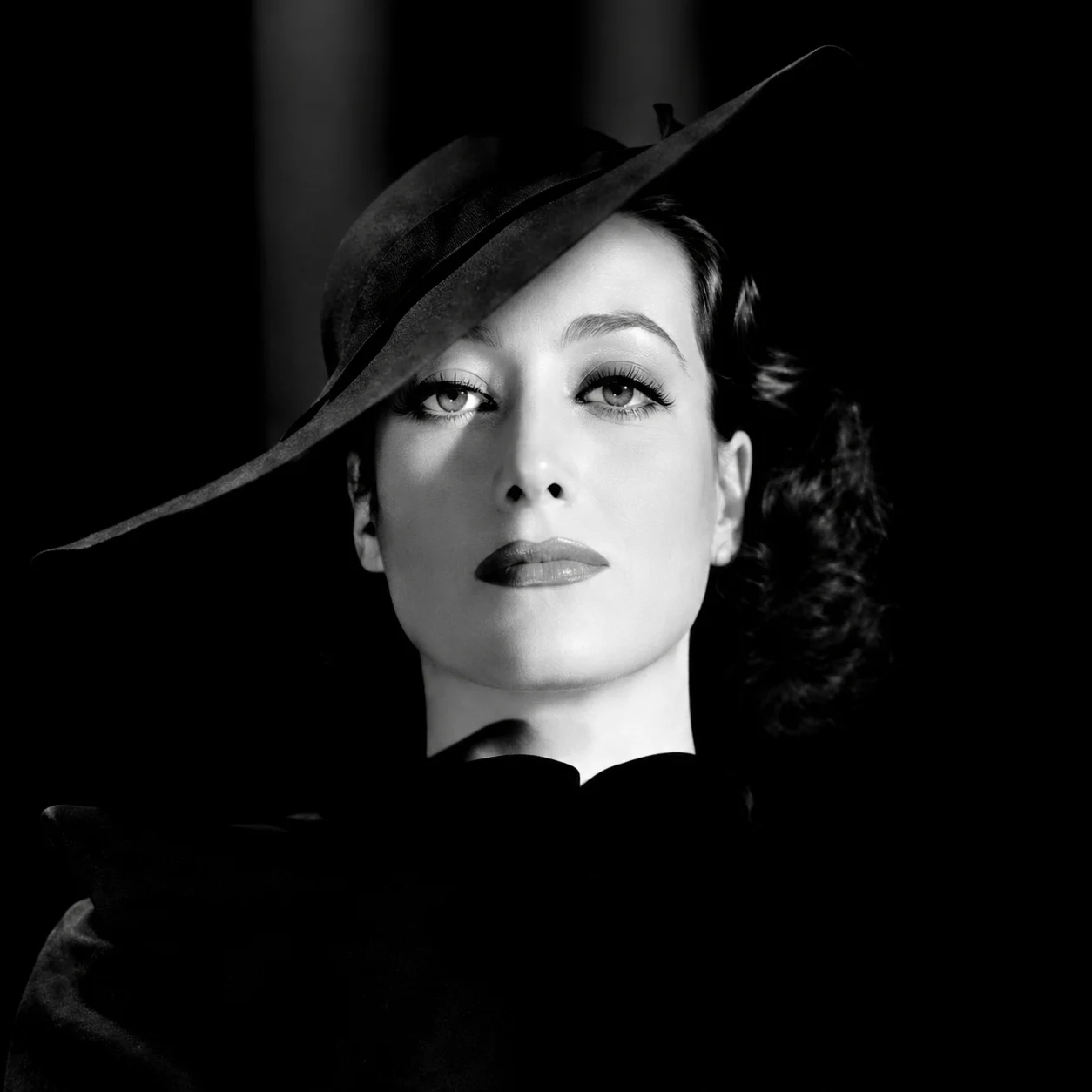
Left: Wings of Victory, Romain de Tirtoff, Harper’s Bazaar, 1919, Center Left: Grand Hotel, MGM, Cedric Gibbons art direction, 1932, Center Right: Autoportrait, Tamara de Lempicka, 1929, Right: Joan Crawford, George Edward Hurrell 1930
Automobiles, trains, and ocean liners
The period’s love of speed and modern technology found its fullest expression in transportation. The automobile was transformed from a mechanical curiosity into a designed object of beauty, and the great custom coachbuilders of the 1920s and 1930s, Figoni et Falaschi, Saoutchik, and Castagna in Europe, produced bodies of sweeping, aerodynamic elegance that looked fast even standing still. The cars of the Bugatti family, the Delahaye 135, and the Talbot-Lago T150 are still considered among the most beautiful ever built. Industrial designers like Walter Dorwin Teague and Raymond Loewy took the same aerodynamic sensibility and applied it to everything from locomotives to pencil sharpeners, and Norman Bel Geddes turned industrial design itself into a form of futurist theater.
The ocean liner was the period’s grandest stage. The great ships of the 1930s, the Île de France, the Normandie, and the Queen Mary, were floating showcases of Art Deco at full strength, their salons and dining rooms outfitted by the period’s leading designers with lacquer panels, Lalique glass, geometric carpets, and bronze railings of extraordinary quality. The Normandie’s first-class dining room was larger than the Hall of Mirrors at Versailles and lit entirely through Lalique crystal pillars. These ships were not simply transport. They were the most ambitious total-design projects of the age, and the Style Paquebot, or ocean liner style, crossed back from the sea onto land, showing up in the rounded corners, porthole windows, and pipe railings of Streamline Moderne buildings worldwide.
Henry Dreyfuss‘s streamlined Hudson locomotive for the 20th Century Limited, introduced in 1938, clothed the machine in a smooth, tapering shroud that made it look like it was already moving at speed. The great flying boats of the era brought the same glamour to the air, and grand terminals like the Cincinnati Union Terminal, completed in 1933, showed what a Streamline station could be at its best, its half-dome concourse one of the finest interior spaces of the century. Travel in the Art Deco era was, by intention, an experience in itself.
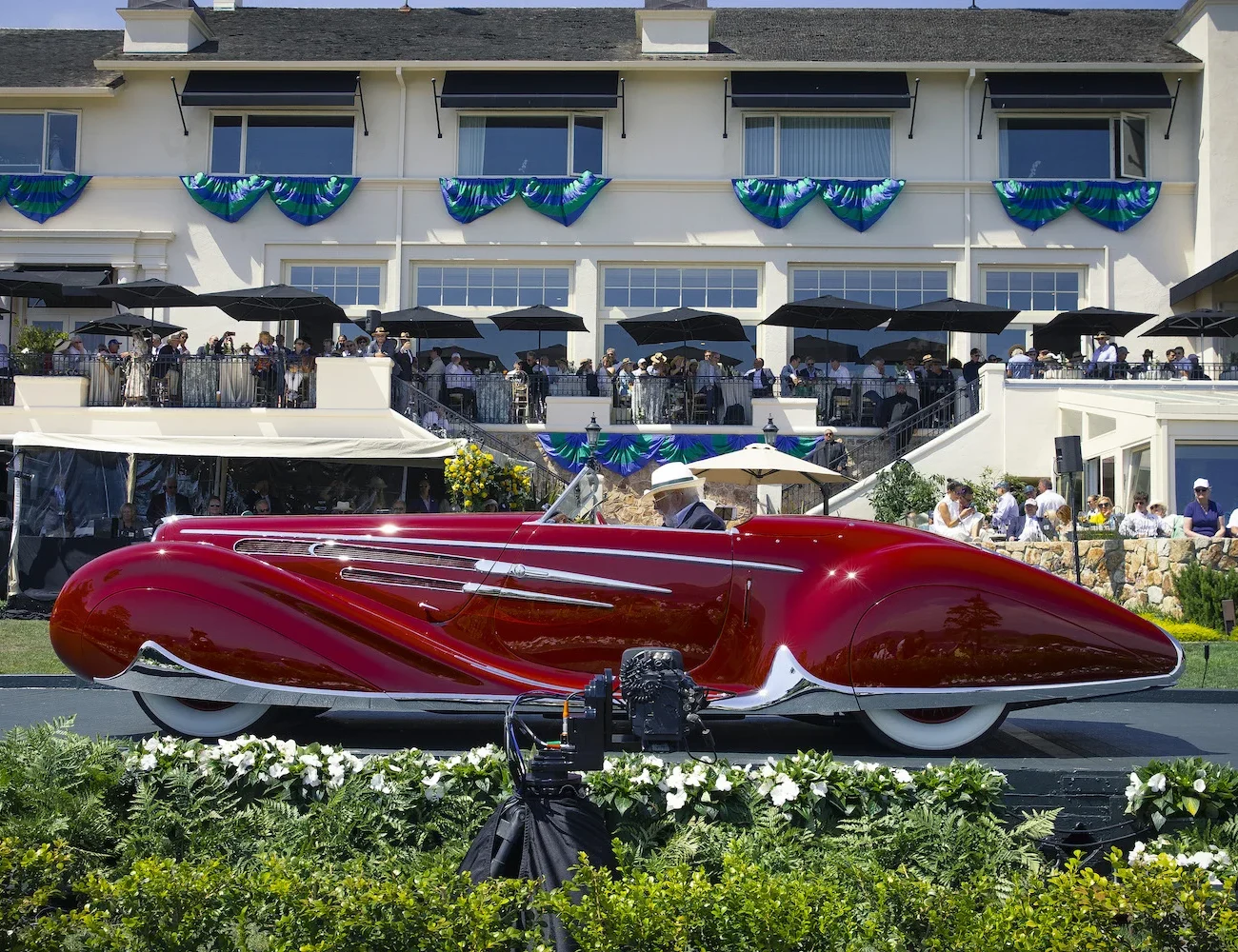
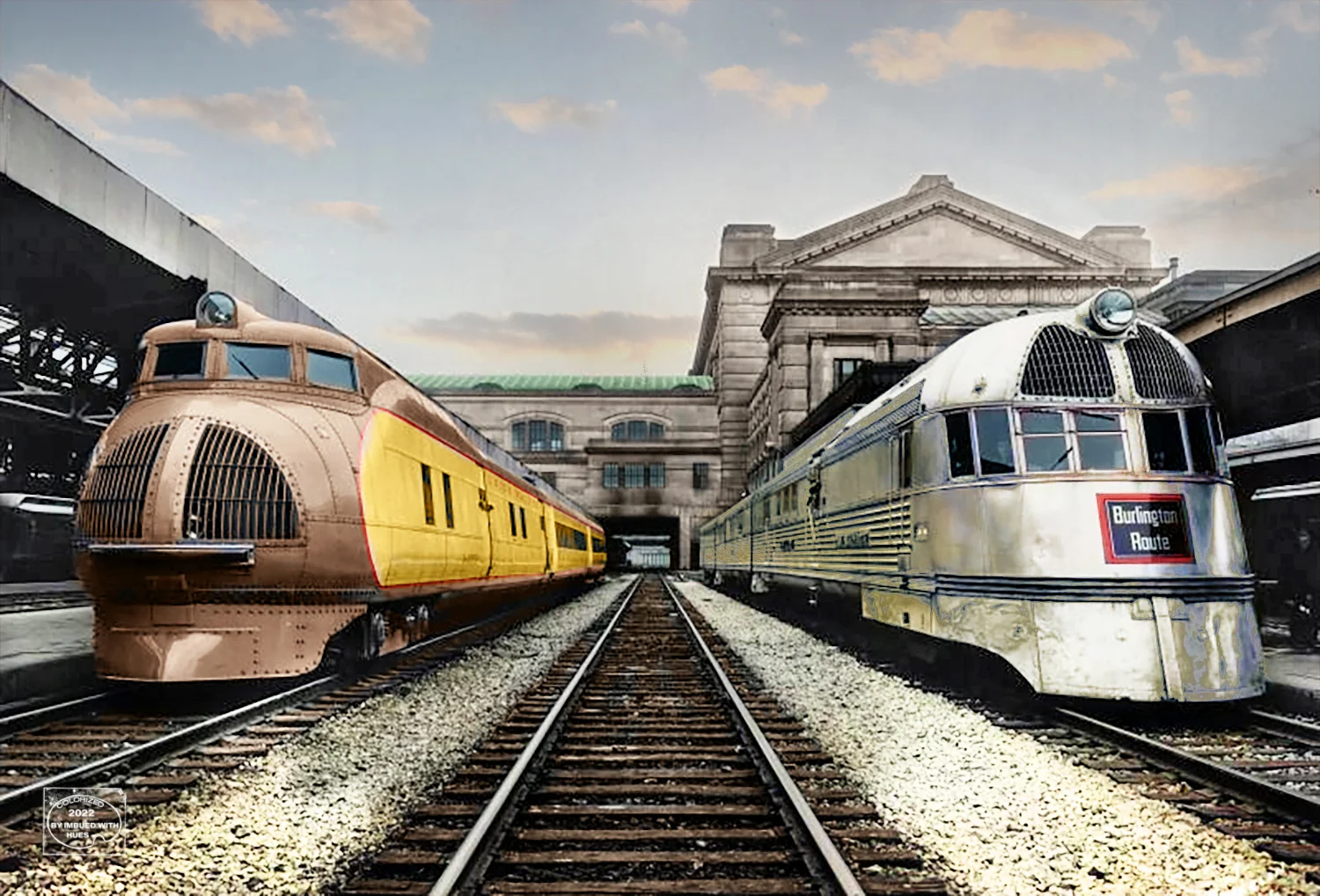
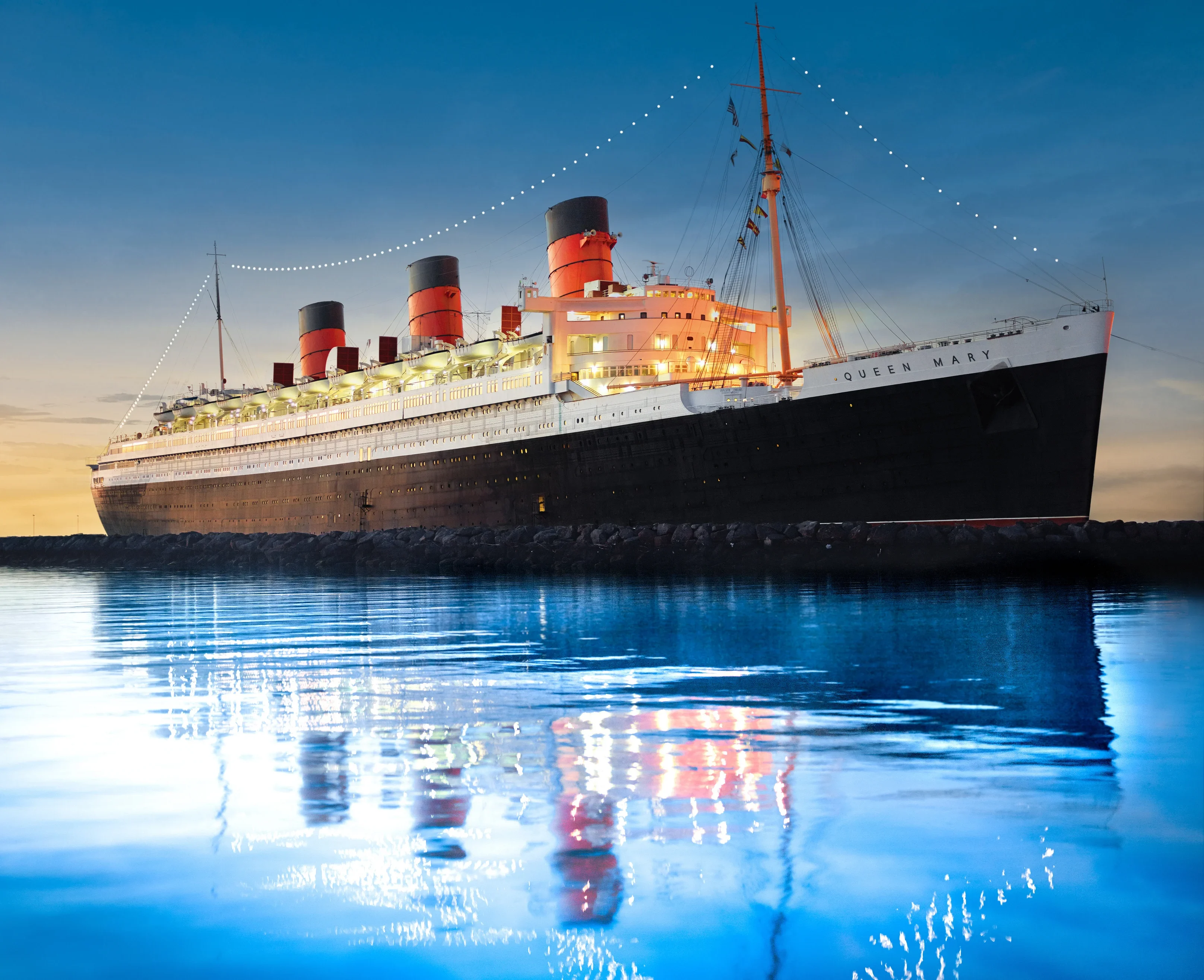
Left: Delahaye 165 Cabriolet, Figoni et Falaschi, 1939, Center: Pioneer Zephyr and Union Pacific M-10000, Kansas City Union Station, 1934, Right: RMS Queen Mary, Cunard Line, 1936
Art Deco around the world
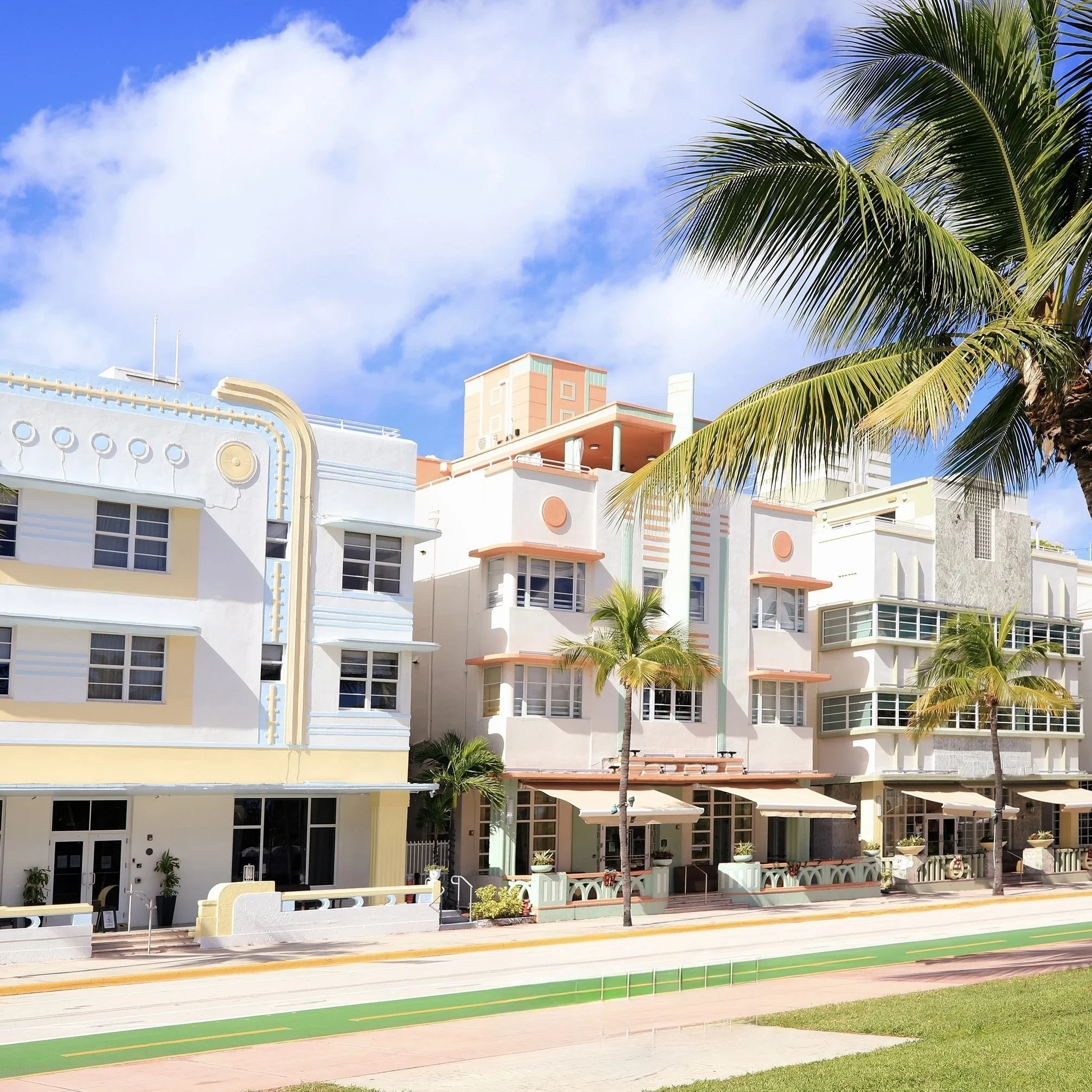
Art Deco was the first truly global design style. It spread from Paris along the trade and travel routes of the 1920s and 1930s, and almost every region bent it to local taste and materials. In the United States it became the language of the skyline, from the Chrysler and Empire State Buildings to the zigzag towers of Los Angeles, while Miami Beach gathered the largest concentration of the style in the world into a single pastel district. But Deco was never only American or French.
Paris: the birthplace, in apartment blocks and the 1925 fair that named it.
New York: the Chrysler Building and Rockefeller Center, Deco at its most monumental.
Miami Beach: the world’s largest concentration, in tropical pastels.
Los Angeles: zigzag towers, theaters, and early Hollywood glamour.
Shanghai: the towers and hotels of the Bund, Deco in an Eastern key.
Argentina: Buenos Aires holds one of the finest concentrations of the style outside Europe and North America.
Havana: home to the Bacardi Building, one of the finest Deco towers in the Americas.
London: cinemas, factories, and the great liners like the Queen Mary.
Amsterdam: the brick fantasies of the Amsterdam School and the Tuschinski cinema.
Brussels: refined European Deco such as the Villa Empain.
Mumbai: one of the largest collections of Deco buildings anywhere, along Marine Drive.
Napier: a New Zealand town rebuilt entirely in Deco after a 1931 earthquake.
Tel Aviv: the White City, a UNESCO World Heritage Site, holds the largest concentration of Modernist architecture in the world, built by European immigrants in the 1930s.
Rio de Janeiro: Brazilian Deco crowned by Christ the Redeemer.
Decline and revival
The qualities that made Art Deco soar also set the terms of its decline. Its luxury depended on wealthy clients, and the Depression of the 1930s thinned their ranks. The modernists were winning the longer argument in the architecture schools, and the Second World War halted new construction almost everywhere. Afterward, the plain, unadorned International Style of Le Corbusier and Mies van der Rohe became the dominant architectural language, and the design world moved toward what would become Mid-Century Modern. The great Deco period, barely two decades long, was over.
It did not stay forgotten for long. A revival began in the 1960s, led in part by the historian Bevis Hillier, who gave the style both its modern name and its first serious scholarly attention. Cities started saving their Deco cinemas and repurposing them as concert halls and cultural centers. Miami Beach protected its district. The period’s furniture, glass, and jewelry moved from junk shops to auction houses. Today the influence is everywhere again, in neo-Deco towers that consciously echo the old setbacks and silhouettes, in fashion houses that return to its geometry and glamour season after season, and in any design that wants to signal elegance and modern confidence at once. A century after the Paris fair that named it, Art Deco remains one of the most recognizable and best loved of all design styles, and the objects and buildings it produced continue to astonish.
A gallery of Art Deco


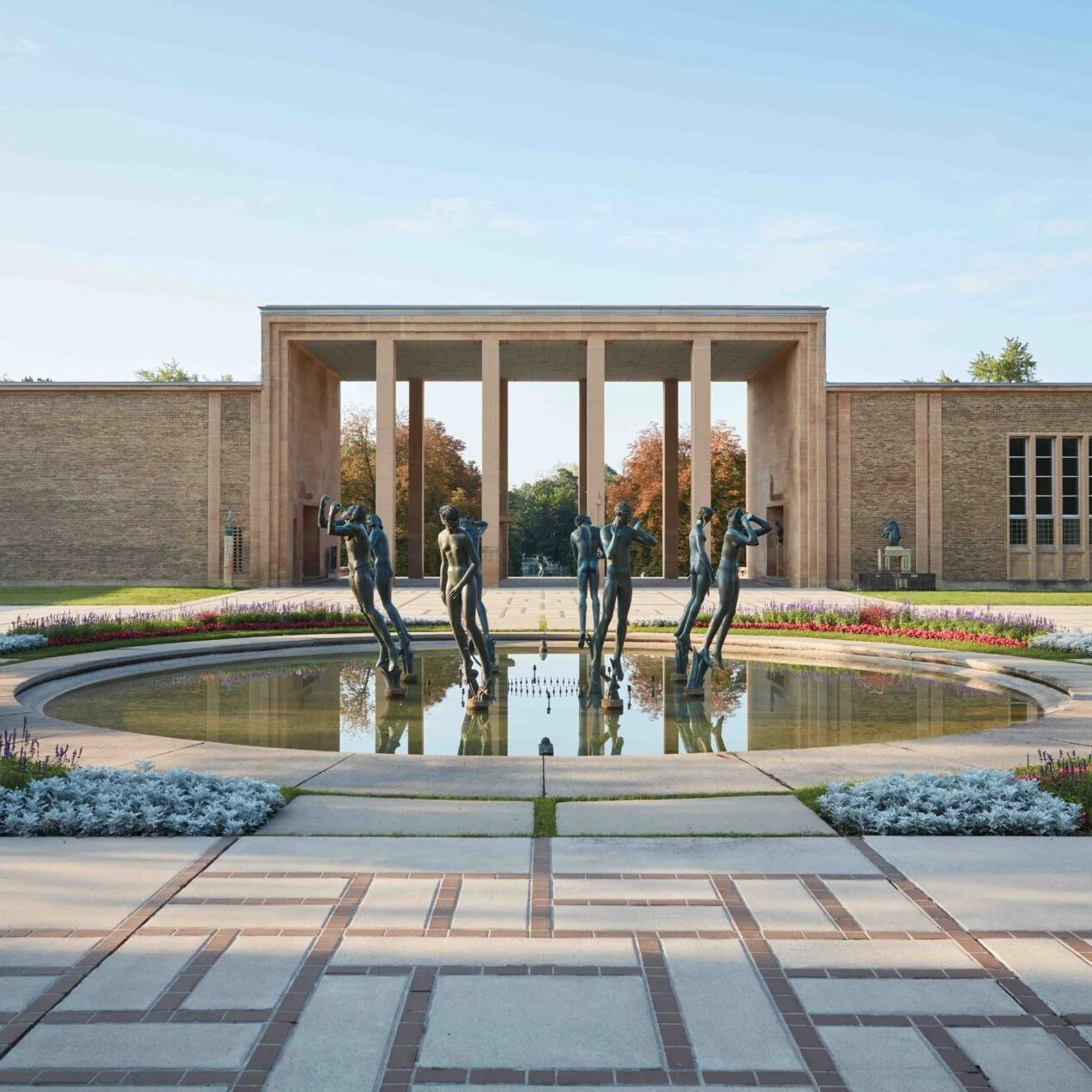
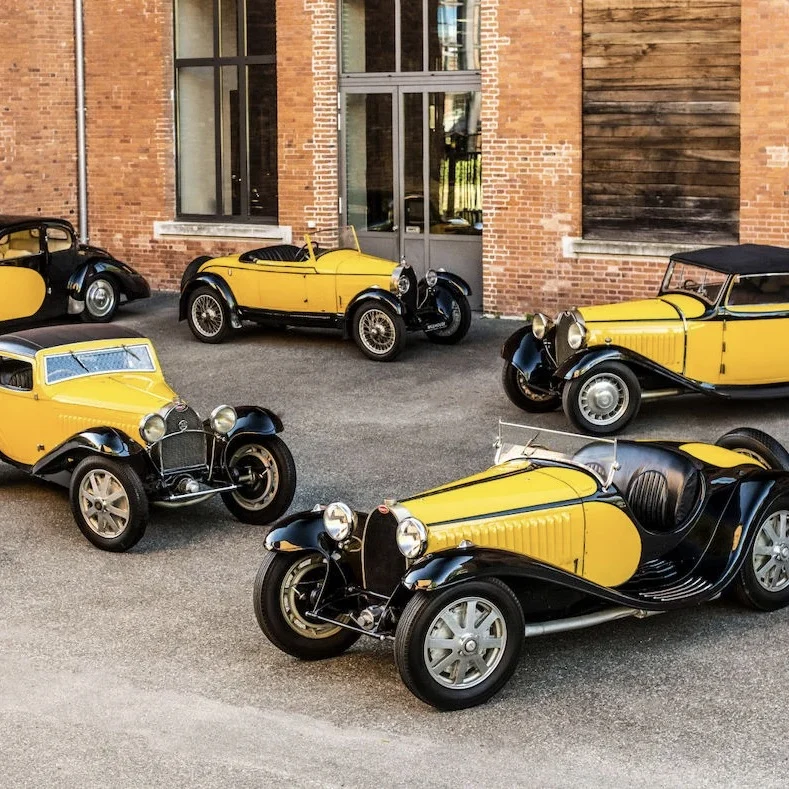
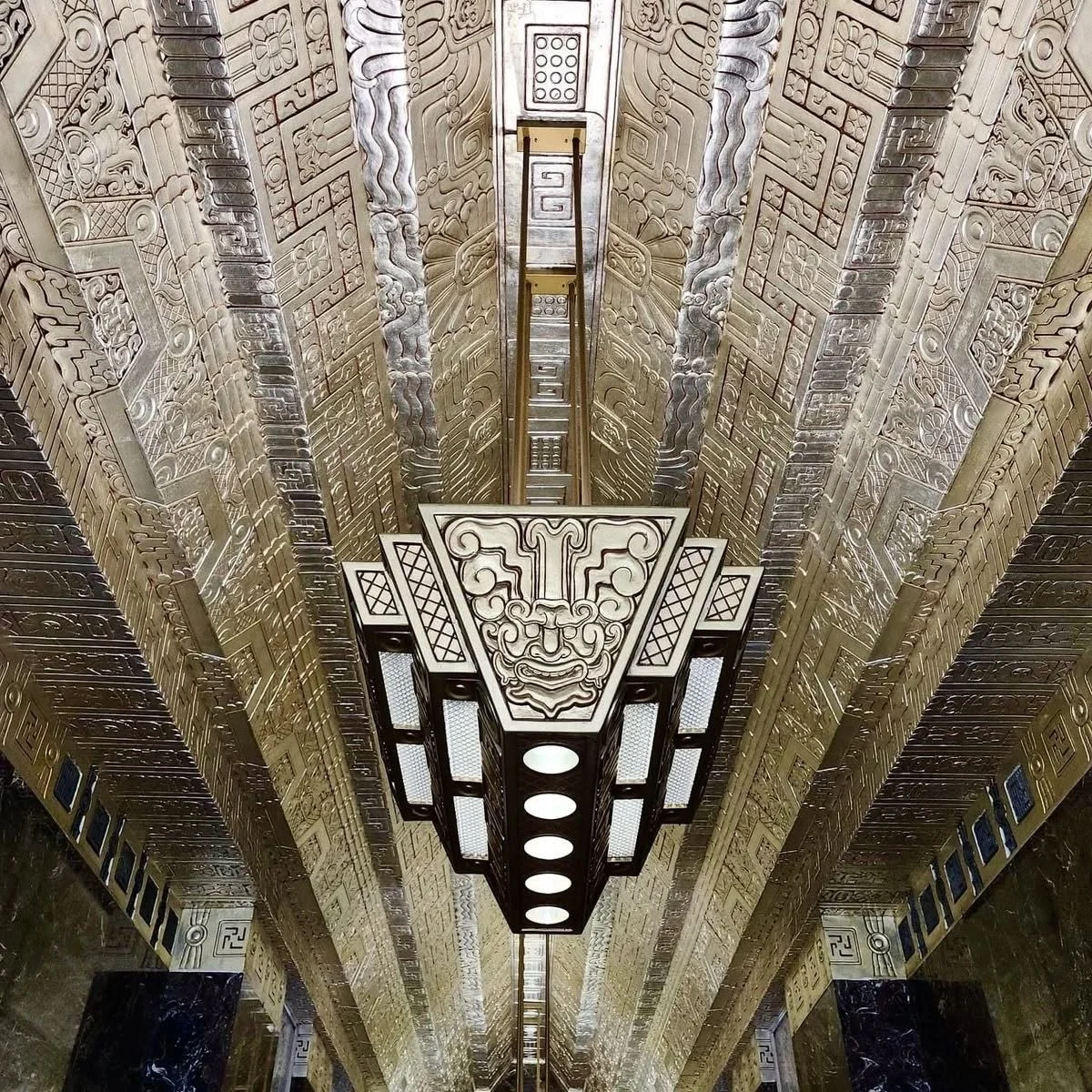
Keep exploring the world of Art Deco through our resource guide and collection.
| EXPLORE THE RESOURCE GUIDE | VIEW THE COLLECTION |

Products from ArtDecoCollection.com