


Henry Dreyfuss
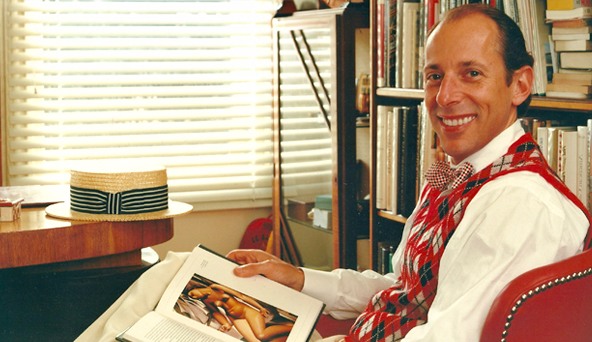
Henry Dreyfuss was born on March 2, 1904, in Brooklyn, New York, into a family with a theatrical supply business that likely connected him to his earliest work designing sets for stage presentations at a Broadway motion-picture theater. At age 17, he was already designing professionally, and he later studied as an apprentice under Norman Bel Geddes, who would go on to become one of his chief competitors. He produced some 250 stage sets for Broadway theaters before 1928, receiving special recognition for the cellblock set for The Last Mile, a 1930 production starring Spencer Tracy. In 1929, at the age of 25, he opened his own design firm rather than accept an offer from Macy’s, and that same year won a telephone design contest held by Bell Laboratories. He married Doris Marks, the daughter of the former borough president of Manhattan, who became his business partner and co-author, and together they had three children. Dreyfuss became a trustee of the California Institute of Technology in 1963 and was a longtime faculty member at UCLA. On October 5, 1972, Henry and Doris Dreyfuss died together by suicide; Doris was terminally ill at the time.
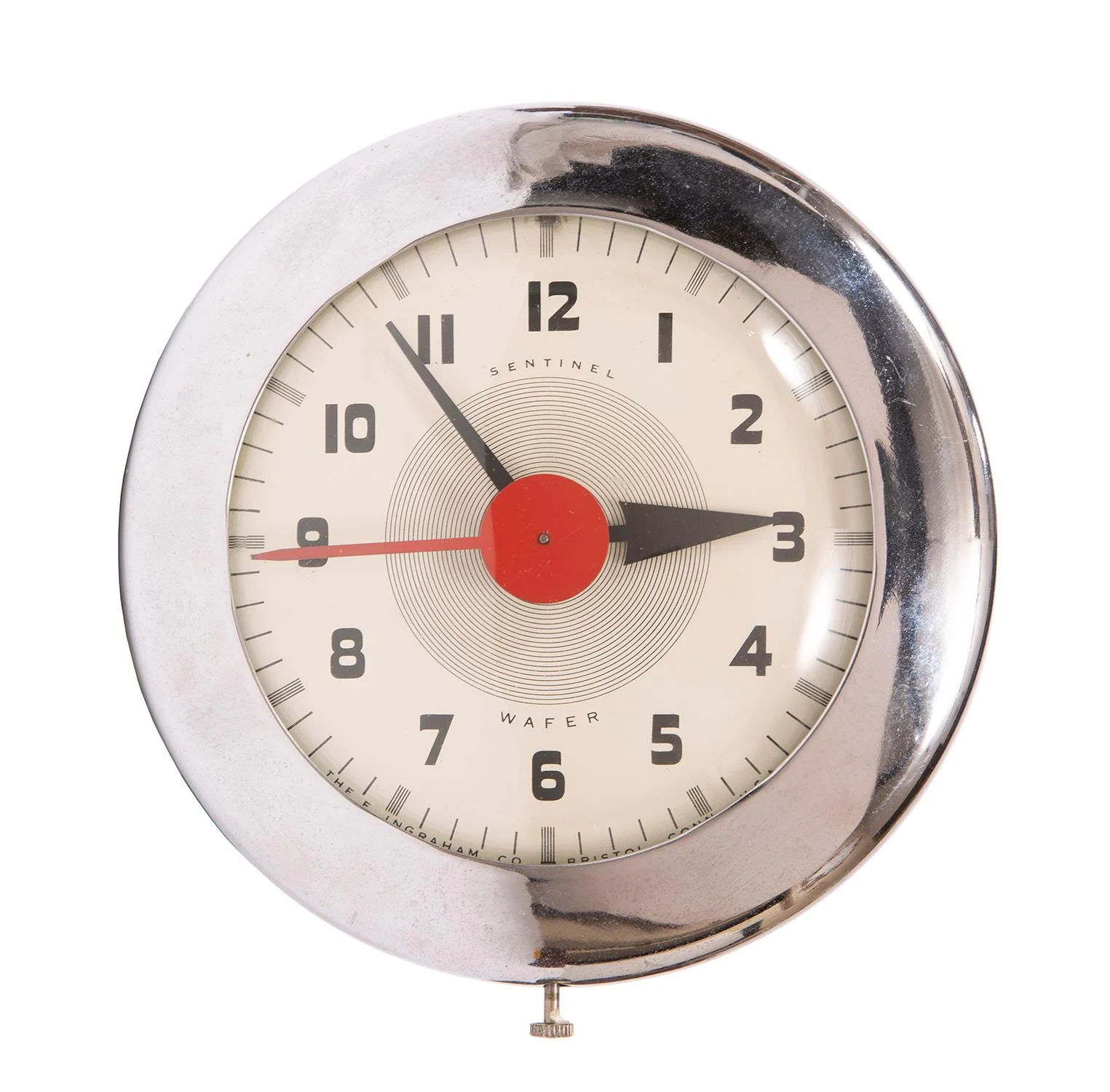
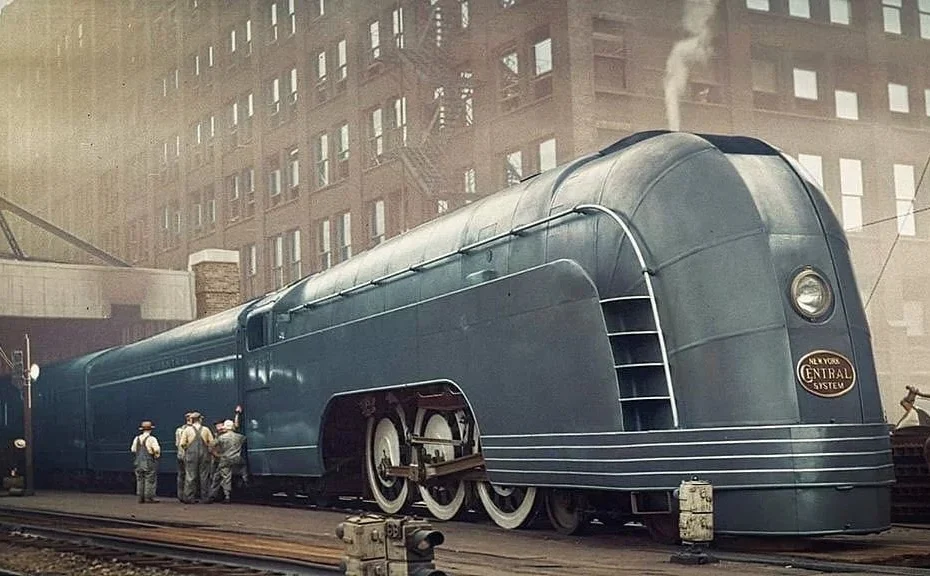
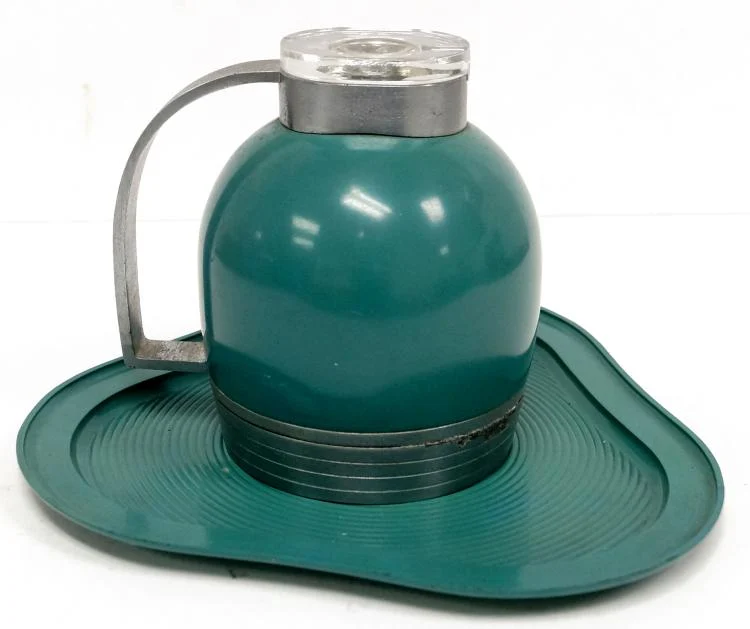
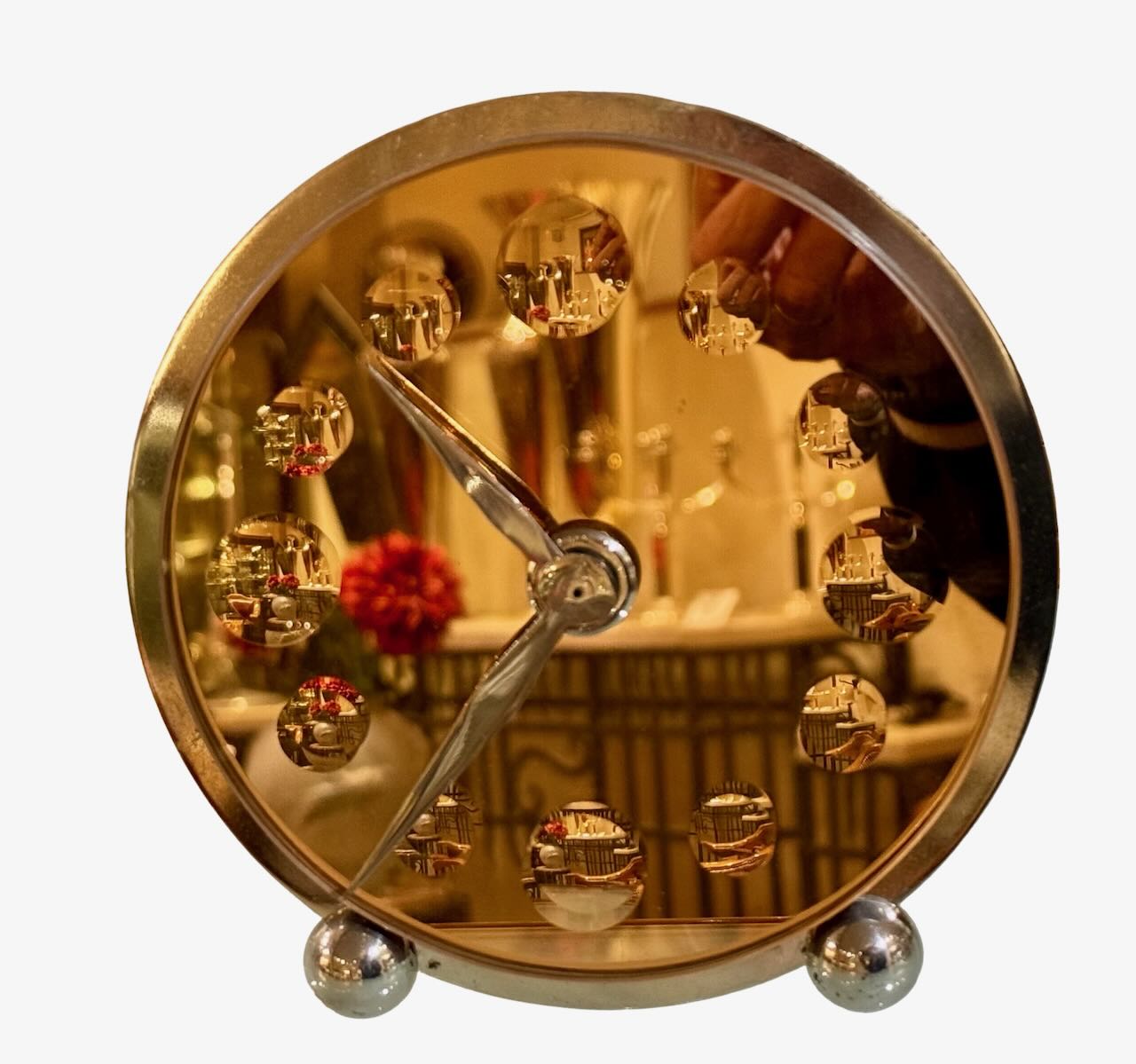
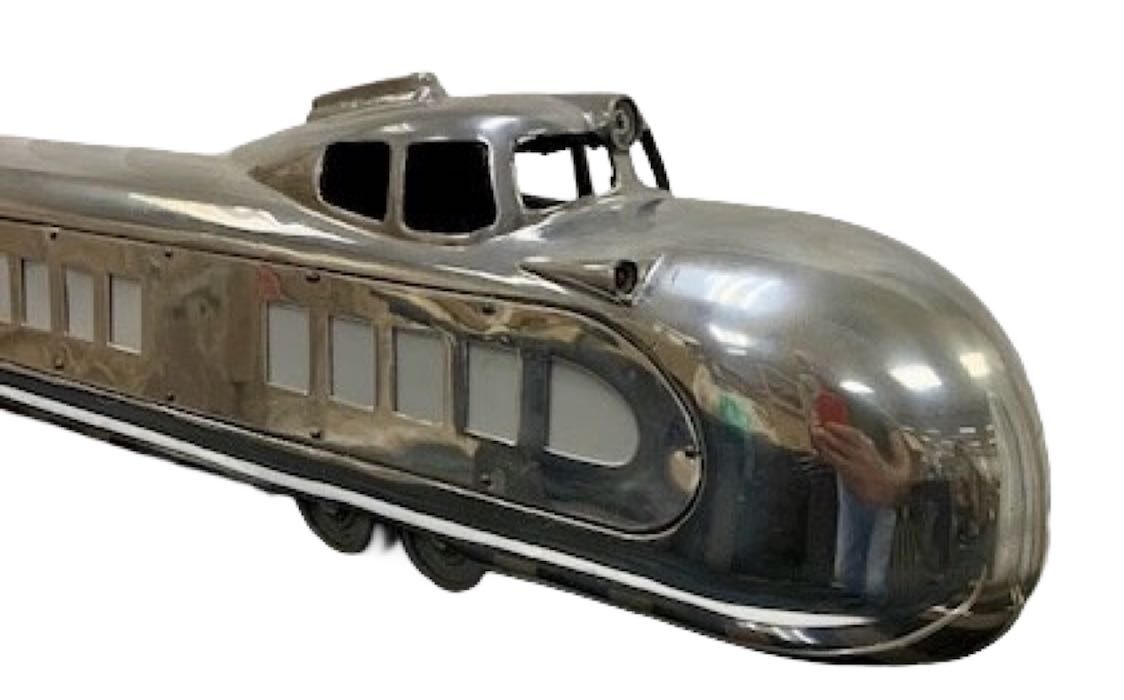
Dreyfuss’s collaboration with Bell Laboratories beginning in 1930 produced a series of landmark telephone designs, most notably the Western Electric Model 500 desk telephone, the Princess phone designed to fit a teenage girl’s hand, and the Trimline telephone. In 1933, he designed a flat-top refrigerator for General Electric that concealed the previously exposed refrigeration unit. He designed alarm clocks for Westclox, vacuum cleaners for Hoover, and in 1936 introduced the streamlined Mercury locomotive for New York Central Railroad, with cutout holes in the driver wheels lit by concealed spotlights at night. His 1938 redesign of John Deere’s Model A tractor launched a decades-long relationship that saw him eventually redesign the company’s entire tractor line. For the 1939 New York World’s Fair, he designed the Democracity model city of the future inside the Perisphere, as well as the AT&T Pavilion. His Honeywell T87 Round thermostat, introduced in 1953, became one of the most recognizable and enduring product designs of the century. In 1955, he published Designing for People, and in 1960, The Measure of Man, a collection of ergonomic reference charts that became essential tools for the profession. He served as the first president of the Industrial Designers Society of America in 1965.
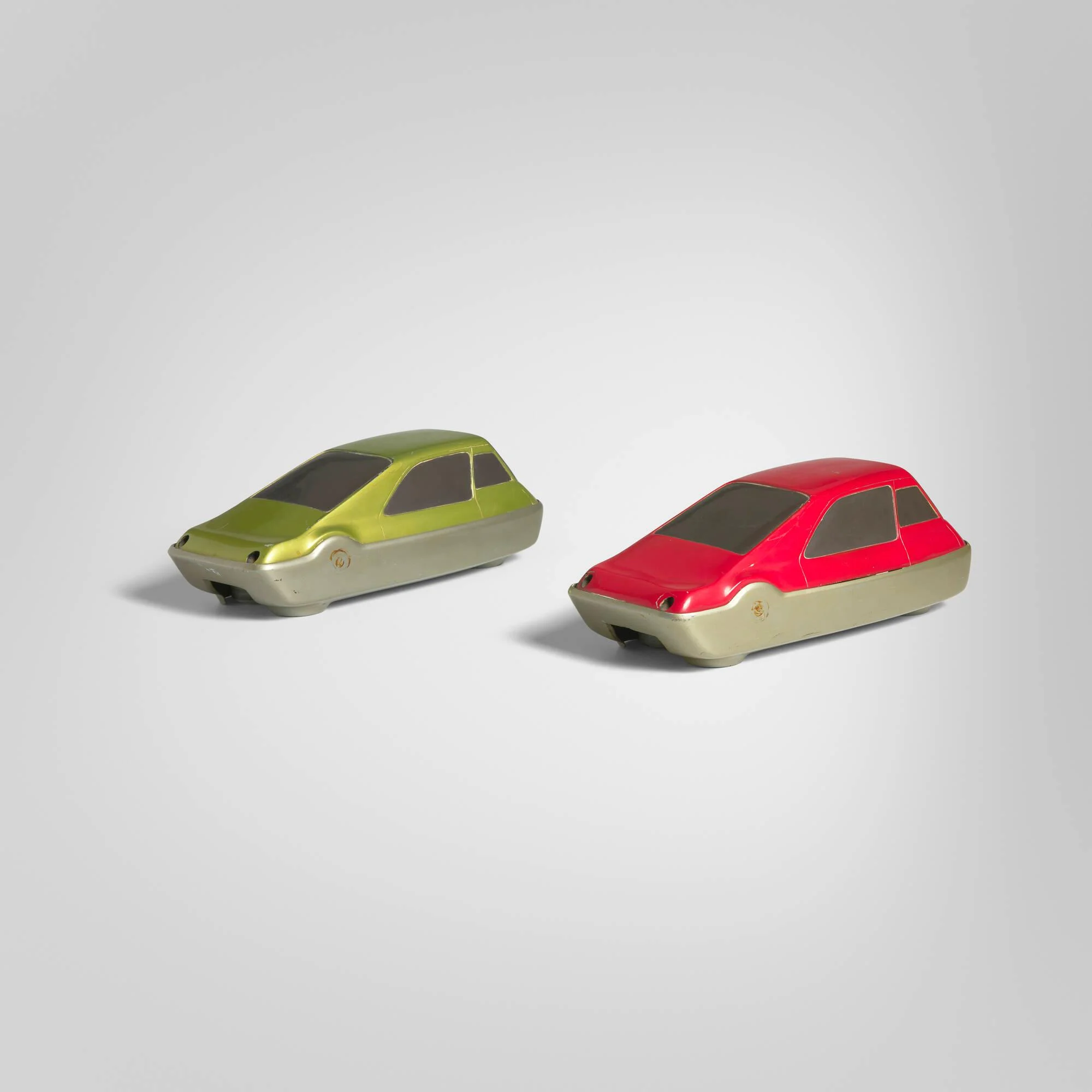
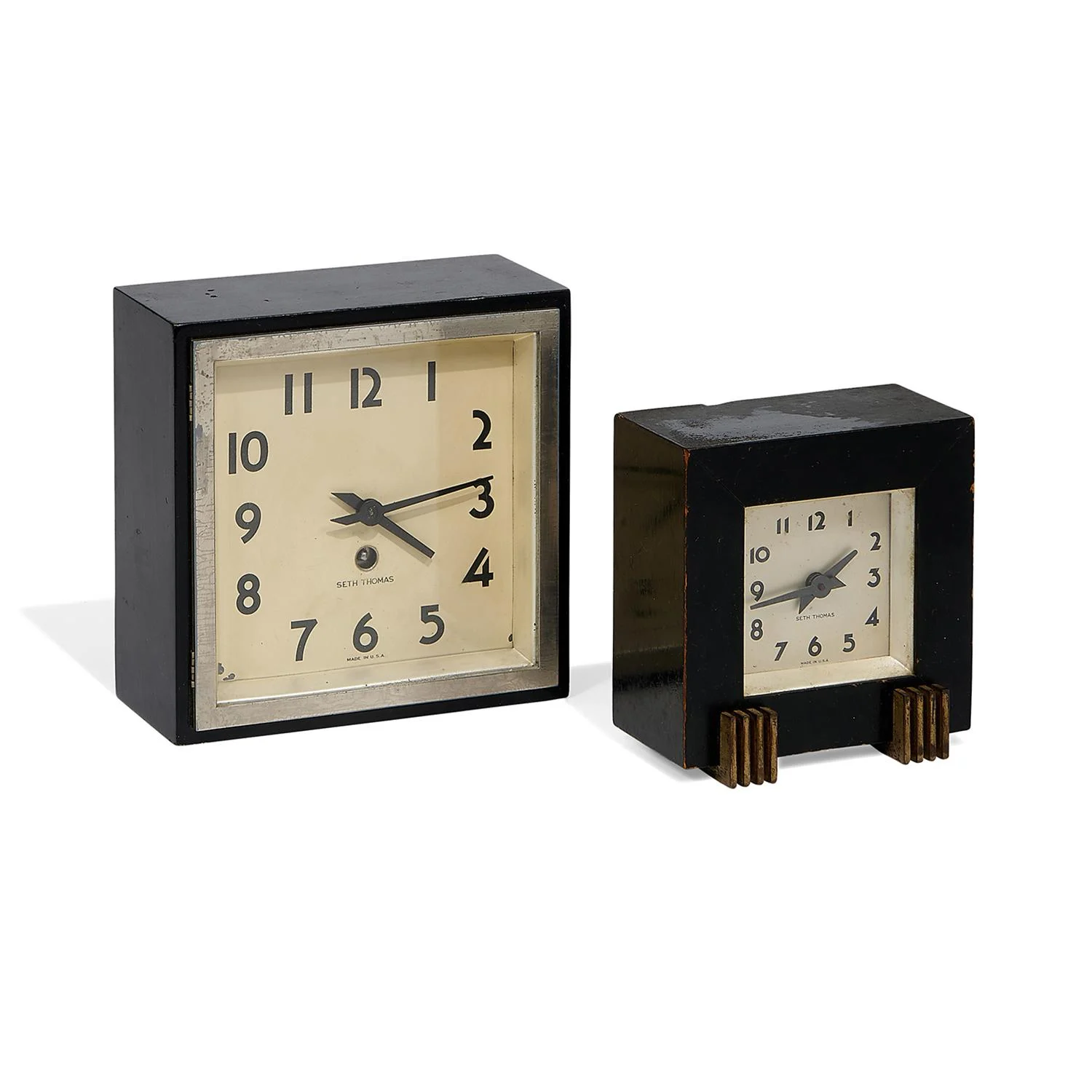

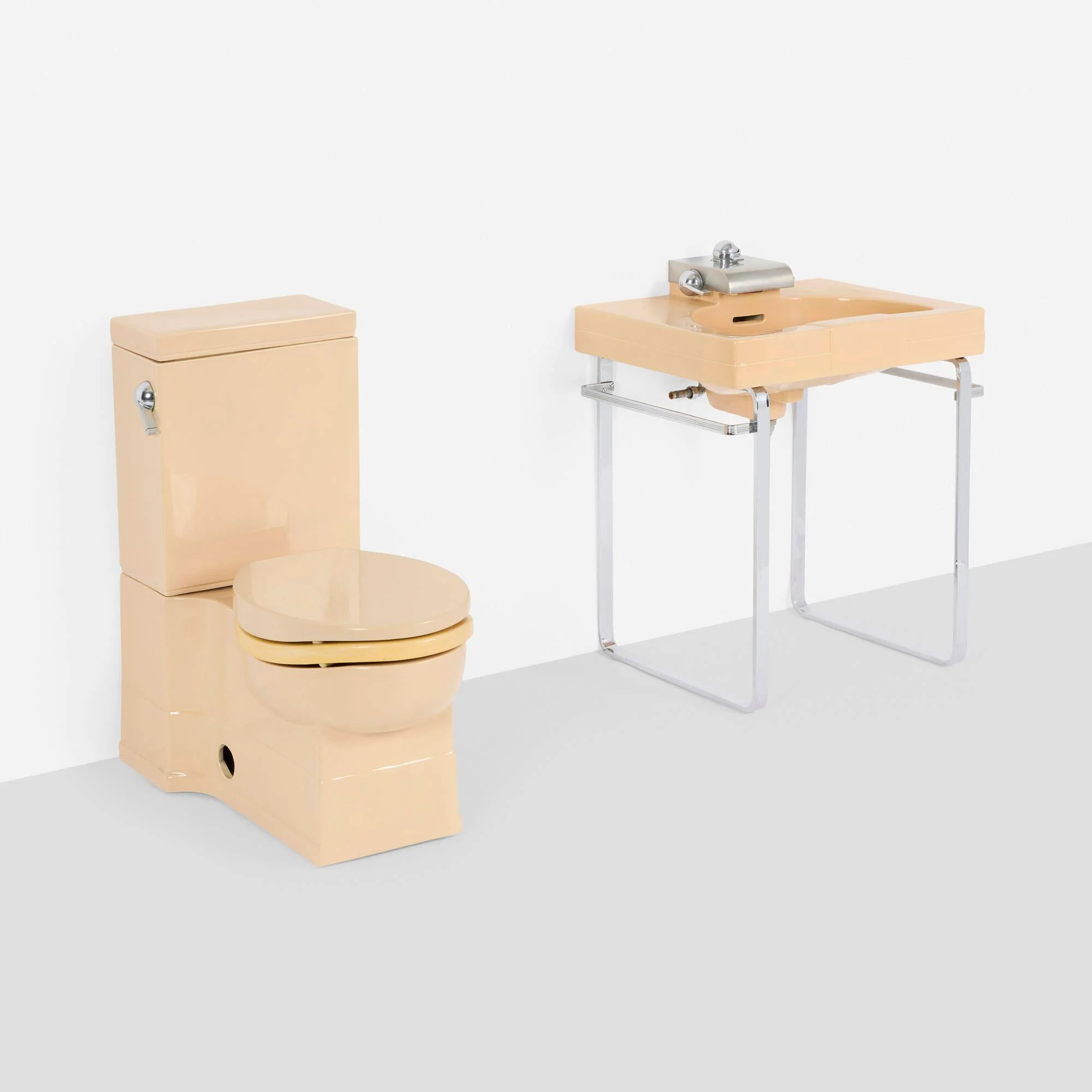

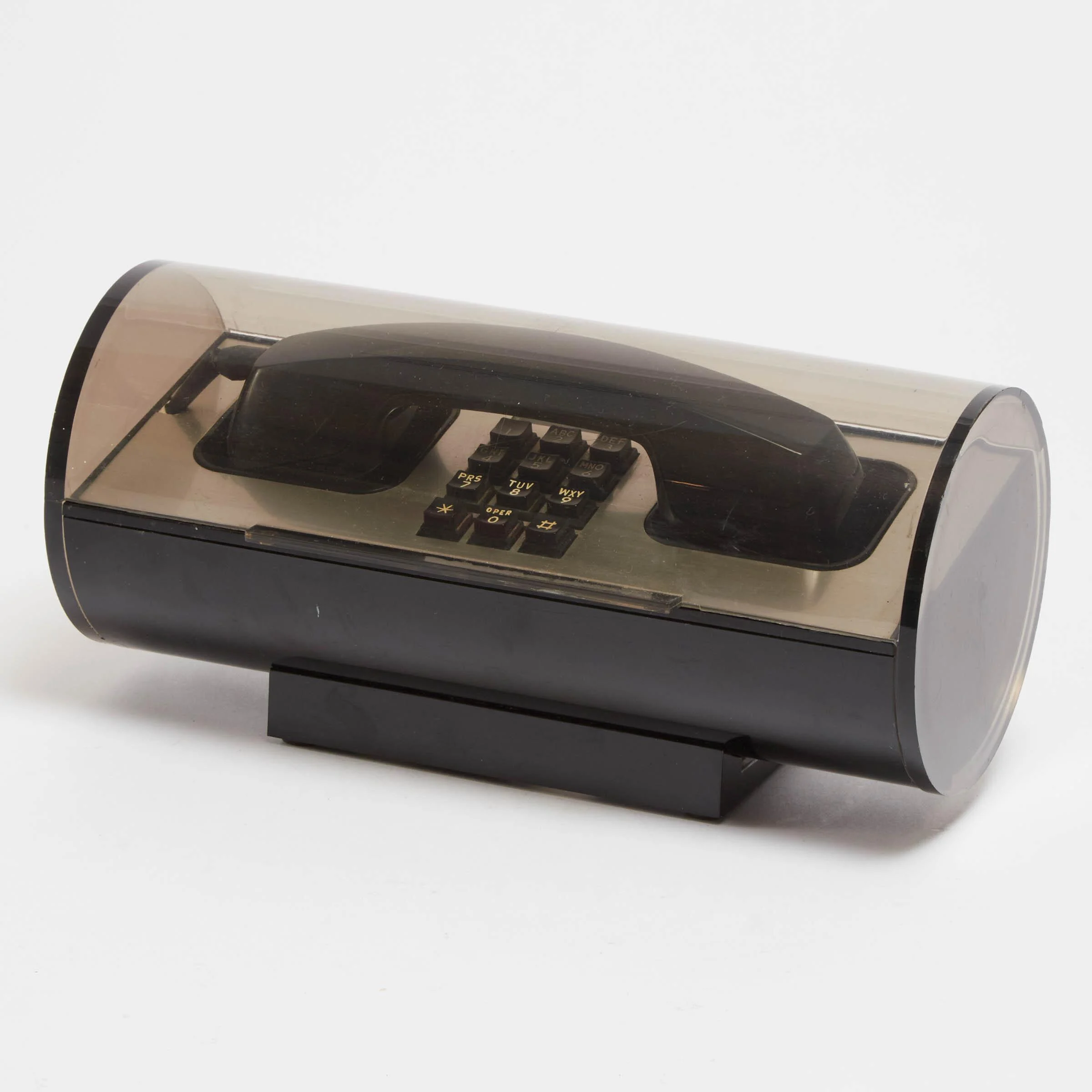
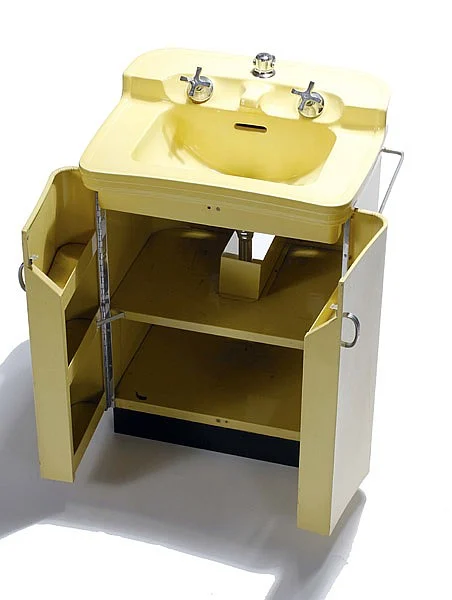
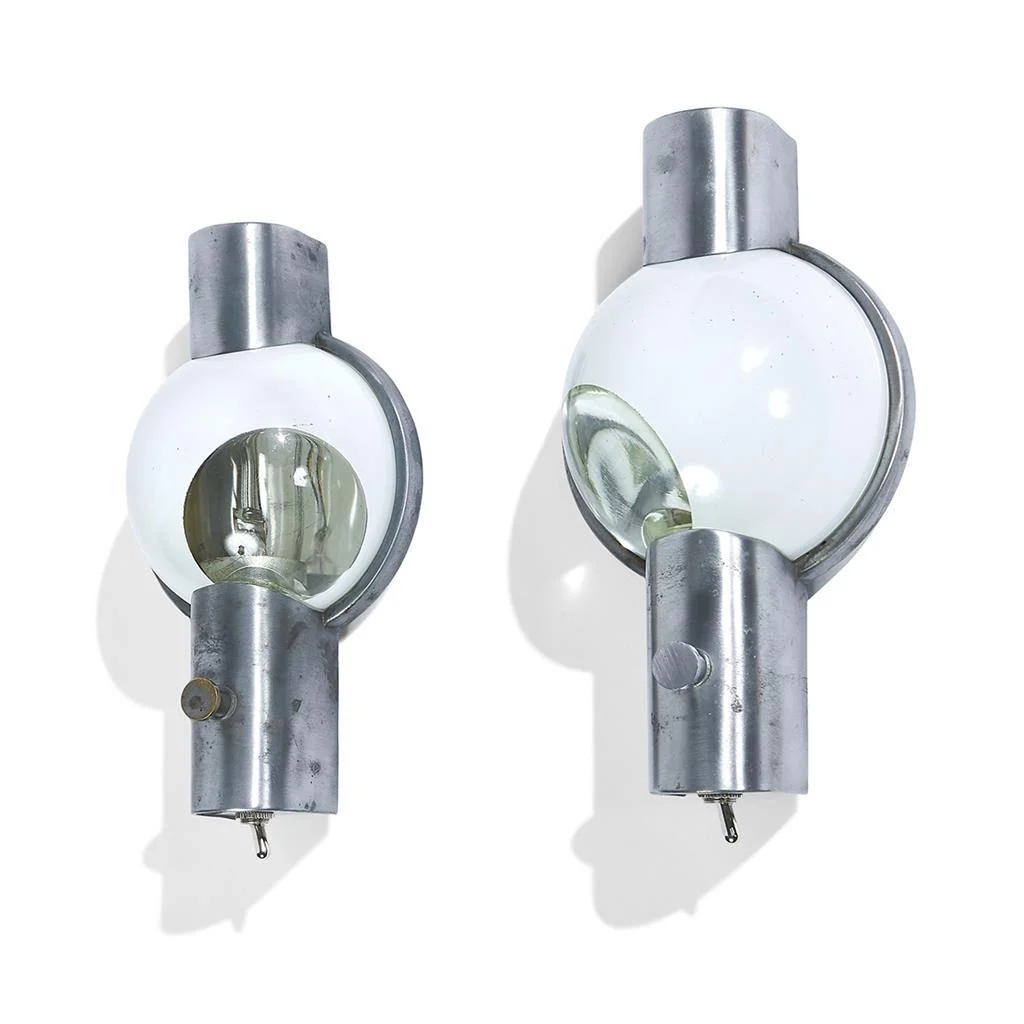
Dreyfuss applied common sense and a scientific approach to design problems rather than following showy aesthetic trends, producing work that was simultaneously elegant, safe, and easy to use and maintain. He developed a philosophy he called human factors design, grounding every product decision in careful study of the human body and its movements, and coined the principle that when the point of contact between a product and people becomes a point of friction, the industrial designer has failed. His work ranged from intimate handheld objects to locomotives and ocean liners, yet maintained a consistent commitment to the idea that beauty and utility were inseparable.
Key Influences
- Ergonomics and Human Factors: His development of the “Joe and Josephine” anthropometric charts and The Measure of Man established the scientific foundation for ergonomics as a design discipline, influencing how designers approach the relationship between products and the human body.
- Telephone Design: His Bell System telephones, particularly the Model 500 and the Princess phone, defined the visual and tactile language of the telephone for generations and remain among the most widely recognized product designs in American history.
- Industrial Design as Profession: As a founding member of the Society of Industrial Designers and its first IDSA president, he helped shape the ethical standards and professional identity of the field alongside Teague, Loewy, and Dreyfuss’s former mentor Bel Geddes.
- Streamlined Transportation: His Mercury locomotive and ocean liner interiors demonstrated that streamlined design could transform public transportation into an aspirational experience, contributing to the broader American embrace of modernist aesthetics.
- User-Centered Design: His insistence on working directly with manufacturers from the outset rather than restyling finished products pioneered the collaborative, process-oriented approach that underpins contemporary user experience and product design practice.
If you are interested in further stories of the artists who shaped Art Deco, return to our artists page to browse the full directory.

Related Products from ArtDecoCollection.com