
Pascal Jarrion
A Contemporary Artist in the Spirit of Modernism, Cubism and Art Deco
There are certain contemporary artists whose work feels immediately connected to the great artistic movements of the early twentieth century without simply trying to reproduce the past. Pascal Jarrion is one of those artists.
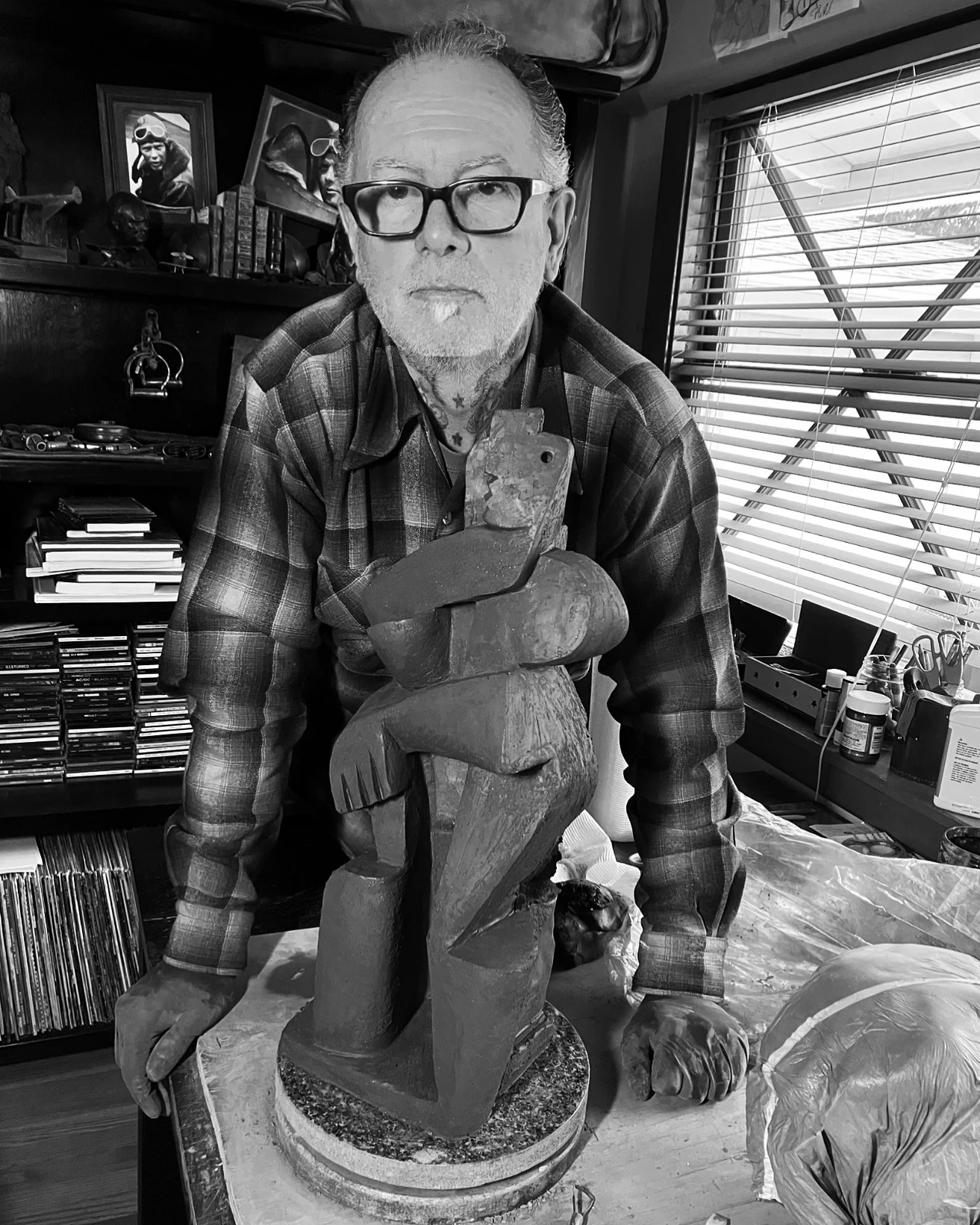
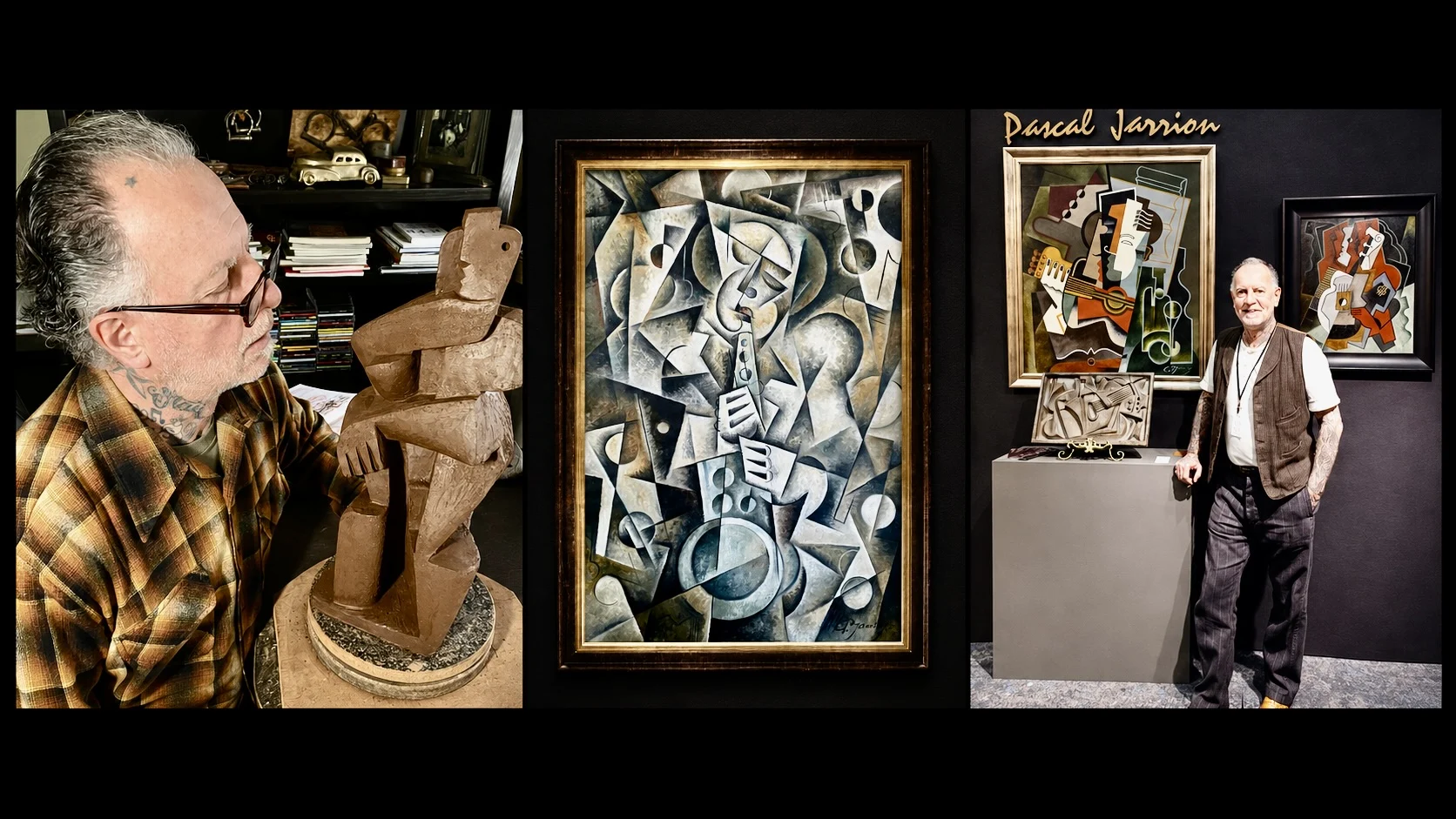
Pascal Jarrion (b. 1961, Perpignan, France) is a painter and sculptor whose practice is deeply shaped by his Catalan heritage and a lifelong engagement with form, material, and cultural expression. Raised in a region that has inspired artists such as Picasso, Van Gogh, and Maillol, Jarrion studied at Les Beaux-Arts de Perpignan, developing a foundation in fine art that has continued to evolve across his career.
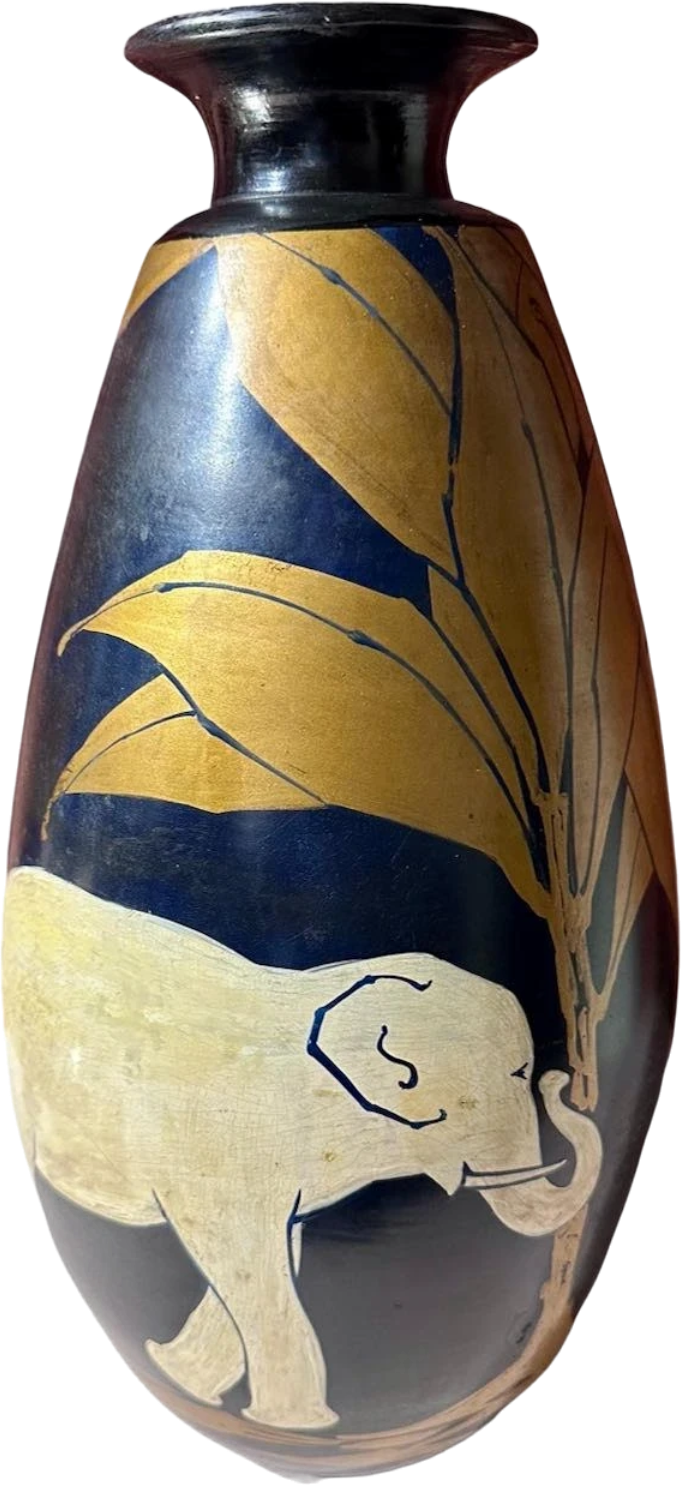
Since moving to Los Angeles in 2005, Jarrion has devoted himself fully to painting and sculpture. He works across a variety of mediums, including oil on canvas, mixed media, ceramic sculpture, and bronze. His surfaces often carry hand-painted or patinaed finishes, reflecting his sensitivity to process and material. Jarrion’s work combines clarity of form with emotional depth, producing pieces that are both timeless and exploratory.
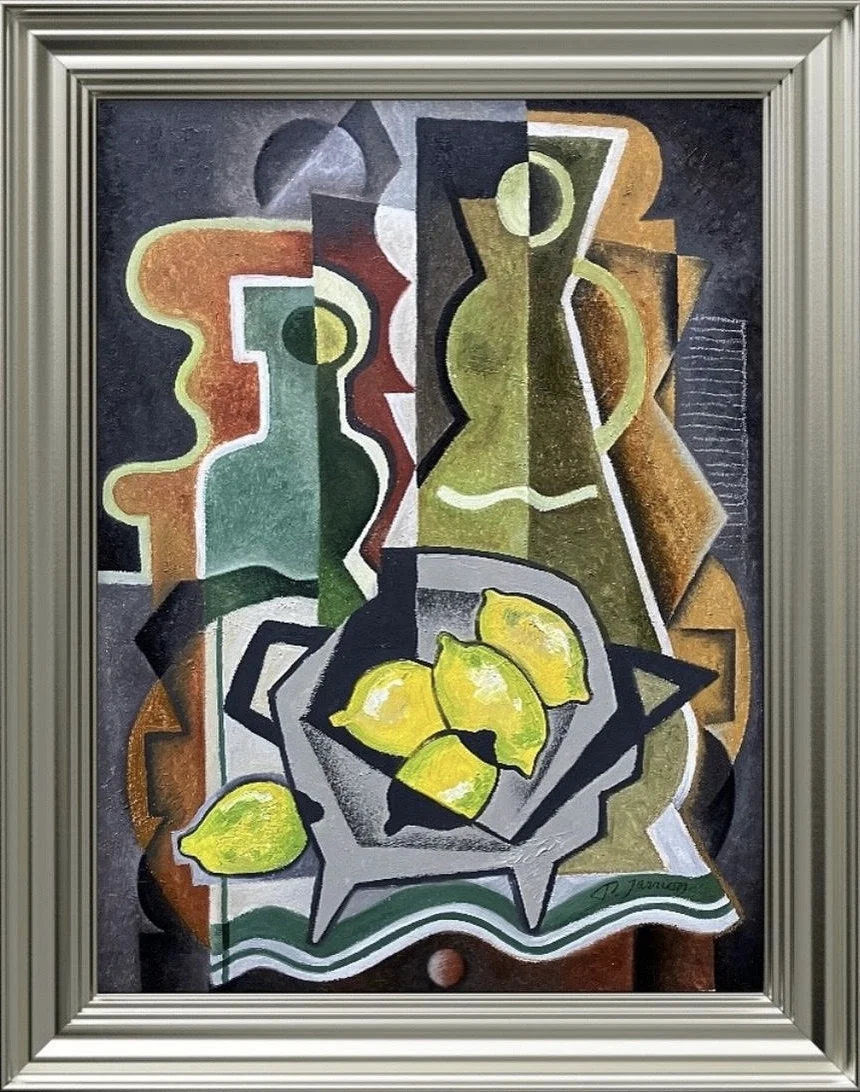
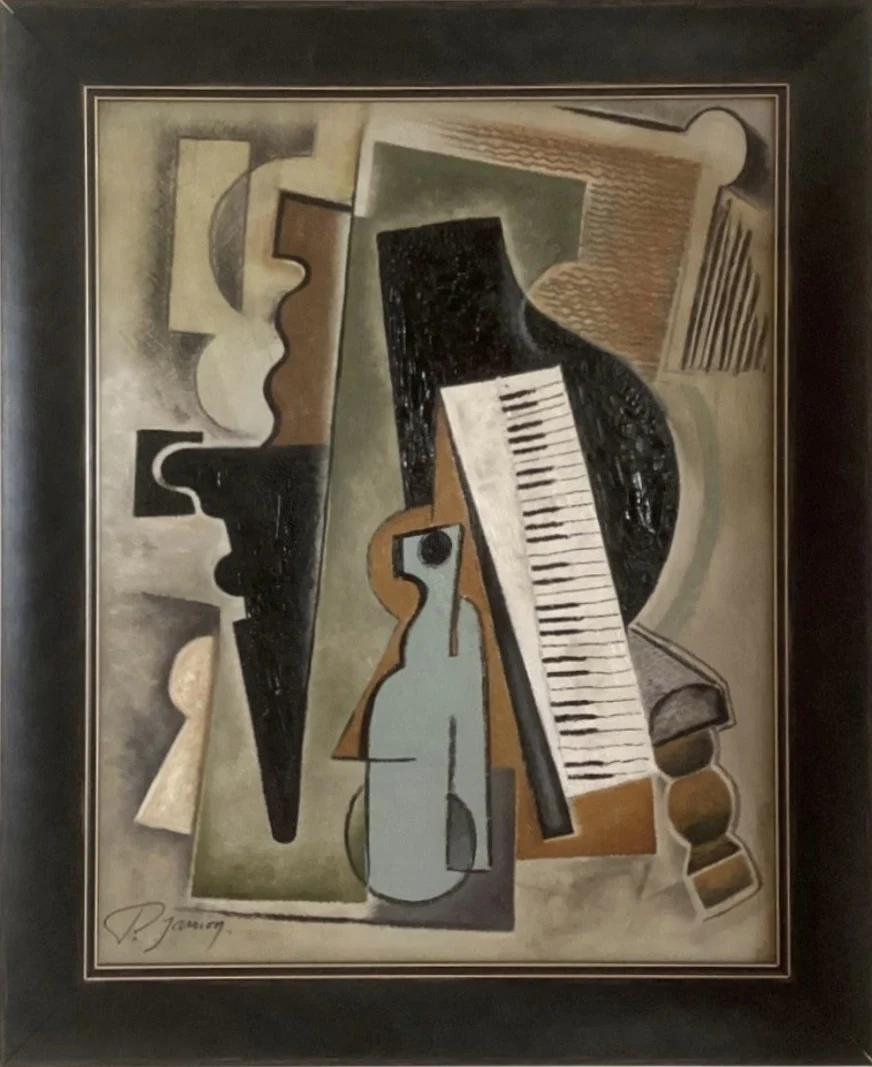
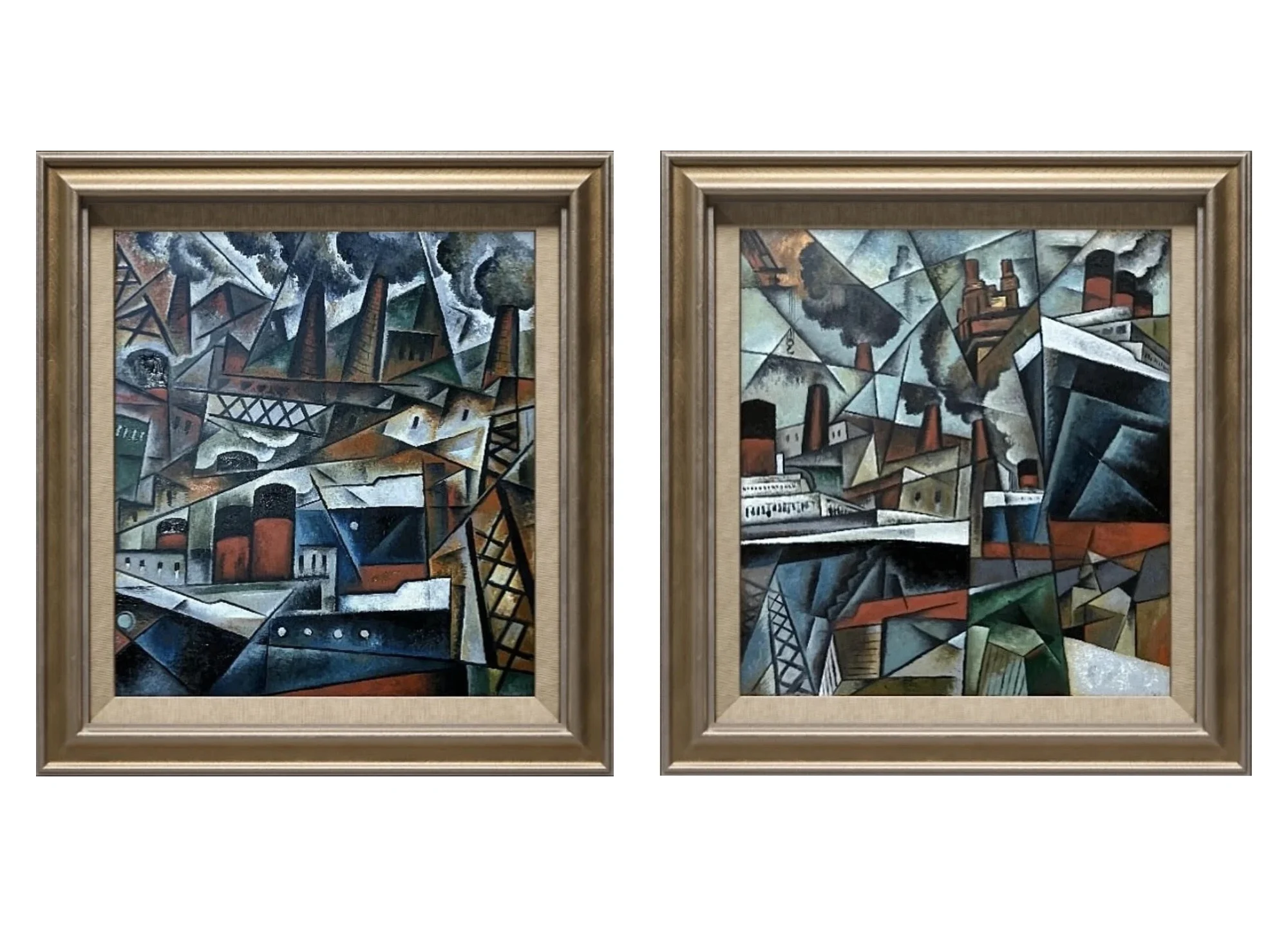
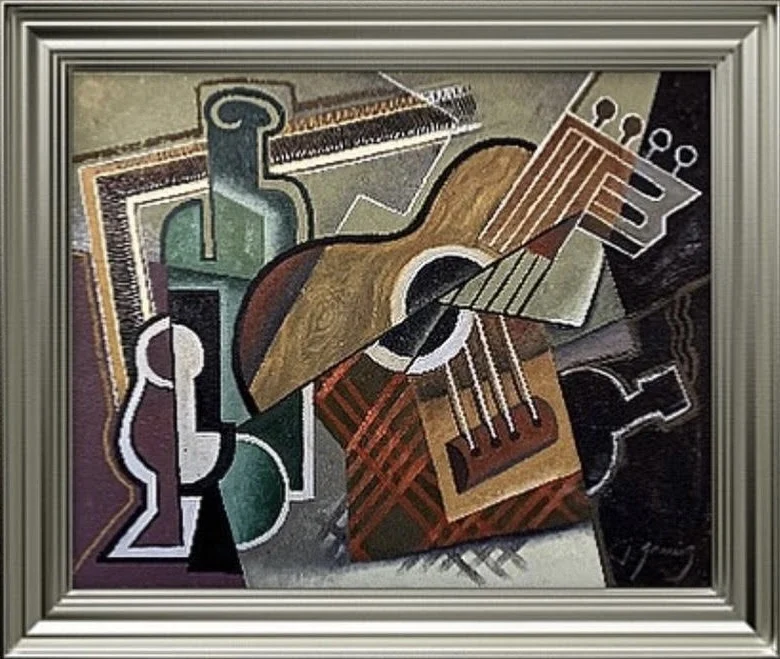
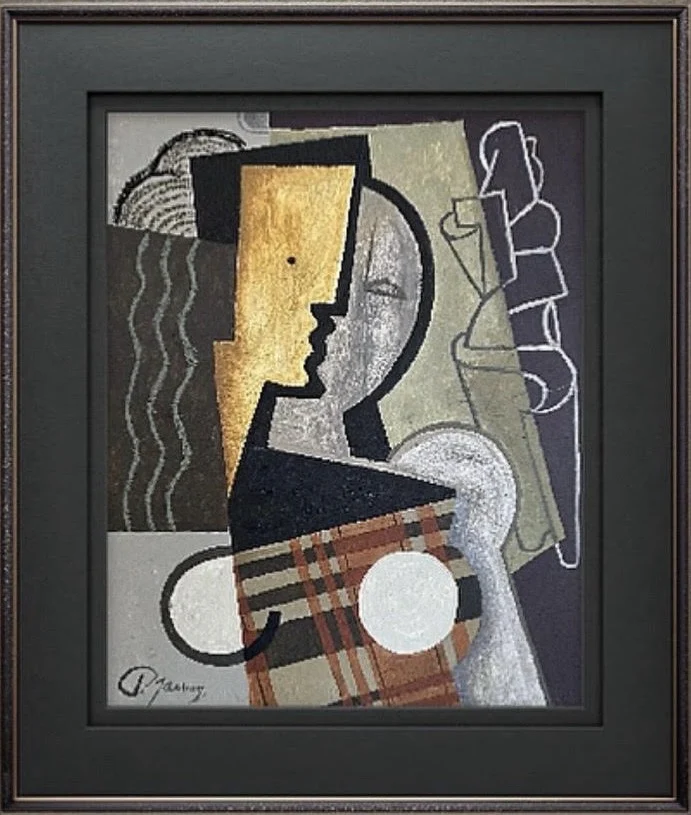
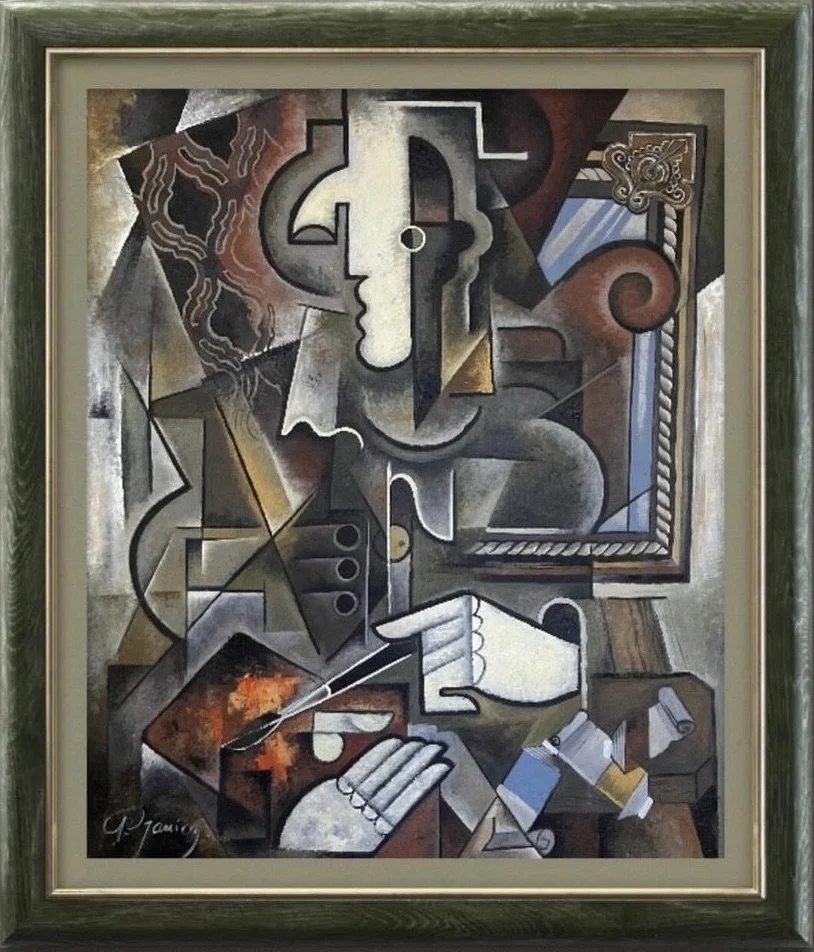
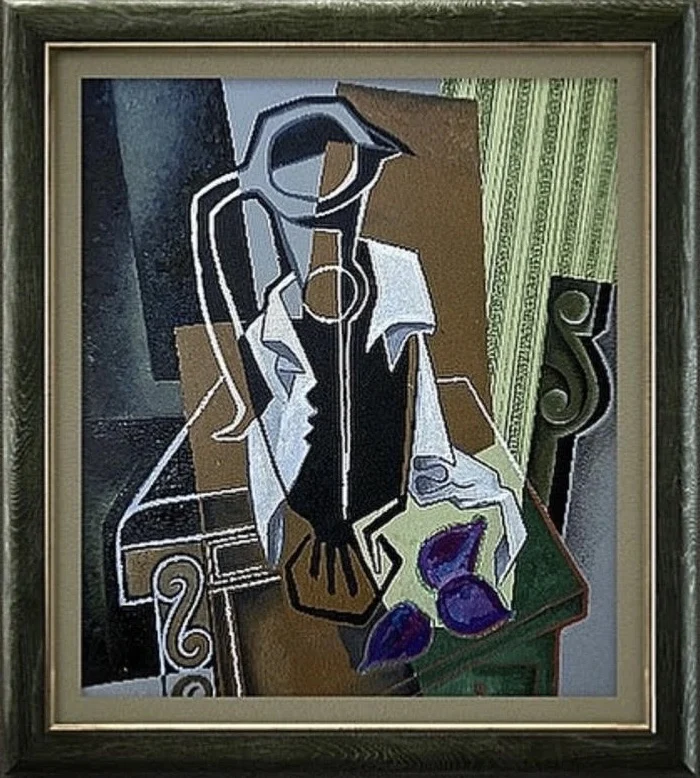
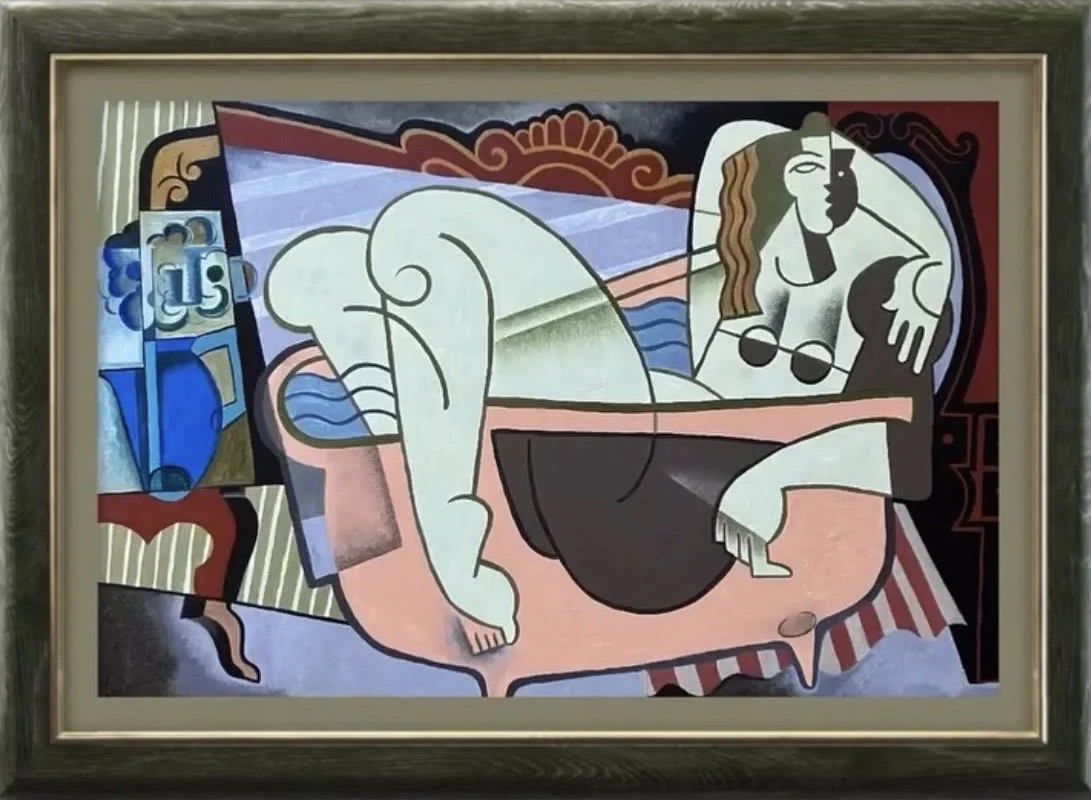
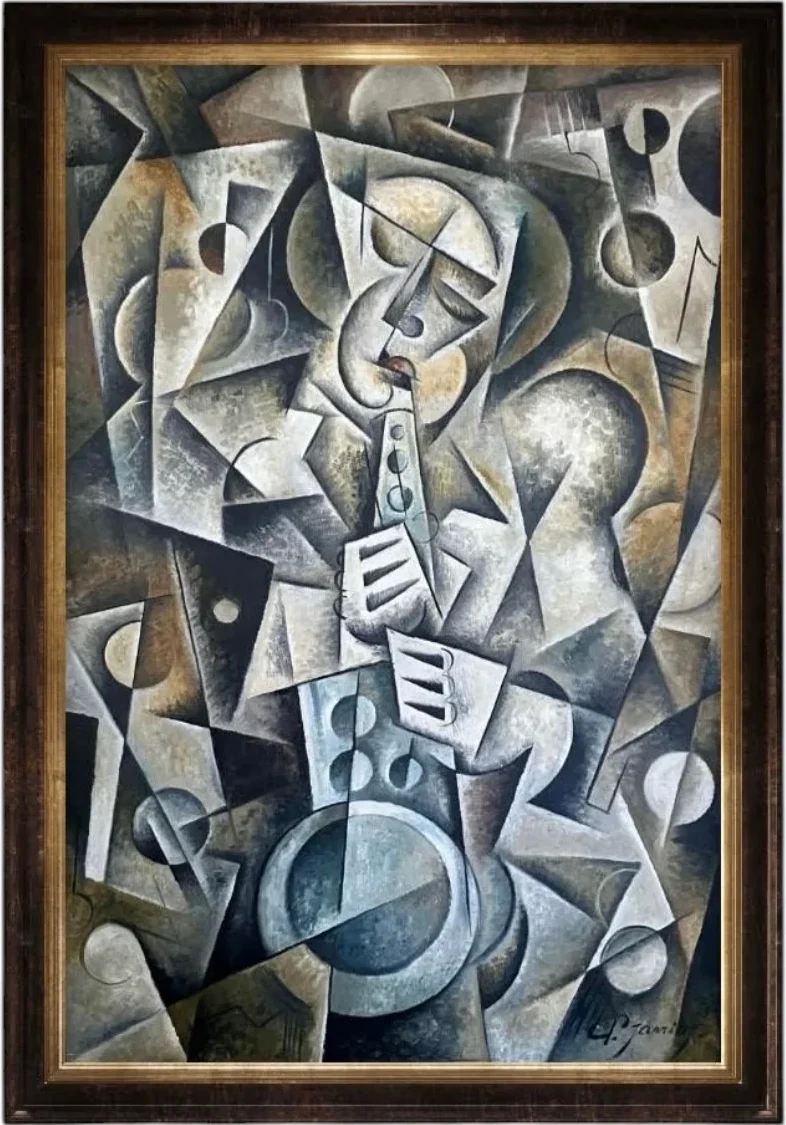
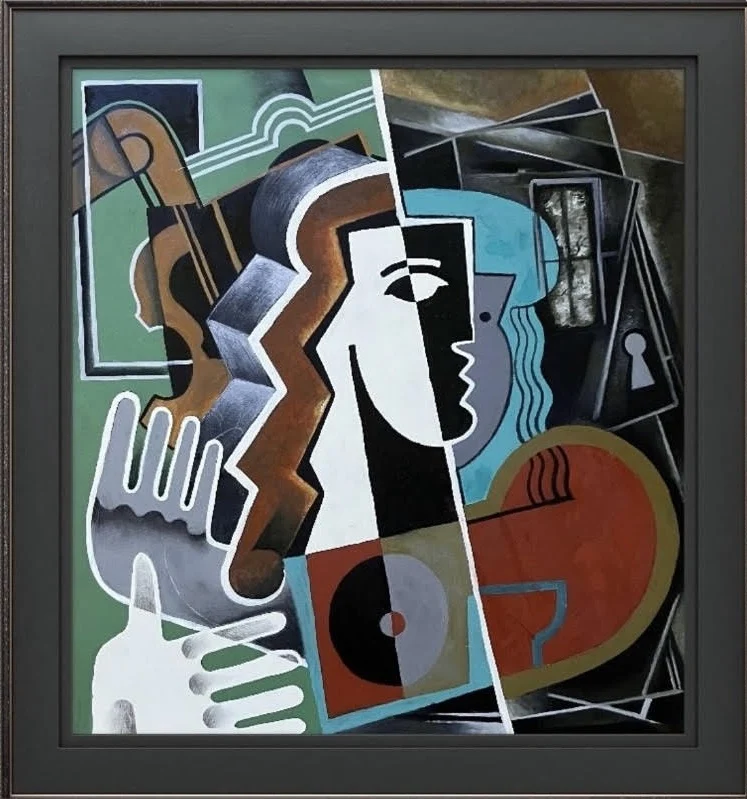
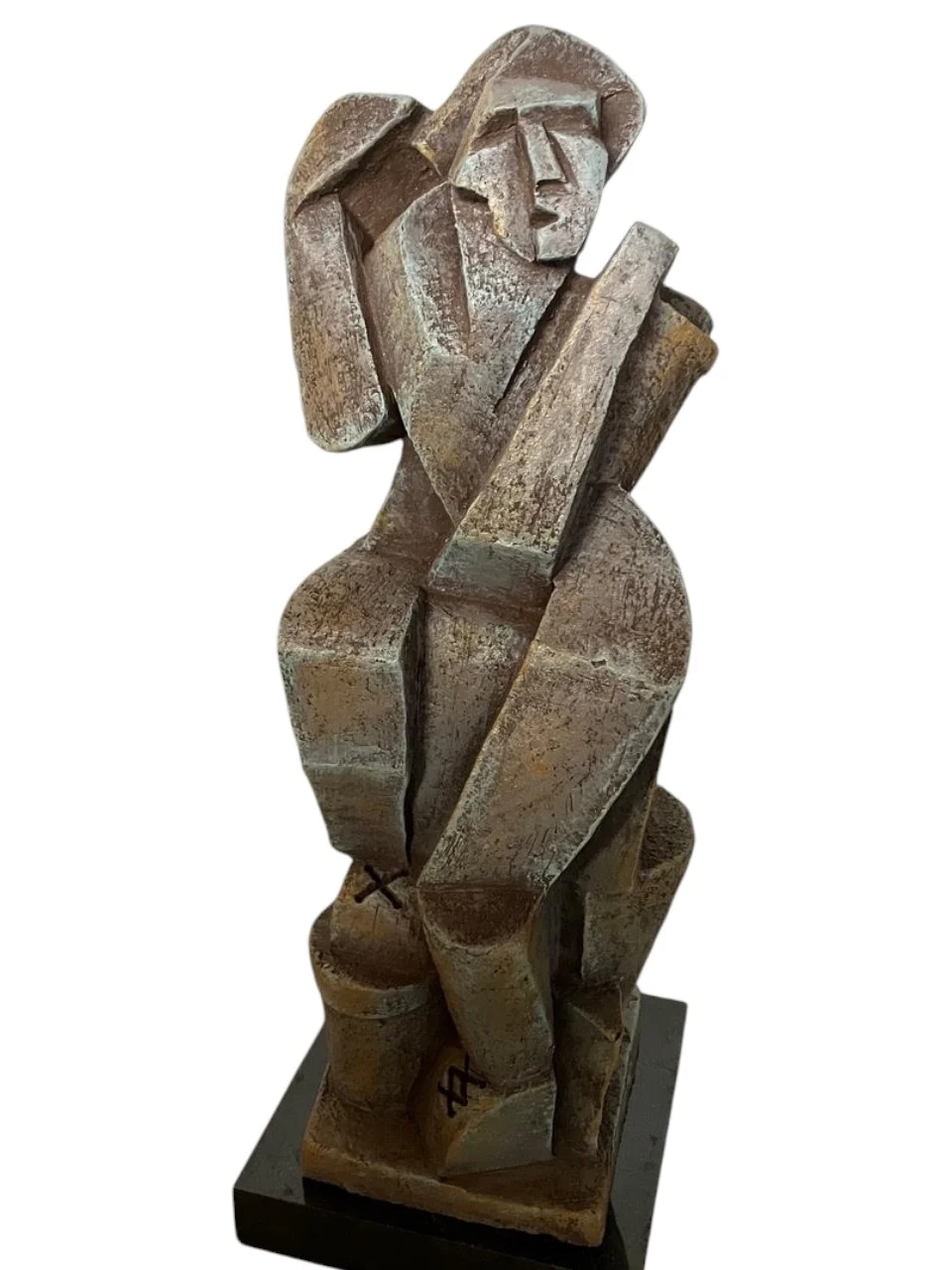
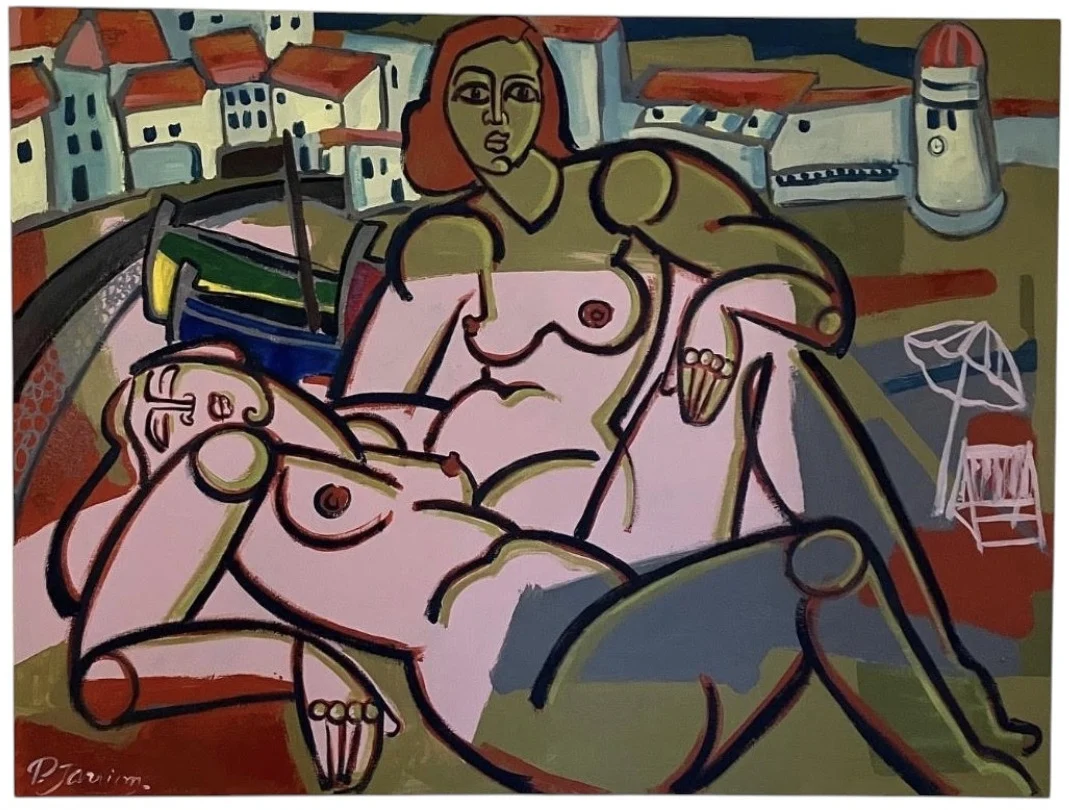
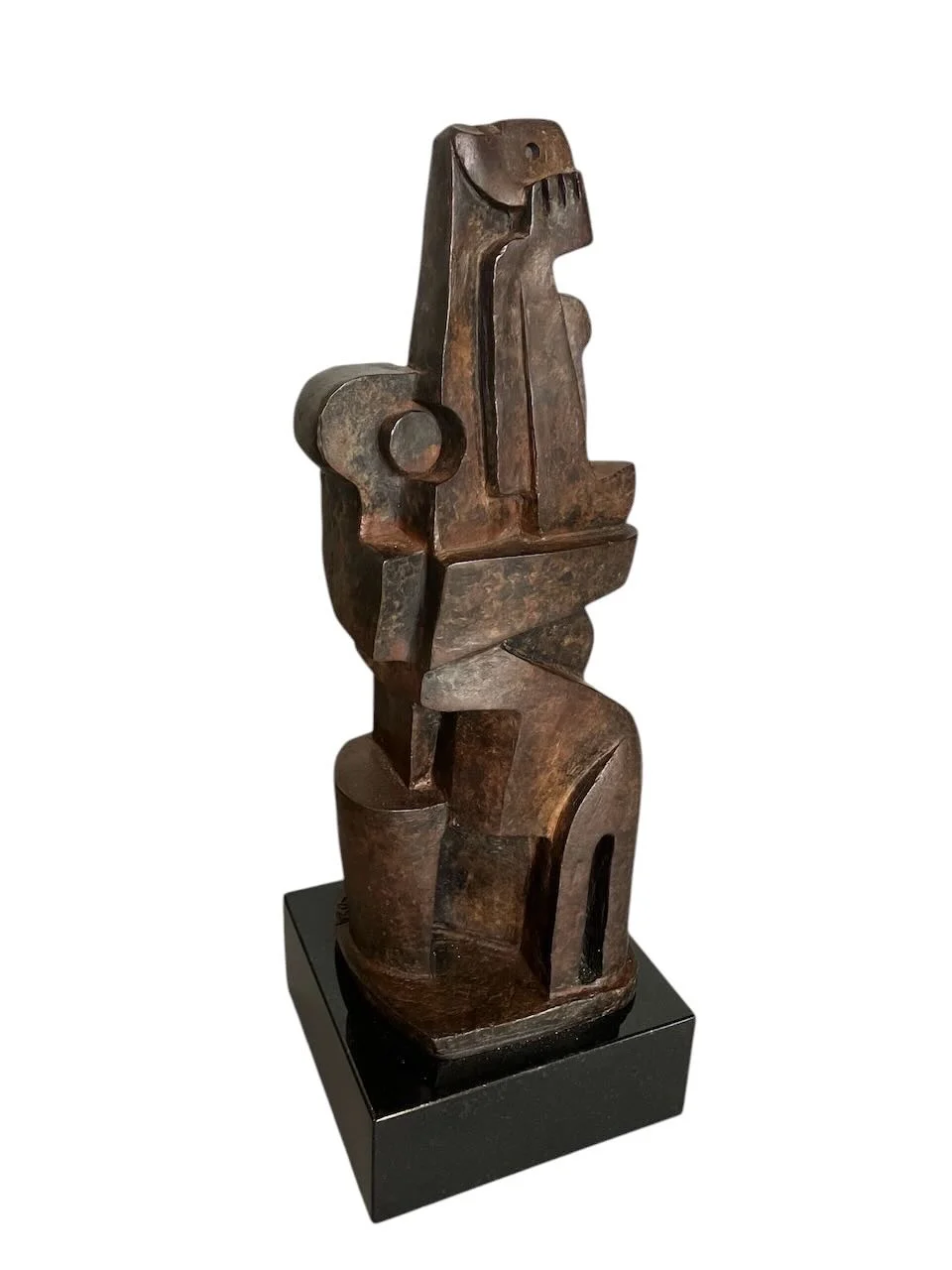
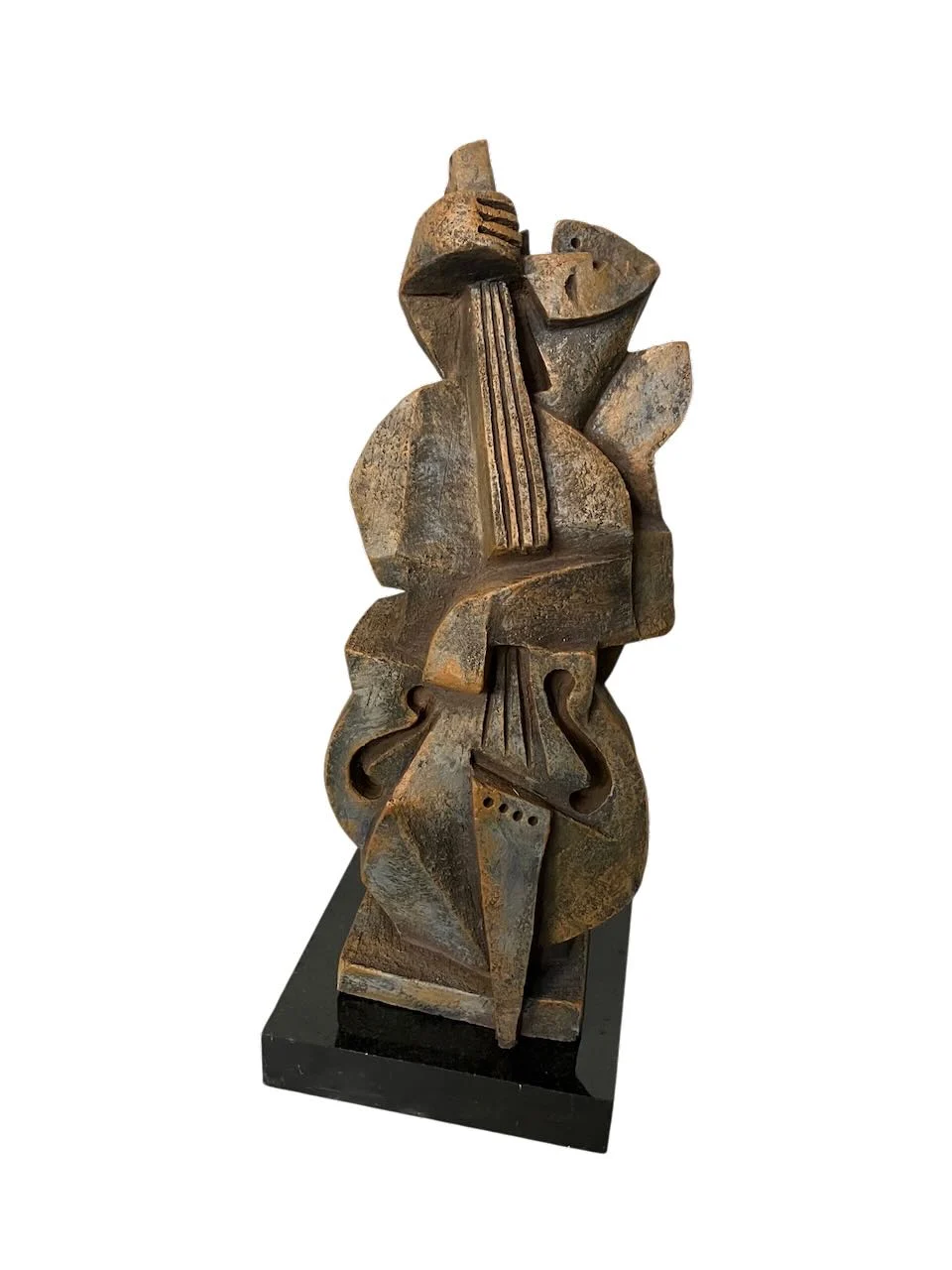
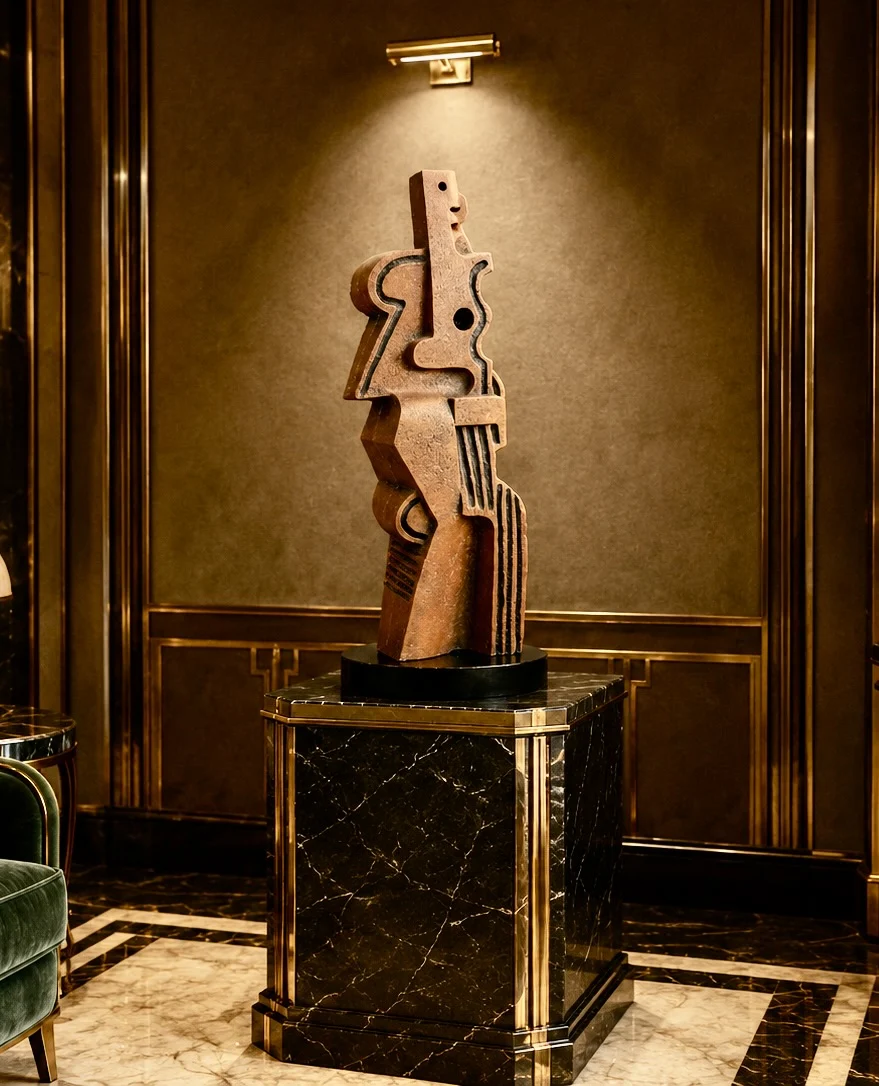
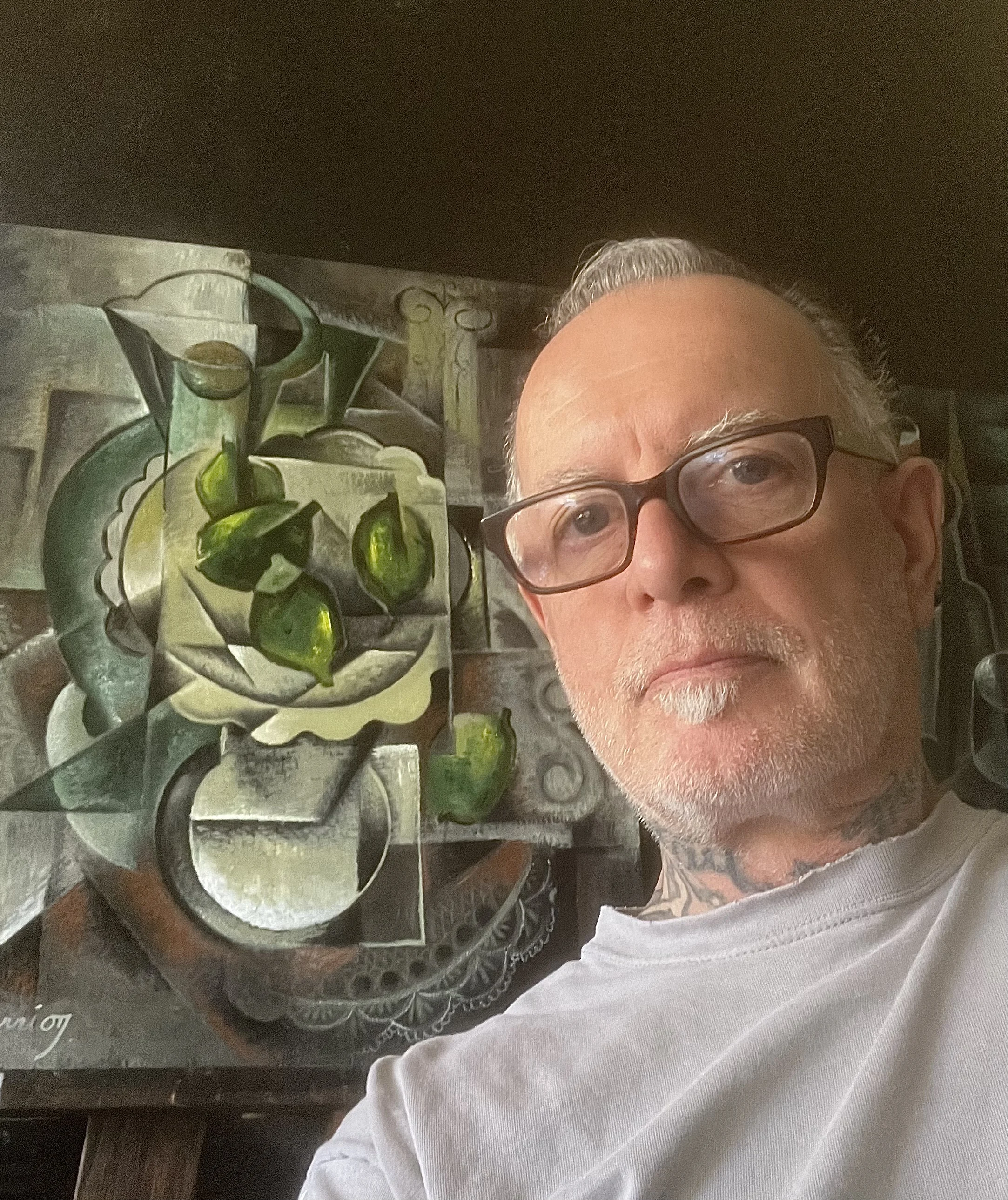
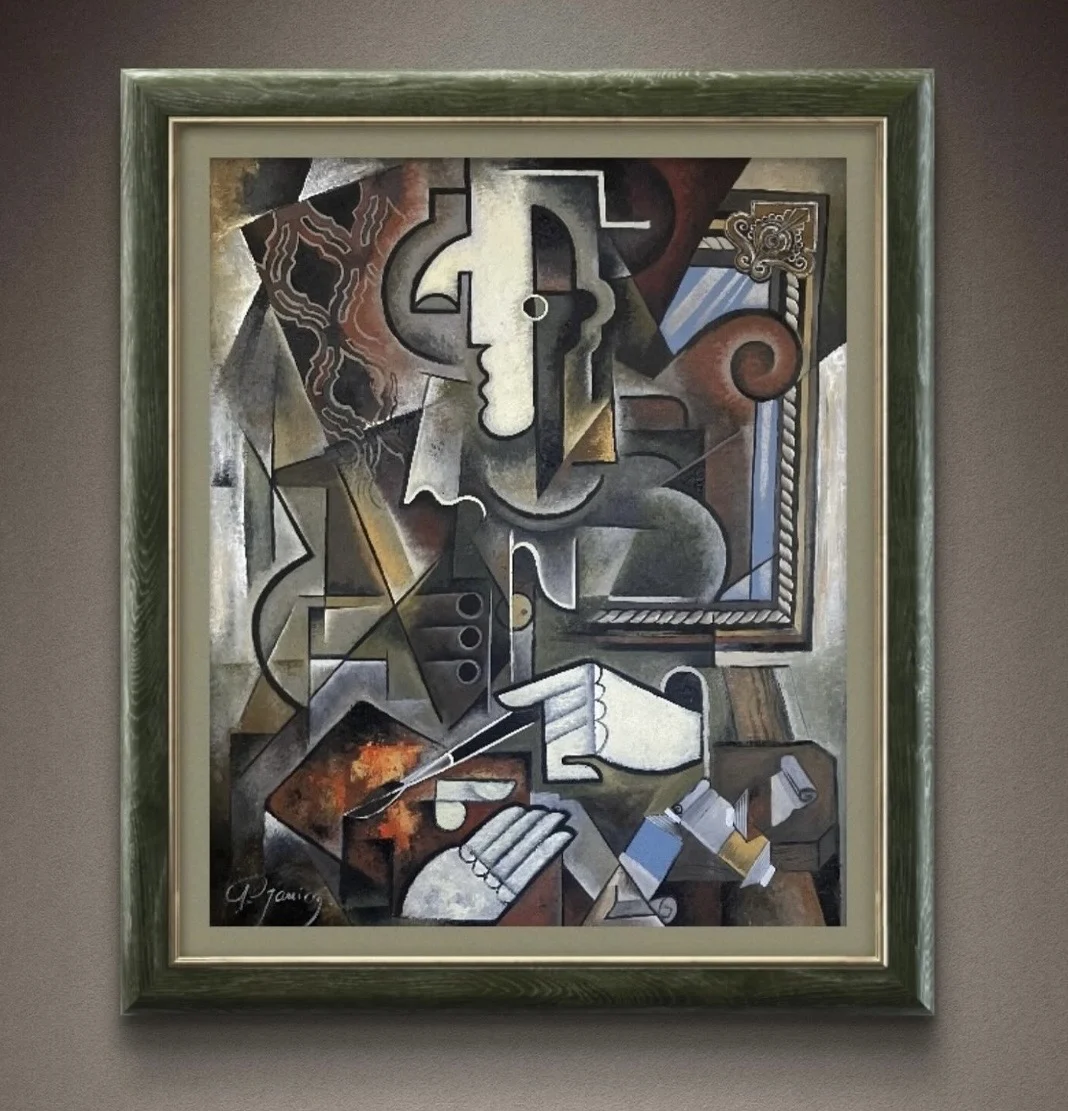
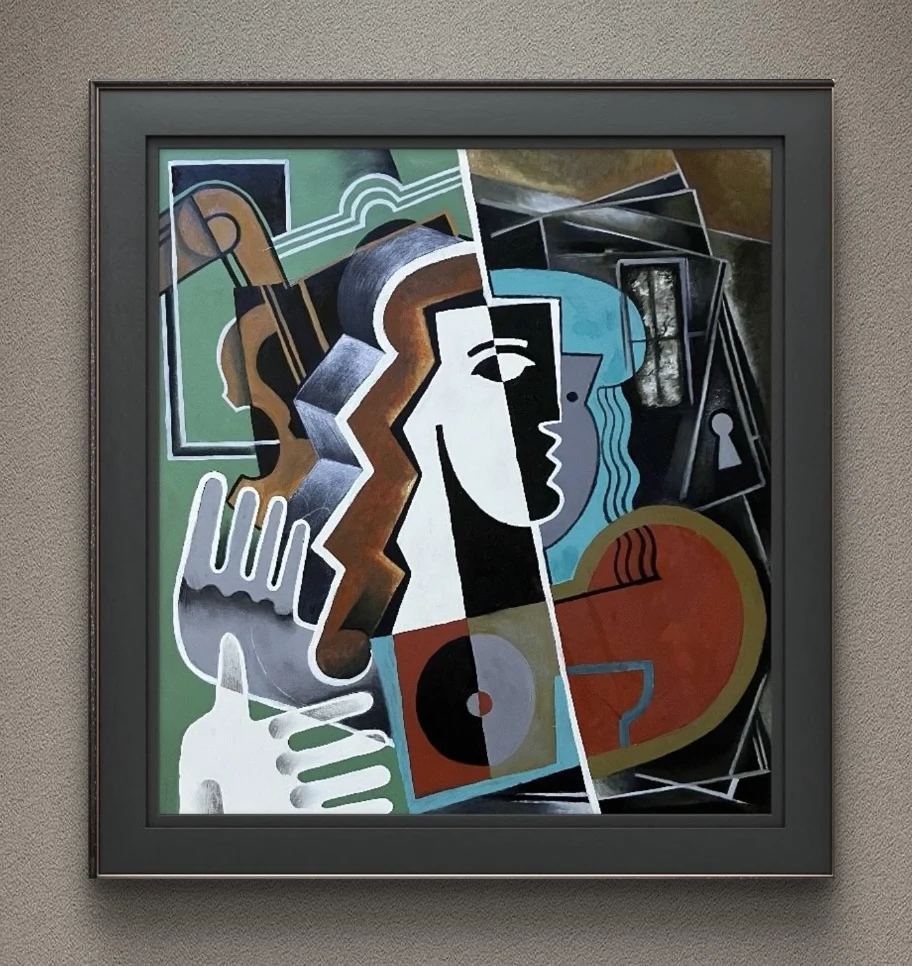
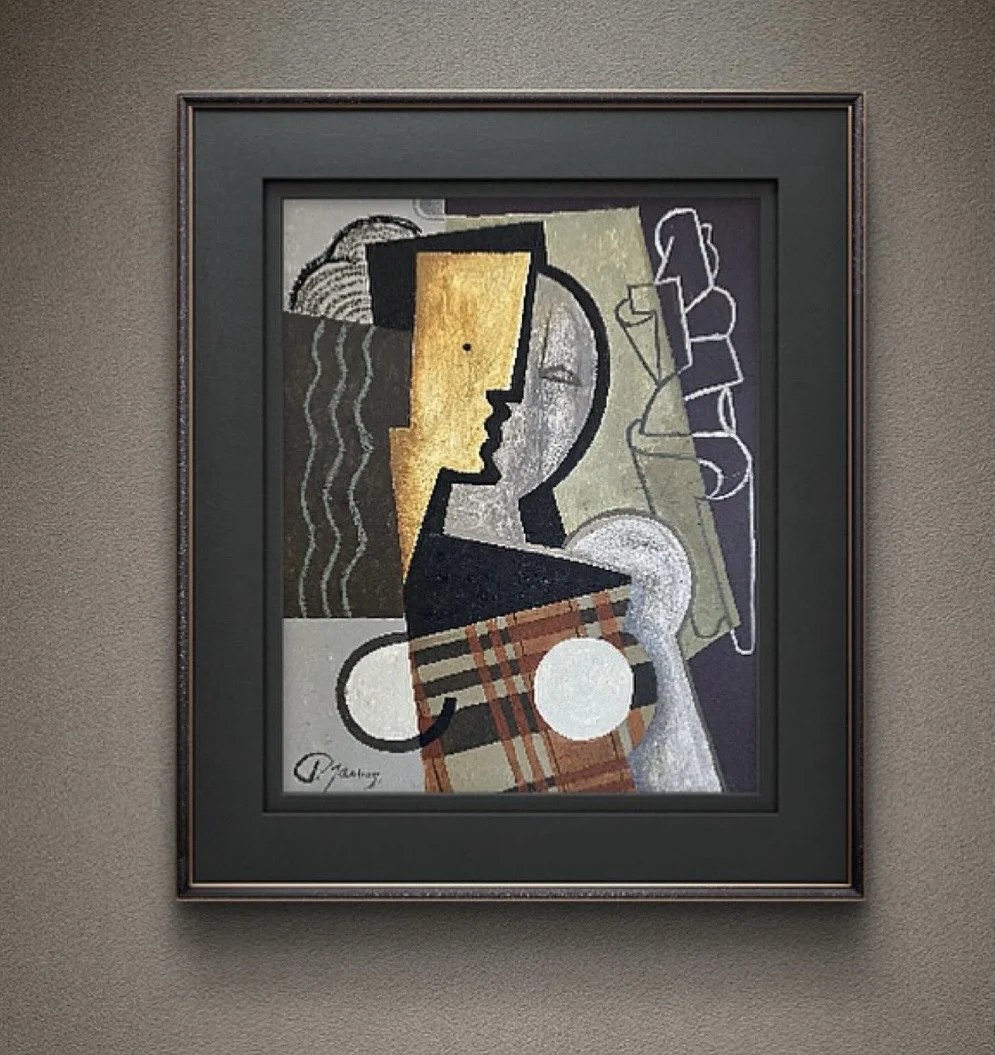
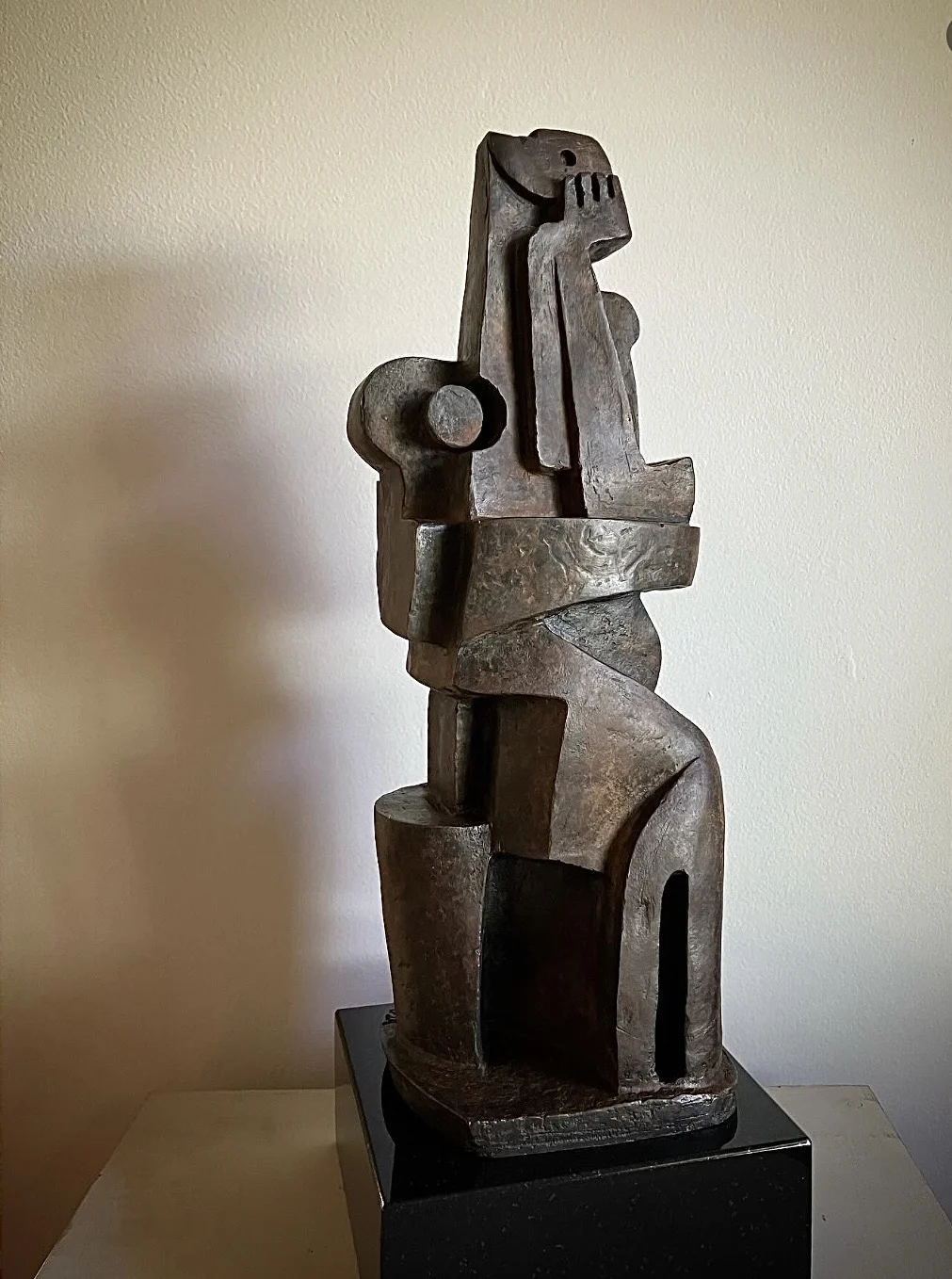
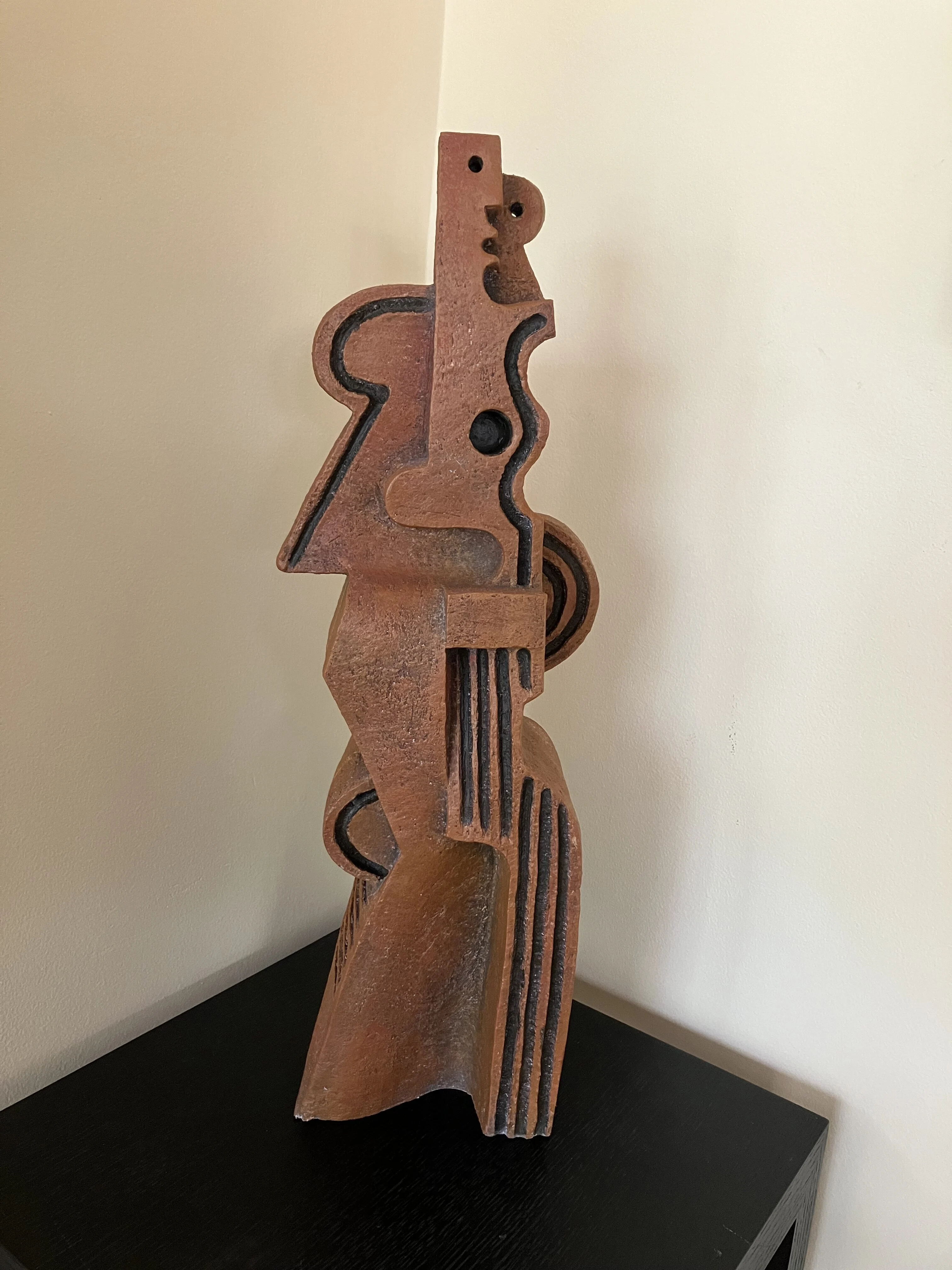
His work reflects influences that will feel familiar to anyone who appreciates Cubism, Art Deco, European Modernism and the decorative arts, yet the result is distinctly his own. Figures are reduced, reshaped and reassembled. Faces become architectural. Musicians, women, animals and still lifes are transformed through strong geometry, exaggerated proportions and carefully controlled color. In his sculpture, these same ideas move from the painted surface into three dimensions through ceramic, terracotta and bronze.
What makes Pascal’s work particularly interesting to us is that it does not simply imitate Art Deco. It speaks the same visual language.
The artists of the 1920s and 1930s were themselves looking backward and forward at the same time. They borrowed freely from Cubism, classical antiquity, African art, Egyptian forms, machinery, architecture and the rapidly changing modern world around them. Traditional ideas were broken apart and reconstructed into something new.
Pascal works in much the same spirit. He absorbs influences from earlier Modernism and reinterprets them through the eyes of a contemporary artist. The connection to the past is visible, but the work never feels like reproduction. It feels personal, handmade and very much alive.
A Modern Interpretation of Cubism
Cubism changed the way artists looked at the world.
Instead of representing a person or object from a single viewpoint, artists began breaking forms into planes, angles and overlapping perspectives. A face could be seen from several directions at once. A musical instrument could become a collection of curves and geometric shapes. The familiar could be dismantled and then rebuilt.
That influence is clearly present in Pascal Jarrion’s work. Musicians appear repeatedly, their instruments becoming part of the structure of the composition. Faces are divided into profiles, curves and planes. Hands may become exaggerated graphic elements. Bodies are simplified until gesture and shape become more important than literal realism. Yet there is also warmth in the work.
These are not cold exercises in geometry. There is personality, humor, emotion and often a sense of theater. The figures remain human even after they have been abstracted. That balance between abstraction and recognition is one of the qualities that makes his work so approachable.
You may first notice the geometry. Then you notice the person.
From Painting to Sculpture
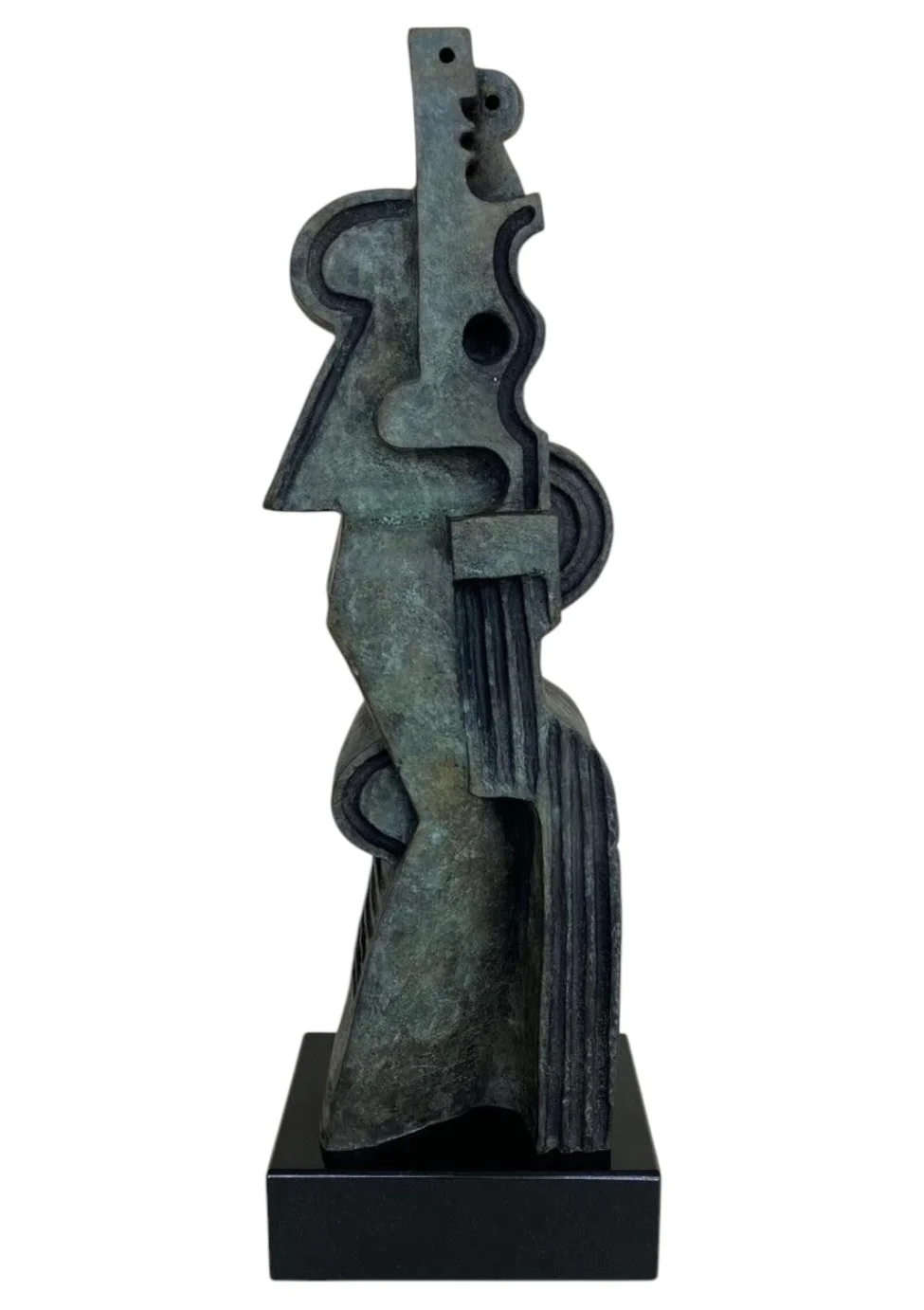
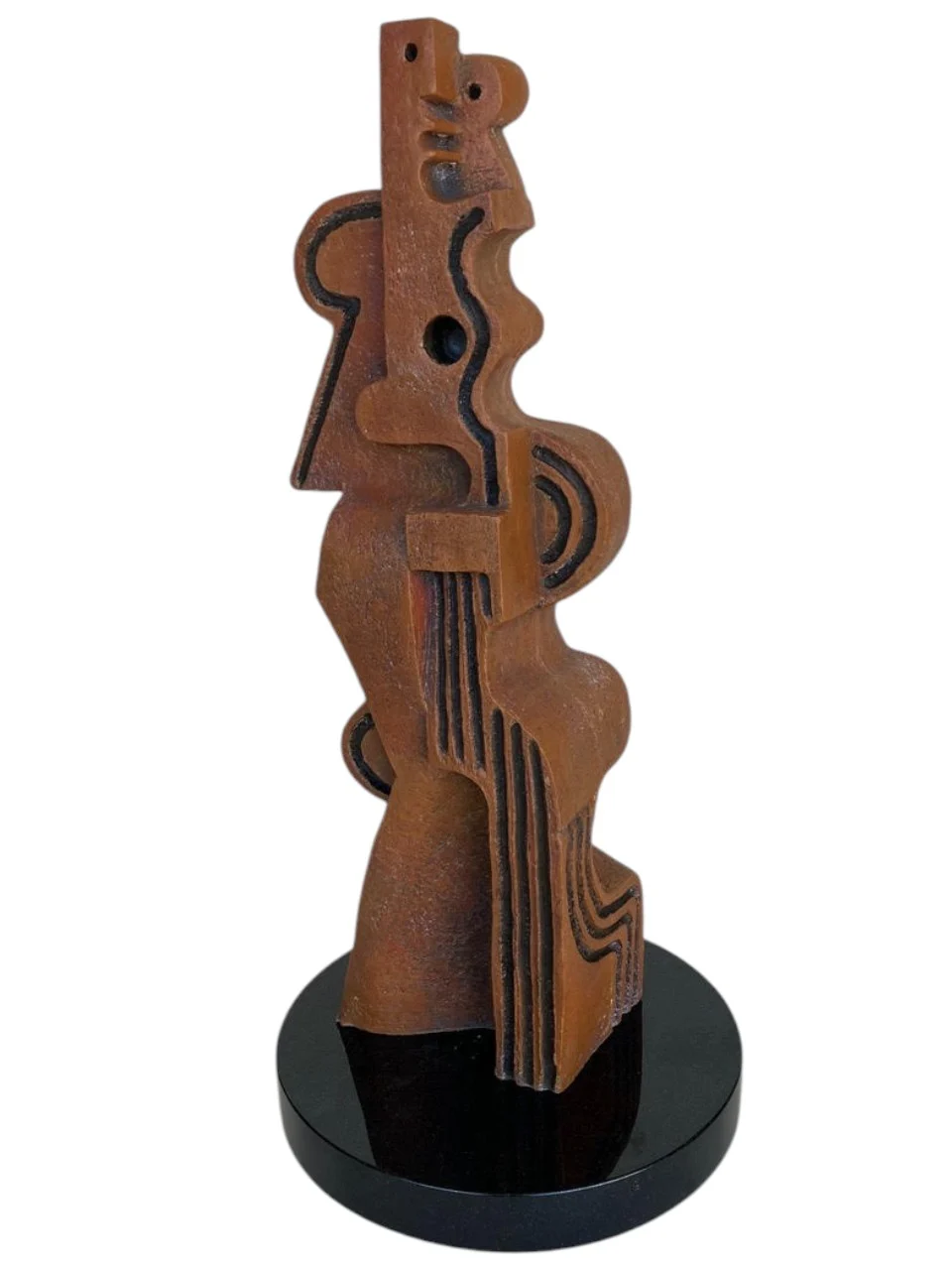
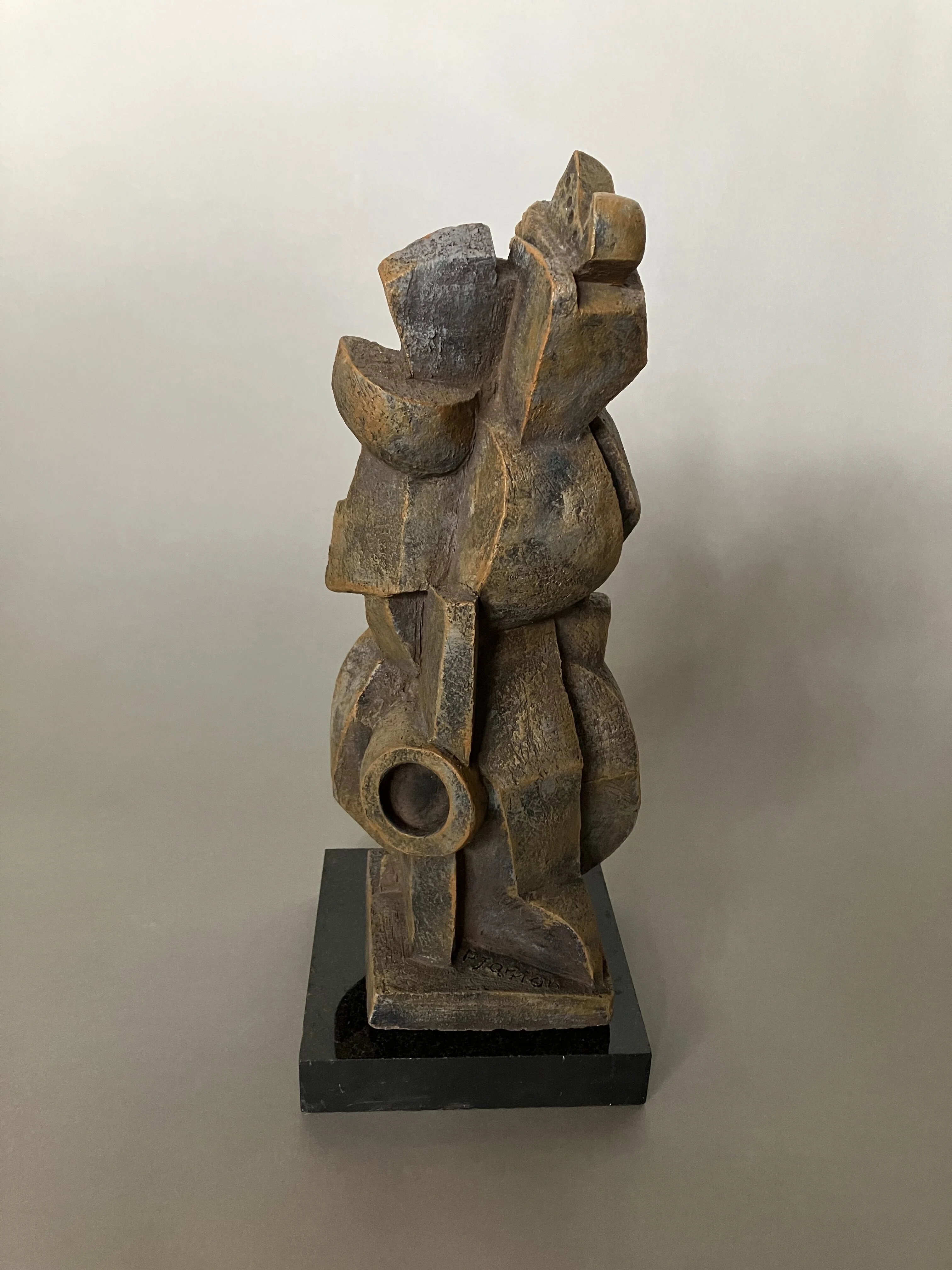
One of the most interesting aspects of Pascal’s work is the way his visual vocabulary carries naturally from painting into sculpture. The same angular faces and simplified bodies that appear on canvas become physical forms in clay, terracotta and bronze. In three dimensions, the Cubist influence becomes even more apparent.
A head may be reduced to intersecting planes. A seated figure may be built from a series of strong blocks and curves. Surface texture becomes part of the composition, emphasizing the fact that these works have been created by hand rather than manufactured to appear perfect.
There is something almost archaeological about some of the sculpture. At first glance, a piece may appear as though it could have come from another culture or another period entirely. Look more closely and the Modernist construction begins to reveal itself.That combination of ancient influence and modern geometry is very much part of the broader history of twentieth century art.
Why His Work Belongs in an Art Deco Collection
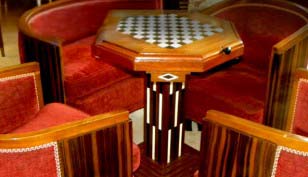
For more than 35 years, I have lived with, collected and sold original Art Deco furniture, sculpture, lighting and decorative arts. Over that time, I have learned that Art Deco is much more than a specific period between two dates. It is a way of seeing. It is about stylization, geometry, proportion, movement and the relationship between fine art and decorative art.
When I first became familiar with Pascal’s work, that connection was immediately apparent to me. I did not look at his paintings and sculpture and think they were attempting to reproduce something from 1925 or 1930. I saw something more interesting. I saw a contemporary artist exploring many of the same visual ideas that fascinated artists nearly a century ago.
That is why his work can sit so naturally alongside original Art Deco.
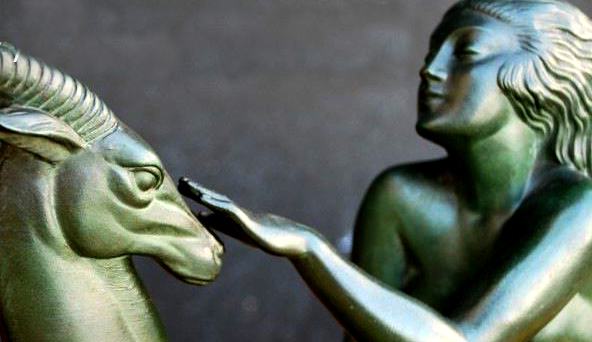
A contemporary Pascal Jarrion painting can hang above a French Macassar cabinet from the 1930s without trying to pretend it was made at the same time. A ceramic or bronze sculpture can share a room with an original European Art Deco figure and create an entirely different conversation. The pieces complement one another because they share certain ideas, not because they share the same date.
That distinction is important.
Looking Back Without Repeating the Past
Today, the term “Art Deco” is applied to almost anything with a geometric pattern or stepped design. Pascal’s relationship to Modernism is more fundamental than that. His work is not about adding an Art Deco motif to a contemporary object. It is about form. It is about rethinking the human figure. It is about using geometry to create emotion.
Reducing something to its essential shapes and then rebuilding it with a new sense of proportion and movement. Those were some of the same artistic questions being explored during the years that produced Cubism, Art Deco and the many related Modernist movements of the early twentieth century.
Pascal continues that exploration in his own way.
A Contemporary Artist at ArtDecoCollection.com
Art Deco Collection has always been primarily devoted to original pieces from the great Art Deco period. Representing Pascal Jarrion does not change that. Rather, it gives us an opportunity to occasionally step outside the historical boundaries of the collection and present the work of a living artist whose visual language has a genuine relationship with the world we have spent decades studying.
I have always bought and represented only what I genuinely like. My focus has consistently been Art Deco, but the way I choose a piece is more instinctive than academic. When I first saw Pascal’s work, I felt an immediate connection to it. It had the same visual pull that guides nearly everything I have acquired over the years: a combination of form, personality, originality and that difficult to define feeling that makes you want to live with an object.
No one truly needs what we sell. These are pieces people choose because they respond to them, because something about the work speaks to them and makes them want to bring it into their home. Pascal’s paintings and sculptures gave me that feeling, and I believe many of my clients will respond in much the same way.
I am pleased to present a selected group of Pascal’s work through Art Deco Collection. Some pieces are strongly Cubist, while others feel more sculptural, architectural or connected to earlier artistic traditions. Together, they reveal an artist who continues to explore new ideas while maintaining a clear and recognizable personal style.
That is ultimately why his work feels so right for Art Deco Collection. The best contemporary art does not need to reject history. It can understand what came before, absorb those influences and carry them forward in a new and personal direction.
Pascal Jarrion does exactly that.
Selected Exhibitions and Career Highlights
- 2002 — Quest for Impact, BTAG, Barcelona
- 2008 — Japan Je T’Adore, The Ghetto, Tokyo
- 2011 — Purity in Motion, Sacred Gallery, New York
- 2012 — Beverly Hills Art Show, Beverly Hills
- 2014 — Tattoo Art Today, Somerset House, London
- 2023 — Palm Springs Modernism Show
- 2024 — Palm Springs Modernism Show
- 2024 — Completed a major commissioned bronze sculpture for the Hilbert Museum of California Art at Chapman University
- 2025 — Hamptons Fine Art Fair
Available Works of Art by Pascal Jarrion