



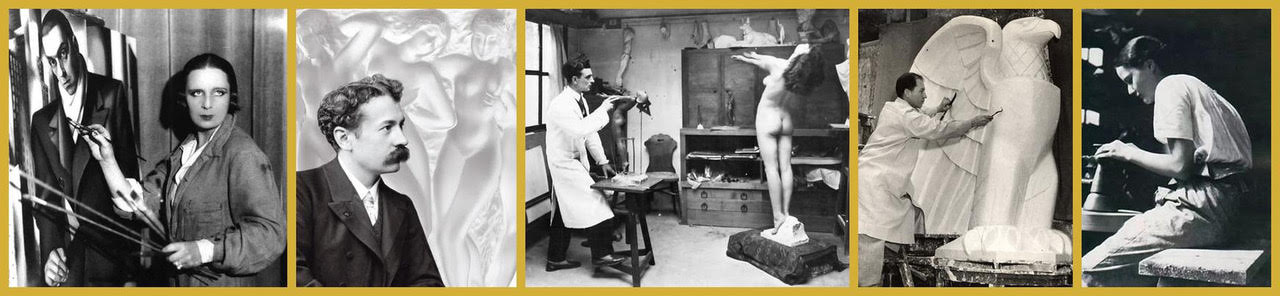
Eileen Gray
Eileen Gray was one of the most original and visionary designers of the Art Deco period, best known for her lacquered screens, modern furniture, and interiors that blended exquisite craftsmanship with radical simplicity. Born in Ireland in 1878 and raised between London and Wexford, she was among the first women admitted to the Slade School of Fine Art, where her exposure to Japanese lacquerwork shaped her lifelong fascination with refined surfaces and subtle geometry. She moved to Paris in 1902 and soon studied lacquer under the master Seizo Sugawara, developing a rare technical command of a medium that required patience, precision, and absolute control. Her early pieces fused Japanese techniques with the angular abstraction of emerging European movements, creating hybrid works that stood out within the Parisian avant garde. By the early 1920s she had become one of the leading designers of lacquer furniture in Paris, admired for her shimmering surfaces, sculptural forms, and meticulous attention to detail. In 1922 she opened the gallery Jean Desert on the Rue du Faubourg Saint Honoré to showcase her furniture, carpets, and screens to a growing clientele of collectors and tastemakers. Her interiors during this period, including the celebrated apartment for Suzanne Talbot, displayed her ability to orchestrate rooms as holistic compositions rather than collections of objects. Her work exemplified the freshness and elegance of French Art Deco even as she quietly challenged many of its conventions.
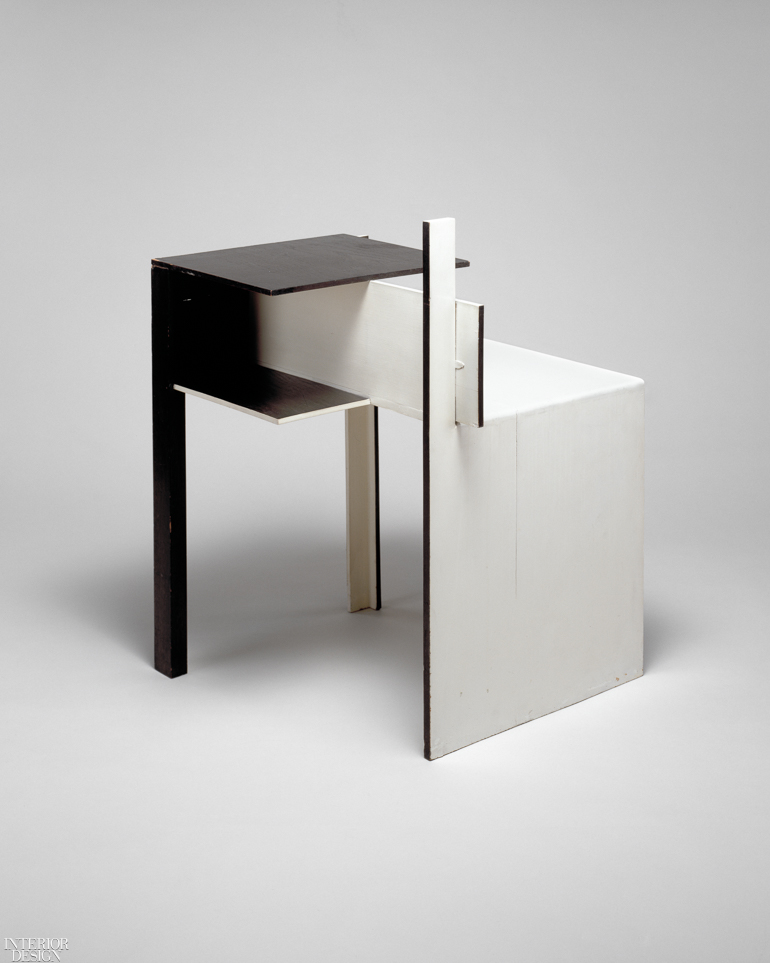
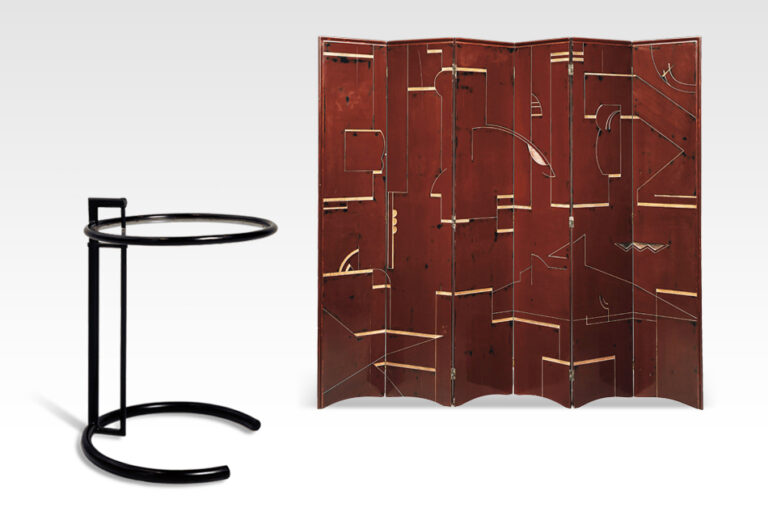
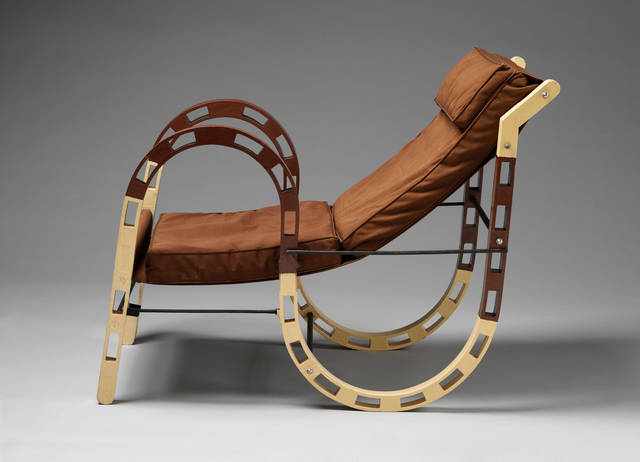
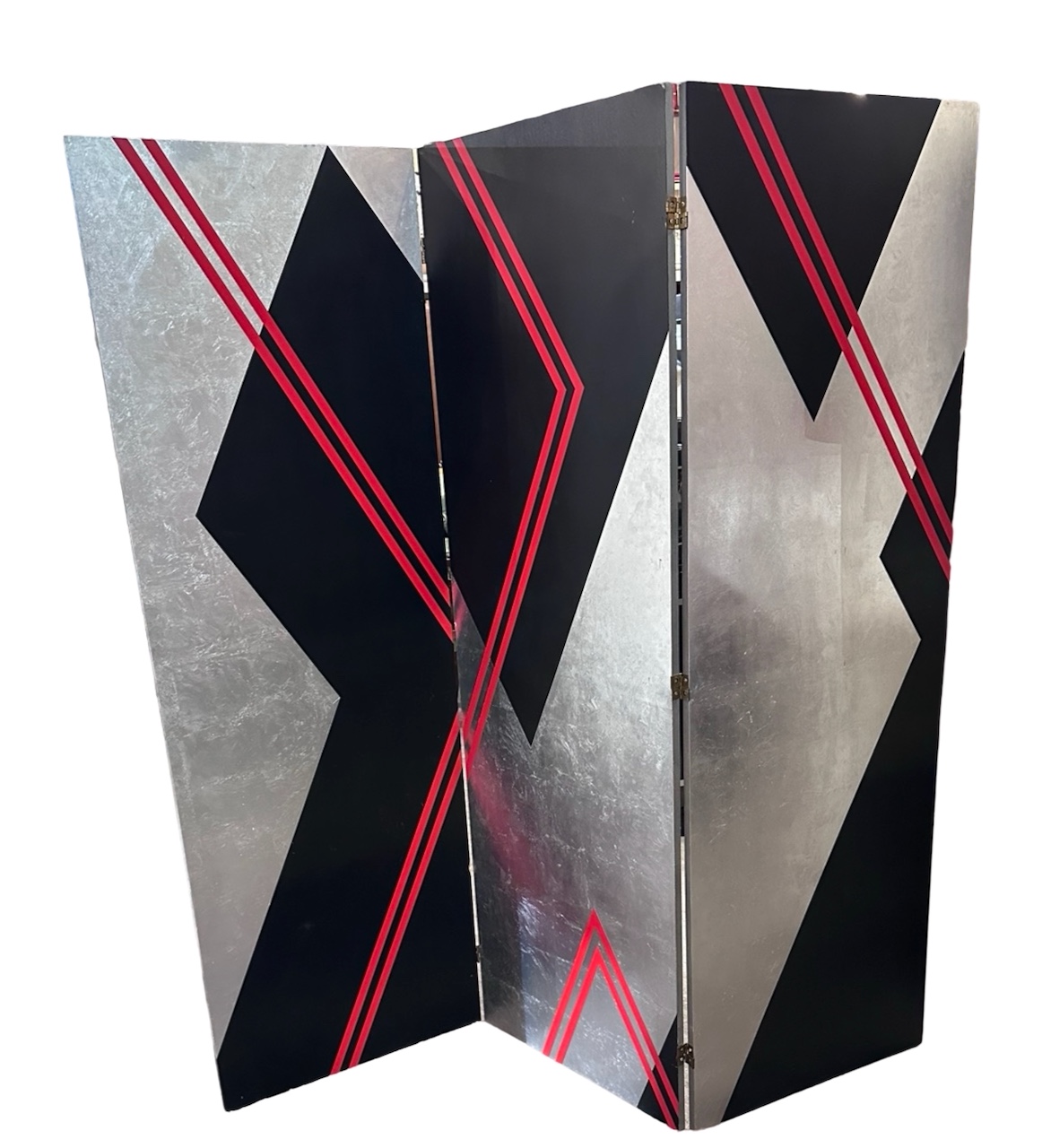
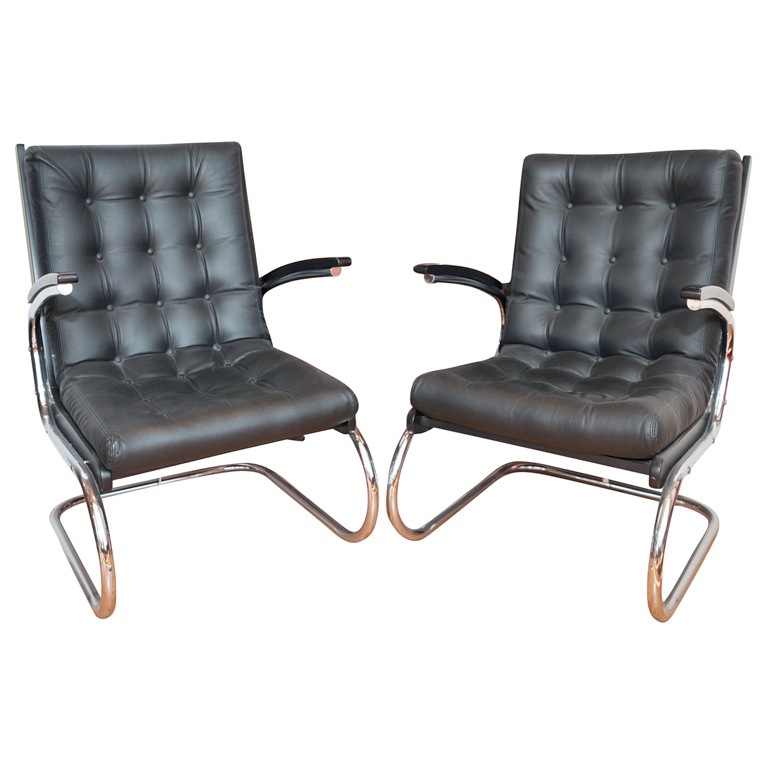
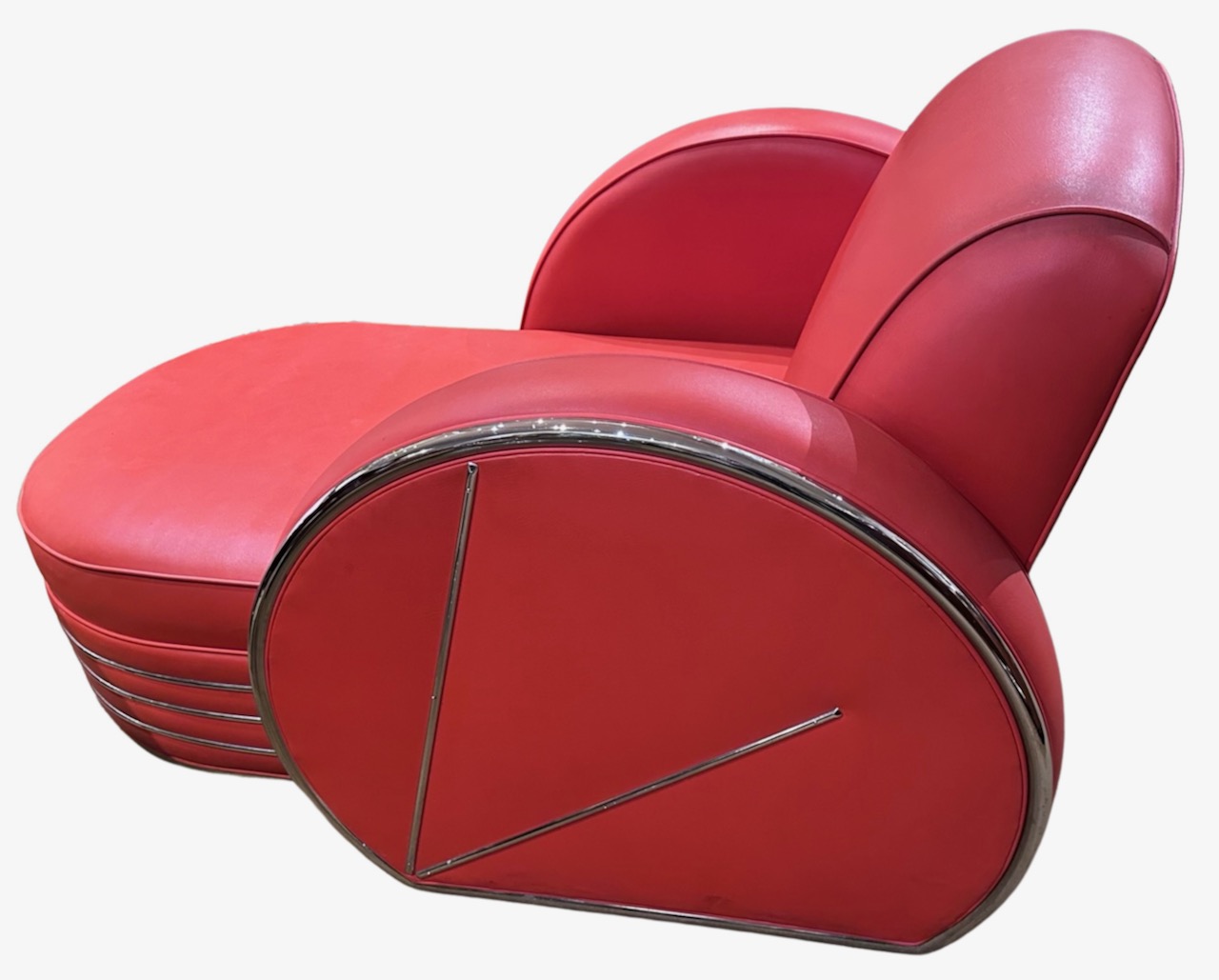
Gray’s furniture of the 1920s and 1930s embraced a new modern vocabulary that combined lacquer, exotic woods, and sumptuous textiles with the rising materials of the machine age such as steel tubing, glass, and polished metal. She produced pieces that were functional, experimental, and deeply humane, reflecting her belief that design should support the shifting rhythms of daily life. Her Brick Screen, Bibendum Chair, and E1027 Adjustable Table remain icons of modern design and illustrate her gift for translating geometric ideas into forms that felt warm and approachable. She often blurred the distinction between furnishing and architecture, creating moveable panels, pivoting tables, and flexible seating that made interiors adaptable to personal needs. While her later architectural work brought her a different kind of recognition, she continued to produce furniture that reflected the quiet rigor and poetic restraint she had developed through her lacquerwork. She collaborated with leading thinkers of the modern movement and exhibited furniture made from chrome, steel tube, and glass as early as 1925, long before these materials became synonymous with International Style design. Her interiors from the period remain remarkably fresh, marked by clarity, restraint, and a harmonious balance of form and material. Although she spent much of her life outside the public eye, she became widely celebrated in her later years, and her furniture today is among the most coveted of the Art Deco era.
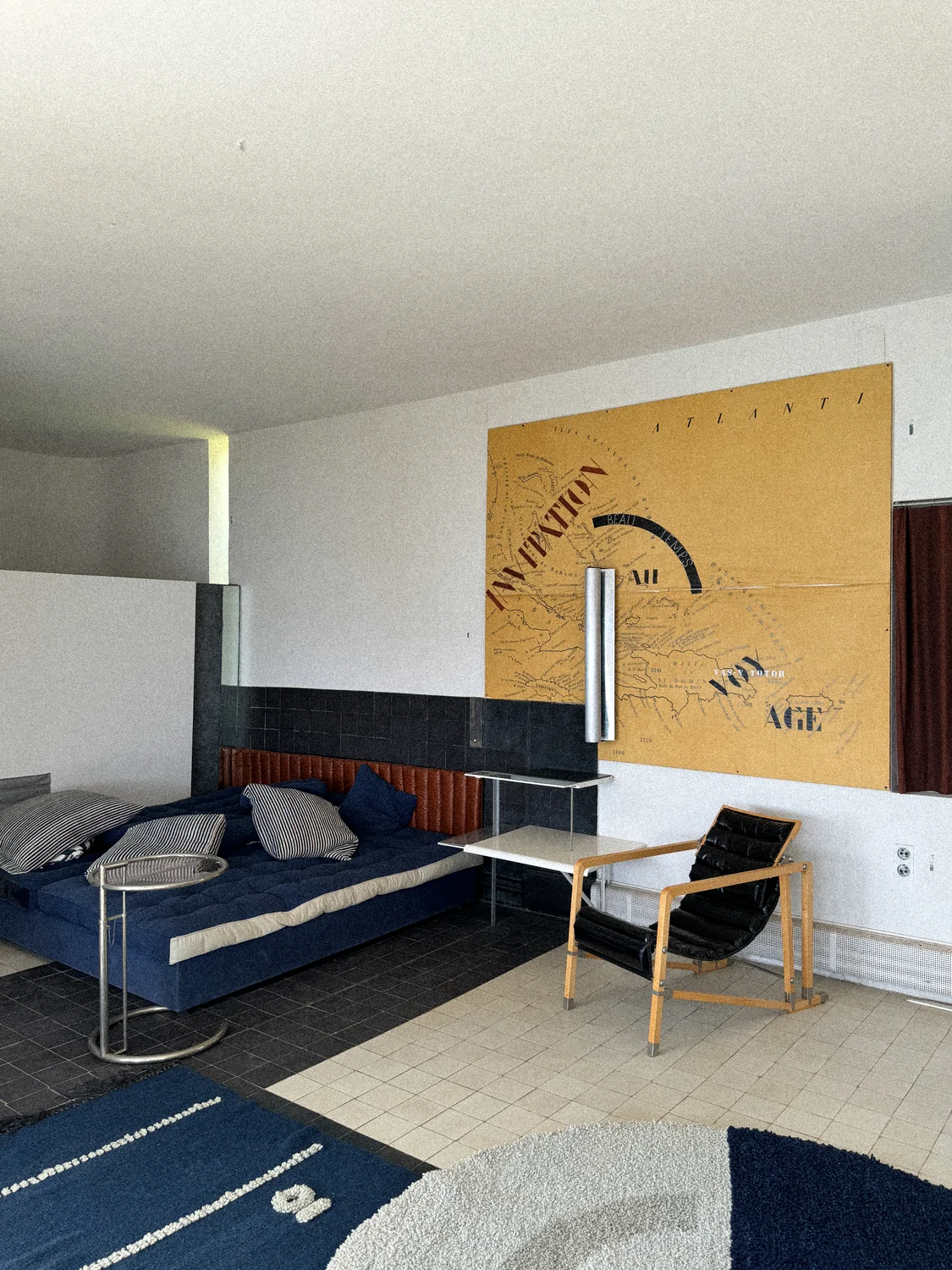
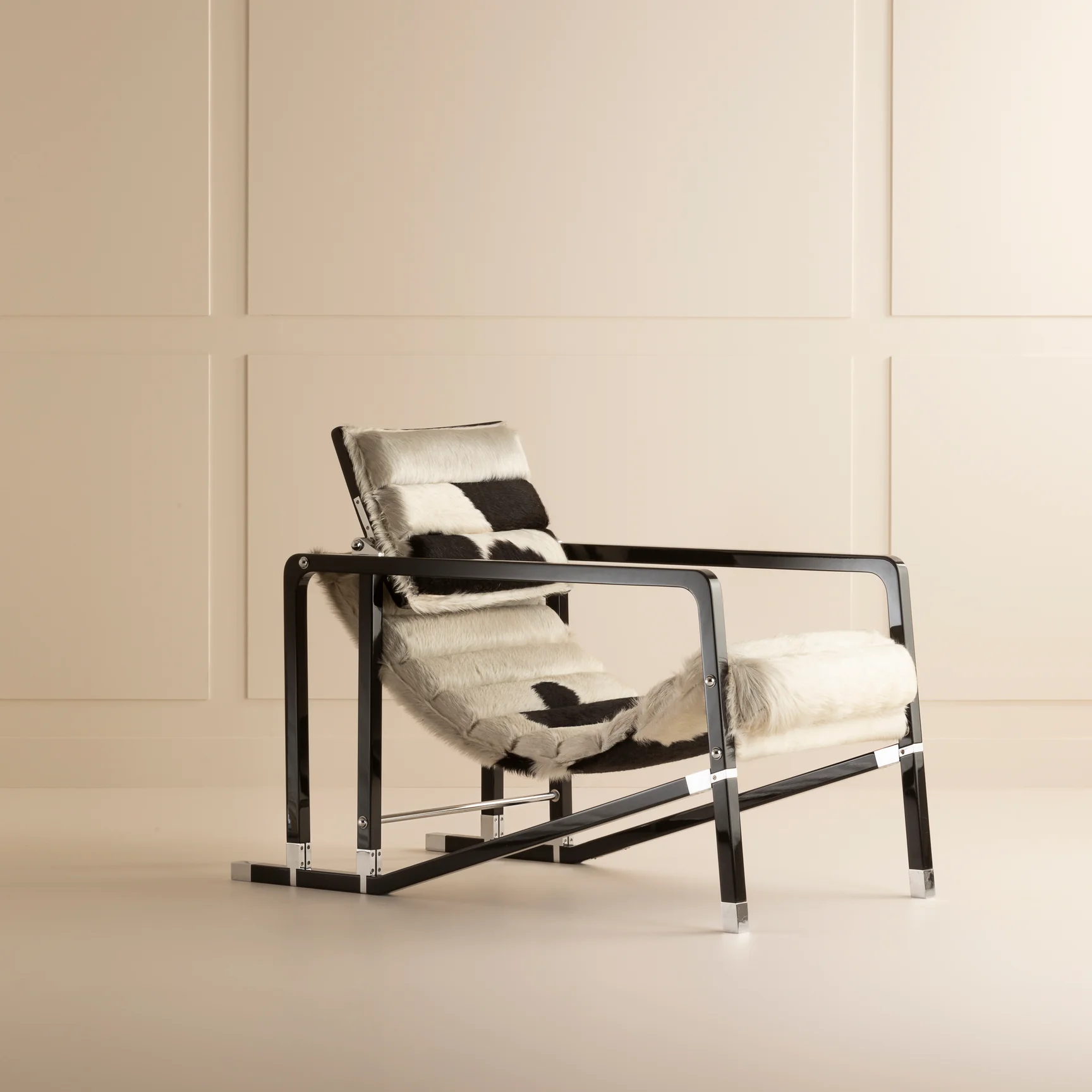
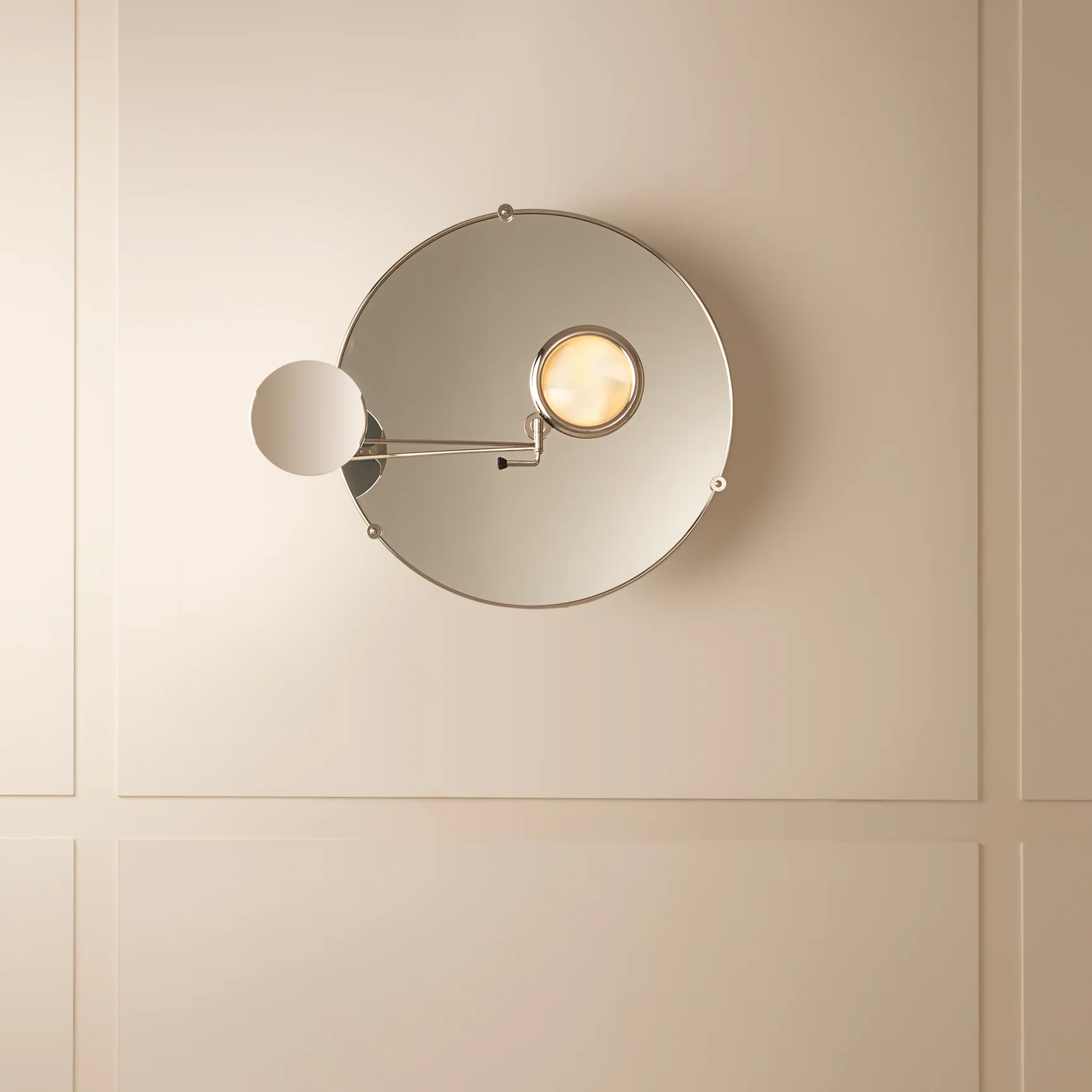
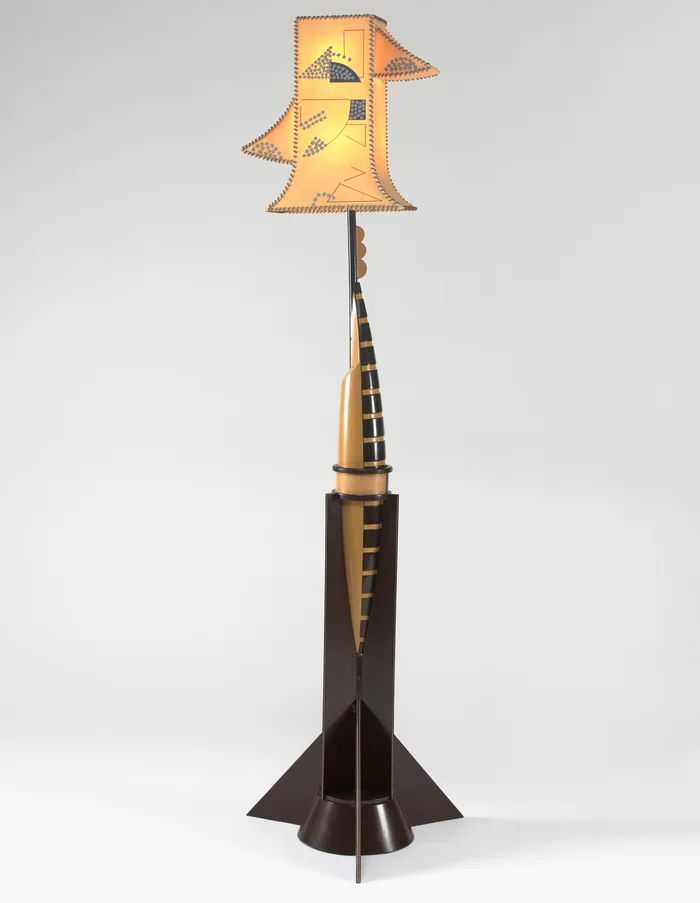
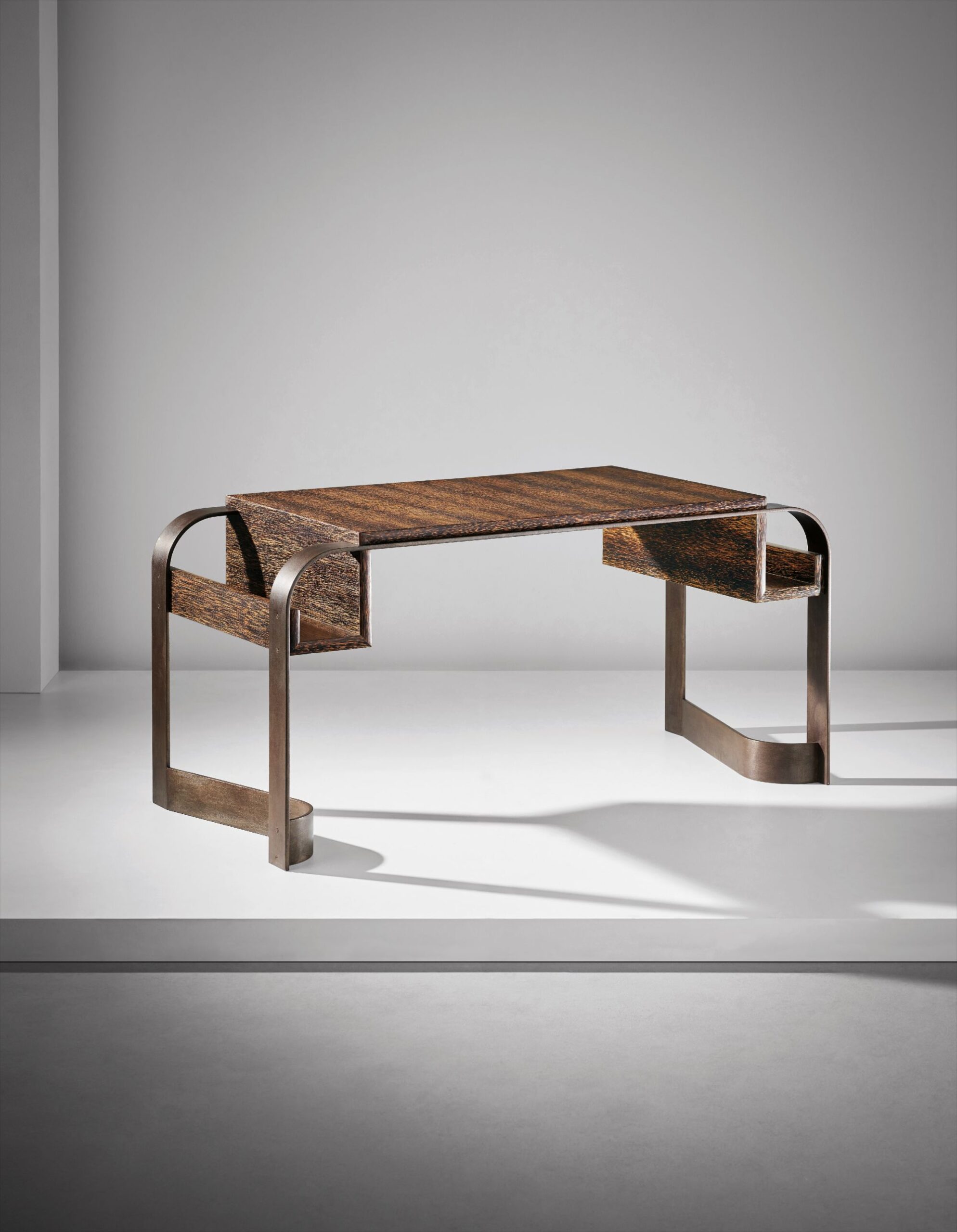
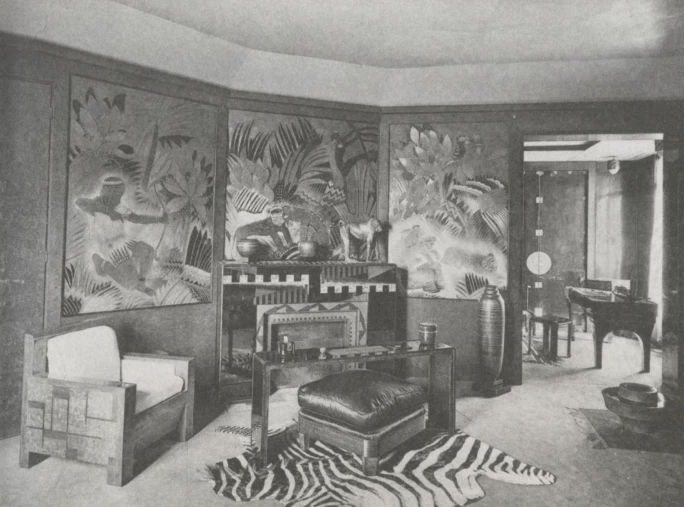
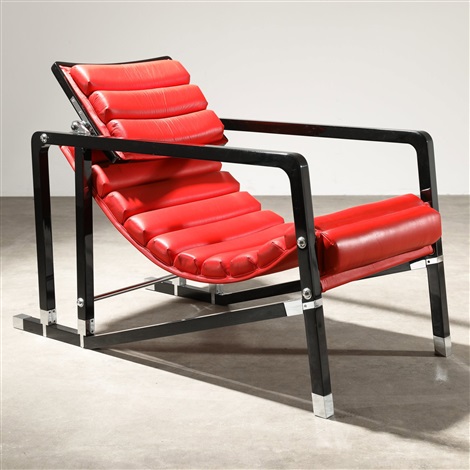
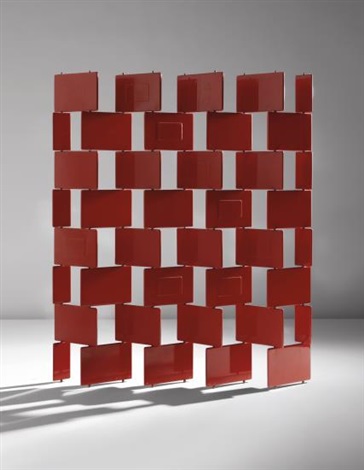
Grays style is defined by a rare combination of artisanal craftsmanship and modern clarity, uniting traditional lacquerwork with pure geometric composition. Her furniture is elegant yet direct, with precise lines, smooth surfaces, and carefully considered proportions. She favored adaptable forms that encouraged comfort and personal freedom, often incorporating moveable or adjustable elements. The interplay between rich materials and simple structure gave her work a distinctive quiet luxury that set her apart from her contemporaries. Her designs remain celebrated for their timeless restraint and for their ability to express modernity without sacrificing warmth.
Key Influences
Japanese Lacquerwork: Studied traditional techniques that informed her surface treatments and disciplined approach to material.
Art Deco Interiors: Played a major role in shaping early Parisian Art Deco through screens, carpets, furniture, and integrated interiors.
Modern Materials: Early adoption of chromed steel, tubular metal, and glass expanded the vocabulary of decorative arts.
Collaborative Parisian Avant Garde: Relationships with designers and critics such as Jean Badovici enriched her design philosophy.
Human Centered Design: Prioritized comfort, adaptability, and the lived experience of interiors, influencing later generations of modernists.
If you are interested in further stories of the artists who shaped Art Deco, return to our artists page to browse the full directory.

Related Products from ArtDecoCollection.com