
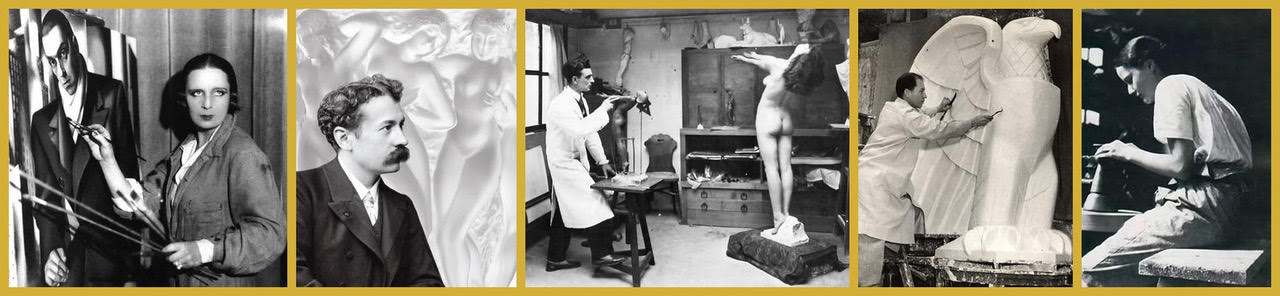
René Lalique
René Lalique was born in 1860 in the small town of Ay, France, and became one of the most innovative designers of the early twentieth century. His childhood spent among the natural landscapes of the Champagne region deeply influenced his artistic eye, instilling a fascination with organic forms that would define his career. He studied drawing in Paris and later attended the Sydenham Art College in London, where his technical and creative skills expanded rapidly. Returning to France, he apprenticed with goldsmith Louis Aucoq and soon began freelancing for prestigious houses such as Boucheron, Cartier, and Coty. In 1885 he established his own studio, where he began crafting jewelry that redefined the boundaries of design by merging fine art with decorative function. His early Art Nouveau creations combined gold, glass, enamel, and gemstones in delicate depictions of insects, flora, and mythological women. These works captured movement and life, setting Lalique apart as a visionary who elevated jewelry from ornament to art. By the early 1900s he was recognized internationally as a master craftsman whose creativity bridged nature, craftsmanship, and innovation.
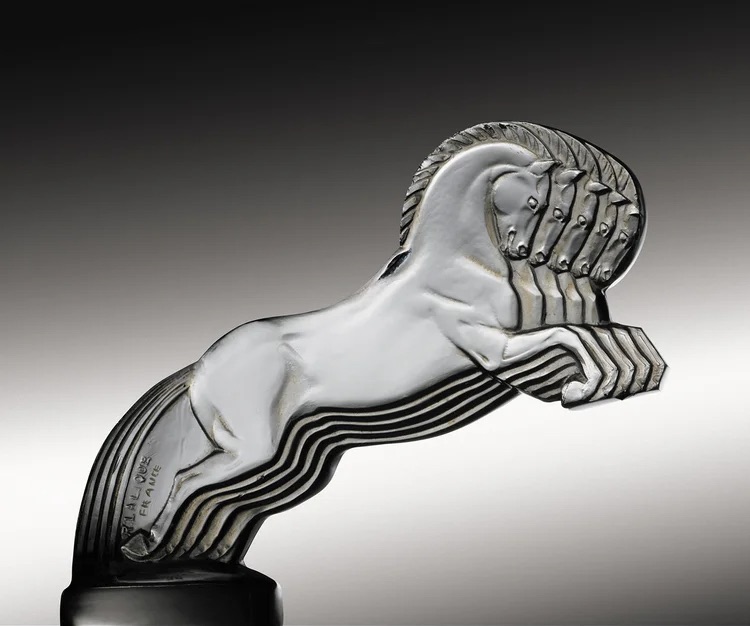

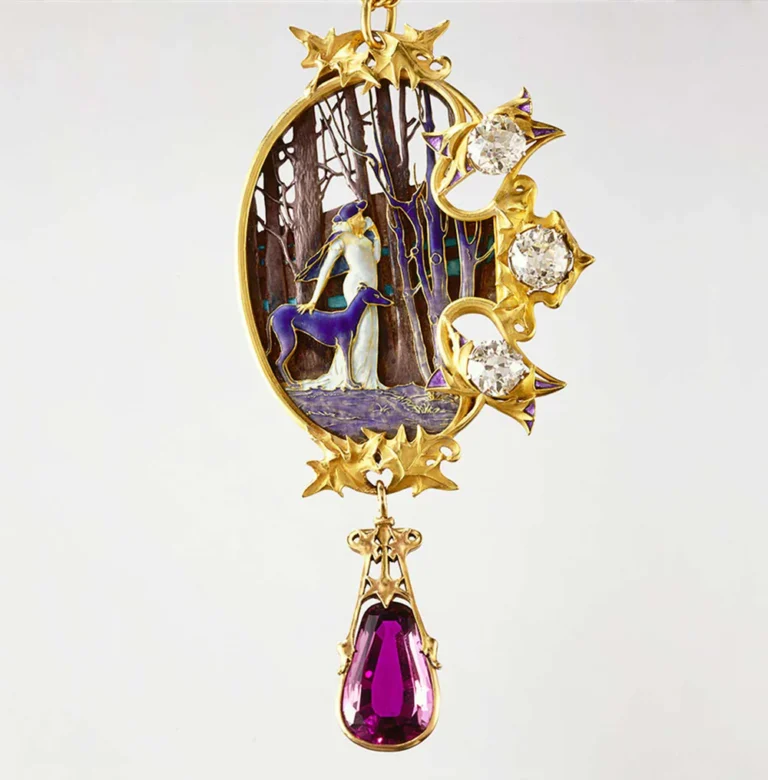
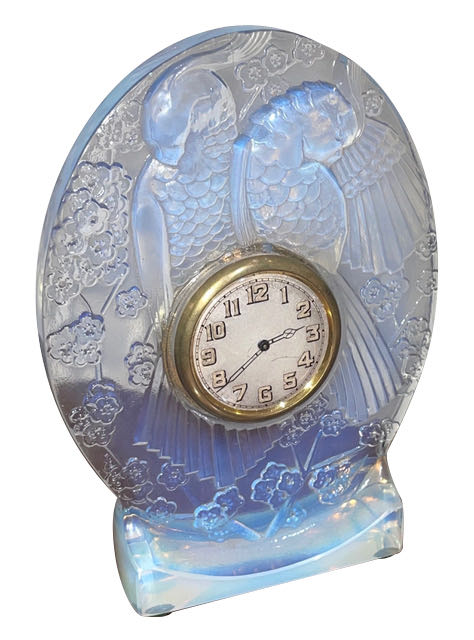
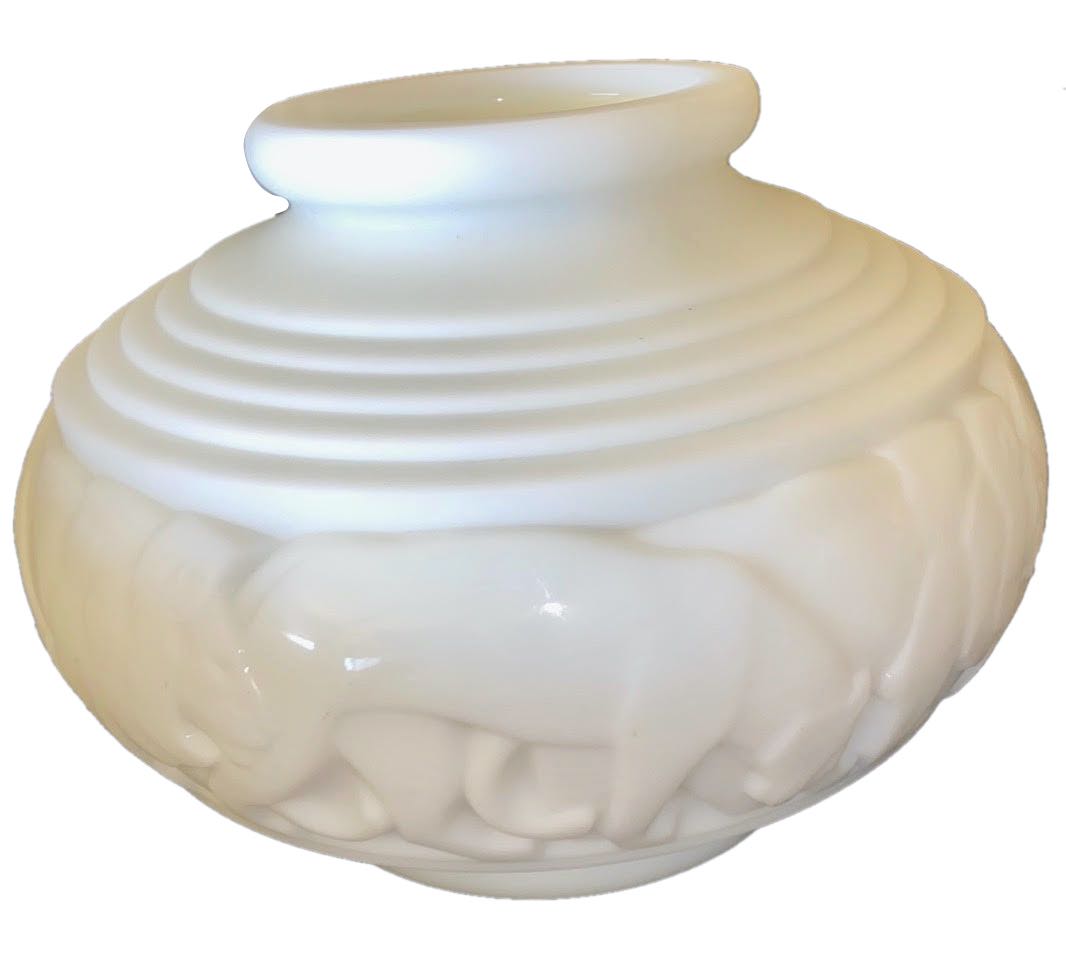
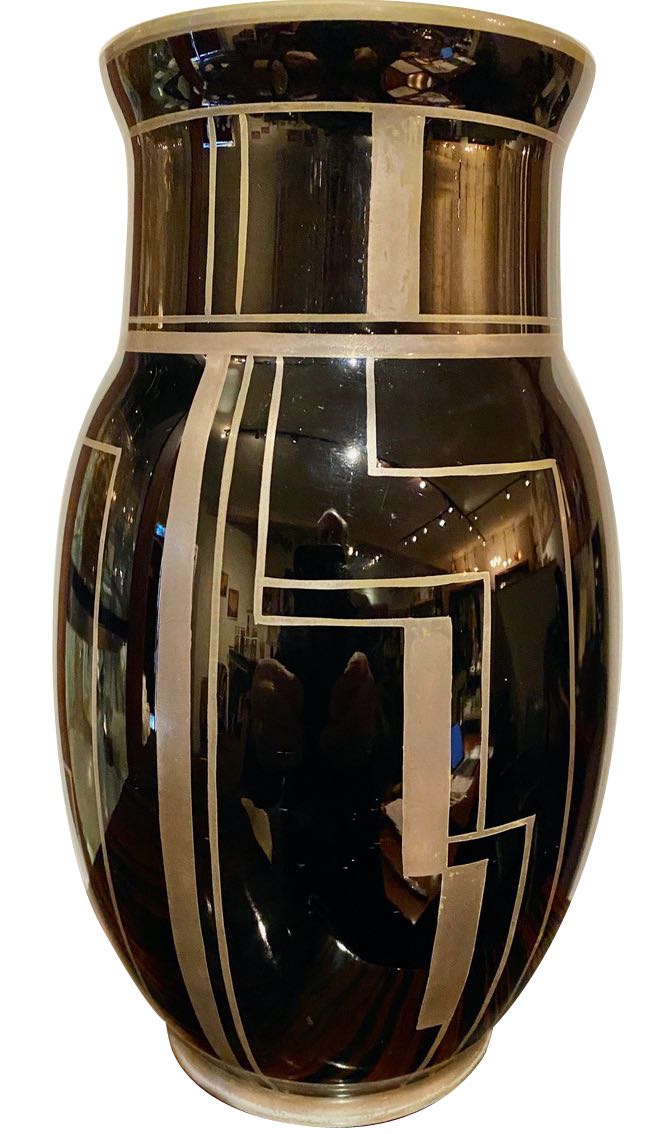
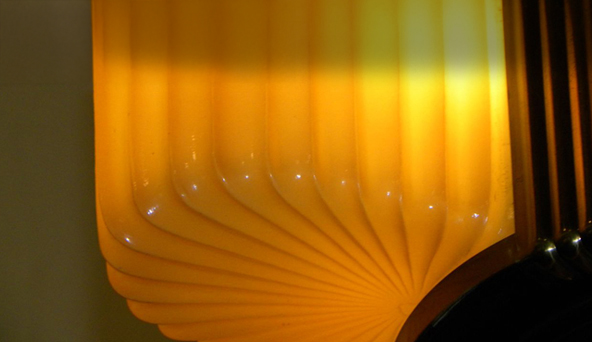
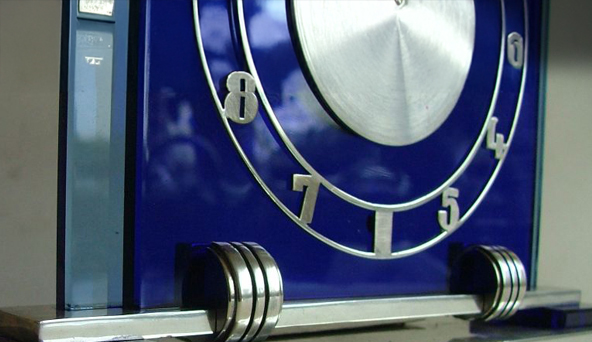
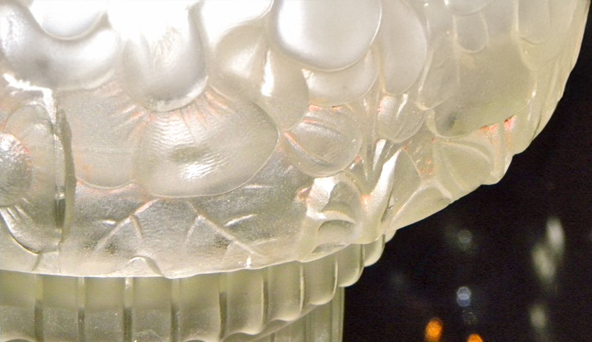
As his career evolved, Lalique shifted from jewelry to glassmaking, carrying his artistic sensibility into the Art Deco era. In the 1920s his designs became more architectural and stylized, reflecting the modern age through geometric forms and new materials like chrome, metal, and opalescent glass. He mastered glass chemistry to create pieces with unique luminosity, using oxides and phosphates to produce glowing, translucent effects that became his signature. His studio produced everything from perfume bottles and vases to lighting, tableware, and car mascots, many of which embodied the streamlined grace of the Art Deco aesthetic. Lalique’s glasswork was prominently displayed at the 1925 Paris Exposition Internationale des Arts Décoratifs, where his monumental glass fountain became one of the exhibition’s highlights. He also created the etched glass panels and chandeliers for the luxury ocean liner Normandie, merging art and engineering on an unprecedented scale. His work for prominent clients and celebrities such as Sarah Bernhardt solidified his reputation as the leading glass designer of his generation. Even after his death in 1945, Lalique’s name remained synonymous with artistic elegance and technical mastery, and his creations continue to be prized by collectors around the world.


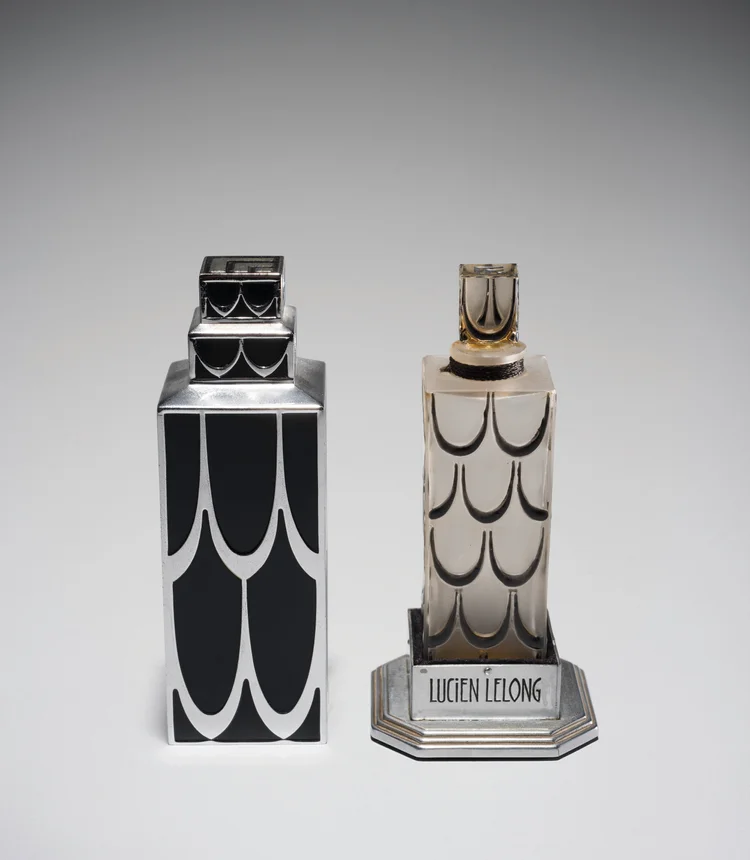

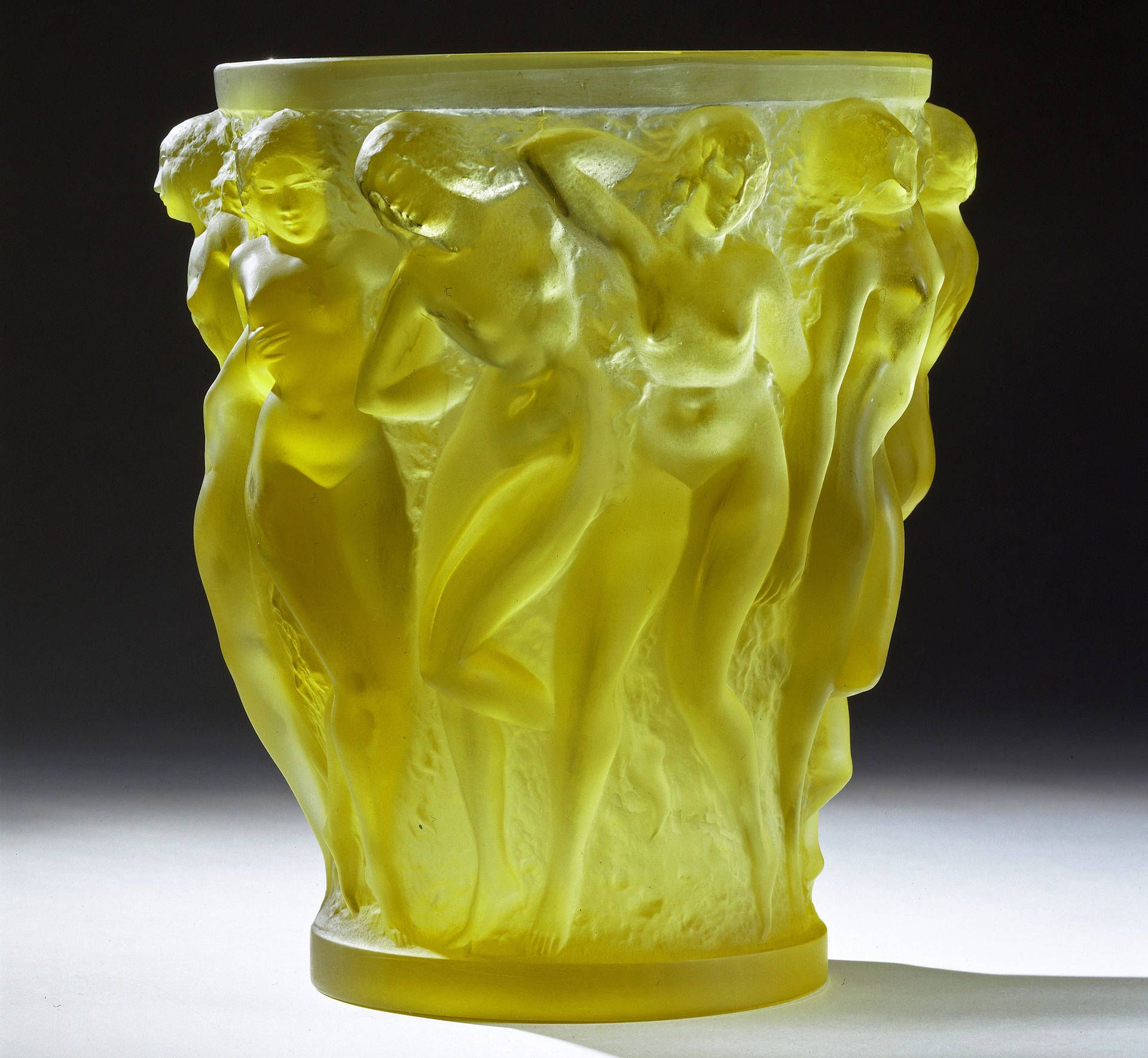
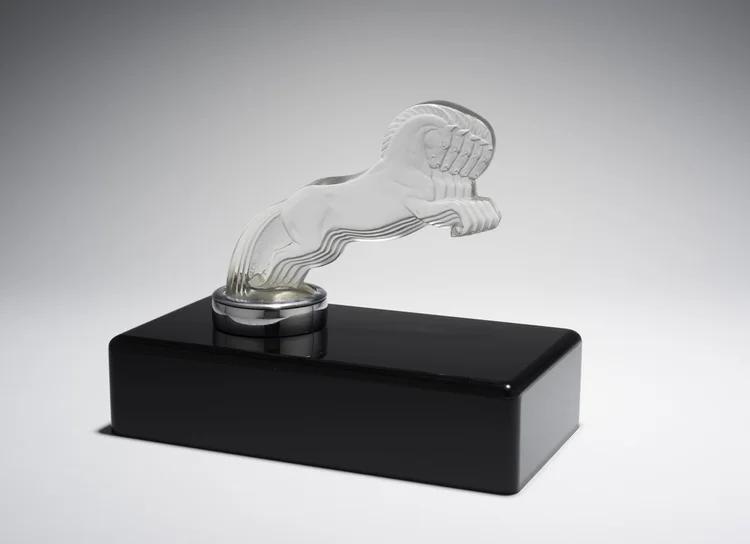
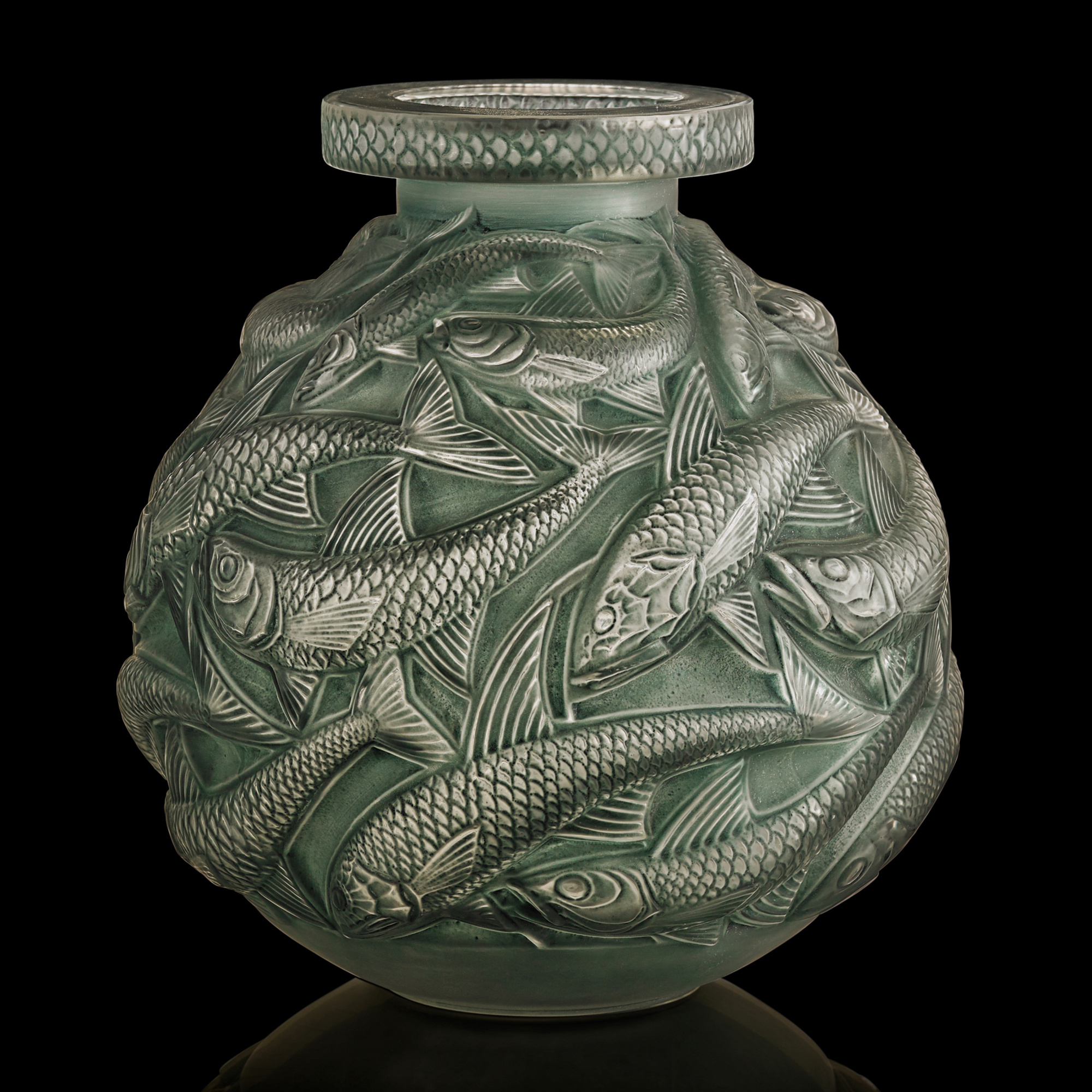

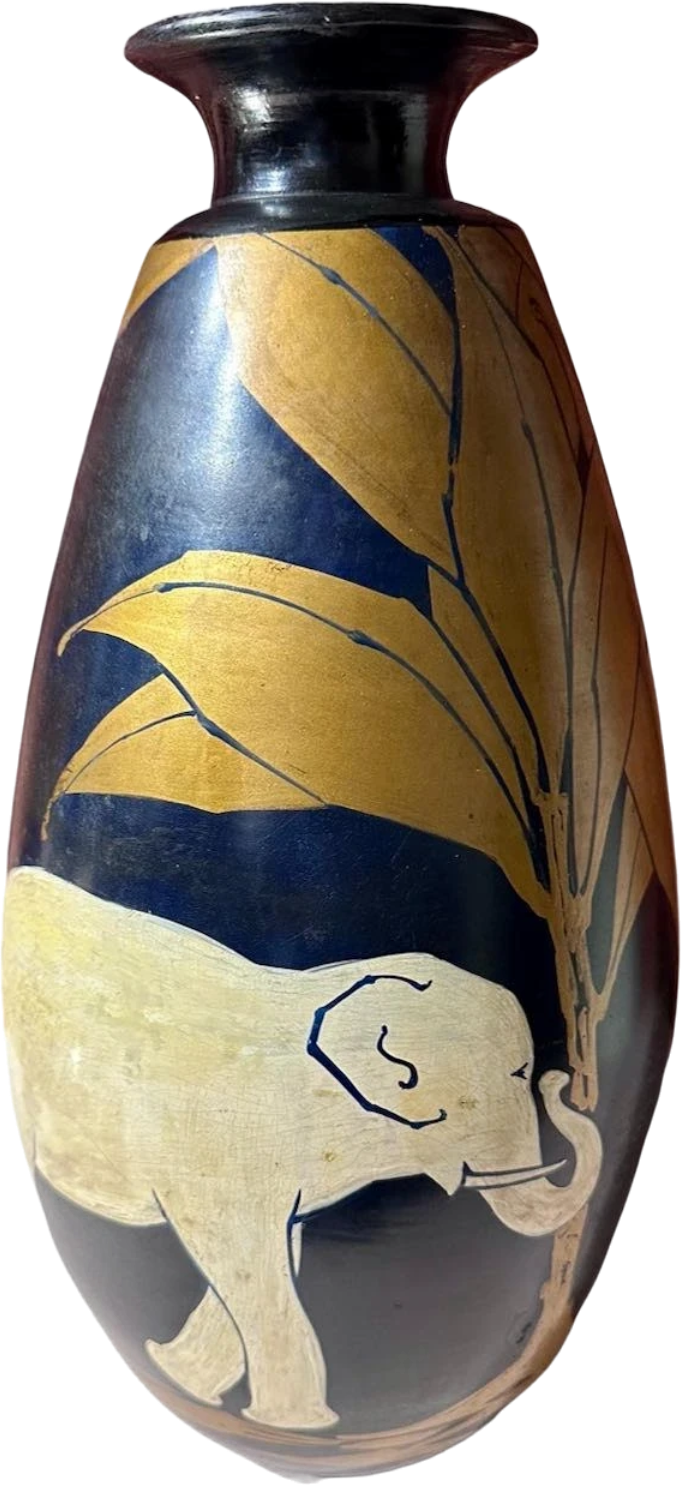
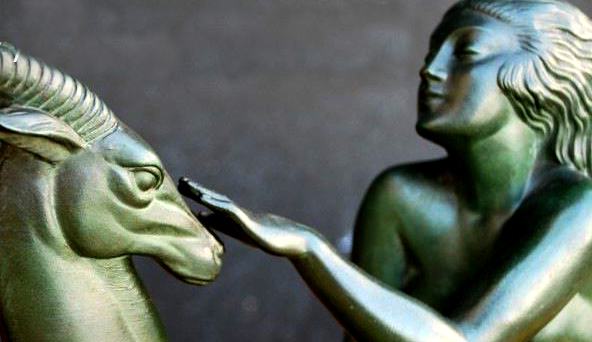
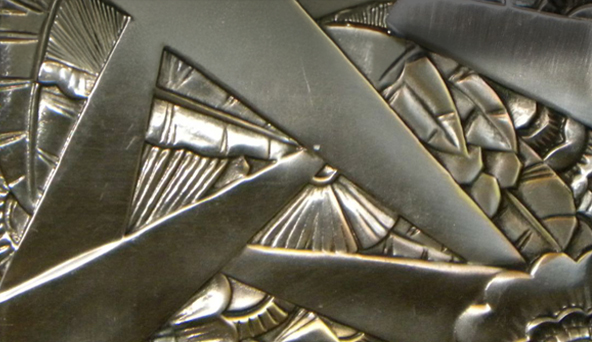
Laliques style blends the organic forms of Art Nouveau with the sleek geometry of Art Deco. He was fascinated by natural motifs, birds, flowers, insects, and flowing human forms, and later abstracted them into modern compositions. His work balanced fragility and strength, capturing motion in stillness through careful manipulation of light and translucency. The opalescent surfaces and subtle tints in his glass gave his designs a living quality, glowing softly under light. His approach combined the precision of an artisan with the imagination of a sculptor, creating objects that were both decorative and poetic.
Key Influences:
Nature and Symbolism: Laliques early exposure to rural landscapes and organic life shaped his lifelong use of natural imagery.
Art Nouveau and Art Deco Movements: His career bridged these two eras, evolving from flowing naturalism to the clean geometry of modern design.
Scientific Innovation: Mastery of glass chemistry allowed him to produce unique effects of opacity, color, and light.
Theatrical and Luxury Commissions: Collaborations with actresses, perfumers, and luxury brands broadened his audience and redefined modern elegance.
Public Exhibitions and Architecture: His contributions to the 1925 Paris Exposition and the ocean liner Normandie established glass as a central medium of modern art and design.
If you are interested in further stories of the artists who shaped Art Deco, return to our artists page to browse the full directory.
Related Products from ArtDecoCollection.com