
Ettore Bugatti
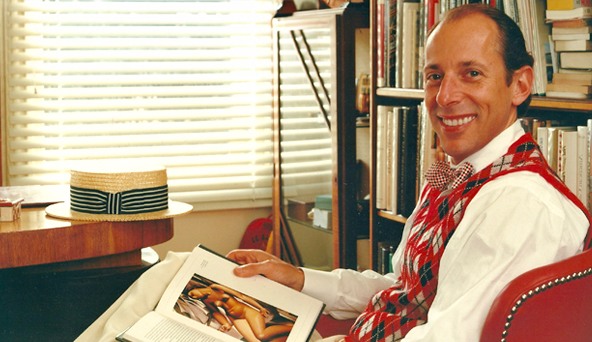
Ettore Arco Isidoro Bugatti was born on September 15, 1881, in Milan, Italy, into a family in which art and design played a central role. He attended the Brera Academy before quickly realizing that his true passion was mechanics rather than fine art, and by the age of 16, he had begun an internship at Prinetti e Stucchi, designing his own motorized tricycle the following year. His early talent caught the attention of Baron Adrien de Turckheim, who brought him to the Lorraine-Dietrich factory in Alsace in 1902, and he subsequently collaborated with Émile Mathis before establishing a research center at Illkirch-Graffenstaden. He founded Automobiles E. Bugatti in 1909 in Molsheim, Alsace, building the company into one of the most celebrated automobile manufacturers in history. He married Barbara Maria Giuseppina Mascherpa in 1907 and had four children; the death of his son Jean in a testing accident in 1939 was a blow from which he never fully recovered. During World War II, Bugatti was forced to sell his factory under German occupation and was subsequently tried for collaboration, a conviction that was overturned only after his death. He died at the American hospital in Neuilly-sur-Seine on August 21, 1947, and was inducted into the Automotive Hall of Fame in 2000.
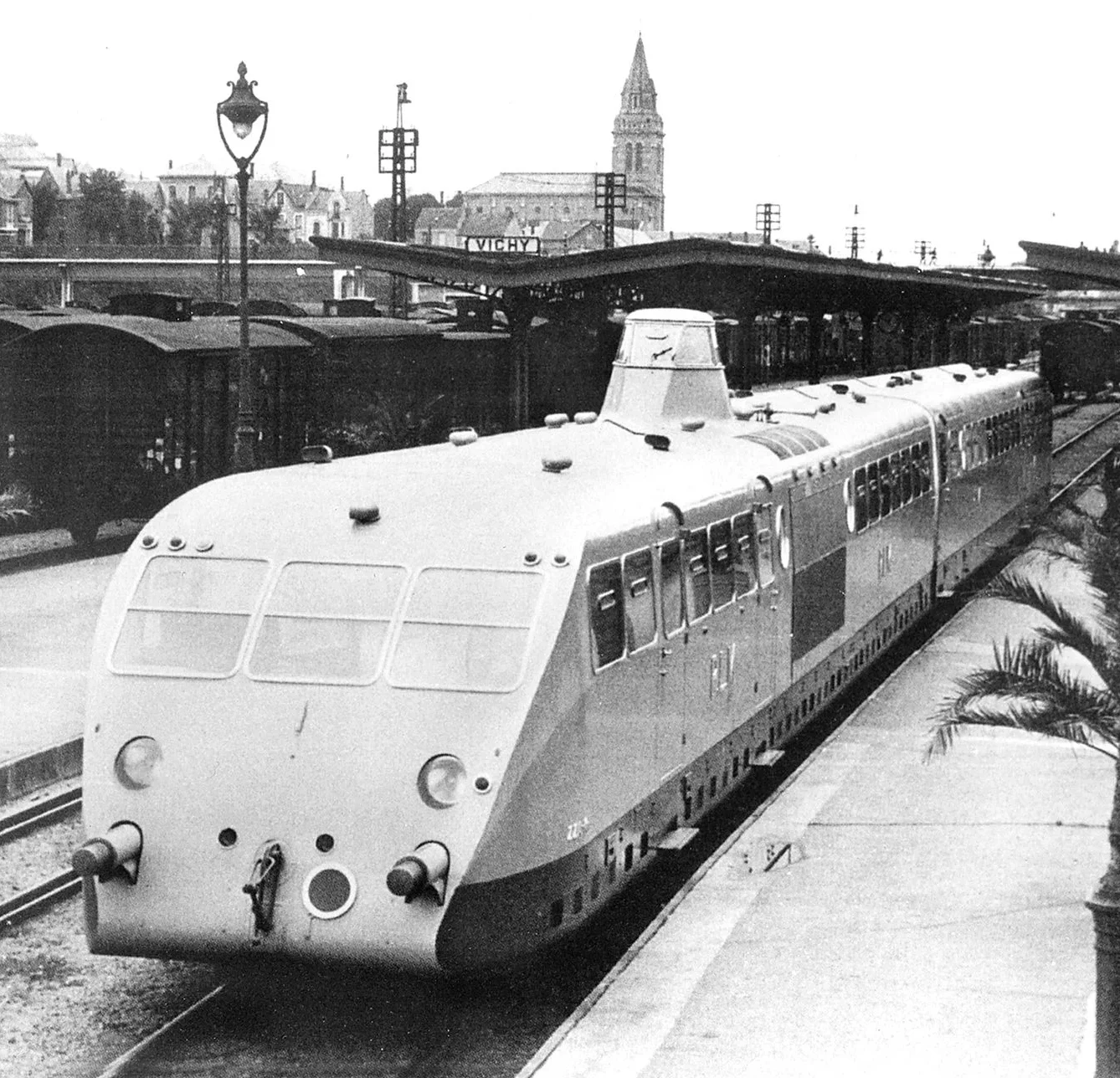

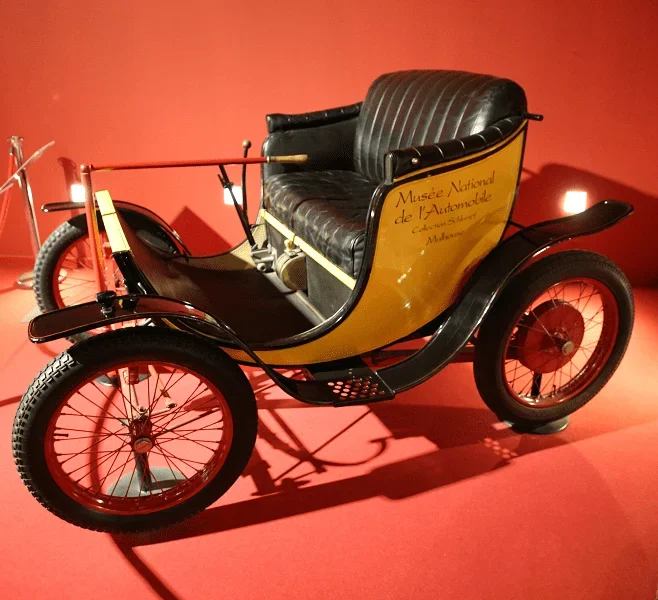
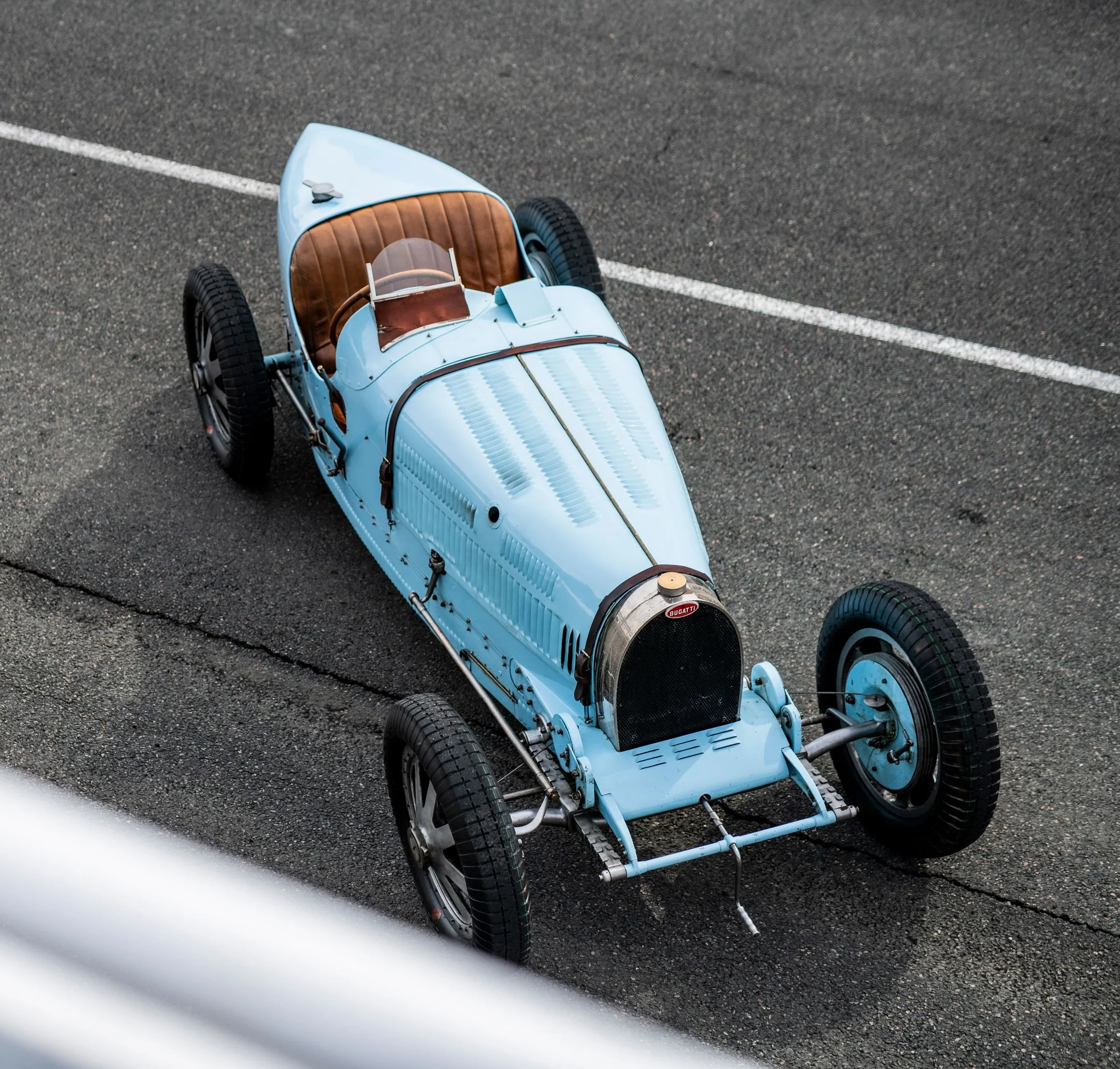
Bugatti’s early innovations at De Dietrich included a closer driving position that improved manoeuvrability and aerodynamic performance, a change that influenced the history of driving worldwide. After founding his company in Molsheim, he developed a multi-valve engine that became a defining technical breakthrough and propelled Bugatti to Grand Prix dominance, with his Type 35 appearing on the world’s most prestigious podiums and a Bugatti winning the first Monaco Grand Prix. During World War I, he designed aeroplane engines, and in the interwar period, he designed the Autorail Bugatti, a successful motorized railcar whose technical components were drawn directly from his automobile work. His most ambitious project of the era was the Bugatti Royale, an enormous luxury automobile conceived to outclass the Rolls-Royce and Maybach, featuring a prototype ornamented with gold components. He also designed an airplane, bicycles, a toy car, surgical instruments still in use today, and a wide range of objects that demonstrated the breadth of his inventive mind. During World War II, the Molsheim factory was sequestered by the German army, and Bugatti was compelled to sell it for half its value. He spent his final years planning a new factory at Levallois in Paris and designing a series of new cars that were never realized.
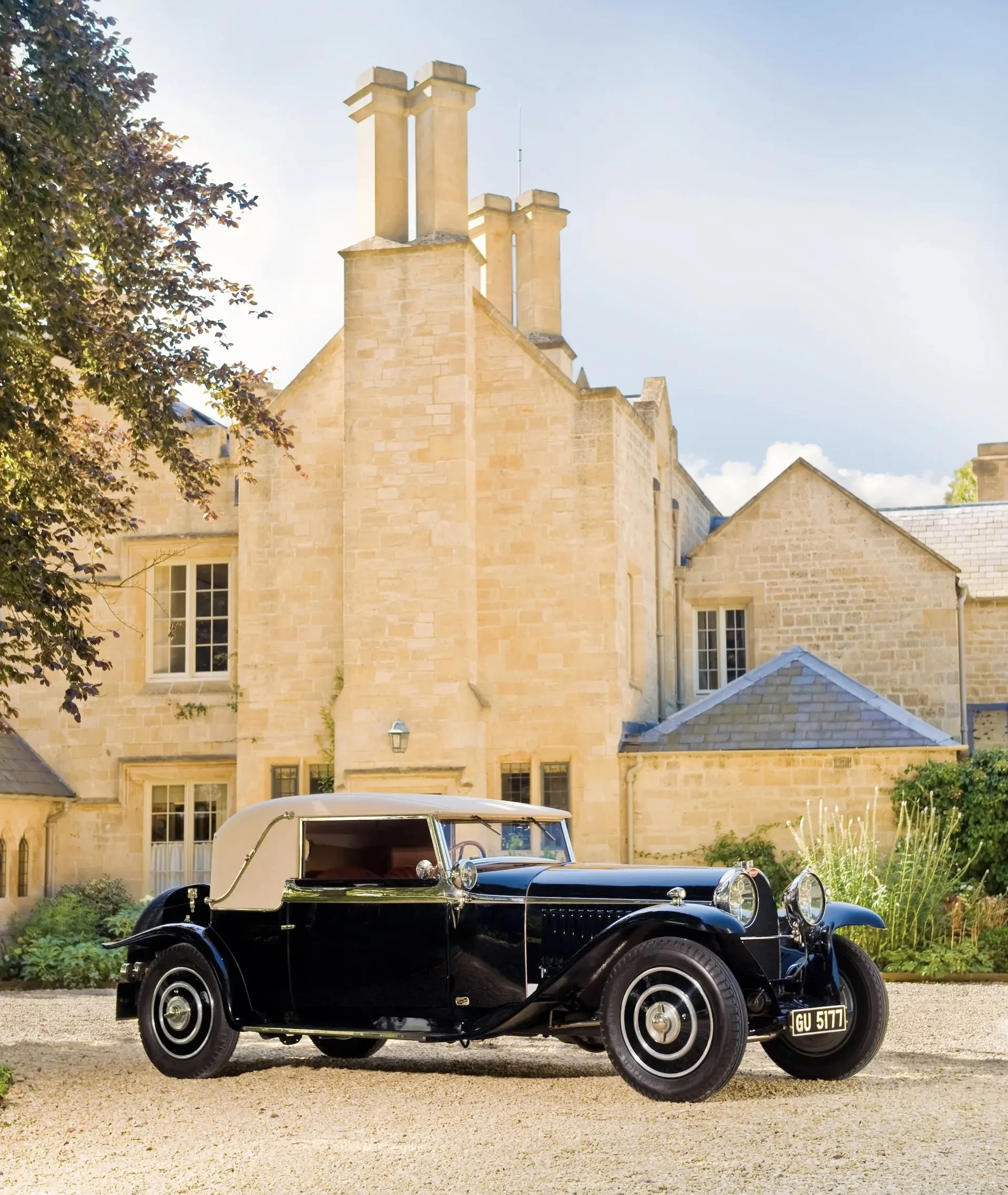


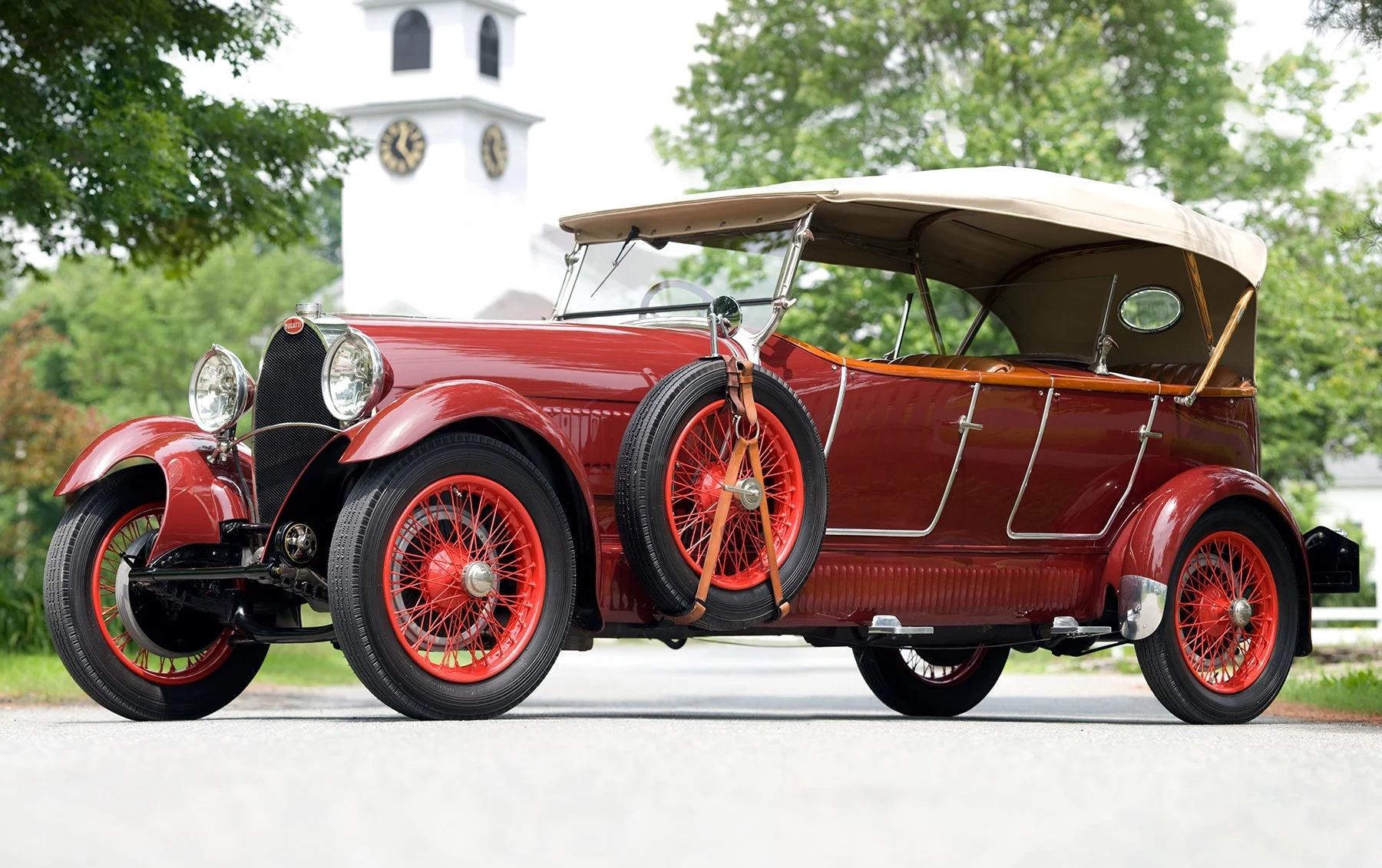
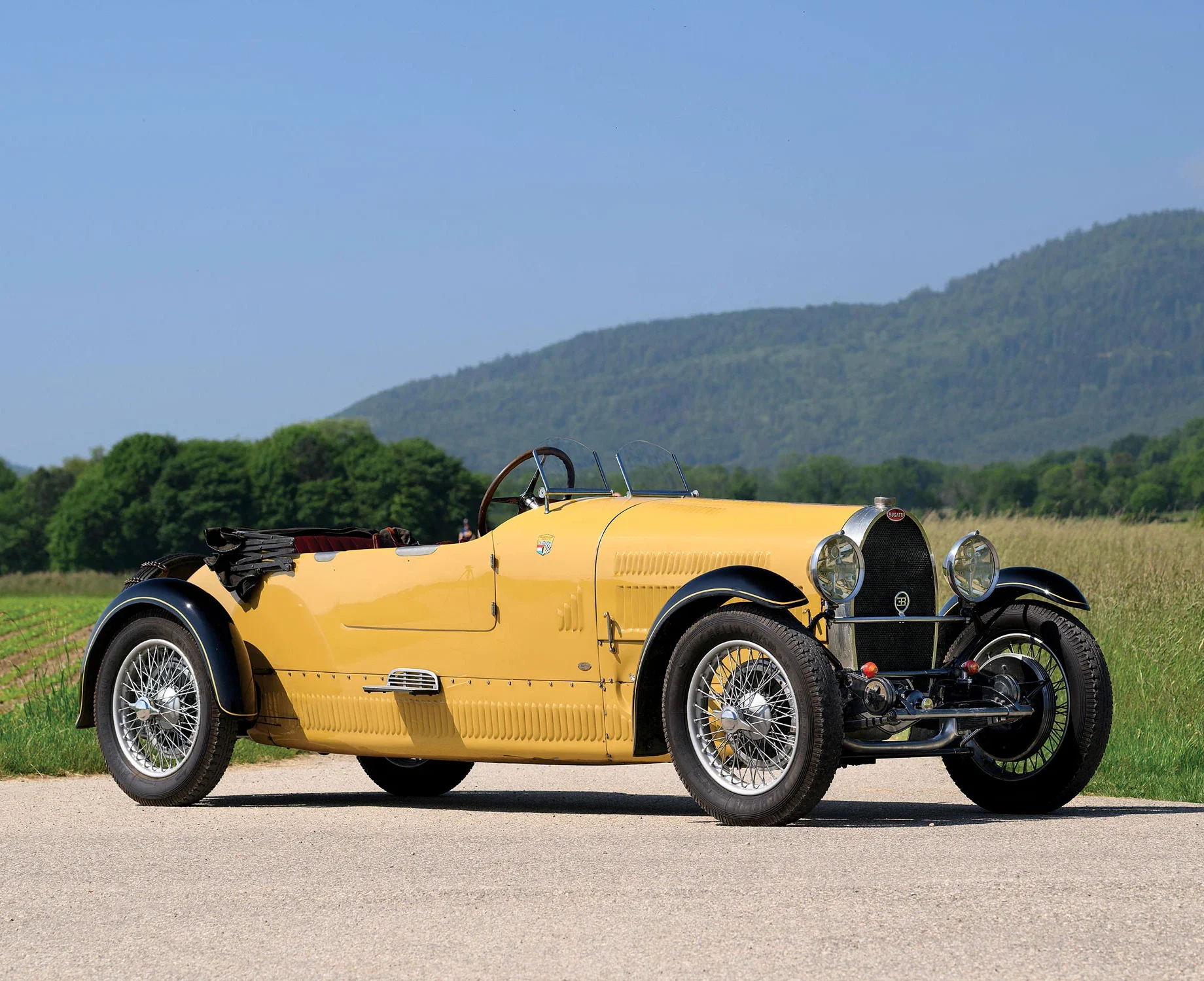

Bugatti’s design philosophy held that creativity was the expression and crowning element of one’s personality rather than merely a commercial tool, and this conviction gave his automobiles a sculptural, almost handcrafted quality unusual in industrial production. His cars combined extreme technical precision with an elegance of form that set them apart from contemporaries, and the Bugatti Royale in particular embodied the Art Deco ideal of luxury as a total aesthetic experience. His approach balanced conservatism, retaining proven technical solutions across many models, with bold innovation, as in his multi-valve engine, producing a body of work that was simultaneously timeless and forward-looking.
Key Influences
- Automobile as Art Object: His insistence on beauty and precision as inseparable from engineering performance elevated the automobile to the status of a designed art object, influencing how luxury car manufacturers approached aesthetics for generations.
- Grand Prix and Motorsport Culture: His racing dominance with the Type 35 established Bugatti as a benchmark of mechanical excellence and helped define the visual language of the racing car during the Art Deco era.
- Art Deco Luxury: The Bugatti Royale became one of the defining objects of interwar luxury design, embodying the Art Deco aspiration toward scale, opulence, and technical mastery in a single object.
- Cross-Disciplinary Design: His designs for railcars, aeroplane engines, surgical instruments, and domestic objects demonstrated that the principles driving his automotive work could be applied across an extraordinary range of disciplines.
- The Bugatti Legacy: The company he founded has passed through many hands but remains one of the world’s most recognized luxury automobile brands, with his founding philosophy of innovation and beauty still cited as the cornerstone of the marque’s identity.
If you are interested in further stories of the artists who shaped Art Deco, return to our artists page to browse the full directory.