✕


ART & STATUES
CERAMICS & GLASS

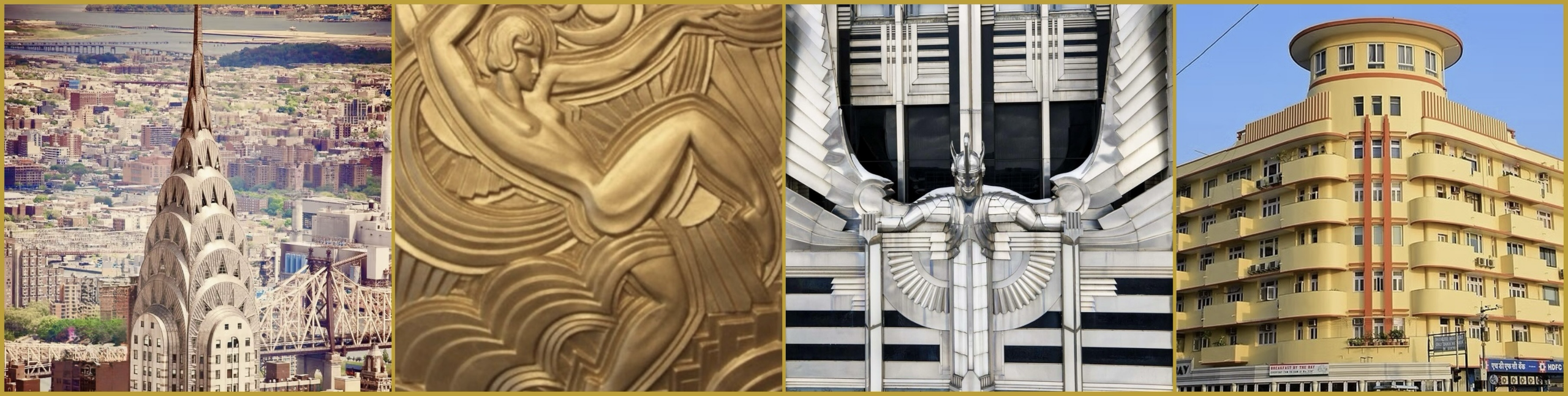
Art Deco Around The World
The Oakland Paramount Theatre
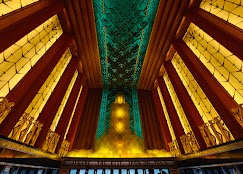
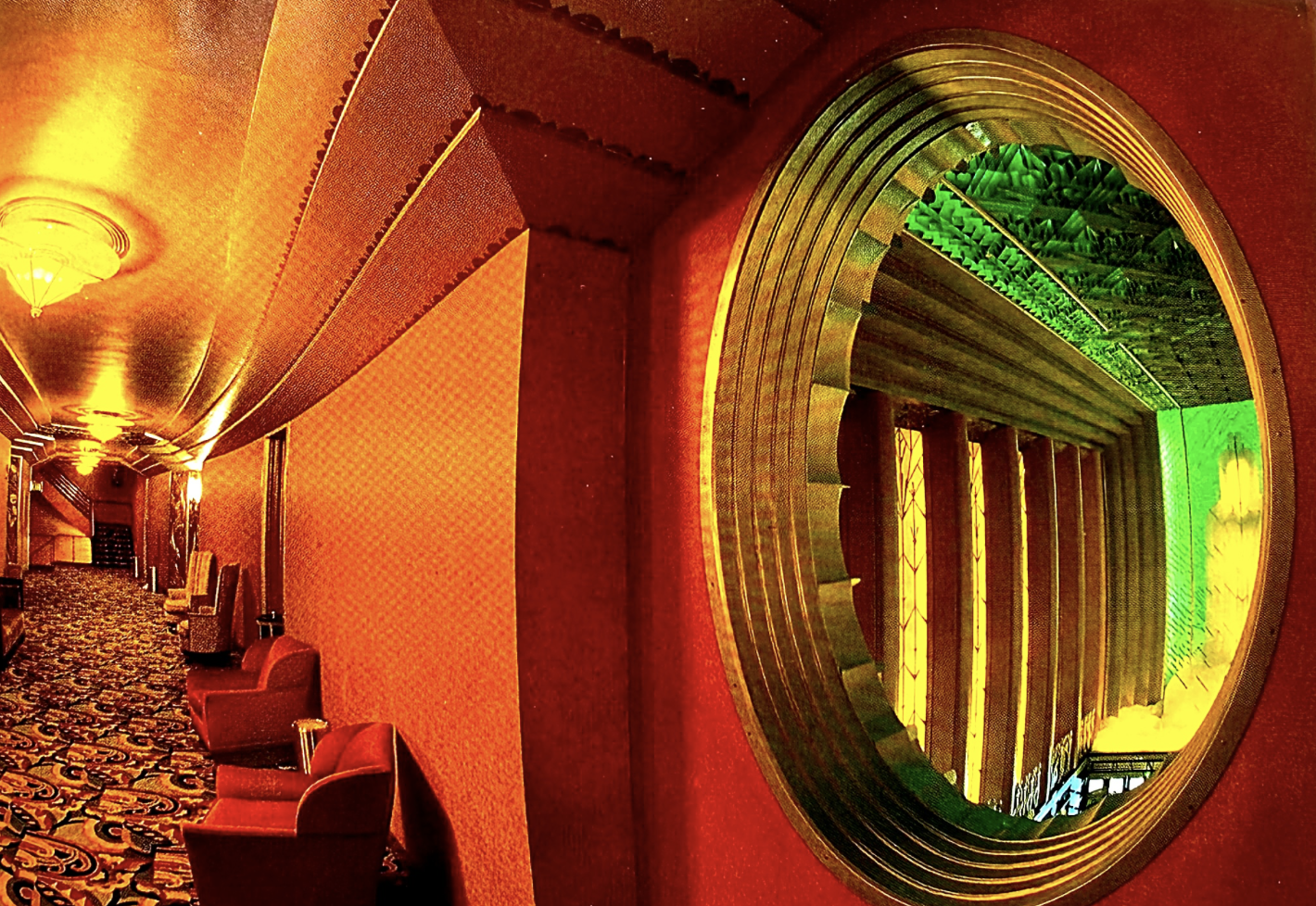
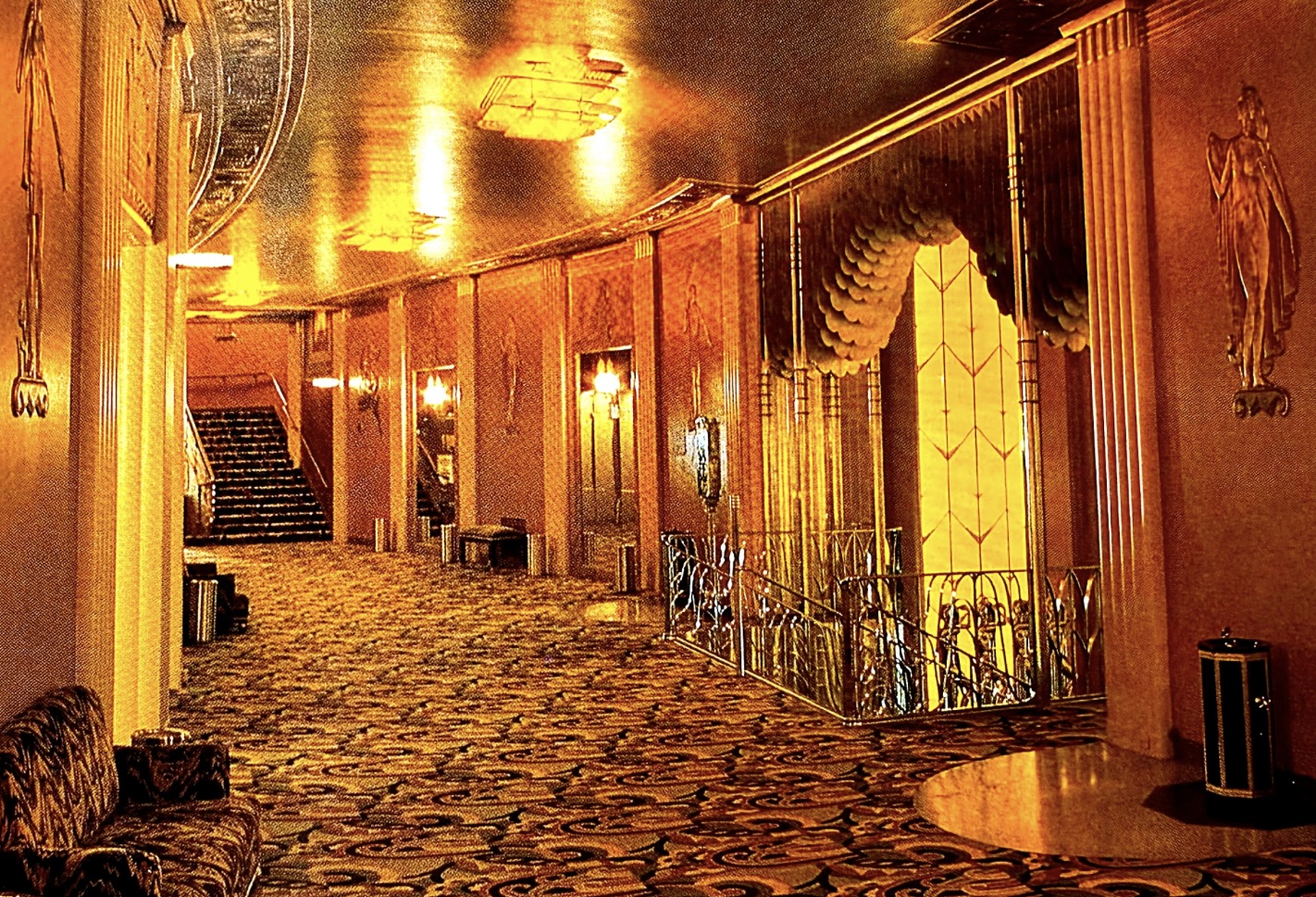
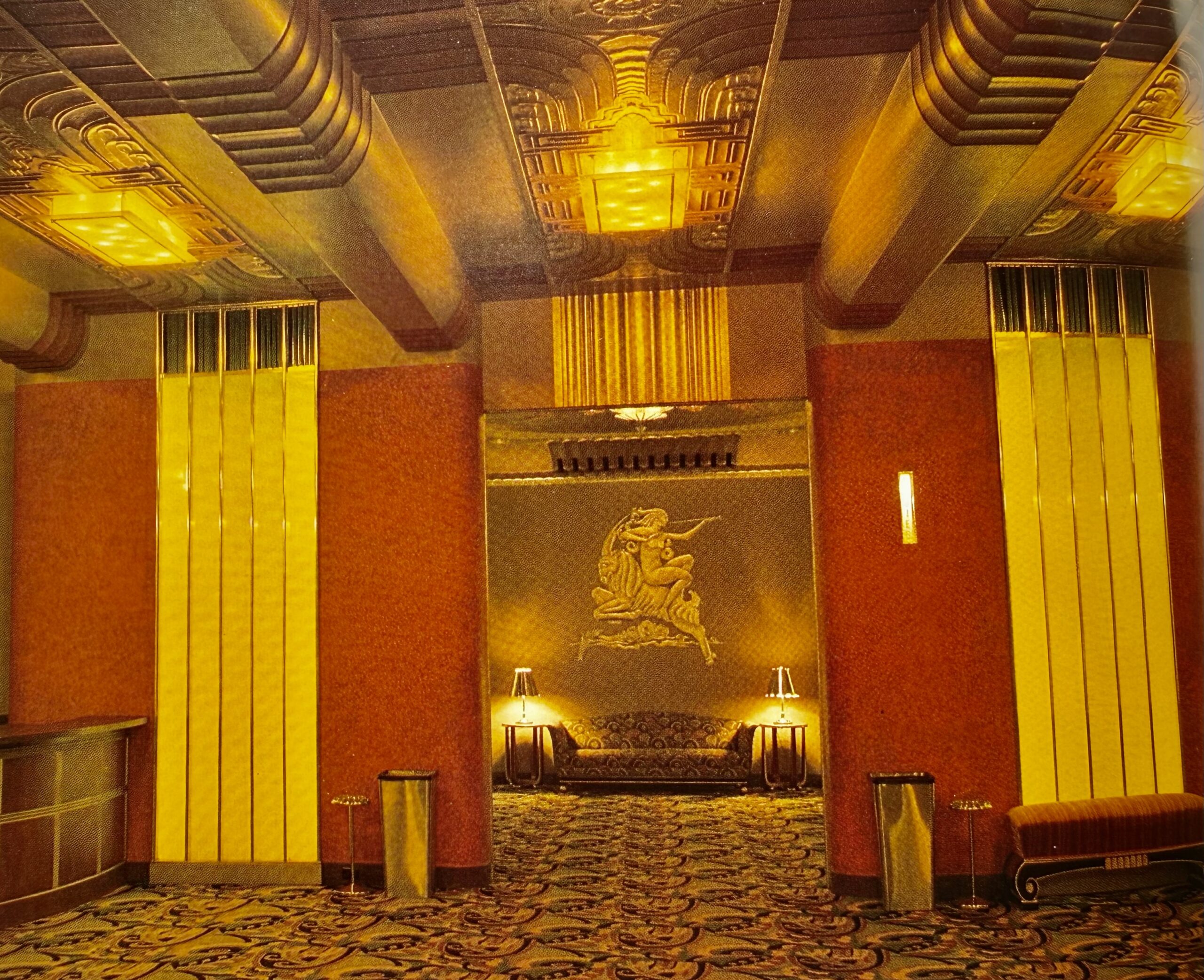
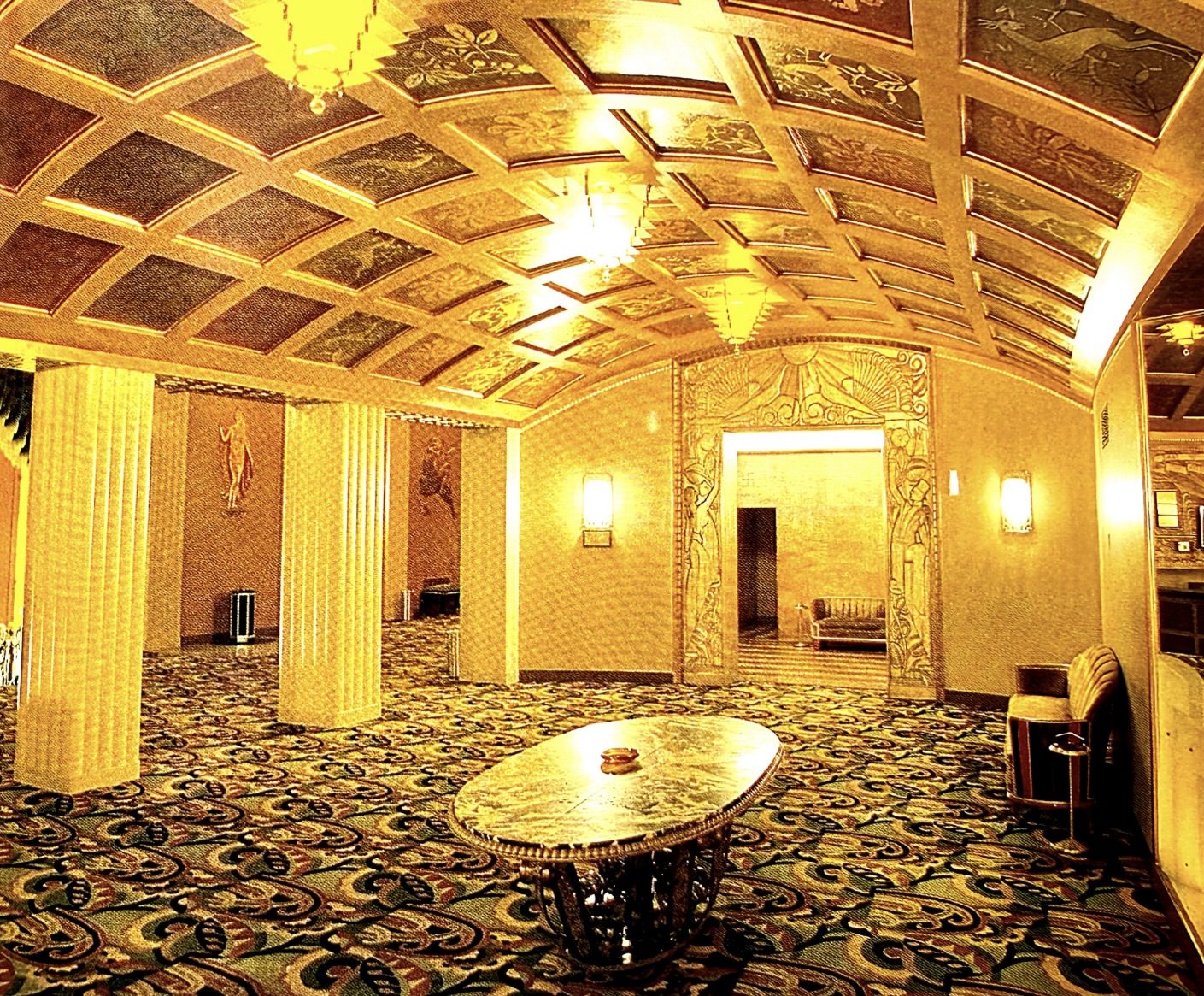
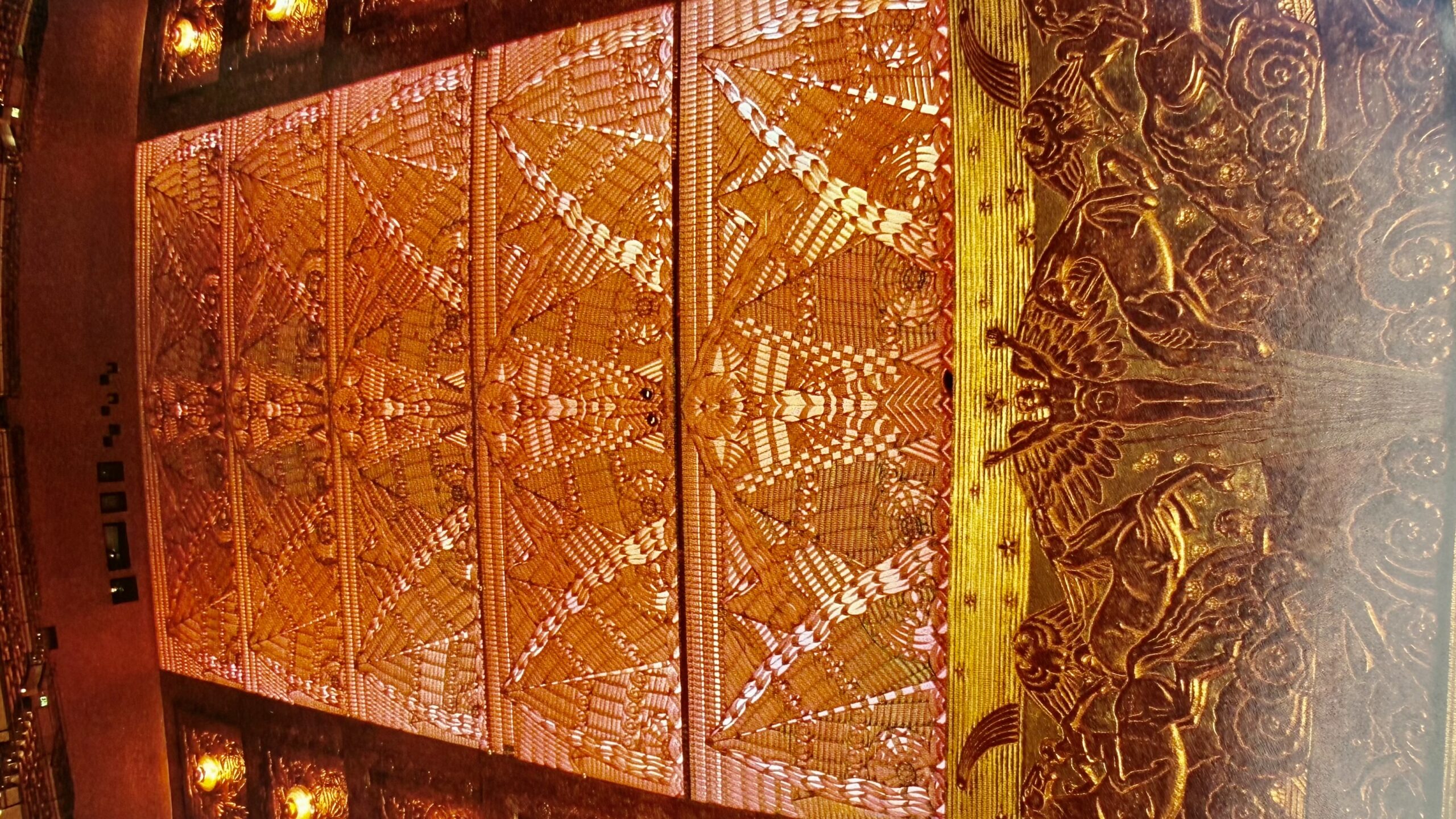
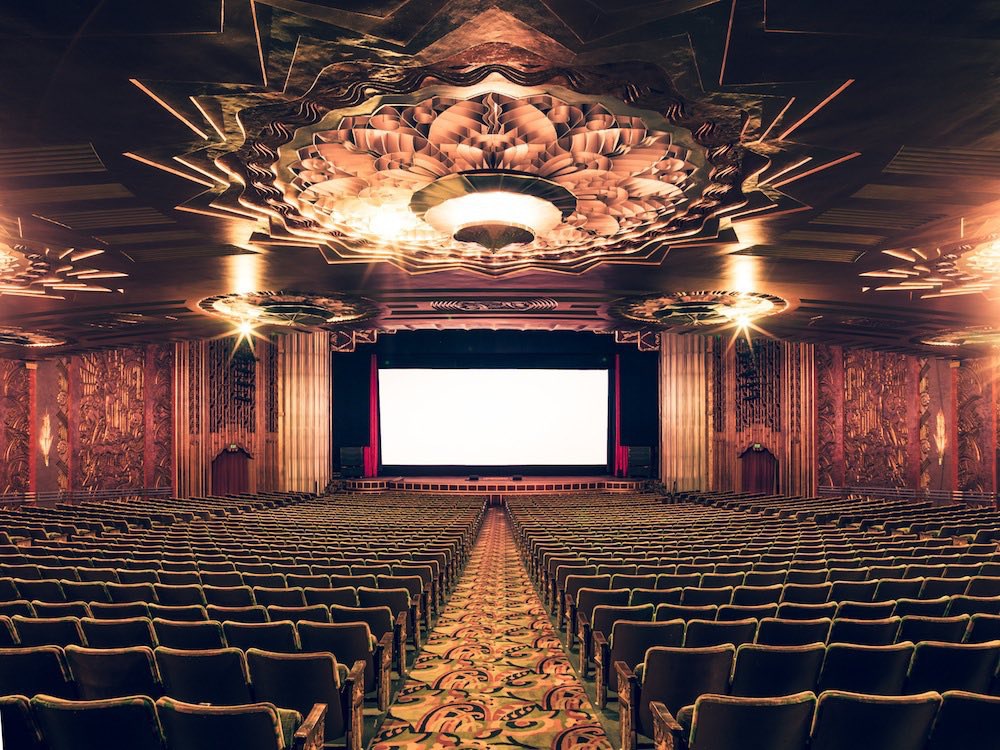
The Oakland Paramount theatre stands today as one of the most complete and immersive Art Deco environments in the United States, a rare survival from the golden age of the American movie palace. Opened in 1931, the theatre was conceived not simply as a venue, but as a total artistic experience where architecture, light, color, and ornament were orchestrated into a unified vision. Even during its decades of decline, as large theaters across the country were abandoned or altered beyond recognition, the Paramount retained the essential integrity of its design. Its survival alone is remarkable. What remains even more extraordinary is that it was not merely preserved, but returned to its original intent, allowing today’s visitor to experience the full ambition of Art Deco at its height. It is intact, immersive, and alive within the cultural fabric of Oakland.
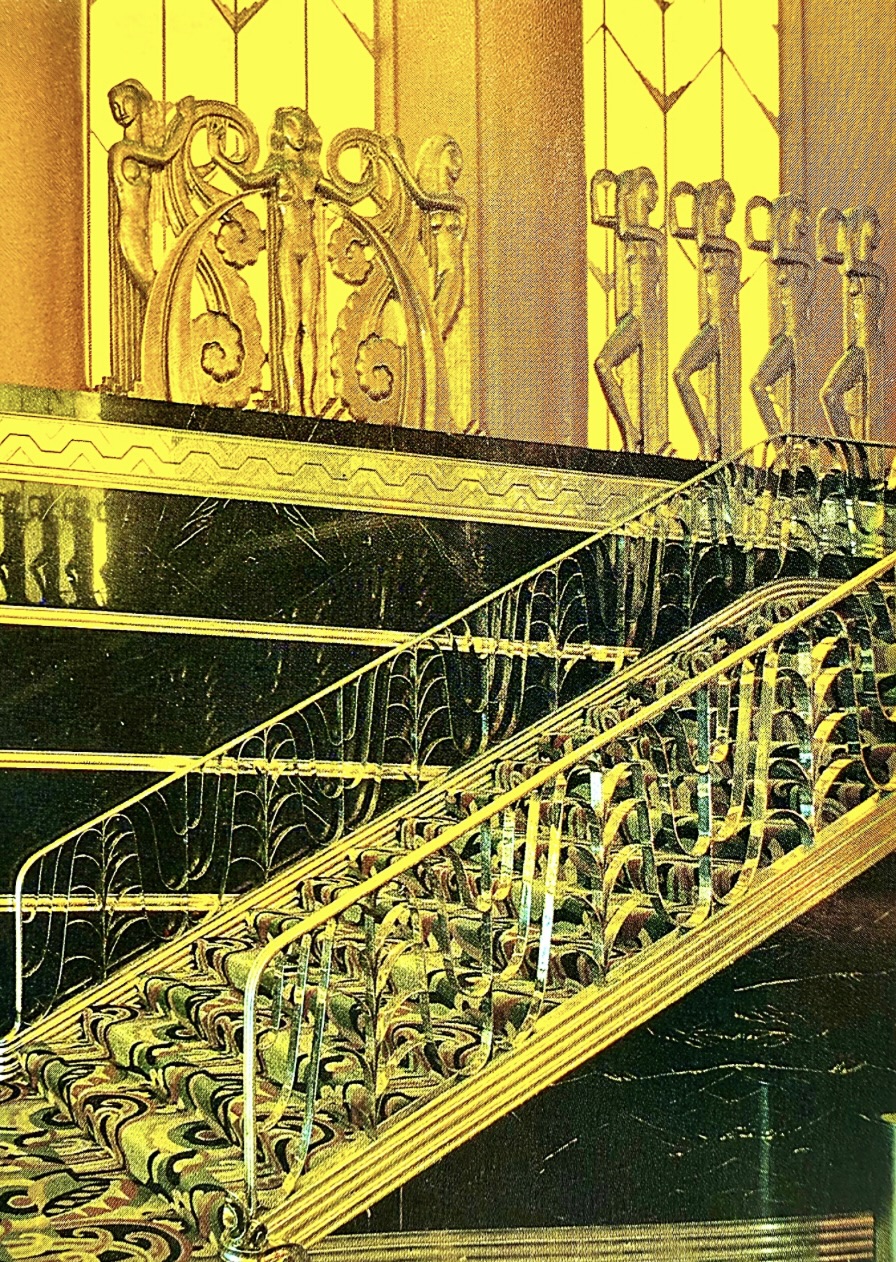
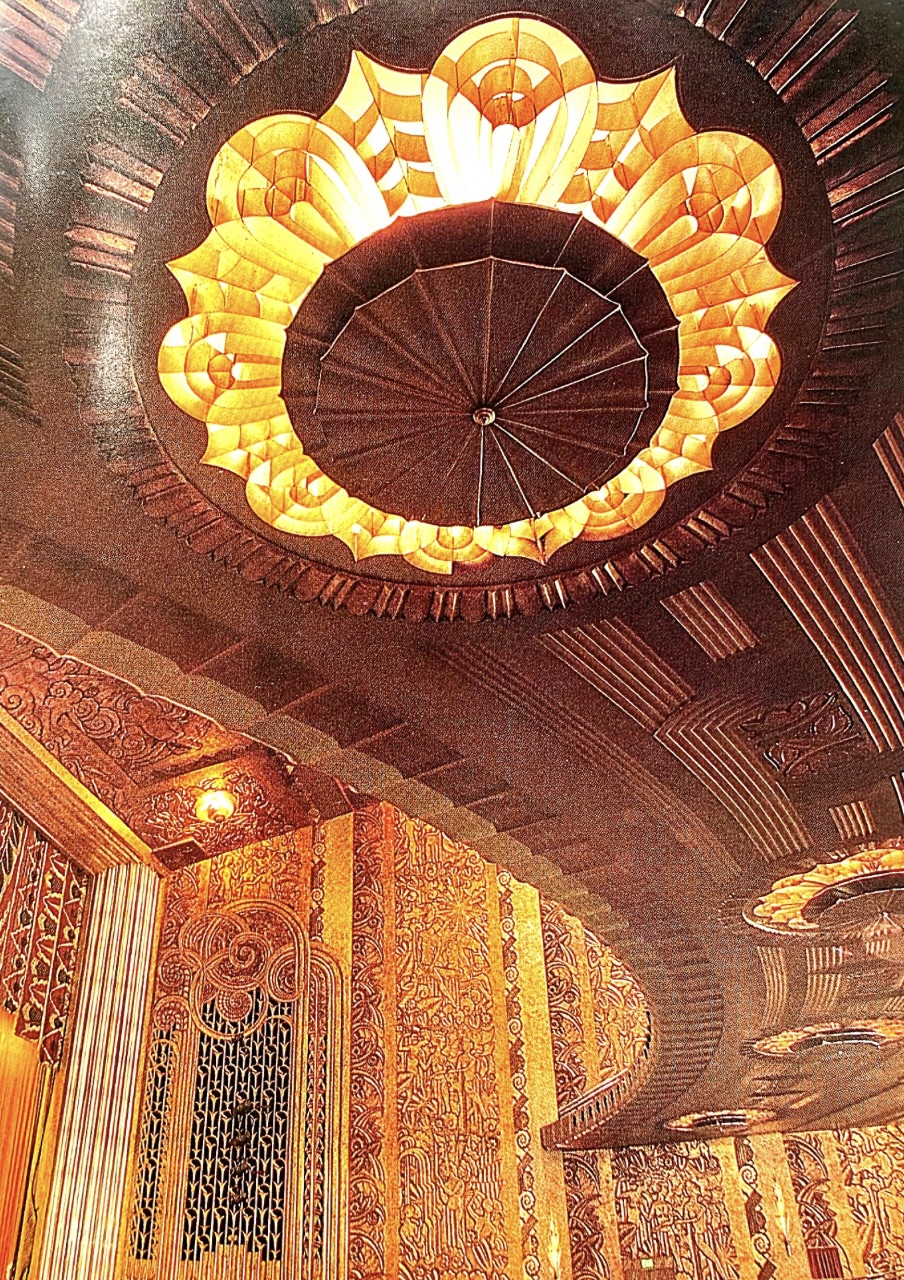
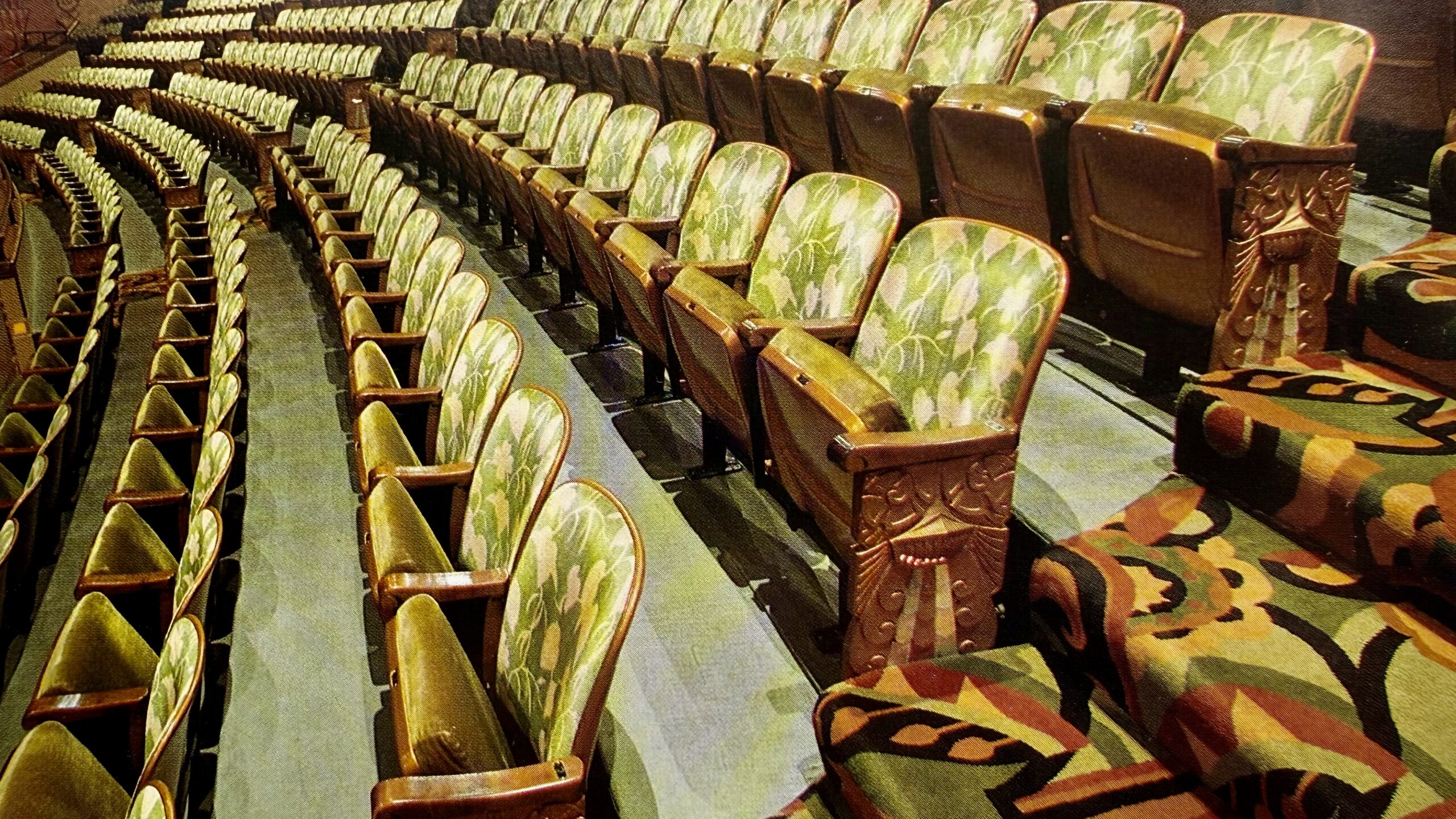
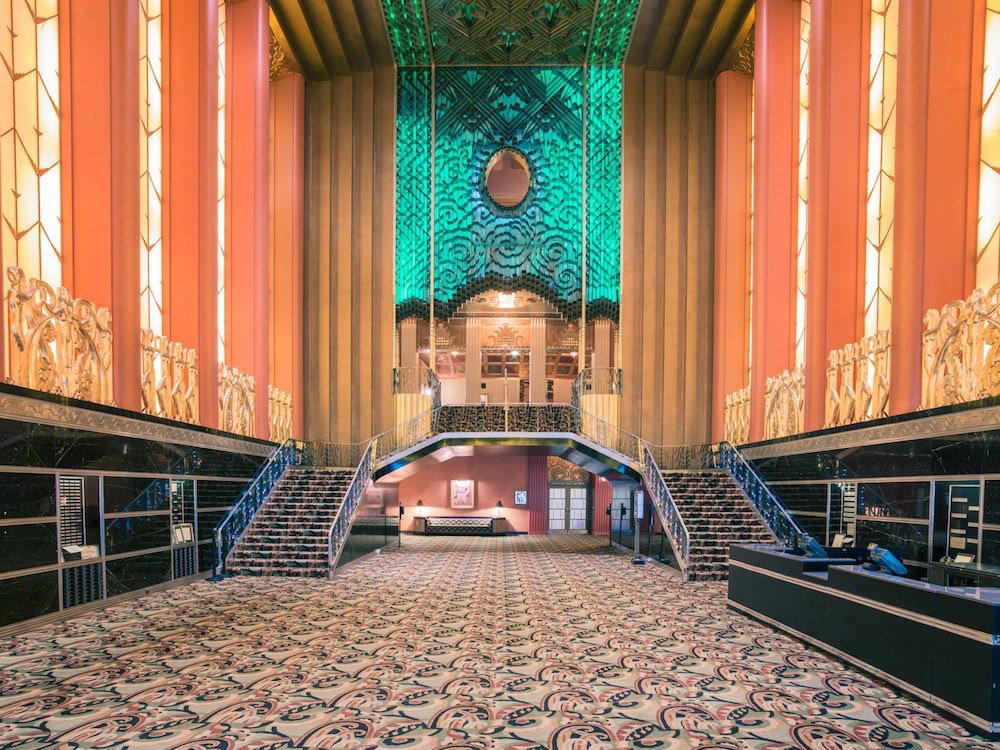
At the heart of this achievement is the work of Timothy L. Pflueger, one of the most sophisticated architectural voices of the period. Pflueger approached the Paramount as a complete work of art, designing every detail with precision and intent. The building draws from a wide range of influences: Egyptian, Greco Roman, and even Polynesian, yet all are unified through a distinctly Art Deco vocabulary of geometry, rhythm, and stylized ornament. The famed “redwood forest” lobby unfolds as a dramatic vertical composition, culminating in a glowing, cathedral like volume enriched by layered plasterwork and a fountain of light. Throughout the theatre, repeating motifs of zigzags, florals, and flowing lines appear in cast plaster, metalwork, carpeting, and lighting fixtures, to create a continuous visual language. Even the Egyptian princess figures, rendered in gold leaf, reveal subtle variations, reinforcing that this was a handcrafted environment, not a standardized production.
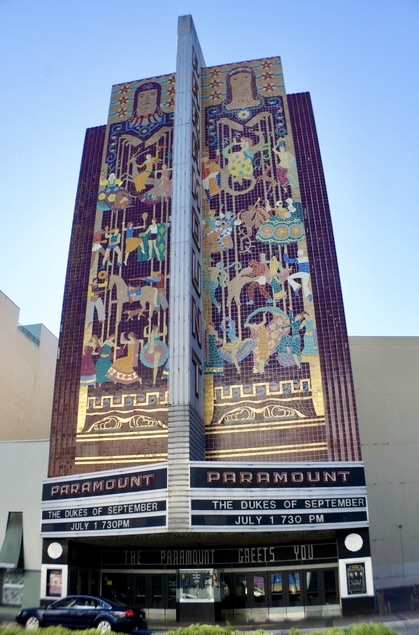
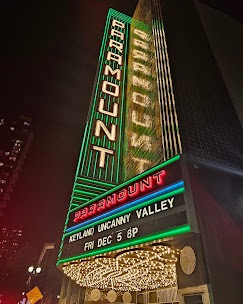
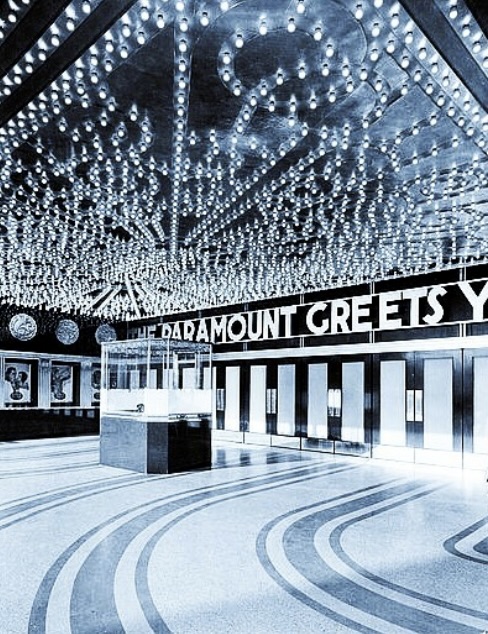
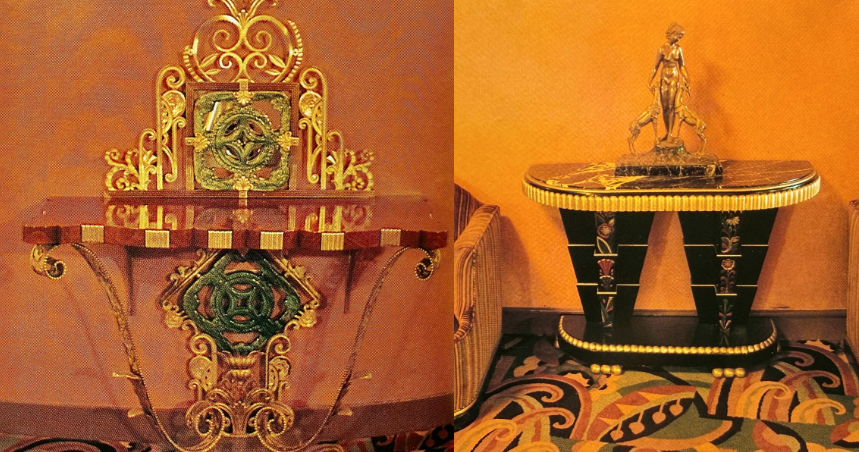
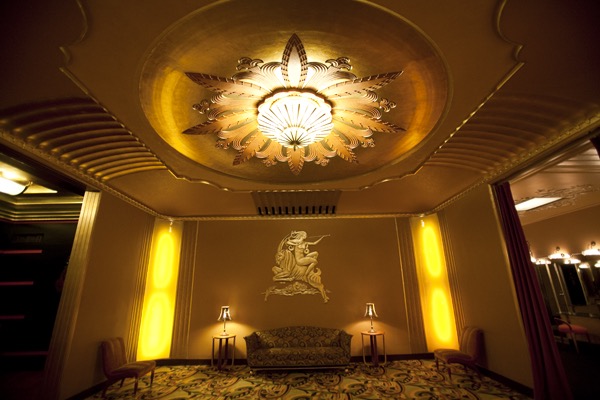
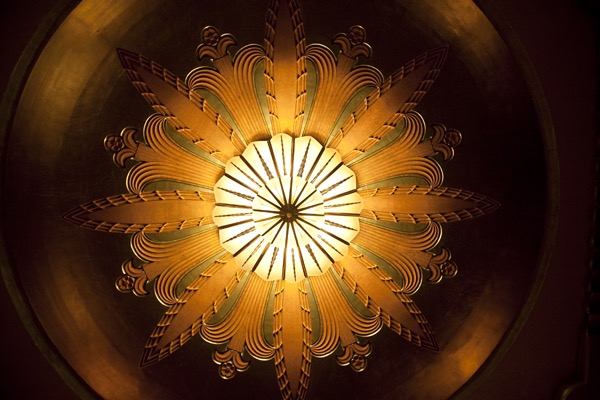
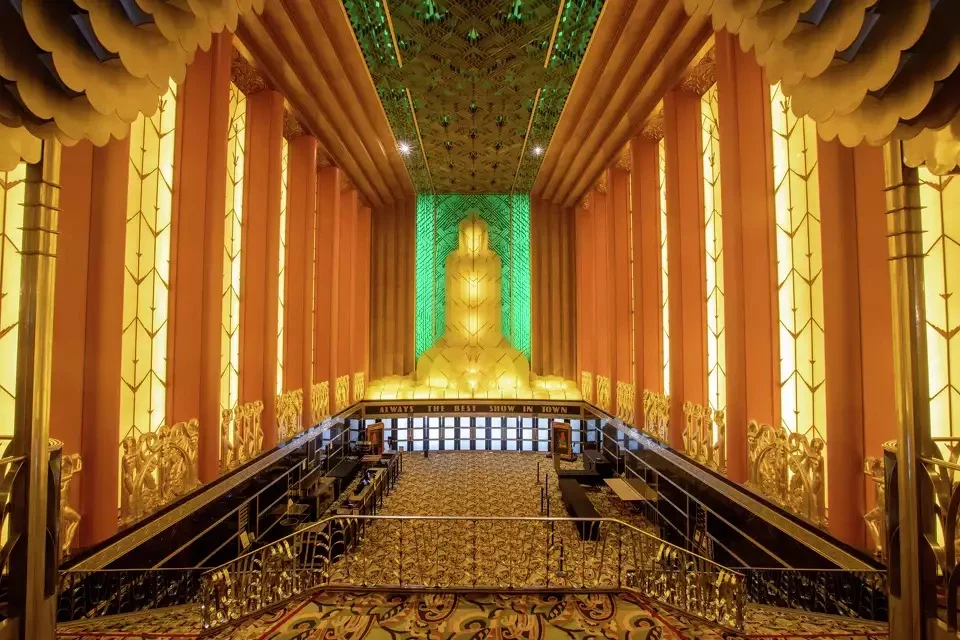
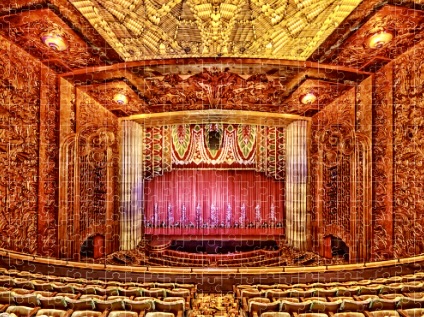
By the early 1970s, however, this masterpiece stood at risk. The turning point came with the Oakland Symphony Orchestra Association, whose leadership recognized both the cultural and architectural importance of the building. Under the direction of figures such as Jack Bethards and Oakland Symphony president Harry Lange, a bold effort was launched to acquire and restore the theatre. The 1972 purchase led to a meticulous restoration completed in 1973, guided by project manager Peter Botto, with historical input from Milton Pflueger and decorative direction from Tony Heinsbergen. Photographer Steve Levin documented the process, preserving a visual record of the work. This was not a renovation in the modern sense, but a disciplined return to the original 1931 vision. Later additions were removed, carpets were recreated to match original patterns, seating was replaced, and years of accumulated grime, from dust to tobacco residue, were carefully eliminated to reveal the brilliance beneath.
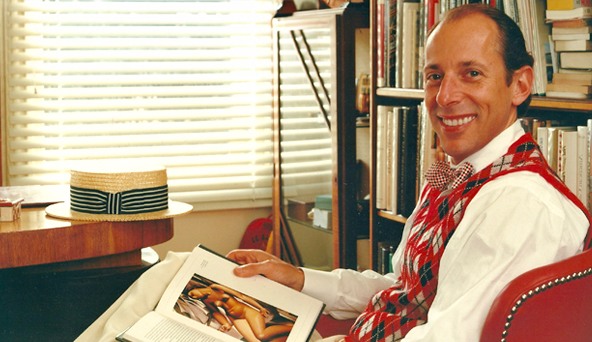
The success of the project also depended on a broader civic and philanthropic effort. Joe and Dee Knowland played a key role in fundraising, helping to secure the resources needed to complete the work. For the past 35 years, David Boysel has worked continuously on restoration projects, helping preserve the extraordinary decorative legacy of the Paramount Theatre, a story further explored in this article on his work and dedication. What emerged from this collective commitment was not simply a restored building, but a reaffirmation of the value of cultural preservation. The Paramount was soon recognized as a California Historical Landmark and a National Historic Landmark, and today it stands fully revitalized, serving as the home of the Oakland Symphony and a major performing arts venue. More importantly, it stands as proof that great design, when respected and properly restored, can transcend its era. The Paramount does not feel like a relic. It feels immediate, theatrical, and a place where craftsmanship, imagination, and civic pride continue to meet under one extraordinary roof.
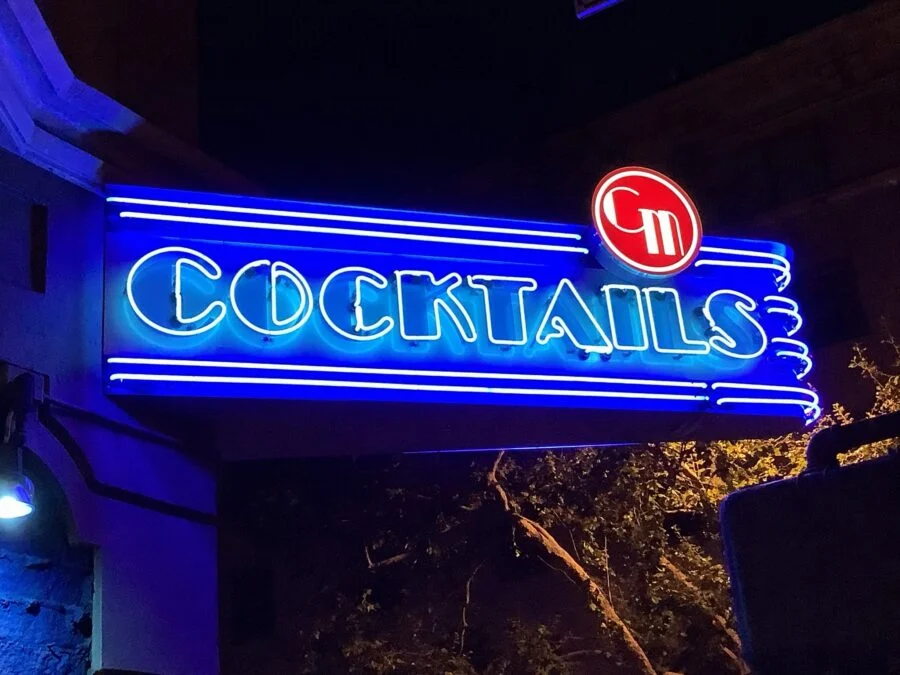
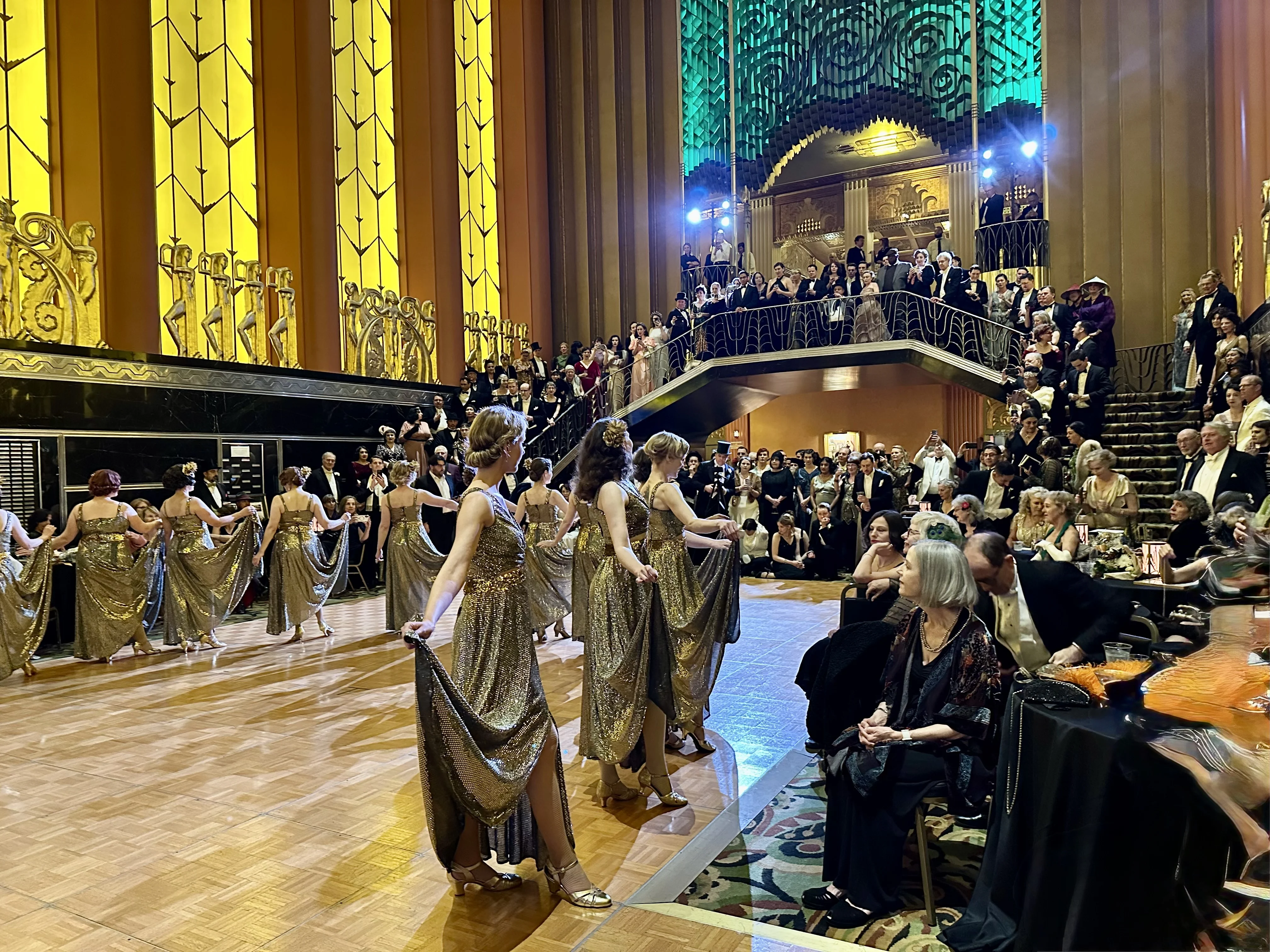
Art Deco Preservation Ball 2025
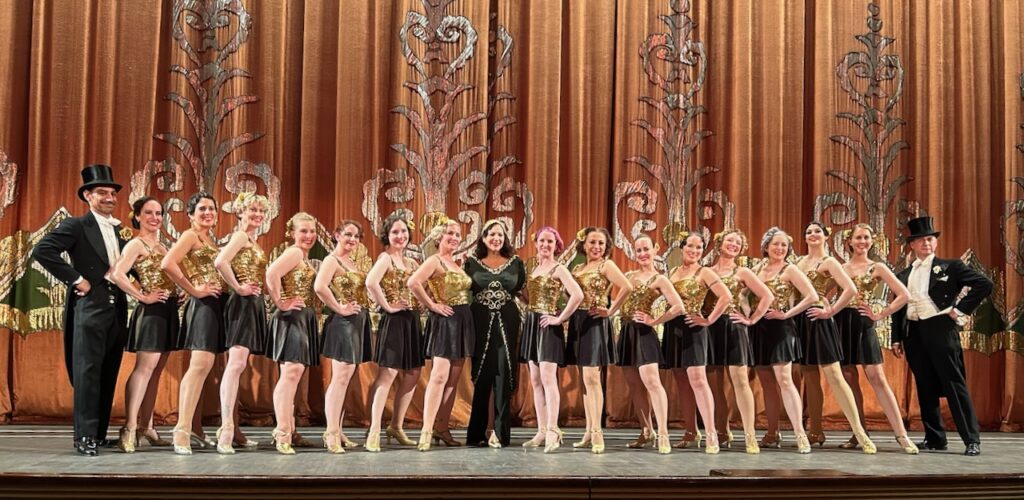
Laurie Gordon and the Decobelles, a performance from the Art Deco Preservation Ball!
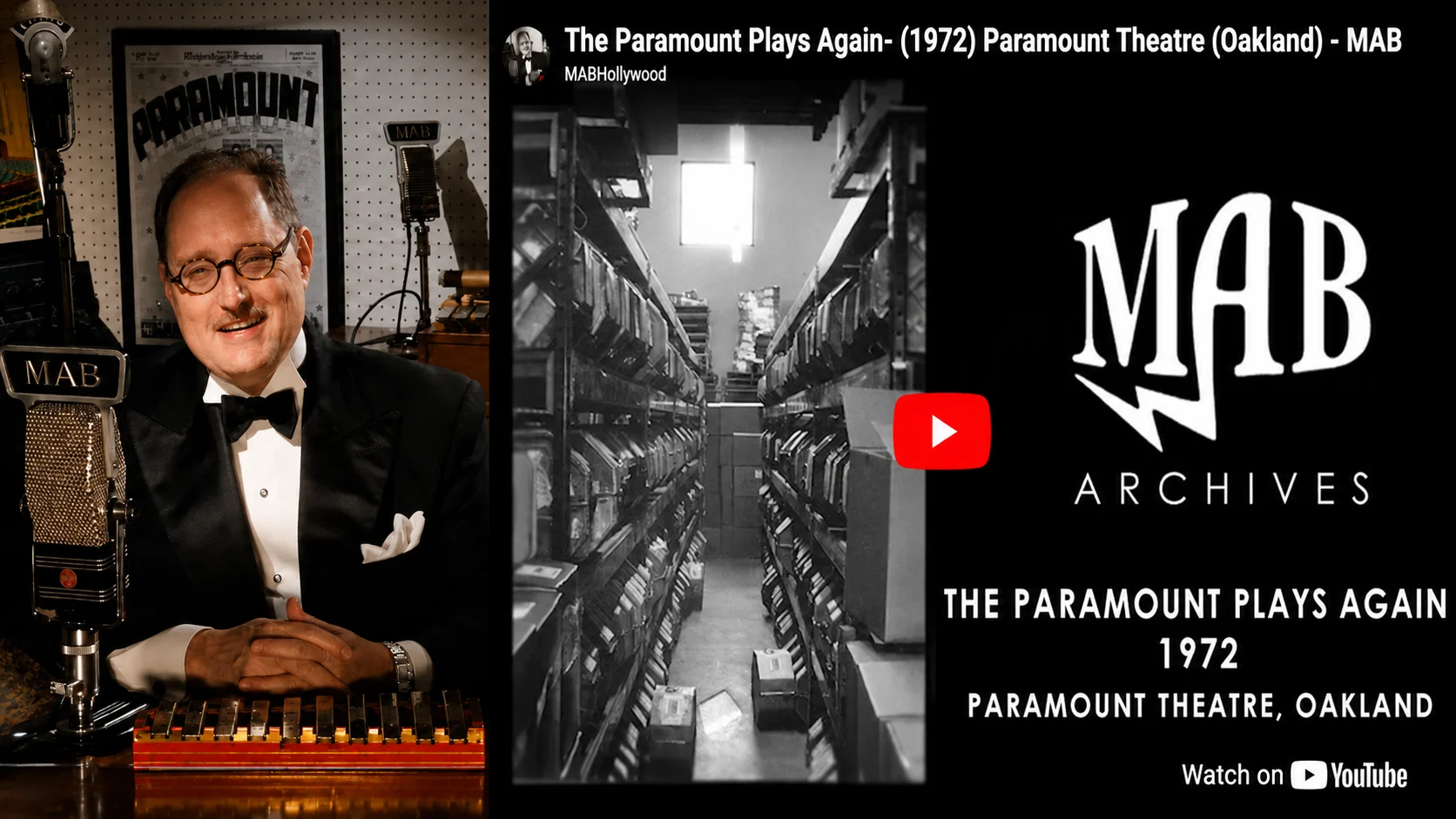
Watch the Decobelles and hear the Mighty Wurlitzer play Paramount on Parade


ART & STATUES
CERAMICS & GLASS
© Copyright Art Deco Collection. 2026 All rights reserved. Site Map