

Walter Dorwin Teague
Walter Dorwin Teague was born on December 18, 1883, in Decatur, Indiana, one of six children in a family of modest means headed by a circuit-riding Methodist minister and tailor. Books on architecture in his high school library in Pendleton, Indiana, sparked his desire to become an artist, and at the age of 19, he left for New York City. He studied painting from 1903 to 1907 at the Art Students League of New York, where he met his first wife, fellow artist Celia Fehon. To earn money upon his arrival, he checked hats at the YMCA in Manhattan and began sign painting, which evolved into illustration work for mail order catalogues. He was hired at the Ben Hampton Advertising Agency and then followed advertising executive Walter Whitehead to the larger firm of Calkins & Holden, where he developed a distinctive artistic style over four years. A self-described late starter whose professional acclaim began as he approached age 50, Teague became one of the founding figures of American industrial design. He was named the first president of the Society of Industrial Designers in 1944. Teague died on December 5, 1960, in Flemington, New Jersey, less than two weeks before his 77th birthday.
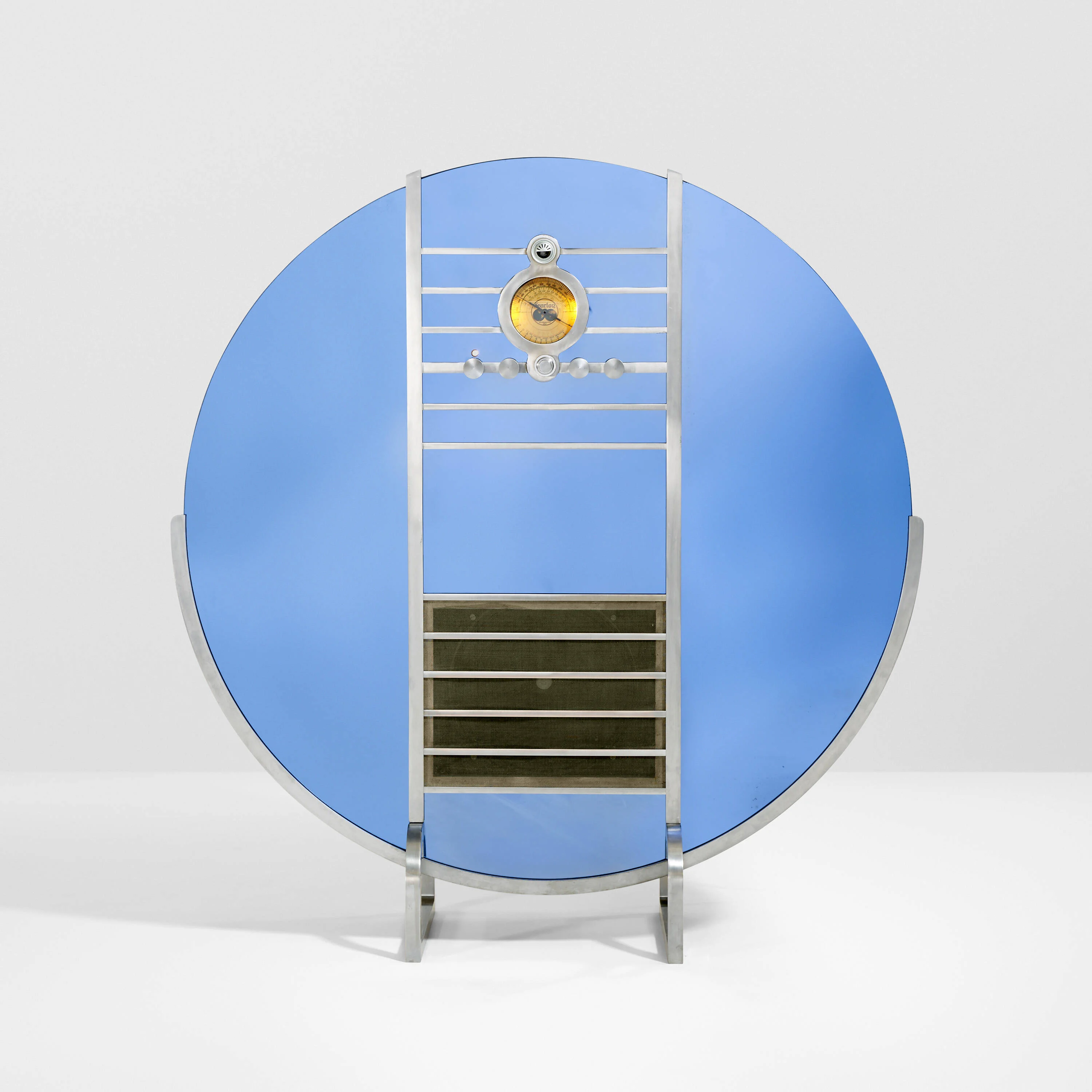
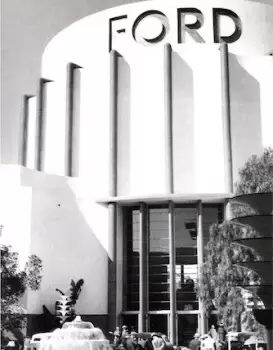

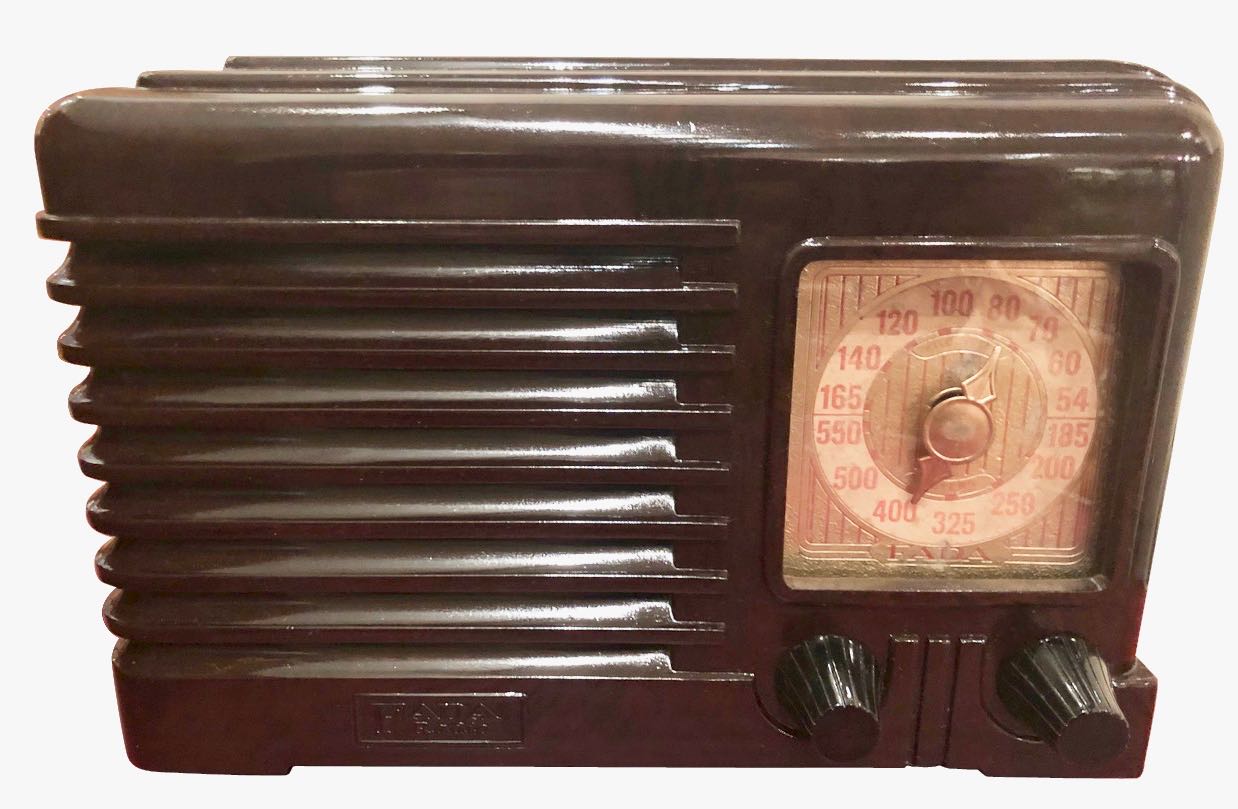
By 1911, Teague was an active freelancer in decorative design and typography, sharing offices with Bruce Rogers and Frederic Goudy, and his distinctive advertising borders became so widely recognized that “Teague borders” became a generic term in the field. A transformative trip to Europe in 1926, during which he encountered Bauhaus work and the writings of Le Corbusier, prompted him to establish a sole proprietorship devoted to product and package design. His first major client was Eastman Kodak in 1927, beginning a relationship that lasted until his death and produced iconic cameras, including the Art Deco gift camera, the Baby Brownie, and the Bantam Special, considered a masterpiece of Art Deco styling. He designed the revolutionary Marmon V-16, the first automobile conceived by an industrial designer, as well as 32 design patterns for Steuben Glass, radios for Sparton, and the steel-legged Steinway Peace Piano. His exhibition work was equally significant, including nine corporate displays at the 1939 New York World’s Fair, where he also served on the fair’s seven-member design board. He created one of the first comprehensive corporate identity programs for Texaco, designing full station layouts, pumps, signs, cans, and trucks, with more than 20,000 of these Art Deco style stations built worldwide by 1960. His firm’s later work included interiors for the Boeing 707 jet airliner and designs for Polaroid, UPS, and NASA.

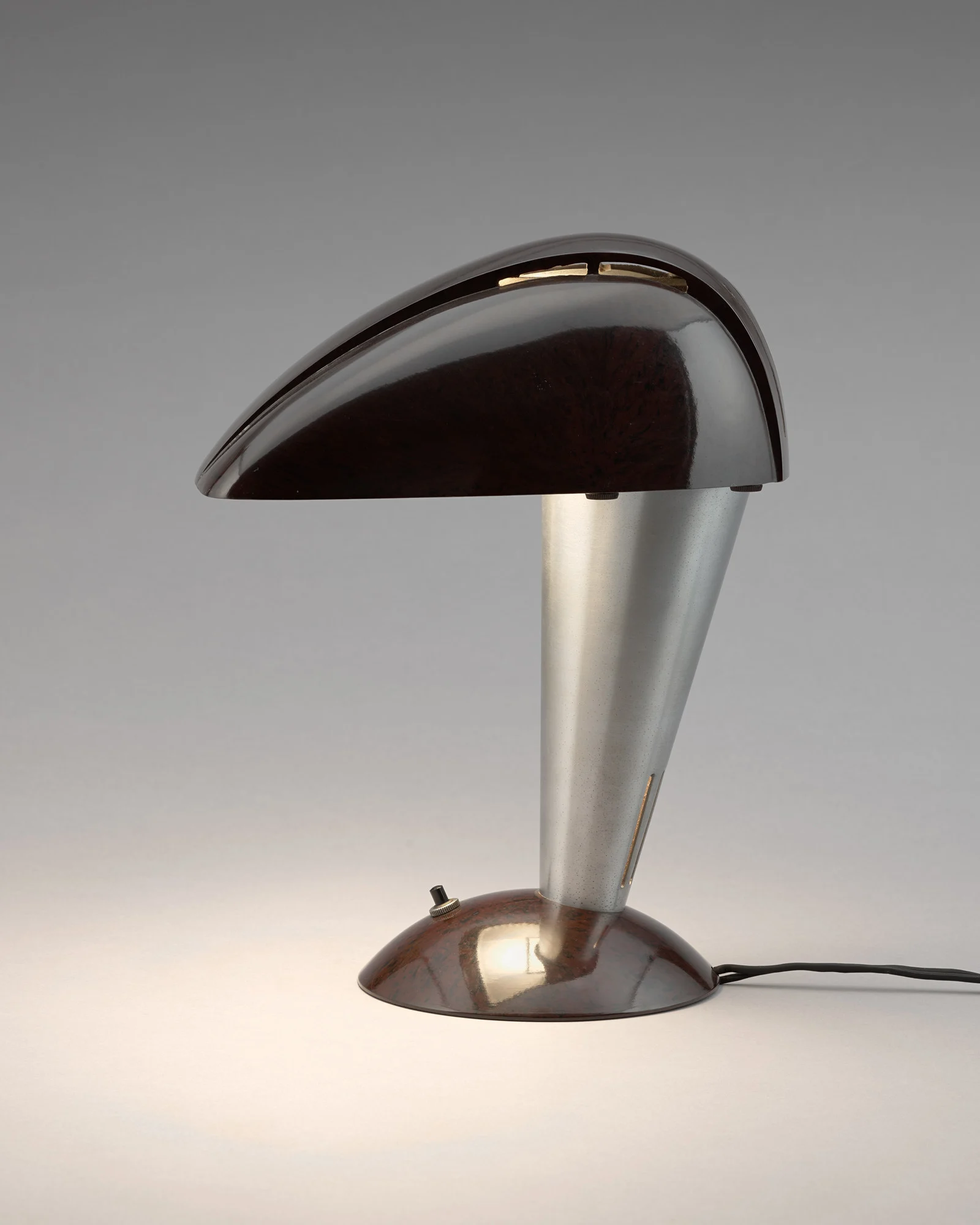

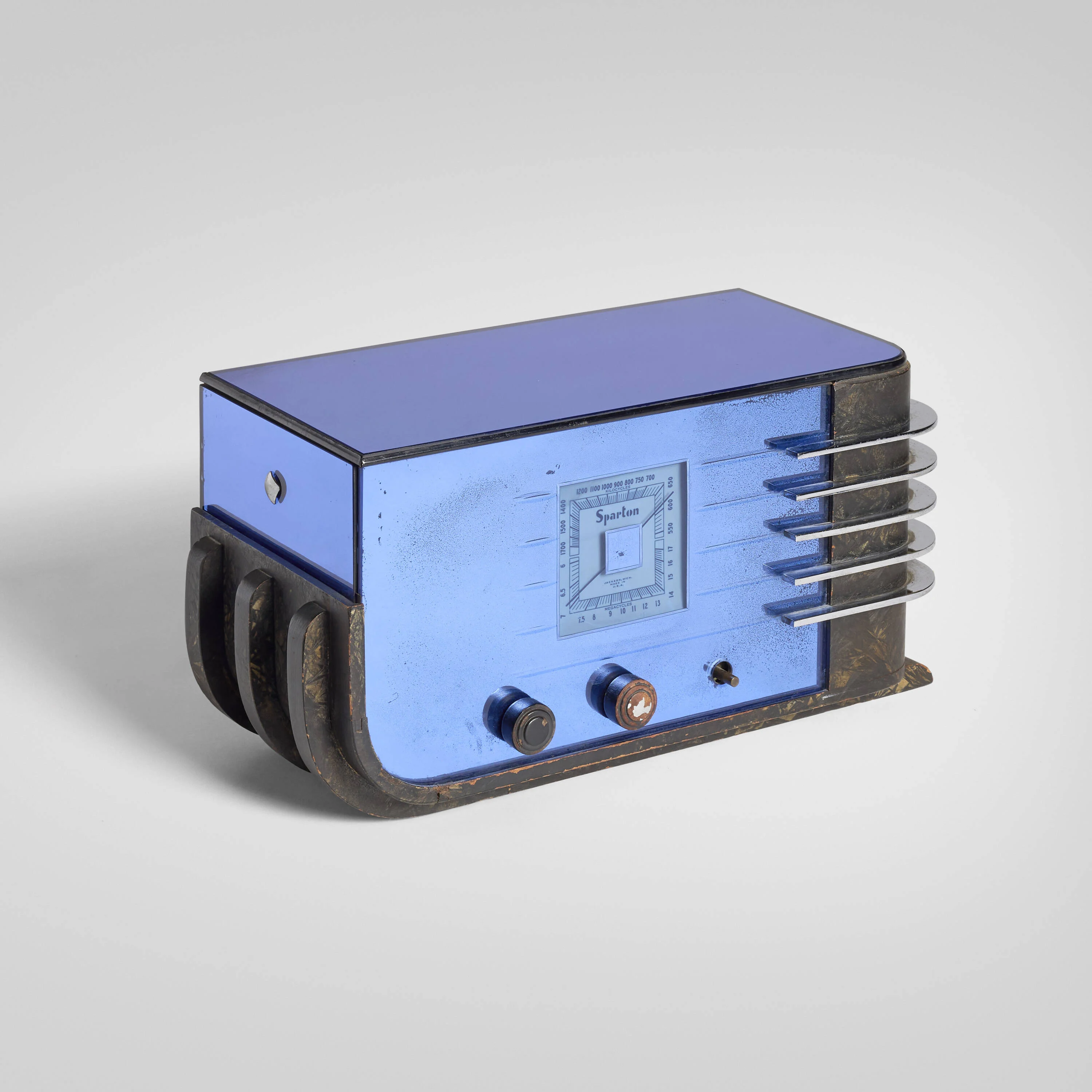


Often referred to as the “Dean of Industrial Design,” Teague was regarded as a classicist and traditionalist who reconciled past art with present-day production, frequently citing beauty as “visible rightness.” He sought to create heirlooms out of mass-produced manufactured objects, insisting that designing according to engineering necessities ultimately led to greater beauty and heavier sales. His early advertising work blended Baroque and Renaissance influences with a simplicity ideal for high-volume printing, and his later product designs married Art Deco elegance with the functional demands of industrial manufacturing.
Key Influences
- Industrial Design as Profession: He was among the first to establish industrial design as a recognized profession in the United States, successfully defending its status before a New York appeals court in 1944.
- Corporate Identity: His comprehensive branding program for Texaco, encompassing everything from station architecture to truck livery, pioneered the concept of corporate identity as a unified design discipline.
- Camera Design: His long collaboration with Eastman Kodak transformed the consumer camera from a utilitarian object into a designed product, setting the standard for how technology companies approached product aesthetics.
- World’s Fair Exhibition Design: His pavilions at the 1933 Chicago and 1939 New York World’s Fairs helped define how corporations presented themselves to the public and popularized modernist design for mass audiences.
- Design Education and Advocacy: His book Design This Day, the first comprehensive text on industrial design, and his founding of the Society of Industrial Designers established frameworks for professional standards and education that shaped the field for decades.
If you are interested in further stories of the artists who shaped Art Deco, return to our artists page to browse the full directory.

Related Products from ArtDecoCollection.com