



Eliel and Eero Saarinen
Eliel and Eero Saarinen were one of the most important father and son pairs in modern architecture and design. Eliel Saarinen was born in Finland in 1873 and rose to prominence through work that grew out of Finnish National Romanticism while steadily moving toward modernism. His buildings combined strong structure with a tactile, organic sense of form that reflected Nordic landscape, craft, and culture. Long before he came to America, he had already made his name with major projects in Finland, including work that showed how traditional feeling could be reshaped into something new. Eero Saarinen was born in 1910 and grew up in a household where architecture, design, and artistic ambition were part of daily life. When the family moved to the United States in the 1920s, Eero was still young, and his formative years unfolded under his father’s influence. A major turning point for both of them was Cranbrook Academy of Art in Michigan. Eliel was deeply involved in shaping the Cranbrook campus and later became president of the academy, turning it into one of the most important centers for modern design education in America. For Eero, Cranbrook was not just a school environment, but the place where he absorbed ideas, met future collaborators, and developed his own design instincts. It was there that he encountered figures such as Charles and Ray Eames, Florence Knoll, and others who would help define modern design in the United States. The academy gave both men a setting where architecture, furniture, craft, and visual culture could all speak to each other. Though their styles were very different, both Saarinens were driven by the belief that design should keep moving forward. Together, they represent two linked but distinct chapters in the story of twentieth century modernism.
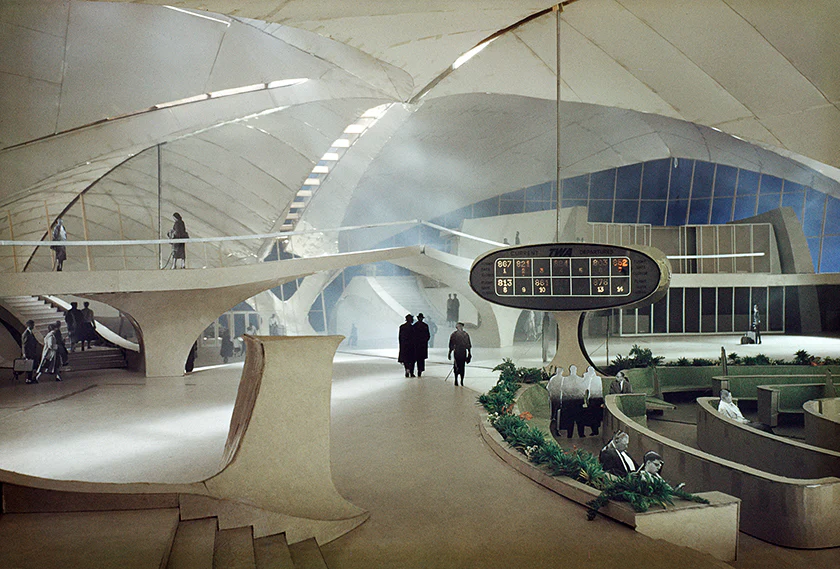
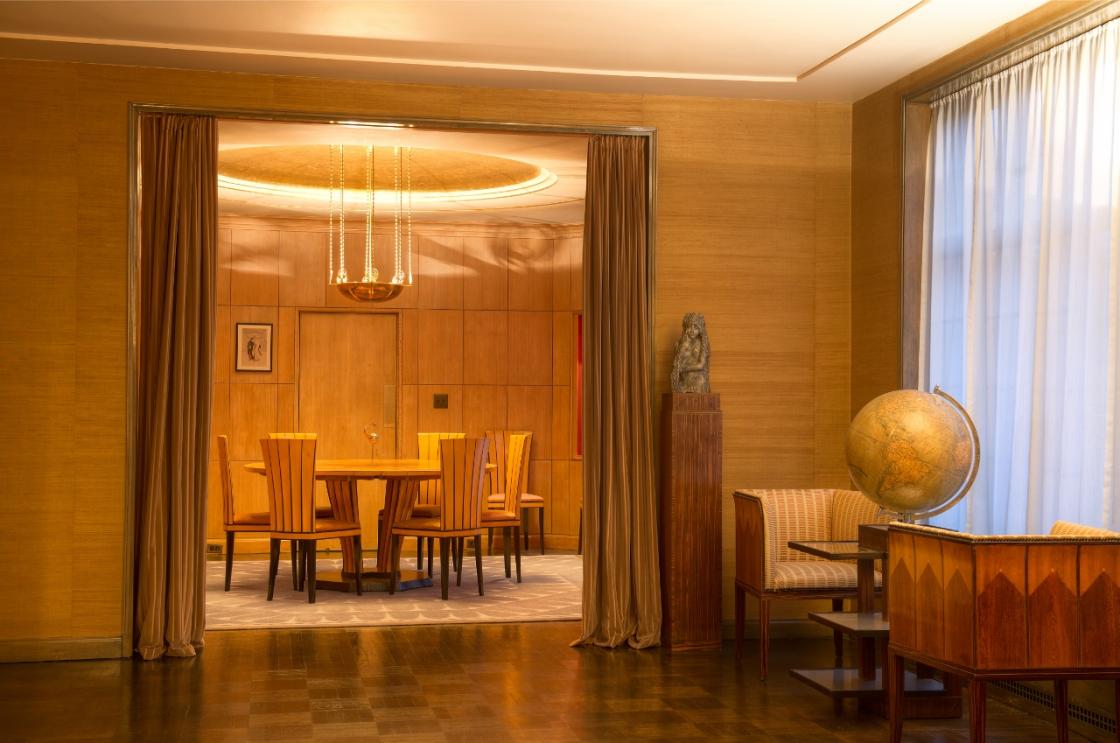
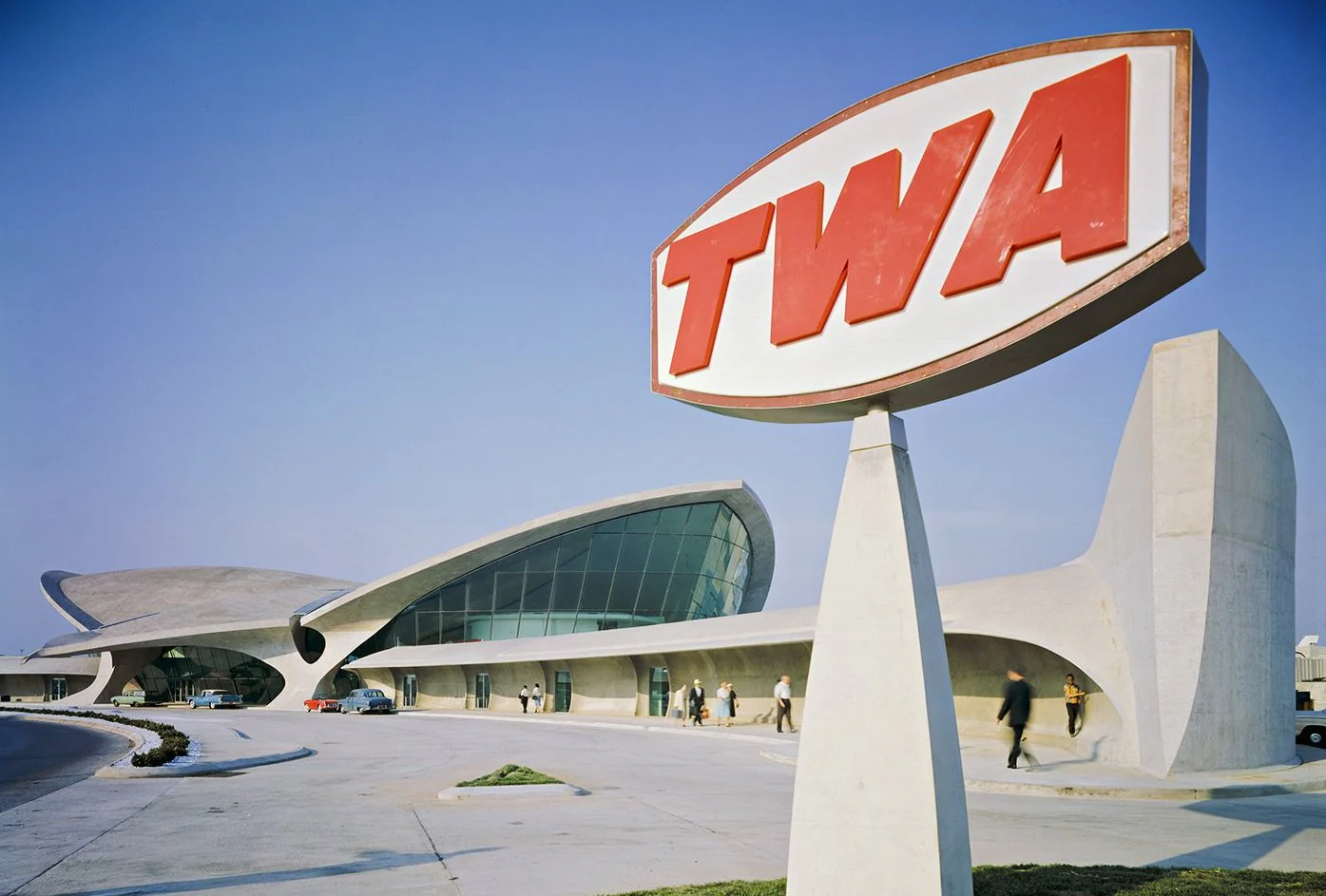
Eliel first became internationally known through his work in Finland and through his celebrated second place entry in the 1922 Chicago Tribune Tower competition, which brought him major attention in the United States. After moving to America, he began working on plans and buildings that helped introduce a more refined and human version of modern architecture to an American audience. His design leadership at Cranbrook was one of his greatest achievements, because he did not simply design buildings there, he helped shape an entire design culture. The Cranbrook campus became a living statement of his ideas about architecture, education, craft, and the relationship between art and daily life. Eero began within that world, first learning from his father and then building his own reputation through competitions, furniture design, and architectural collaborations. His early work included the Organic Chair competition design with Charles Eames, an important project that also grew out of the Cranbrook circle. After Eliel’s death in 1950, Eero’s independent career expanded rapidly and took American modernism in a more sculptural and expressive direction. He designed major corporate and civic works such as the General Motors Technical Center, the TWA Flight Center, the Ingalls Hockey Rink, and the Gateway Arch in St. Louis. Where Eliel often brought warmth, order, and urban dignity, Eero pushed toward structural drama, symbolic form, and a more adventurous spatial language. Even so, there was a clear thread between them, especially in the belief that architecture should serve both function and emotional experience. Their influence also spread through teaching, mentorship, and the generations of designers and architects shaped by Cranbrook. Eliel helped build the educational foundation, and Eero transformed many of those ideas into some of the most memorable forms of mid century architecture. Together, they helped redefine what modern design could look like in America.

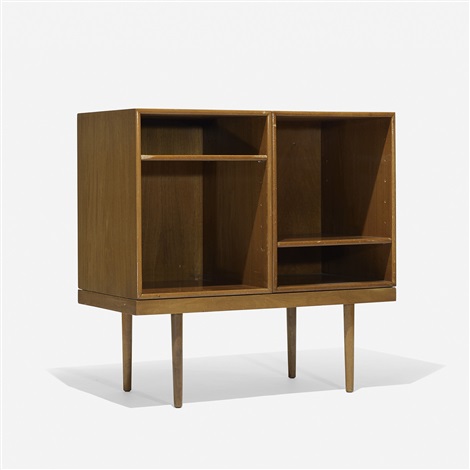
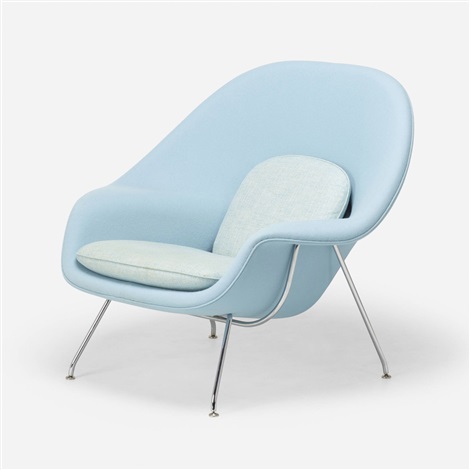

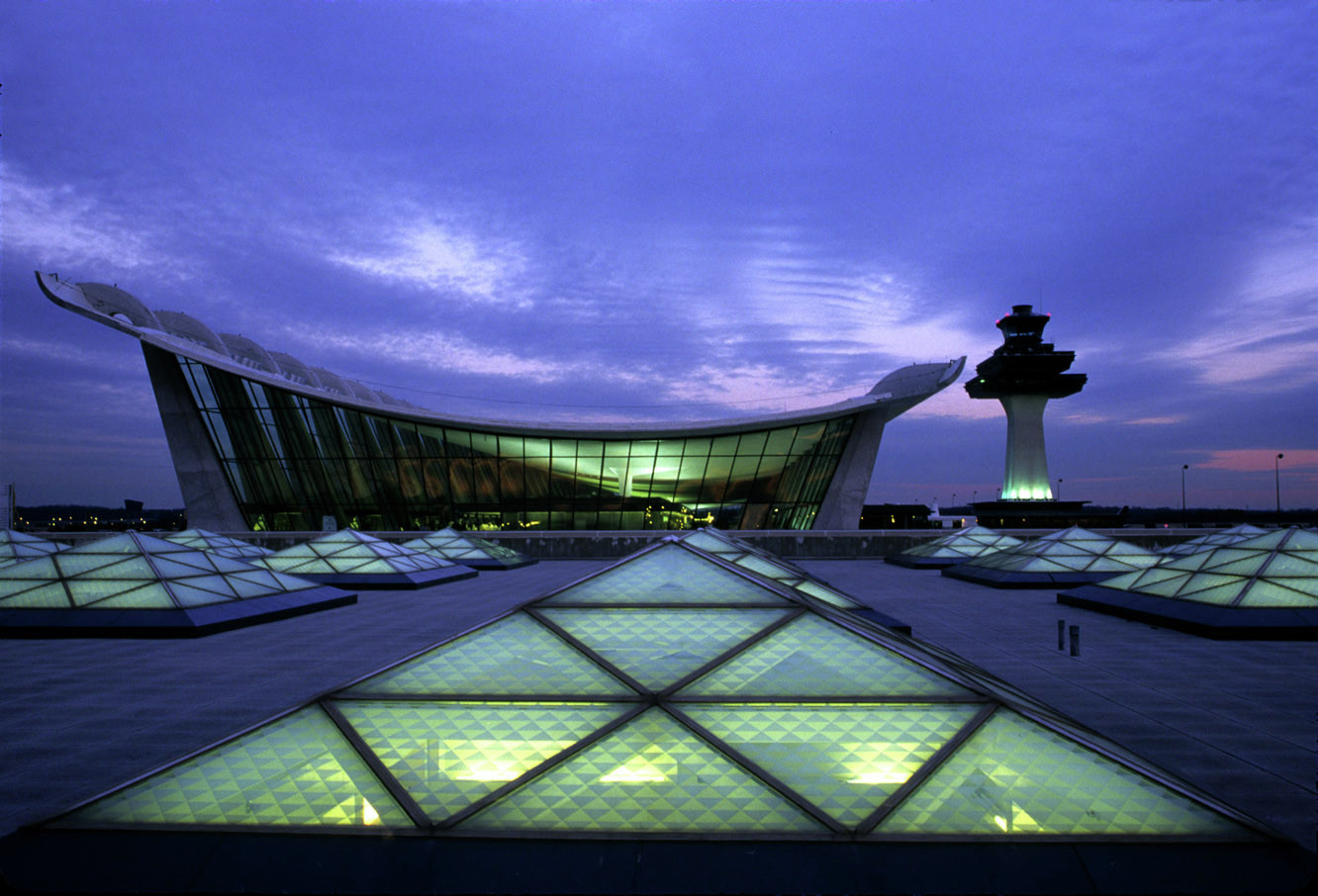
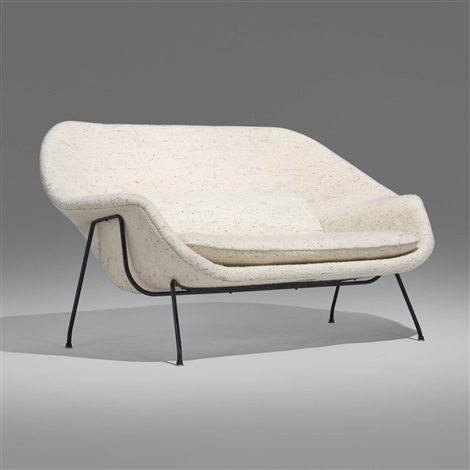

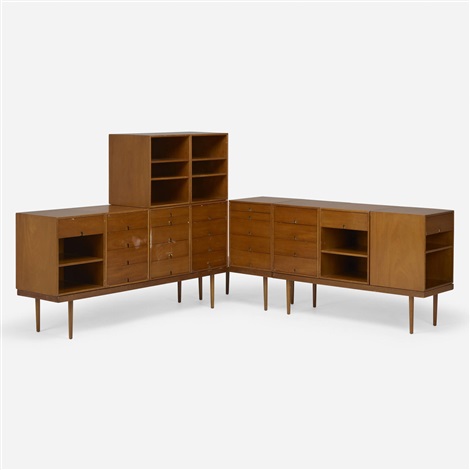
Eliel Saarinen’s style often balanced strong geometry with warmth, texture, and a close connection to site and material. Eero Saarinen’s work was more varied and more dramatic, moving from disciplined modernism to sweeping sculptural forms. Both cared deeply about how architecture felt, not just how it functioned. Cranbrook was central to that shared outlook because it encouraged design as a complete environment rather than as isolated objects or buildings. Their work shows how modern architecture could be both rational and expressive at the same time.
Key Influences
- Finnish National Romanticism: Eliel’s early work drew on Nordic landscape, craft, and cultural identity, giving his architecture depth and character.
- Cranbrook Academy of Art: Cranbrook was the great bridge between the two generations, shaping Eliel’s legacy as a teacher and Eero’s growth as a designer.
- Modern Design Education: Both men believed in the exchange between architecture, furniture, art, and craft rather than strict separation between fields.
- American Modernism: Their move to the United States brought them into contact with new technologies, new institutions, and a broader architectural stage.
- Expressive Form and Function: Especially in Eero’s work, structure and symbolism came together in buildings that made modern architecture feel bold and alive.
If you are interested in further stories of the artists who shaped Art Deco, return to our artists page to browse the full directory.

Related Products from ArtDecoCollection.com