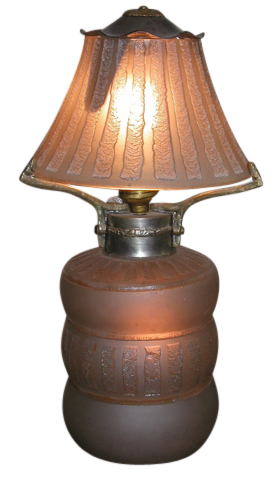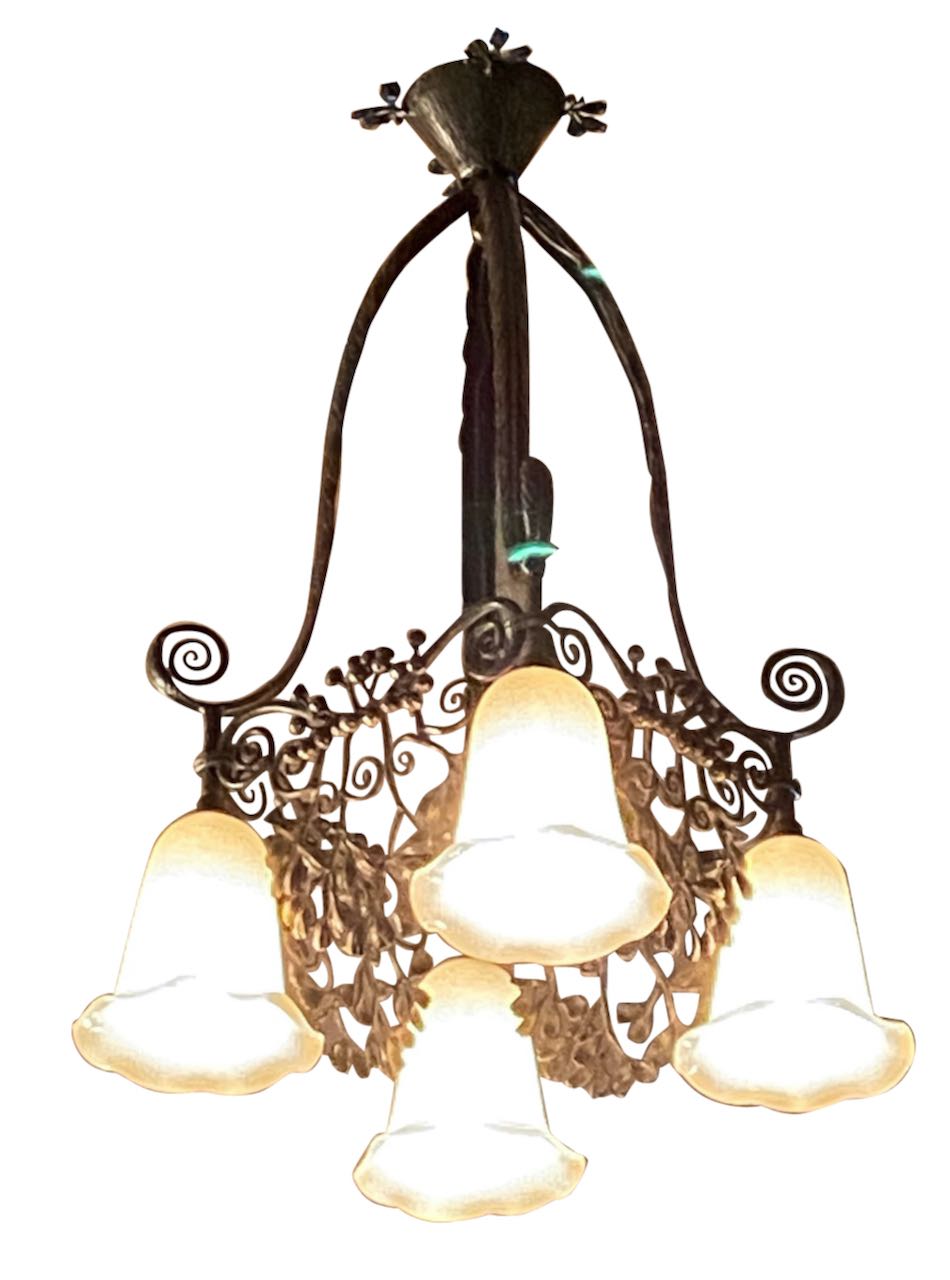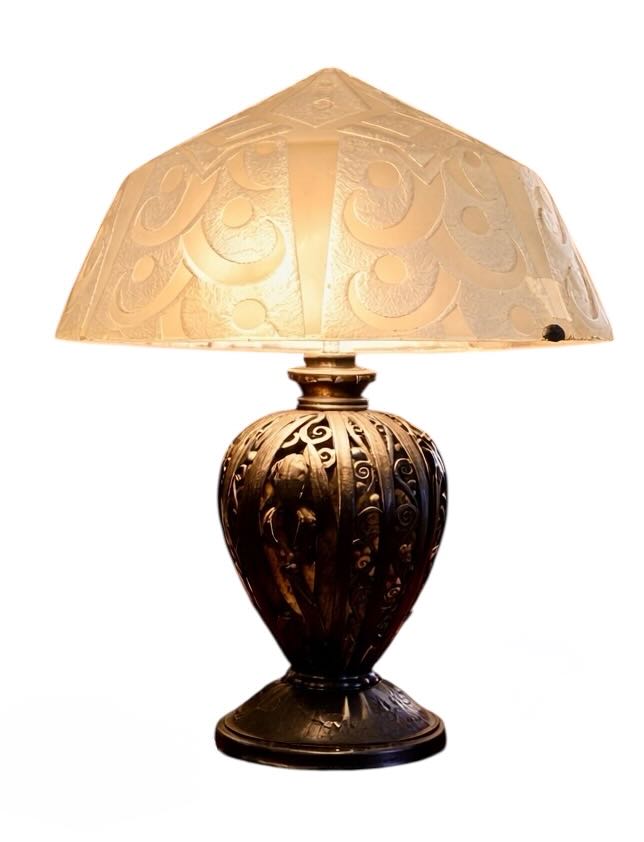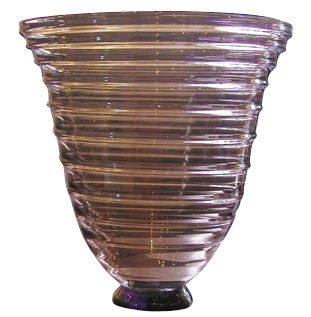

Daum
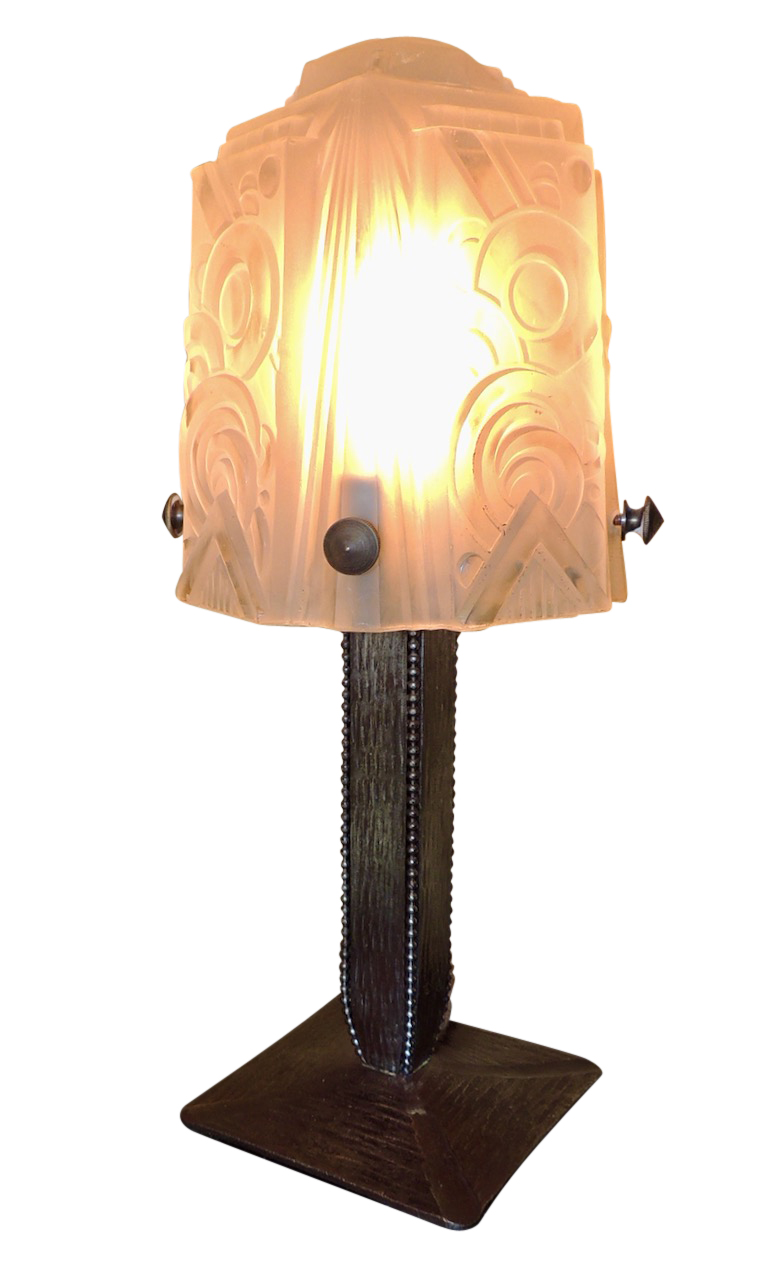
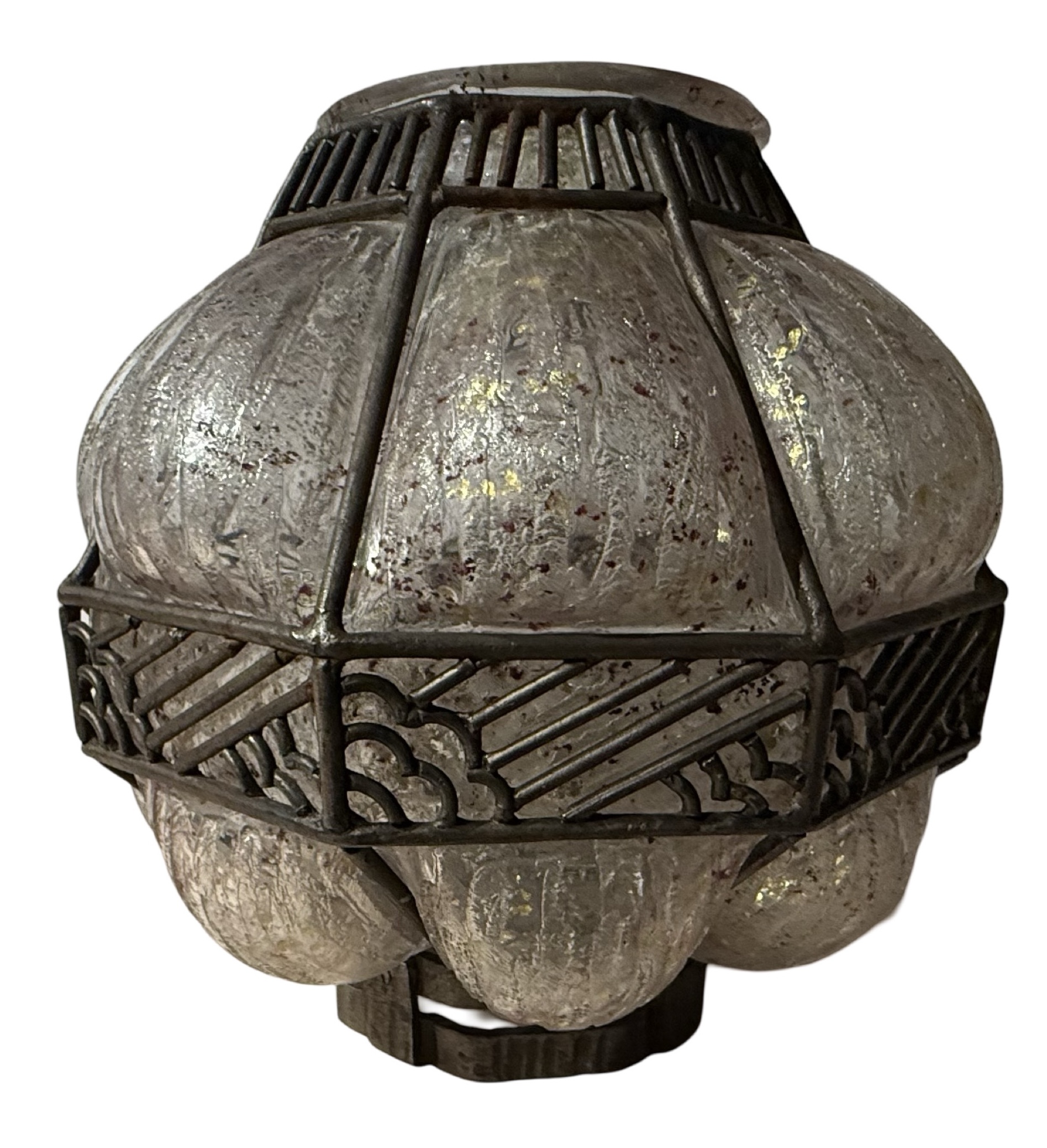
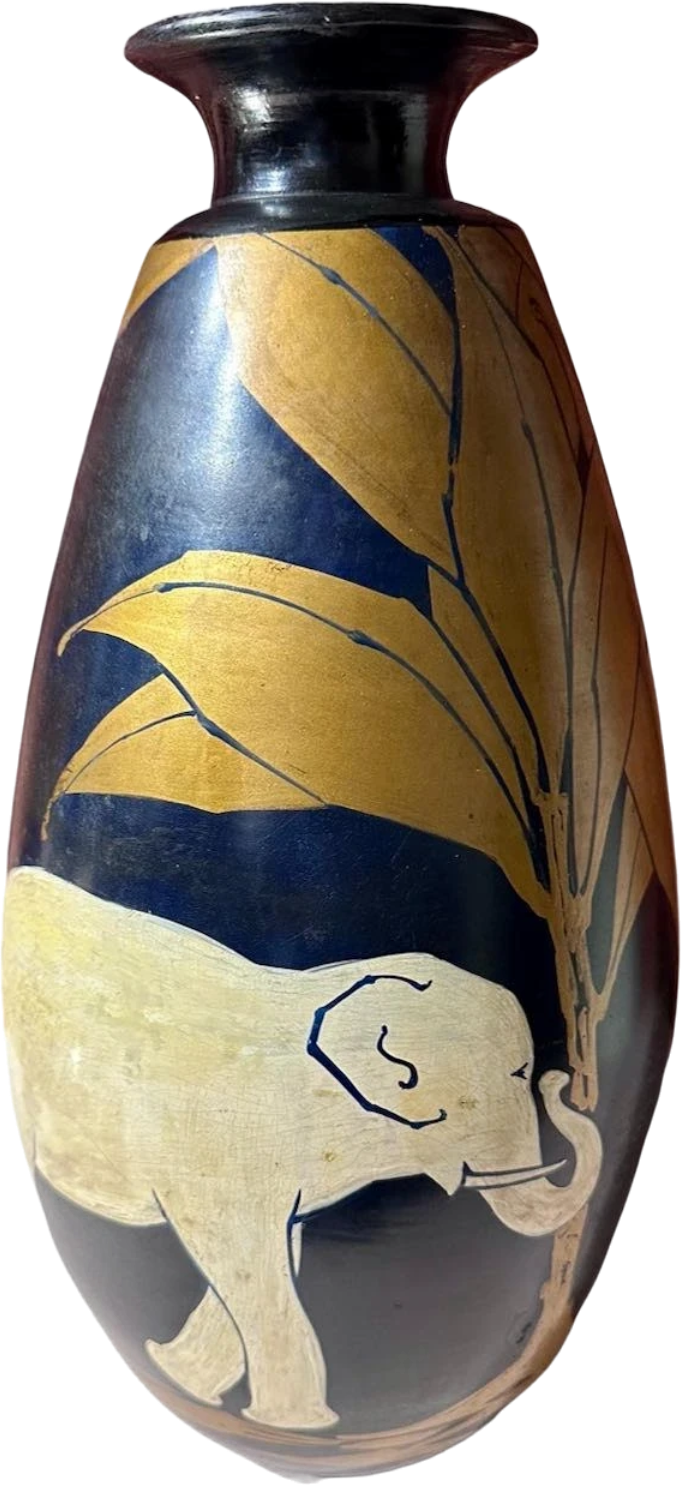
Daum was founded in 1878 in Nancy, France, when Jean Daum, a notary and industrialist, took control of a struggling glassworks known as the Verrerie Sainte-Catherine before it failed. Jean Daum was not an artist by trade, and the company’s earliest output was functional clear glass with gold rims rather than art glass. It was his sons Auguste Daum and Antonin Daum who transformed the company, with Antonin establishing the first art department within the factory in 1891, from which the first vases adorned with finely chiseled colorful flowers began to emerge. The Daum brothers collaborated closely with fellow Nancy artists, working with Louis Majorelle on lamp designs from 1898 and co-founding the École de Nancy with Émile Gallé in 1901. At the height of production, over 400 workers were employed at the Nancy factory. The company revived and refined the ancient pâte de verre glass paste technique beginning in 1906, a process that would become central to its identity. Paul Daum, grandson of Jean, led the company into the Art Deco period in the 1920s, introducing geometric forms and new color palettes. Daum remains active today, producing crystal art and maintaining the pâte de verre tradition at its Nancy manufactory.


Daum’s golden age fell between 1895 and 1914, during which the brothers registered patents and successfully experimented with construction and decoration techniques that define their work today. Their acid-etched cameo glass, often combining etching with carving, enameling, engraving, and applied glass elements, won a Grand Prix medal at the Paris Exposition Universelle of 1900 and positioned the company as a serious rival to Émile Gallé. When Gallé died in 1904, Daum assumed leadership of the French decorative glass field. Key designers including Henri Bergé, Jacques Grüber, and Amalric Walter contributed significantly to the company’s output, with Walter introducing pâte de verre techniques at Daum in 1904. During the 1920s and 1930s, under Paul Daum’s direction, the factory’s aesthetic shifted toward Art Deco geometric forms and the integration of crystal, including tableware sets produced for the ocean liner Normandie. The factory was shut down and converted into a hospital during World War I before reopening in 1918. From the 1960s onward, Daum built an extraordinary record of artistic collaborations, working with Salvador Dalí, César, Arman, Philippe Starck, and many others, with over 350 such collaborations shaping the manufactory’s history.


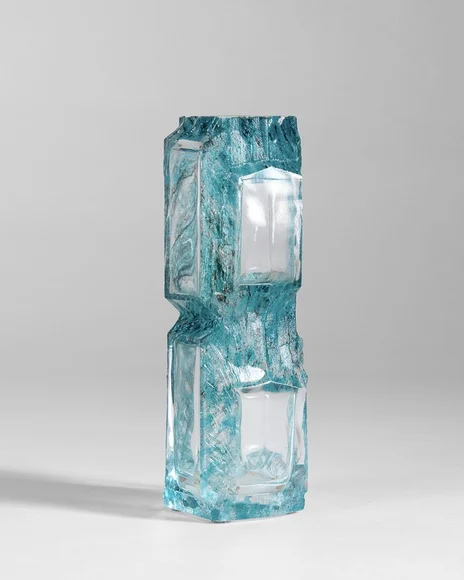


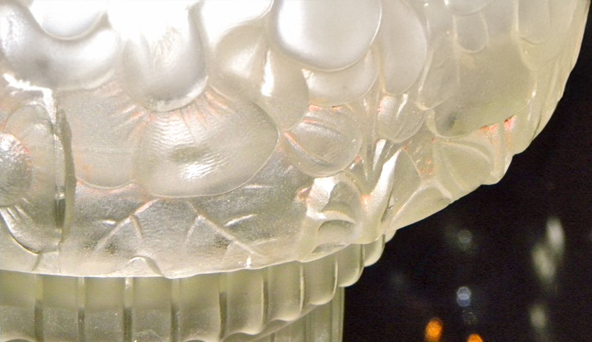
Daum’s Art Nouveau work was characterized by a lyrical naturalism expressed through layered glass techniques, combining acid etching, carving, enameling, and applied decorative elements to create pieces of exceptional chromatic richness and depth. Their transition to Art Deco brought straight geometric lines and new color palettes that retained the technical mastery of the earlier period while embracing the spirit of the new aesthetic. The pâte de verre technique, which fuses crushed glass packed into a refractory mold in a kiln, gives their sculptural work a distinctive luminous density that no other process can replicate.
Key Influences
- École de Nancy: As co-founders with Gallé of the movement, they were central to establishing Nancy as a global capital of Art Nouveau decorative arts.
- Post-Gallé Leadership: After Gallé’s death in 1904, Daum assumed dominance of the French decorative glass field and defined the next phase of the medium’s development.
- Pâte de Verre Revival: Their development of the ancient glass paste technique into a modern sculptural medium established a distinctive identity that no other manufacturer has replicated at the same scale.
- Artist Collaboration Model: Their practice of sustained collaboration with major artists across more than a century set a precedent for how craft manufacturers could engage the fine art world.
- Normandie and Art Deco: Their tableware commissions for the Normandie placed Daum crystal at the center of the most celebrated expression of French Art Deco luxury design.
If you are interested in further stories of the artists who shaped Art Deco, return to our artists page to browse the full directory.
Related Products from ArtDecoCollection.com