



Roger Broders
Roger Broders was born in Paris, France, in 1883. Very little is known about his personal life, as the historical record provides scant biographical information about him. His artistic career began in the early twentieth century, when he started contributing fashion and travel illustrations to Parisian magazines. He went on to become one of the defining figures of French Art Deco poster design, though his name was for many years overshadowed by his work itself. From 1920 to 1933, he focused almost exclusively on advertising posters, producing the body of work for which he is best remembered. After 1935, for reasons that remain unclear, he is not known to have designed any further posters, even though he was at the height of his popularity. He continued illustrating books through the mid-1950s, including four works by the German author Karl May published by Éditions Mame at Tours in the 1940s. Broders died in Paris in 1953, leaving behind a relatively small but enormously influential body of work.
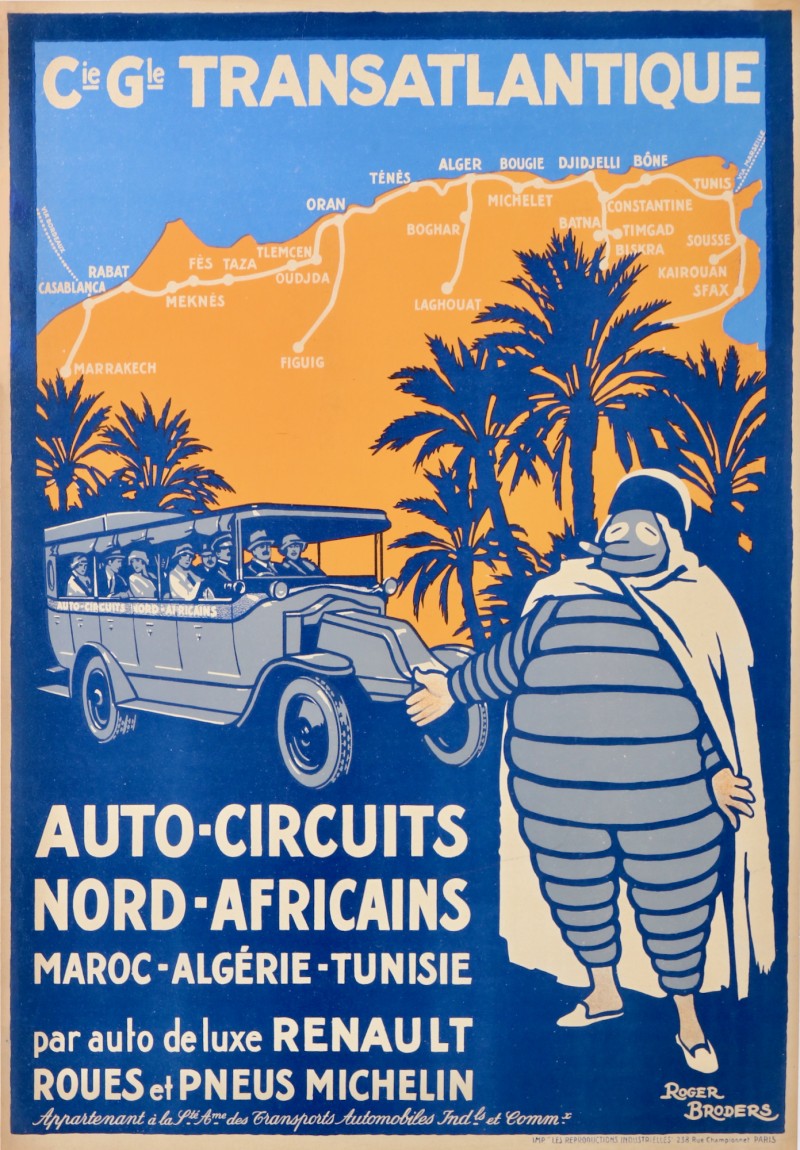
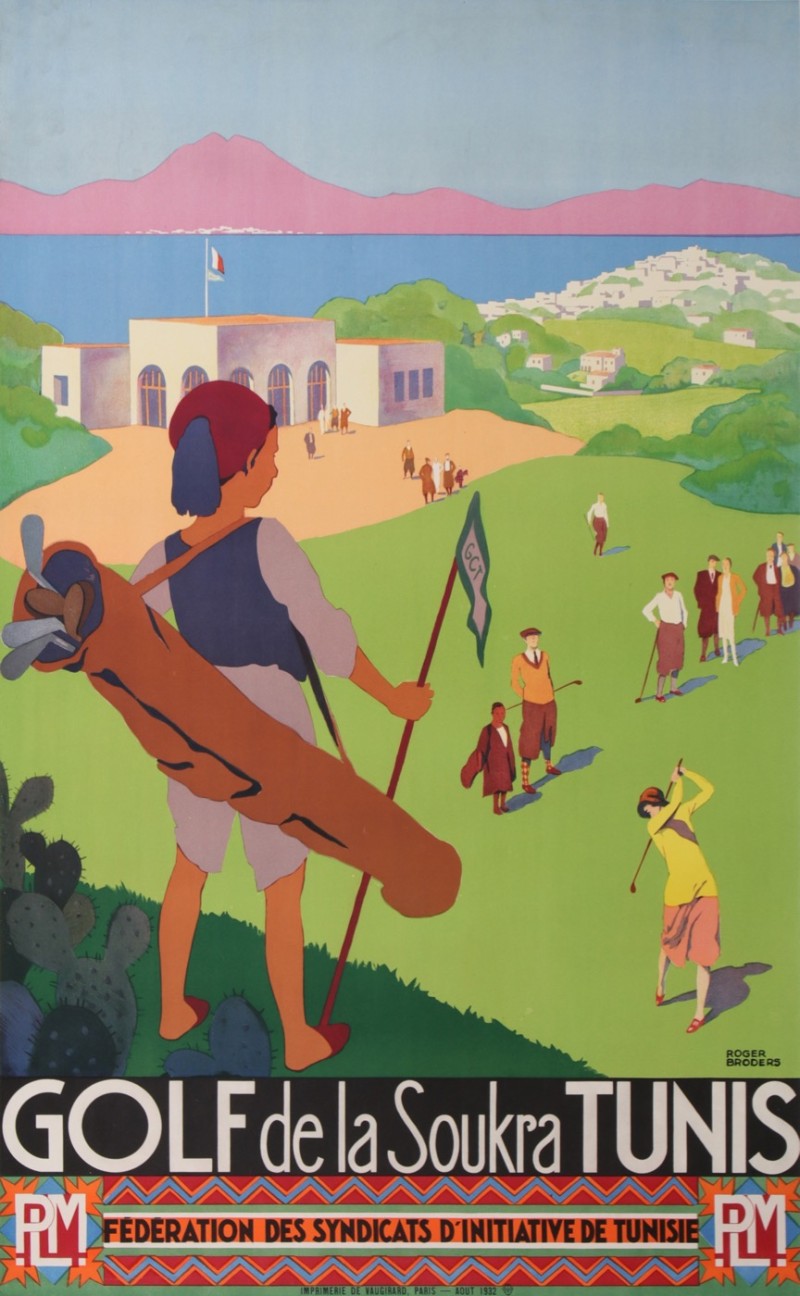
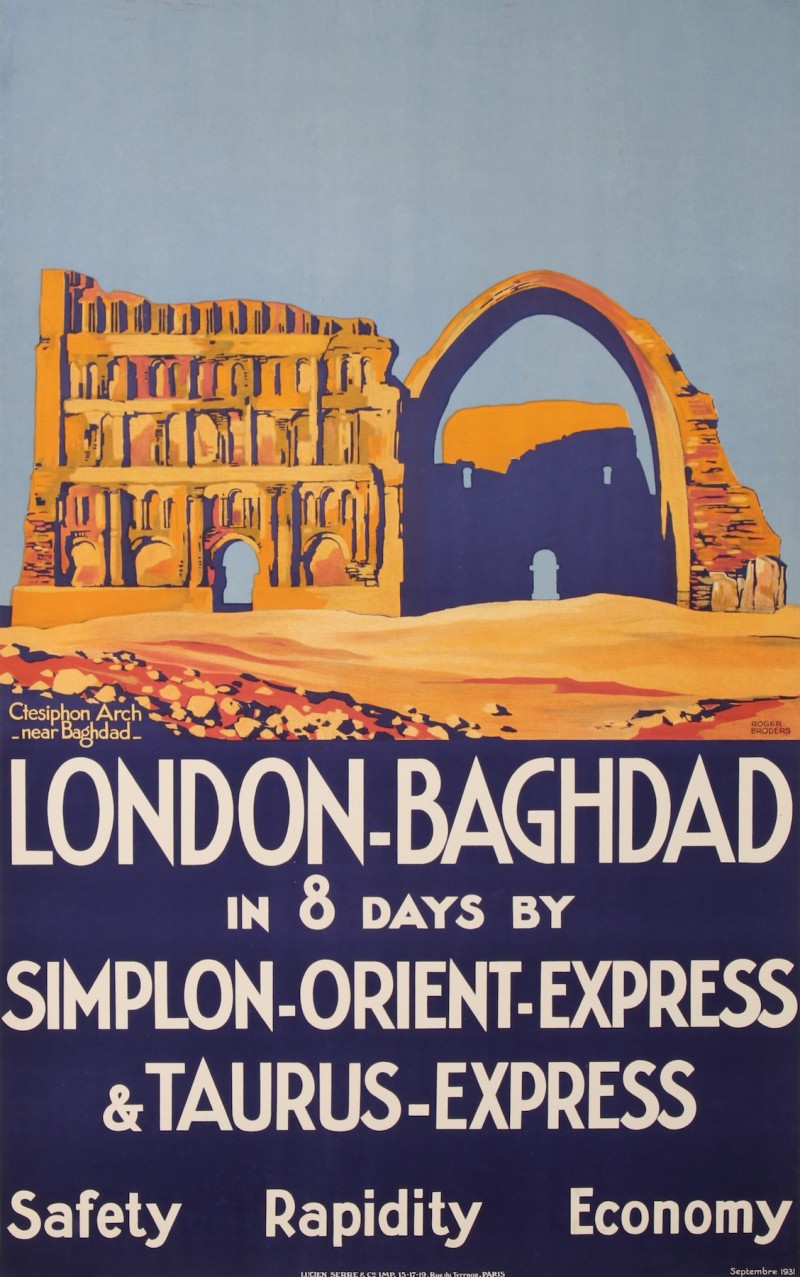
Broders’ career is inextricably linked with his principal client, the Paris-Lyon-Méditerranée Railway, for which he designed 65 posters over thirteen years advertising locales along their routes from Paris through southeastern France to the Côte d’Azur. The PLM sponsored his travel so that he could visit the subjects of his work firsthand, lending his images an authenticity grounded in direct observation. He was also commissioned by other railway companies, including the Alsace and Lorraine Railway, the Chemins de Fer de l’État, the Indian State Railways, the London, Midland & Scottish Railway, and the Montreux-Oberland Bernois Railway. In total, he produced fewer than 100 posters, and with the exception of just thirteen made for car companies, real estate firms, banks, and lotteries, all of his output was travel-oriented. His posters promoted fashionable beaches of the Côte d’Azur, skiing resorts in the French Alps, and elegant destinations such as Monte-Carlo, Vichy, Marseille, and Villefranche-sur-Mer. Among the popular and talented French Art Deco travel poster artists of the 1920s and 1930s, including Pierre Commarmond, Roger Soubie, and Julien Lacaze, none have achieved the same level of recognition as Broders. His graphic style and clean lines have been cited as an entire renewal of the travel poster genre. Today, lithographs of his posters remain widely collected and continue to appear at major auctions.
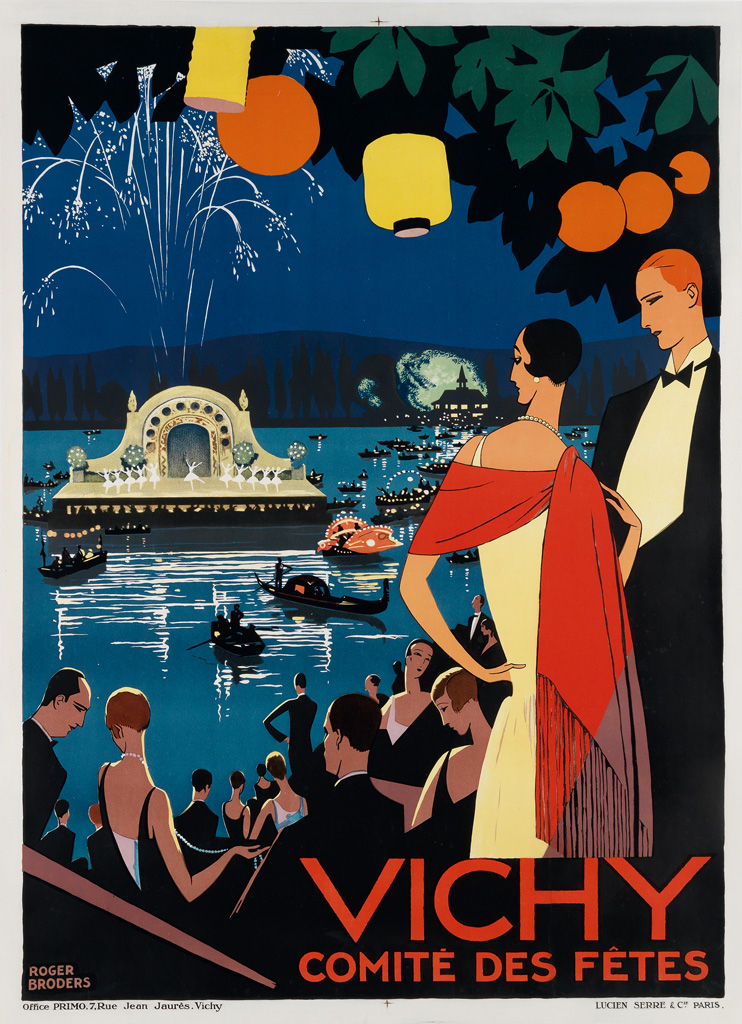
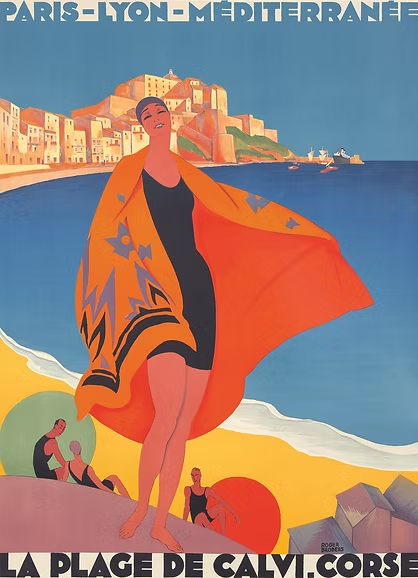
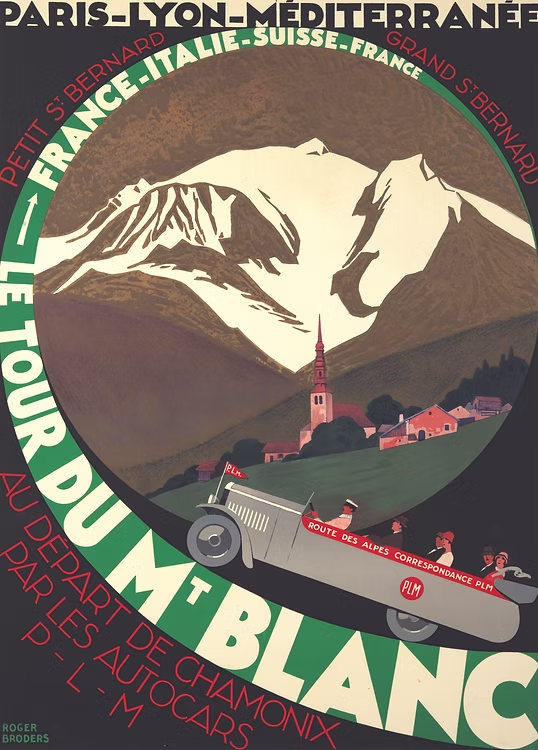
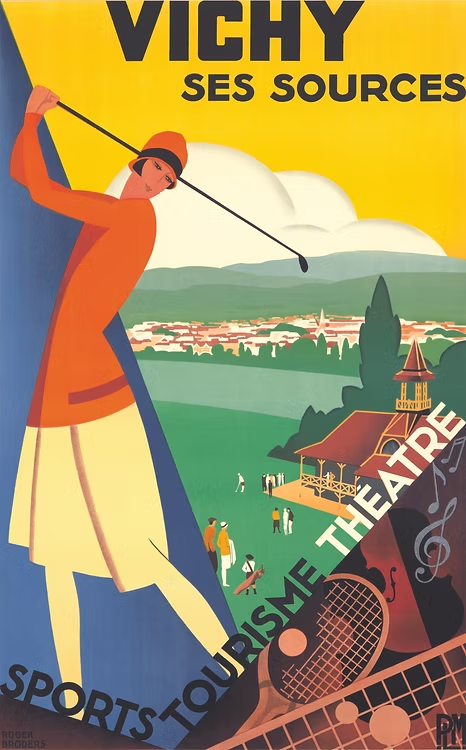
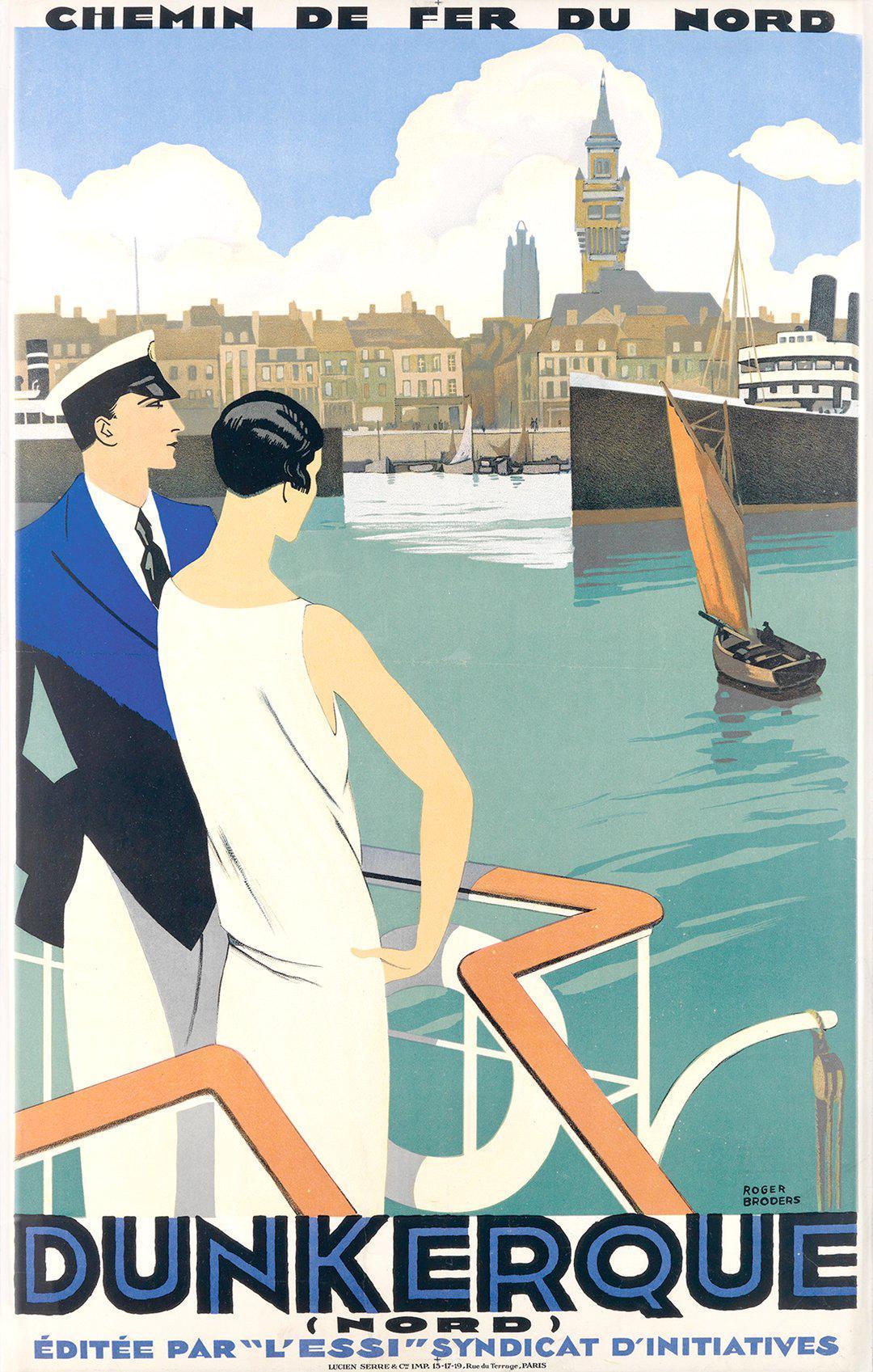


Broders’ posters were distinctive for their simple lines and bold, flat areas of color, combined with a strong sense of graphical perspective that placed mountains and seascapes dramatically in the background. He divided his compositions into pronounced fore, middle, and backgrounds, using light, shade, and color interplay to delineate space with great economy. His most sought-after works depict elegant couples in the latest fashion, drawn in a style that could easily have led him to produce illustrations for Vogue or La Gazette du Bon Ton.
Key Influences
- Travel Poster Renewal: His clean graphic style is credited with renewing the entire travel poster genre and setting a new standard for the field.
- Visual Identity of the French Riviera: His PLM posters helped shape the international image of the Côte d’Azur and the French Alps as glamorous destinations for the leisure class.
- Art Deco Graphic Language: His work grew symbiotically with the Art Deco movement, becoming a definitive visual expression of the era and helping later generations understand its aesthetics.
- Fashion and Travel Convergence: His depictions of elegantly dressed figures linked the worlds of haute couture and tourism, promoting luxury as an essential component of the travel experience.
- Commercial Art as Cultural Record: His posters serve as a vivid historical record of interwar European leisure culture, preserving the fashions, destinations, and aspirations of the period.
If you are interested in further stories of the artists who shaped Art Deco, return to our artists page to browse the full directory.
Related Products from ArtDecoCollection.com