
Villa Empain, The Art Deco Jewel of Brussels
One of the most rewarding parts of our work at Art Deco Collection is meeting collectors whose passion and dedication to preservation inspire projects that go well beyond ownership alone. Many of these individuals are driven not only to build remarkable collections and environments, but also to share their knowledge in thoughtful and lasting ways. These are the special stories we are proud to feature in the Art Deco Resource Guide Journal, because they reflect exceptional vision, deep personal commitment, and a genuine desire to preserve, document, and honor ideas that deserve recognition and study.
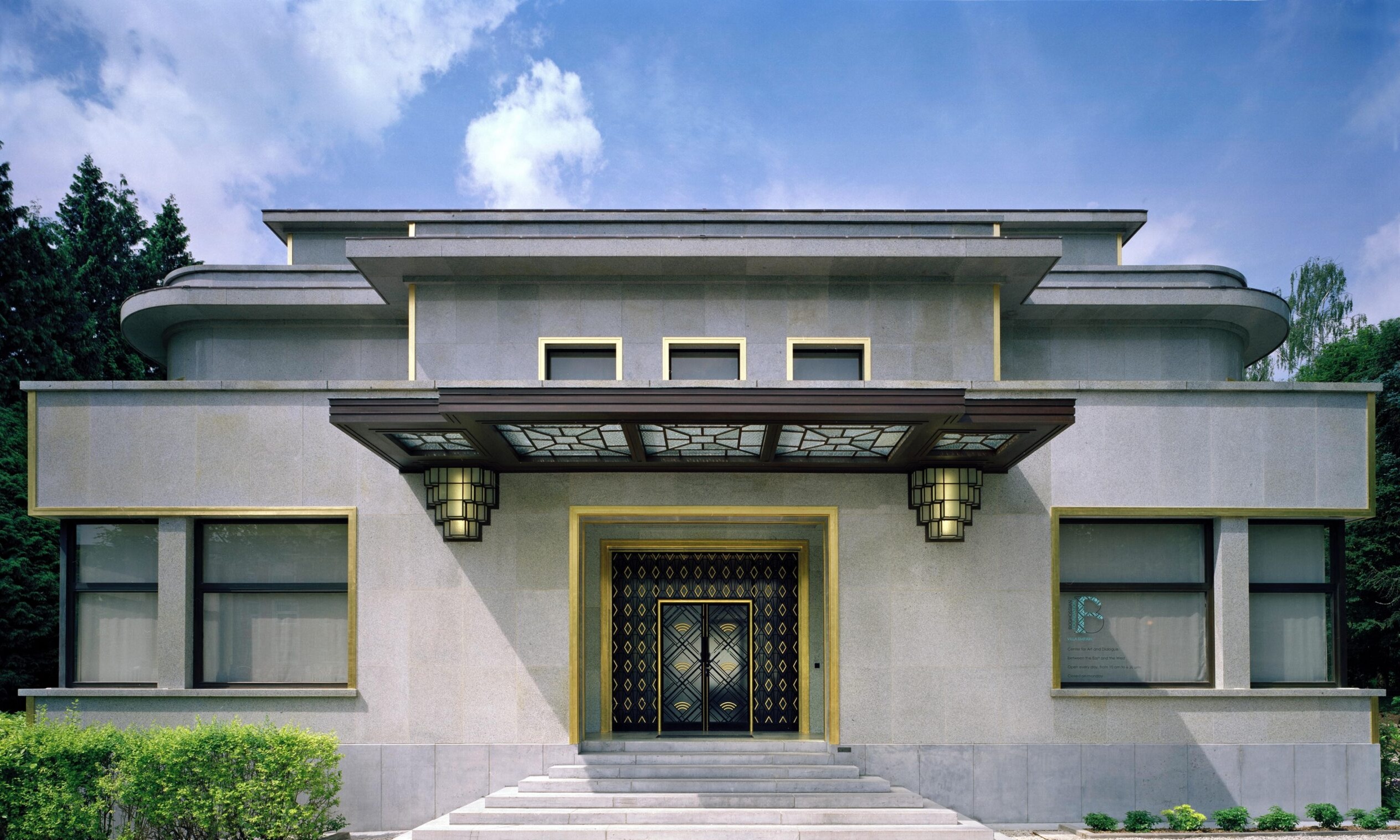
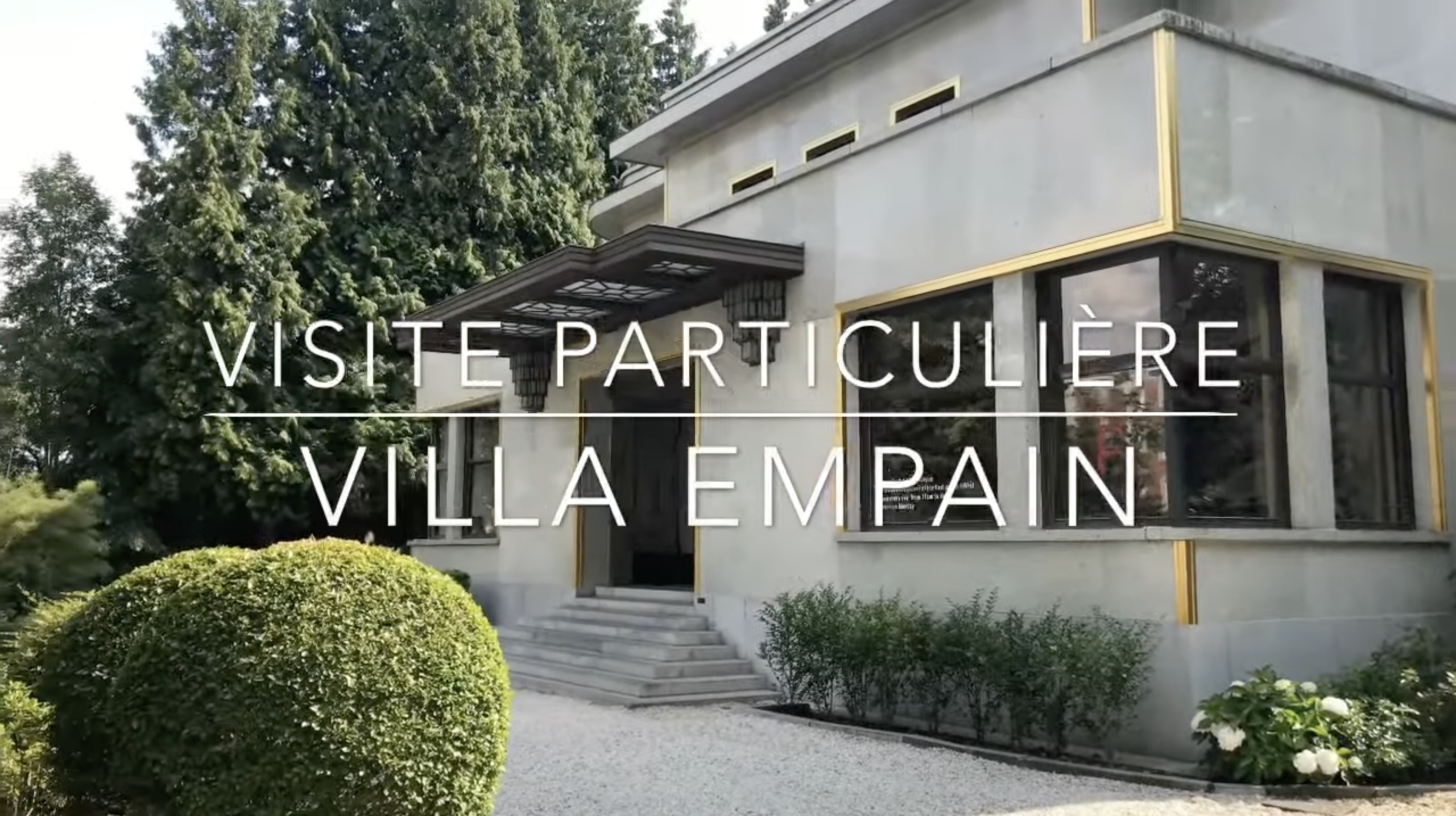
Villa Empain is one of the great surviving Art Deco houses of Europe, a building that still conveys the glamour, refinement, and confidence of the early 1930s. Standing in Brussels on Avenue Franklin Roosevelt, it was designed by the Swiss-Belgian architect Michel Polak for Baron Louis Empain, son of the industrialist Édouard Empain. Built between 1930 and 1934, the villa was conceived as a luxurious private residence, but from the beginning it seemed to embody something larger than domestic life. Its polished granite façades, bronze details, marbles, stained glass, fine woods, and carefully ordered geometry gave it the presence of a total work of Art Deco design. Even now, it feels less like a house alone than a complete artistic statement.
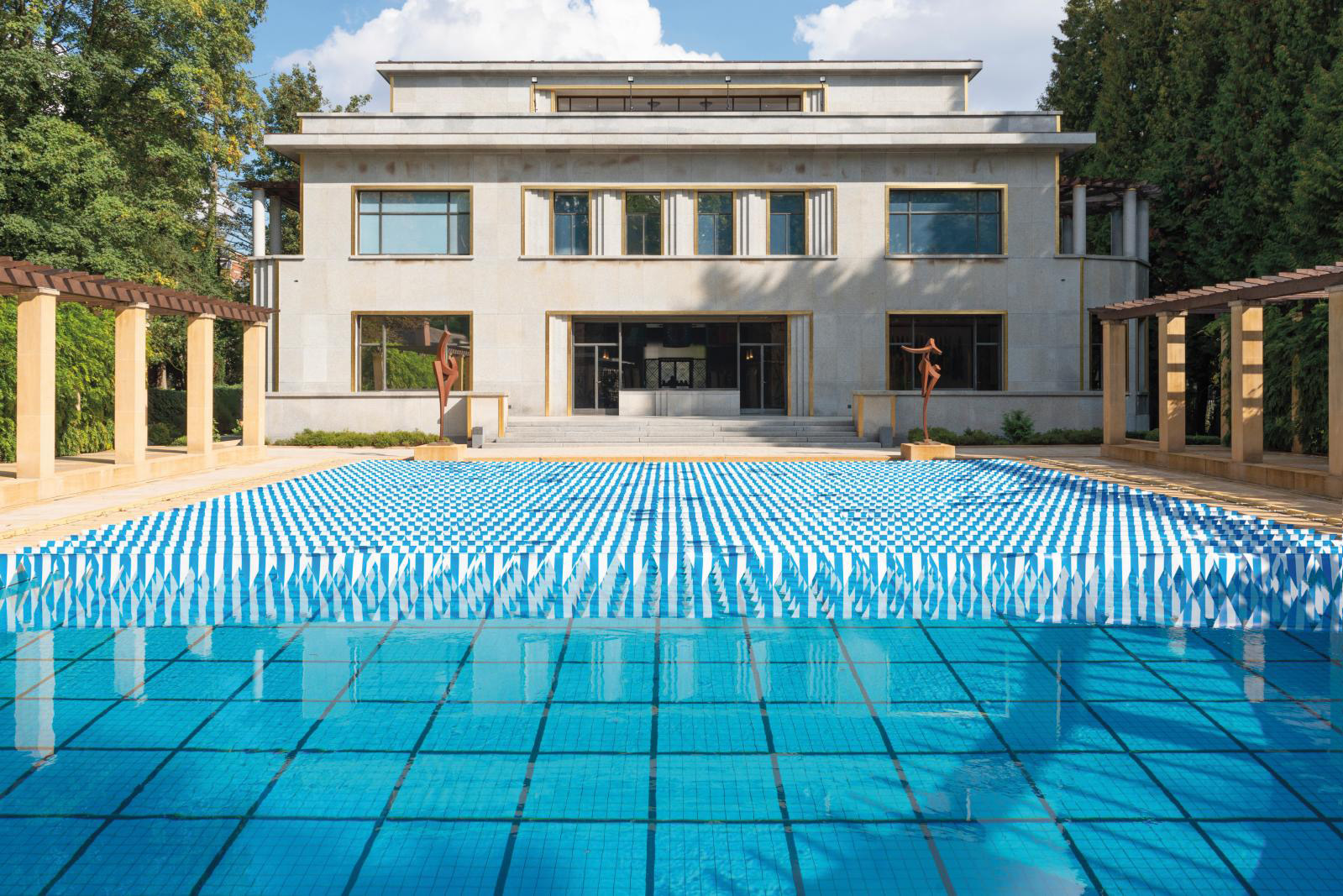
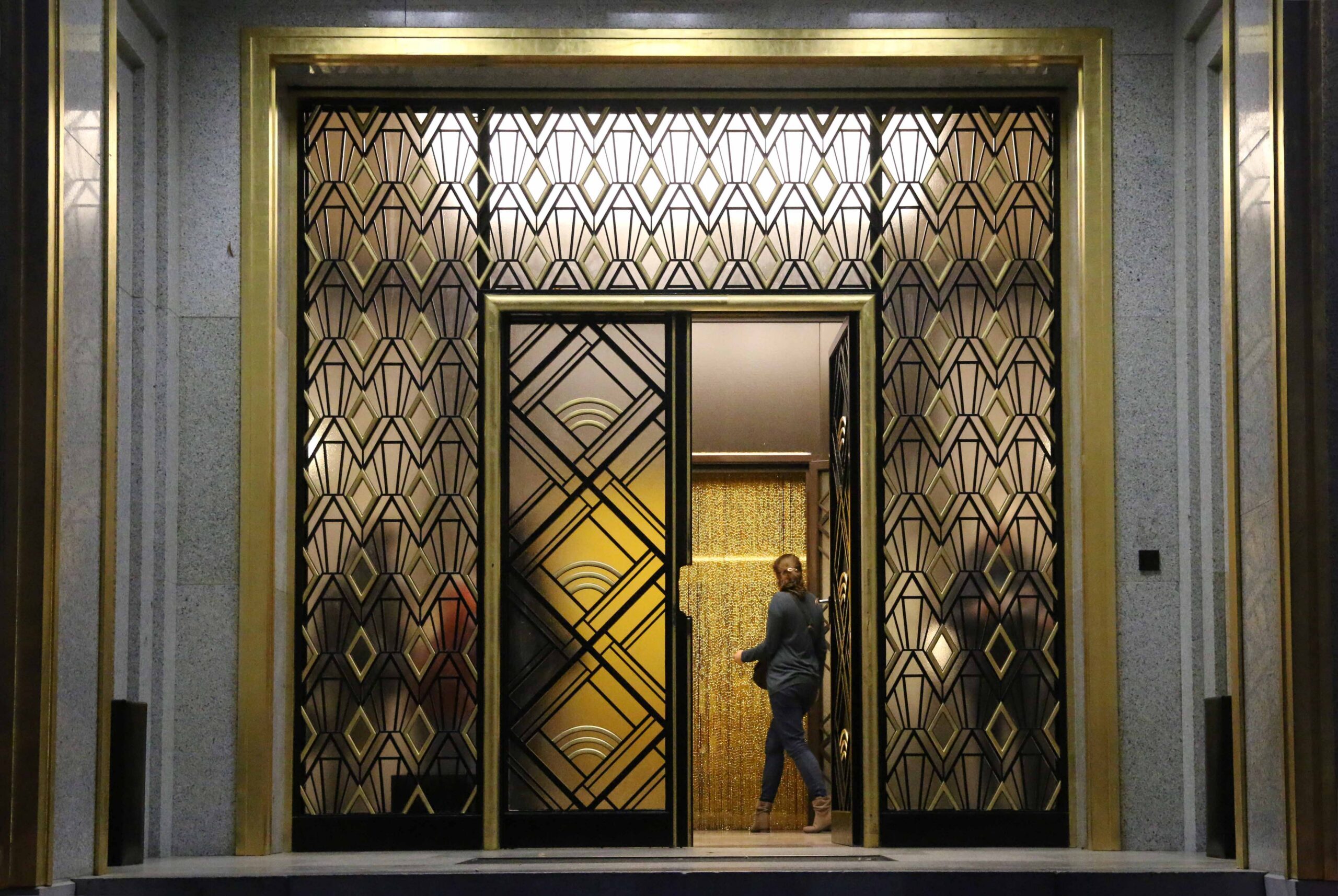
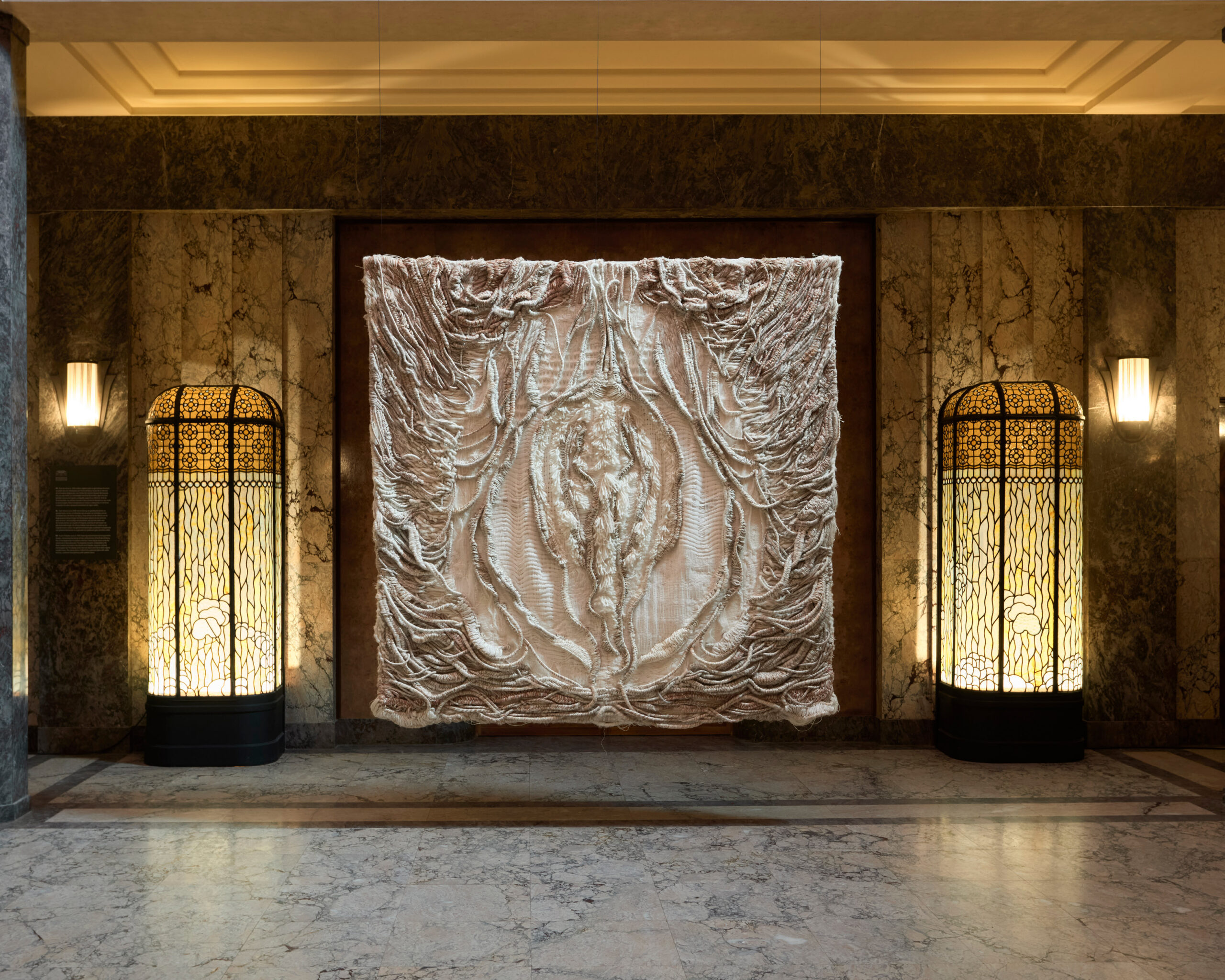
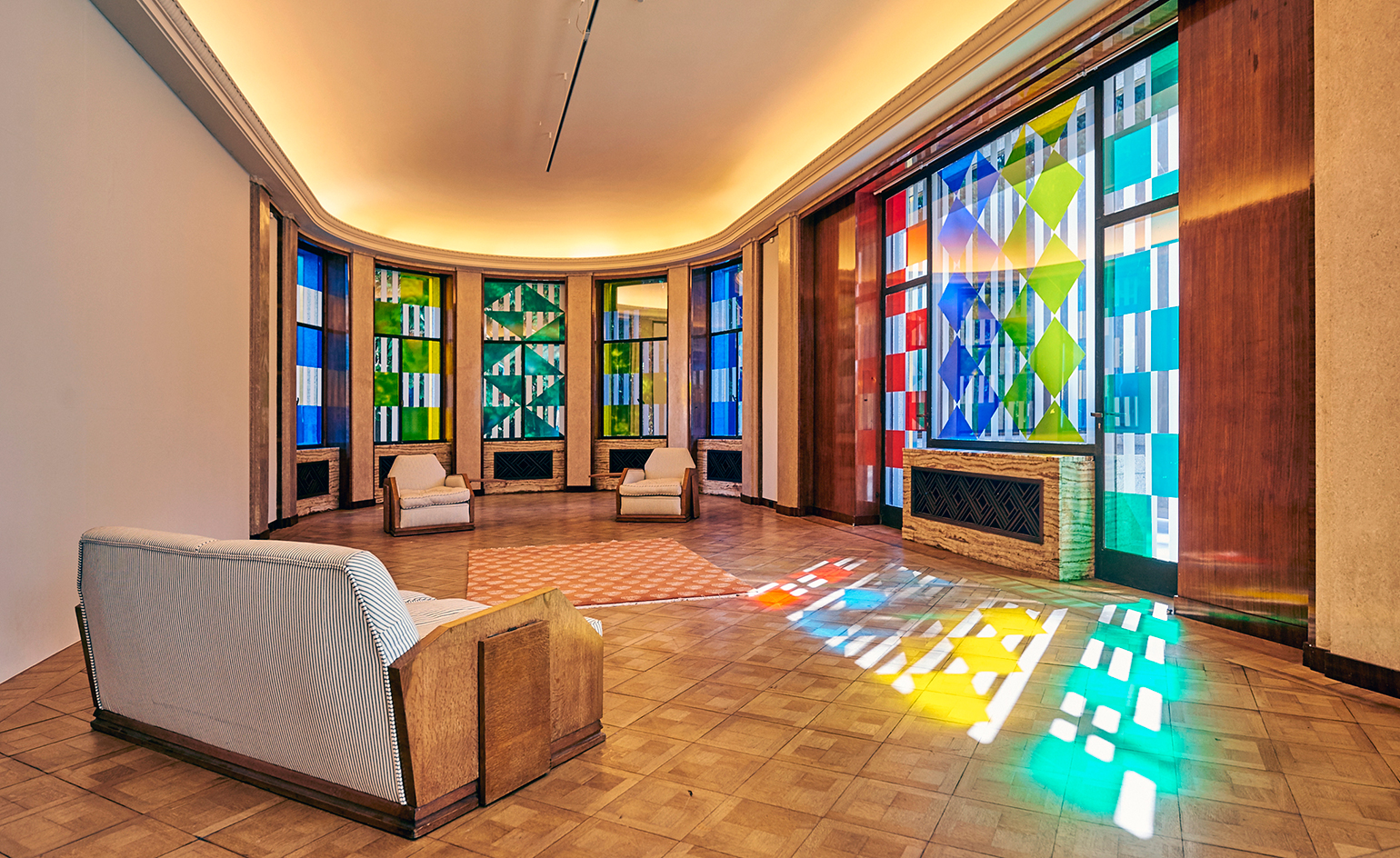
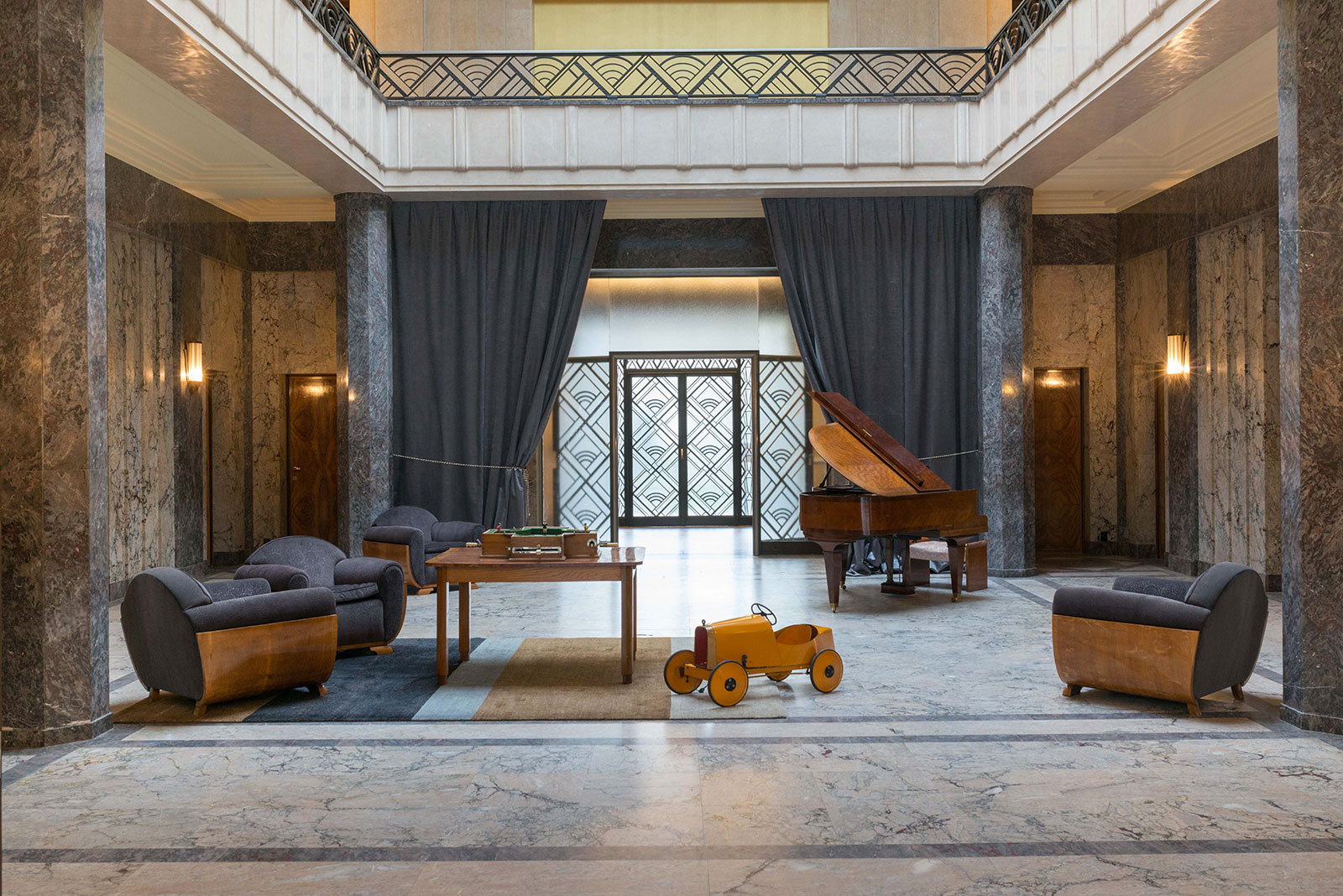
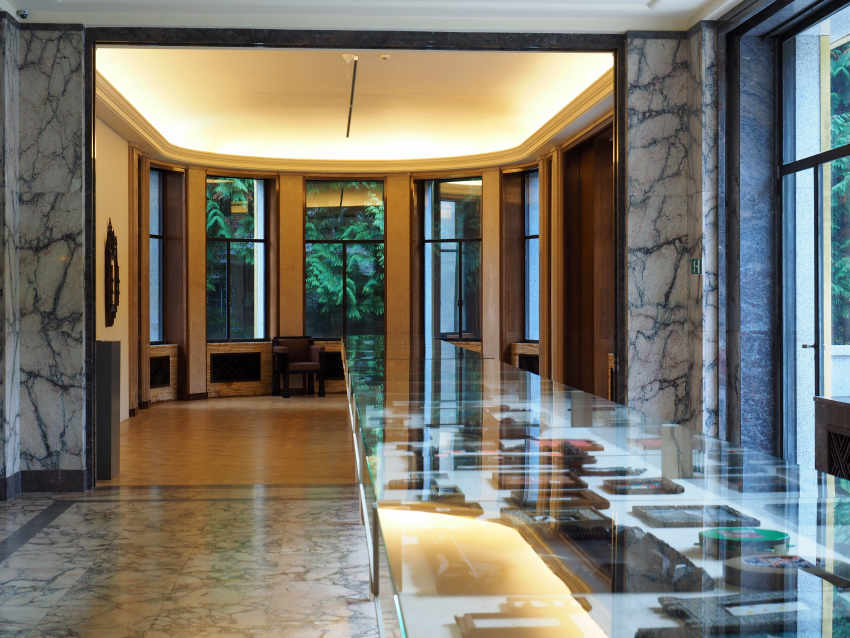
Exterior and interior views of Villa Empain, highlighting the elegance, refinement, and architectural richness that make it one of Brussels’ great Art Deco landmarks.
What makes Villa Empain so compelling is the way it balances luxury with discipline. Art Deco at its best was never only about ornament or display. It was about proportion, material, craftsmanship, and the modernization of beauty. Villa Empain expresses those values with remarkable clarity. The lines are strong but never heavy, the surfaces rich but never chaotic, and the arrangement of the house around its courtyard and swimming pool creates an atmosphere that is both formal and serene. Among the many distinguished Art Deco homes of Brussels, Villa Empain remains one of the most admired and memorable.
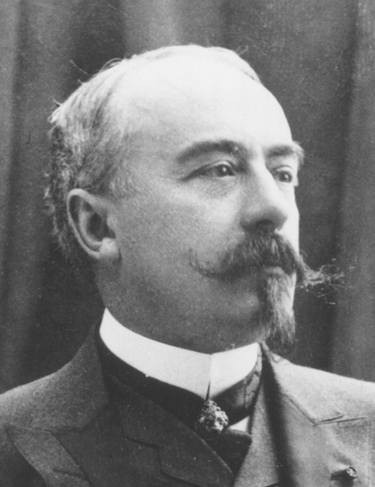

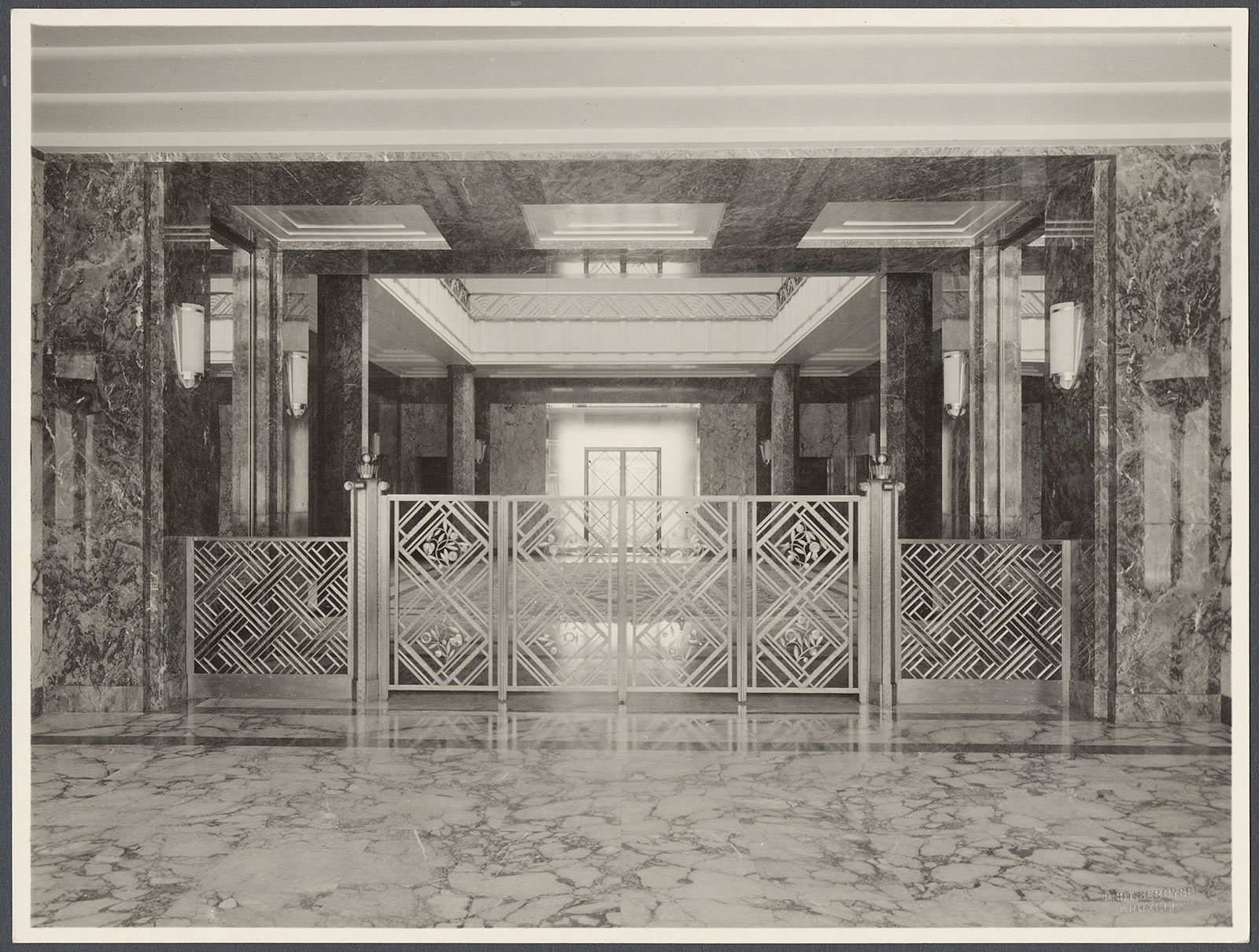
Left: Baron Louis Empain, the patron who commissioned Villa Empain. Middle: Original architectural sketch for Villa Empain, reflecting the disciplined geometry of its Art Deco design. Right: Historic interior view showing the villa’s early atmosphere of luxury and modernity.
Its history, however, is not one of uninterrupted splendor. Although Louis Empain commissioned the villa at great expense, he made little personal use of it and in 1937 donated it to the Belgian state so it could become a museum of contemporary decorative arts. Over the decades that followed, the house took on a series of very different roles. It served cultural purposes, passed through wartime occupation, became the Soviet embassy after the war, later returned to the Empain family, and eventually housed the Belgian headquarters of Radio-Télévision-Luxembourg, better known as RTL. By the end of the twentieth century, however, the building had fallen into alarming neglect. Vandalism, abandonment, and decay threatened to erase one of Brussels’ most important Art Deco landmarks.
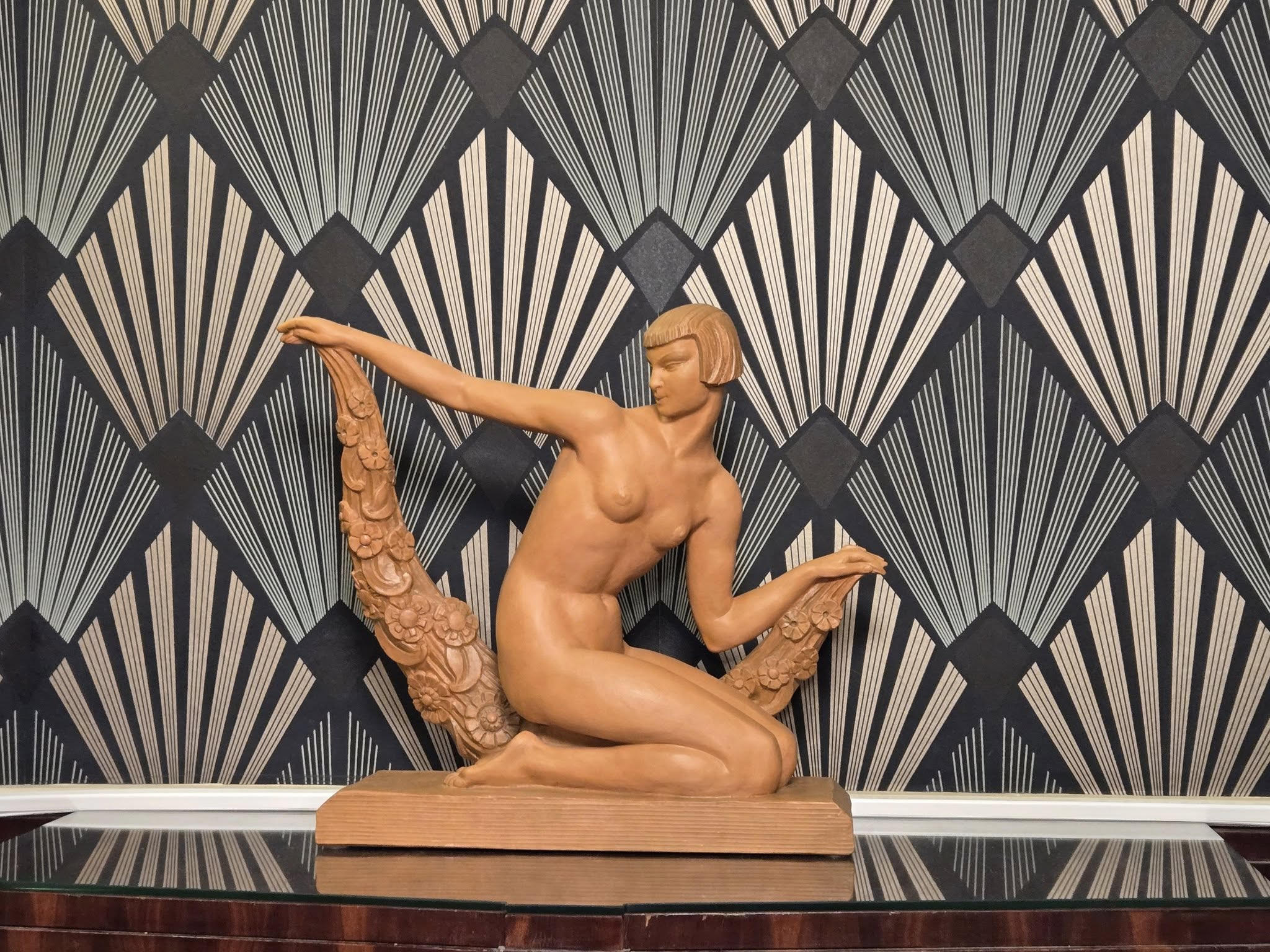
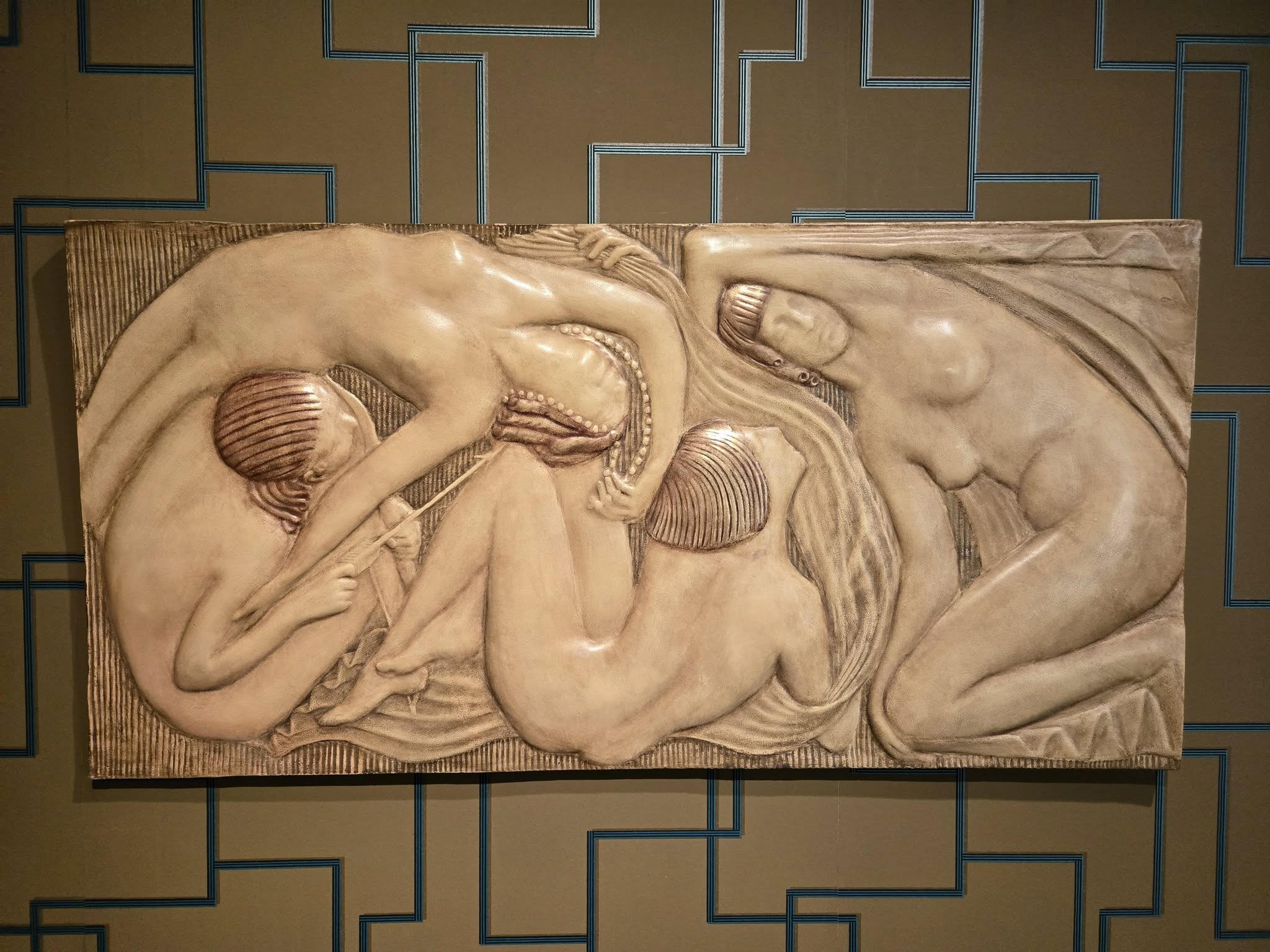
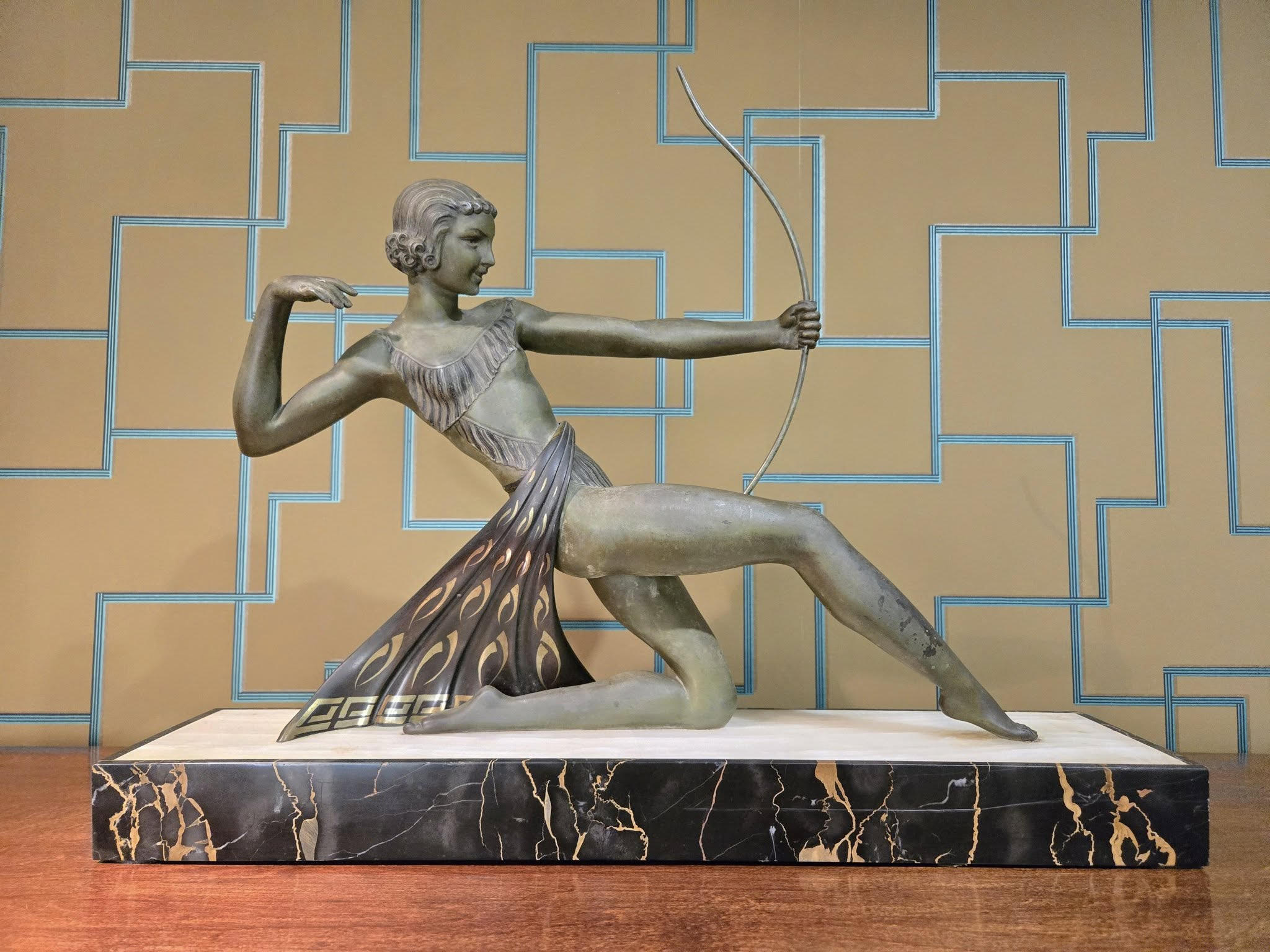
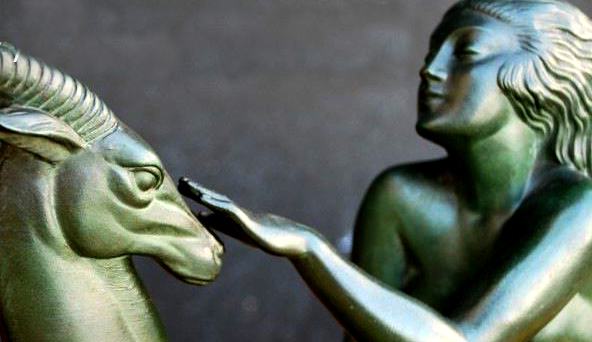
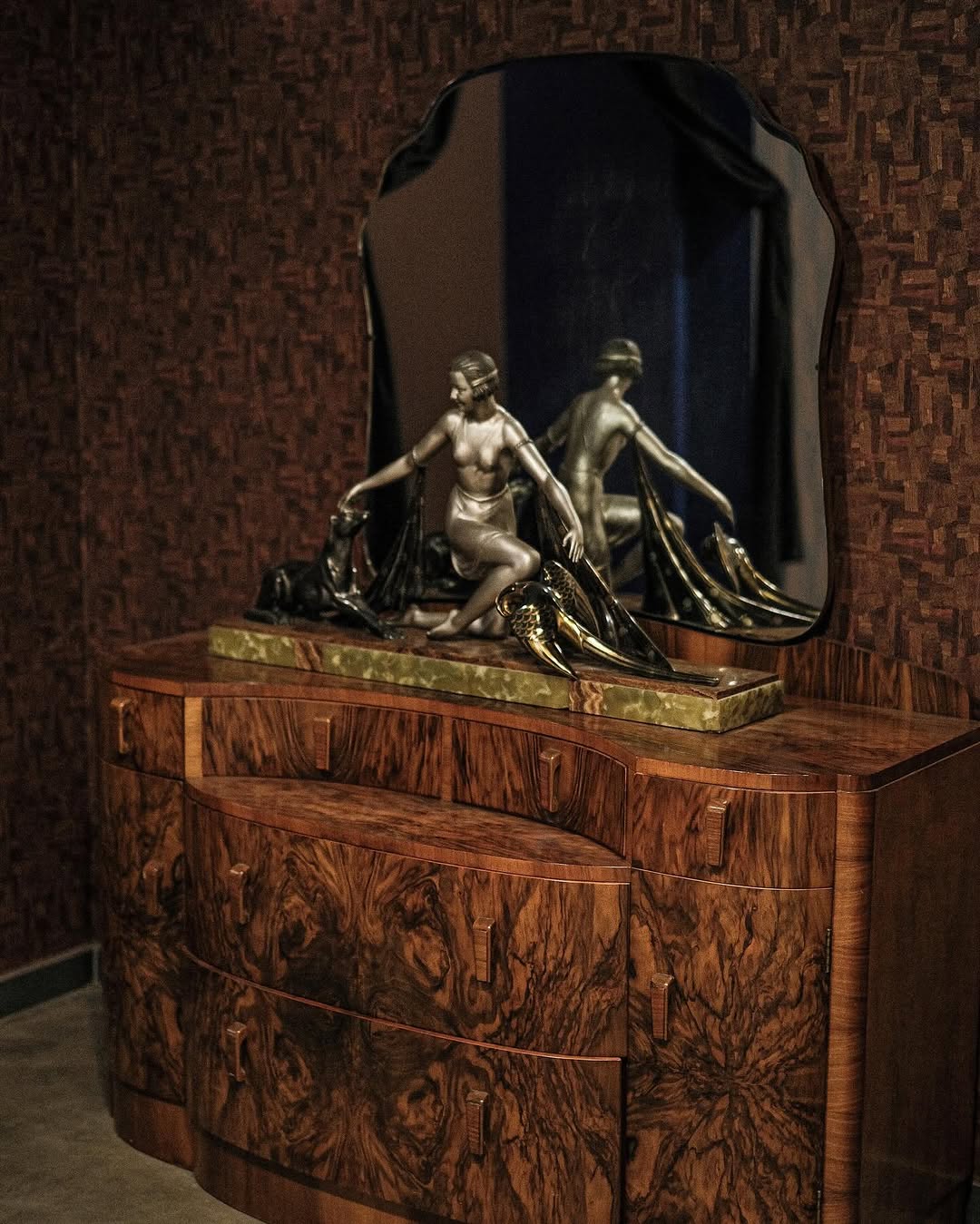
Left: Stylized female nude sculpture in terracotta or ceramic, reflecting the streamlined elegance of Art Deco figural design. Middle: Jean Dunand’s lacquer relief panel Les Baigneuses, a masterful example of Art Deco craftsmanship and decorative modernism. Right: French Art Deco bronze of Diana the Huntress, combining classical subject matter with the period’s bold, sculptural energy.
That story changed when the Boghossian Foundation acquired the villa and undertook its rescue. Founded in 1992 by Robert Boghossian and his sons Jean and Albert, the foundation developed around philanthropic, educational, and cultural aims, with a particular interest in creating dialogue between East and West. In 2006, Jean and Albert Boghossian acquired Villa Empain on behalf of the foundation, giving the building a new future at exactly the moment it needed one. The decision was significant not simply because the villa was saved, but because it was given a purpose worthy of its architectural stature.
The restoration that followed was meticulous and ambitious. Rather than reducing the house to a decorative shell, the project aimed to recover its architectural integrity and revive the sophistication that had originally defined it. Materials, finishes, proportions, and details were treated with the seriousness they required, and the result was not just a repaired building but a restored work of Art Deco art. When Villa Empain reopened in 2010 as the Boghossian Foundation’s Centre for Art and Dialogue between the cultures of the East and the West, it entered a new phase of life that honored both its history and its potential. Once again, it became a place of beauty, meaning, and public engagement.
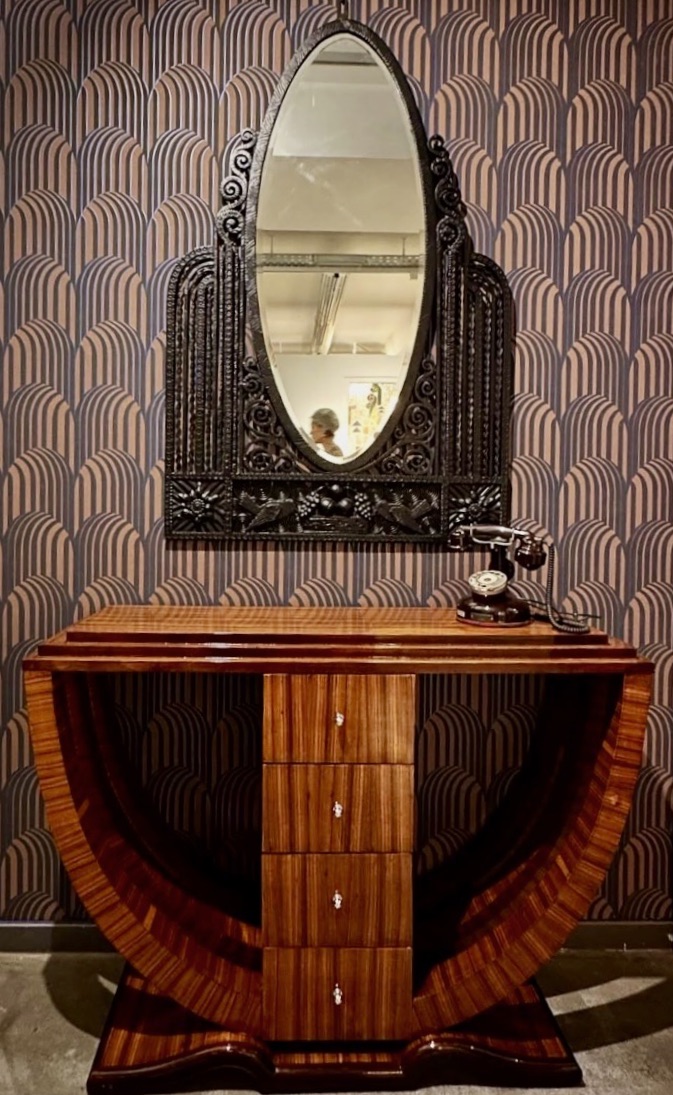
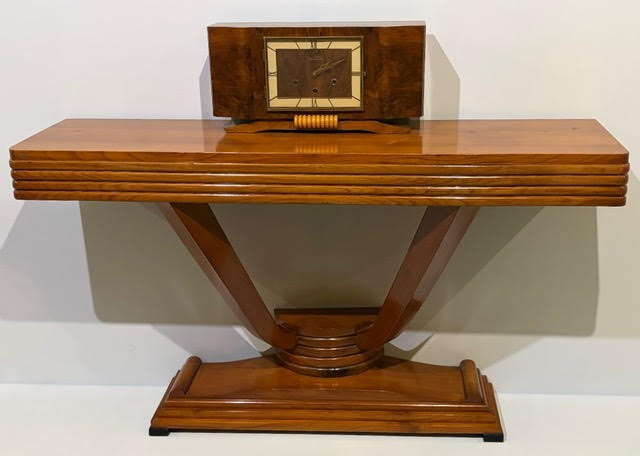
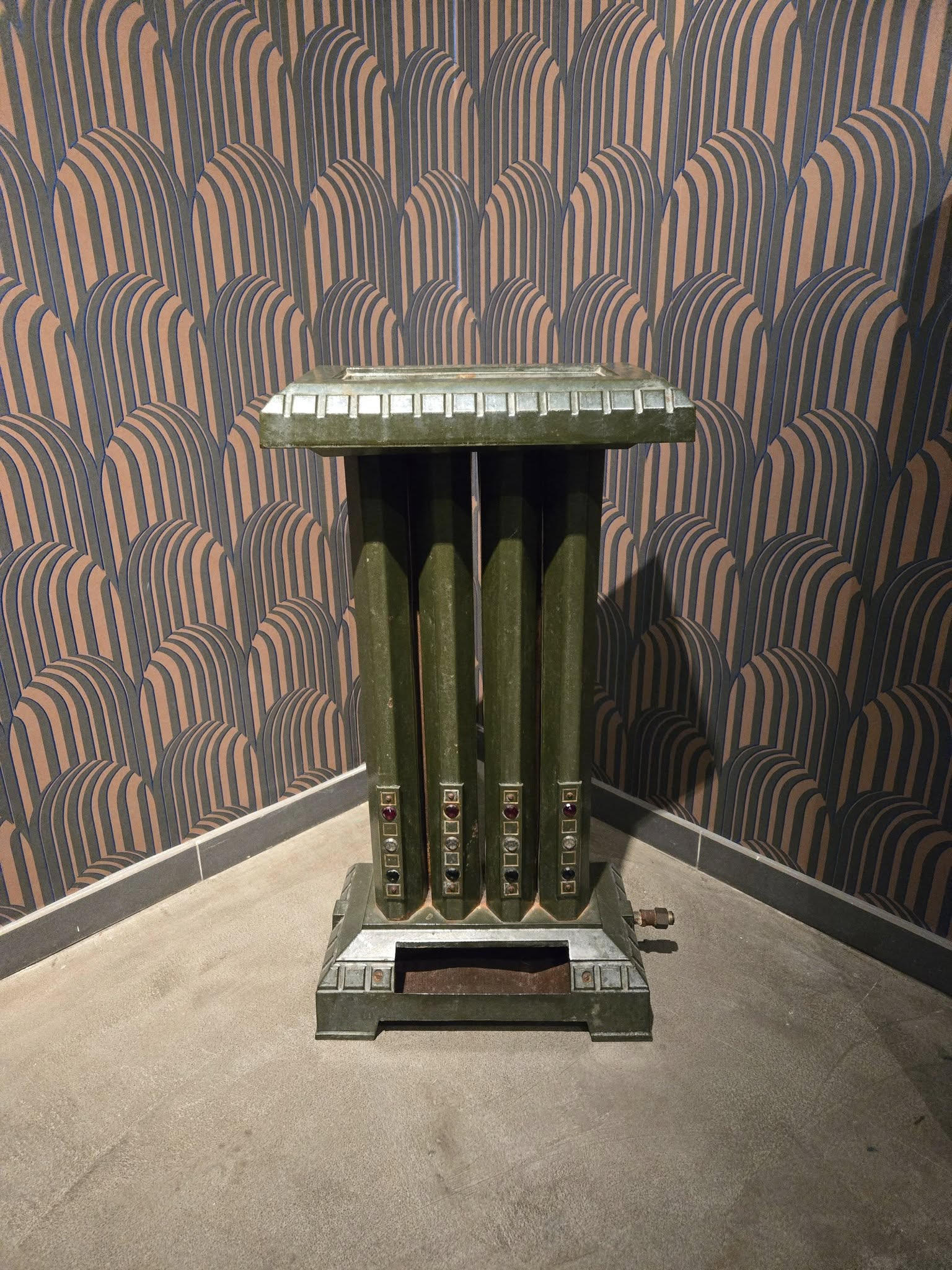
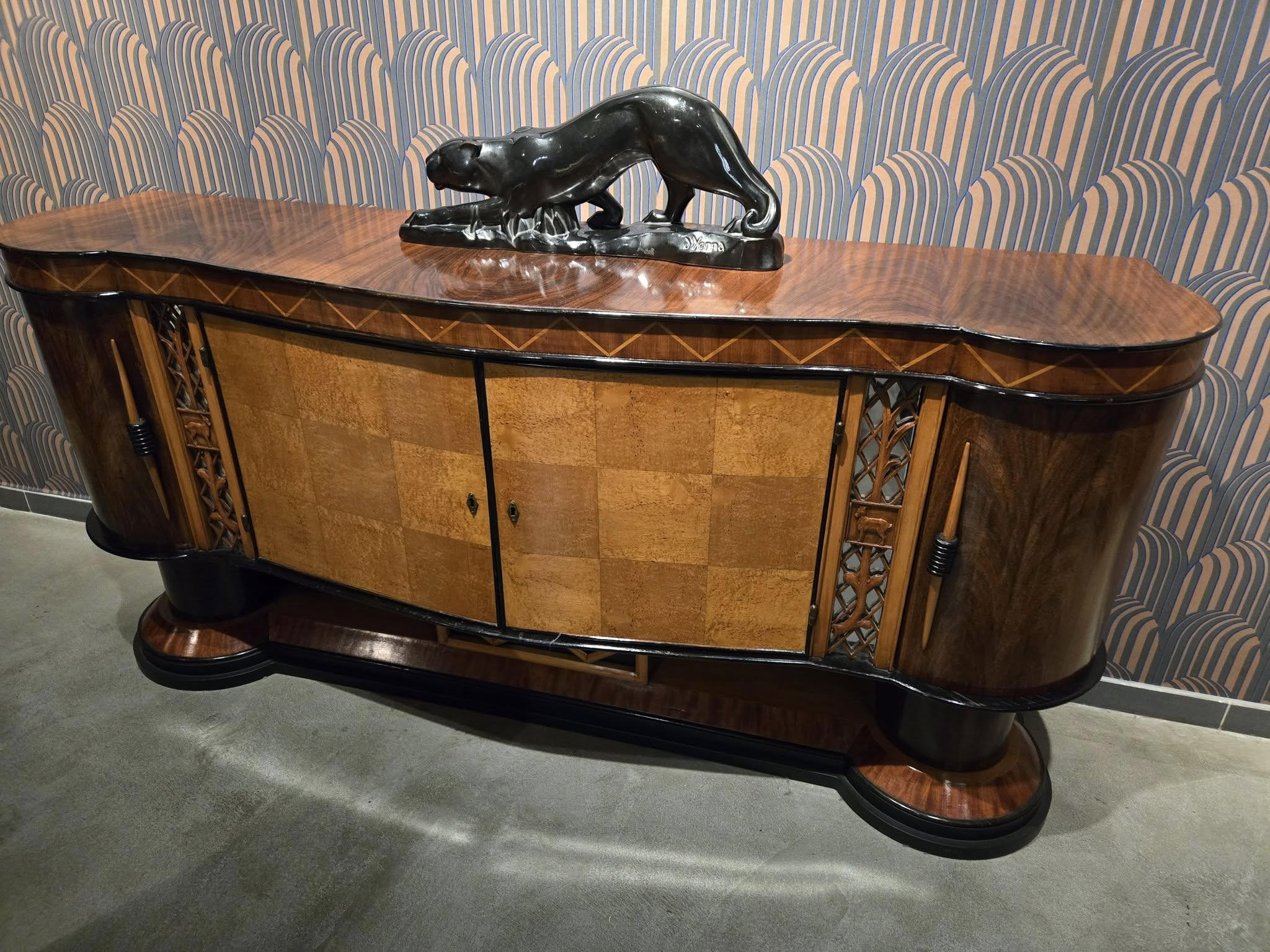
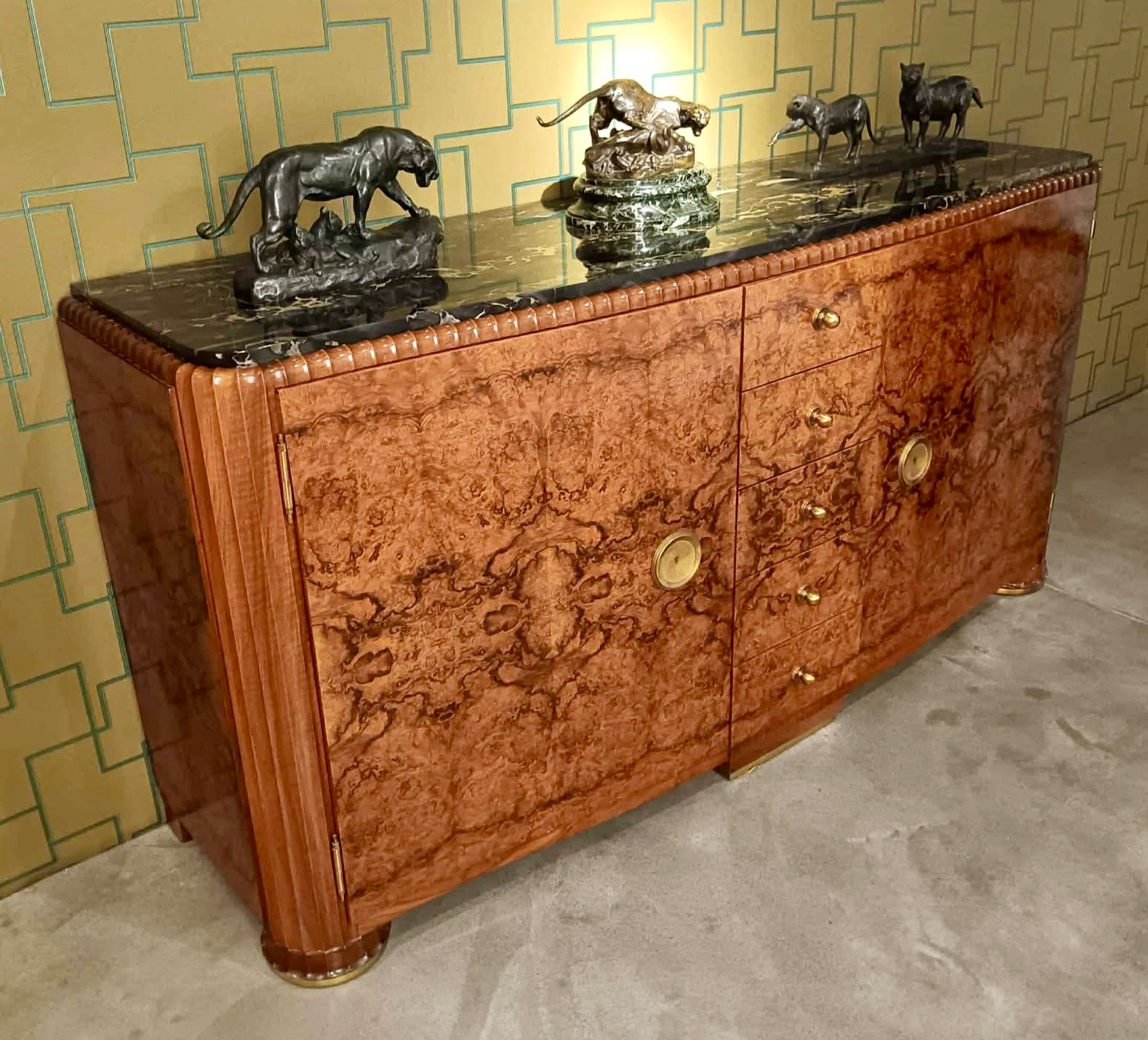
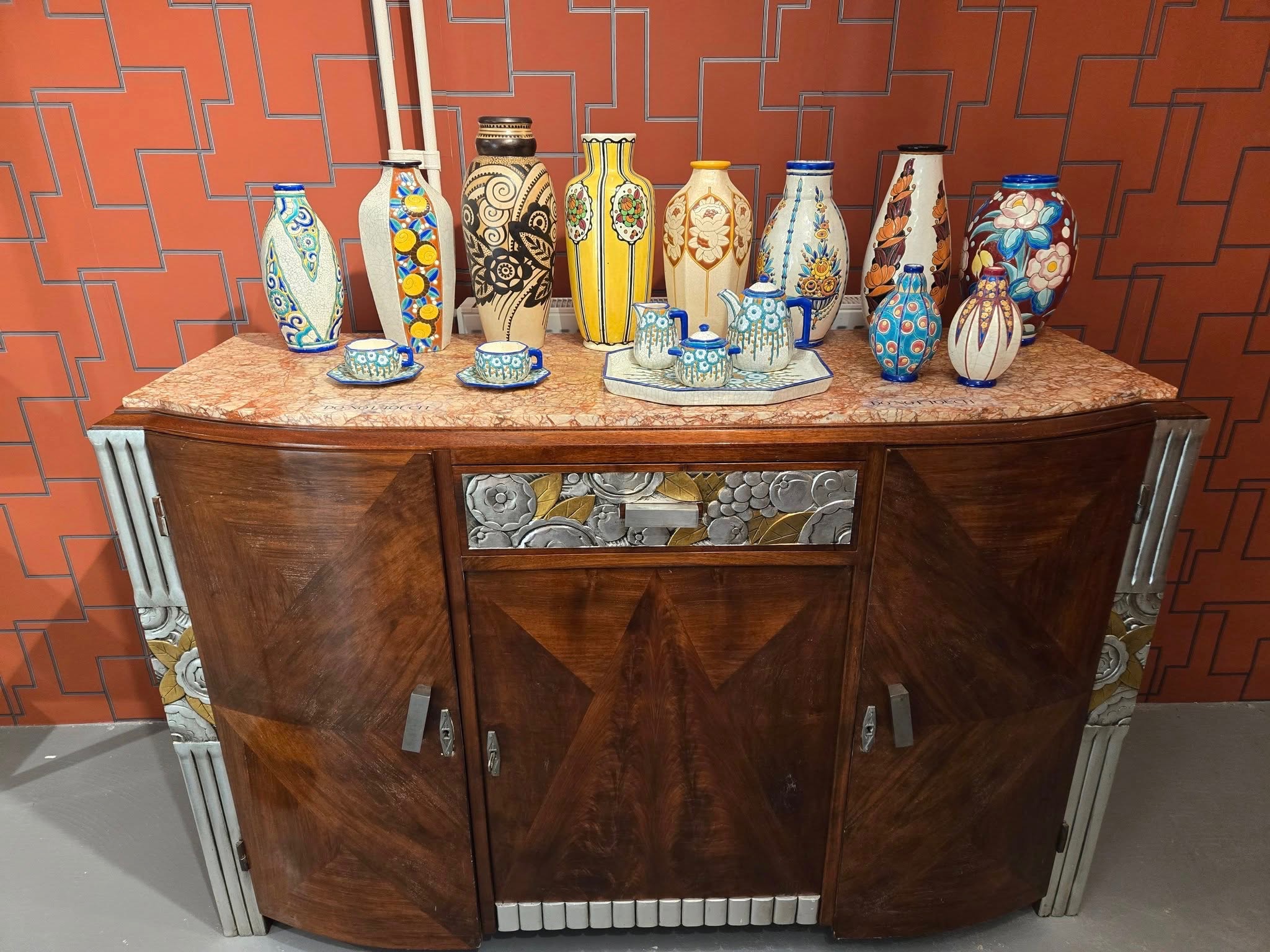
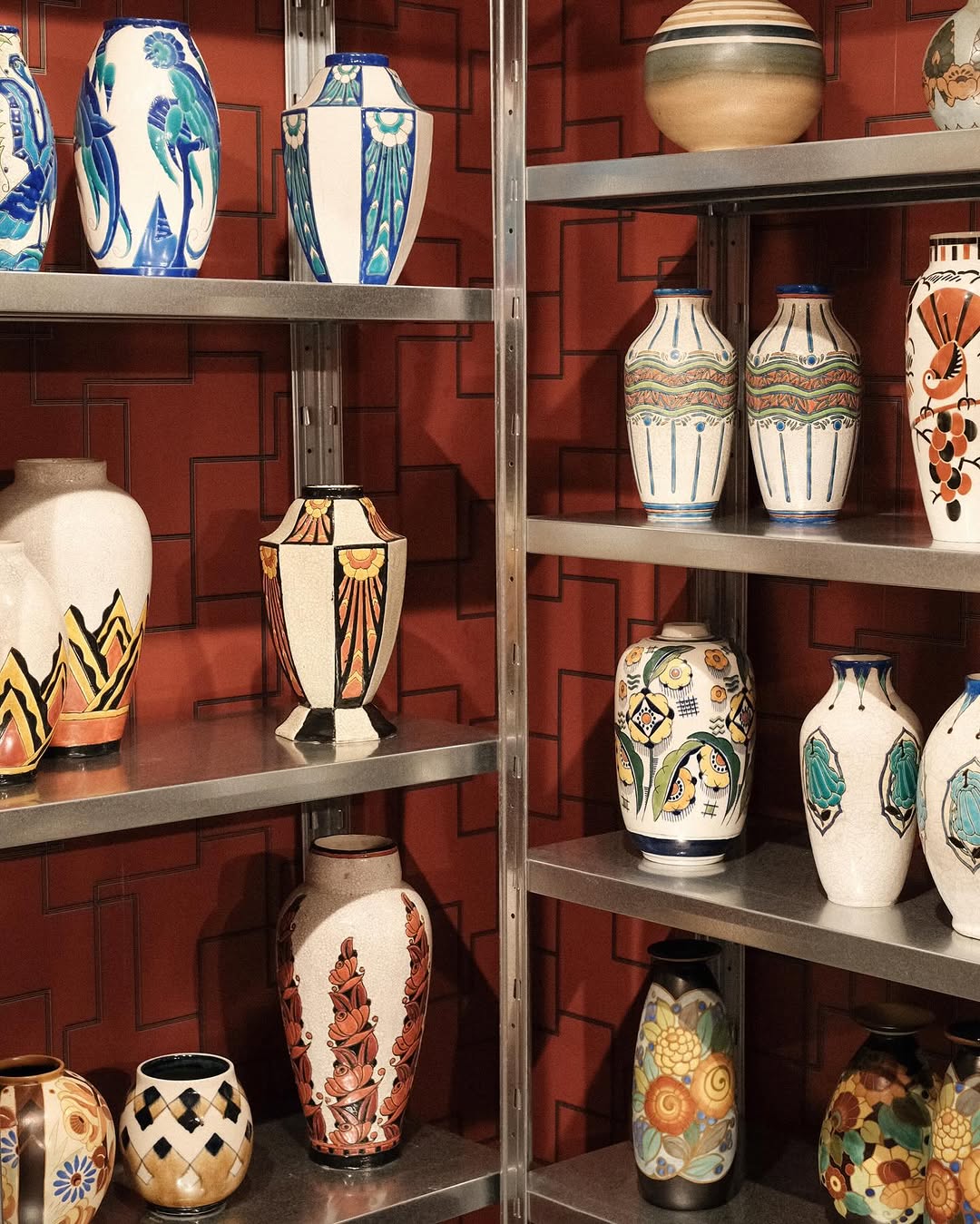
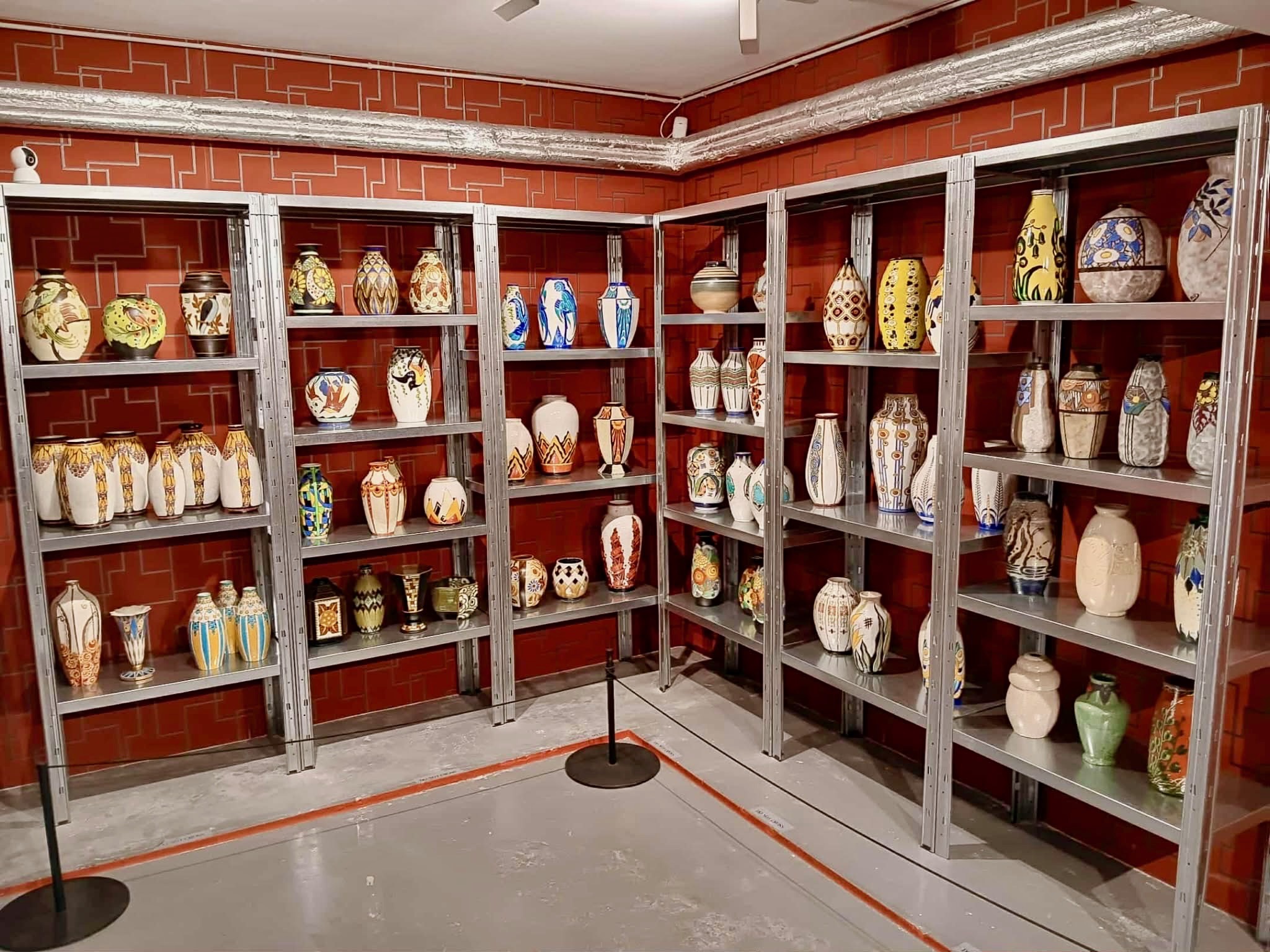
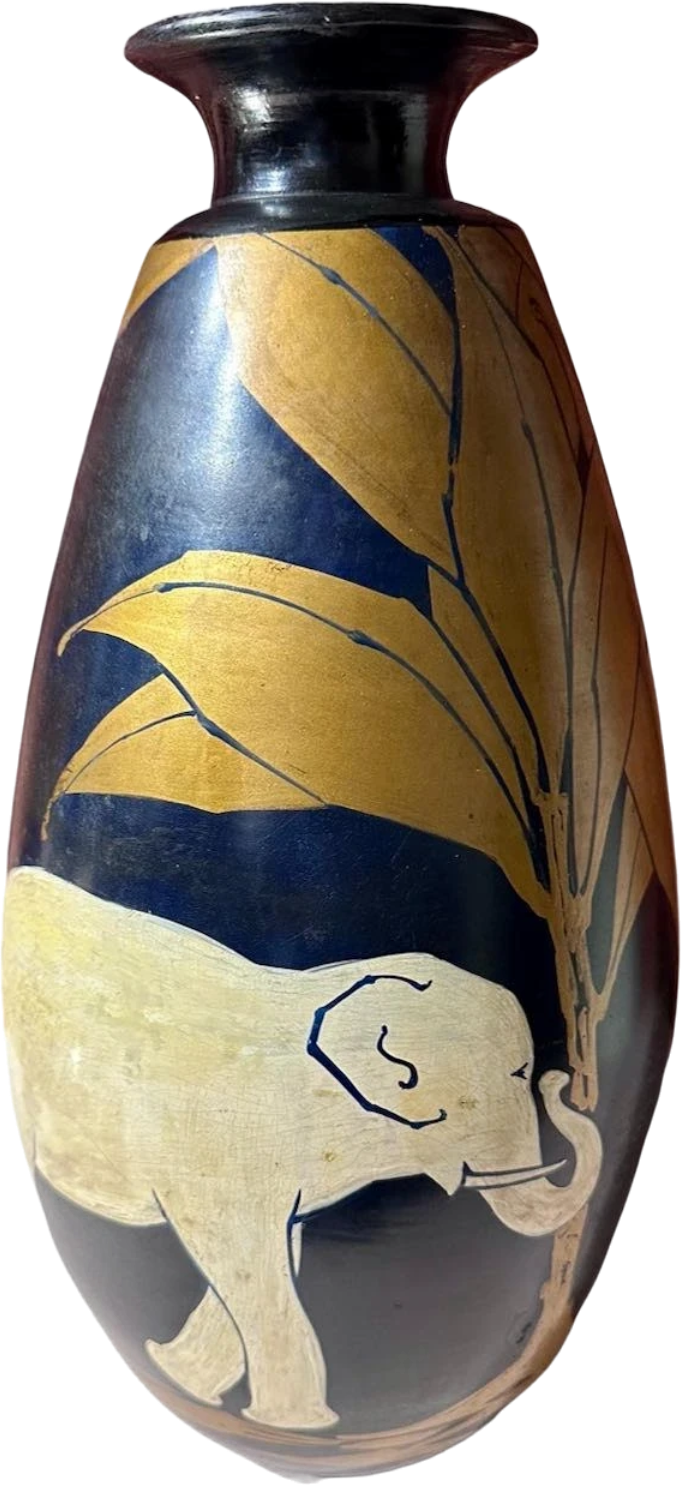
A broad display of hand-painted Art Deco ceramics, including examples that recall the bold geometric spirit of the Clarice Cliff era, arranged with furniture and shelving that emphasize the period’s union of craft and modern design.
Jean Boghossian gives this story an additional dimension because he is not only associated with the foundation but has also helped shape its cultural vision. Coming from a family whose success was rooted in the world of jewelry, he brings to Villa Empain an understanding of craftsmanship, collecting, and the value of preserving beauty. His role in the life of the foundation reflects a broader commitment to art, dialogue, and cultural exchange, and helps explain why the villa today feels not merely restored, but meaningfully renewed.

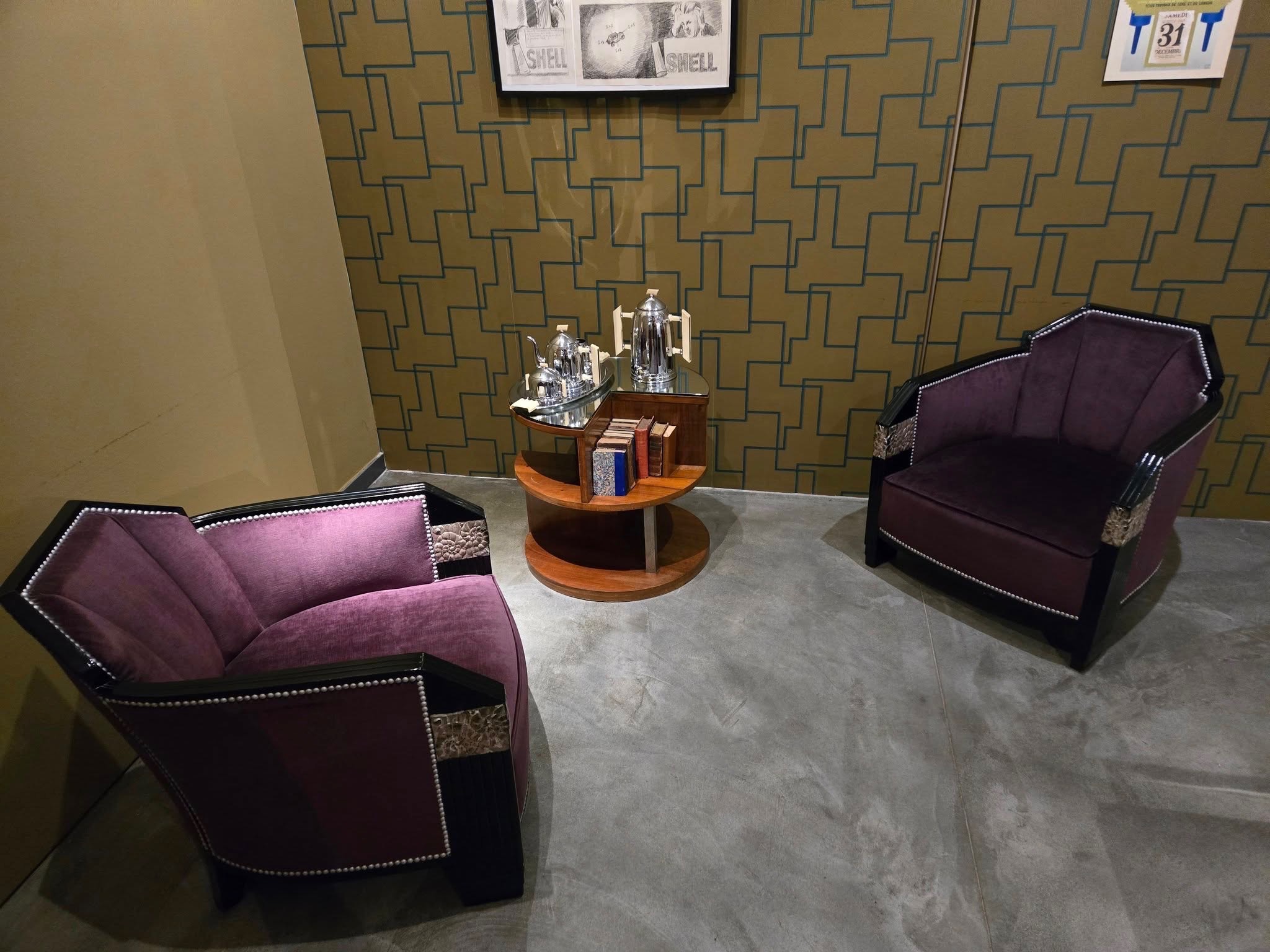


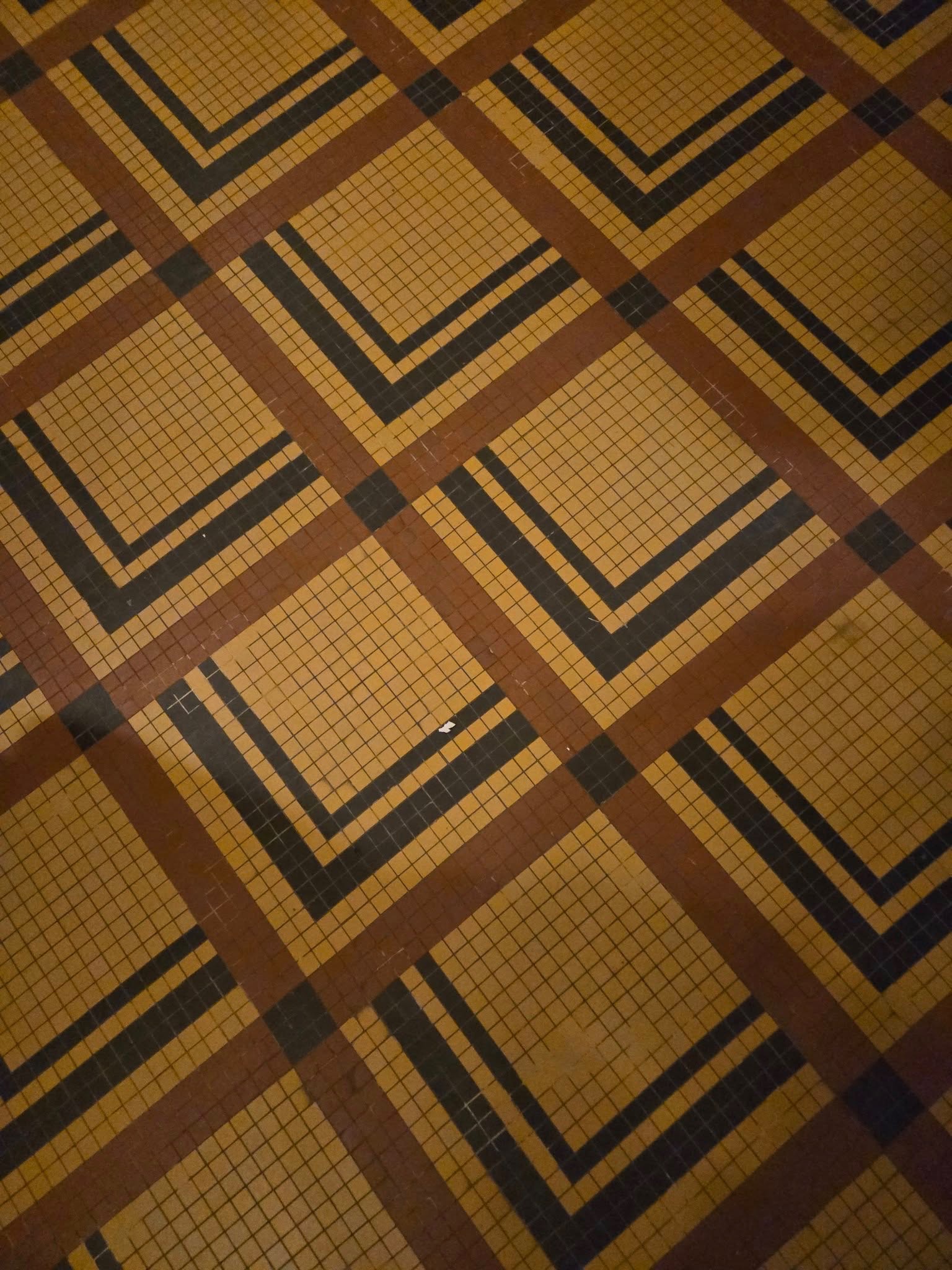
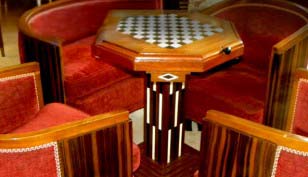
A vivid survey of Art Deco living, bringing together lounge seating, curved bars, and display cabinetry within interiors animated by sunburst wallpaper and geometric floor patterns.
There is something especially fitting in the relationship between Jean Boghossian and Villa Empain. The house passed through brilliance, neglect, vandalism, and restoration before finding new purpose as a cultural center. Under the Boghossian Foundation, the villa was given a renewed public life, one that joined its architectural legacy to cultural exchange and contemporary engagement. In that sense, Villa Empain is not simply a surviving Art Deco residence, but a reminder that cultural landmarks endure best when they are given care, vision, and a living role in the present.
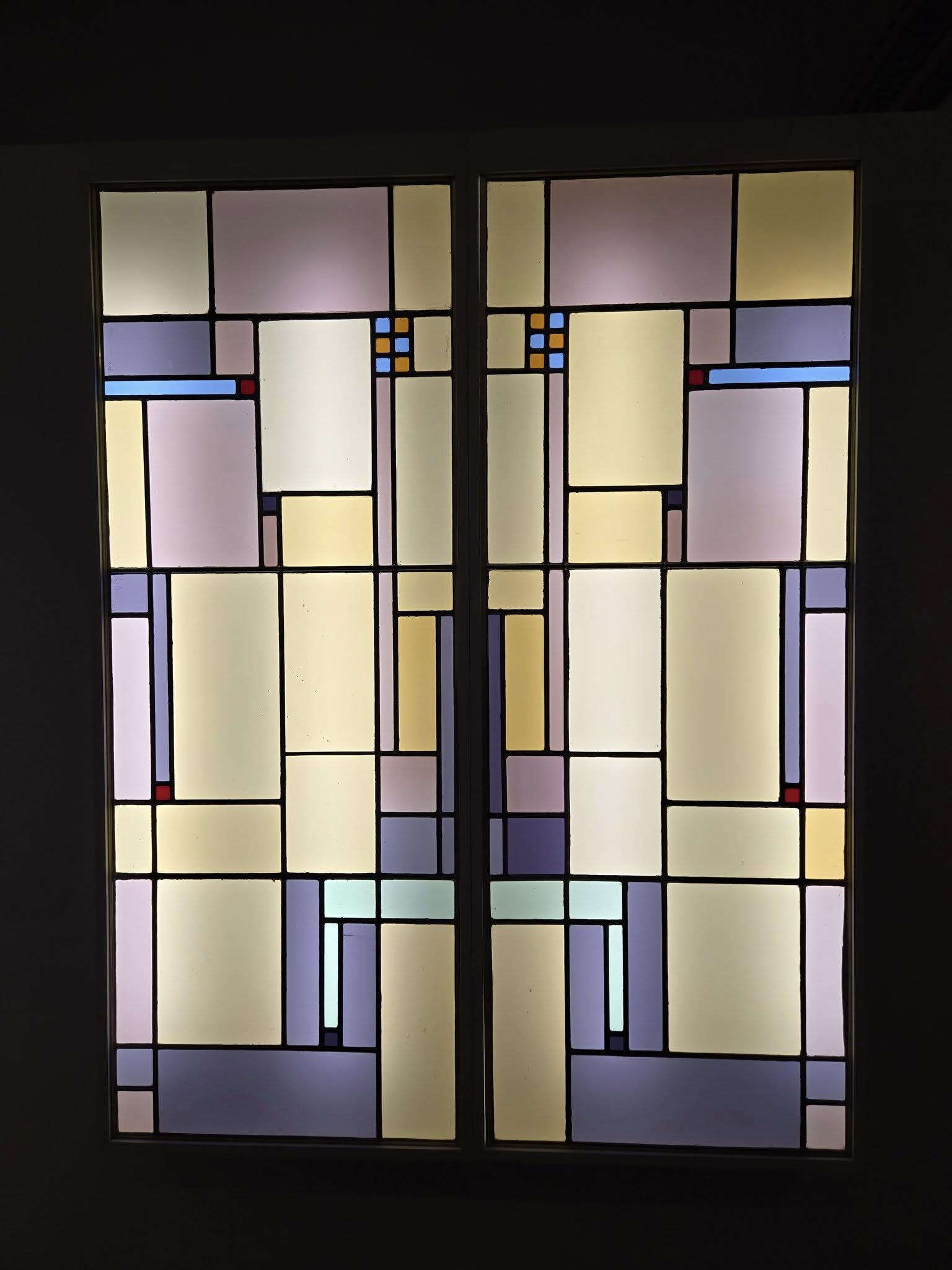
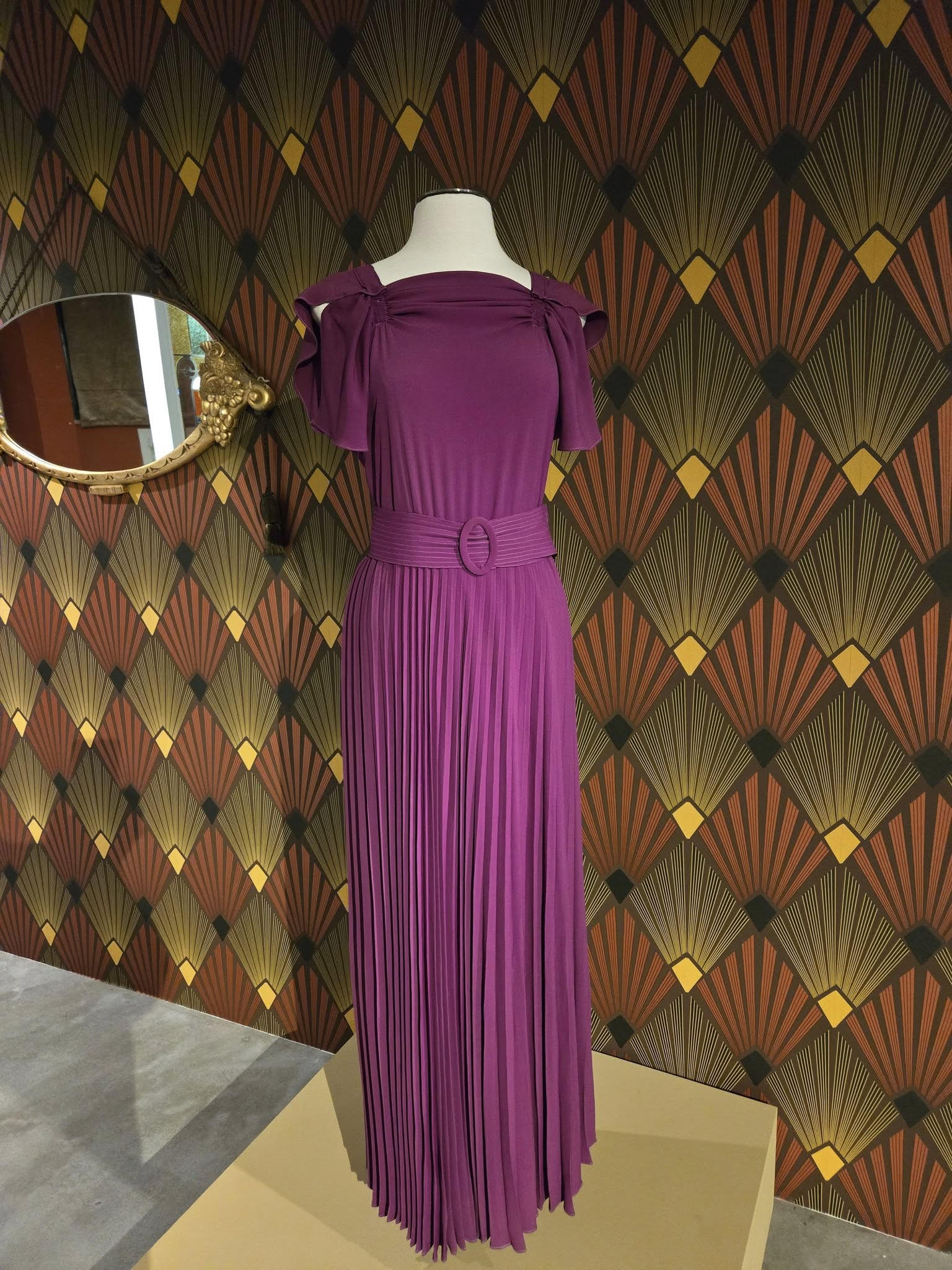
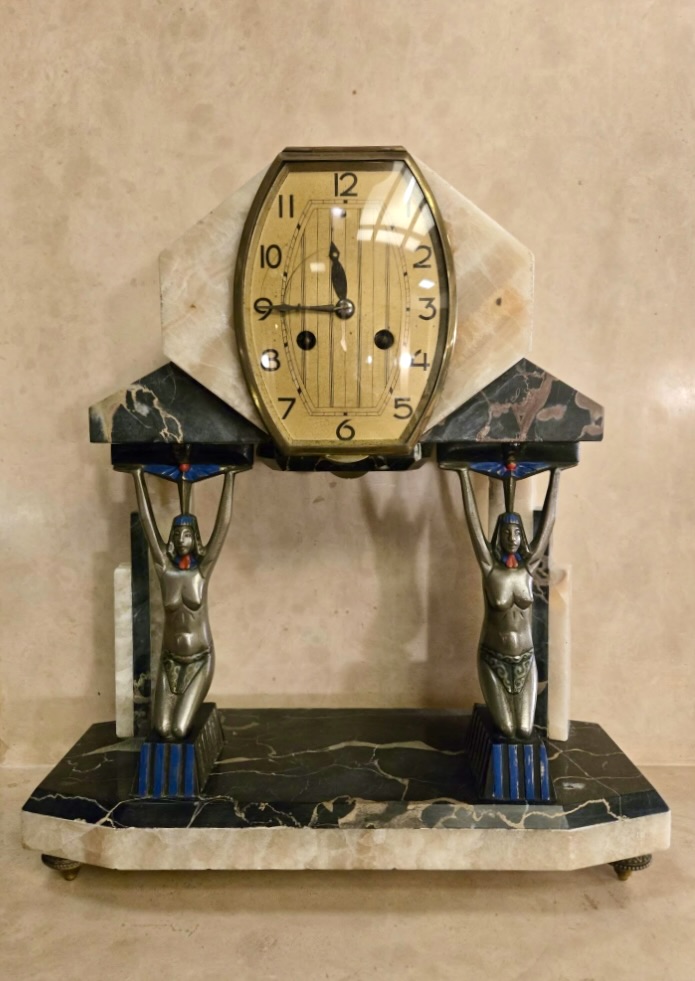
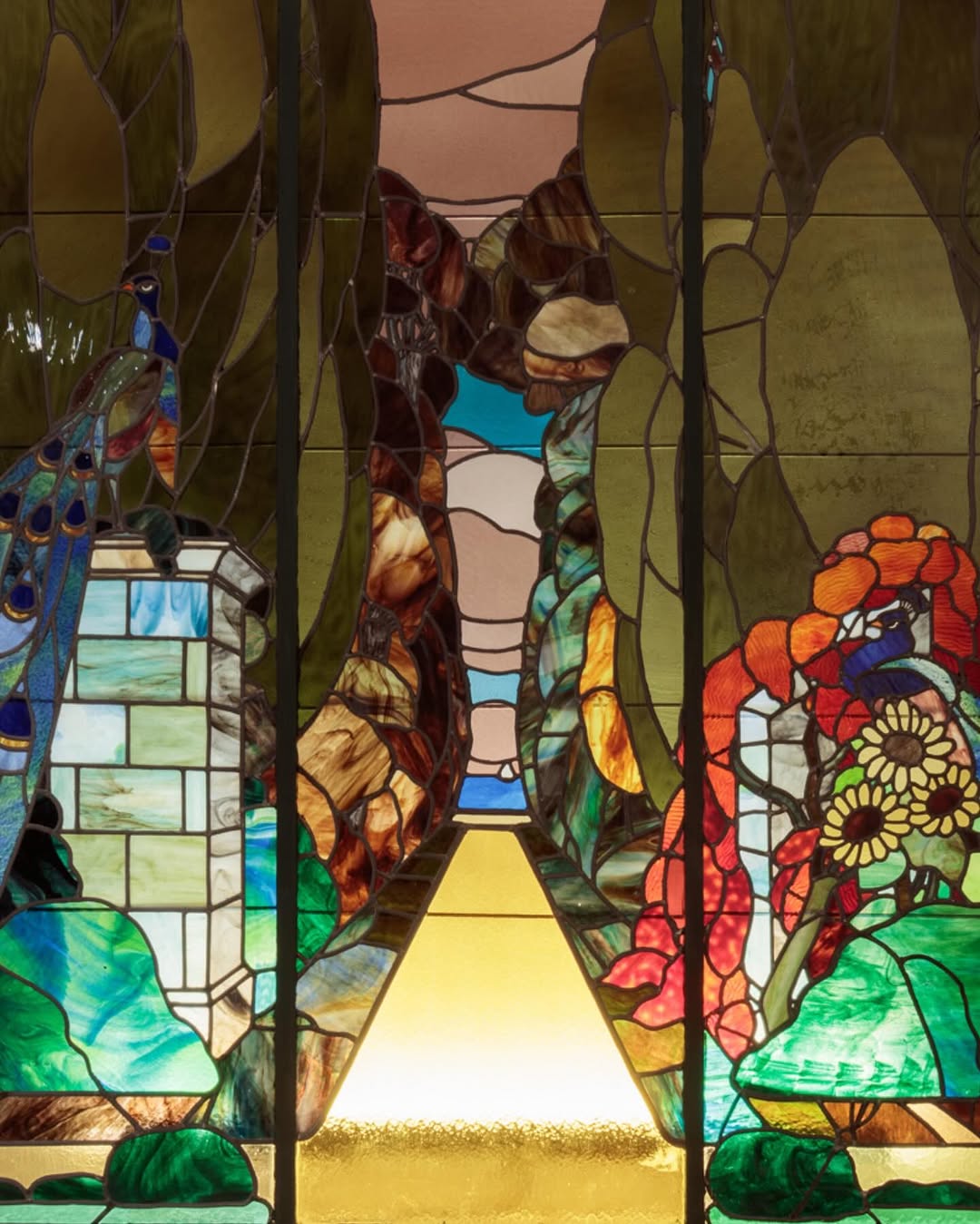
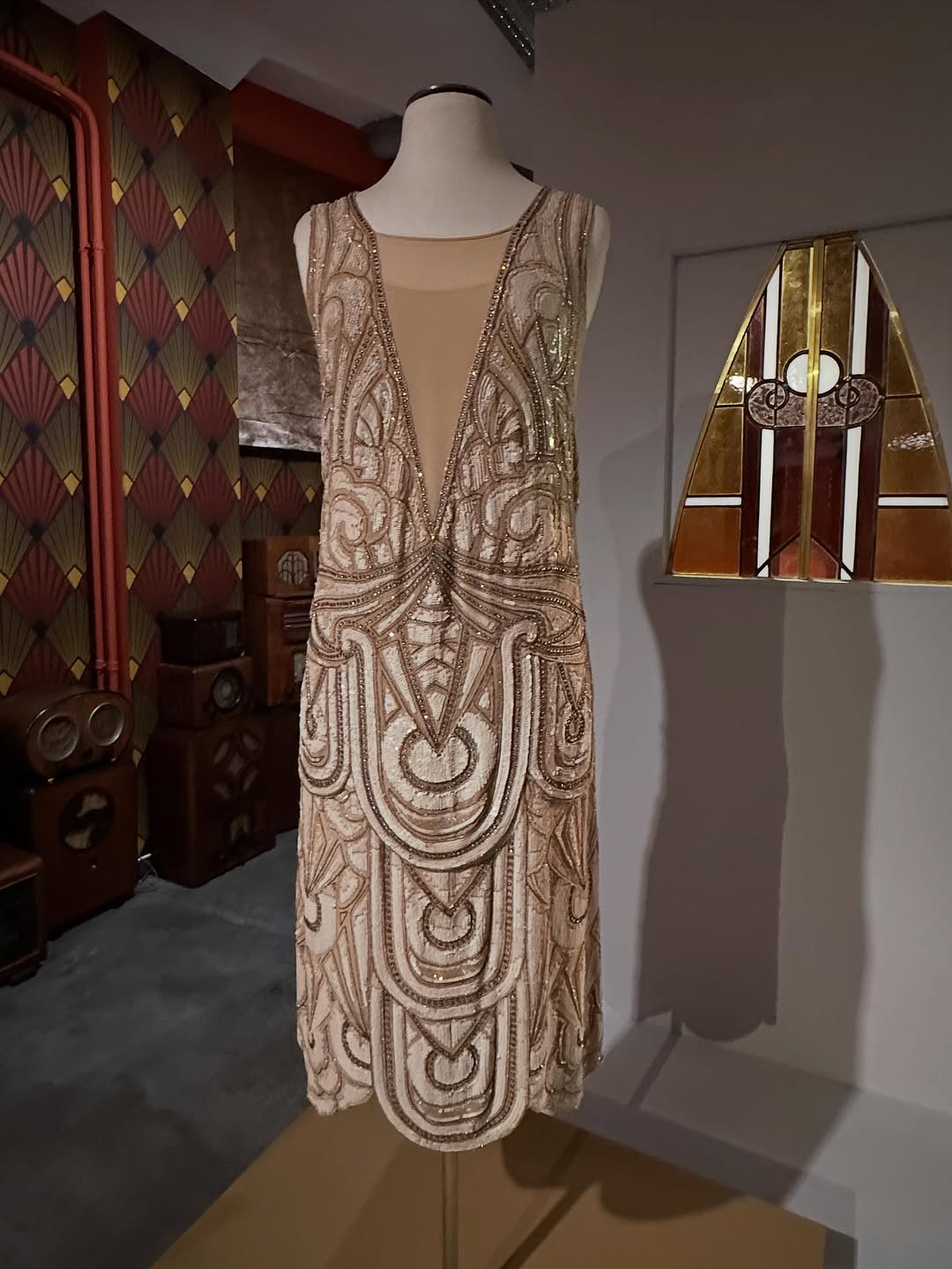

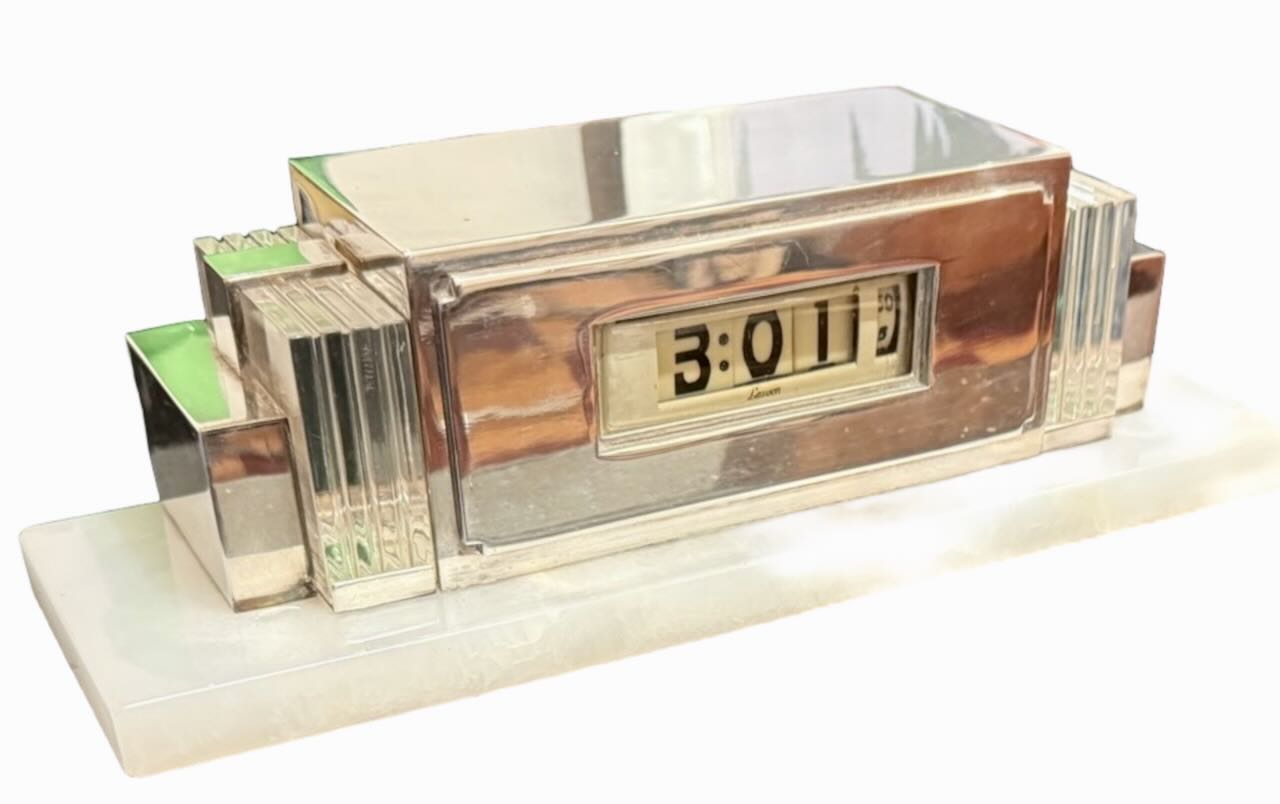
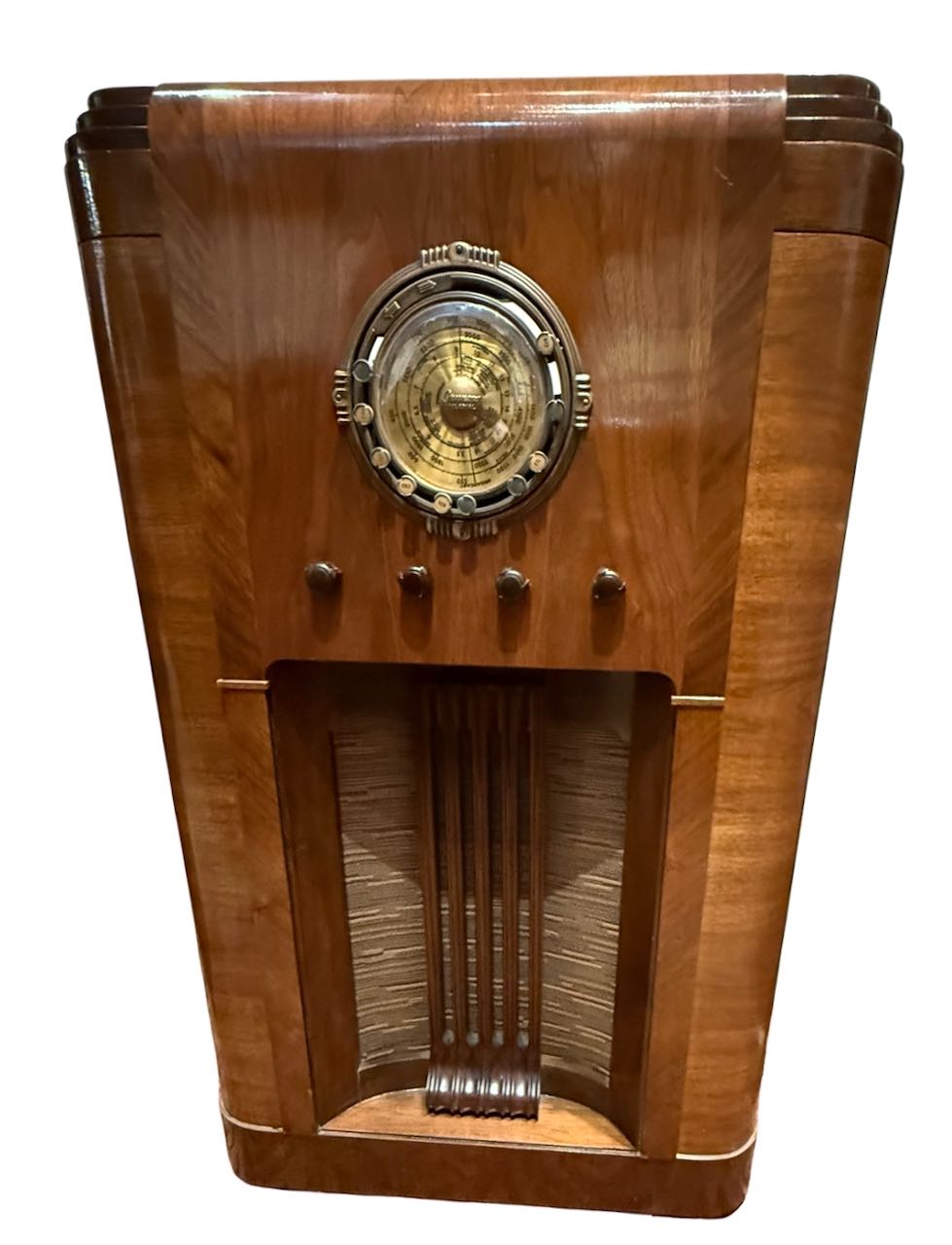
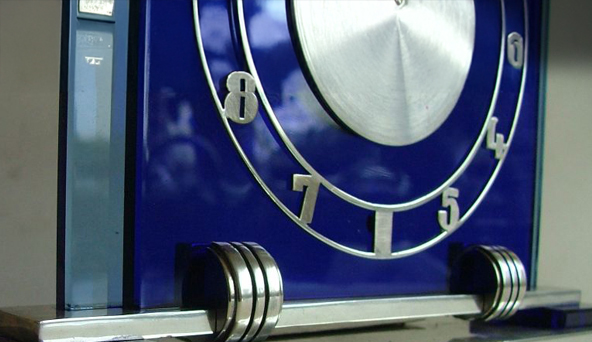
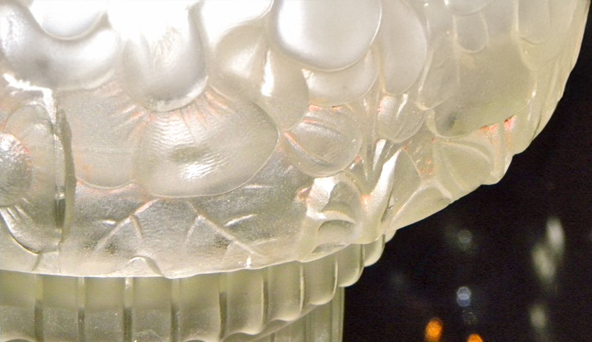
A richly varied grouping of Machine-Age design and decorative fantasy, including a radio, an Egyptian Revival timepiece, sequined dresses, and stained glass works that reflect the many expressions of the Art Deco period.
Villa Empain, therefore, stands today as more than a celebrated Art Deco house in Brussels. It is a place where architecture, collecting, philanthropy, and contemporary culture meet. Through the Boghossian Foundation, it has become a center for dialogue and exchange. Through Jean Boghossian, it is also tied to a personal vision shaped by imagination, refined taste, and an understanding of how cultural legacy can be sustained. The result is a rare combination: a great Art Deco villa that is not simply admired, but actively lived through art, ideas, and public engagement.
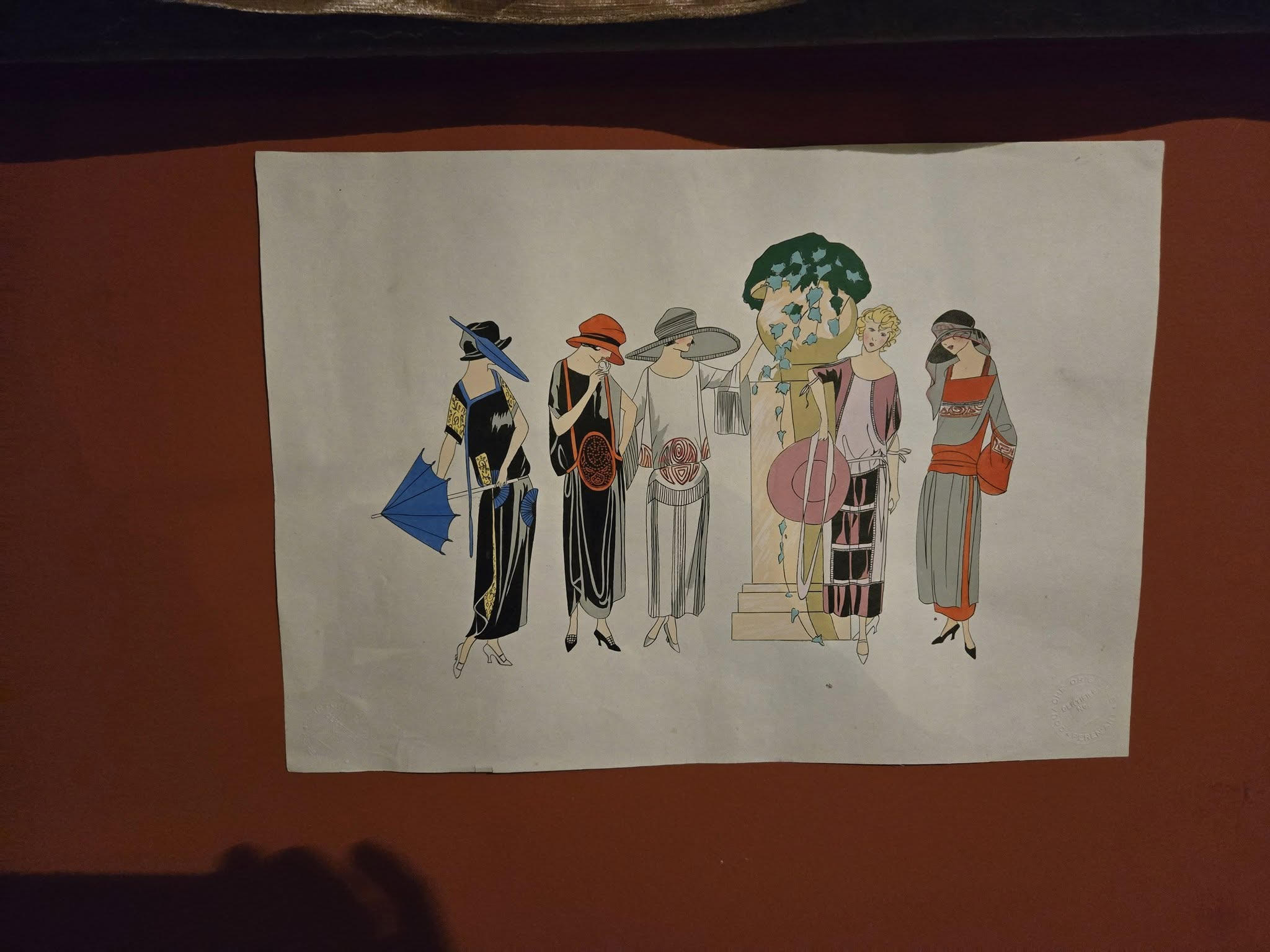
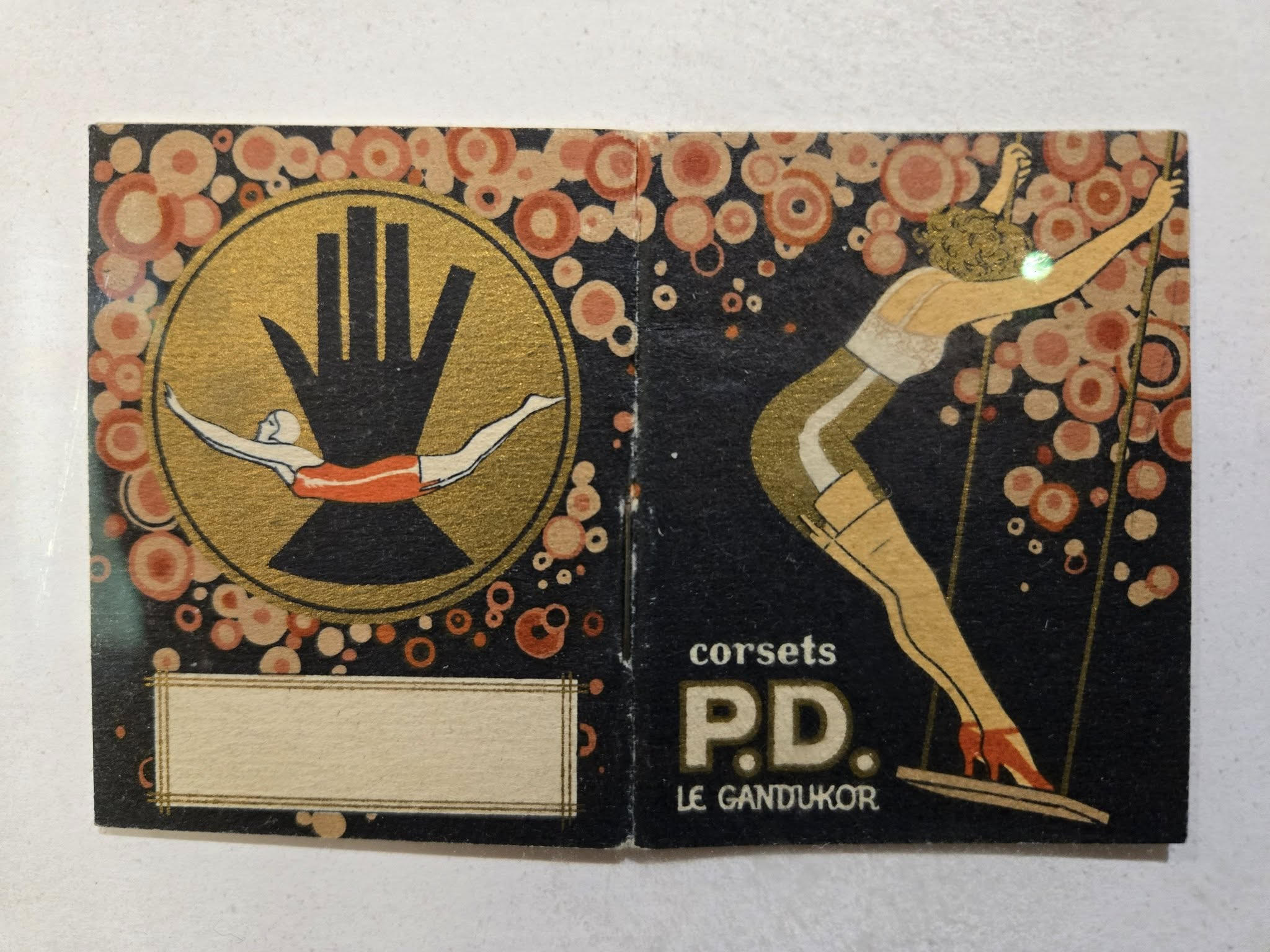
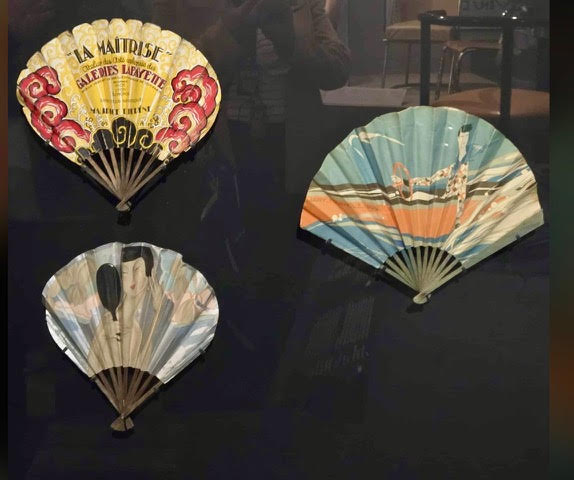
Stylized fashion illustrations, graphic advertisements for intimate apparel, and decorative hand fans, together expressing the wit, glamour, and visual flair of the Art Deco age.
A note on Jean Boghossian

I have visited Villa Empain twice and was introduced to Jean Boghossian by my friend Sylvain Berkowitsch on several occasions. He is a highly successful businessman and a true visionary, someone who brings together the rare combination of artistic imagination and strong business judgment. That balance allows him to guide his ventures with both creativity and discipline. His interests reflect a serious and genuine commitment to art, design, cultural patronage, humanitarian work, and the enjoyment of life.
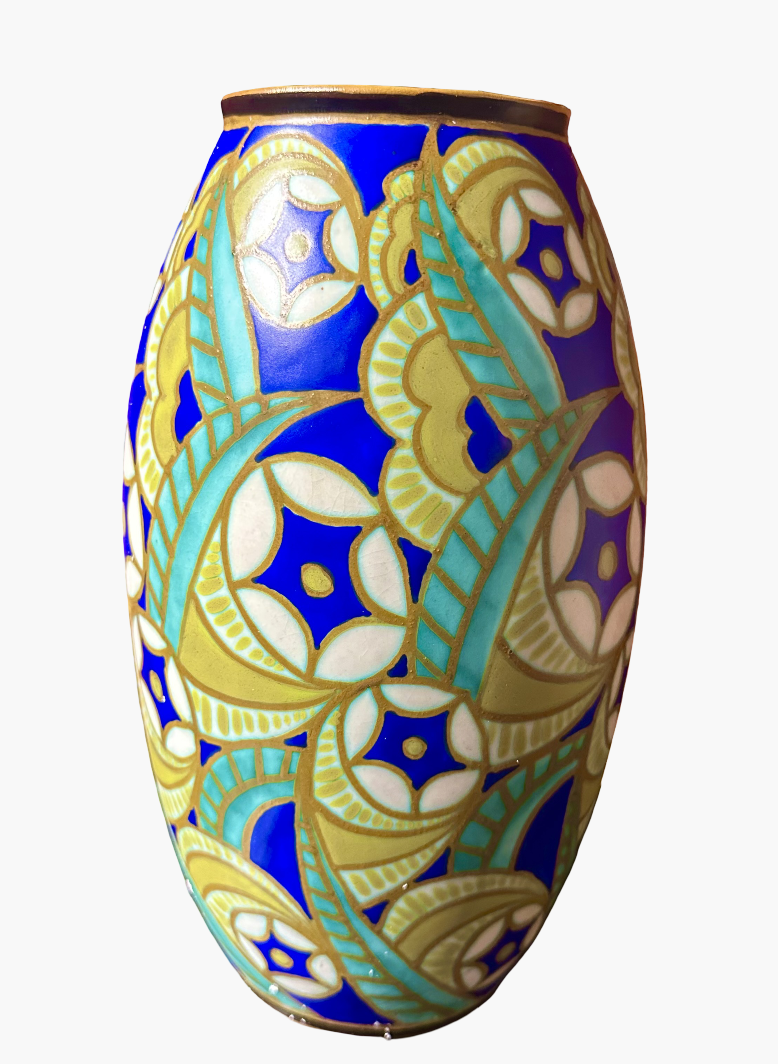
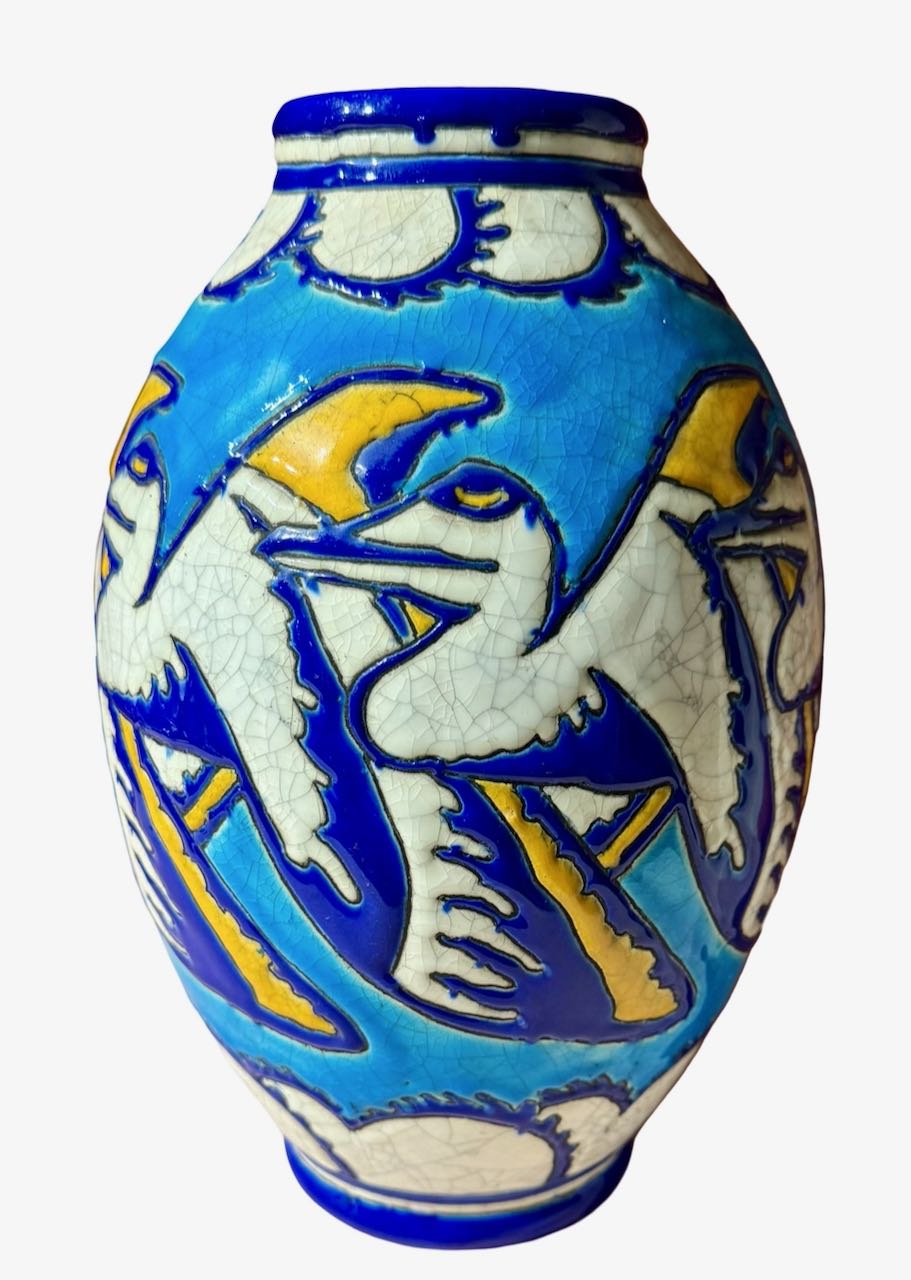
He is also a man of refined taste with a real passion for collecting, especially in the field of Art Deco. His collection includes important Charles Catteau-Boch Freres ceramics along with other notable Art Deco objects, furnishings, glass and art. He appears to collect with knowledge, enthusiasm, and a genuine eye for quality. Just as importantly, he is personable and engaging, with a fondness for singing Sinatra and American standards that adds to his charm and memorable presence. Many of the photographs accompanying this journal are from the collection of Heather Ripley and Nelson Thorpe.
Rick Fishman, Art Deco Collection
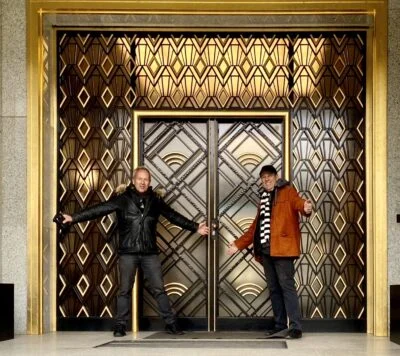
With Sylvain Berkowitsch at entrance.
.
To visit Villa Empain, The Boghossian Foundation for current hours, exhibitions, and events,
CLICK HERE

If you are interested in further stories of Art Deco design, collecting, and celebrating the artistry of early 20th Century:
Related Products from ArtDecoCollection.com