✕


ART & STATUES
CERAMICS & GLASS
The World's Fairs of the 1930s
Building Tomorrow in Plaster and Steel
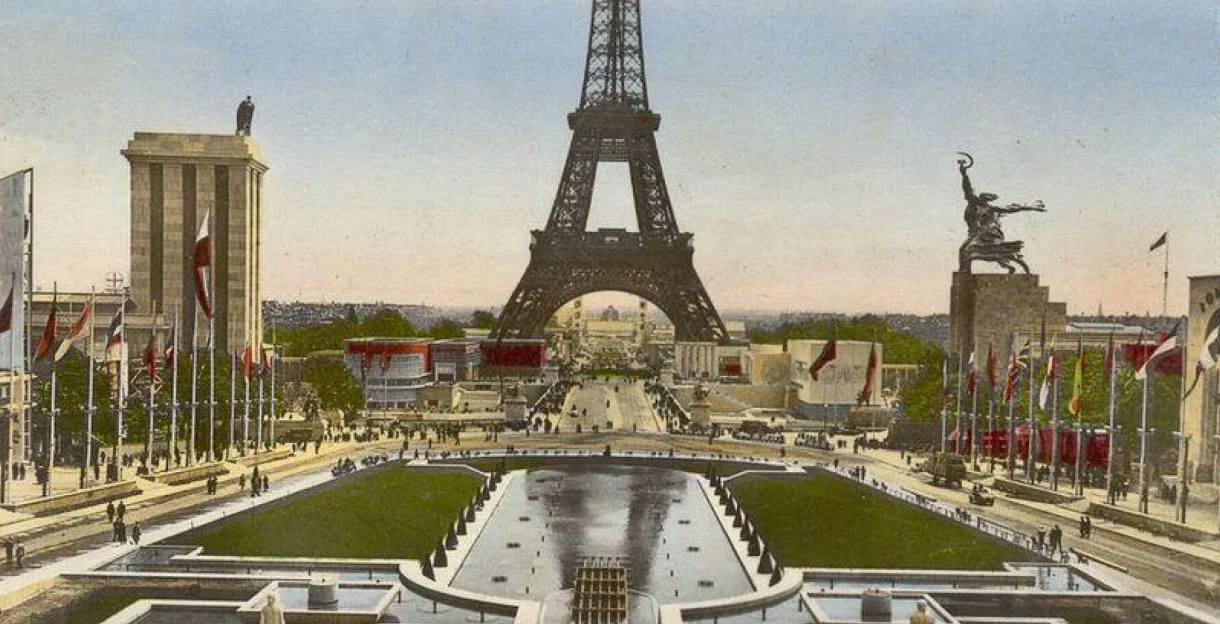
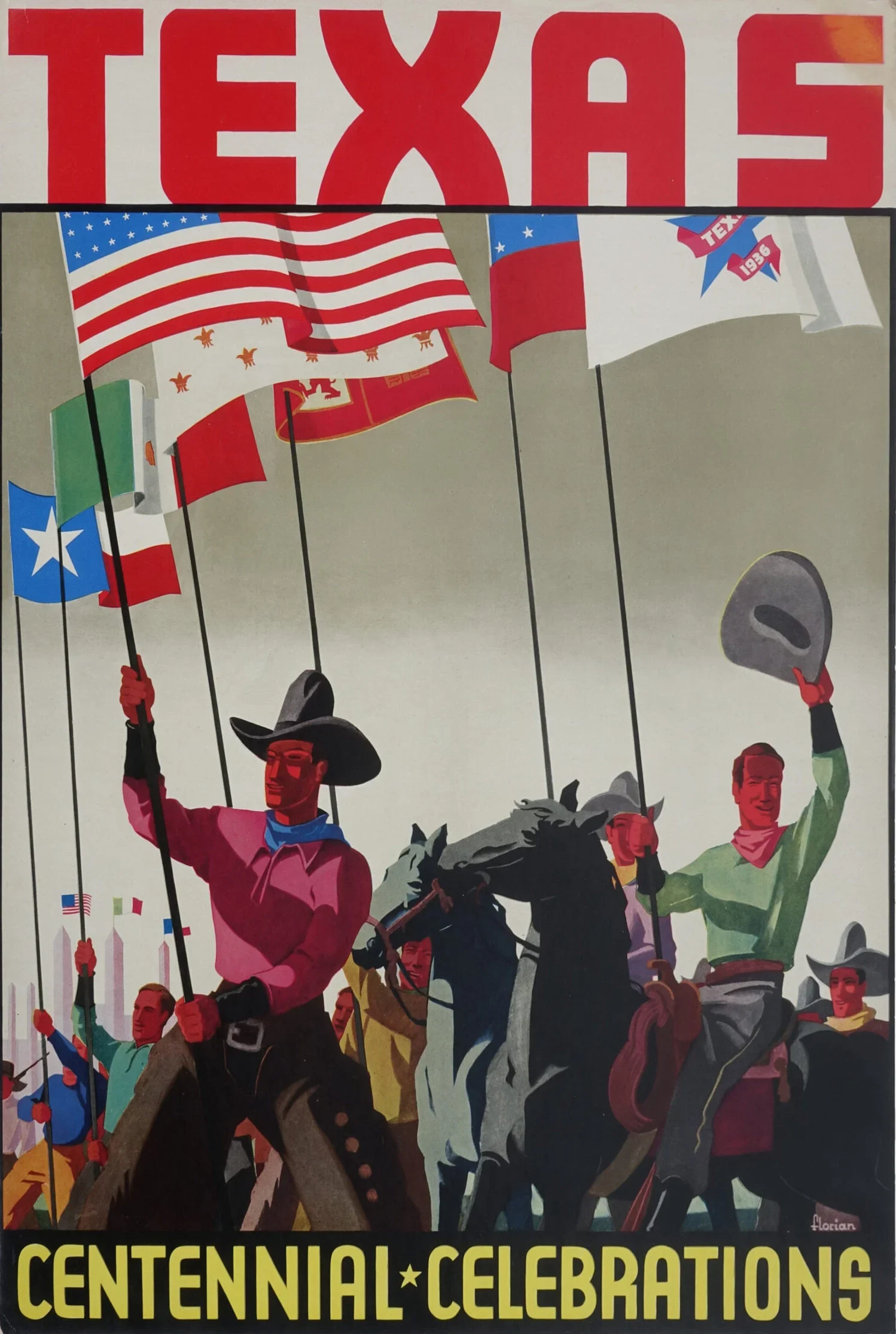
For six months at a stretch, in one city after another, whole districts appeared that had not existed the year before and would not exist the year after. They had streets and restaurants and water mains and their own police, they were built mostly of plaster, plywood, and painted steel rather than stone or brick, and after dark they were the most brilliantly lit places on their continents, at a time when most city streets outside a handful of downtowns had no electric lighting to speak of. This was the world’s fair: a temporary city, built to be walked through for a season and then torn down, that stood in for a future nobody could actually buy yet. A ticket bought entry to a rehearsed vision of what was coming: model kitchens nobody yet owned, a robot that could hold a conversation, television sets before most people had ever seen one, highways wider and faster than any yet built. None of it was expected to outlive its first winter, which is exactly why it could look however its builders wanted it to look. Underneath the spectacle sat a genuinely serious argument. These fairs were staged, at enormous cost, by governments and corporations that in most cases had very little money to spare, on the premise that good design and new technology were the way out of the worst economic collapse of the century. Millions of people believed it, or at least paid to see it for themselves. Chicago alone counted close to fifty million admissions across two seasons, and the fairs that followed drew comparable crowds in Paris, New York, Brussels and San Francisco.
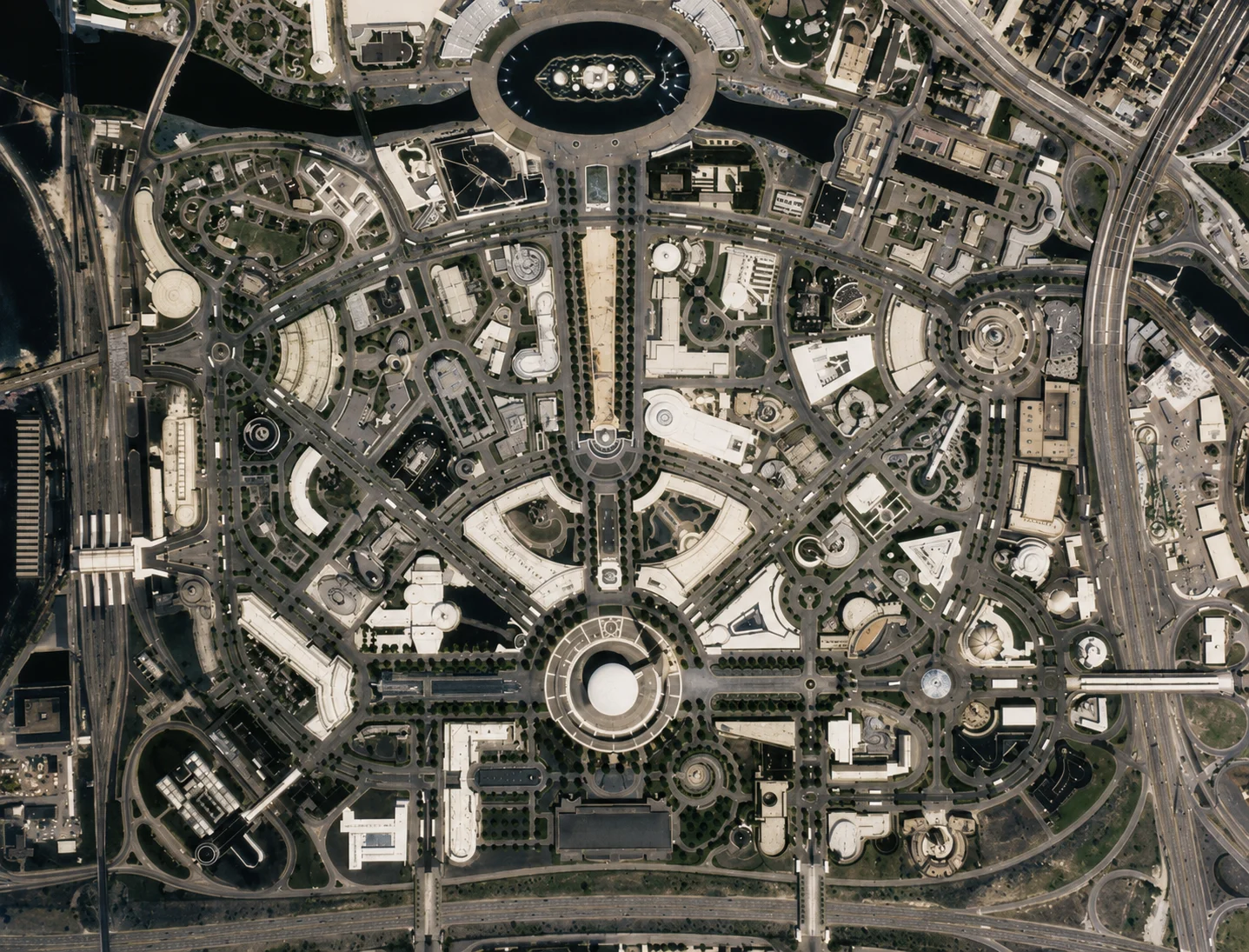
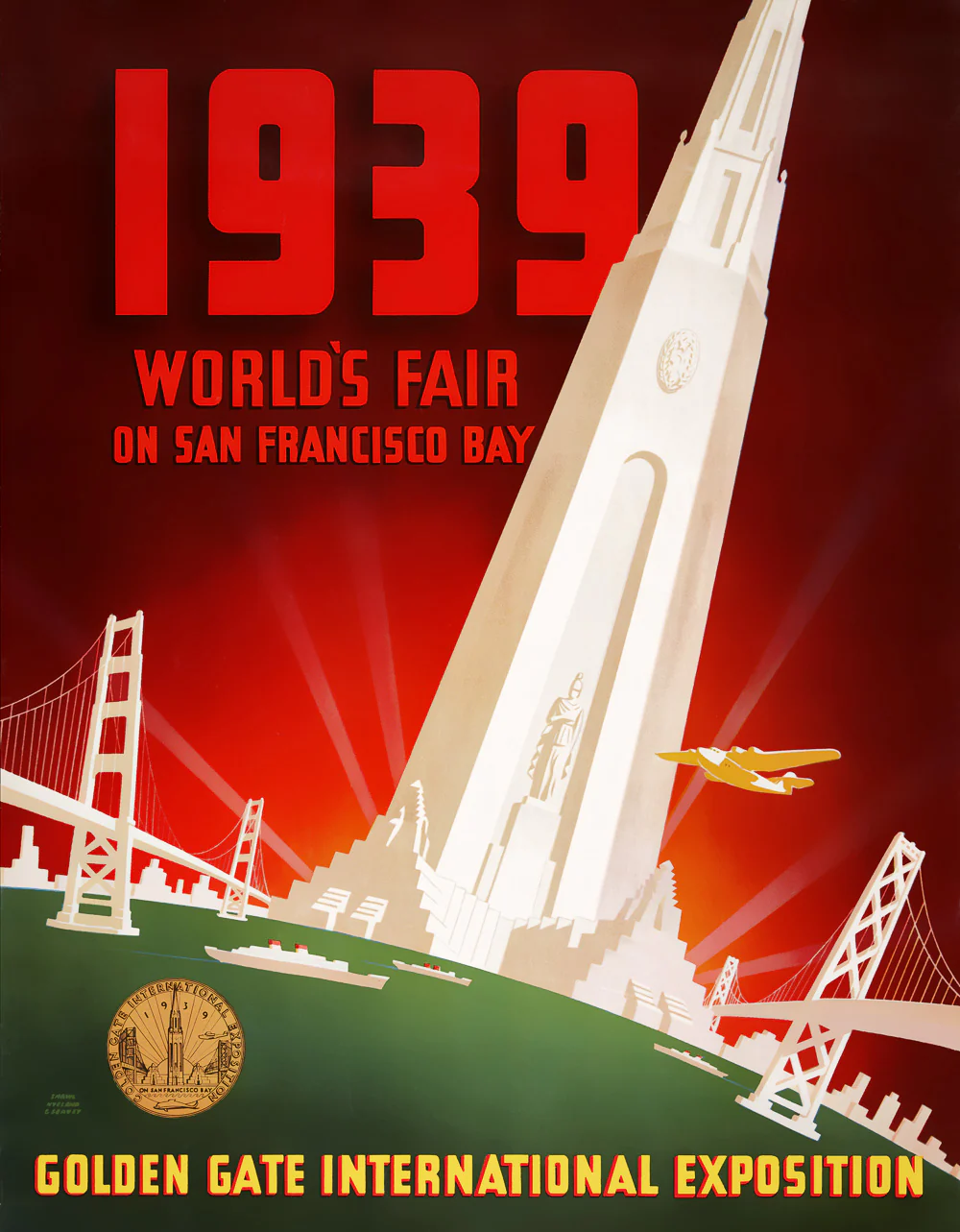
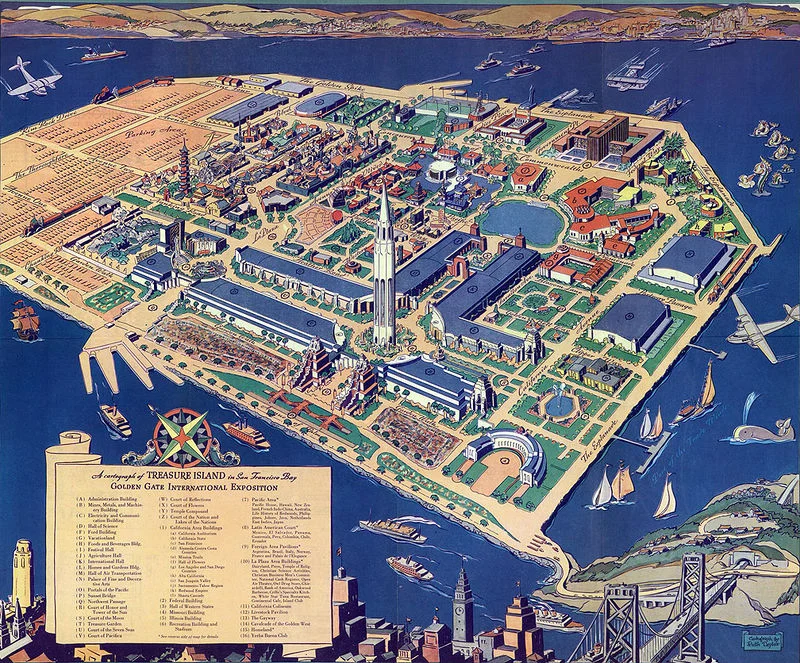
Left: Master plan, Flushing Meadows, New York World’s Fair, 1939 Middle: Golden Gate Exposition poster, Treasure Island, 1939 Right: Treasure Island cartograph, Ruth Taylor White, 1939
World’s fairs were not new in the 1930s. The format runs back to the Crystal Palace in London in 1851, a single enormous hall of glass and iron built to show the world what industry could now produce. Paris built the Eiffel Tower as a temporary entrance arch for its 1889 fair and never took it down, then in 1900 drew fifty million visitors to an exposition that introduced Art Nouveau to the world. Chicago answered in 1893 with the so-called White City, an entire fairground built in gleaming plaster classicism that set a standard every fair afterward tried to match. For decades these were essentially inventories, a chance for a nation or an empire to display everything it had grown, mined, manufactured, or conquered. Paris broke that pattern in 1925 with an exposition built around decorative and industrial art rather than national wealth, and it succeeded so completely that the style it popularized eventually took its own name from a shortened version of the exposition’s title, Art Deco. Nearly everything built across the following fifteen years, in country after country, carried some trace of what had first appeared in Paris that year. By 1928, fairs had grown frequent and expensive enough that an international convention created the Bureau International des Expositions to regulate how often, and by whom, one could be staged, an organization that still sanctions the Expos held today. The 1930s inherited that entire tradition and gave it a new job, and paid for it however a city could manage: through municipal bonds, corporate sponsorship, or the New Deal relief agencies that built much of Cleveland’s grounds and San Francisco’s Treasure Island outright. A fair could no longer simply put a nation’s wealth on display, because for most of the decade there was little wealth left to display, so instead it sold visitors a future that had not happened yet.
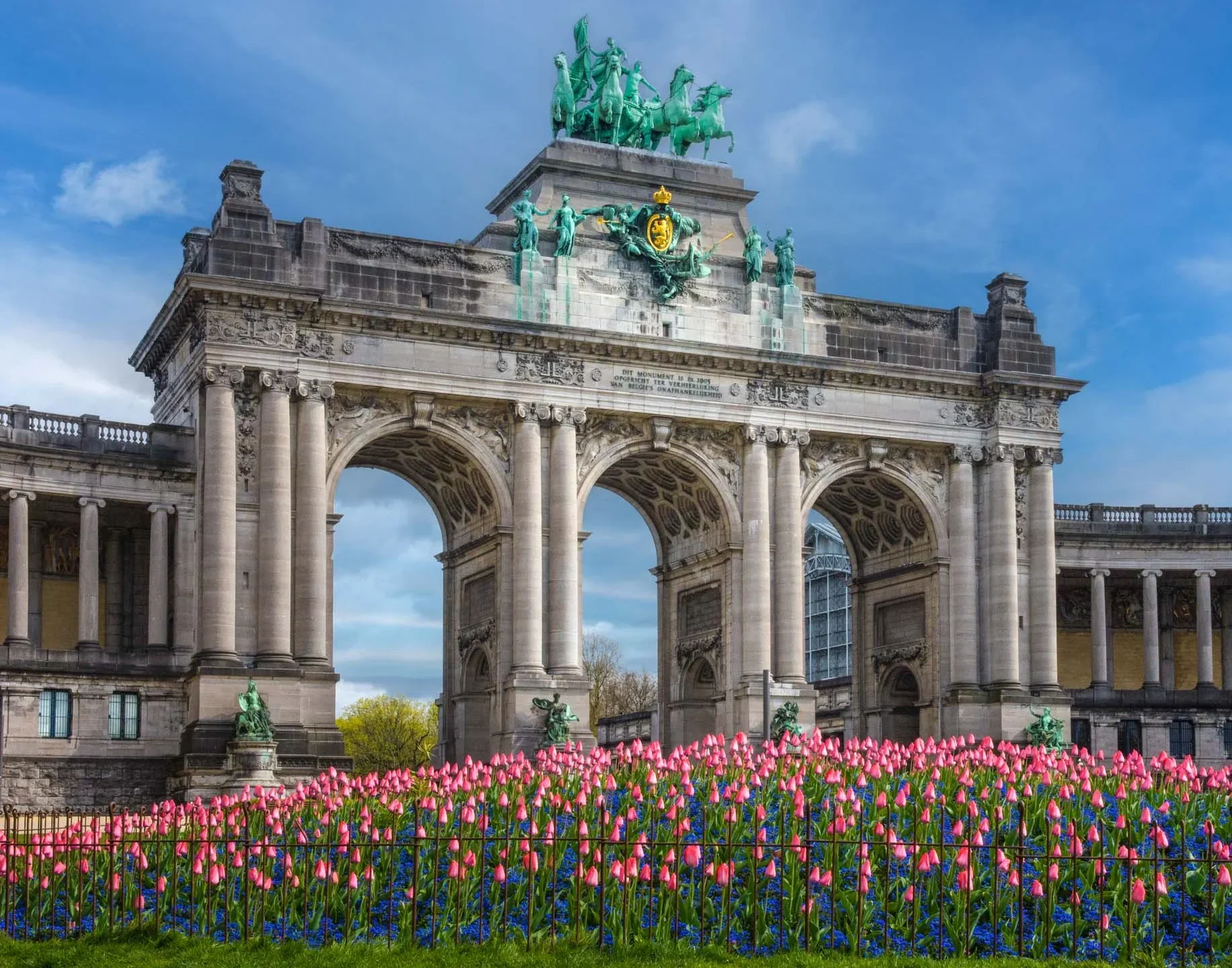

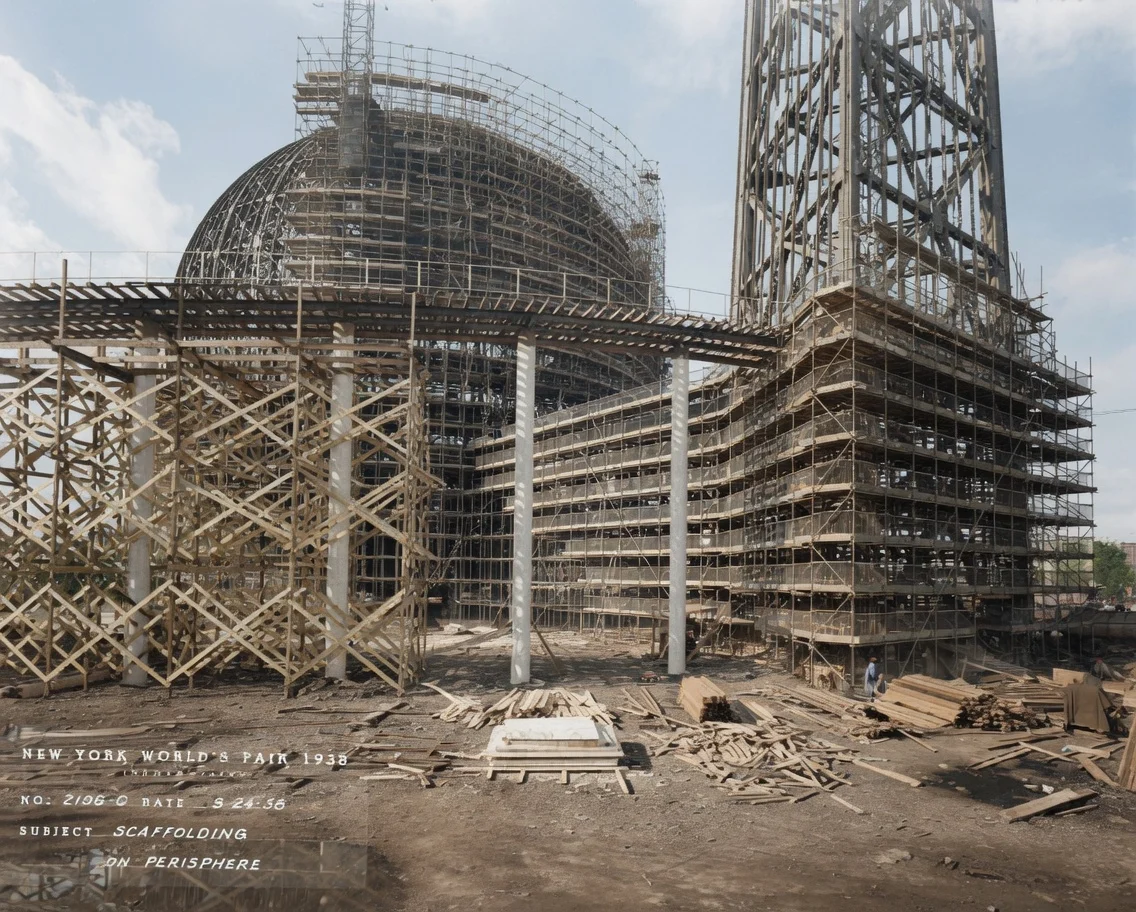
Left: Cinquantenaire Arch, Brussels, 1905 Middle: Century of Progress poster, Weimer Pursell, 1933 Right: Trylon and Perisphere under construction, New York, 1938
Chicago, 1933-34
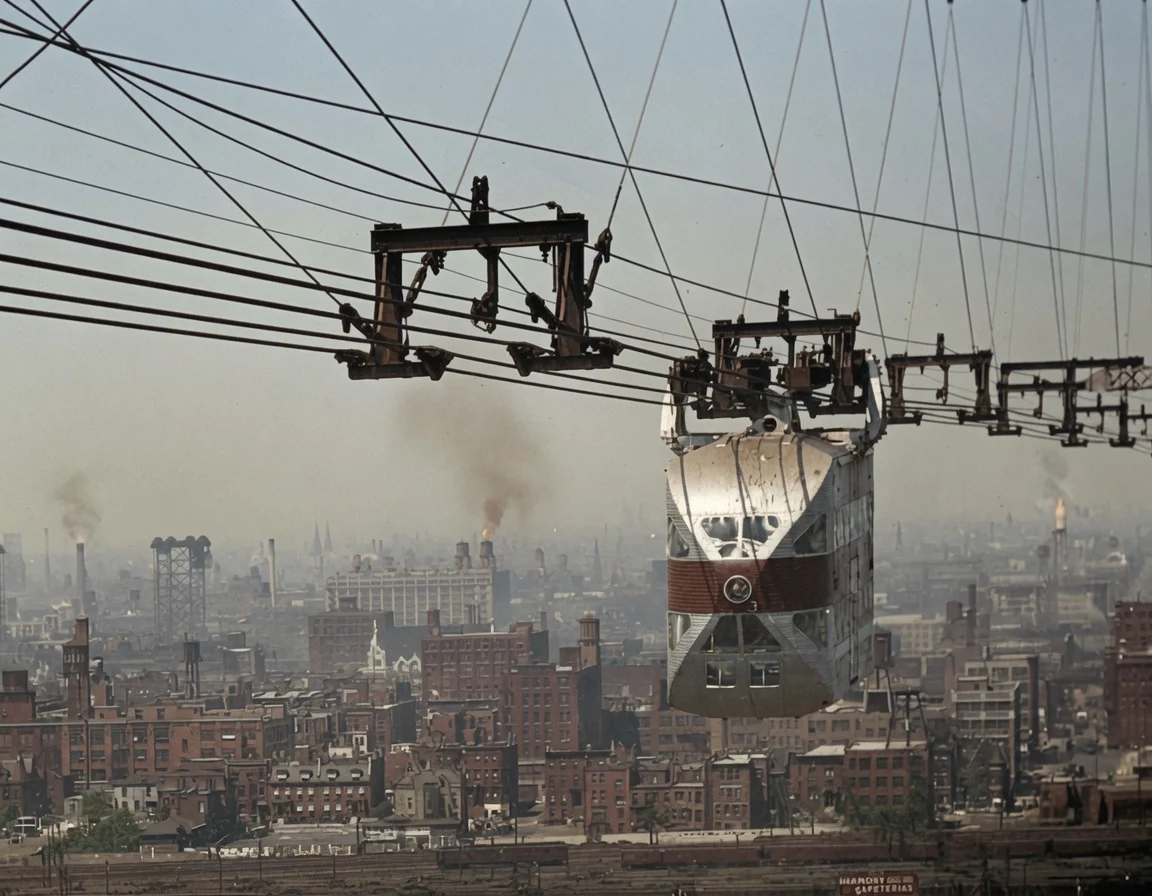
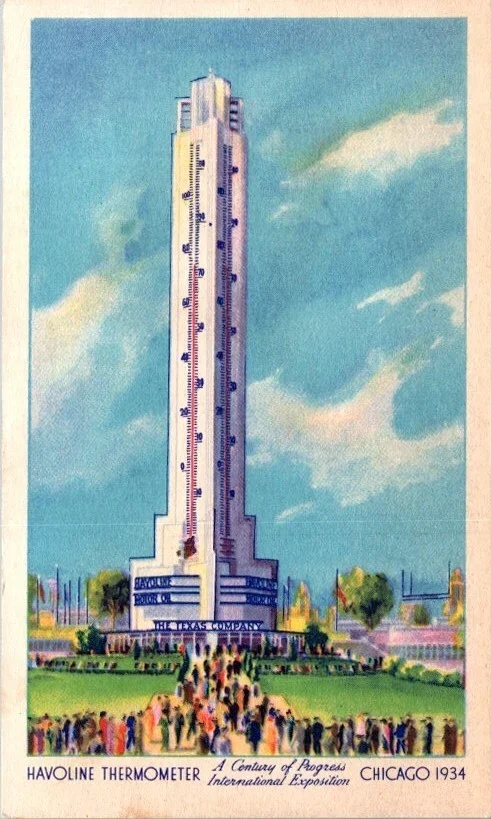
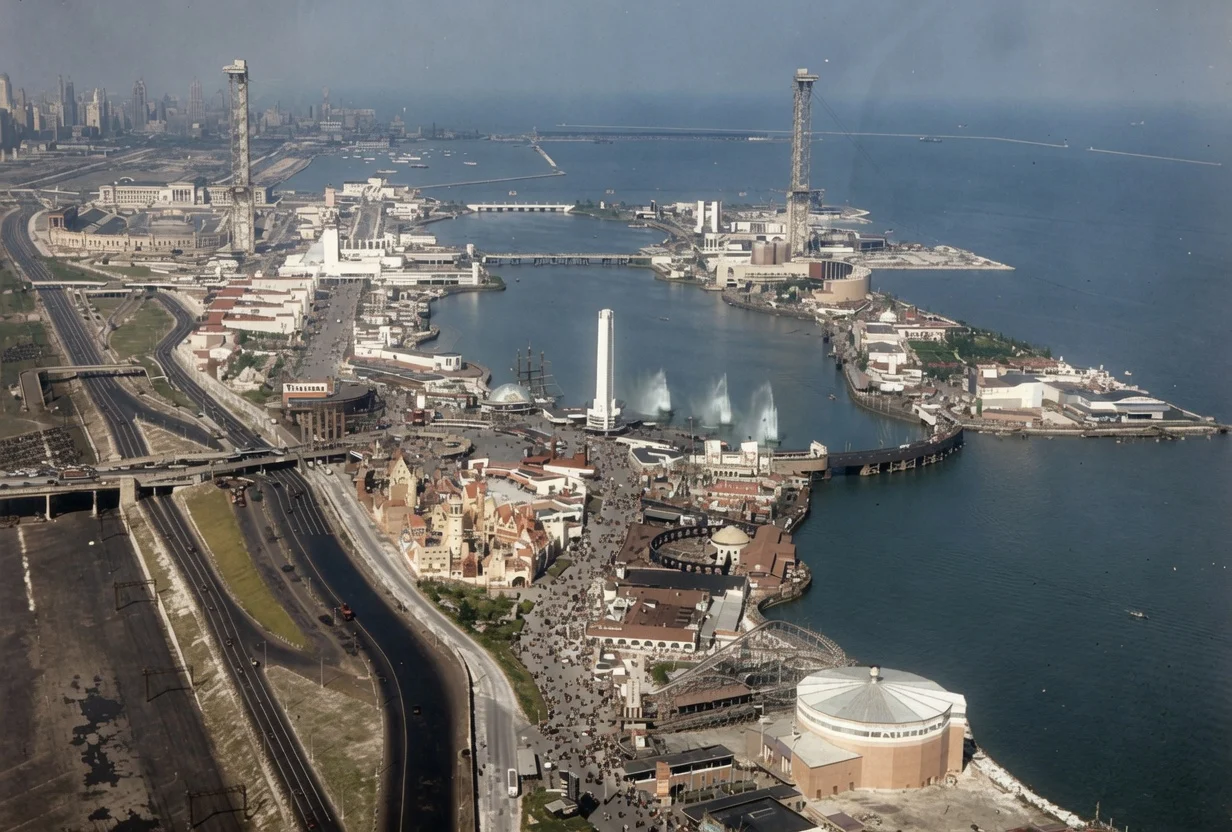
Left: Sky Ride towers, Century of Progress, Chicago Middle: Havoline Thermometer postcard, Chicago, 1934 Right: Aerial view, Century of Progress, Chicago, 1933
You arrived after dark if you could help it, because that was when Chicago’s fair actually turned itself on. The buildings were painted in bright reds and blues and oranges, newspapers had already nicknamed the grounds the Rainbow City, and it was the first time any American fair had abandoned the white plaster classicism every exposition since 1893 had leaned on. Modern life, the fair’s whole visual language insisted, did not need to imitate a marble temple to look important; it could be bold and graphic, color used the way a Deco jeweler used enamel, as structure rather than decoration laid on afterward.
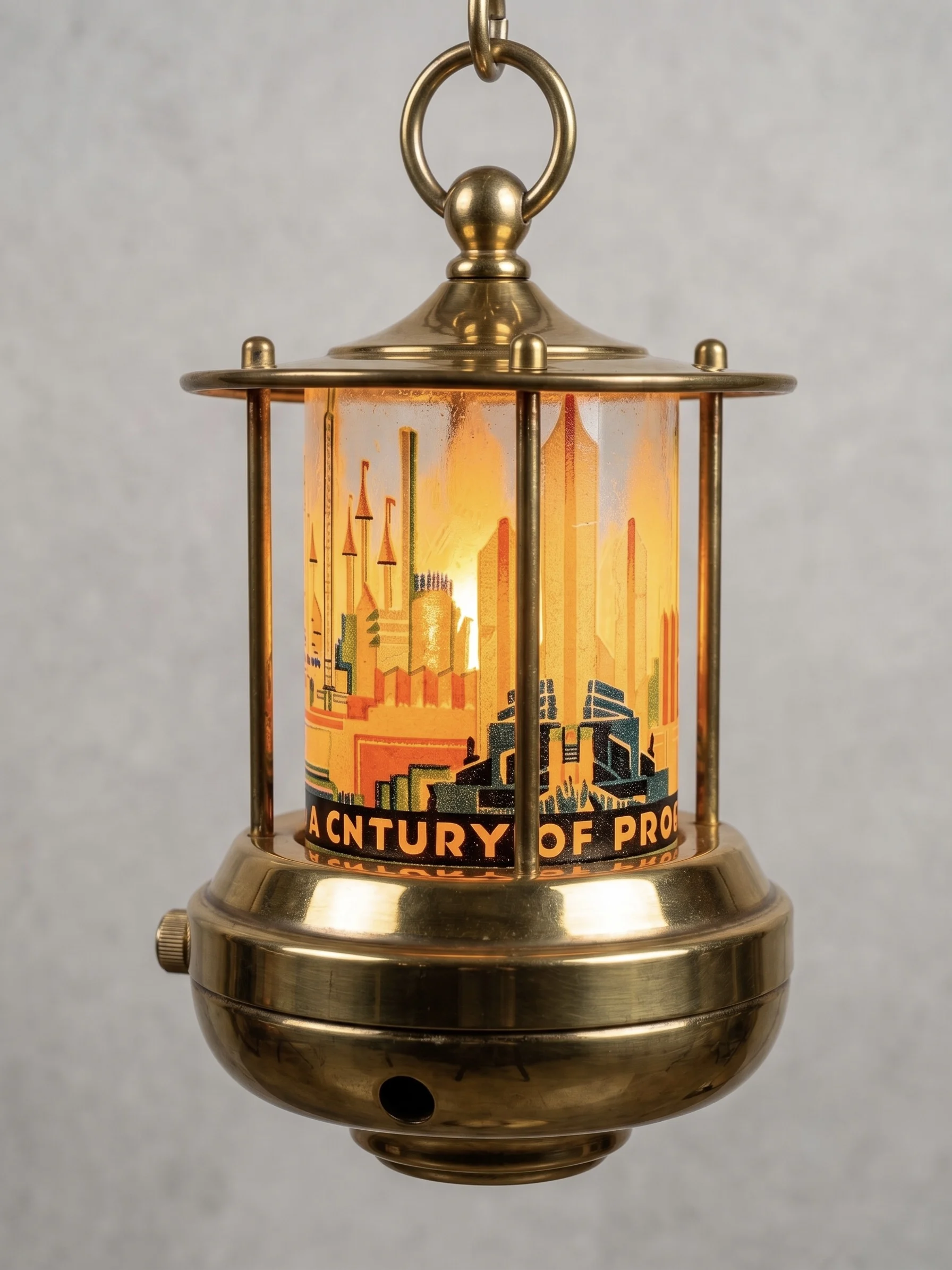 Under floodlight and neon after dark, that color turned architectural, outlining the buildings’ clean geometric massing the way a black border outlines a design on a poster. A motor-oil company put up a thermometer taller than most buildings in the city, its columns filled with red neon climbing and falling with the temperature, and it summed up the fair’s whole visual language in a single object, industrial material treated as pure ornament. The Sky Ride carried visitors in rocket-shaped cars between two towers, briefly the tallest structures in the city, and from two hundred feet up the fairgrounds looked less like an exposition than a small, brilliantly colored city that had washed ashore overnight, the kind of composition Art Deco designers were reaching for everywhere else at a fraction of the scale, on cigarette cases and clock faces.
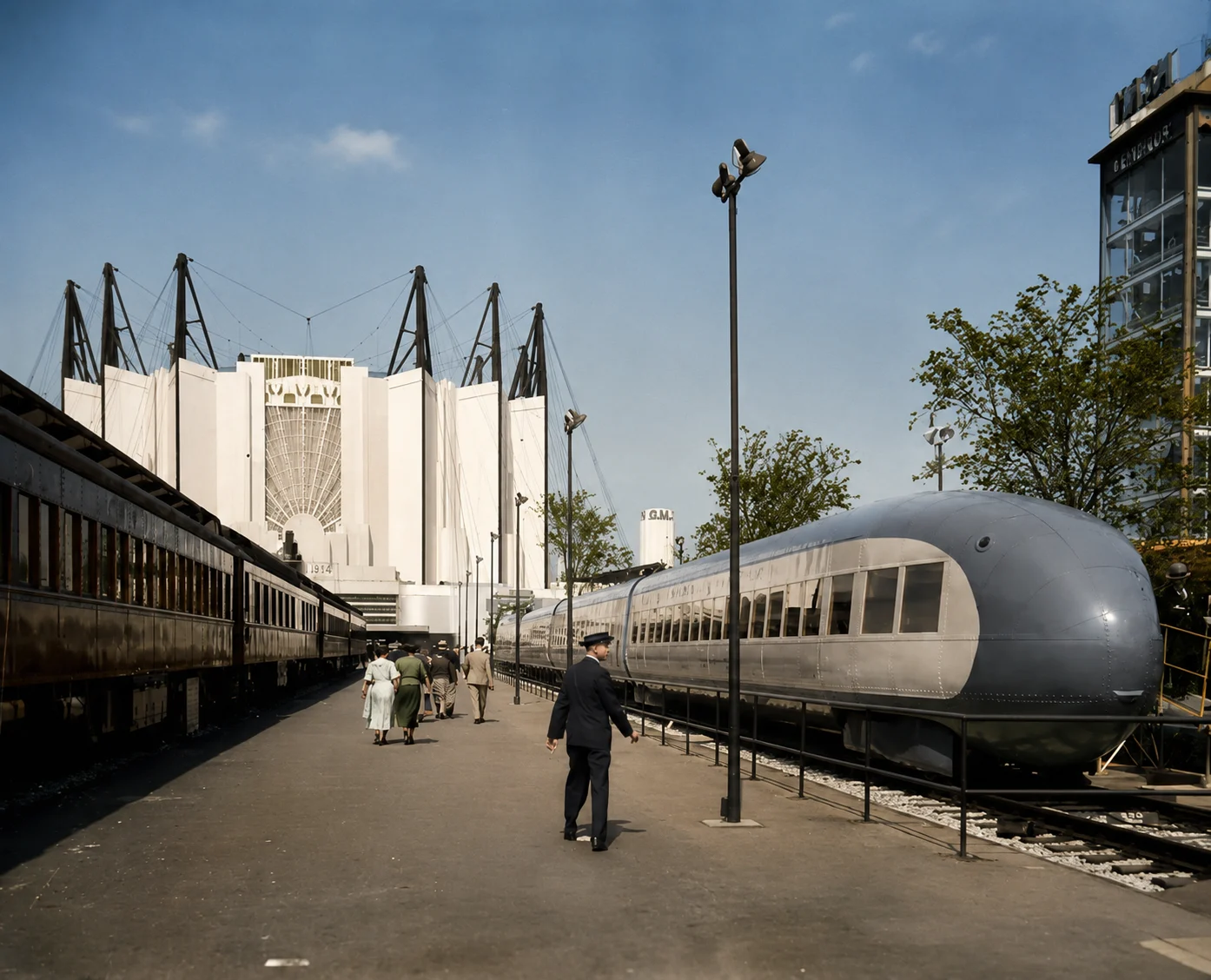
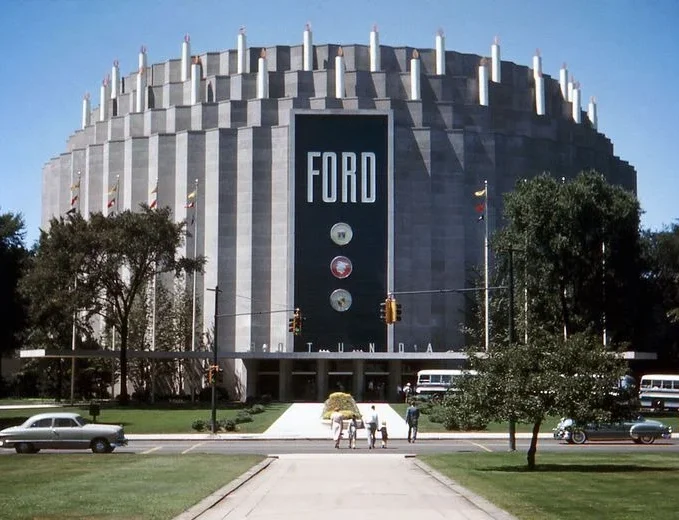
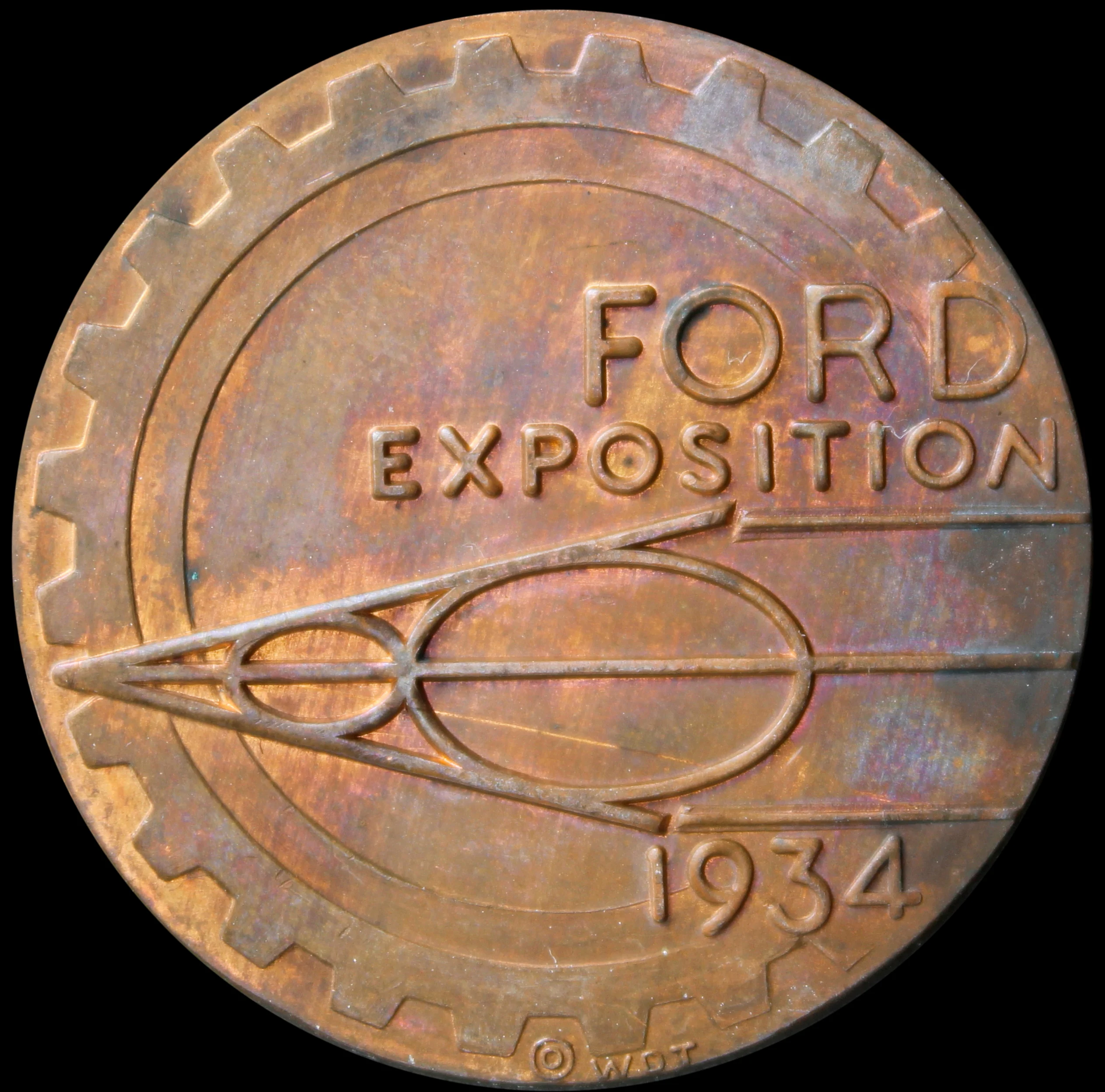
Left: Union Pacific M-10000, Century of Progress, 1934 Middle: Ford Rotunda, Albert Kahn, Dearborn Right: Ford Exposition medallion, Century of Progress, 1934
Back on the ground, the fair kept translating that same machine-age optimism into things people could touch. Union Pacific parked its brand-new stainless-steel train, the M-10000, right on the grounds in 1934, and people who had never seen anything but a black, soot-streaked locomotive walked around it the way they might have circled a spacecraft. It wore the same swept, polished look that Raymond Loewy and a generation of American industrial designers were about to apply everywhere, streamlining treated as a style in its own right rather than an engineering necessity.
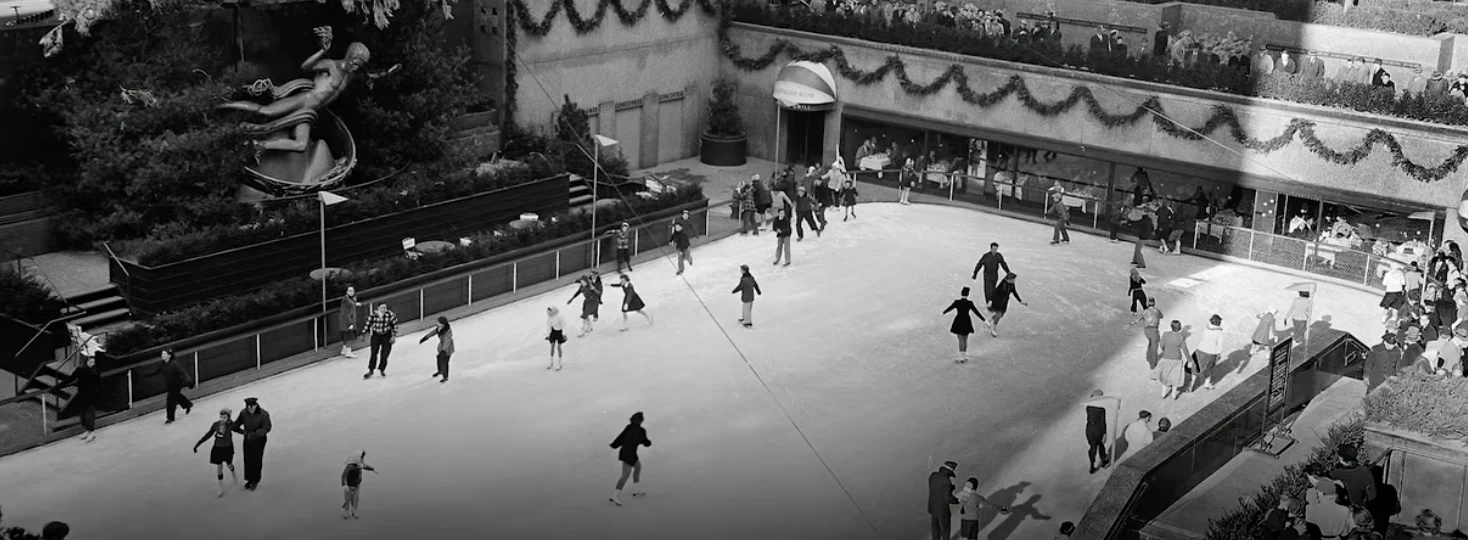
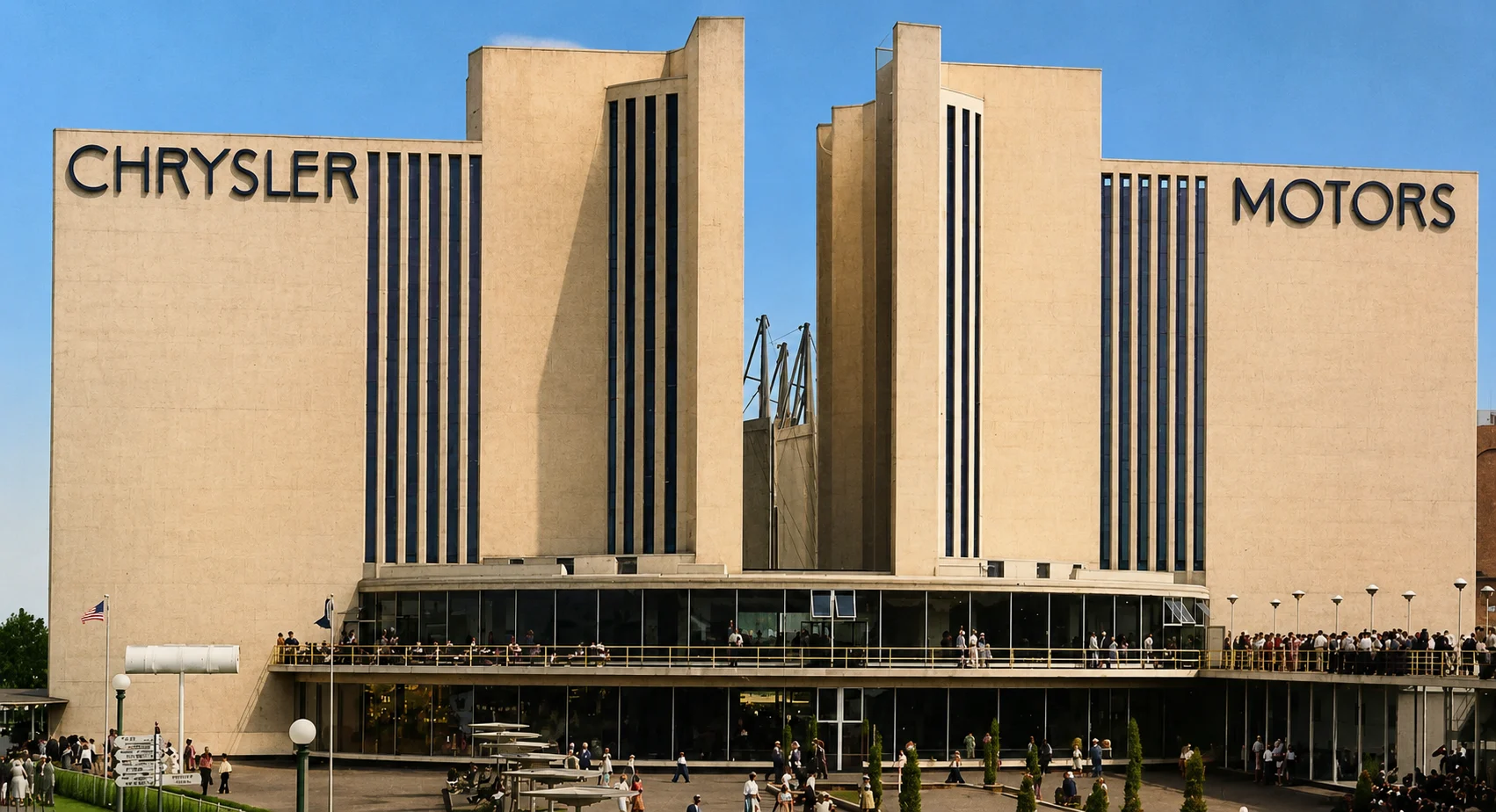
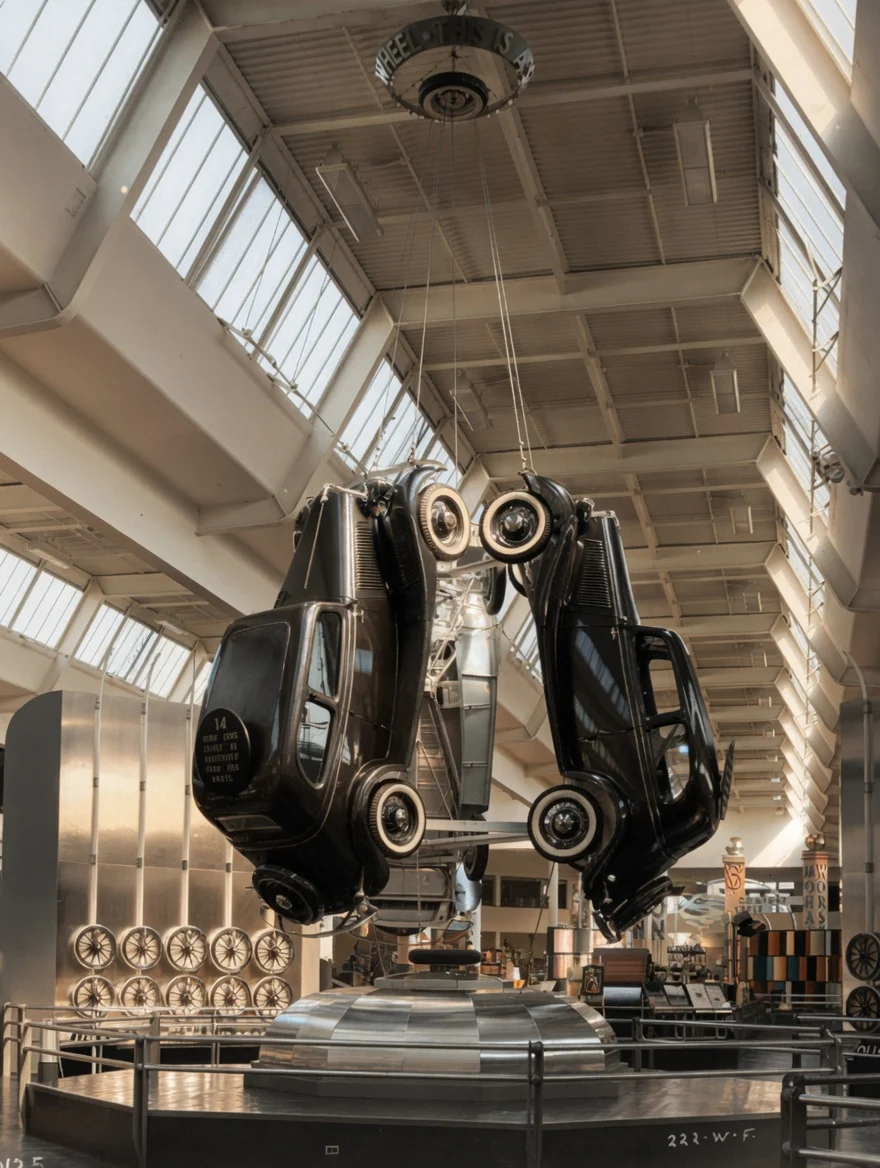
Left: Chicago souvenir guide booklet, 1933 Middle: Chrysler Motors Pavilion, panoramic view, 1933-34 Right: Proof of Safety exhibit, Ford Building, 1934
The Travel and Transport Building hung its entire domed roof from cables strung to twelve exterior towers instead of resting it on interior columns, turning visible structure into ornament, the same aesthetic instinct running through Deco skyscrapers of the same years. Ford had sat out the fair’s first season and spent the winter regretting it, watching General Motors and Chrysler soak up exactly the kind of attention money rarely buys. When the fair came back for a second year, Ford answered with a twelve-story drum of stepped aluminum built to look like a stack of interlocking gears, a ziggurat silhouette rendered in the machine-age materials that had become Deco’s own substitute for carved stone and gilding. By the time the gates closed for good, the fair’s Deco vocabulary had shrunk just as cleanly onto the small medals and pins visitors carried home by the millions, proof the style scaled from a two-hundred-foot pylon down to something that fit in a coat pocket without losing any of its punch.
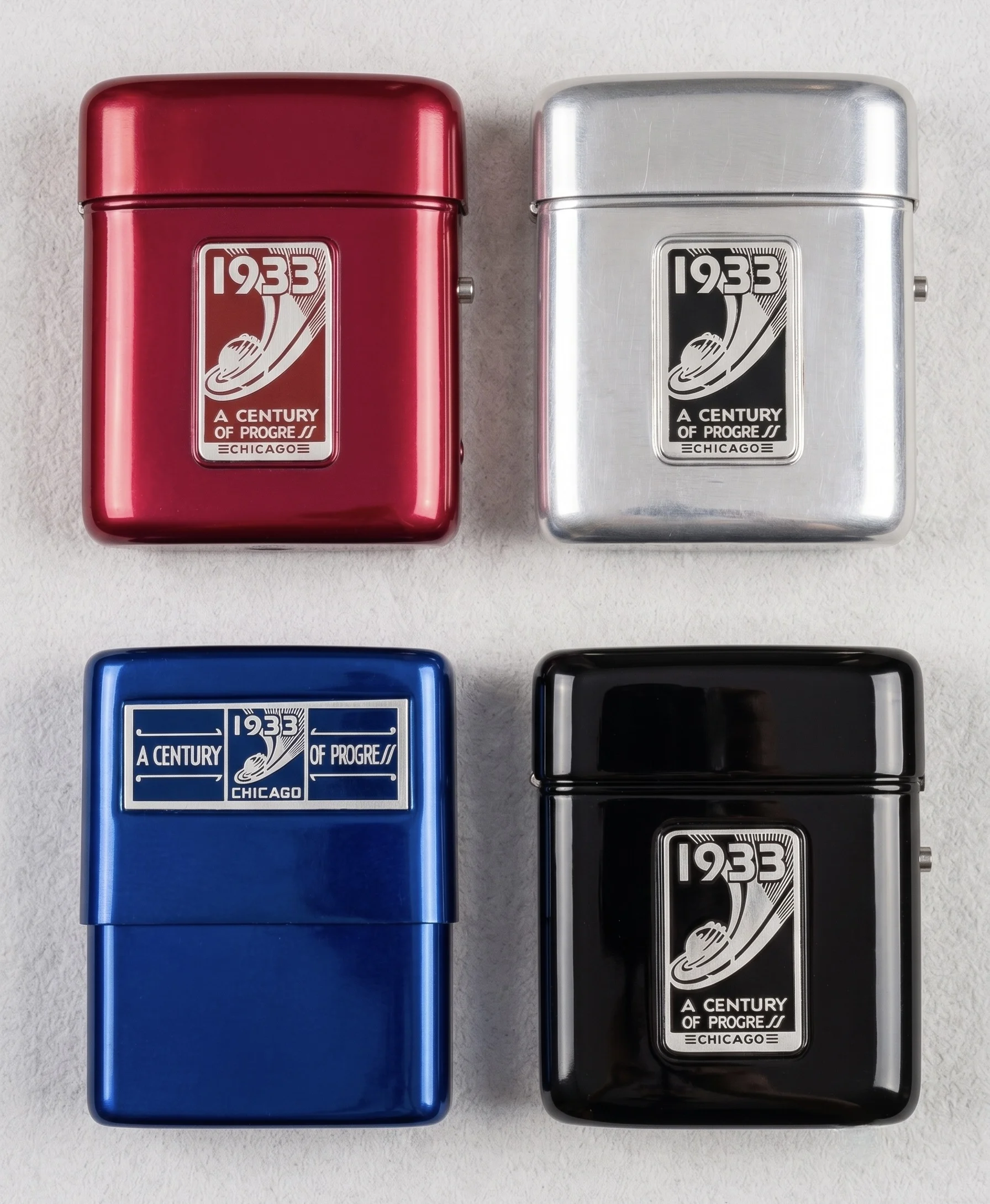
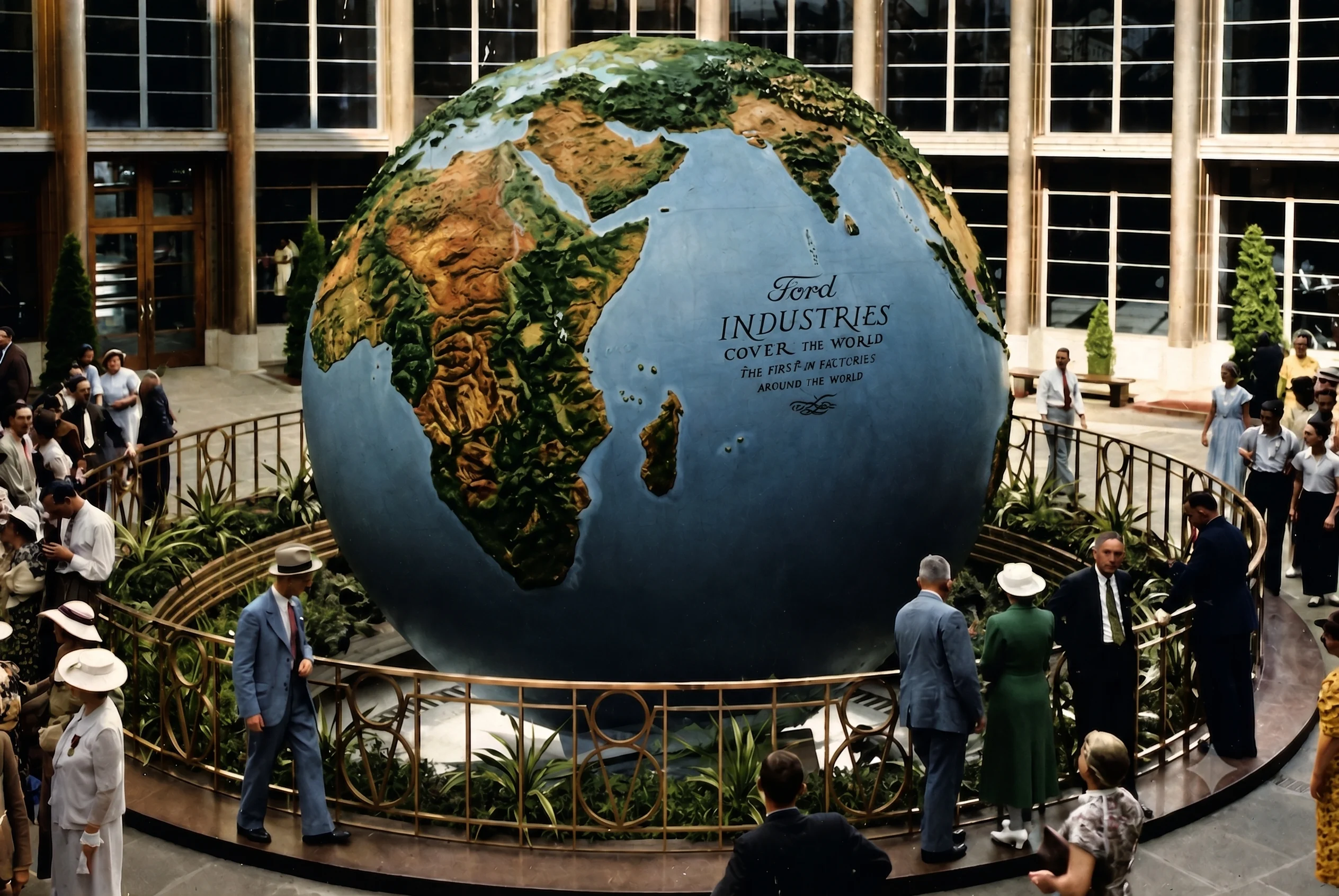
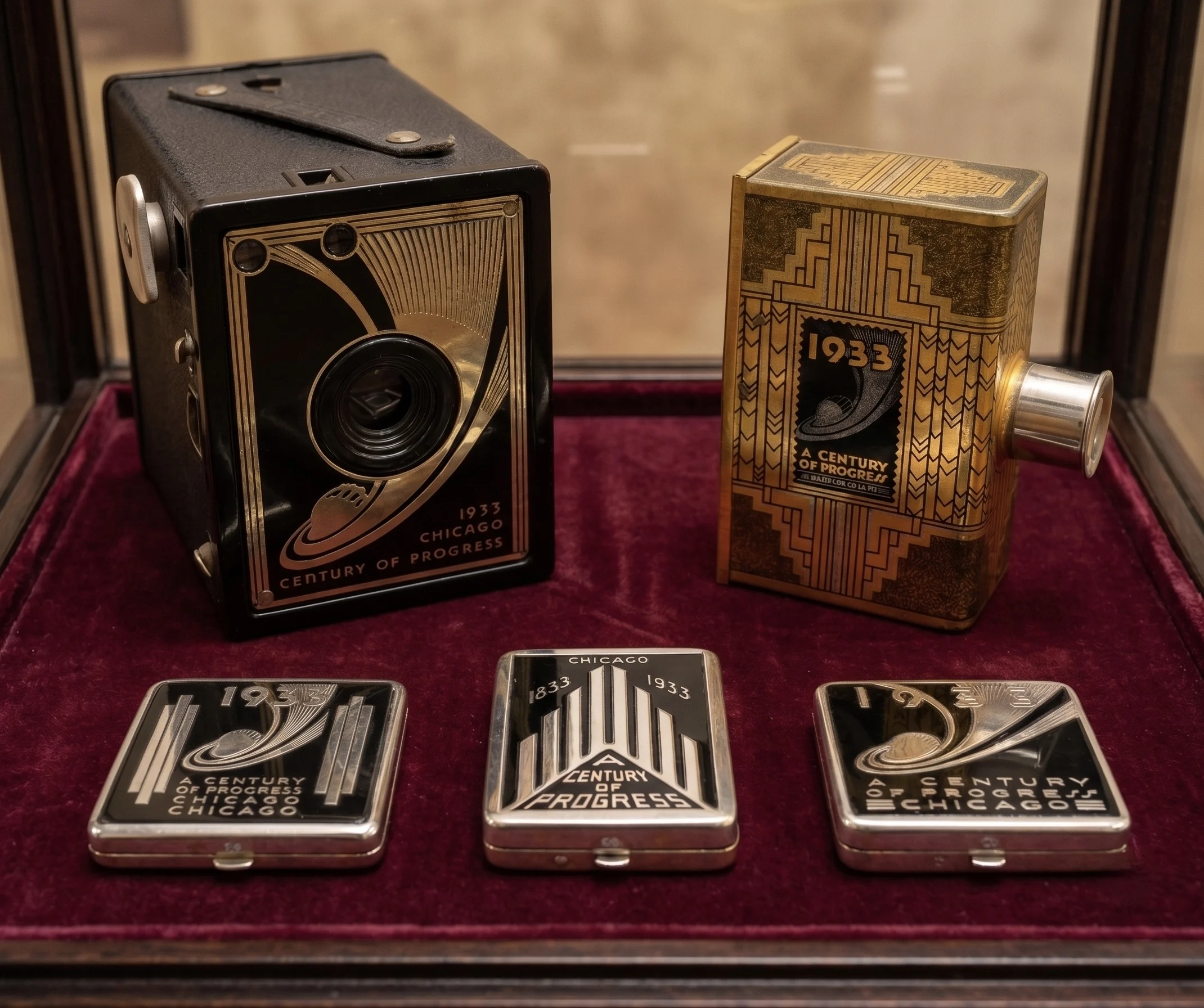
Left: Souvenir enamel lighters, Chicago, 1933 Middle: Court of the World globe, Ford Exposition, 1934 Right: Souvenir Kodak box camera with geometric compacts, 1933
New York, 1939-40
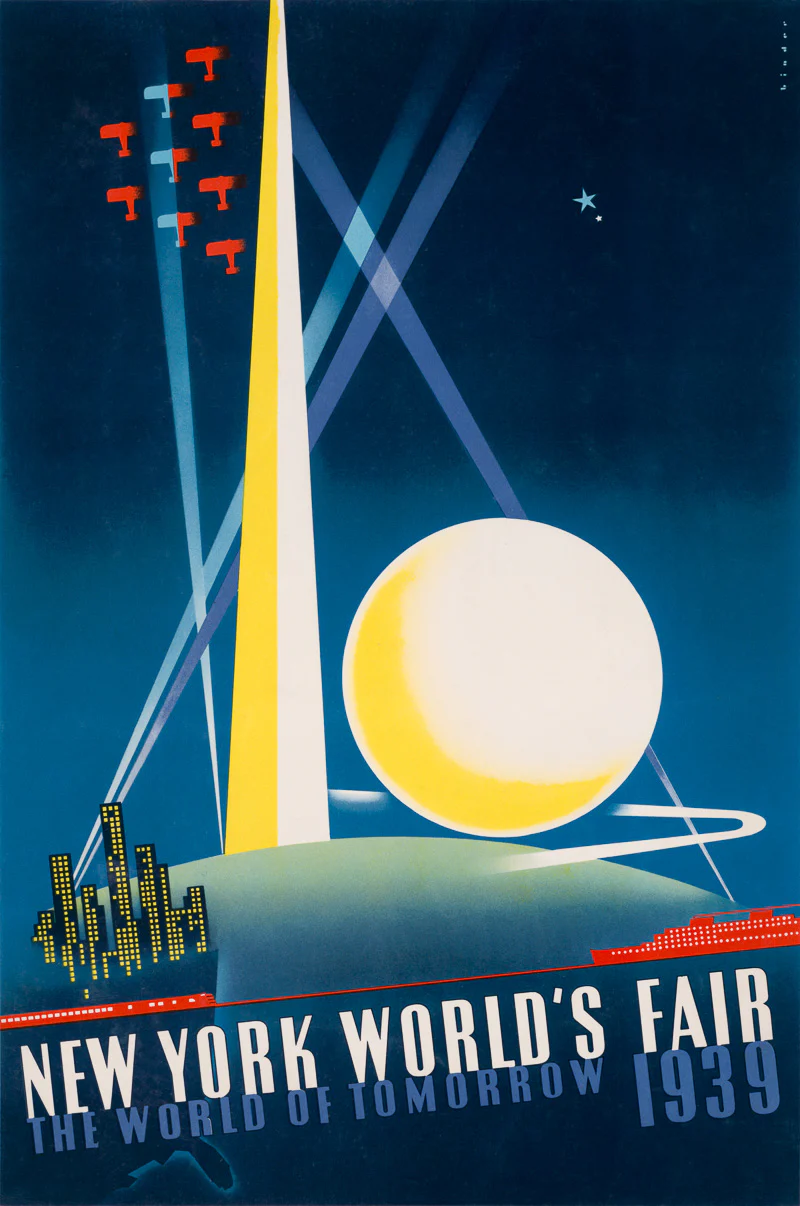
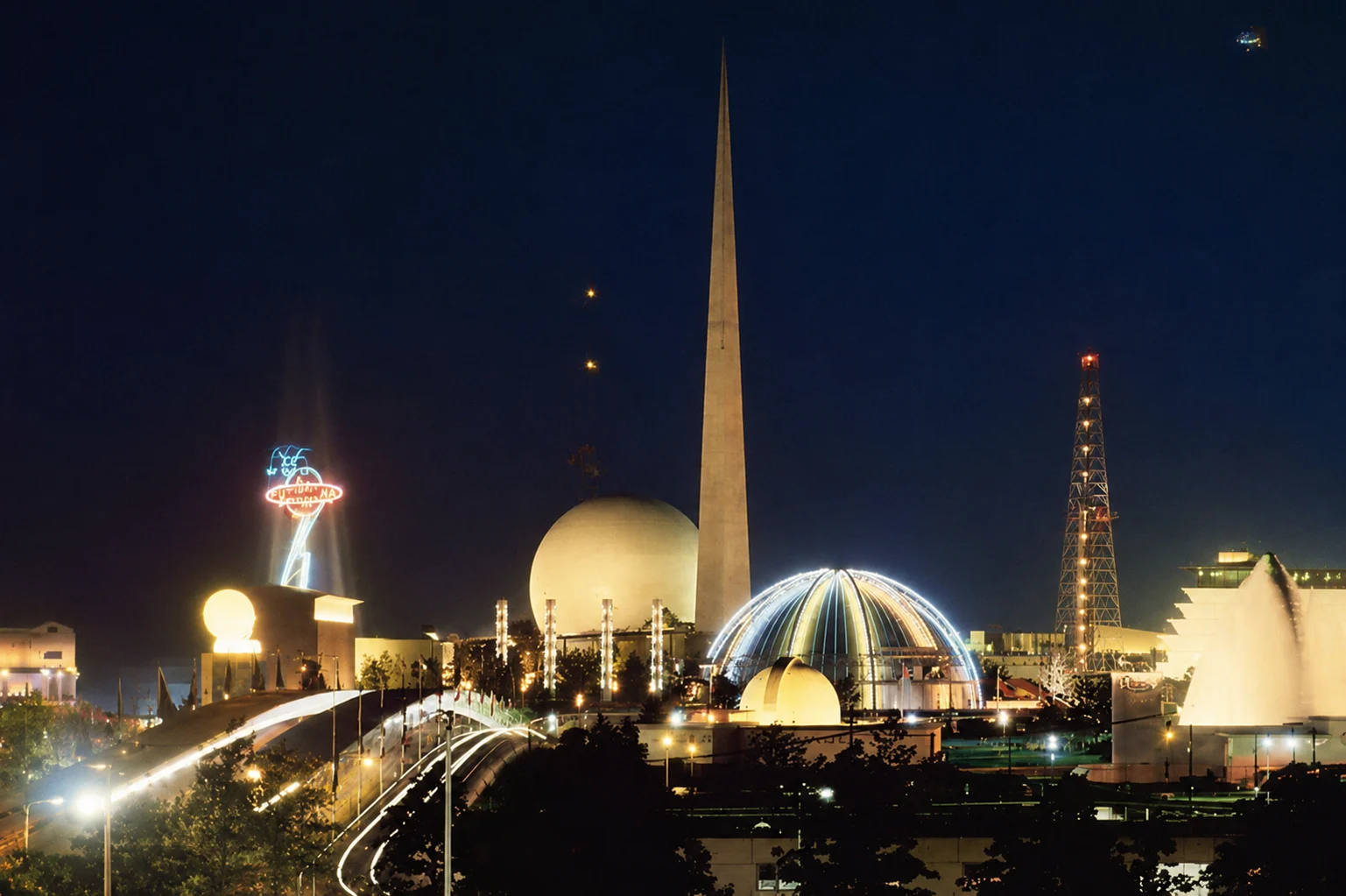
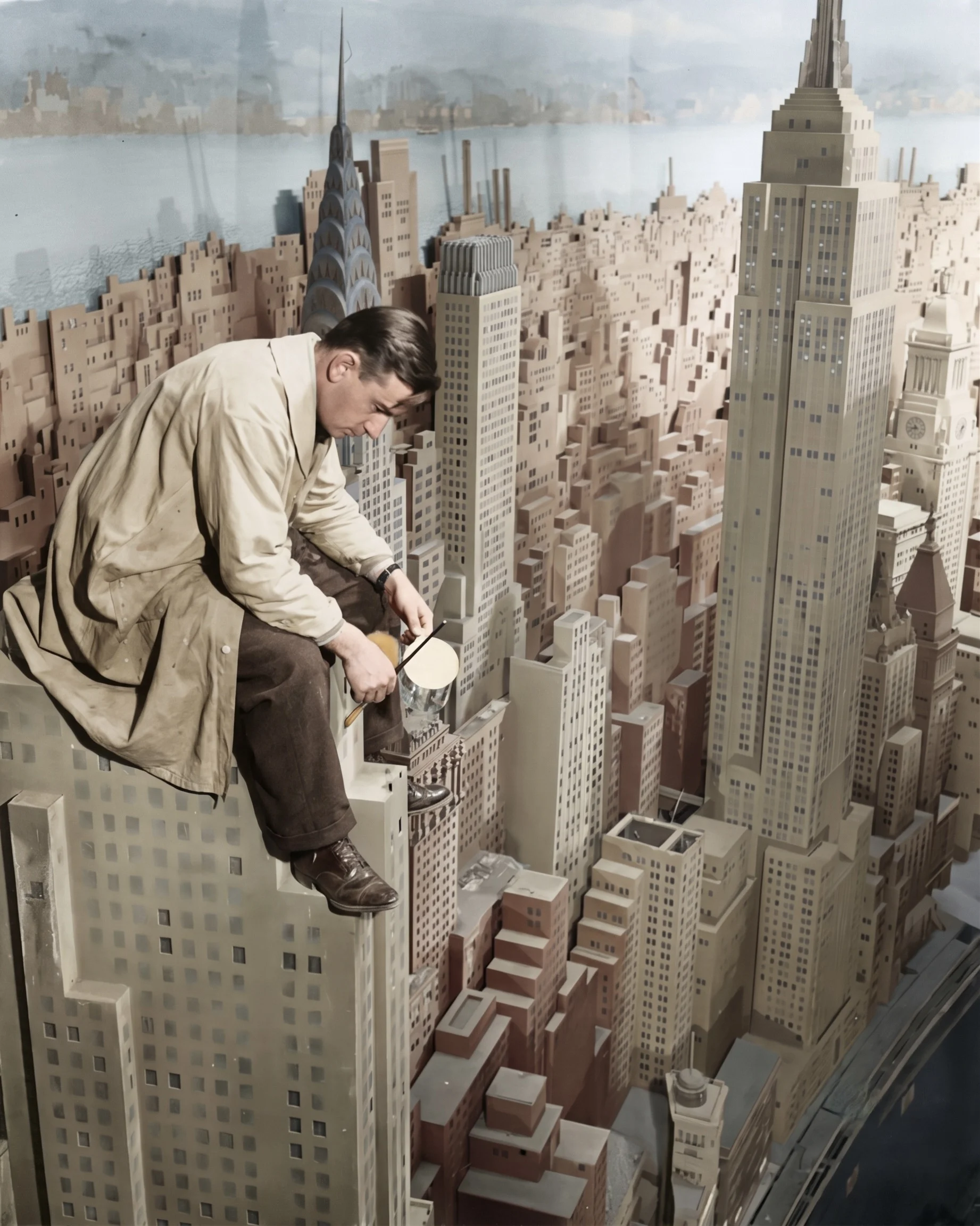
Left: New York World’s Fair poster, Joseph Binder, 1939 Middle: Trylon and Perisphere, night illumination, 1939 Right: City of Light diorama, Walter Dorwin Teague, 1939
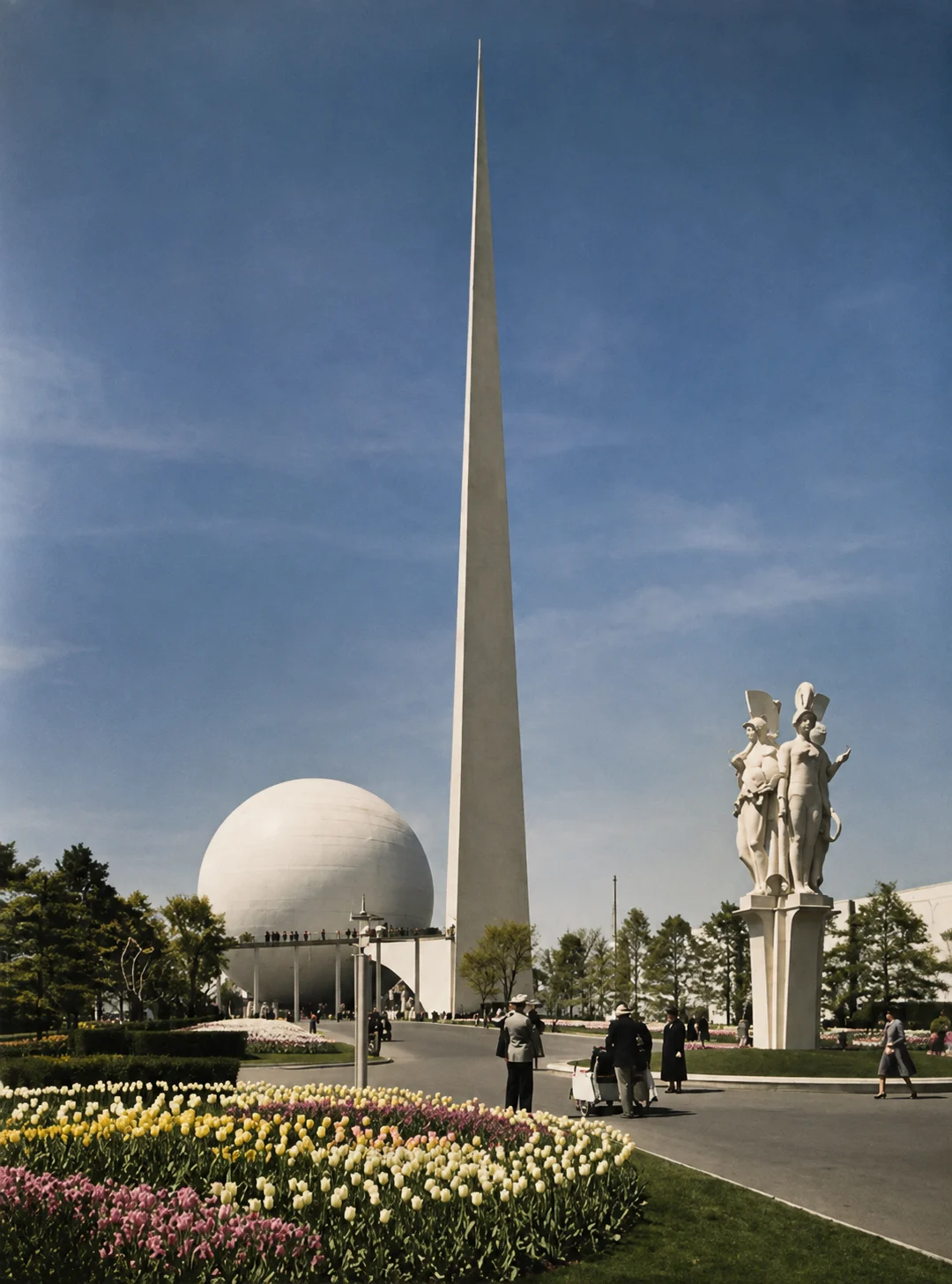 Long before you reached the fairgrounds, the shapes had already found you. A slim white spire and a plain white globe turned up on posters plastered across the subway and stamped onto pins that people wore months before the gates opened, and the pairing itself was a piece of pure Deco graphic design, two geometric solids reduced to their simplest possible forms and repeated until they became shorthand for the entire fair. Up close, the scale did the rest of the work: the Trylon ran 610 feet into the sky, a slender three-sided spire sharp enough to look almost weightless, and the Perisphere beside it was a smooth 180-foot globe that gave away nothing about what waited inside.

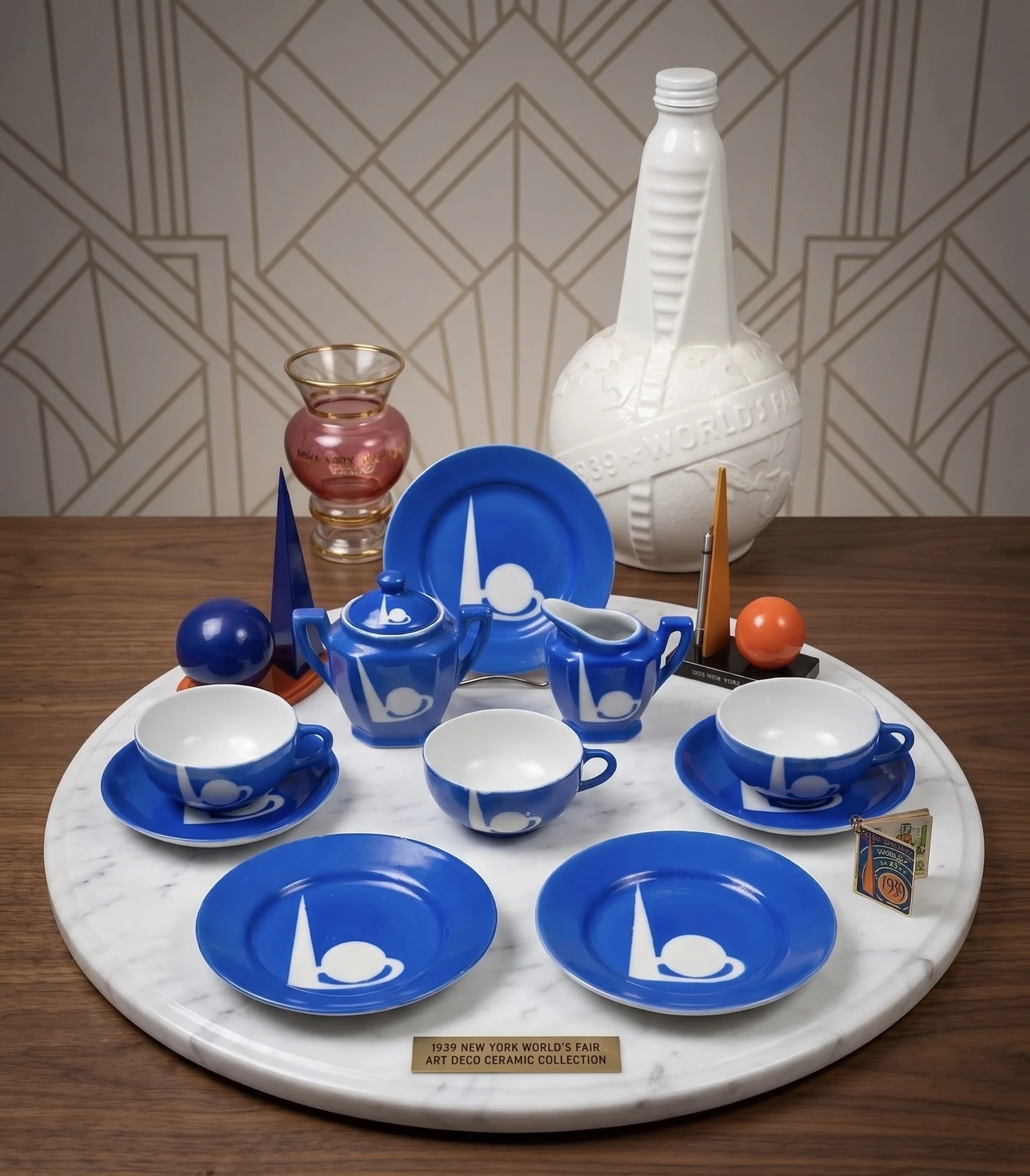 Both were a blinding white by day, and after dark floodlights turned them into the brightest objects on the grounds, the still white center of a fairground deliberately color-coded by zone, the tones deepening the farther a visitor walked from that core, an entire piece of city planning conceived as a single graded composition in color the way a Deco textile designer might plan a length of fabric. Visitors climbed what was, at the time, the longest escalator ever built, straight up into the sphere’s dim interior, to find Democracity turning slowly beneath them, a miniature metropolis of gleaming towers narrated by an unseen voice while colored light washed across the model, before winding back to earth along a spiraling ramp called the Helicline. Democracity was more than a scale model; it was the decade’s optimism about a peaceful, orderly future built in miniature, the world’s fair promise reduced to a single room you could walk into and look down on.
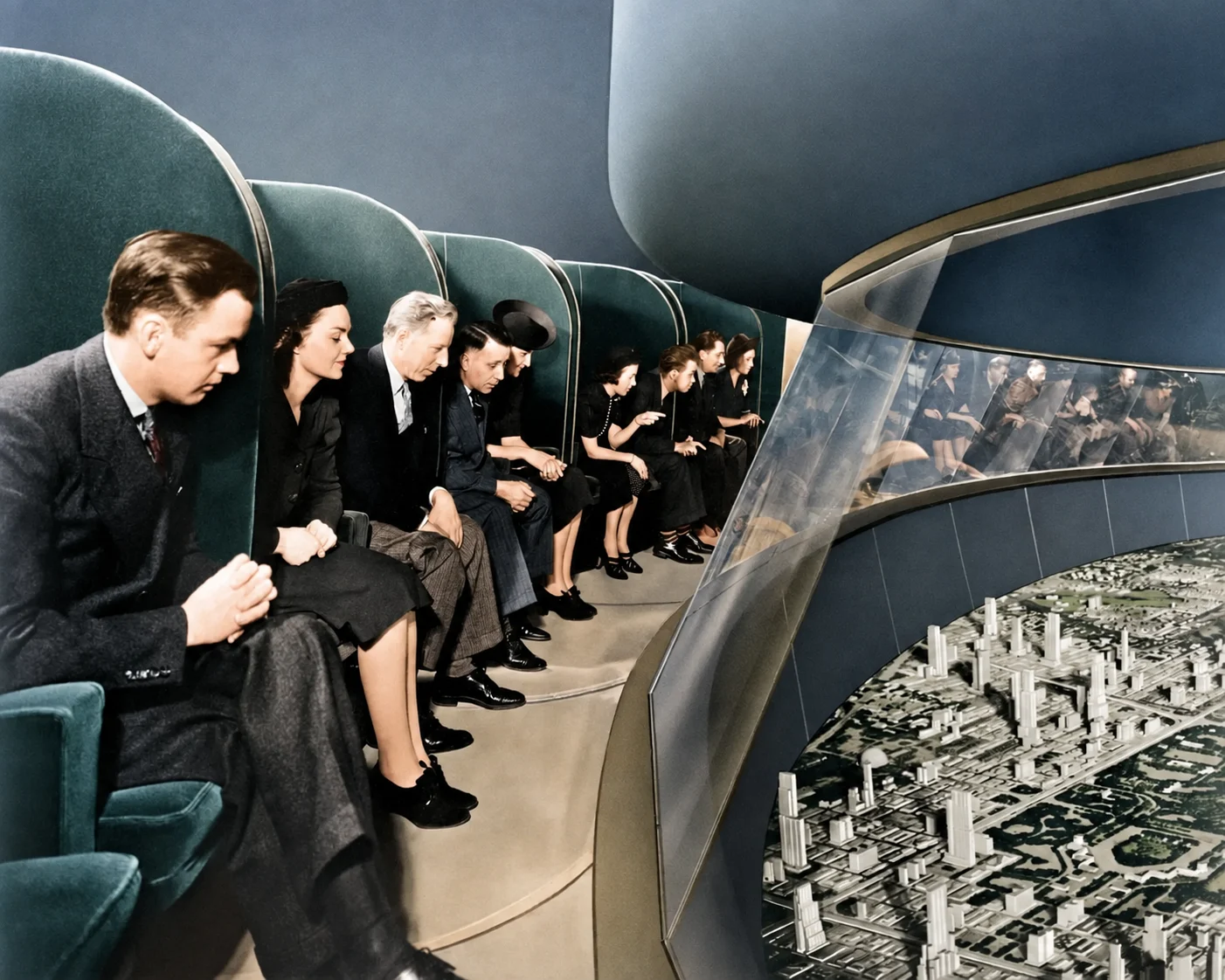
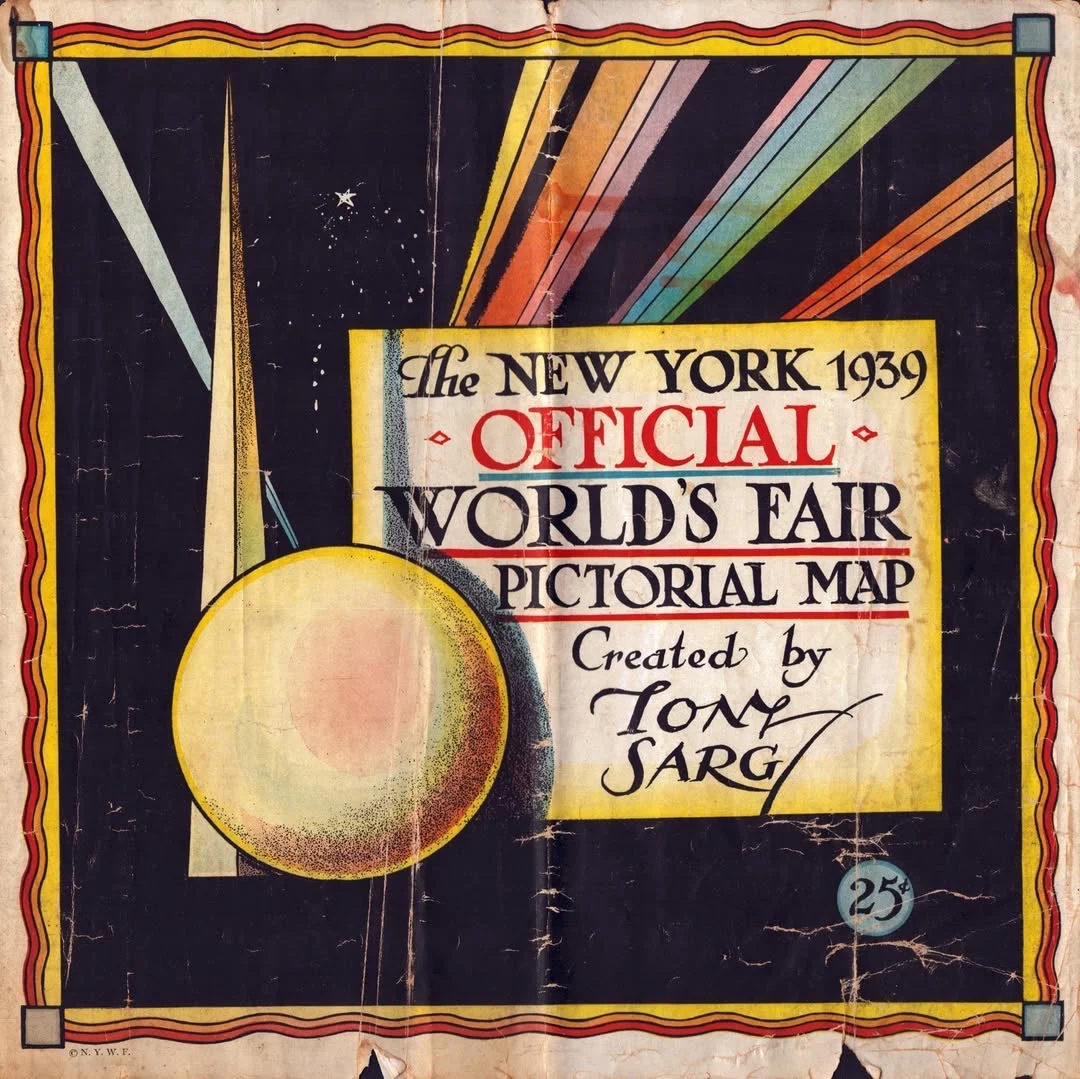
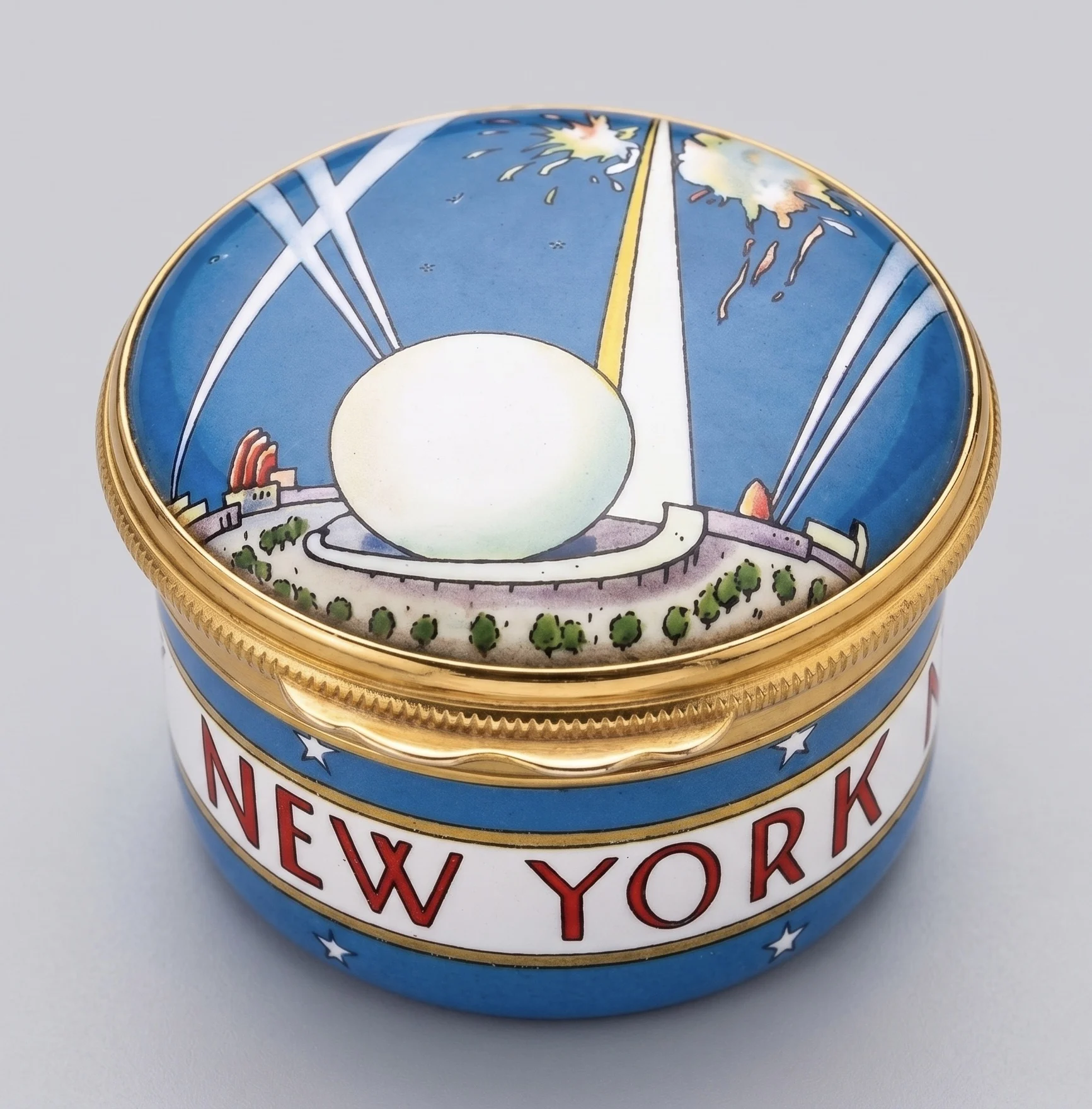
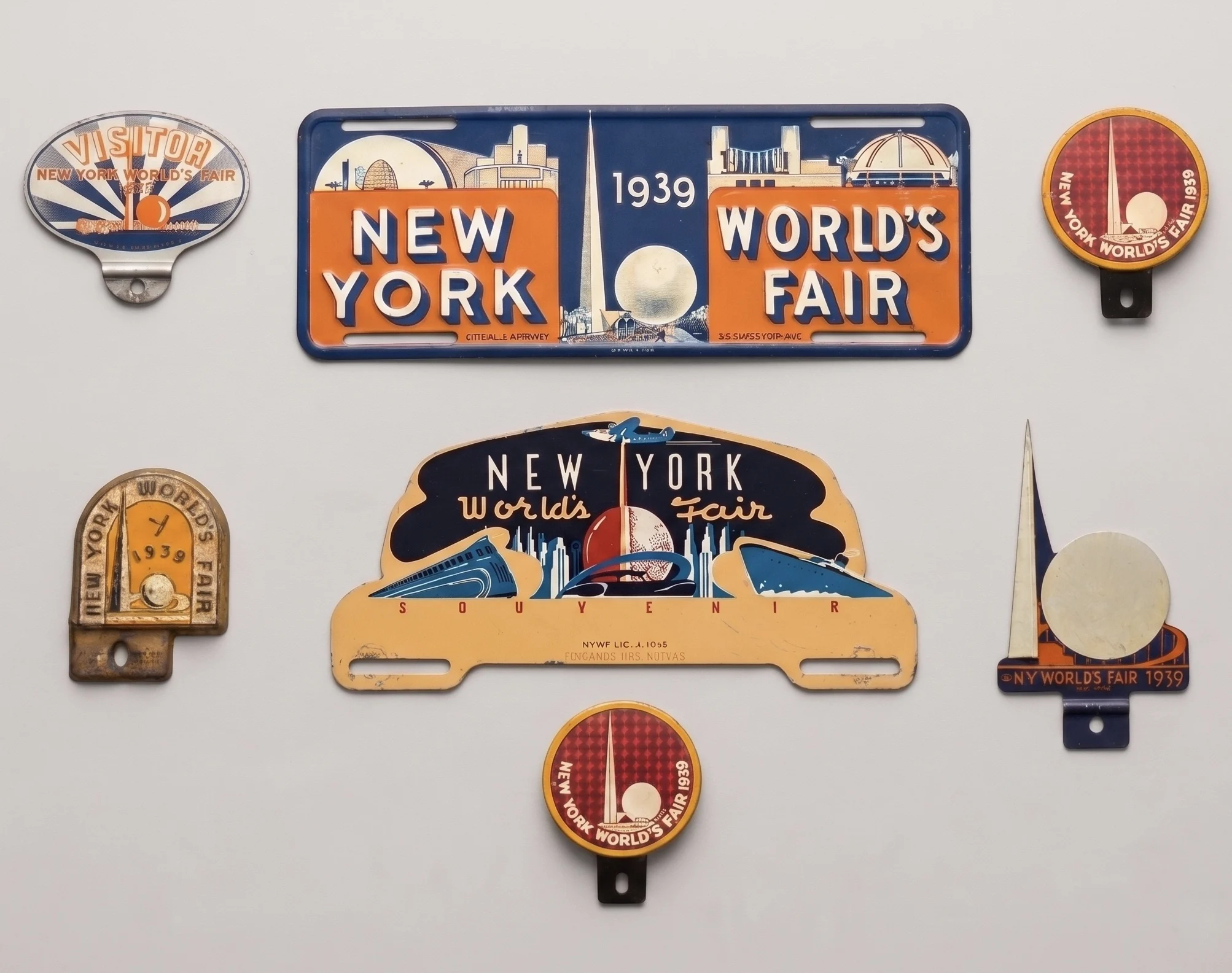
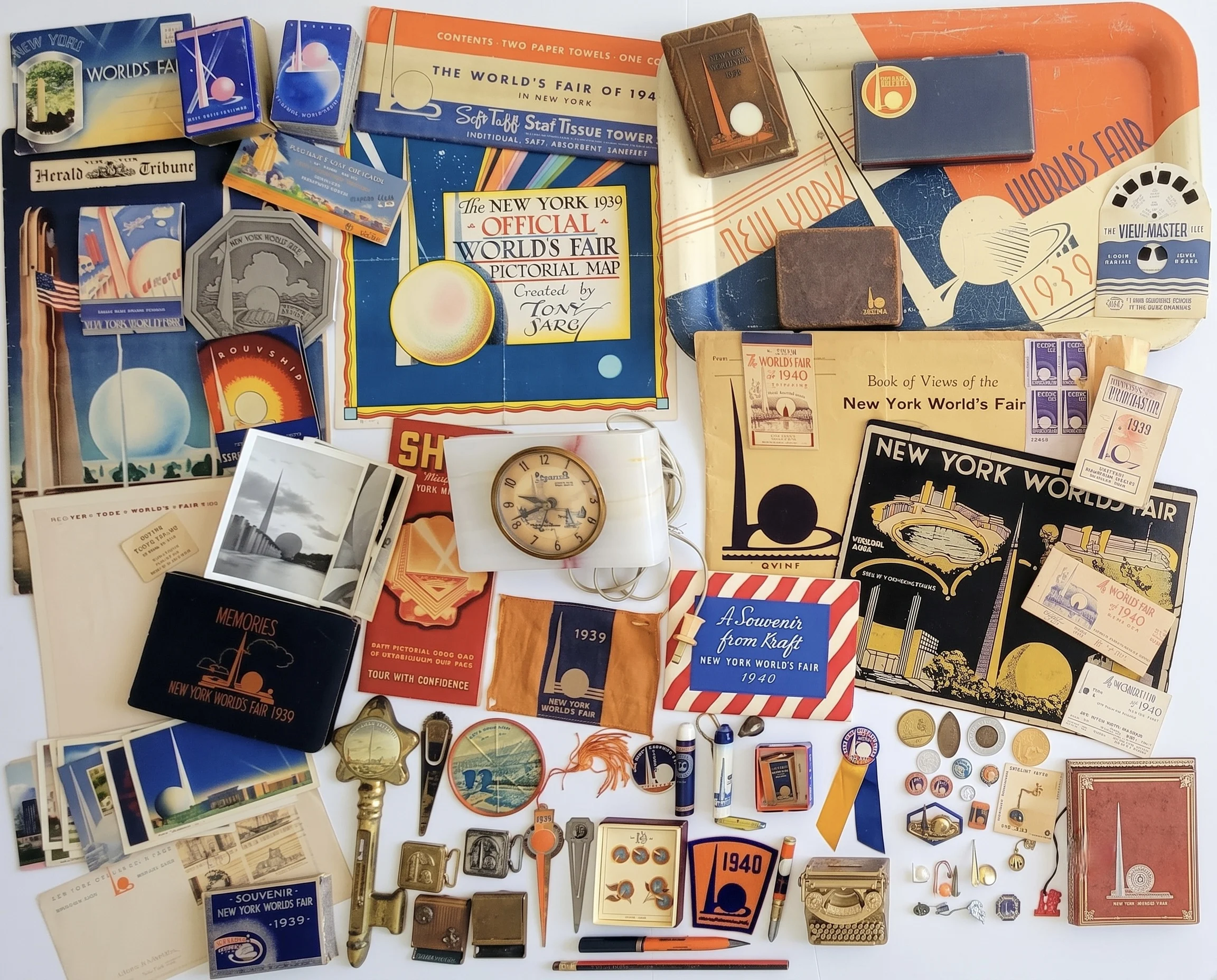
Top: Left: Futurama, Norman Bel Geddes, 1939 Middle: Pictorial Map cover, Tony Sarg, 1939 Right: Aerial postcard, Trylon and Perisphere, 1939 Bottom: Left: Trylon and Perisphere trinket box, 1939 Middle: License plate toppers and badges, 1939 Right: World’s Fair memorabilia collection, 1939
Nothing at the fair pulled a longer line than General Motors’ Futurama, and by midsummer the wait could run past two hours in the sun. Visitors settled into deep, high-backed chairs upholstered in blue mohair, built six feet tall so each seat felt like a small private box, and a soft voice spoke directly into a speaker built into the headrest as the chairs carried riders on a slow, winding loop above a model of America two decades on, superhighways and glass towers unspooling beneath a curved window. The city in miniature was built in exactly the streamlined, stripped-down Deco idiom the fair itself was staging at full scale, tall glazed towers, sweeping curves standing in for speed.
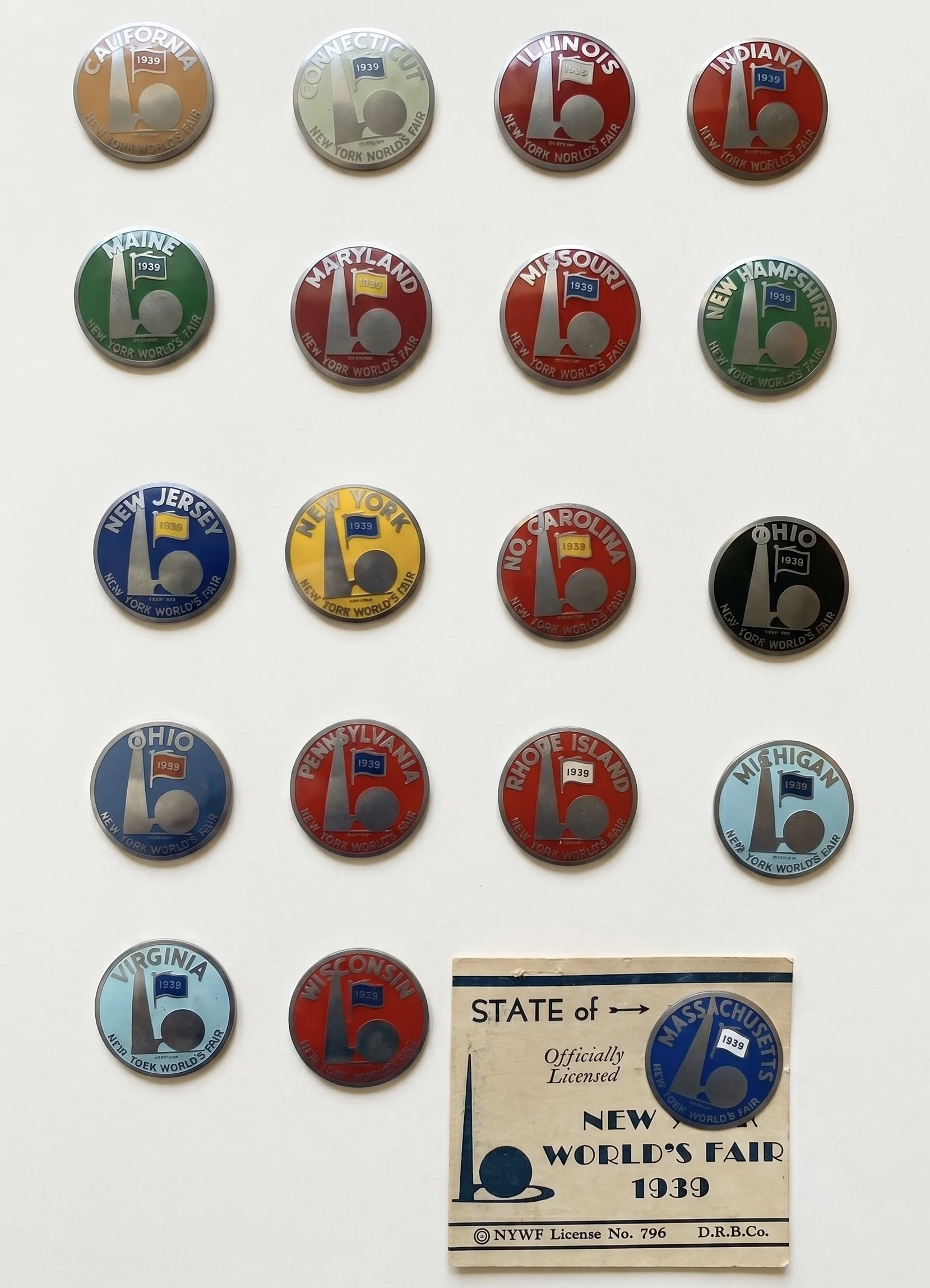 Riders stepped off blinking in the daylight and were handed a small button that read I Have Seen the Future, and almost nobody threw it away. Elsewhere, RCA used the fair to introduce television to the American public for the first time, and visitors crowded around a small glowing screen to watch themselves appear on it live, astonished enough that demonstrators built one set with a transparent case just to prove no trick was involved; a president’s opening address traveled out over roughly two hundred receivers scattered across the city, meaning many people watching that day were seeing a moving picture arrive out of thin air for the first time in their lives. Consolidated Edison answered with its own miniature city, cycling through a full day and night around a twenty-two-foot Empire State Building, the same machine-age optimism packed into something you could take in with a single glance.
San Francisco, 1939-40
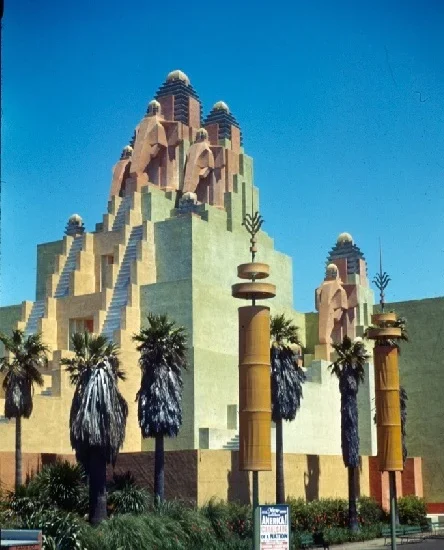
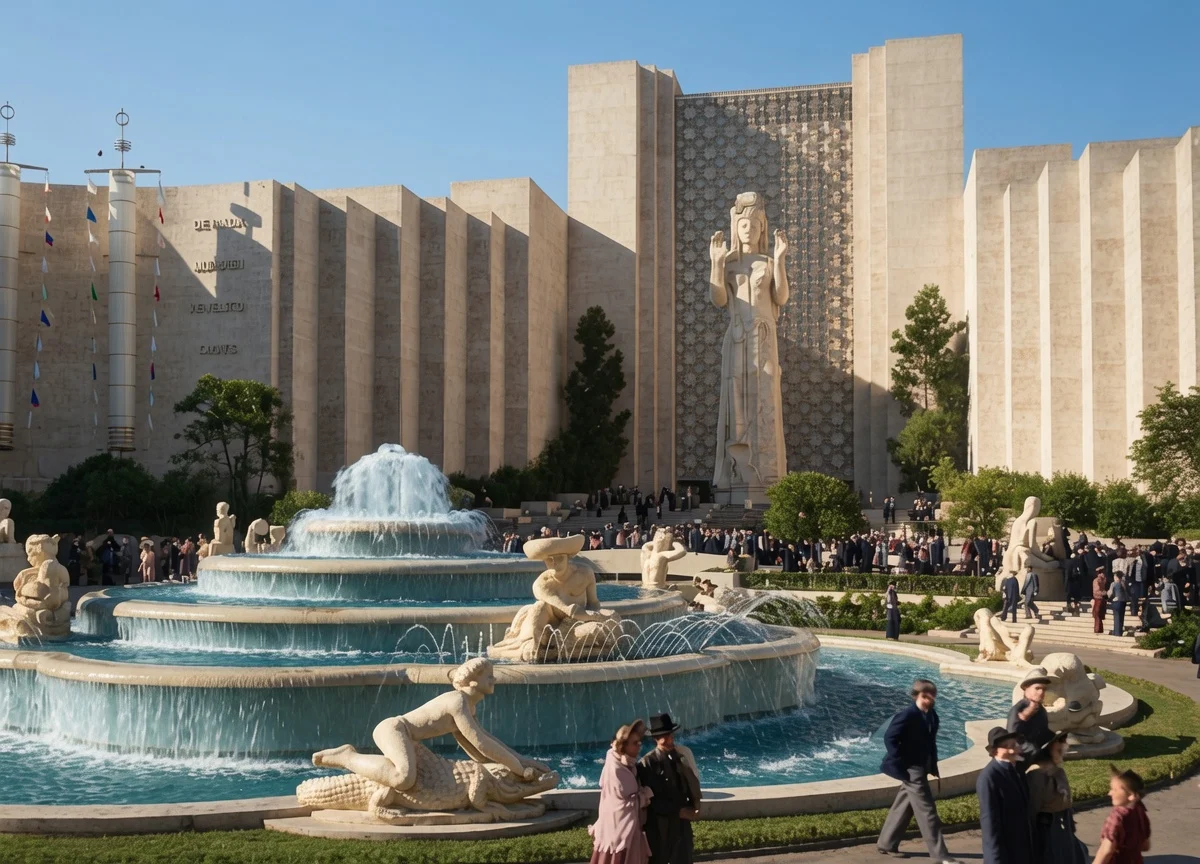
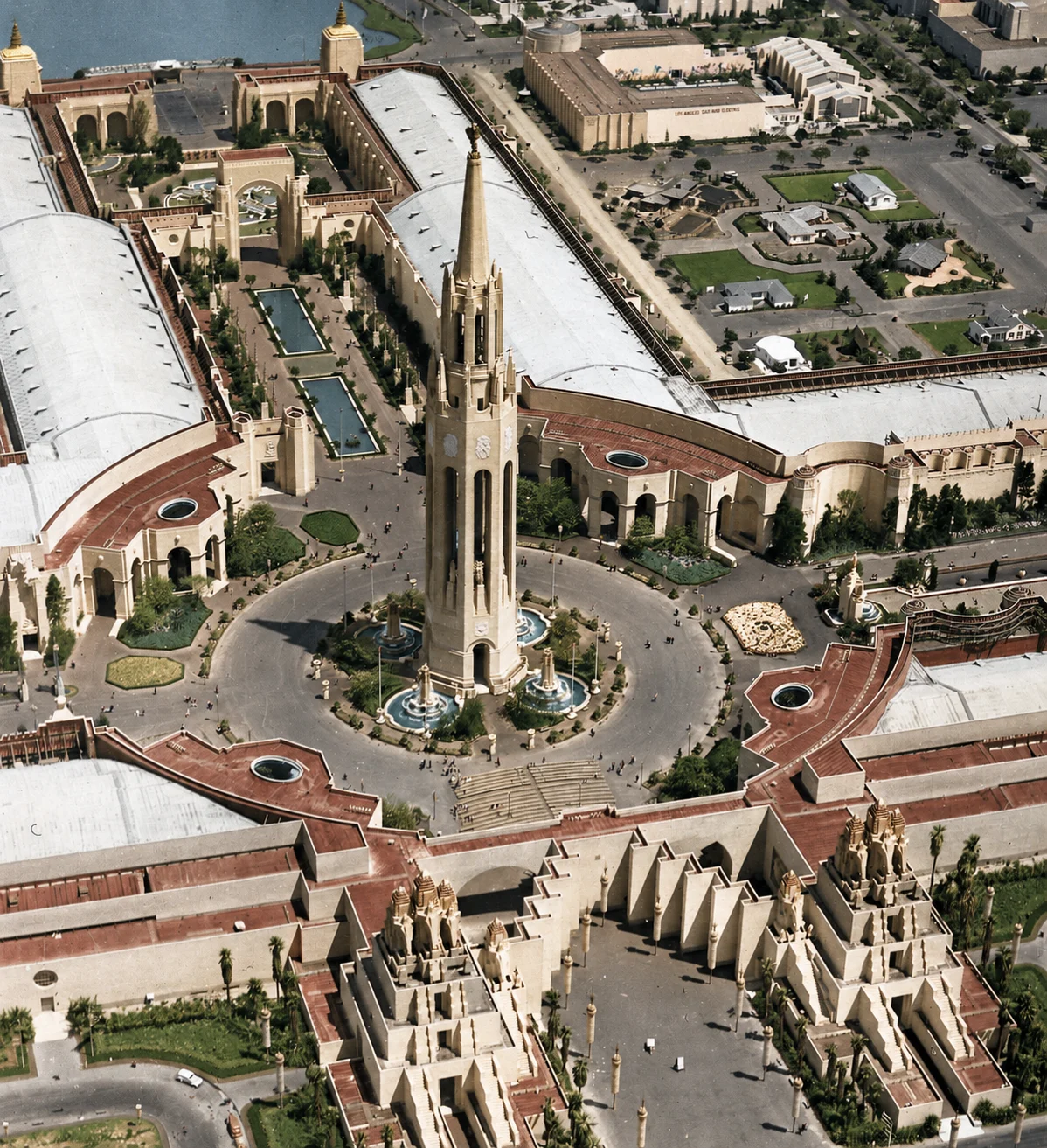
Left: Elephant Towers, Treasure Island, 1939 Middle: Pacifica, Ralph Stackpole, Treasure Island, 1939 Right: Aerial view, Golden Gate Exposition, 1939
San Francisco’s fair sat on ground that had not existed three years earlier, a man-made island dredged out of the bay, and the architects gave it a style invented specifically for the occasion, blending Mayan and Cambodian motifs with touches of Malayan and Incan design into a single machine-age vocabulary the fair itself called Pacifica. It was the same instinct that had sent other Deco architects hunting through distant sources for anything that could be stripped down into bold, symmetrical, repeatable ornament.
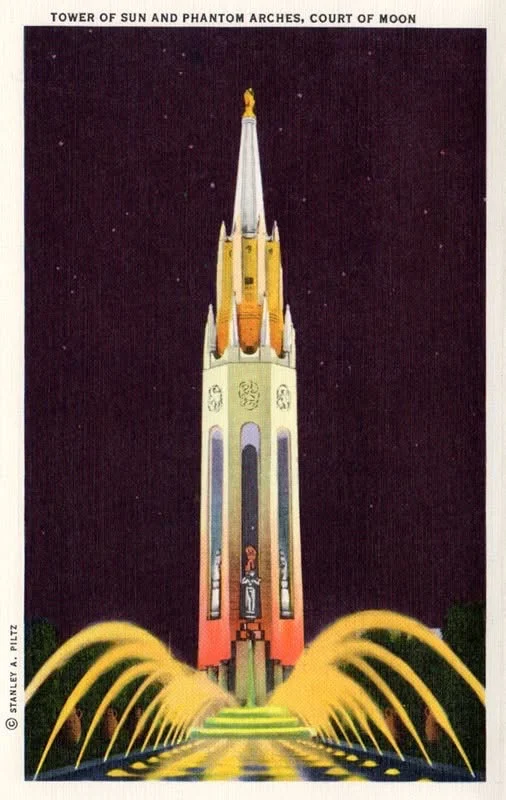
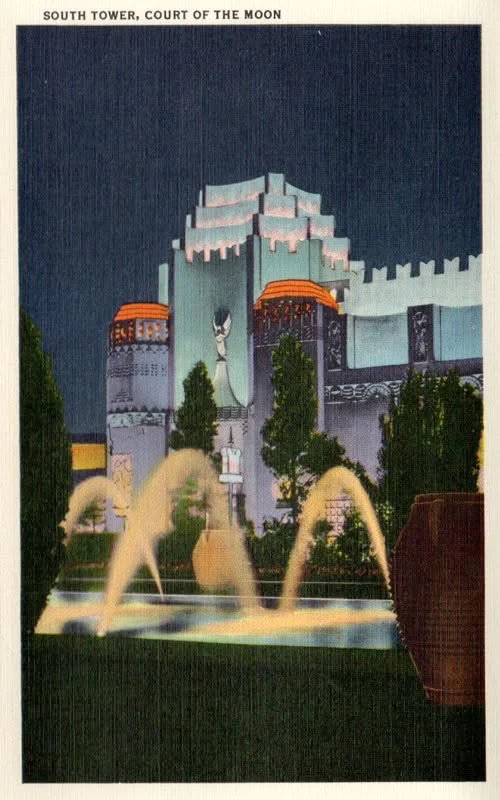 Visitors arriving by ferry watched the whole island glow before they ever stepped onto it, since organizers had bathed the buildings, fountains and gardens in shifting tinted floodlight, a technique they called chromotherapy, so the fairgrounds visibly changed color as the evening wore on and beams swept a mile into the sky, visible on a clear night from more than a hundred miles away. Once inside, visitors passed through a pair of towers formalized into stylized elephant heads before entering a sequence of courts that opened one after another, each dressed in the same Pacifica idiom, and at the center of it all stood an eighty-one-foot statue of a woman also called Pacifica, her back hung with a curtain of metal rods that chimed softly whenever the bay wind moved through them, representing exactly the peaceful, prosperous Pacific trade the fair’s own theme had promised. At the heart of the grounds, the Tower of the Sun rose above the courts, capped with a gilded phoenix, floodlit at night into the same brilliant vertical object every other fair of the decade had tried to build, a single accent gathering the whole invented style into one silhouette.
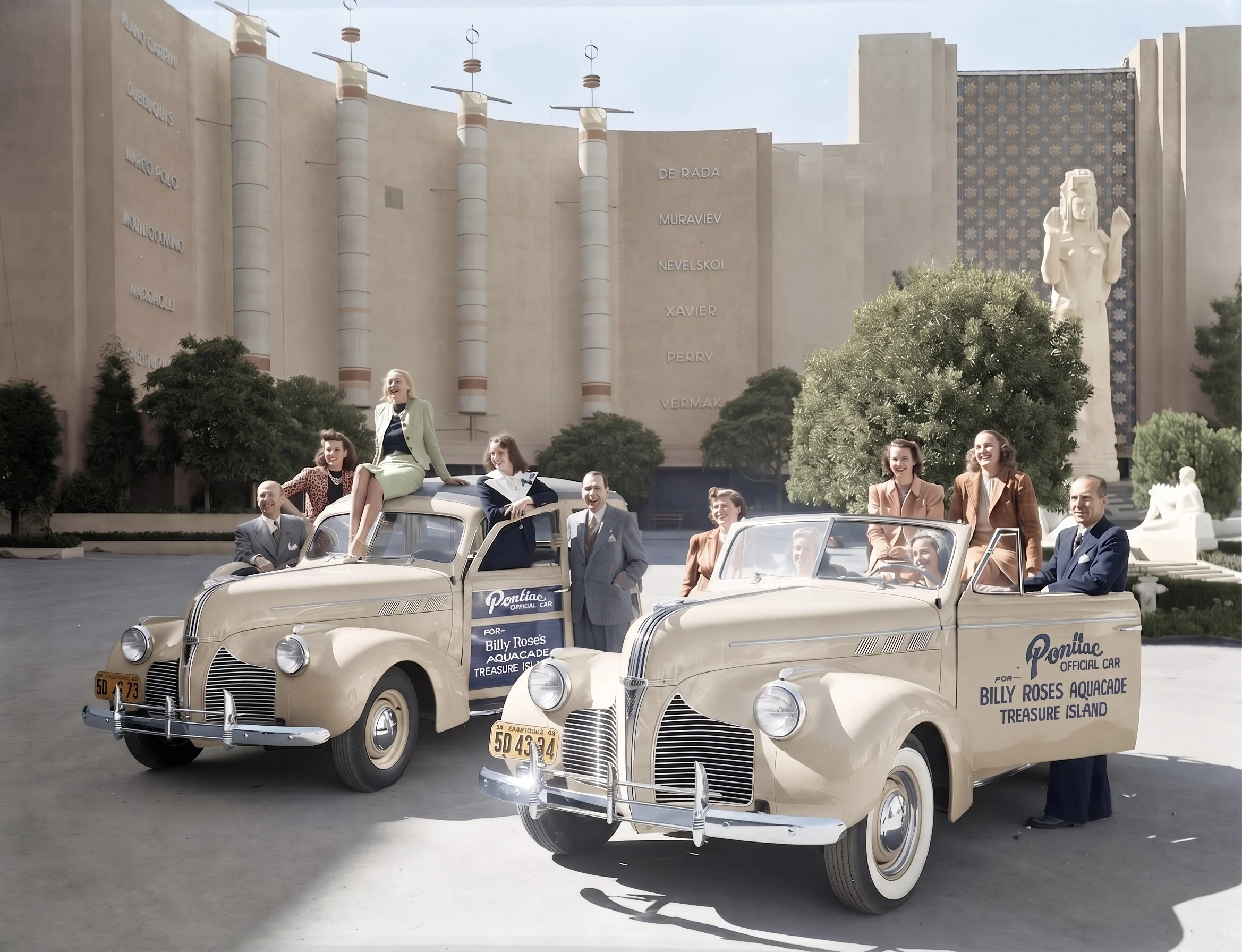
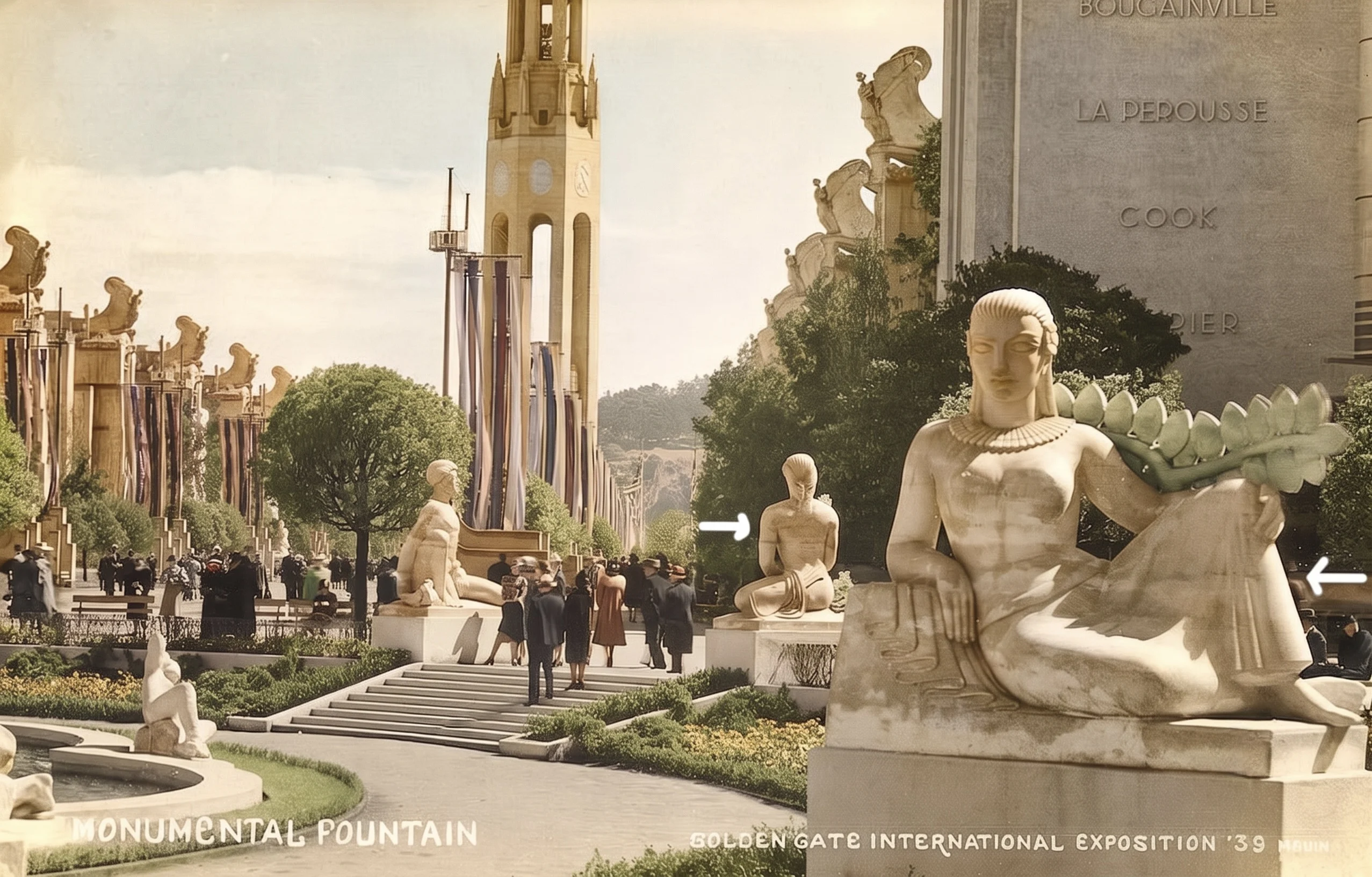
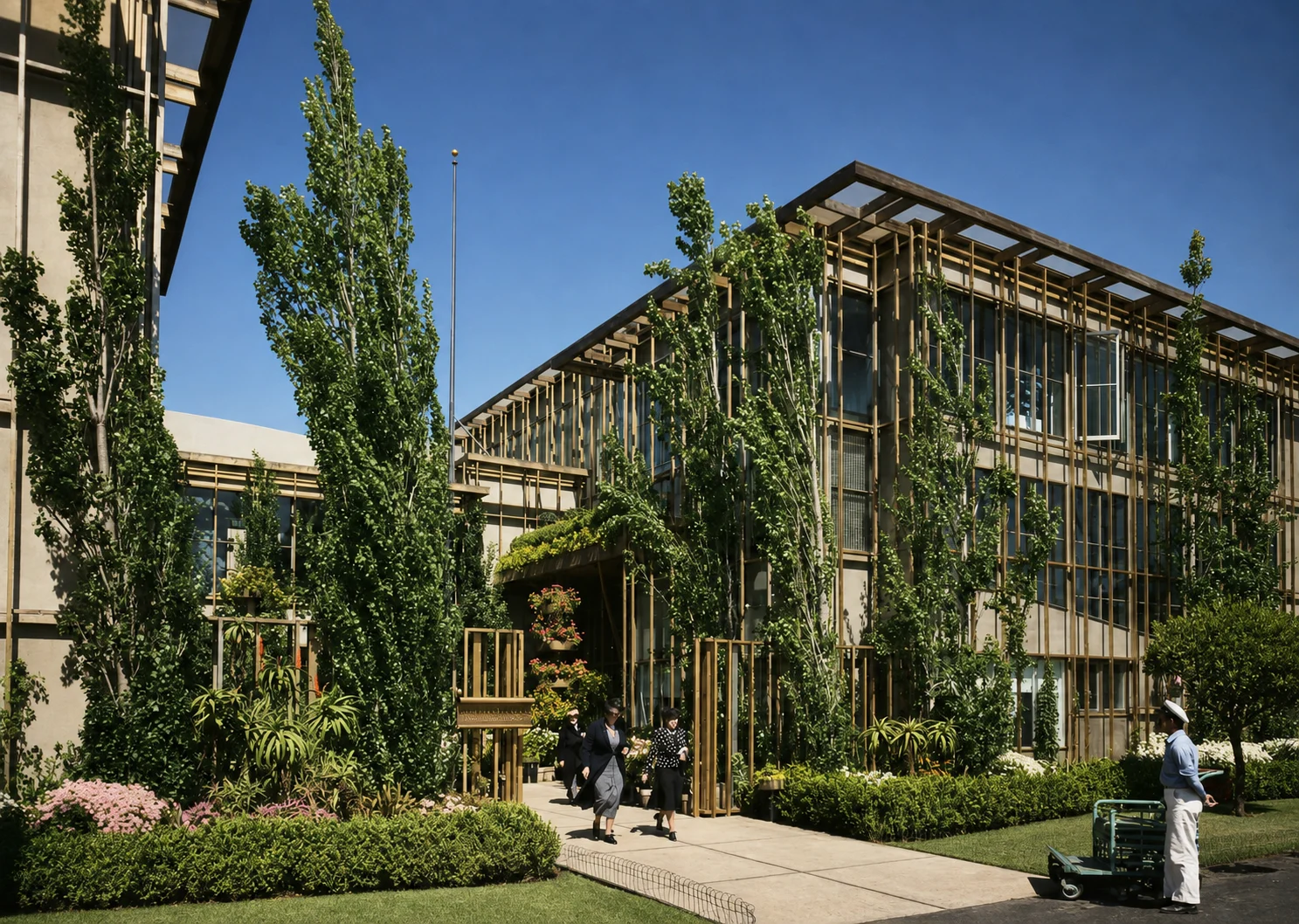
Left: Aquacade performers with Pontiac cars, Hall of Western States, 1939 Middle: Monumental Fountain postcard, Pacifica statue, Ralph Stackpole, 1939 Right: Yerba Buena Club, William Wurster, 1939
The second season gave San Francisco its best story. Timothy Pflueger had proposed putting working artists on public display, and visitors filing through the Art in Action pavilion found themselves watching Diego Rivera at work on an enormous mural in real time, brush in hand, in front of a crowd that grew a little each day as word spread through the city. It was an unusual thing for a Deco-styled fair to showcase, since Rivera’s own murals owed more to social realism than to the geometric ornament rising all around him, but the fair folded it in anyway as one more demonstration that this was an age when art itself was meant to be watched happening, not simply admired once finished.
 Not every building on the island bowed to Pacifica either. Pflueger’s own Federal Building and William Wurster’s Yerba Buena Club broke from the invented style into plain, unornamented modernism, steel colonnades and glass walls with none of the applied ornament rising all around them, a reminder that even inside a single fairground the decade’s design language was never quite settled on one answer. Visitors could walk from a court dressed in gilded phoenixes and chiming metal curtains into a building that wanted none of that vocabulary at all, and the fair let both languages stand side by side rather than picking a winner.
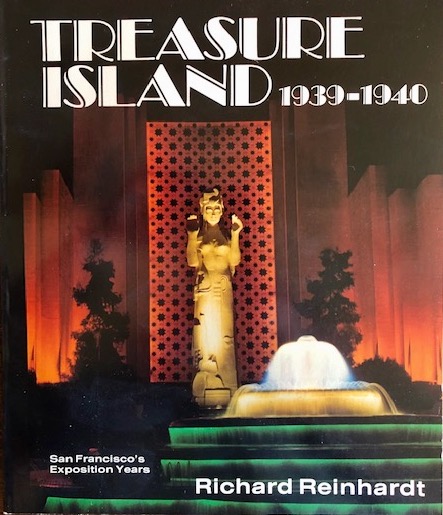
The 50th Anniversary of the 1939 Golden Gate International Exposition
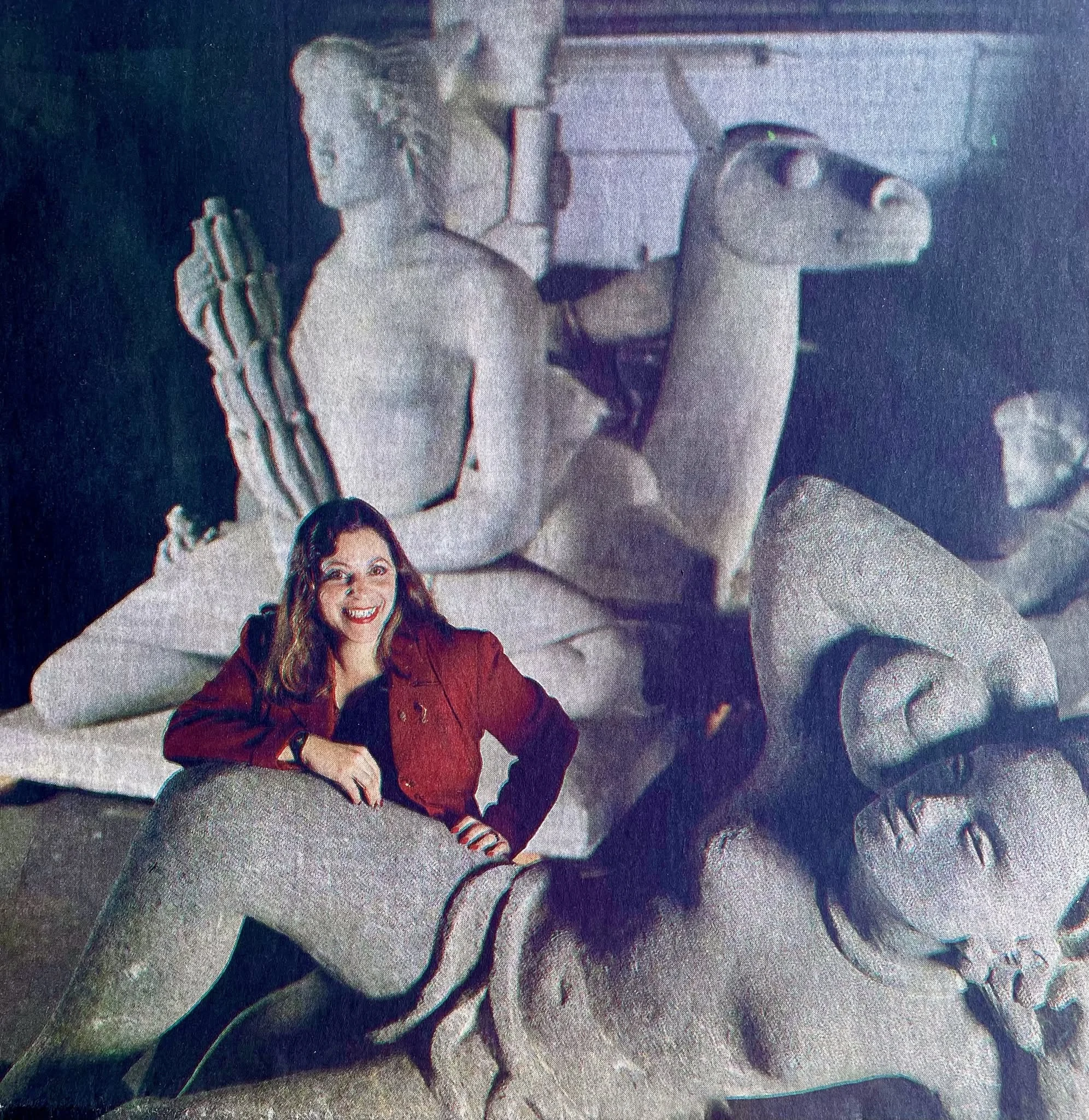
Laurie Gordon produced a spectacular three day celebration on Treasure Island honoring the 50th anniversary of the 1939 Golden Gate International Exposition. Originally planned for October 1989, the event was postponed by the Loma Prieta earthquake and finally took place from February 23 through 25, 1990. The festivities included a champagne reception and museum gallery opening, a grand gala ball, vintage automobiles, historic films and memorabilia, live jazz, a tribute to the Aquacade, and a fashion show featuring the newly formed Decobelles. With honored guests including Esther Williams, Zoe Dell Lantis Nutter, and Herb Caen, the weekend brought together people who remembered the original fair and a new generation eager to experience its magic. Treasure Island Museum and Treasure Island Community History Wall
Other Fairs Around the World
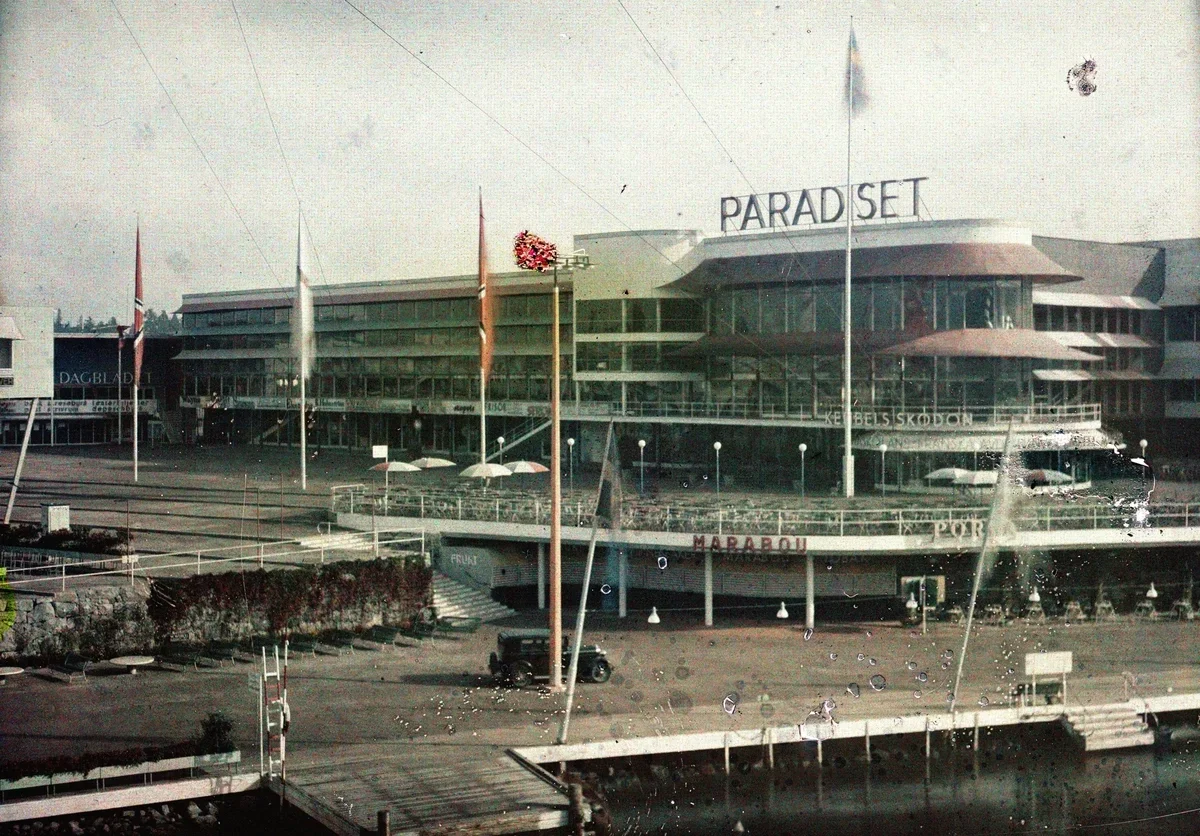
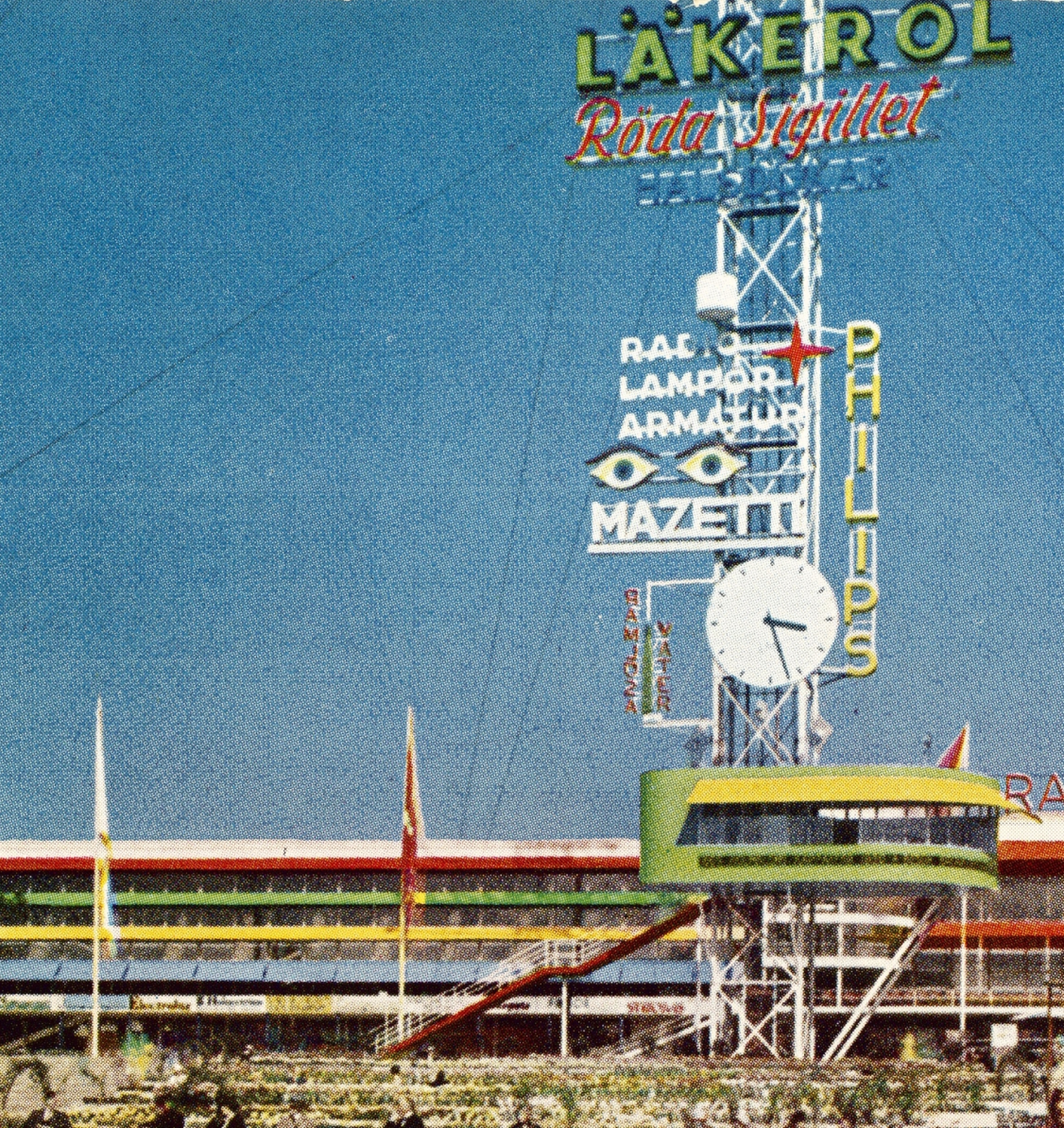
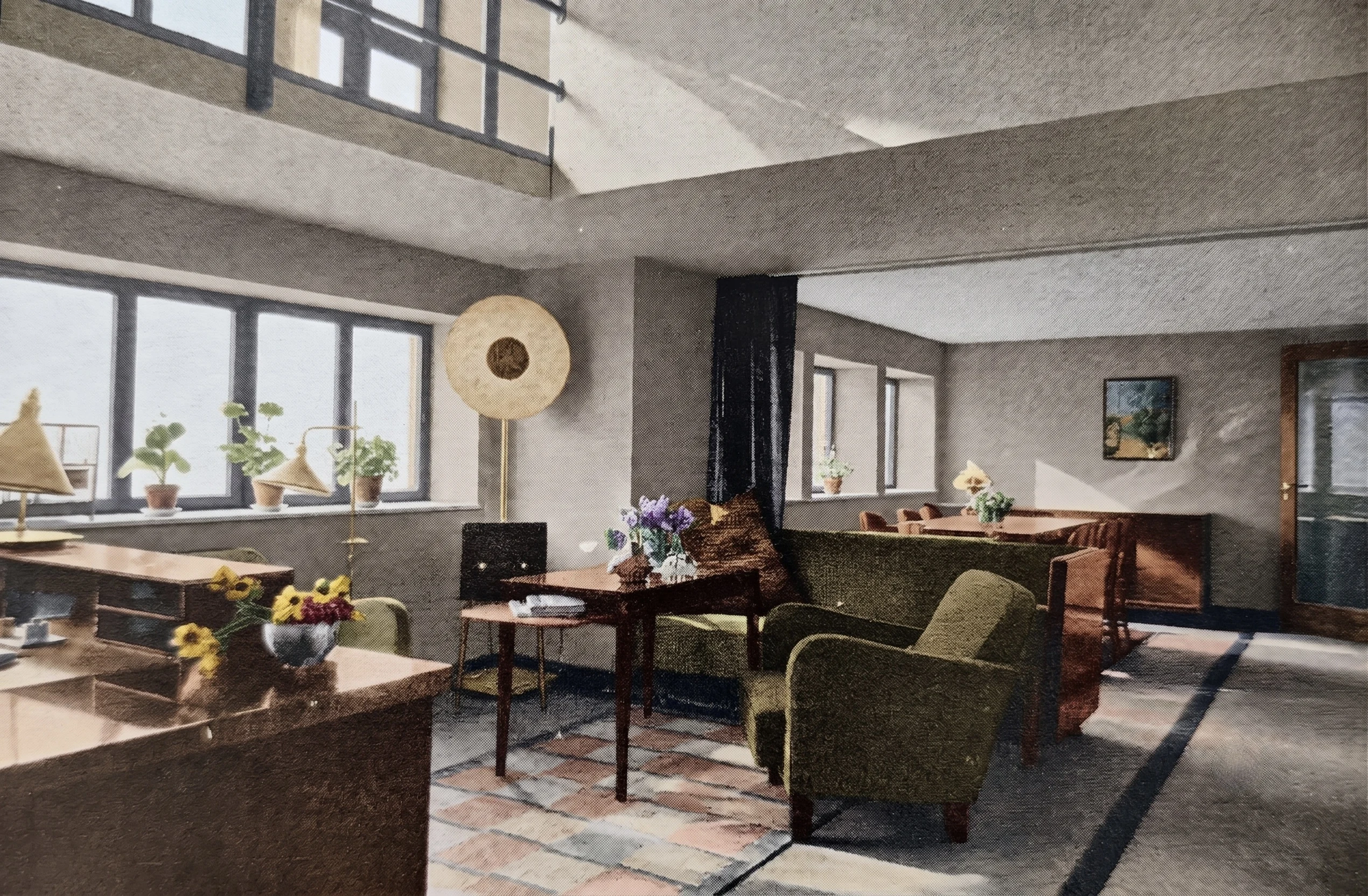
Left: Paradiset restaurant, Gunnar Asplund, Stockholm, 1930 Middle: Advertising Mast, Sigurd Lewerentz, Stockholm, 1930 Right: Functionalist model interior, Stockholm, 1930
Chicago, New York, and San Francisco drew the loudest attention, but the decade’s other fairs, in Sweden, France, and a scattering of American and European cities, show how differently individual countries and cultures picked up the same visual language, and the same promise of a better world ahead, and made both their own. Stockholm opened the decade with something that looked, at first glance, like a rejection of everything Deco stood for. Where Chicago and New York would reach for bold ornament and applied geometry, Gunnar Asplund and Sigurd Lewerentz stripped their pavilions down to exposed steel frames and sheets of glass, all light and air and almost no decoration at all.
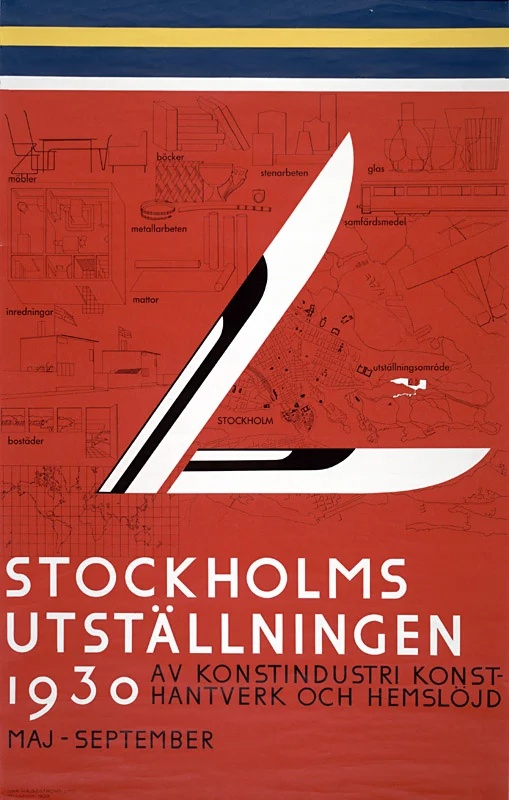 Visitors walked straight through the front doors of fully furnished model apartments, sat in the chairs, opened the kitchen cabinets, and imagined their own families living inside rooms flooded with light from windows far larger than anything in a typical Swedish home. Heavy carved furniture gave way to simple, mass-producible chairs and daybeds instead. It can be tempting to read Stockholm as standing outside the Deco story, but the fair belongs in it precisely because of what it pushed against: this was the moment the same machine-age spirit driving Deco elsewhere split into two paths, one that kept the ornament and one that stripped it away, both reaching for the same optimistic, better-designed future. Among the visitors that year was a Danish teenager named Jørn Utzon, who later said the fair set the course of his life; he grew up to design the Sydney Opera House, a building whose sculptural curves owe at least as much to Stockholm’s stripped-down clarity as to anything more ornamental.
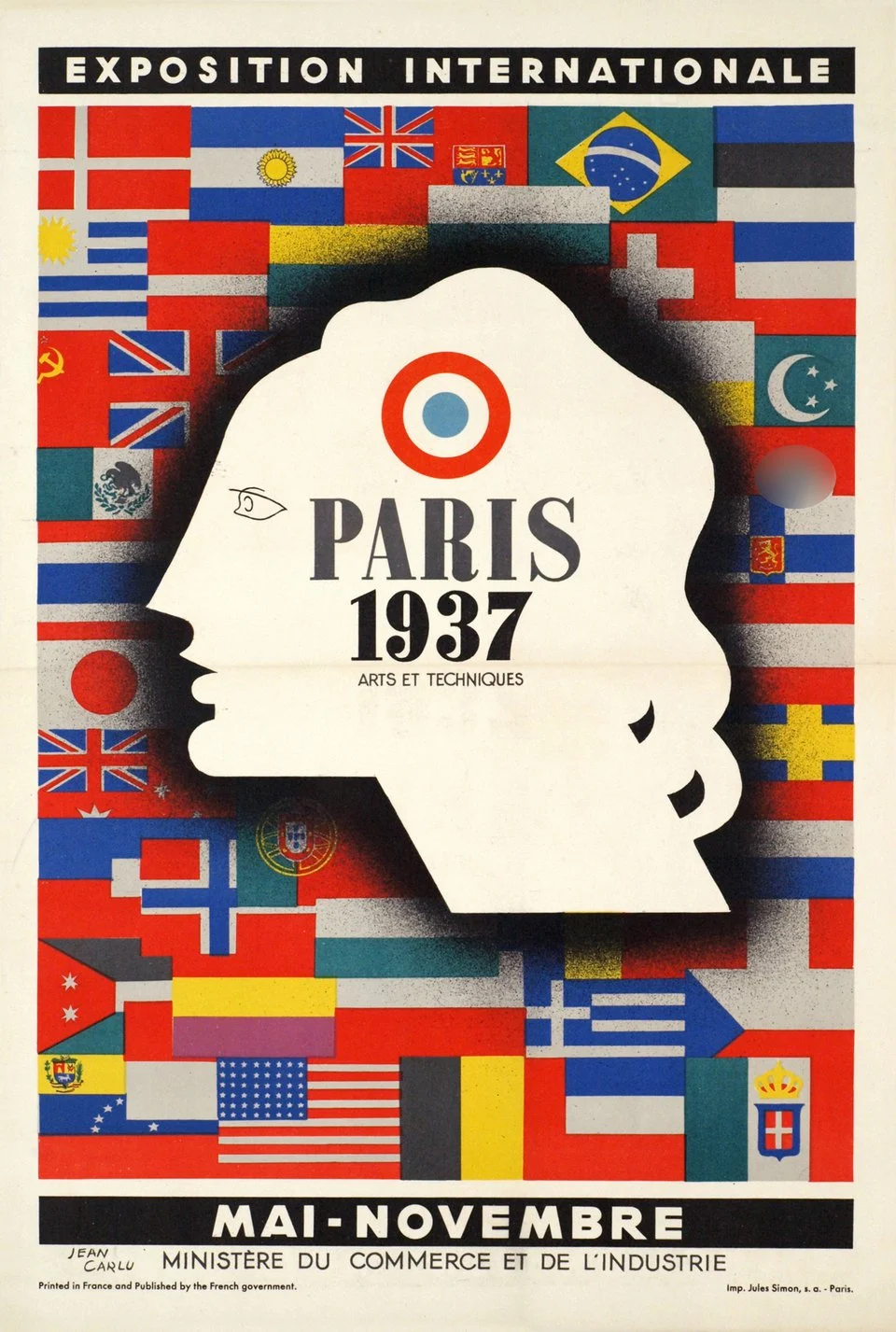
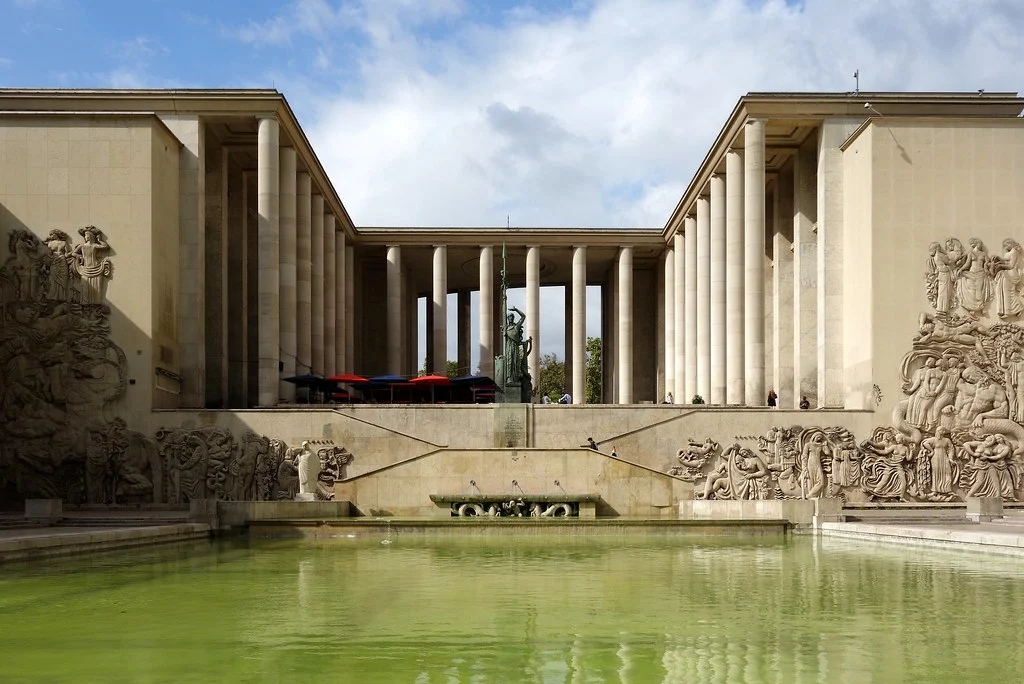
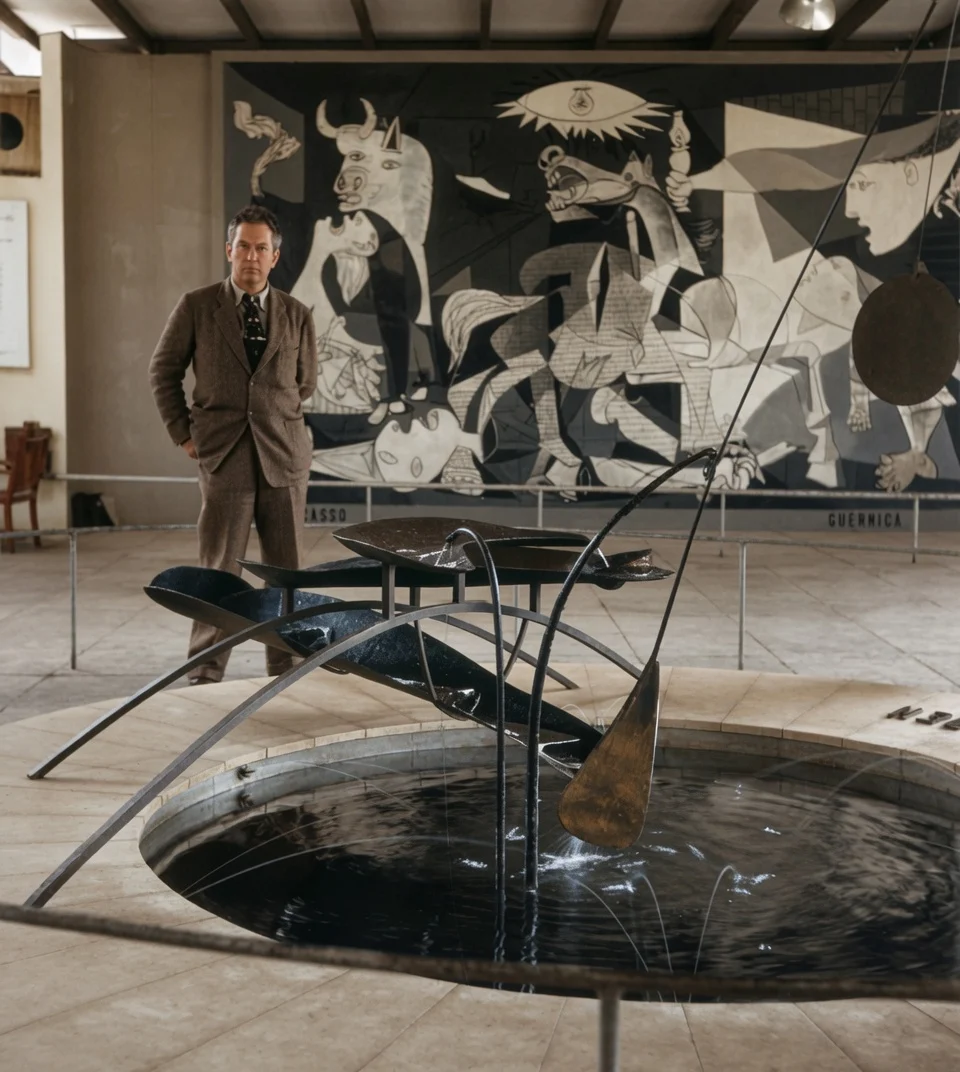
Left: Arts et Techniques poster, Jean Carlu, 1937 Middle: Palais de Tokyo, Paris, 1937 Right: Mercury Fountain, Alexander Calder, Paris, 1937
Paris in 1937 gave visitors one of the great spectacles of the decade after dark, when floodlights swept the grounds, colored beams turned slowly around a newly relit Eiffel Tower, illuminated fountains threw water into the air, and fireworks lit the Seine almost nightly. The whole riverfront was staged as a single choreographed display of exactly the light and color that had defined Deco fairs since Chicago. Inside the Grand Palais, Raoul Dufy covered an entire wall with a mural in praise of electricity itself, a sweeping, brightly colored celebration of the very modern current that lit the rest of the fairground after dark.
 But the fair’s most devastating moment waited inside a small, unassuming pavilion built by a government fighting for its life. Weeks before the fair opened, warplanes had destroyed the Basque town of Guernica, and Pablo Picasso, who had been struggling for months to find something worth painting for Spain’s pavilion, read the first reports in a Paris newspaper and began work almost immediately, painting at a furious pace for roughly a month until the final canvas took shape entirely in grays, blacks and whites, as though rendered straight from the newsprint photographs that first brought him the news.
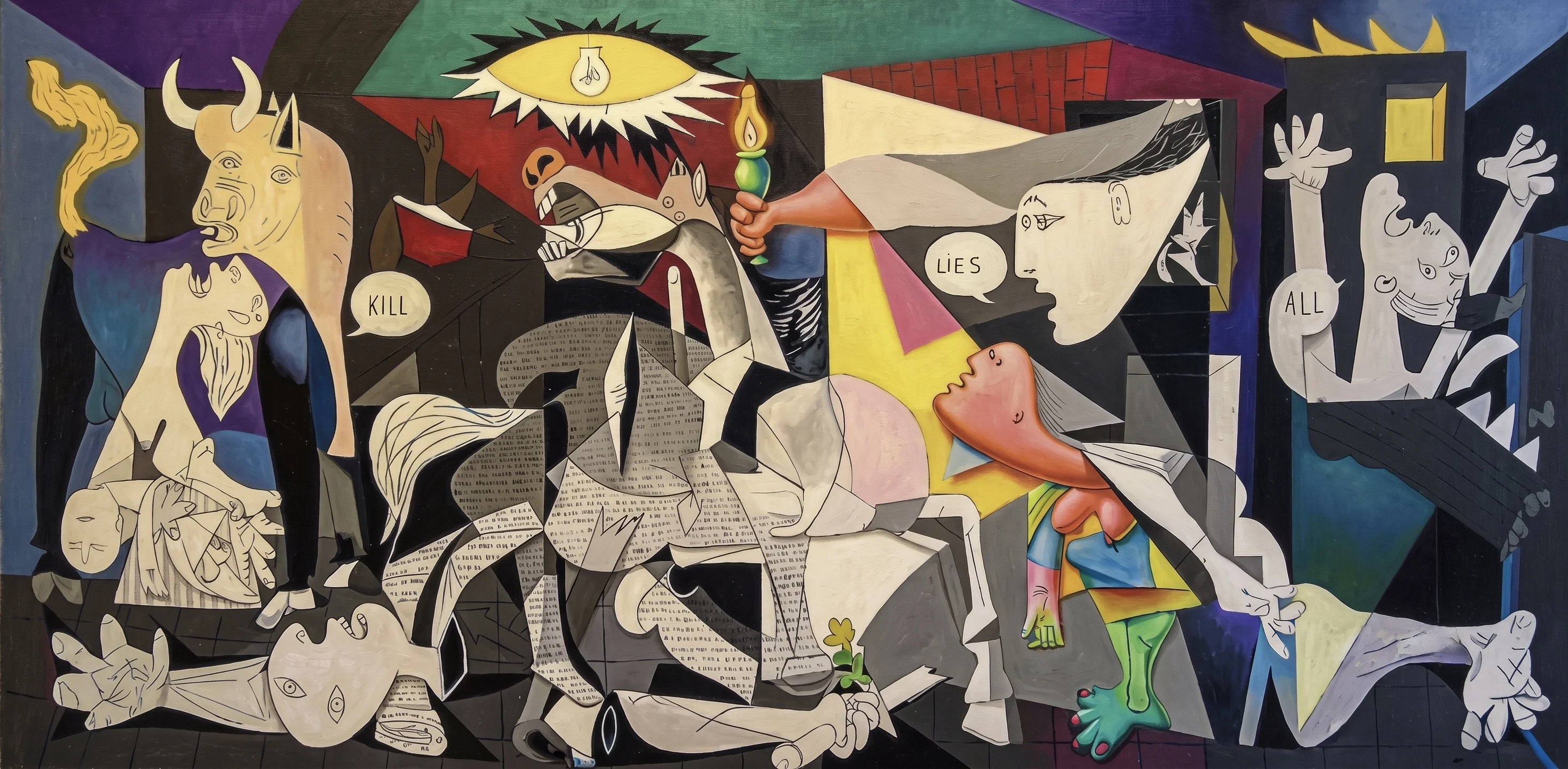
Guernica, Pablo Picasso, 1937
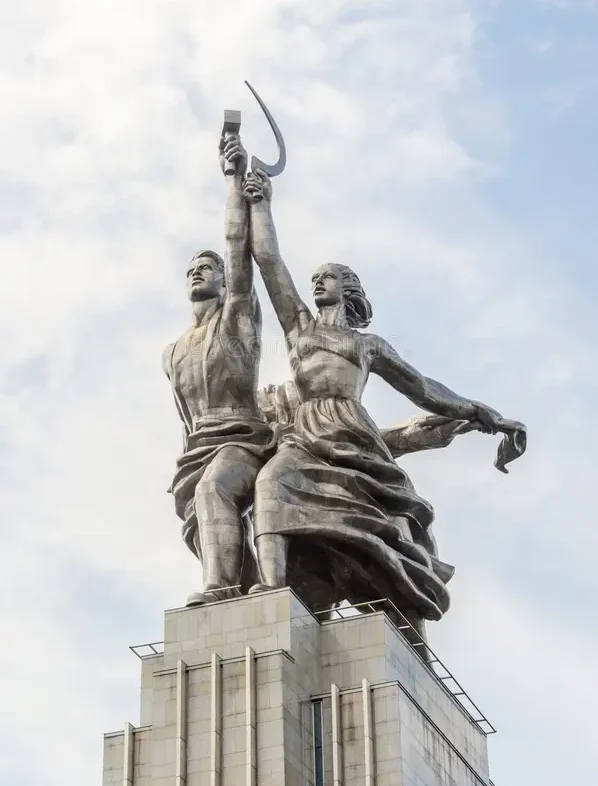
Set against everything else at the fair, gleaming pavilions promising progress through color and geometry, Picasso’s stark, fractured canvas read almost as Deco’s own conscience, painted the same year and standing a few hundred yards from towers built to promise exactly the peaceful future the painting insisted was not guaranteed. Nearby, Vera Mukhina’s monumental steel figures crowned the Soviet pavilion, directly across the promenade from Germany’s own soaring pavilion, two governments rendering the same streamlined monumentality toward very different ends. Farther along, Alvar Aalto‘s Finnish pavilion offered a gentler variation on the same modern instinct, built almost entirely of pale timber rather than stone or steel, warm underfoot where the rest of the fair was cool marble and polished metal.
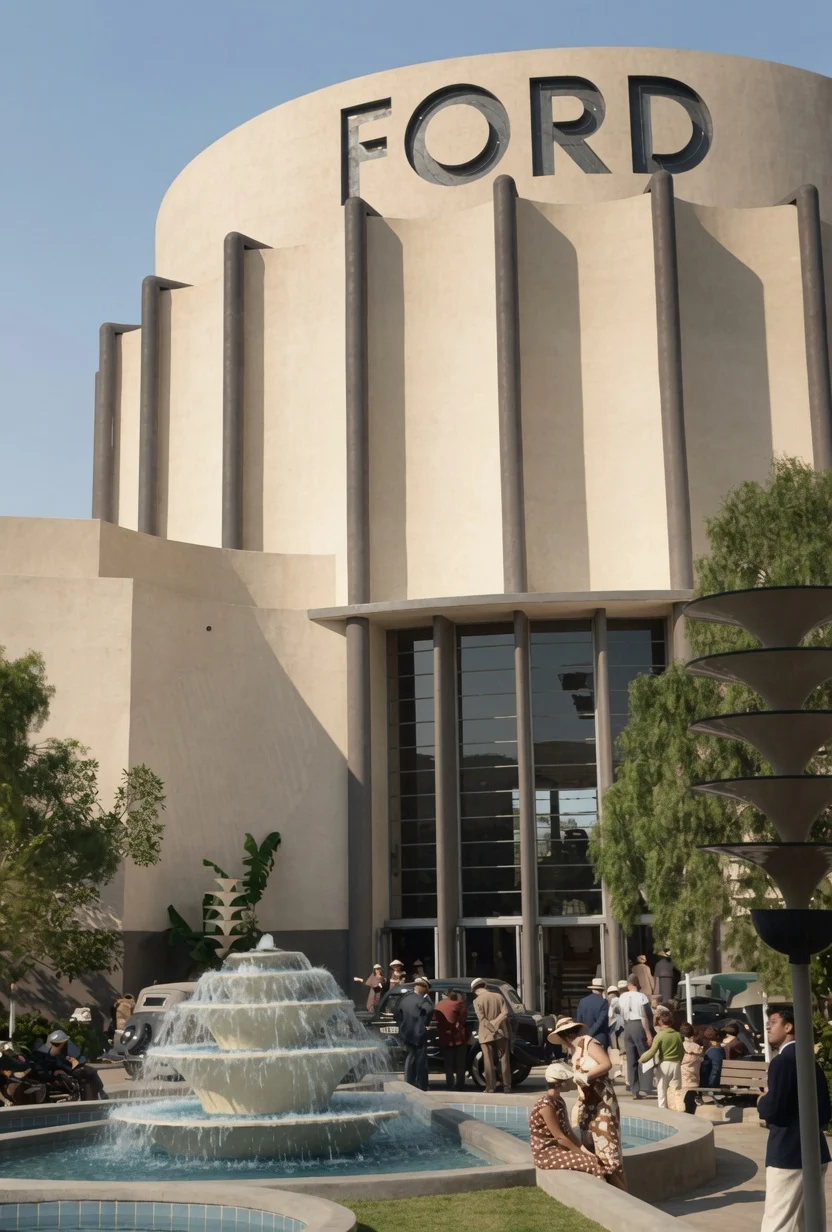
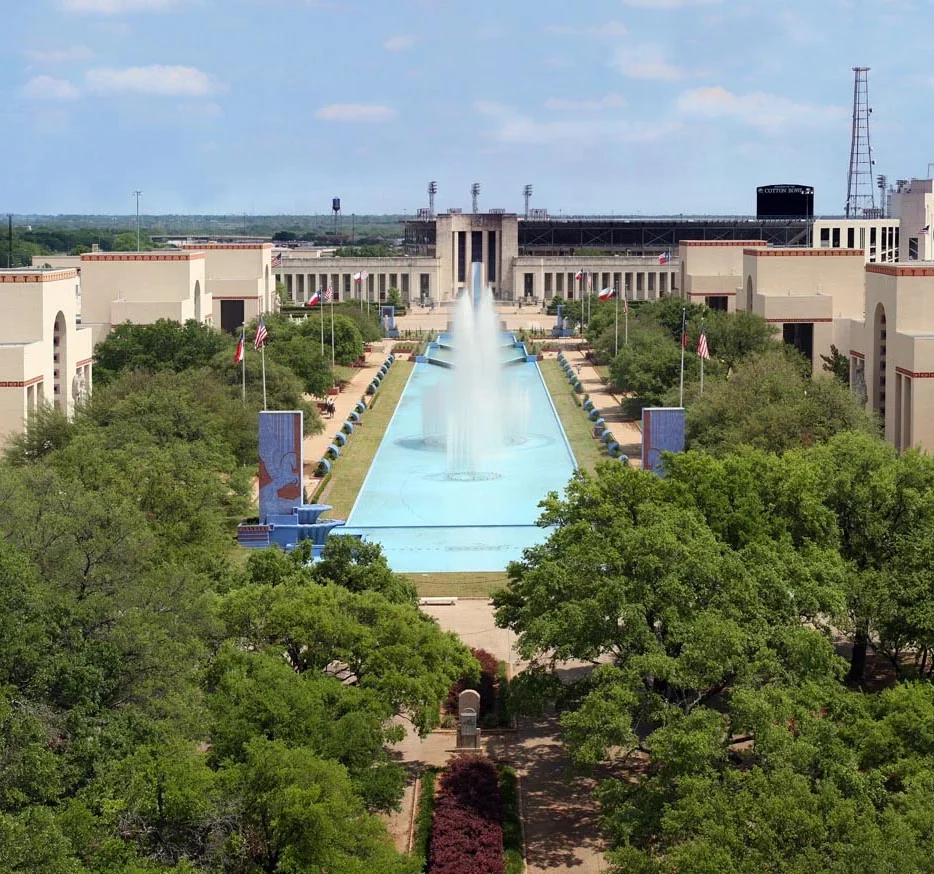
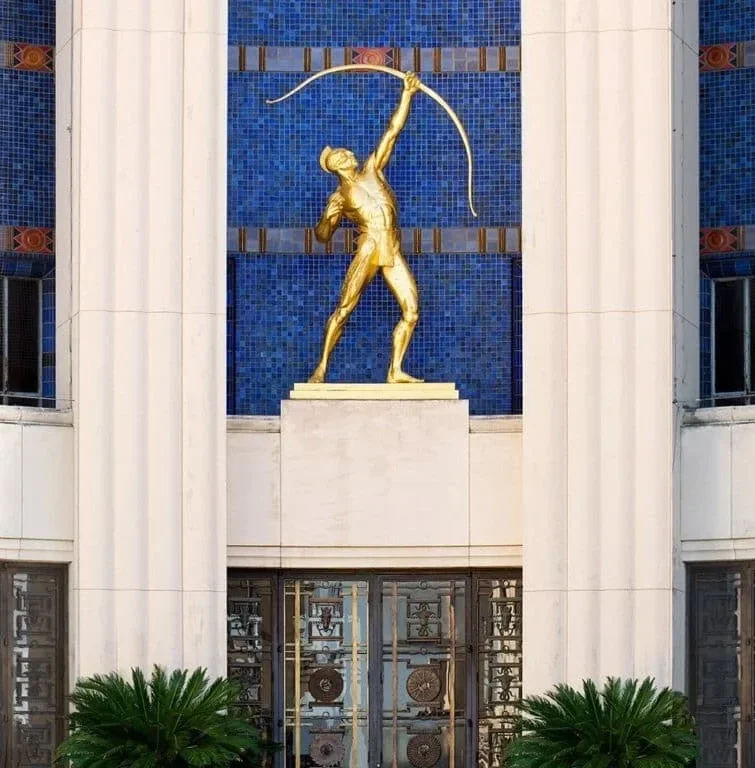
Left: Ford Building, Walter Dorwin Teague, San Diego, 1935 Middle: Esplanade and reflecting pool, Fair Park, Dallas Right: Tejas Warrior, Allie Victoria Tennant, Dallas, 1936
Cities that had watched Chicago’s success from a distance tried the formula for themselves. San Diego reopened its park in 1935 dressed in new Streamline Moderne buildings, among them a low white drum for Ford, designed by Walter Dorwin Teague, its rounded corners and horizontal banding borrowed straight from the same aerodynamic language Union Pacific had brought to Chicago two years earlier. Dallas staged the real spectacle. Architect George Dahl remade the old fairgrounds into a coordinated Art Deco city in barely eight months, more than fifty buildings finished in smooth pumpkin-colored stucco and ranged along a quarter-mile esplanade of reflecting pools and murals.
 Each evening, colored searchlights swept above the grounds and were said to be visible for fifty miles, while carefully aimed floodlights picked out the murals along the porticoes so the whole esplanade seemed to glow from within after dark. At the head of it stood the Hall of State, its entrance niche filled by a gilded bronze warrior standing taut against limestone walls, still considered one of the finest architect-and-sculptor collaborations the decade produced anywhere. Roughly sixty percent of what Dahl built still stands today, which makes Fair Park the most complete collection of world’s fair Art Deco left anywhere on earth, a place where a visitor can still walk the actual esplanade rather than study it only in old postcards.
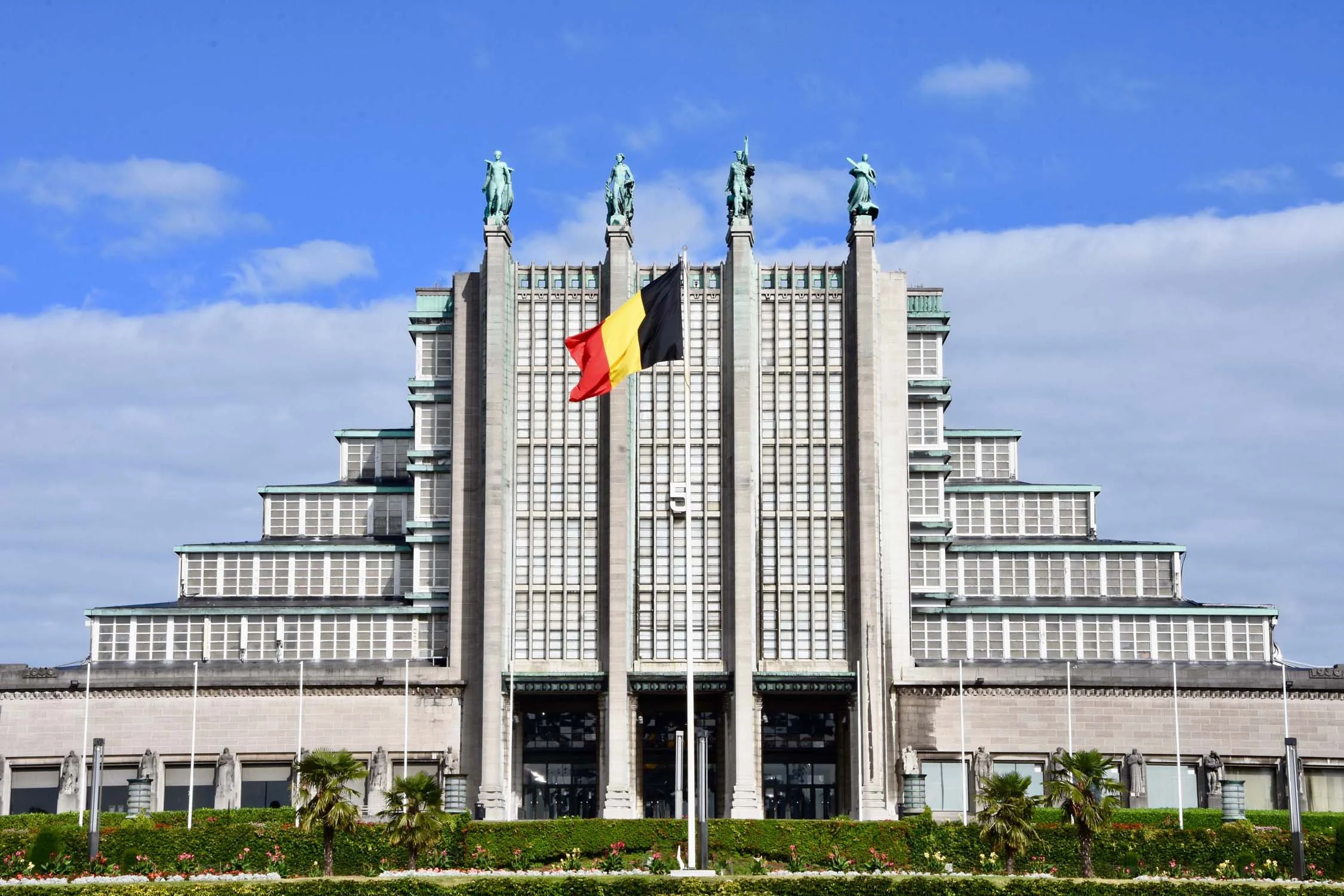
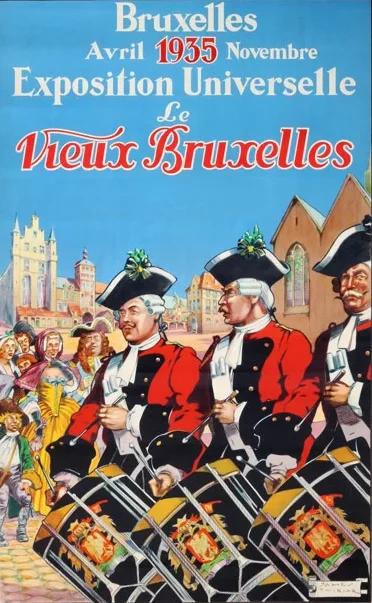
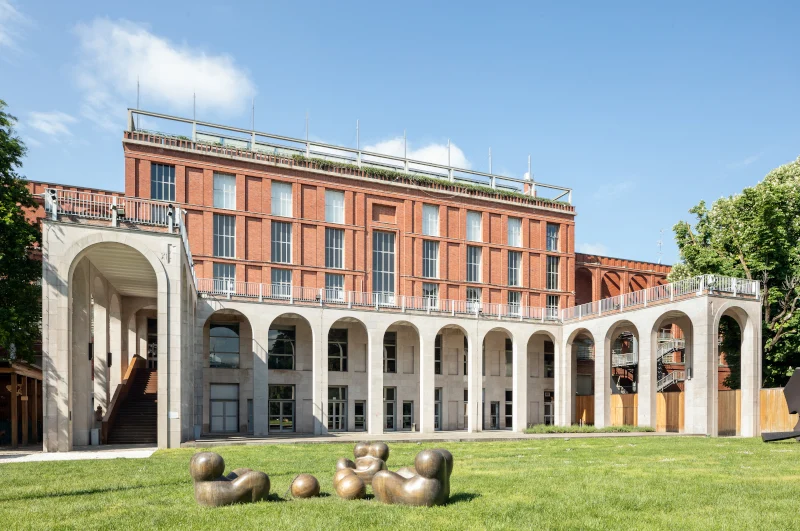
Left: Centenary Palace, Joseph Van Neck, Brussels, 1935, Middle: Vieux Bruxelles poster, James Thiriar, 1935, Right: Palazzo dell’Arte, Giovanni Muzio, Milan, 1933
Brussels gave its 1935 fair a genuine feat of engineering wrapped in Deco dress, a hall whose bare concrete arches spanned wider without interior columns than any roof yet built in the country, its facade finished in bronze figures and crisp geometric relief that visitors could trace with a hand as they walked beneath it, structure and ornament fused into a single gesture the way the style’s best buildings always managed. Beside the modern halls, the fair rebuilt a full medieval quarter with actors in period costume wandering the lanes, a reminder that even a fair built to sell the future still knew how to stage the past for visitors who wanted a break from the geometry.
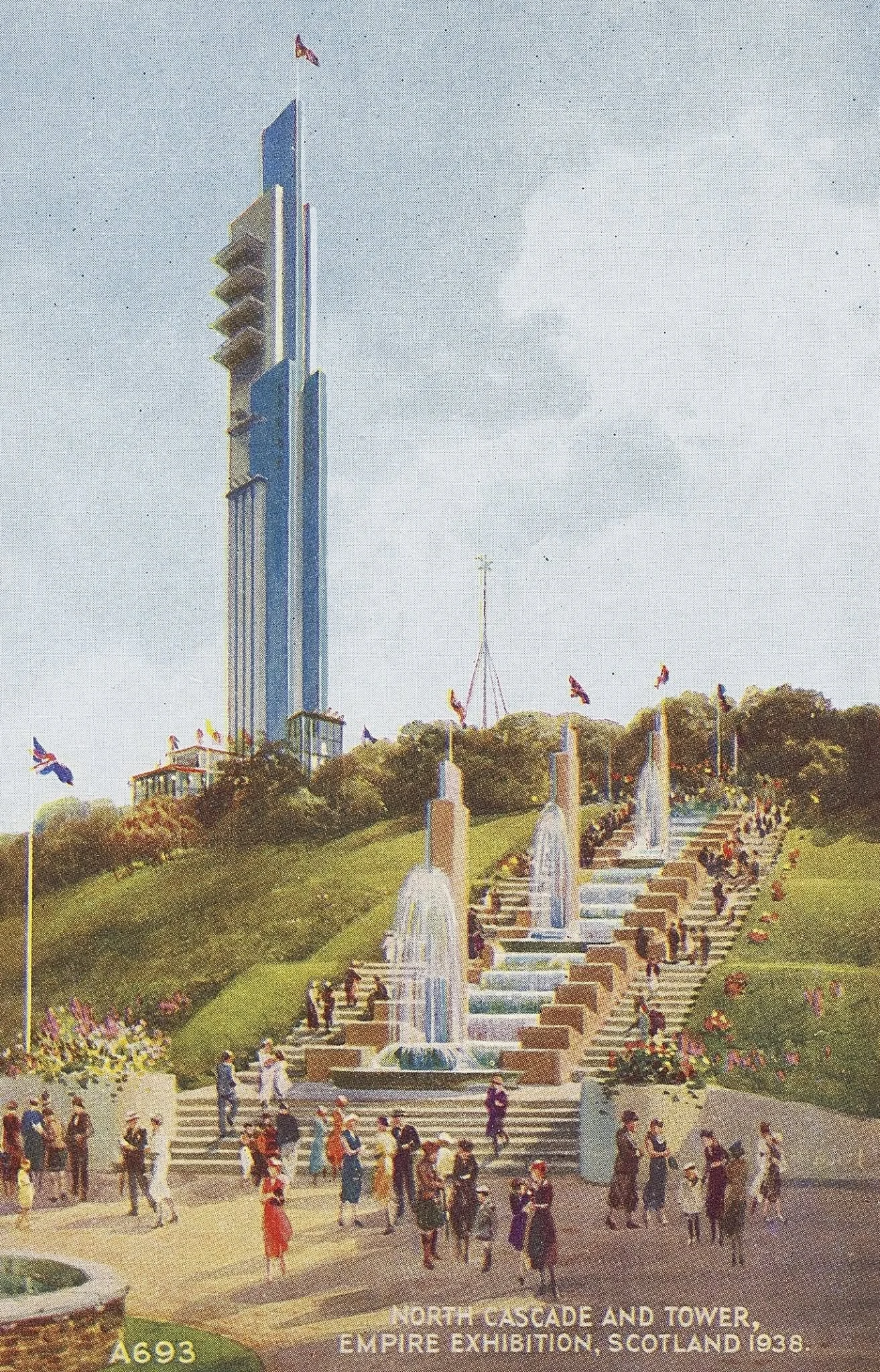 Milan folded its influential design triennial into a slender new steel-towered hall that still shapes Italian design today, a clean modern block in the same pared-back, unornamented strand of the style Stockholm had introduced five years earlier. Glasgow closed the European run in 1938 beneath a three-hundred-foot Art Deco pylon, a genuine skyward gesture in riveted steel that could be seen a hundred miles off on a clear day and was voted, decades later, the most missed lost structure of the entire era, proof that even a fair remembered today mostly as a footnote could still produce a piece of design people never stopped wishing had survived.
The Legacy of the Decade
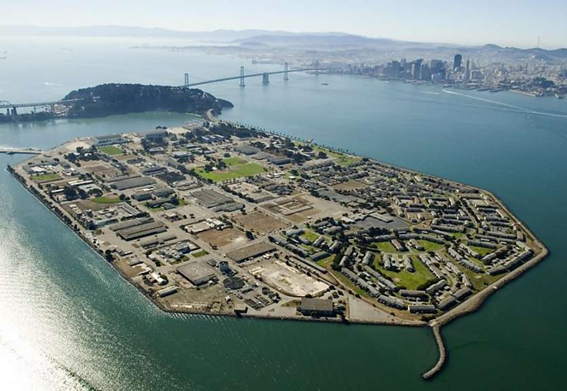
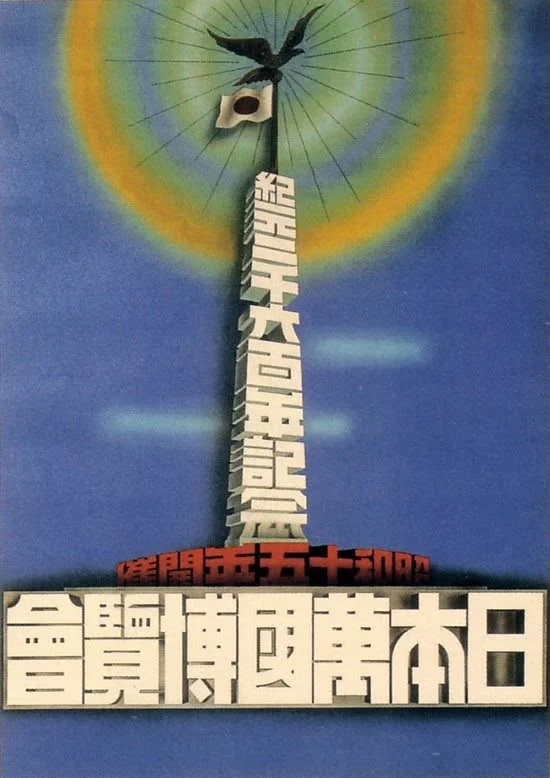
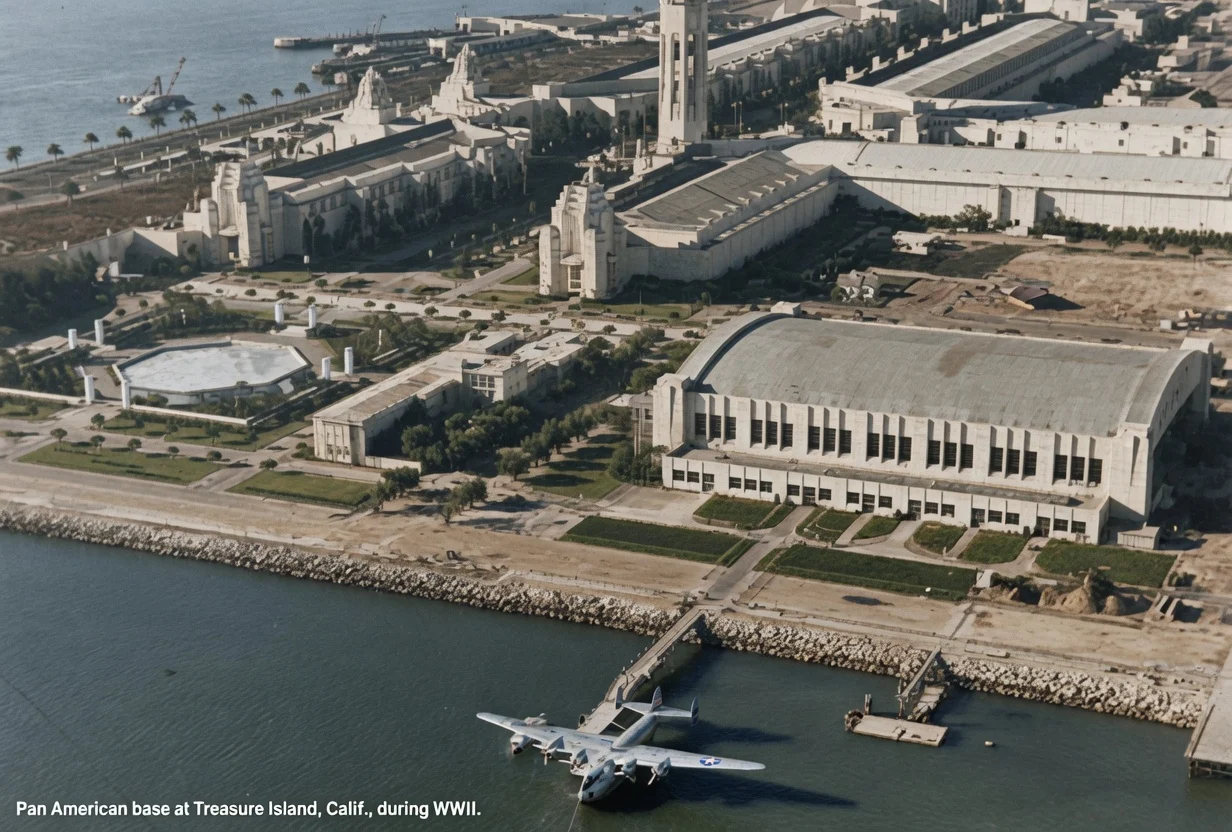
Left: Aerial view, Treasure Island, San Francisco Bay Middle: Grand International Exposition poster, Tokyo, 1940 Right: Pan American Airways base, Treasure Island, wartime
Every one of these fairs was built to disappear, and nearly all of them did, but what proved harder to dismantle was the visual language they had spent the decade rehearsing, and the promise that went with it, that good design could hand people a more peaceful, more prosperous world. The stripped-down, streamlined shapes that filled Futurama’s model highways went on to shape the American interstate system in something close to their original form. Several companies that had built pavilions in New York went on to become the first tenants of Disneyland when it opened in the 1950s, and decades later Walt Disney’s EPCOT revived almost exactly the pairing that had made these fairs work in the first place, national showcases circling an imagined city of tomorrow. Even Tokyo’s cancelled 1940 exposition found its own small happy ending: a million tickets had already been sold and never refunded, and in 2025 a collector carried one of the old booklets to that year’s World Expo in Osaka, where he was simply let in, eighty-five years late, exactly as organizers had once promised. The buildings vanished, and the pavilions were scrapped or repainted or simply left to rot. But the style they had all been speaking in, bold color paired with clean geometry, machine-age materials pressed into service as ornament, went on to define how an entire era pictured its own optimism, long after the last fairground light went dark.

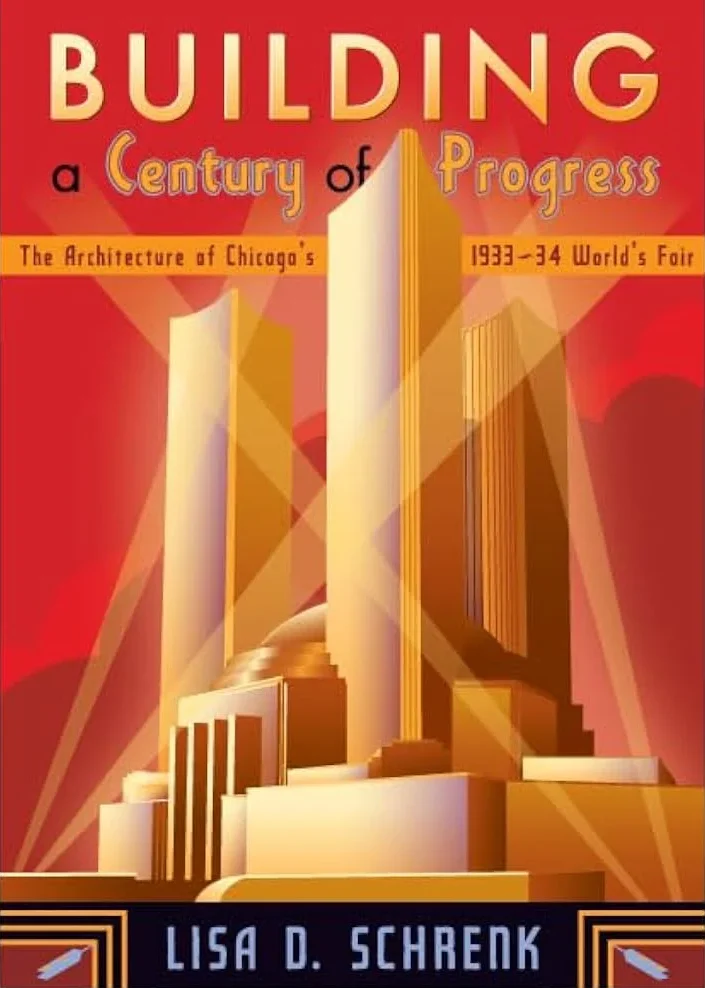
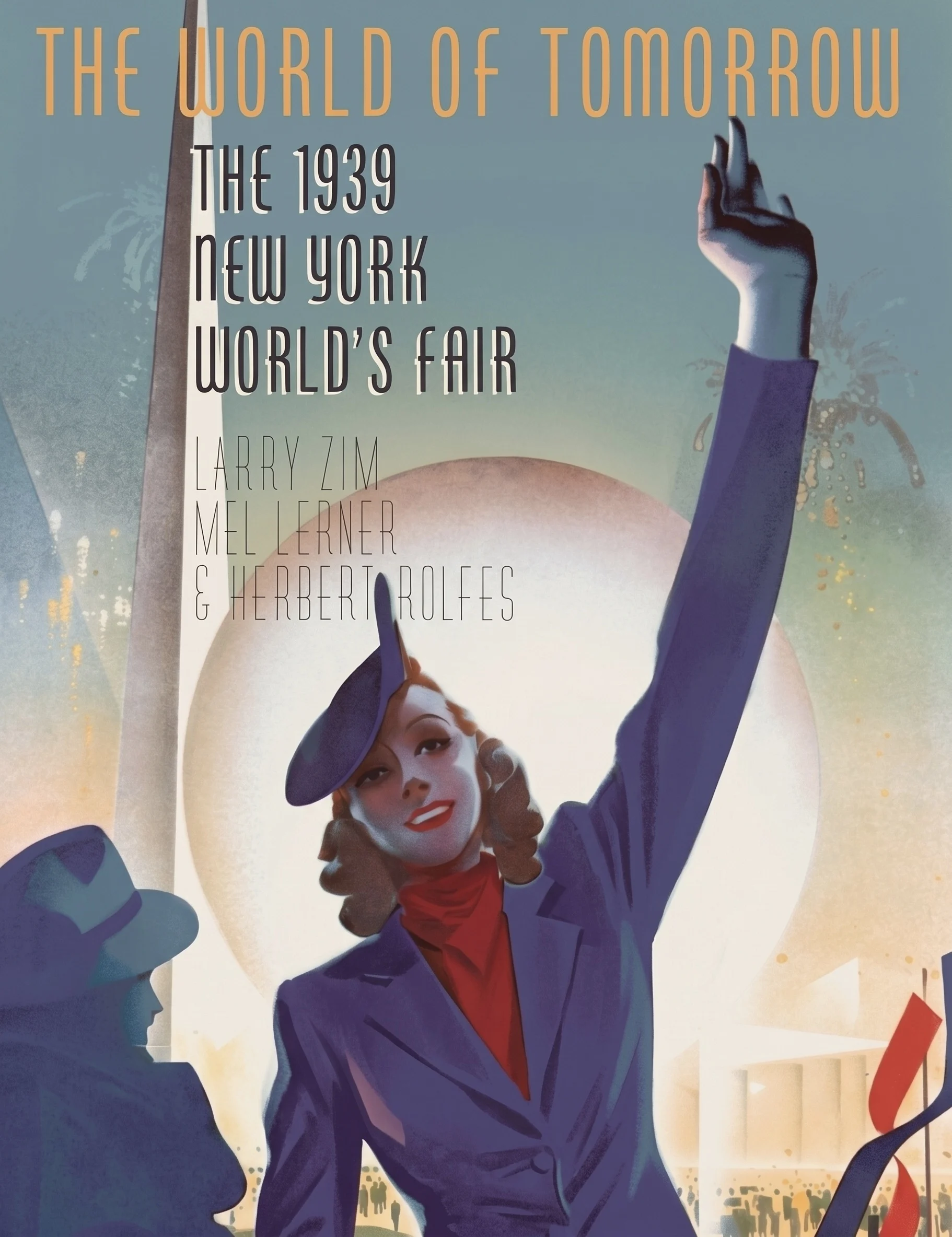
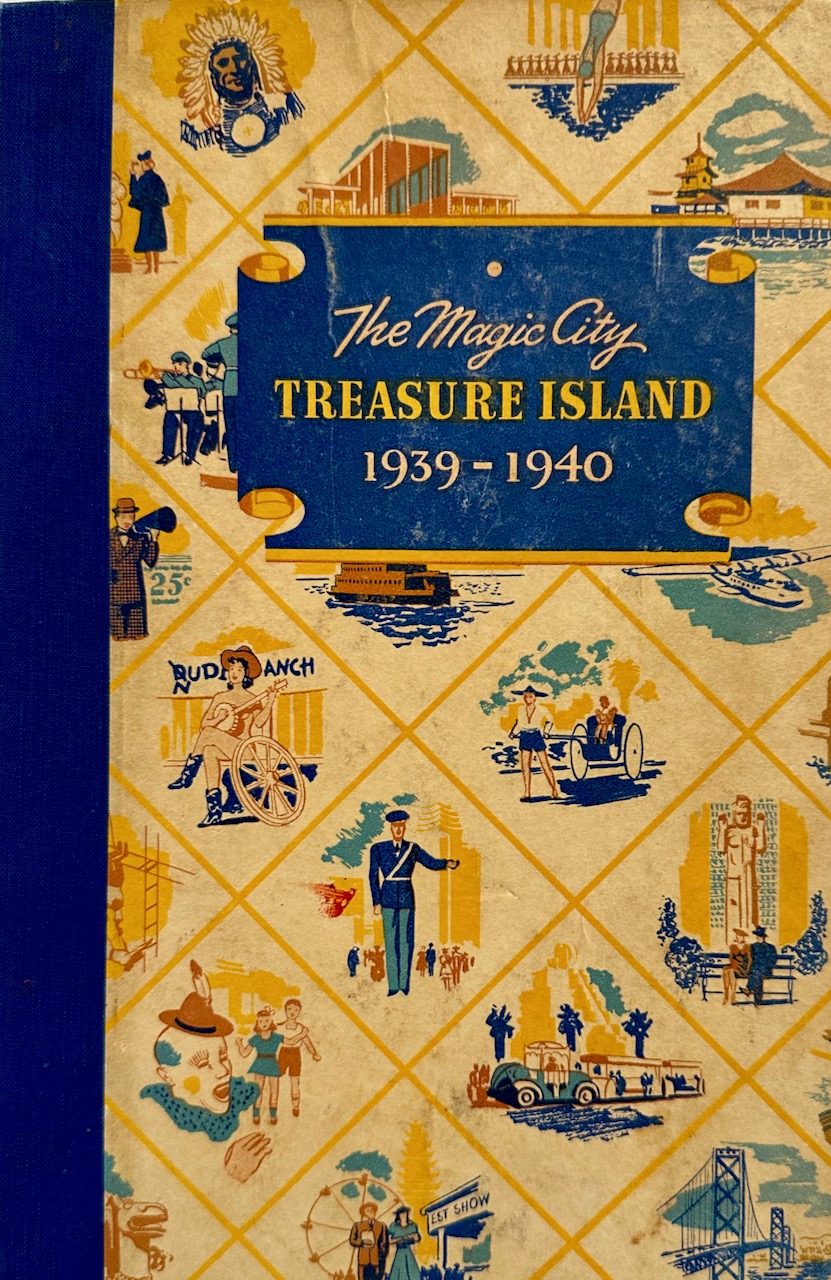
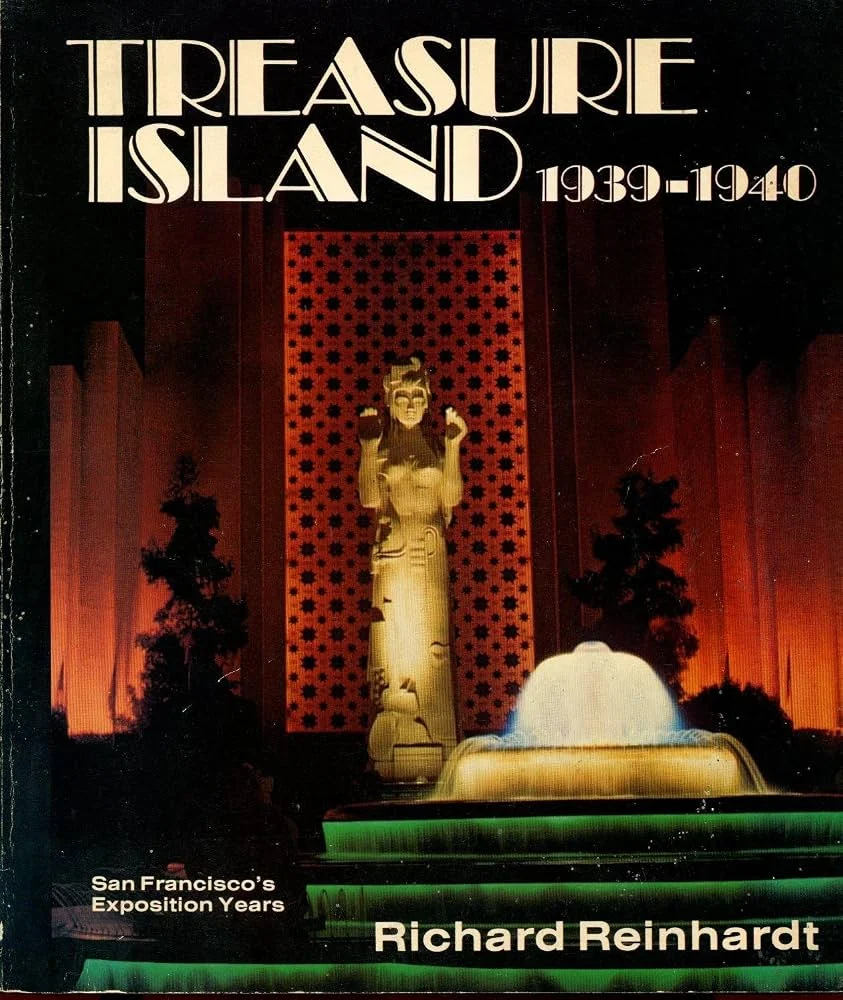
If you are interested in further stories of Art Deco design, collecting, and celebrating the artistry of early 20th Century:
Related Products from ArtDecoCollection.com
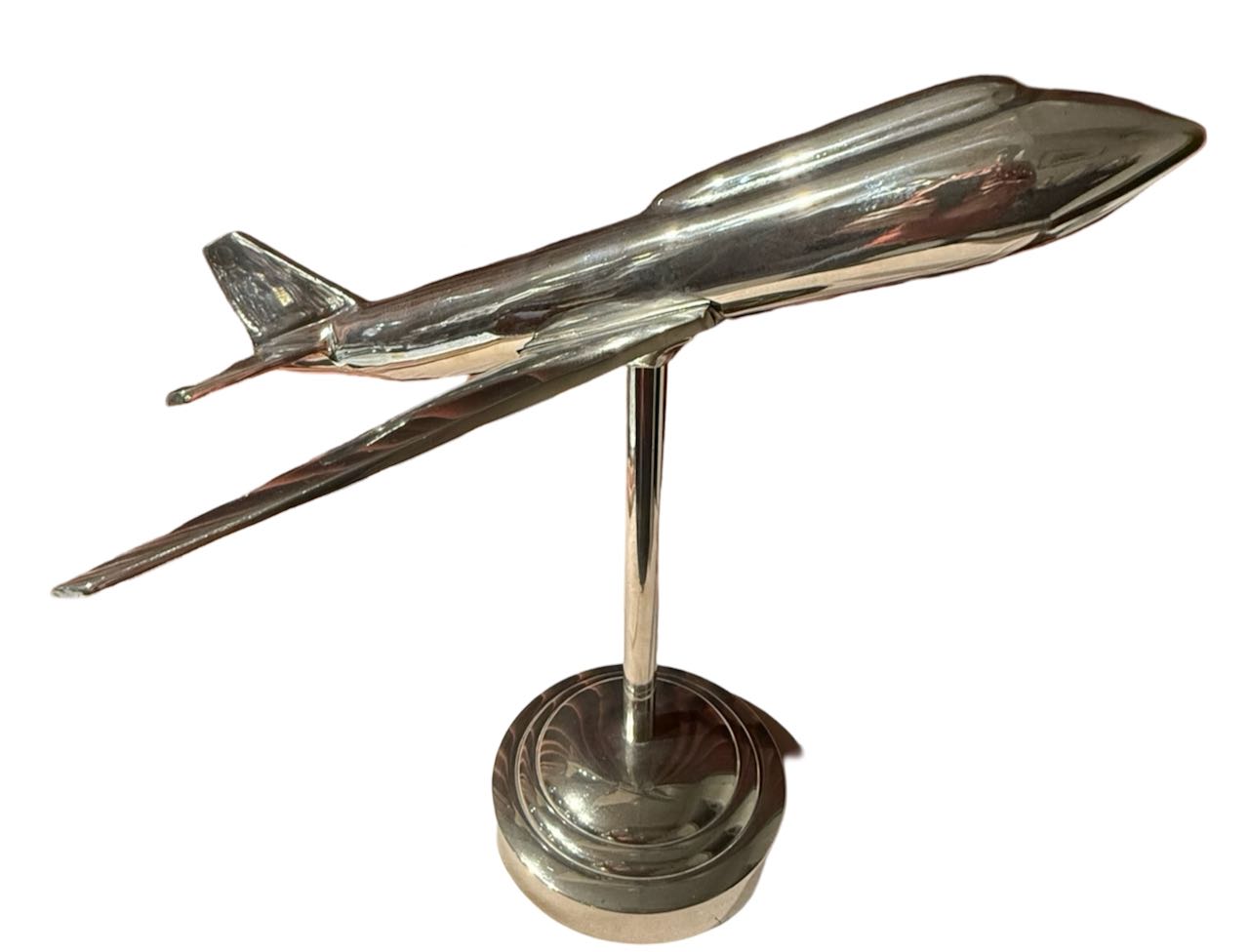
Streamlined Chrome Airplane Sculpture in the Art Deco Style
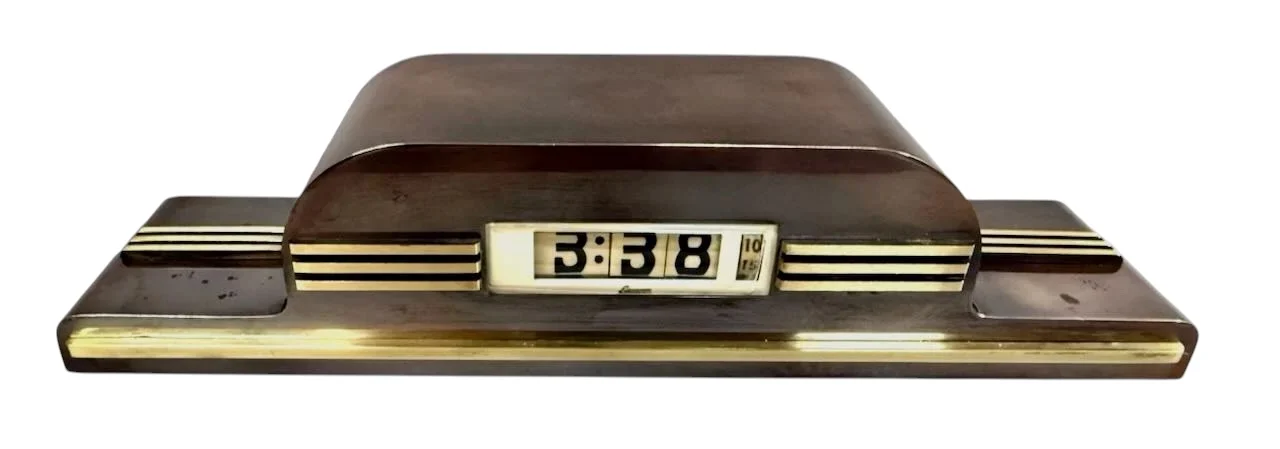
Lawson Model P40 “New Yorker” Art Deco Electric Flip Clock
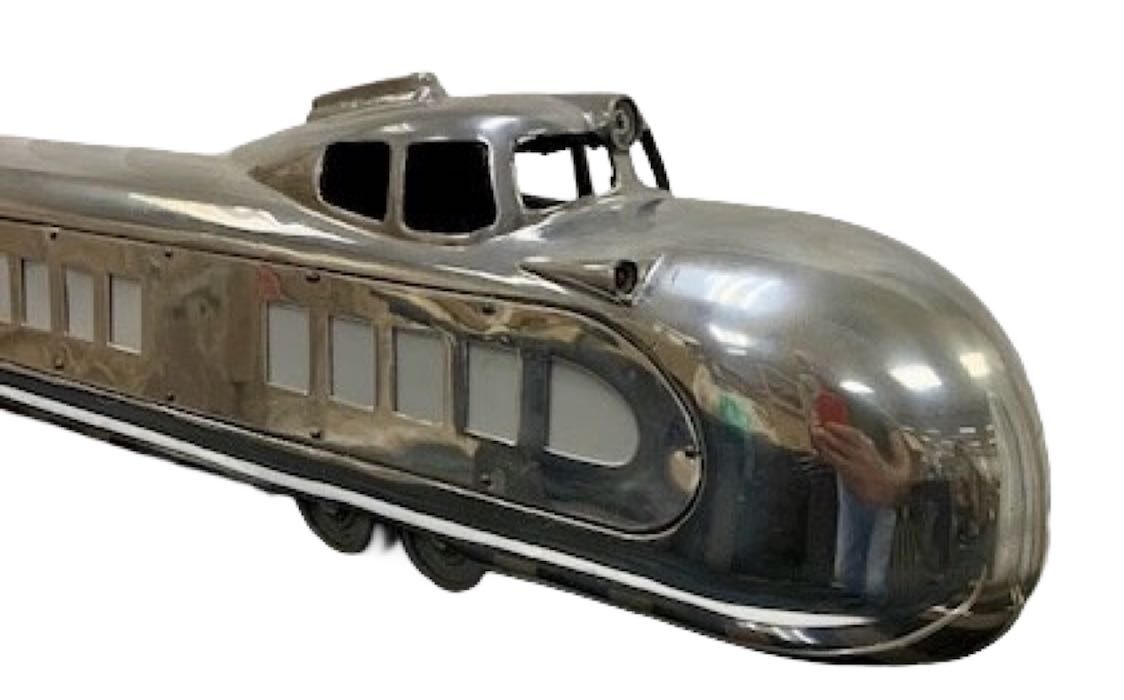
Norman Bel Geddes Streamlined Railway Train Model, ca. 1930–33 Art Deco
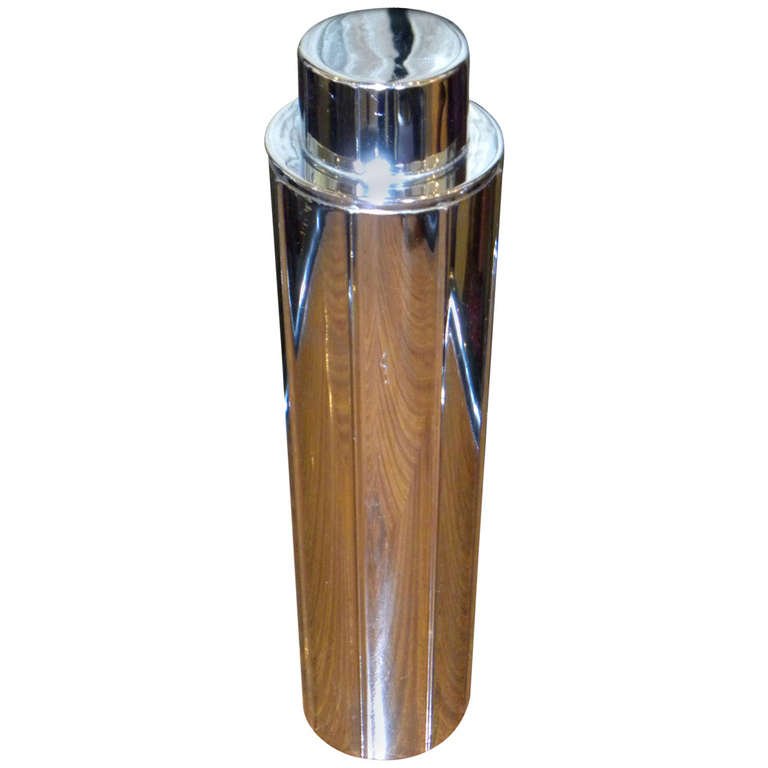
Vintage Manhattan Skyscraper Cocktail Shaker Norman Bel Geddes
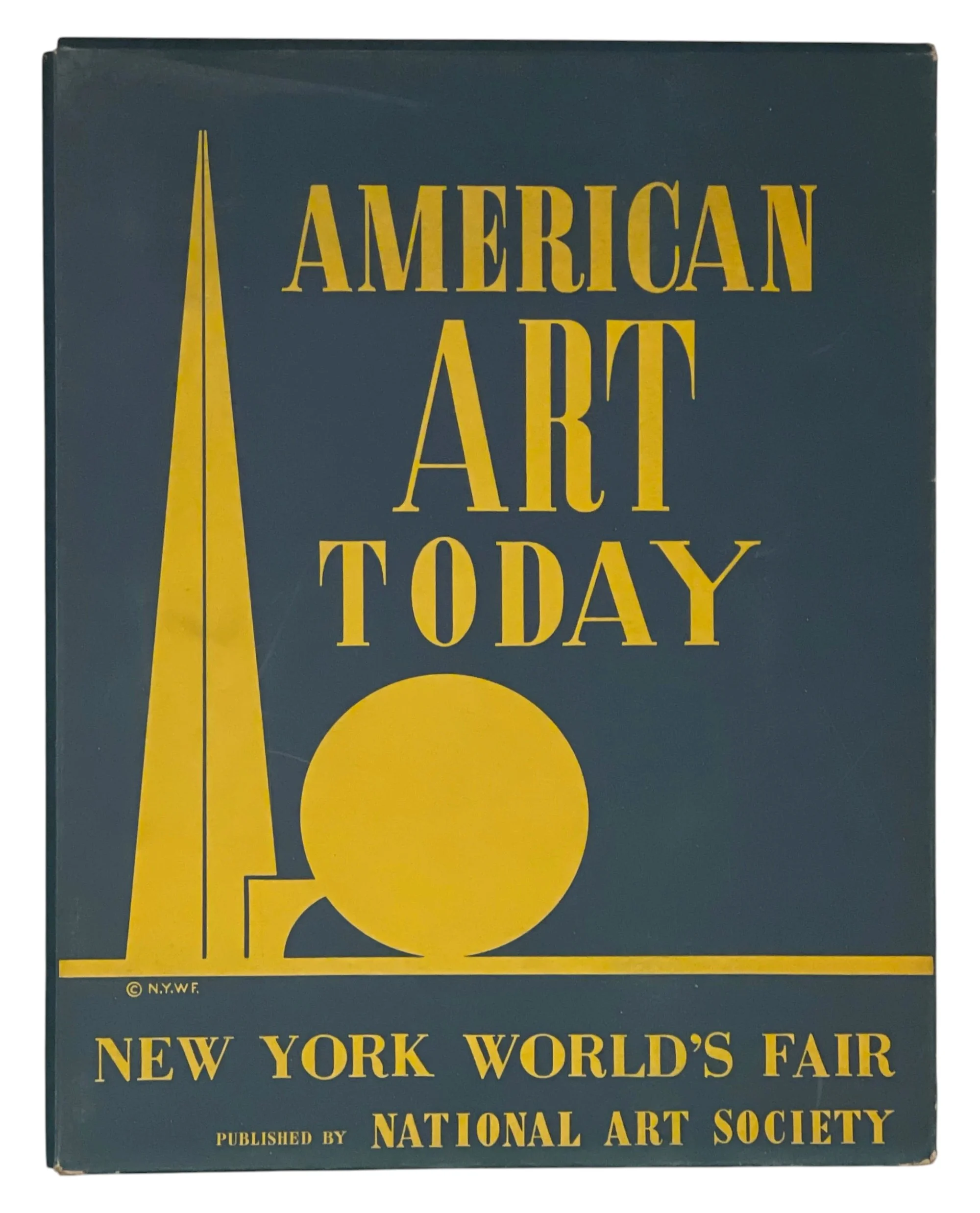
American Art Today: New York World’s Fair Portfolio
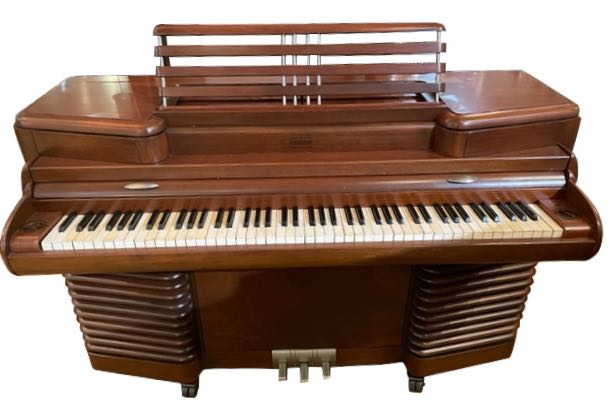
1939 Story & Clark RCA Storytone Art Deco Electric Piano and Bench
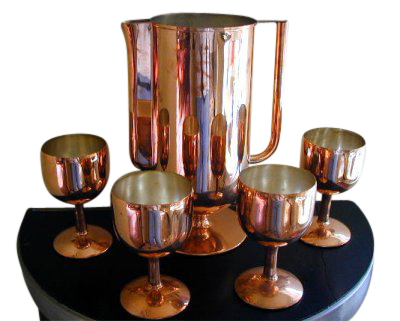
Norman Bel Geddes Art Deco Pitcher and Glasses
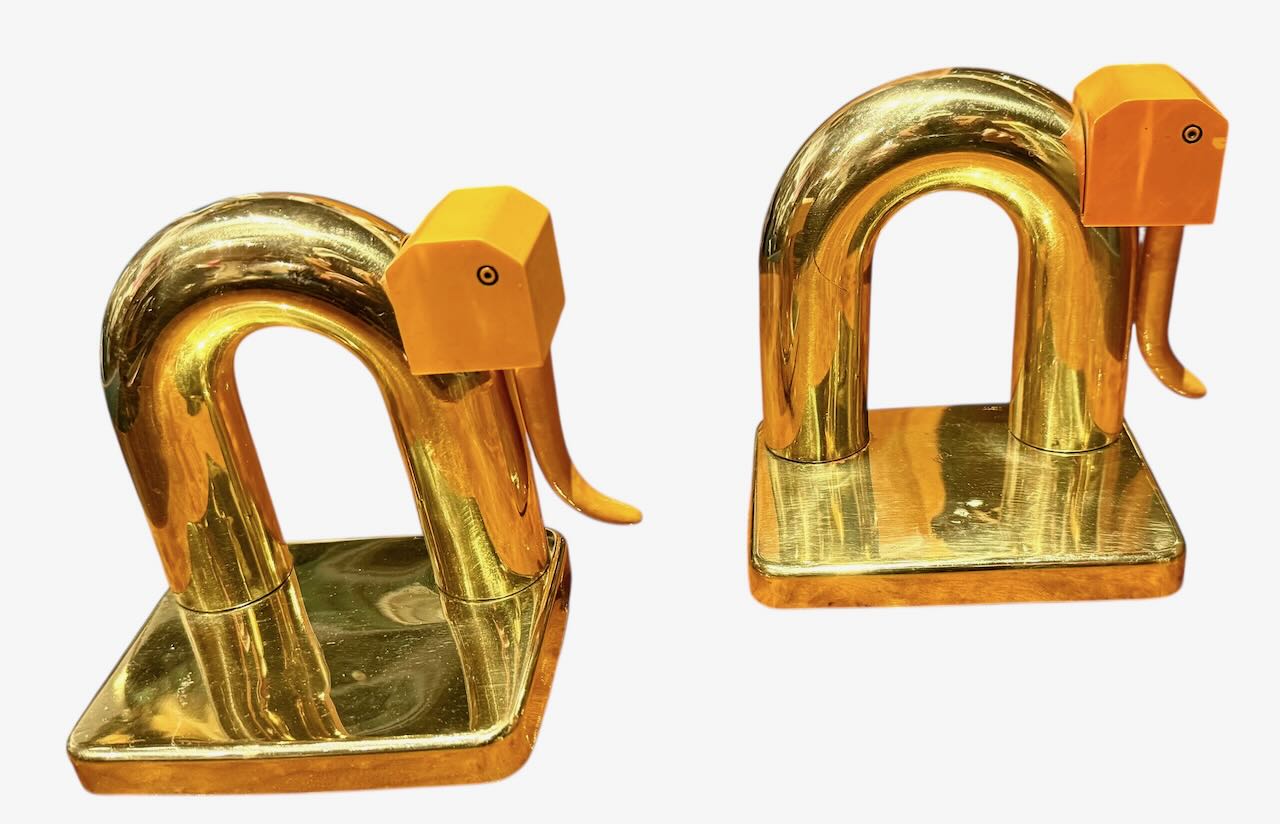
Walter Von Nessen Chase Elephant Bookends, American Art Deco Brass and Bakelite, 1931
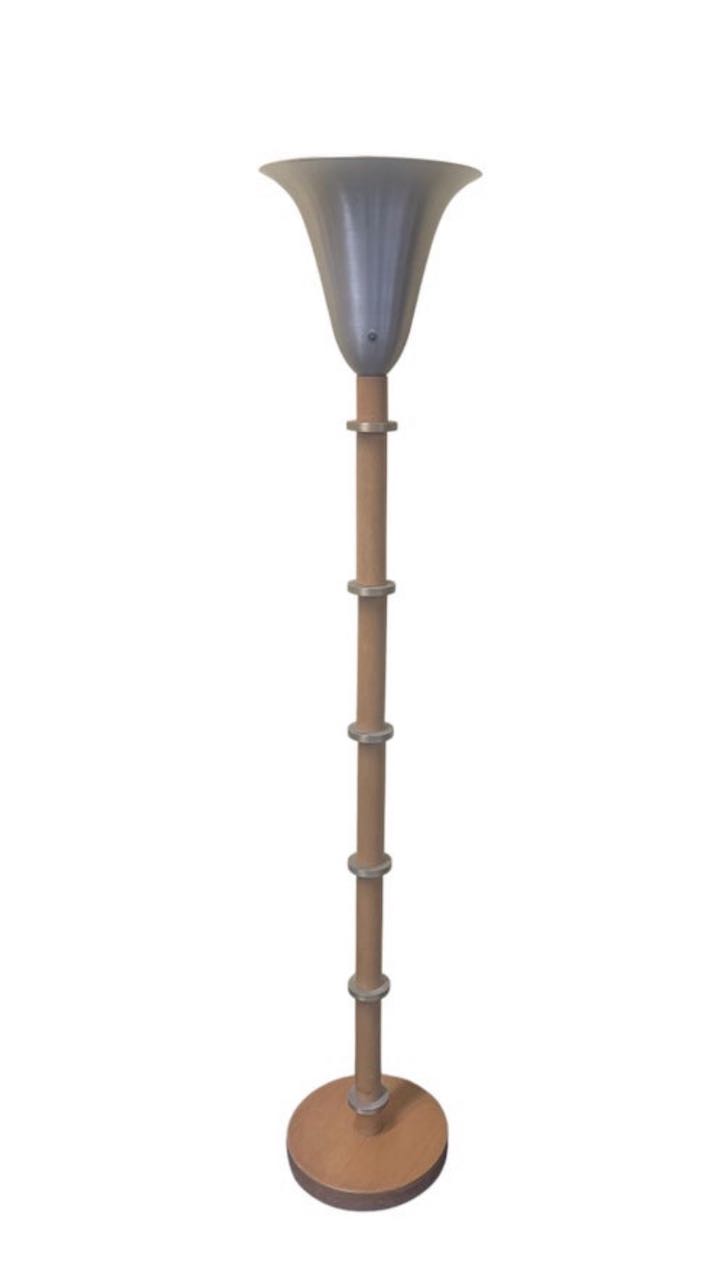
ART & STATUES
CERAMICS & GLASS
© Copyright Art Deco Collection. 2026 All rights reserved. Site Map