
Pablo Picasso
Pablo Ruiz Picasso was born on October 25, 1881, in Málaga, Andalusia, the son of José Ruiz y Blasco, a painter and professor of art who began training his son in figure drawing and oil painting at the age of seven. By thirteen, Picasso had passed the entrance exam for the advanced class at the Barcelona School of Fine Arts in a single week, a process that typically took students a month. He made his first trip to Paris in 1900, and after periods of severe poverty, shared lodgings with the poet Max Jacob, who helped him learn the French language. By 1905, he had become a favorite of the American art collectors Leo and Gertrude Stein, whose informal salon in Paris became a gathering point for the era’s most significant artists and writers. He joined Daniel-Henry Kahnweiler’s Paris gallery in 1907, forming one of the most consequential artist-dealer relationships of the century. In the summer of 1918, he married the Ballets Russes dancer Olga Khokhlova, who introduced him to the high society and formal dinner parties of 1920s Paris. His career spanned more than 76 years, from his late teens to his death on April 8, 1973. He is buried in Vauvenargues, France.
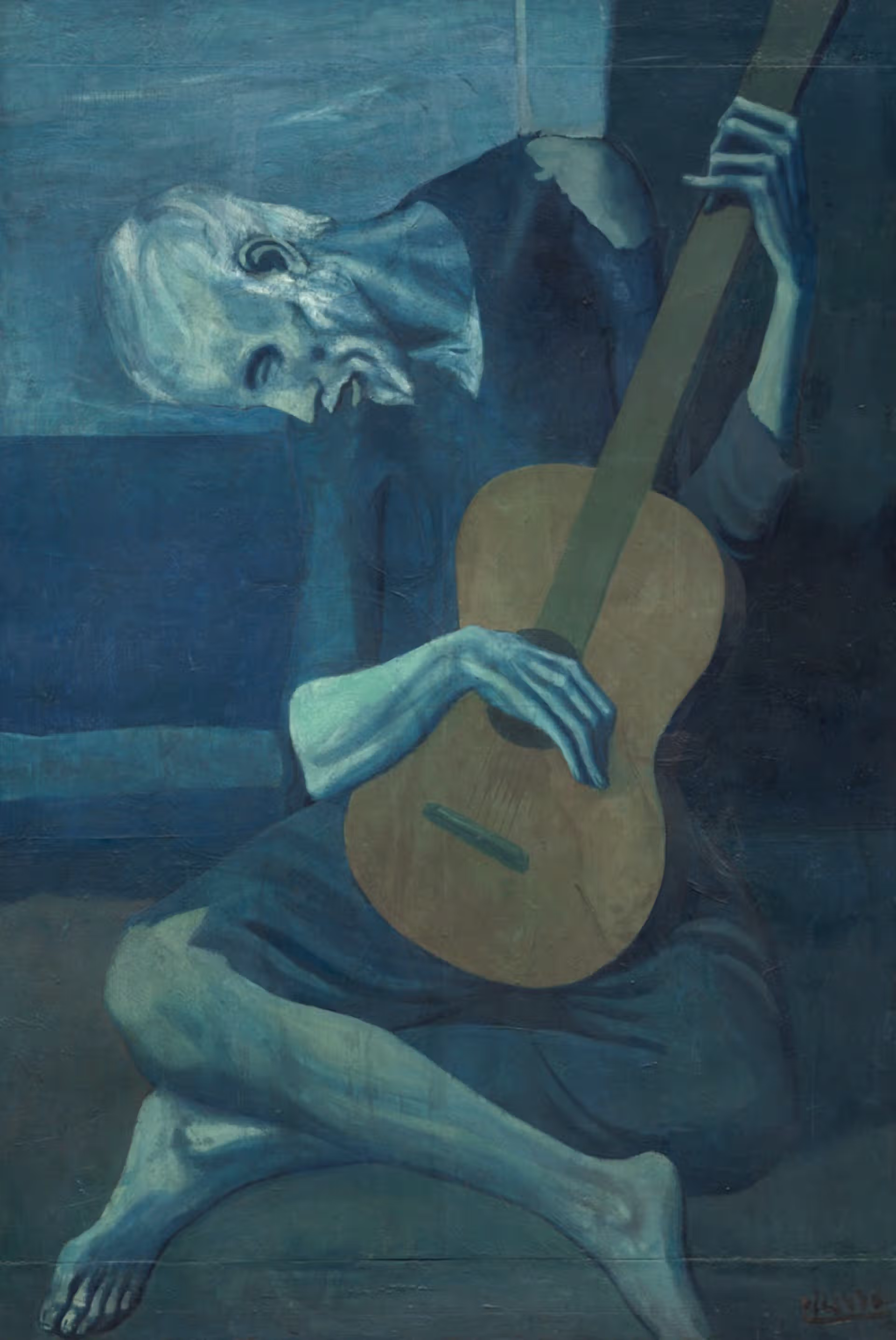
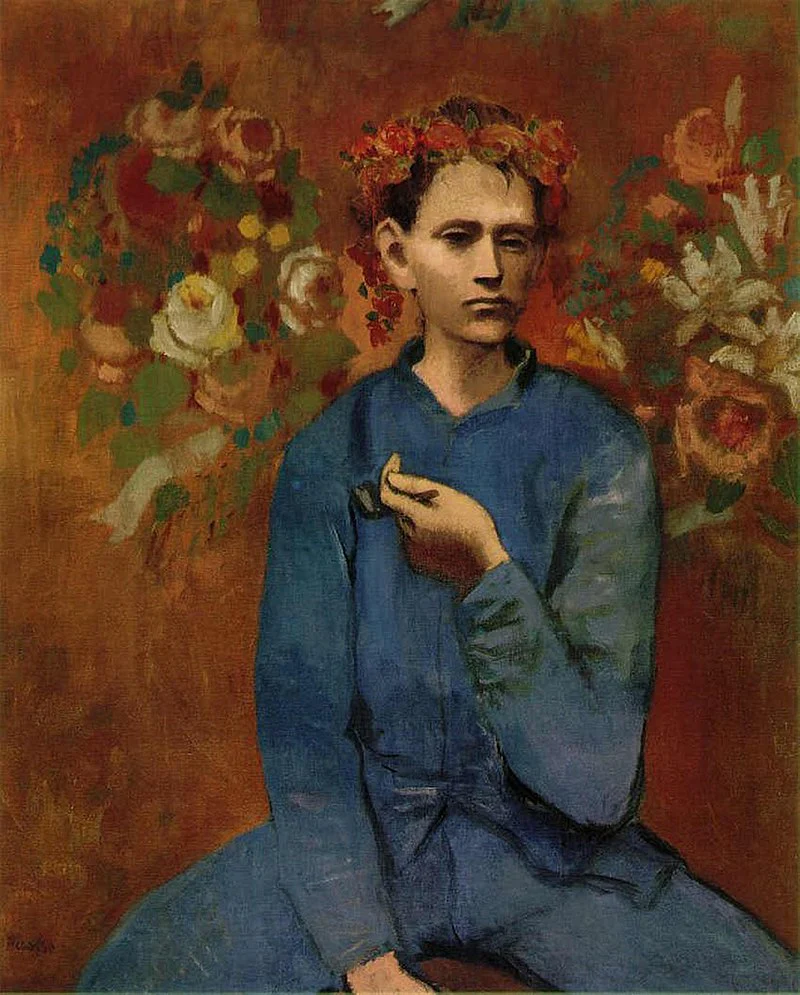
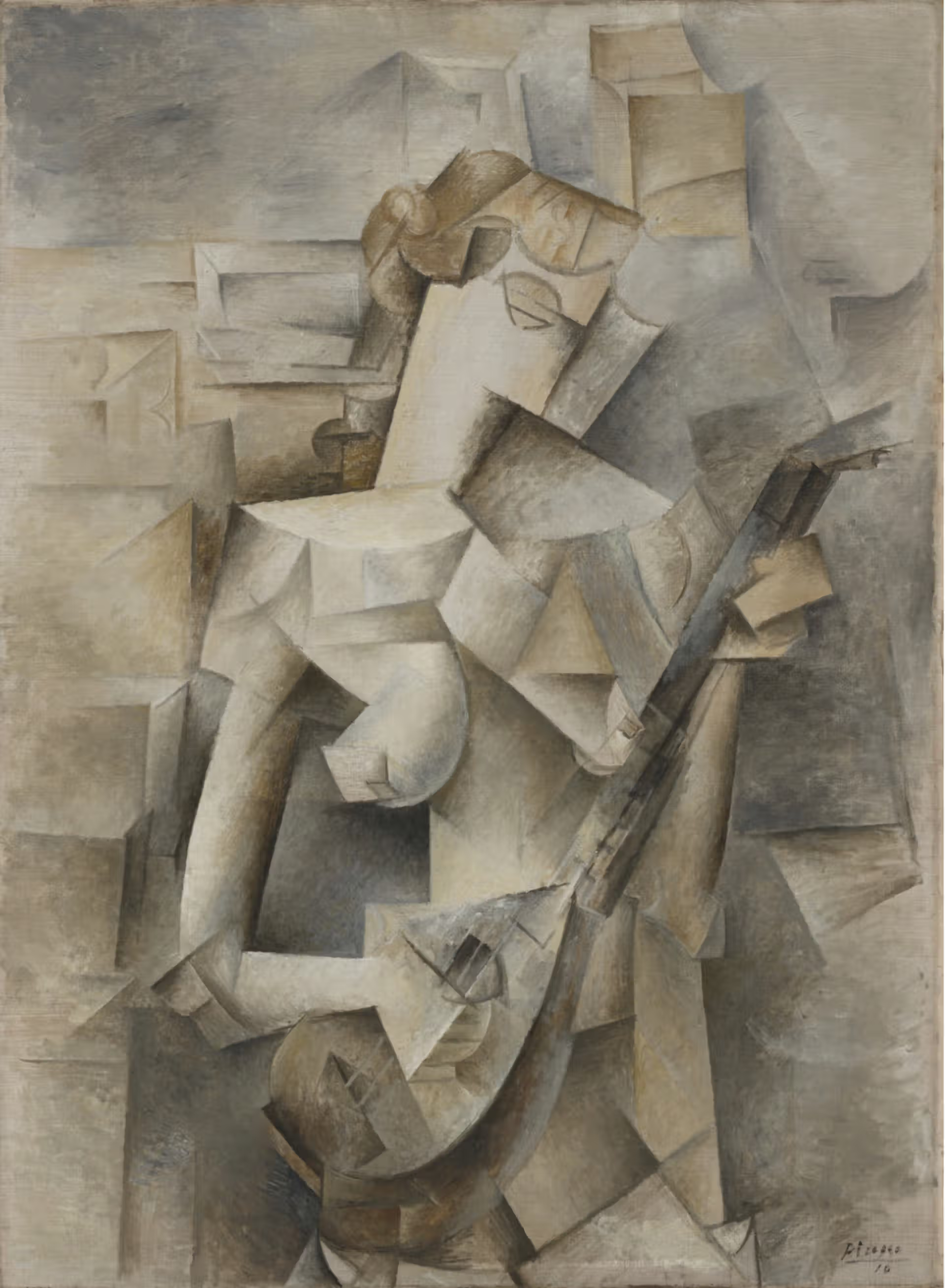
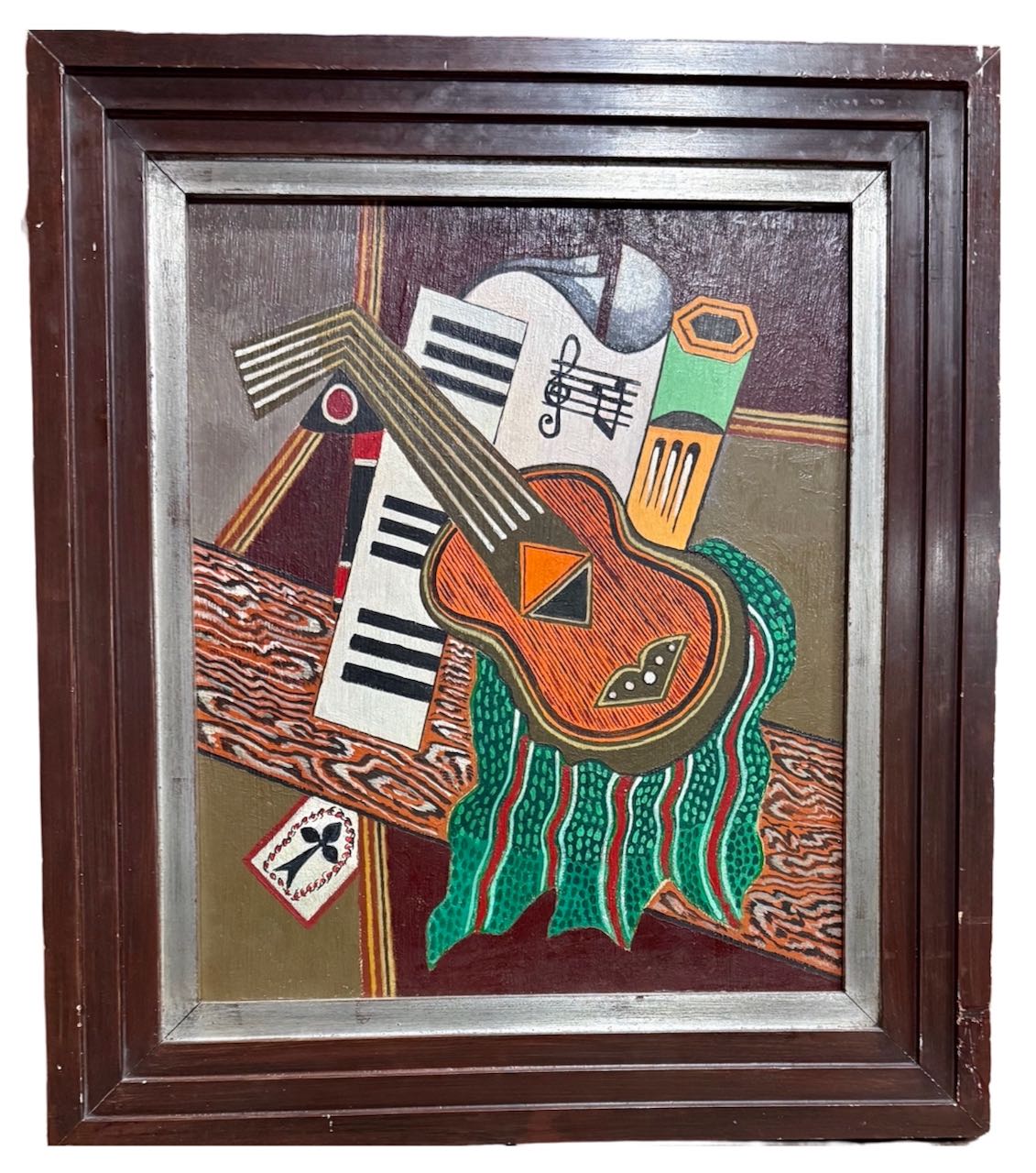
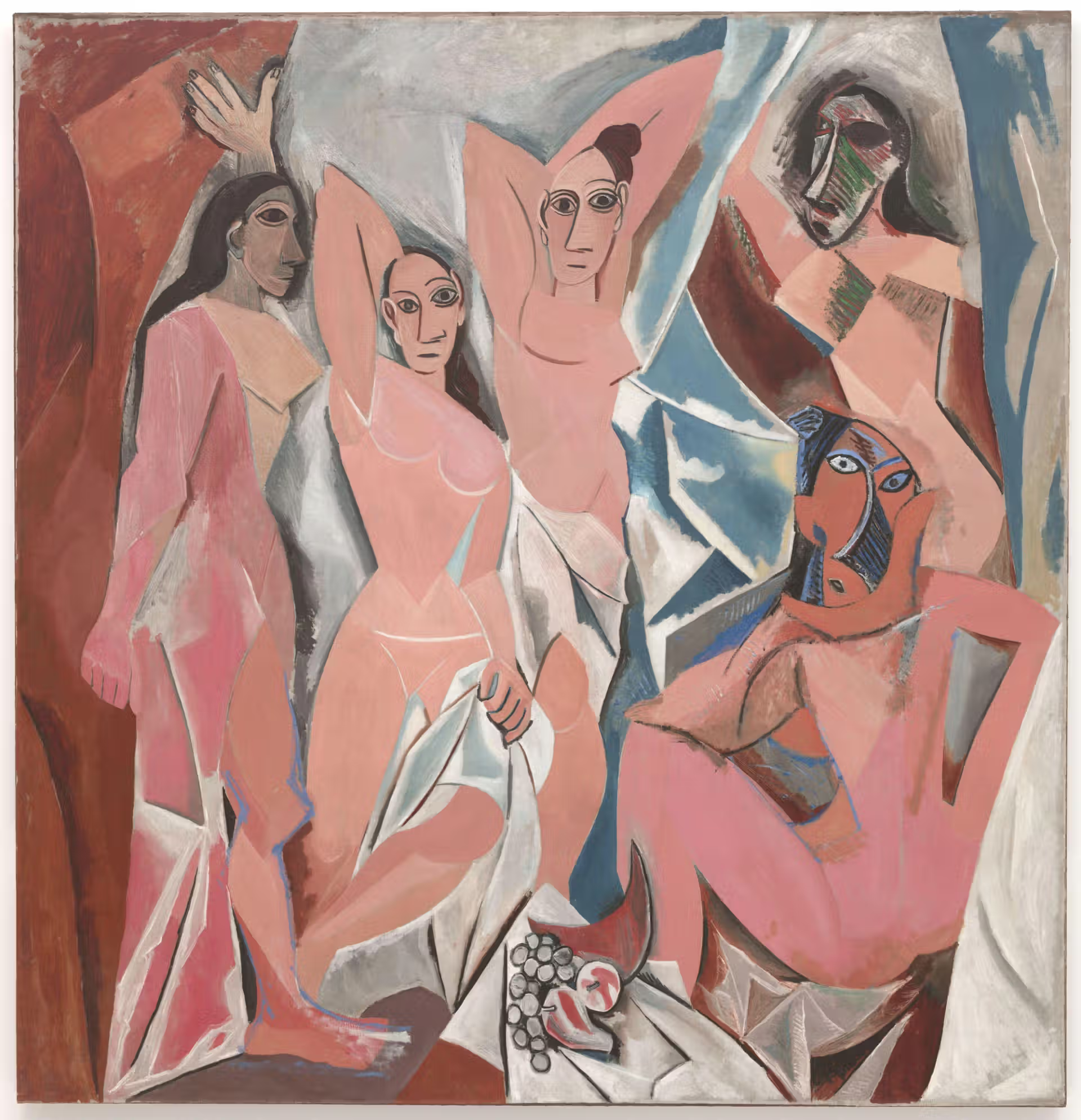
Picasso’s early career is periodized through a succession of distinct phases: the Blue Period of 1901 to 1904, characterized by sombre paintings in shades of blue depicting gaunt figures and social outcasts; the Rose Period of 1904 to 1906, lighter in tone and featuring circus performers and harlequins; and the African-influenced period beginning in 1907 with Les Demoiselles d’Avignon, which broke from all prior conventions and led directly into Cubism. Working closely with Georges Braque, he developed Analytic Cubism from 1909 to 1912, taking apart objects and analyzing them in terms of their geometric components. Synthetic Cubism followed from 1912, introducing cut paper and collage into painting and producing what is often considered the first assemblage in art history. He collaborated with Sergei Diaghilev’s Ballets Russes from the late years of World War I, designing sets and costumes for Erik Satie’s Parade in 1917 and later collaborating with Igor Stravinsky on Pulcinella in 1920. His neoclassical phase of the early 1920s, in which he painted monumental figures in a restrained antique style, reflected the broader postwar return to order and represented yet another radical shift. His 1937 painting Guernica, a response to the German and Italian bombing of a Basque town during the Spanish Civil War, became one of the most powerful anti-war statements in the history of art.
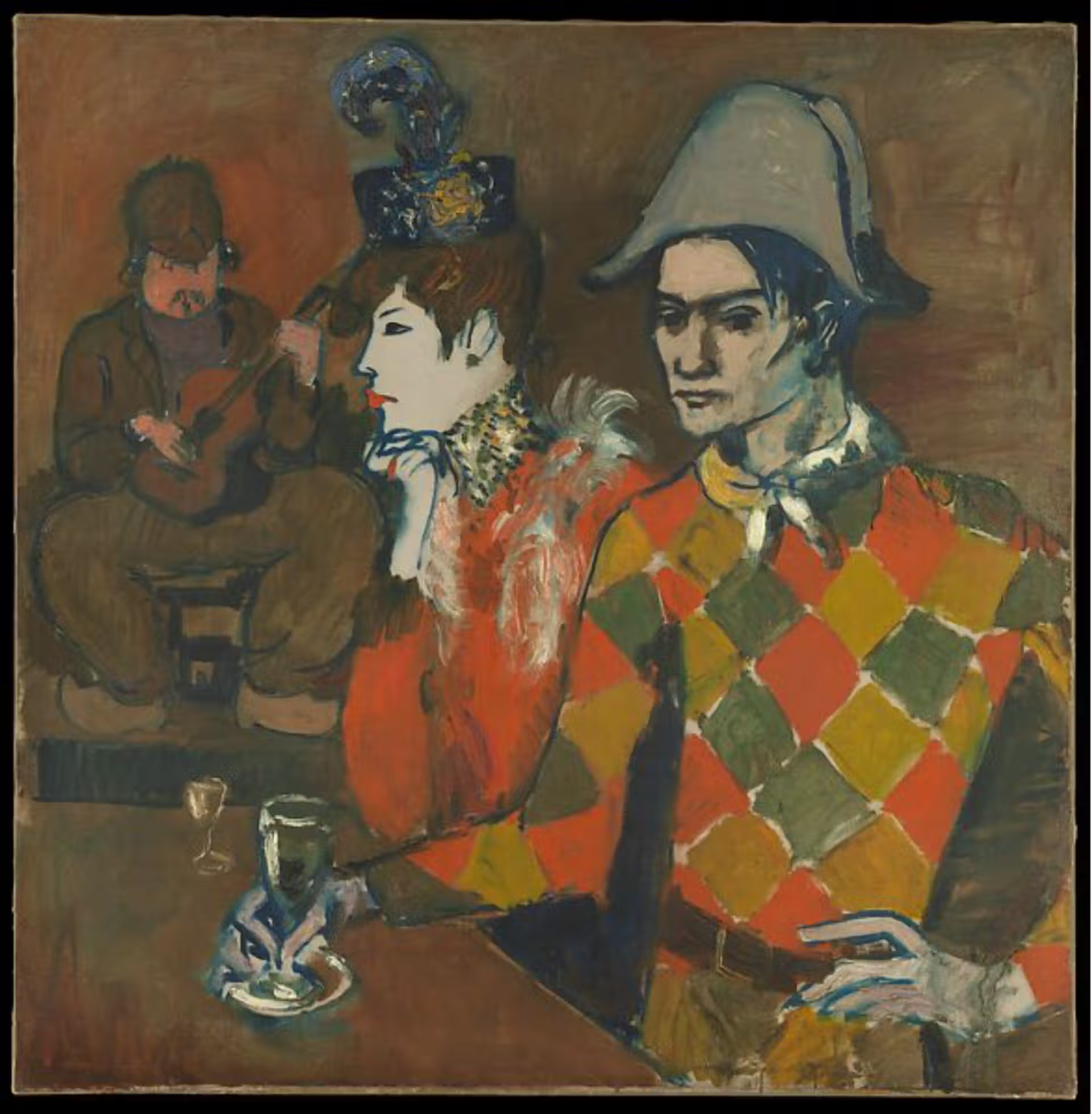
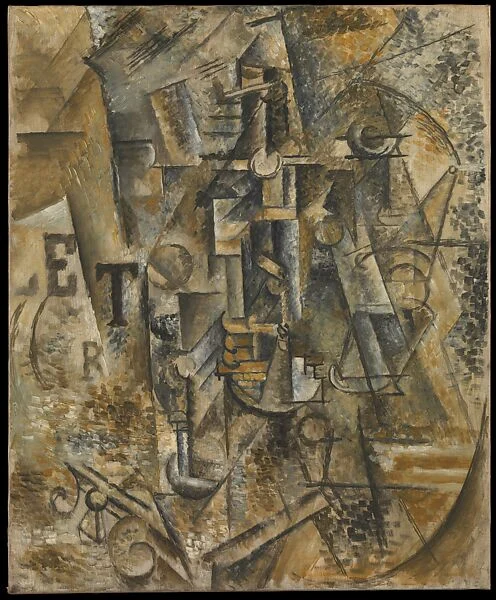
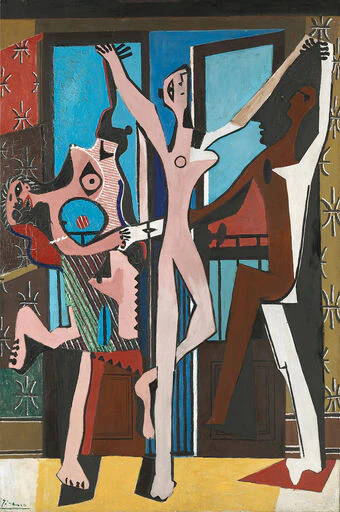
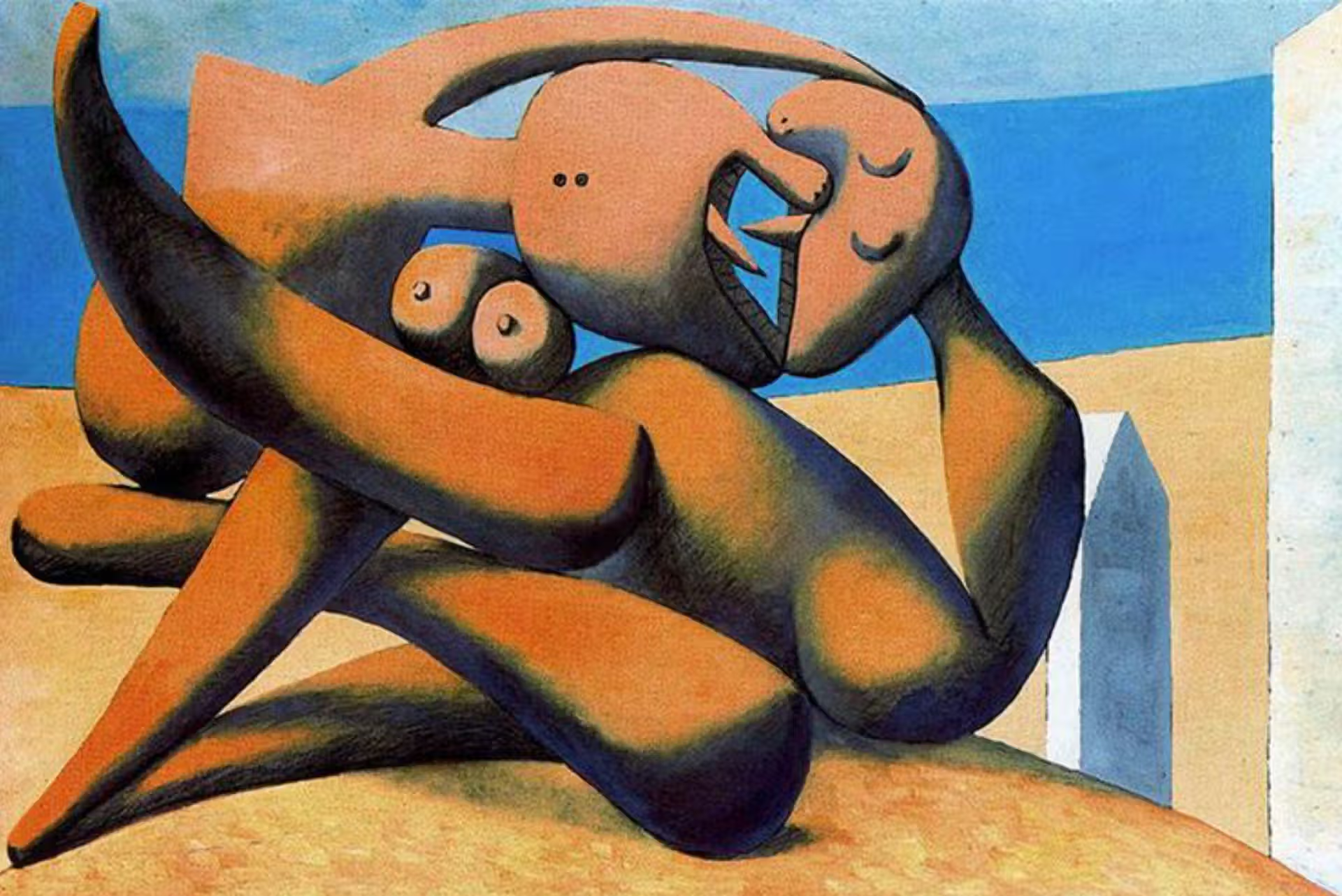
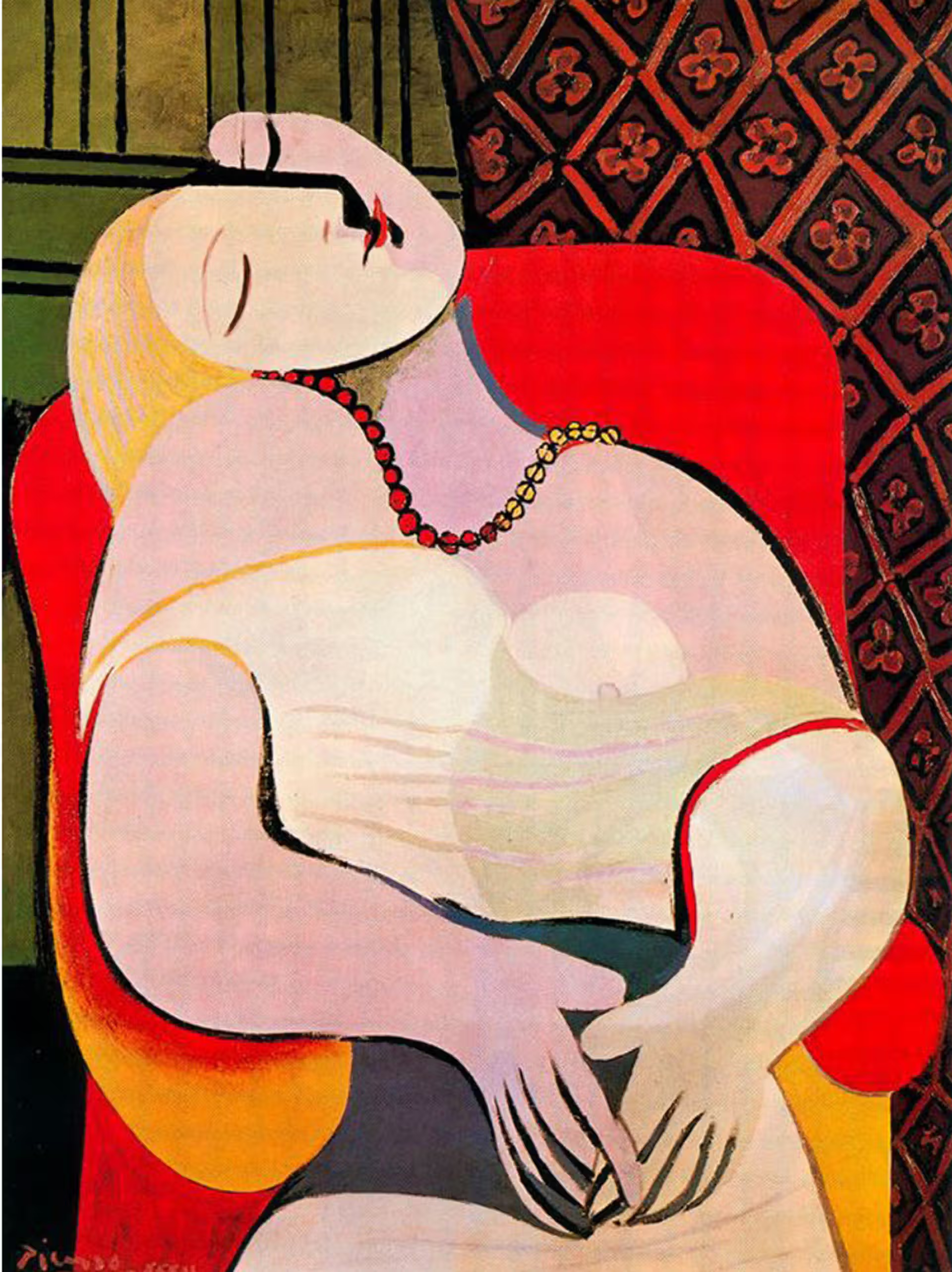
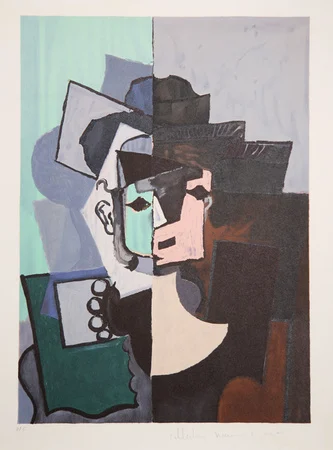
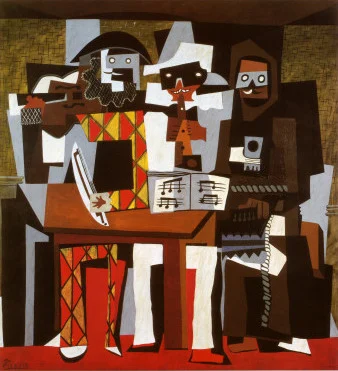
Picasso demonstrated an extraordinary ability to absorb and synthesize diverse influences, from Iberian sculpture and African art to Fauvist color and classical antiquity, always transforming his sources into something entirely his own. His co-invention of Cubism with Braque was the foundational event of 20th-century modernism, fragmenting the single viewpoint of Western pictorial tradition into simultaneous, overlapping perspectives. Unlike many of his contemporaries who settled into a signature manner, Picasso continued to reinvent himself radically across more than seven decades, making his career a sustained argument that style itself was a tool to be picked up and discarded.
Key Influences
- Co-Founding Cubism: His development of Cubism with Braque was the single most consequential formal innovation in 20th-century art, reshaping painting, sculpture, architecture, and design across every subsequent decade.
- Les Demoiselles d’Avignon: This proto-Cubist work of 1907 broke so decisively with prior convention that it effectively established the starting point of modern art, and its influence on everything from abstract painting to graphic design has been immeasurable.
- Ballets Russes Collaboration: His set and costume designs for Diaghilev introduced Cubist visual language to a broad international audience through the performing arts, directly connecting modernist painting to the decorative culture of the Art Deco era.
- Collage and Assemblage: His invention of collage and assembled sculpture with found materials expanded the definition of what a work of art could be made from, opening paths that would be followed by artists and designers for generations.
- School of Paris: As the most famous member of the Montmartre and Montparnasse artistic communities, he was the gravitational center of the School of Paris, whose interconnected networks of artists, dealers, collectors, and writers drove the development of Western modernism in the early 20th century.
If you are interested in further stories of the artists who shaped Art Deco, return to our artists page to browse the full directory.
Related Products from ArtDecoCollection.com