

Albert Kahn
Albert Kahn was born on March 21, 1869, in Rhaunen, in the Kingdom of Prussia, to a father trained as a rabbi and a mother with a talent for the visual arts and music. The family immigrated to the United States in 1880, settling in Detroit, and the young Kahn left formal education after the seventh grade to help support his family. His mother recognized his artistic ability and arranged for him to study sculpture under Julius Melchers, and around 1883 he took a job as an office boy at the architectural firm of John Scott and Associates before advancing to apprentice draftsman and eventually chief designer at Mason and Rice from 1884 to 1895. In 1895 he founded his own firm, which grew into Albert Kahn Associates and continues to operate today. He married Ernestine Krolik in 1896, and they had four children together. He brought his younger brother Julius, a civil engineer trained at the University of Michigan whose education Albert had funded, into the firm as chief engineer in 1903, establishing one of the first practices in America to offer architecture and engineering services under a single roof. He was a founding craftsman of the Detroit Society of Arts and Crafts in 1906, a member of the Detroit Arts Commission from 1918, and received the Royal Gold Medal from the Royal Institute of British Architects in 1931. Kahn died on December 8, 1942, in Detroit, and the Franklin Institute posthumously awarded him the Frank P. Brown Medal the following year.
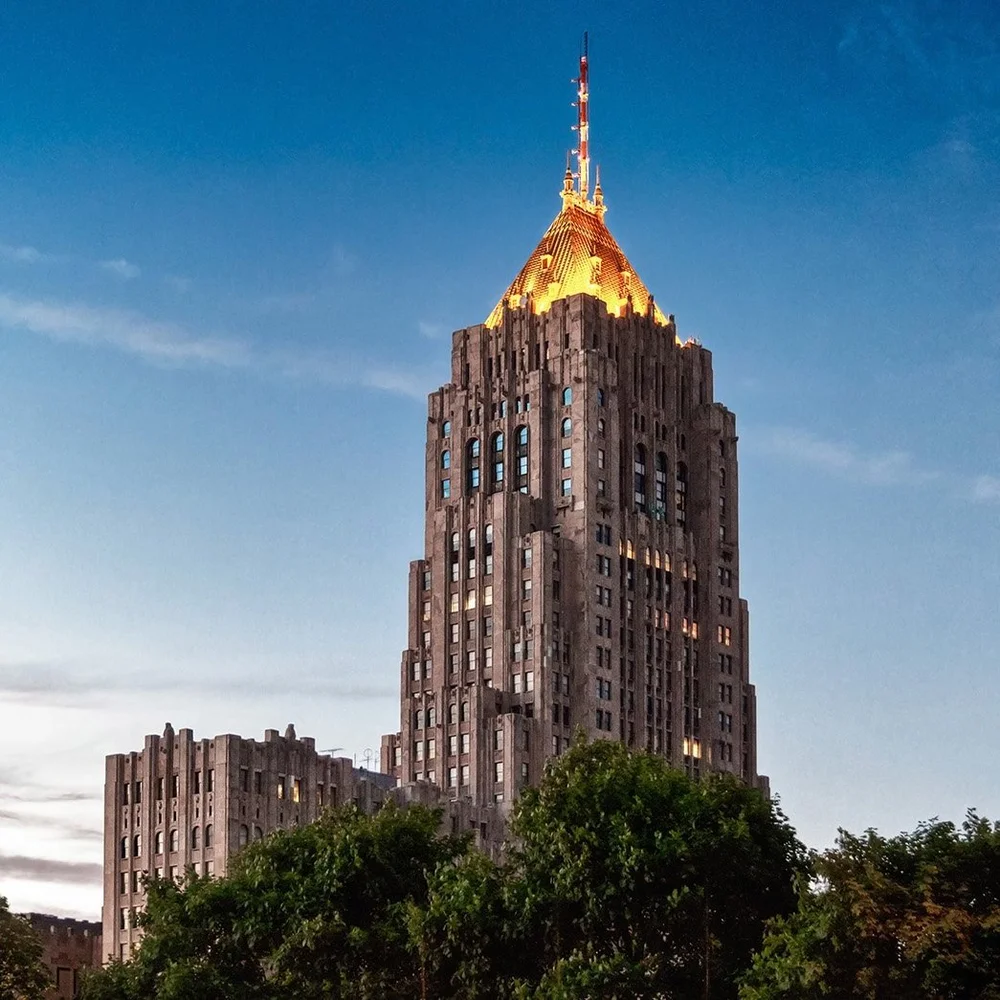
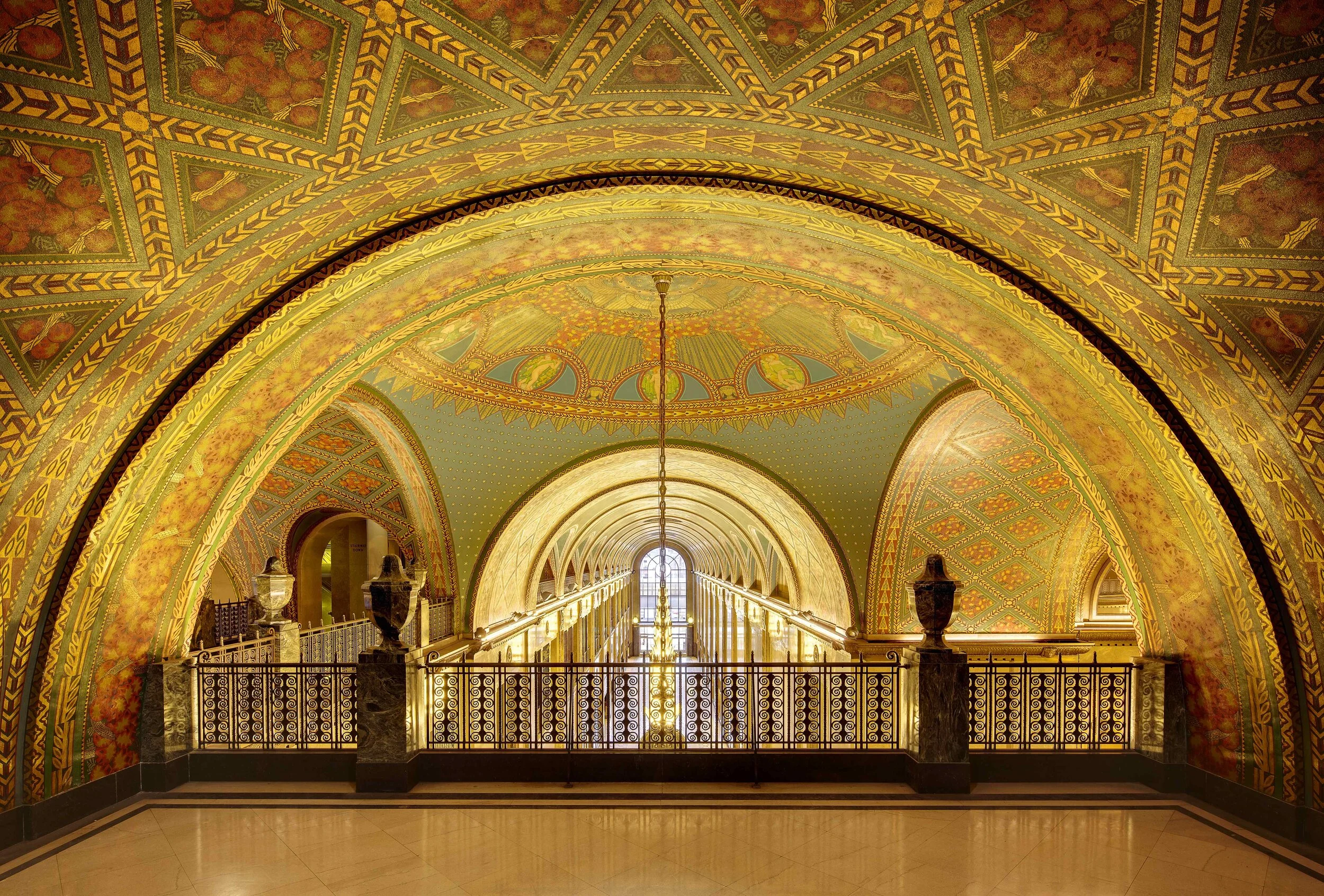
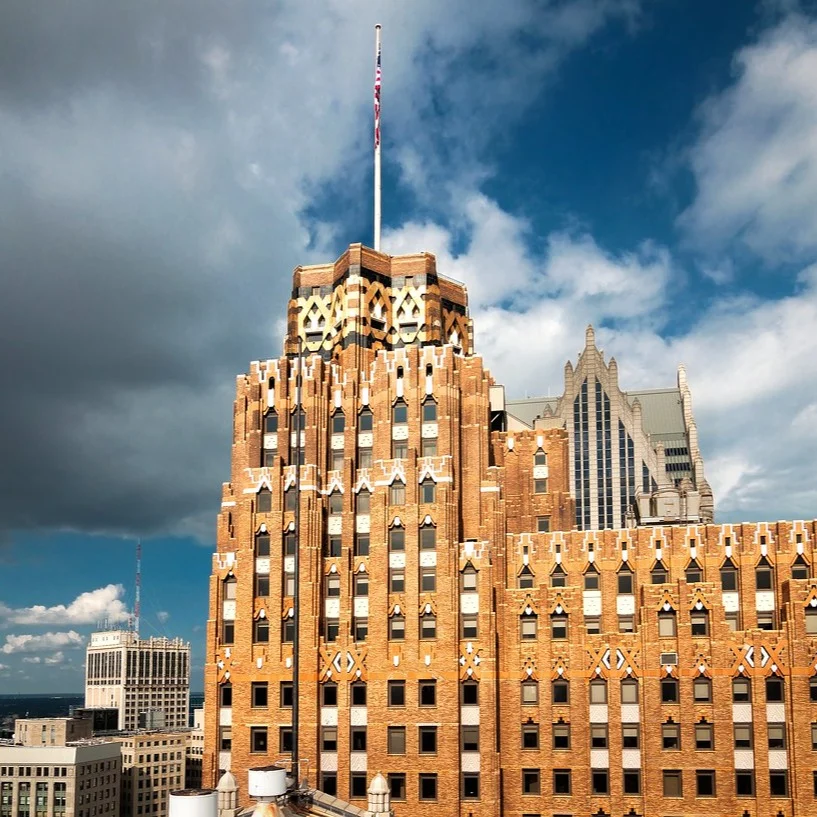
Kahn’s breakthrough came in 1907 with the Packard Motor Car Company factory, the first major application of his innovation in reinforced concrete construction, which replaced wood in factory walls, roofs, and supports to provide better fire protection and allow vast, unobstructed interior spaces flooded with natural light. The success of the Packard plant caught the attention of Henry Ford, leading Kahn to design Ford’s Highland Park plant beginning in 1909, where the Model T was consolidated, and the moving assembly line was perfected. In 1917 he designed the massive half-mile-long Ford River Rouge Complex, which grew into the largest manufacturing complex in the United States, employing as many as 120,000 workers at its peak. By 1937, his firm was responsible for producing 19 percent of all architect-designed industrial buildings in the entire United States, an extraordinary concentration of the nation’s factory design in a single practice. In 1929 the Soviet government commissioned Kahn to design a tractor factory in Stalingrad, leading to a unique contract under which his firm designed 521 factories across the U.S.S.R. and trained more than 4,000 Soviet architects and engineers during the first Five-Year Plan. Beyond his industrial commissions, Kahn shaped much of Detroit’s skyline directly, designing nearly 900 buildings in the city and earning the nickname “the architect of Detroit,” including the landmark 28-story Art Deco Fisher Building, honored by the Architectural League of New York as the year’s most beautiful commercial structure in 1928. He also designed numerous buildings at the University of Michigan in Ann Arbor, including Hill Auditorium and Angell Hall.
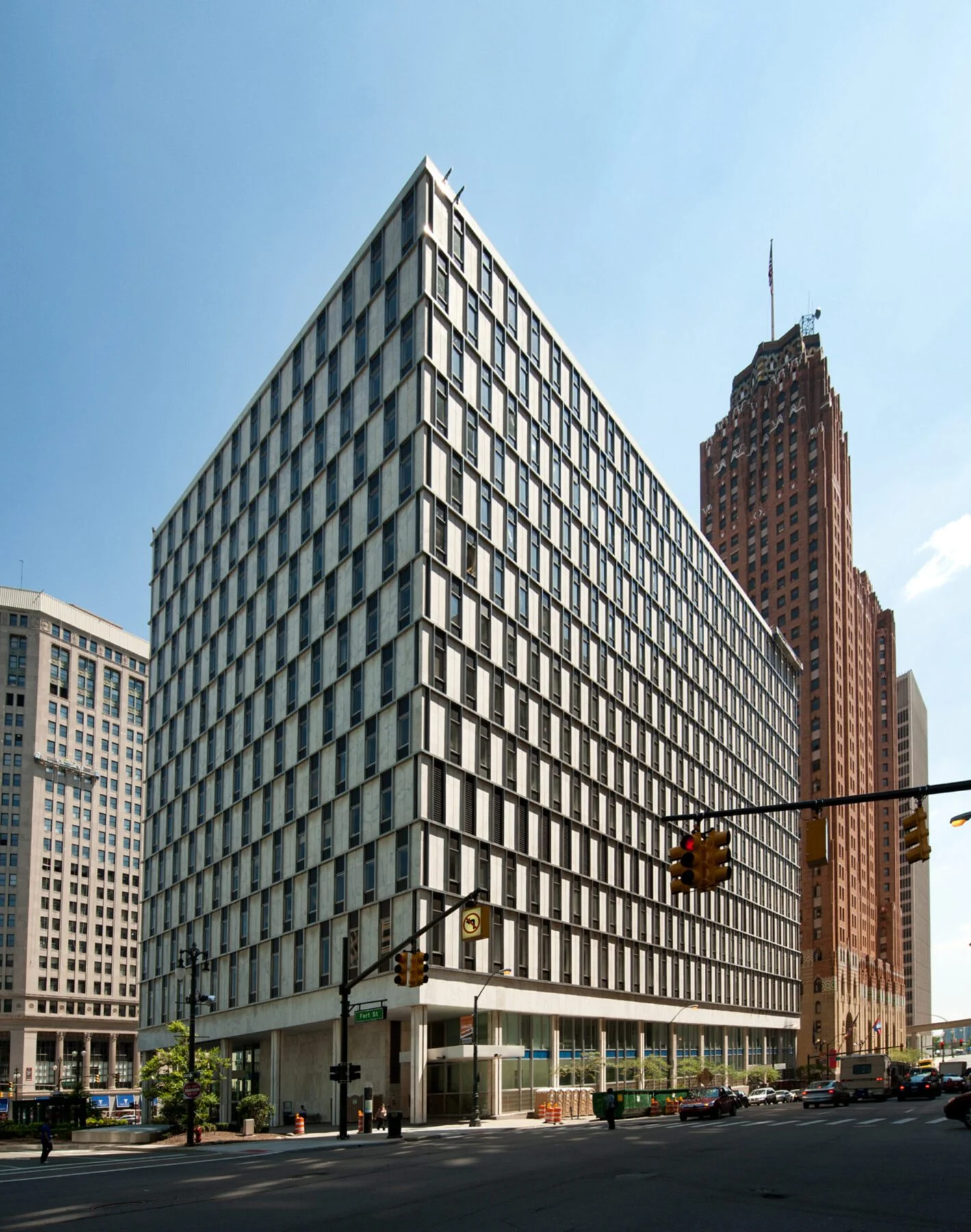
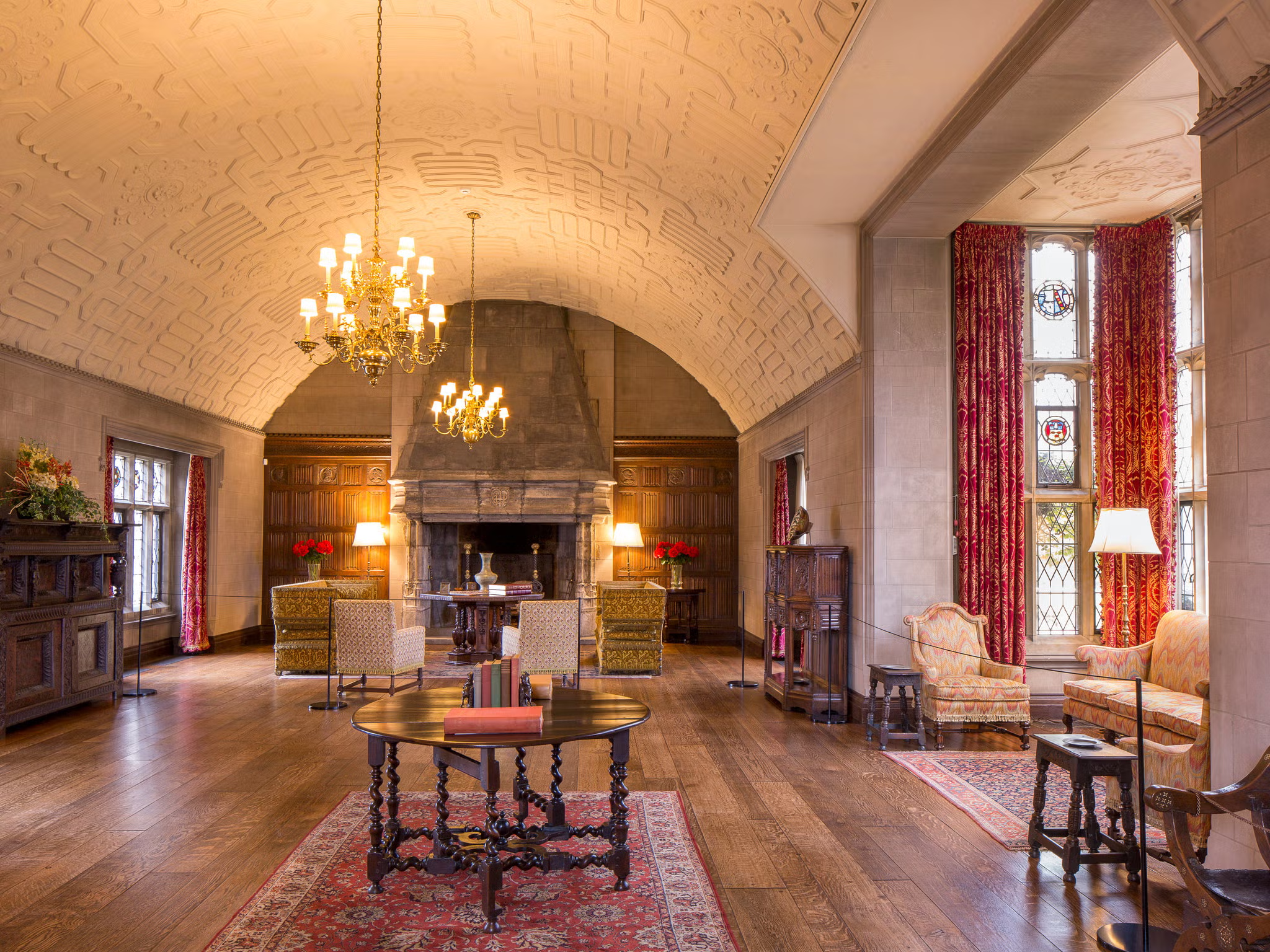
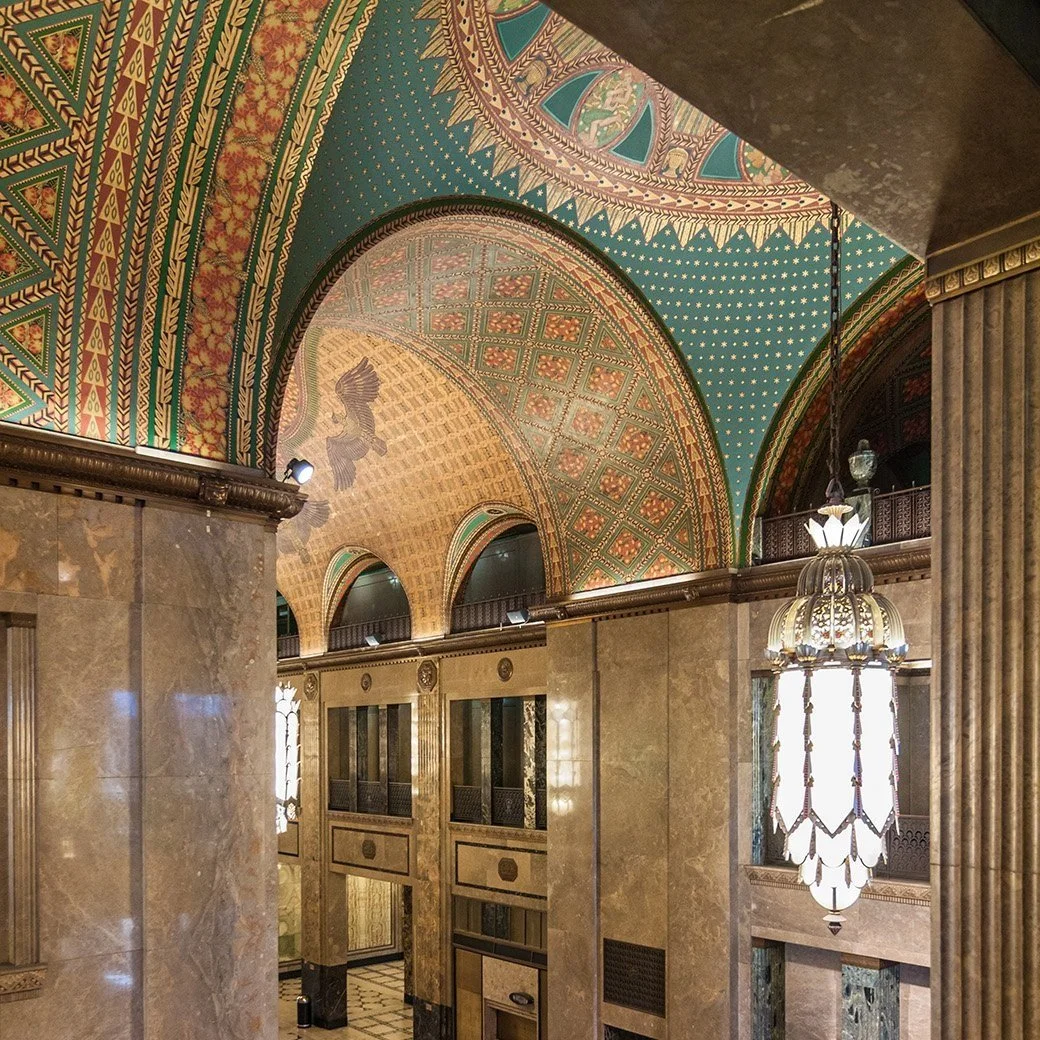
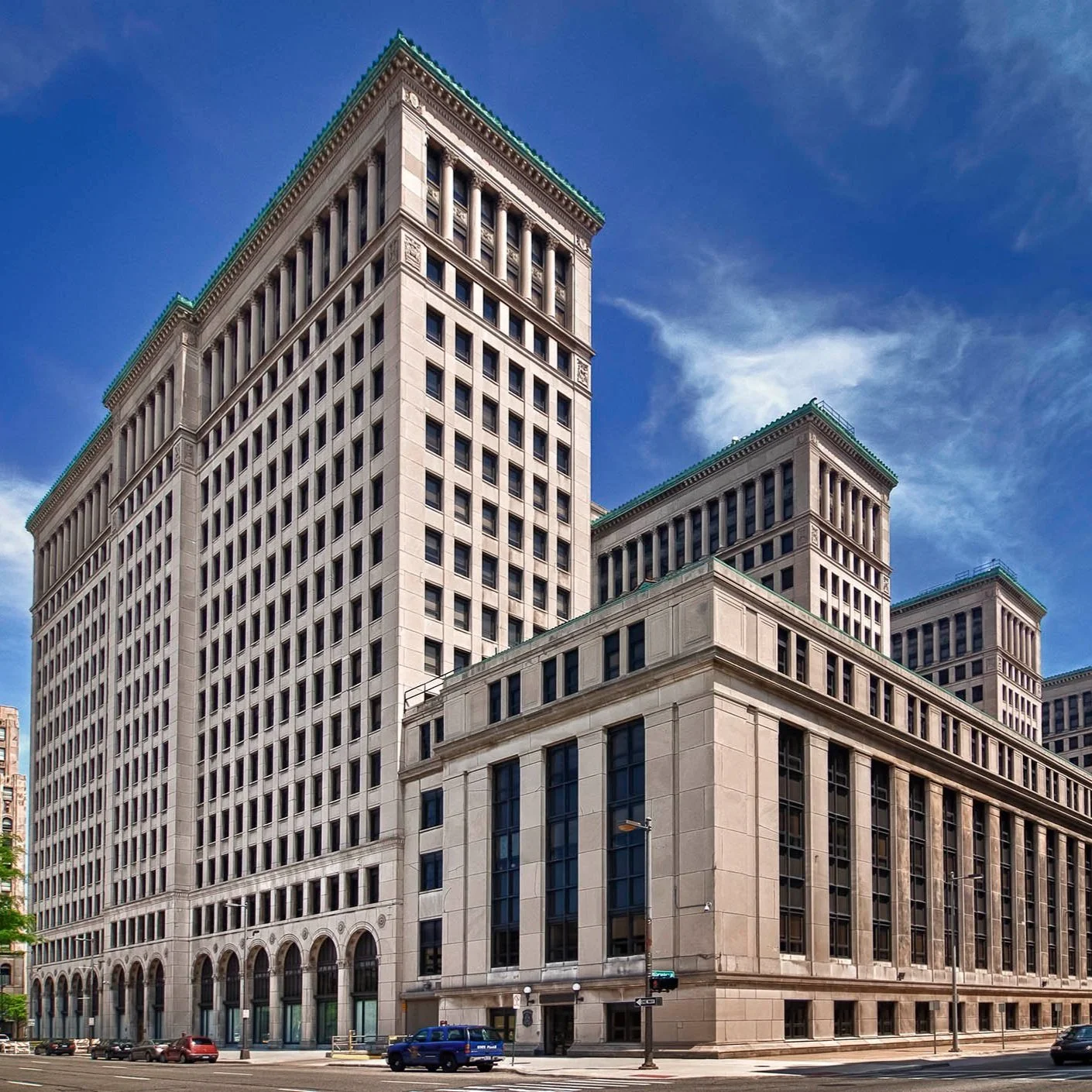
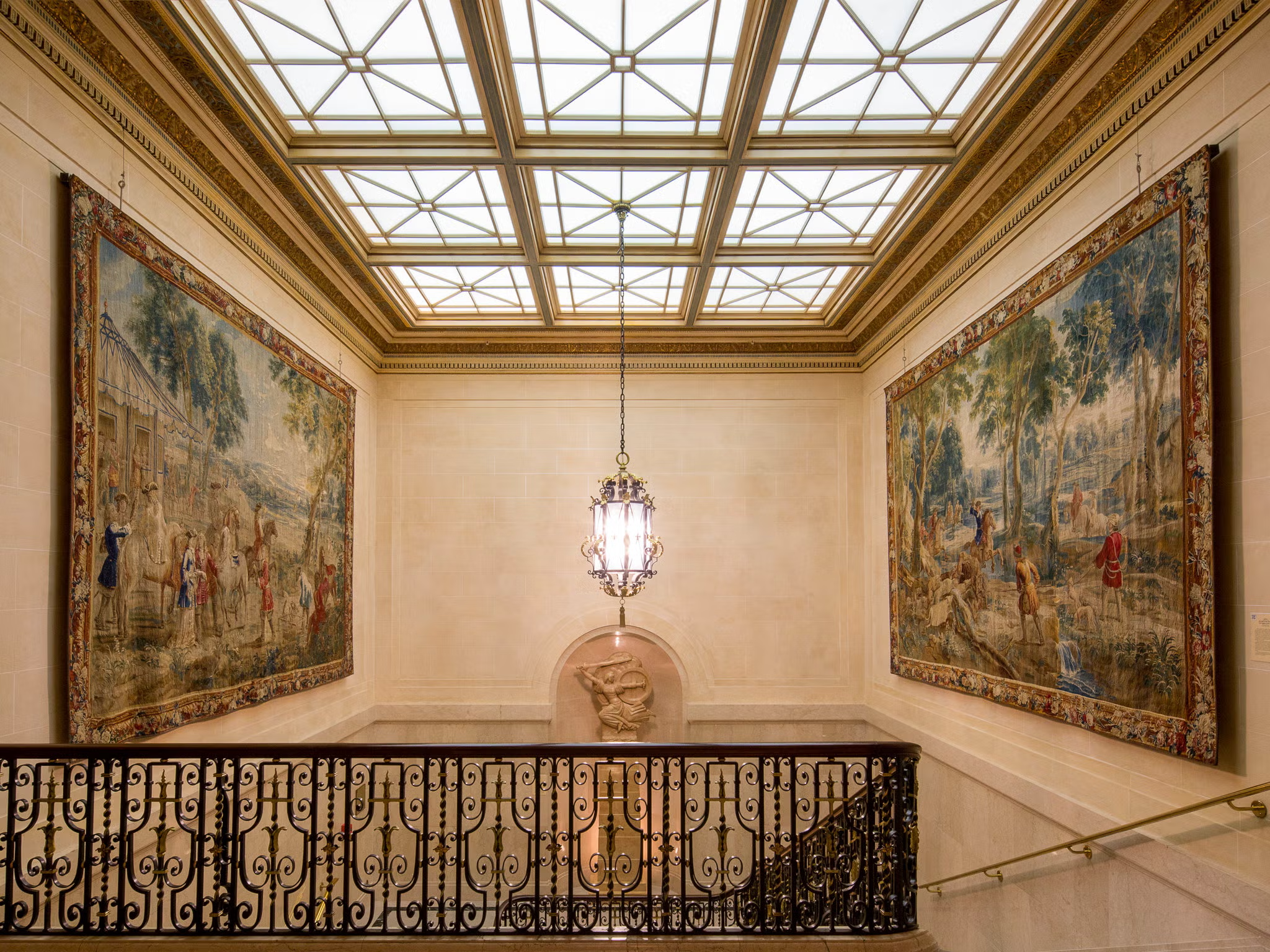
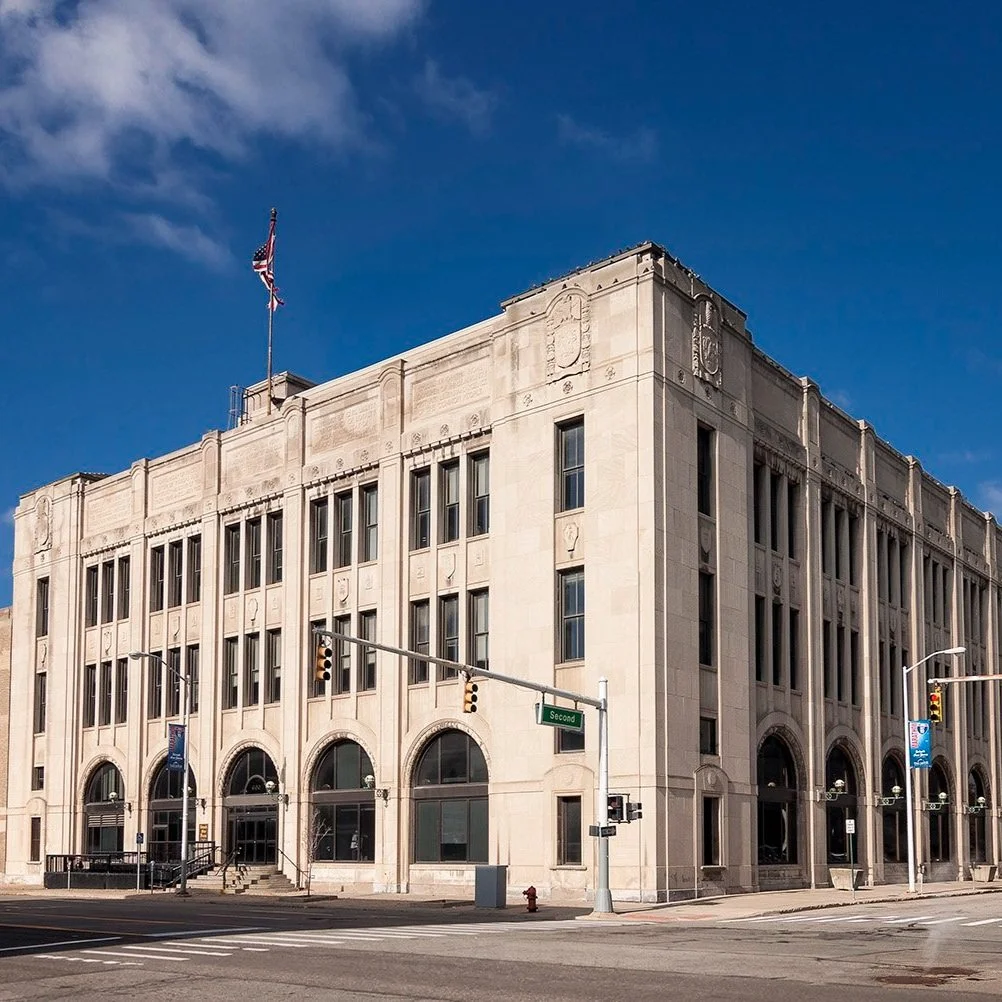
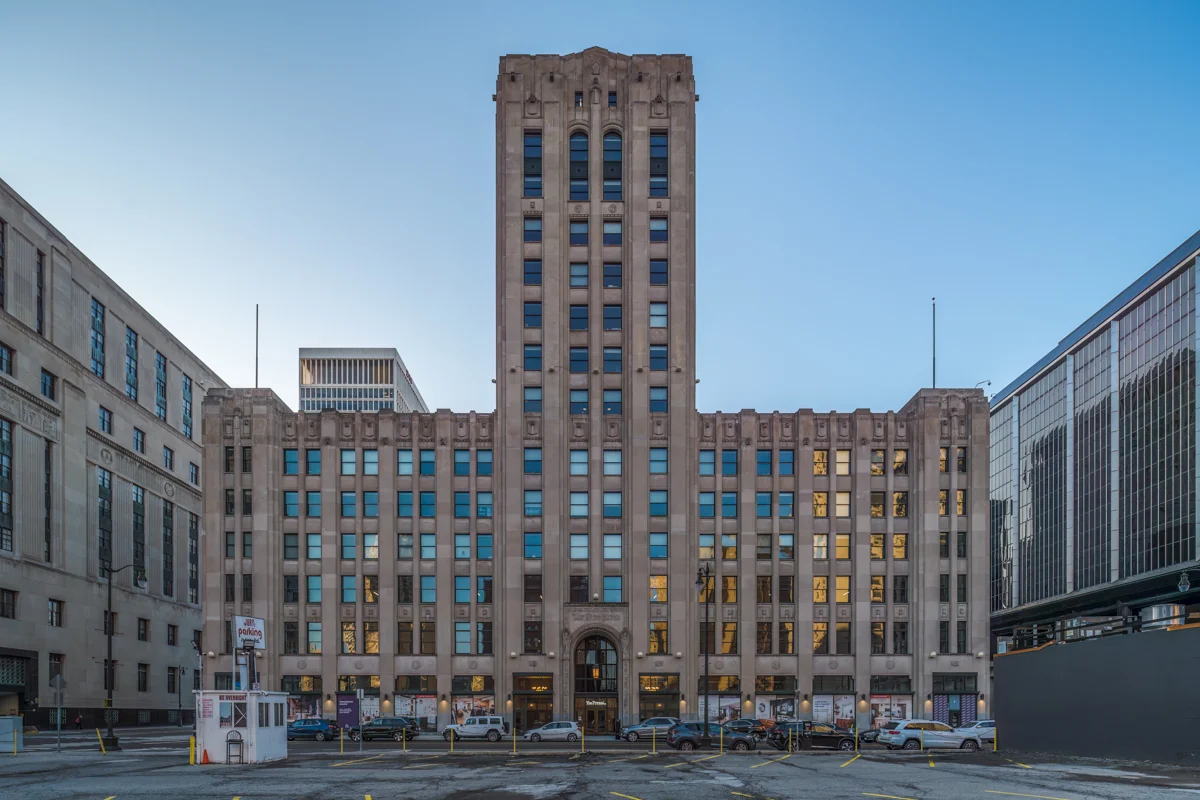
Kahn’s industrial architecture prioritized practical requirements, structural clarity, and mechanical function over ornamental detail, an approach that anticipated and directly influenced the broader European Modernist movement. His pioneering use of reinforced concrete and expansive glass surfaces created well-lit, efficient factory interiors ideally suited to the demands of mass production and the moving assembly line. Outside his industrial commissions, particularly in landmark buildings like the Fisher Building, he demonstrated a more decorative Art Deco sensibility, proving his range extended well beyond the pure functionalism for which he remains best known.
Key Influences
- Modern Factory Design: His innovations in reinforced concrete and daylighting earned him recognition as the father of modern factory design and directly influenced European modernists including Walter Gropius and Le Corbusier.
- Ford River Rouge Complex: His design for one of the largest manufacturing facilities ever built became a defining symbol of twentieth-century industrial capacity and the assembly-line era.
- Architecture and Engineering Integration: His partnership with his engineer brother Julius established one of the first firms to combine architectural and engineering services in-house, a model since widely adopted across the profession.
- Soviet Industrialization: His firm’s design of over 500 factories in the U.S.S.R. and training of thousands of Soviet engineers gave him an outsized role in the industrial development of a rival global power.
- Detroit’s Built Environment: His design of nearly 900 buildings across the city, spanning industrial, civic, and architectural landmarks, made him the single most influential architect in Detroit’s history.
If you are interested in further stories of the artists who shaped Art Deco, return to our artists page to browse the full directory.