✕


ART & STATUES
CERAMICS & GLASS
Art Deco Around The World
Jugendstil, Germany and Austria’s Road from Art Nouveau to Art Deco
From a Munich magazine to a Brussels palace, how the Youth Style bent toward geometry.
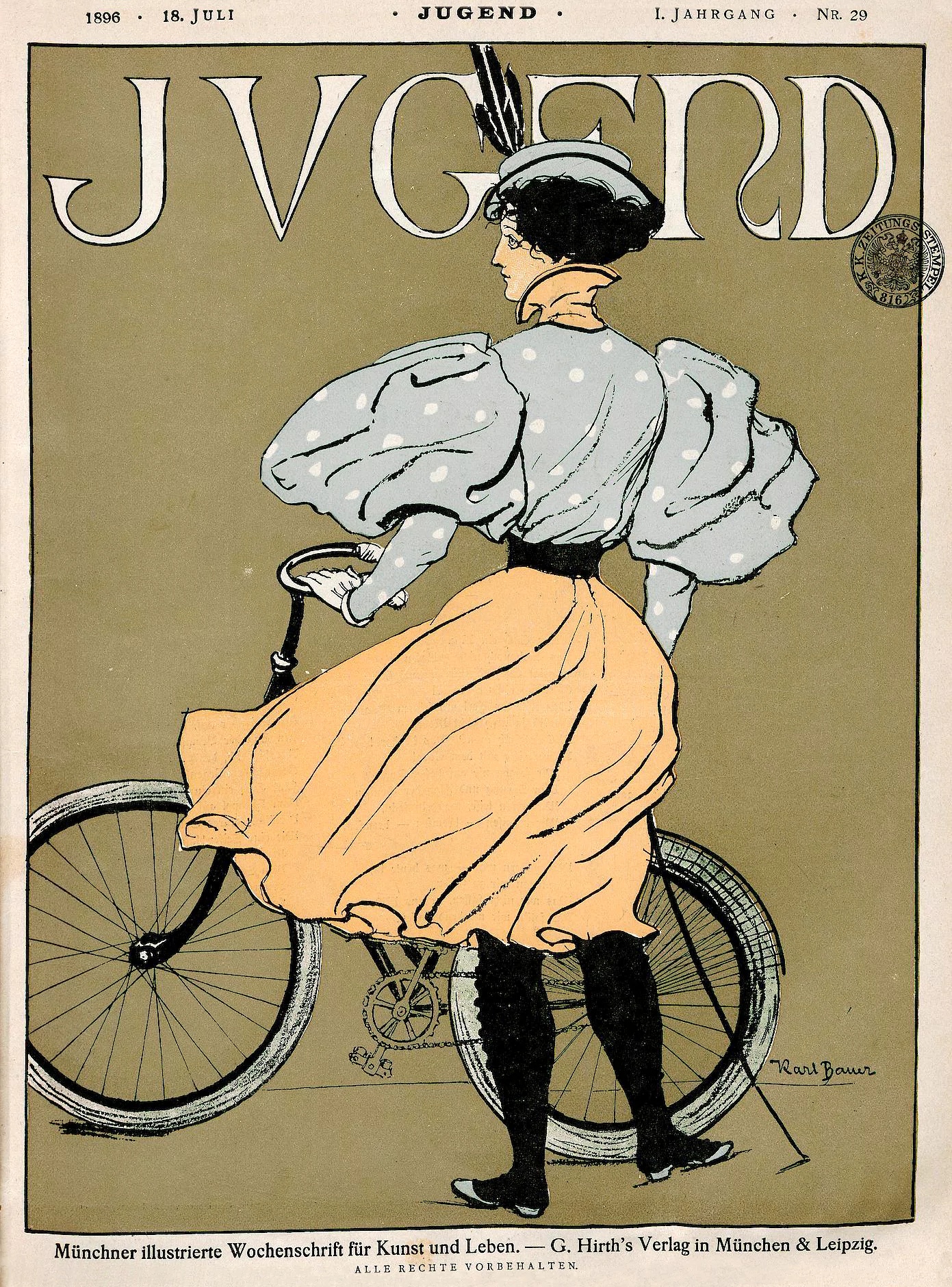
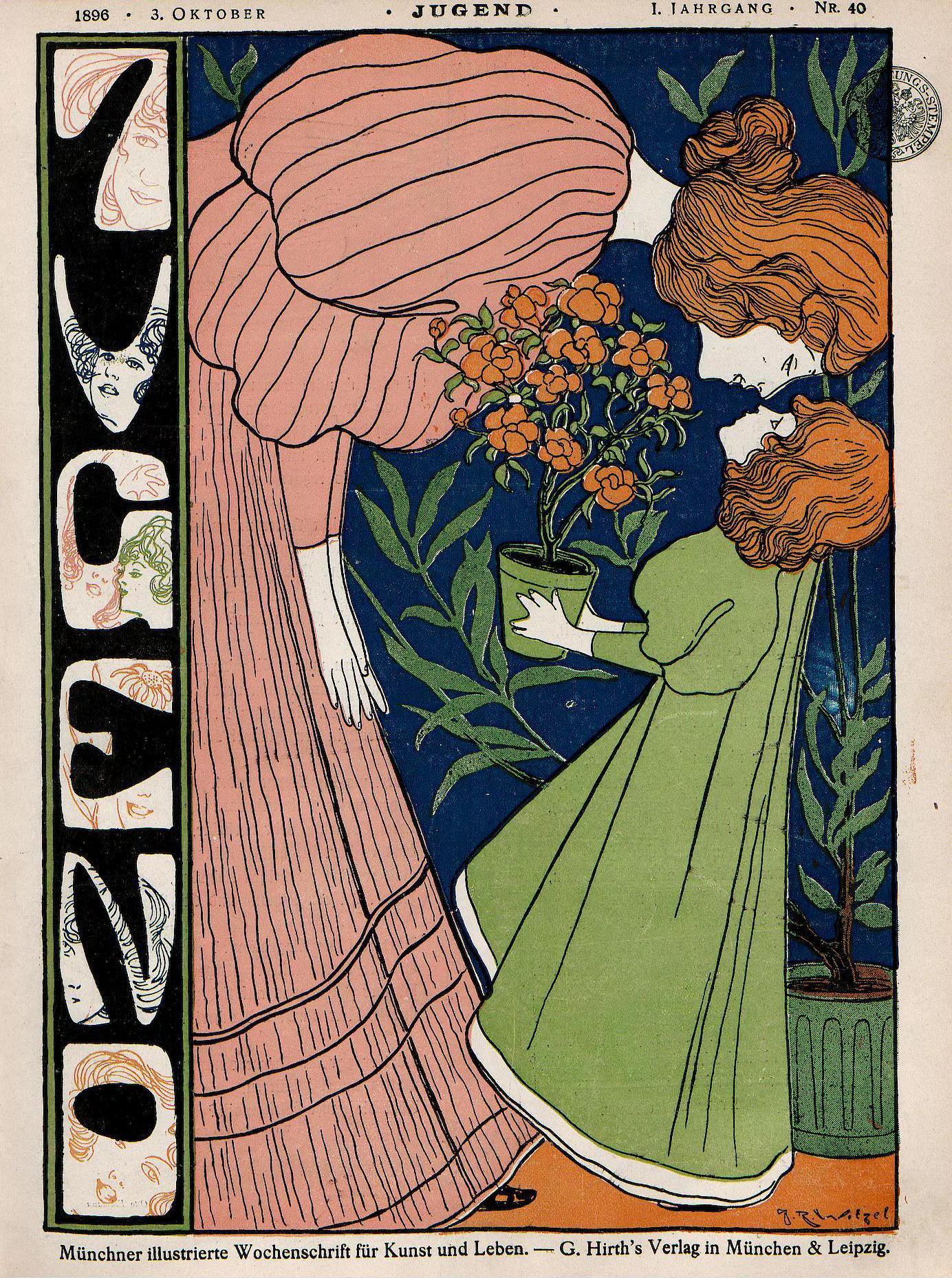
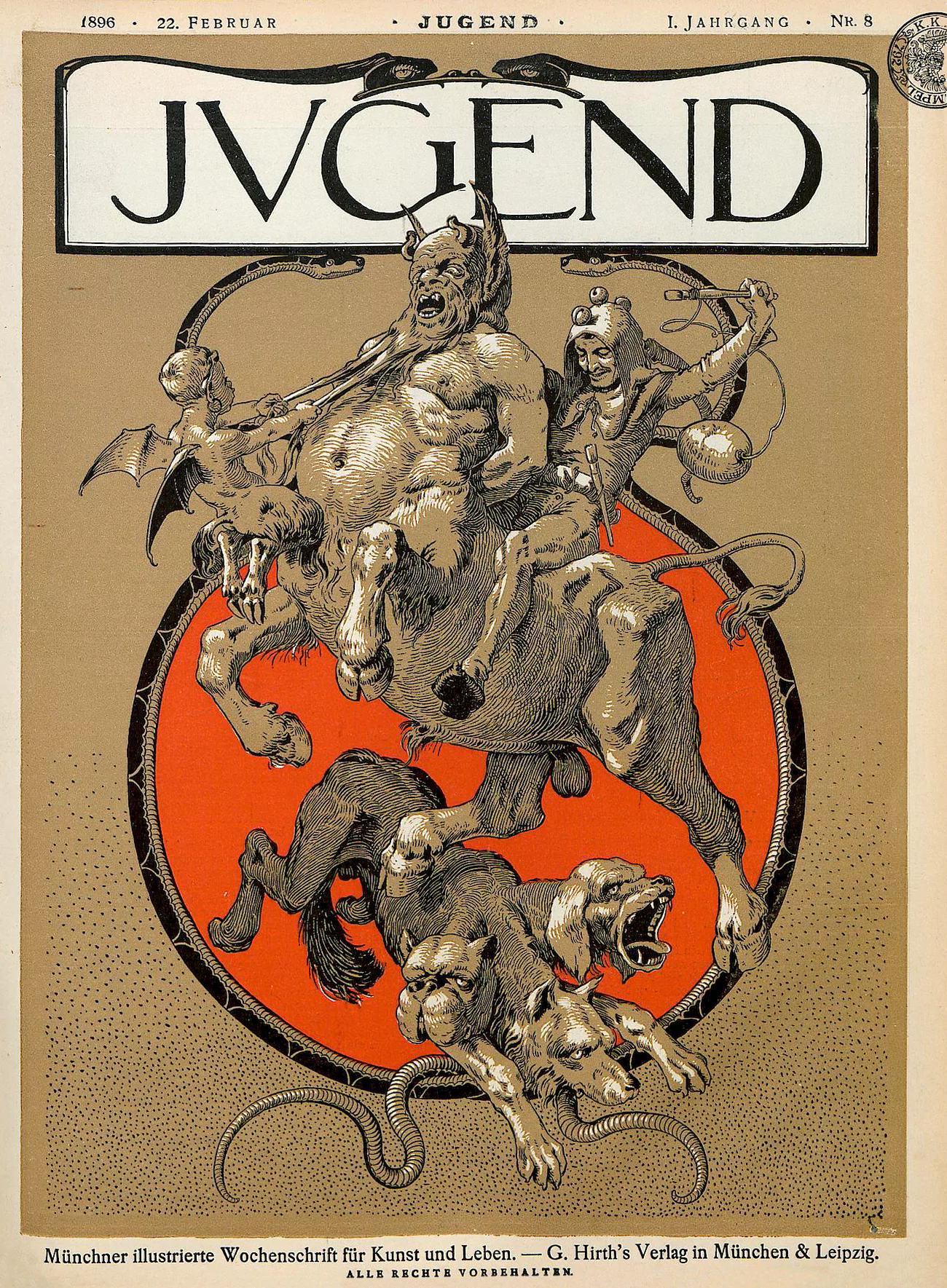
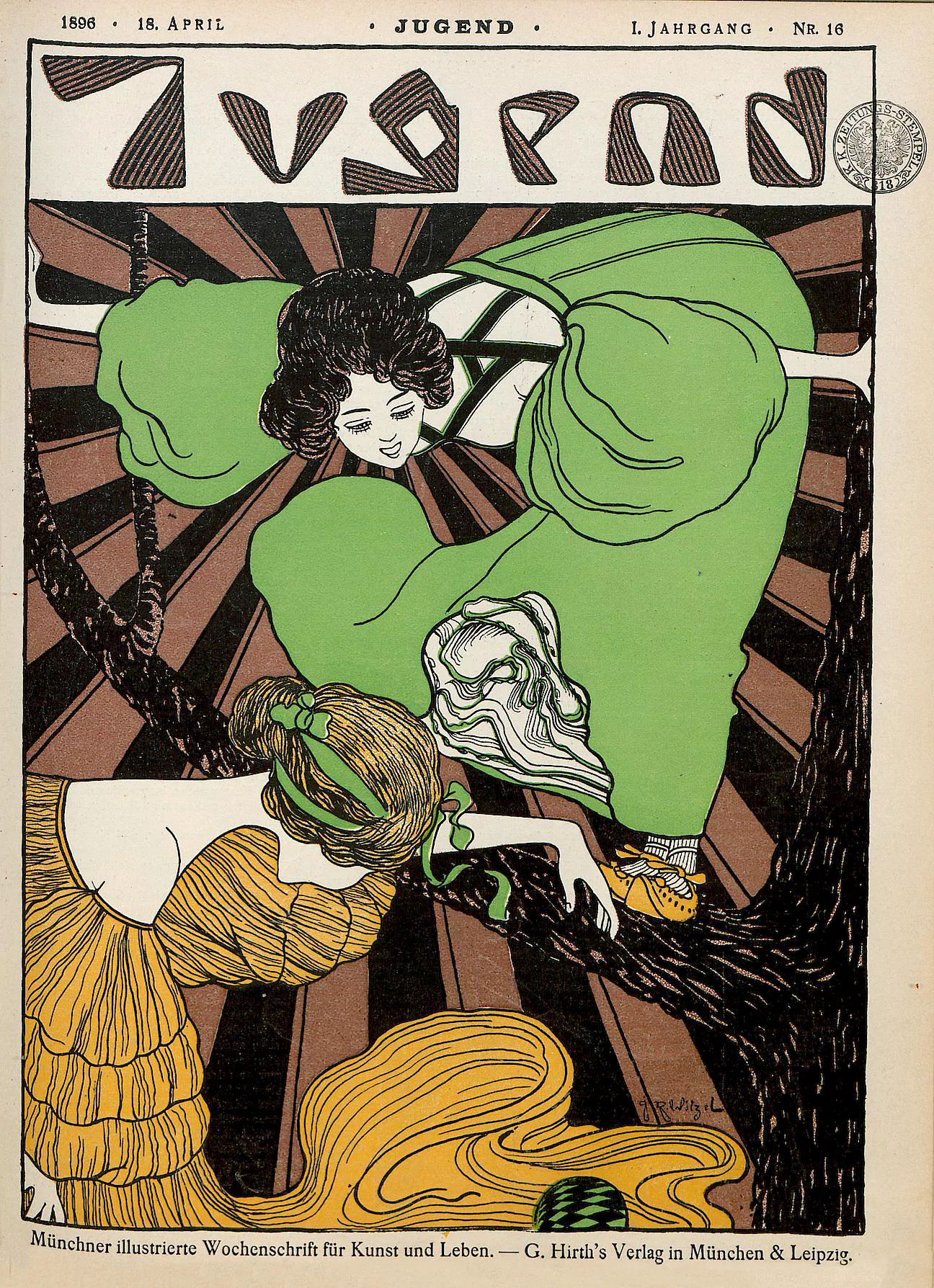
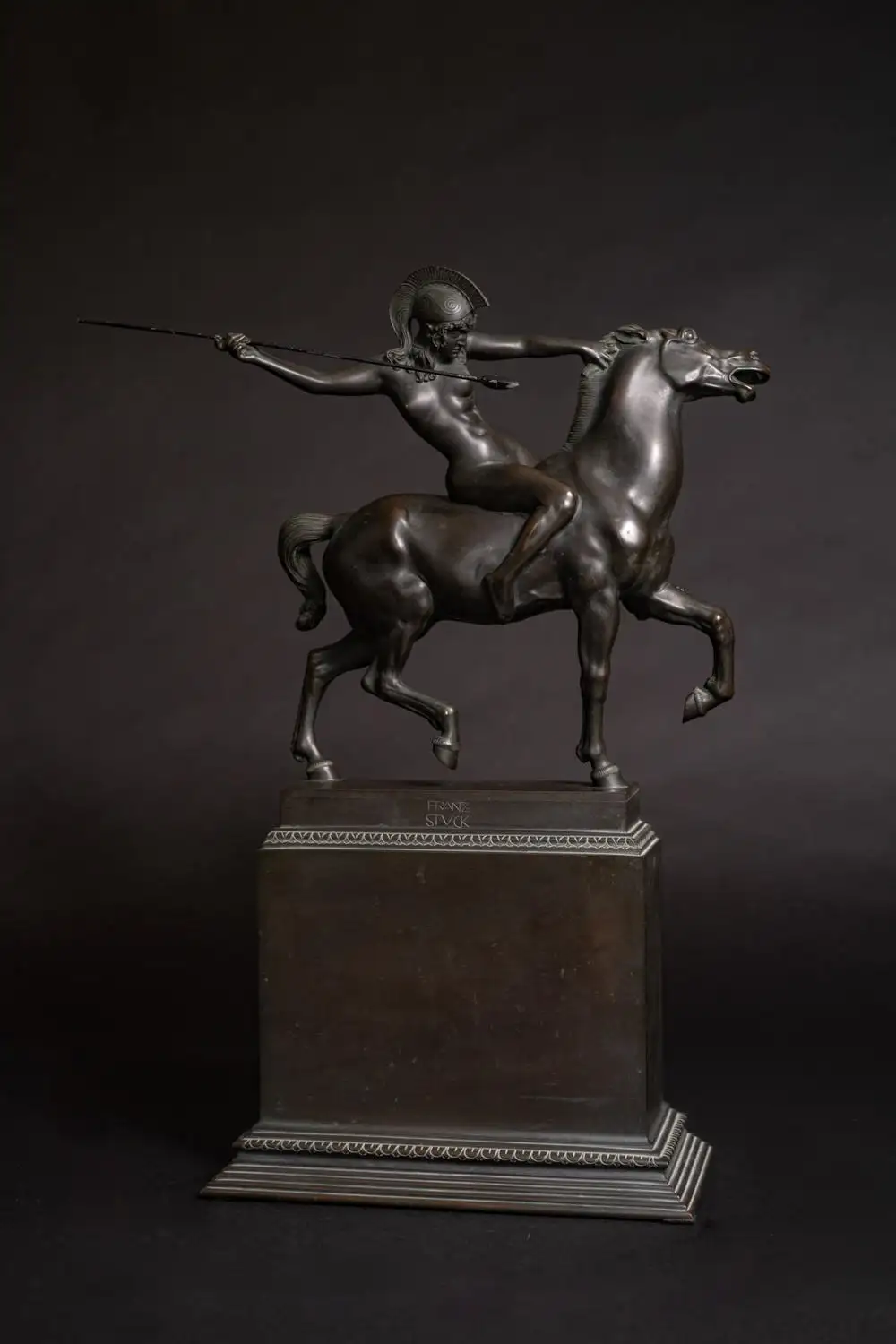
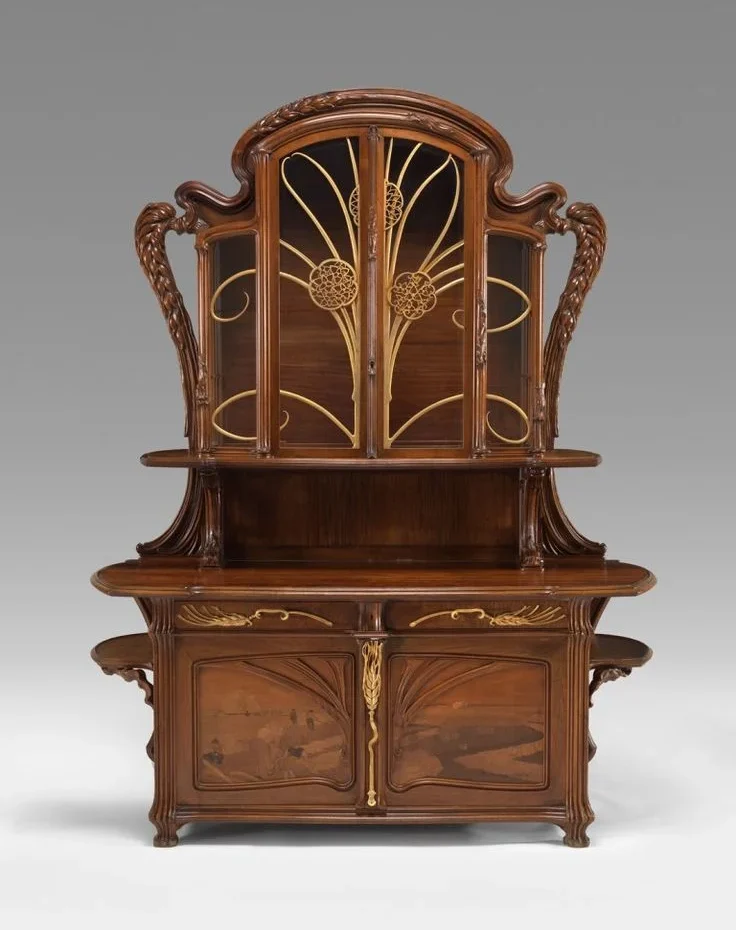
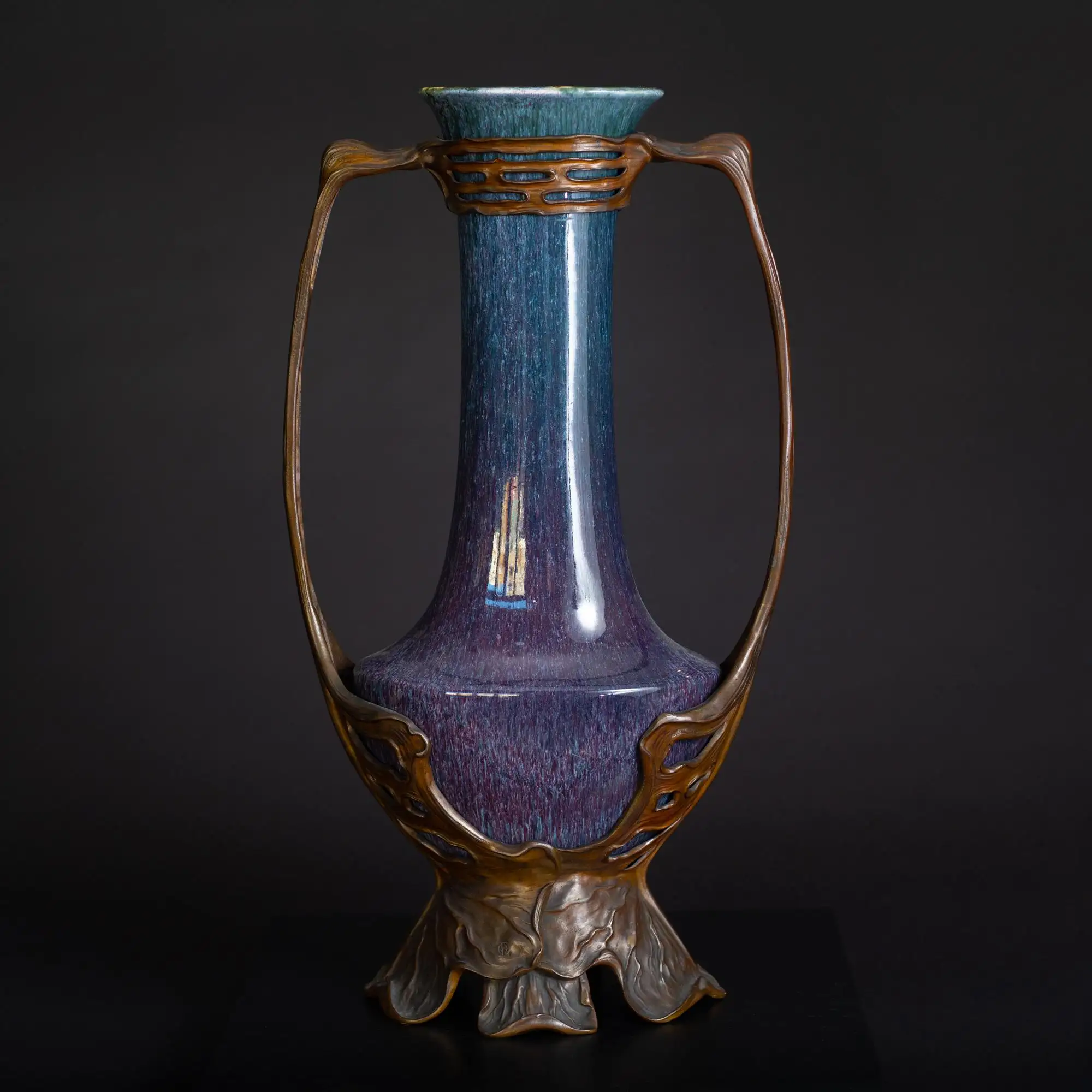
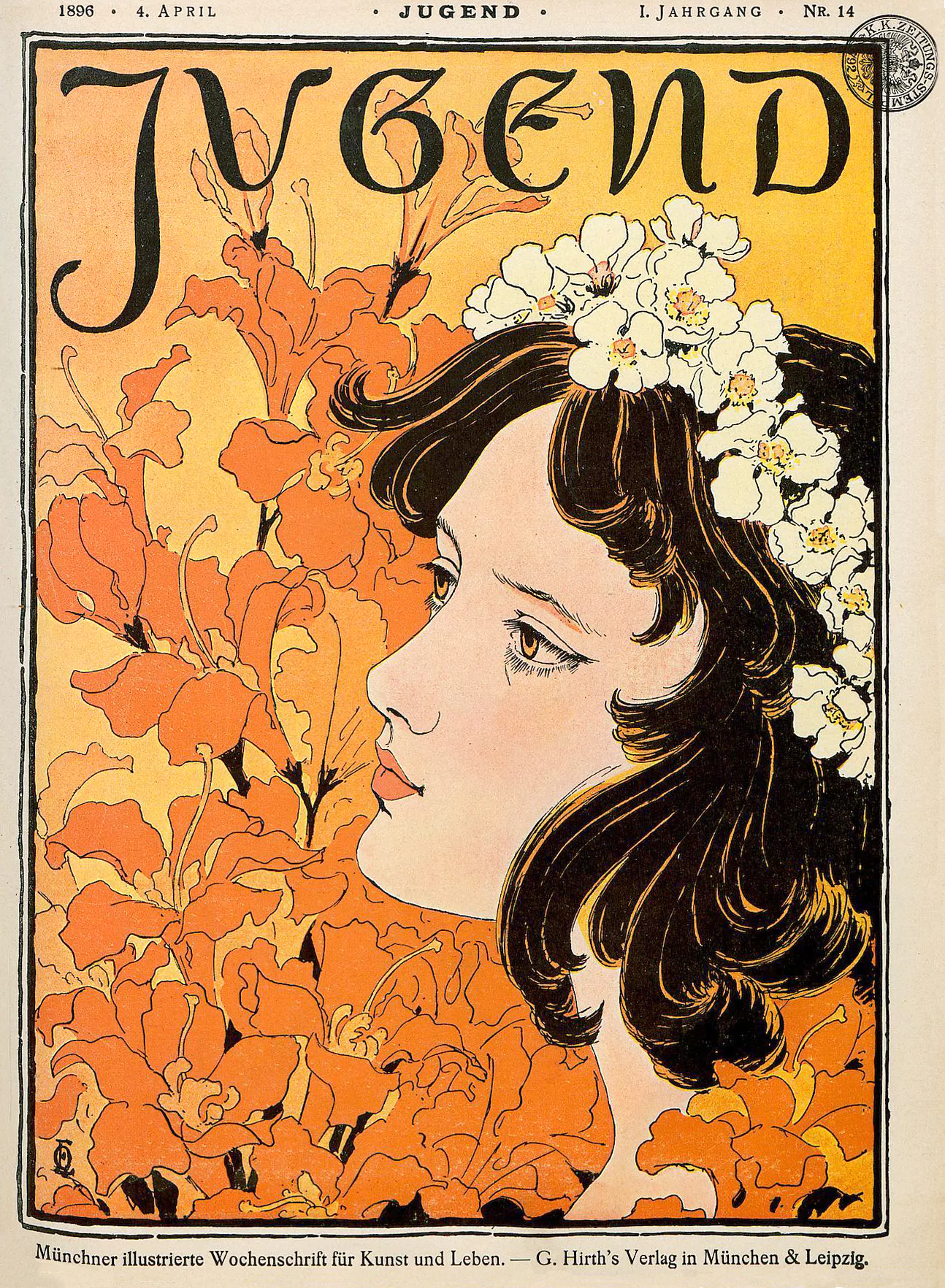 Jugendstil takes its name from Jugend, an art magazine launched in Munich in 1896 by Georg Hirth, and the label came to cover the German and Austrian counterpart of Art Nouveau. The style began with floral decoration and sinuous curves much like the French and Belgian versions, then grew steadily more geometric as it spread through the German-speaking world. Graphic artists such as Otto Eckmann, Hans Christiansen, and Thomas Theodor Heine gave the magazines their flowing, ornamental look, while architects and designers carried it into buildings and rooms. Weimar became a center under the Belgian Henry van de Velde, who worked there until 1906, and in Berlin August Endell, who also edited the journal Pan, designed the Buntes Theater and the courtyards of the Hackesche Höfe. Munich, Vienna, Berlin, Weimar, and Darmstadt each developed a version of its own, and the movement’s reach soon extended well beyond Germany and Austria.
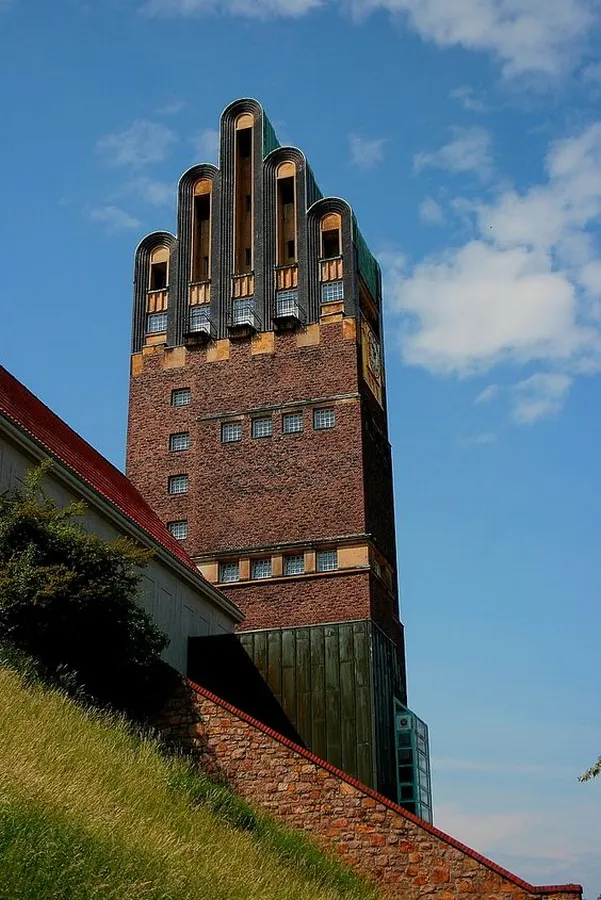
Darmstadt’s version began with a patron. In 1899, Grand Duke Ernst Ludwig of Hesse founded an artists’ colony on the Mathildenhöhe hill under the motto “My Hessian land flourish, and in it, art.” Joseph Maria Olbrich became its central architect, joined by Peter Behrens, the painter Hans Christiansen, and the artists Rudolf Bosselt, Paul Bürck, Patriz Huber, and Ludwig Habich, a group of architects, painters, sculptors, and designers meant to work as one community. Behrens, who later helped lead German design toward modernism, was among its founding members. Their 1901 exhibition, titled “A Document of German Art,” presented the colony’s work to the public and ended with a large financial loss. The buildings outlasted the debt. Olbrich’s Wedding Tower, opened in 1908, still rises above the hill, and the colony was added to the UNESCO World Heritage list in 2021, more than a century after its artists first moved in.
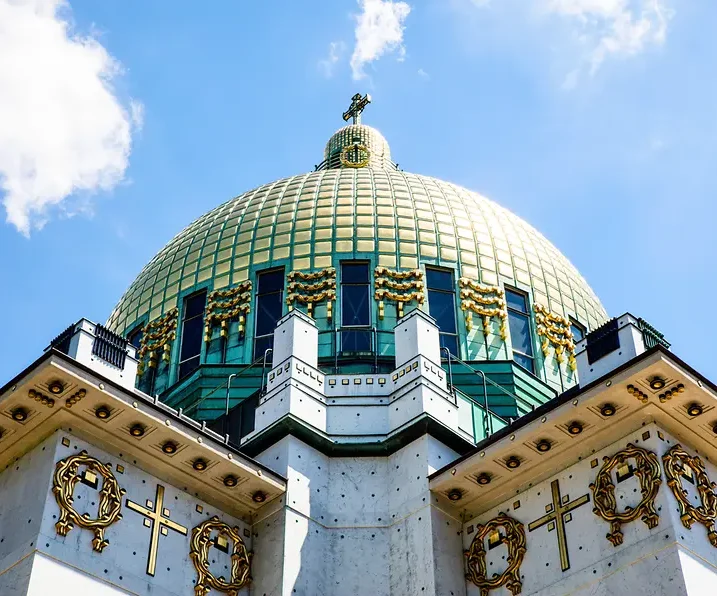
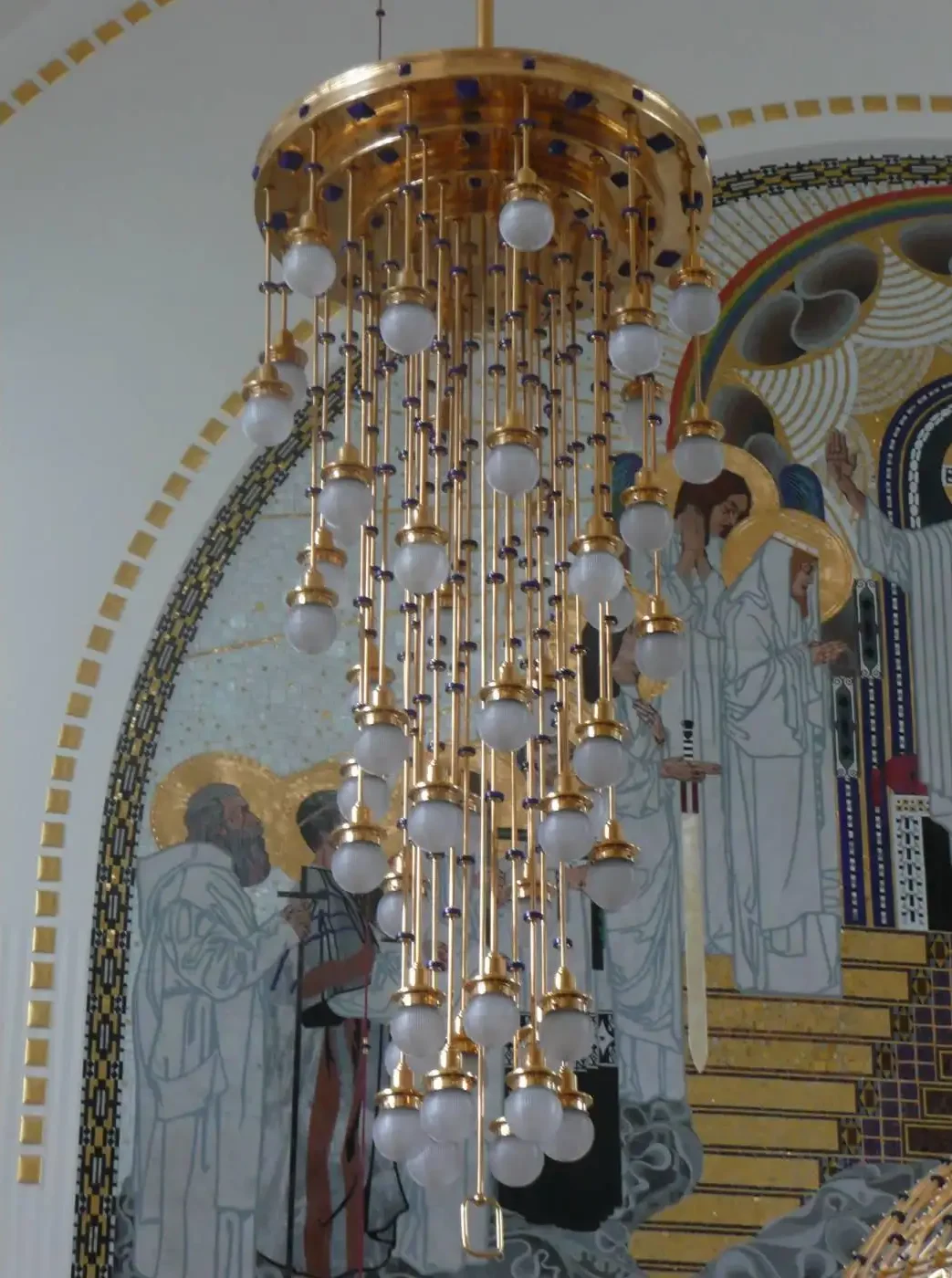
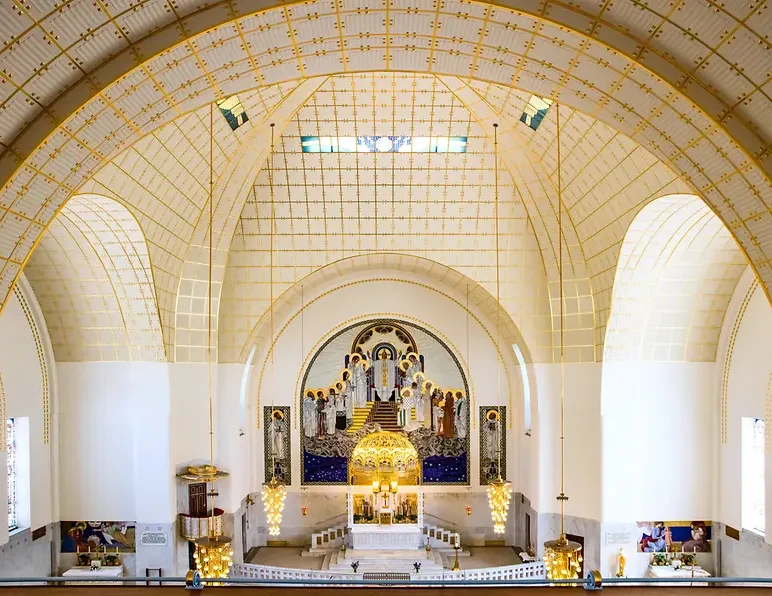
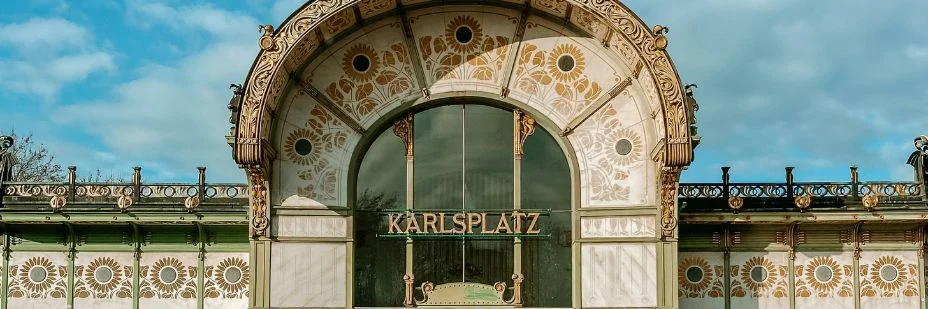
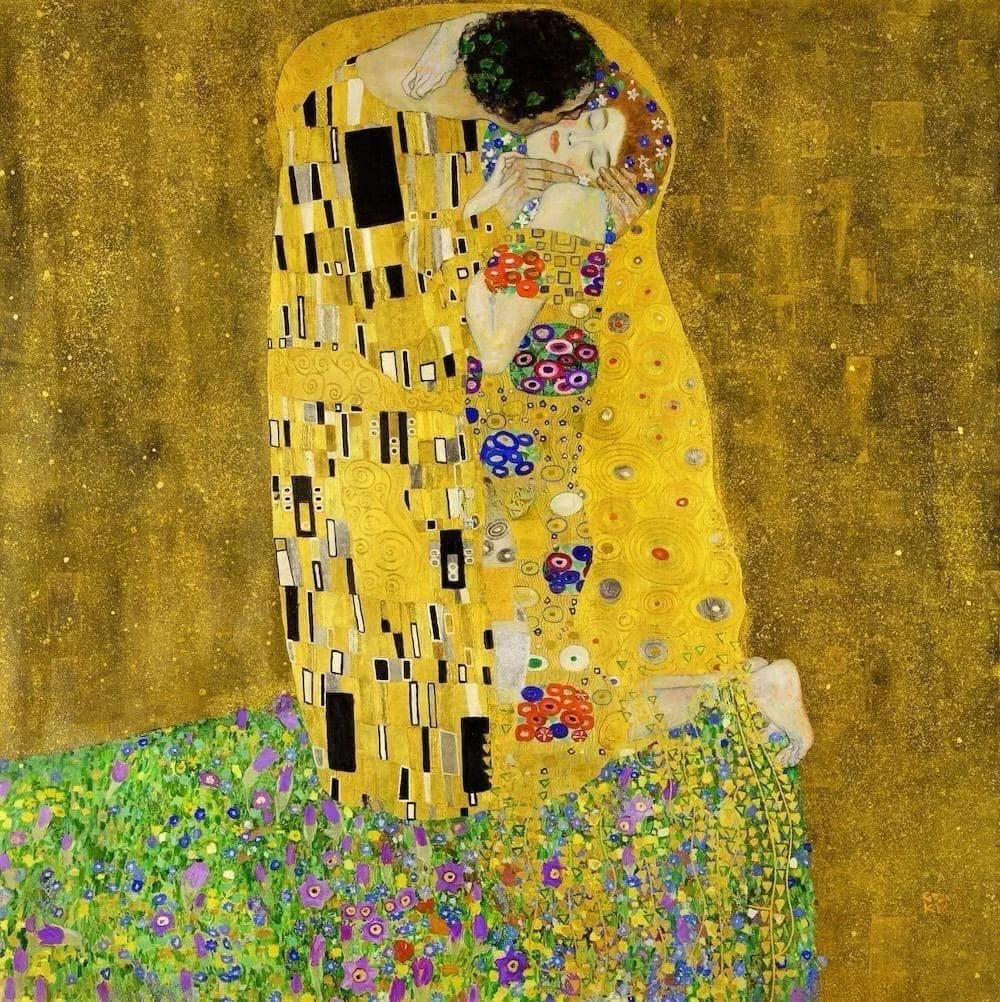 Vienna produced the style’s most influential offshoot. The Vienna Secession was founded on 3 April 1897 by artists who left the conservative Künstlerhaus, with Gustav Klimt as its first president and the magazine Ver Sacrum as its voice. Olbrich designed its domed exhibition building in 1897 and 1898, and Klimt’s Beethoven Frieze was made for the Secession’s 14th exhibition in 1902. In 1903, Josef Hoffmann and Koloman Moser founded the Wiener Werkstätte with the financier Fritz Waerndorfer, a workshop that made furniture, metalwork, textiles, fashion, jewelry, and ceramics in simplified geometric forms. Its largest commission was the Stoclet Palace in Brussels, built by Hoffmann between 1905 and 1911 in reinforced concrete clad in marble, with Klimt designing its mosaic friezes and Franz Metzner contributing the bronze figures on the stair tower. It was the Werkstätte’s first residential project, and the workshop designed everything inside it, down to the door handles and light fittings.
Jugendstil also reshaped entire towns. On the night of 23 January 1904, a fire destroyed nearly all of Ålesund on Norway’s west coast and left more than 10,000 people homeless. Kaiser Wilhelm sent four warships loaded with materials, and the town was rebuilt in stone, brick, and mortar, mostly between 1904 and 1907. About twenty master builders and thirty Norwegian architects, most of them trained in Trondheim or Berlin, worked in the style, and the result is an unusually consistent townscape, now explained at the Jugendstilsenteret. Riga reached a similar result through a building boom instead of a disaster, and its first Art Nouveau building was completed in 1899 on Audēju Street. About one third of the buildings in its center are Art Nouveau, most of them dating from 1904 to 1914, and Mikhail Eisenstein designed many of the heavily decorated houses on Alberta Street. Historian Jānis Krastiņš credits Riga with the highest concentration of Art Nouveau buildings in the world.
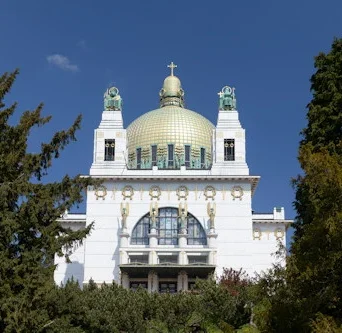
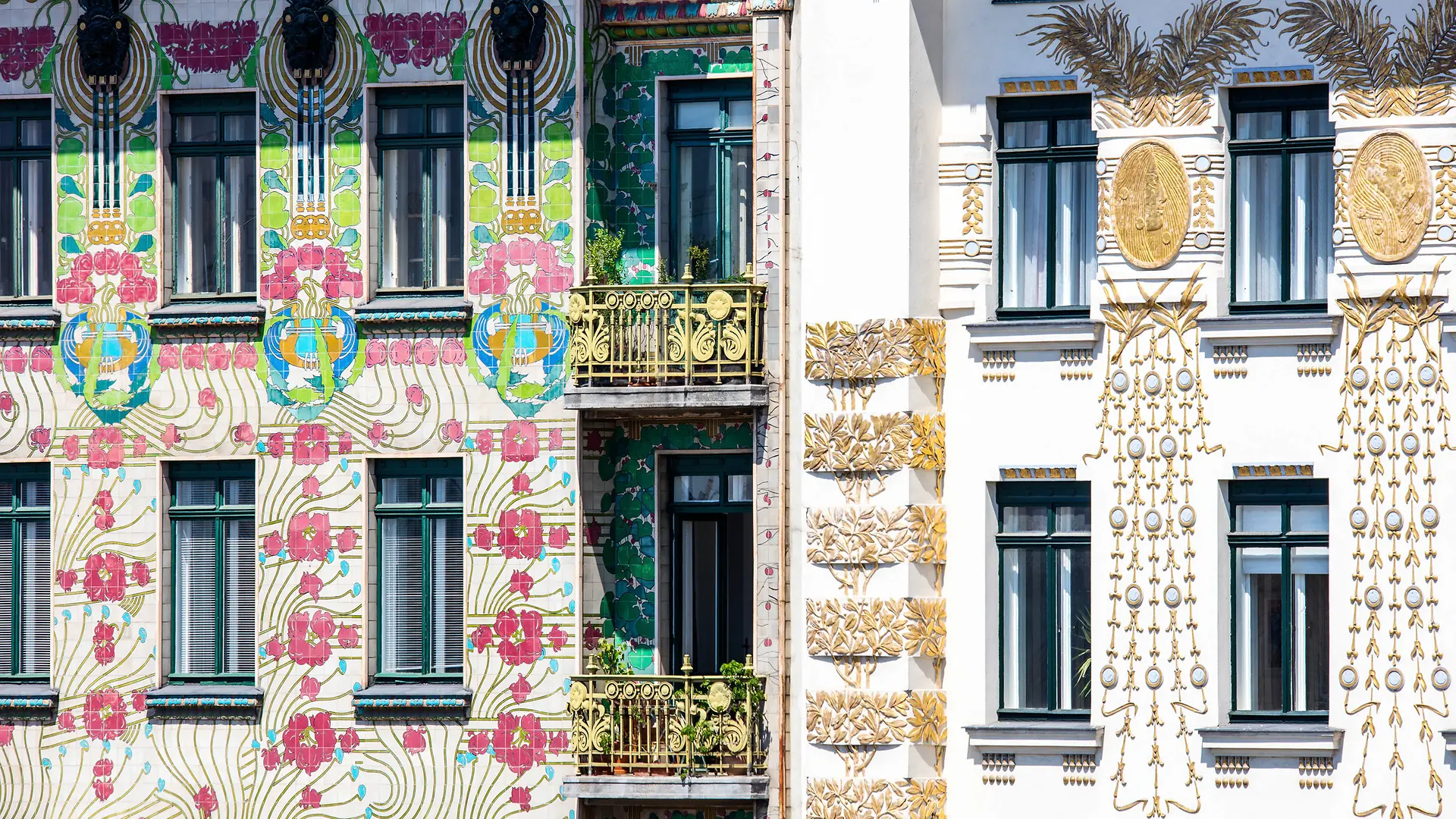
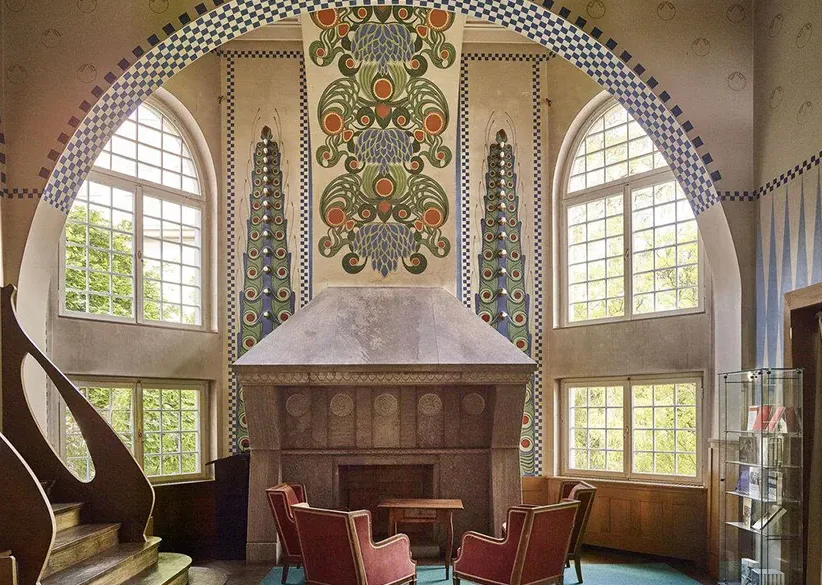
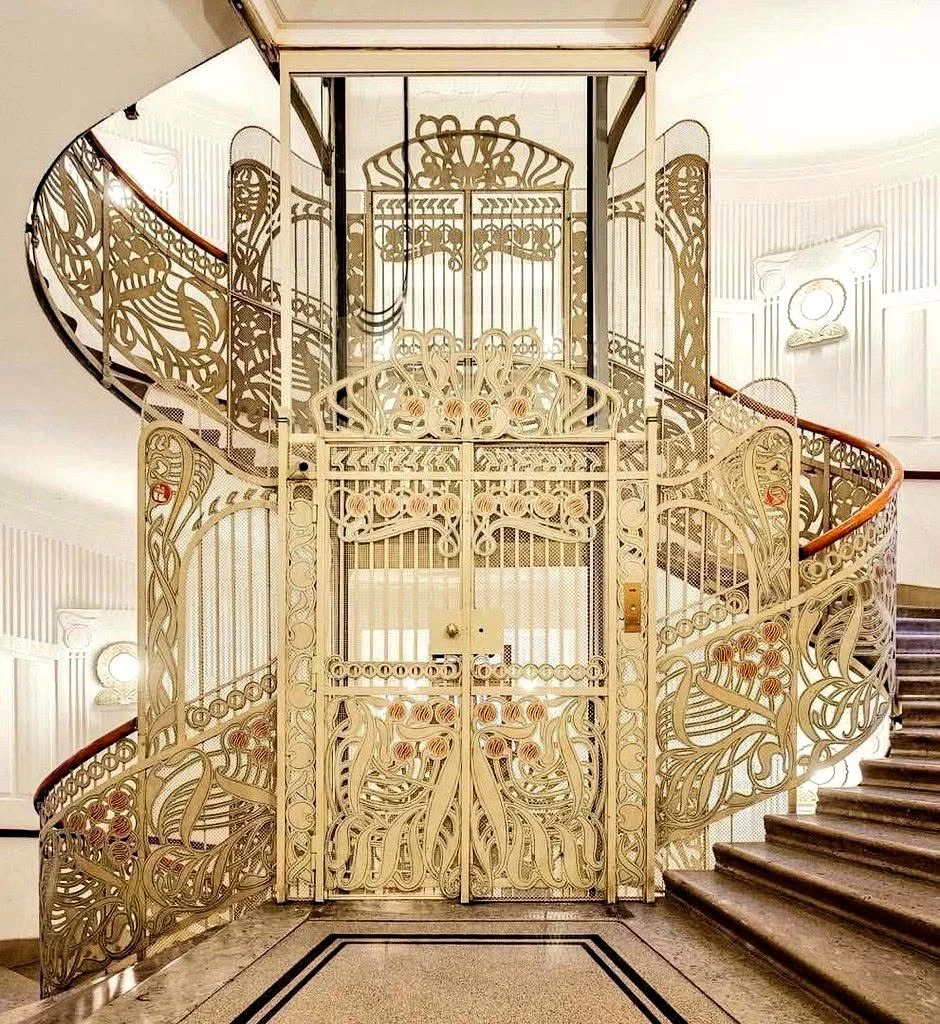
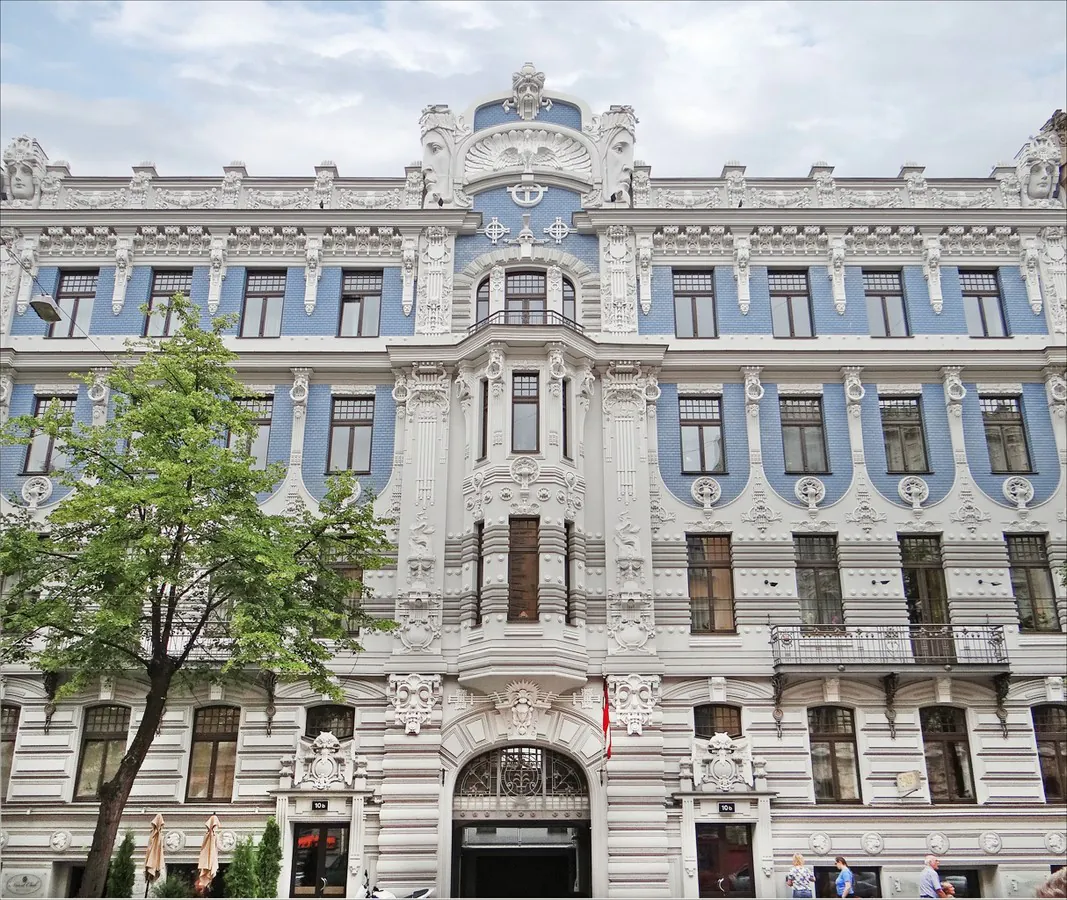
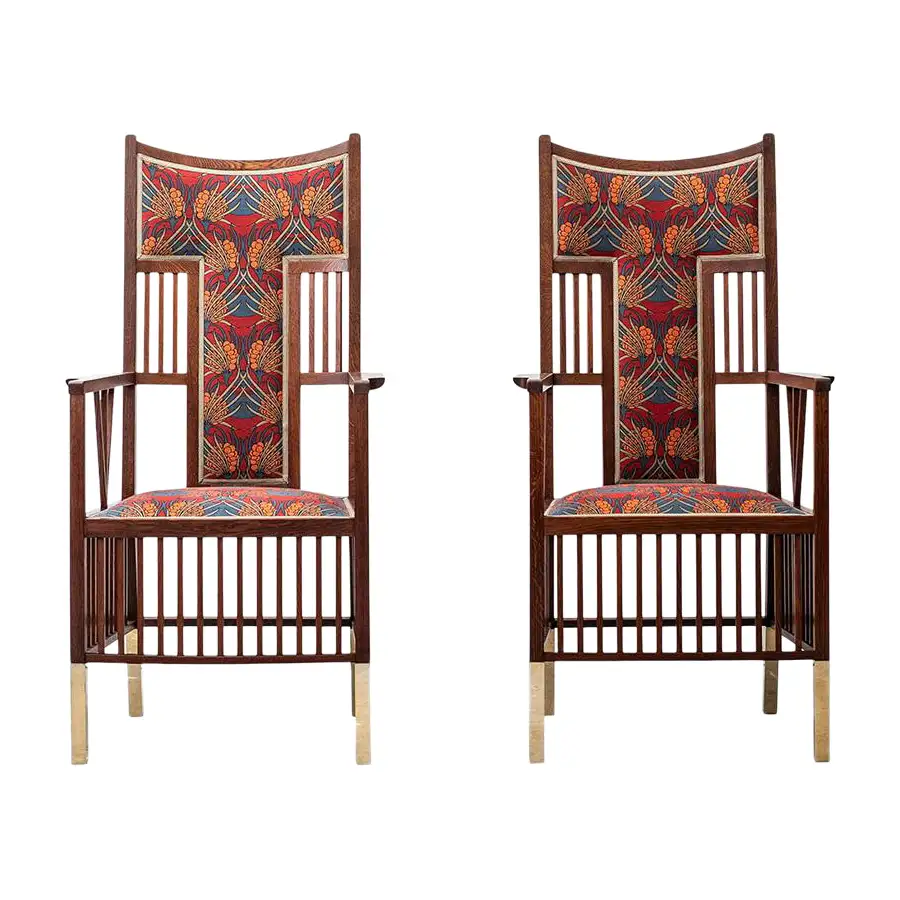
The link to Art Deco runs through geometry. Richard Riemerschmid’s sober, geometric furniture pointed toward the later style, and Peter Behrens and the Deutscher Werkbund, founded in 1907, steered German design toward modernism and ended Jugendstil’s run, a path that led to the Bauhaus. The Wiener Werkstätte, which closed in 1932 after bankruptcy, influenced both the Bauhaus and Art Deco, and art historian Paul Dujardin considers the Stoclet Palace the earliest Art Deco building. Both styles treated an entire interior as one design problem, as the Werkstätte’s work in Brussels shows.
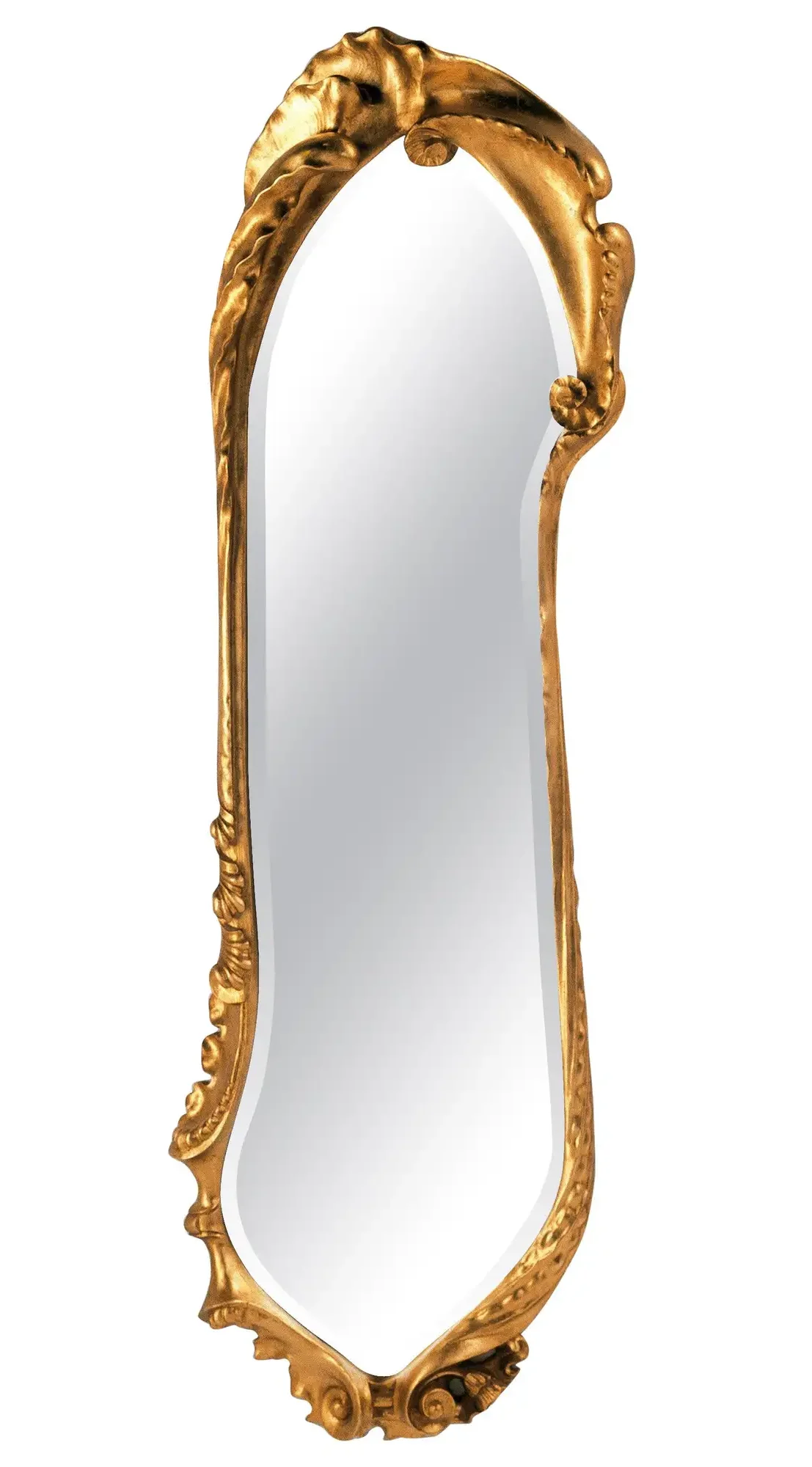
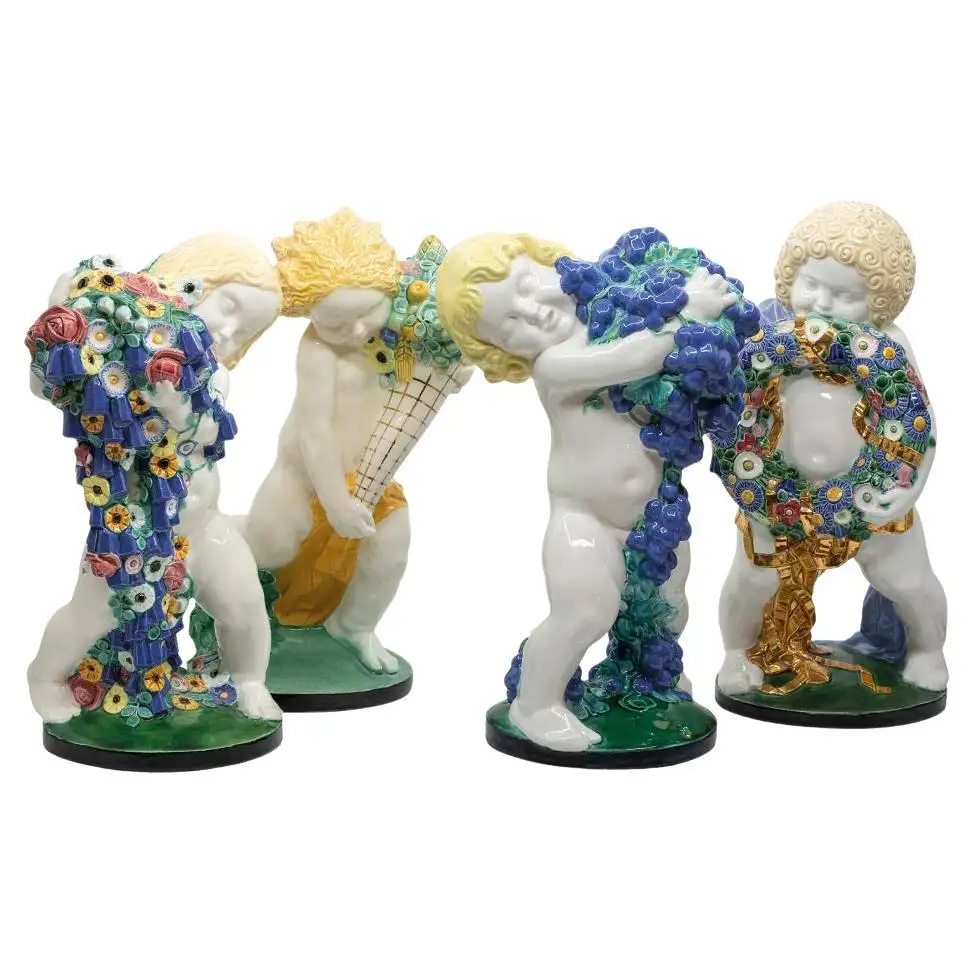

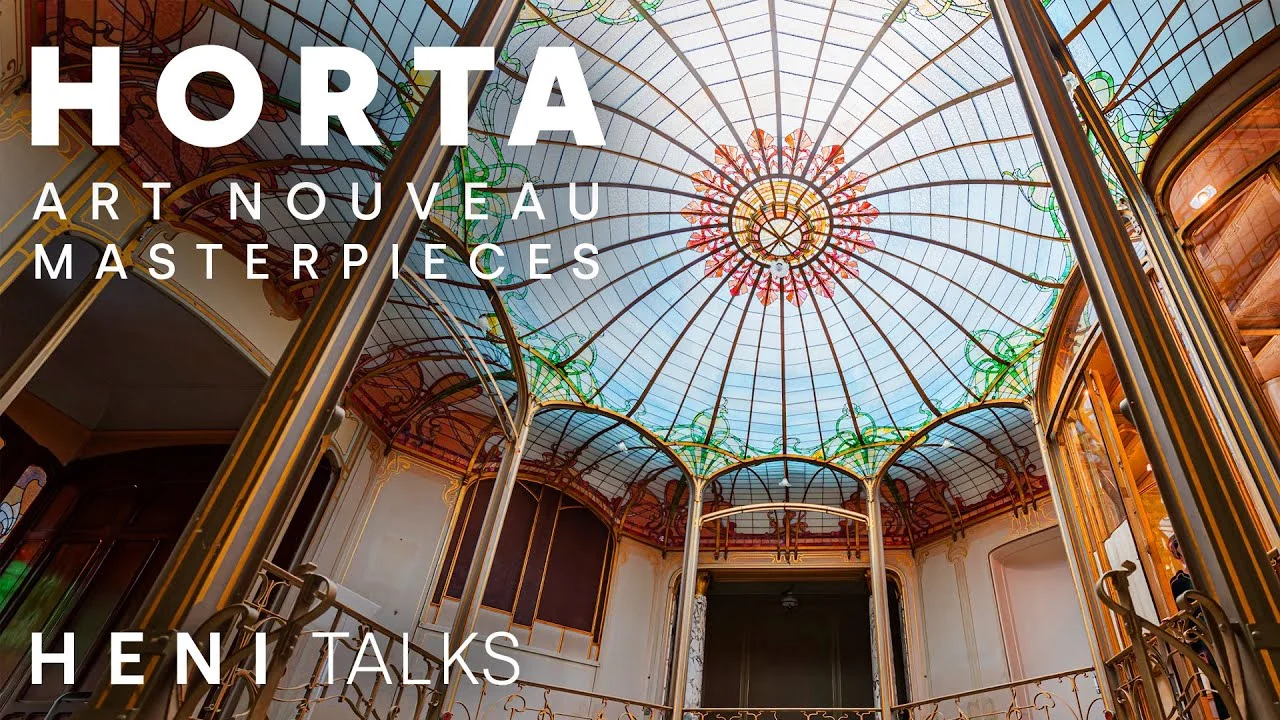

Related Products from ArtDecoCollection.com
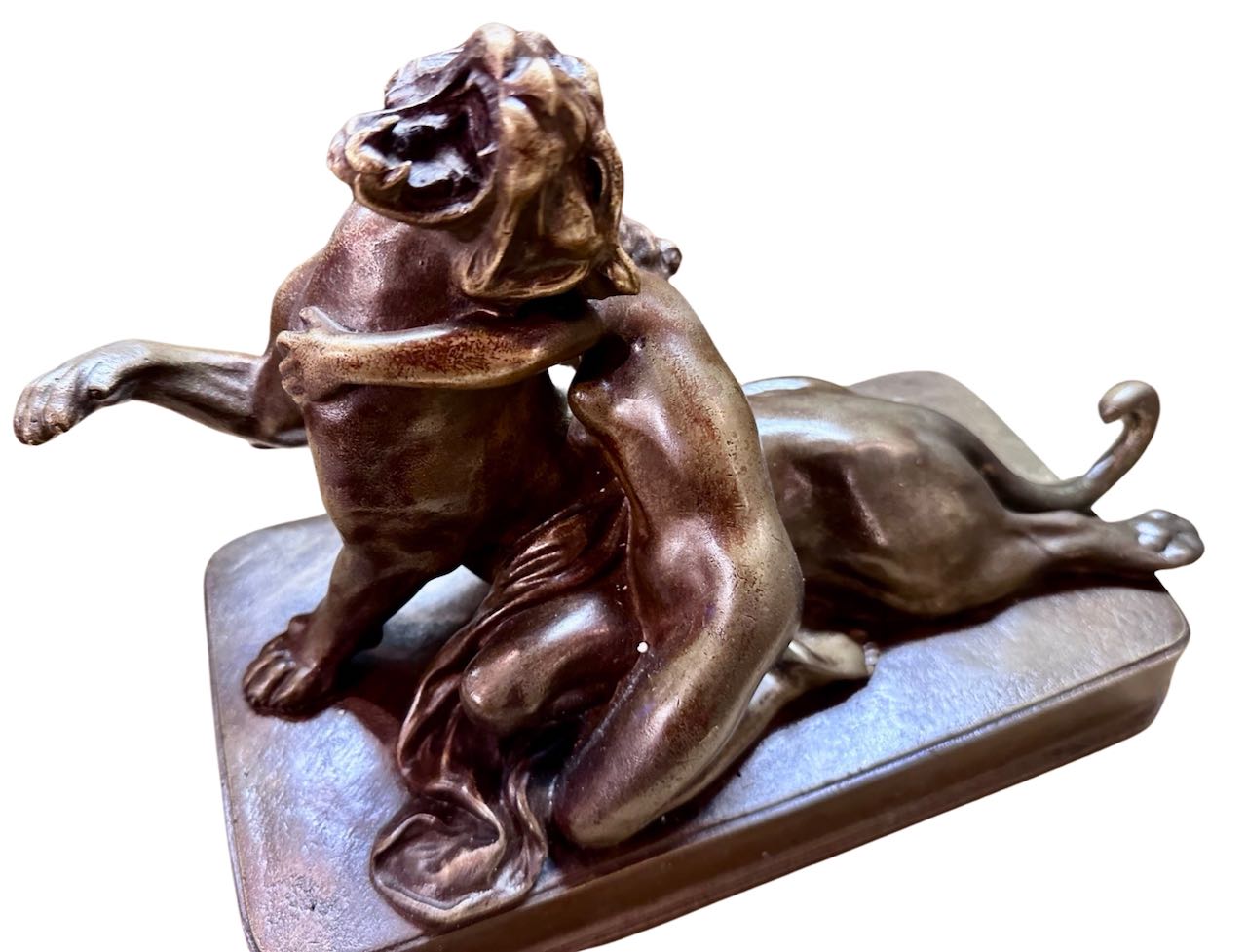
Woman and Lion Bronze Sculpture by Wilhelm Widemann, Germany, 1920s
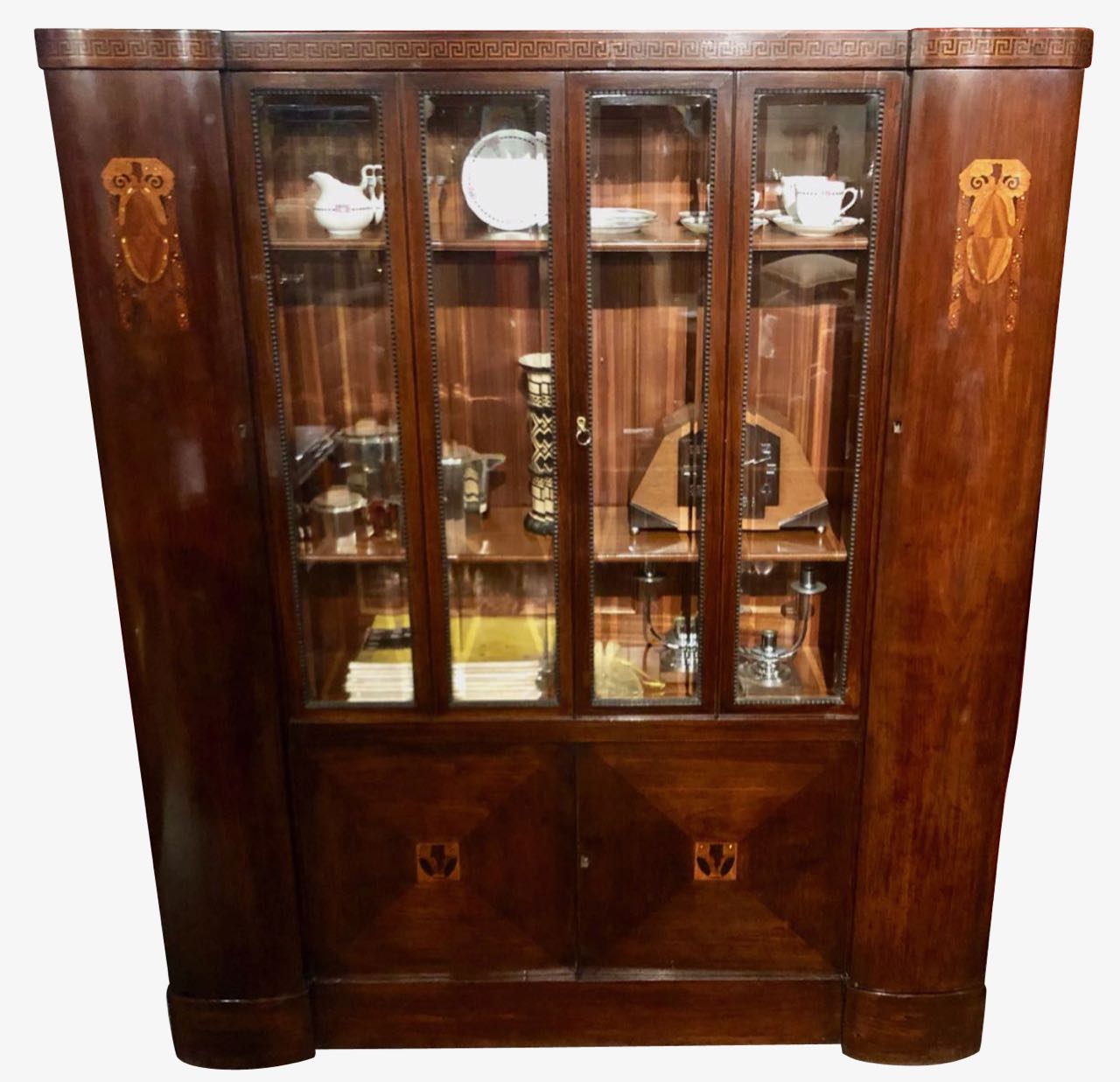
Austrian Art Nouveau Jugendstil Library and Office Suite, Seven Pieces, Circa 1910
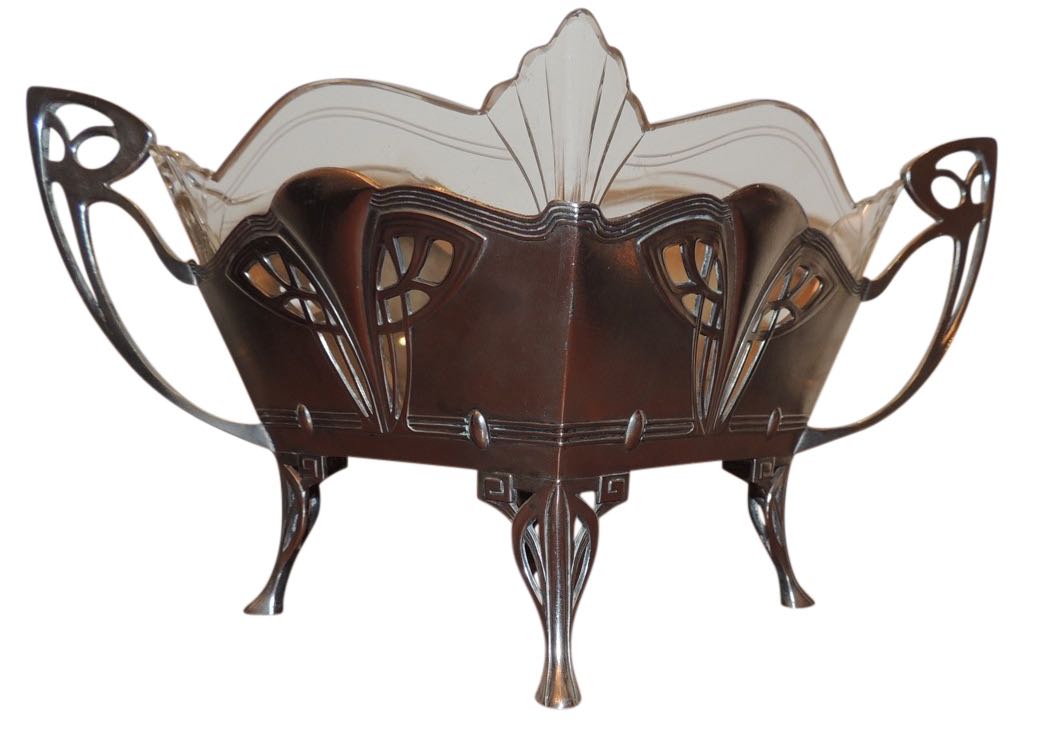
WMF Art Nouveau Centerpiece Silver & Glass
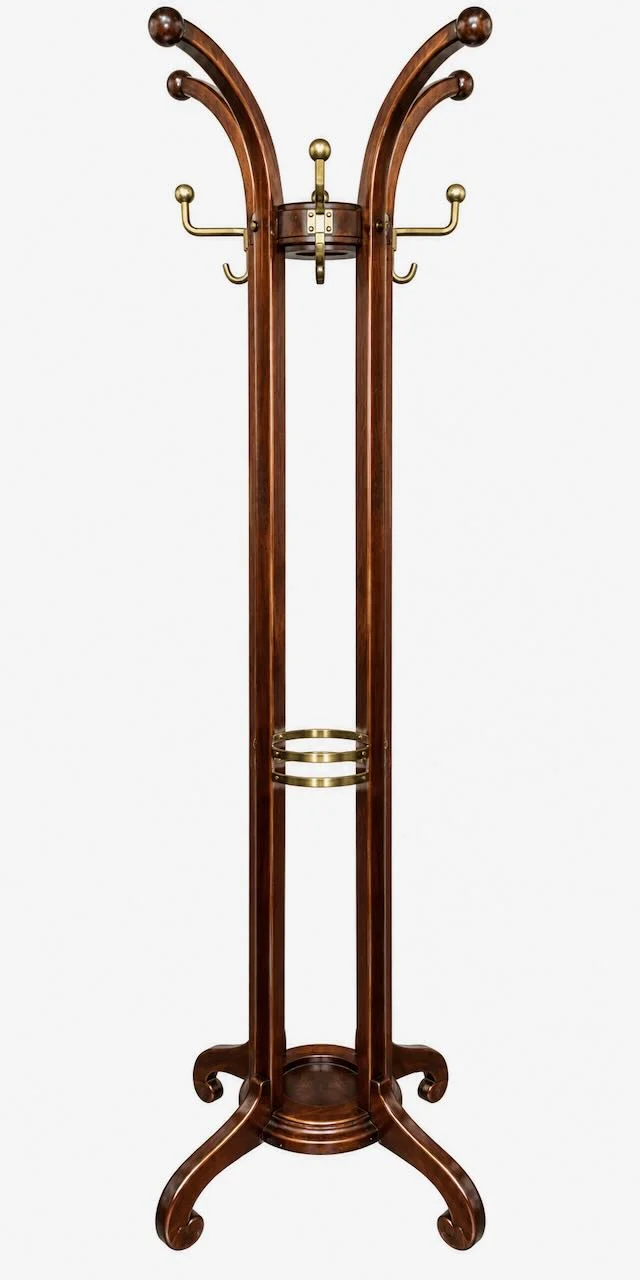
Gebrüder Thonet Austrian Bentwood Coat and Umbrella Stand, circa 1905
Vienna 1900 Complete

ART & STATUES
CERAMICS & GLASS
© Copyright Art Deco Collection. 2026 All rights reserved. Site Map