

Koloman Moser
Koloman Moser was born in Vienna in 1868 and became one of the most influential designers of the early twentieth century. He trained at the Academy of Fine Arts and later at the Kunstgewerbeschule, where he developed a rigorous approach to form and composition. From an early stage, he rejected academic historicism in favor of clarity and modern expression. Moser moved easily between fine art and applied design, treating both as equally serious pursuits. His wide-ranging abilities allowed him to shape graphic art, furniture, textiles, and architecture. He was deeply engaged in the cultural reform movements shaping Vienna at the turn of the century. Teaching played an important role in his career and extended his influence beyond his own work. His ideas helped define a new relationship between art and everyday life. Moser died in 1918, leaving behind a body of work central to modern design history.
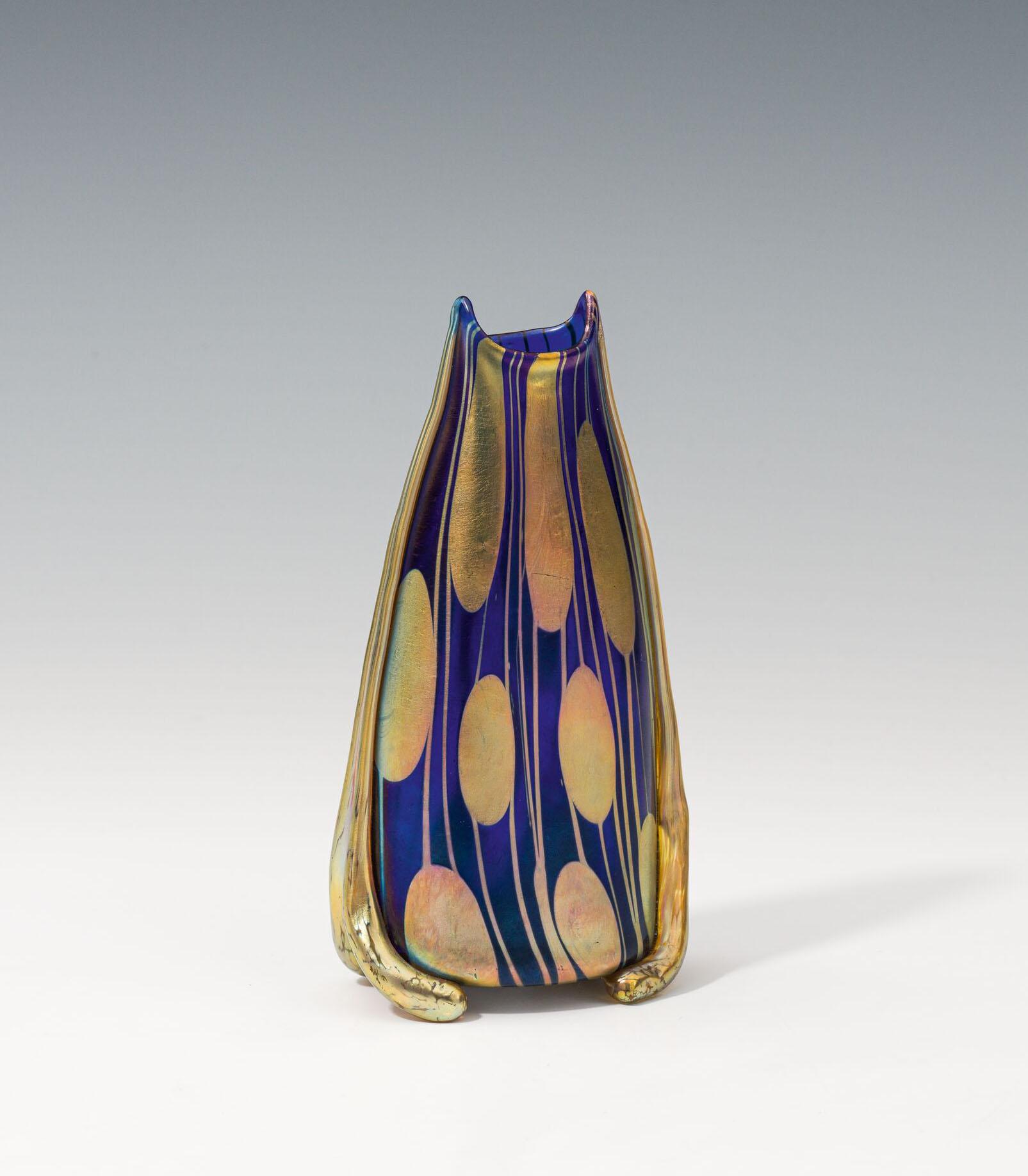
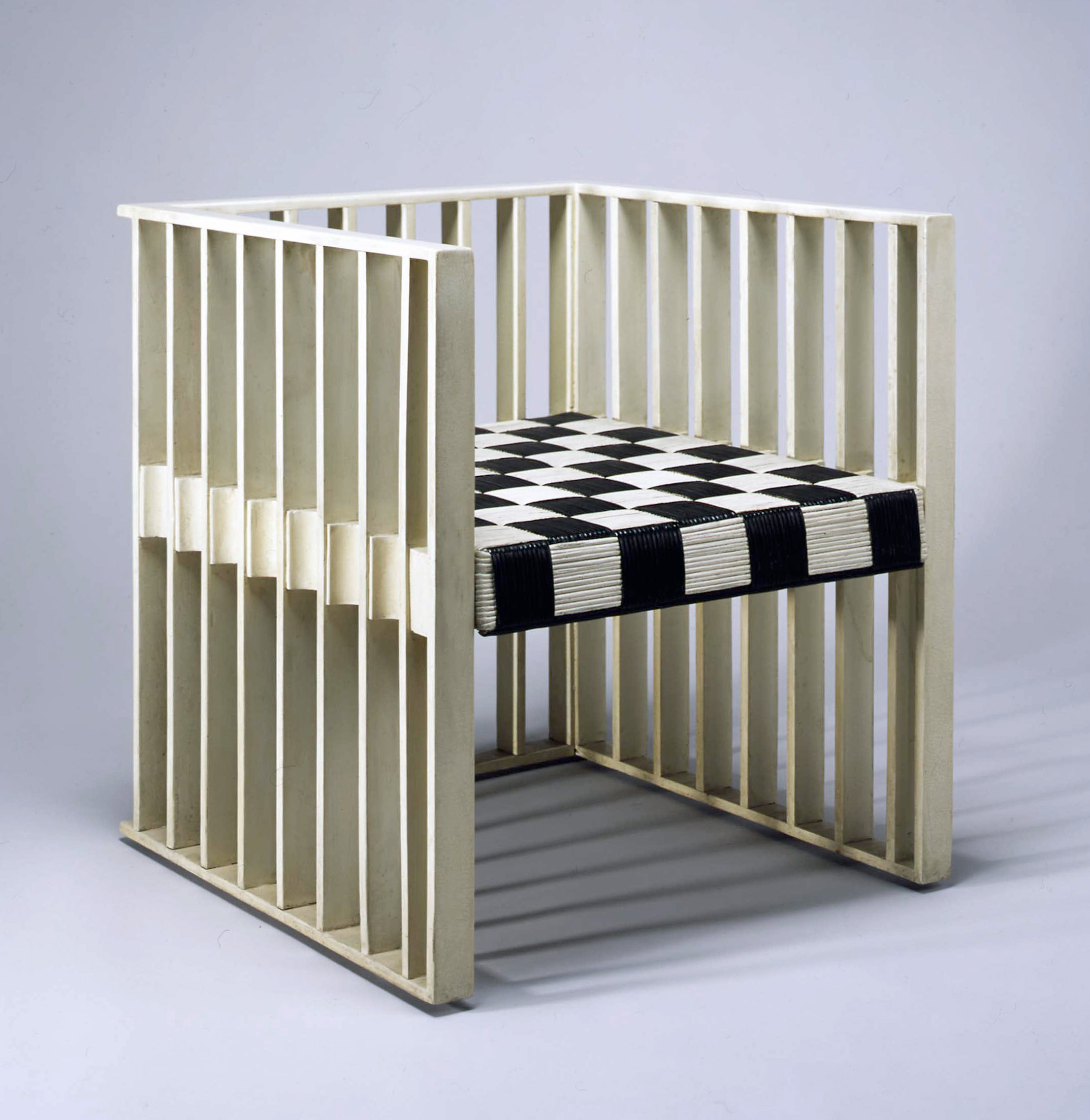
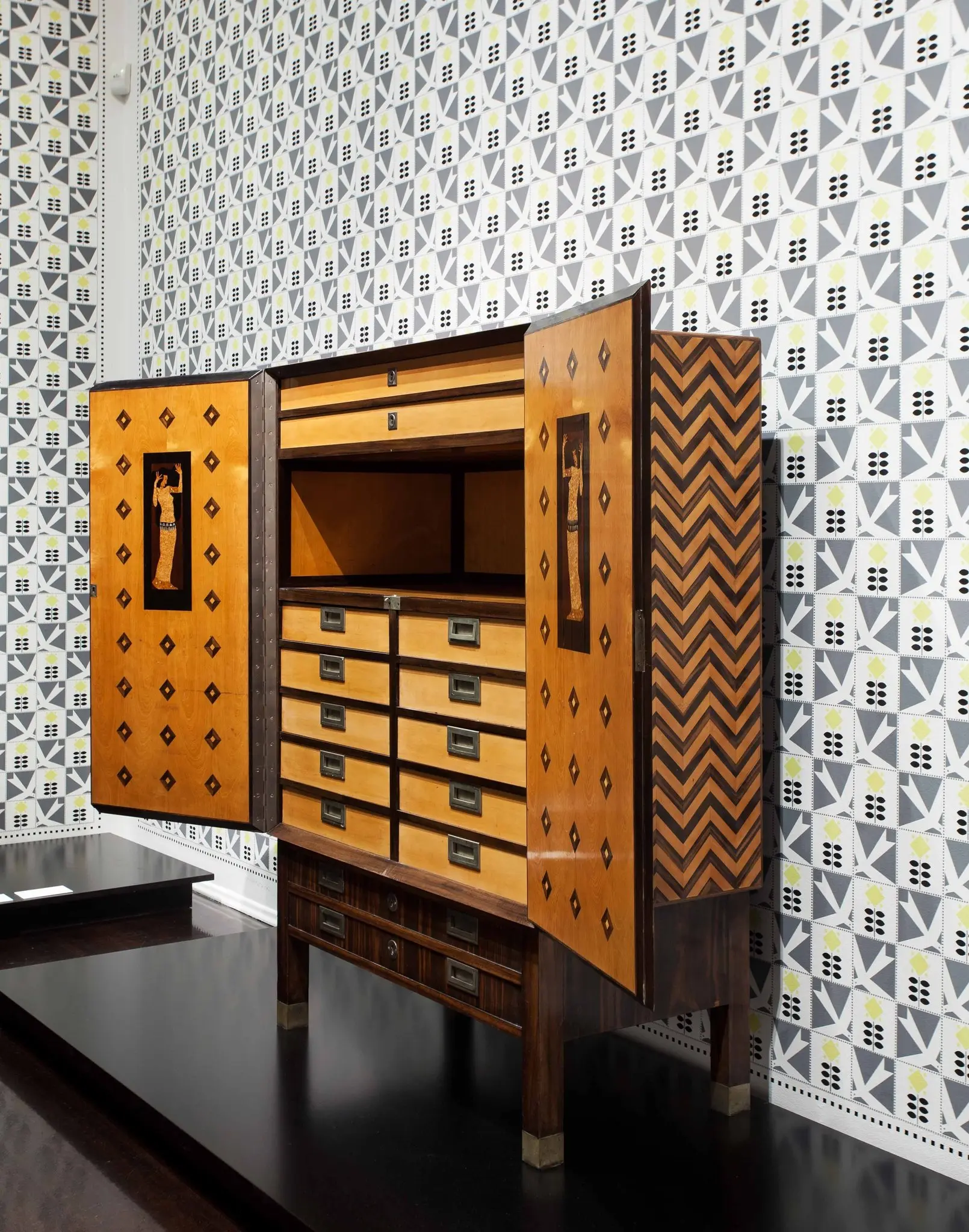
Moser was a founding member of the Vienna Secession and served as the principal designer of its journal Ver Sacrum. His graphic designs for the publication helped establish the movement’s visual identity. In 1903, he co-founded the Wiener Werkstätte with Josef Hoffmann, creating a workshop dedicated to unified design. Within the Werkstätte, he designed furniture, metalwork, glass, textiles, and printed materials. His work emphasized coherence between objects and interiors rather than isolated pieces. Architectural collaborations included stained glass and mosaics for Otto Wagner’s Kirche am Steinhof. Financial and philosophical disagreements led him to withdraw from the Wiener Werkstätte in 1907. After leaving, he returned increasingly to painting and theatrical design. Even in his later years, his approach continued to influence modern applied arts.
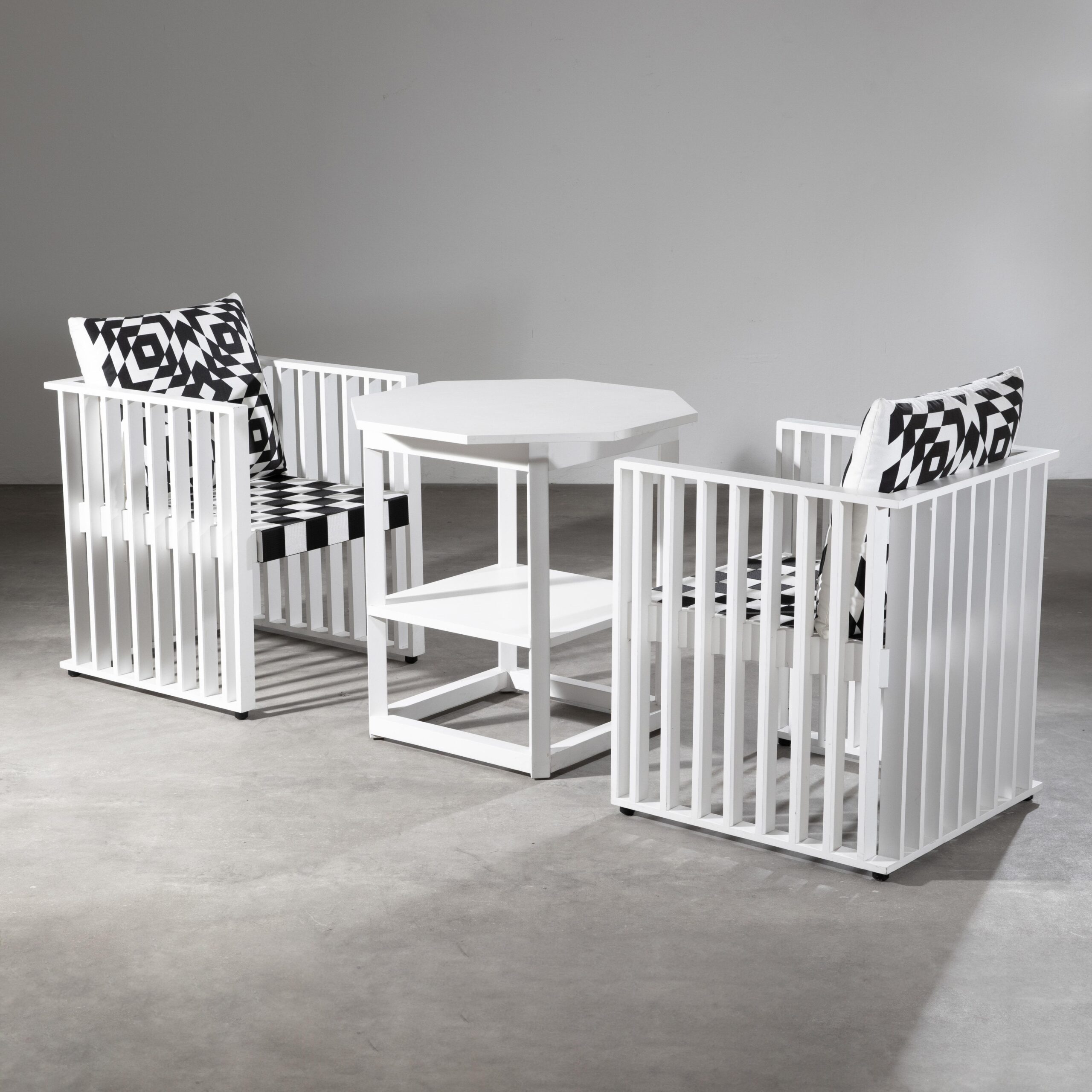
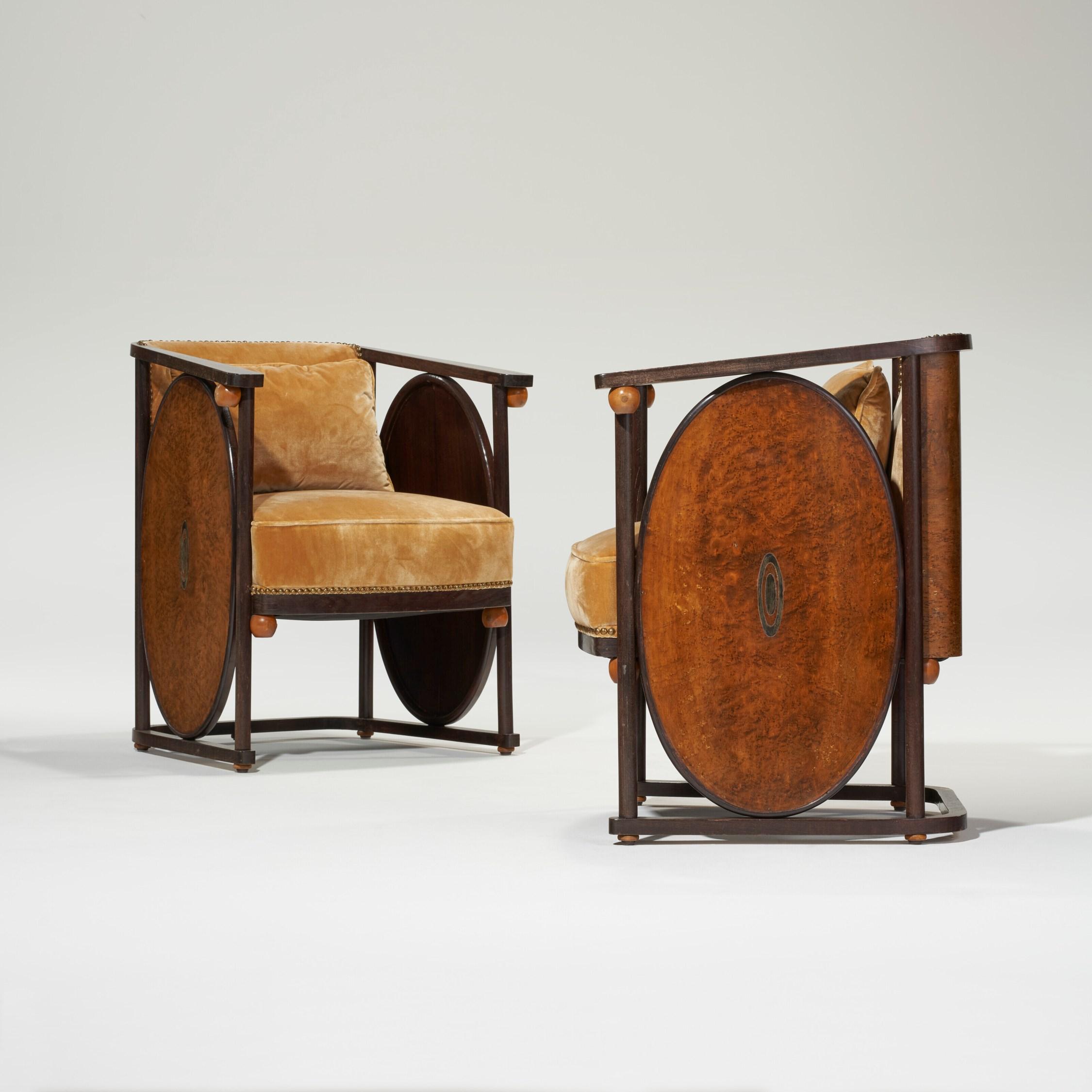
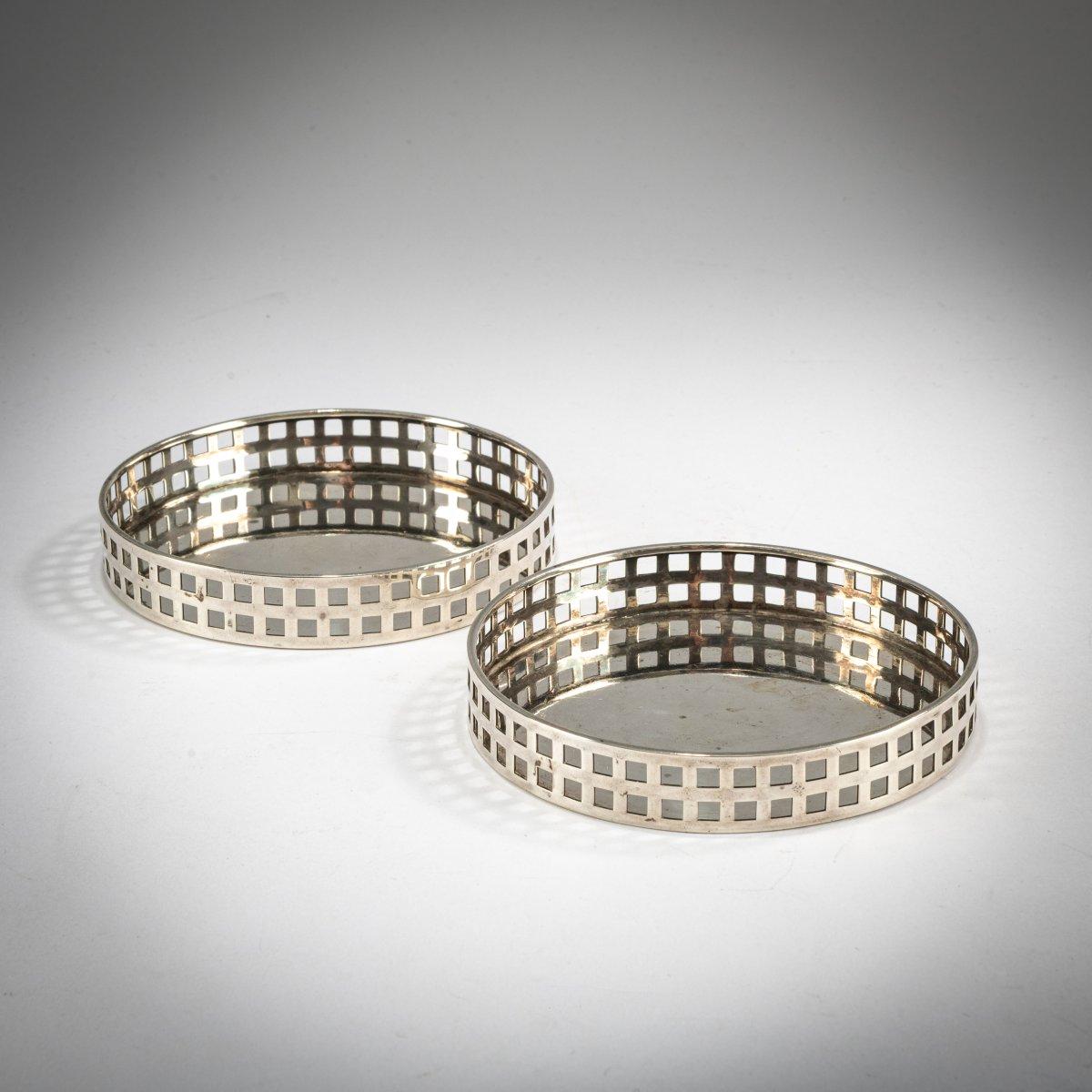
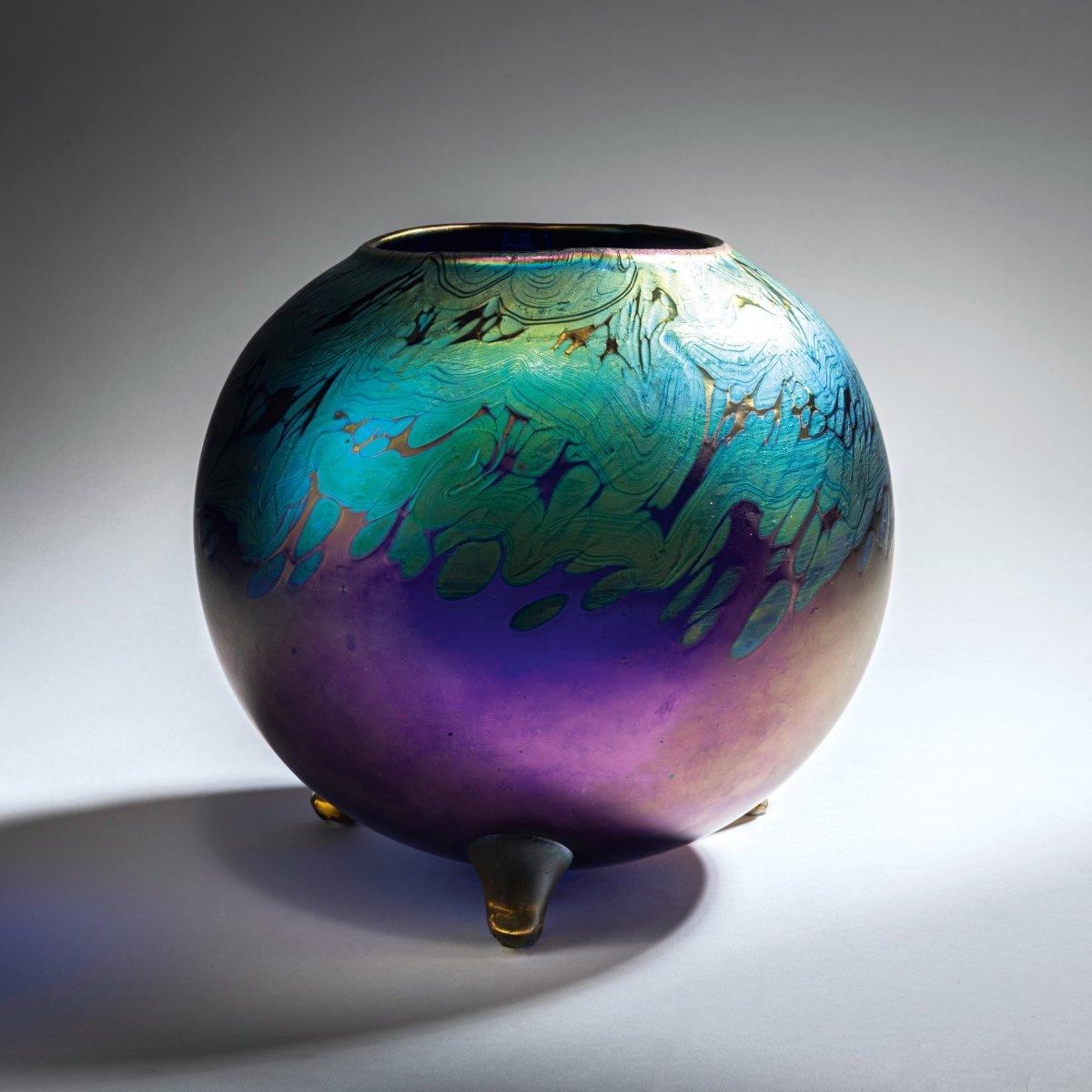
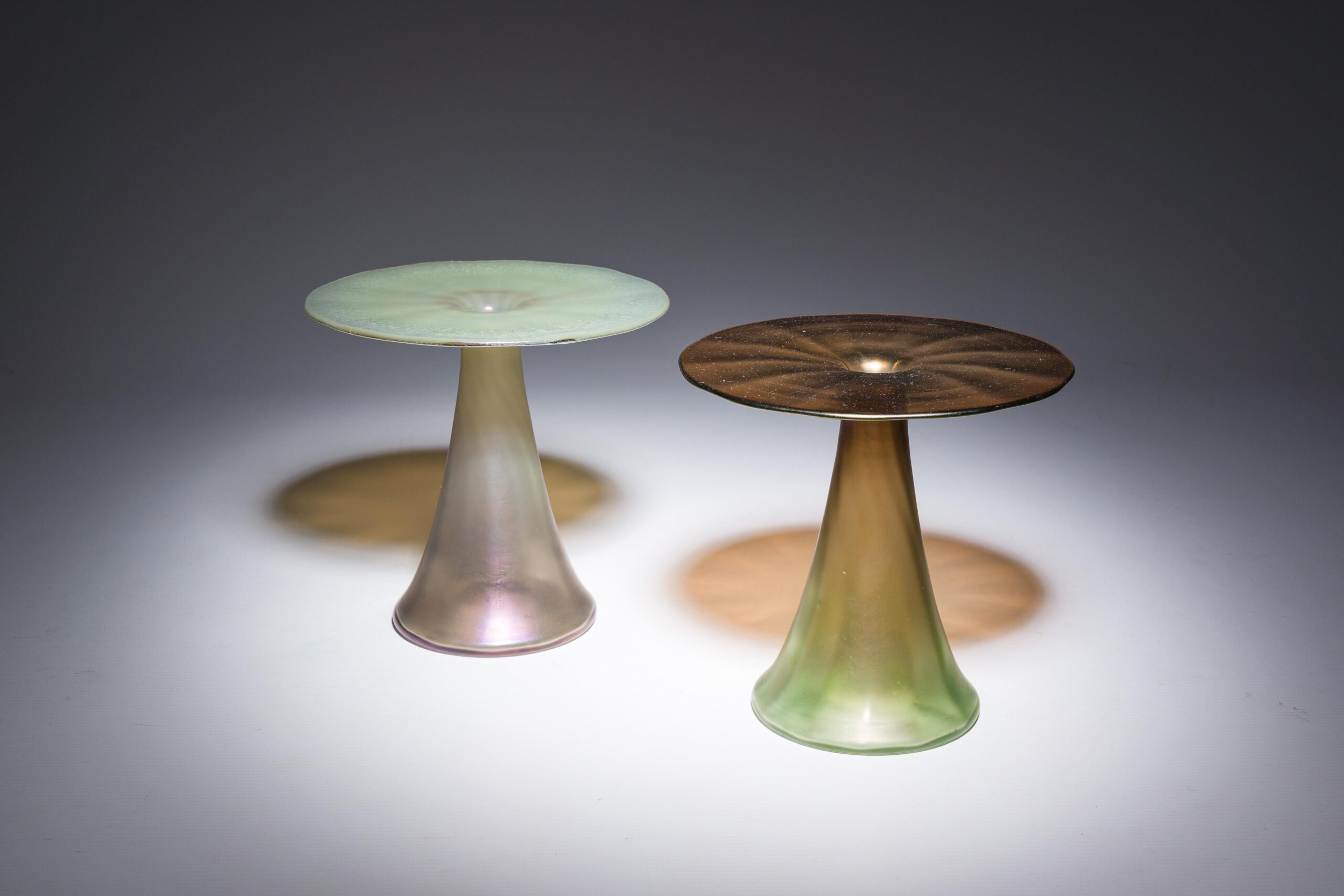
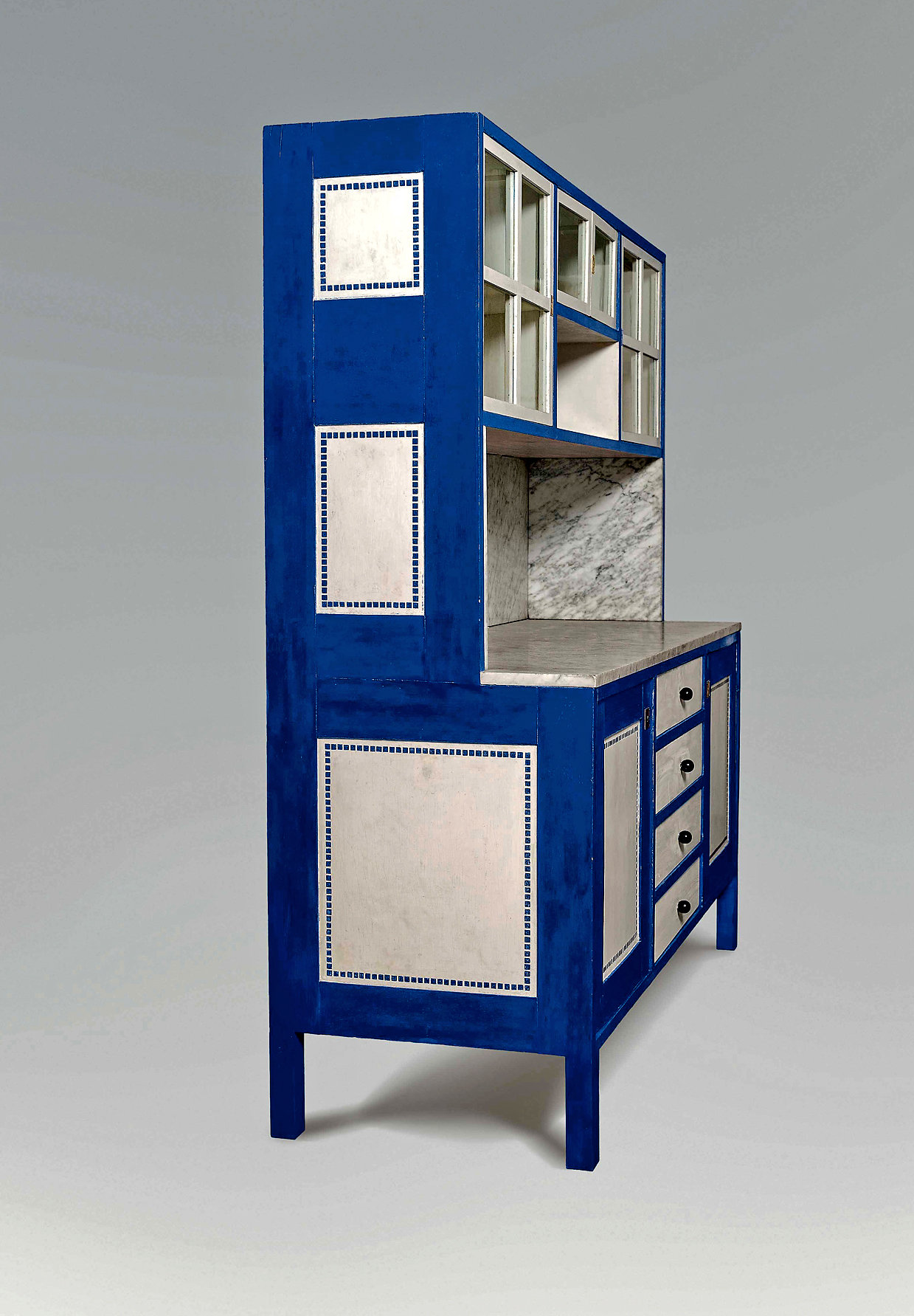
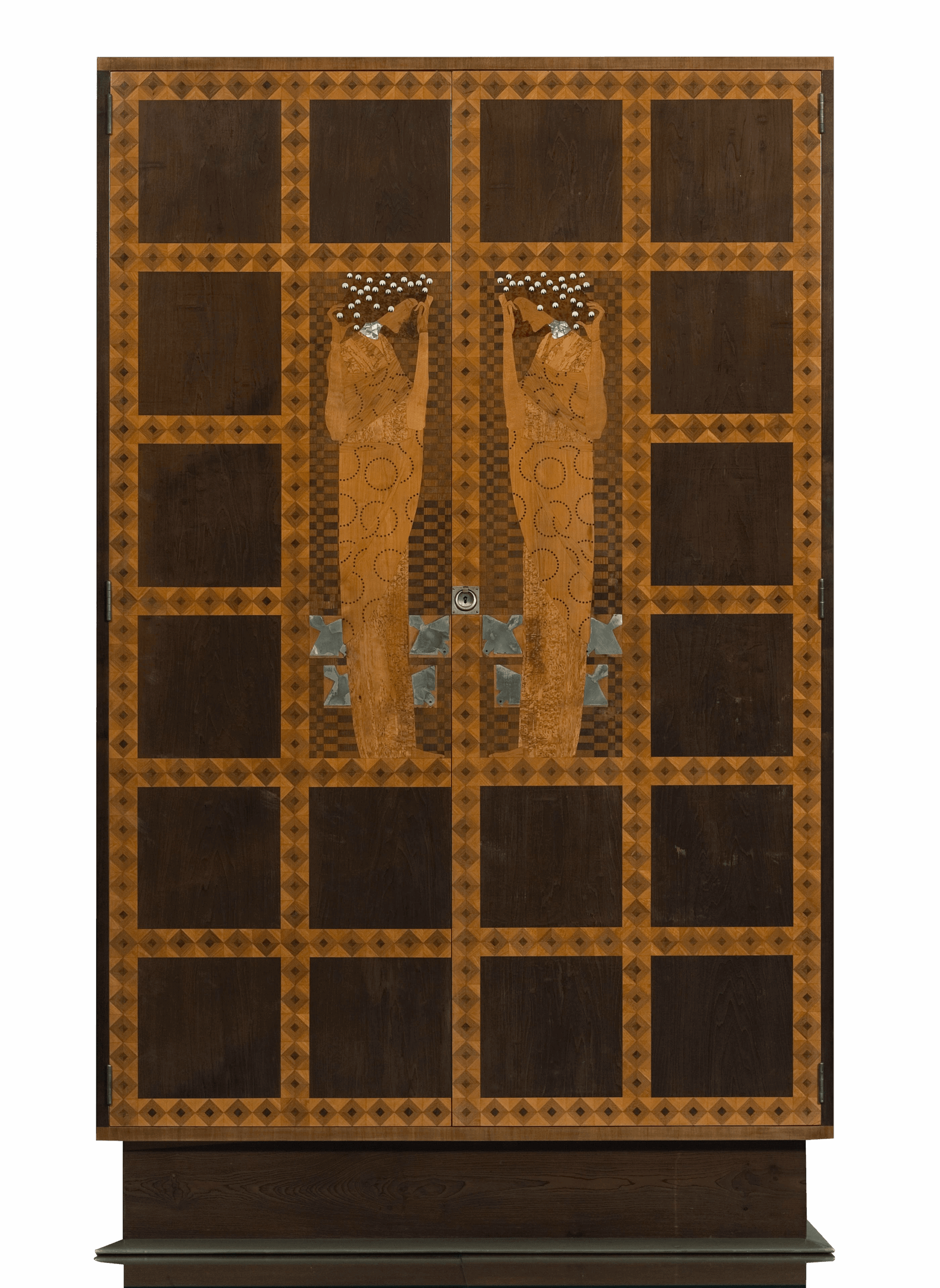
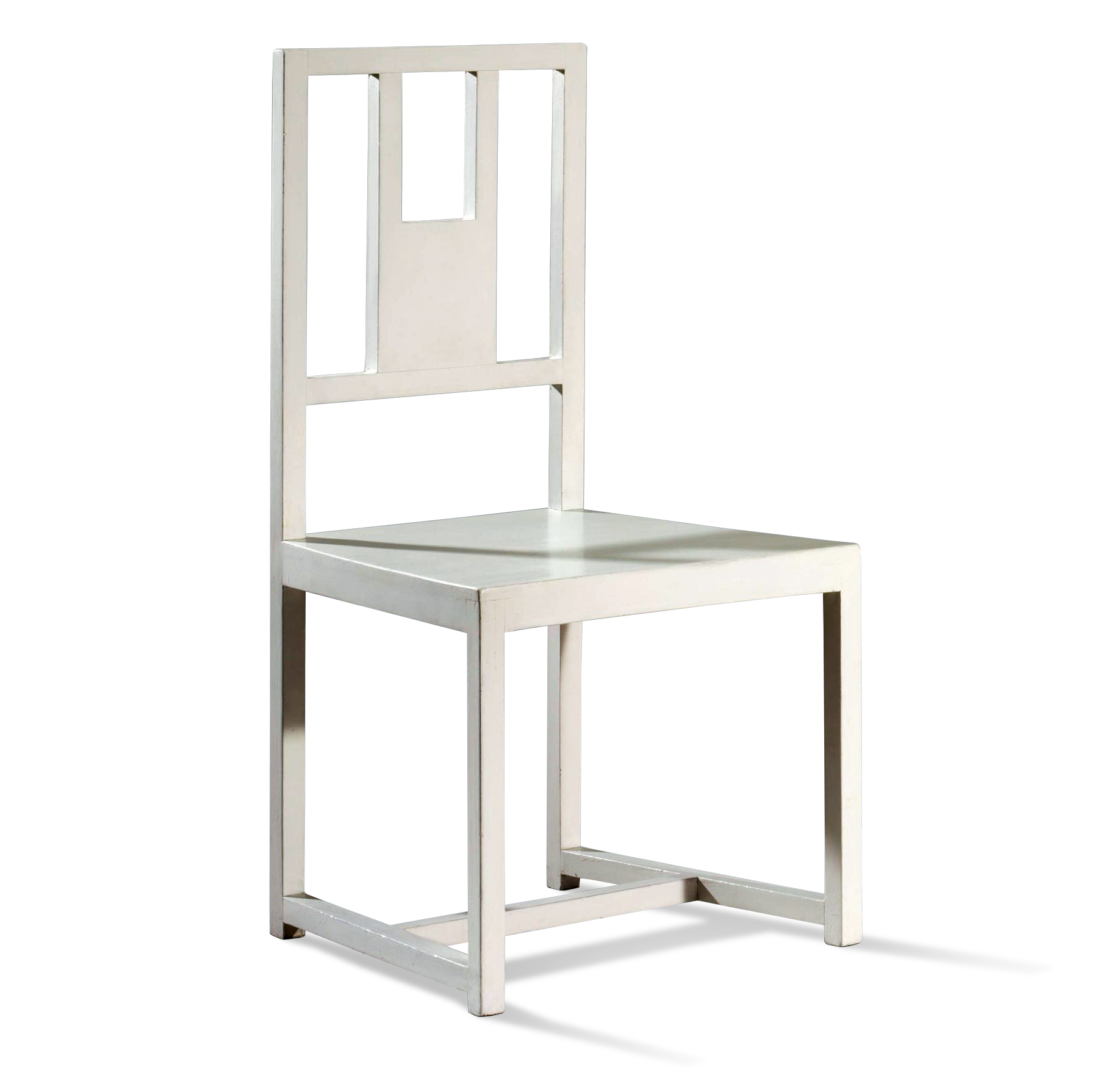
Moser’s style is marked by geometric order and disciplined ornament. He favored grids, repetition, and simplified forms over naturalistic decoration. Classical proportion informed his sense of balance and structure. Color was applied deliberately to support form rather than illusion. Across media, his work reflects a belief in visual clarity as a foundation of modern design.
Key Influences
- Vienna Secession Ideals: A commitment to artistic reform and the rejection of academic historicism.
- Classical Antiquity: Greek and Roman geometry shaped his approach to proportion and structure.
- Graphic Design and Print Culture: Magazine design and typography informed his precise visual language.
- Total Work of Art: The ideal of unifying architecture, interiors, and objects into a cohesive whole.
- Arts and Crafts Ethos: Respect for craftsmanship combined with modern production and design thinking.
If you are interested in further stories of the artists who shaped Art Deco, return to our artists page to browse the full directory.
Related Products from ArtDecoCollection.com