
Henry van de Velde
Henry Clemens van de Velde was born on April 3, 1863, in Antwerp, Belgium, into a family with strong interest in the arts, his father being a pharmacist and director of the local arts festival. After contemplating a career as a composer, he chose painting instead, studying at the Royal Academy of Fine Arts in Antwerp and then with the painter Carolus-Duran in Paris. As a young painter, he was strongly influenced by Paul Signac and Georges Seurat, adopting a neo-impressionist and pointillist style, and in 1889 became a member of the Brussels-based artist group Les XX. In 1892, he abandoned painting entirely to devote himself to the decorative arts, interior design, fashion, and eventually architecture. His meeting and collaboration with his future wife, Maria Sèthe, was instrumental in this transformation. He settled in Weimar in 1899 as artistic advisor to the Grand Duke of Saxe-Weimar-Eisenach, founded the Grand-Ducal School of Arts and Crafts in 1907, and, on his forced resignation due to his Belgian citizenship during World War I, recommended Walter Gropius as his successor, directly paving the way for the Bauhaus. He later founded the architecture and visual arts school La Cambre in Brussels in 1926 and held a professorship at the University of Ghent from 1925 to 1947. He died in Zürich on October 15, 1957, at the age of 94.
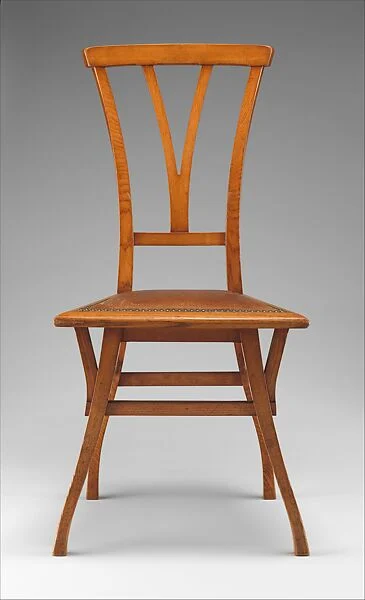


Van de Velde’s first architectural project was his own home, the Villa Bloemenwerf in Uccle near Brussels, completed in 1895 and 1896, an attempt to create a total work of art in which furniture, wallpaper, and even his wife’s reform dress were understood as integral parts of the architecture. That same year, he designed interiors for Samuel Bing’s gallery L’Art Nouveau in Paris, the shop from which the entire movement took its name. He participated in Bing’s pavilion at the 1900 Paris Exposition Universelle and showed his own work. In Germany, his reception was particularly strong, and commissions for interior designs in Berlin, the Folkwang Museum in Hagen, and the Nietzsche Archive in Weimar followed in rapid succession. During his twelve-year tenure directing the Weimar Kunstgewerbeschule, he designed the school buildings, numerous private villas, his own house, Hohe Pappels, and the celebrated theater for the 1914 Werkbund Exhibition in Cologne. He co-founded the German Werkbund in 1907 and famously opposed Hermann Muthesius at the 1914 Werkbund meeting, defending individual artistic expression against the drive toward standardization. His later major works include the Kröller-Müller Museum in Otterlo, the Belgian Pavilions for the 1937 Paris and 1939 New York World’s Fairs, and the Boekentoren library tower at Ghent University.

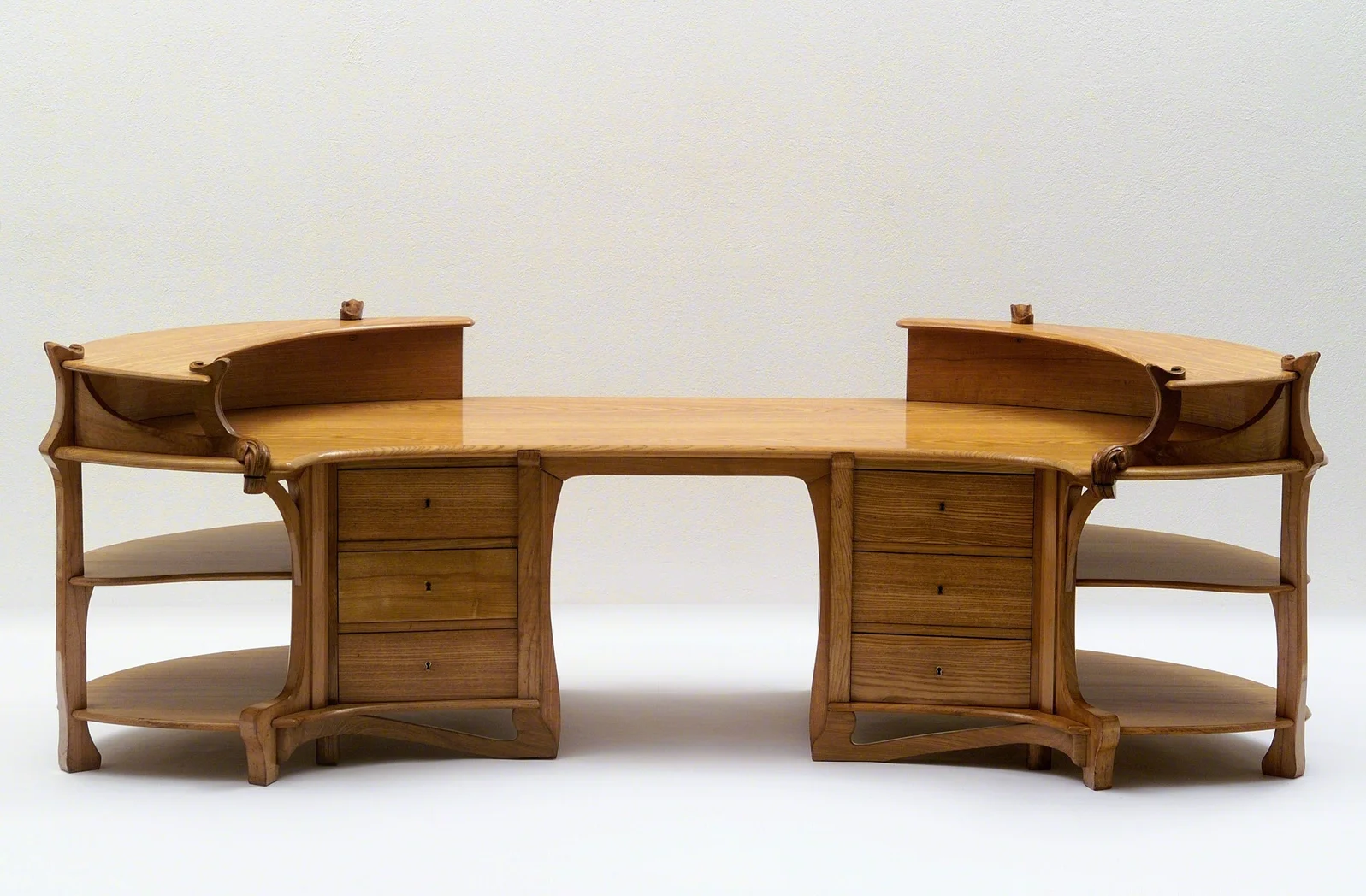
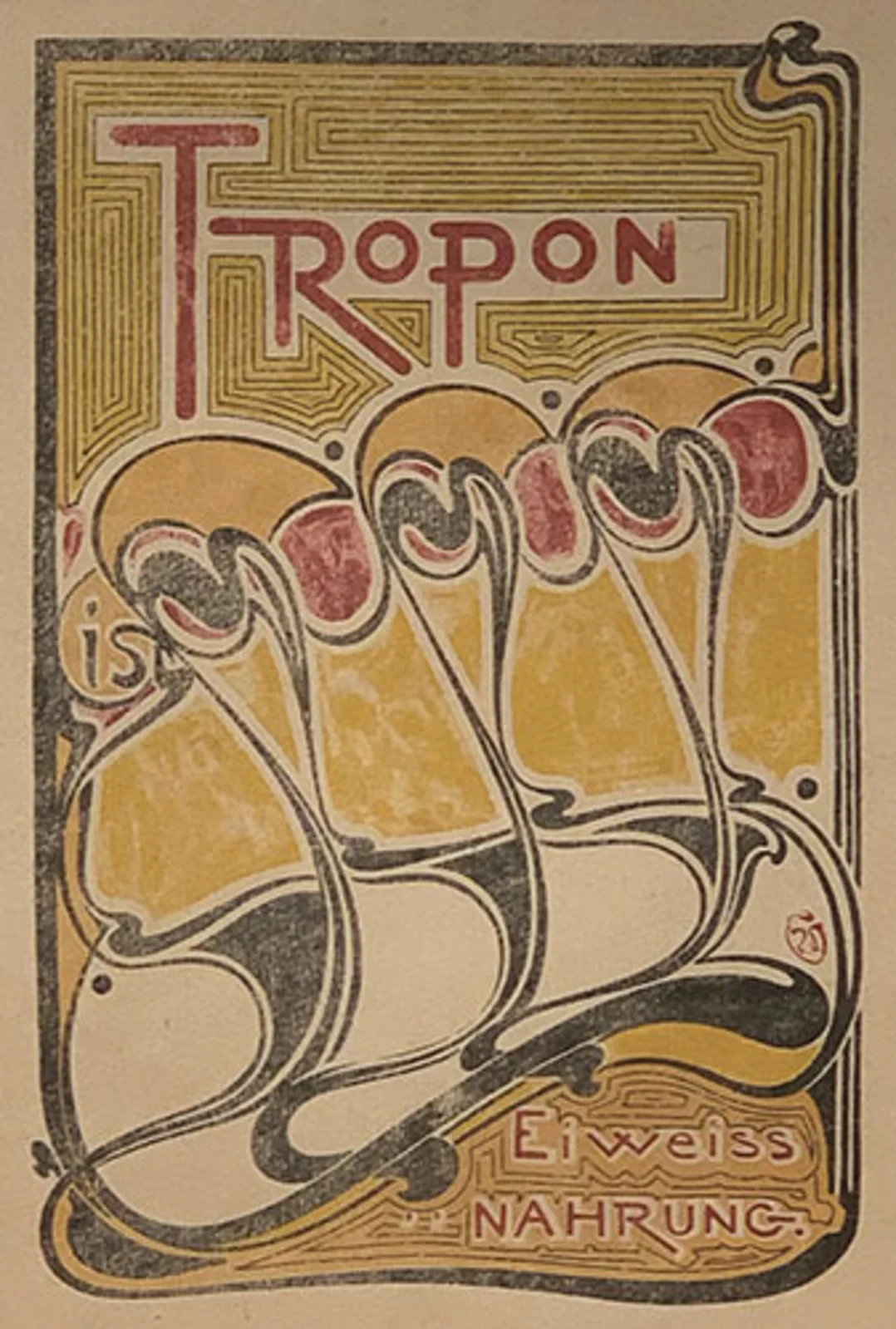

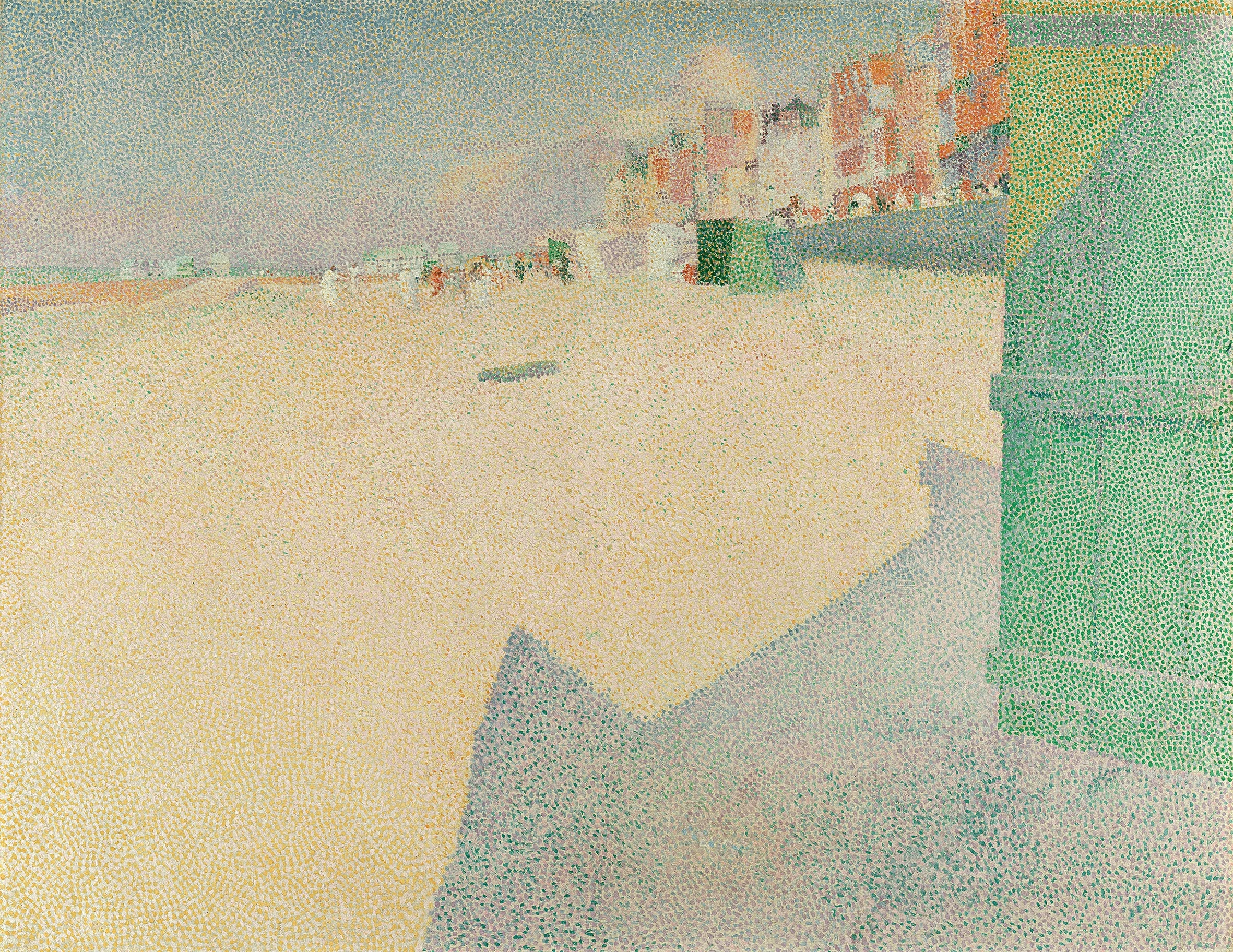
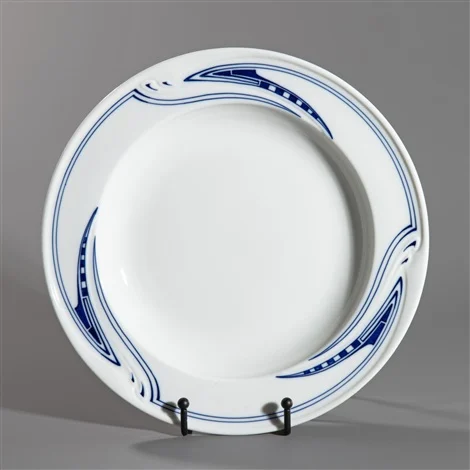
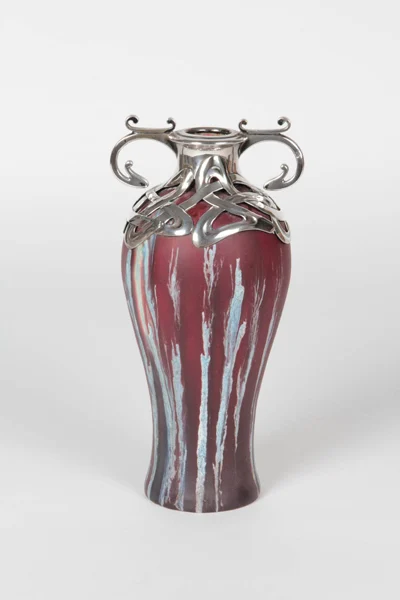
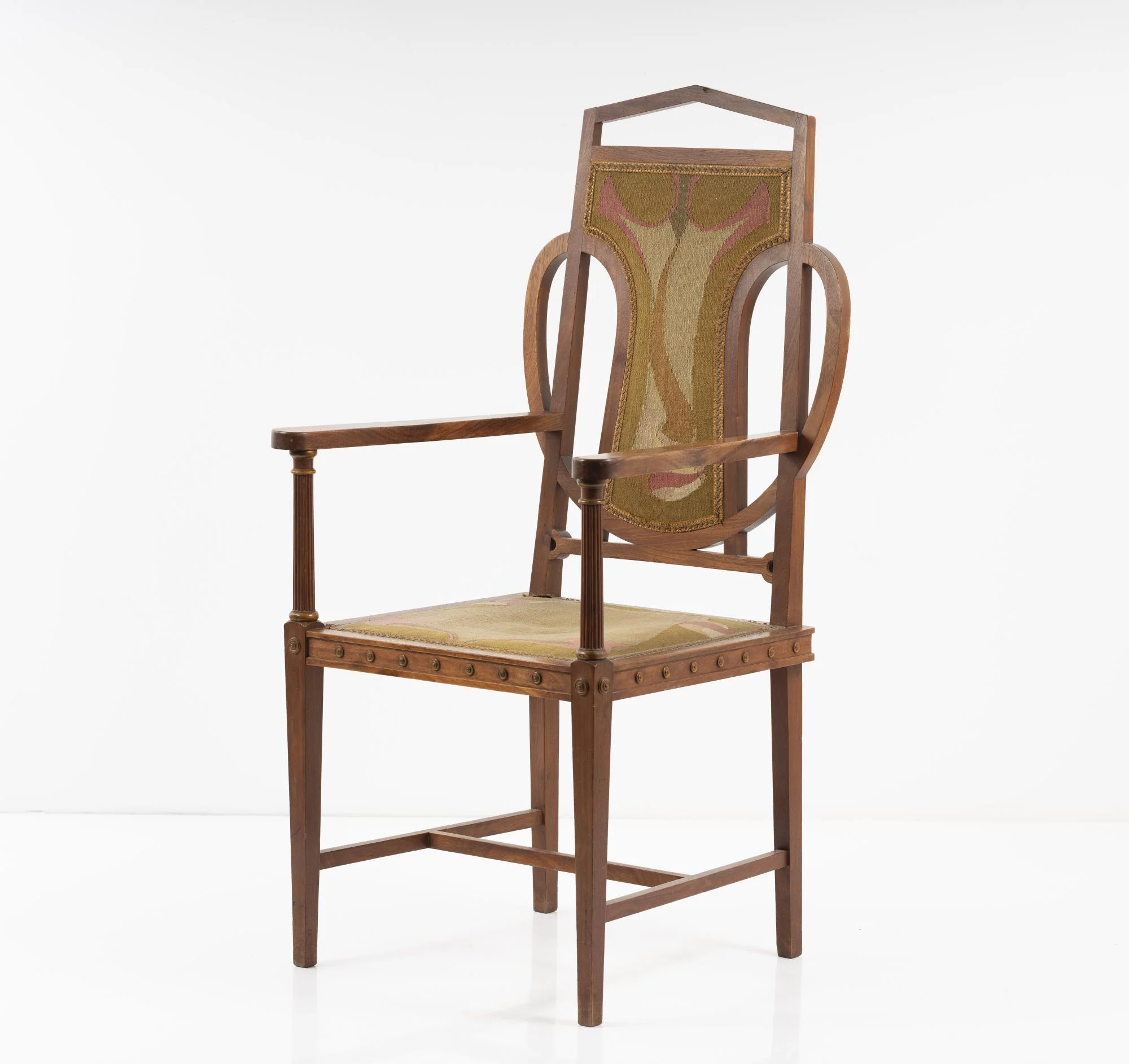
Van de Velde was one of the first architects and furniture designers to apply curved lines in an abstract manner rather than deriving them from nature, articulating his philosophy in the motto “a line is a force.” He believed that form should emerge from the combination of constructive and functional logic with dynamic formal expression, informed by the Einfühlung or empathy theory of his time. His work evolved significantly from the organic curves of his Art Nouveau phase toward a more stripped and rational modernism, though he never abandoned his conviction that individual creative expression was the foundation of authentic design.
Key Influences
- Art Nouveau Founding: His interiors for Bing’s Paris gallery helped launch Art Nouveau as an international style and gave the movement its name.
- Bauhaus Origins: His recommendation of Gropius as his successor at Weimar directly established the institutional lineage from which the Bauhaus emerged.
- German Werkbund: As co-founder and a central voice in the 1914 standardization debate, he helped shape the theoretical foundations of modern European design.
- Arts and Crafts Theory: His lectures, combining Morris’s moral principles with acceptance of machine production, were among the first to articulate a coherent philosophy for modern decorative arts.
- Design Education: Through the Weimar school and later La Cambre in Brussels, he trained a generation of architects and designers who carried modernist principles across Europe.
If you are interested in further stories of the artists who shaped Art Deco, return to our artists page to browse the full directory.

Related Products from ArtDecoCollection.com