
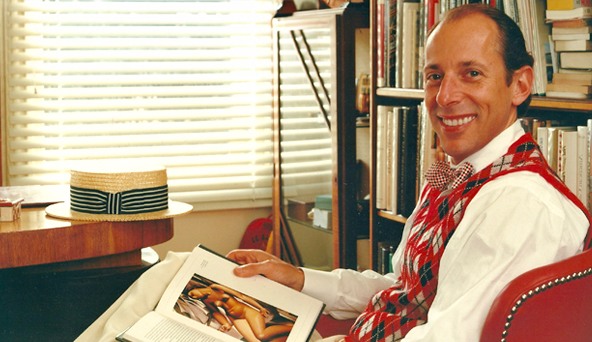
Fritz Waerndorfer
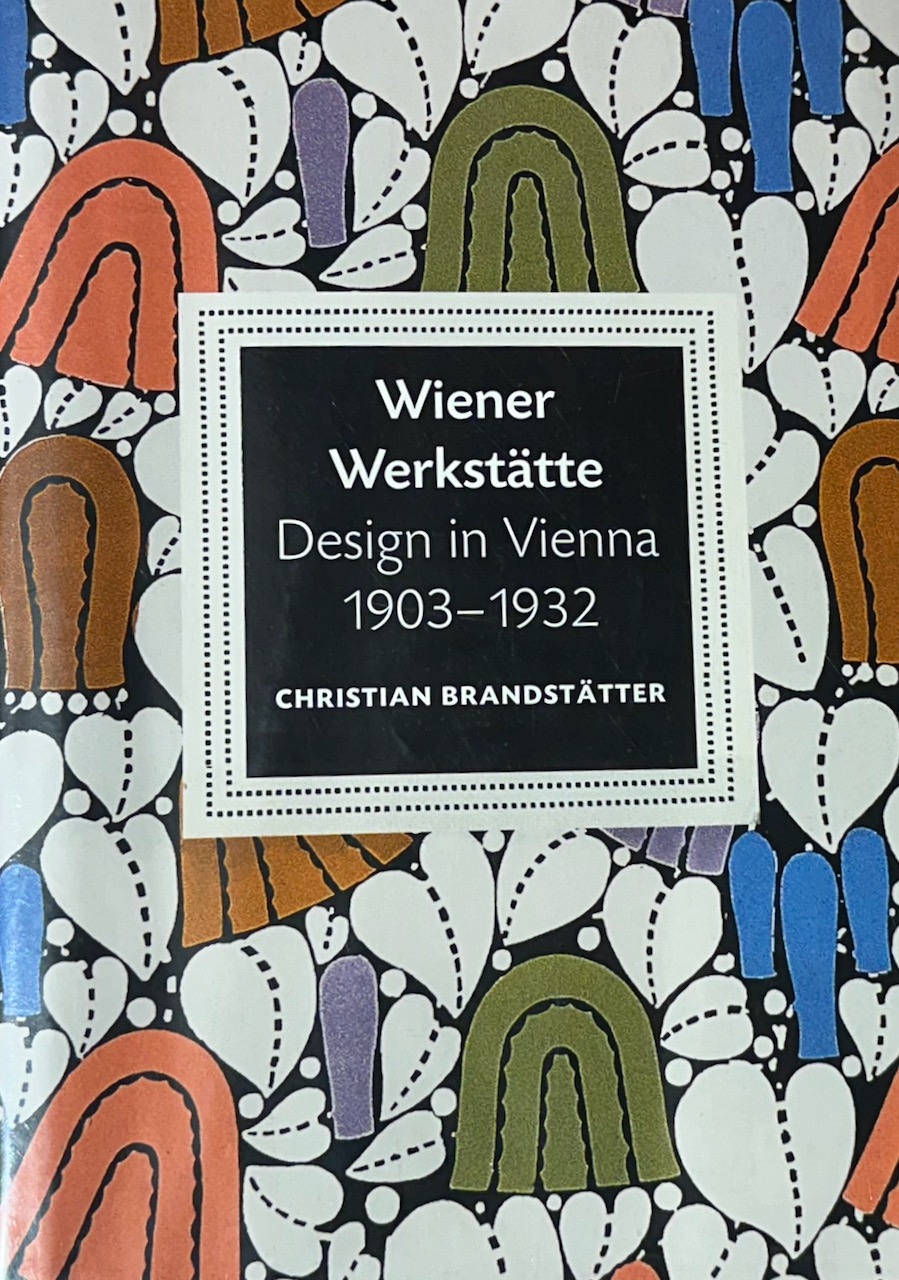
Friedrich Waerndorfer was born on May 5, 1868, in Vienna, the son of Samuel Wärndorfer and his wife Berta, into a Jewish industrialist family that owned one of the largest cotton processing companies in the Austrian monarchy. His mother and aunt collected art and took him to exhibitions from an early age, and during time spent in England in the 1890s in connection with the family textile firm, he reportedly spent more time in museums and galleries than attending to business. He formally joined the family firm in 1895 and was made partner in 1897, the same year he married Lili Hellmann, a translator and unconventional woman who was among the first in Austria to obtain a driver’s license. He came into contact with the Vienna Secession through the cultural critic Hermann Bahr and became a close associate of Josef Hoffmann, Gustav Klimt, and Koloman Moser. His increasing personal investment in the Wiener Werkstätte depleted both his and Lili’s combined fortunes in 1913, they emigrate to the United States in 1914. He died on August 9, 1939, near Philadelphia in Bryn Mawr, Pennsylvania.
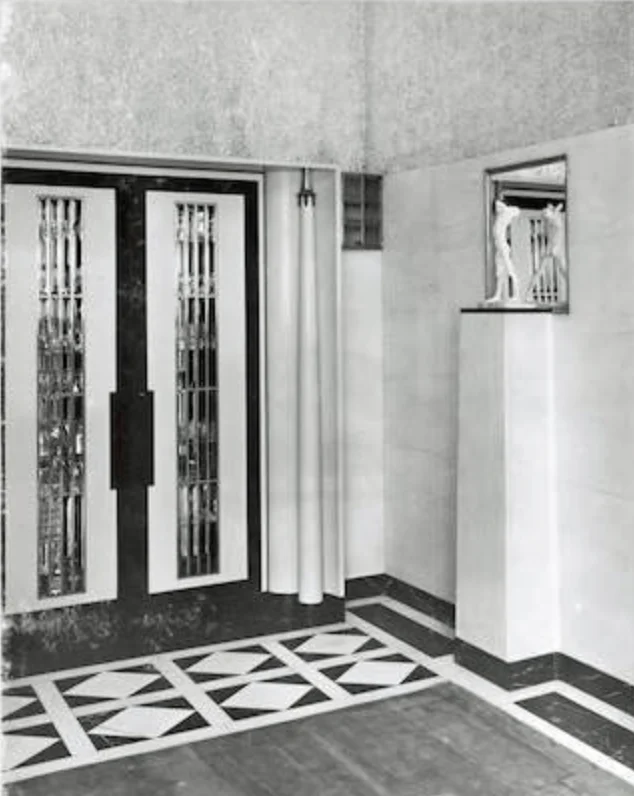
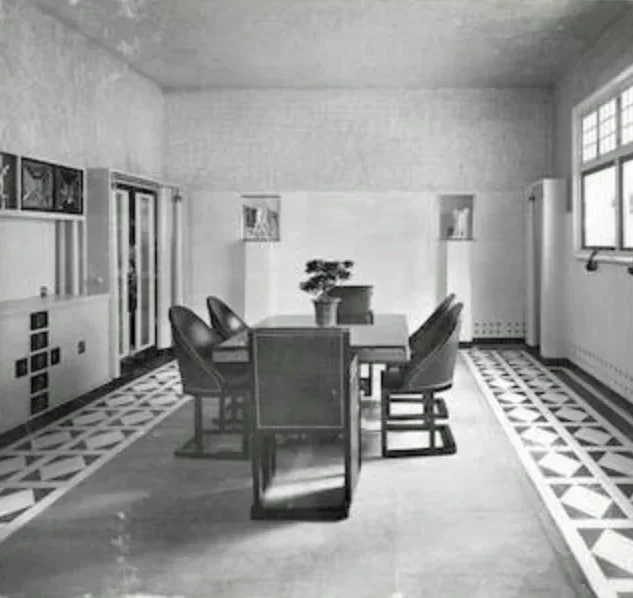
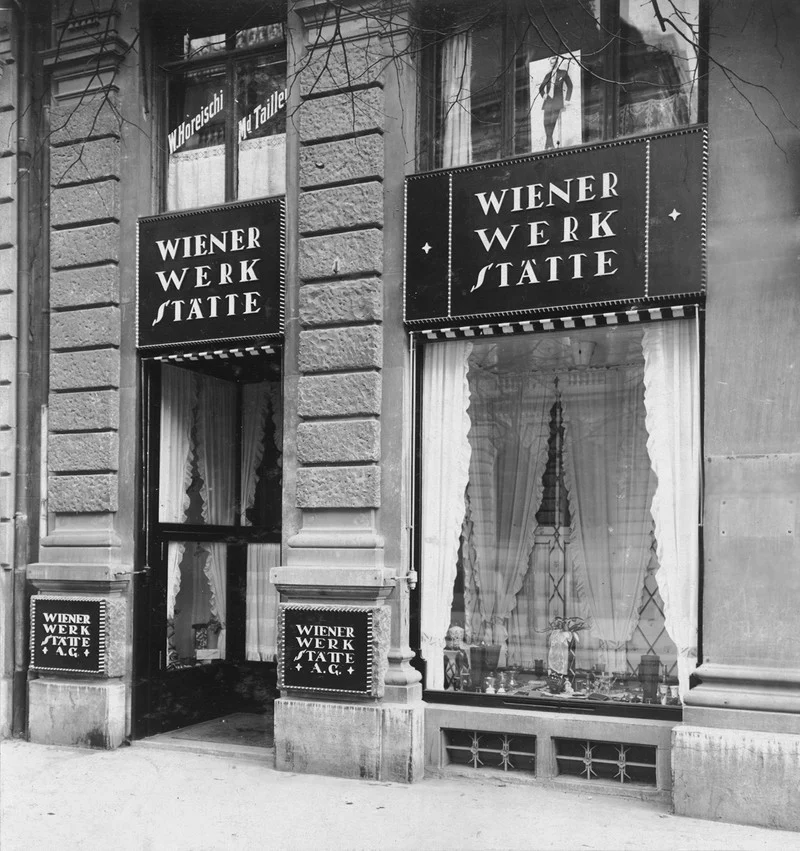
Waerndorfer commissioned Hoffmann and Moser to redecorate his Vienna villa in 1902 and 1903, creating a home that became a gathering place for the leading figures of Viennese cultural life, hosting banquets attended by Klimt, Hoffmann, Moser, Carl Moll, Ferdinand Hodler, and Gustav Mahler. He built a significant art collection that included paintings by Klimt, drawings by Aubrey Beardsley, sixteen sculptures by the Belgian sculptor George Minne, and graphic works by Koloman Moser. In 1902, he commissioned Charles Rennie Mackintosh to furnish a music salon in his villa and purchased a substantial portion of Mackintosh and Macdonald’s exhibits at the Turin International Exhibition that year, paying a sum equivalent to roughly seventy percent of Mackintosh’s entire income as an architect in 1902. In June 1903, together with Hoffmann and Moser, he co-founded the Wiener Werkstätte as its financer and commercial director. In 1907, he took over the WW-designed Kabaret Fledermaus, a venue that brought together avant-garde writers, poets, dancers, and performers in a true Gesamtkunstwerk. By 1908, he had also become a supporter of Egon Schiele and Oskar Kokoschka, whom he apparently employed to give drawing lessons to his children. In America, he worked as a farmer, then as a designer for a textile company owned by his sister, and as a painter, exhibiting watercolors in Vienna in 1927.
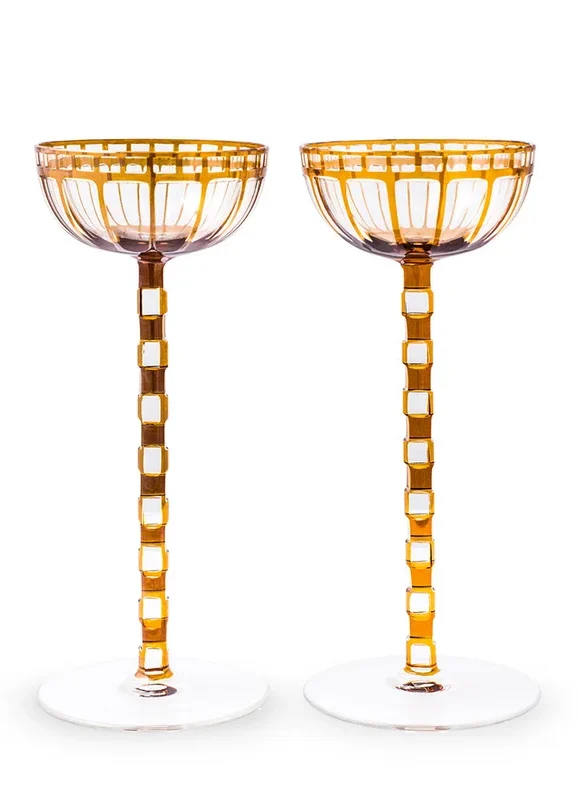
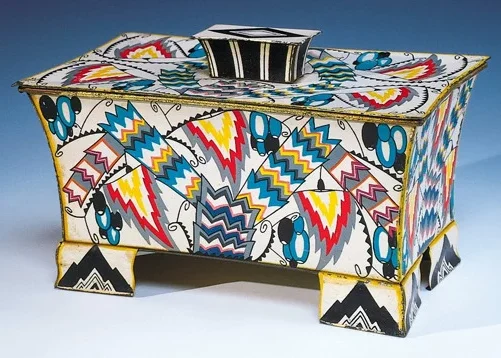
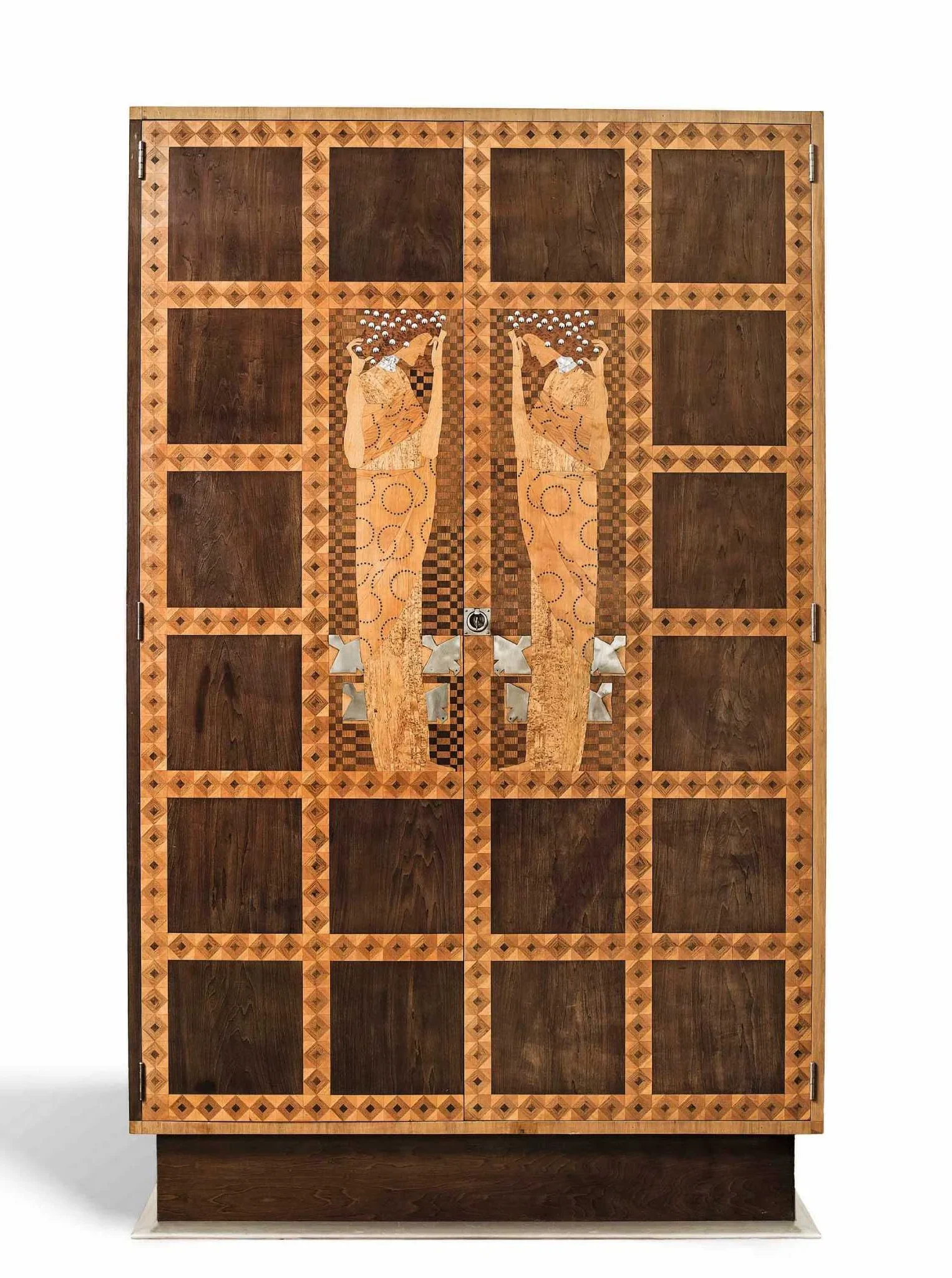
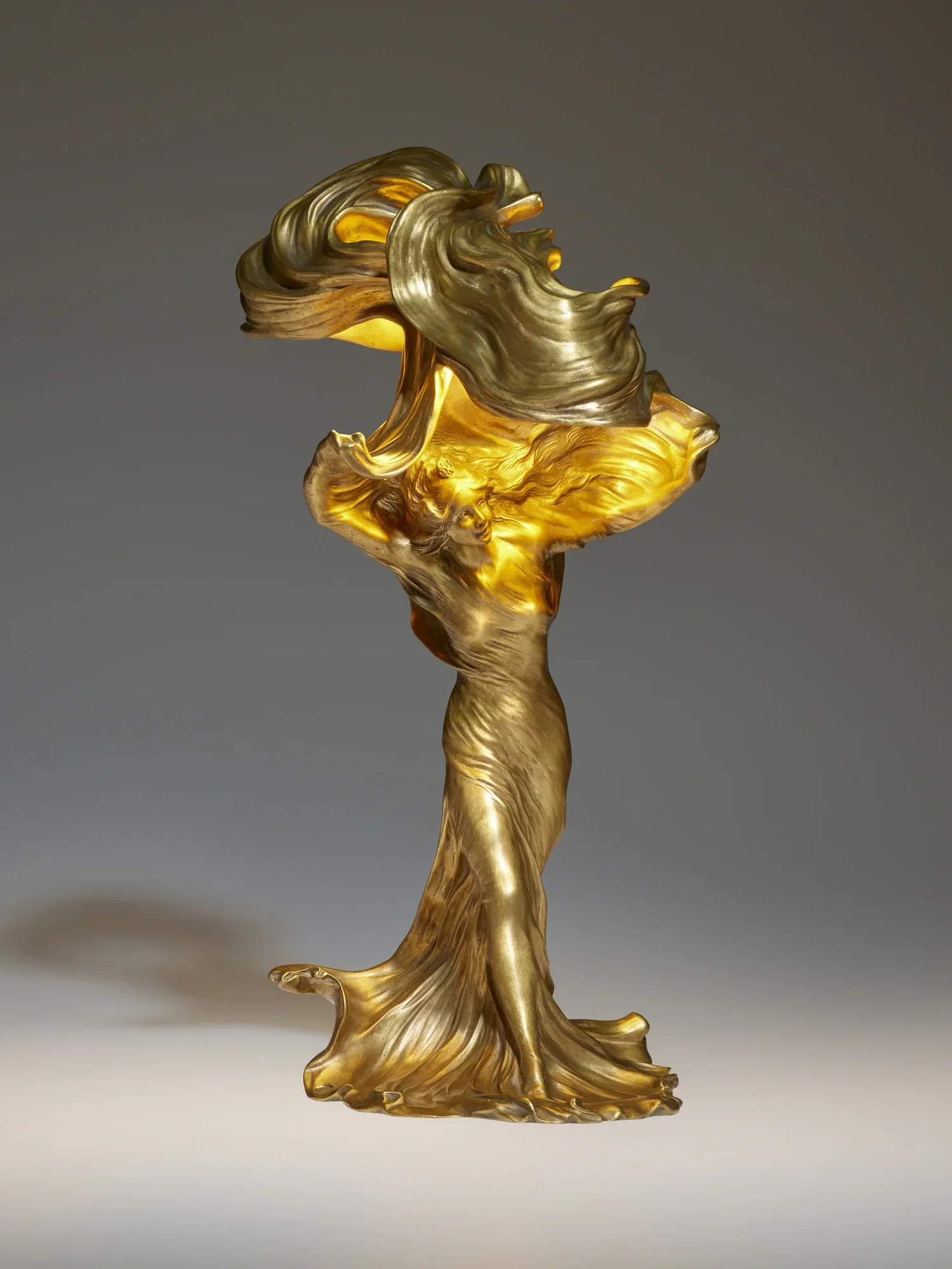
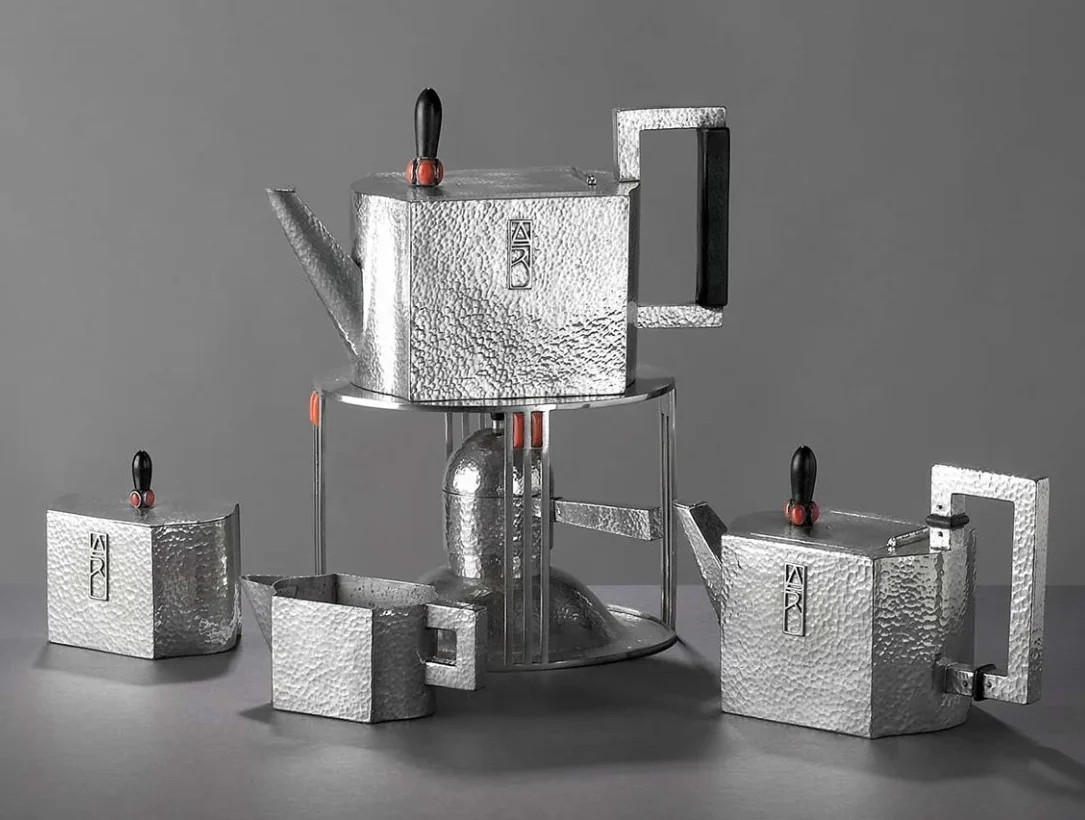
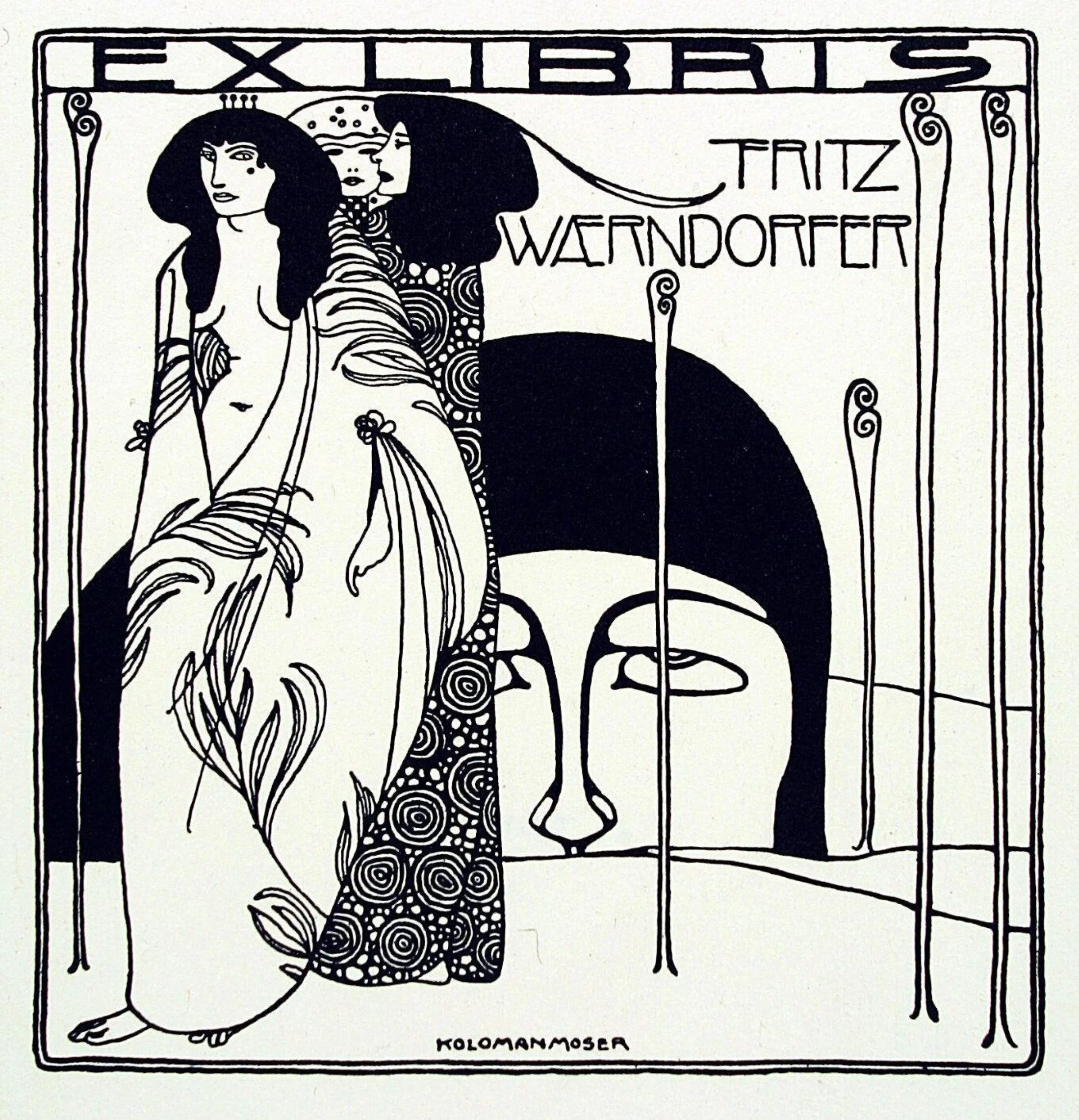
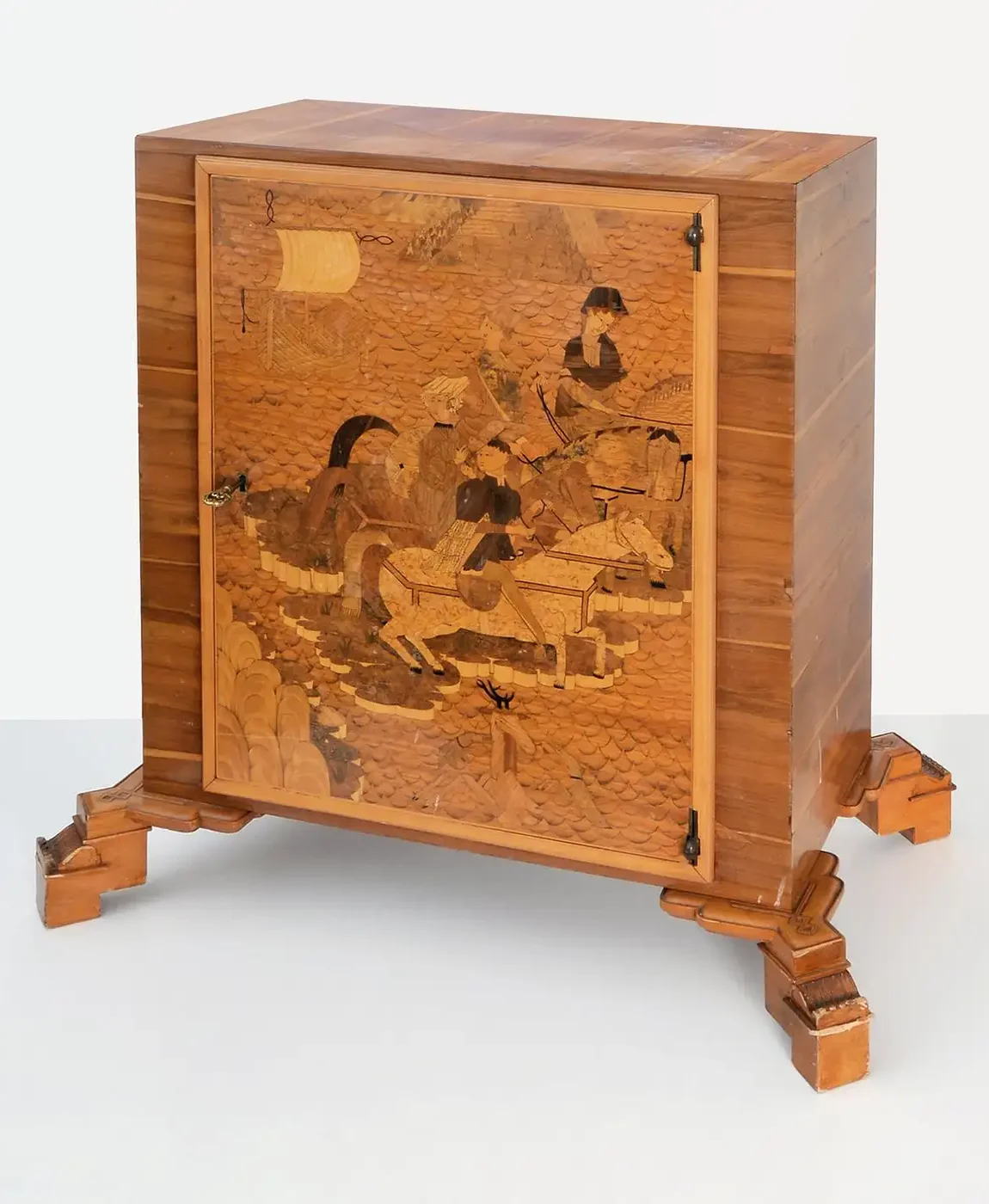
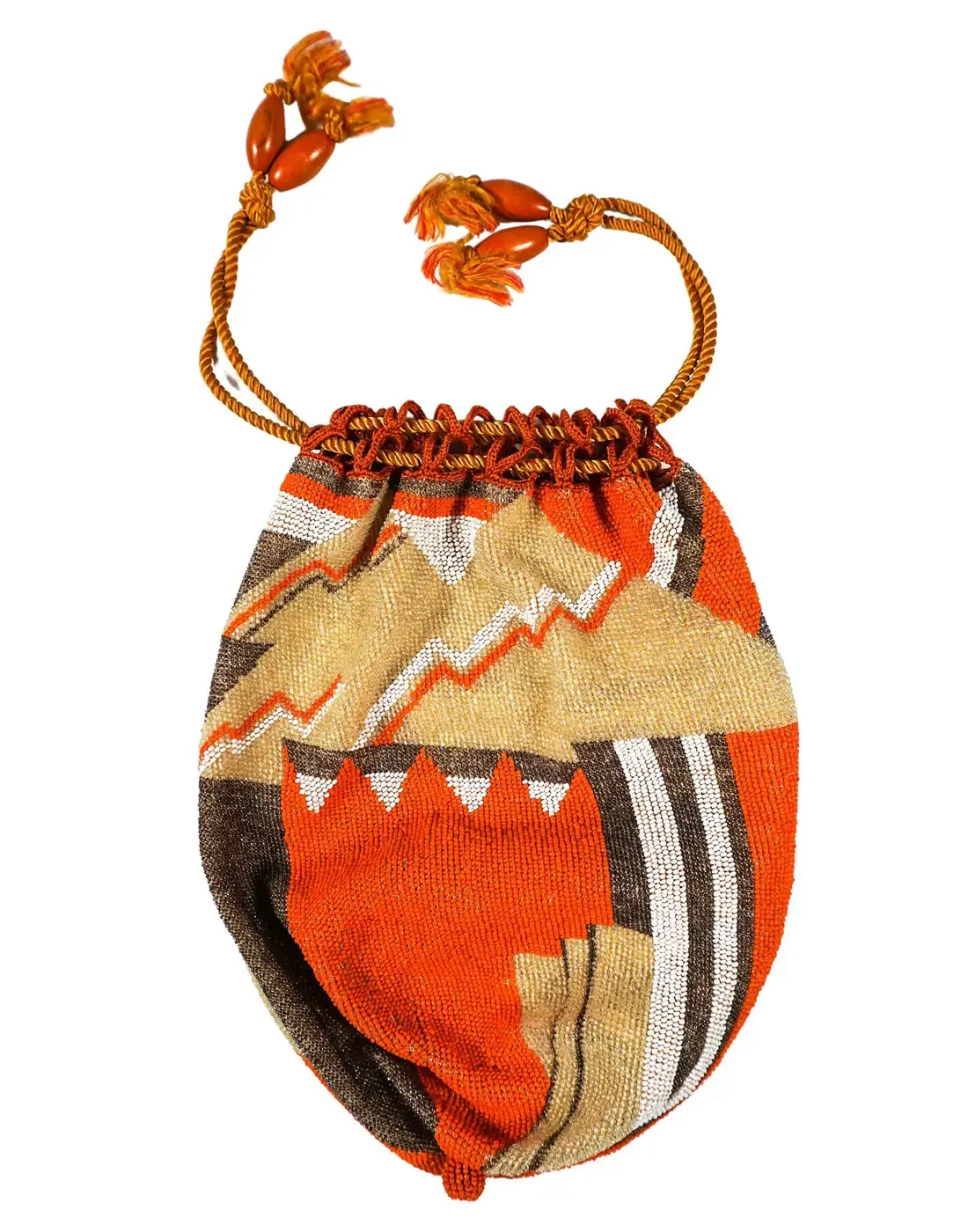
Waerndorfer was less a practitioner than an architect of taste, whose discernment and financial commitment gave the Viennese avant-garde the institutional framework it needed to operate. His home functioned as a laboratory of the total artwork, where Hoffmann’s interiors, Klimt’s paintings, Minne’s sculpture, and Mackintosh’s music salon coexisted as an integrated aesthetic environment. His patronage was characterized by a willingness to engage not just celebrated figures but emerging ones, and to invest in the idea that decorative art and fine art occupied the same moral and aesthetic plane.
Key Influences
- Founding the Wiener Werkstätte: His financial backing and commercial direction made the Wiener Werkstätte possible, creating the institutional home for one of the most significant design reform movements of the early twentieth century.
- Mackintosh in Vienna: His commission of Mackintosh’s music salon and his purchase of works at Turin brought the Glasgow School’s influence directly into the Viennese avant-garde, helping catalyze the cross-pollination between British and Central European modernism.
- Patronage as Practice: His model of the engaged, risk-taking patron who integrated collecting, commissioning, and social hospitality into a single cultural project influenced how subsequent patrons understood their role in sustaining artistic movements.
- Vienna Secession: His support for Hoffmann, Klimt, and Moser provided crucial early momentum to the Secession’s ambition to dissolve the boundary between fine art and the applied arts.
- Kabaret Fledermaus: His stewardship of the Werkstätte-designed cabaret made it one of the defining venues of Viennese cultural life and a model of the Gesamtkunstwerk, the total work of art that unified architecture, design, performance, and poetry under one roof.
If you are interested in further stories of the artists who shaped Art Deco, return to our artists page to browse the full directory.
Related Products from ArtDecoCollection.com