
Gustav Klimt
Gustav Klimt was born on July 14, 1862, in Baumgarten, near Vienna, the second of seven children of Ernst Klimt, a gold engraver from Bohemia, and Anna Klimt, whose unrealized ambition was to be a musical performer. The family lived in poverty throughout his childhood, moving frequently in search of cheaper accommodation. At fourteen he was accepted into the Vienna Kunstgewerbeschule, a school of applied arts, where he studied architectural painting from 1876 to 1883. Together with his brother Ernst and their friend Franz von Matsch, he formed the Künstlercompagnie and secured numerous prestigious commissions, culminating in the decoration of the Burgtheater’s staircases, for which Emperor Franz Joseph I awarded him the Gold Cross of Merit in 1888. The deaths of both his father and his brother Ernst in 1892 deeply affected his artistic vision, and he assumed financial responsibility for both of their families. In the early 1890s, he met Austrian fashion designer Emilie Flöge, who became his lifelong companion. He became a founding member and president of the Vienna Secession in 1897. Klimt suffered a stroke on January 11, 1918, and died on February 6 from pneumonia brought on by the Spanish flu, aged 55, leaving numerous paintings unfinished.
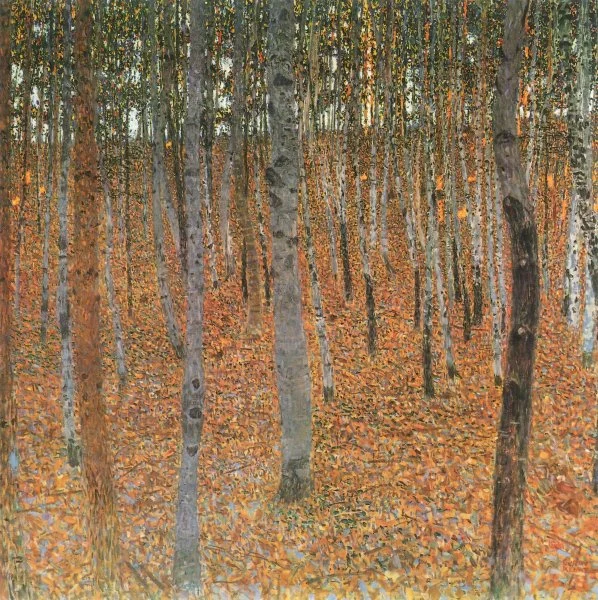
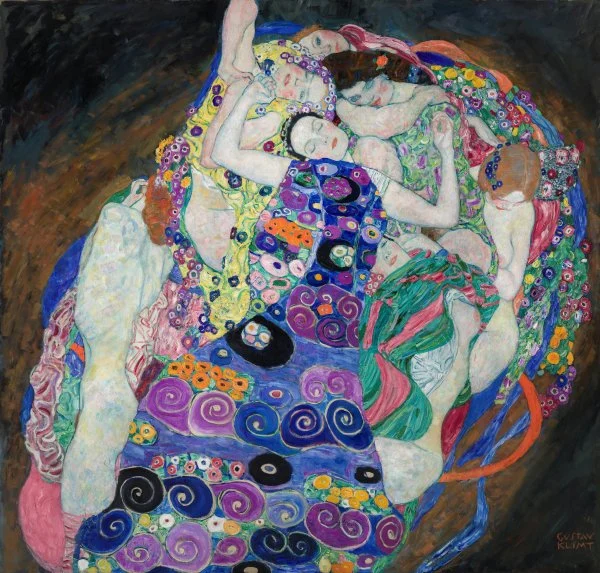
Klimt’s professional career began with large-scale interior murals for public buildings, including the Burgtheater and the Kunsthistorisches Museum in Vienna, executed in the prevailing classical-realist style. In 1894 he was commissioned to decorate the ceiling of the Great Hall of the University of Vienna, producing three paintings representing Philosophy, Medicine, and Jurisprudence that were denounced as pornographic by critics, politicians, and religious figures, and never installed. This controversy marked the last public commission he accepted. In 1897, he helped form the Vienna Secession, dedicating it to providing exhibitions for unconventional young artists and bringing the best foreign art to Vienna. He completed the Beethoven Frieze for the Fourteenth Secessionist Exhibition in 1902, a monumental wall painting intended to celebrate the composer. In 1904 he collaborated on the lavish Palais Stoclet in Brussels, contributing dining room decorations including Fulfillment and Expectation, which he described as “probably the ultimate stage of my development of ornament.” His Golden Phase from around 1898 to 1910, in which he incorporated gold leaf inspired by Byzantine mosaics seen in Venice and Ravenna, produced his most celebrated works, including Portrait of Adele Bloch-Bauer I and The Kiss. In 2023, his Lady with a Fan sold at Sotheby’s London for £85.3 million, and in November 2025, his Portrait of Elisabeth Lederer sold at Sotheby’s New York for US$236.4 million, setting a new auction record for the artist and becoming the second most expensive artwork ever sold at auction.
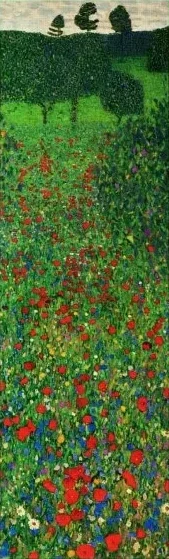
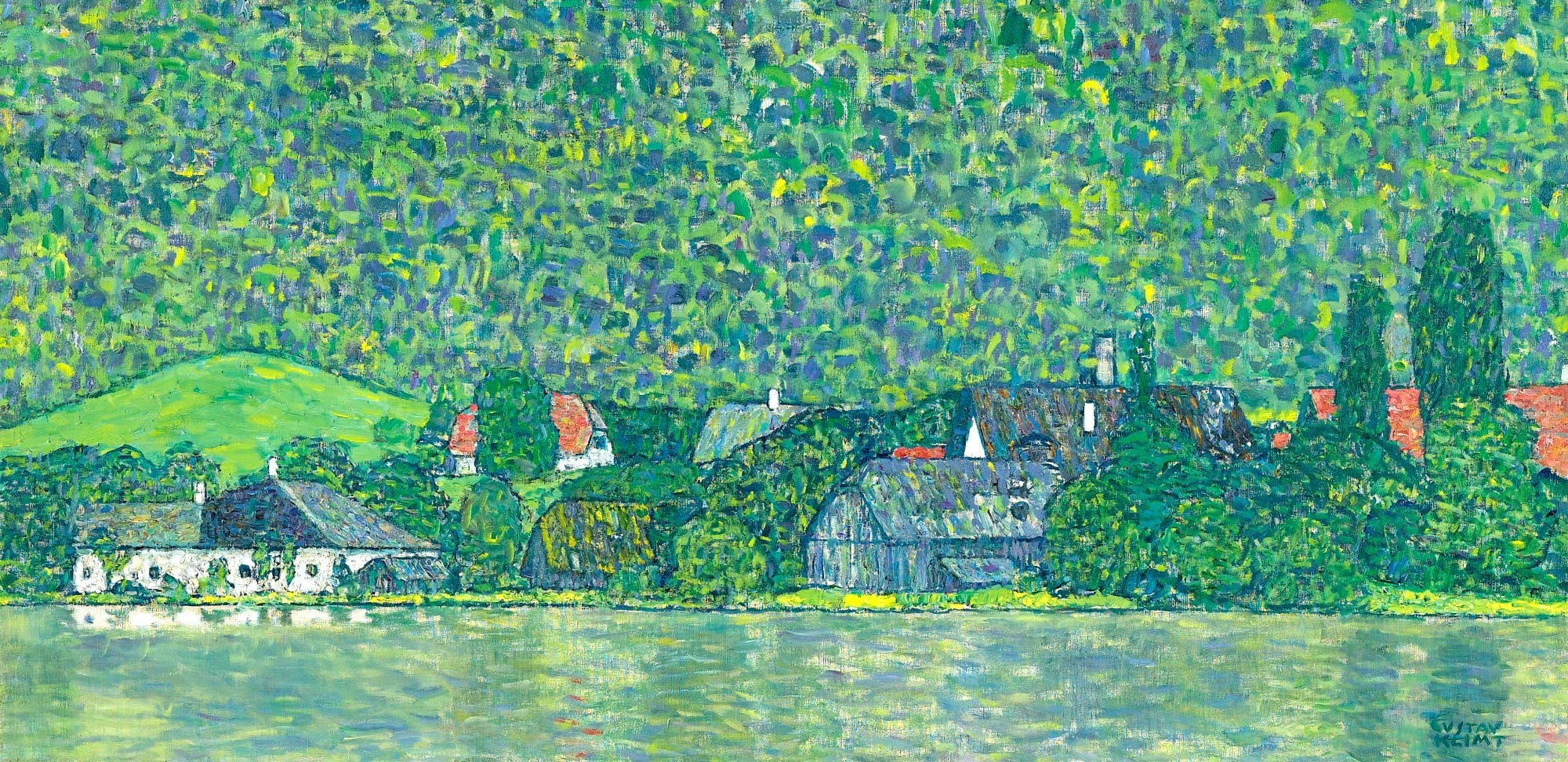
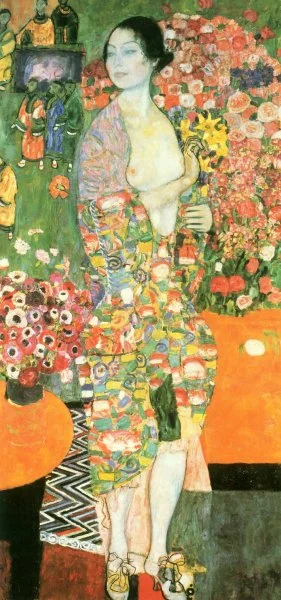
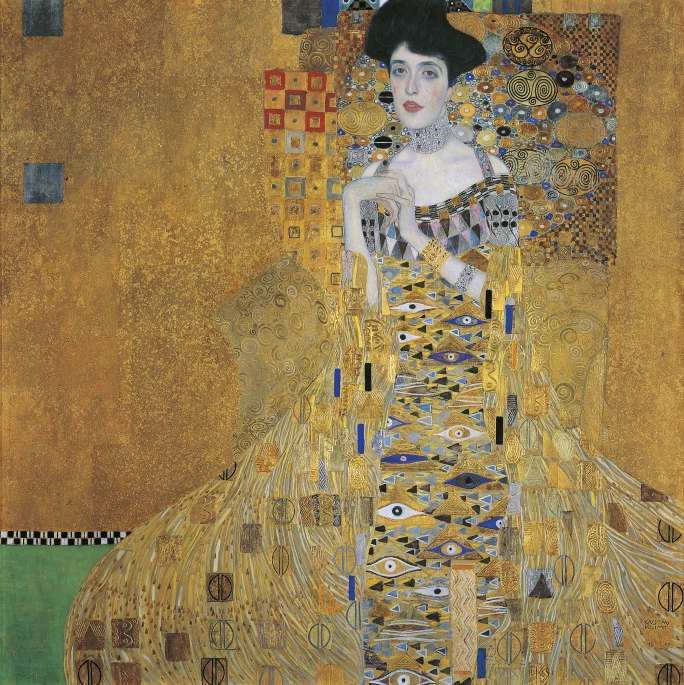
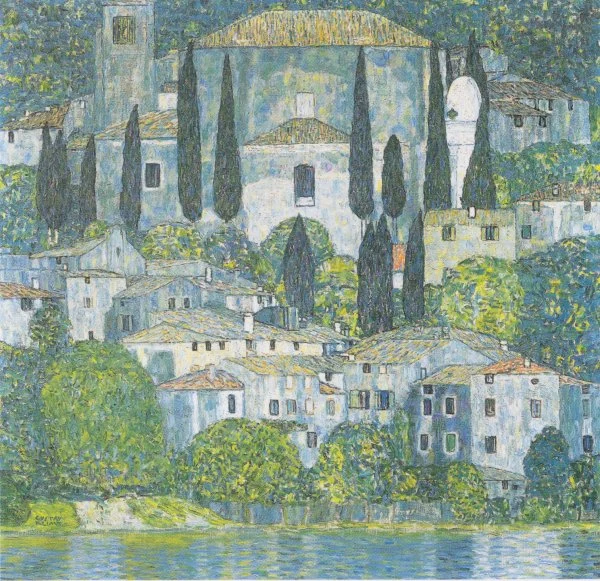
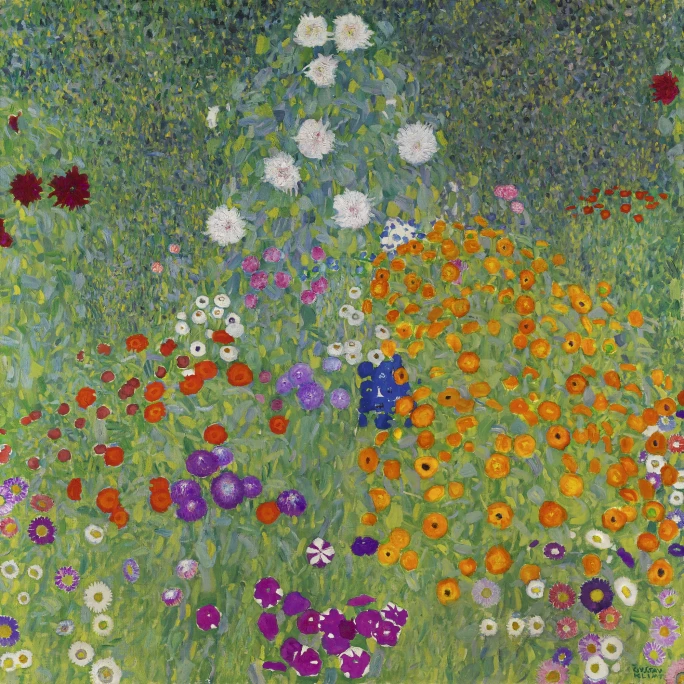
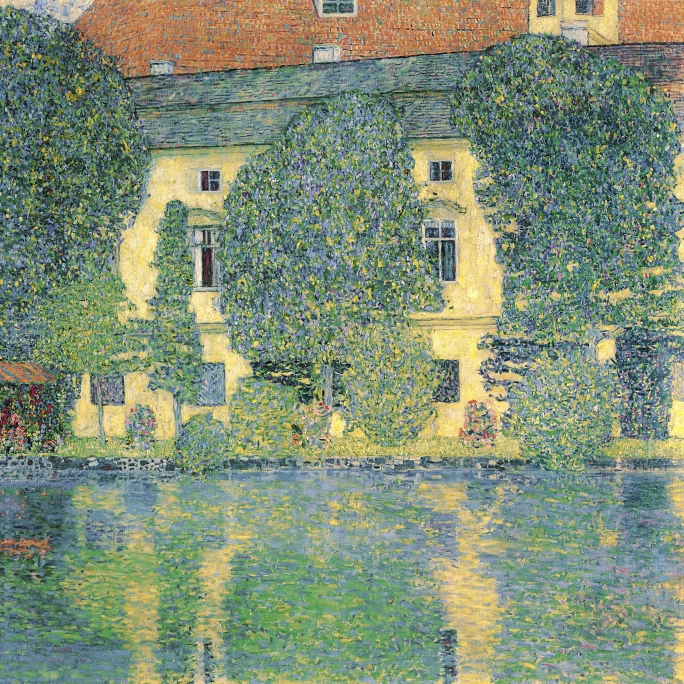
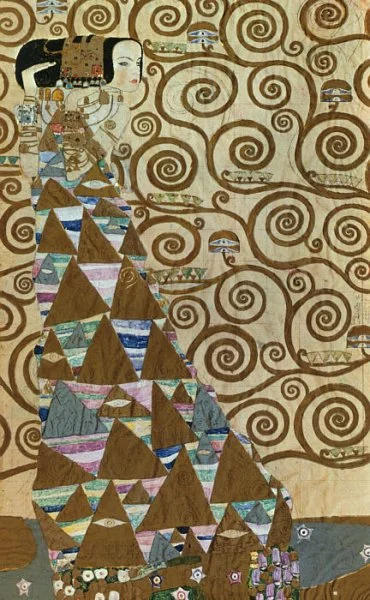
Klimt’s mature work combined richly decorative surface patterning drawn from Egyptian, Byzantine, Minoan, Classical Greek, and Japanese Rimpa influences with complex symbolism, allegory, and overtly erotic content. His characteristic use of gold leaf, applied with a precision inherited from his father’s engraving tradition, transformed canvas into something approaching mosaic, flattening pictorial space into shimmering ornamental fields. The female body was his primary subject, and his compositions consistently navigated between the seductive and the dangerous, exploring life, love, and death through figures of dominant women, femmes fatales, and mythological heroines rendered in a language he described as neither interested in naturalism nor in the symbolic—but in a new visual freedom entirely his own.
Key Influences
- Vienna Secession: As founder and president, he transformed Vienna into one of the most artistically vital capitals of the early 20th century by challenging its conservative Academy and introducing European avant-garde art to Austrian audiences.
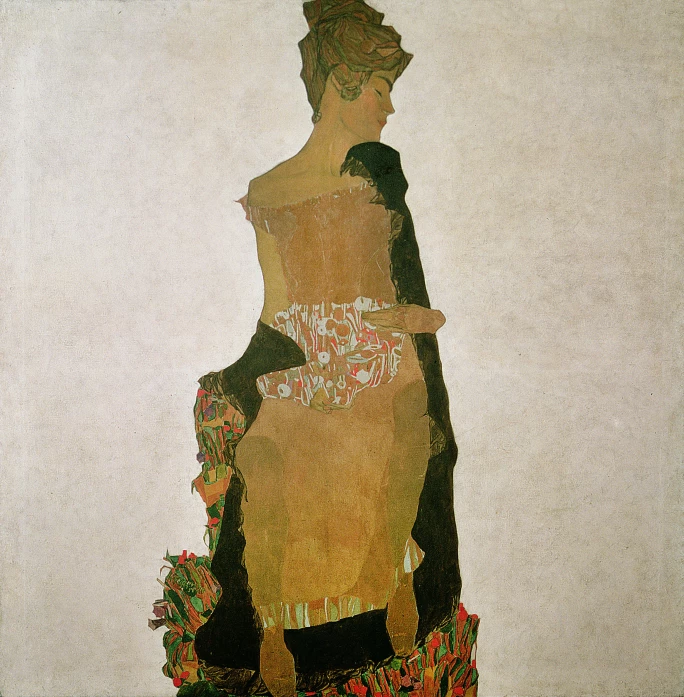
- Symbolism and Eroticism: His transformation of traditional allegory into an overtly sexual visual language expanded the permissible subjects of fine art and directly shaped the development of Egon Schiele.
- Gold and Decorative Art: His use of gold leaf as a primary painterly technique bridged fine art and the applied arts, influencing fashion, textile, and decorative design from his lifetime to the present.
- Nazi Looting and Restitution: The legal battles to recover his stolen works from Austrian state collections helped establish landmark precedents in international restitution law.
- Auction Records: His paintings have achieved some of the highest prices in art market history, making him a defining figure in the relationship between artistic legacy and the modern art market.
If you are interested in further stories of the artists who shaped Art Deco, return to our artists page to browse the full directory.
Related Products from ArtDecoCollection.com