
The Zoo as the Artist’s Studio
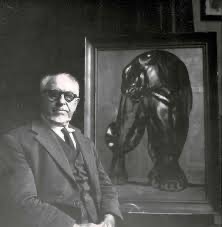
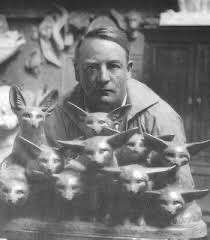
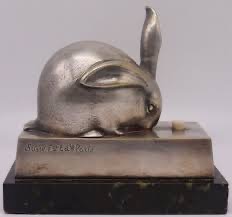
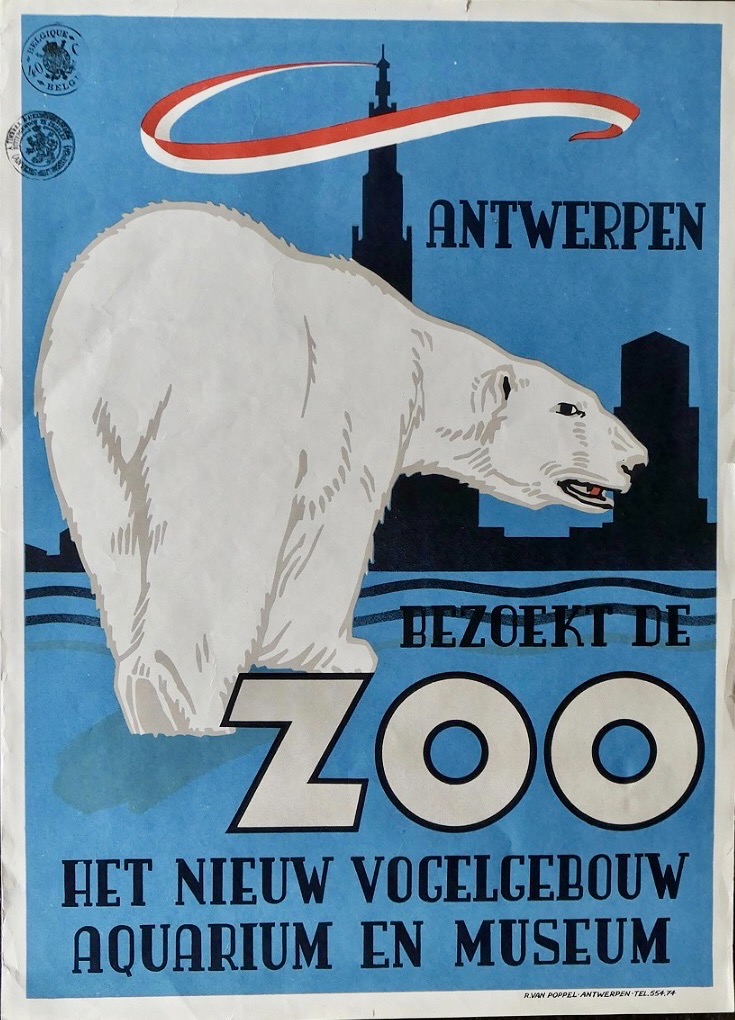
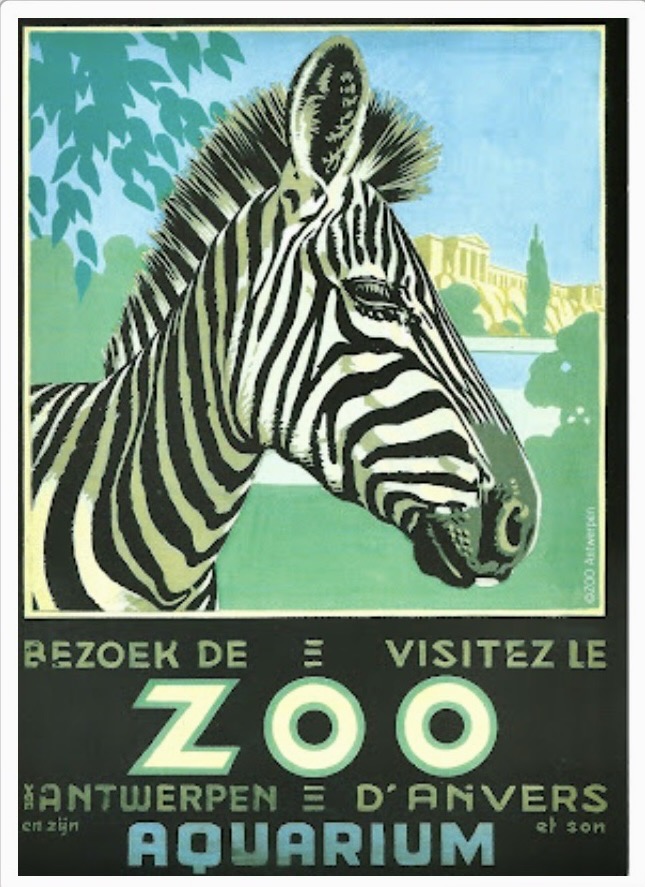
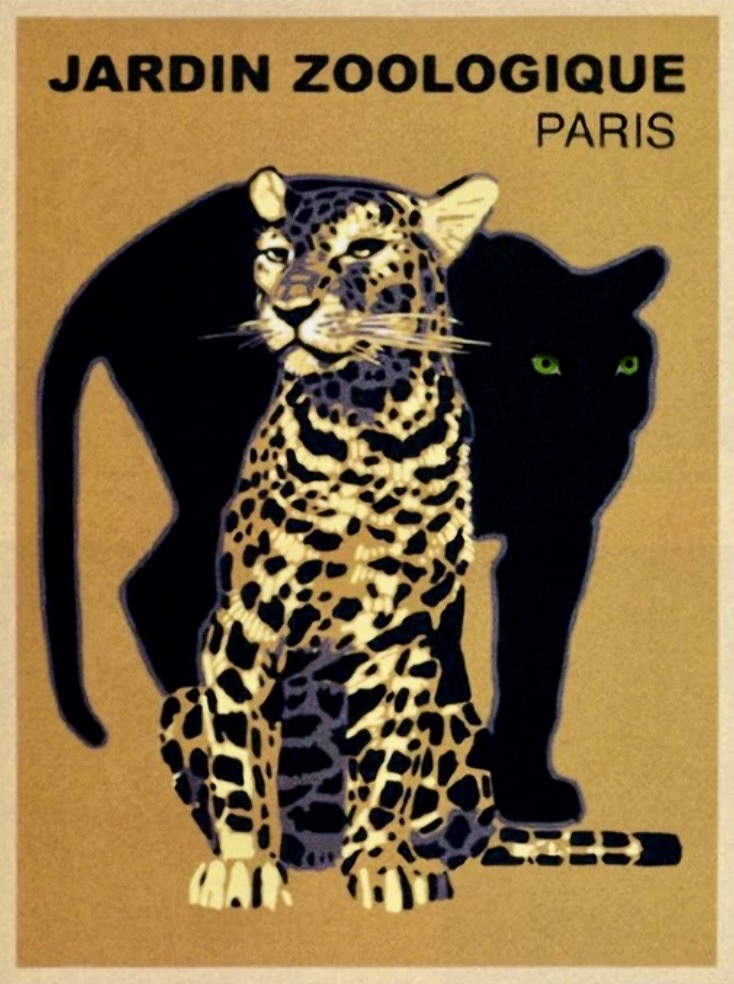
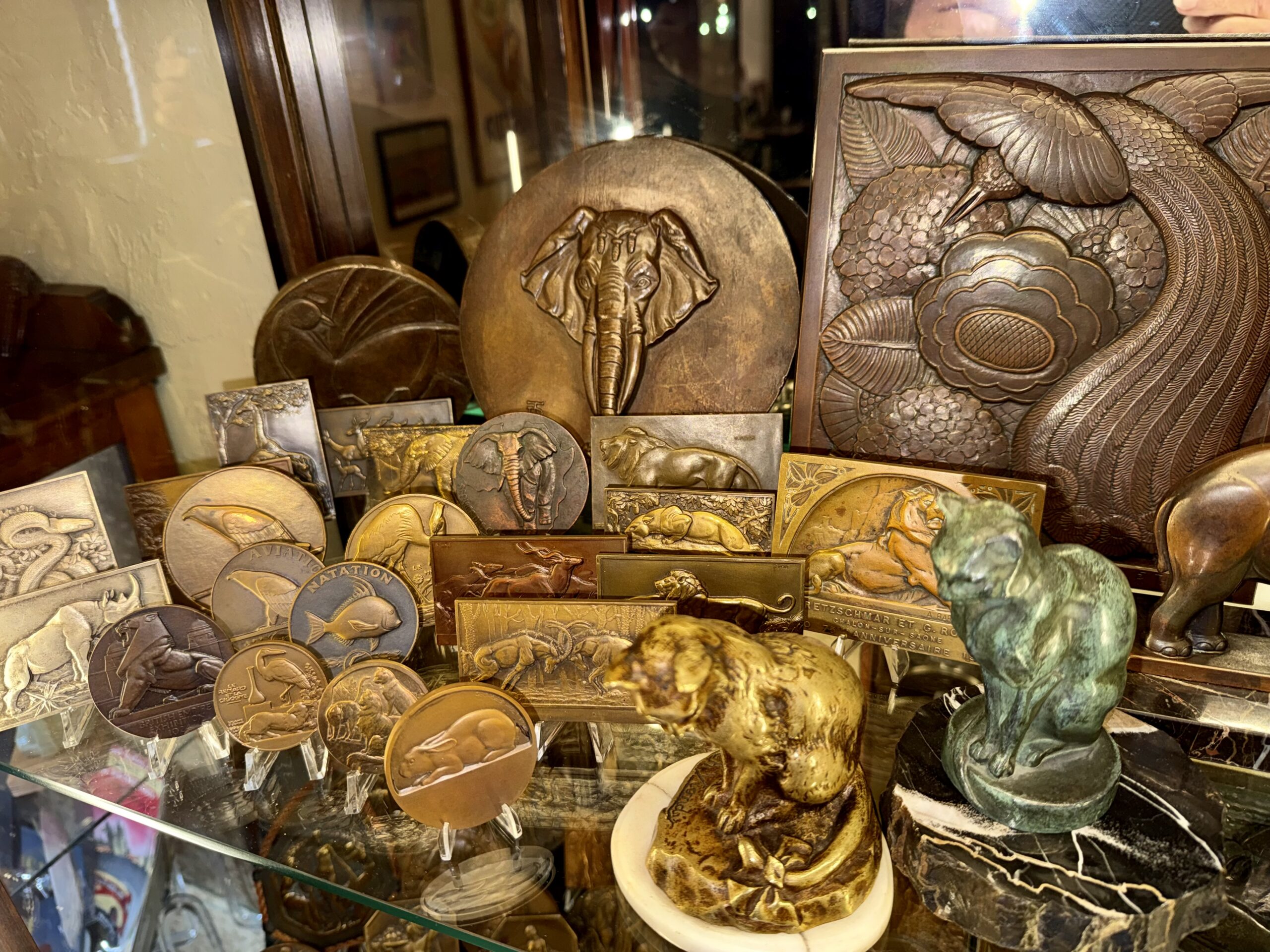
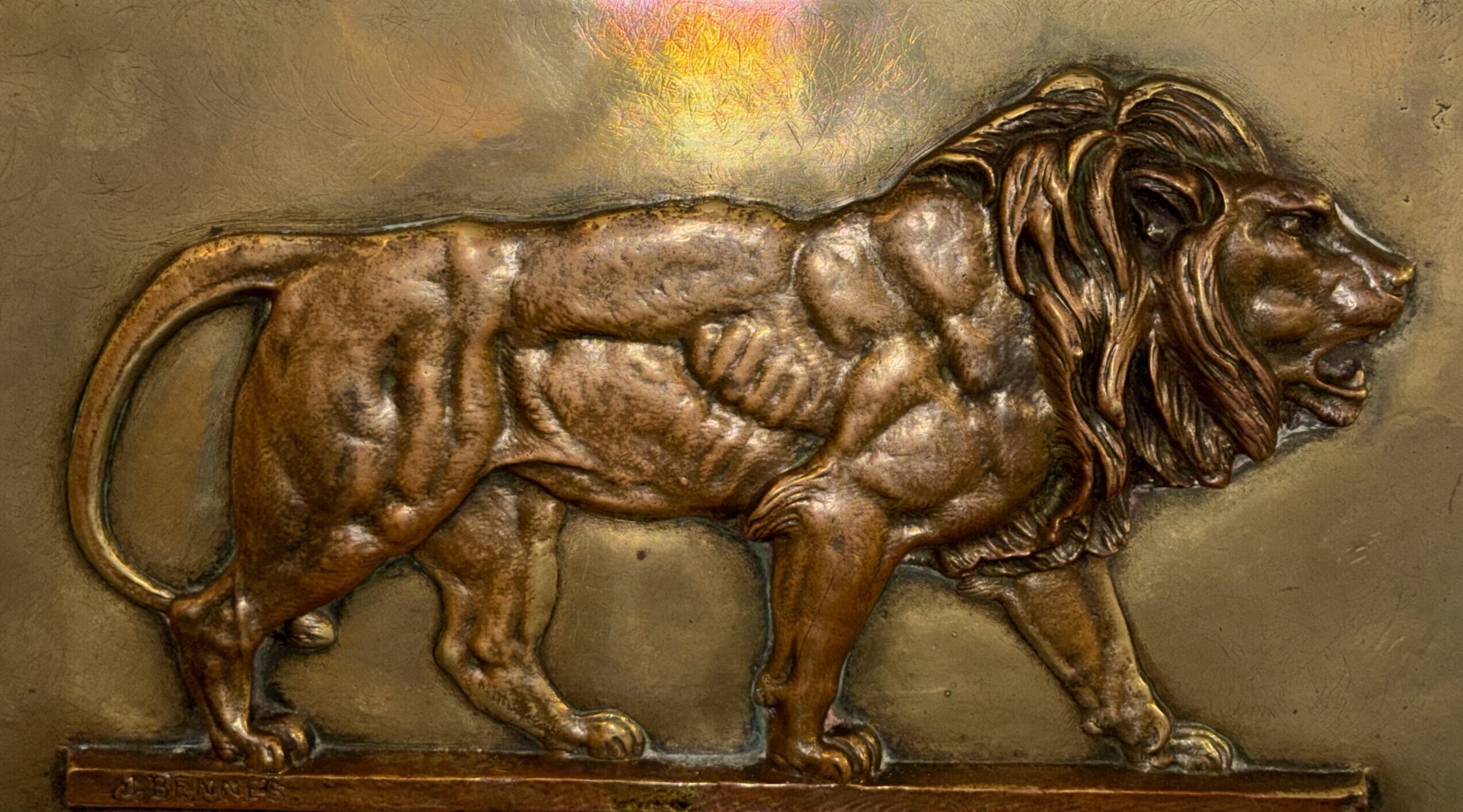
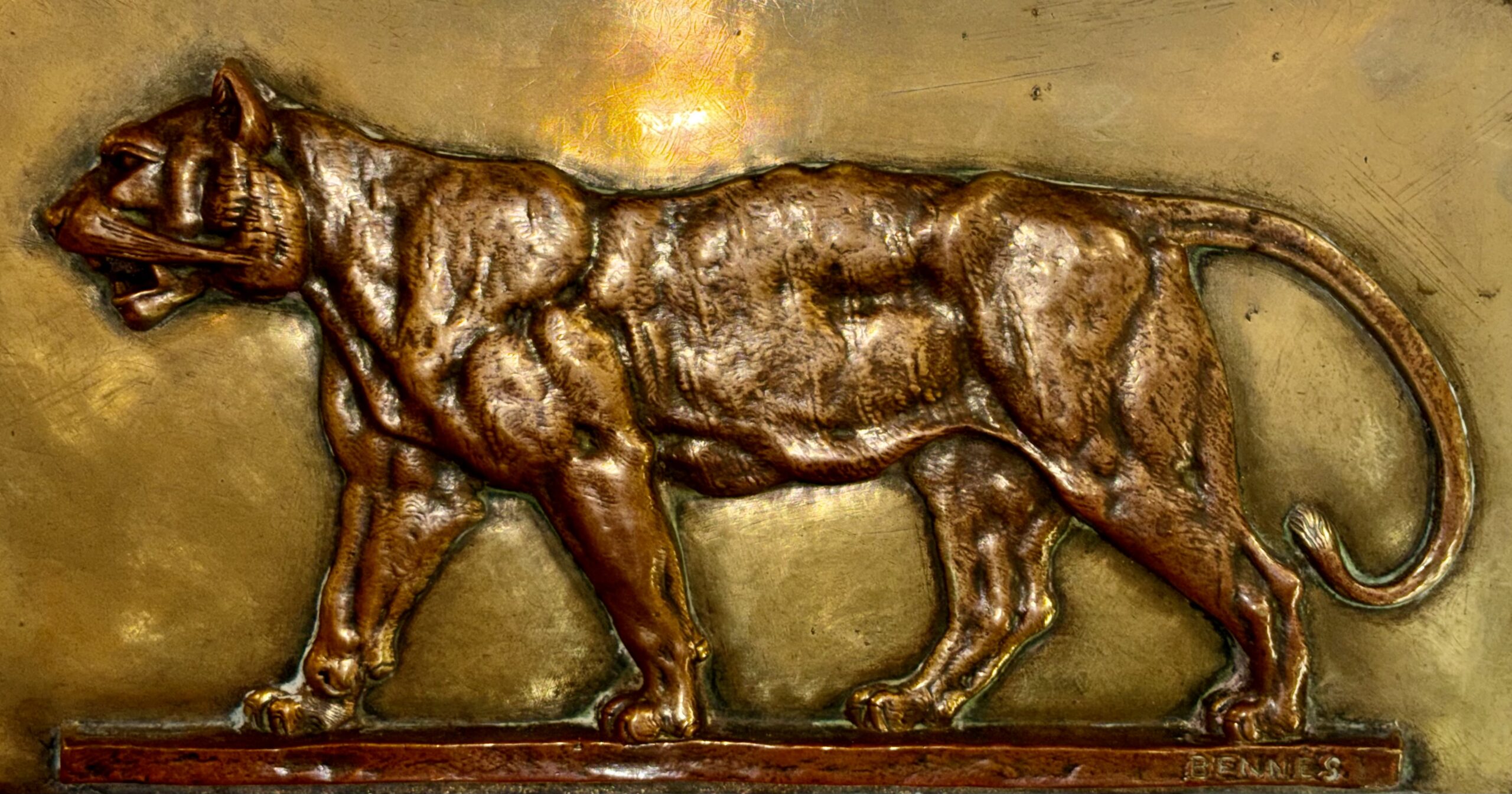
Edward Horswell’s Sculpture of Les Animaliers 1900–1950, published by Scala in 2019, offers an important foundation for this subject, framing the animalier tradition as one of the most vital sculptural movements of the early twentieth century. Horswell’s study makes clear that these artists were defined not simply by their choice of subject, but by the intensity of their observation and their ability to translate living animal form into enduring sculpture. It is especially useful here because it helps position the zoo not as a secondary backdrop, but as one of the essential places where this artistic language was formed, most notably at the Ménagerie du Jardin des Plantes in Paris, Antwerp Zoo, London Zoo, and the Berlin Zoological Garden.
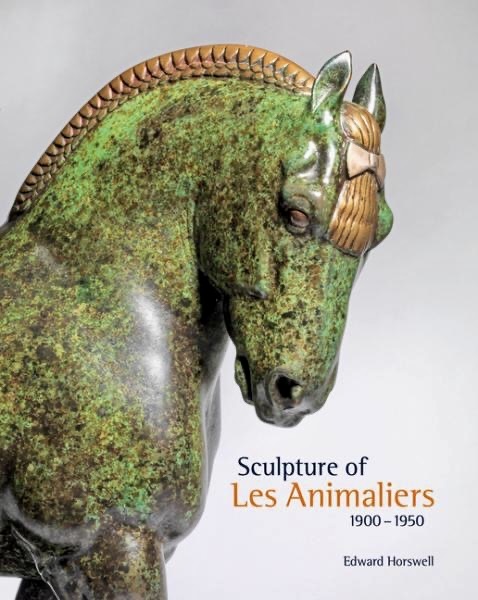
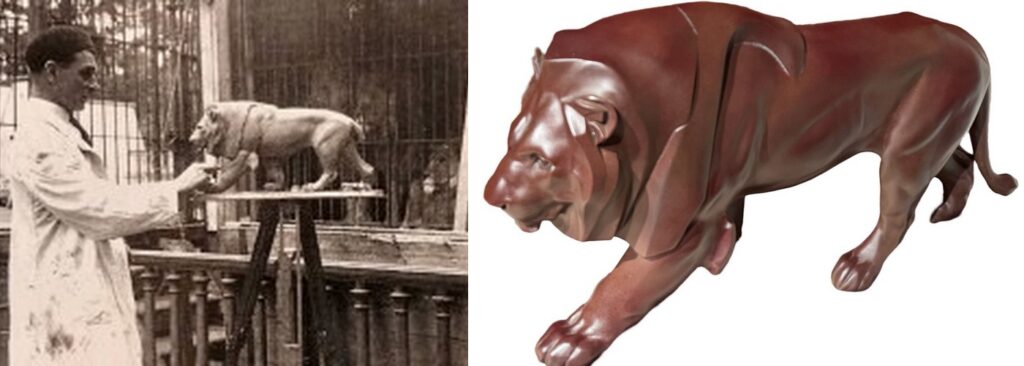
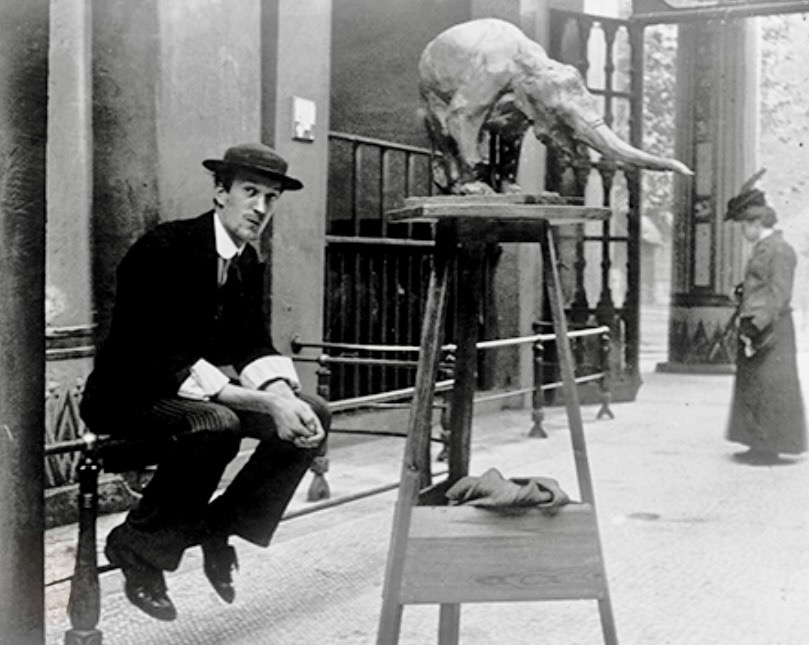
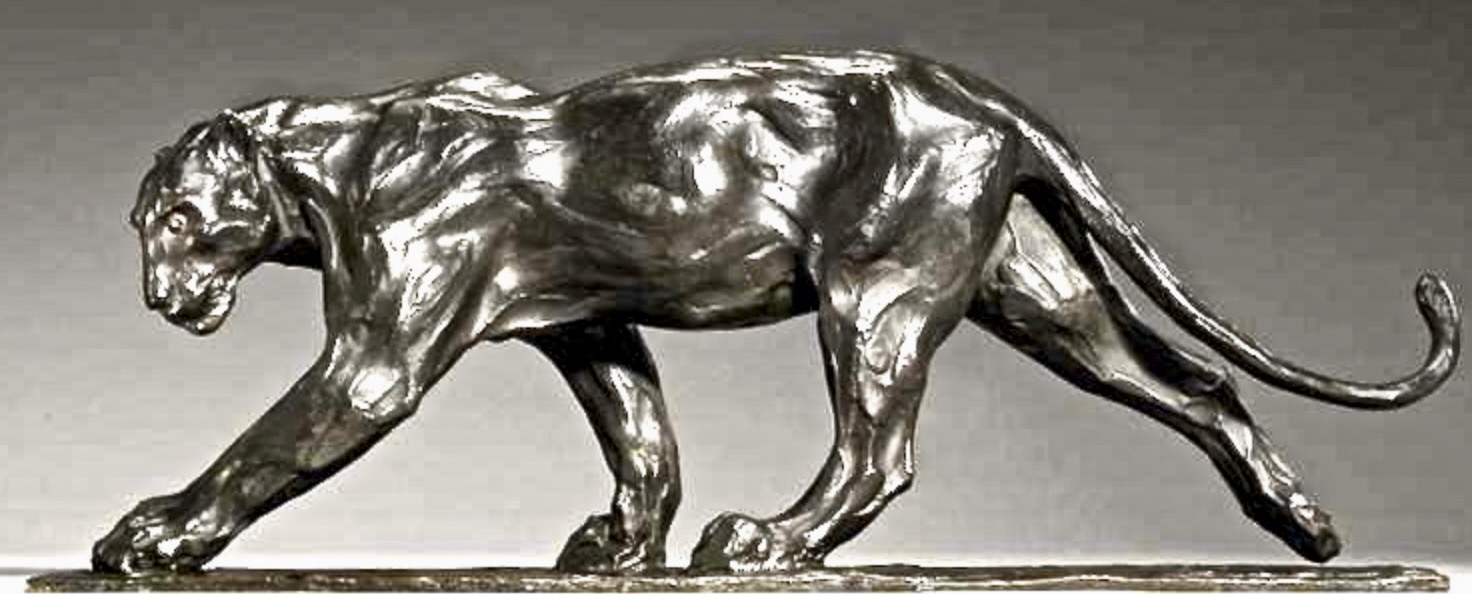
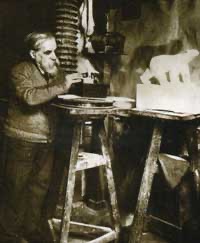
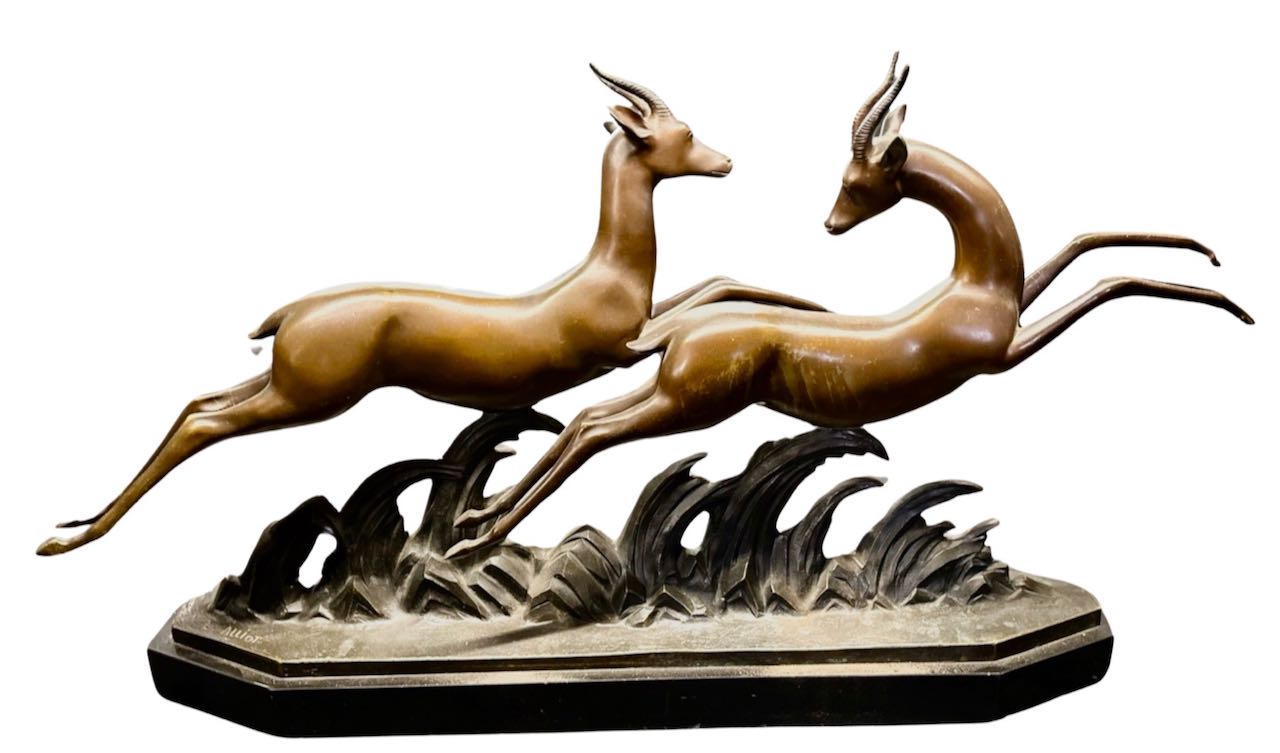
For the sculptors known as Les Animaliers, the zoo became a kind of living studio, a place where the study of animals could move beyond approximation and into direct experience. Earlier generations often relied on taxidermy, prints, or secondhand descriptions, but by the early twentieth century the great zoological gardens of Europe gave artists the rare opportunity to observe living animals at close range. This changed the nature of animal sculpture in a profound way. No longer limited to static models, sculptors could watch how an animal shifted its weight, turned its head, rested, prowled, or leapt, gaining a deeper understanding of both structure and movement.
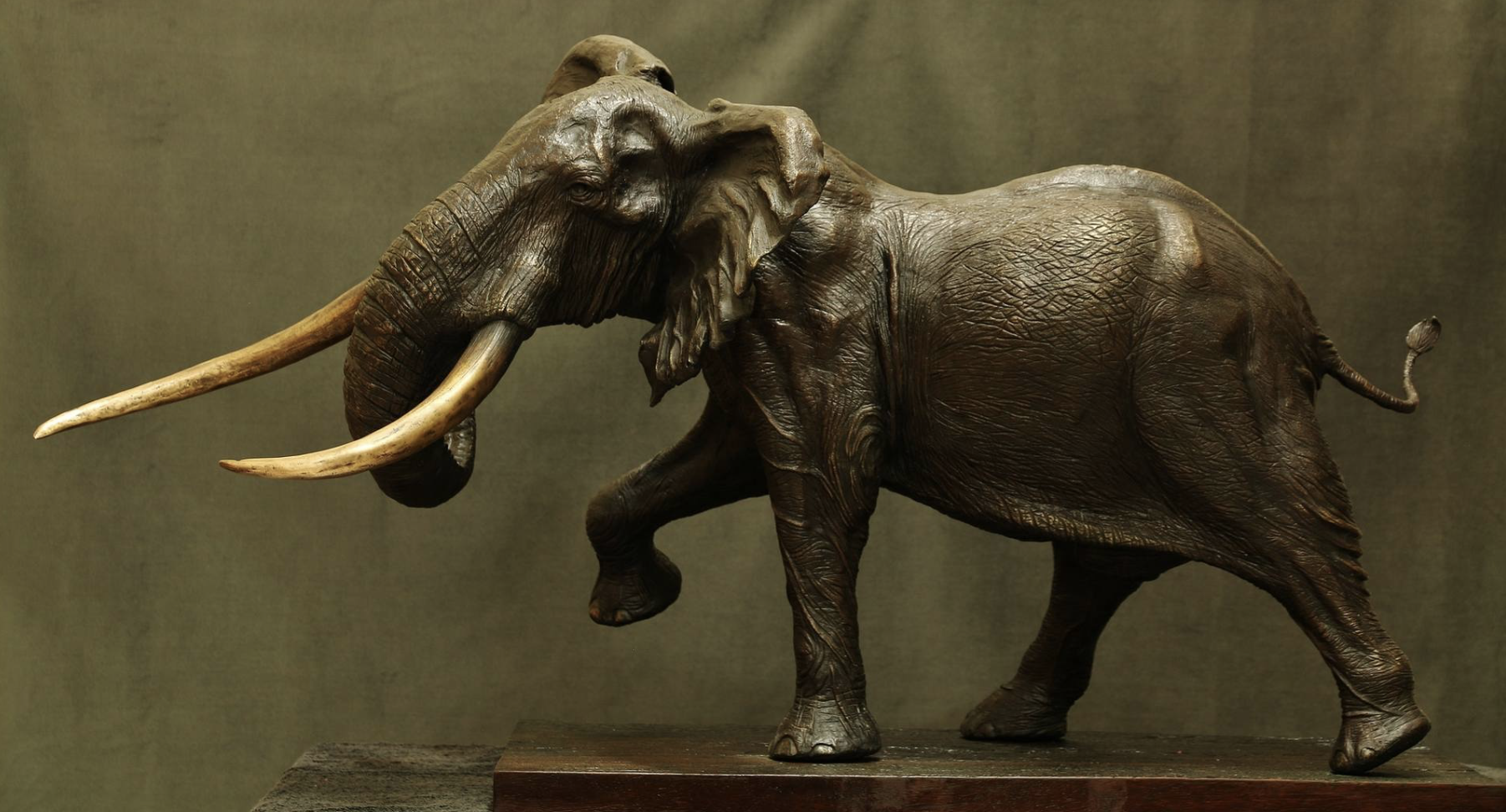
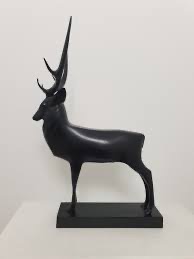
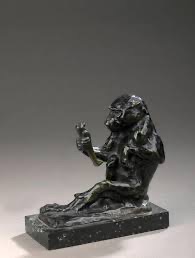
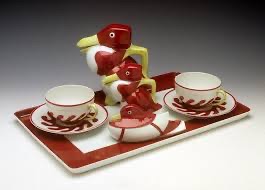
That direct observation brought a new vitality to the work. It allowed artists to move beyond simple likeness toward something more expressive, capturing not only anatomy, but also character, tension, and presence. In the Art Deco period, this kind of living study became especially important because it supported a style that balanced natural truth with formal elegance. The zoo, in that sense, was far more than a backdrop to this story. It was one of the places where modern animal sculpture truly began to take shape.
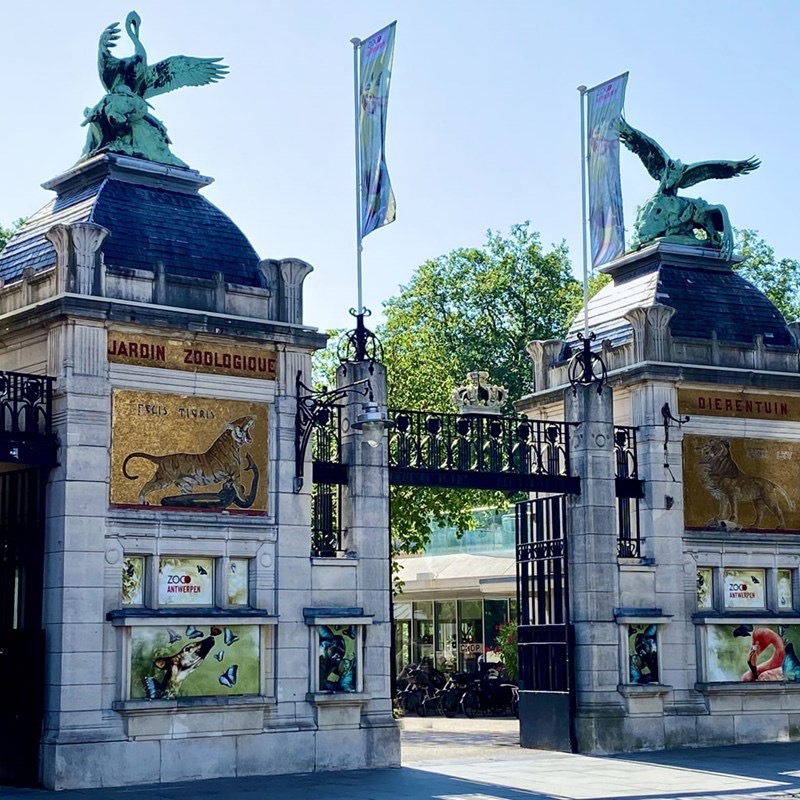
Entrance to the Antwerp Zoo in Antwerp, Belgium