✕


ART & STATUES

CERAMICS & GLASS
Art Deco Around The World
Heywood-Wakefield Furniture, Streamline Modern and the Blond Wood Look
How a Gardner, Massachusetts chairmaker turned steam-bent birch into the shape of American modern.
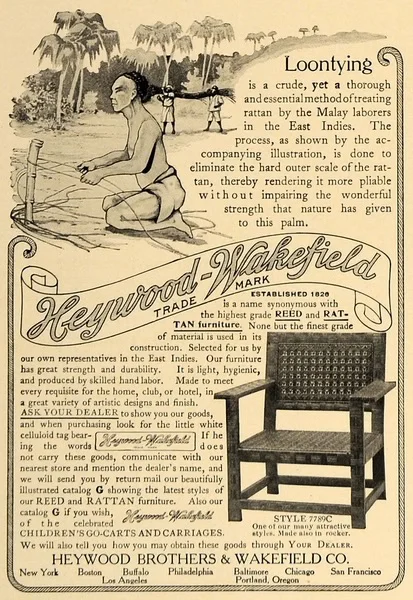 Heywood-Wakefield began in 1826 in Gardner, Massachusetts, when the five Heywood brothers started making wooden chairs in their father’s barn. The business later moved to the shore of Crystal Lake for water power, and it learned to shape wood with steam and moisture, a method that cut weight while keeping strength. Cyrus Wakefield had meanwhile built a rattan business in Boston, importing the material from Southeast Asia and processing it into cane for chair seats and reed for furniture, and the Heywood and Wakefield companies merged in 1897. For decades the combined firm was known for wicker, rattan, school chairs, and railway seating, and in the early twentieth century it bought the Lloyd Manufacturing Company of Menominee, Michigan, which made loom-woven fiber furniture. By then it bought raw materials from overseas ports and American forests, processed them in its own plants, and sold through a nationwide network of warehouses.
The Depression changed what the company needed to sell. During the 1930s, Heywood-Wakefield commissioned the industrial designers Gilbert Rohde, Russel Wright, and Alfons Bach to design modern furniture in solid wood, using the steam bending that had shaped its chairs for a century. Rohde, who had started designing for Herman Miller in 1930, is credited with a dining set for the company’s Old Colony line, whose catalog dates from 1937. Wright’s line was made for the 1933 Chicago world’s fair, but demand had fallen with the economy and the company withdrew it. Bach, who had emigrated from Germany to New York in 1926, designed wood and rattan pieces for the firm as well. The line that followed was called Streamline Modern, and the company advertised it as “in perfect decorative harmony with quaint and Colonial interiors as well as sophisticated apartment settings,” a pitch aimed at buyers who still furnished in older styles.
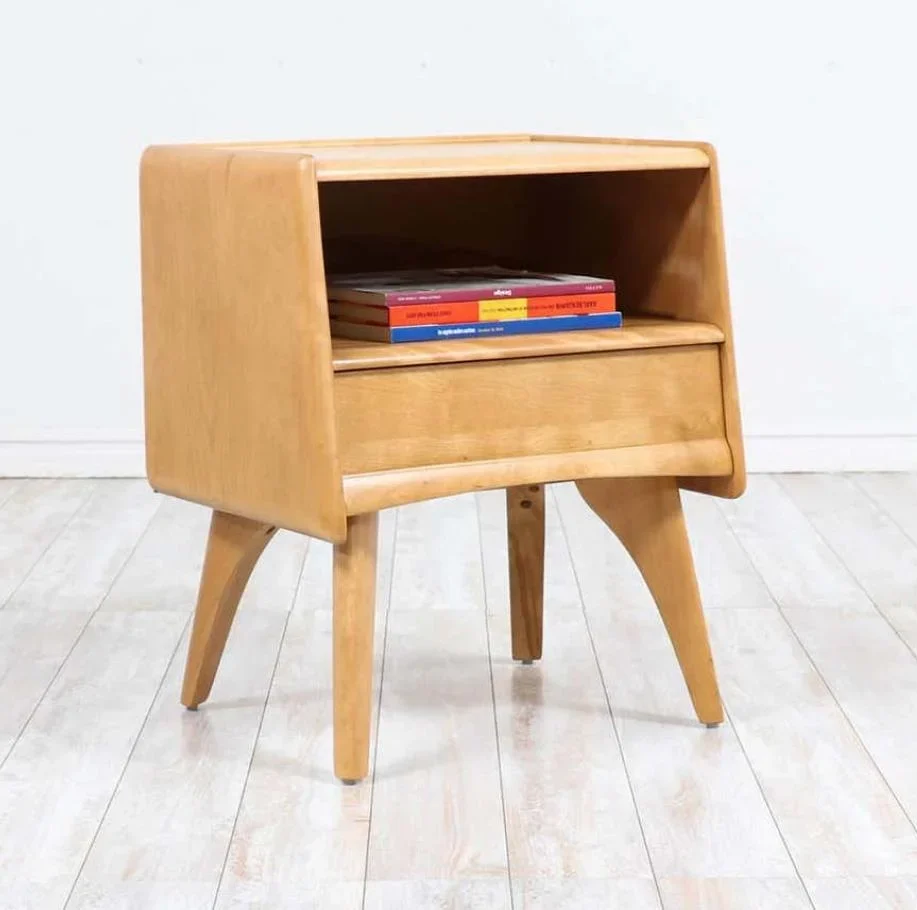
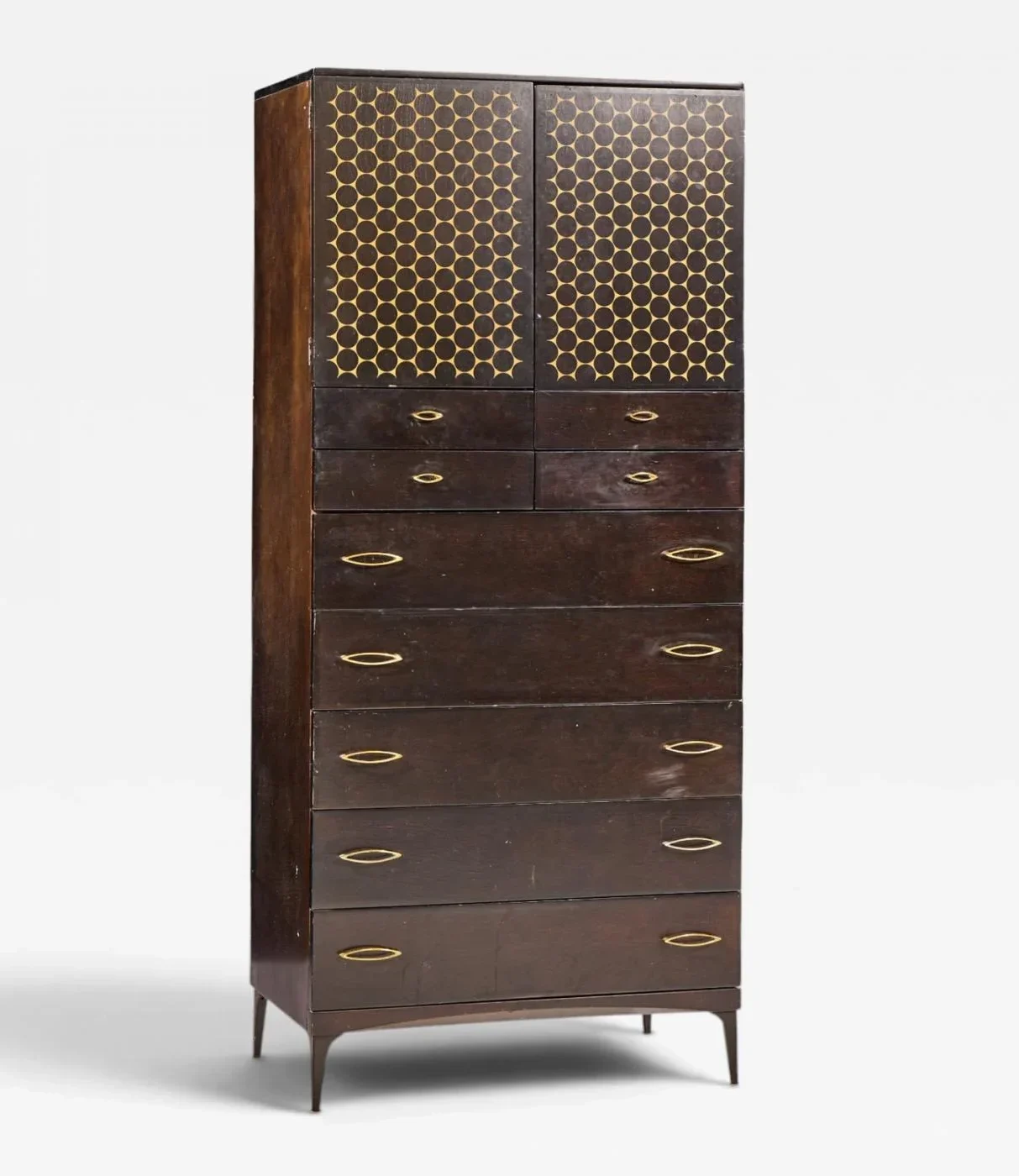
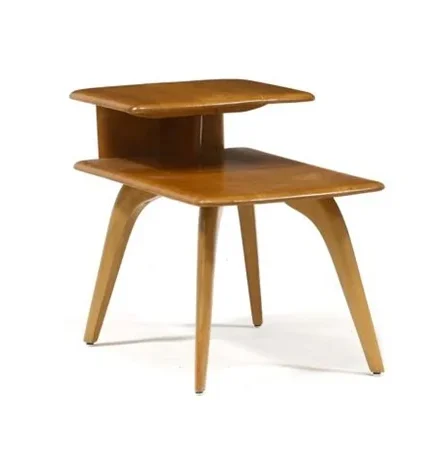
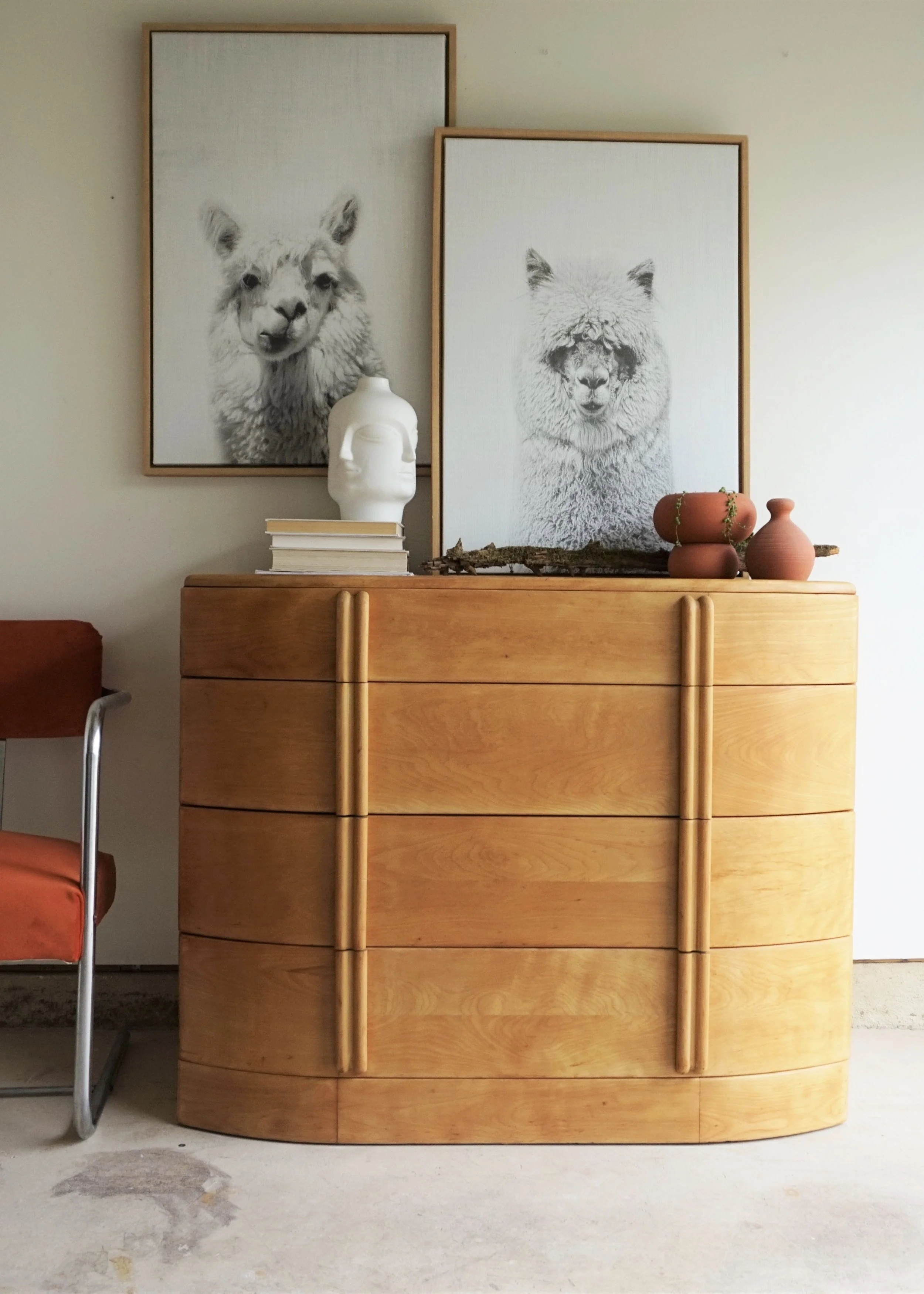
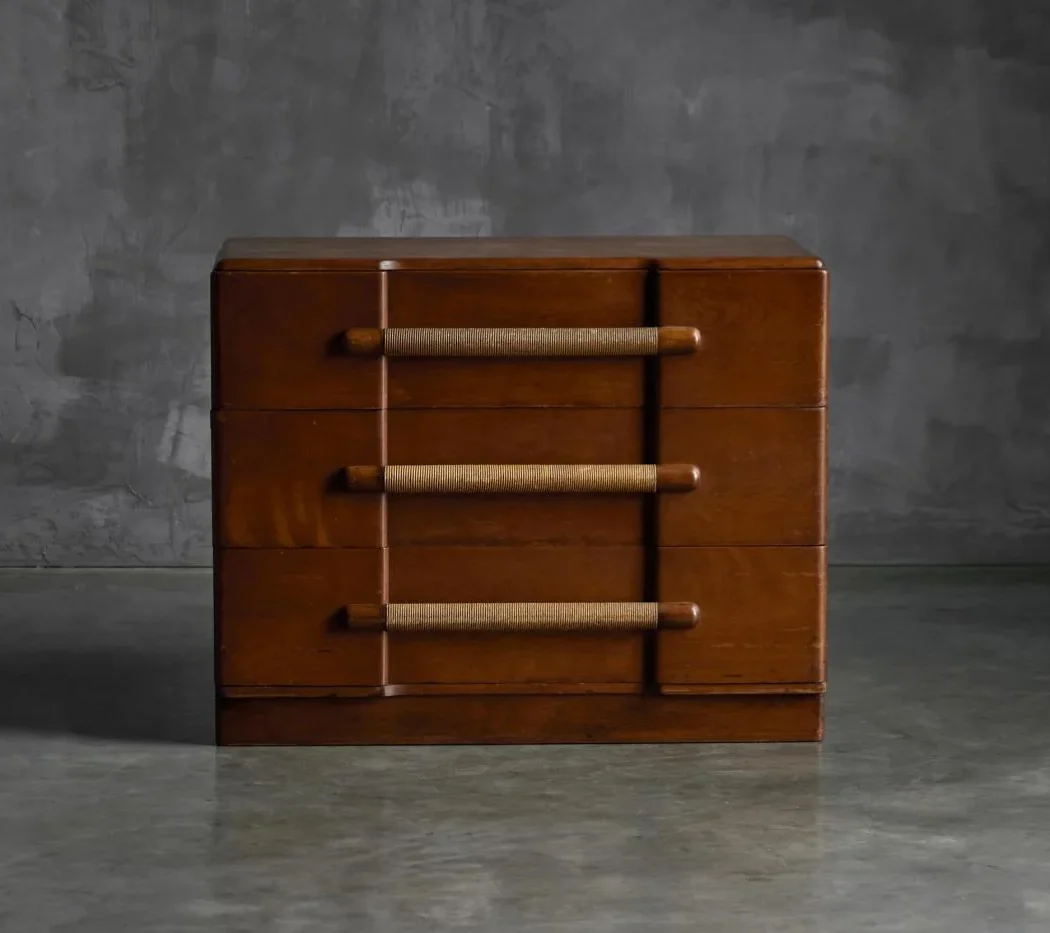
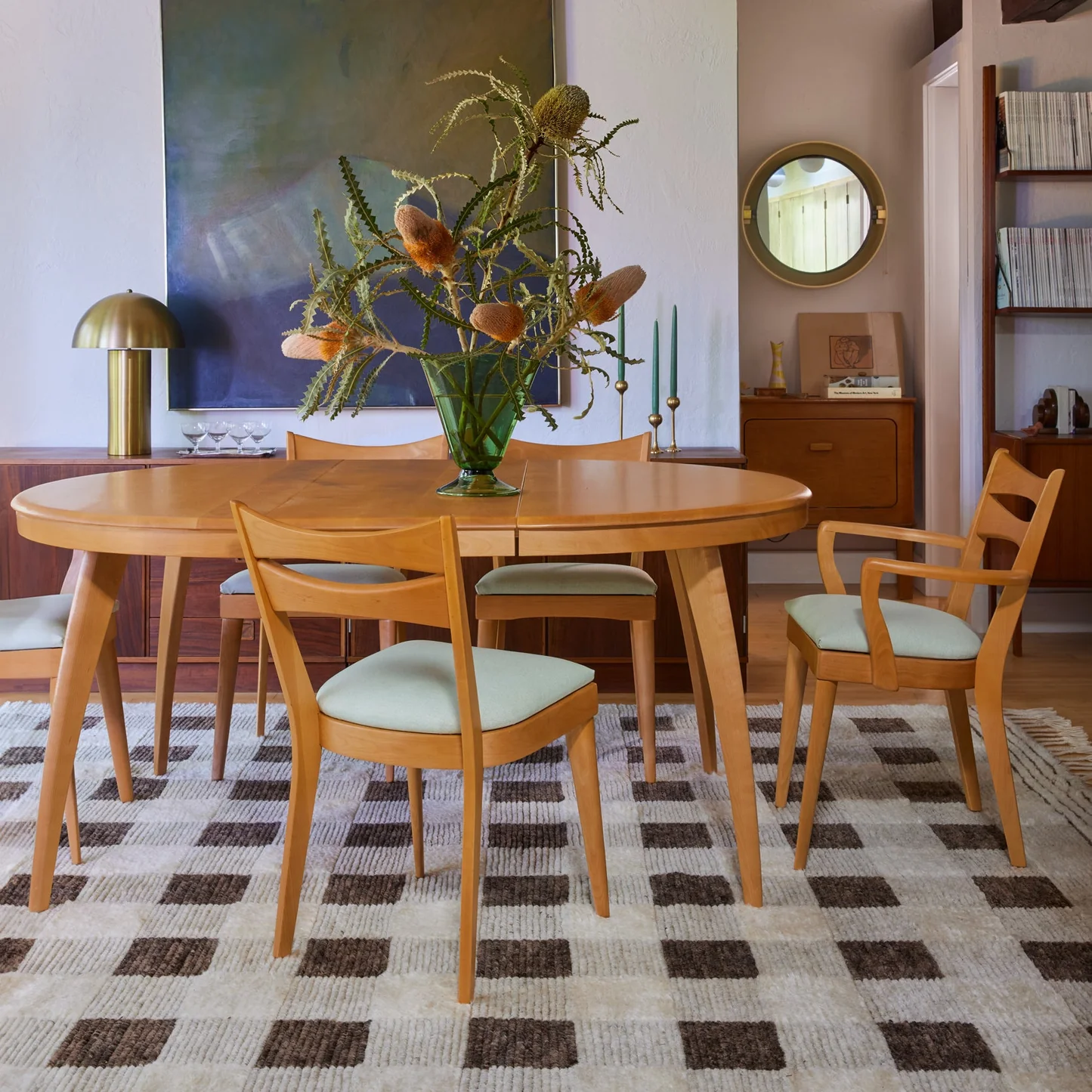
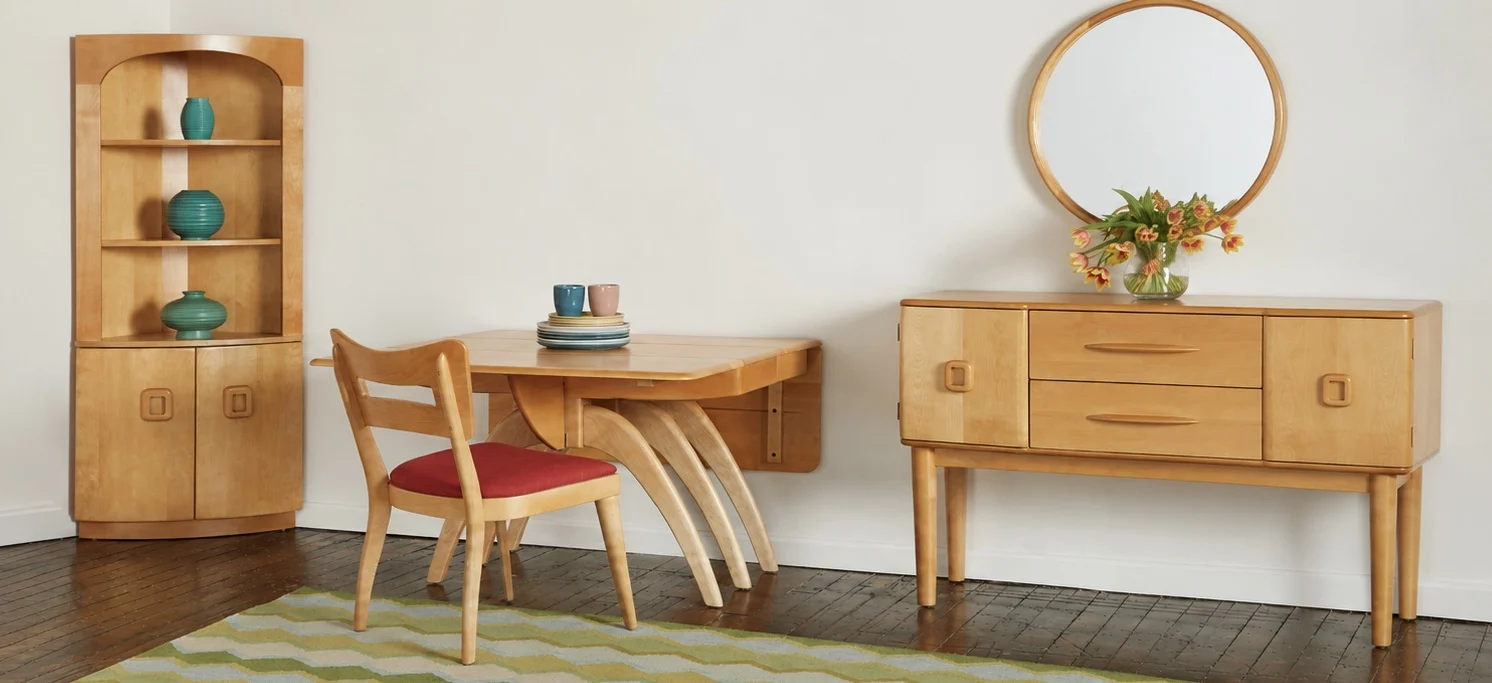
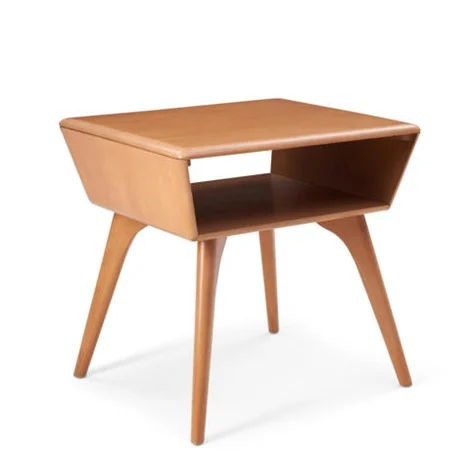
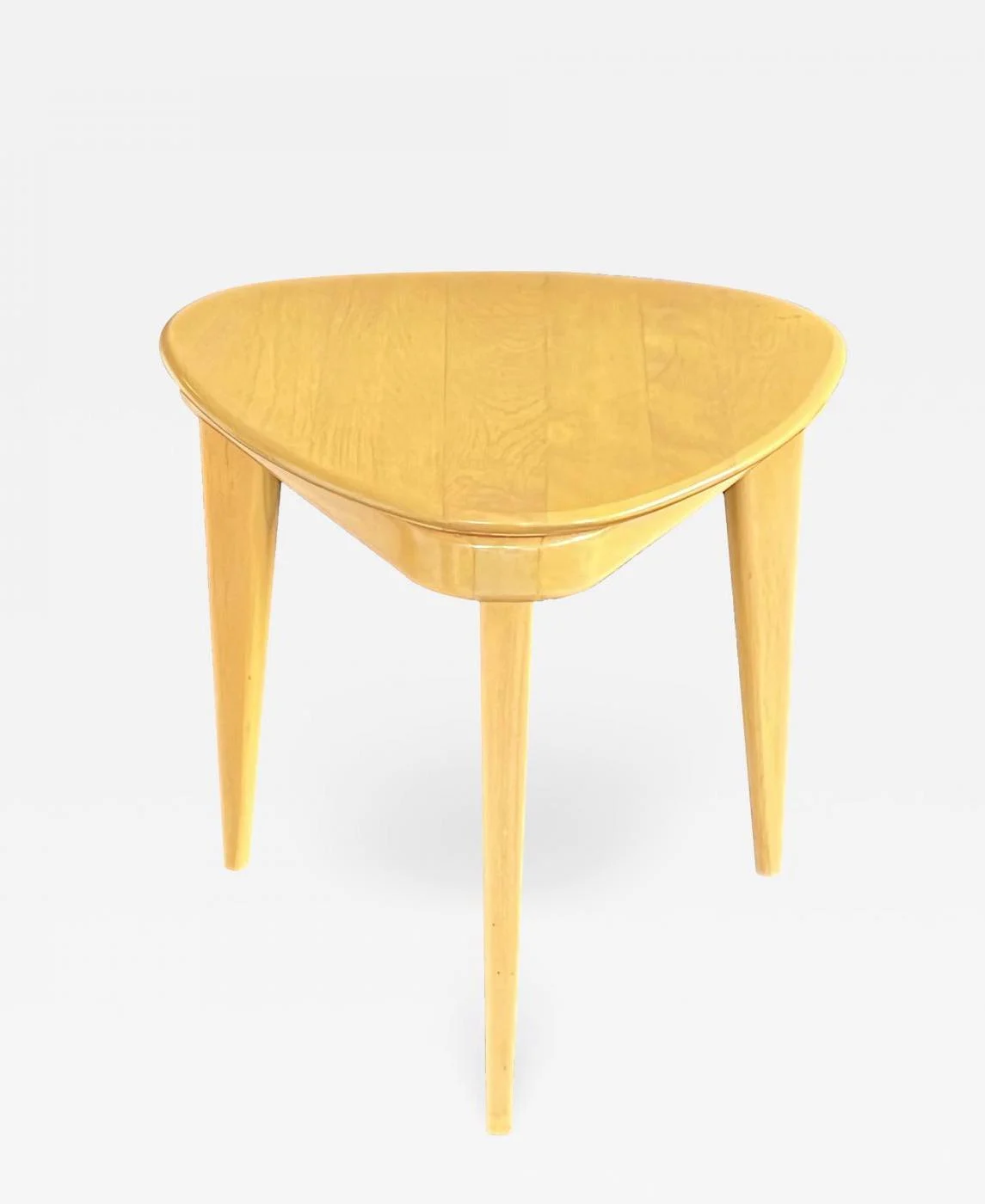 Streamline Modern reached the market in the mid-1930s, and Leo Jiranek is credited with designing the line. A 1936 set of C2918 chairs shows its character, with a maple frame, a squared back, a curved front leg, and a rounded front rail, all finished in a pale Bleached stain and upholstered in dark bronze Naugahyde. Bleached and Amber were the first finishes, and Wheat followed in 1937, with Champagne added in 1939. The curves came from construction rather than ornament. Workers steamed the wood until it was pliable, then left it in a drying oven for up to a day to hold the shape, which gave the furniture rounded corners and no sharp edges. Its forms came from the aerodynamic thinking seen in Streamline Moderne trains, cars, and appliances, and it has been described as the first complete line of modern furniture made for the mass market.
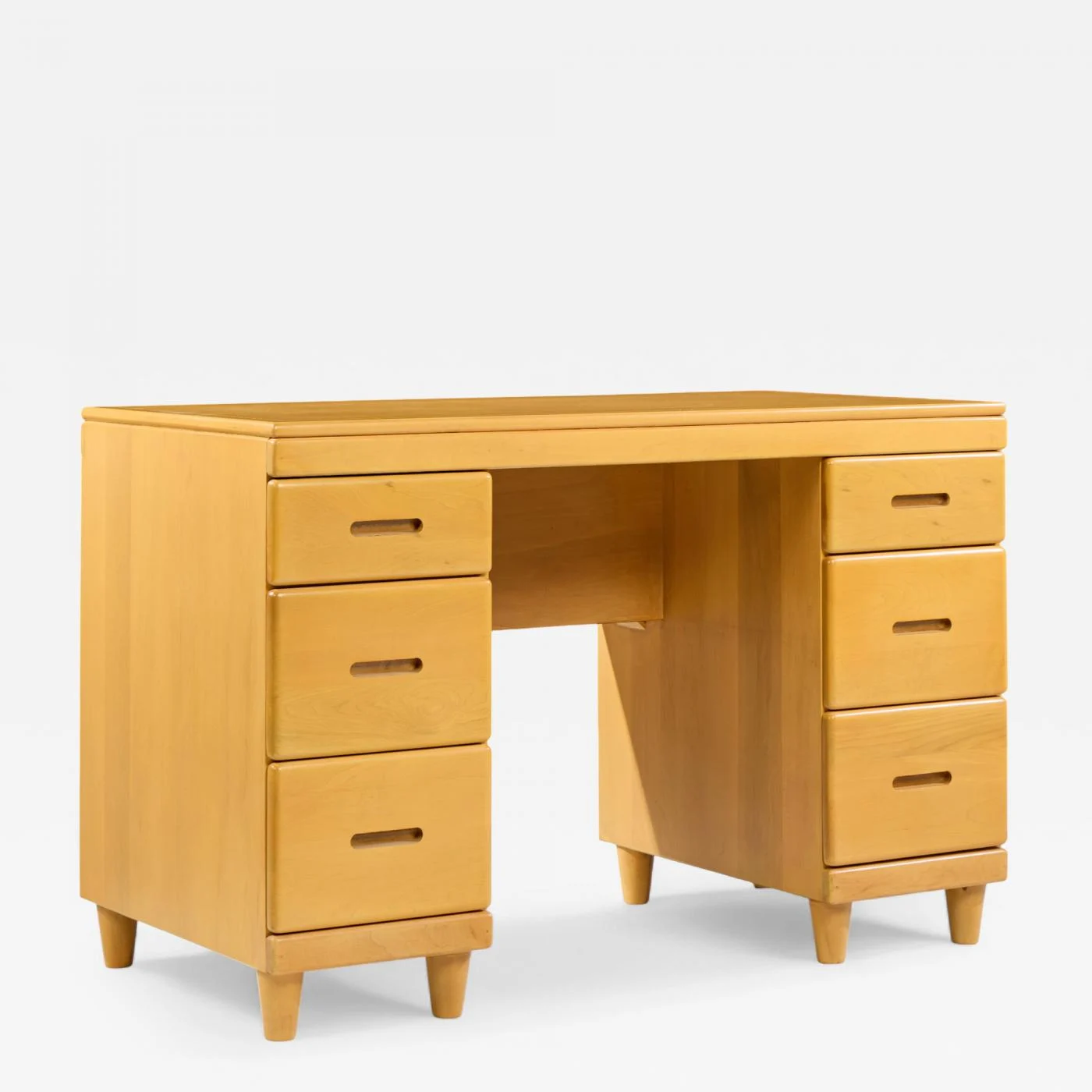
During the Second World War the company turned to solid wood rifle handles, and when rattan became unavailable it adapted by working with New England ash. After the war, lines such as Kohinoor, Encore, and Contessa were produced in solid birch, many in the warm blond finish known as Wheat. Production peaked from the late 1940s through the late 1950s, and later collections included Wintergarden in the late 1950s, Publick House in the early 1960s, and the solid cherry Cliff House in the late 1960s. Demand faded in the 1960s, partly because the pieces were expensive to make, and the last of the Modern line was produced in 1966. The antiquated Gardner factory had shut by 1979, and the company ceased operations in 1981. The name was revived in the 1990s, and the company today builds pieces to order in Winchendon, Massachusetts, from Northern Yellow Birch.
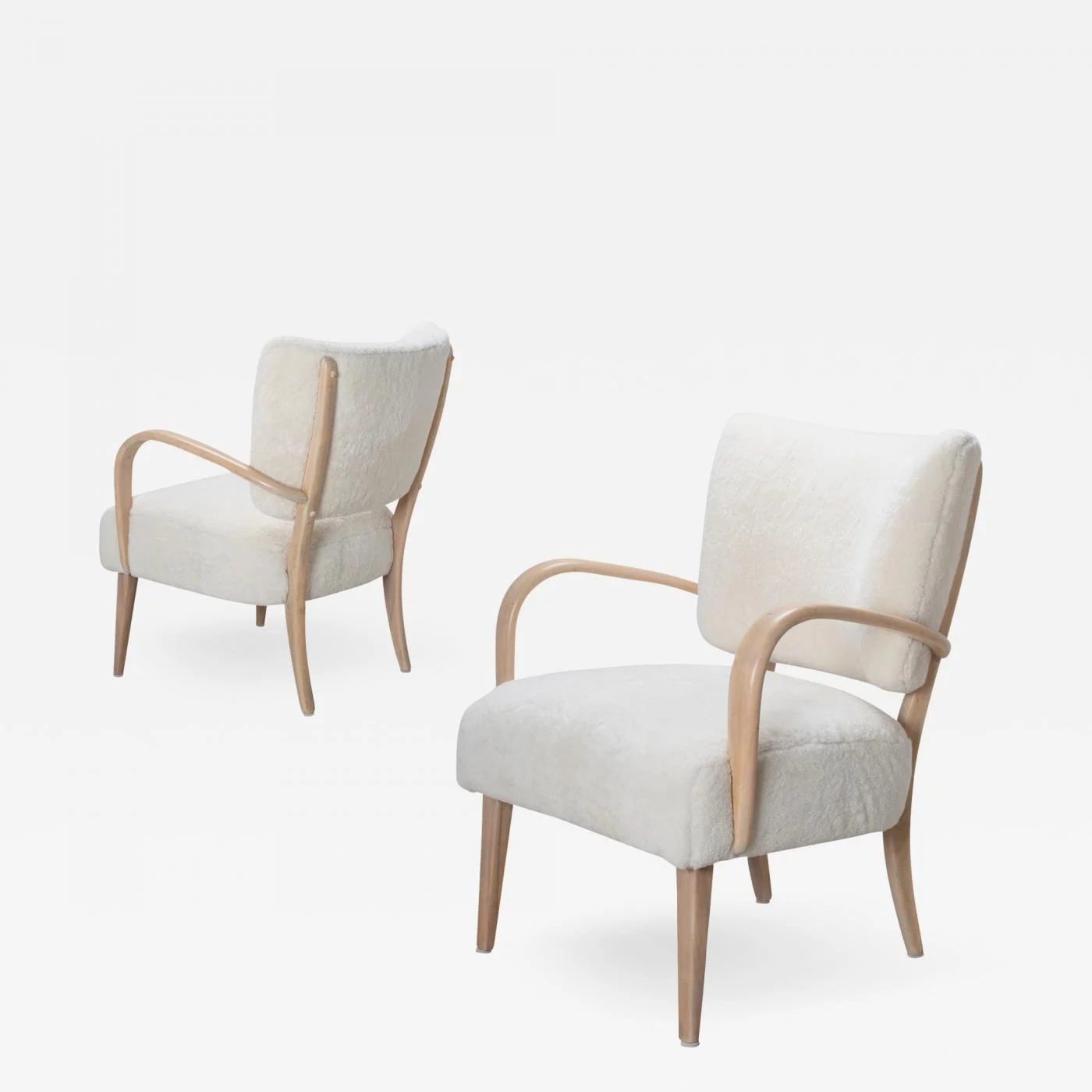
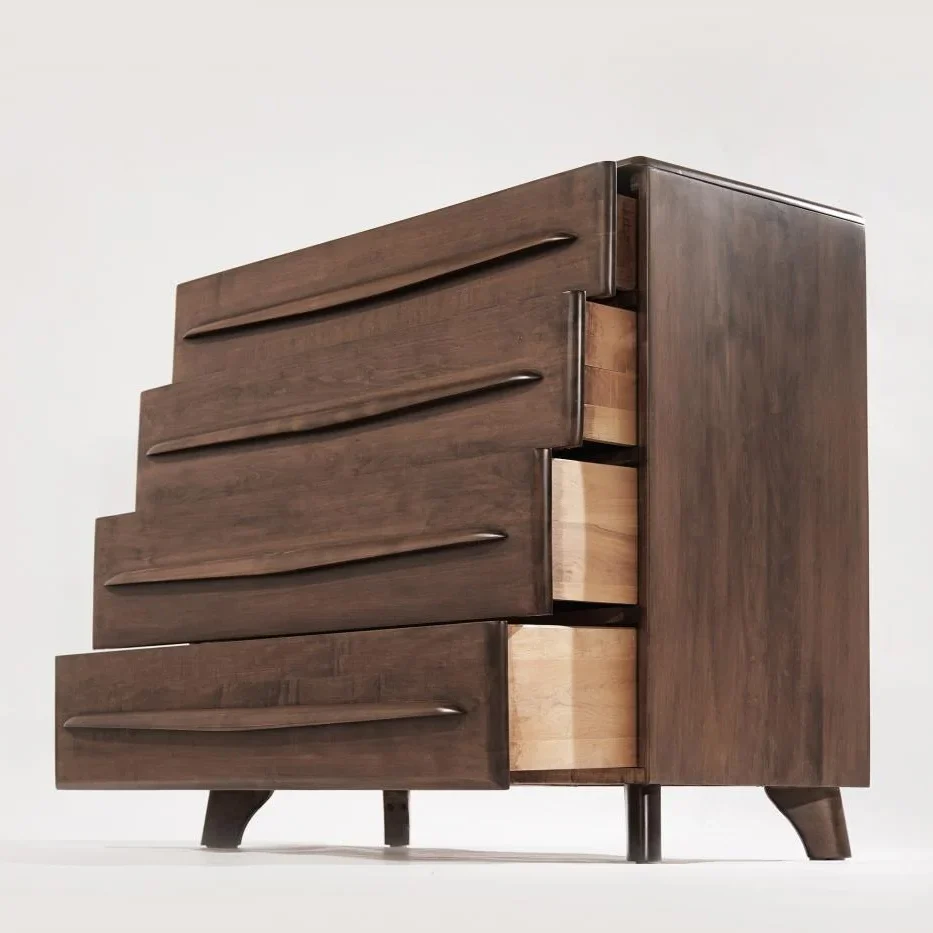
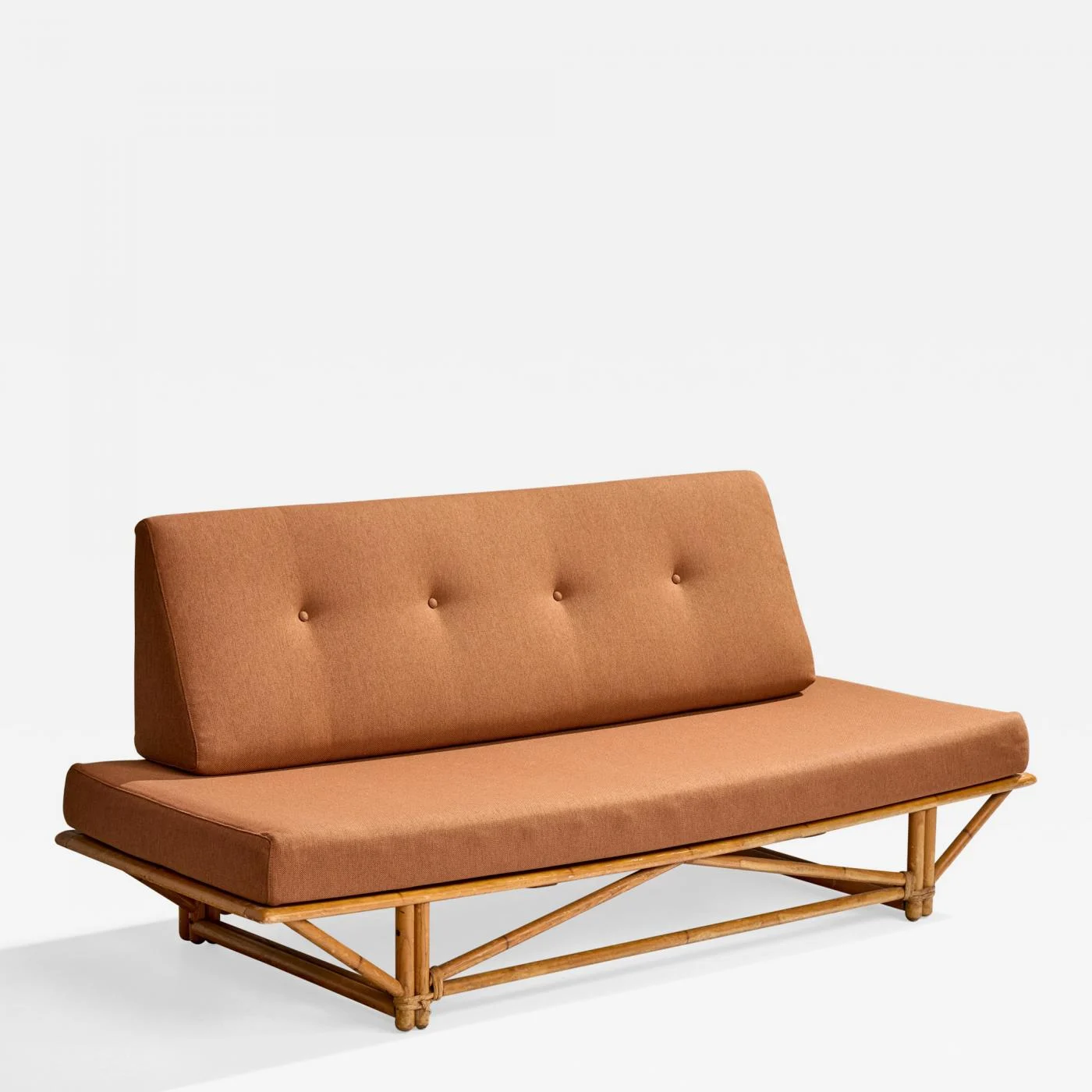
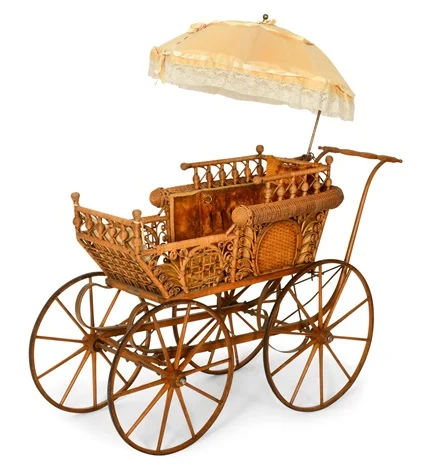
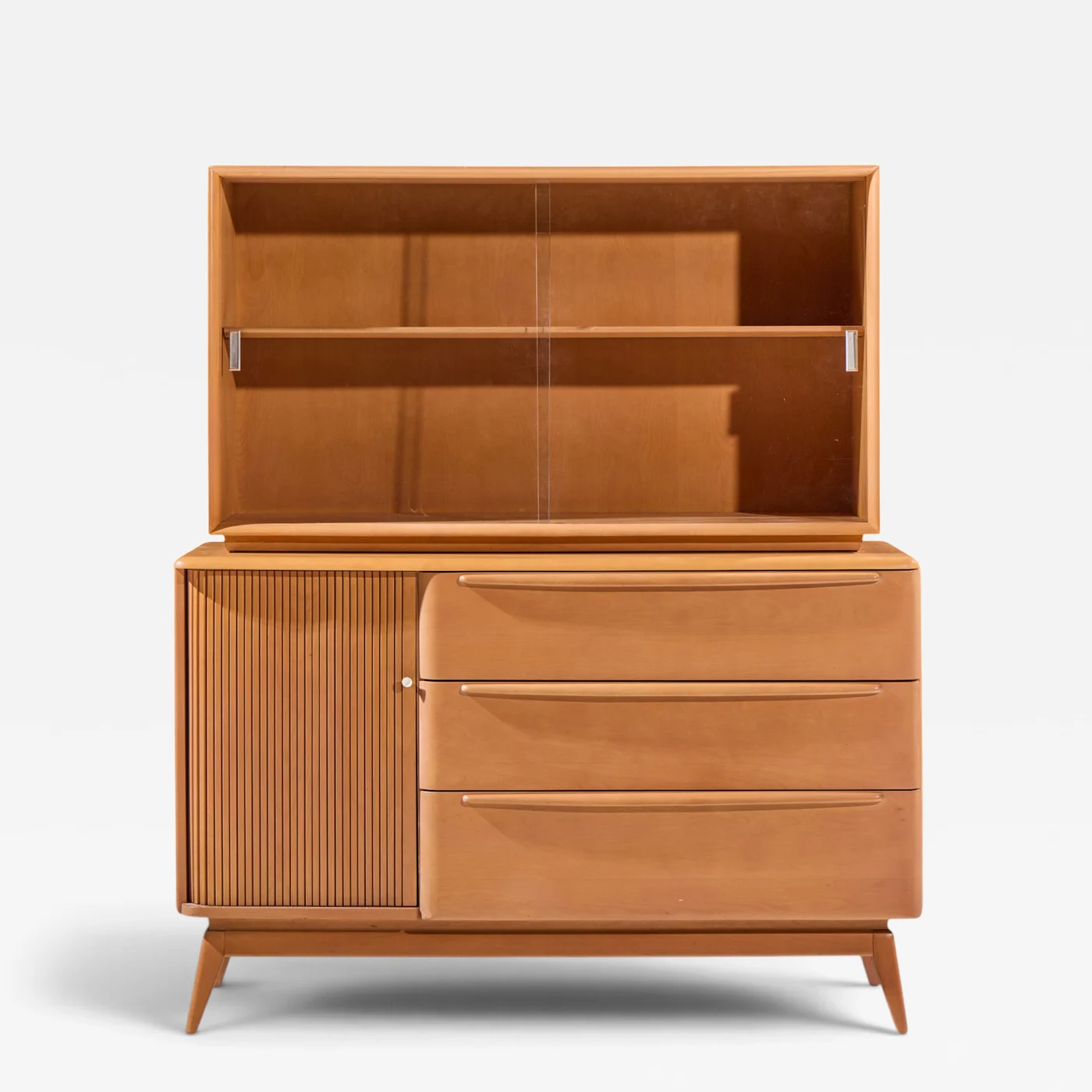
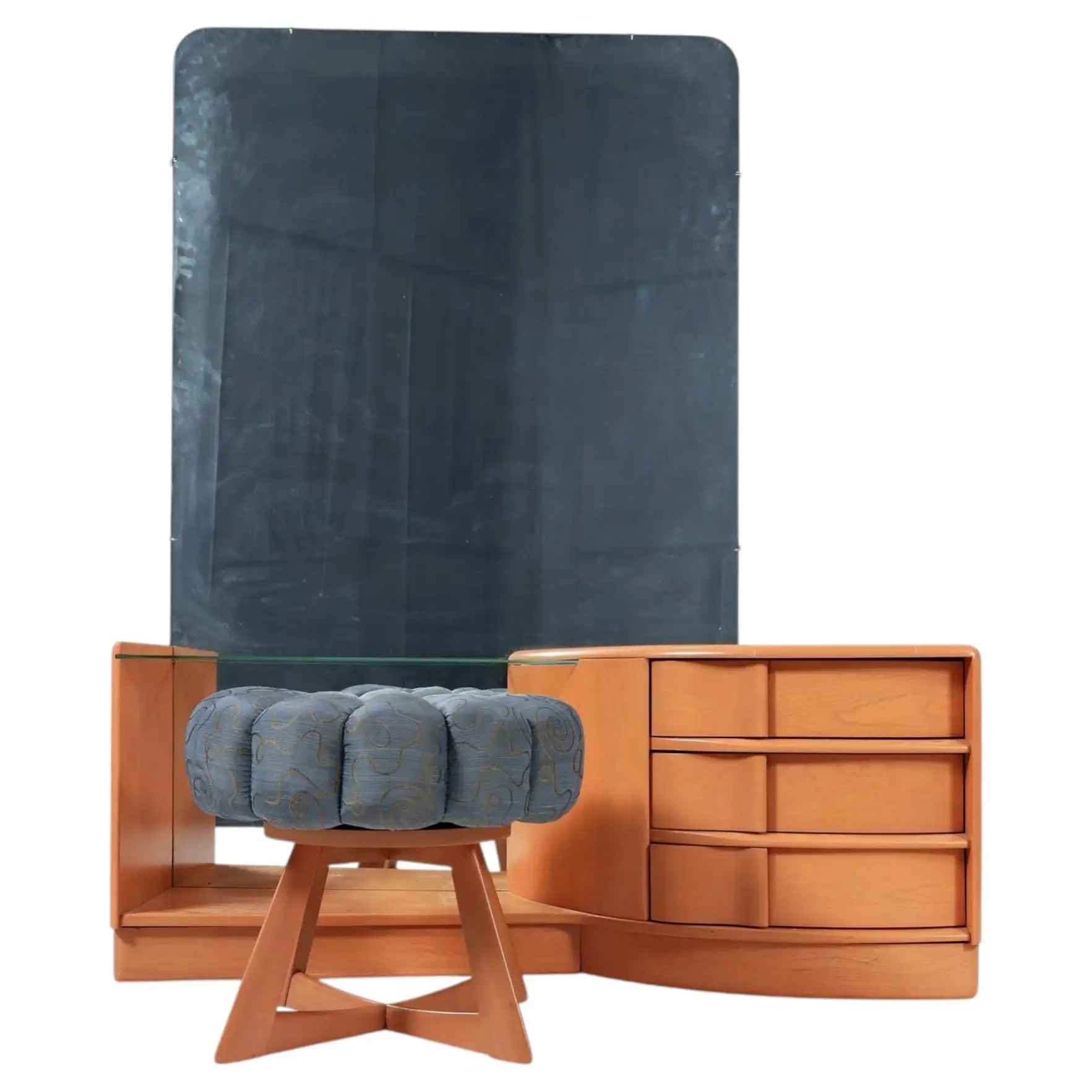
Collectors look for a burned-in, bow-tie-shaped stamp reading HEYWOOD-WAKEFIELD CO. over GARDNER MASS., since many reproductions now carry the name. Some pieces also have paper labels, and many carry model numbers such as M151G. Pieces still turn up at flea markets, thrift stores, consignment shops, and auctions. The firm’s furniture belongs to the transition from Streamline Moderne to the mid-century modern design of the postwar years, and it carried the rounded, ornament-free forms of the machine age into ordinary dining rooms and bedrooms rather than only into showrooms and fairs.
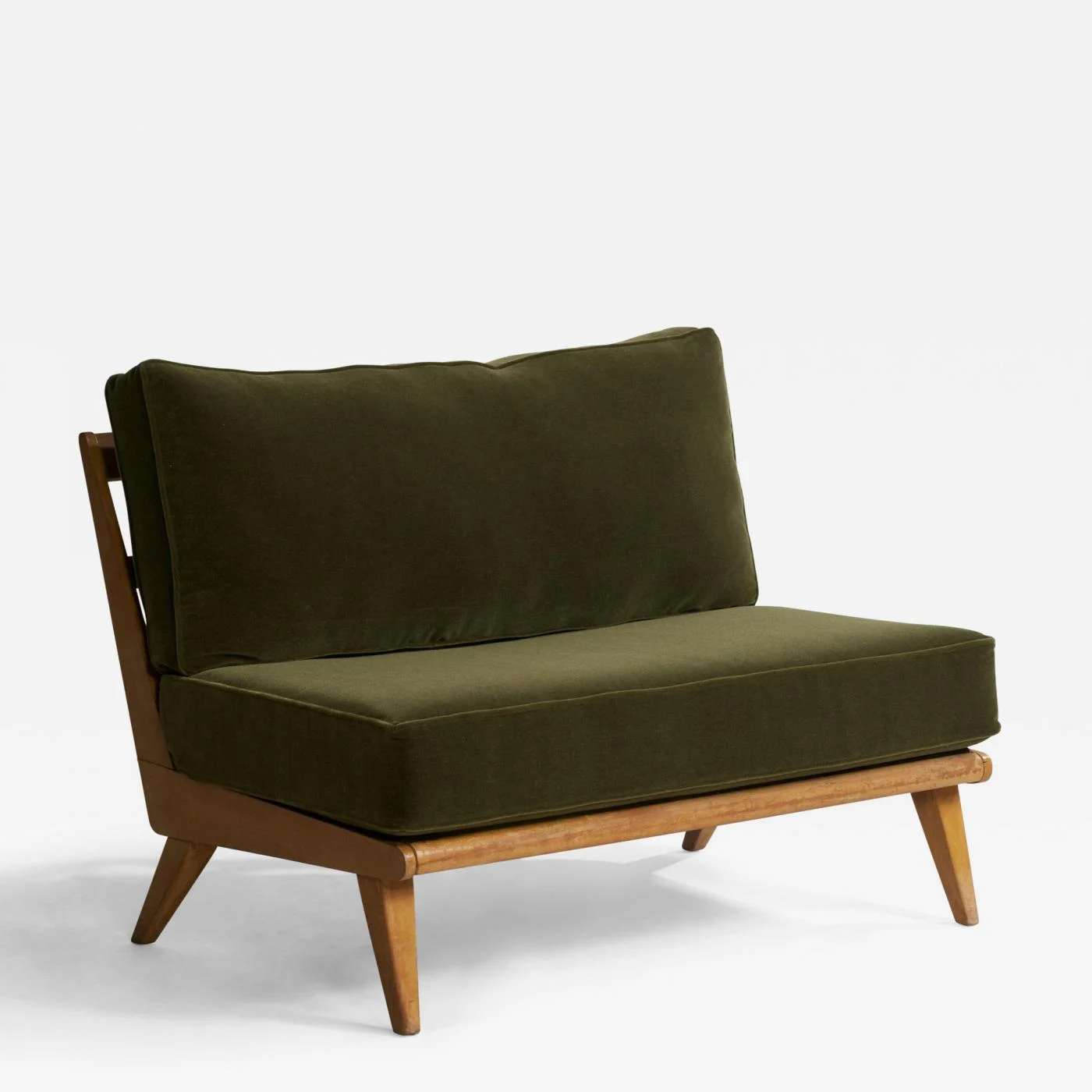

Related Products from ArtDecoCollection.com
Art Deco console with a Biedermeier point of view

Art Deco Style Console Table and Matching Mirror
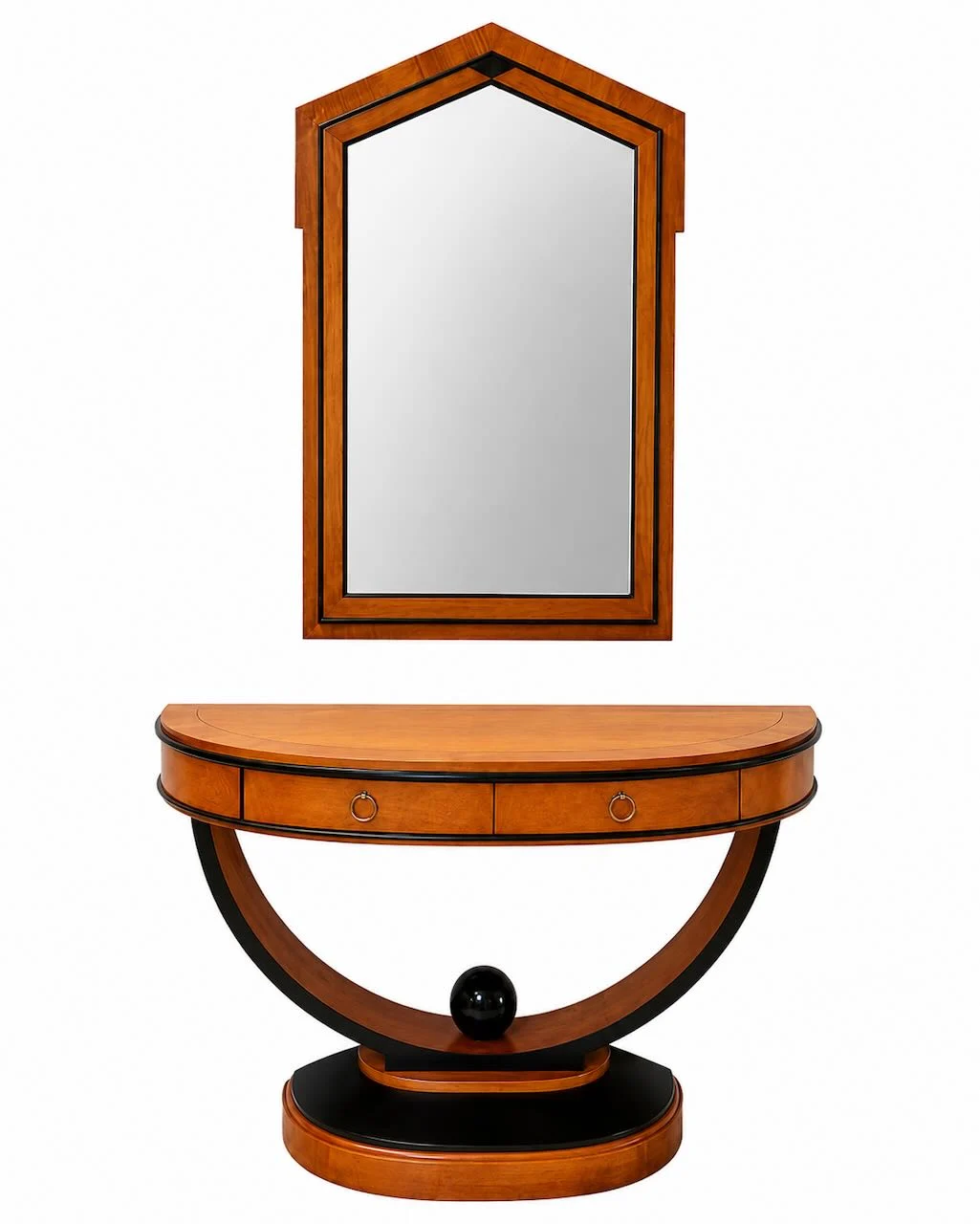
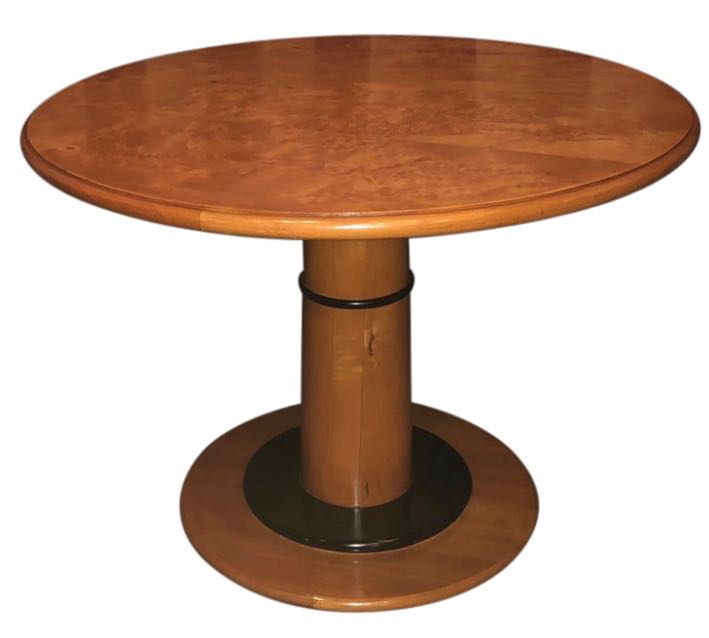
Art Deco Round Coffee or Side Tables
French Art Deco Cabinet Buffet Circa 1925 Exceptional Quality

Pair of Maurice Dufrêne 1925 Art Deco Caned Armchairs


ART & STATUES
CERAMICS & GLASS
© Copyright Art Deco Collection. 2026 All rights reserved. Site Map