



Cranbrook’s real legacy has less to do with any single style than with what it produced. The Cranbrook Academy of Art, founded in 1932 on an apprenticeship model that paired small groups of students with a single working artist, went on to train or employ Eero Saarinen, Charles and Ray Eames, Florence Knoll, and Harry Bertoia, a roster that would go on to define American mid-century design far more than Art Deco. Saarinen House stands apart from all of it, an Arts and Crafts campus that produced, in one architect’s own family home, one of the most complete Art Deco interiors in the country.
✕
ART & STATUES

CERAMICS & GLASS
Art Deco Around The World
Cranbrook, Eliel Saarinen's Art Deco Masterwork in the Michigan Woods
Inside the one house on an Arts and Crafts campus that its own architect built as a total work of Art Deco design
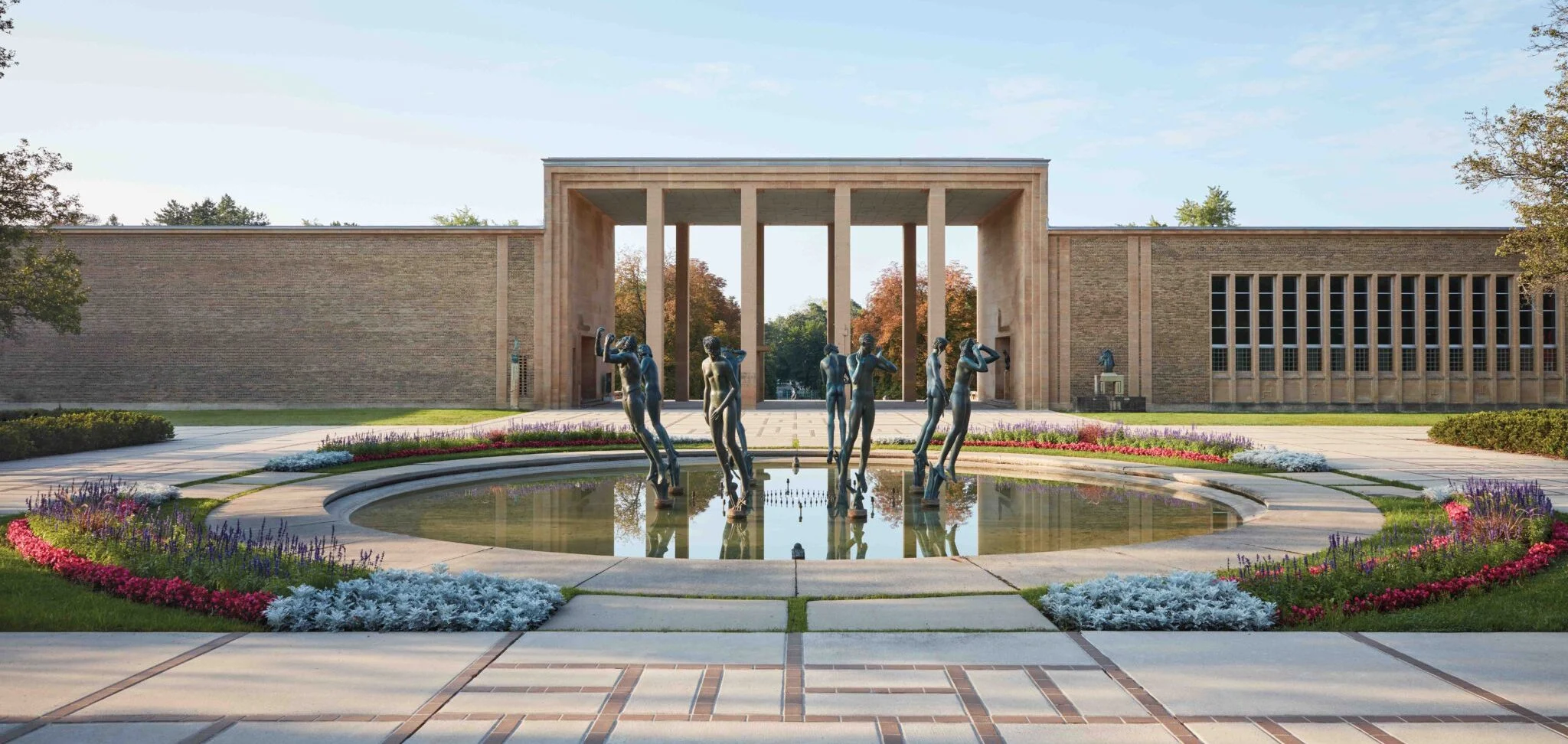
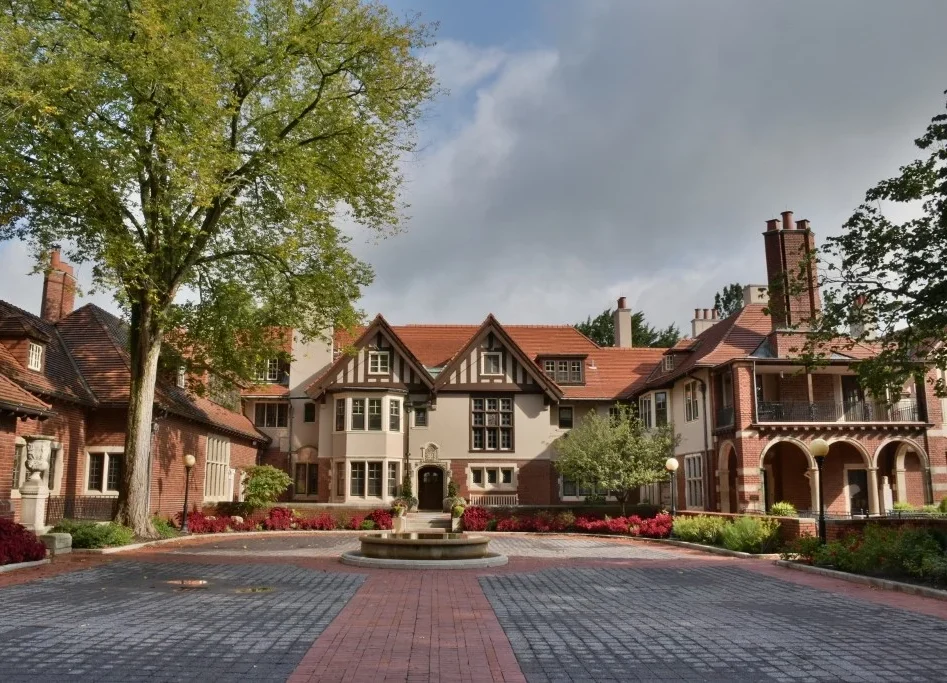
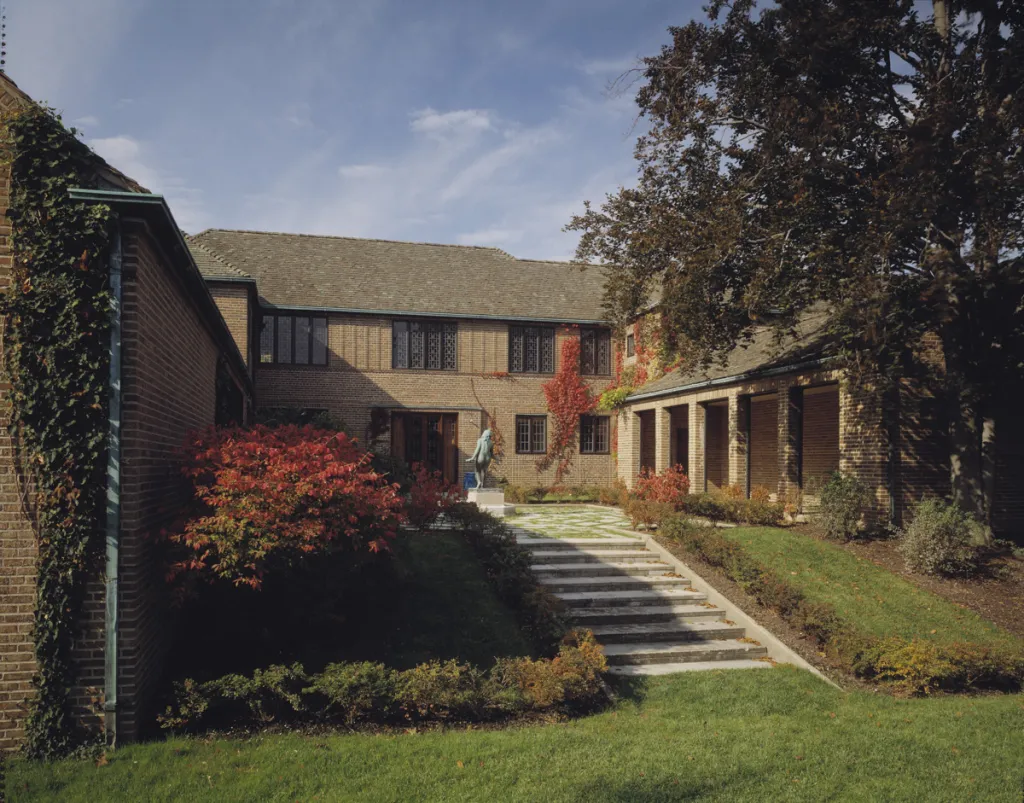
Cranbrook began in 1904 as little more than a summer estate, purchased outside Detroit by newspaper publisher George Gough Booth and his wife Ellen Scripps Booth. It grew, over the following decades, into one of the most influential educational and cultural communities in American design history, now recognized as a National Historic Landmark and made up of five connected institutions built across the same Bloomfield Hills grounds, Cranbrook Schools, the Cranbrook Academy of Art, Cranbrook Art Museum, Cranbrook Institute of Science, and Cranbrook House and Gardens. The Booths named the whole community after Cranbrook, England, the birthplace of George’s father, and set out to build something that would enrich cultural life across the entire Midwest, not just their own family’s summer retreat.
The architecture the Booths built reflects that founding vision closely. Cranbrook’s chief architects, Albert Kahn and later Eliel Saarinen, worked almost entirely within the English Arts and Crafts tradition, favoring hand-carved woodworking, tapestries, and traditional materials over anything resembling the geometric modernism taking hold elsewhere in the 1920s and 1930s. Kahn’s 1909 house for the Booths themselves, the centerpiece of Cranbrook House and Gardens today, set that tone early, and the schools that followed, the Bloomfield Hills School in 1922, later expanded into Brookside, and the Cranbrook School for Boys and Kingswood School for Girls through the following decade, all carried the same handcrafted, traditionalist sensibility across the growing campus.
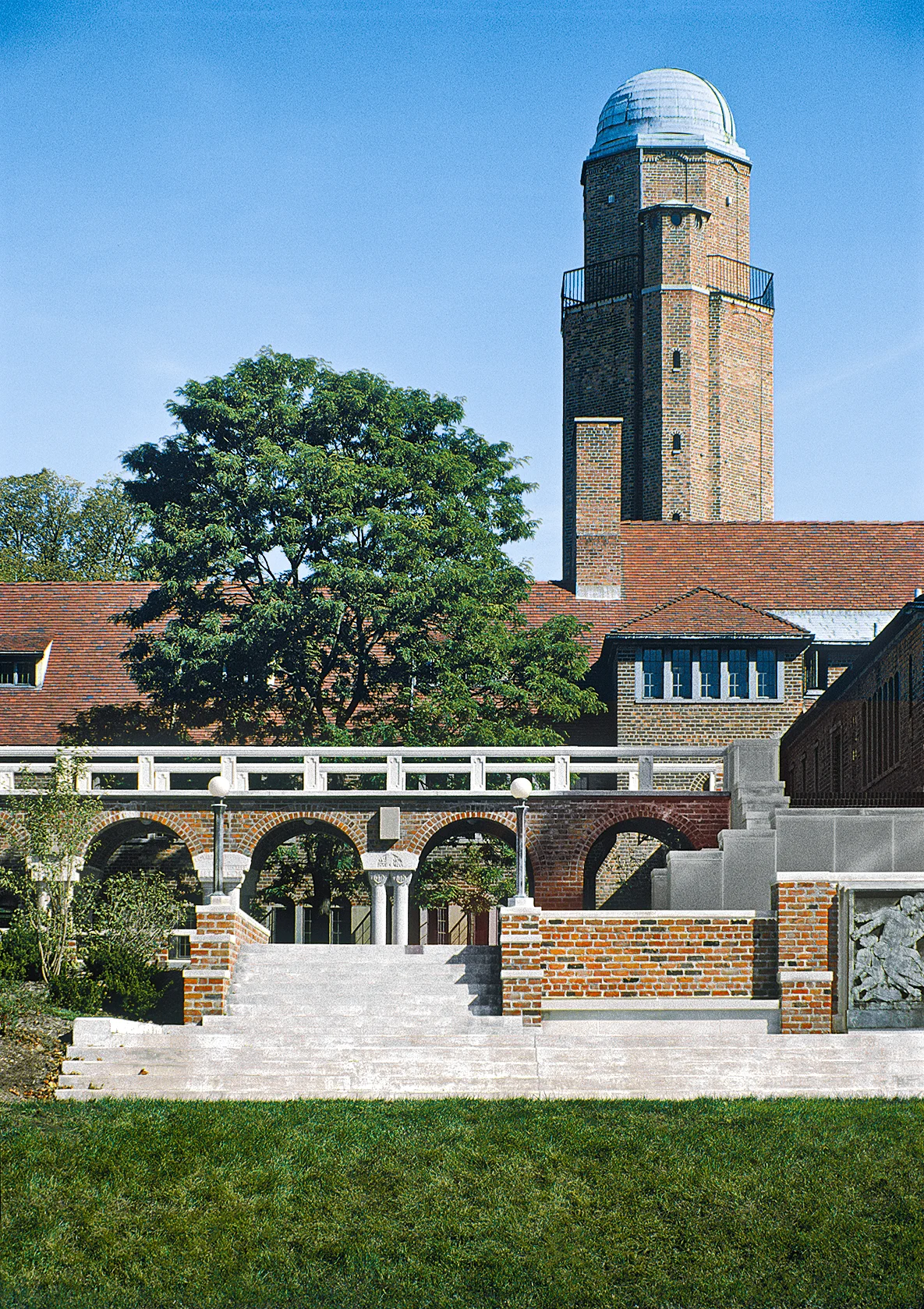
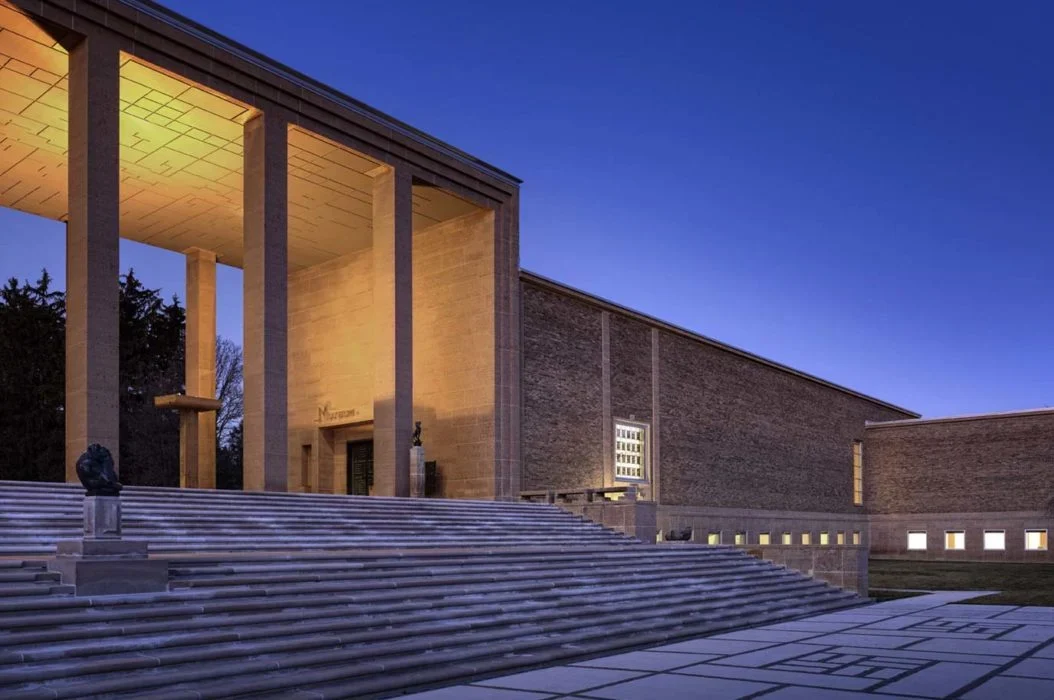
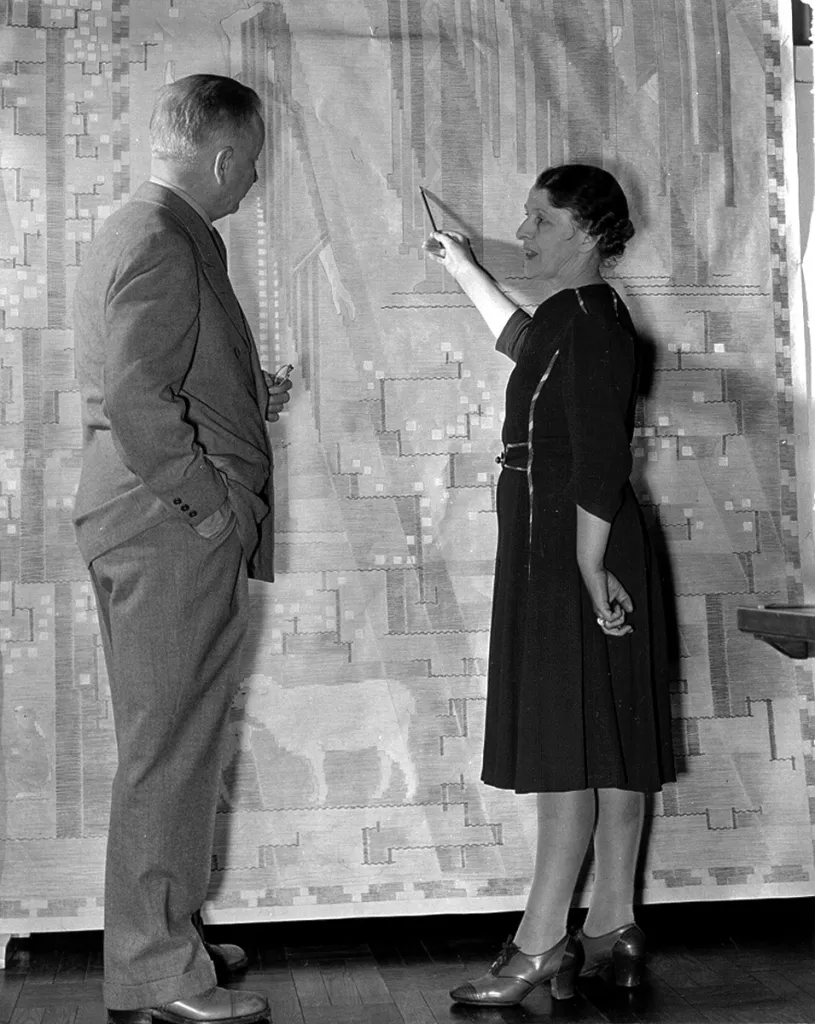
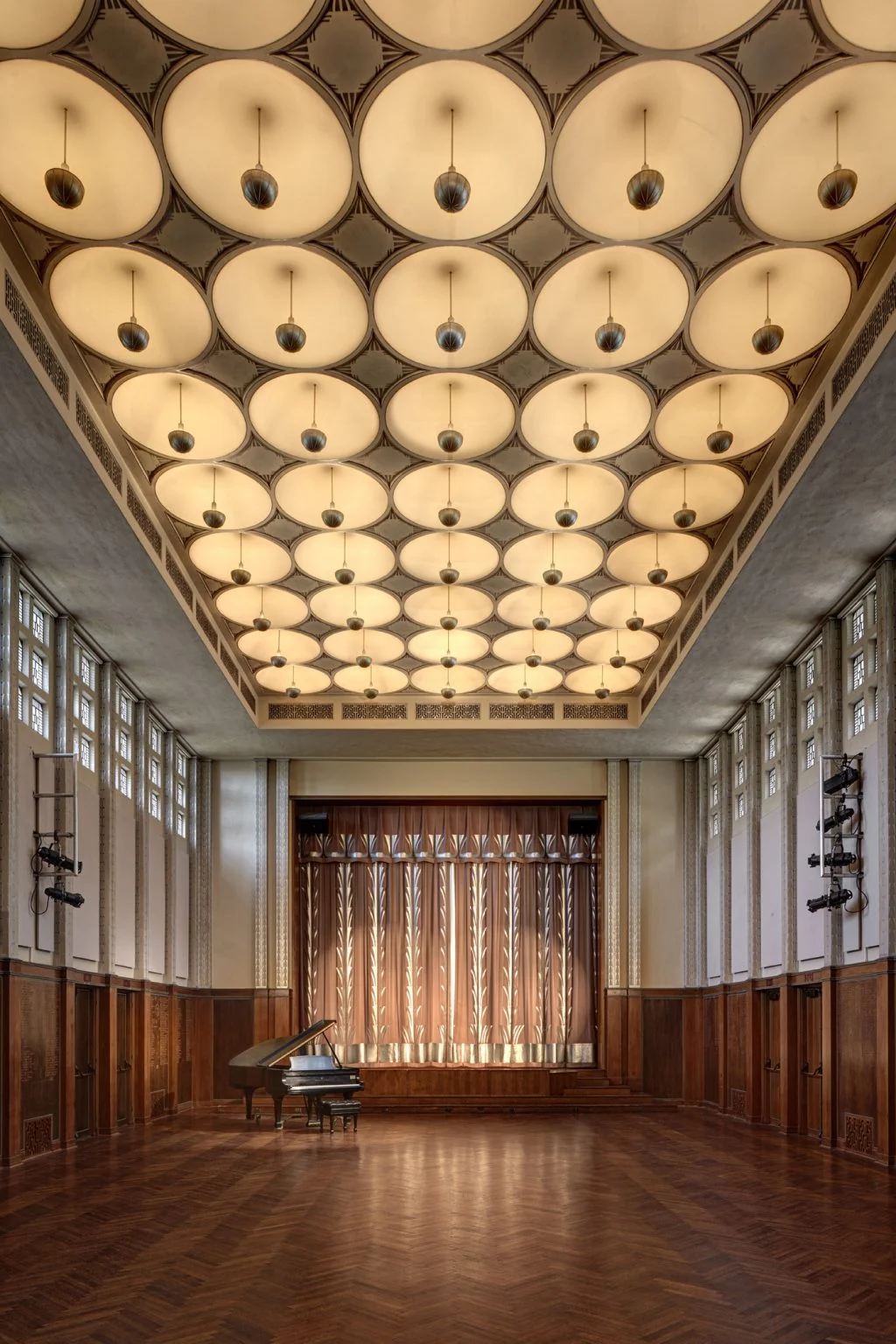
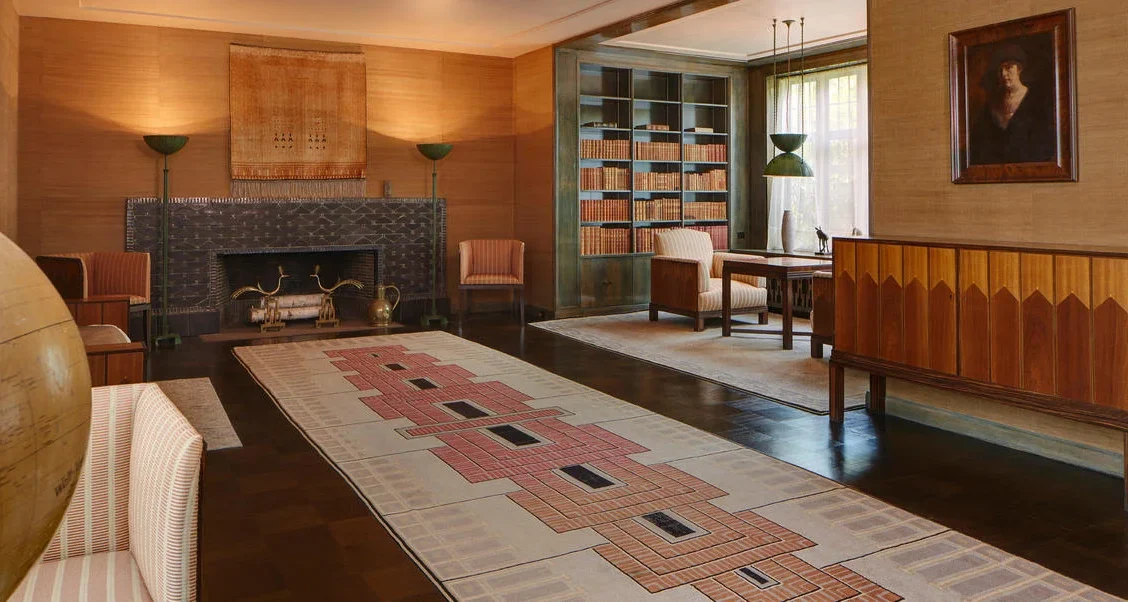
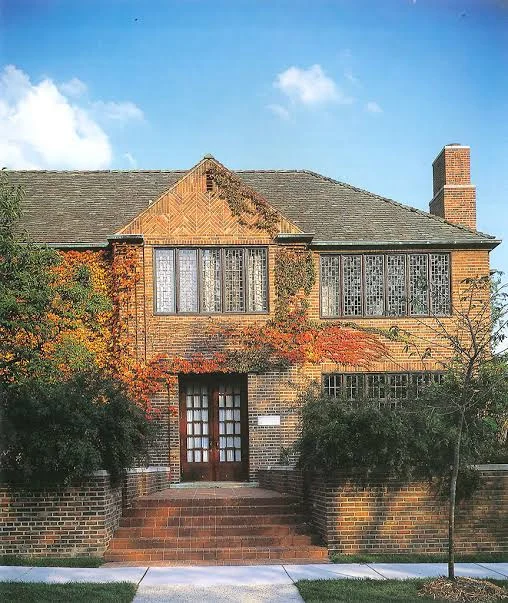
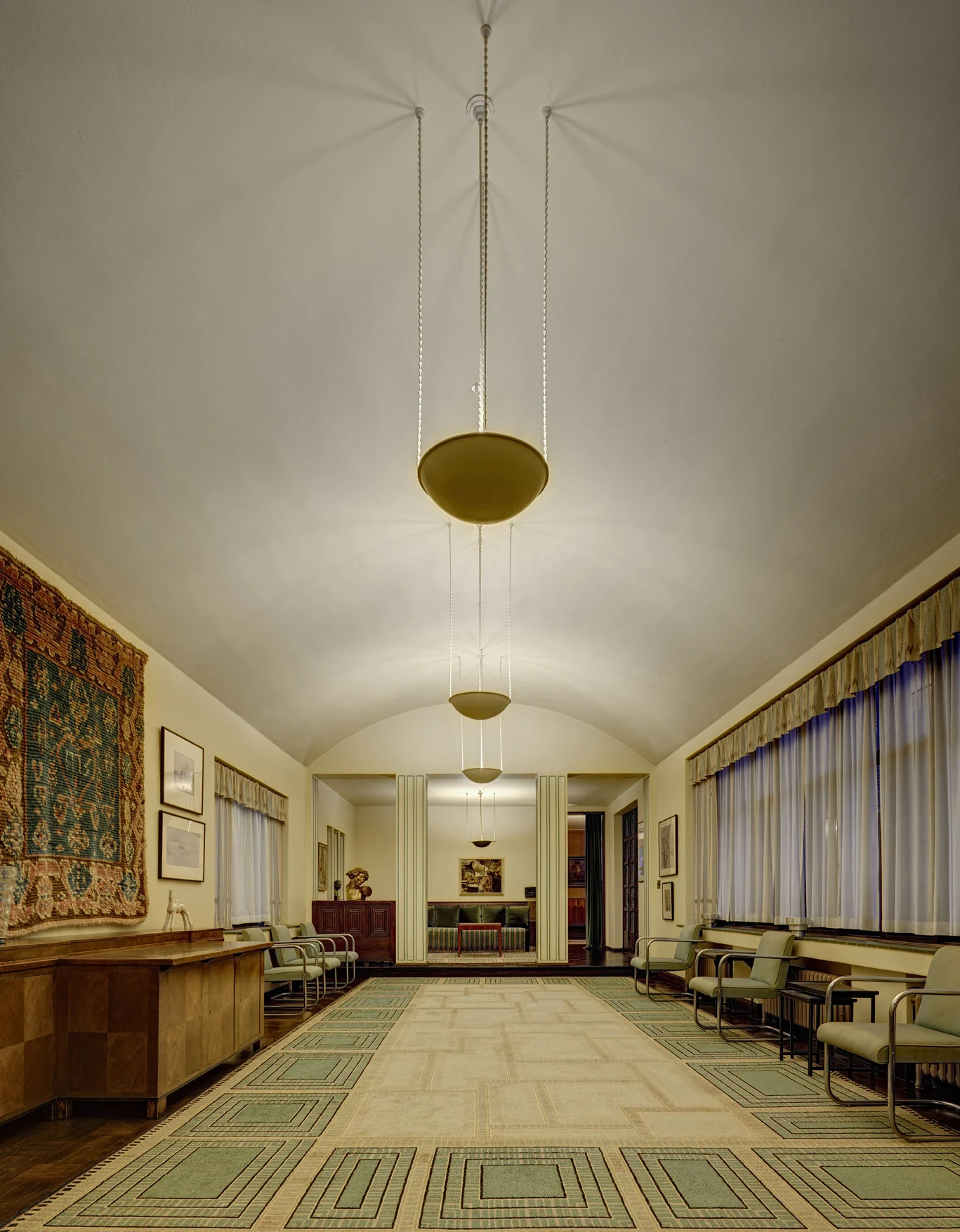
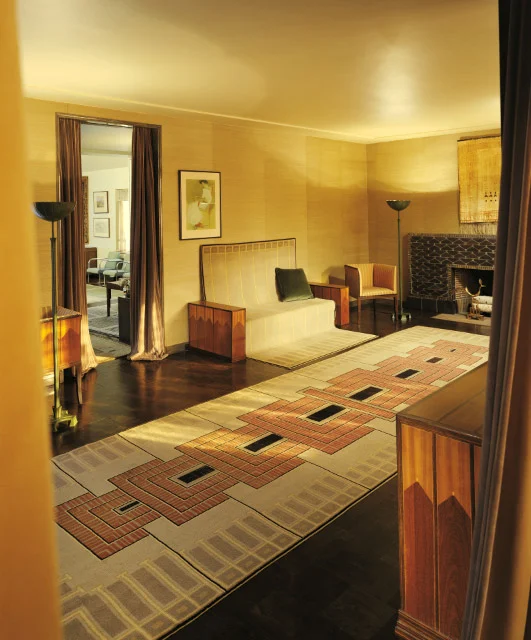
That consistency makes what Eliel Saarinen built for his own family in 1928 all the more striking. By then serving as Cranbrook’s second chief architect, Saarinen designed a house for himself and his wife Loja, a celebrated textile designer, that abandoned the campus’s Arts and Crafts language entirely in favor of something unmistakably Art Deco. Cranbrook’s own archivists today call Saarinen House his Art Deco masterwork without qualification, and the house remains the single clearest departure from the design philosophy that otherwise defines the entire community. Saarinen designed nearly everything inside it himself, down to the light fixtures and tile fireplace surround, while Loja wove nearly every textile in the house by hand.
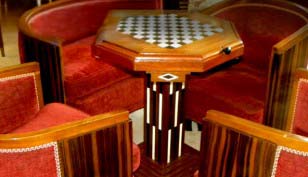
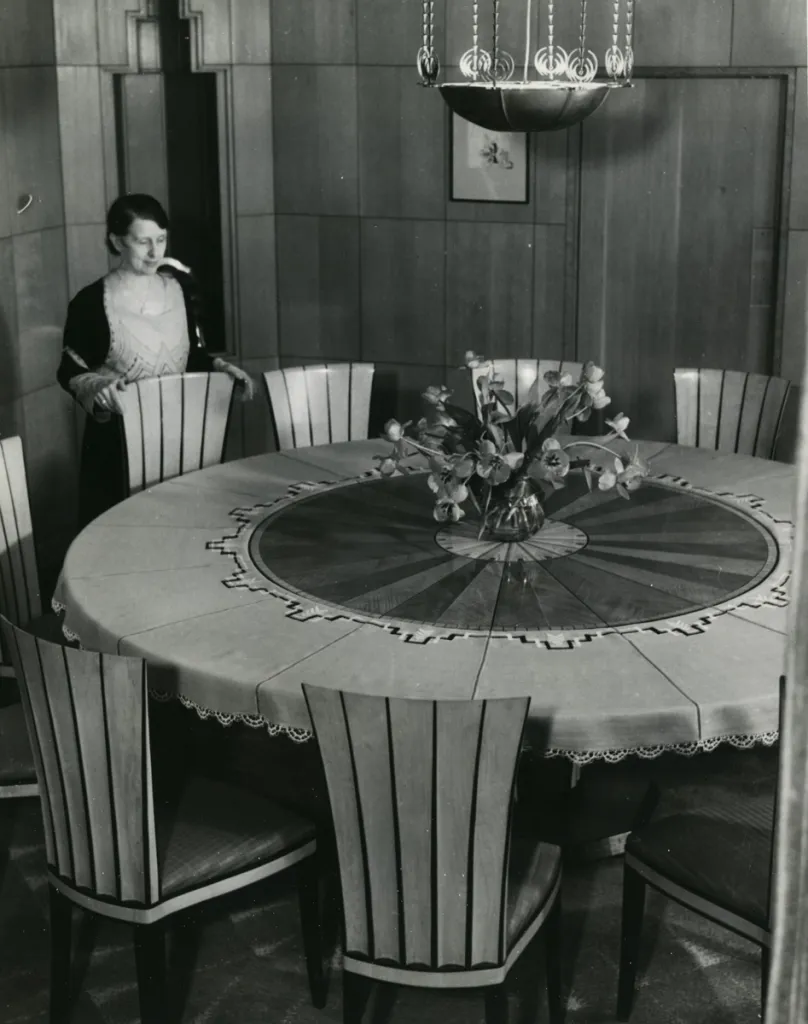
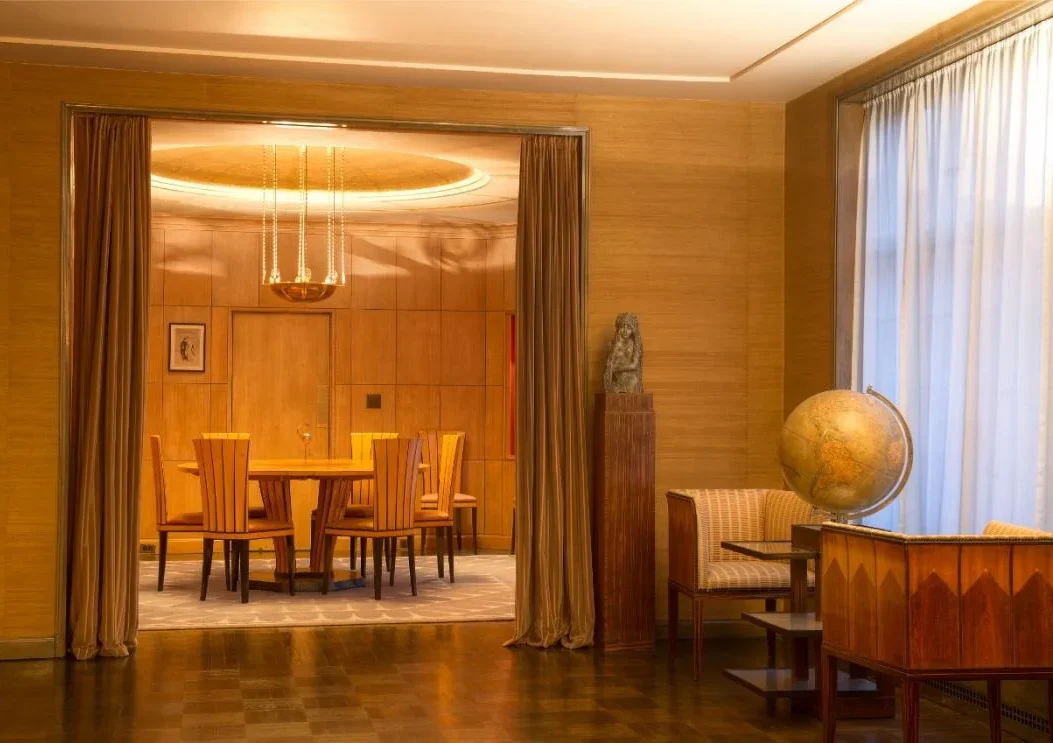
The house’s dining room has become the piece most often singled out as pure Art Deco. Though the room is a plain square, Saarinen carved four rounded niches into its corners and painted them Chinese red, turning the space visually into an octagon, an illusion carried further by a matching octagonal rug and a gold-leafed domed ceiling overhead. A veneered dining table built from hare holly and ebony sits beneath that dome, a design Saarinen had already tested a year earlier at a 1929 exhibition of contemporary American design at New York’s Metropolitan Museum of Art before bringing the finished concept home to Michigan. His son Eero, then a college student living in the house, even contributed his own furniture designs to his parents’ bedroom, a small preview of the very different modernism he would later bring to projects like the St. Louis Gateway Arch.


Related Products from ArtDecoCollection.com
Pair of French Art Deco Club Chairs in Burgundy Red Velvet

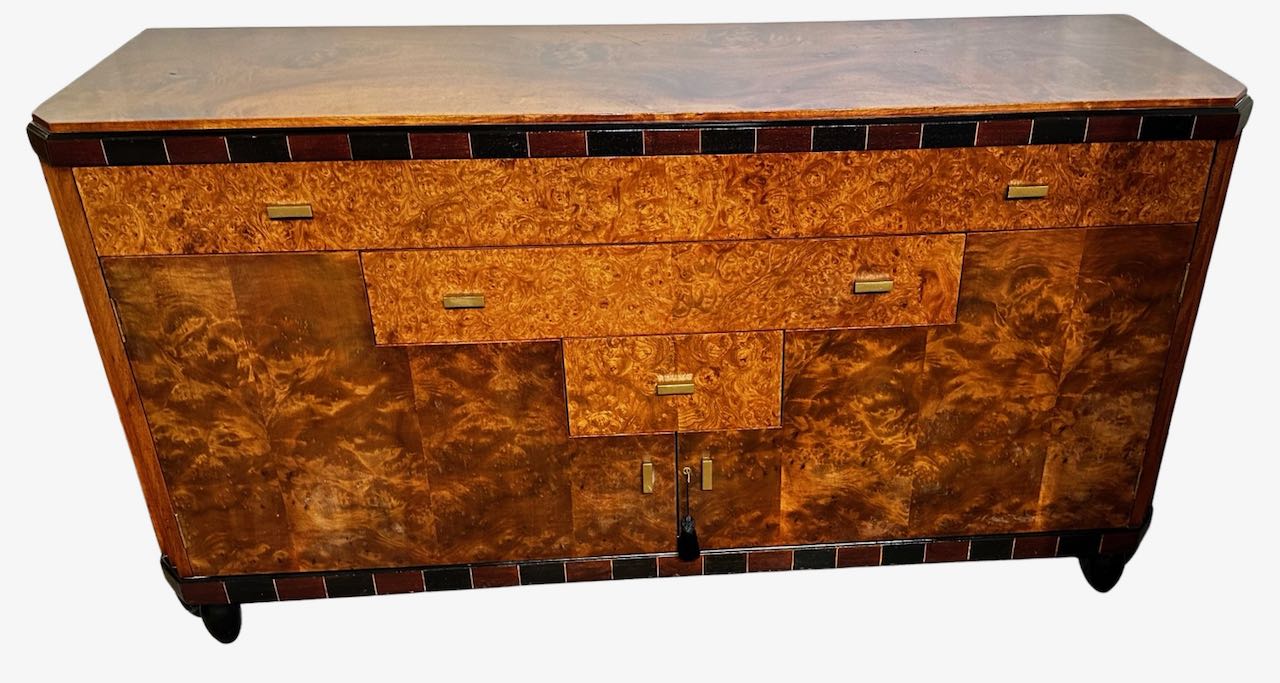
Art Deco Original European German Buffet
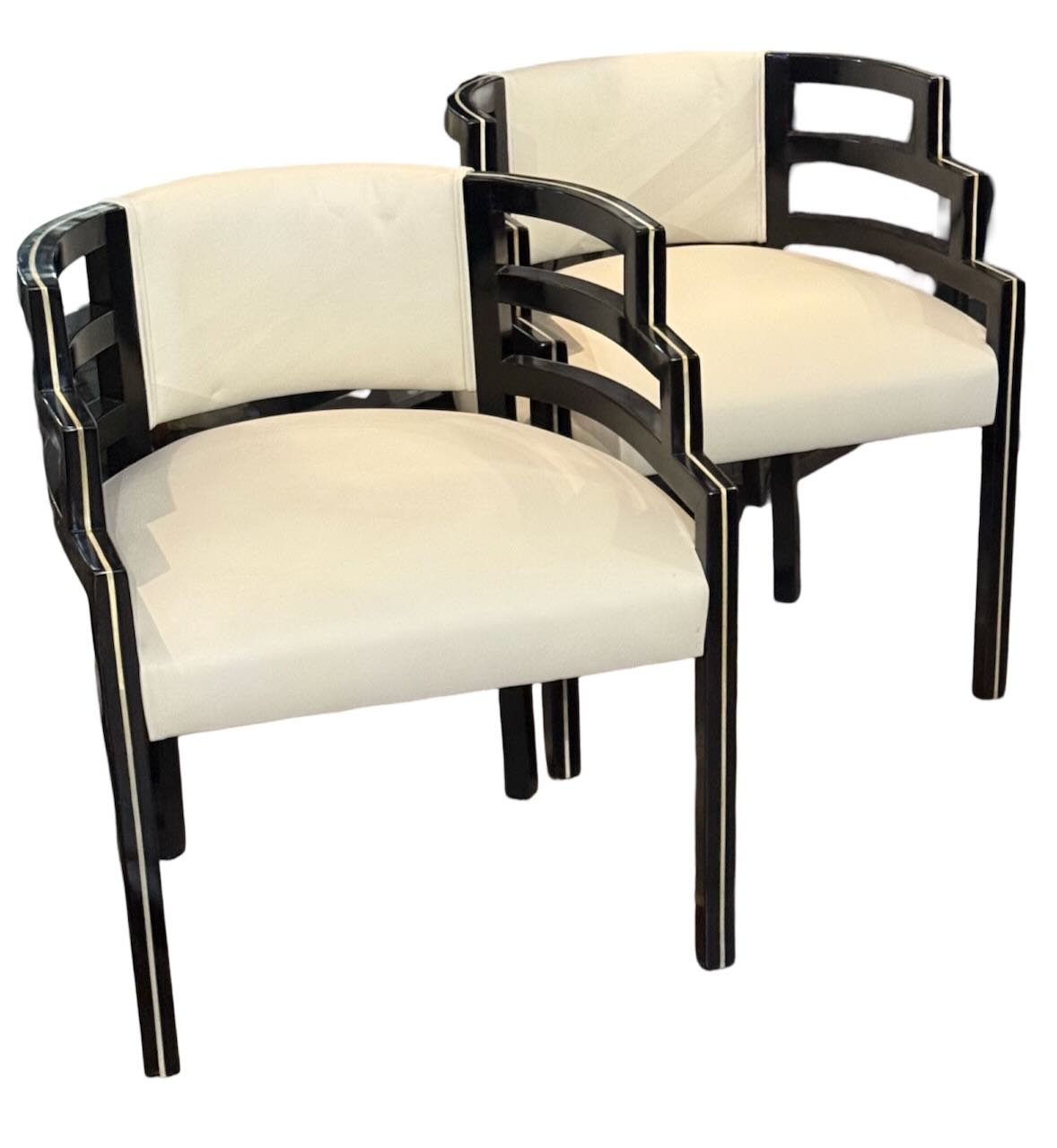
Kem Weber Style Art Deco Side Chairs – Custom Fabrication
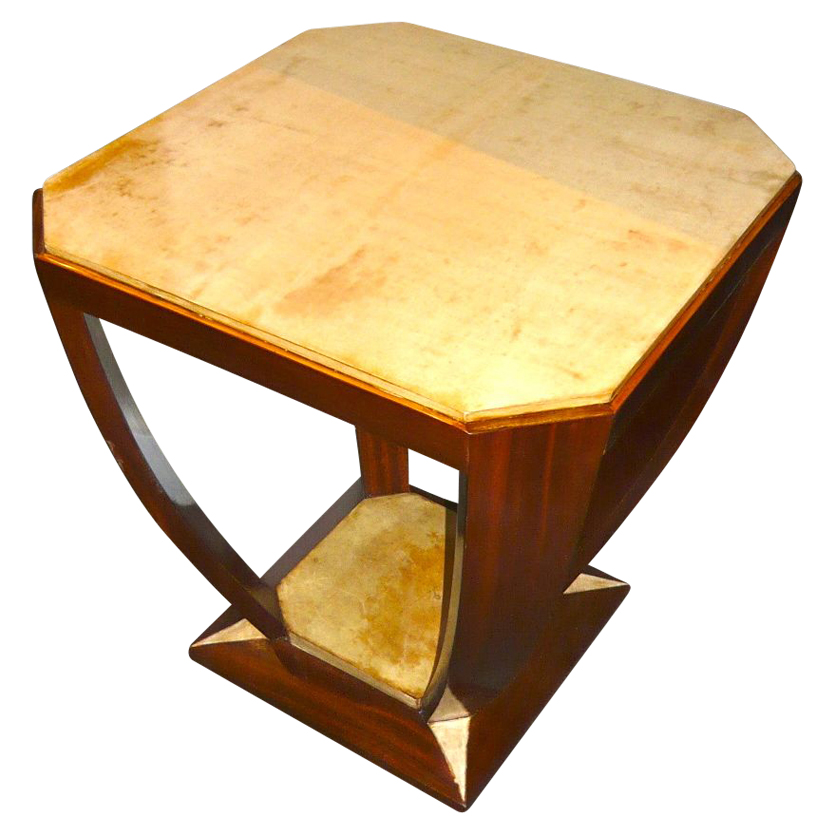
Custom Cubist Modernist French style Table with parchment top.
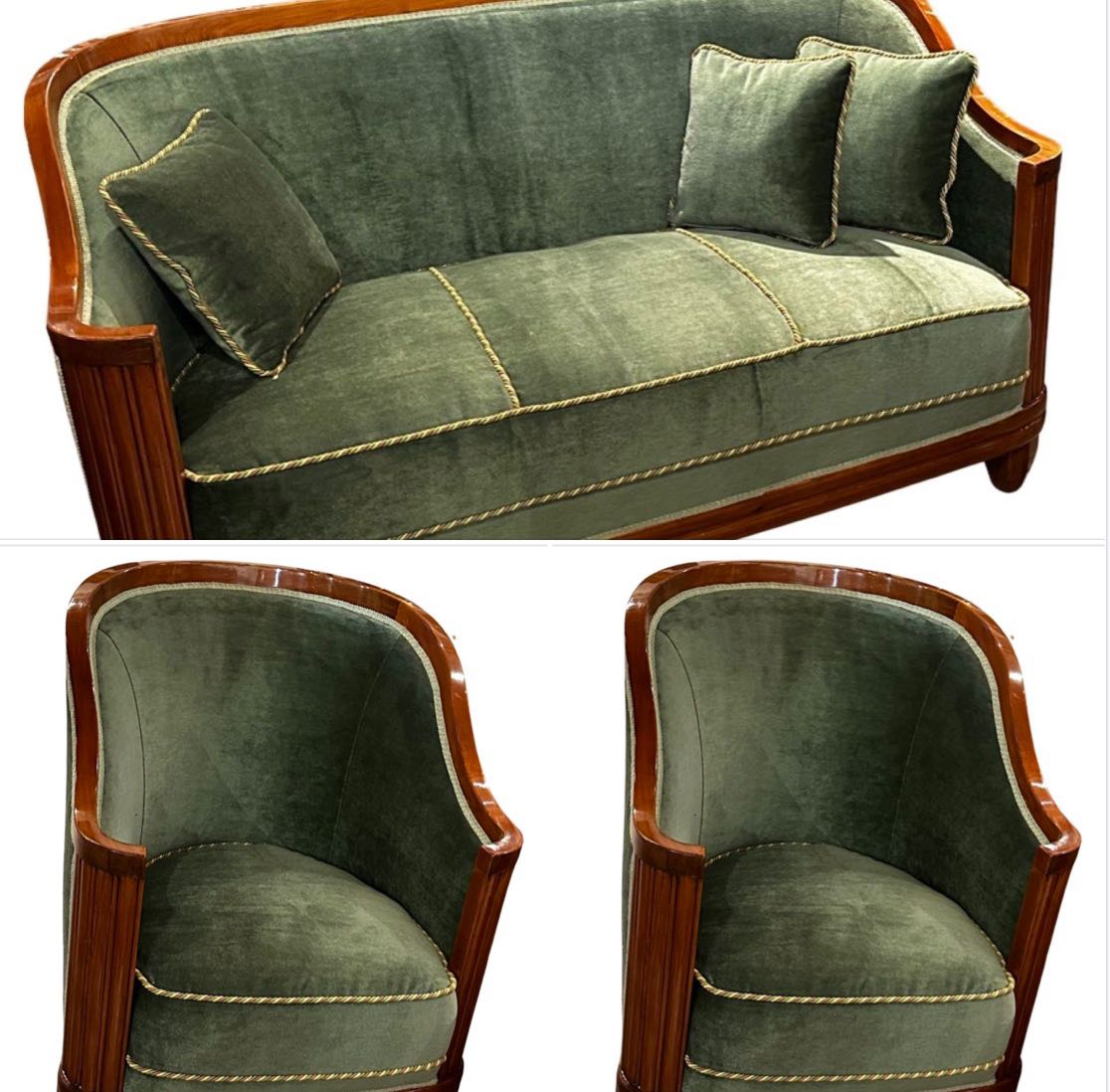
Jules Leleu Vintage French Art Deco Sofa Suite with Pair of Chairs Restored
ART & STATUES
CERAMICS & GLASS
© Copyright Art Deco Collection. 2026 All rights reserved. Site Map