
Pavel Janák
Pavel Janák was born in Prague on March 12, 1882, and from 1899 studied architecture at both the Czech Technical University and the German Technical University in Prague. In 1906 he went to the Vienna Academy to study under Otto Wagner, one of the founders of Viennese Modernism, and a year later traveled to Italy on a scholarship. After returning to Prague he worked briefly in Jan Kotěra’s studio alongside Josef Gočár, and in 1908 co-founded Artěl, an association of decorative arts, together with František Kysela, Vratislav Hugo Brunner, and Jaroslav Benda. In 1909 he was appointed bridge department architect for the Building Authority of Prague. He became increasingly critical of the rationalist tendencies in modern architecture, arguing that it had stopped being art, a position he articulated in a 1910 essay and expanded into the theoretical foundation of Czech Cubism in his 1911 article The Prism and the Pyramid. In 1912 he co-founded the Prague Art Workshops with Gočár. From 1921 onward he led an architectural studio at the Academy of Arts, Architecture and Design in Prague, and in 1936 succeeded Jože Plečnik as supervising architect of Prague Castle. Janák died in Prague on August 1, 1956.
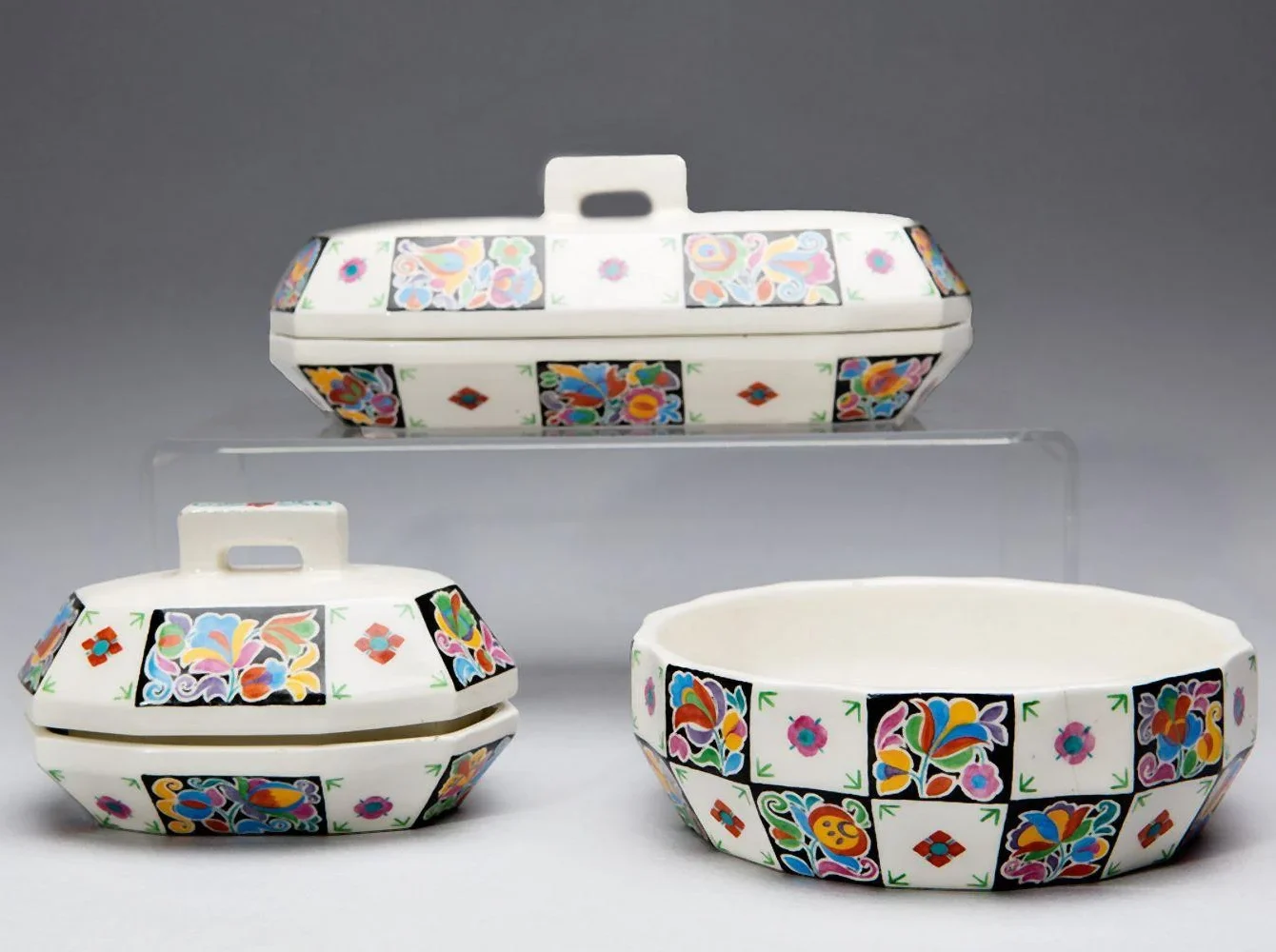
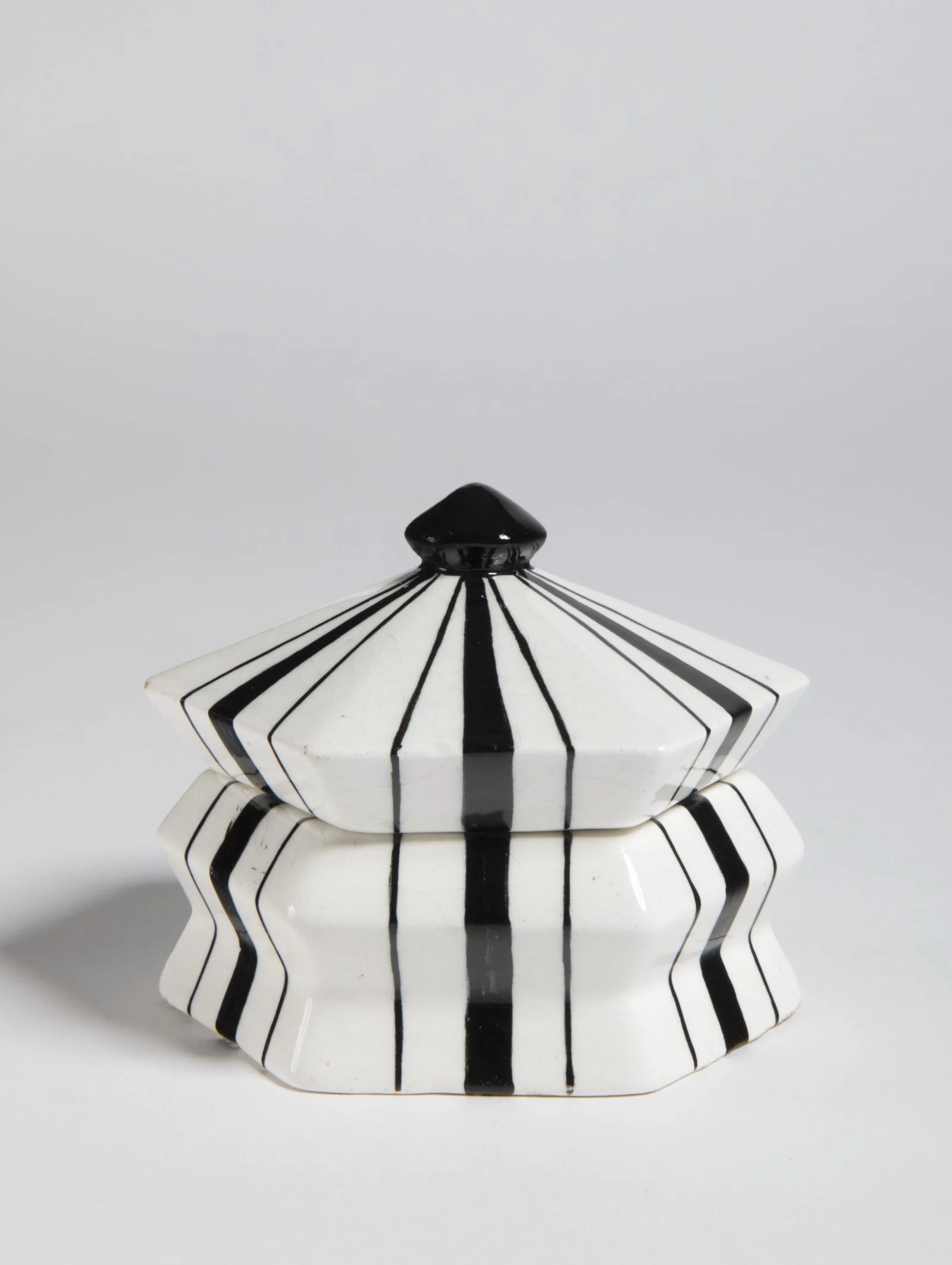
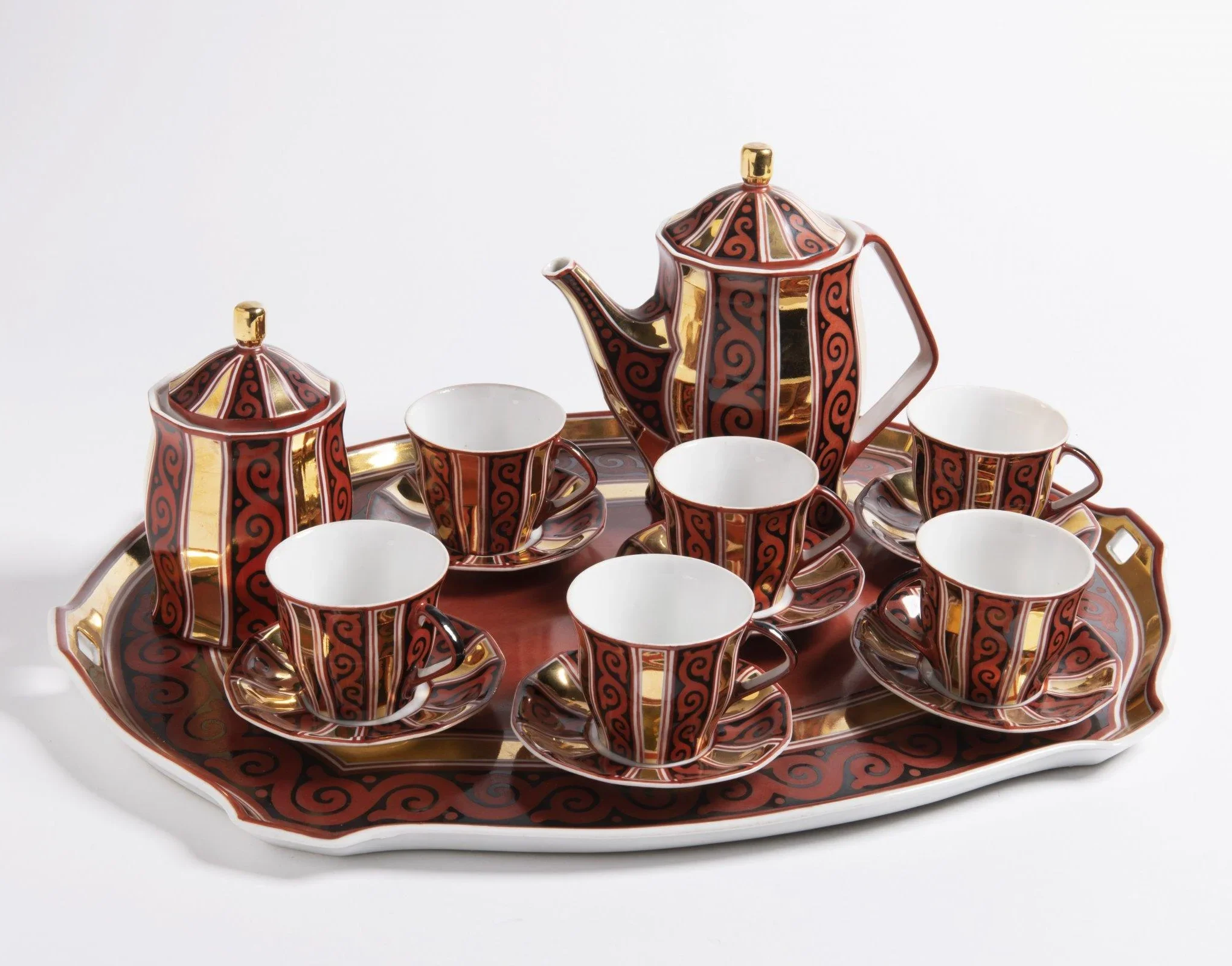
Janák’s first Cubist building was the Jakubec House in Jičín, and a more significant early work was his modification of the Baroque facade of Fára’s House in Pelhřimov between 1913 and 1914. After World War I, he and Gočár developed Cubism into Rondocubism, a national style drawing on folk ornament and rounded forms, producing the crematorium in Pardubice and the Adria Palace in Prague. As a member of the State Regulatory Commission from 1923 to 1929, he helped manage the urban development of Prague, drawing up the master plan for the Baba Werkbund Housing Estate in 1932 and designing three of its thirty-two houses. Other notable works include the Juliš Hotel on Wenceslas Square, sculptor Josef Mařatka’s family house, and the Czechoslovak Hussite Church in Vinohrady. His later career focused on the restoration of historic buildings, including modifications to Černínský Palace from 1928 to 1934, the reconstruction of the Old Town Hall in 1936, and extensive work at Prague Castle on the Hvězda Chateau, the Riding School, and the Ball Game Hall. He received the State Award of the First Order in 1952 for his redesign of the Prague Castle Riding School into an exhibition hall.
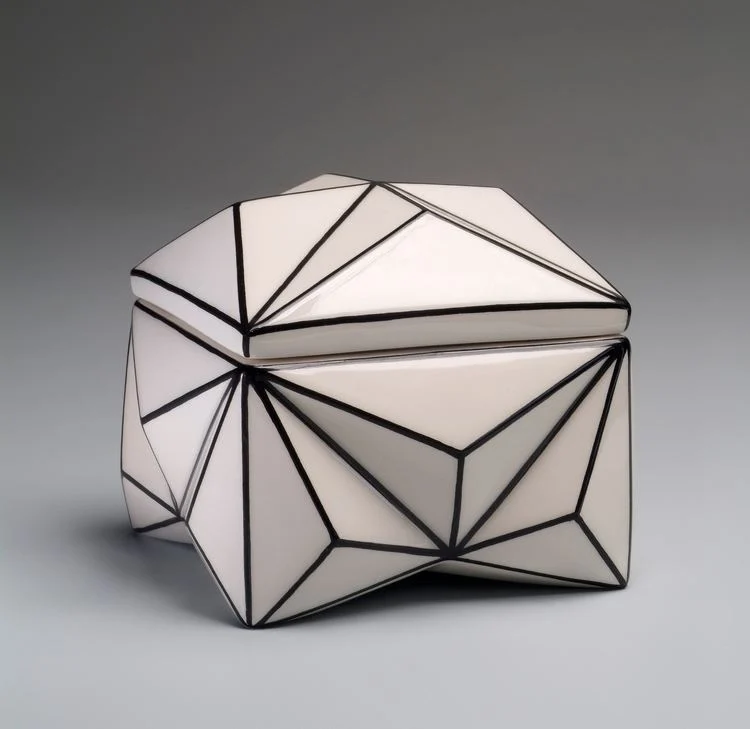
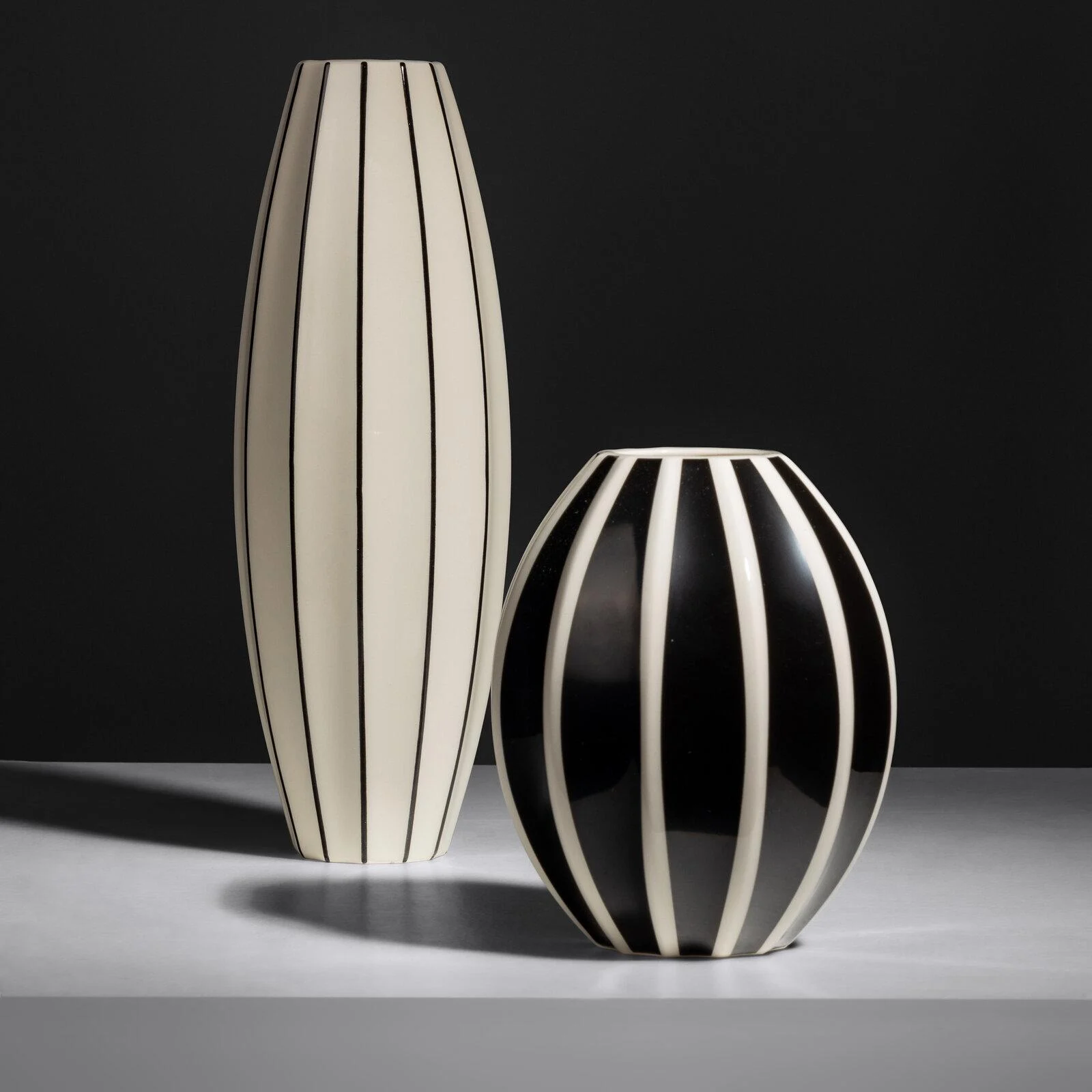
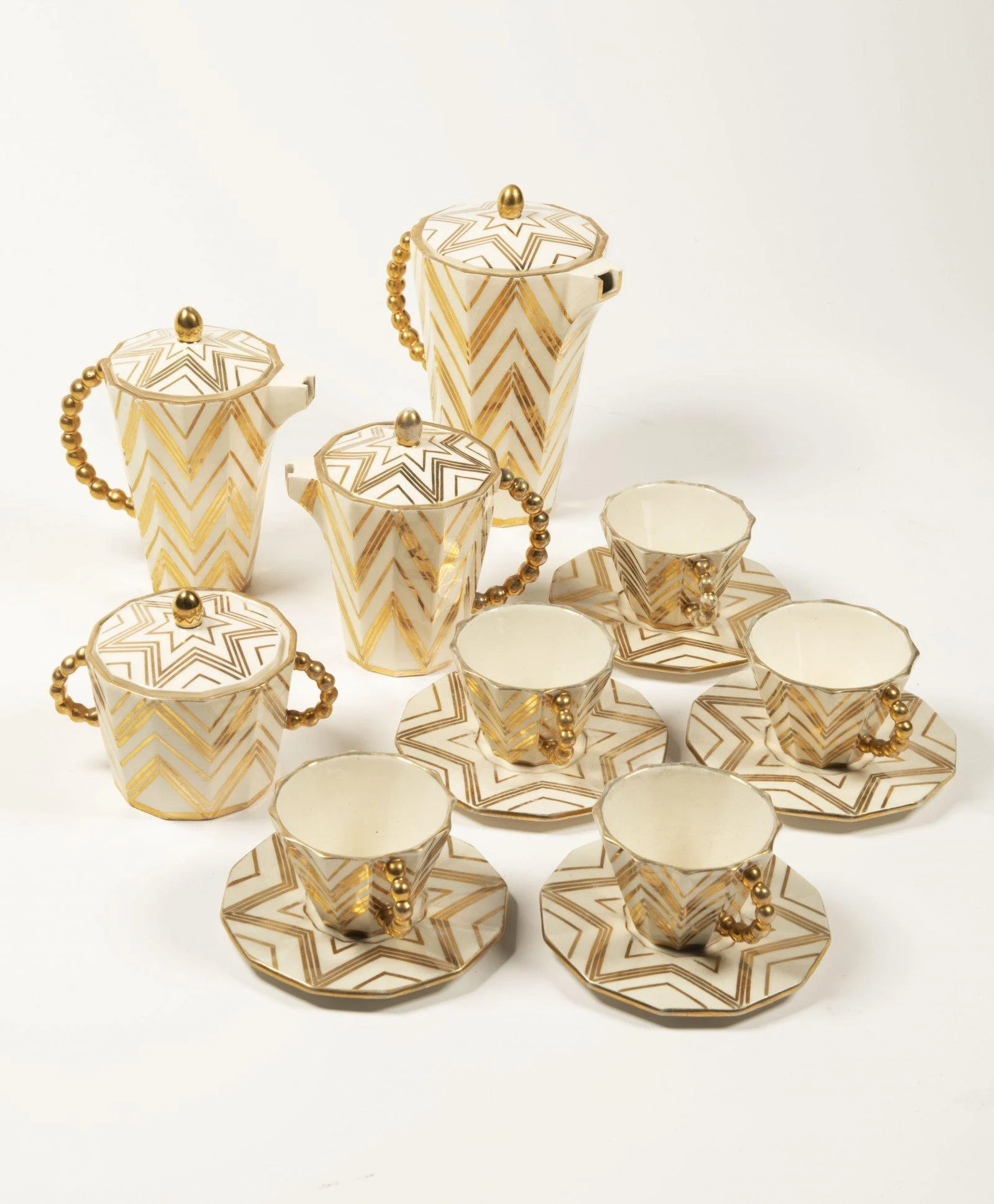
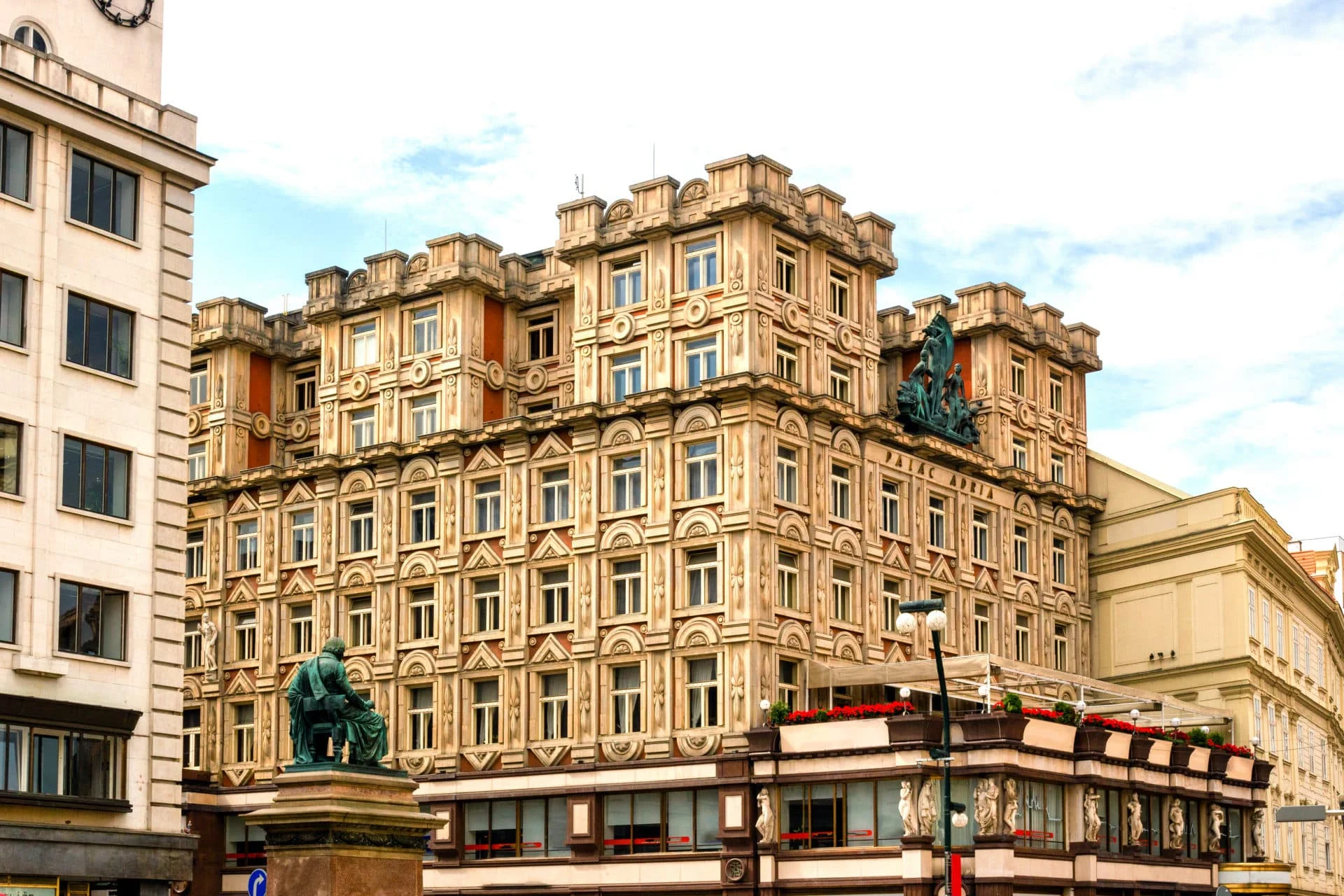
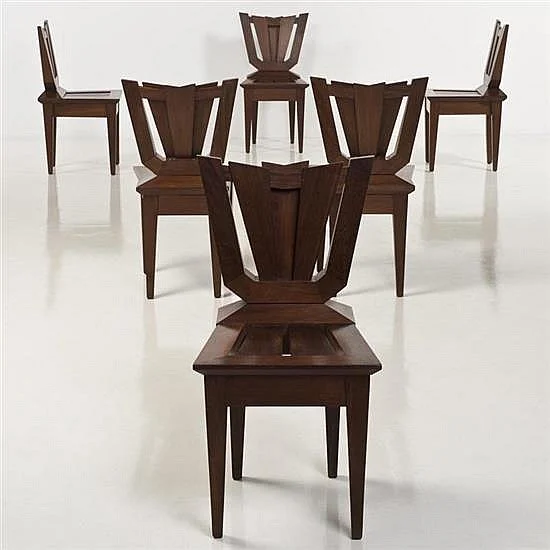
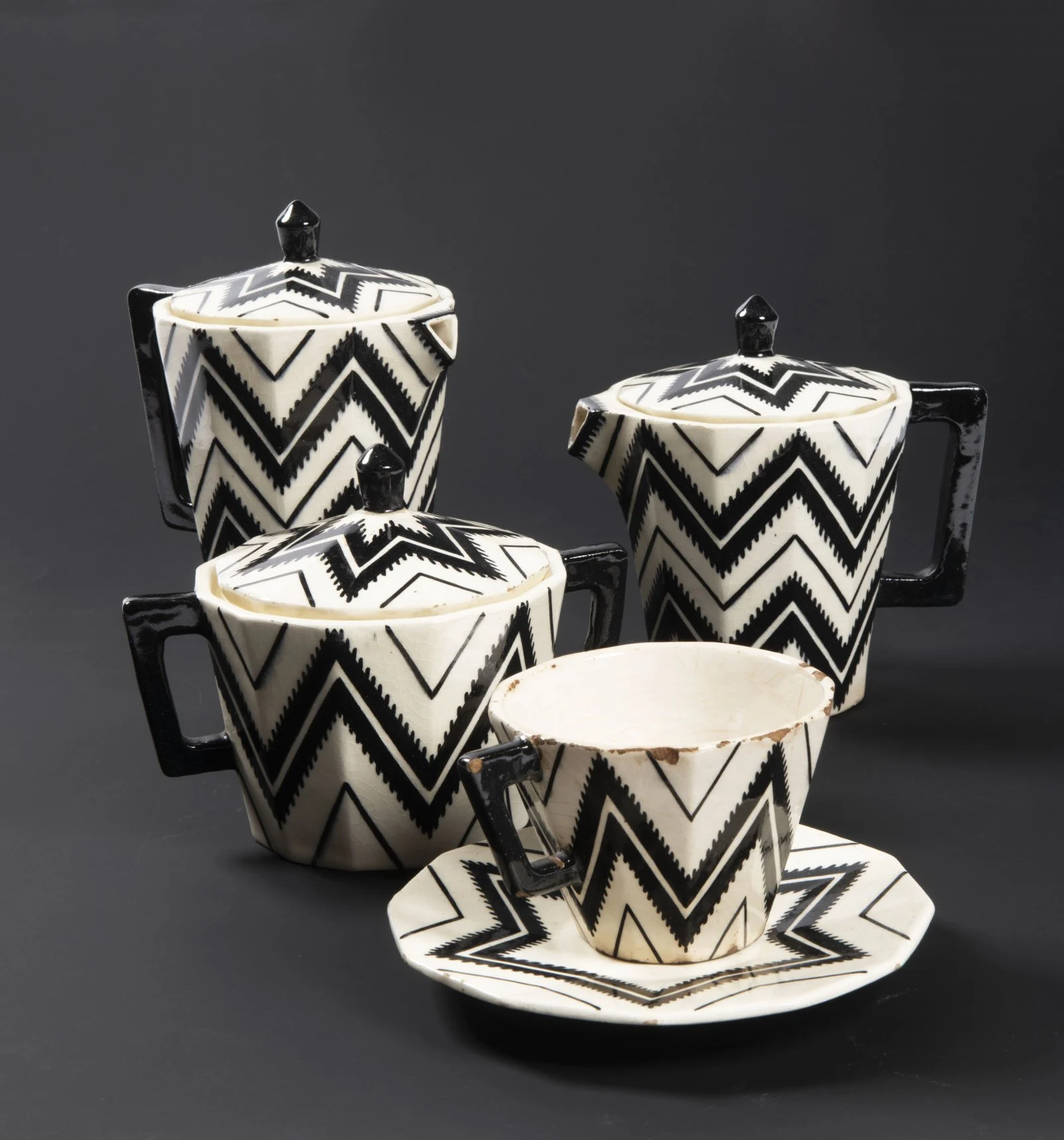
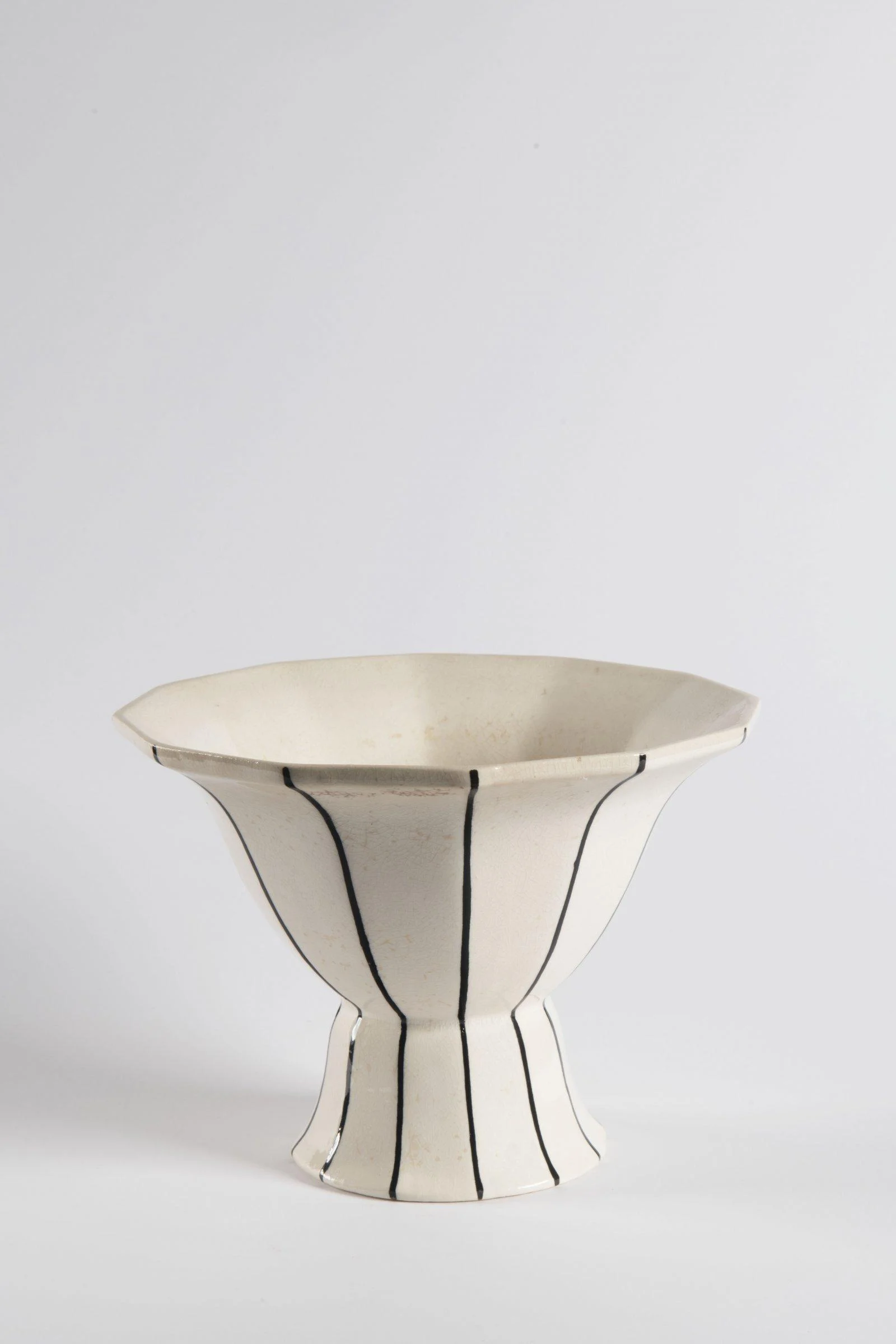
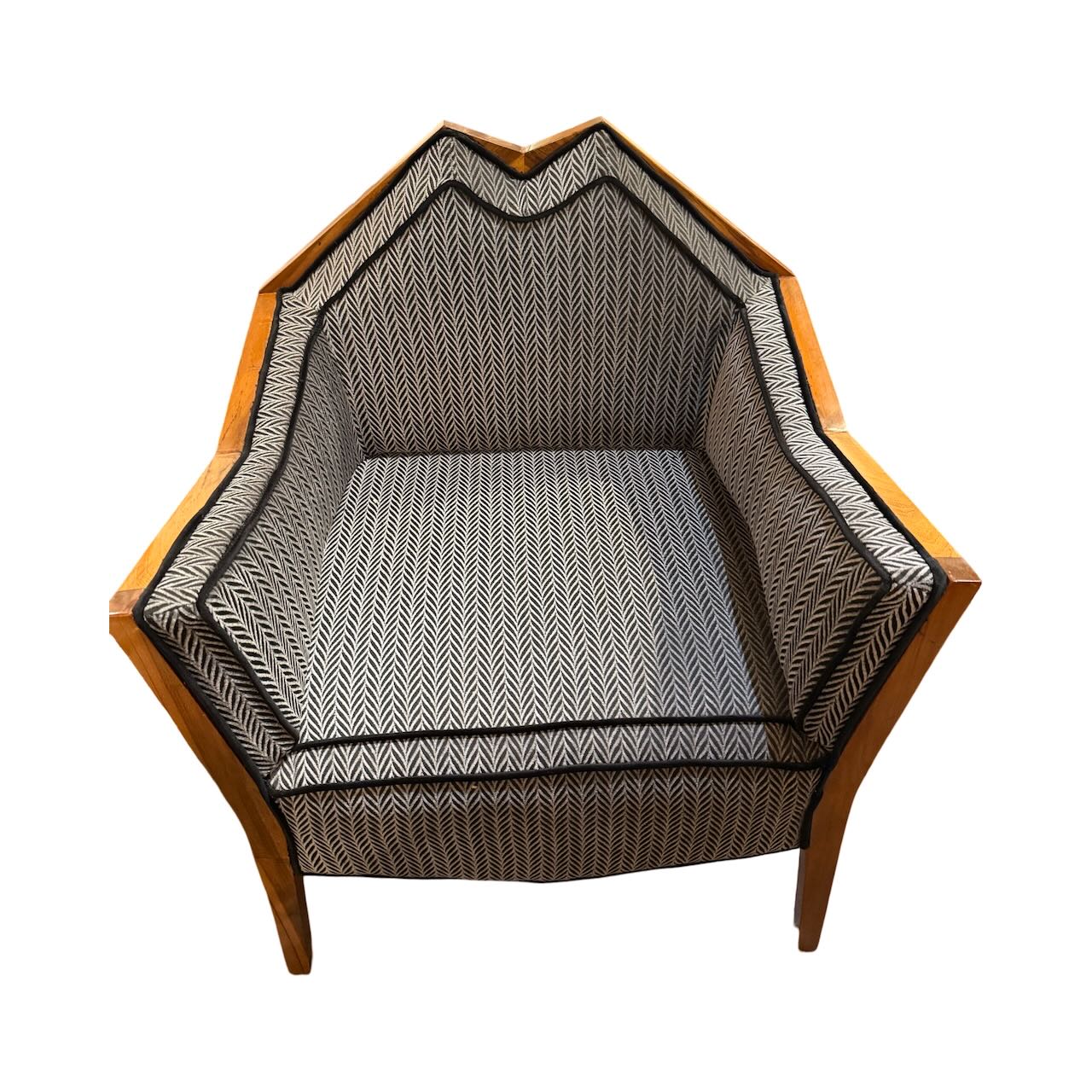
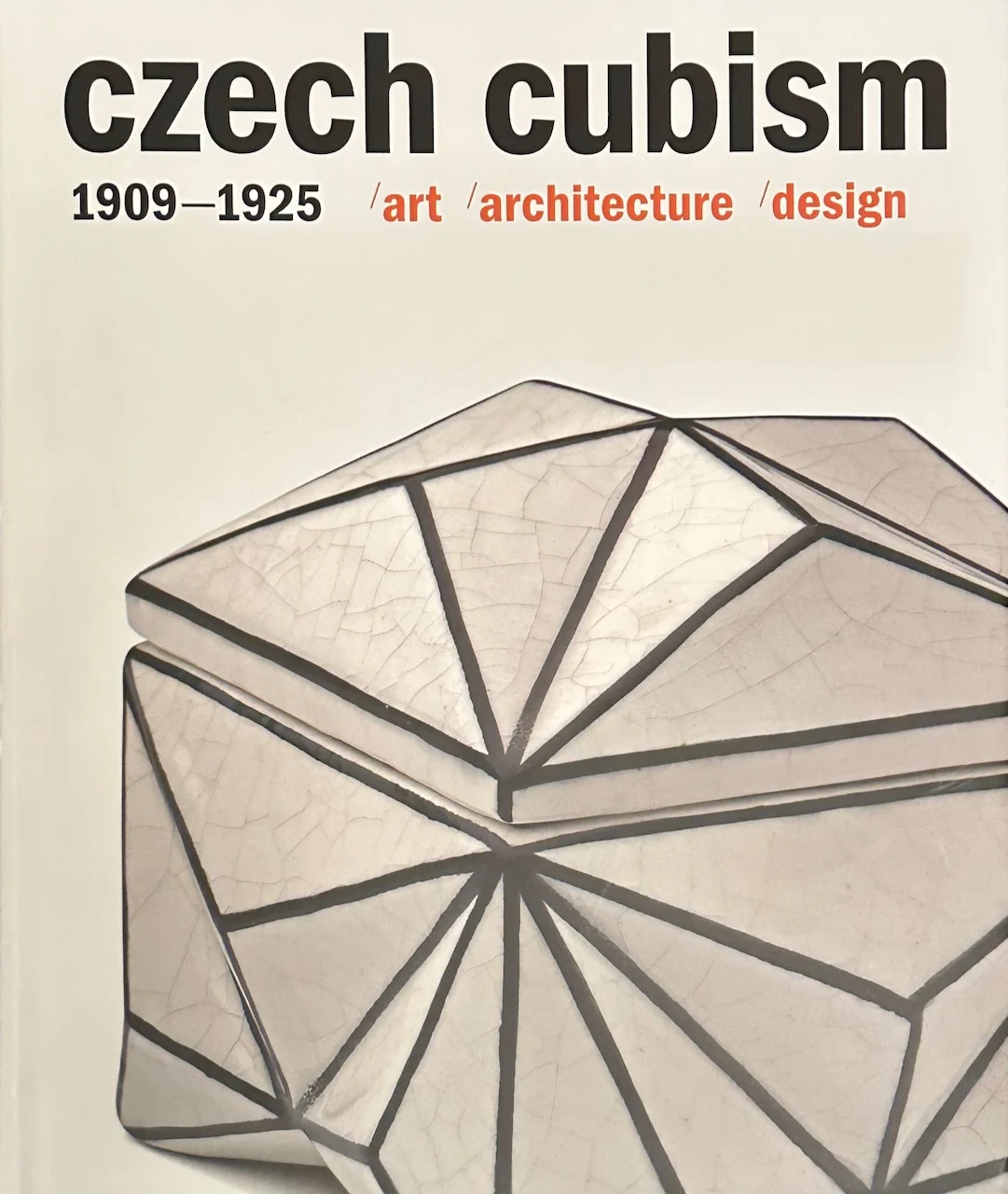
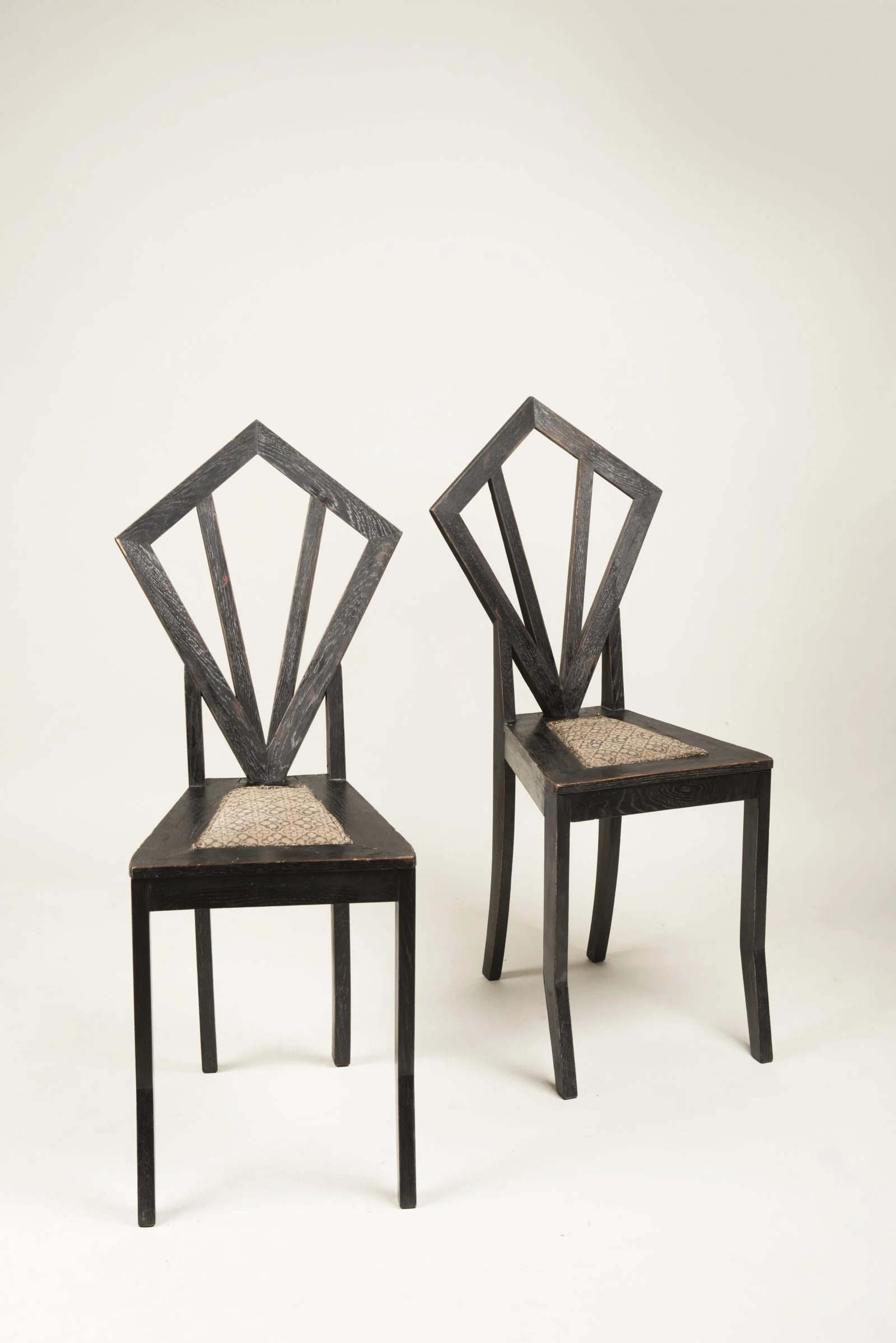
Janák was more a theorist than a builder, and of the three principal Czech Cubists, he produced the most sustained intellectual framework for the movement. His 1911 essay The Prism and the Pyramid argued that architecture should destabilize the conventional right angle in favor of dynamic diagonal and pyramidal compositions that embodied inner spiritual force. His Rondocubist work softened these ideas with rounded forms and folk-derived ornament, producing a distinctly Czech visual language at a moment when the newly independent Czechoslovakia was searching for one.
Key Influences
- Czech Cubism Theory: His Prism and Pyramid essay became the foundational theoretical text of Czech Cubist architecture, giving the movement an intellectual framework that distinguished it from painting-derived Cubism.
- Rondocubism: As one of its principal promoters, he helped develop a national architectural style for the newly independent Czechoslovakia rooted in folk tradition.
- Artěl and the Decorative Arts: His co-founding of Artěl in 1908 helped connect the Czech avant-garde to the broader European movement for integrated art and craft.
- Baba Housing Estate: His master plan for the Baba Werkbund estate made it the last major European housing exhibition of its kind and a landmark of Czech Functionalist planning.
- Prague Castle: His decades of work as supervising architect gave him a formative role in shaping how one of Europe’s most visited historic complexes was preserved and presented.
If you are interested in further stories of the artists who shaped Art Deco, return to our artists page to browse the full directory.

Related Products from ArtDecoCollection.com