

Art & Statues
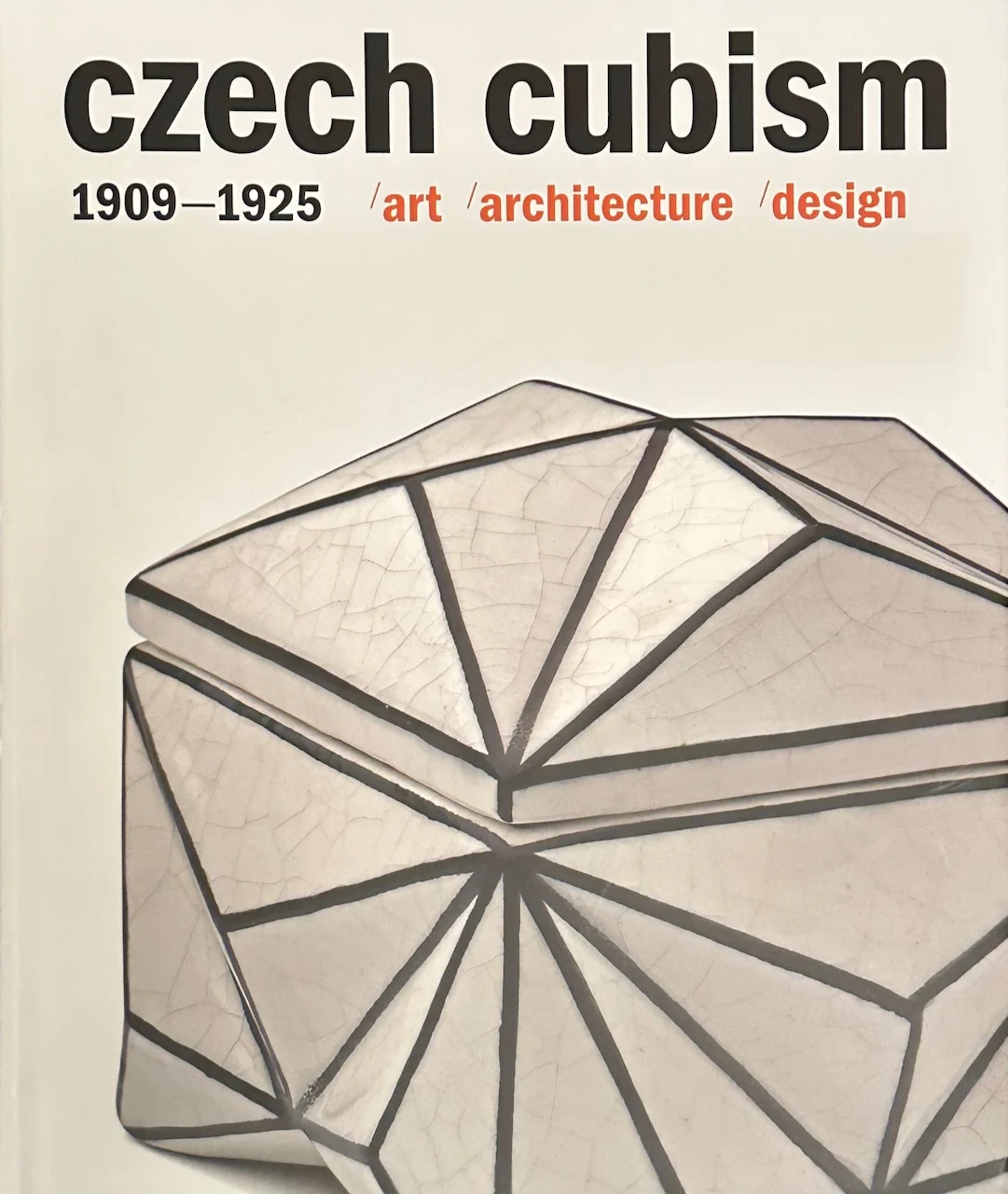
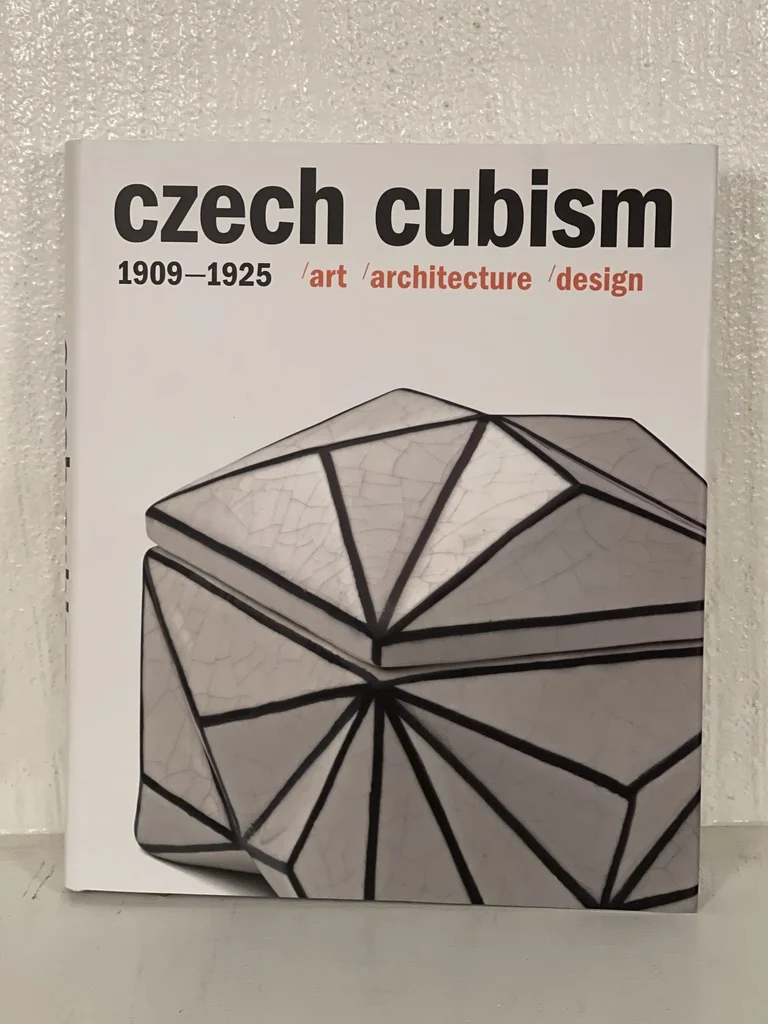


Czech Cubism 1909-1925: Art, Architecture, Design
Czech Cubism 1909-1925: Art, Architecture, Design
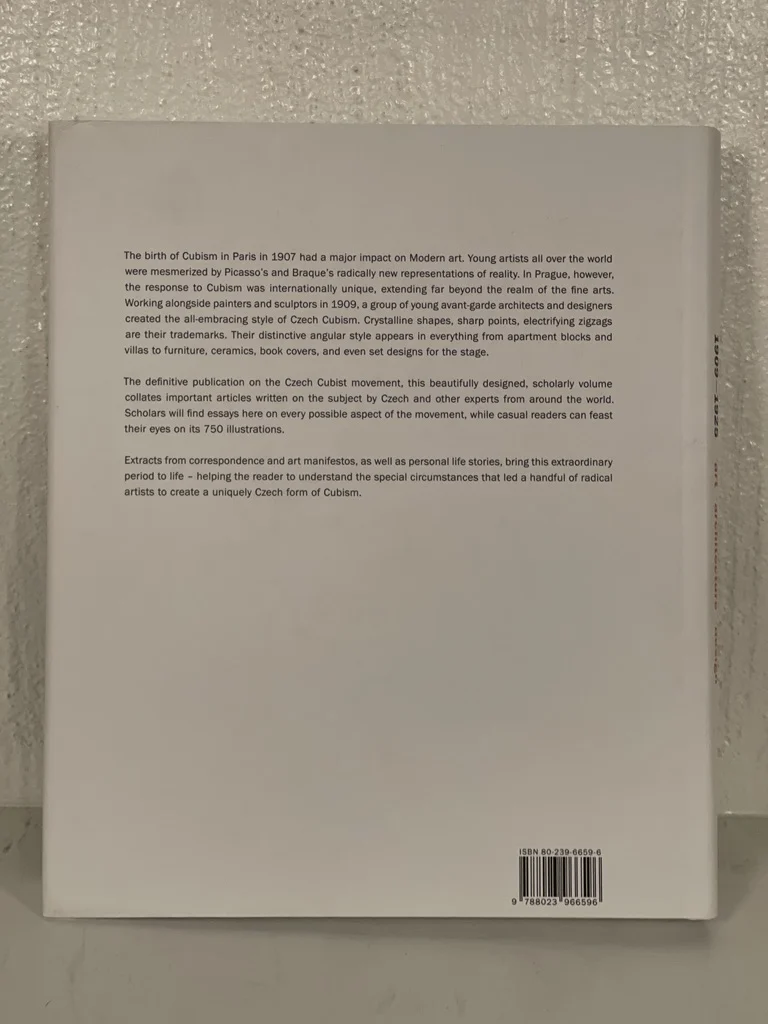
Edited by Jiří Švestka, Tomáš Vlček, and Pavel Liška, this English hardcover edition documents one of the most distinctive offshoots of European Cubism. Originally published to accompany a major exhibition, the book spans 450 pages and roughly 750 images, gathering scholarship from Czech and international experts on a movement that took the angular language of Cubist painting and carried it into architecture, furniture, and everyday objects. It remains the standard reference for a style found almost nowhere outside Prague.
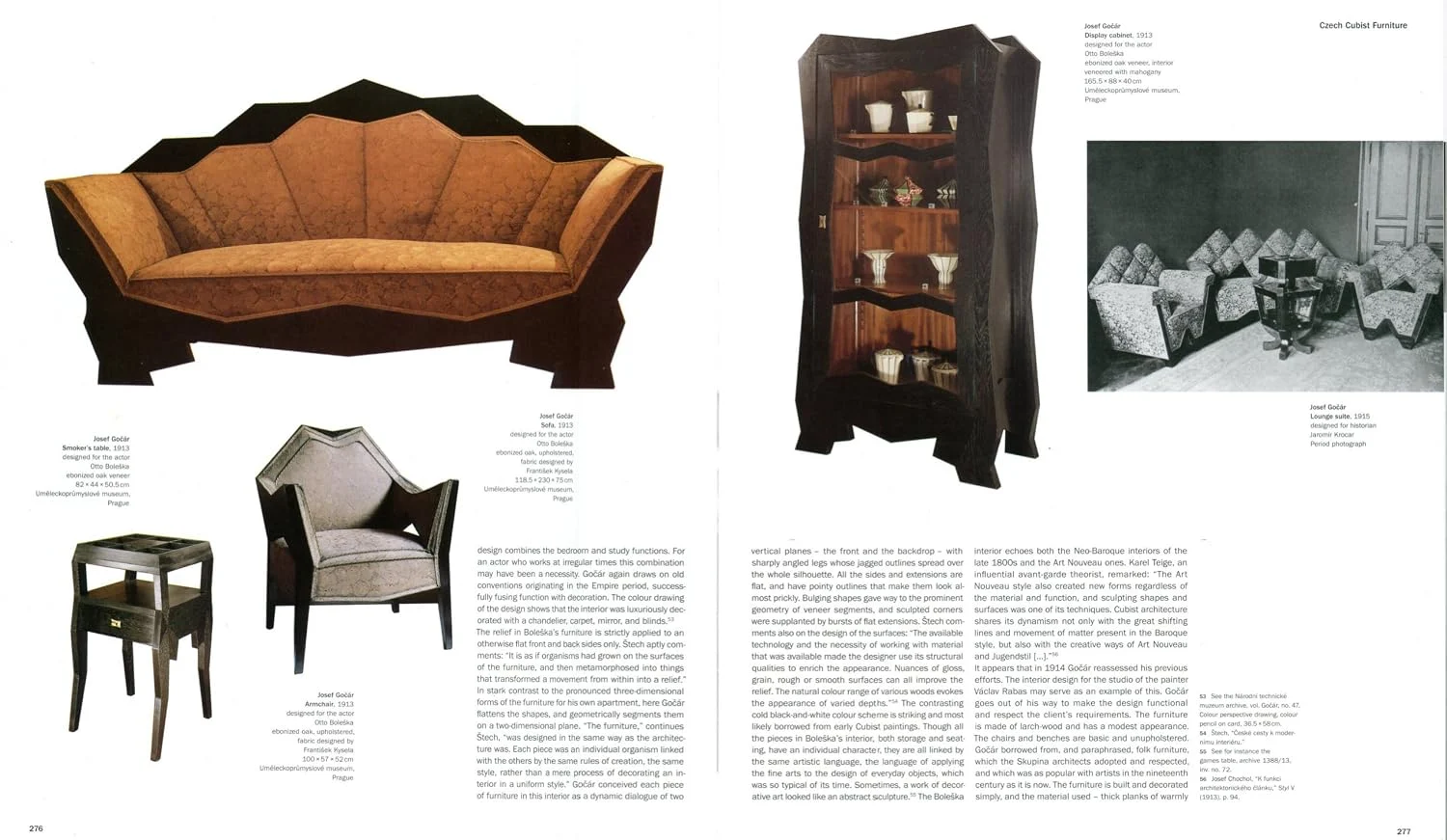
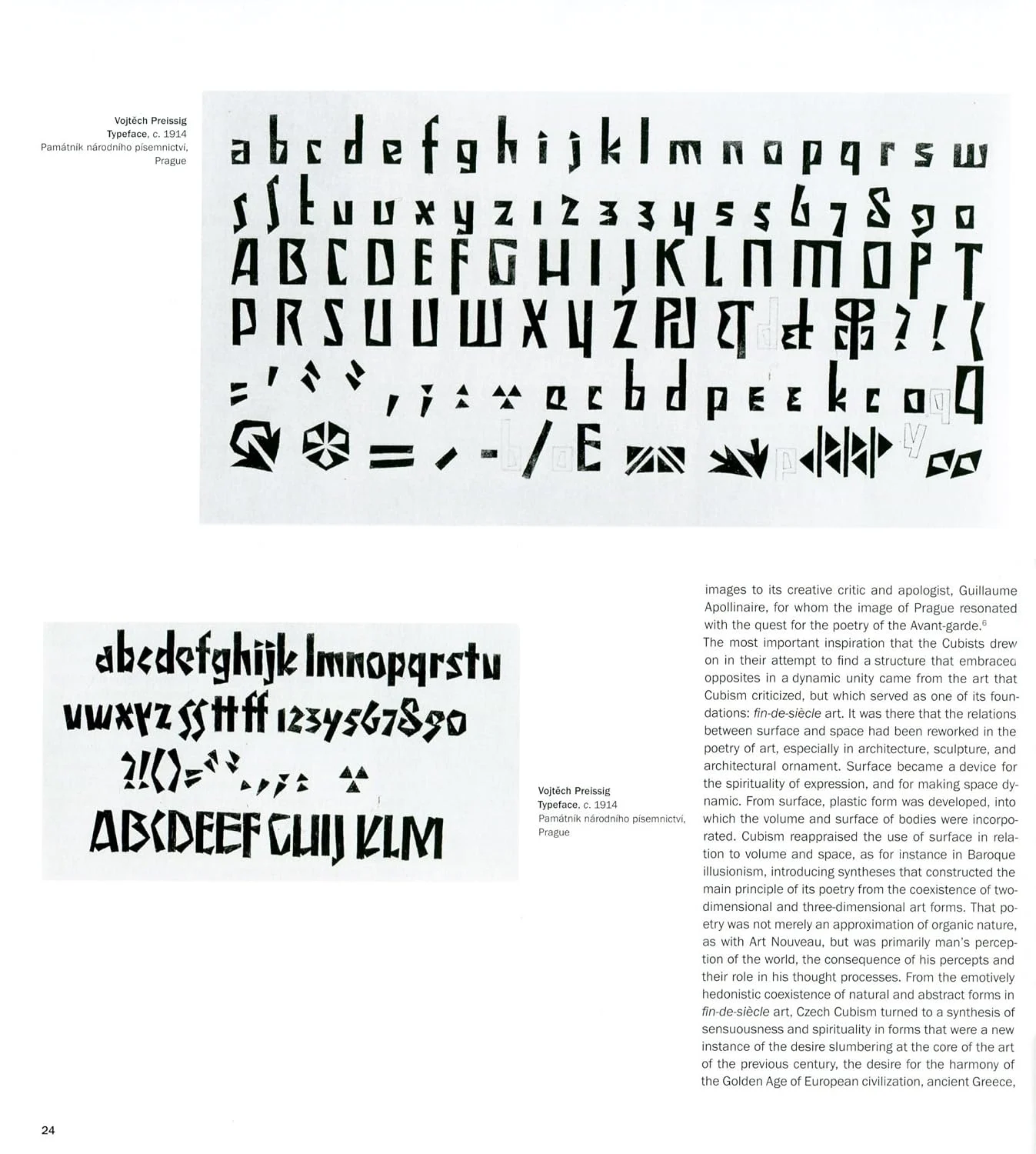
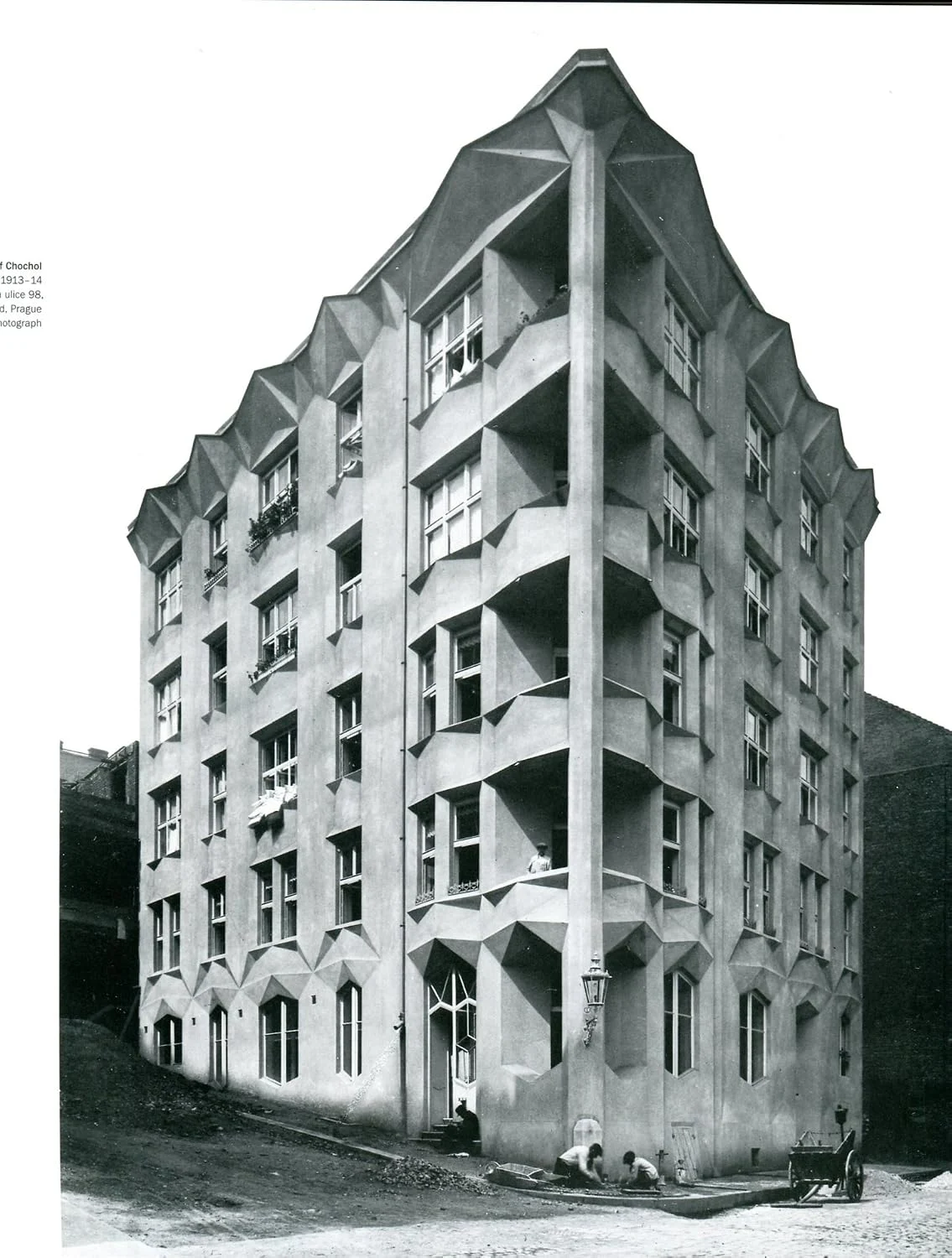
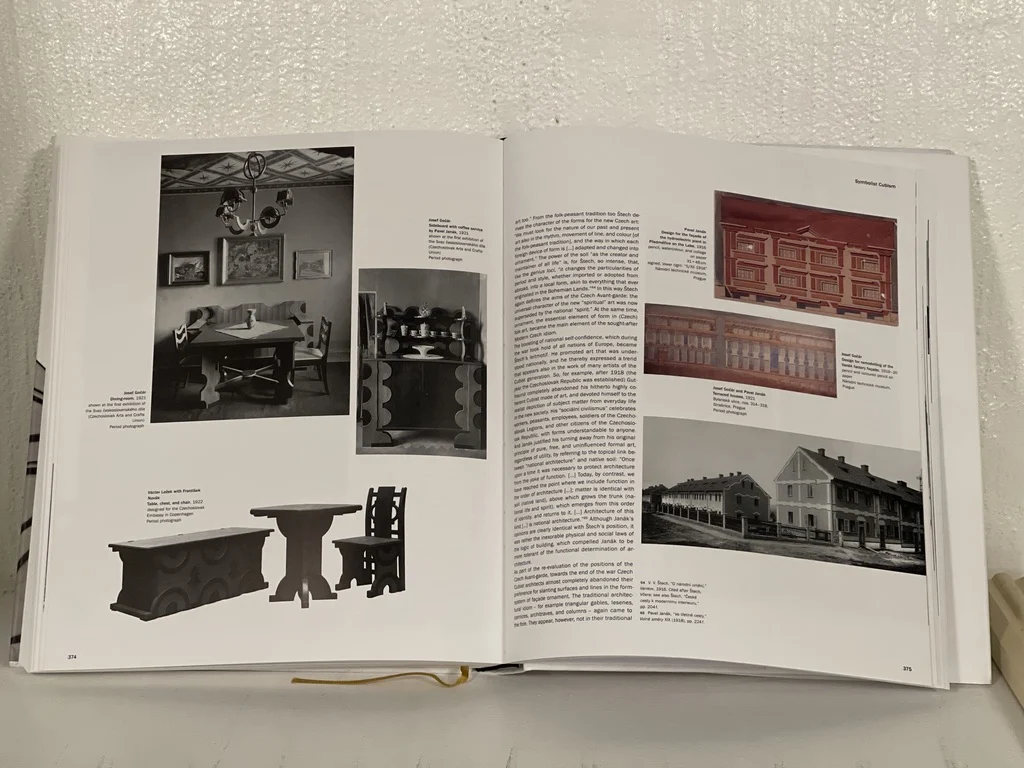
When Cubism emerged in Paris in the early twentieth century, a group of young architects and designers in Prague responded by pushing its ideas far beyond painting and sculpture. This book traces that response in detail, showing how faceted, crystalline forms appeared not only in artwork but in building facades, apartment interiors, furniture, and ceramics. The essays gathered here, written by leading scholars in the field, cover the movement from nearly every angle, giving both casual readers and specialists a thorough grounding in its history.
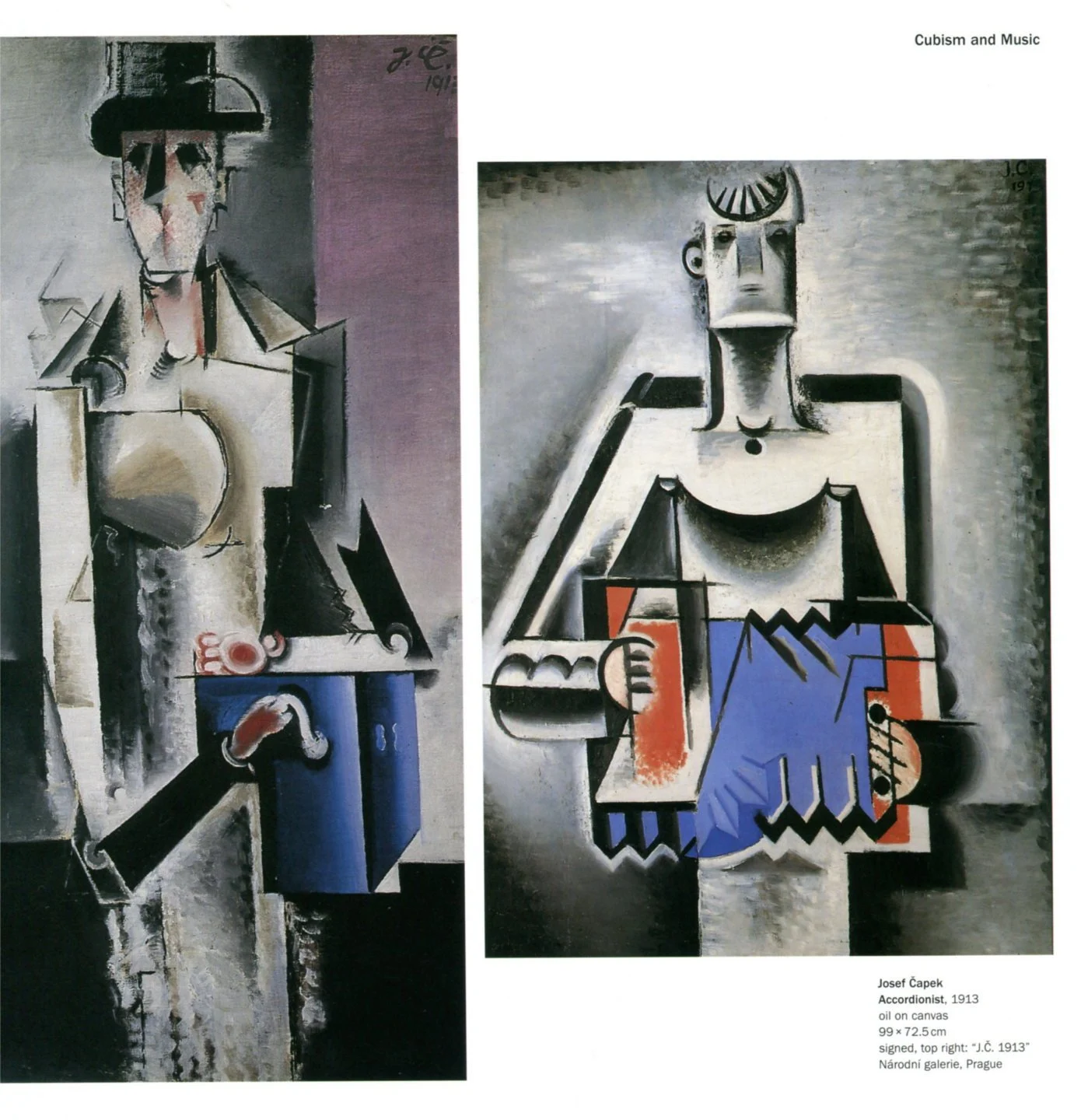
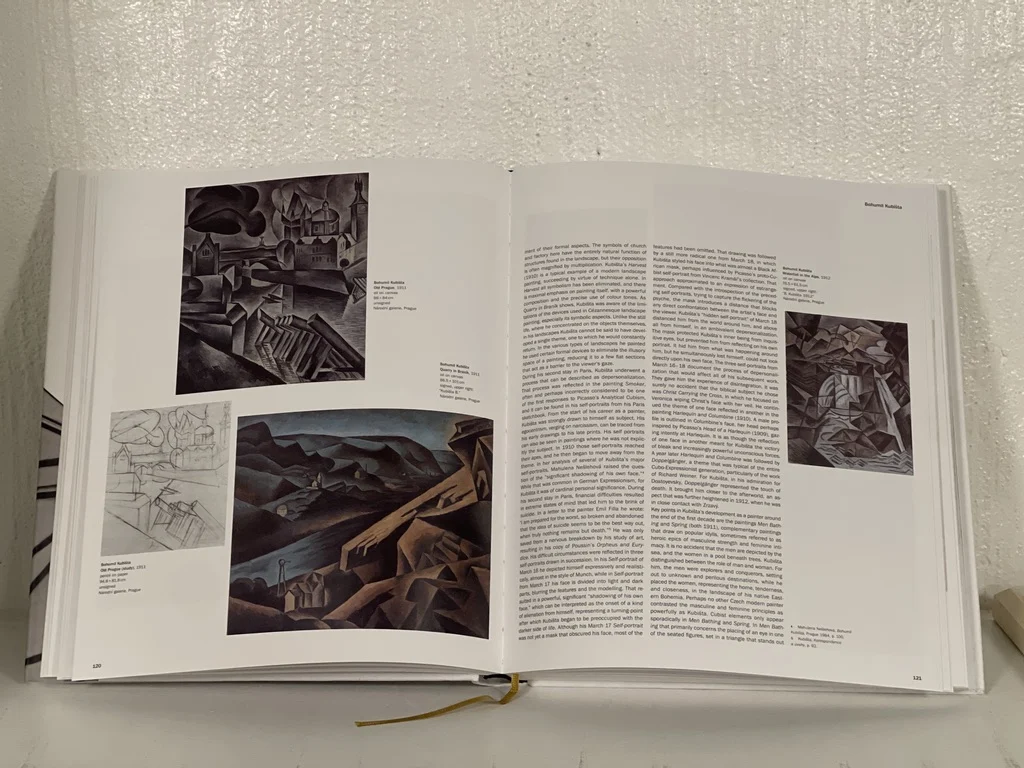
The book pairs its scholarship with extensive visual documentation, including period photographs of interiors and architecture alongside close studies of individual paintings and objects. Artists working in this style, such as Bohumil Kubišta, appear alongside architects who applied the same visual language to buildings and furnishings, illustrating how thoroughly the aesthetic spread across disciplines. Excerpts from correspondence and manifestos are included throughout, giving voice to the artists themselves and the ideas driving their work.
As the definitive study of a movement that developed almost entirely within one city, this book fills a niche that few other publications attempt. Its scope, running from early Cubist painting through architecture and design in the years following the First World War, makes it valuable both as an introduction and as a deep reference for continued study. Anyone interested in the wider story of European modernism will find this book essential for understanding one of its more unusual chapters.