Miguel Covarrubias
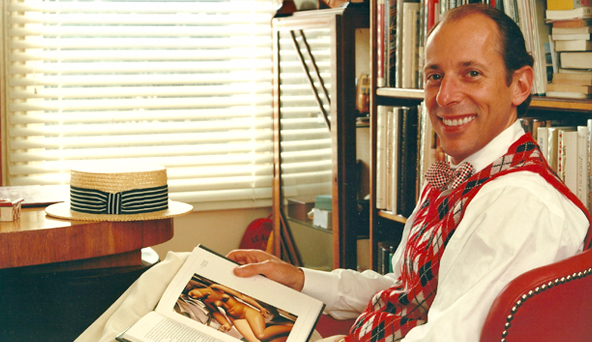
José Miguel Covarrubias Duclaud was born on November 22, 1904, in Mexico City, and was known to friends and colleagues as “El Chamaco,” or “The Kid.” He showed an early gift for drawing and was hired at fourteen as an illustrator and map drawer for Mexico’s Ministry of Public Education. As a teenager his work also appeared in Mexican publications such as El Heraldo and Universal Ilustrado. He received little formal artistic training and was largely self-taught. In 1923 he traveled to New York City on a government scholarship, and the poet José Juan Tablada and the critic Carl Van Vechten introduced him to the city’s literary elite. By 1924 he was sharing studio space with the young artist Al Hirschfeld and spending his evenings in Harlem nightclubs. He married Rosa in 1930, and the couple took an extended honeymoon in Bali, paid for with prize money from a National Art Directors Medal. He won two Guggenheim Fellowships, the first of which took the couple back to Southeast Asia in 1933. Covarrubias died on February 4, 1957, in Mexico City, leaving his collection of pre-Columbian art to the National Museum of Anthropology.
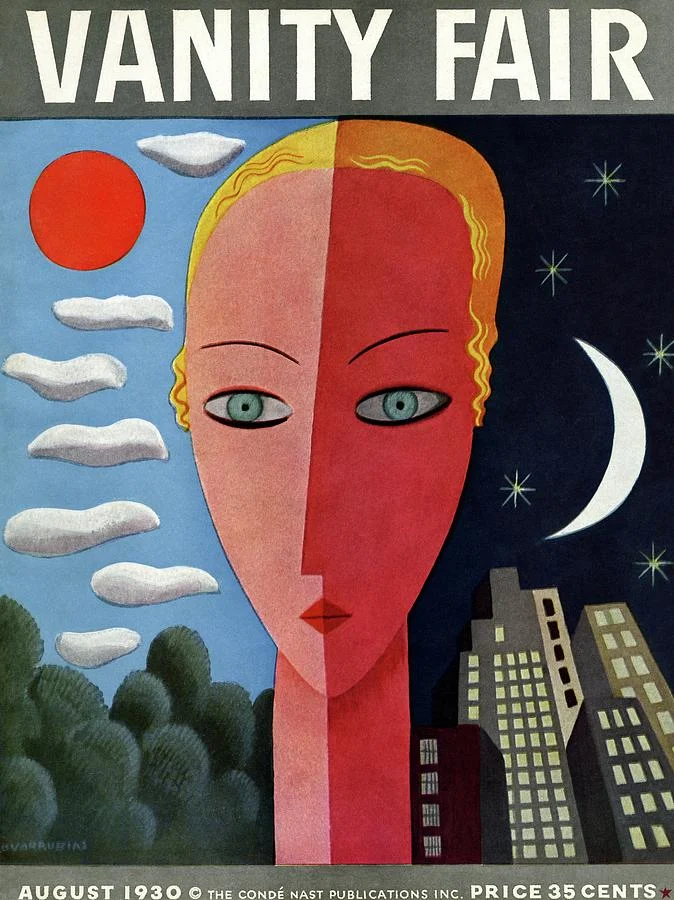
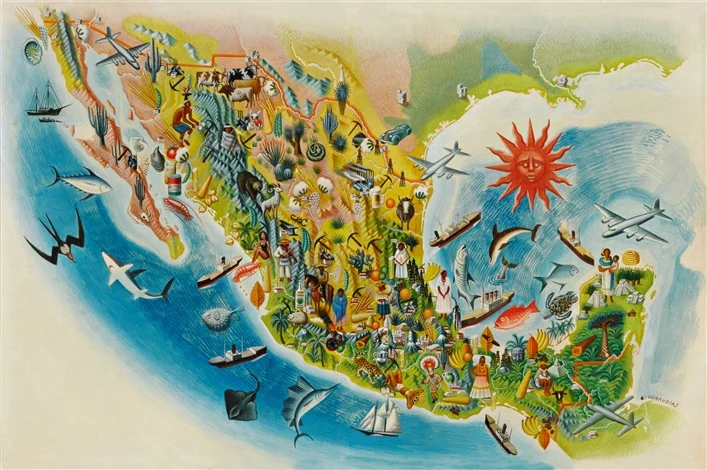
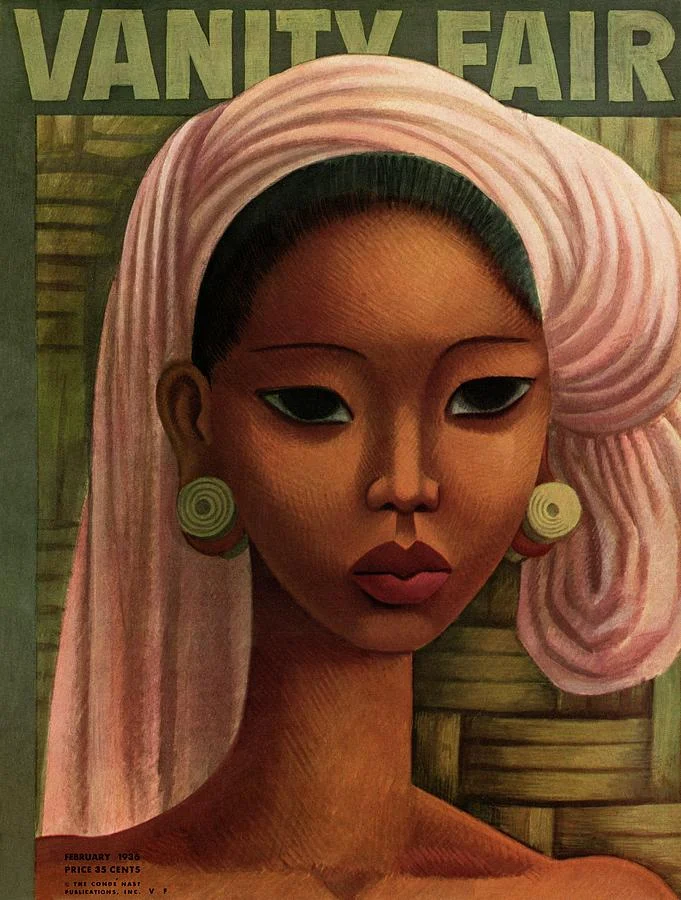
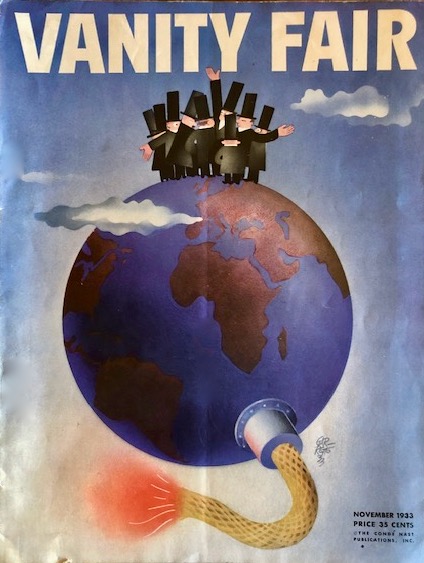
His first caricatures ran in Vanity Fair in January 1924, and his work soon appeared in The New Yorker and Vogue as well. Under the editor Frank Crowninshield he became one of the magazine’s premier caricaturists, and a 1925 collection, The Prince of Wales and Other Famous Americans, carried an introduction by Carl Van Vechten. In December 1924 Vanity Fair published eight of his Harlem drawings, the first drawings of African Americans the magazine had printed, and he followed them with the book Negro Drawings in 1927. Critics were divided, and W.E.B. Du Bois took offense at the exaggeration in his portrayals of African Americans. In the 1930s he steered Vanity Fair’s “Impossible Interviews,” imagined conversations between figures who could never meet, such as Mae West and Sigmund Freud, scripted by the humorist Corey Ford. He also designed sets and costumes for the theater, including Josephine Baker’s La Revue Nègre in Paris, and later became a dance director in Mexico. His travels in Bali produced Island of Bali, which paired his drawings with Rosa’s photographs and fed a Bali craze in New York. For the 1939 Golden Gate International Exposition in San Francisco he painted Pageant of the Pacific, six mural maps that charted the peoples and cultures of the Pacific Rim. After returning to Mexico in the early 1940s he published Mexico South in 1946 and helped rewrite the story of Mesoamerica through his study of Olmec art.
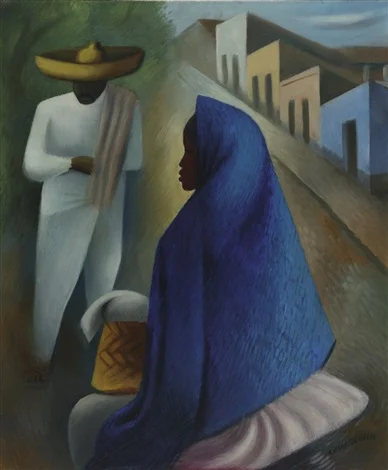
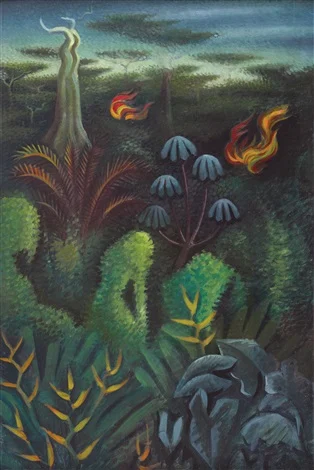
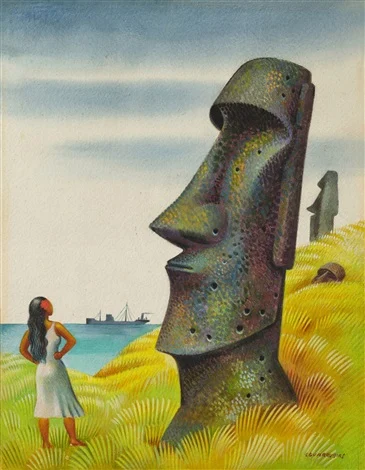
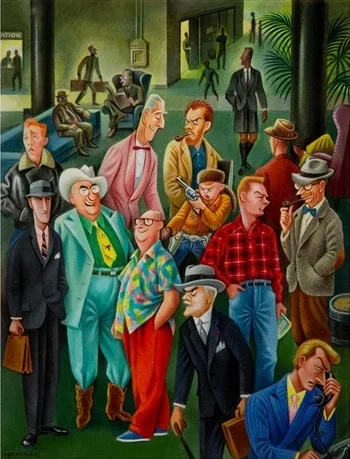
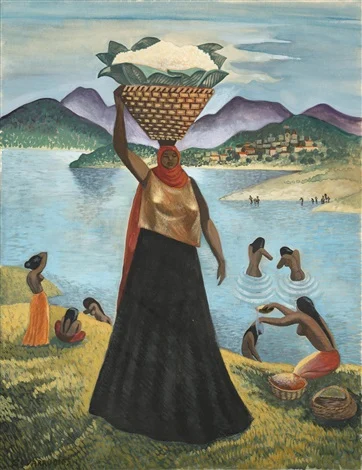
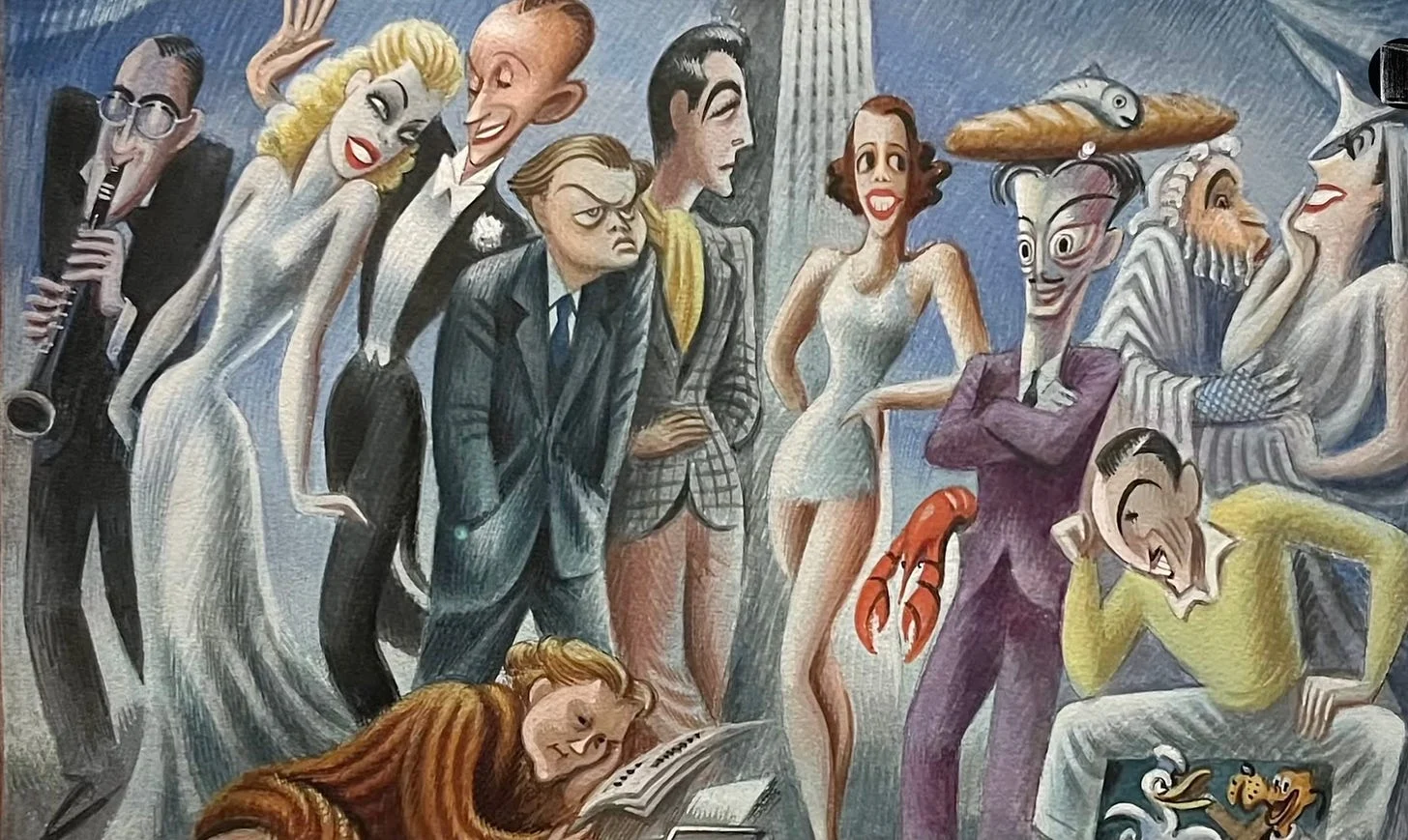
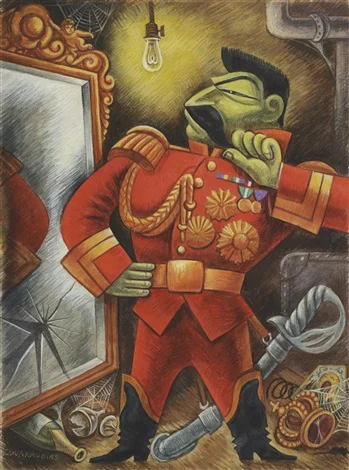
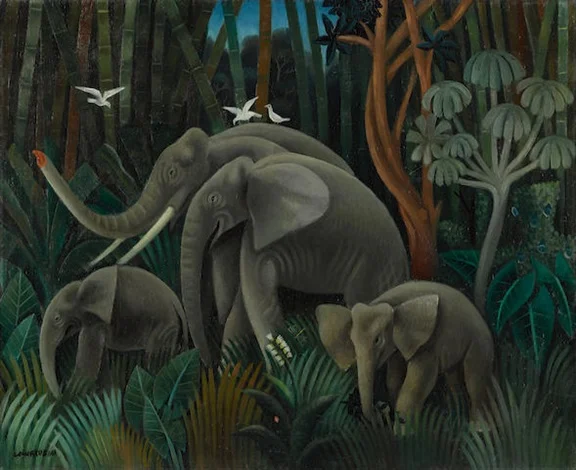
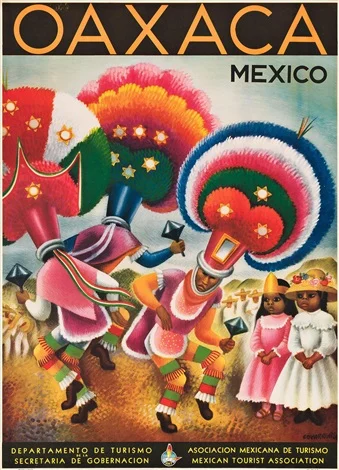
Covarrubias drew with a fluid, economical line, reducing his subjects to simplified, angular forms and sharpening them with exaggeration and wit. His Harlem drawings used subtle gradations of black and gray wash to present nightclub dancers and musicians as icons of modernity. Rather than individual portraits, his Harlem figures were often types, and his drawings of Bali and Mexico carried the same sharp observation into the study of other cultures.
Key Influences
- Jazz Age Caricature: His Vanity Fair work shaped how the Jazz Age saw itself and influenced many illustrators who followed.
- Harlem Renaissance Imagery: His drawings introduced Harlem’s performers to the pages of Vanity Fair as icons of modern life.
- Island of Bali: His book remains a primary text on Balinese culture and fed the Bali craze of the 1930s.
- Pageant of the Pacific: His six mural maps charted the Pacific Rim without placing Europe at the center.
- Olmec Scholarship: His study of Olmec art helped rewrite the origin story of Mesoamerica.
If you are interested in further stories of the artists who shaped Art Deco, return to our artists page to browse the full directory.
Related Products from ArtDecoCollection.com