

Carlo Bugatti
Carlo Bugatti was born on February 2, 1856, in Milan, the son of Giovanni Luigi Bugatti, an architect, sculptor, and specialist in interior decoration. He trained at the prestigious Brera Academy in Milan before relocating to Paris in 1875 to continue his studies at the Académie des Beaux-Arts. After completing his training, he returned to Milan and began manufacturing furniture in 1880, quickly gaining recognition for his ornamented, rectilinear, and orientally inspired designs. By 1888, his work had generated immediate demand from wealthy European clientele following its reception at the Milan Industrial Arts Exhibition and at the Italian Exhibition at Earl’s Court in London. He was the father of automobile manufacturer Ettore Bugatti and sculptor Rembrandt Bugatti, both of whom followed distinguished paths of their own. After the suicide of his son Rembrandt in 1916, Bugatti, then 60, produced fewer pieces but remained influential. His latter years were further marked by the death of his daughter in 1932 and shortly after of his wife Teresa, leaving him alone. He went to live with his son Ettore near the Bugatti factory in Molsheim, Alsace, where he died in April 1940 and was buried at Dorlisheim with full military honors.
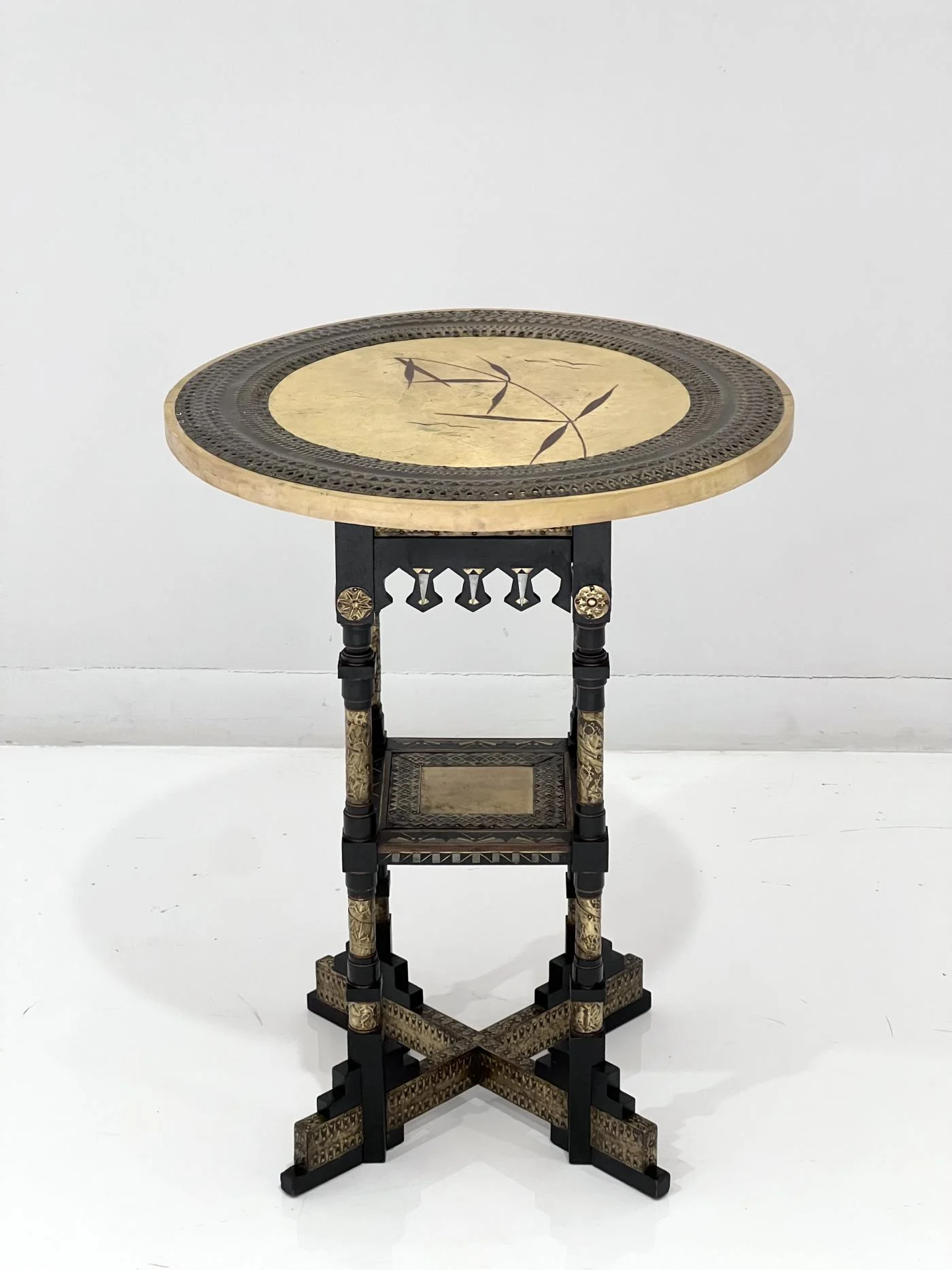
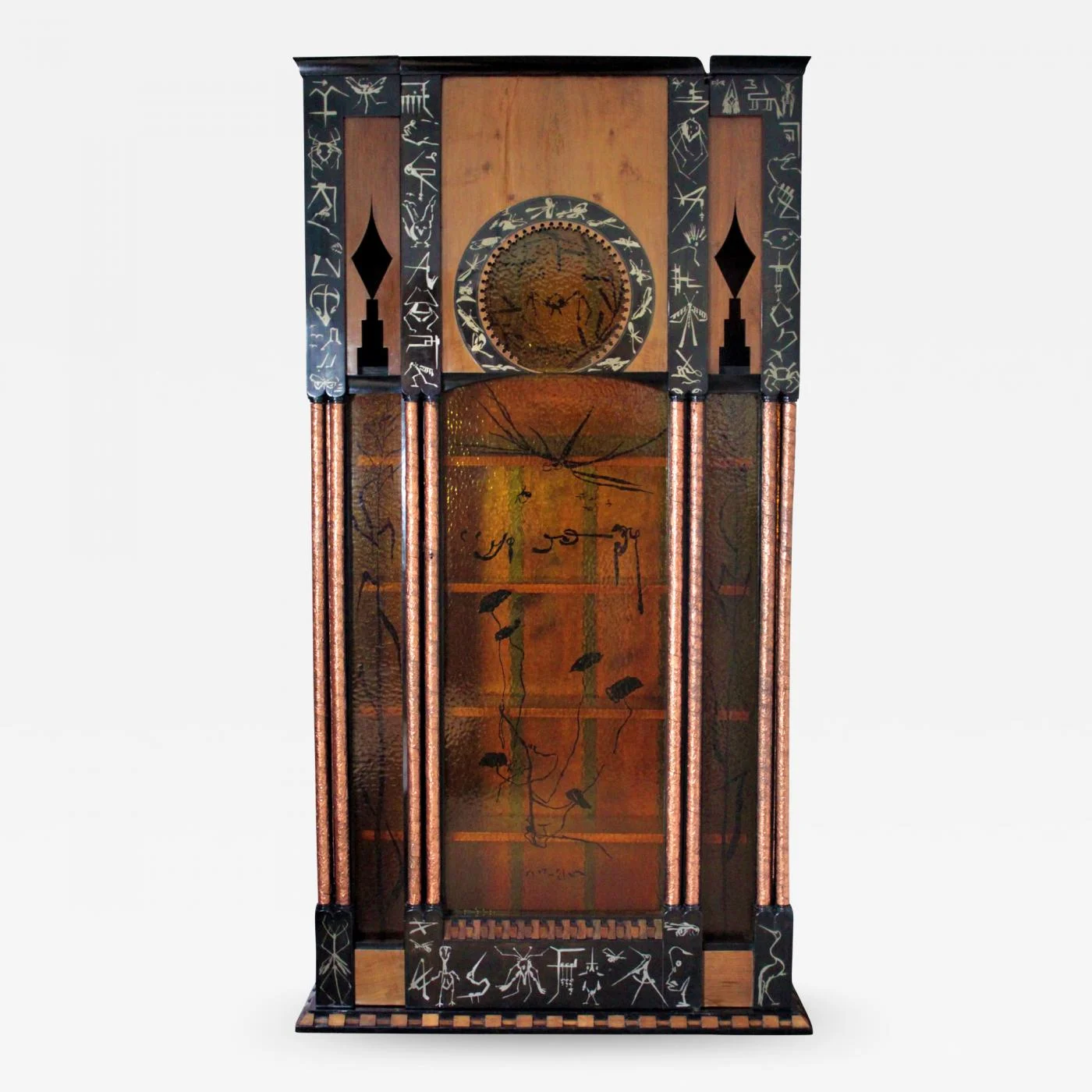
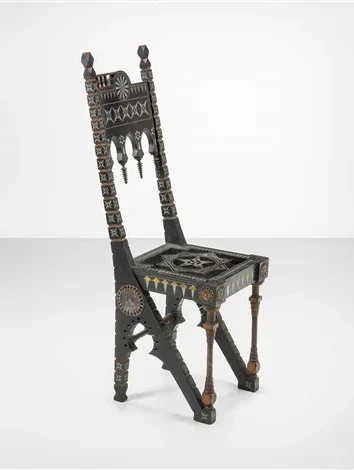
Bugatti’s early furniture was characterized by heavy ebonized wood inlaid with copper, brass, ivory, mother of pearl, and camel and deer hide, decorated with fringes, metal discs, exotic geometric marquetry, oriental calligraphy stenciling, and flower, animal, and insect motifs. At the First International Exhibition of Modern Decorative Arts in Turin in 1902, he cemented his status as one of the most influential designers of his generation, winning the Diploma of Honour, the exhibition’s most prestigious award, with a group of four interior spaces showcasing curvilinear and softly decorated designs. The centerpiece was the celebrated Snail Room, a game room organized around the organic motifs of the curve and the spiral, featuring four Cobra chairs upholstered in parchment painted with dragonflies and flowers, their sinuously curved backs encased in satiny vellum to resemble smooth ivory. Financial difficulties following the 1902 exhibition forced him to close his Milan workshop, and in 1904, he relocated to Paris, where he opened a new workshop producing luxury items for clients such as the Bon Marché department store. He met art merchant and foundry owner Adrien Hébrard on his arrival, who convinced him to begin sculpting, and in 1907, Hébrard held an exhibition of Bugatti’s silverware designs at the Galerie Hébrard. He also exhibited regularly at the Salon des Artistes Décorateurs. In 1910, he moved to Pierrefonds, a small village northeast of Paris, where he was nominated mayor from 1914 to 1918 and devoted himself increasingly to painting.
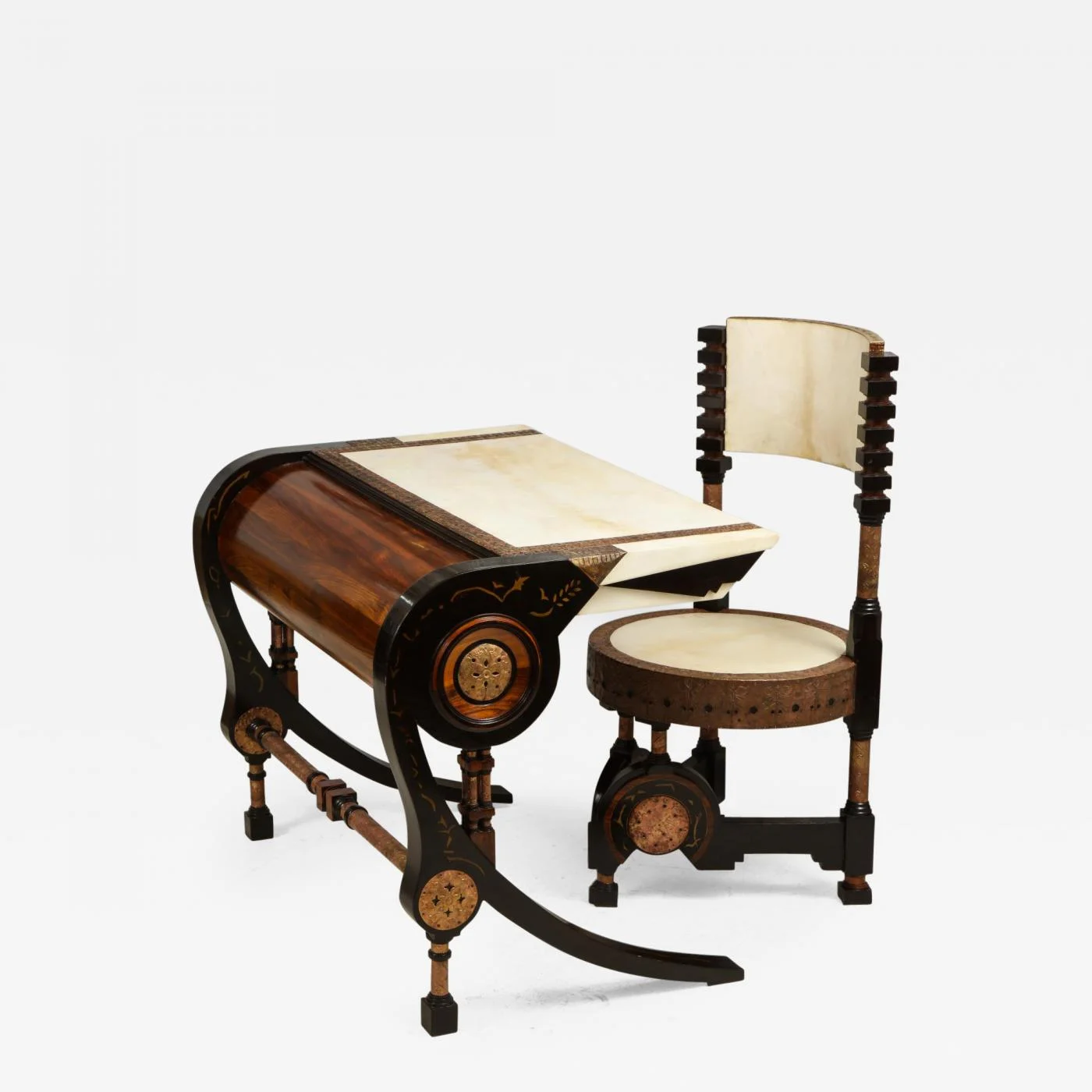
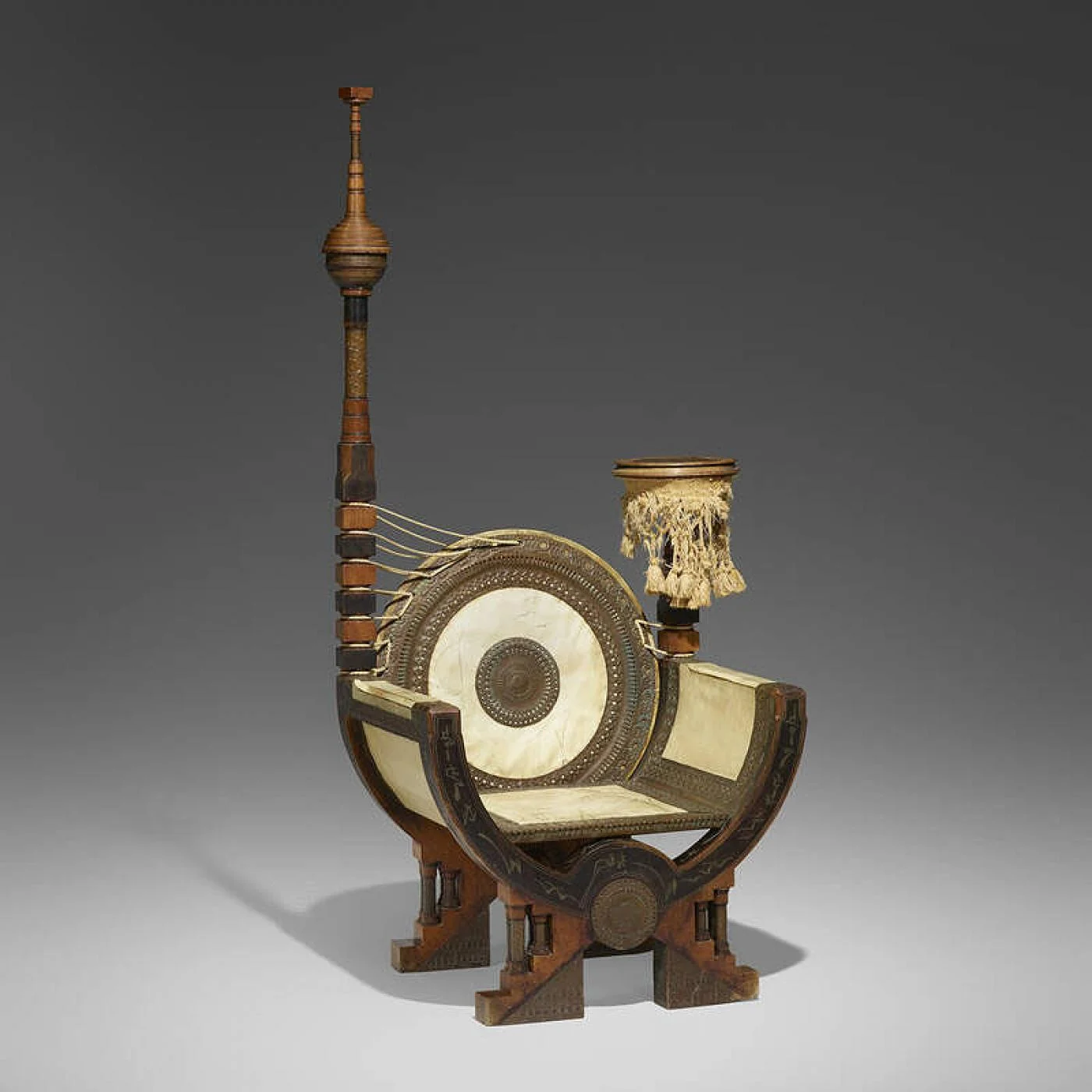
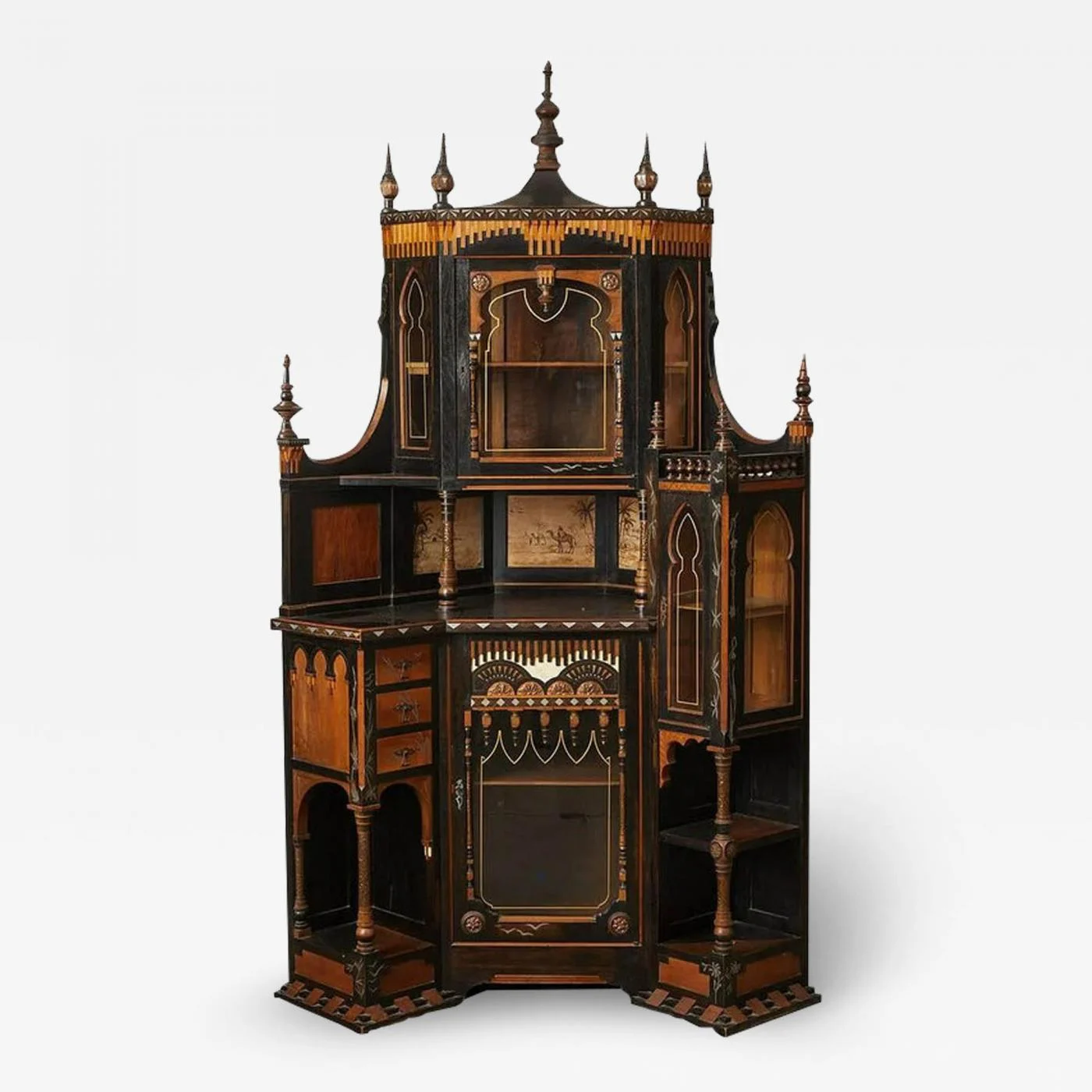
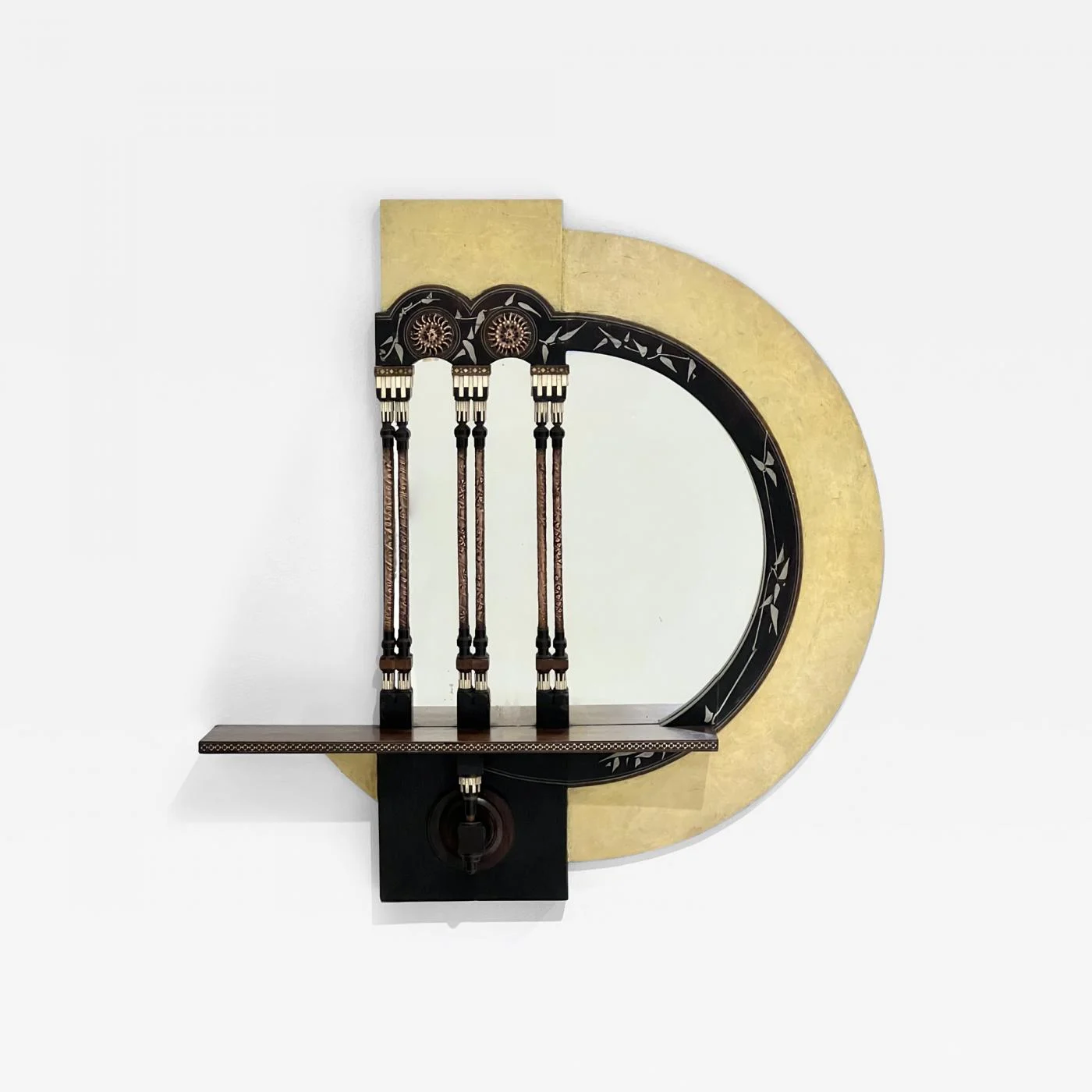
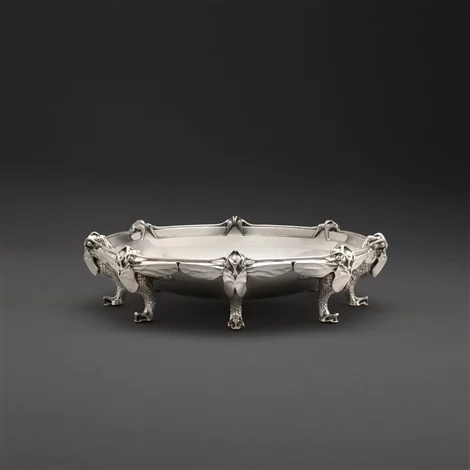
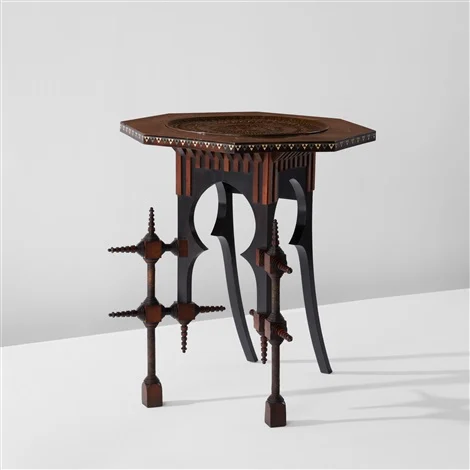
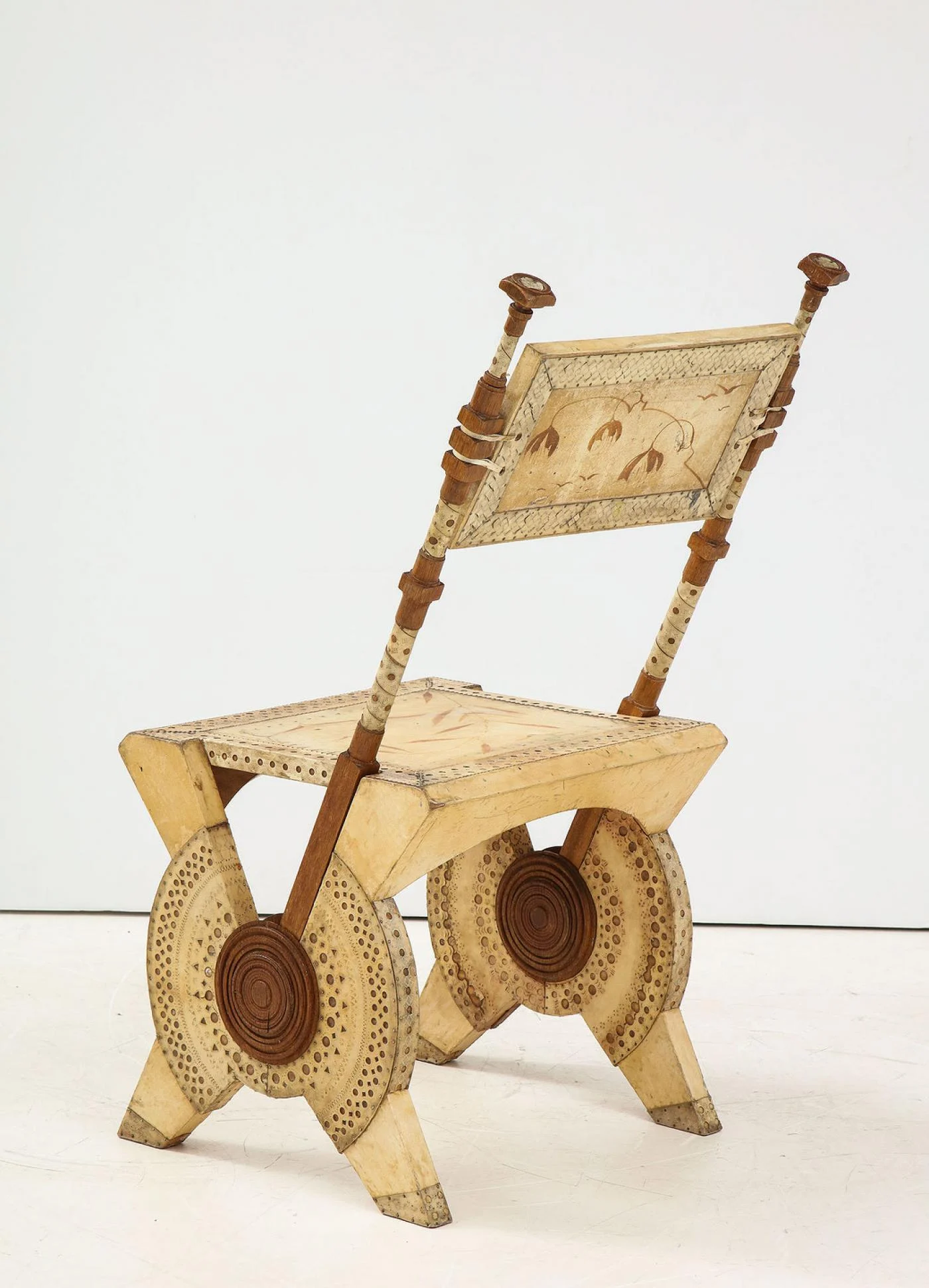
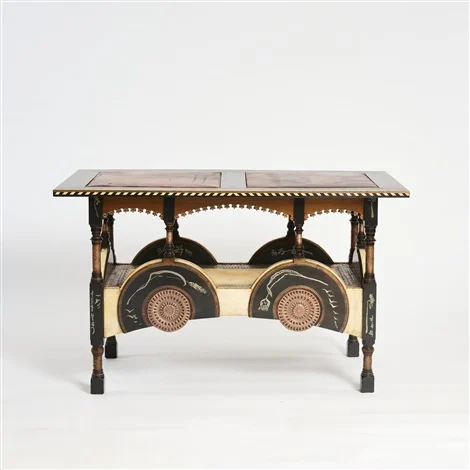
Bugatti’s aesthetic combined the organic and the exotic in ways that were unique among his contemporaries, drawing simultaneously on Moorish, Japanese, and primitive art influences to produce highly individual, even theatrical furniture. His early phase favored rectilinear forms heavily ornamented with inlaid materials, while his mature work evolved toward curvilinear, arabesque compositions in which vellum and parchment transformed wooden structures to give them the appearance of ivory. The result was a body of work that resists easy categorization, occupying a space between Art Nouveau and a personal orientalism all his own.
Key Influences
- Art Nouveau Furniture: His Snail Room and Cobra chairs at the 1902 Turin Exhibition became landmark objects of the Art Nouveau movement and are among the most recognized pieces of decorative furniture from the period.
- Orientalism in Western Design: His synthesis of Moorish, Japanese, and North African decorative traditions into European furniture design helped broaden the visual vocabulary of the decorative arts and anticipate the eclecticism of Art Deco.
- The Bugatti Dynasty: As patriarch of a family that produced an automobile empire and a celebrated sculptor, he helped establish one of the most remarkable creative dynasties in the history of European design.
- Material Experimentation: His unconventional use of vellum, parchment, copper, ivory, and camel hide as primary decorative materials challenged prevailing conventions about what furniture could look and feel like.
- Italian Design in Paris: His career arc from Milan to Paris and his integration into Parisian salon culture helped position Italian decorative arts within the broader international modernist conversation of the early 20th century.
If you are interested in further stories of the artists who shaped Art Deco, return to our artists page to browse the full directory.

Related Products from ArtDecoCollection.com