
Sign Up for Exclusive Offers, Sales & Events
Search Our Site

Journal & Collections

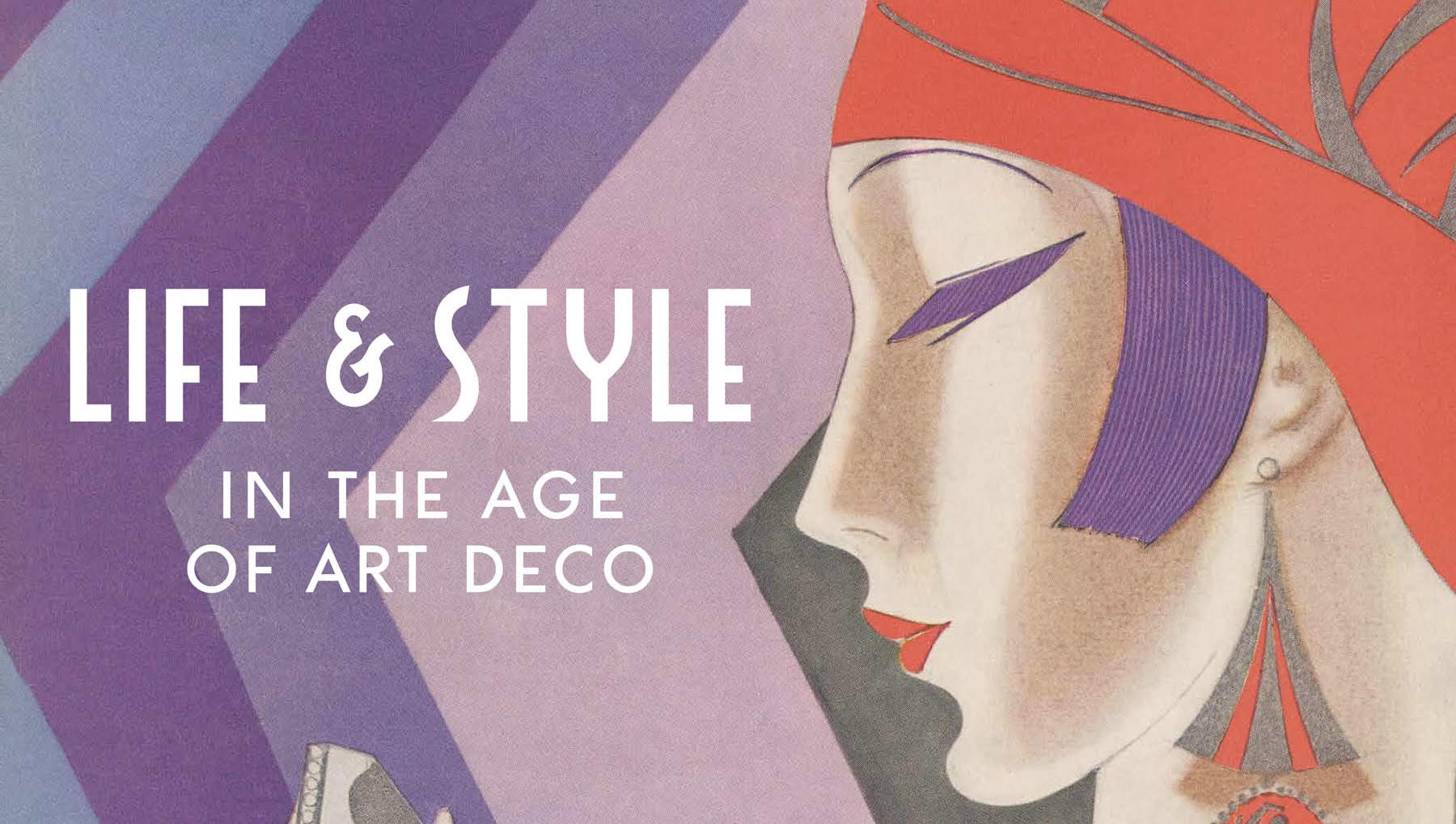
Life & Style in the Age of Art Deco

A major exhibition at the San Francisco International Airport Museum showcased pieces from ArtDecoCollection.com along with personal items belonging to Richard Fishman and Laurie Gordon.

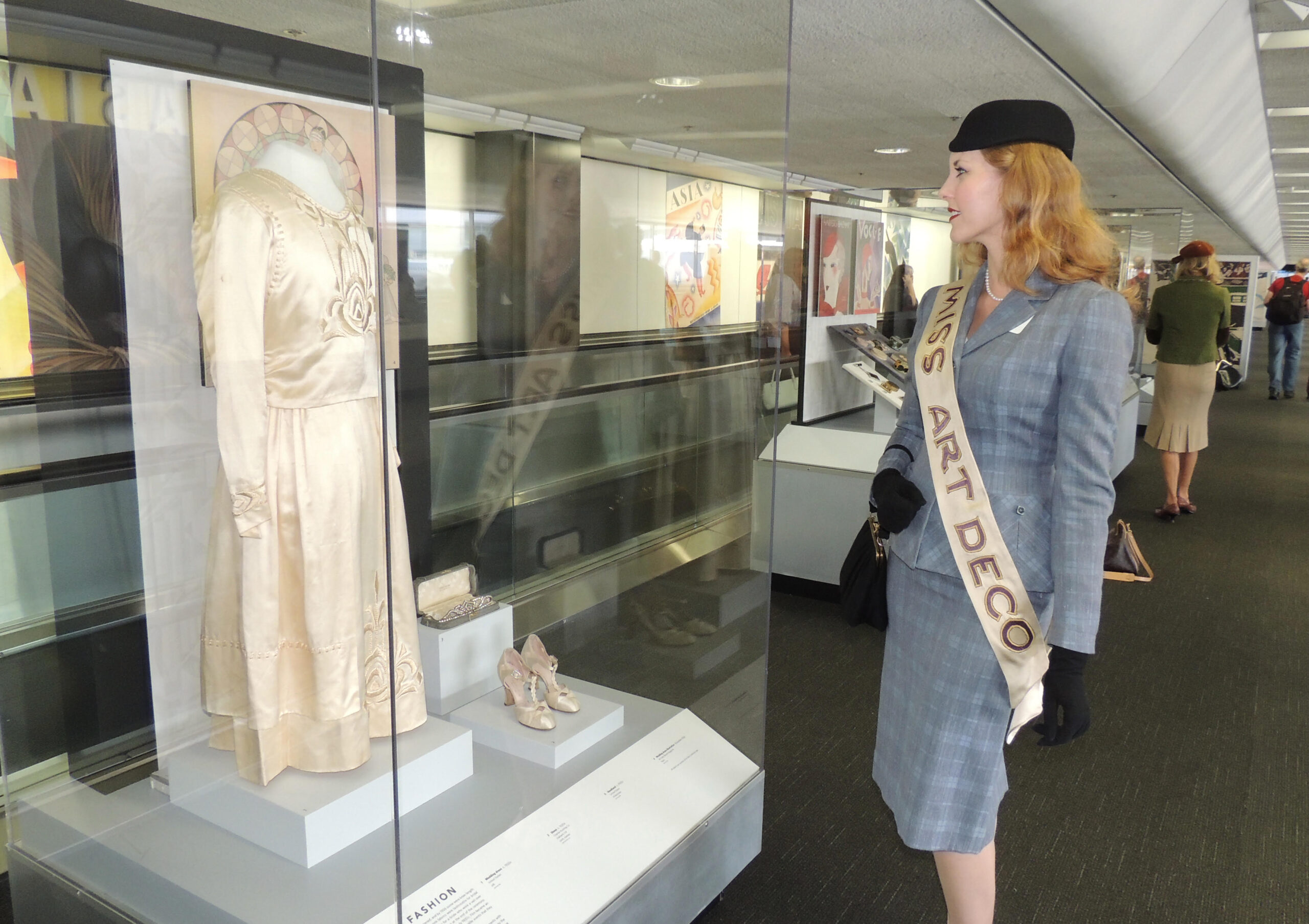
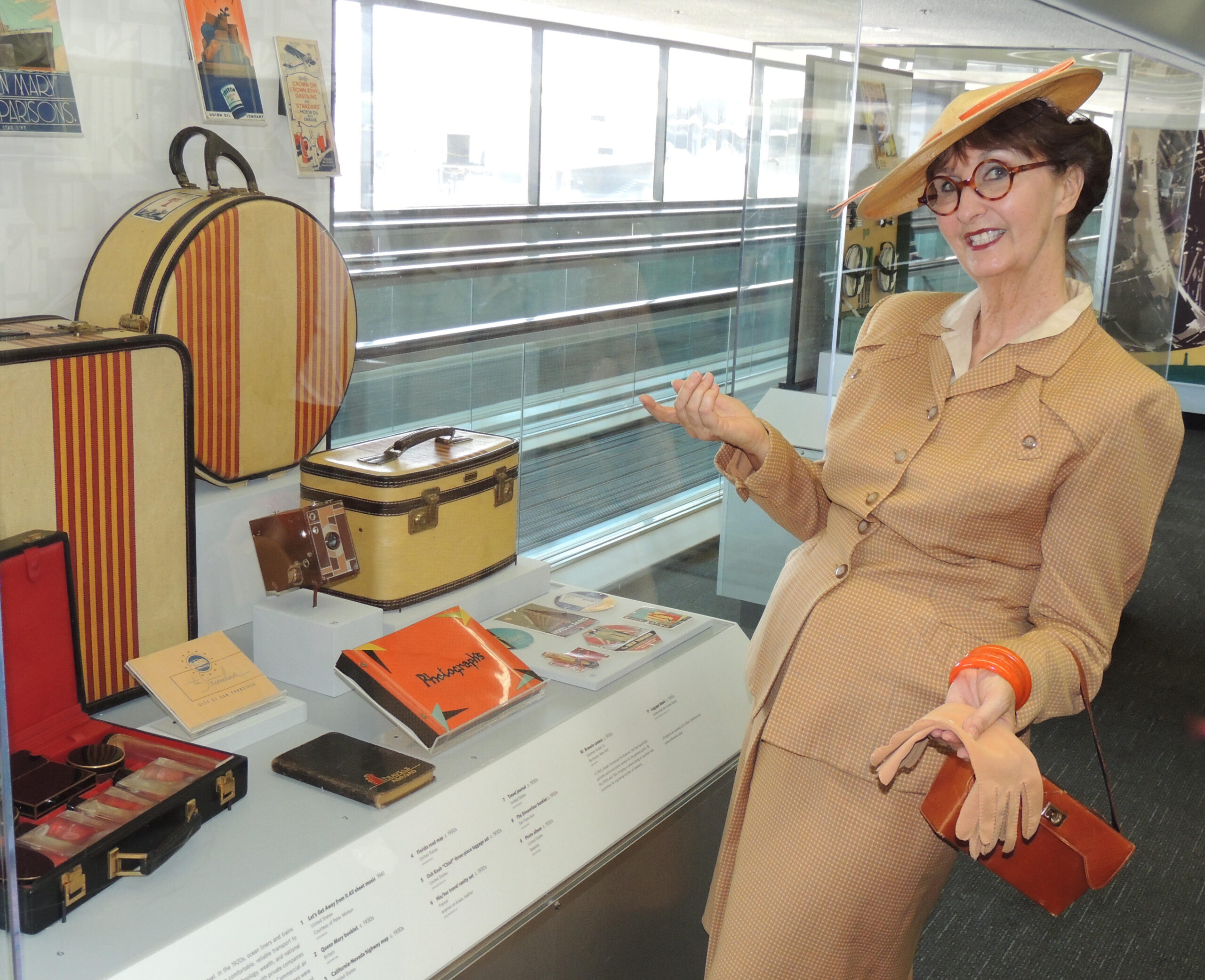
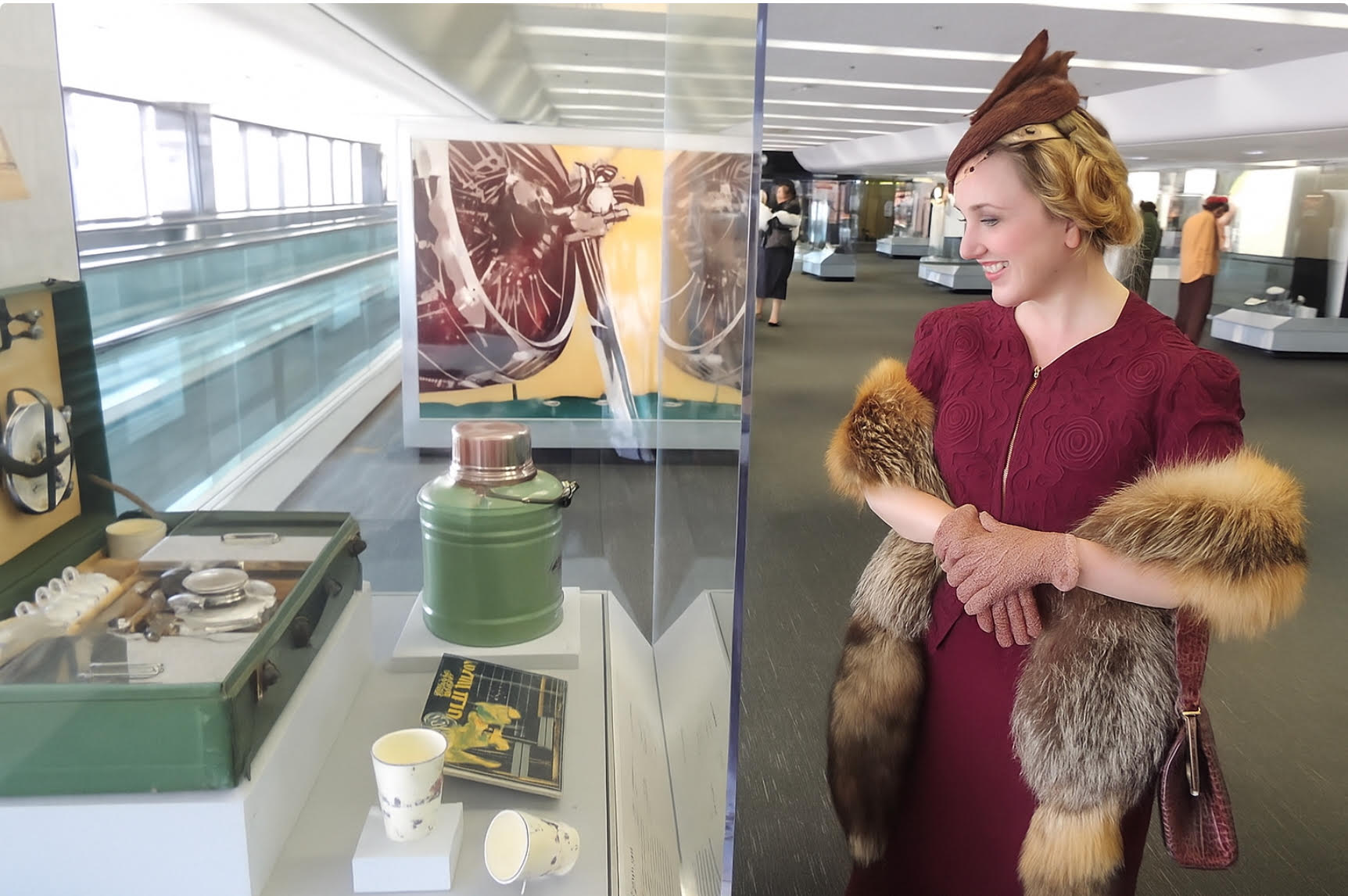
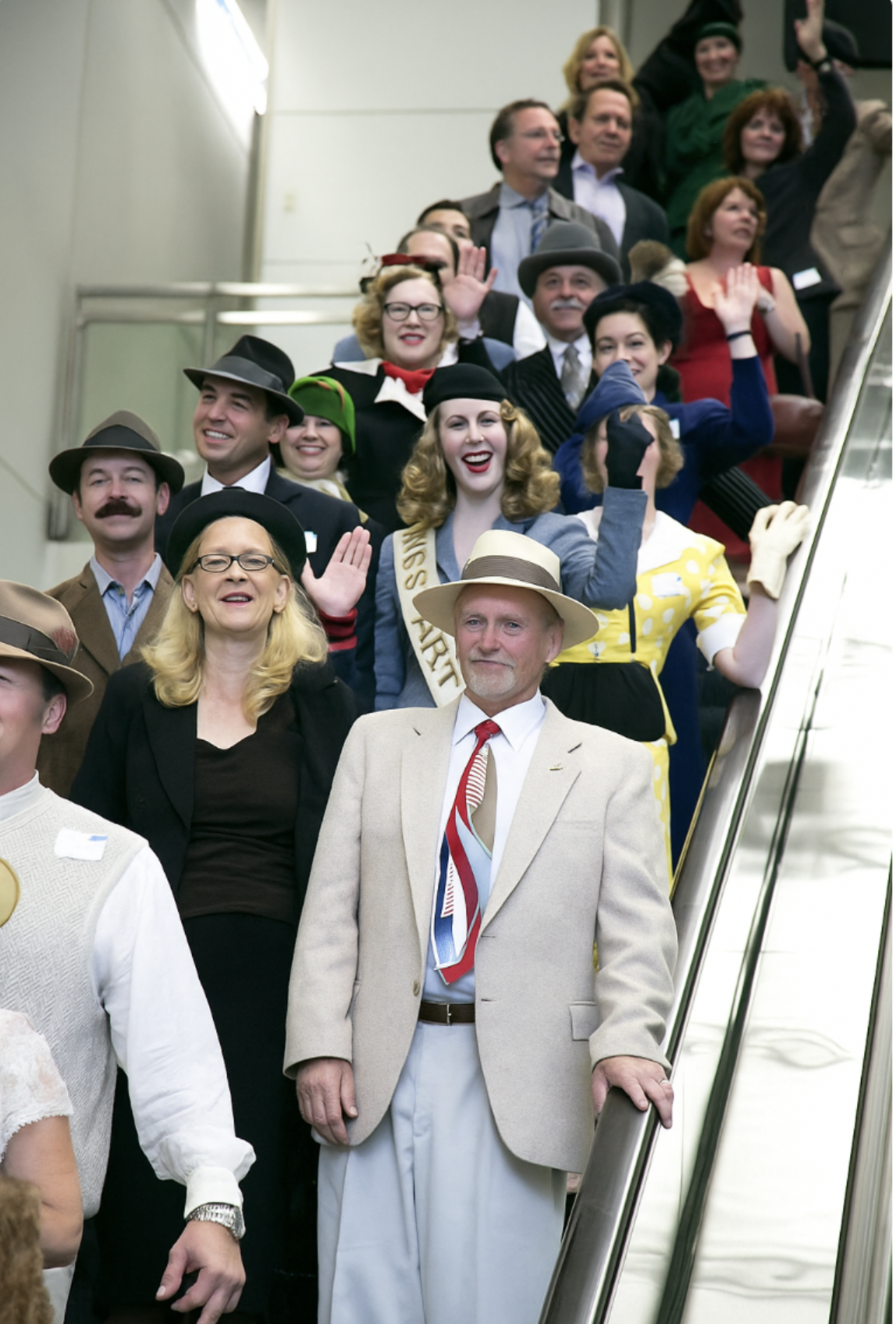
Life and Style in the Age of Art Deco was a major exhibition at the SFO Museum of San Francisco International Airport. Running for nine months in 2015, it was a unique opportunity for Richard Fishman and Laurie Gordon to display both merchandise from ArtDecoCollection.com as well as their personal possessions, amassed over 30 years of curated collecting. It celebrated one of the most vibrant and transformative design movements of the twentieth century. The display invited travelers and design enthusiasts alike to pause amid the airport’s bustle and consider how geometry, luxury, and the machine age once combined to shape modern taste and daily life. Among the 36 individual display cases were sections devoted to men’s and women’s fashion and grooming, household furnishings, sculptures, ceramics and the streamlined elegance of industrial-age objects, including a full-sized bar and a beautiful vintage automobile. Two special Grand Opening events for clients, friends, and members of the Art Deco Society brought the exhibit to life with cocktails, music and guided tours of the exhibition.
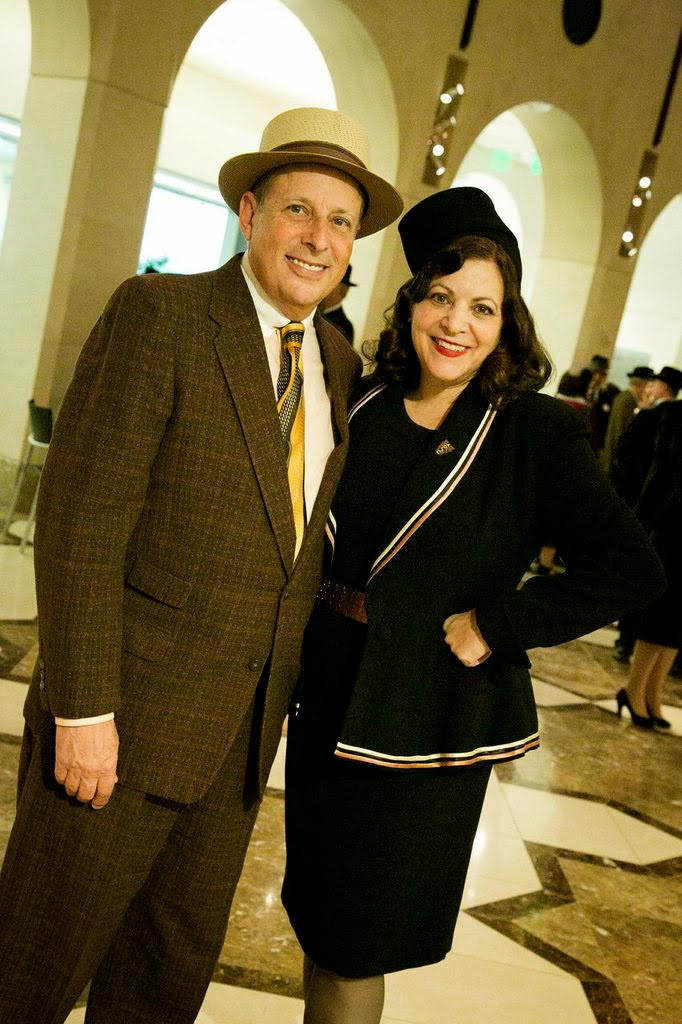
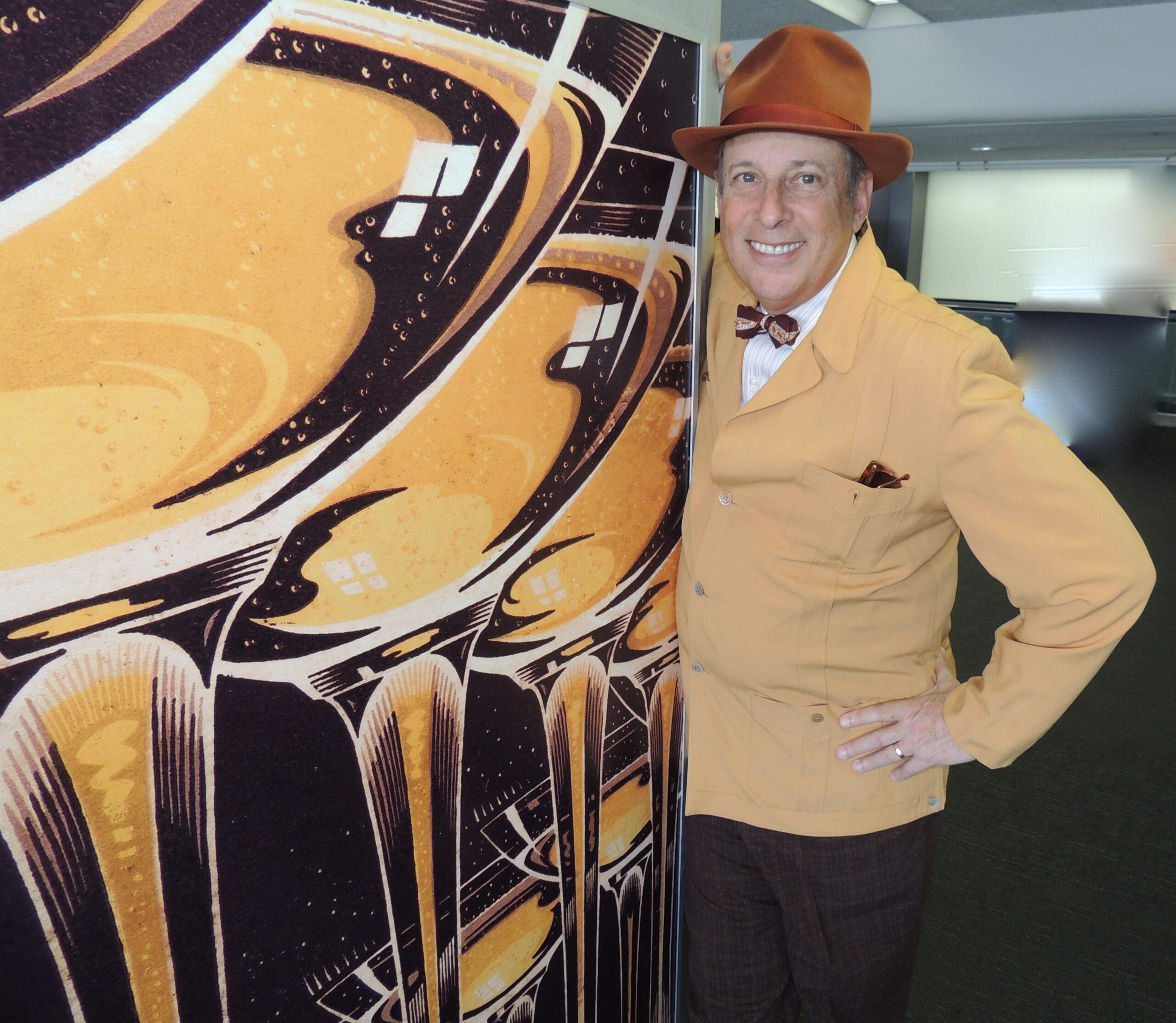
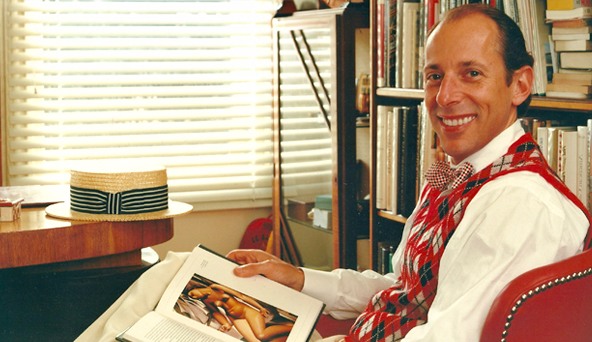
Richard Fishman & Laurie Gordon

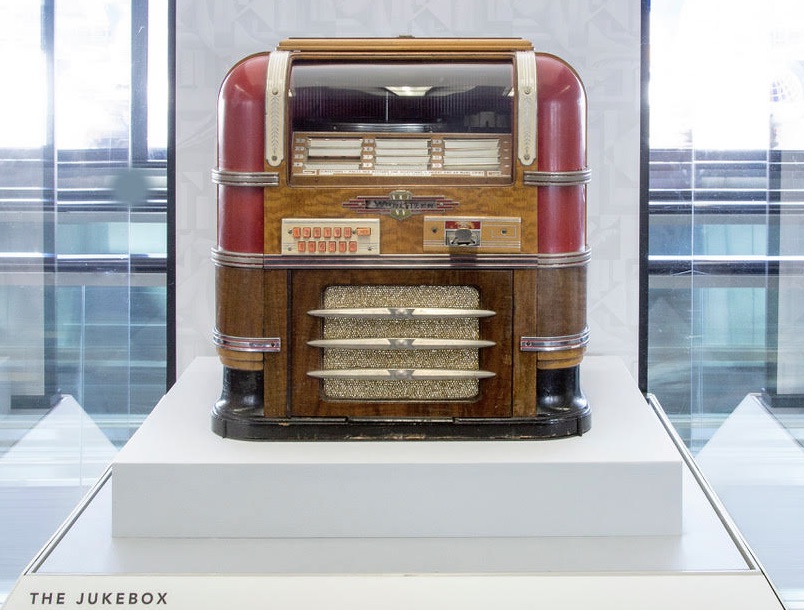
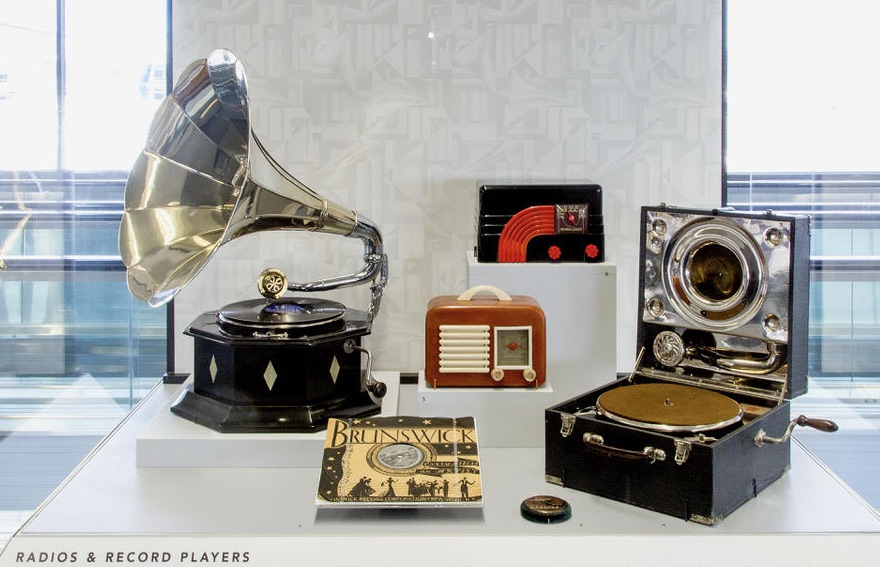
Music: a very important contribution to Art Deco

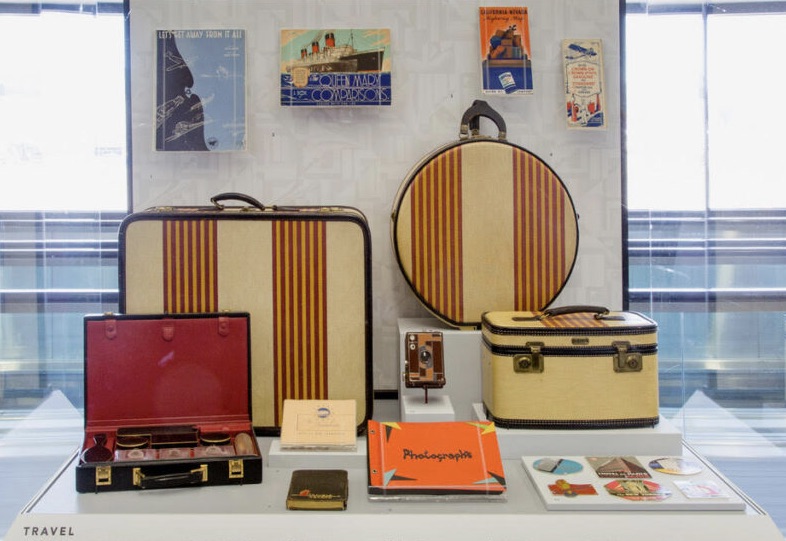
The interwar years from 1918 to 1939 marked a period of radical social and technological change, and within that context, Art Deco flourished. Mass communication through illustrated magazines and newspapers spread new ideas in design across borders, while the very concept of travel became central to modern identity. Luxury trains, ocean liners, and the first commercial aircraft carried passengers into a world of speed and glamour. Architects in Manhattan raced skyward, manufacturers introduced synthetic plastics and chrome finishes, and electrical appliances transformed the home. Jazz-filled dancehalls, movie palaces drew millions each week, and women’s fashion, shorter hair, higher hemlines, embodied a liberated new rhythm of life. The SFO exhibition captured this sense of motion in its “travel” display, filled with vintage luggage, brochures, and posters that evoked an era when adventure met design.

Traveling in Style

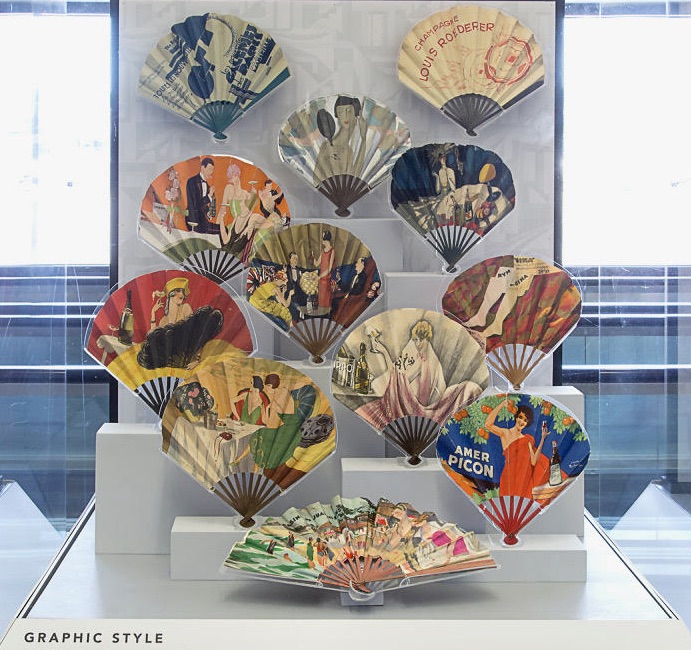
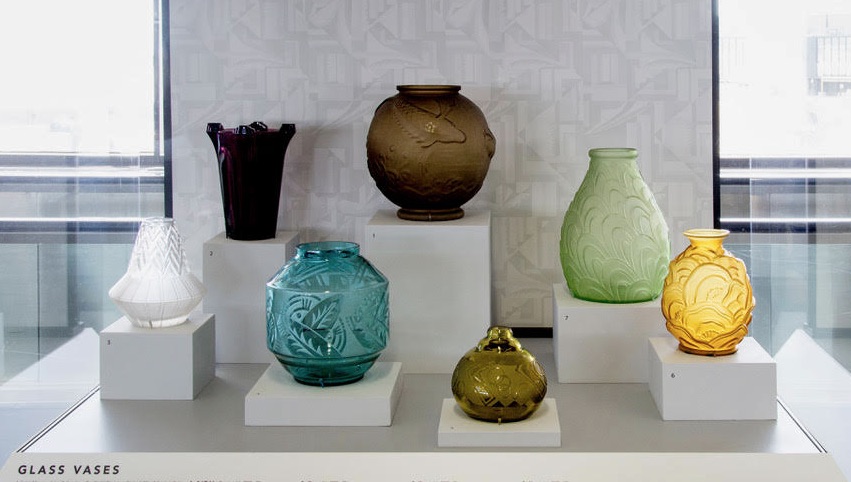
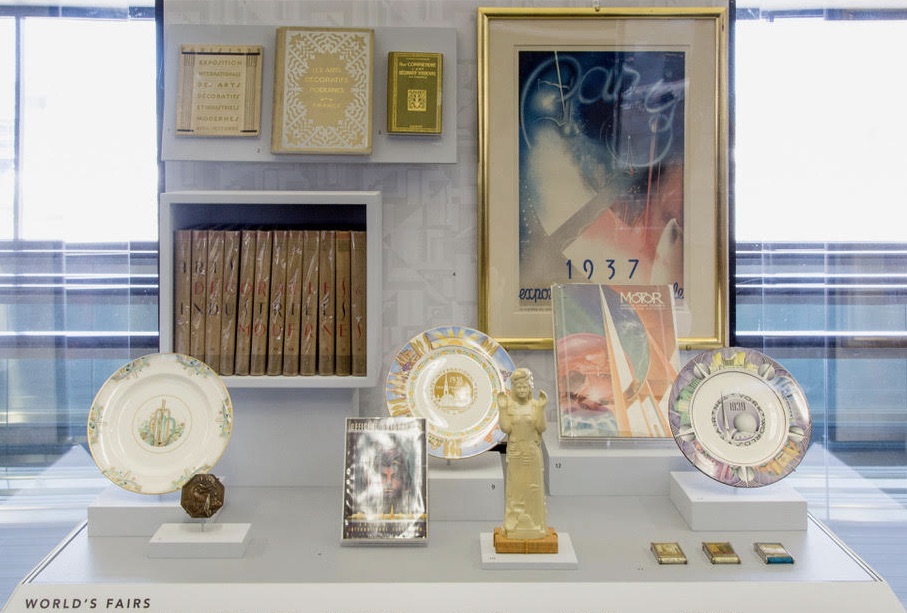
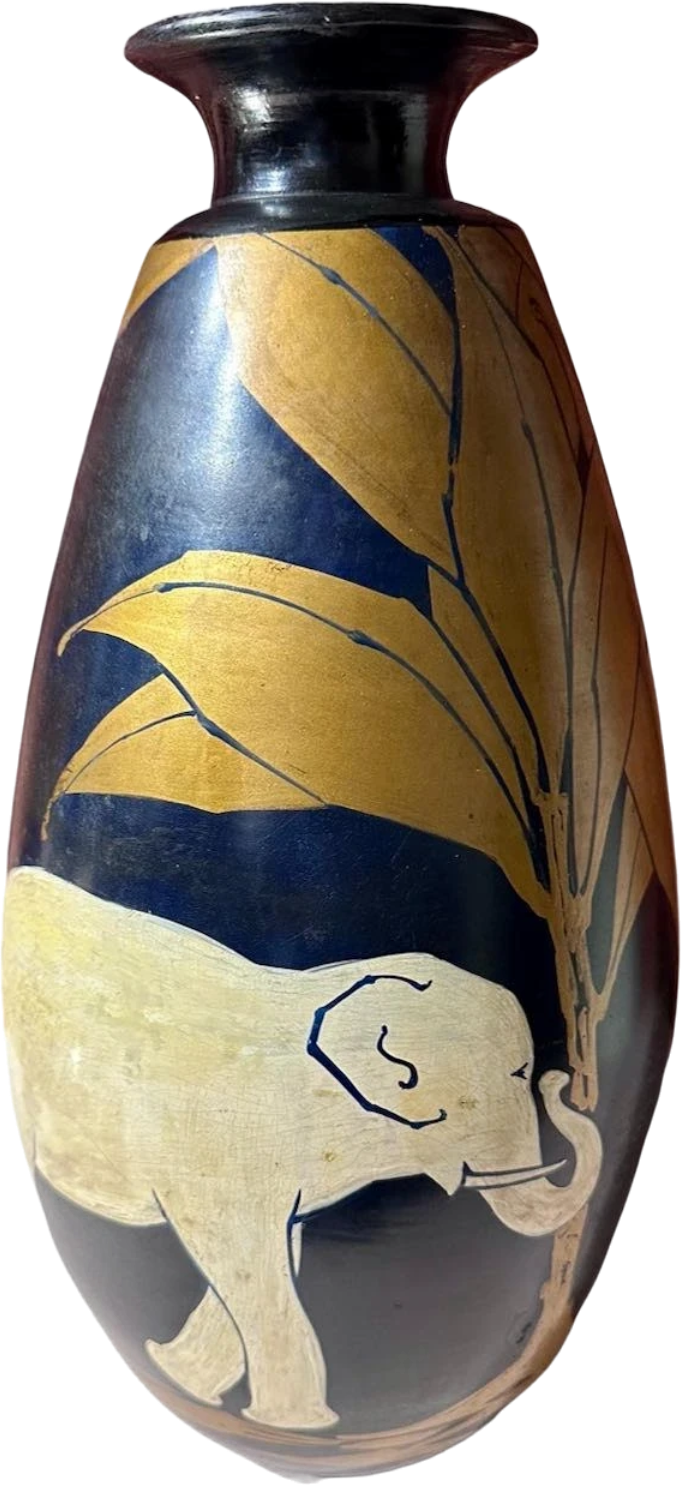
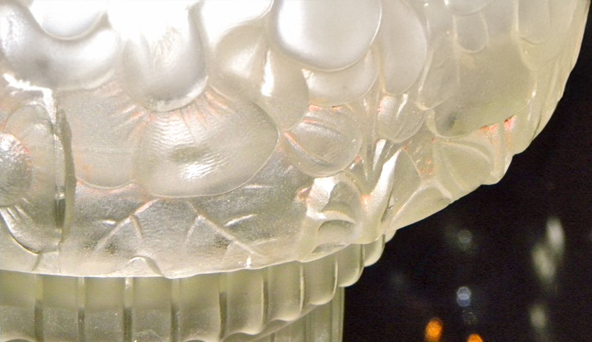
The 1925 Exposition Internationale des Arts Décoratifs et Industriels Modernes in Paris introduced this aesthetic to the world and established France as the epicenter of modern decorative arts. Bold geometric stylization, zigzags, stepped forms, radiant symmetry, appeared across furniture, sculpture, and fashion. The female form, a favorite motif of the time, was rendered in streamlined silhouettes inspired by the Ballets Russes and the Folies Bergère. At SFO, the “glass vases” and “ceramics” displays echoed that spirit of craftsmanship and modernity, showcasing pieces where light, color, and form converged into exquisite decorative balance. A separate “graphic style” case traced the typography and poster art that carried the movement’s visual language into print, advertising, and cinema.​

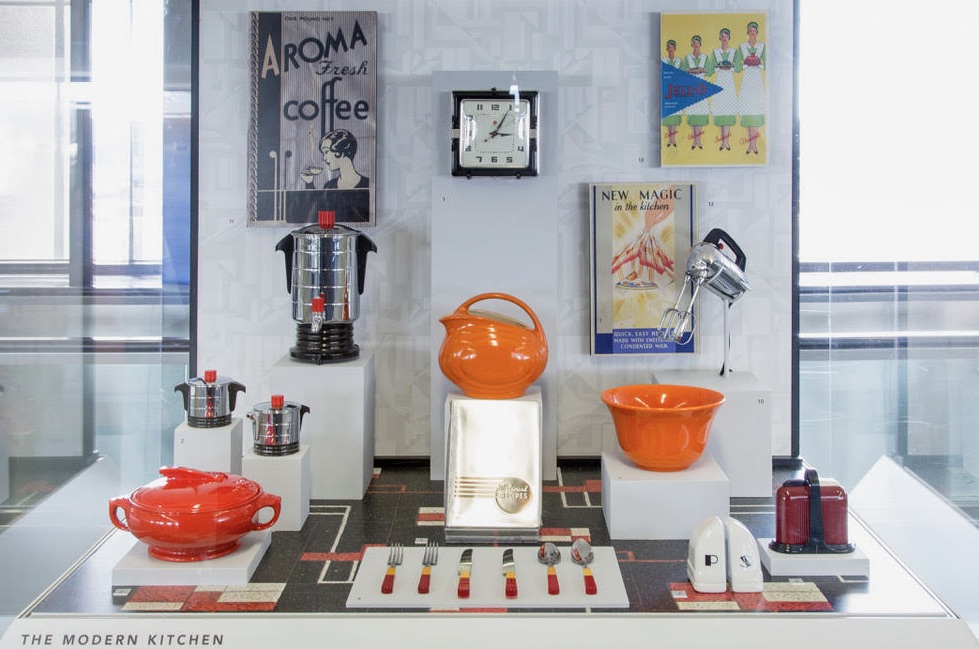
While France reigned in high style and luxury, the United States made Art Deco accessible to a wider audience through mass production. American designers embraced new materials such as Bakelite and chrome, applying clean curves and horizontal lines that suggested motion even in stillness. By 1939, the New York World’s Fair epitomized this vision of the future, sleek, industrial, and optimistic, echoed in SFO’s “streamlining” case, where toasters, radios, and small appliances bore the aerodynamic profiles of automobiles and trains. The “modern kitchen,” “coffee and tea,” and “Royal Rochester” cases expanded that domestic story, revealing how design entered daily ritual through gleaming surfaces and sculptural form.​

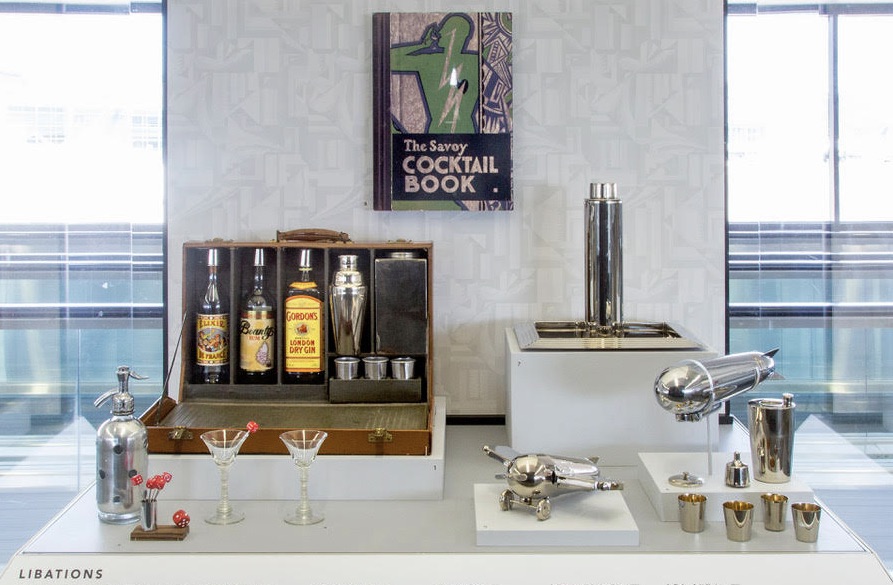
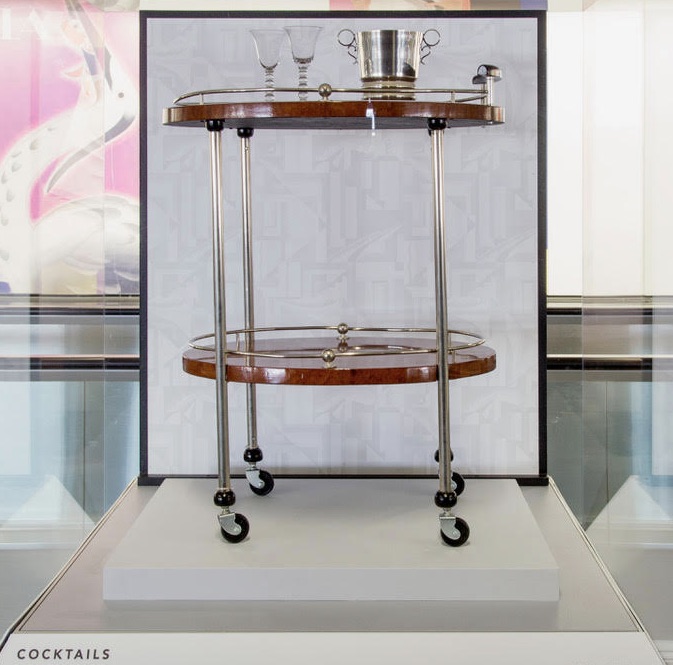
The exhibition also highlighted the social rituals and pleasures of the period. The “libations” and “cocktails” displays sparkled with chrome barware, crystal decanters, and airplane-shaped shakers, objects that captured the sophistication of an evening spent at an Art Deco bar. Nearby, the “magazines” case presented bold covers and stylized illustrations that chronicled the fashion, travel, and entertainment of the time. Together, these vignettes reminded visitors that design was not isolated in museums; it lived in the gestures of everyday elegance.

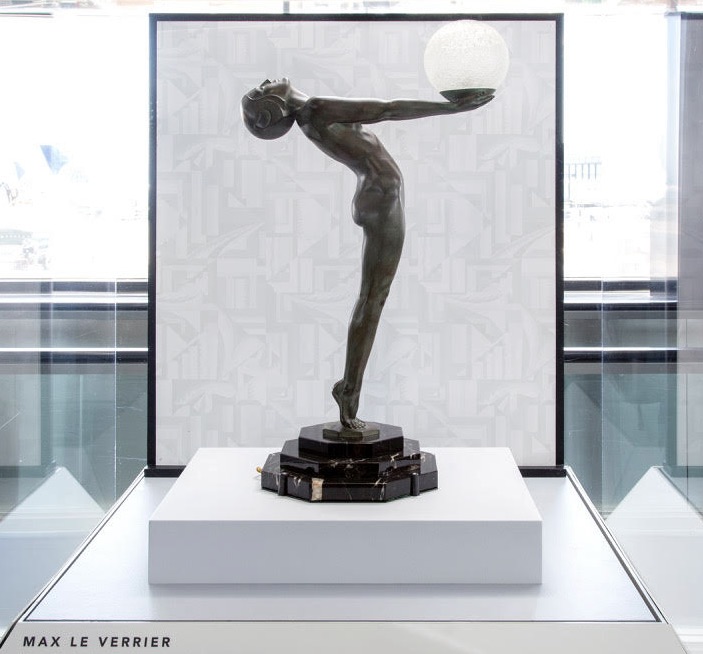
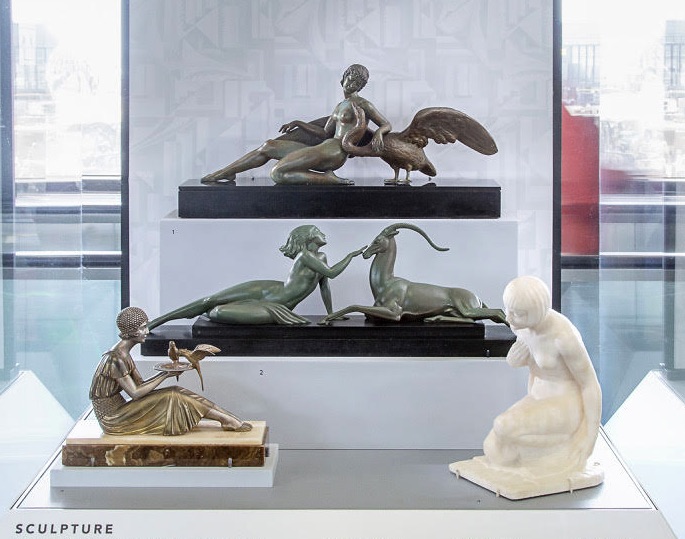
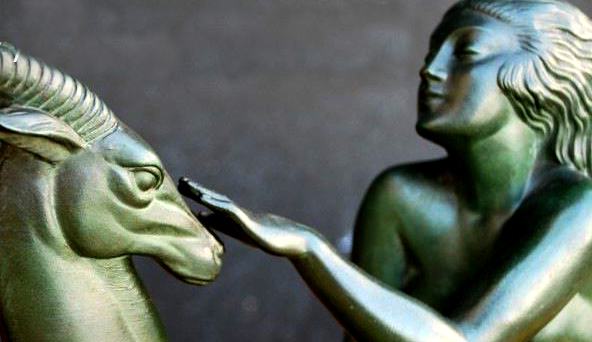
Among the most striking displays was the case devoted to sculpture, featuring works by renowned artists such as Max Le Verrier. Bronze figures, poised in motion, captured the balance between idealized form and mechanical precision that defined the Art Deco spirit. Through these works, the exhibition connected fine art to the broader cultural landscape; the same sense of rhythm and poise echoed in fashion, dance, and even automobile design.

Art Deco Sculpture, the Hallmark of Artistic Creation

The onset of World War II shifted global priorities, ushering in a more restrained approach to design. Mid-Century Modernism would soon eclipse the ornamental glamour of Art Deco. Yet the SFO exhibition demonstrated that its allure remains timeless. Life and Style in the Age of Art Deco presented both high style and everyday objects, from sleek radios to mirrored compacts and travel accessories, each revealing how the movement elevated modern living. Visitors encountered not a relic of the past but a vibrant reminder that Art Deco was, and still is, a language of progress, optimism, and grace.

Now, a full century later, the same harmony between luxury and technology that defined the Art Deco age continues to inspire designers, collectors, and dreamers around the world. Whether in architecture, home décor, fashion, or transportation, echoes of those geometric lines, polished metals, and stylized ornament reappear with renewed vitality. The exhibition at SFO Museum, with objects, events, and support from ArtDecoCollection, honored that enduring legacy, proof that while our materials and tools evolve, the desire for beauty born from precision remains unchanged.

To learn more about this exhibition, visit the original feature from the SFO Museum.

Click the image below to view their post.

If you are interested in further stories of Art Deco design, collecting, and celebrating the artistry of early 20th Century:

Golden Art Deco geometric emblem with the text 'Art Deco Collection' on a black background

Related Products from ArtDecoCollection.com

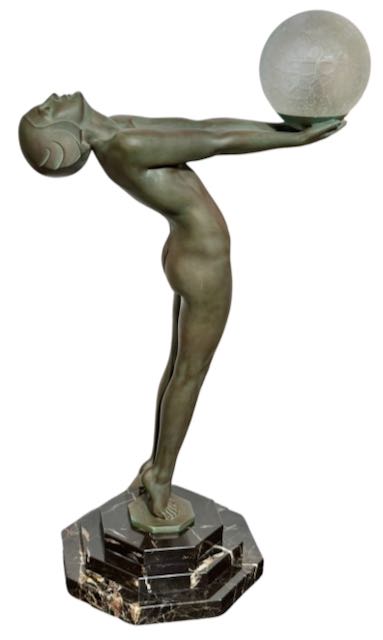
Art Deco Light Statue by Max Le Verrier Iconic Clarte Large Rare Vintage Model
Art Deco Light Statue by Max Le Verrier called Clarte. Signed and original, this rare statue was designed in 1928 by the famous French artist...
Item #3762
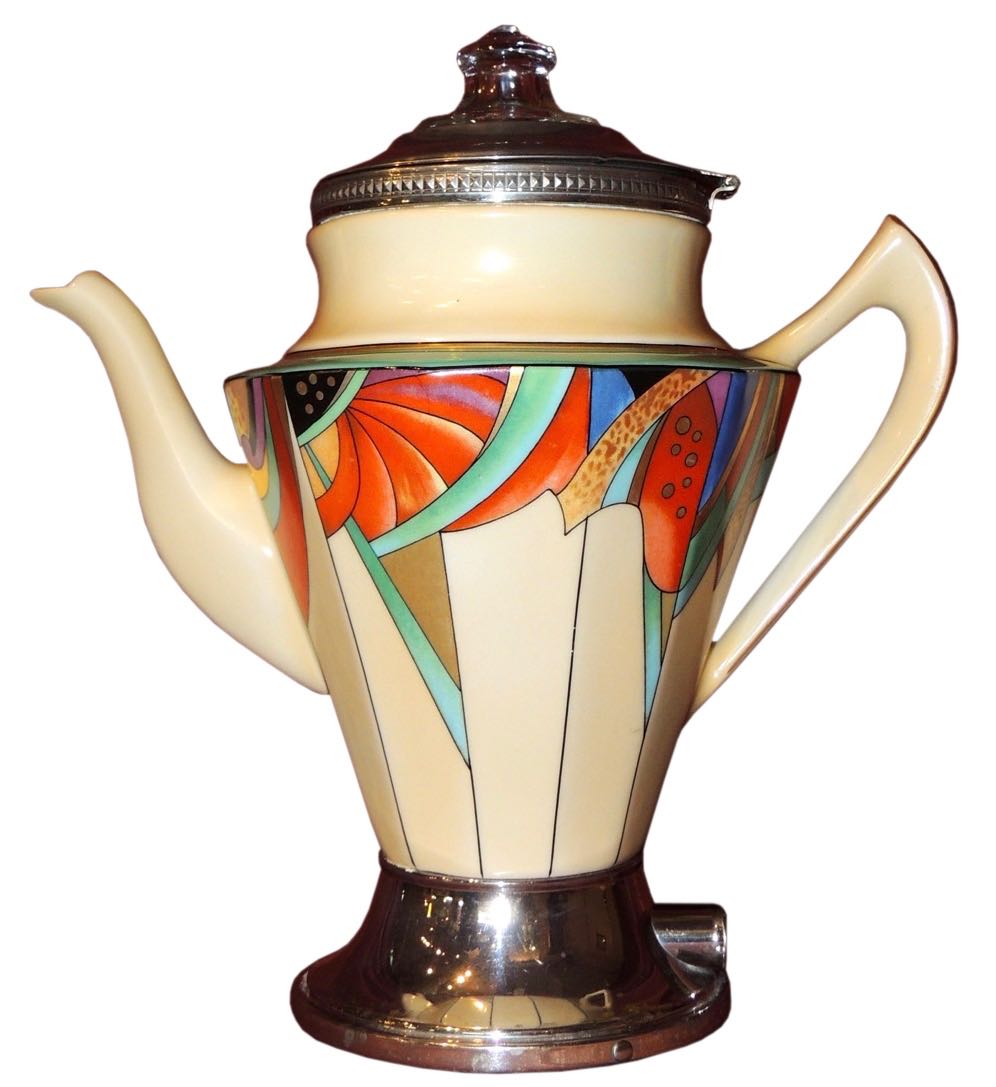
Modernistic Art Deco Coffee Pot by Royal Rochester
Elegant and jazzy hand painted art deco Coffee Pot in the Modernistic Pattern by Royal Rochester . This piece is so sought after, so coveted...
Item #2255
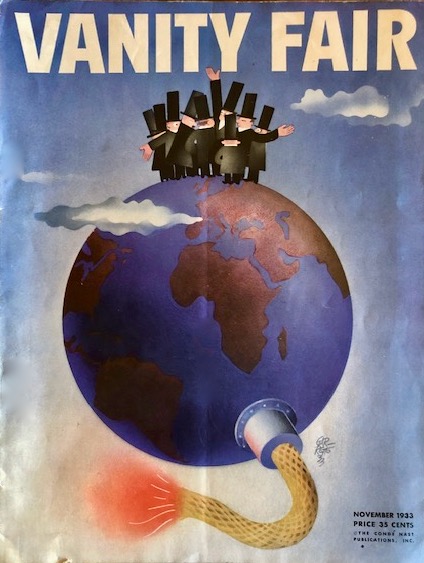
Vanity Fair Magazine, November 1933
Vanity Fair Magazine, November 1933 This issue of Vanity Fair features a striking cover by the Italian illustrator Garetto, depicting a group of top-hatted men...
Item #2964
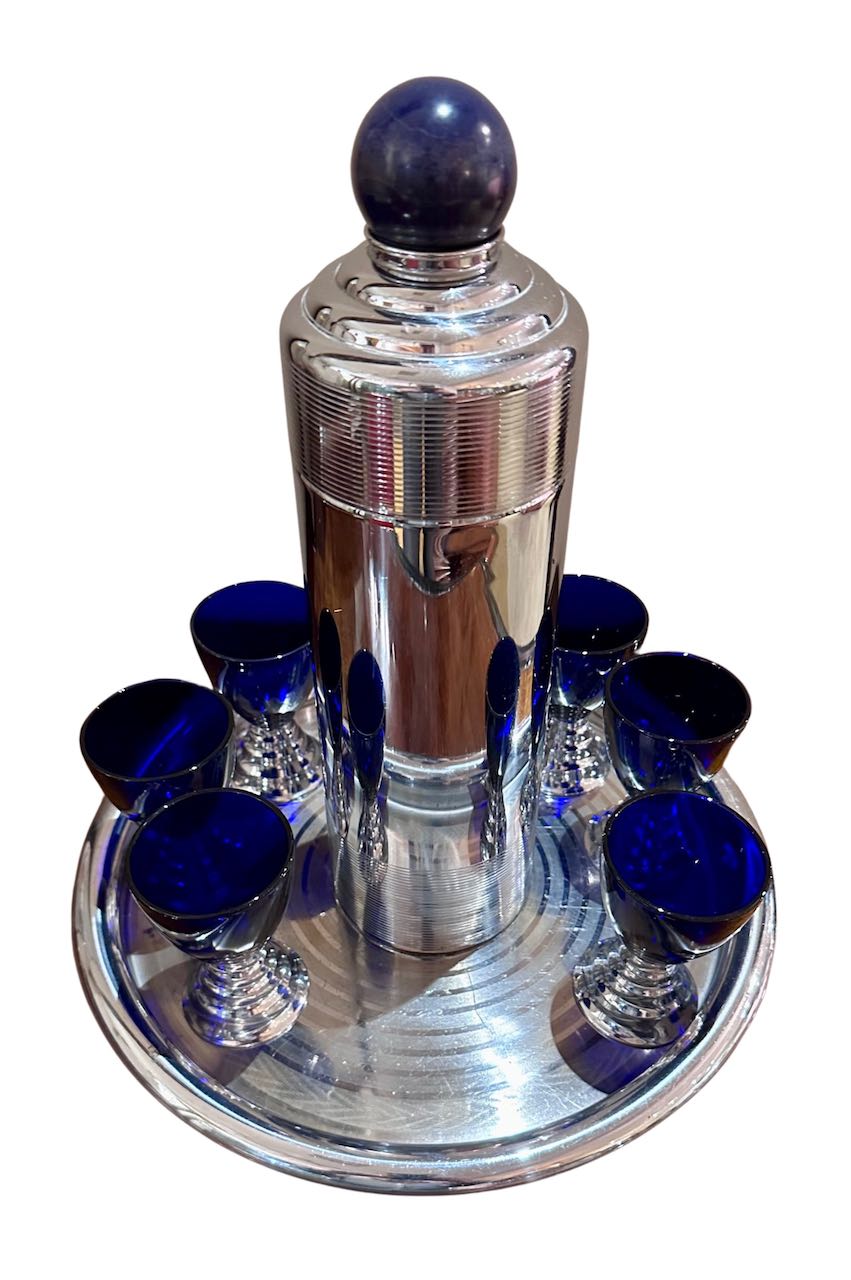
Chase Blue Moon Cocktail Set 8 Piece Art Deco
Chase Blue Moon Cocktail Set 8 Piece Art Deco. Removable deep cobalt colored Catalin jigger top. An integral strainer in the top cap. Nice cobalt/chrome cups....
Item #3565
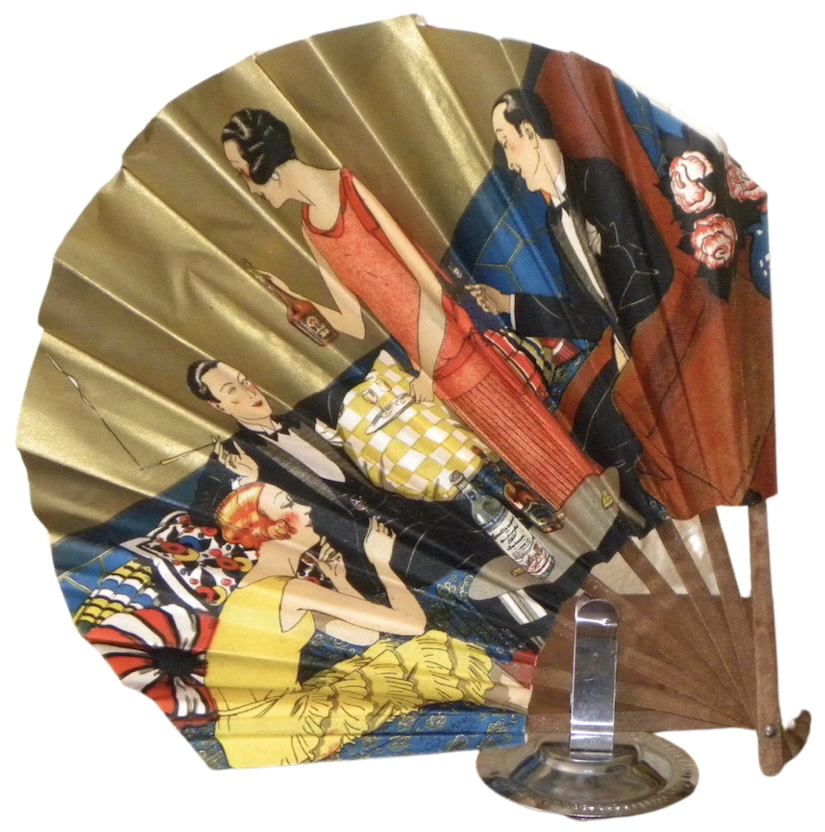
Art Deco French Paper Advertising Fan for Marie Brizard
Art Deco French Paper Advertising Fan for Marie Brizard Liquor.  This lavishly illustrated piece from 1925 is original, and never used so its in remarkable...
Item #3158
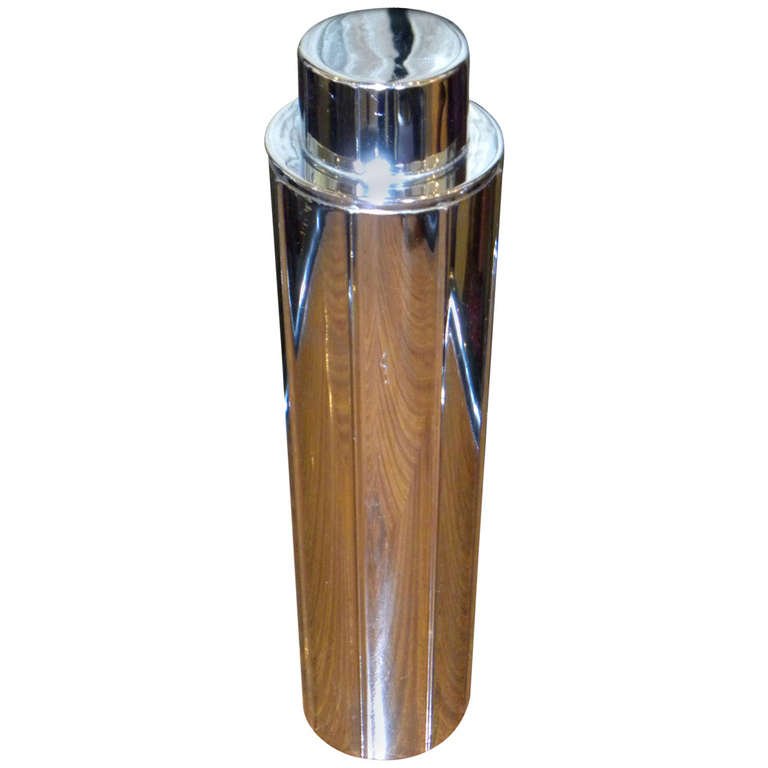
Vintage Manhattan Skyscraper Cocktail Shaker Norman Bel Geddes
One of the most collectible Art Deco cocktail shakers. Norman Bel Geddes Manhatton design, dedicated to interpreting New York City’s skyline.  The “Manhattan” cocktail shaker...
Item #1830
© Copyright Art Deco Collection. 2026 All rights reserved. Site Map