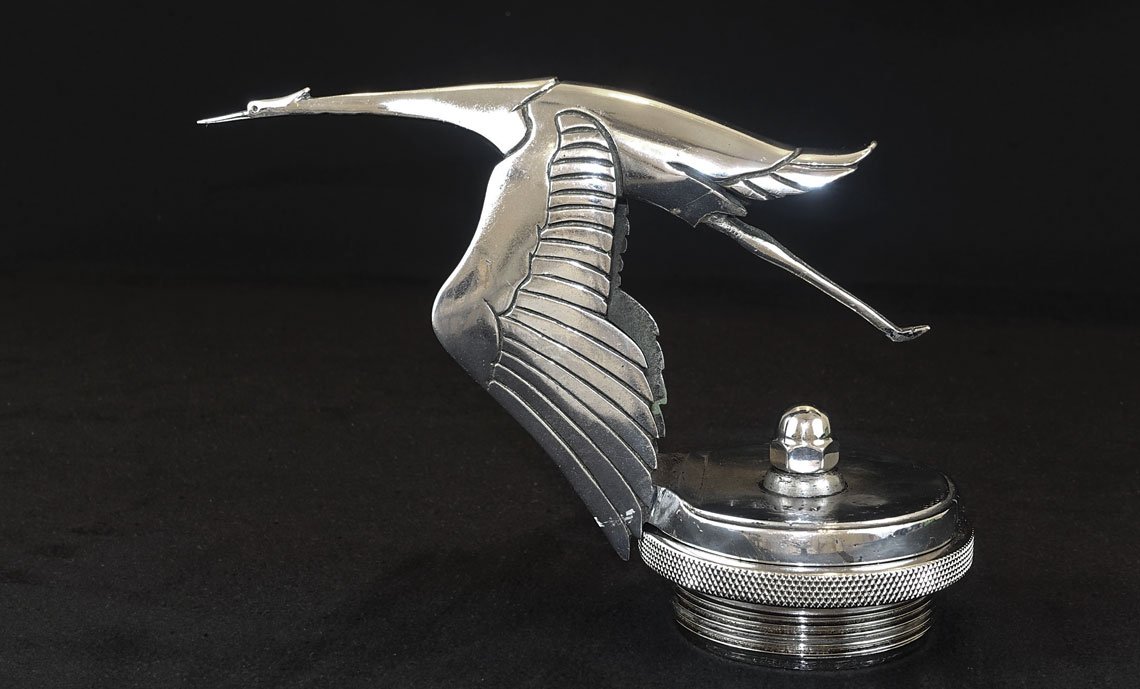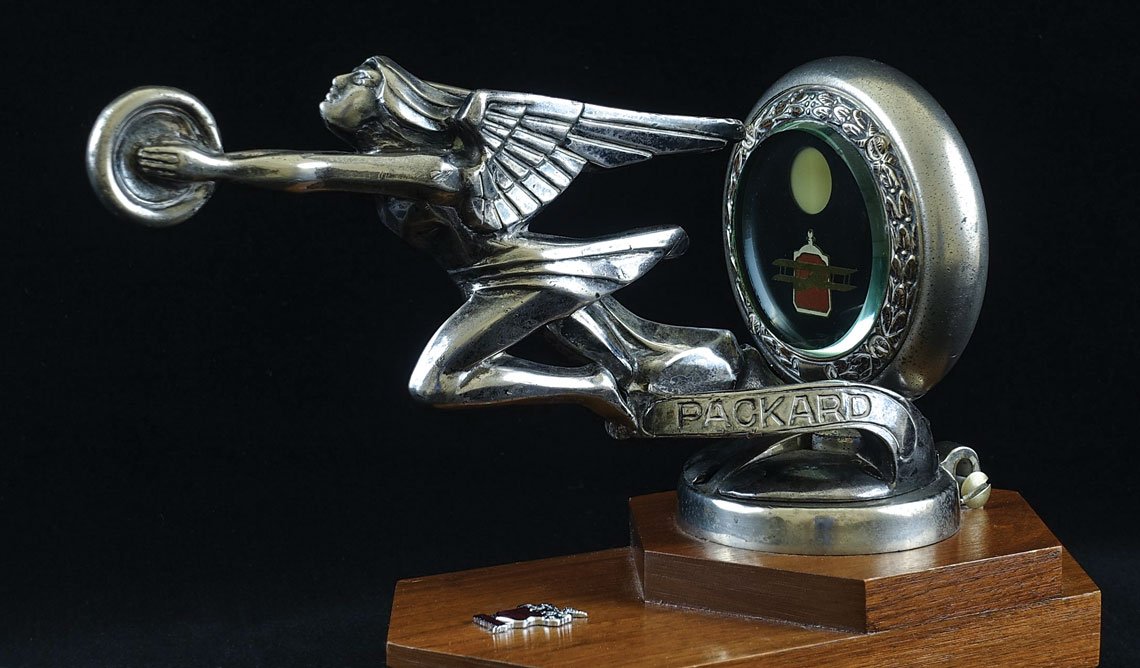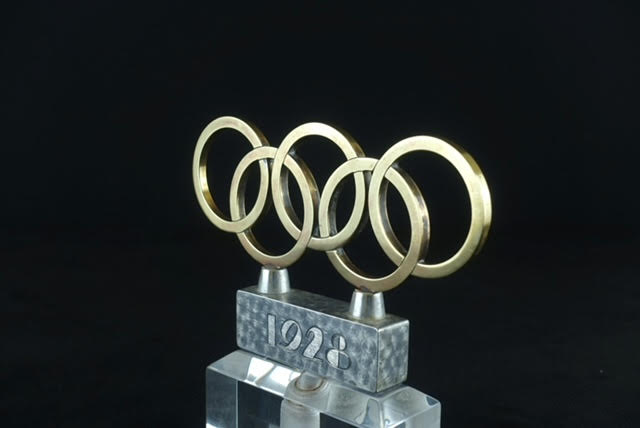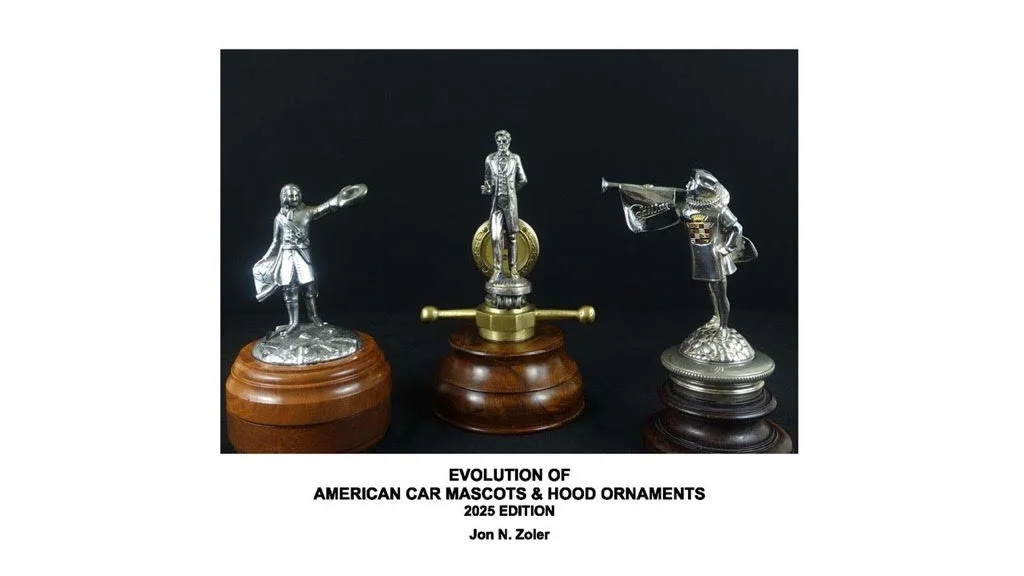

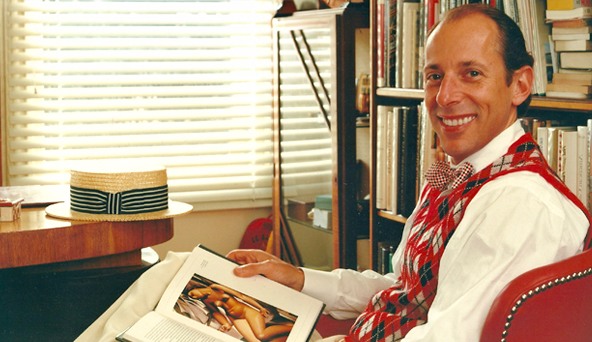

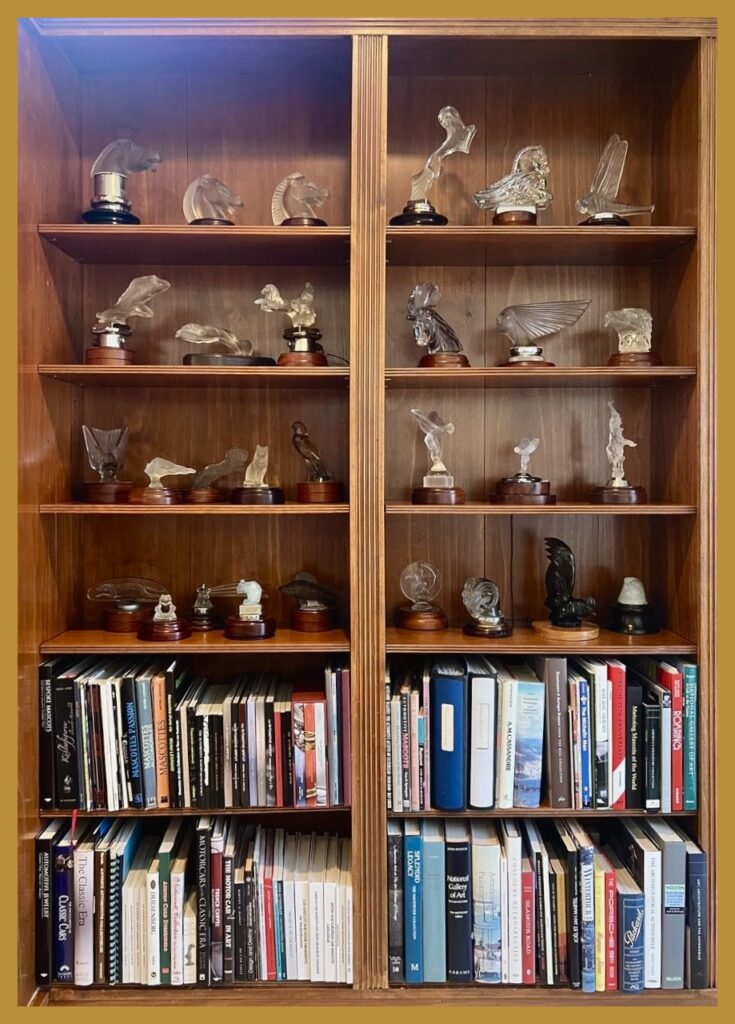
Jon Zoler has assembled what is regarded as the world’s most complete collection of car mascots and hood ornaments. During the Art Deco era of the 1920s and 1940s, the car mascot, or hood ornament, reached its golden age. Virtually every automobile of distinction carried a sculptural emblem that announced its maker and reflected the aesthetic ambitions of its owner.
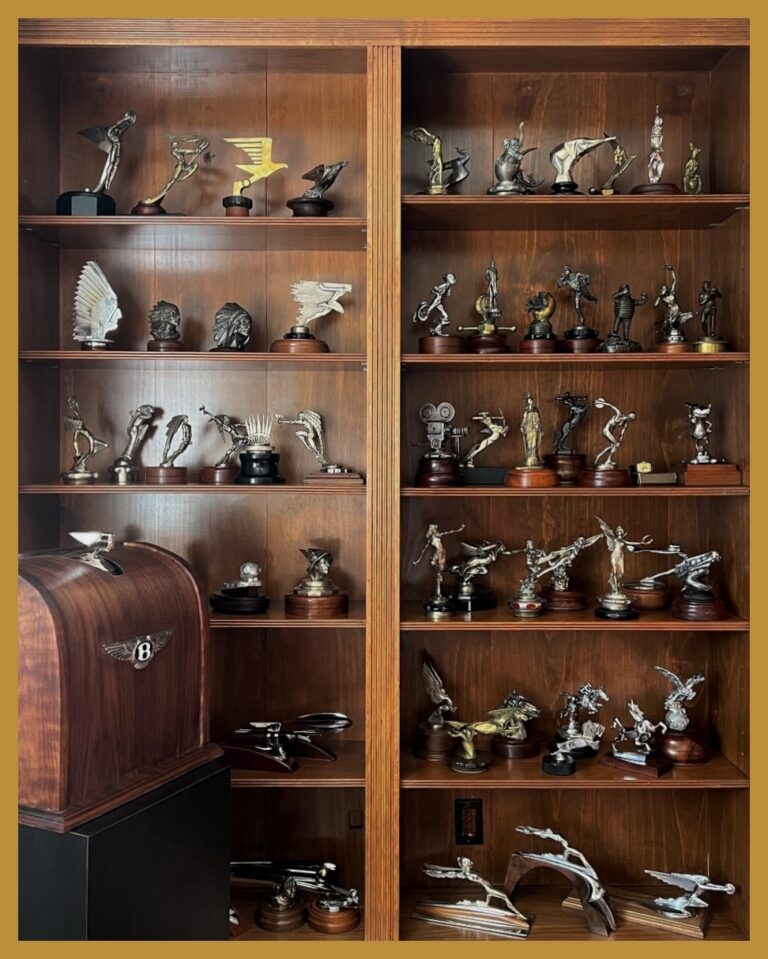


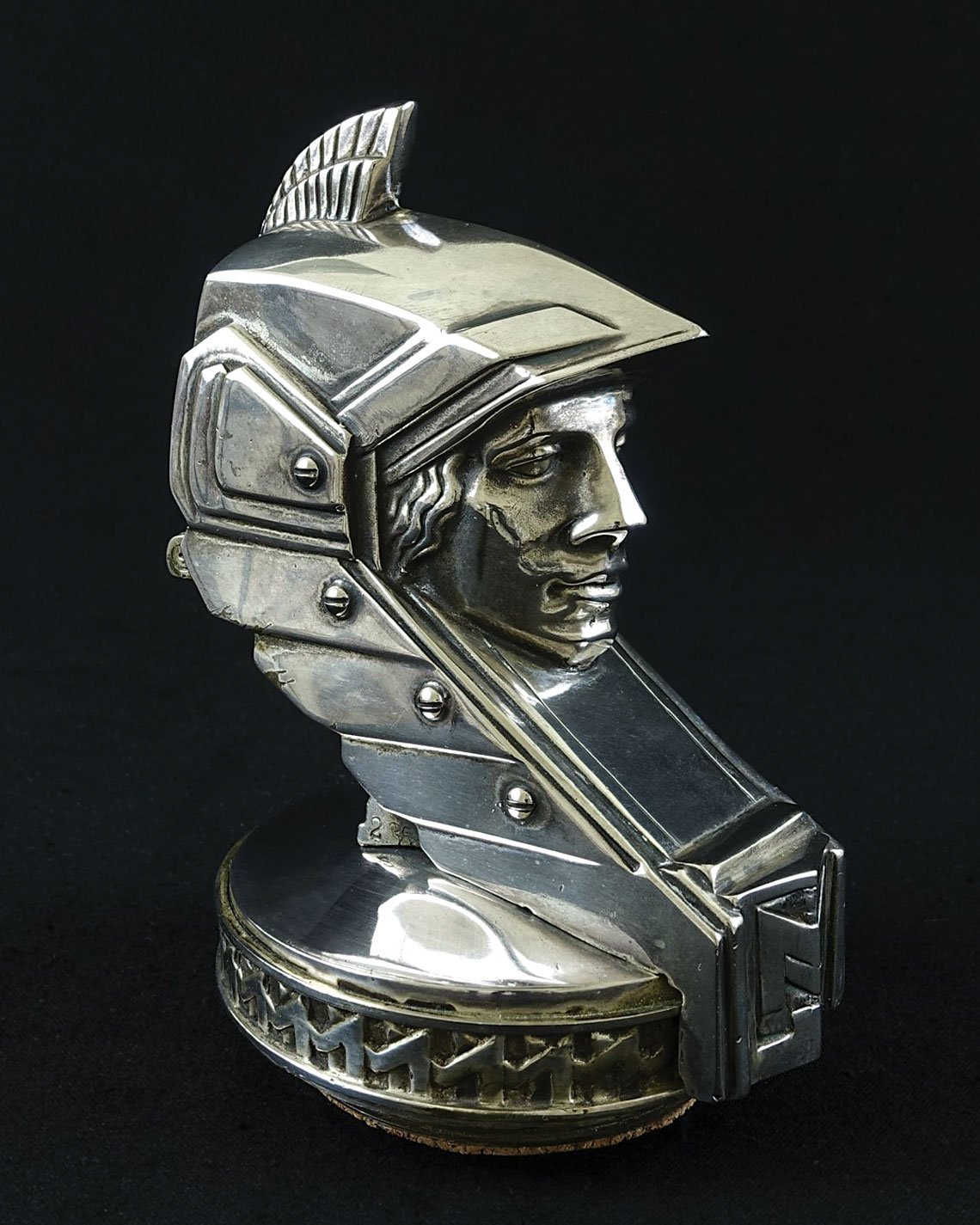
Left: Indian with Yellow Lucite Head, creator unknown, Pontiac (American), 1953. Chrome-plated zinc with illuminated Lucite head. This ornament, produced at the height of Pontiac’s Art Deco influence, honors Chief Pontiac and symbolizes power, unity, and speed. Right: Minerva, by Pierre de Soete for Minerva (Belgium), ca. 1929. Silver-plated bronze. Designed for the Model 40 CV limousine, this regal figure embodies wisdom and refinement in high Art Deco form.
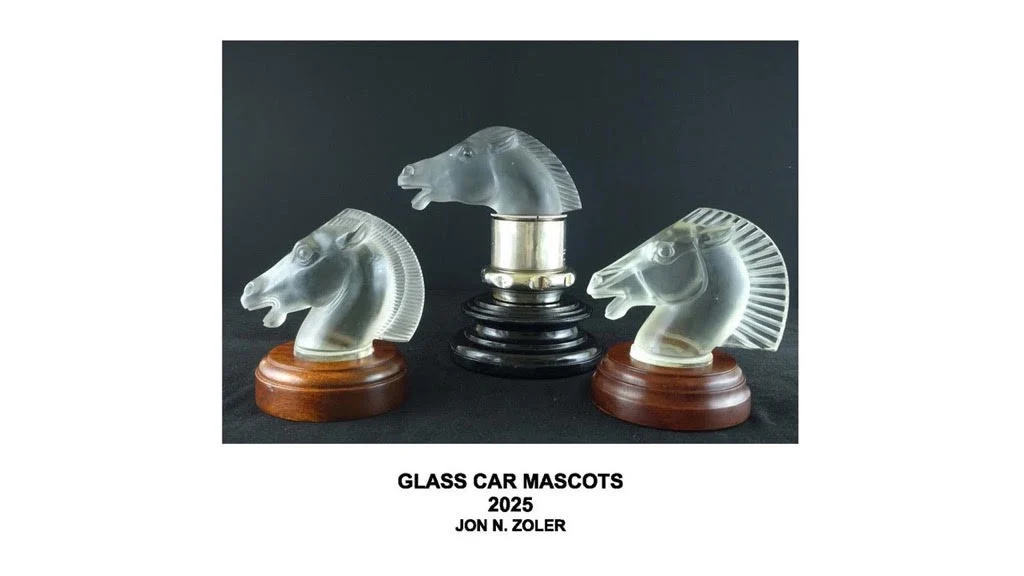
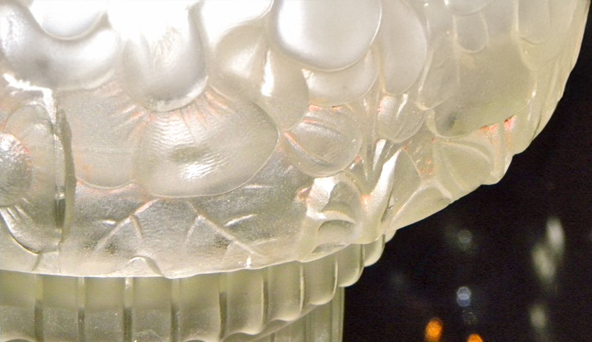
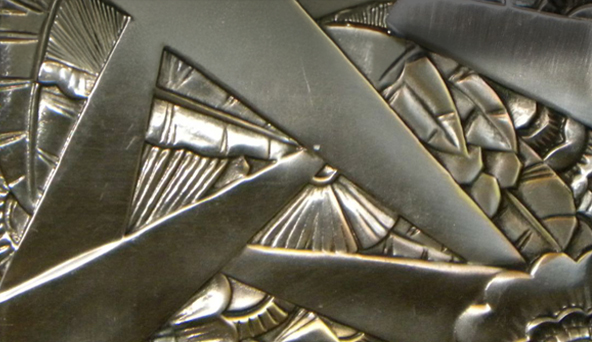
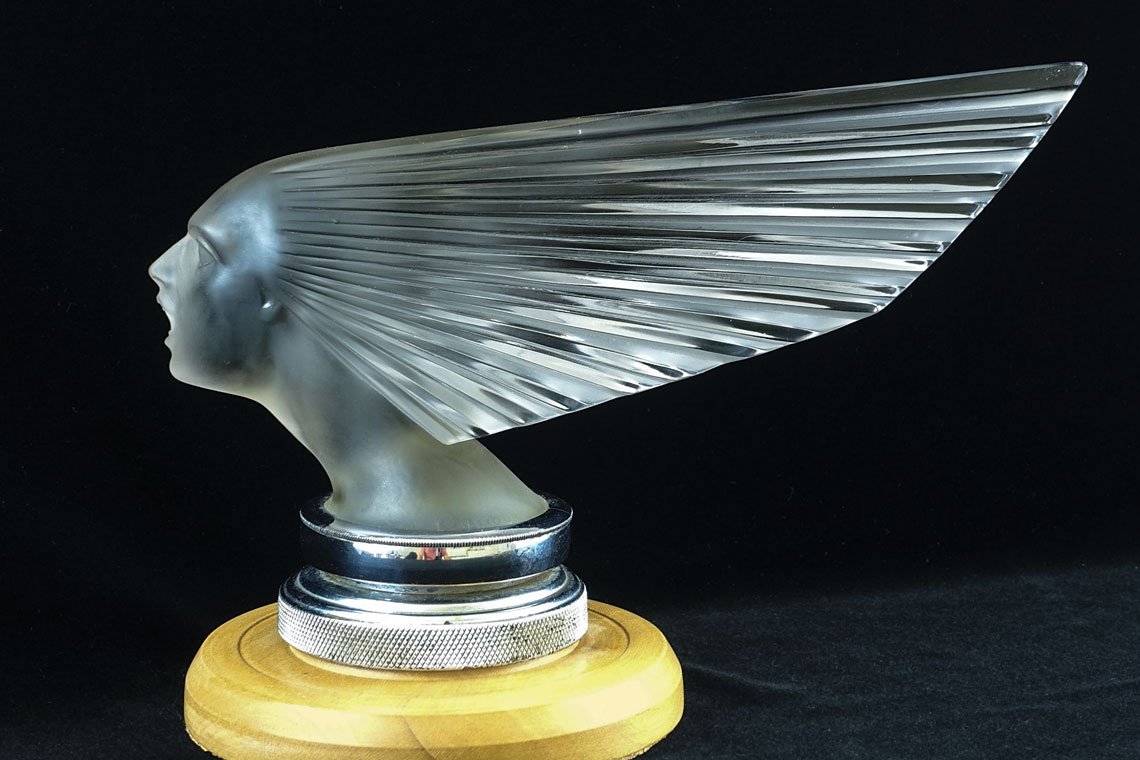
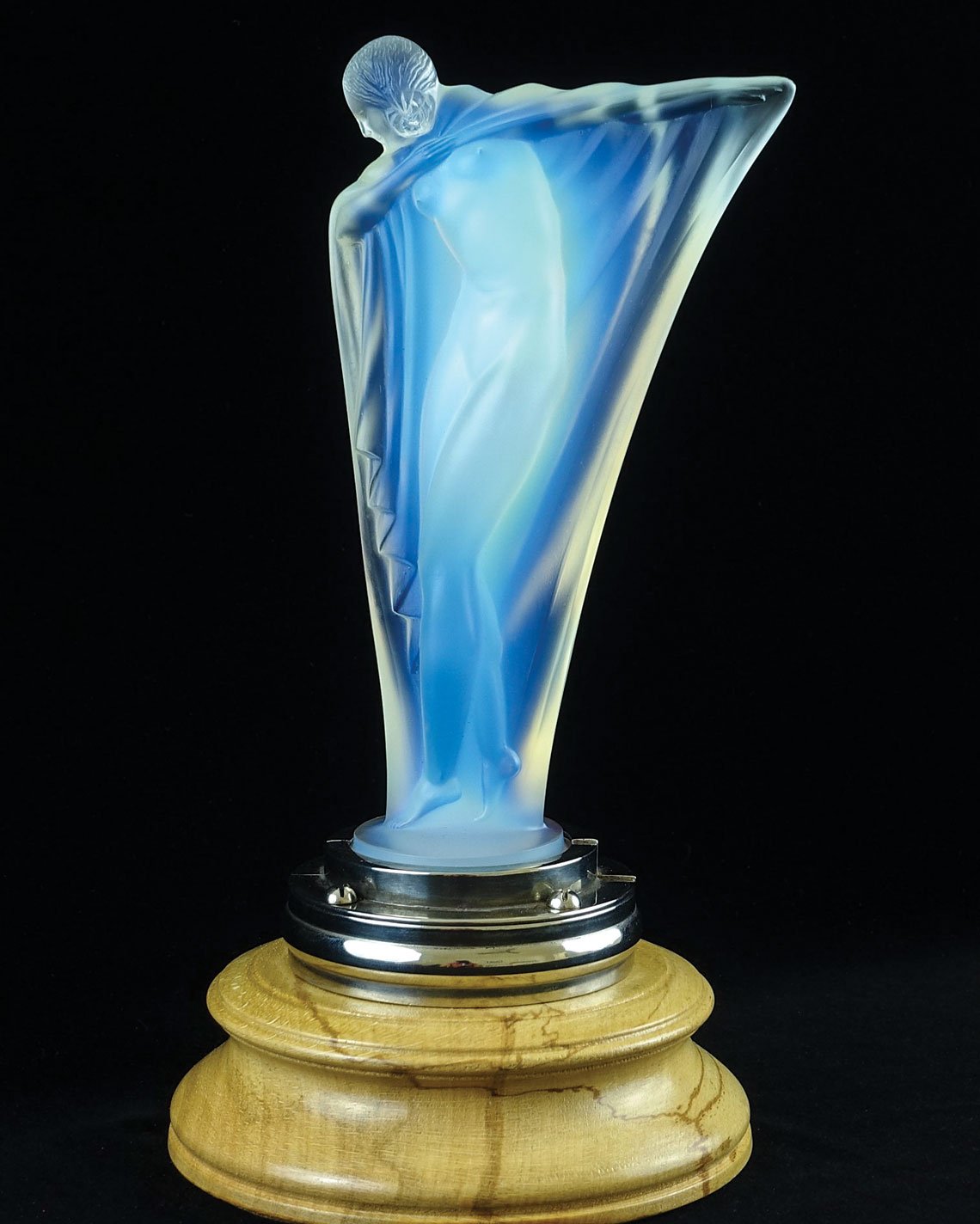
The artistry and craftsmanship of these mascots varied widely. Most were cast in metal using the die-casting process, molten zinc alloys forced under pressure into intricate molds, but the finest examples were created through the cire-perdue or lost-wax method, the same technique used for fine bronze sculpture. These pieces, often plated with nickel, silver, or chrome, displayed remarkable detail and sculptural finesse. A few manufacturers turned to glass, producing ethereal mascots that glowed in the light of passing headlights. René Lalique’s glass mascots, made in France, remain the most celebrated of all, blending the luxury of automotive design with the artistry of fine glassmaking.