

Mackintosh died in 1928, just as Art Deco was reaching the height of its influence across Europe and America, and he never got to see how closely his own late work had anticipated it. What he left behind at Derngate remains a rare, tangible hinge point between two design languages that are rarely mentioned in the same sentence, proof that the geometry of the Jazz Age had already been quietly rehearsed, a few years early, behind an ordinary front door in the English Midlands.
✕
ART & STATUES
CERAMICS & GLASS
Art Deco Around The World
The Glasgow School, Mackintosh's Path Toward Art Deco
How Charles Rennie Mackintosh’s late work bent from Art Nouveau curves toward the geometry that would define the Jazz Age

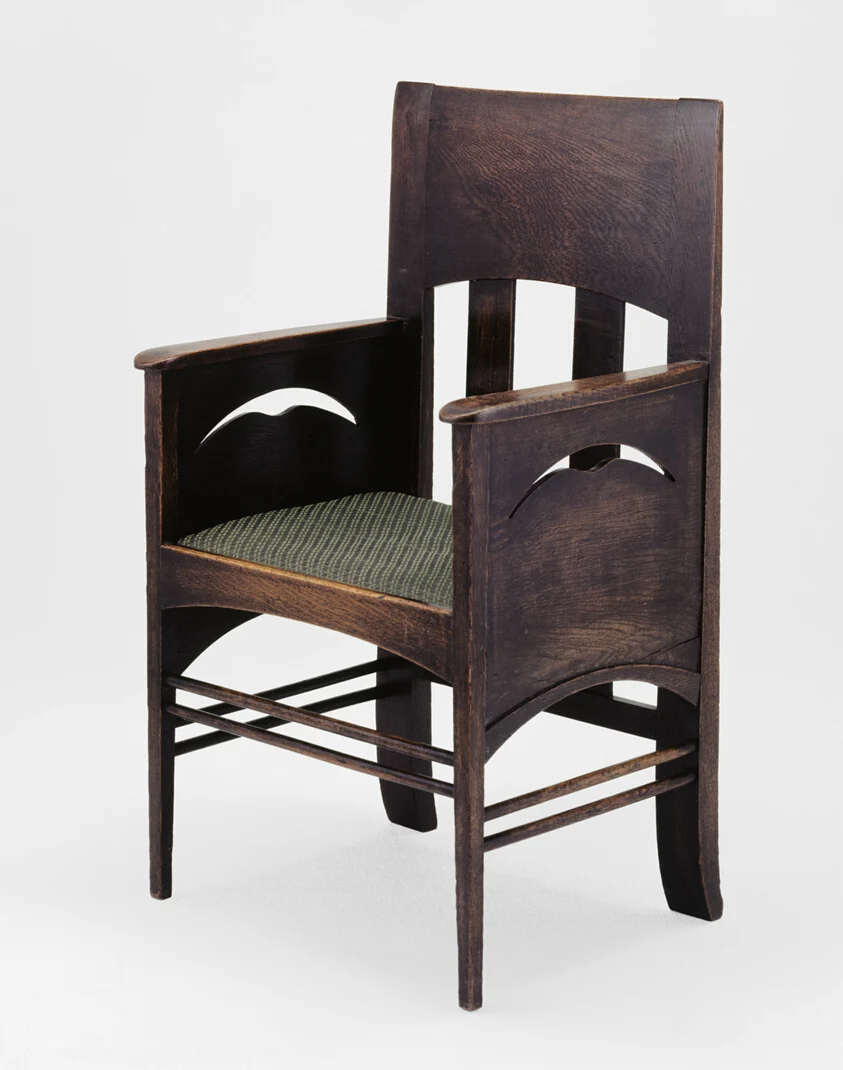
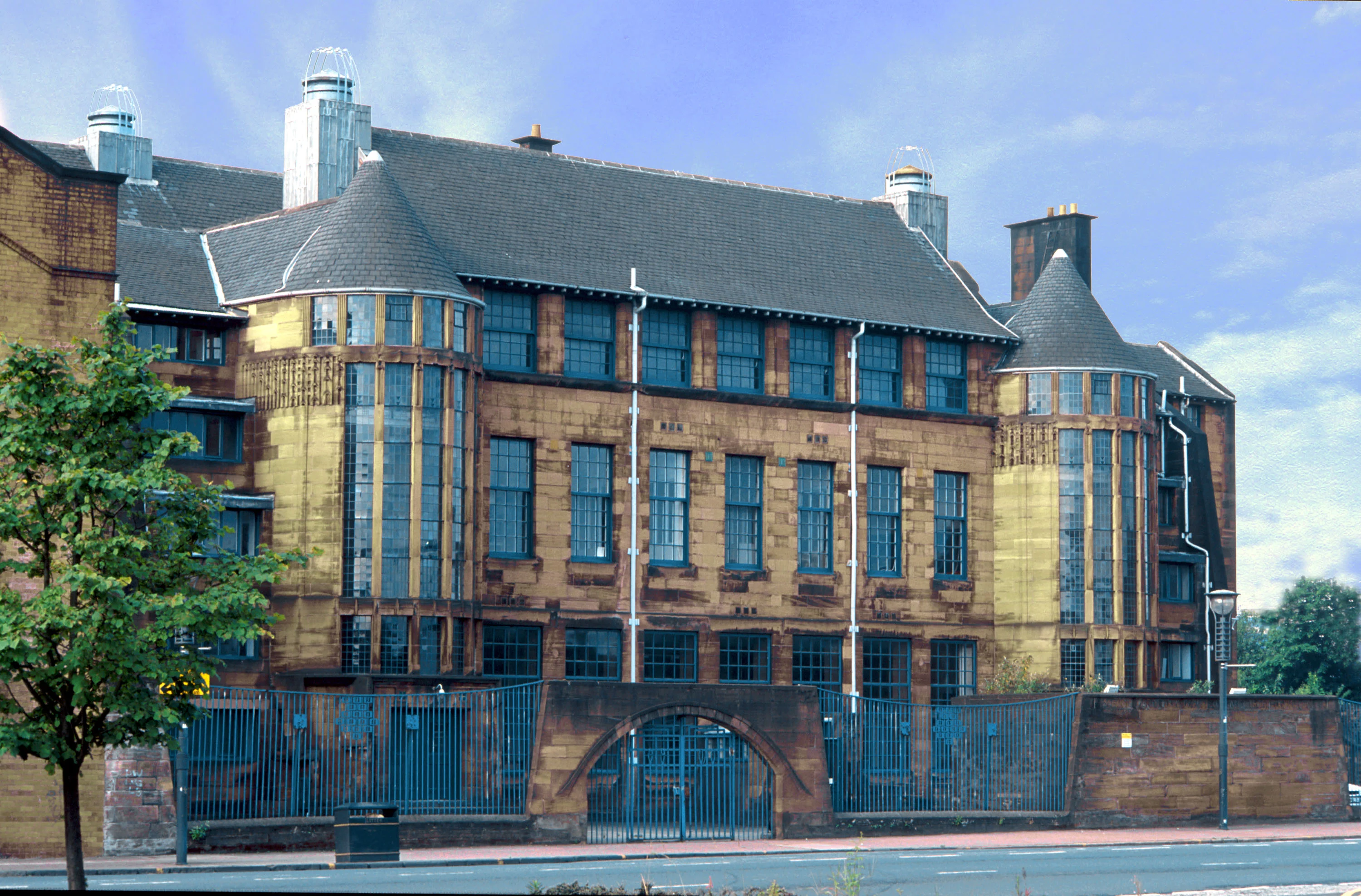
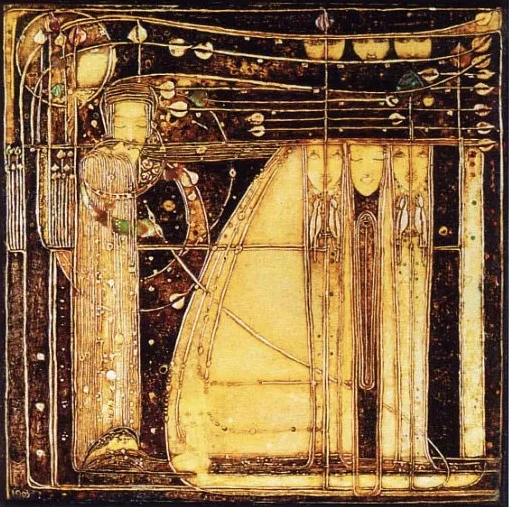
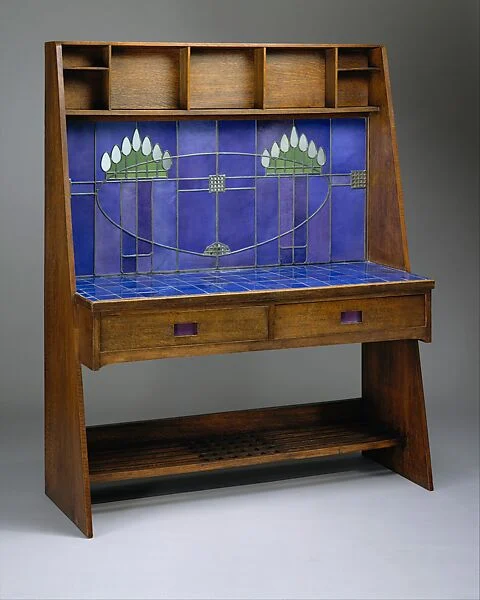
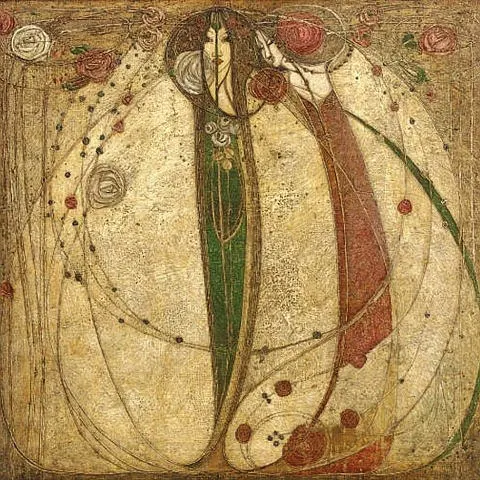
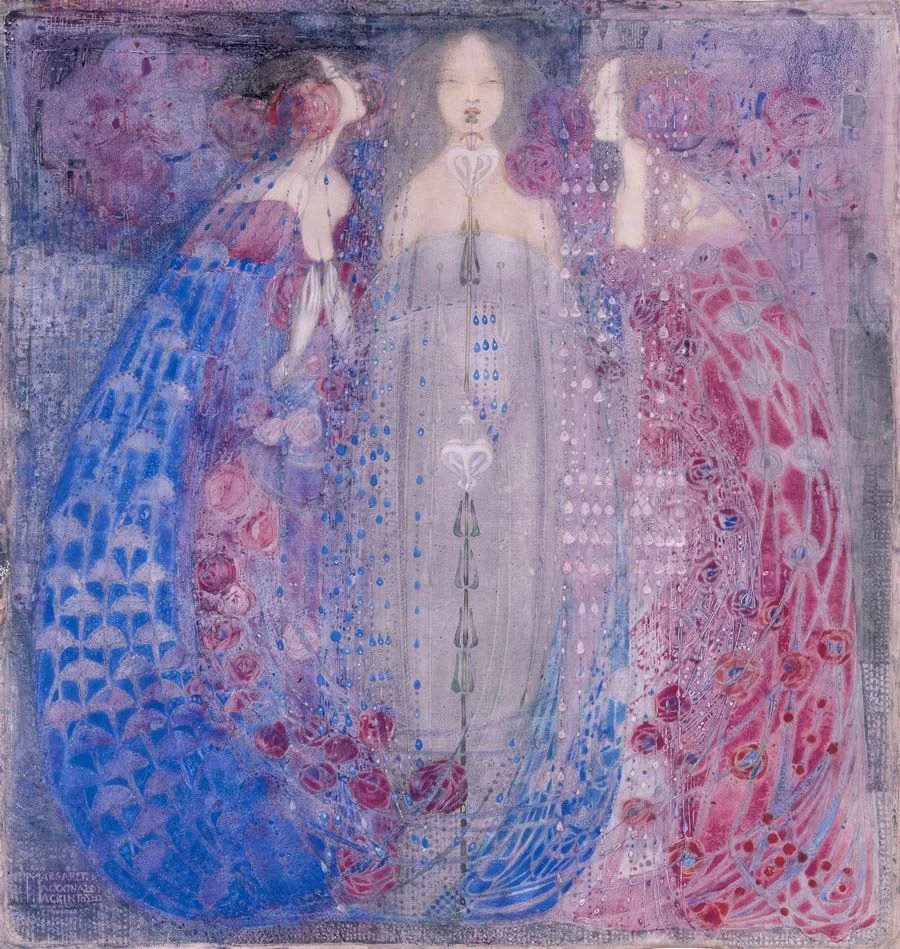
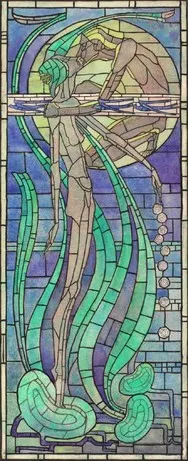
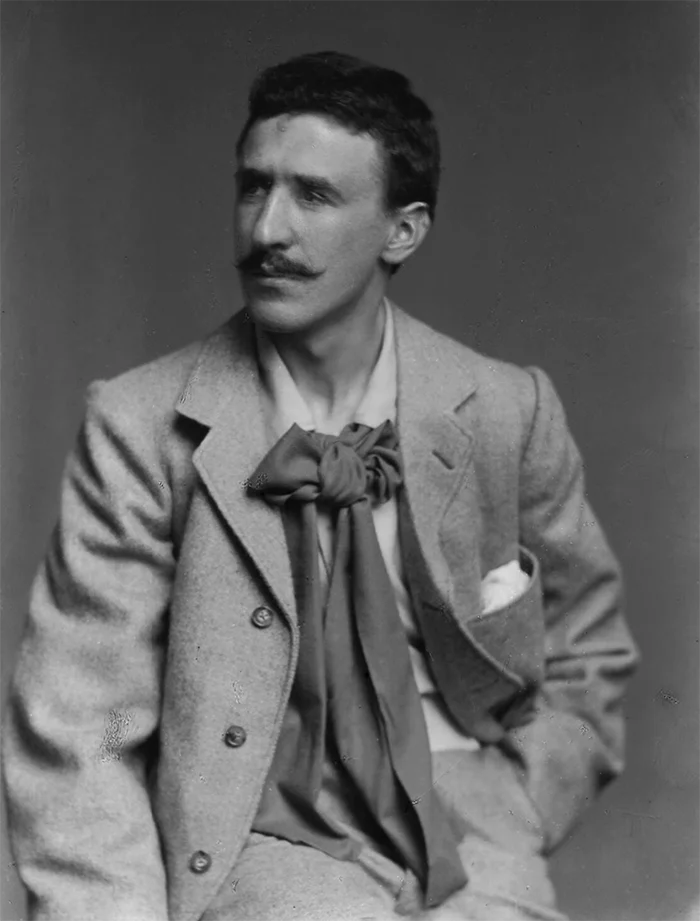 What historians call the Glasgow Style, and just as often the Glasgow School after the art academy where it took shape, is not, by any conventional classification, an Art Deco movement. It emerged in Scotland in the 1890s as Britain’s own distinctive answer to Art Nouveau, built by Charles Rennie Mackintosh alongside his wife Margaret Macdonald, her sister Frances, and Frances’s husband James Herbert McNair, a group known simply as The Four. Their early work, developed at the Glasgow School of Art starting in 1892, combined Arts and Crafts sensibility, Celtic Revival ornament, and Japanese influence into something new, all elongated forms, stylized roses, and flowing lines that predate Deco’s geometry by a full generation. For most of Mackintosh’s career, that is where the story would end, a brilliant but separate chapter in design history that closed before the Jazz Age even began.
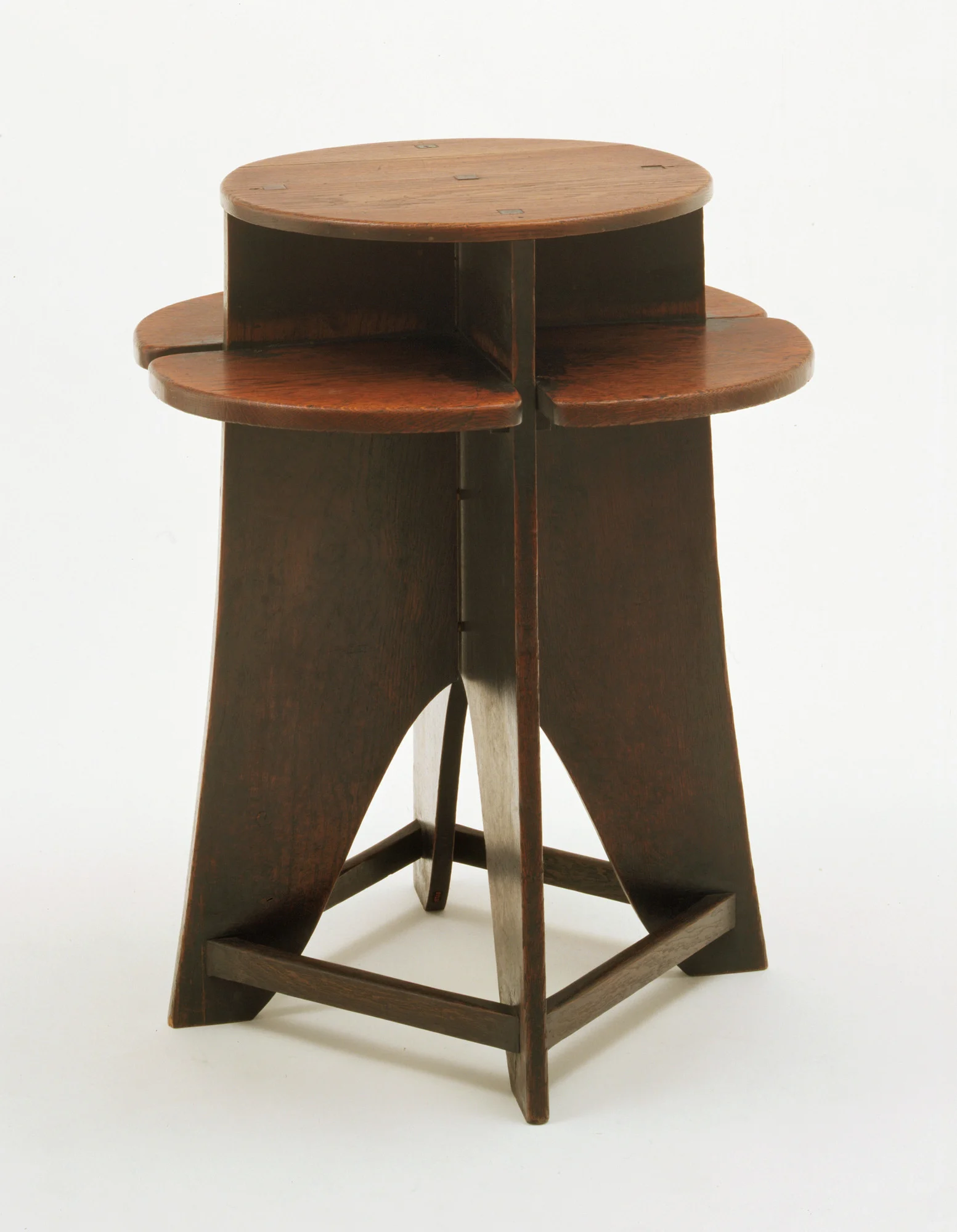
But Mackintosh kept working past the movement he had founded, and his later commissions bent in a direction nobody would have predicted from his early tea rooms and high-backed chairs. A trip to Vienna exposed him to the Vienna Secession, whose square motifs and increasingly abstract geometry began working their way into his furniture, sharpening the organic curves of his early Glasgow work into something tighter and more architectural. Curators who have studied his full career describe this late period plainly, one Glasgow Museums exhibition catalog calling his interiors from this era boldly geometric work that anticipated the rhythm of Art Deco itself, a movement that would not fully arrive in Britain for another decade.

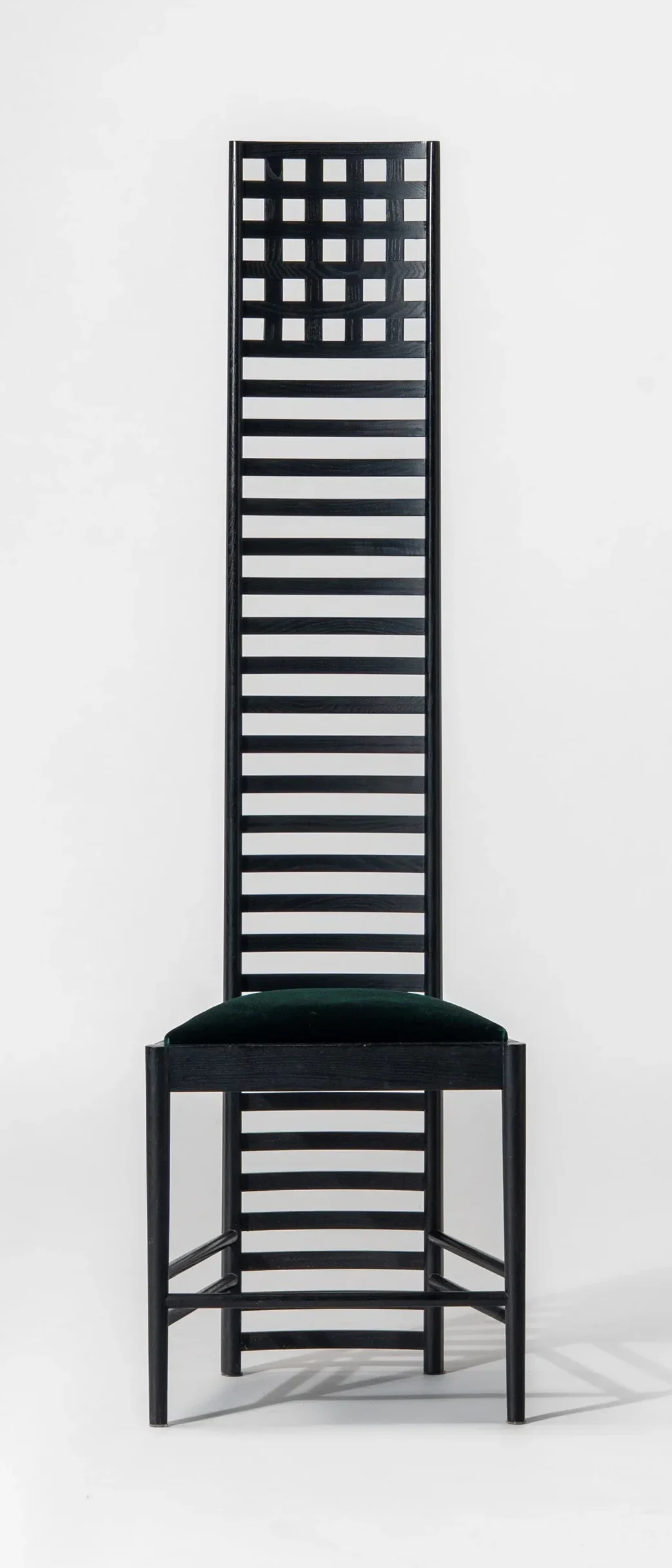
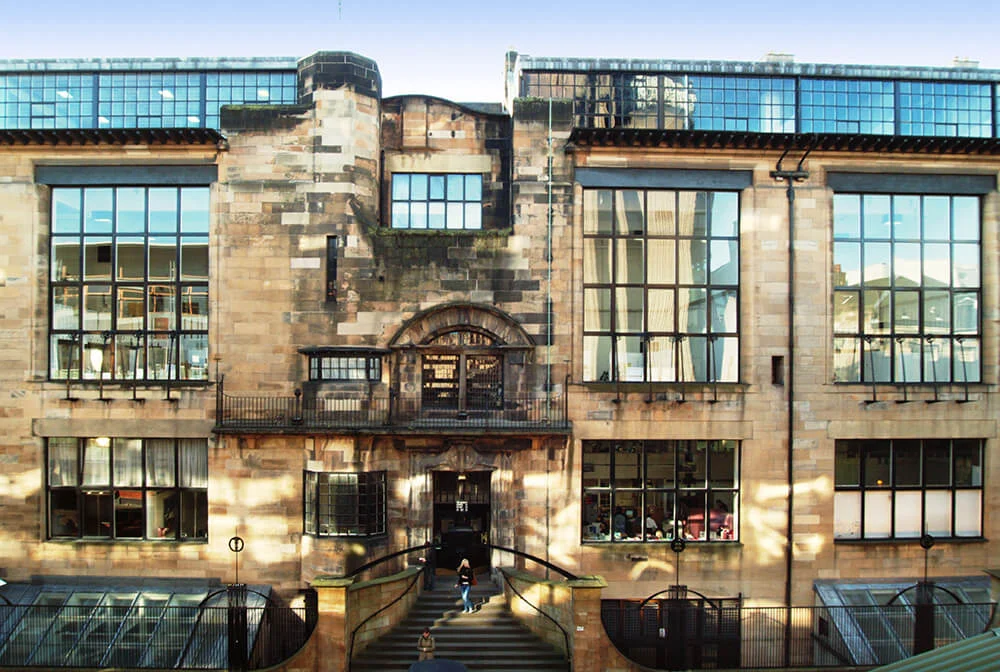
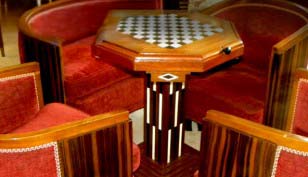
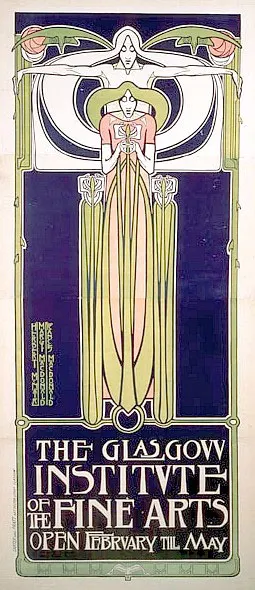 That shift reached its fullest expression at 78 Derngate, a modest terraced house in Northampton, England, remodeled by Mackintosh in 1916 and 1917 for engineer W. J. Bassett-Lowke. It was Mackintosh’s final major commission and the only house he ever designed in England, and its interior looks almost nothing like the work that made him famous in Glasgow. The white-and-organic Art Nouveau of his early career vanished entirely, replaced by a lounge-hall painted dull black from floor to ceiling, its walls divided by crisp white stencilled stripes and topped with a bold, colorful geometric frieze. The bedroom and bathroom continued in the same vocabulary, sharp lines and confident color blocking standing in for the willow branches and stylized roses of a decade earlier.
The house has since become the single most cited example of the Glasgow School’s connection to what followed. Wikipedia’s own entry on the property states the case directly, describing Mackintosh’s designs for 78 Derngate as one of the first examples of the Art Deco style to appear anywhere in Britain, and visitors touring the restored house today routinely describe the lounge-hall’s stencilwork and geometric screen as carrying unmistakable shades of the style that would soon sweep across Europe and America. Mackintosh himself never fully made the leap. He left architecture altogether not long after Derngate was finished, spending his final years painting watercolors in the south of France rather than chasing the movement his late work had helped point toward.

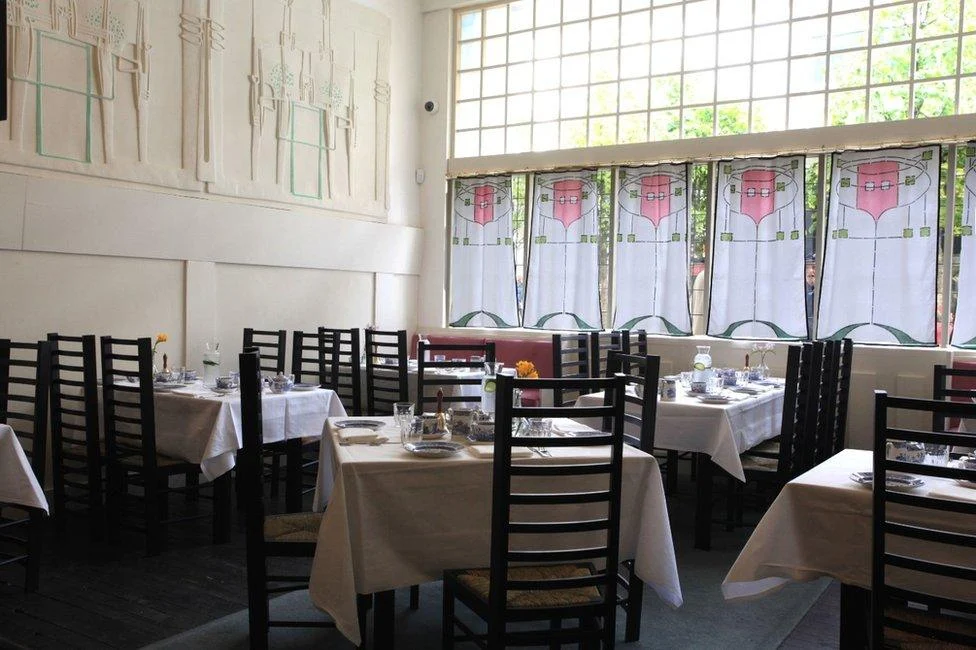


Related Products from ArtDecoCollection.com
Art Deco Jugendstil Wedding Cake Chandelier
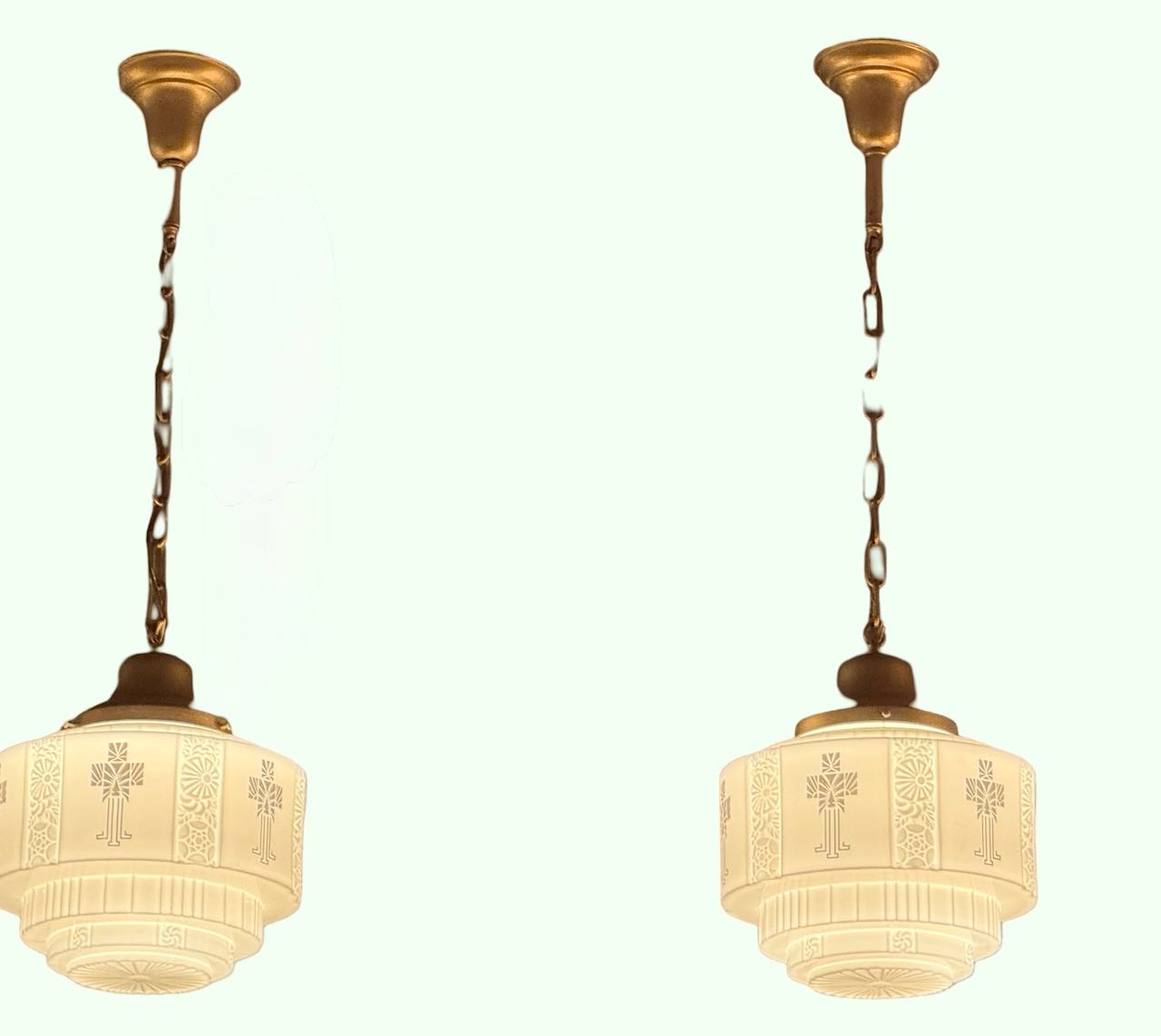
English Art Nouveau China Tea Service
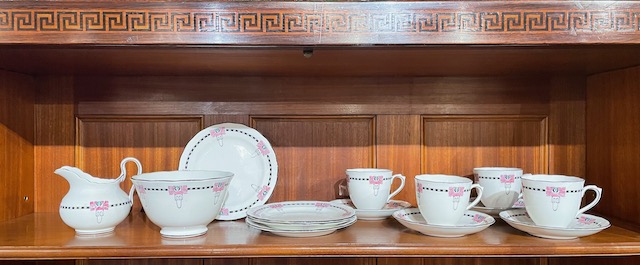
Franz Hagenauer Table Service with Center Bowl and Pair of Candlesticks, Werkstätte Hagenauer Wien
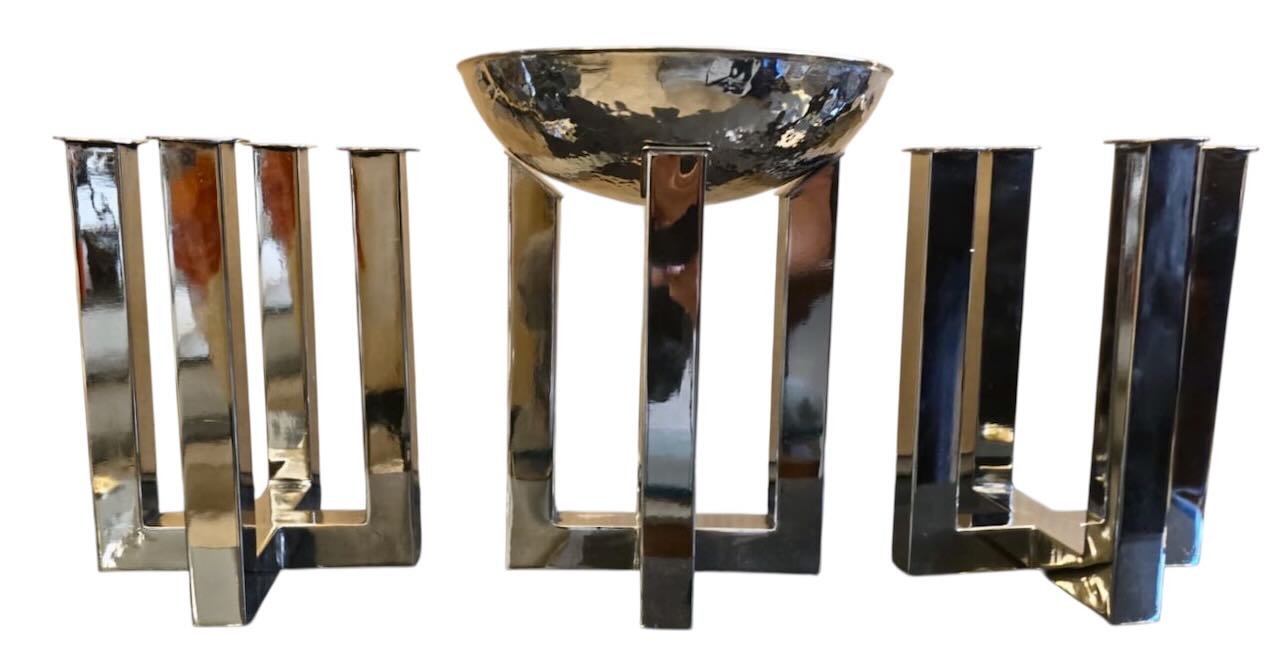
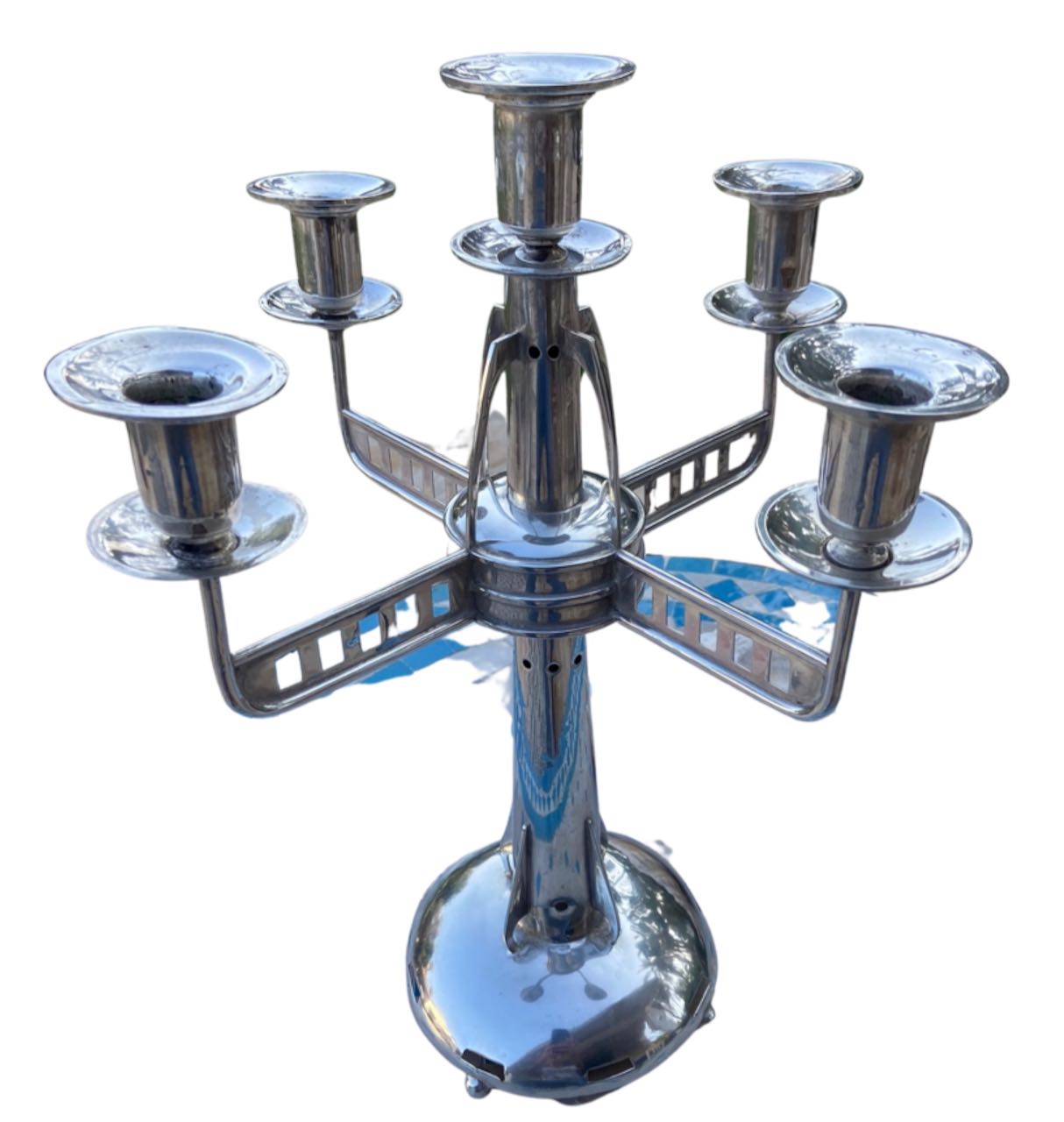
Austrian Vienna Secession Silver Candelabra Circa 1910
Otto Wagner Designer Vienna Pancota (Thonet) Bent Beechwood Salon Suite, Austria, ca. 1910-15
ART & STATUES
CERAMICS & GLASS
© Copyright Art Deco Collection. 2026 All rights reserved. Site Map