✕


ART & STATUES

CERAMICS & GLASS
Art Deco Around The World
Art Deco Clocks, Time and the Modern Imagination
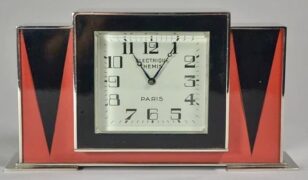
Art Deco clocks occupy a particularly revealing place within the history of modern design because they unite decorative form with the discipline of timekeeping. In the 1920s and 1930s, the clock became more than a domestic necessity. It emerged as an emblem of modern order, technological confidence, and changing visual taste. Designers across Europe and the United States adapted the clock to the new language of the age, moving away from the ornate historicism of the late nineteenth century toward forms that were cleaner, more architectural, and increasingly shaped by the machine aesthetic. This shift allowed the clock to serve both symbolic and practical purposes. It marked time, but it also expressed the values of the modern world, precision, efficiency, speed, and progress. As a result, Art Deco clocks offer an unusually rich lens through which to study the relationship between design reform, industrial materials, and everyday life.
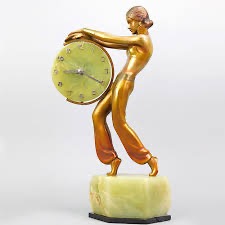
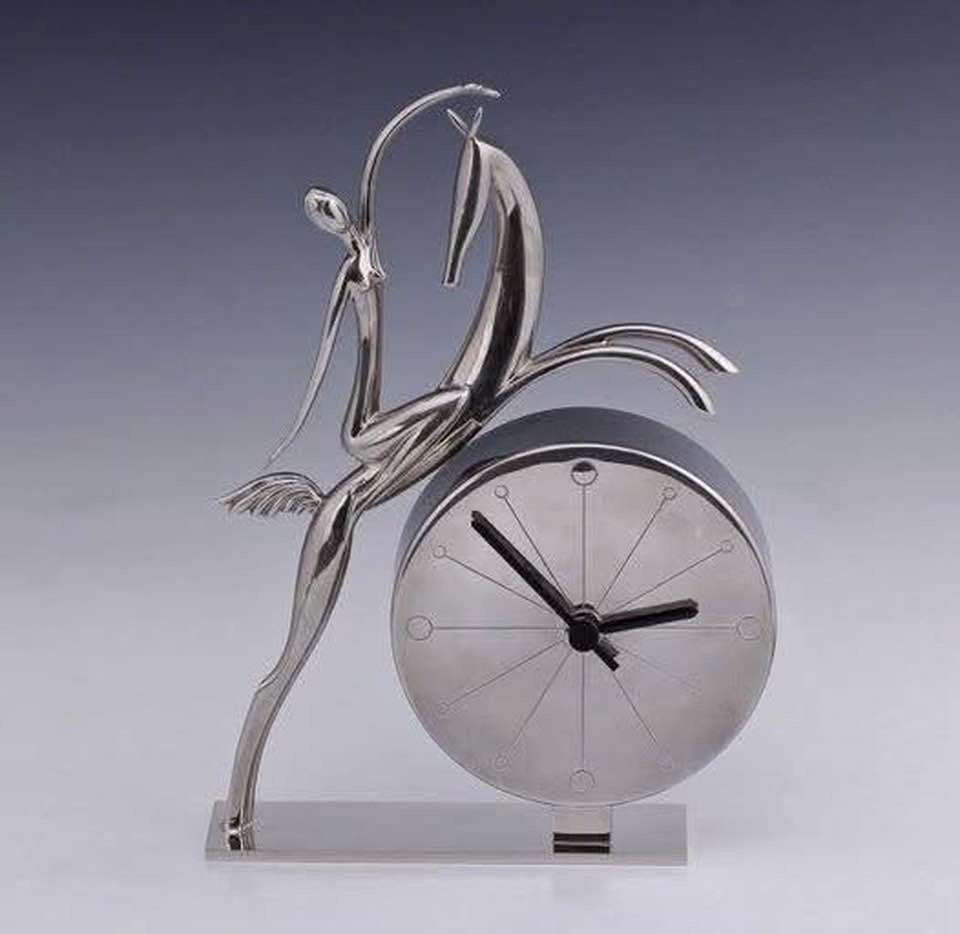
The earlier phase of Art Deco clock design remained closely tied to the traditions of luxury manufacture and sculptural presentation. Mantel clocks, particularly in France, often combined onyx, marble, patinated spelter, bronze, ivory tones, or lacquered surfaces in carefully balanced compositions. These objects were not merely instruments but integrated decorative statements, often incorporating human figures, animals, stepped architecture, or abstracted ornament. Their significance lies in the way they translated the ideals of the decorative arts into a more disciplined modern vocabulary. Symmetry, proportion, and controlled stylization replaced the excess of earlier decorative modes. Even where craftsmanship remained central, the visual direction had changed. The clock face became part of a total composition that emphasized formal clarity and elegance. In this sense, the Art Deco mantel clock stands at the intersection of sculpture, furniture accessory, and timepiece, revealing how modernity first entered the interior through refinement rather than outright industrial severity.

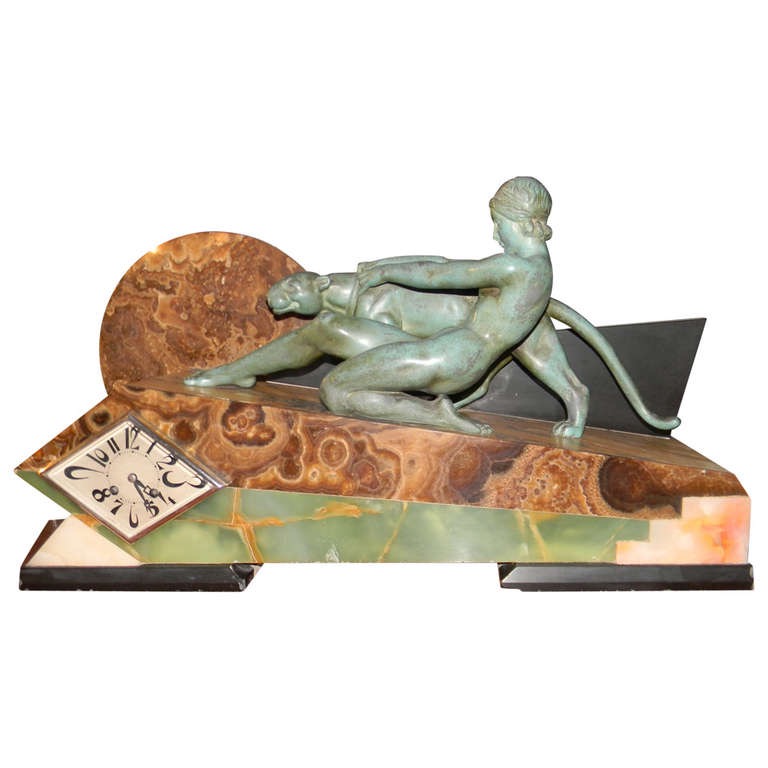
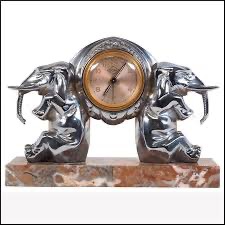
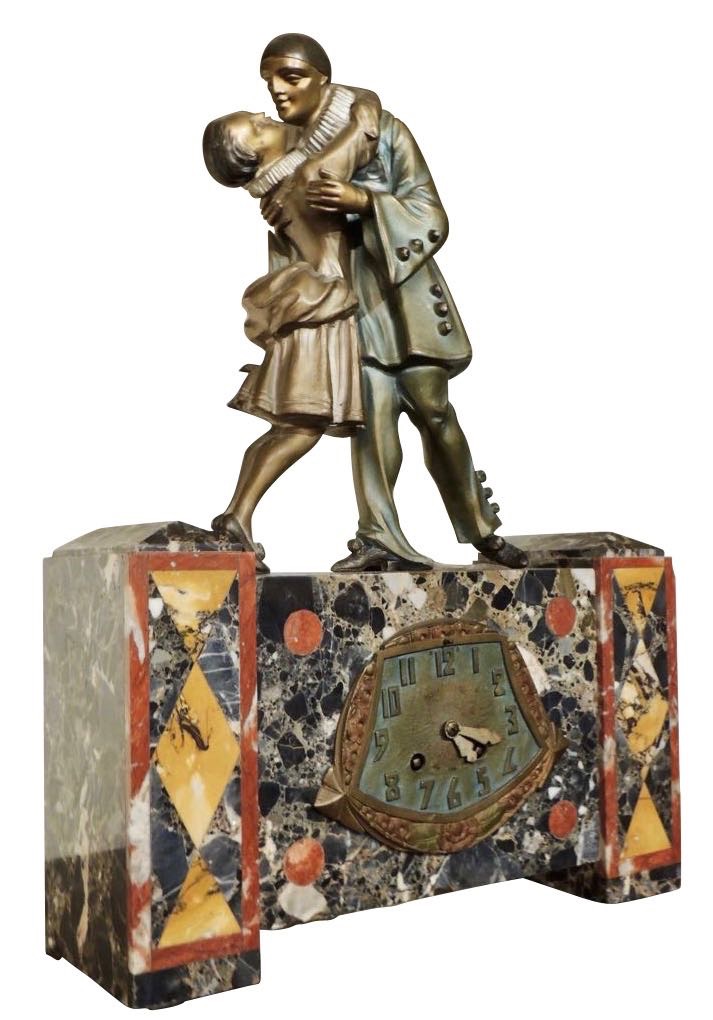
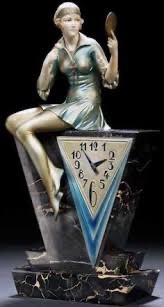


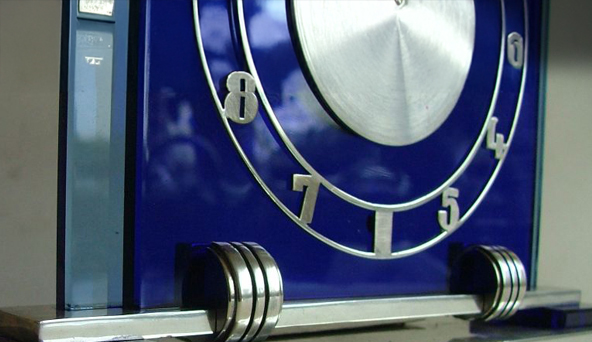
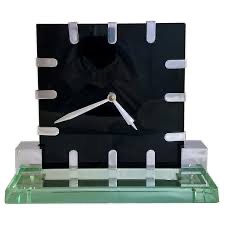
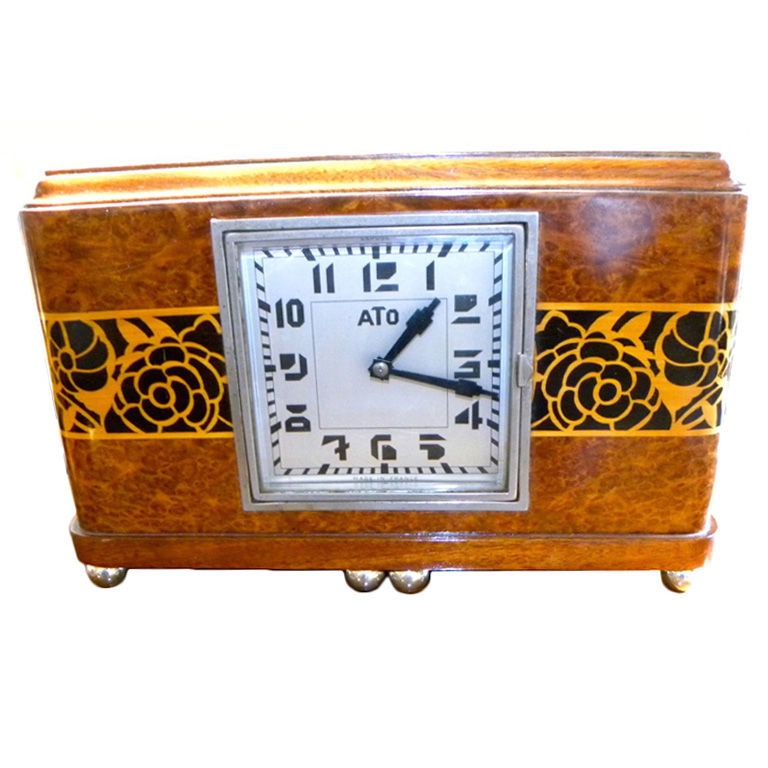
By the 1930s, the development of streamline modern introduced a new formal language that reshaped both mantel and wall clocks. Inspired by transportation, aviation, and the broader imagery of speed, designers favored aerodynamic curves, horizontal emphasis, rounded corners, and chrome or glass accents that suggested movement and technological efficiency. At the same time, electric clock mechanisms reinforced the modern identity of these objects. Many were powered directly from household current, using synchronous motors that relied on the regular frequency of alternating current to maintain accurate time. This was an important step away from purely wound mechanisms and connected the clock directly to the expanding infrastructure of electrified daily life. Wall clocks in offices, public buildings, shops, and kitchens further expressed this functional modernism. Their bold numerals, simplified cases, and clear visibility reflected a culture increasingly organized by schedules, coordination, and the public display of measured time.


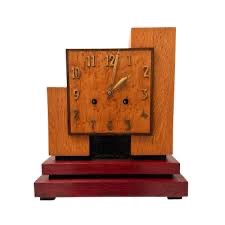


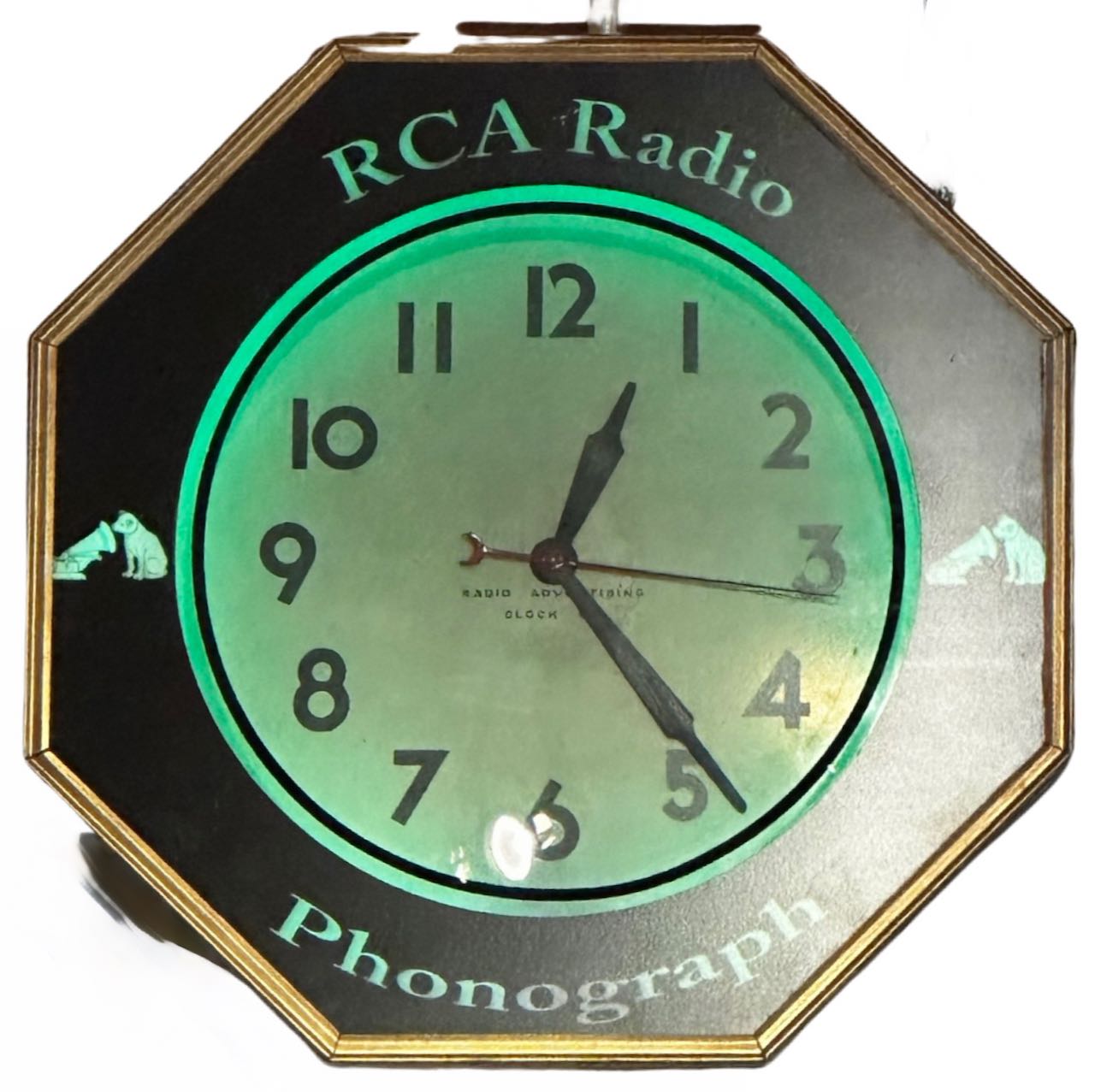
Neon clocks bring this story to one of its most vivid conclusions because they combine timekeeping with illuminated commercial display. In these examples, the clock movement and the neon lighting worked in parallel rather than as a single mechanism. The electric clock kept time, while the neon tubing created the glow, color, and visual excitement that made the object so compelling in storefronts, bars, theaters, restaurants, and service businesses. This distinction matters historically, because it shows how Art Deco absorbed electricity not only as a practical power source but also as a theatrical design element. Neon clocks therefore belong to a broader modern culture in which technology was made visible, glamorous, and emotionally charged. They transformed the clock from a refined decorative object into a luminous urban sign. Seen in this way, Art Deco clocks trace a remarkable arc from sculptural mantel forms to electrified public display, capturing the period’s fascination with time, progress, and modern visual experience.


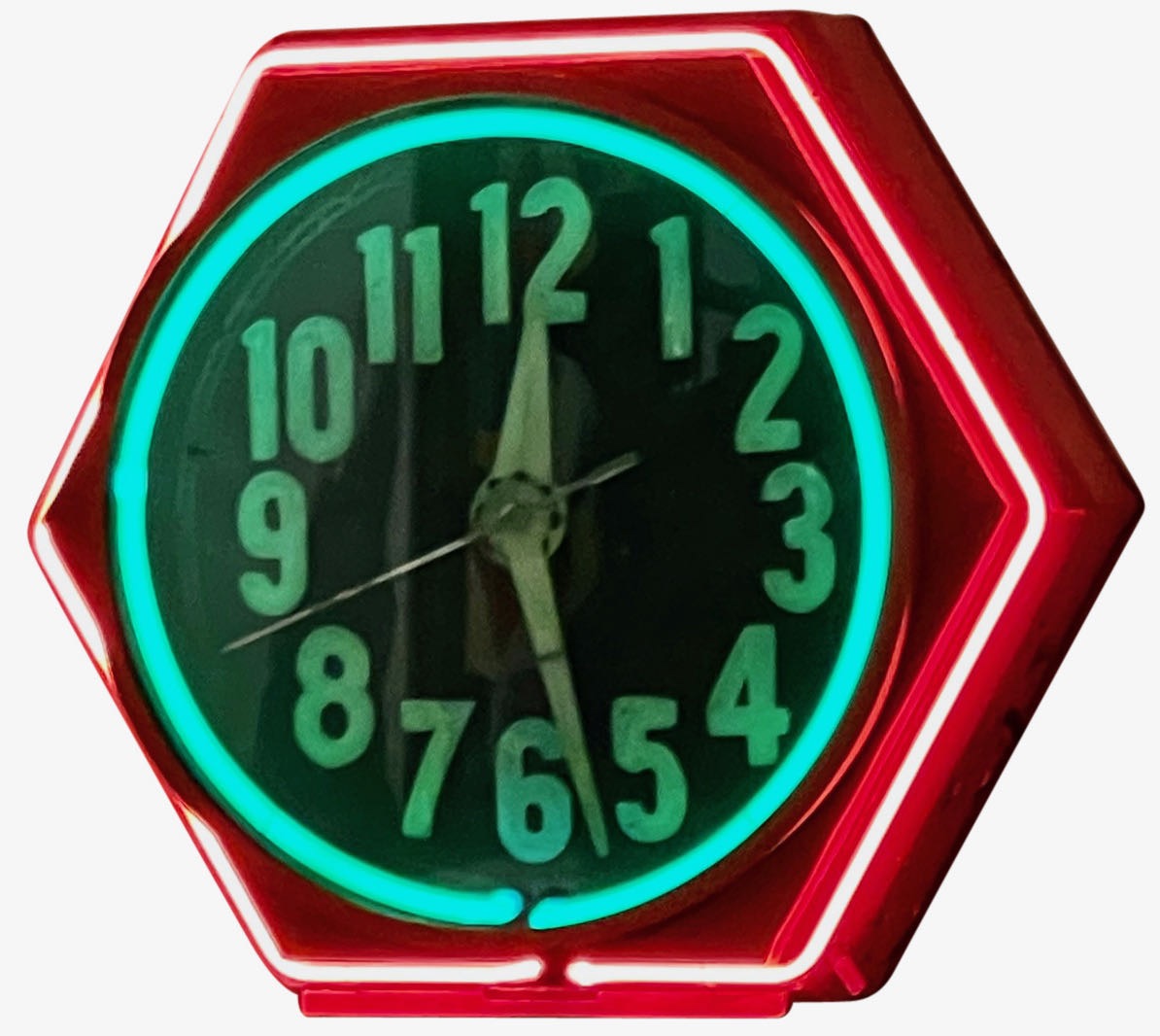

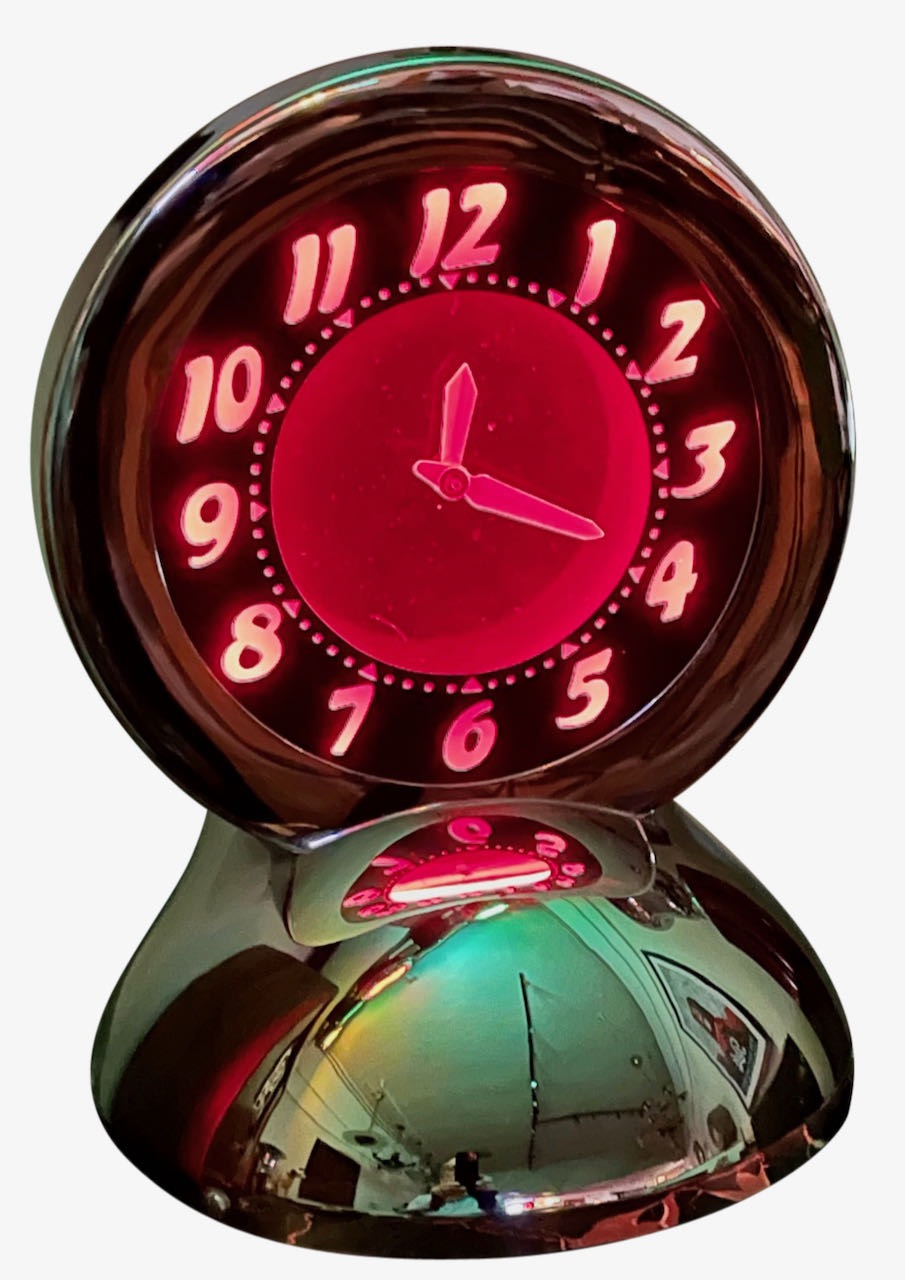
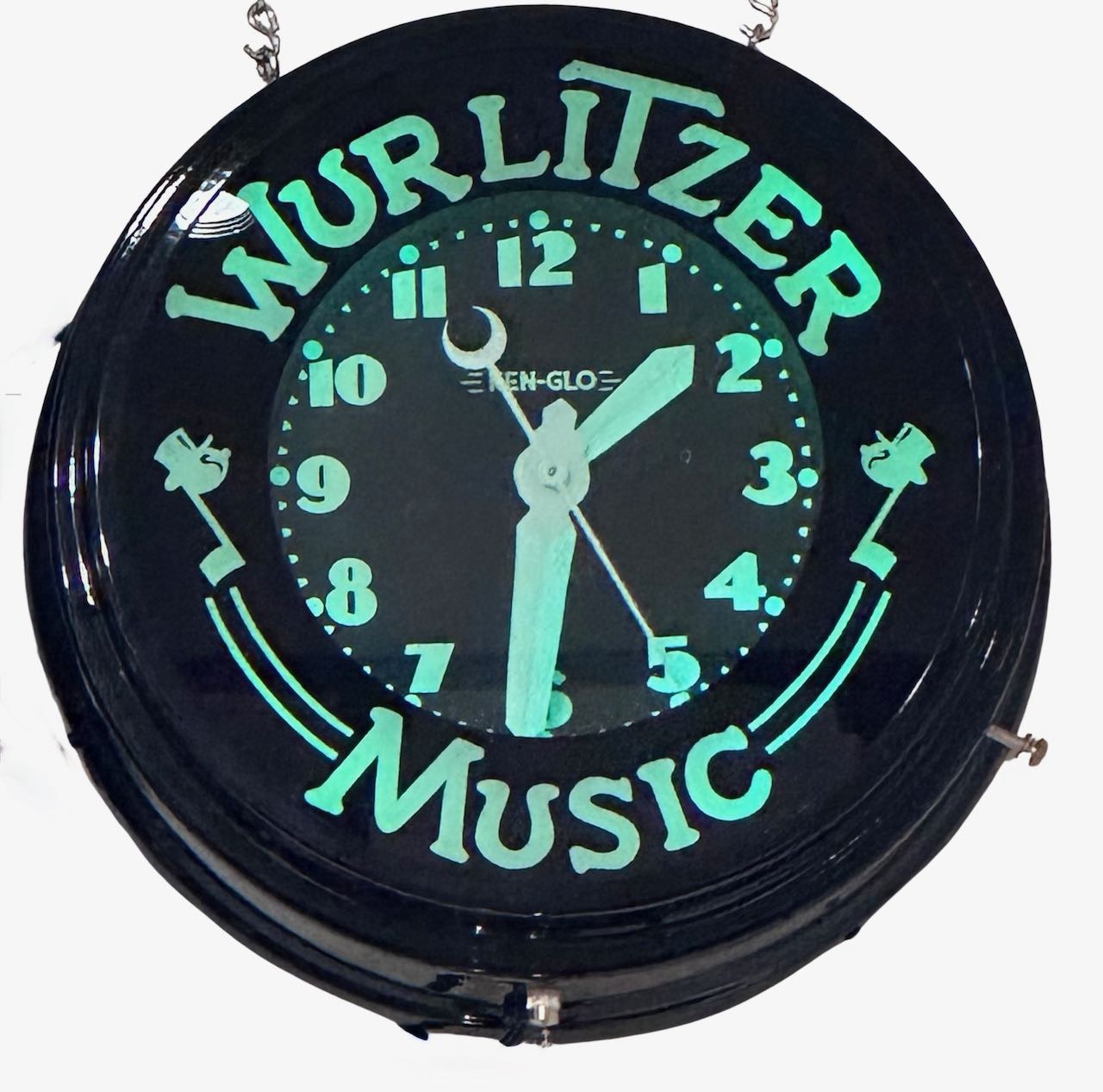
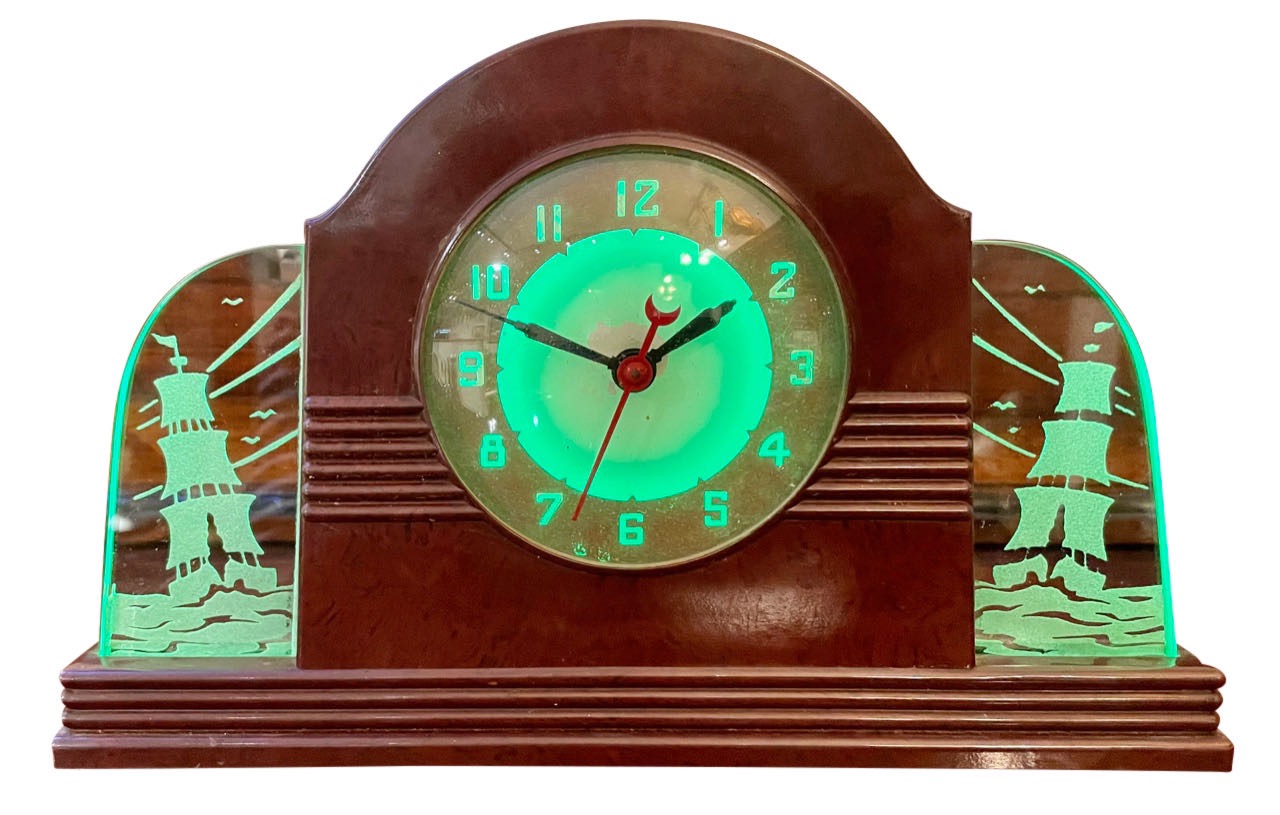
One of the challenges in writing about Art Deco clocks is that they resist simple classification. The category is remarkably broad, shaped by differences in style, scale, material, function, and setting. A clock may be architectural or sculptural, domestic or commercial, refined or boldly industrial, traditional in construction or fully electric in character. Mantel clocks, wall clocks, desk clocks, mystery clocks, illuminated clocks, and neon examples all belong to the larger story, yet each reflects a different aspect of the Art Deco imagination. What unites them is not a single formula, but a shared engagement with modern design and the visual language of their time. This brief survey offers only a glimpse into that rich field. These beautiful functional objects invite much deeper exploration, and the more one studies them, the more clearly they reveal the extraordinary range and creativity of the Art Deco period.


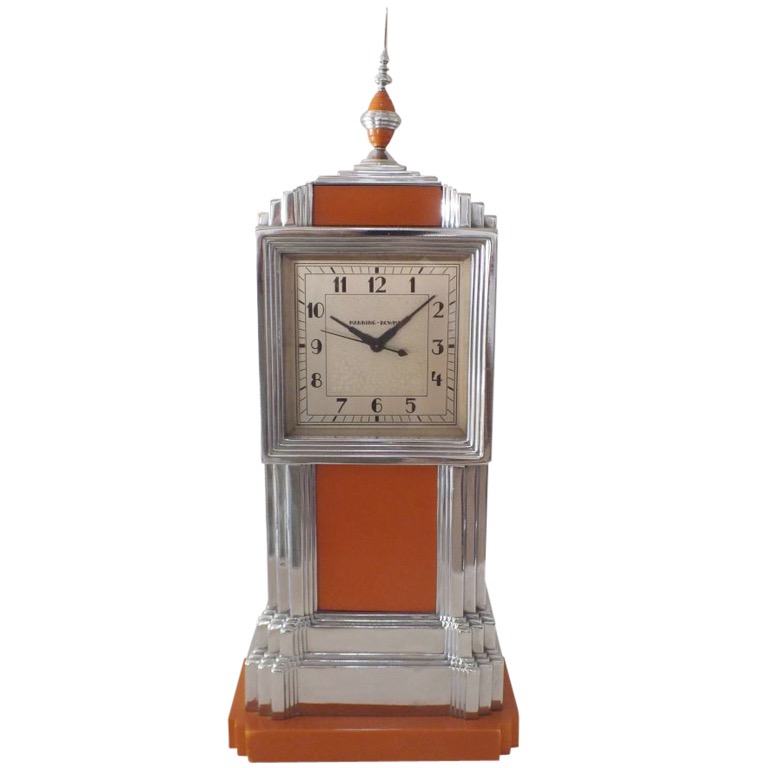


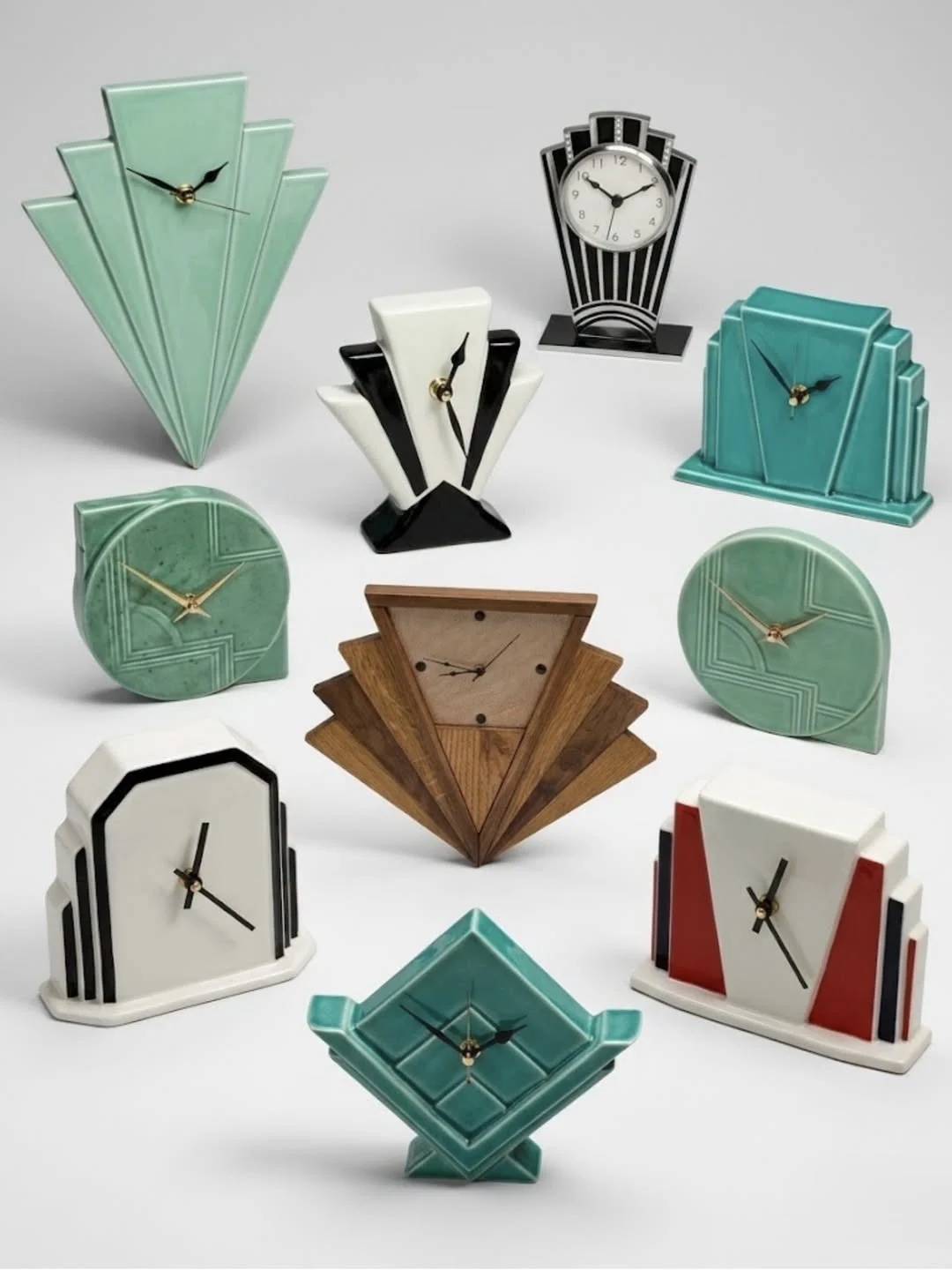
Related Products from ArtDecoCollection.com
Rare Lawson Model 975 Silver, Lucite & Onyx Clock
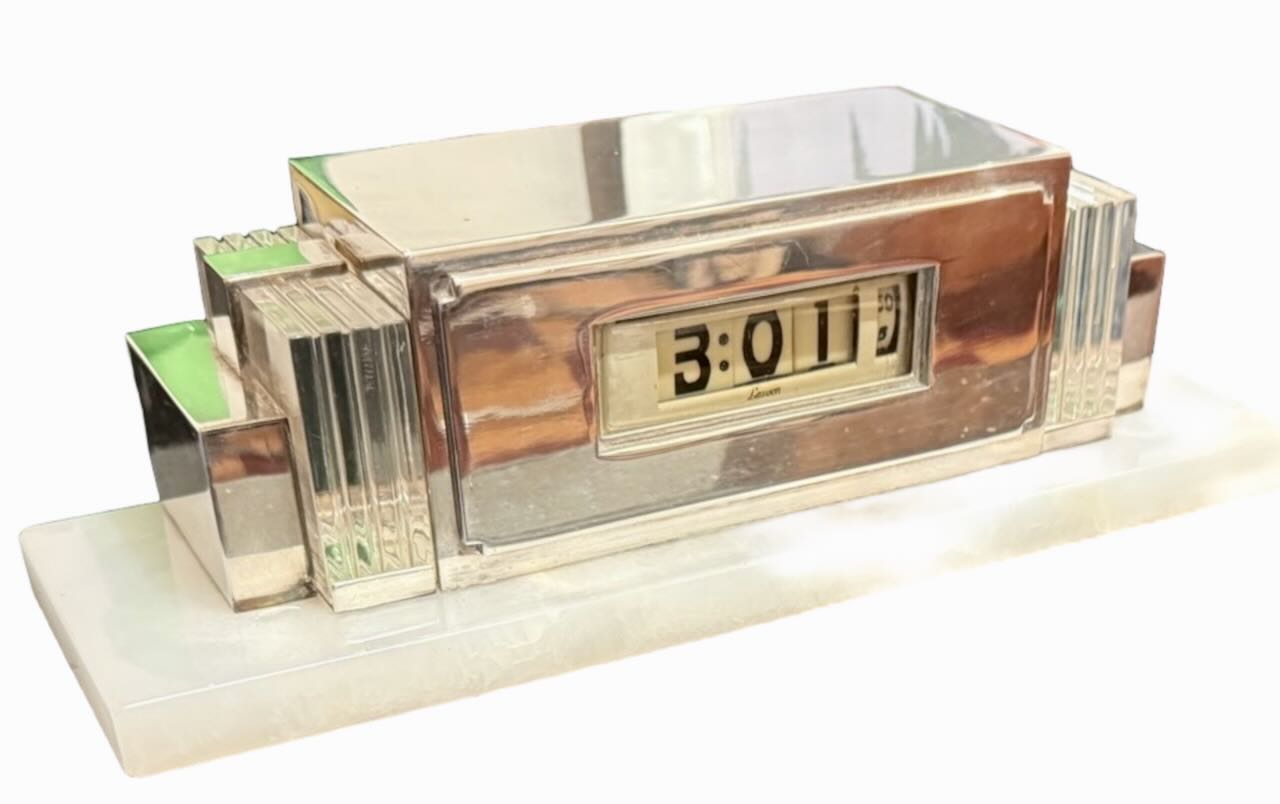
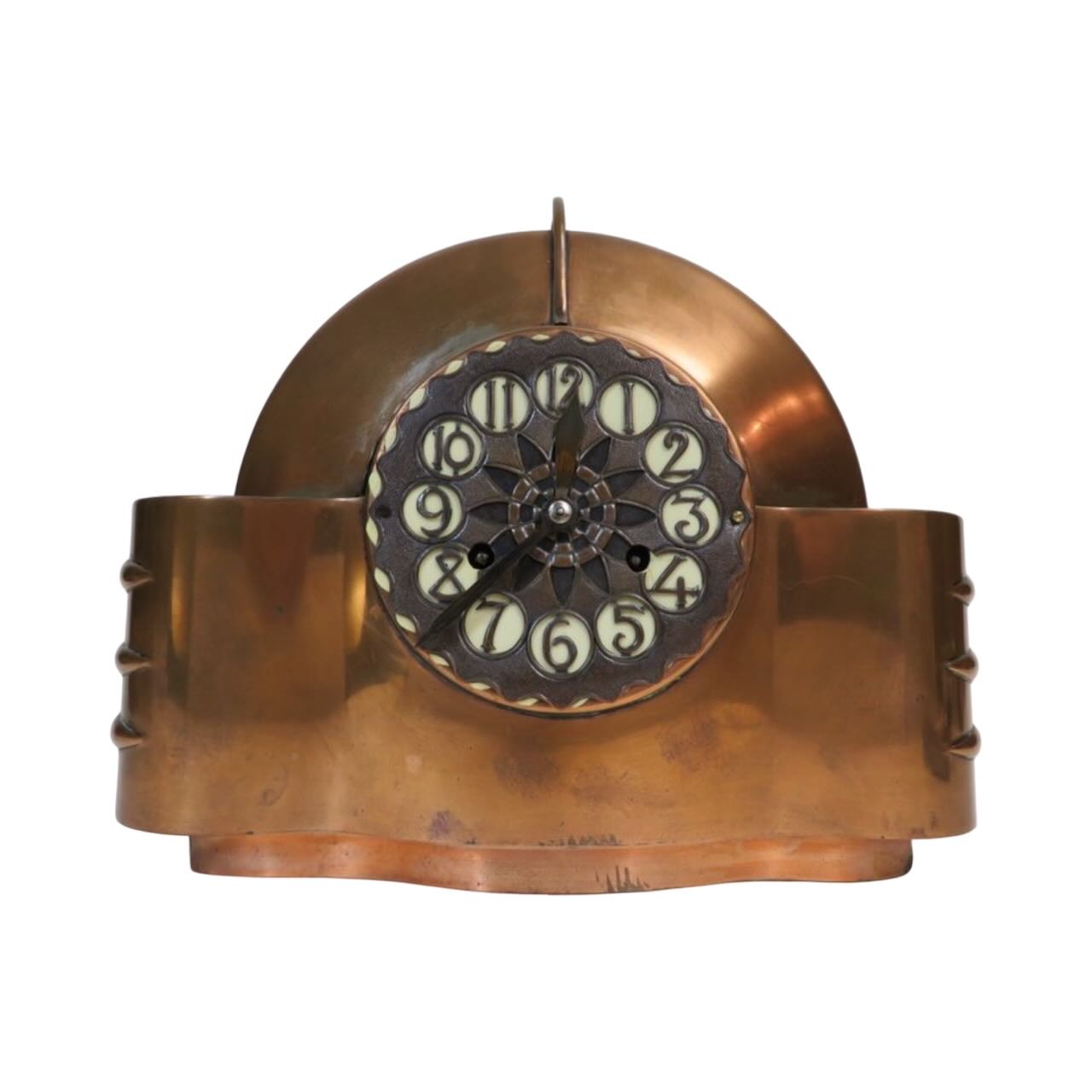
1930s Amsterdam School Rare Copper Mantel Clock with Mauthe Movement
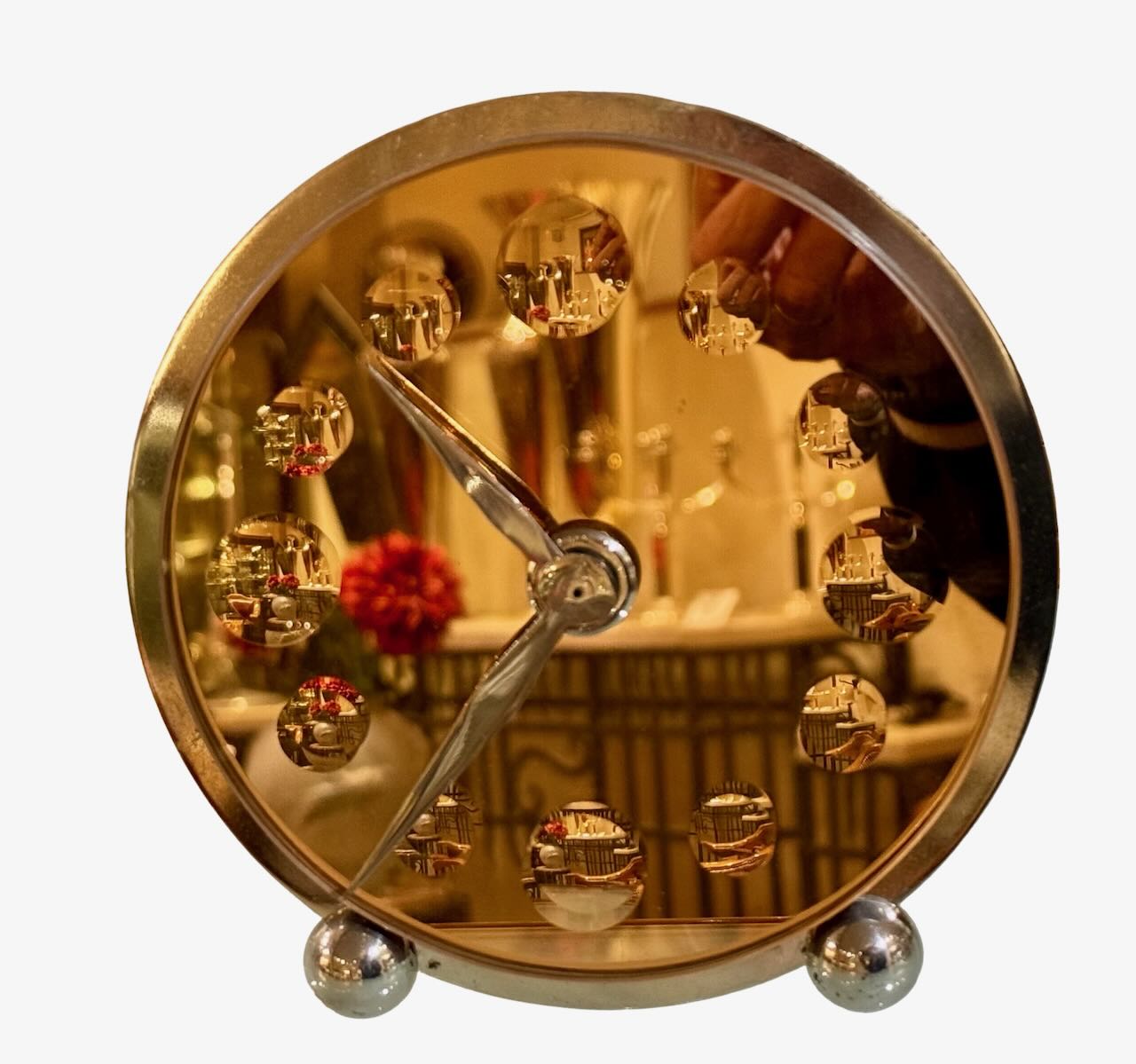
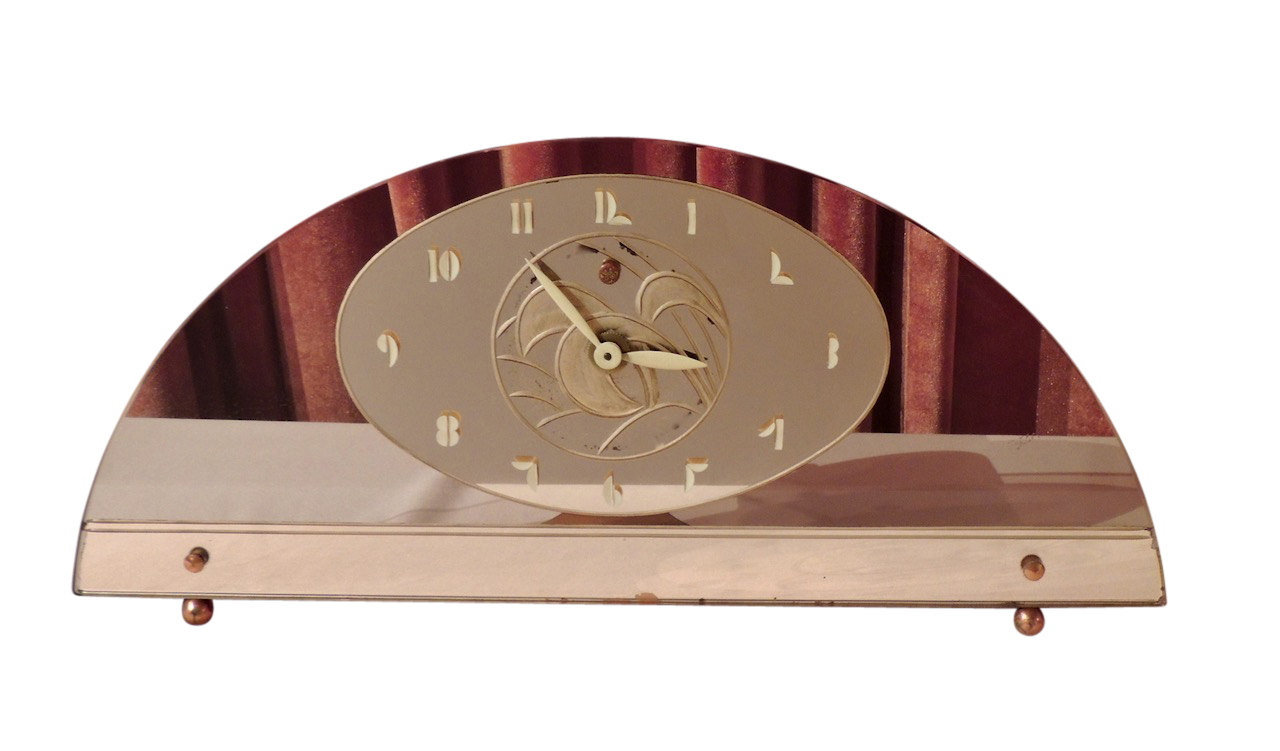
French Art Deco Modernist Clock with Mirrored Peach Glass Face, circa 1930
Original Art Deco Green Neon Hexagon Vintage RCA Radio and Phonograph
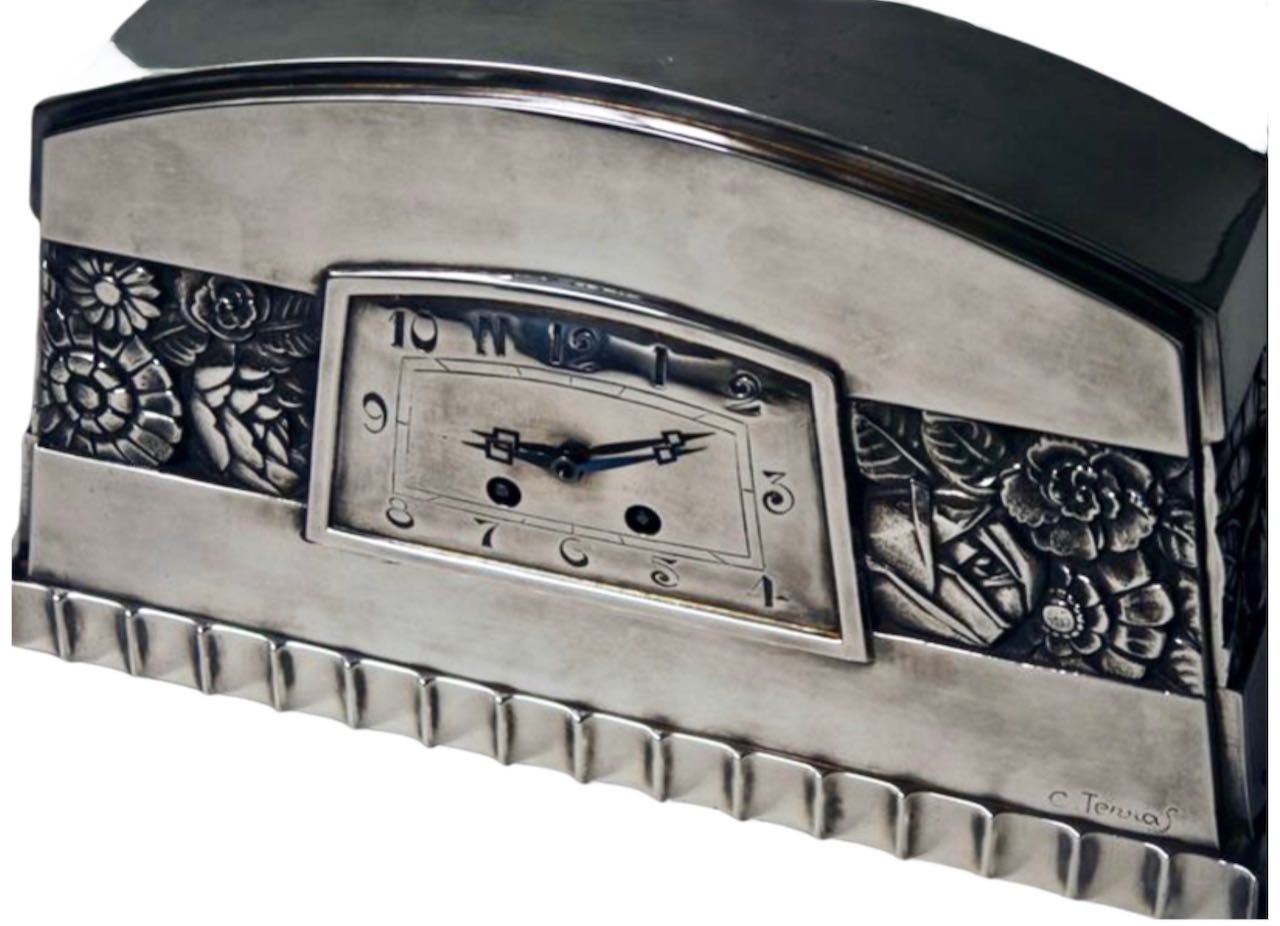
French Art Deco Silvered Bronze Mantel Clock by C. Terras, 1925

ART & STATUES
CERAMICS & GLASS
© Copyright Art Deco Collection. 2026 All rights reserved. Site Map