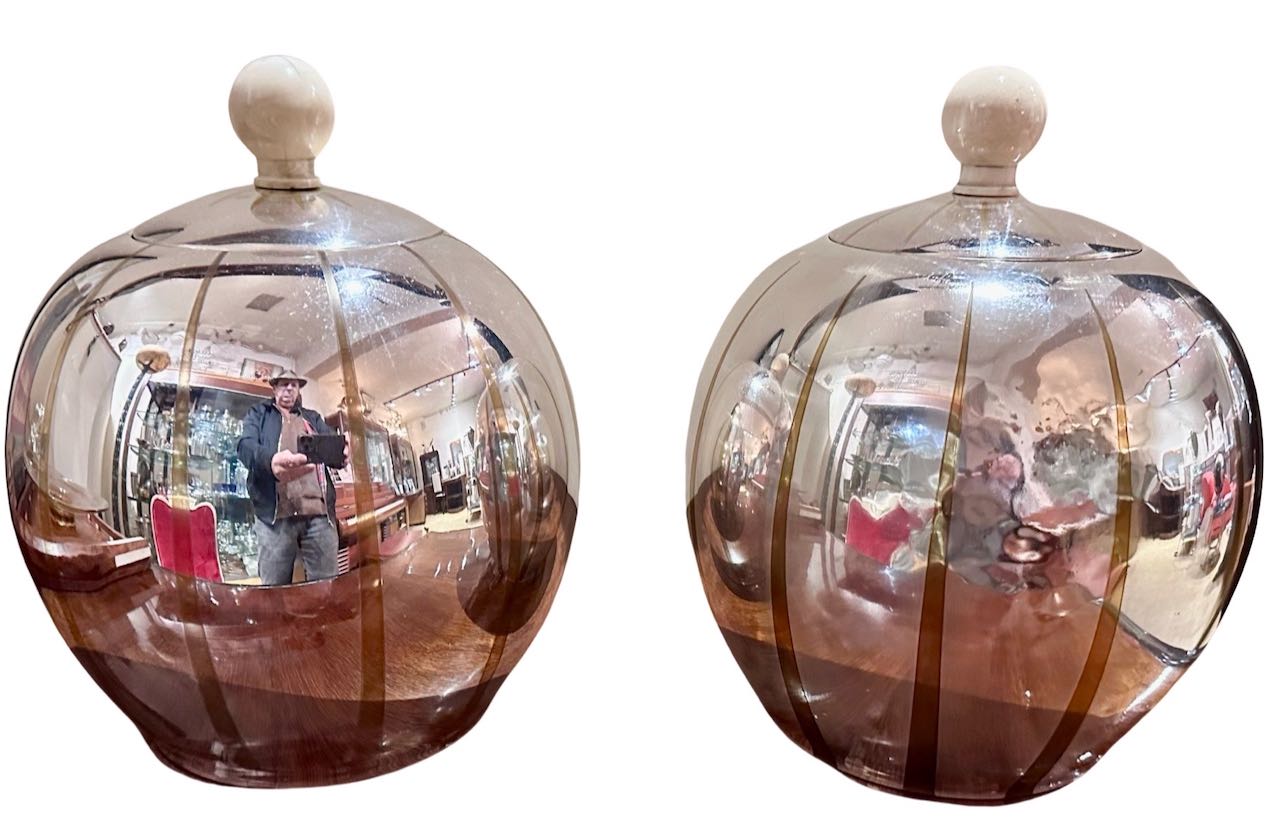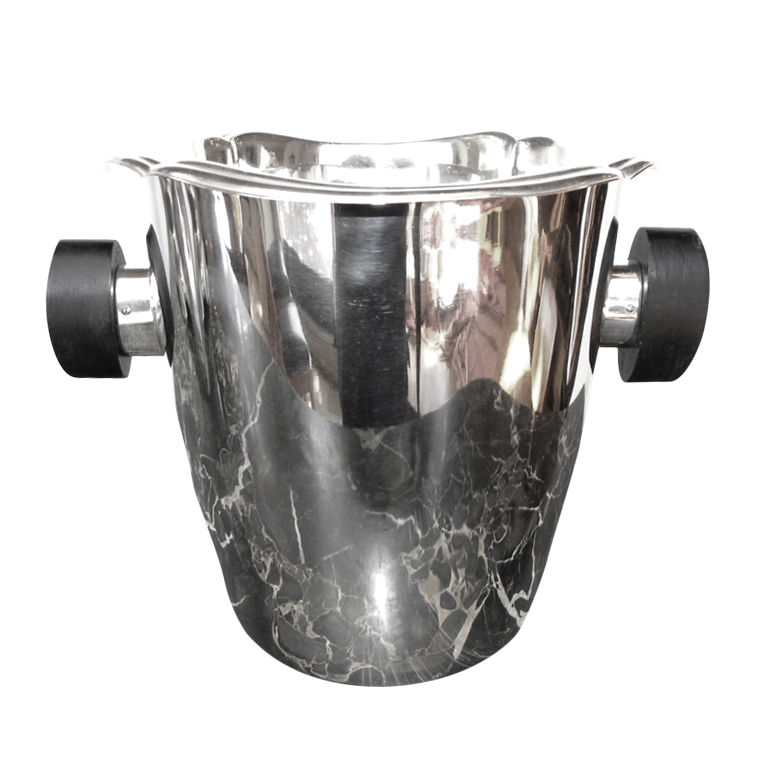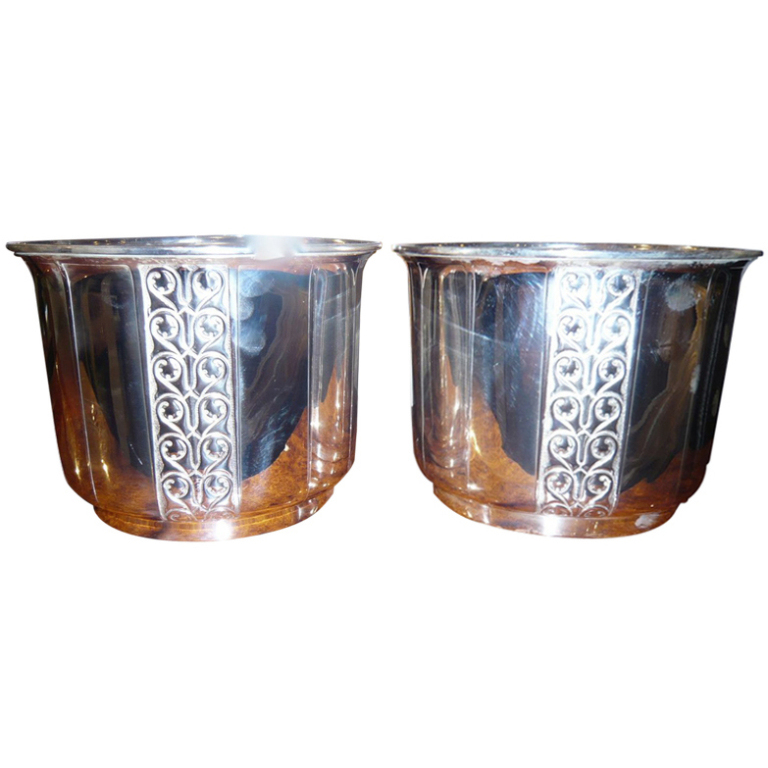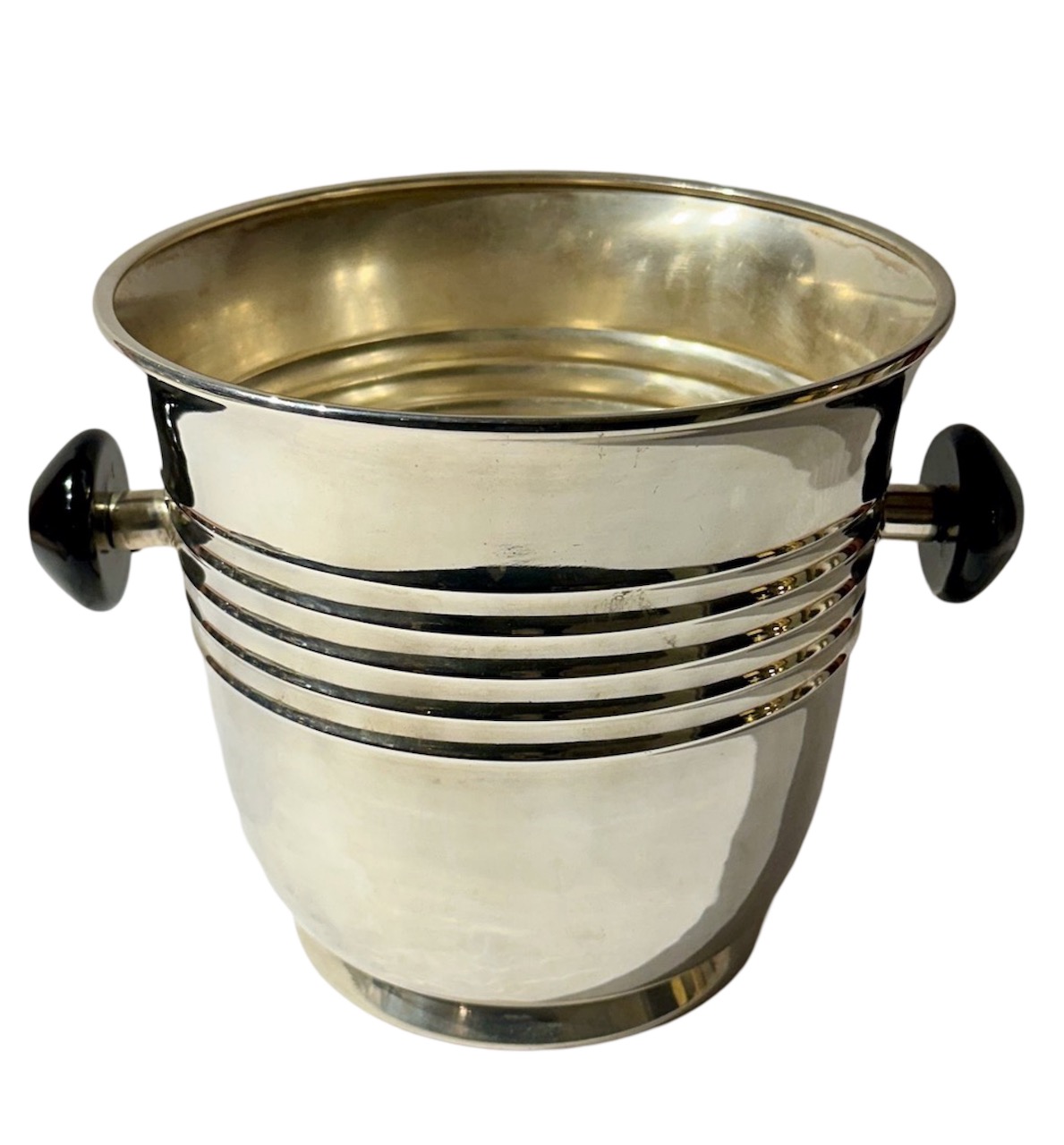

WMF
WMF, originally known as Württembergische Metallwarenfabrik, traces its origins to 1853, when mill owner Daniel Straub and the brothers Friedrich and Louis Schweizer established Metallwarenfabrik Straub & Schweizer in Geislingen an der Steige, Germany, with a workforce of sixteen people. Straub had previously been involved in the construction of the Geislinger Steige, the steepest railway line in Europe, and brought that entrepreneurial ambition to the new metalworking venture. Only nine years after founding, the company’s silver-plated tableware and serving dishes were awarded medals at the Great London Exposition of 1862. In 1868, the first retail outlet was opened in Berlin, the beginning of the company’s present-day network of stores. In 1880, the firm merged with Metallwarenfabrik Ritter & Co. of Esslingen to form the public limited company Württembergische Metallwarenfabrik, with headquarters remaining in Geislingen. The company’s Art Studio was directed from 1884 to 1914 by sculptor and designer Albert Mayer, whose leadership defined the company’s most celebrated aesthetic period. By 1900, WMF had grown to employ over 3,500 people and was the world’s largest producer and exporter of household metalware. Today, the company operates under the WMF GmbH name as part of the French Groupe SEB and is represented in over 40 locations worldwide.

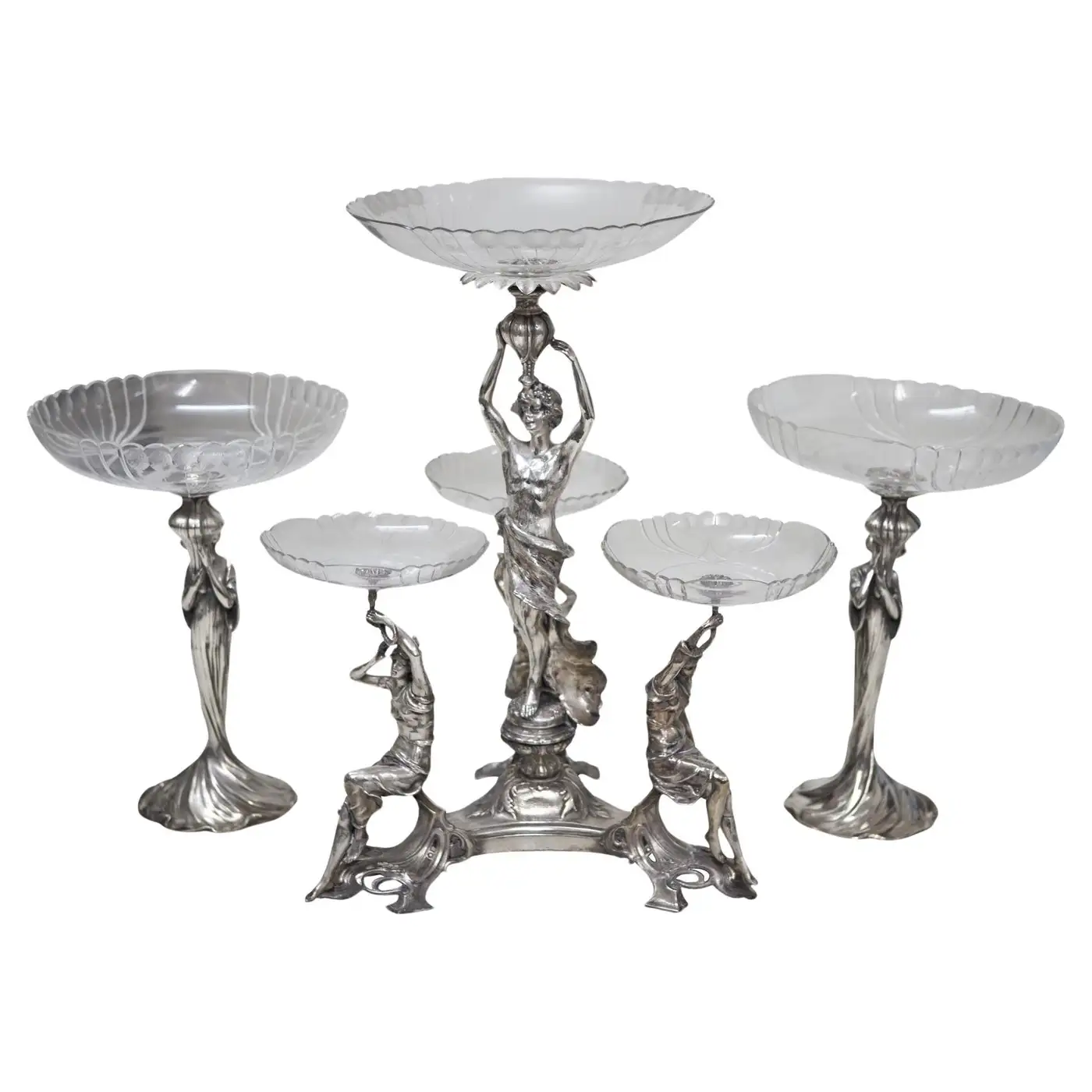
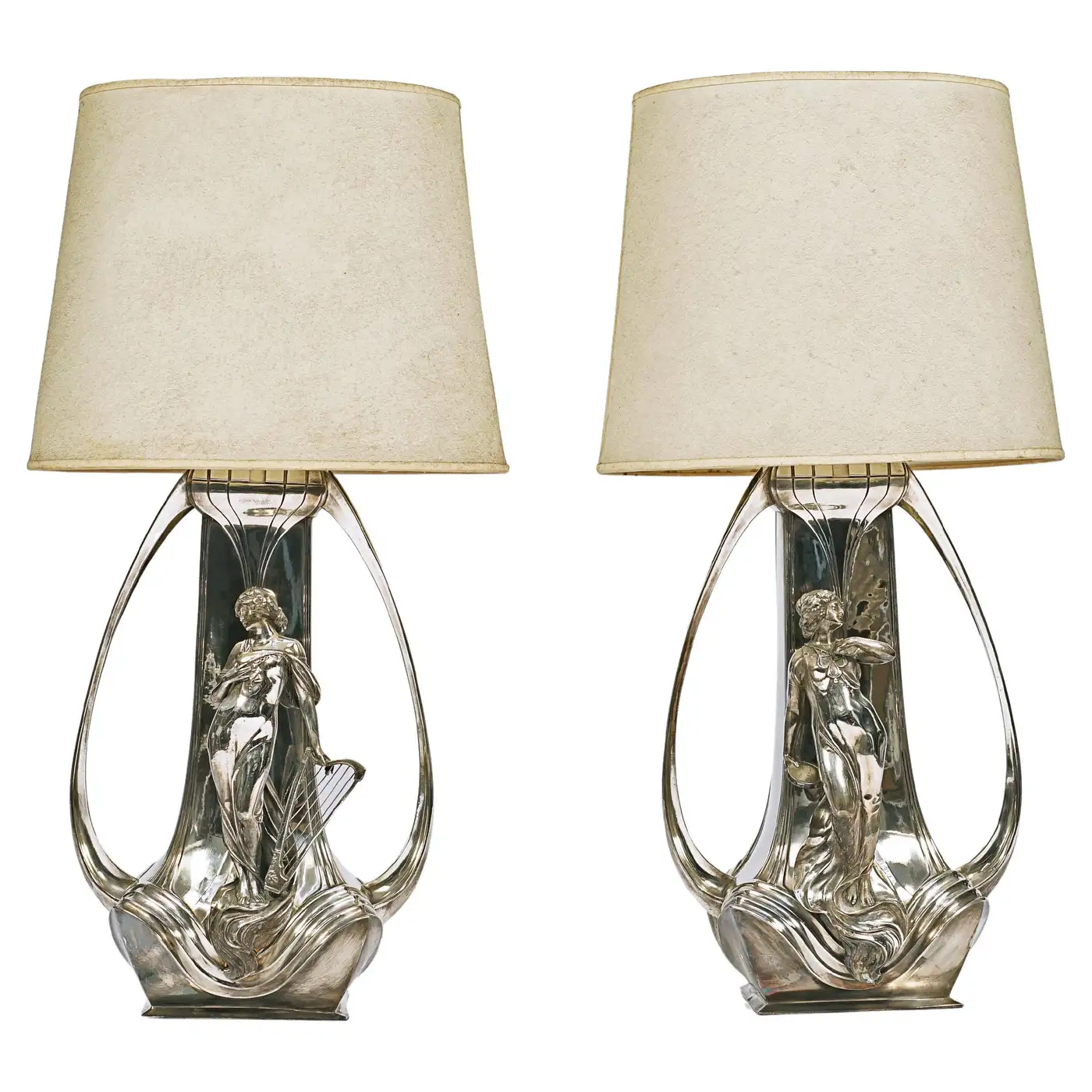
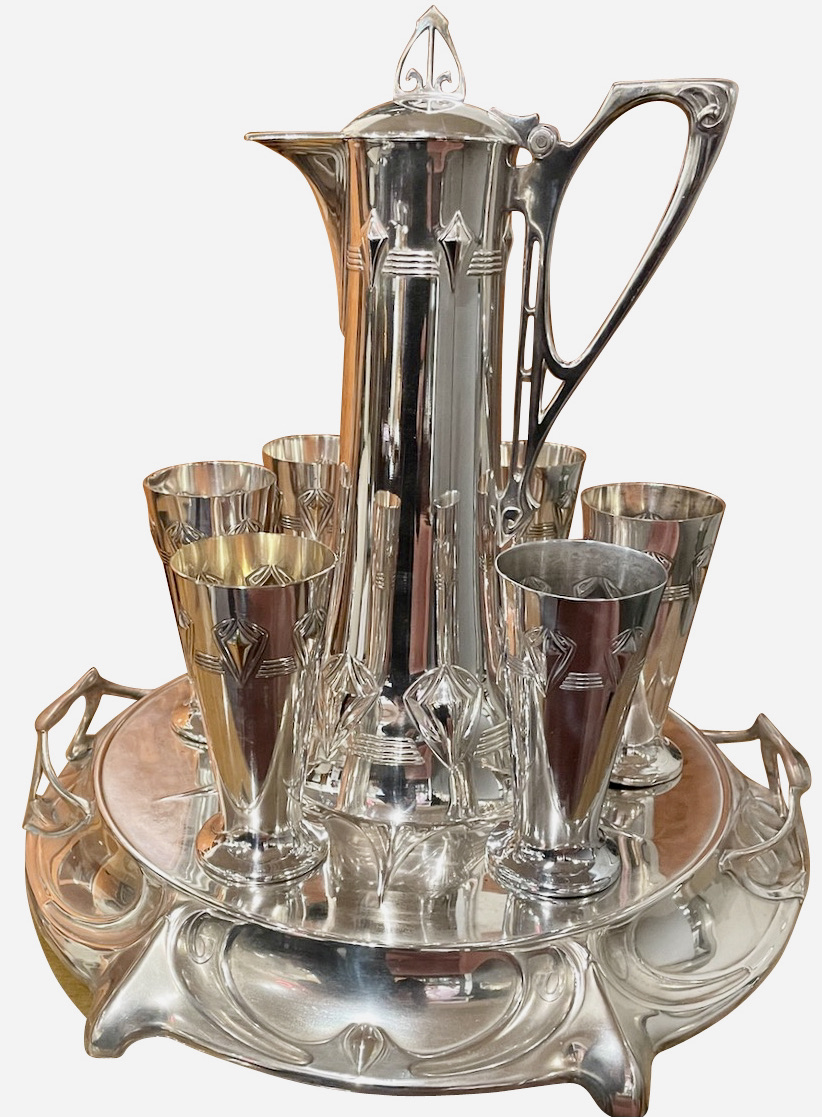
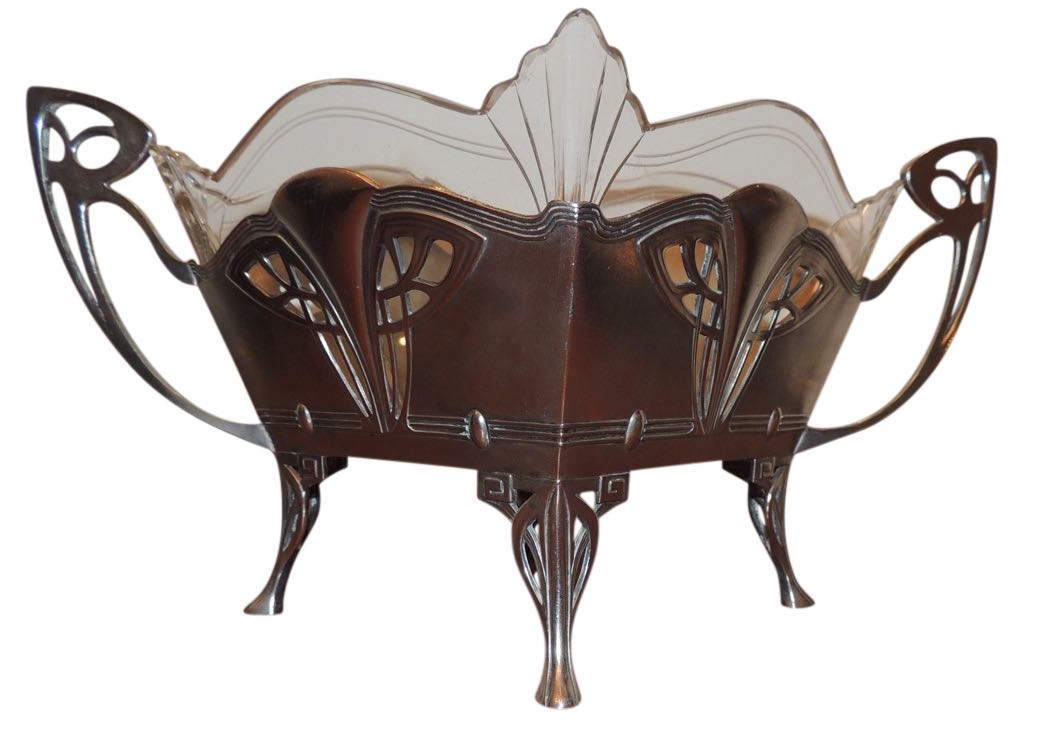
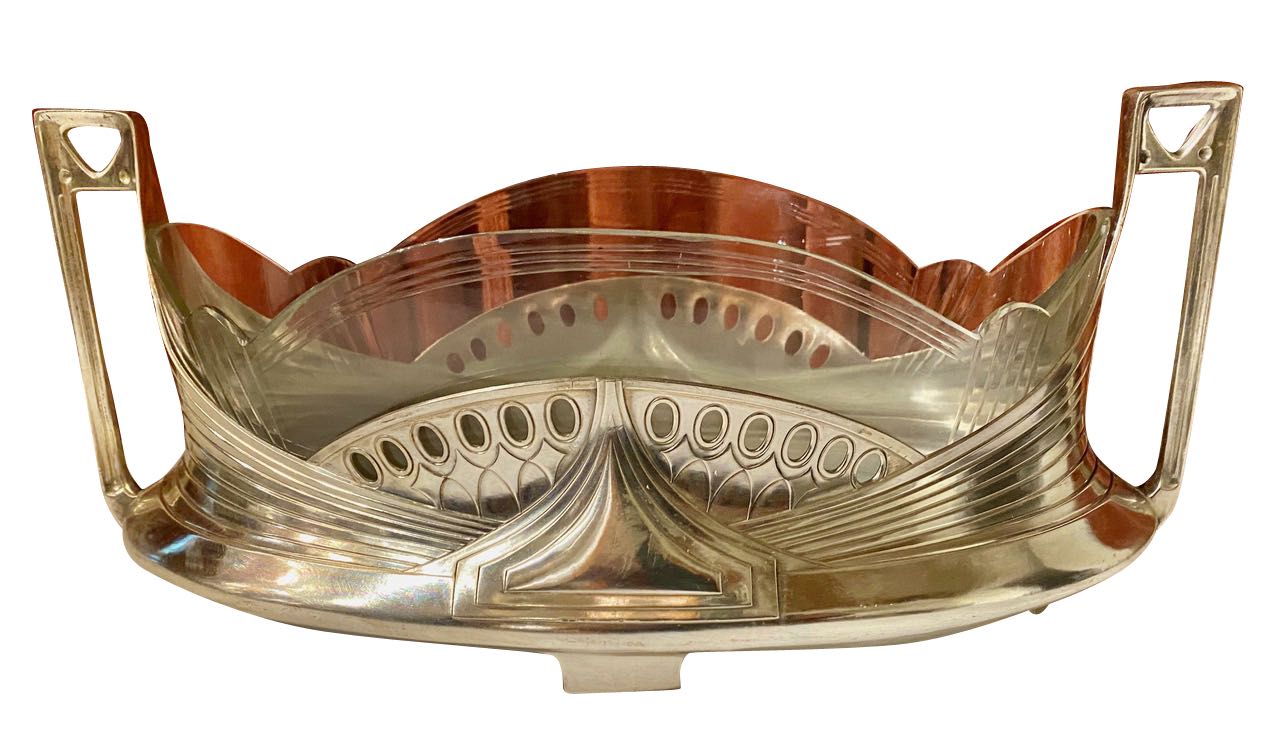
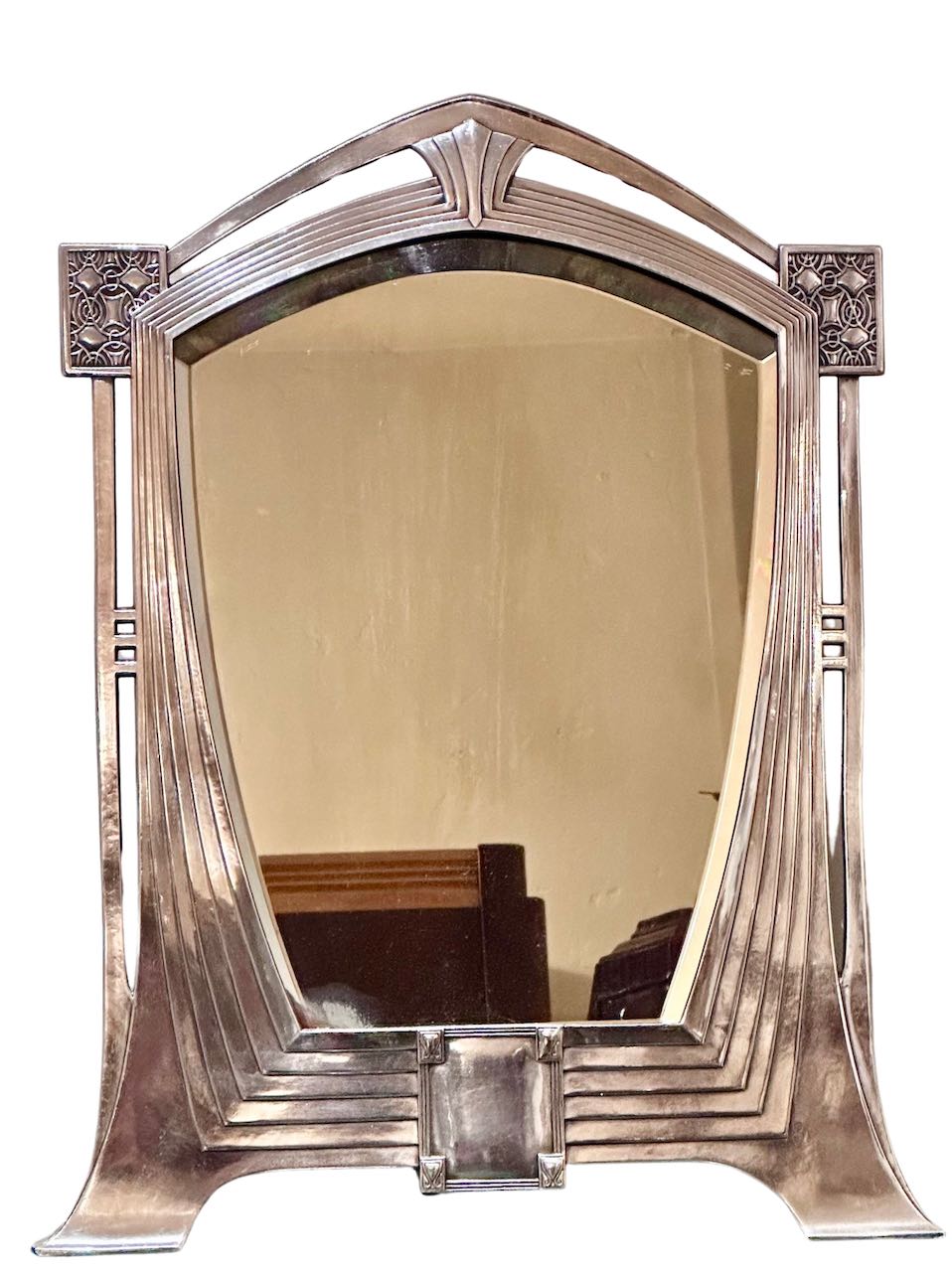
WMF’s rise to international prominence was built on a strategy of both organic innovation and strategic acquisition. In 1890, the company acquired the Kunstanstalt für Galvanoplastik München, which specialized in electrotyping and electroforming of statues, statuettes, fountains, and architectural elements. In 1900, it acquired Albert Köhler’s Austrian metalwork company AK & CIE, gaining access to the Austro-Hungarian market, and in 1905, acquired Orivit AG, known for its Jugendstil pewter. WMF’s Art Studio under Albert Mayer produced its most renowned output in the Jugendstil style, designing objects including vases, centerpieces, candlesticks, and serving pieces whose sinuous organic forms became defining expressions of the German Art Nouveau. The company’s trilingual catalog and international exhibition presence, including the International Building Trades Exhibition in Leipzig in 1913, established WMF as a global brand. In 1955, WMF entered the commercial coffee machine market, developing products for restaurants, cruise ships, and hotels that became a major pillar of the business. The company has continued commissioning contemporary designers throughout its history, including Zaha Hadid, who designed a cutlery collection for WMF in 2007. Its consumer divisions produce cookware, kitchen appliances, cutlery, and drinking glasses that continue to reflect its founding commitment to functional, well-designed metalware.
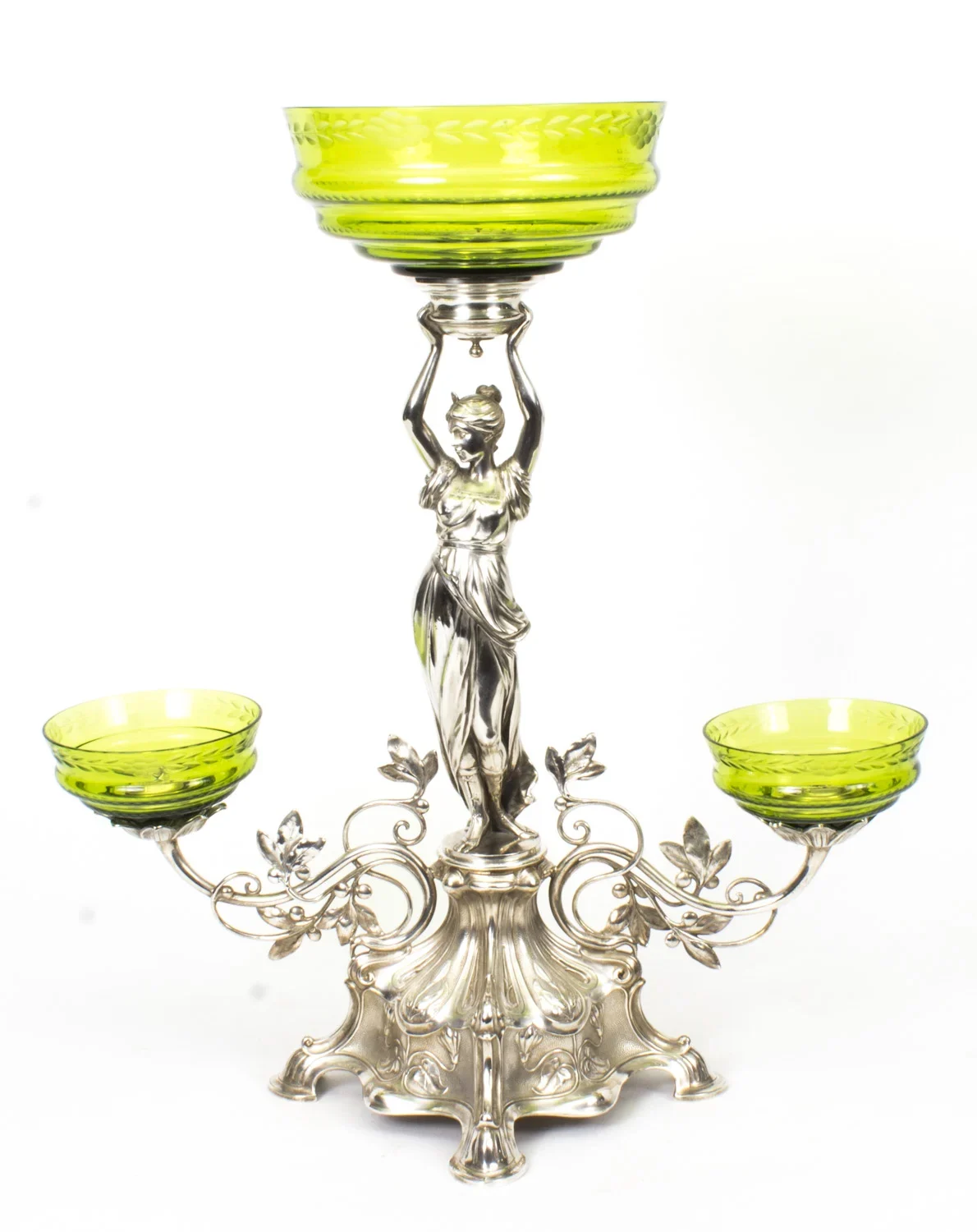

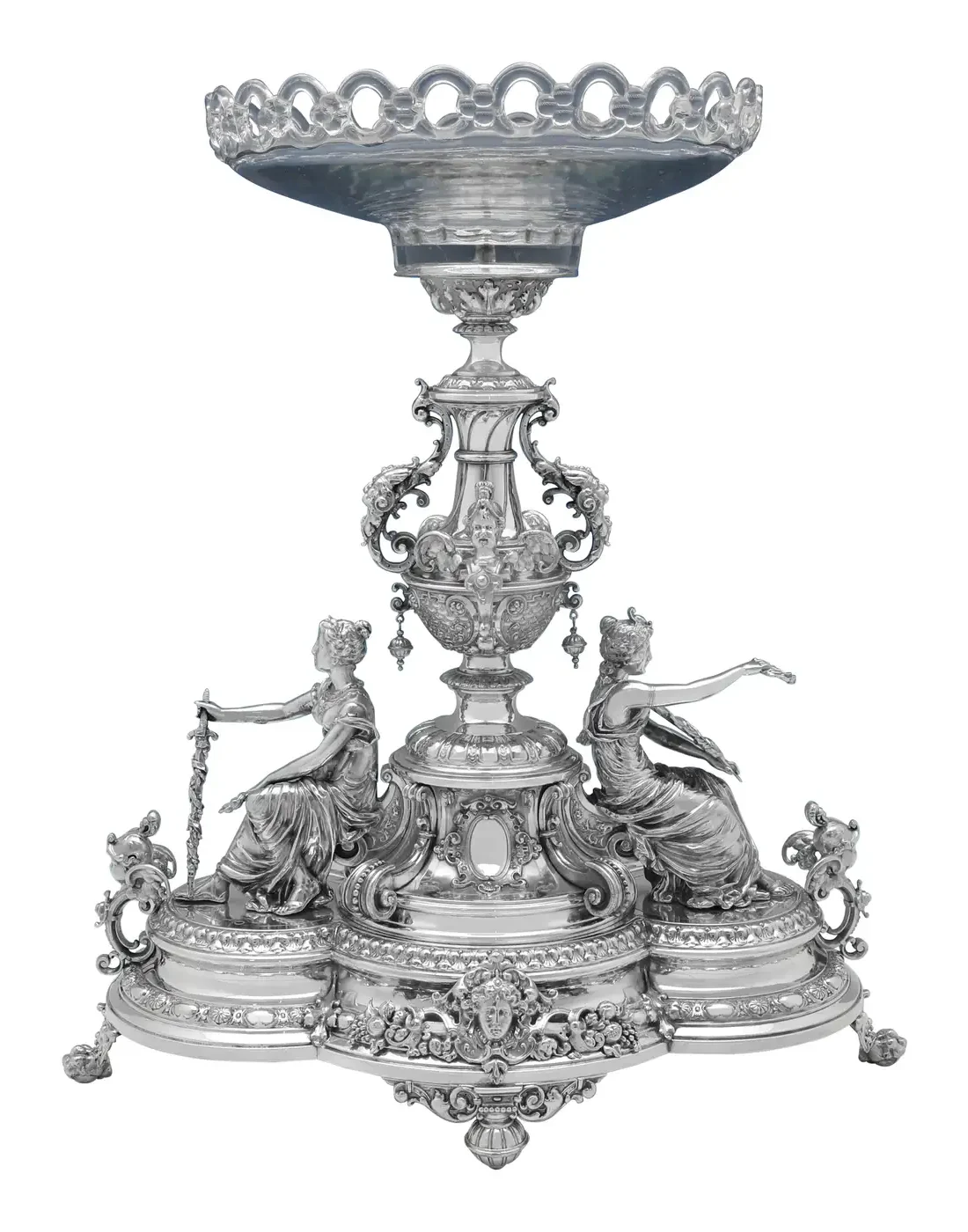
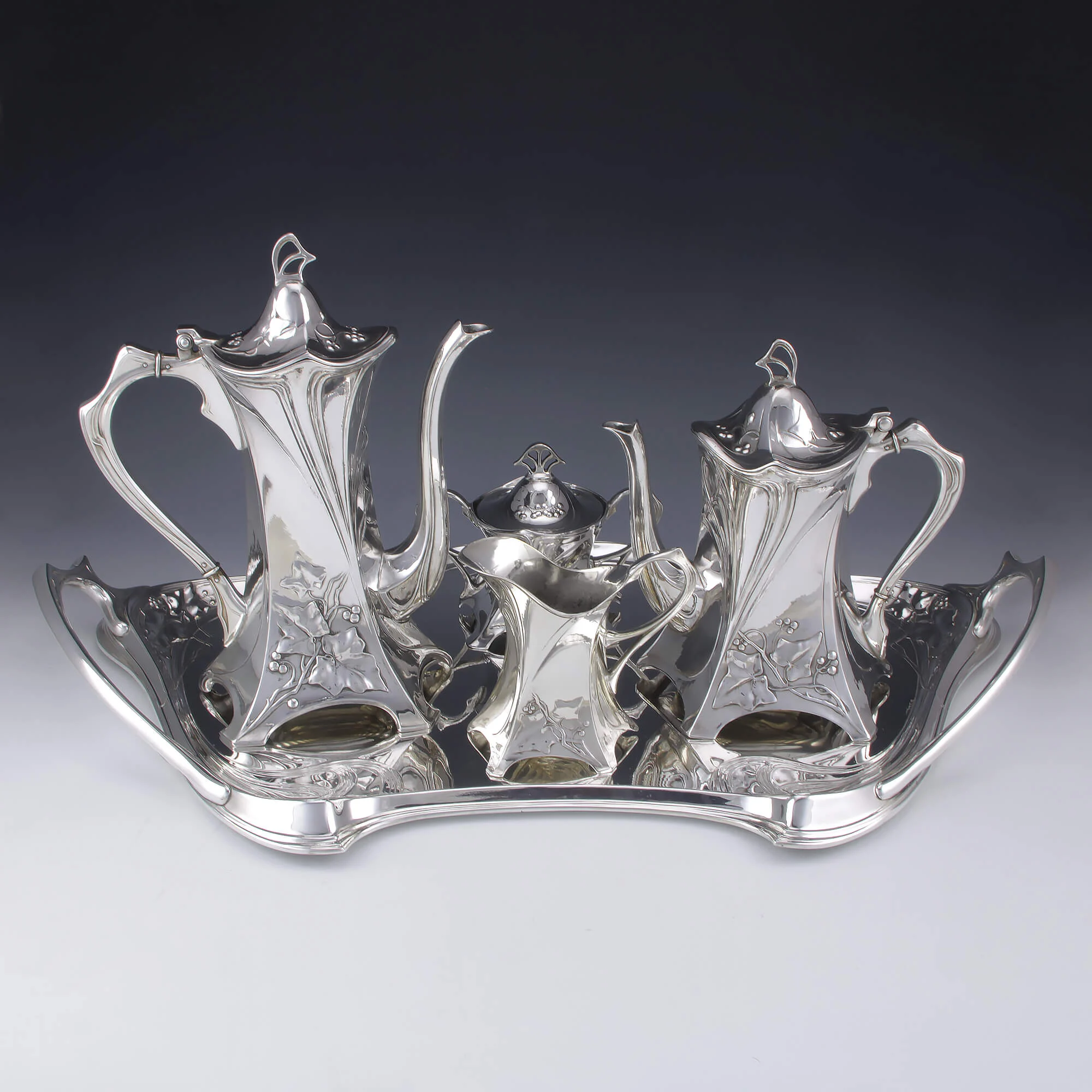
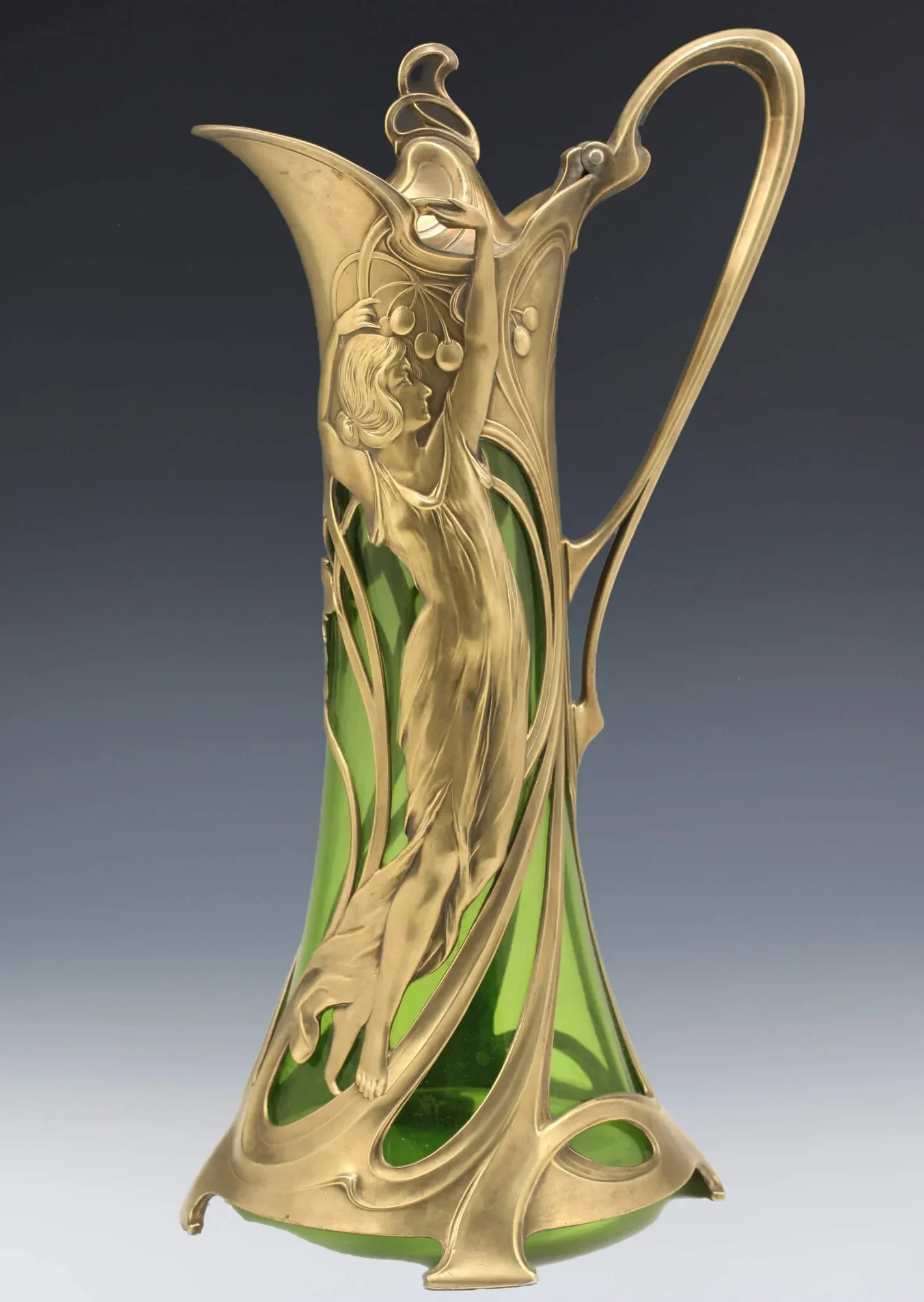
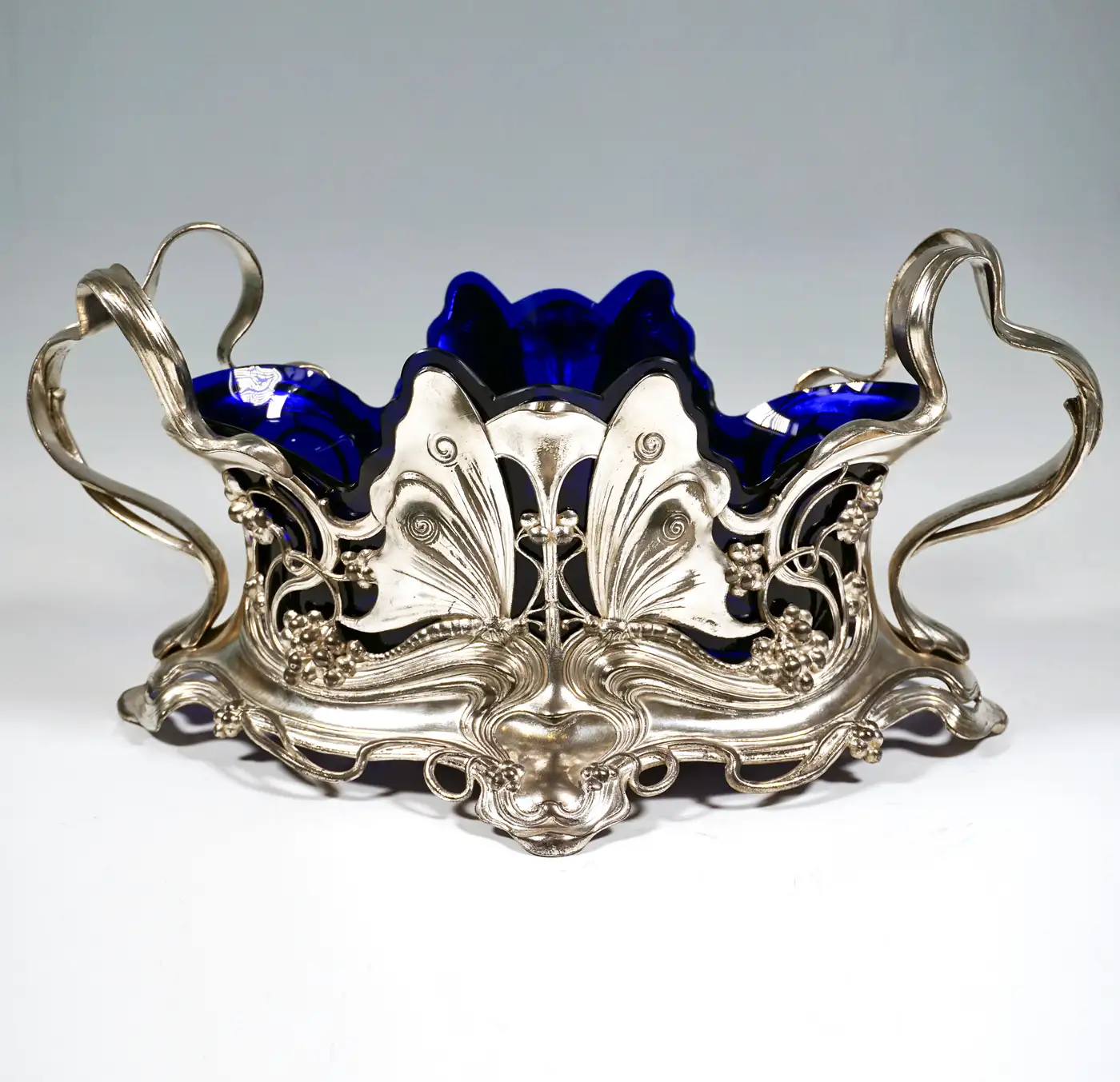
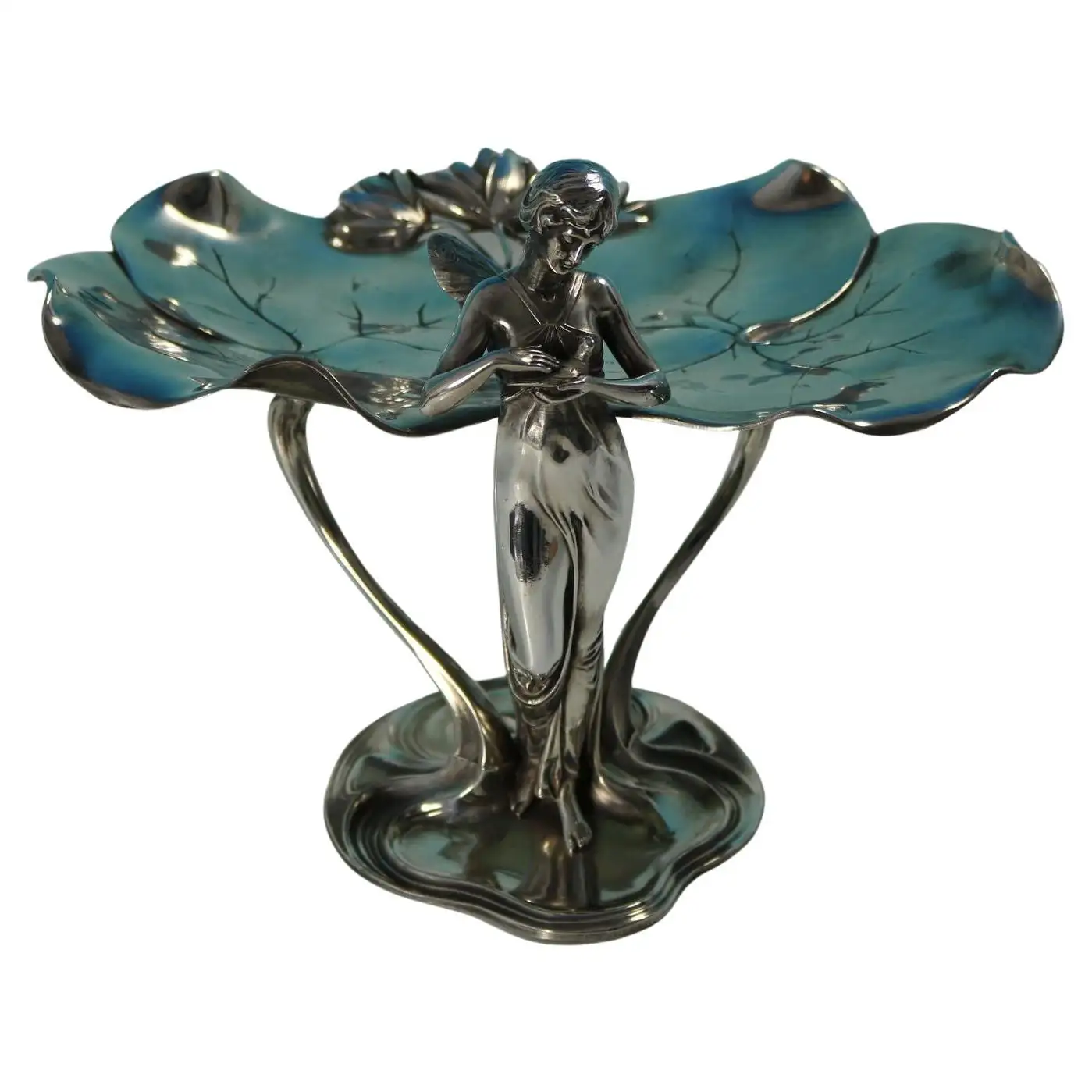
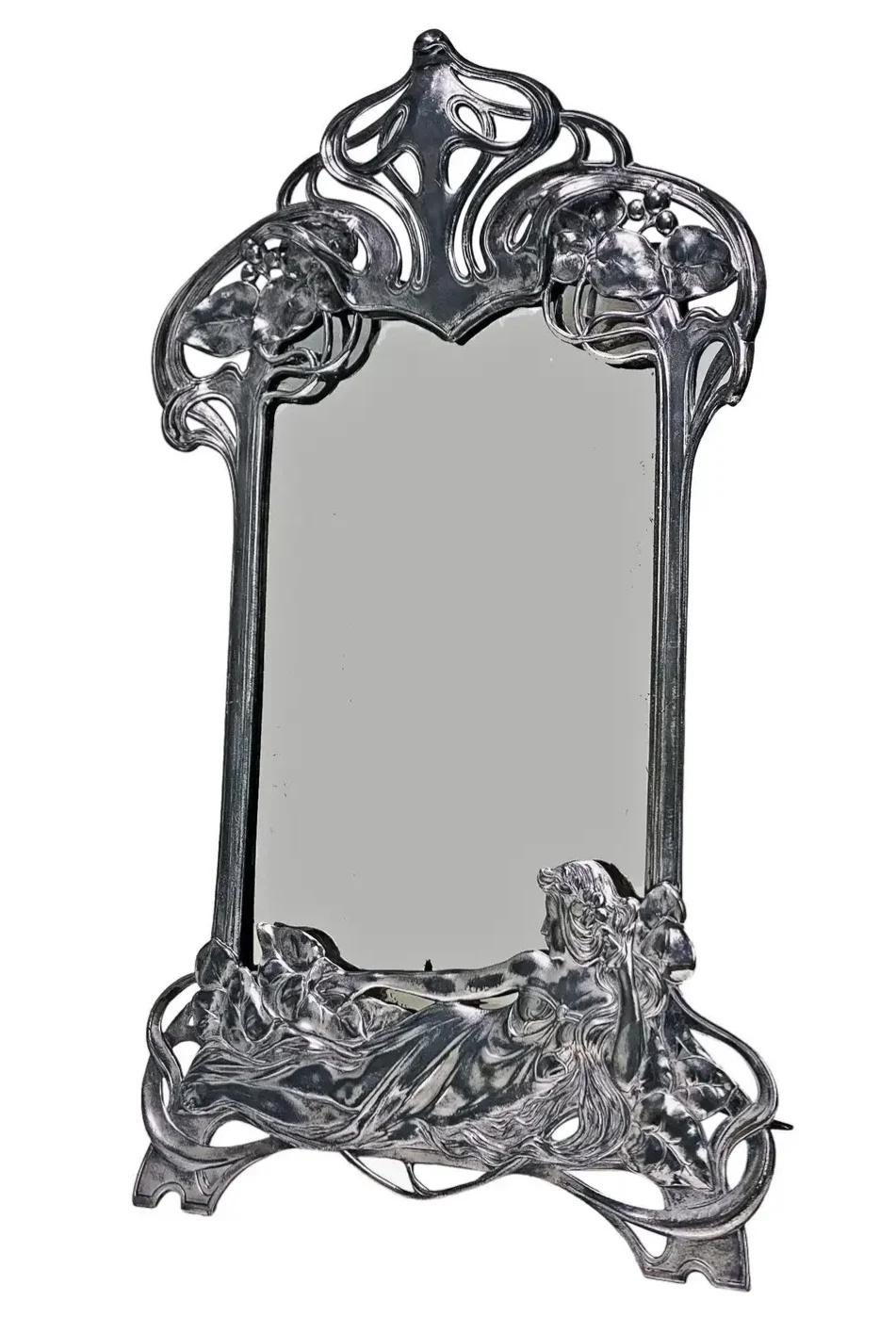
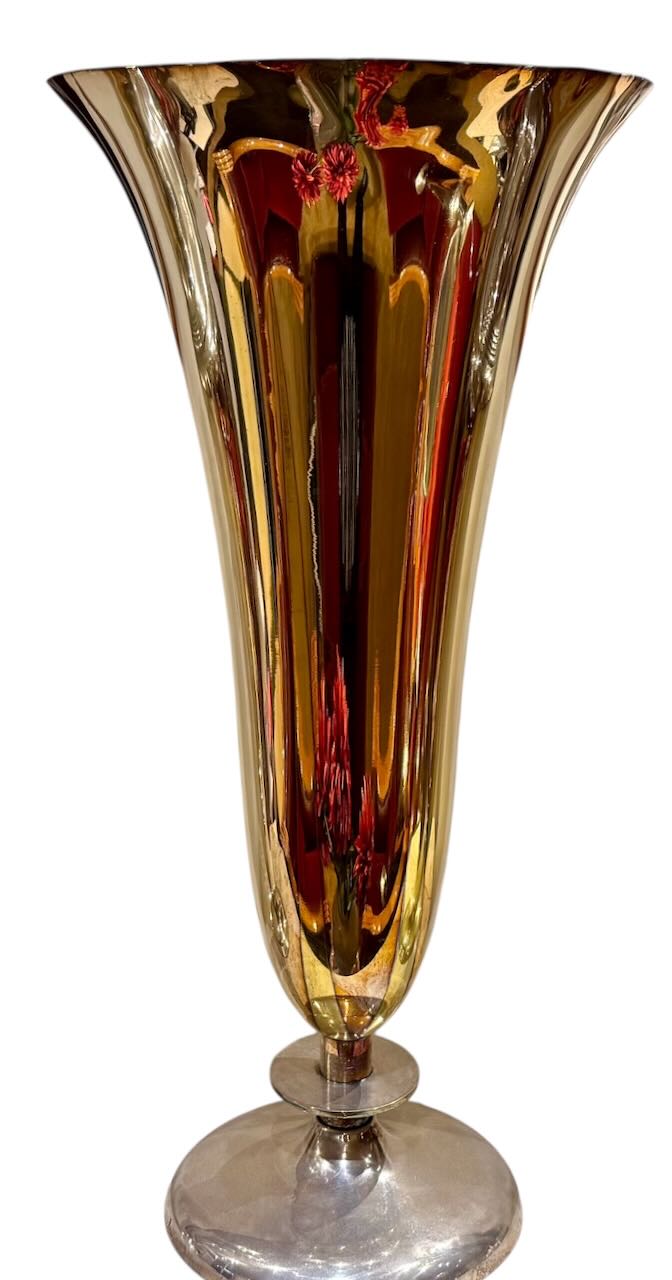
WMF’s signature aesthetic during its most celebrated period was the German Jugendstil, characterized by sinuous organic forms, naturalistic surface ornament, and a mastery of silver-plating and pewter that gave even utilitarian tableware the visual weight of fine objects. The company’s Art Studio under Albert Mayer translated the broader European Art Nouveau movement into a distinctly Germanic idiom, with restrained elegance and exceptional craft precision as consistent hallmarks. Its advertising posters across the decades have always reflected the company’s core principles of modern design, quality materials, and high practical value, tracking the visual shifts from Jugendstil through Art Deco and into postwar modernism without ever losing the brand’s distinctive identity.
Key Influences
- German Jugendstil: WMF’s prolific output under Albert Mayer made it one of the defining producers of the Jugendstil movement, bringing Art Nouveau domestic objects to an international mass market at a scale no other manufacturer could match.
- Industrial Craft: Its model of combining machine production with artisanal design, developed from the 1880s onward, was a foundational example of how industrial manufacturing could maintain aesthetic ambition and helped shape the philosophy of the German design reform movement.
- Global Metalware Standards: As the world’s largest producer and exporter of household metalware by 1900, WMF established quality and design benchmarks for silver-plated tableware that influenced competitors across Europe and shaped the visual culture of the bourgeois domestic table.
- Museum and Exhibition Culture: Its sustained participation in international exhibitions from London 1862 to Leipzig 1913 demonstrated that metalware design deserved the same critical and curatorial attention as fine art, contributing to the broader elevation of the decorative arts.
- Contemporary Design Collaboration: Its ongoing commissioning of designers across the 20th and 21st centuries, from its own Art Studio to figures like Zaha Hadid, established a model of the manufacturer as active design patron that continues to influence how companies in the premium goods sector approach creative collaboration.
If you are interested in further stories of the artists who shaped Art Deco, return to our artists page to browse the full directory.
Related Products from ArtDecoCollection.com