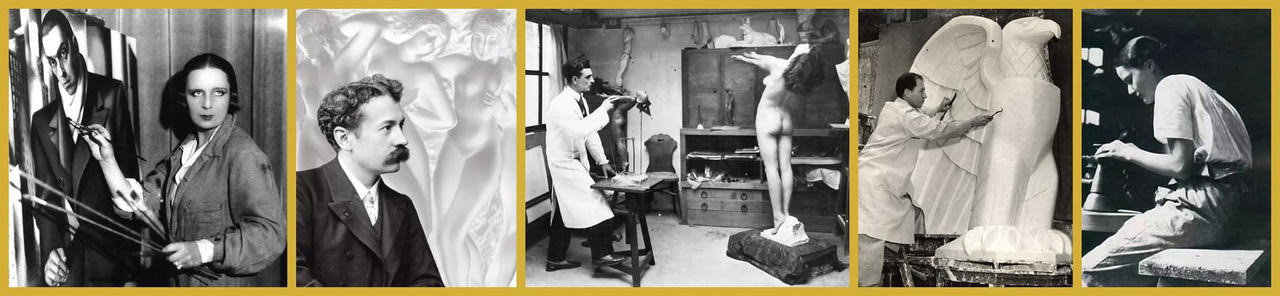
Walter Bosse
Walter Bosse was born on November 13, 1904, in Vienna, the son of the artists Luise and Julius Bosse, his father a portrait painter at the Austrian imperial court. From 1918 he studied at the Vienna School of Applied Arts, where he learned ceramics from Michael Powolny and ornament from Franz Cizek. He then attended the Munich School of Applied Arts, studying under Richard Riemerschmid. Josef Hoffmann became his mentor and gave him the chance to sell his work through the Wiener Werkstätte. In the early 1920s he opened his own ceramic shop in Kufstein, Austria, with a sales store in Vienna’s Hotel Bristol. The economic slump forced him to close the workshop in 1937. In 1938, newly divorced, he returned to Vienna and founded Bosse-Keramik, which later expanded under the name Terra to include glass and toys. In 1953, partly to escape financial troubles, he moved to Iserlohn, Germany, where he set up a new shop and kept producing. Bosse died in Iserlohn on December 13, 1979, and his models, which had survived World War II in the cellar of his destroyed house, are still in production today.
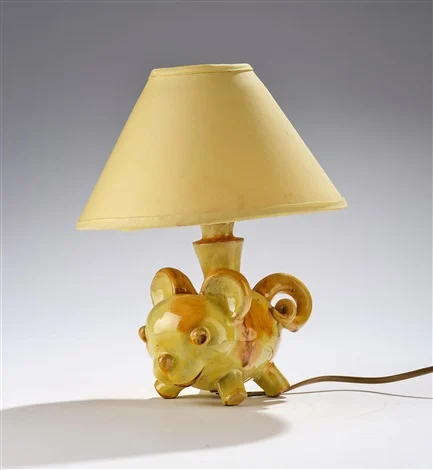
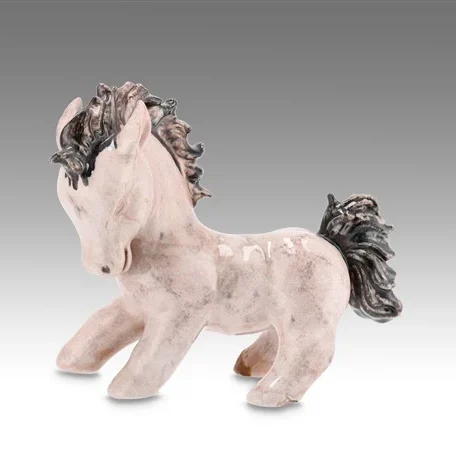
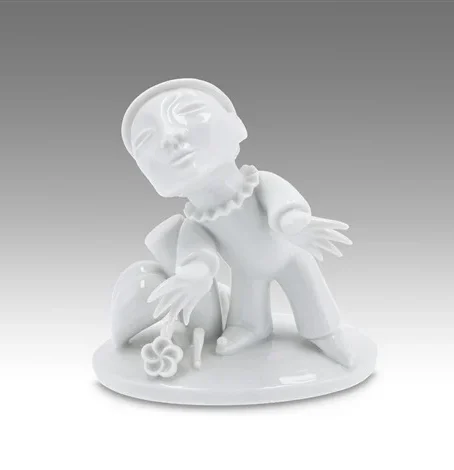
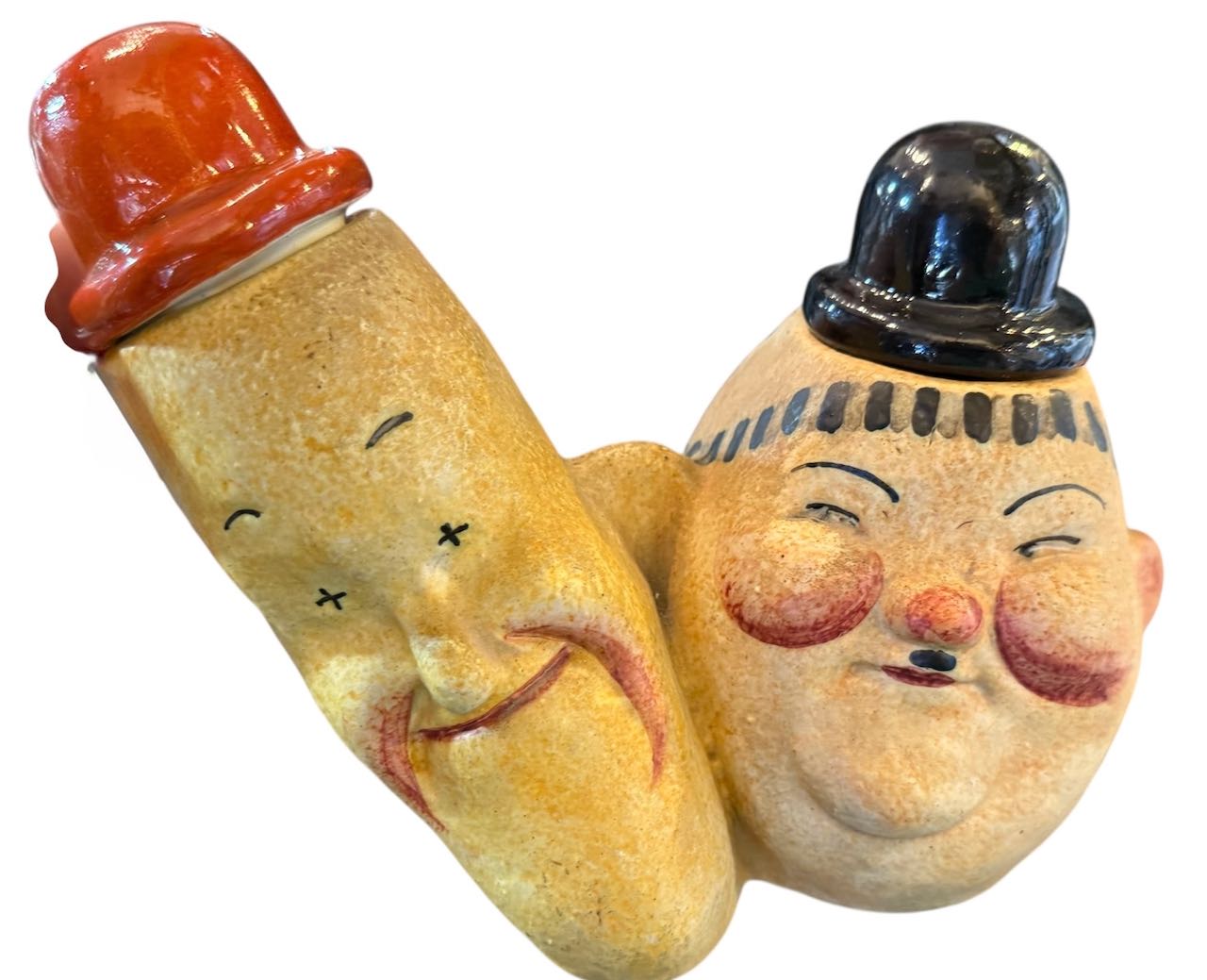
Bosse began as a ceramist, producing animal figures and grotesques that were sold through the Wiener Werkstätte, and his studies of facial expressions became known across Europe. In 1924 he began designing for the Augarten Porcelain Works in Vienna, and pieces of his were shown at the 1925 Paris Exposition. During the 1920s and 1930s he also designed for Goldscheider and Metzler & Ortloff. In the late 1940s he began experimenting with brass, first giving ceramic figures a metal coating to protect them from breakage. In the early 1950s these experiments grew into his Black Golden Line, small brass animals patinated black with polished brass showing through in places. Herta Baller’s company manufactured and marketed the brass figures, and the partnership presented its collection at art fairs in Frankfurt, where it found a large international clientele. The best known of these designs is the hedgehog ashtray, and he extended the black and gold look to everyday objects such as letter openers and corkscrews. In Germany he also designed animal figures in ceramic for the Karlsruhe State Majolika Works, which proved very popular in the 1950s and 1960s, and in 1958 he designed for Achatit Schirmer in Cologne. He left behind about 8,000 models and designs, roughly 3,000 of them in ceramic, and his work was copied so often that he is considered a seminal figure in modern copyright law for designer goods.
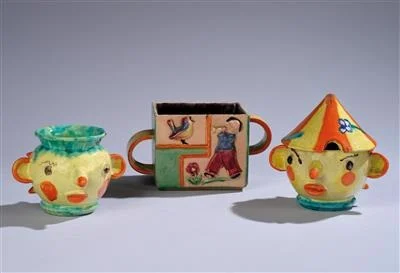
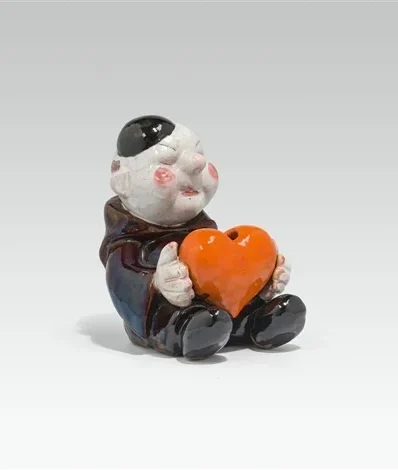
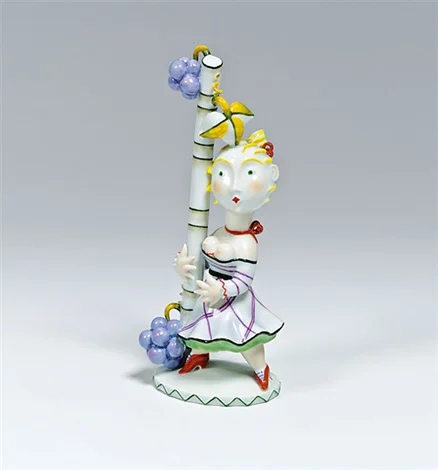
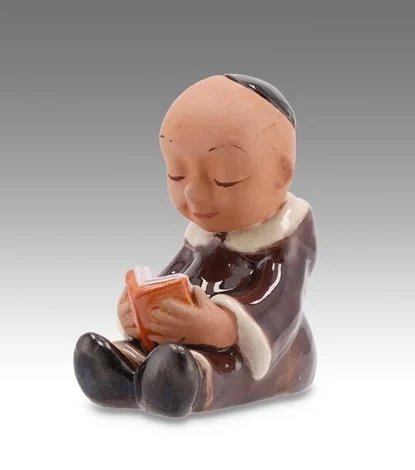
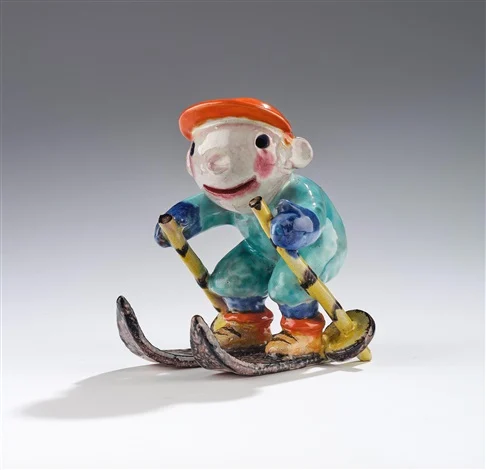
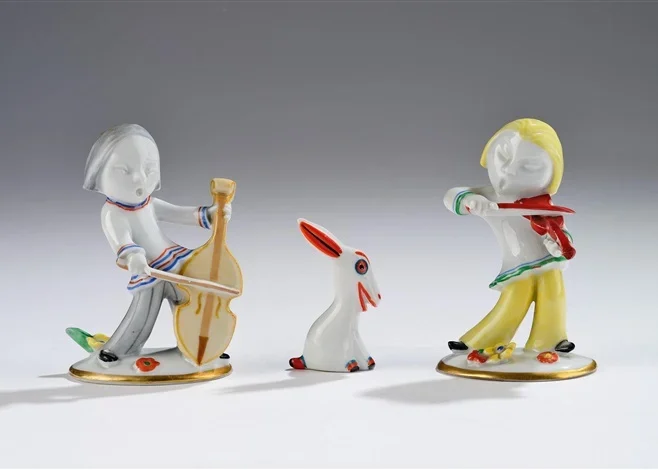
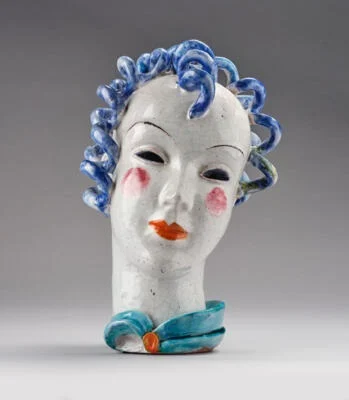
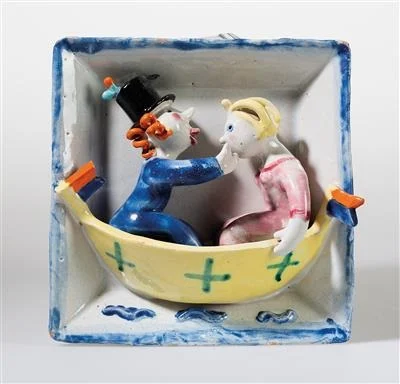
Bosse’s animals are simplified and playful, with rounded, childlike forms that give each creature a distinct personality. The Black Golden Line set a dark patina against polished brass highlights, a play of matte and gleaming surfaces that became his signature. His stated aim was to make as many people as possible happy, and the humor of his designs reflects it.
Key Influences
- Black Golden Line: His black patina and polished brass animals became one of the most recognizable looks in mid-century Viennese bronze.
- The Hedgehog Ashtray: His most famous design has been copied millions of times and remains a symbol of Austrian brass.
- Viennese Brass Tradition: His small animals helped carry the Vienna bronze tradition into postwar homes around the world.
- Wiener Werkstätte Ceramics: His early ceramics carried the craft ideals of Josef Hoffmann’s circle into the Art Deco decade.
- Designer Copyright: His battles against imitators made him a seminal figure in copyright protection for designer goods.
If you are interested in further stories of the artists who shaped Art Deco, return to our artists page to browse the full directory.
Related Products from ArtDecoCollection.com