

Raymond Loewy
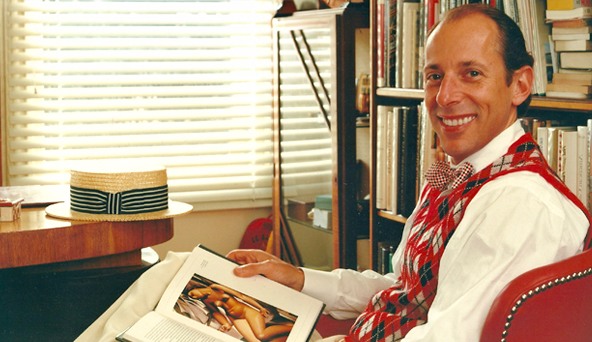
Raymond Loewy was born in Paris in 1893 and became one of the most influential industrial designers of the twentieth century. He showed talent early, even designing a successful model airplane as a teenager. He studied in Paris and later served in the French army during the First World War, where he was wounded and awarded the Croix de Guerre. After the war, he moved to New York in 1919, beginning a new life in the United States. In his early American years, he supported himself through window display work, fashion illustration, and commercial art. These jobs gave him a sharp understanding of how modern products could attract attention through form as well as function. Loewy combined European training with a strong instinct for American consumer culture. He was not just interested in making things beautiful, but in making them desirable, usable, and commercially successful. Over time, he became known as one of the leading champions of streamlining and modern industrial design. His reach extended far beyond one field, touching transportation, appliances, packaging, interiors, and corporate identity. By the middle of the century, he had become a public symbol of modern design itself.
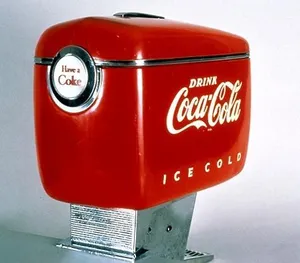
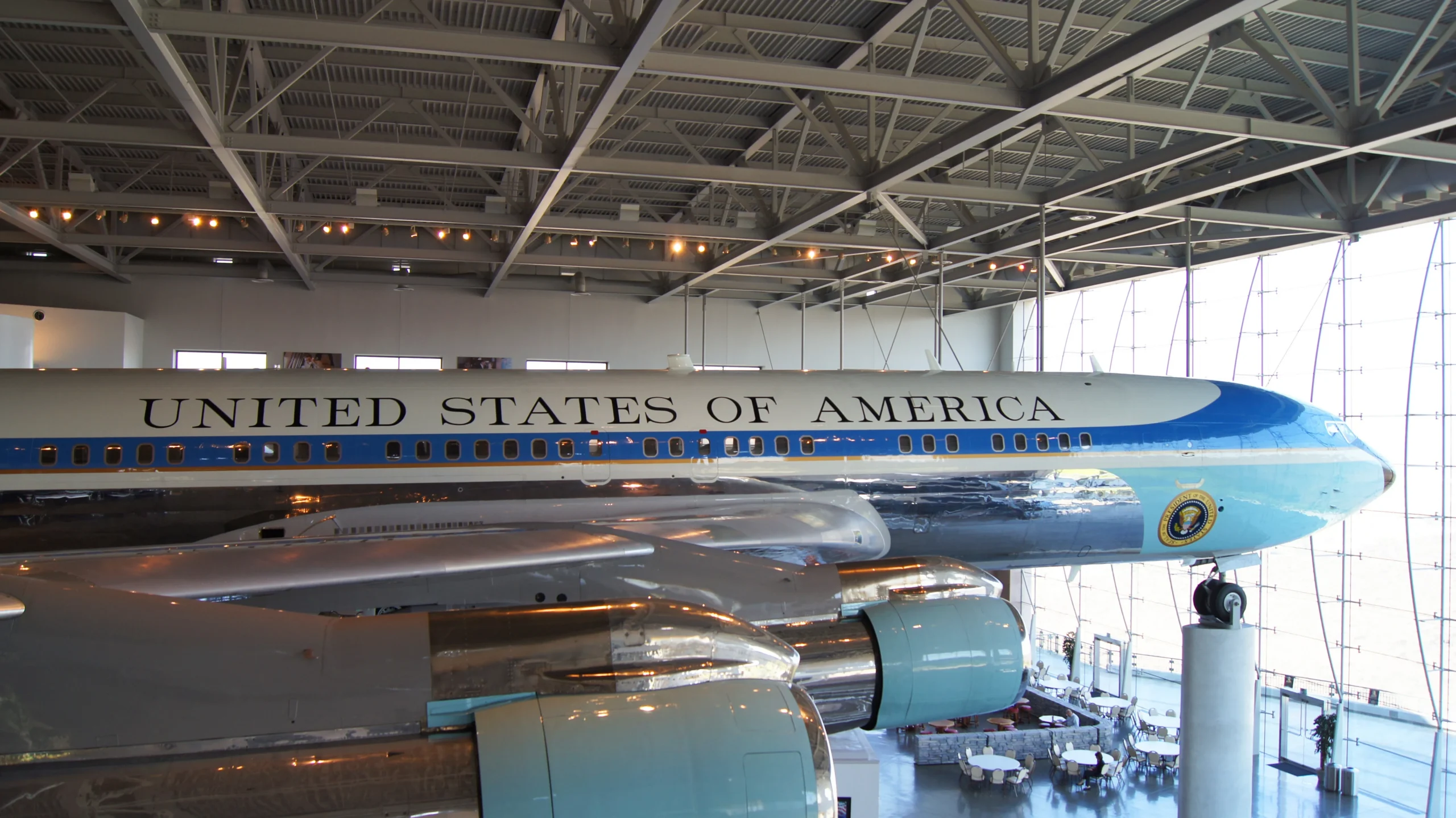
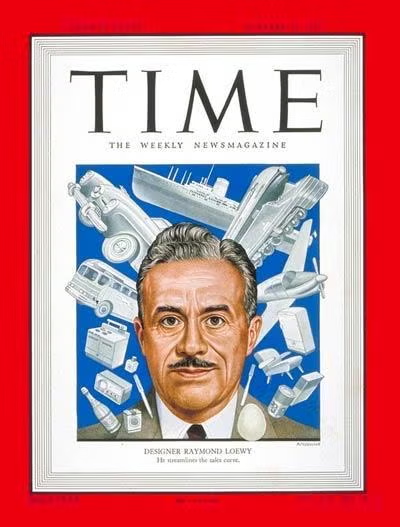
Loewy’s first major industrial design success came with the redesign of the Gestetner duplicating machine and later the Coldspot refrigerator for Sears, which helped establish his national reputation. From there his practice expanded rapidly as companies saw that modern styling could transform the market appeal of everyday products. He worked on trains, buses, automobiles, vending machines, radios, refrigerators, logos, and packaging, bringing a streamlined visual language to each of them. His long relationship with the Pennsylvania Railroad produced some of the most memorable transportation designs of the era, including streamlined locomotives and passenger interiors. He also shaped the look of Studebaker automobiles, most famously contributing to the dramatic postwar models and later the Avanti. In consumer culture, his redesign of the Lucky Strike package and his work for Coca Cola showed how graphic identity could be as important as the product itself. He later designed or refined logos for major companies including Shell, Exxon, TWA, and the United States Postal Service. His office grew into a major design organization that served corporate America at a huge scale. Late in his career he also worked with NASA on the Skylab space station, helping think through habitability, privacy, and human comfort in space. Across seven decades, Loewy helped define how industrial design could shape not only objects, but public expectations of modern life. His career made industrial design visible as both a profession and a cultural force.
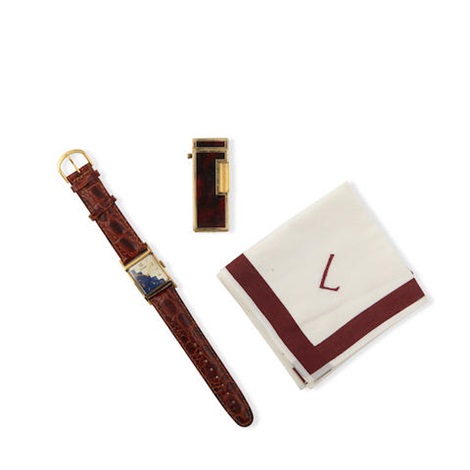
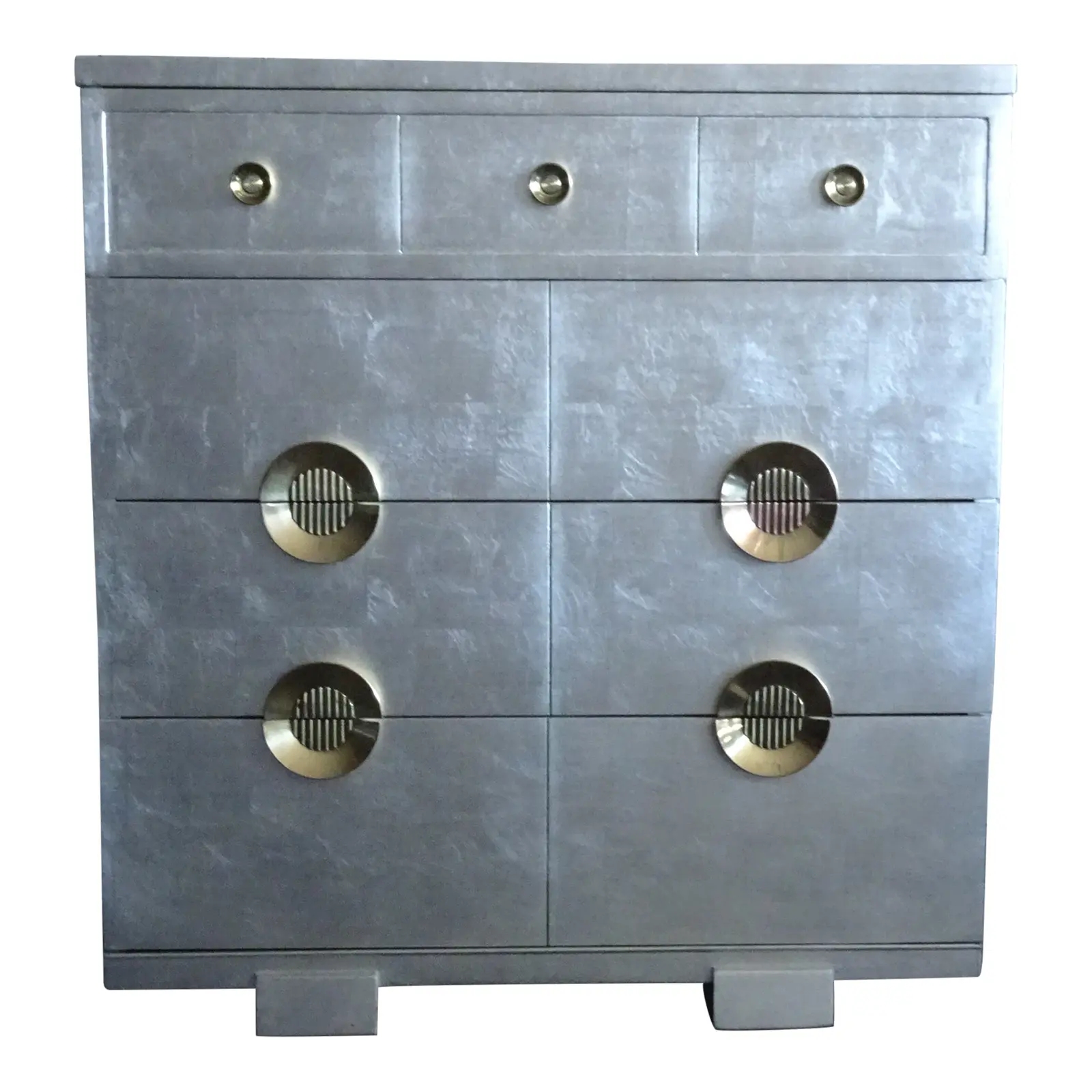
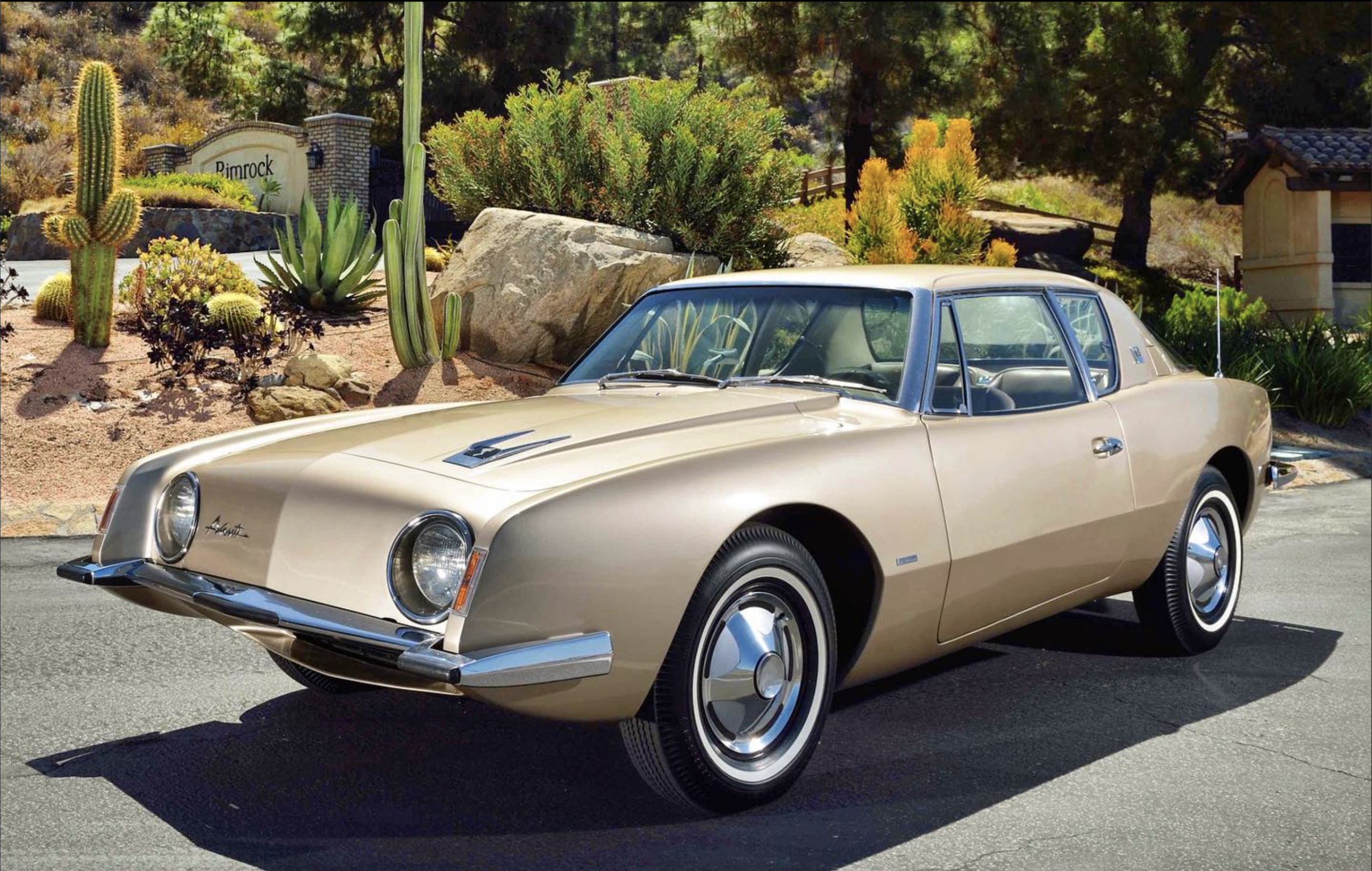
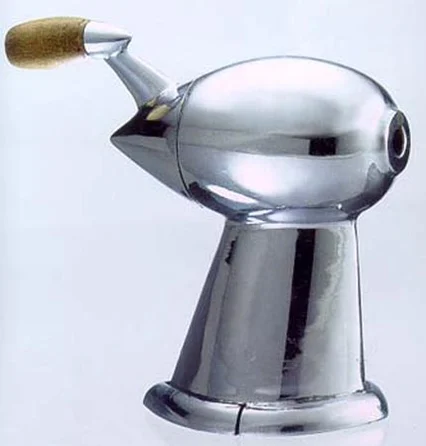
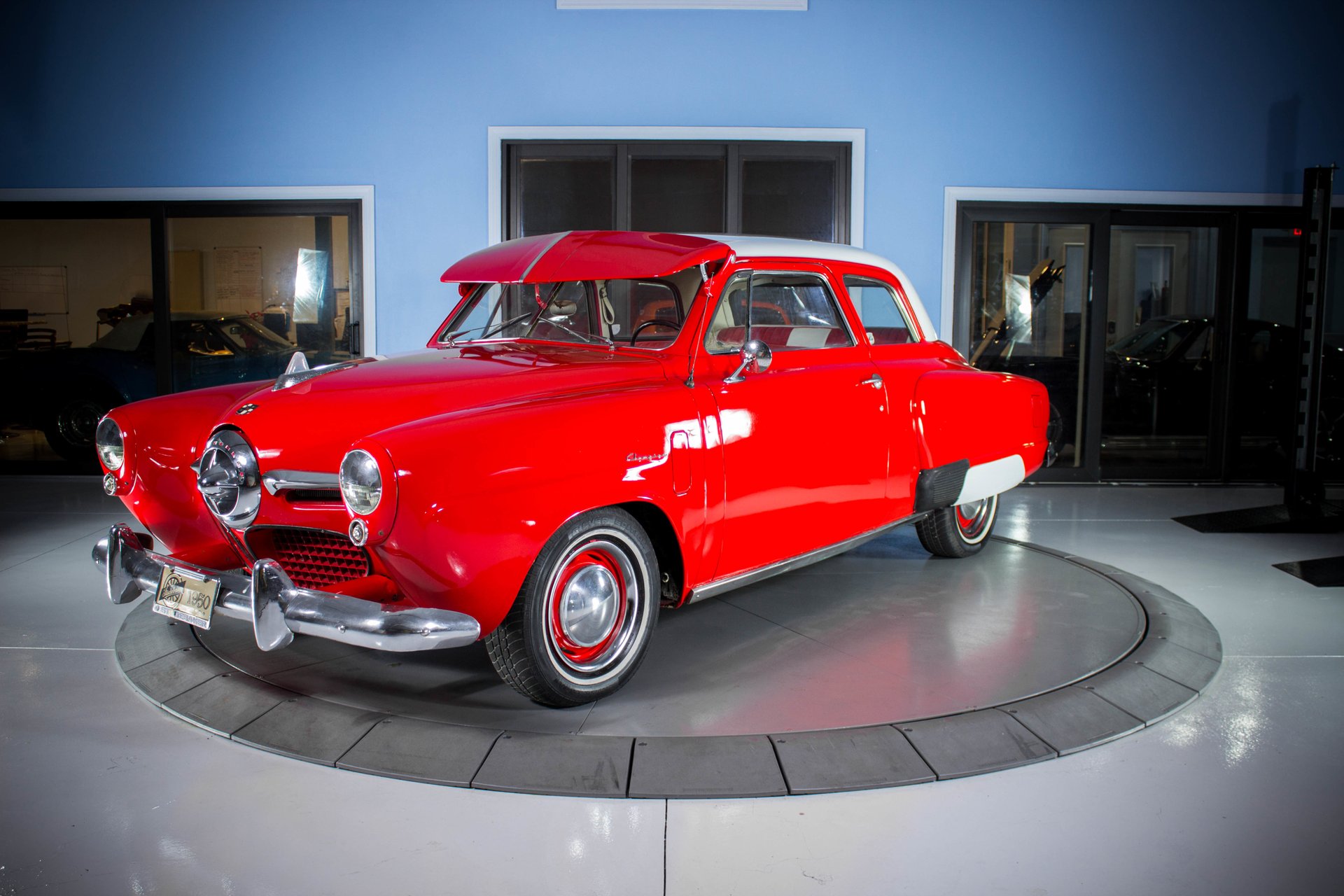
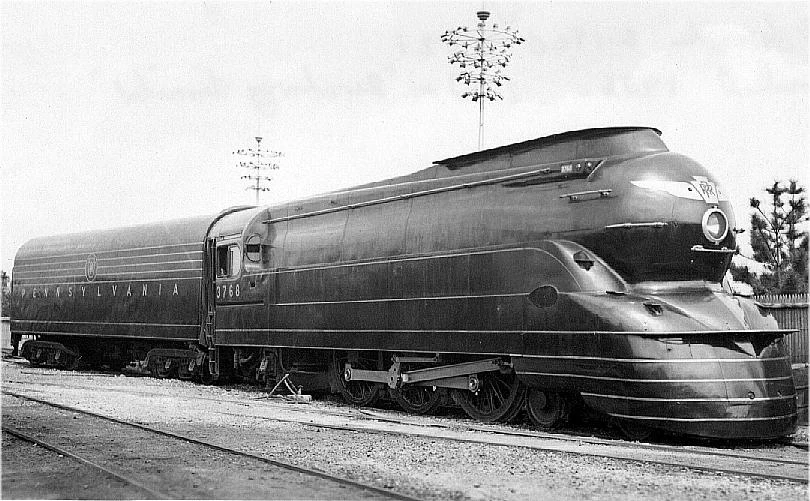

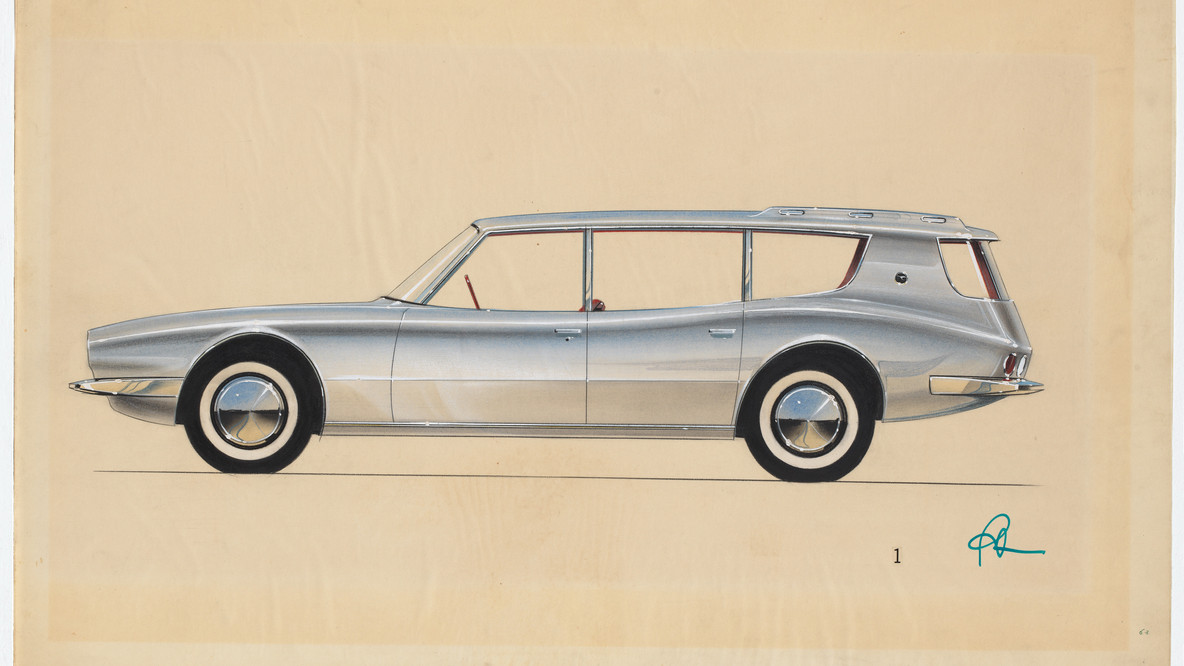
Raymond Loewy’s style is closely tied to streamlining, visual clarity, and commercial appeal. He favored smooth surfaces, flowing lines, and forms that suggested speed, efficiency, and ease. His work often simplified complicated machinery into shapes that felt modern and approachable. He believed that the most successful design was advanced enough to feel new, but familiar enough to be accepted by the public. That balance became central to his famous design philosophy of making products modern without making them alien.
Key Influences
- American Consumer Culture: Loewy understood that design had to attract buyers as well as solve practical problems.
- Streamlined Transportation: Trains, cars, aircraft, and buses shaped his love of speed, motion, and aerodynamic form.
- Commercial Display and Illustration: Early work in shop windows and magazines taught him how to catch the eye quickly.
- Corporate Branding: He saw that logos, packaging, and product identity could shape how people understood a company.
- Modern Technology: New materials, new industries, and new machines gave him the chance to define the visual language of modern life.
If you are interested in further stories of the artists who shaped Art Deco, return to our artists page to browse the full directory.
Related Products