Ralph Stackpole
Ralph Ward Stackpole was born on May 1, 1885, in Williams, Oregon. After his father died in a lumber mill accident, he worked as a laborer to support himself and his mother. At sixteen he came to San Francisco, where he enrolled at the California School of Design in 1903 and studied with the painter Arthur Mathews. He apprenticed in the studio of the sculptor Arthur Putnam and worked with the painter Gottardo Piazzoni. After the 1906 earthquake, New York benefactors made it possible for him to study sculpture and painting at the École des Beaux-Arts in Paris, where he met and befriended Diego Rivera. In 1911 he spent a year at the Robert Henri School of Art in New York, and after returning to San Francisco in 1912 he married the art student Adele Barnes. His studio on Montgomery Street, next to the Montgomery Block, became a social center for the city’s artists. He taught sculpture at the California School of Fine Arts for nearly two decades and became the first West Coast appointee to the U.S. Commission of Fine Arts. Stackpole moved to France in 1949 and died in December 1973 in Chauriat, in the Puy-de-Dôme, at the age of 88.
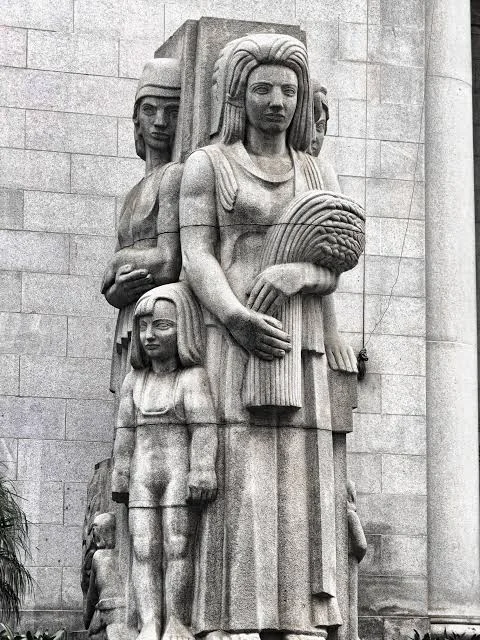
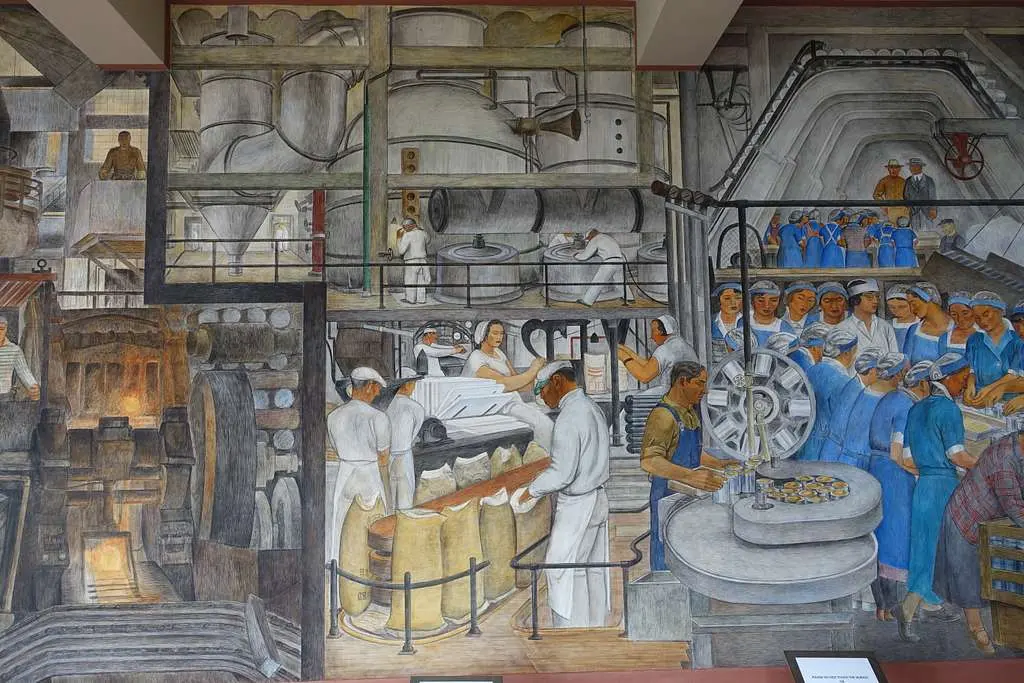
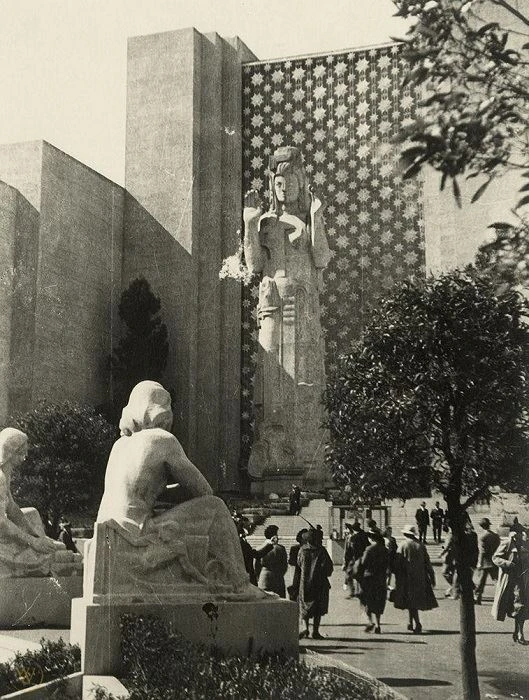
Stackpole was commissioned to sculpt architectural features for the 1915 Panama-Pacific International Exposition, an assignment that took two years even with assistants. He was a founder of the California Society of Etchers in 1912 and was modeling bronze heads by 1919. Between 1928 and 1932 he carved two monumental stone figures, Earth’s Fruitfulness and Man’s Inventive Genius, on scaffolding with a crew of assistants for the Sansome Street entrance of the San Francisco Stock Exchange. In 1930 he recommended Diego Rivera to the architect Timothy Pflueger, bringing the Mexican muralist to San Francisco to paint a mural for the Stock Exchange, in which Rivera painted Stackpole’s son Peter holding a model airplane. During the Depression he took part in the federal art programs and painted murals at Coit Tower, and in 1933 he helped launch support for West Coast artists by suggesting they contact Edward Bruce. For the 1939 Golden Gate International Exposition on Treasure Island he created Pacifica, an 80-foot frame-and-stucco figure that was the exposition’s theme statue and its largest, representing world peace and the unity of the Pacific coast. Pacifica and most of the exposition’s buildings were dynamited in 1942, but a replica of the statue now stands at City College of San Francisco. In 1940 he and the sculptor Heinz Warneke delivered stone relief panels for the auditorium of the Department of the Interior building in Washington, D.C. Among his students at the California School of Fine Arts was the sculptor Ruth Cravath.
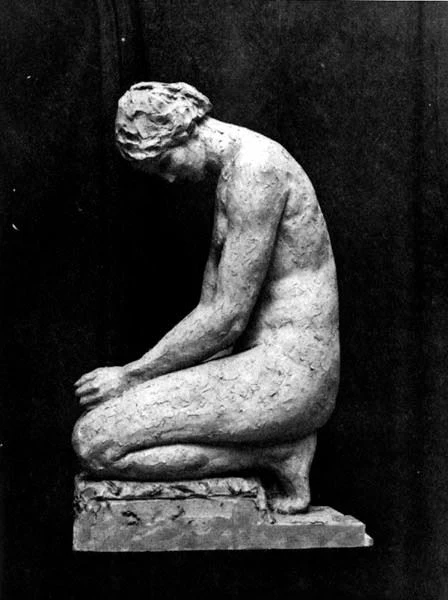
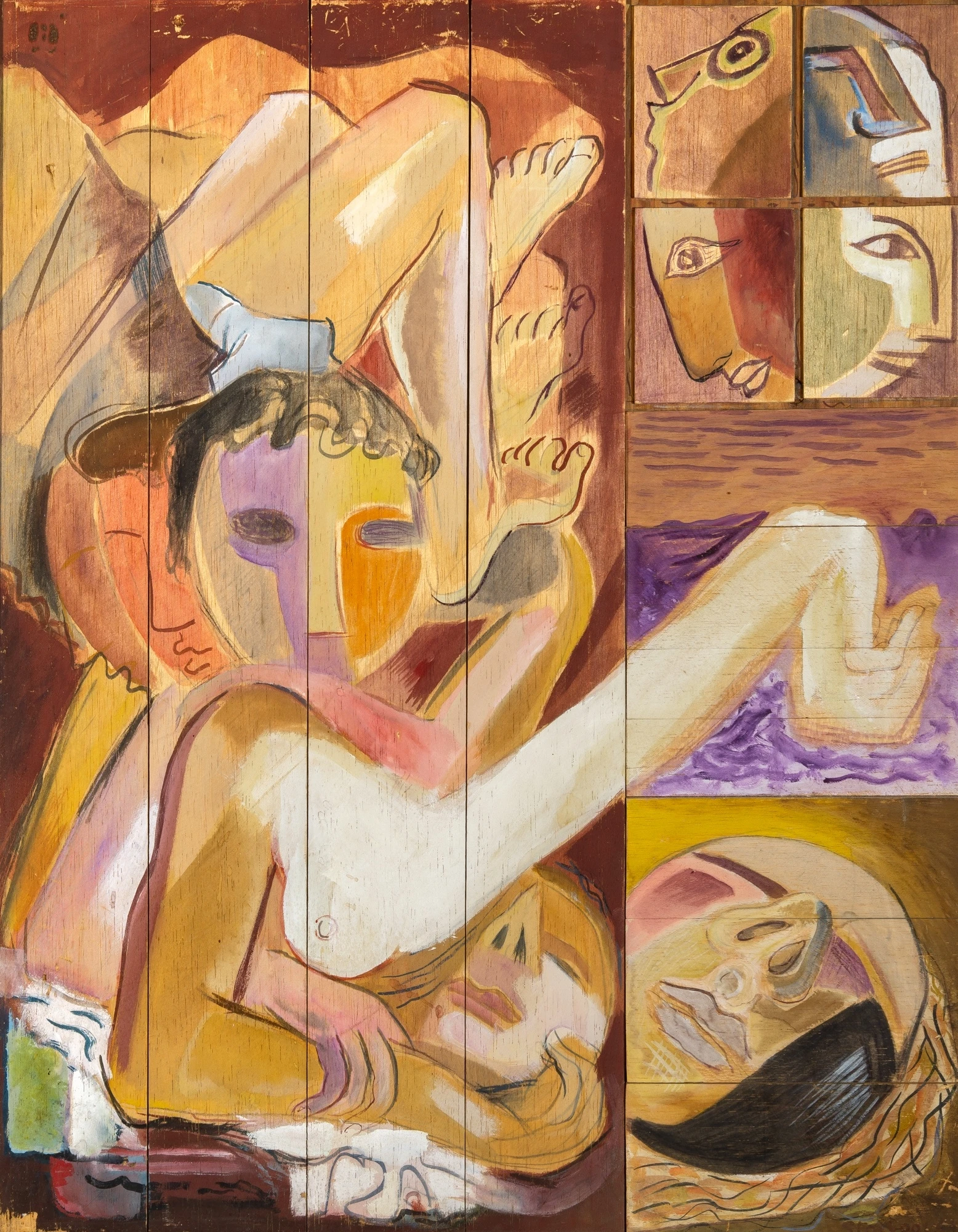
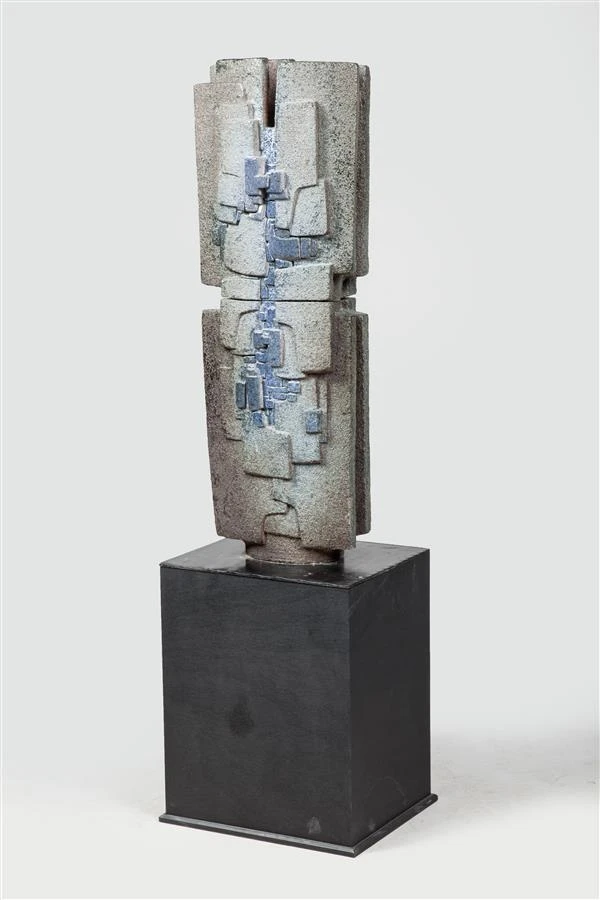
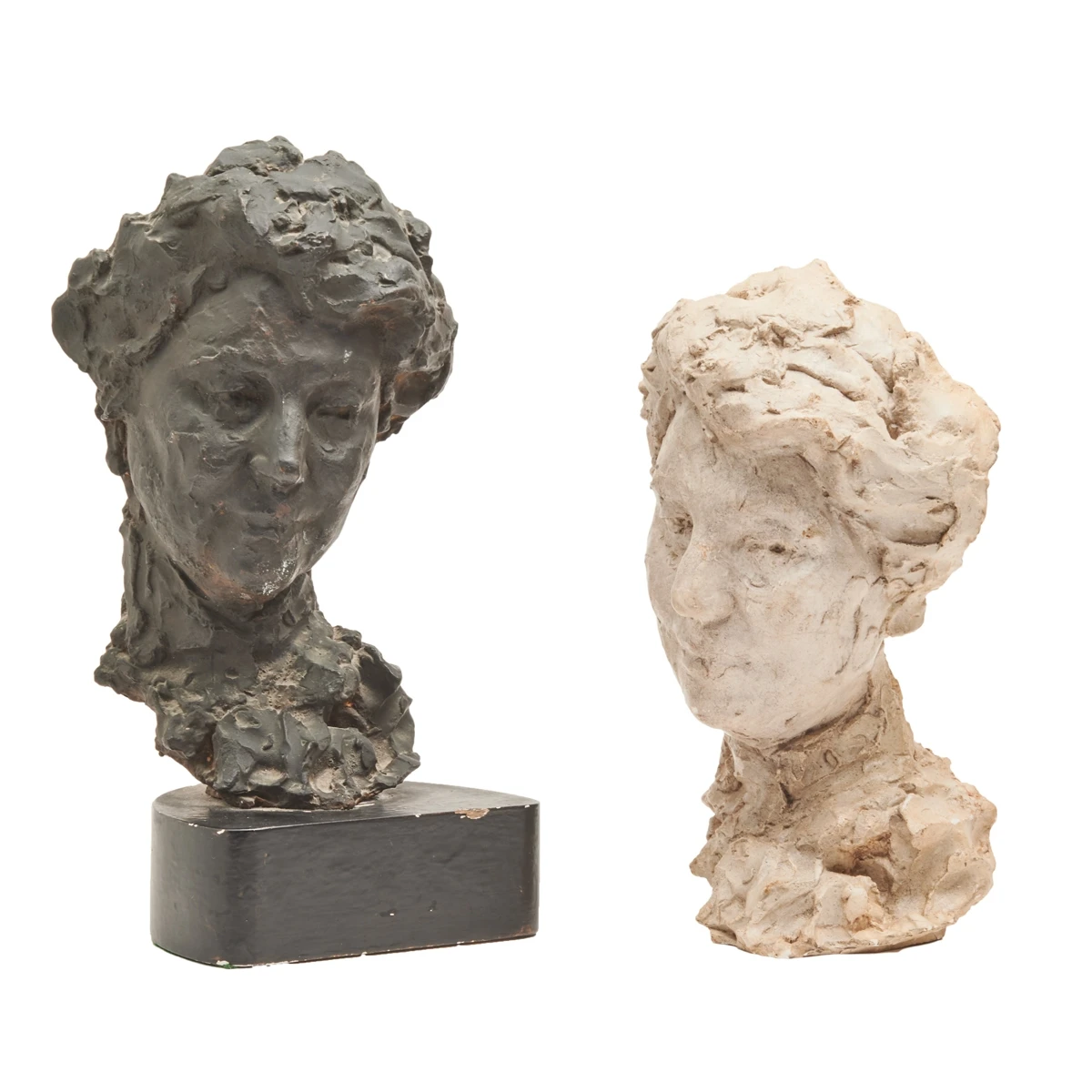
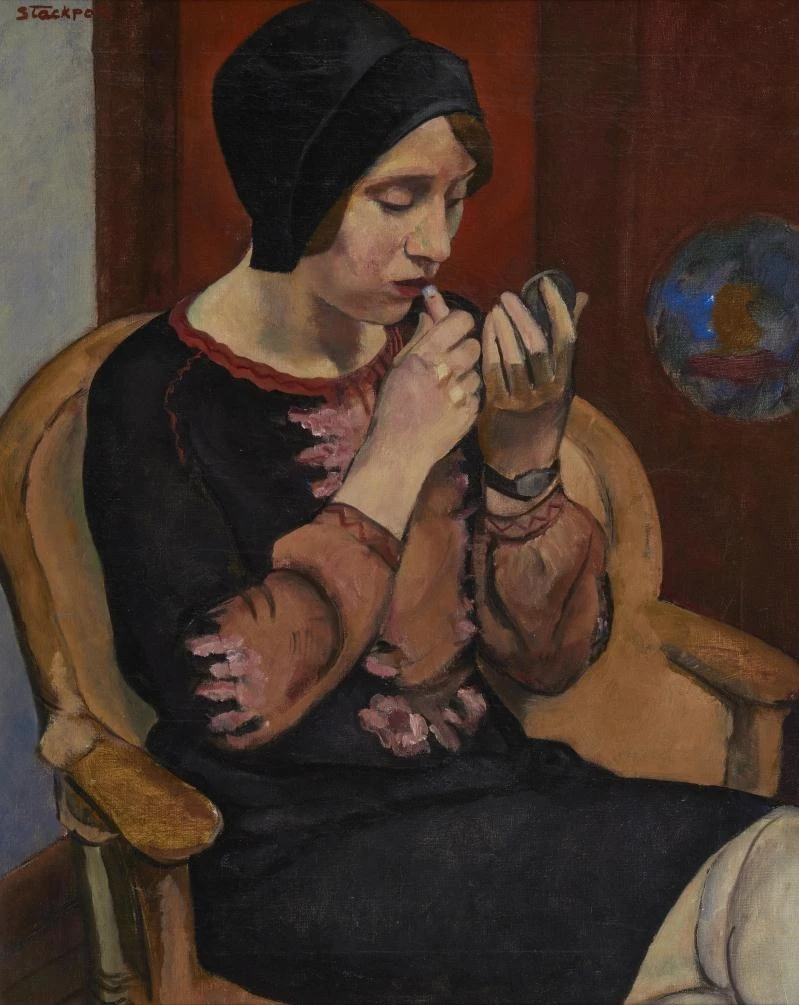
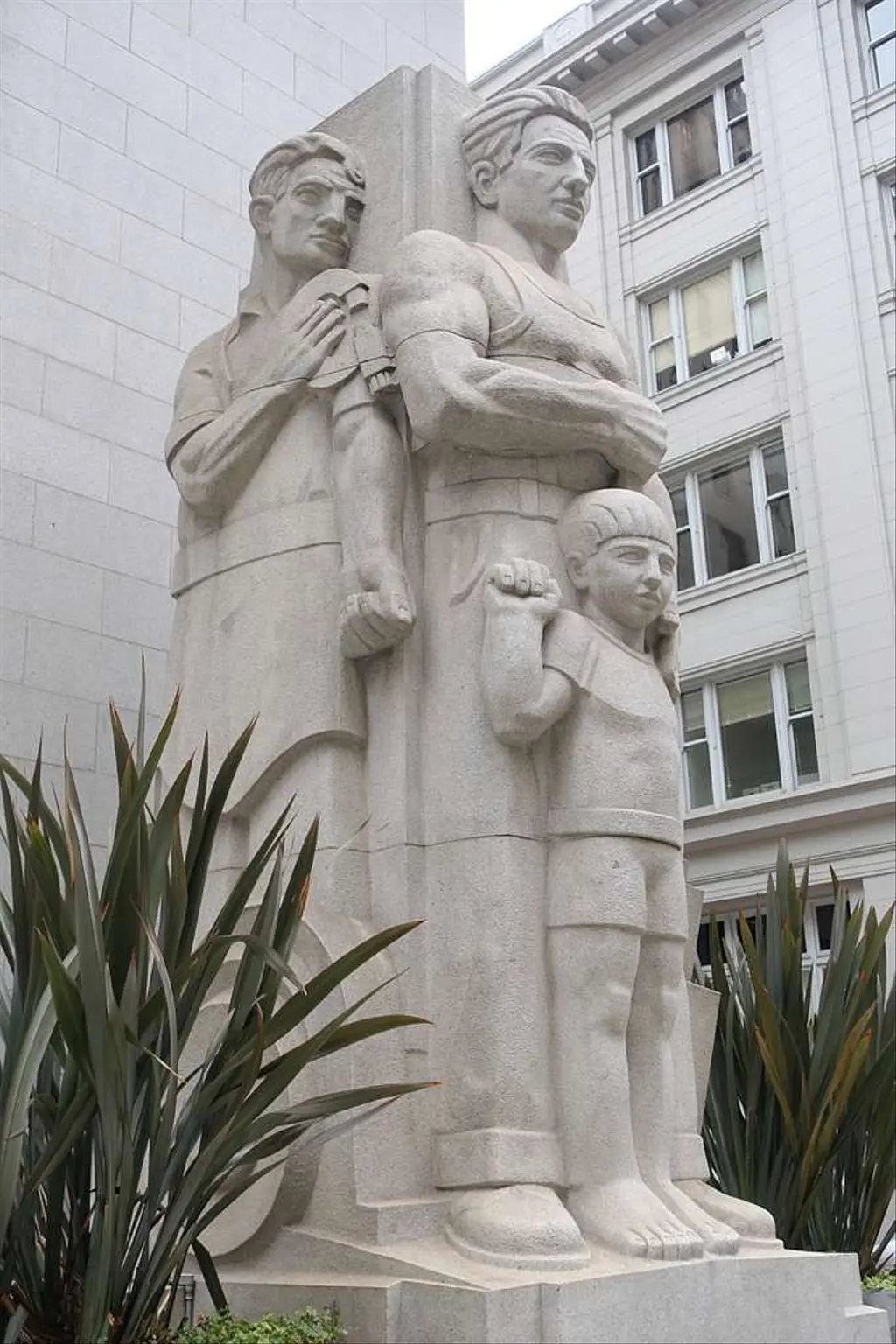
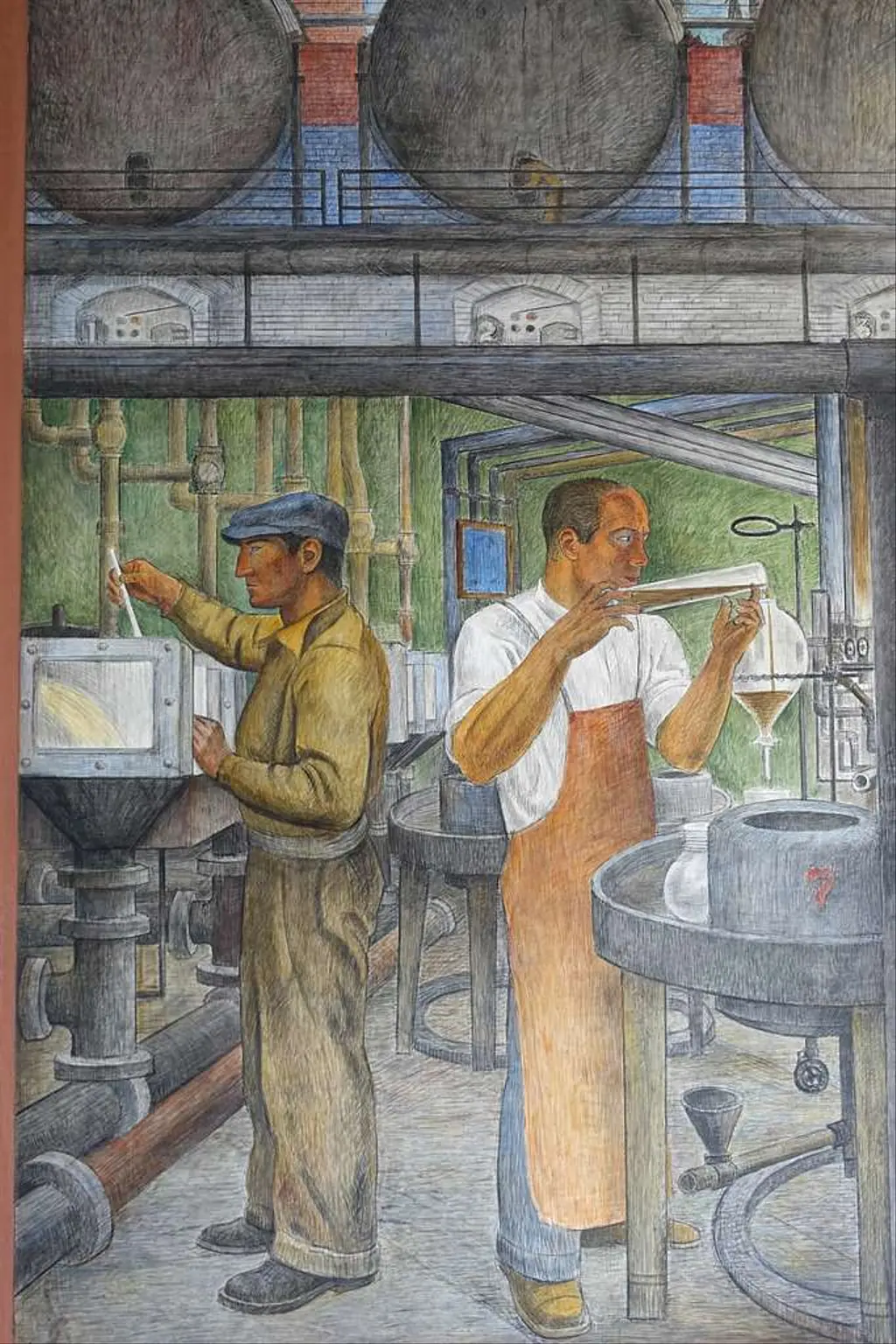
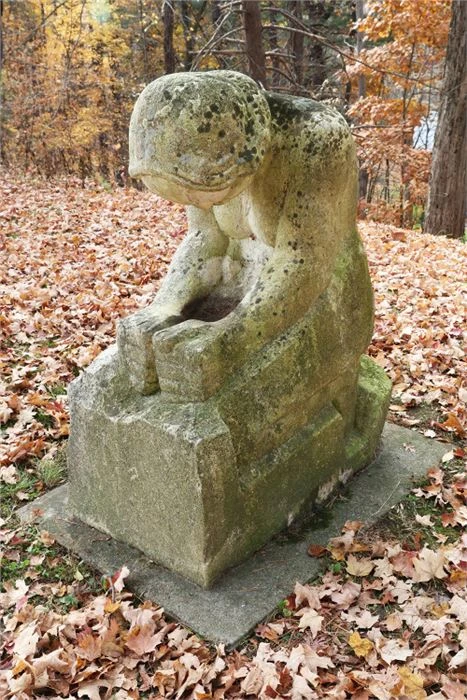
Stackpole’s early work was influenced by art moderne, and his monumental stone figures give the working world a heroic, simplified grandeur suited to Pflueger’s architecture. He integrated sculpture and painting with architecture, carving directly in stone and designing figures to belong to the buildings they adorned. In the 1930s his subjects turned toward social realism and the dignity of labor.
Key Influences
- San Francisco Art Moderne: His monumental stone figures gave Pflueger’s Stock Exchange its sculptural identity and helped define Bay Area Art Deco.
- Bringing Rivera to California: His recommendation brought Diego Rivera to San Francisco and sparked a wave of mural painting on the West Coast.
- Federal Art Support: His role in organizing federal support helped launch public art programs for West Coast artists.
- Pacifica: His eight-story statue became the symbol of the 1939 Golden Gate International Exposition.
- Teaching Sculpture: His nearly two decades at the California School of Fine Arts shaped a generation of Bay Area sculptors.
If you are interested in further stories of the artists who shaped Art Deco, return to our artists page to browse the full directory.

Related Products from ArtDecoCollection.com