


Peter Müller-Munk
Peter Müller-Munk was born Klaus Peter Wilhelm Müller in Berlin in 1904 and was trained in art and metalwork at the University of Berlin. His early education emphasized traditional craftsmanship, particularly silversmithing, which shaped his lifelong respect for material and process. In 1926, he emigrated to the United States, seeking broader artistic and professional opportunities. He began his American career at Tiffany and Company in New York, working as a silversmith and designer. During this period, his Art Deco silver objects attracted critical attention for their sculptural clarity and modern forms. His work was exhibited at major institutions, including the Metropolitan Museum of Art, signaling early recognition. By the late 1920s, he had established himself as both an artist and a forward-looking designer. These formative years bridged European decorative traditions with emerging American modernism.
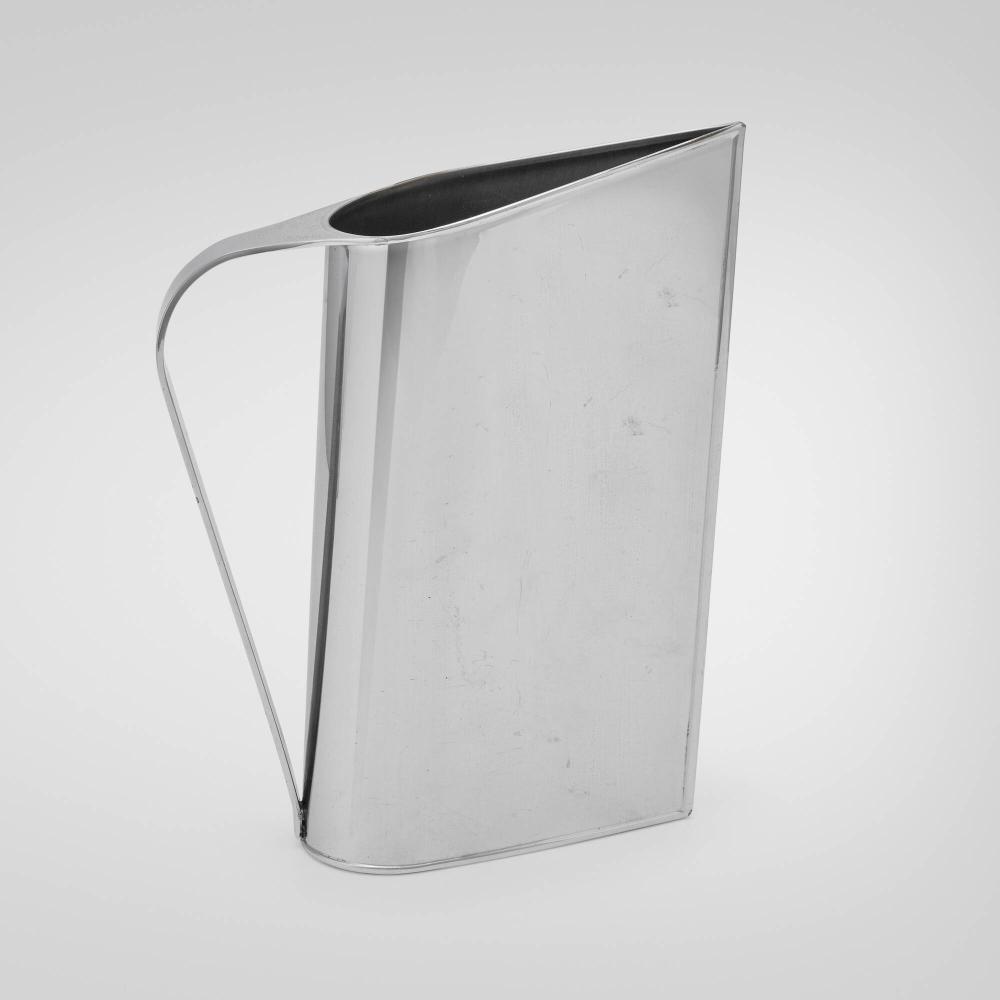
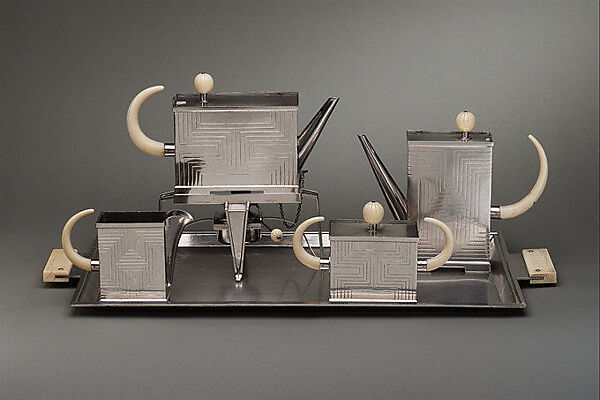

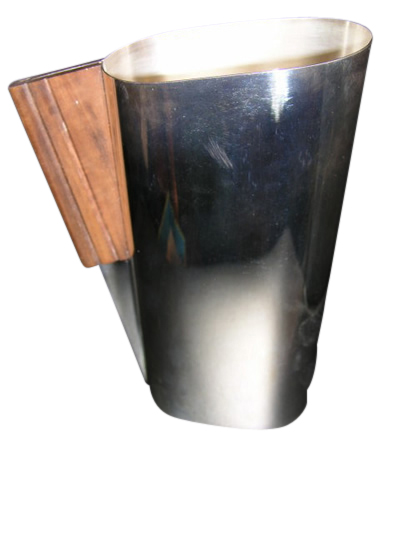
In 1929, Müller-Munk opened his own design firm and began selling his work through major retail venues such as Macy’s. His reputation expanded dramatically with the creation of the Normandie water pitcher in 1935, a defining example of Streamline Modern design. This object embodied speed, motion, and industrial elegance through its teardrop form and seamless metal surface. Soon after, he moved beyond decorative arts into industrial design, applying the same principles to mass-produced consumer goods. In 1938, he relocated to Pittsburgh to help establish the first industrial design degree program at Carnegie Mellon University. His teaching shaped a generation of designers and formalized industrial design as an academic discipline. That same year, he founded Peter Müller-Munk Associates, which became one of the most influential design firms in mid century America. Through this firm, he worked with major corporations on everything from appliances and tools to transportation and architecture.
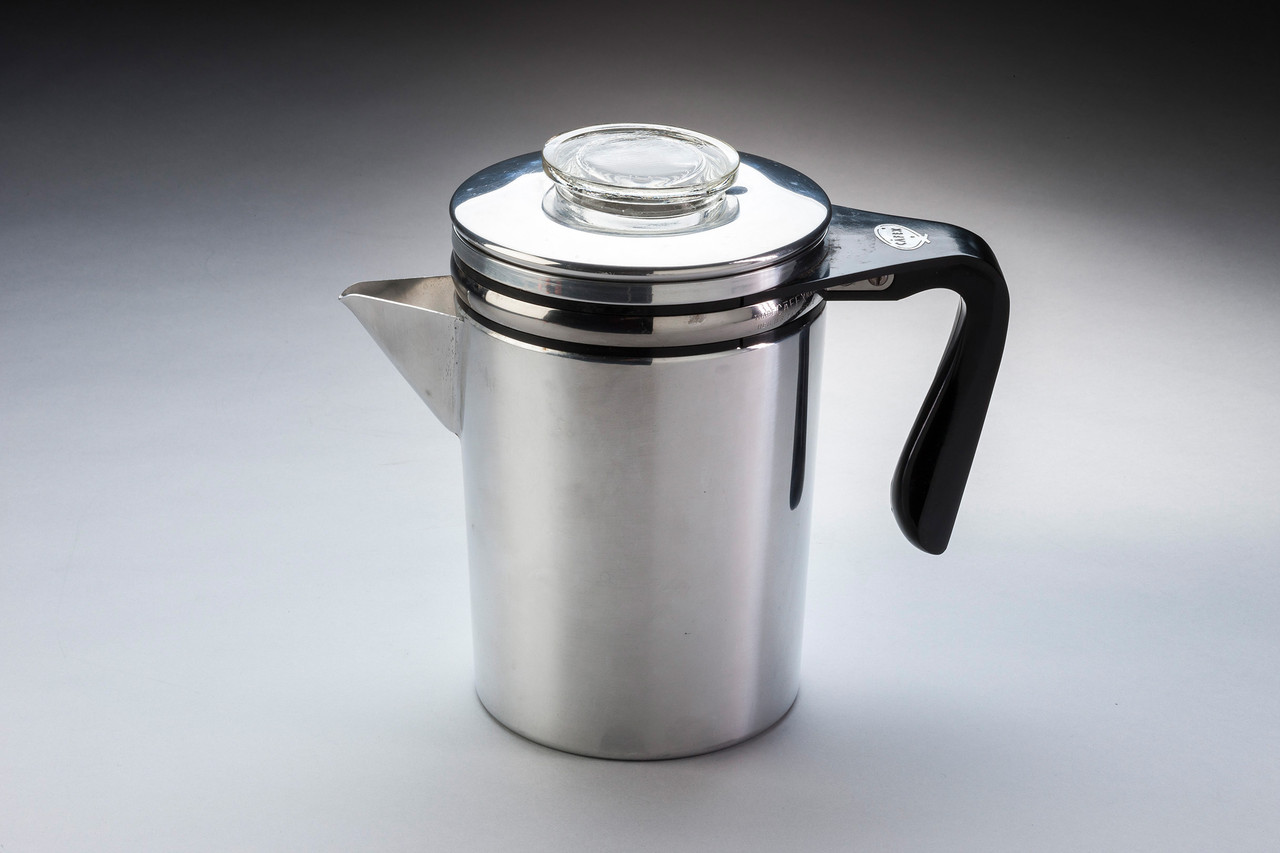
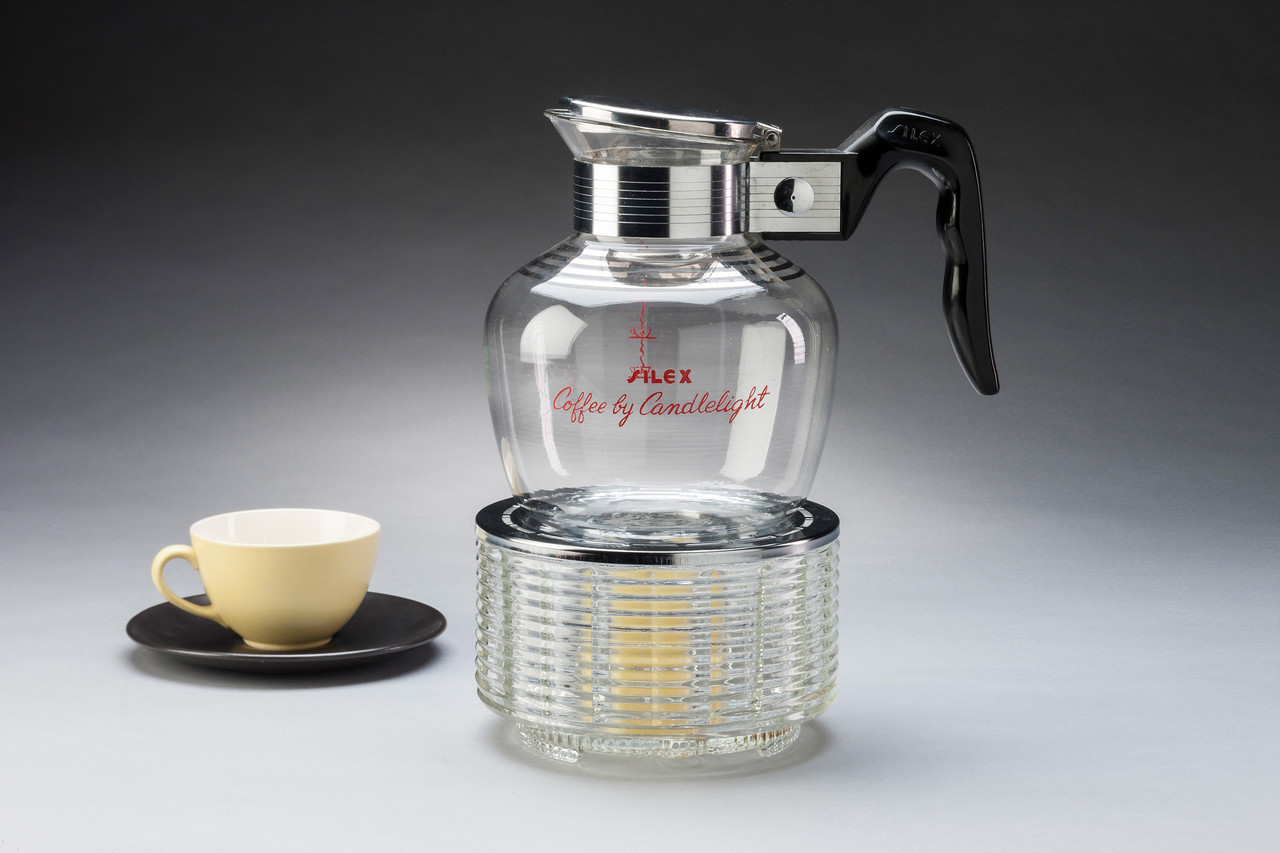
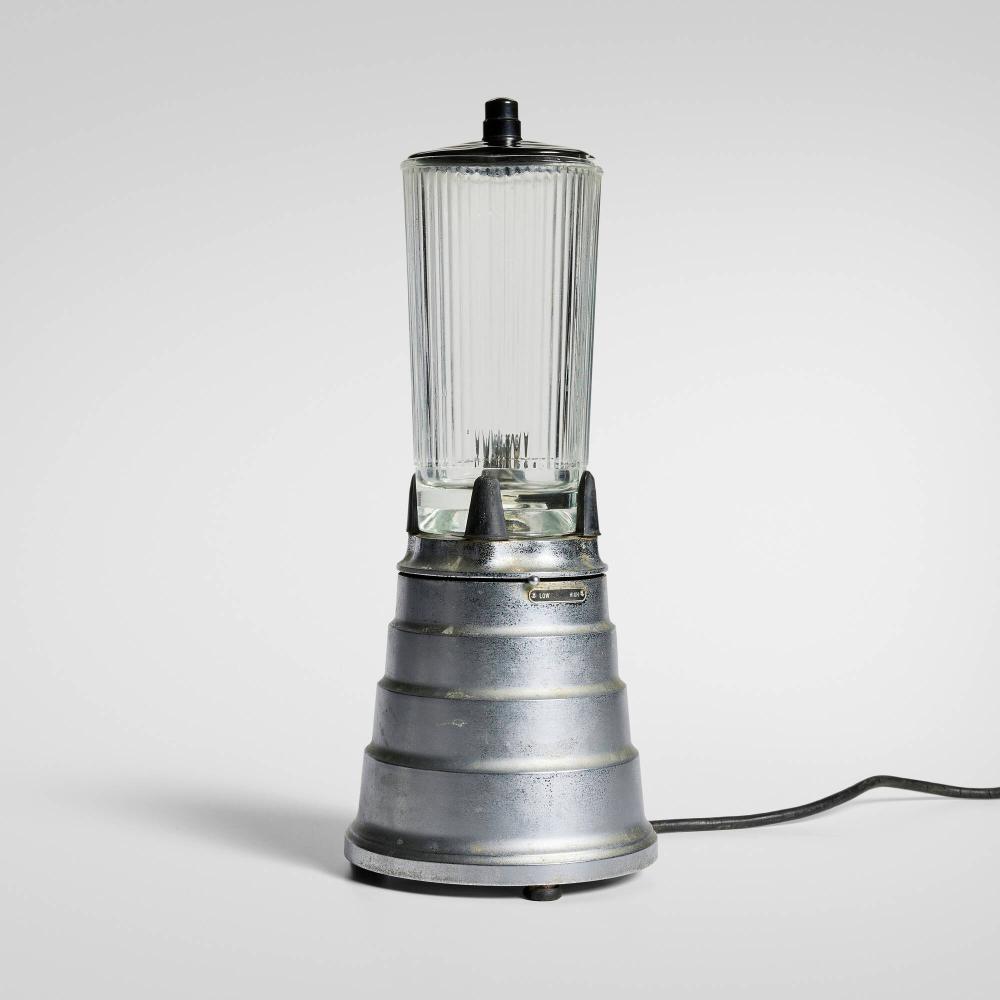
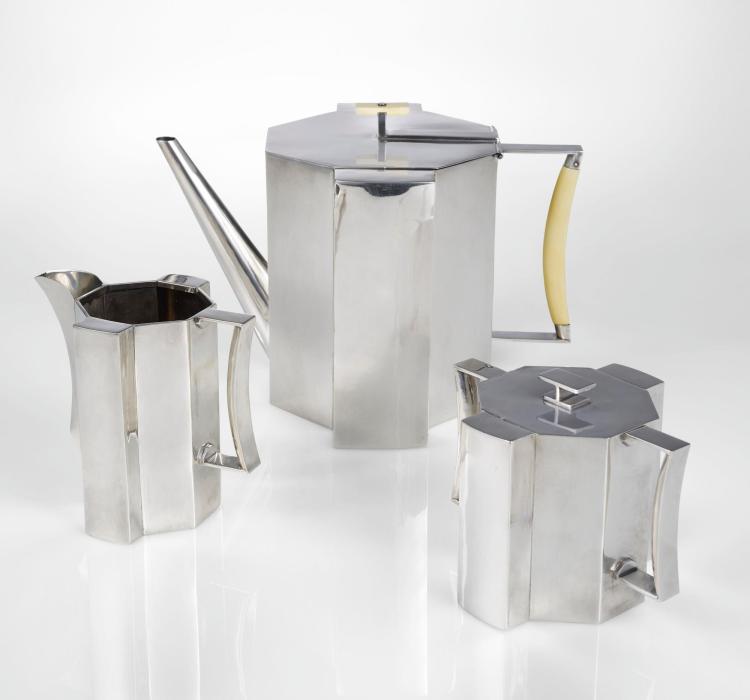
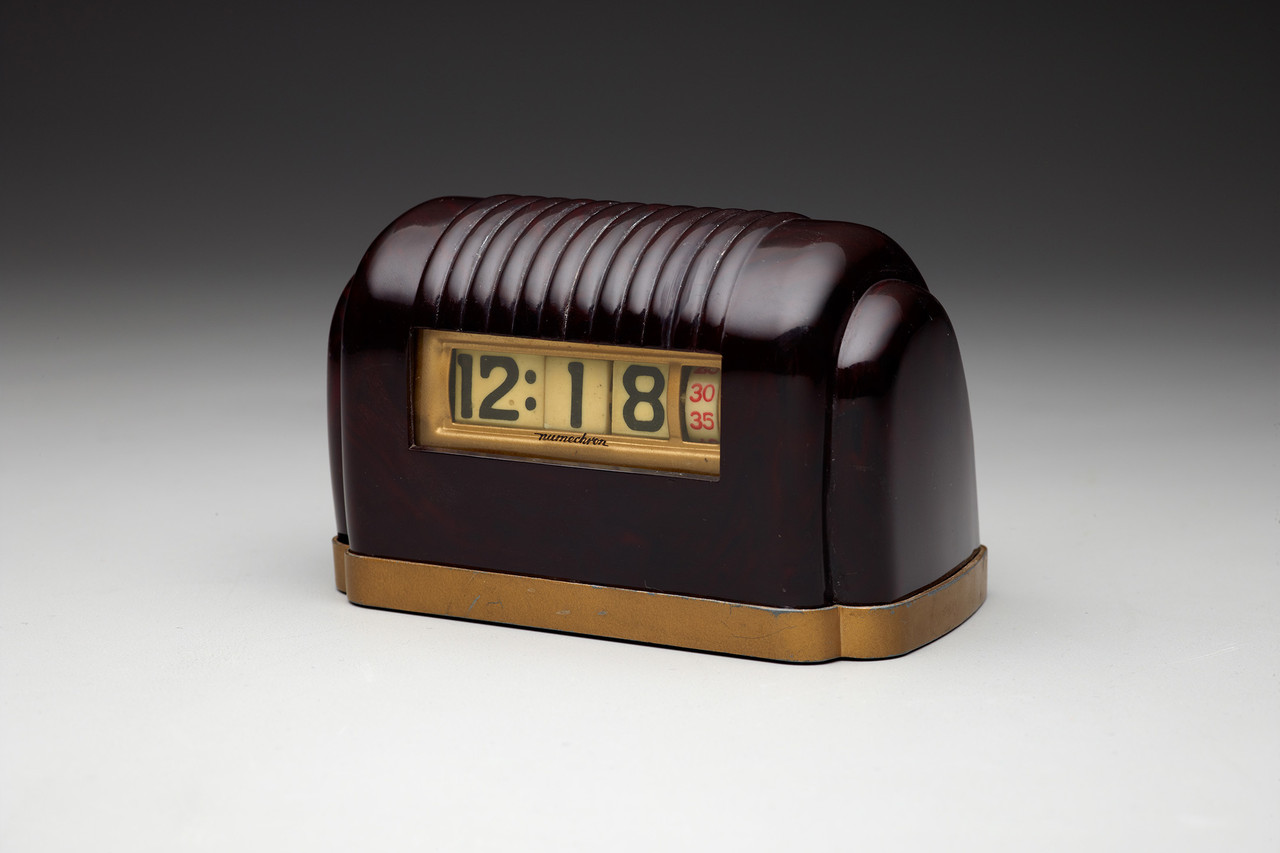
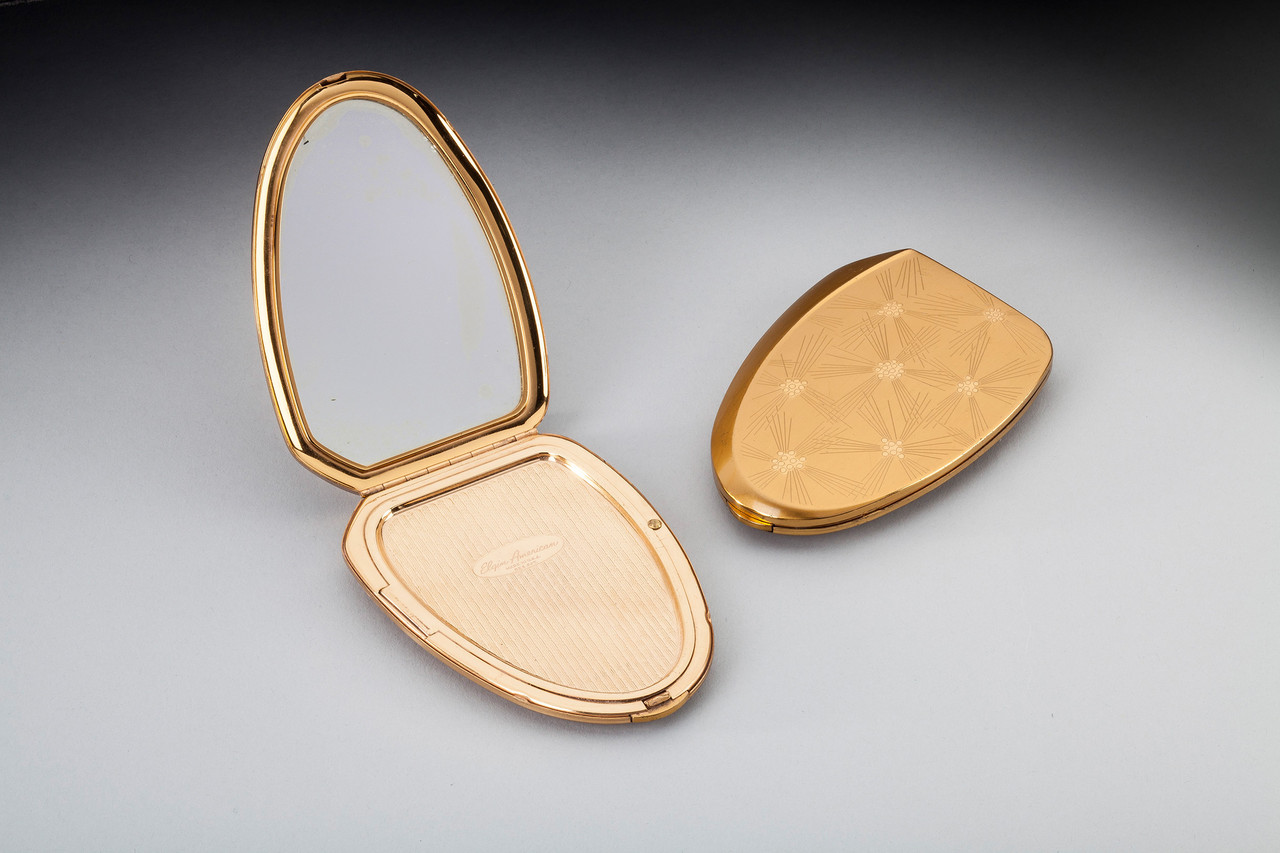
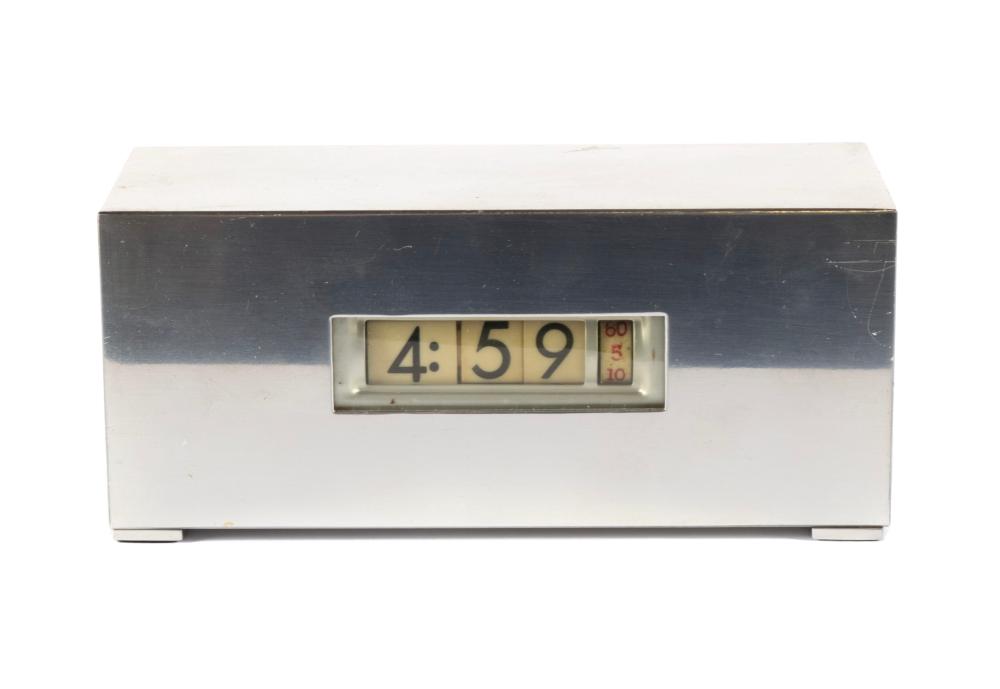
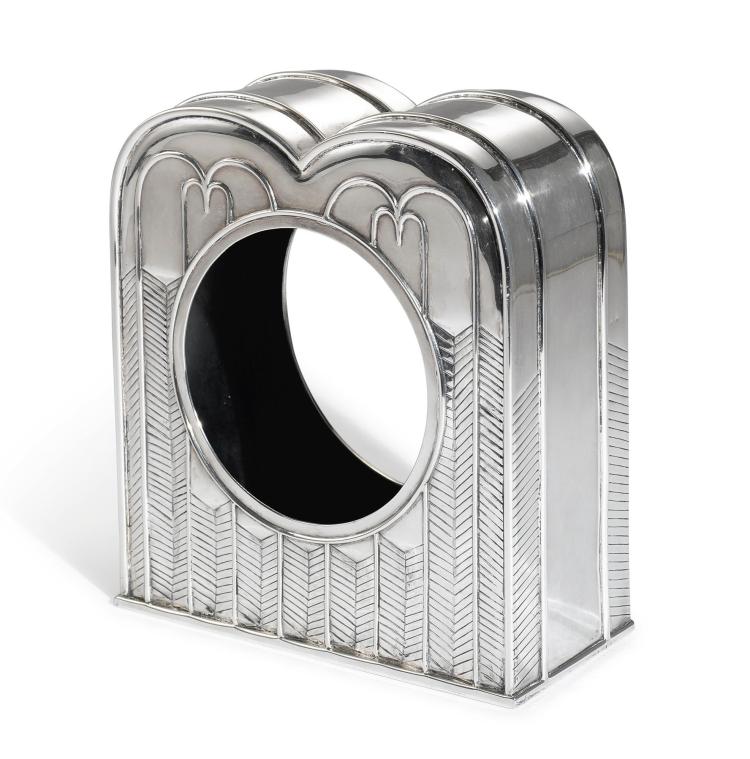
Peter Müller-Munk’s style emphasized streamlined form, material honesty, and visual clarity. He favored smooth surfaces and continuous curves that suggested speed and modern efficiency. Industrial materials such as steel, aluminum, chrome, and plastics were treated with sculptural refinement. His designs balanced engineering logic with artistic expression. Across both objects and large-scale projects, his work consistently translated modern technology into elegant form.
Key Influences
- European Metalworking Tradition: Early silversmith training grounded his approach in precision and craft.
- Art Deco and Streamline Modernism: Geometric clarity and aerodynamic form defined his early and mature work.
- Industrial Materials: Steel, aluminum, and plastics became expressive tools rather than purely functional elements.
- Academic Design Culture: Teaching at Carnegie Mellon reinforced a systematic, research driven design process.
- American Corporate Modernity: Collaboration with major industries shaped his role in mid century consumer and civic design.
If you are interested in further stories of the artists who shaped Art Deco, return to our artists page to browse the full directory.

Related Products from ArtDecoCollection.com