
Paolo Buffa
Paolo Buffa was born in 1903 in Milan, Italy, the son of the highly sought-after artist Giovanni Buffa. He graduated from the Politecnico di Milano in 1927 and briefly worked under Gio Ponti and Emilio Lancia, with Ponti so taken by the young designer that in 1928 he featured Buffa’s simple, elegant rosewood dressing table in his new magazine, Domus. That same year, Buffa partnered with architect Antonio Cassi Ramelli to establish their own design studio in Milan, a collaboration that became both critically and commercially successful. He worked extensively with the renowned ébéniste Mario Quarti, and their partnership allowed Buffa to introduce streamlined production methods that revolutionized furniture manufacturing at a time when pieces were still typically made one at a time. Buffa continued designing until shortly before his death in Milan in 1970. His work and legacy fell into relative obscurity for some years afterward, but renewed scholarly and market interest over the past decade has restored him to a place of prominence among twentieth-century Italian design masters.
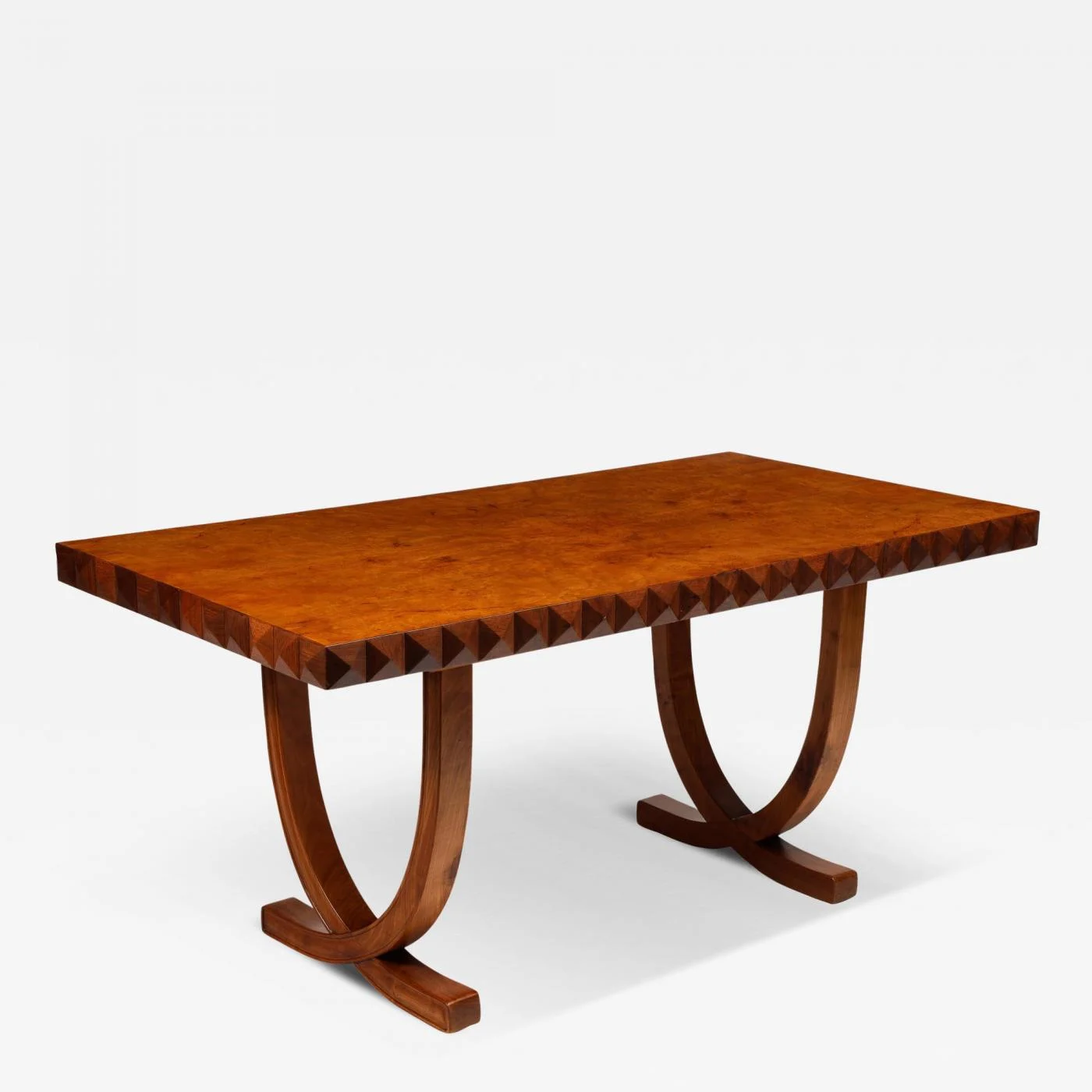
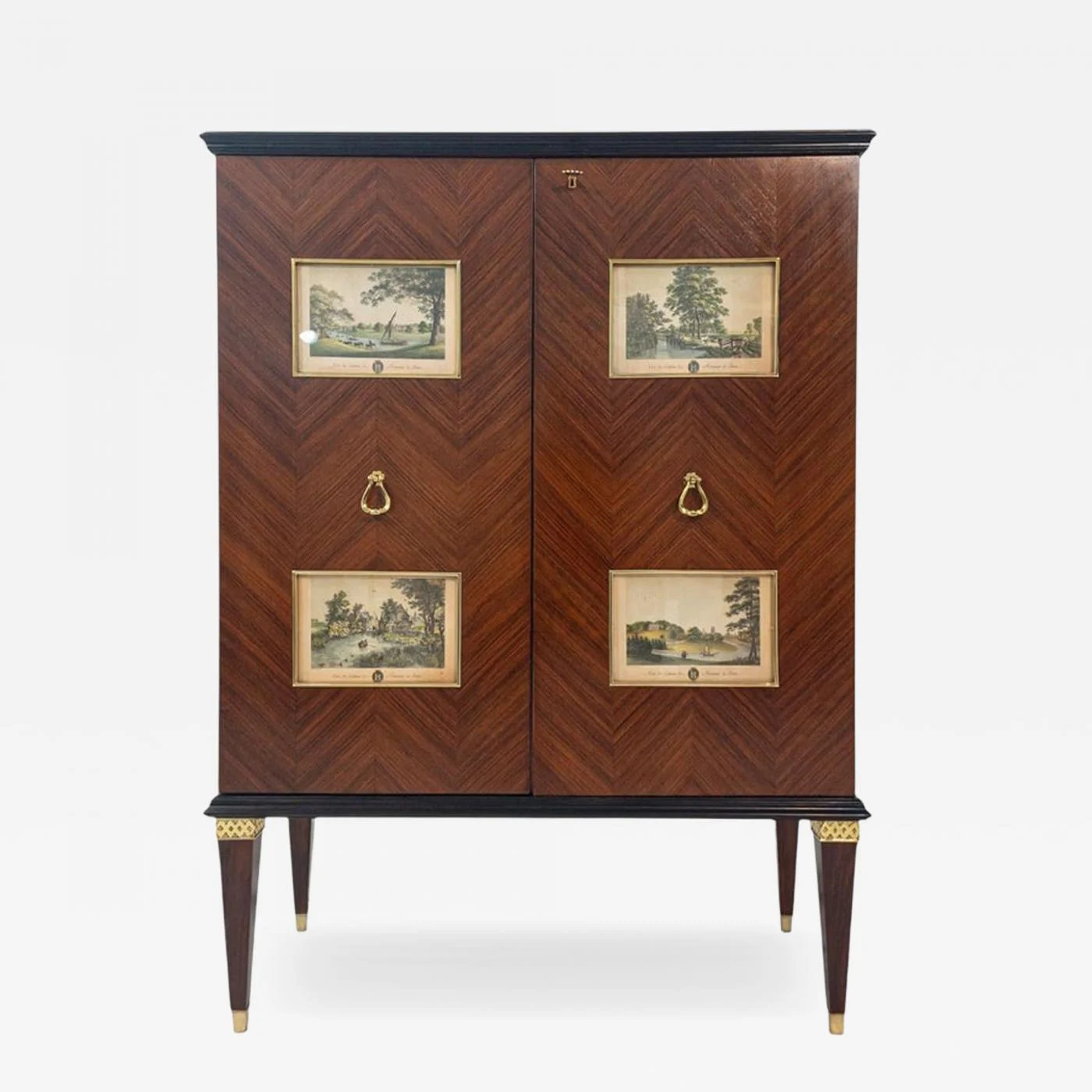
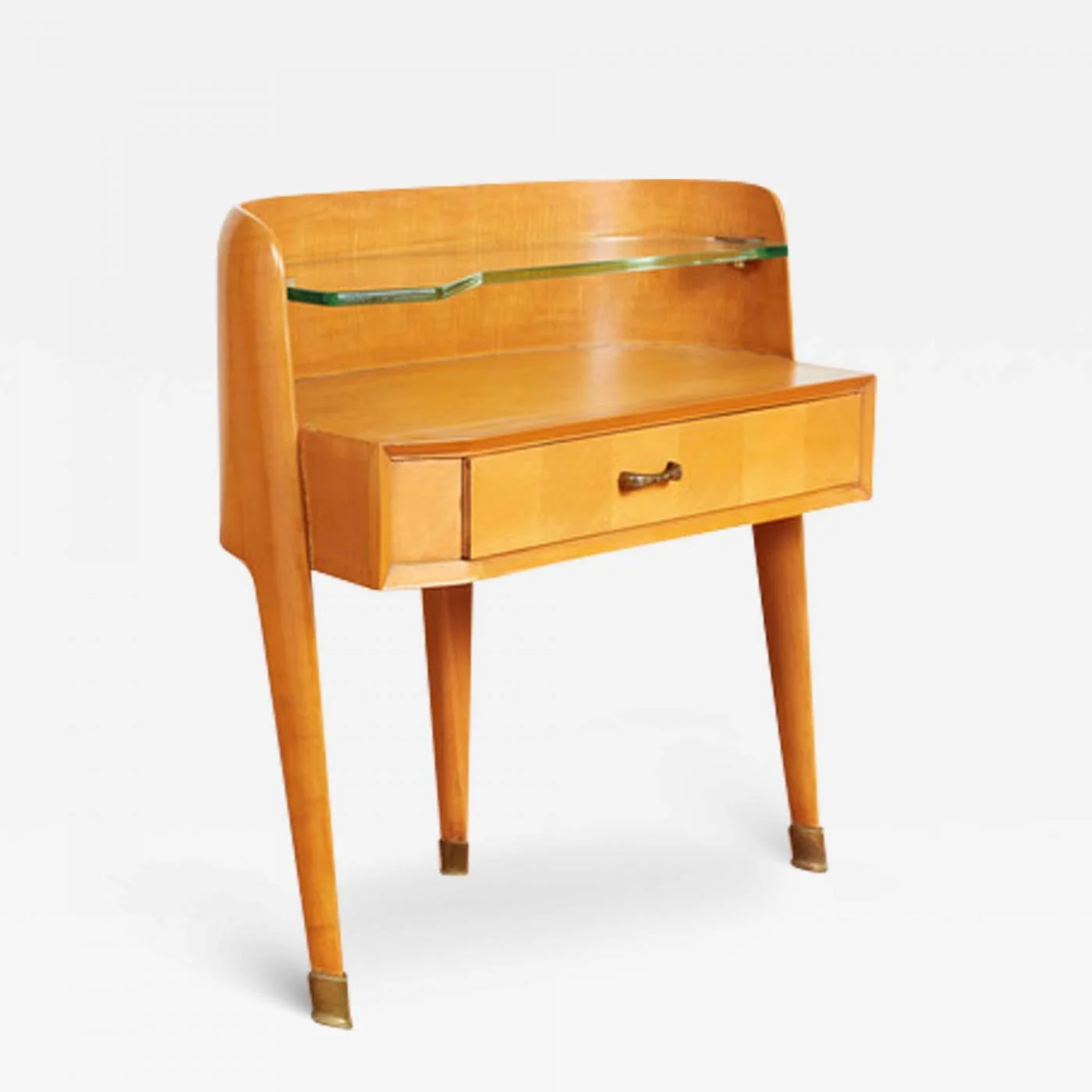
Buffa and Cassi Ramelli produced numerous furniture designs with mellowed classical revival inspiration, including a dining room showcased at the 1930 Triennale di Milano, with further work presented at the 1933 and 1936 Triennales. Buffa designed for an illustrious international clientele, including the Royal Palace of the King of Albania in 1940, the royal yacht Mahroussa of King Farouk of Egypt in 1951 and 1952, and interiors for the ocean liner Leonardo da Vinci in the 1950s. His practice extended well beyond furniture into country houses and civic buildings, some executed in the classical-revival mode favored during Mussolini’s dictatorship, as well as carpets, lighting fixtures, and even an espresso machine. He exhibited at the 1948 Salon des Artistes Décorateurs in Paris and collaborated with other major figures of Italian design, including Osvaldo Borsani, contributing collectively to the global recognition of Italian design as a symbol of elegance and sophistication. Unlike many of his postwar contemporaries who established a single recognizable signature, Buffa’s furniture for Cassina and other manufacturers varied considerably from piece to piece, appealing to a wide range of interior decorators and clients with distinct individual tastes.
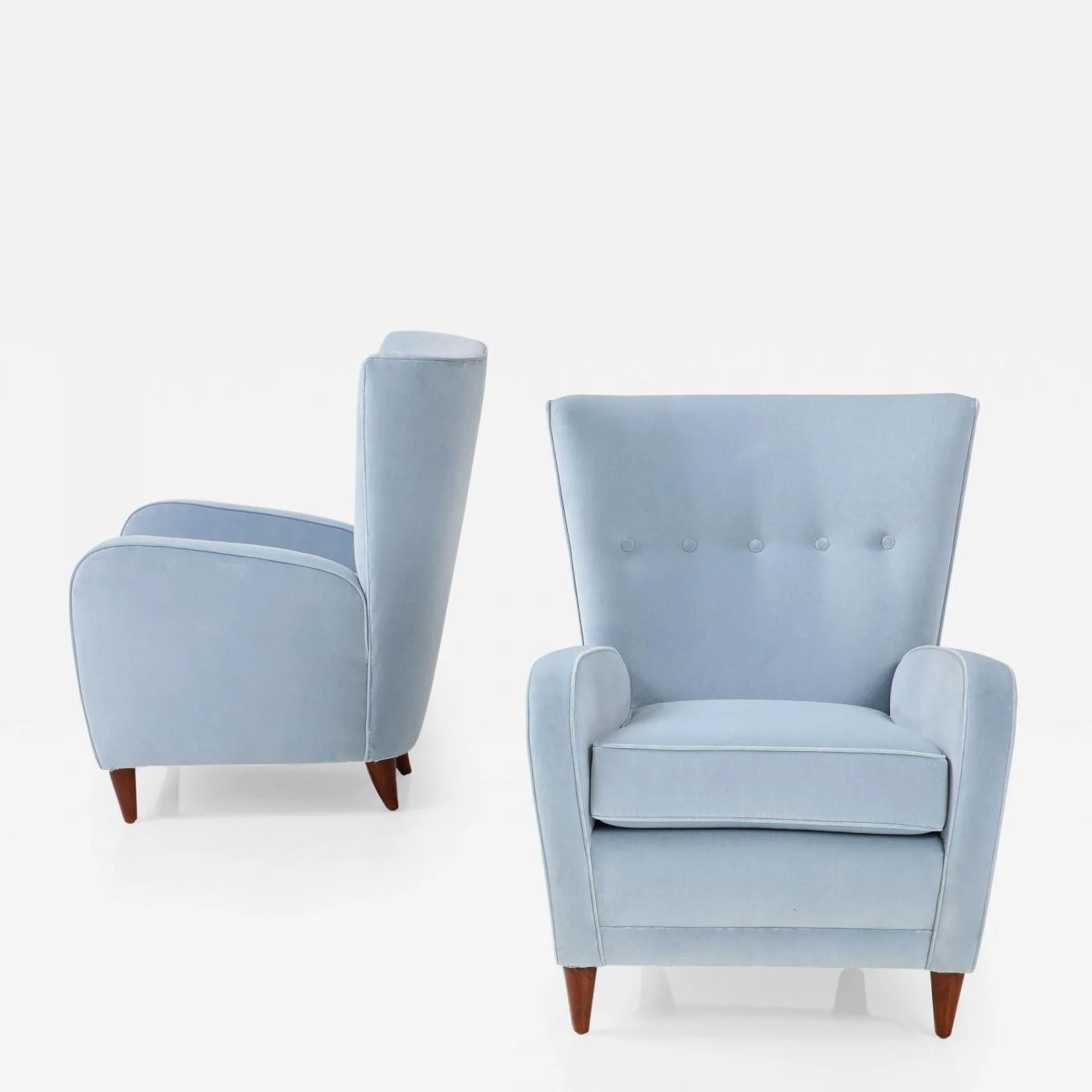
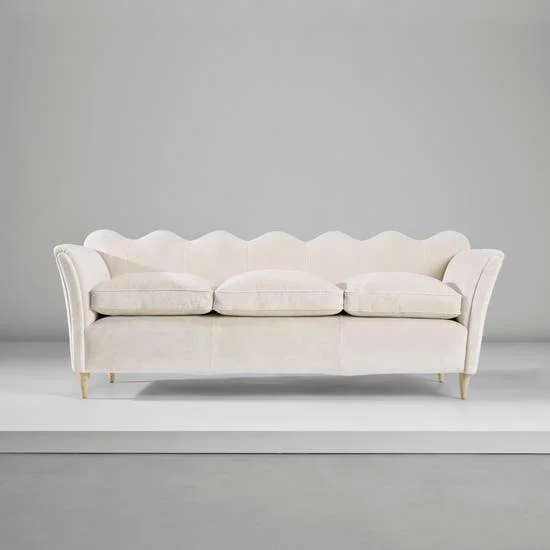
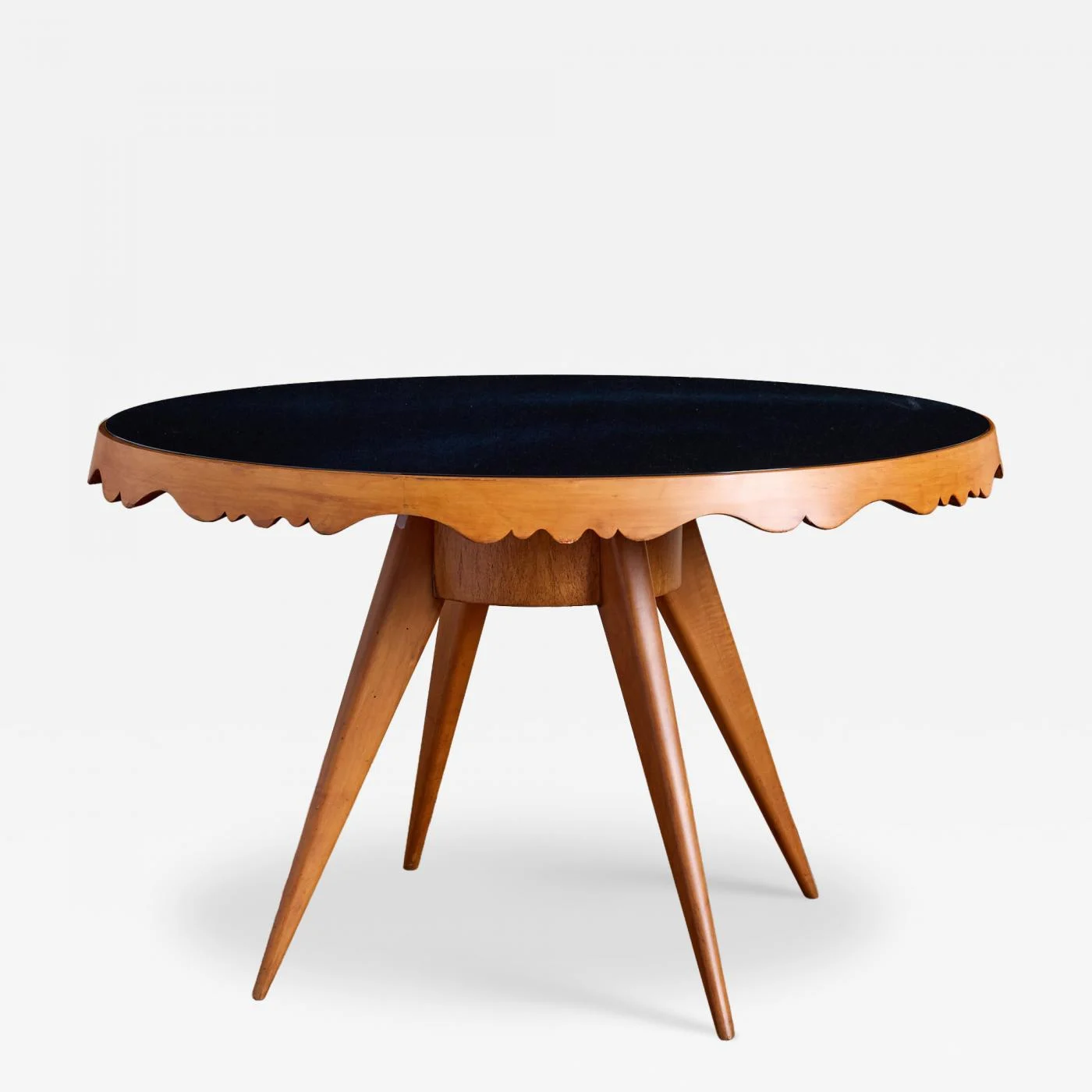
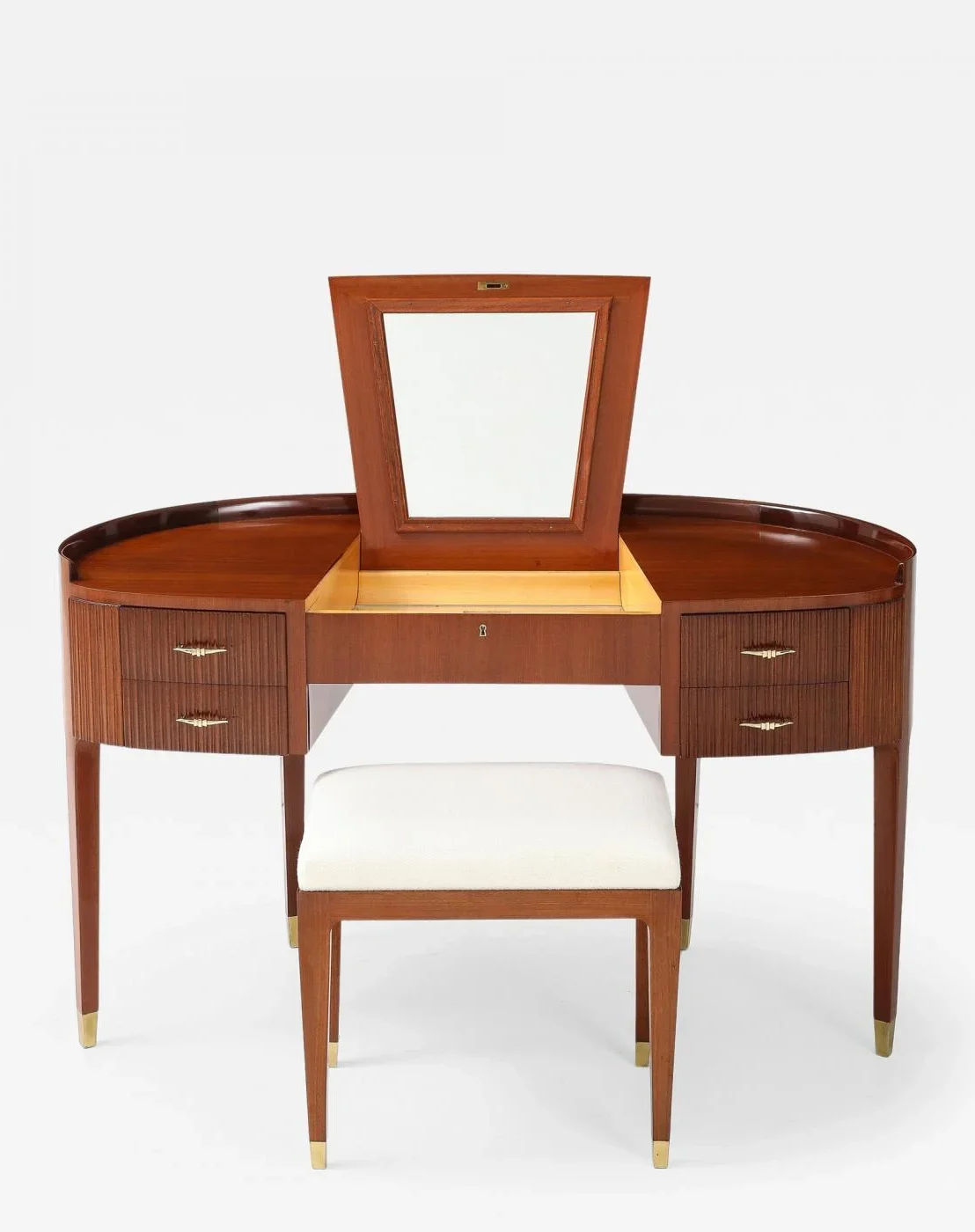
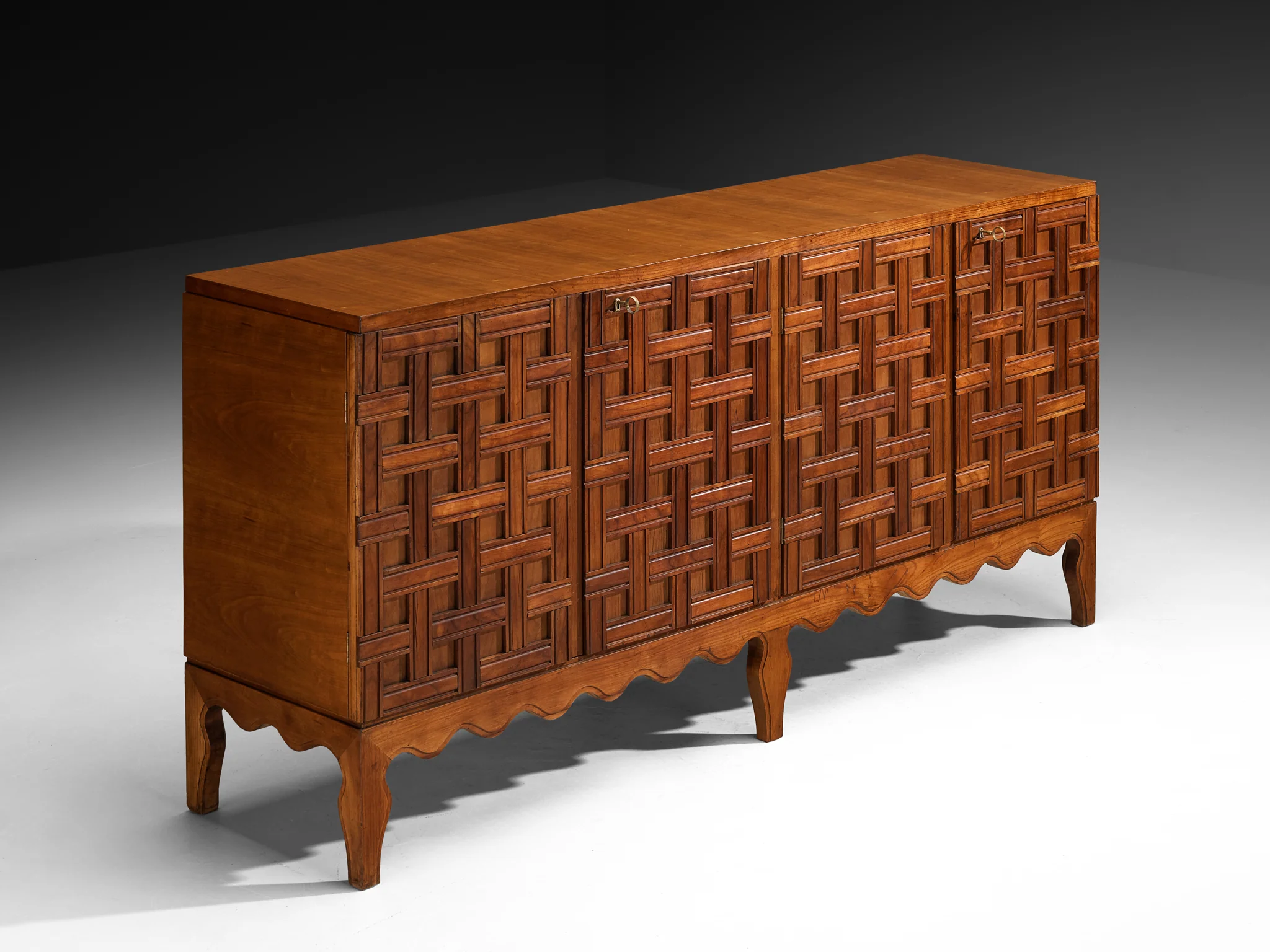
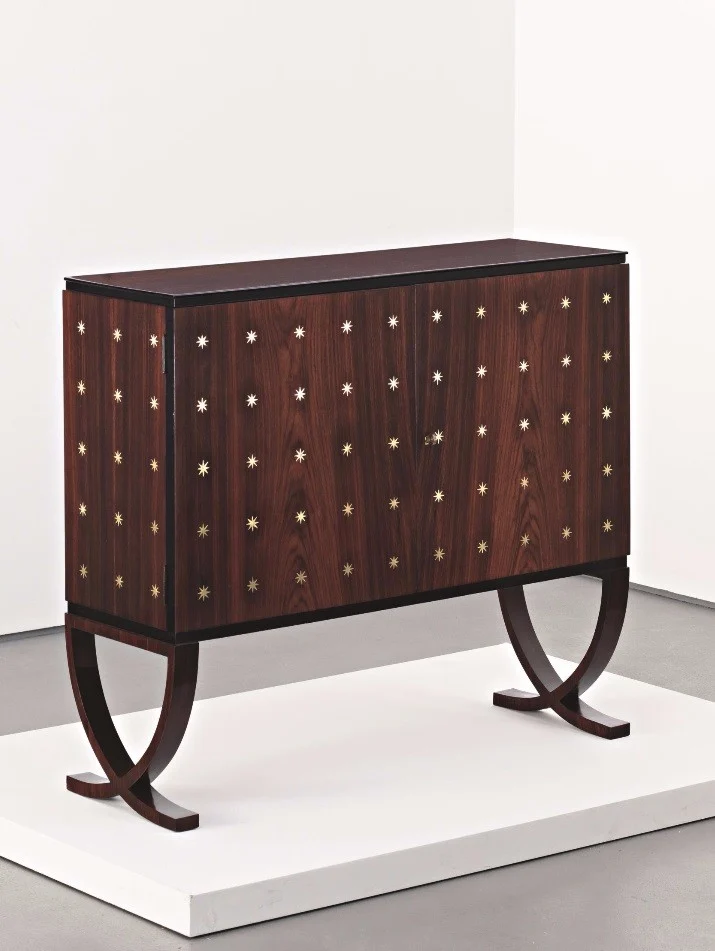
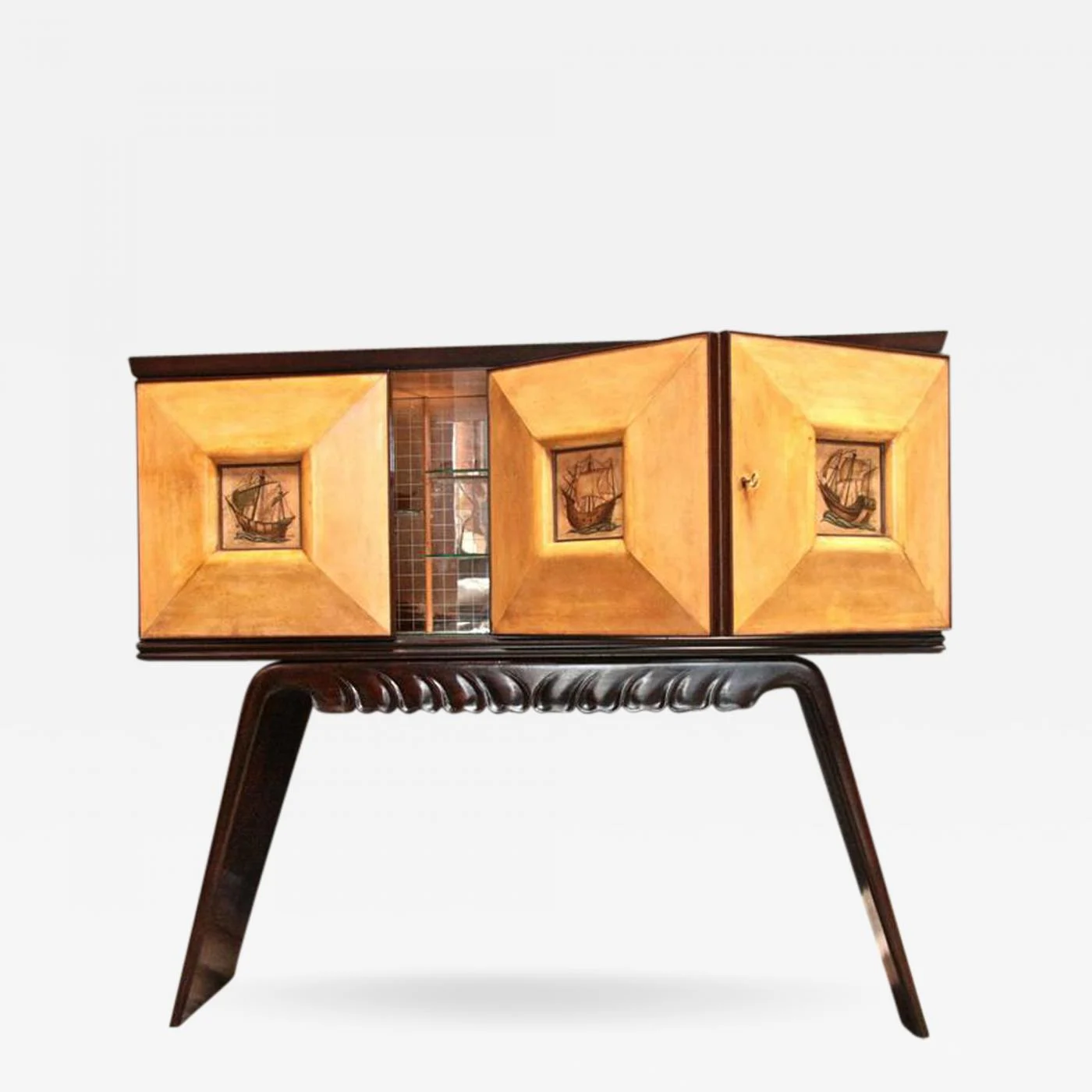
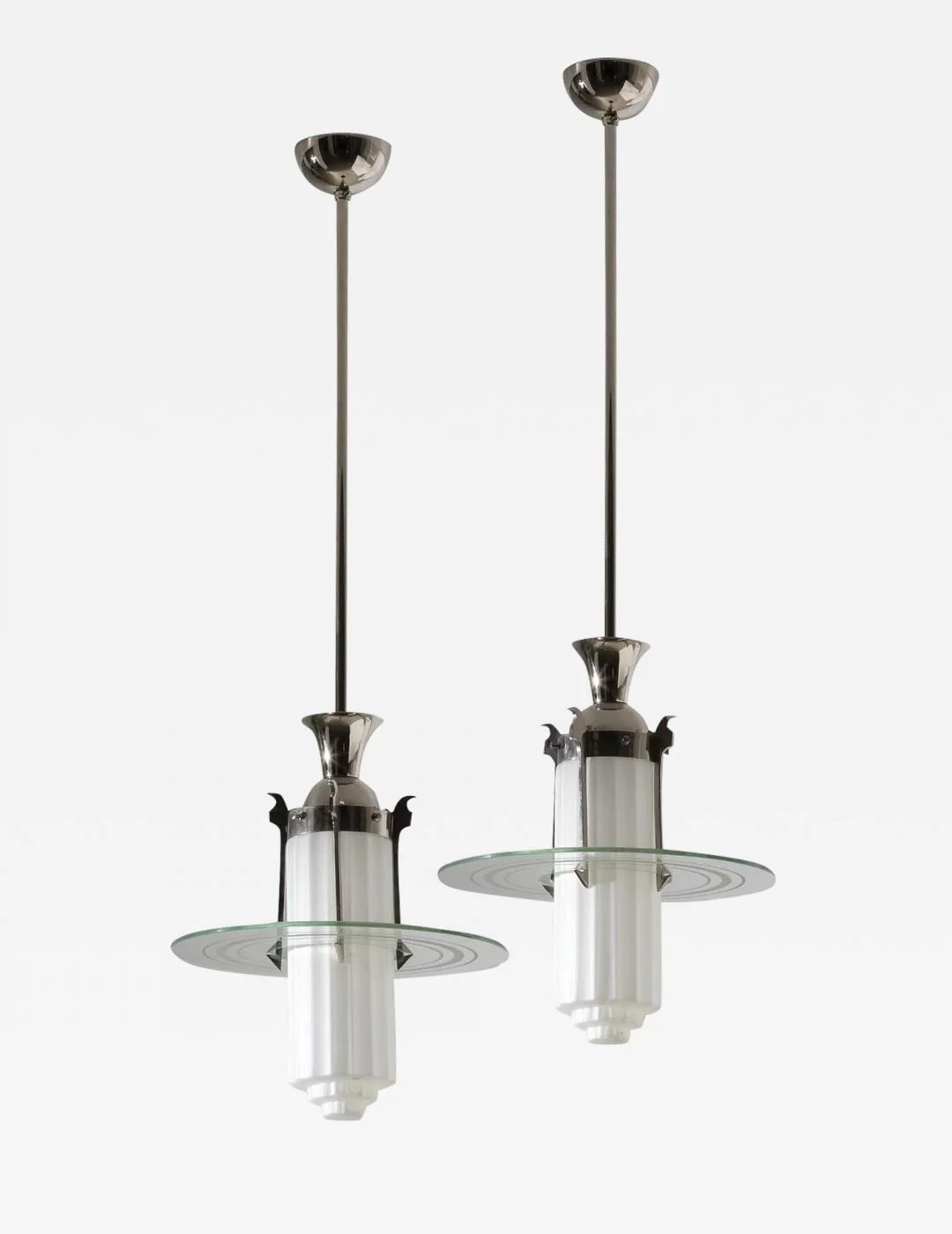
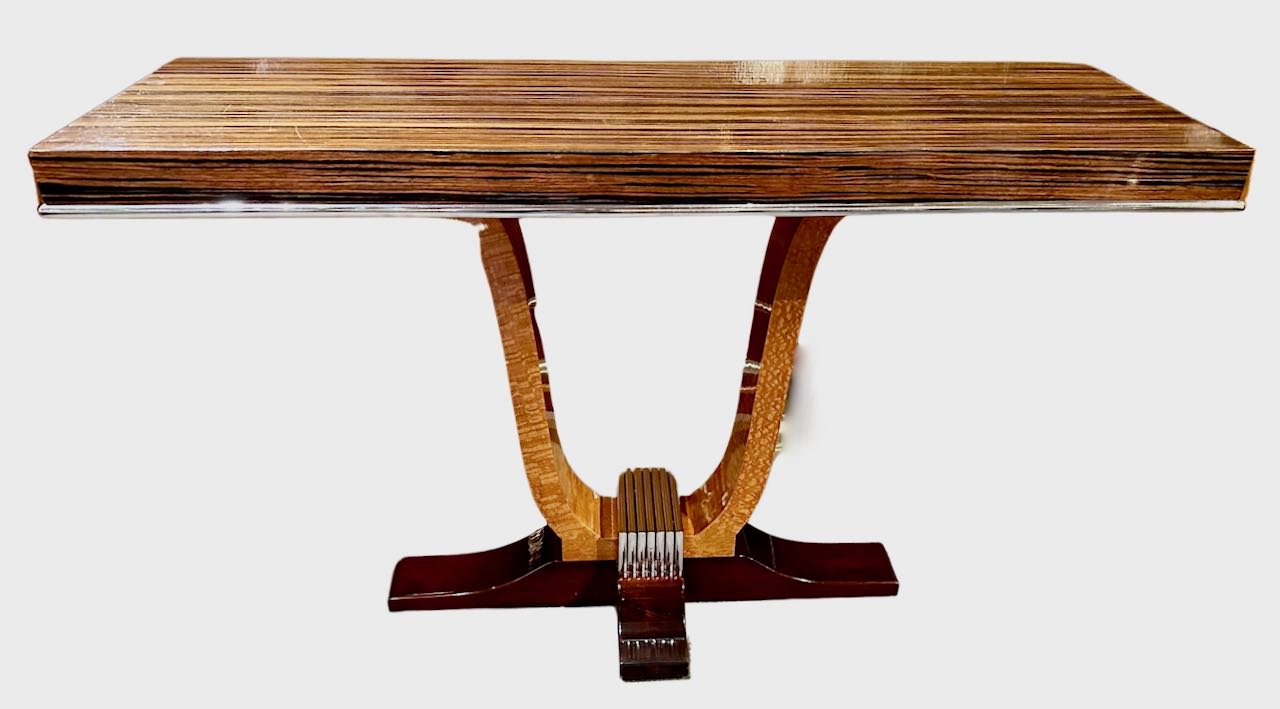
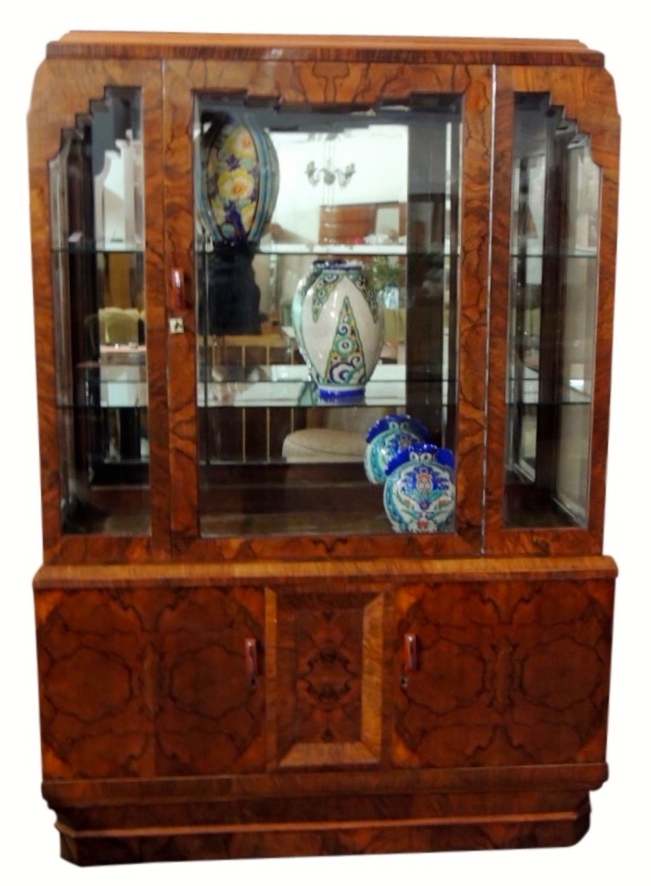
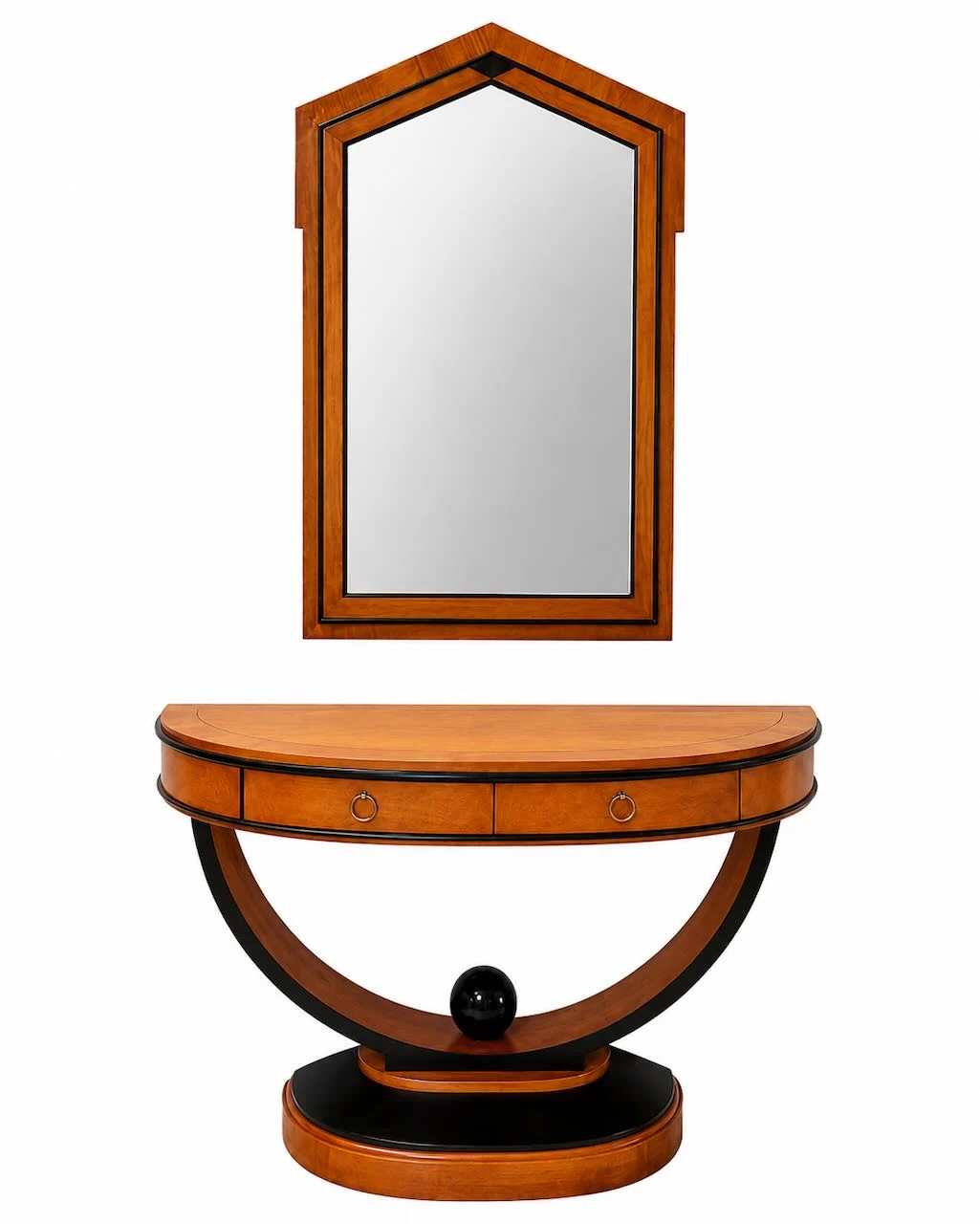
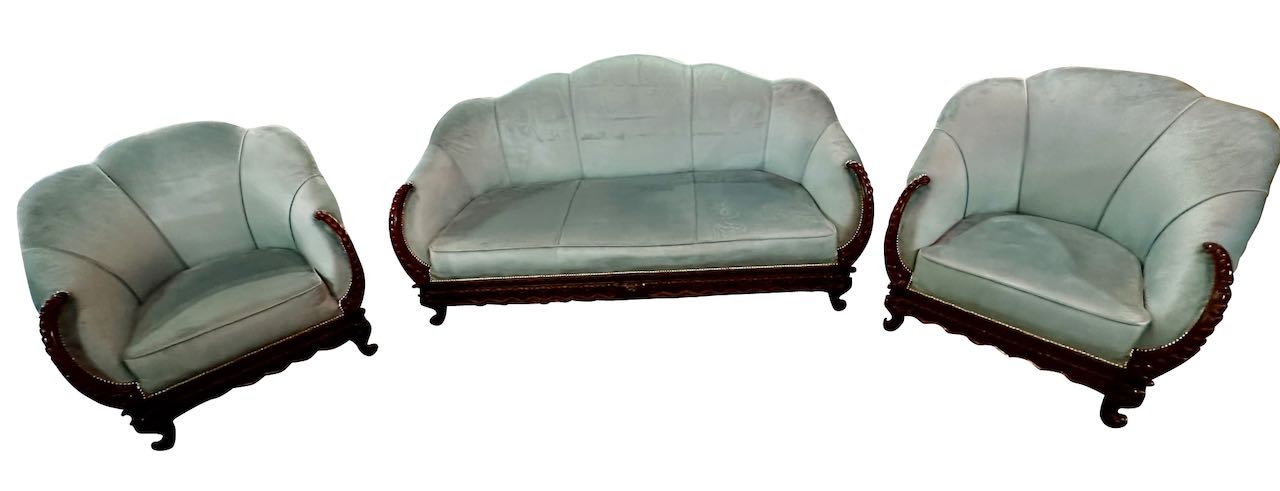
Buffa’s work melded elements of opulent Neoclassicism with the streamlined geometry of Art Deco and Rationalism, tempered by a modern sensitivity and a touch of whimsy that gave his pieces a distinctive character. He favored high-quality materials, particularly rosewood and walnut, often paired with chrome and glass, worked into forms that were simultaneously organic and sharp, low-profile yet substantial. His plush lounge and wingback chairs, sculptural side tables, and case pieces were built using classical techniques while remaining unmistakably modern, giving his furniture an enduring appeal to sophisticated, socially oriented mid-century Italian interiors.
Key Influences
- Mid-Century Italian Furniture: His fusion of Neoclassical elegance with modernist form helped define the sophisticated character of Italian furniture design in the decades following World War II.
- Streamlined Production: His collaboration with ébéniste Mario Quarti introduced more efficient manufacturing methods to a craft previously dominated by one-off, piece-by-piece production.
- Royal and Luxury Commissions: His work for figures including the King of Albania and King Farouk of Egypt established Italian furniture design as a marker of international prestige.
- Triennale di Milano: His repeated presentations at the exhibition throughout the 1930s positioned him among the tastemakers shaping Italian design discourse during a formative period.
- Design Rediscovery: His posthumous return to prominence over the past decade has made him a touchstone for collectors and scholars reassessing the full breadth of twentieth-century Italian design beyond its most famous names.
If you are interested in further stories of the artists who shaped Art Deco, return to our artists page to browse the full directory.

Related Products from ArtDecoCollection.com