


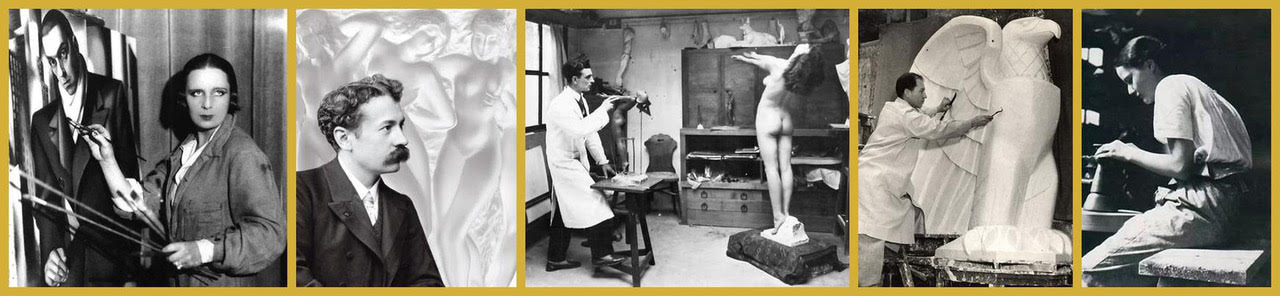
Margarete Heymann-Loebenstein
Margarete Heymann was born on August 10, 1899, in Cologne, Germany, into a family of wealthy textile manufacturers and a descendant of the poet Heinrich Heine. She studied at the Cologne School of Arts and at the Düsseldorf Academy of Fine Arts before applying to the Bauhaus in Weimar, where she was rejected twice before finally gaining admission in the fall of 1920. After completing the obligatory preliminary course, her request for an apprenticeship in the ceramics workshop was denied on the grounds that no women were currently accepted, and she fought for months with master potter Gerhard Marcks and director Walter Gropius for admittance. She was accepted only on a trial basis and chose to leave the institution after just one year. In 1923, she married Gustav Loebenstein, and together with his brother Daniel, they founded the Haël Workshops for Artistic Ceramics in Marwitz, about fifty kilometers northwest of Berlin. In August 1928, when she was just 29 and a mother of two, her husband and brother-in-law were killed in a car accident, and she took over sole management of the workshops. Forced to sell the business under Nazi persecution in 1934, she emigrated to England in 1936, where she married the educator Harold Marks and continued working in ceramics and painting. She died in London on November 11, 1990.
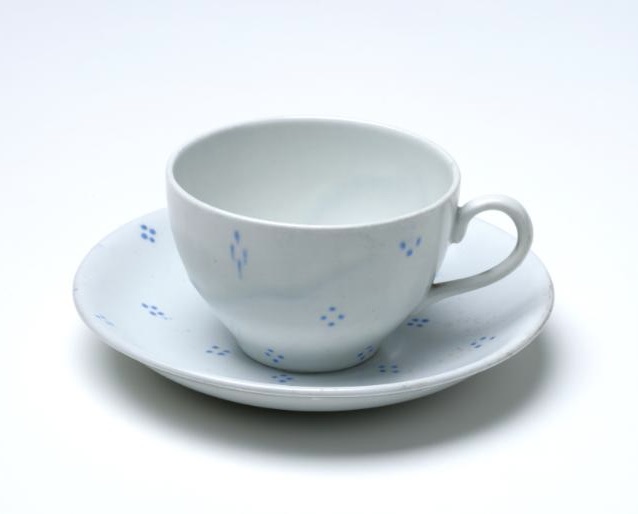
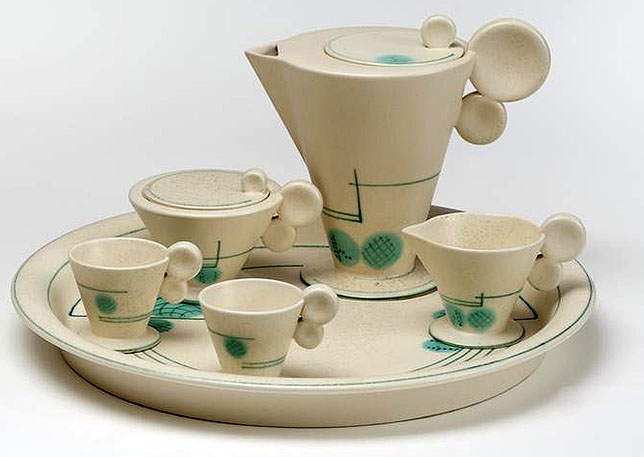
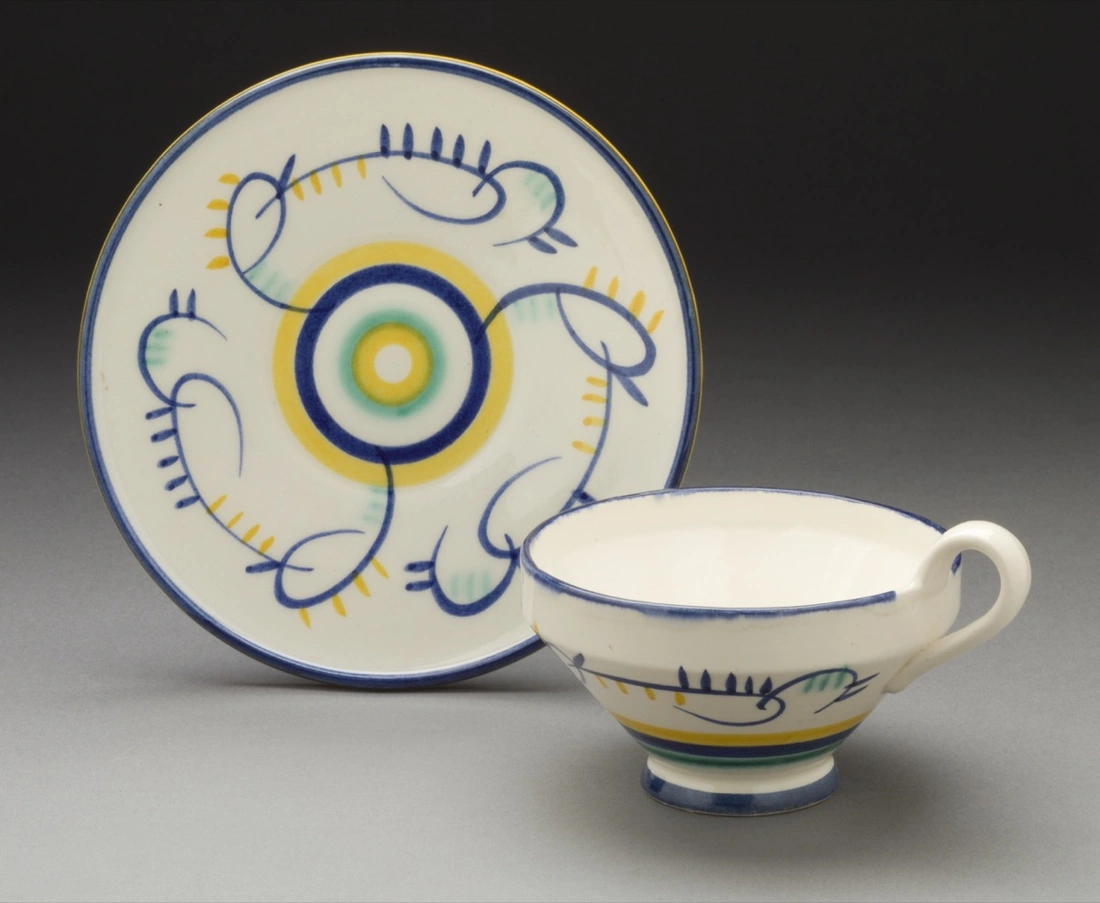
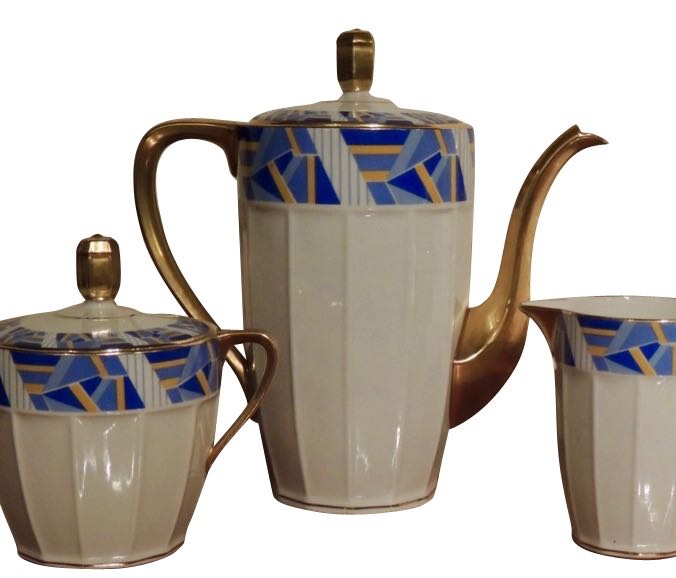
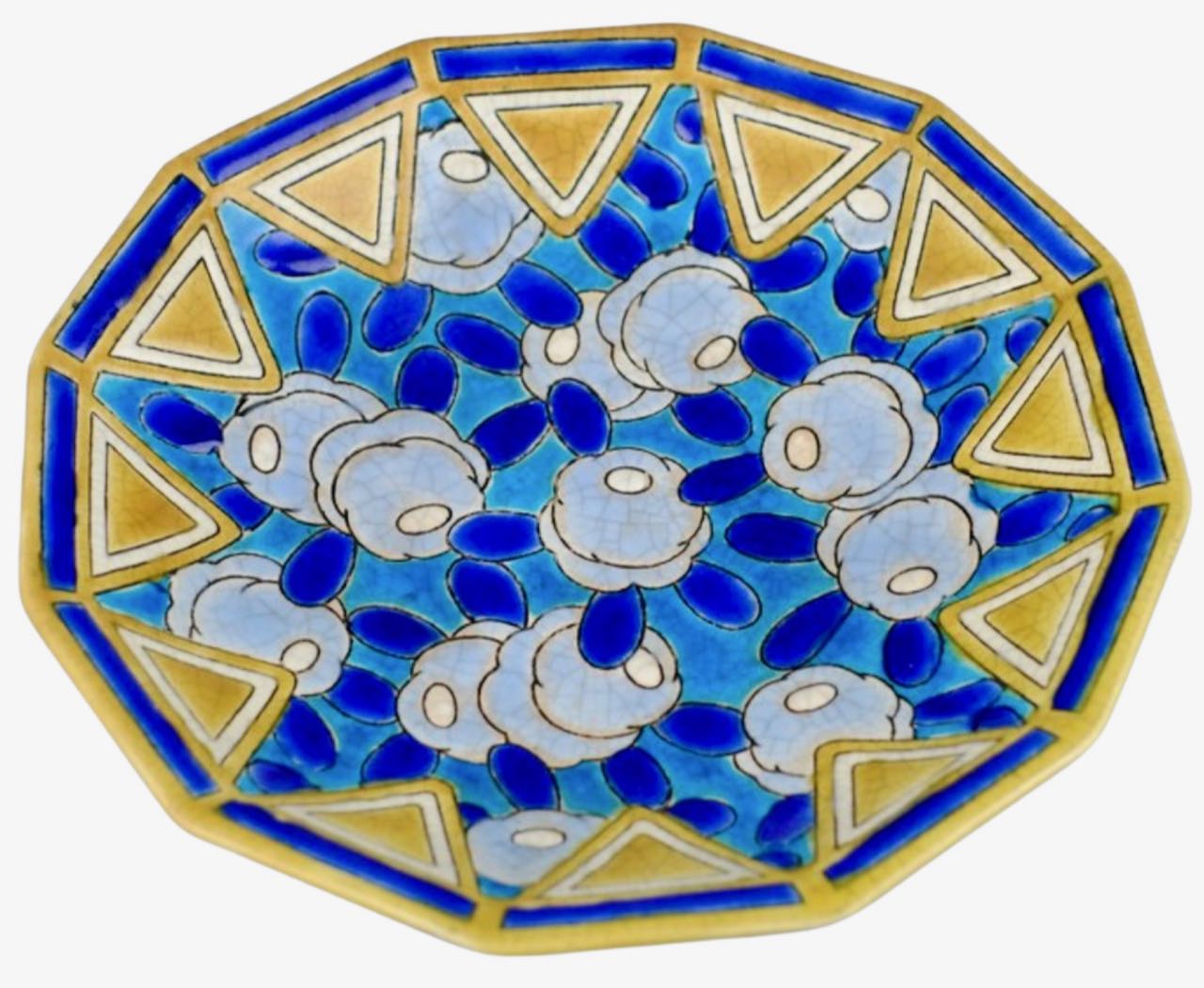
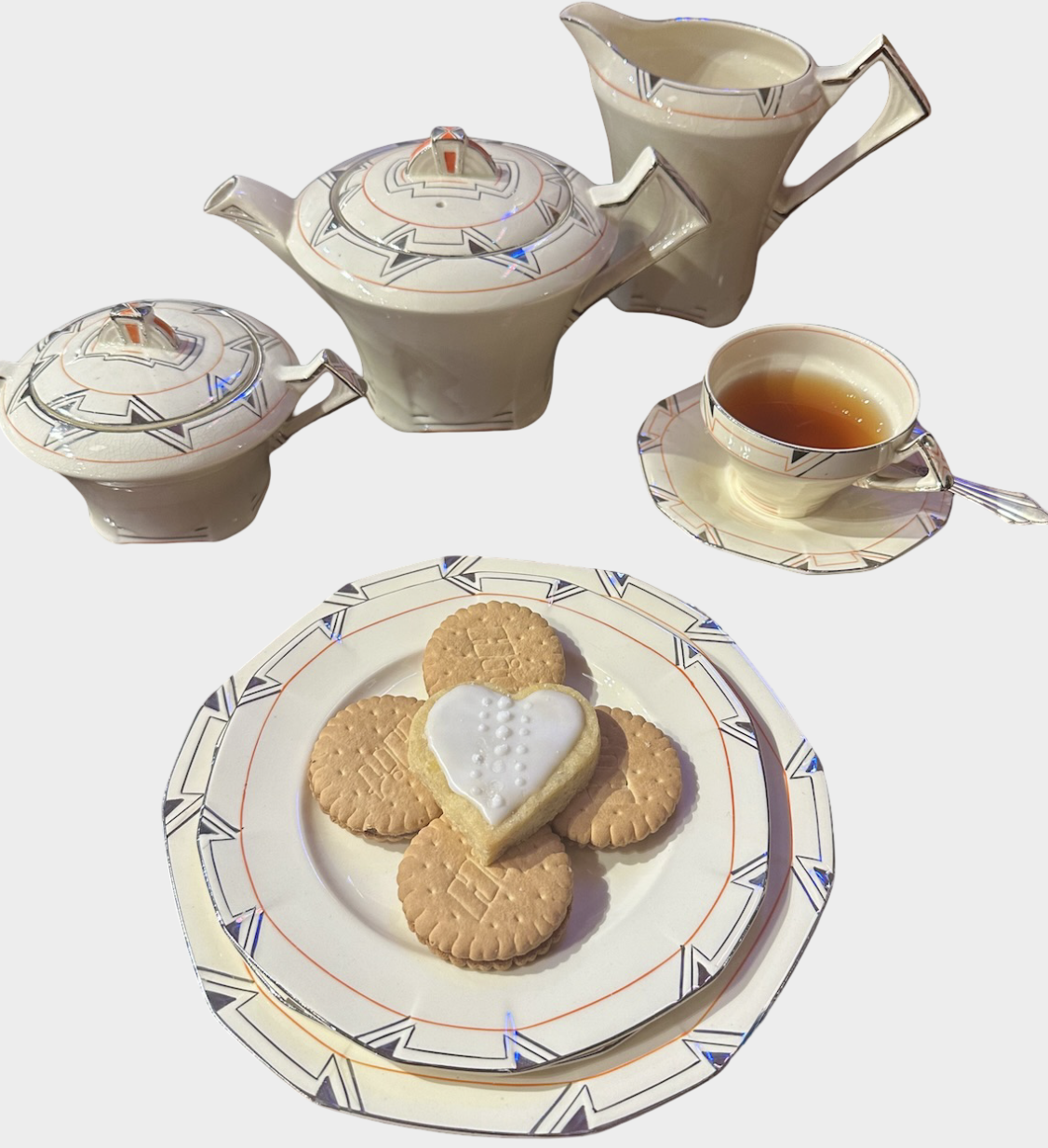
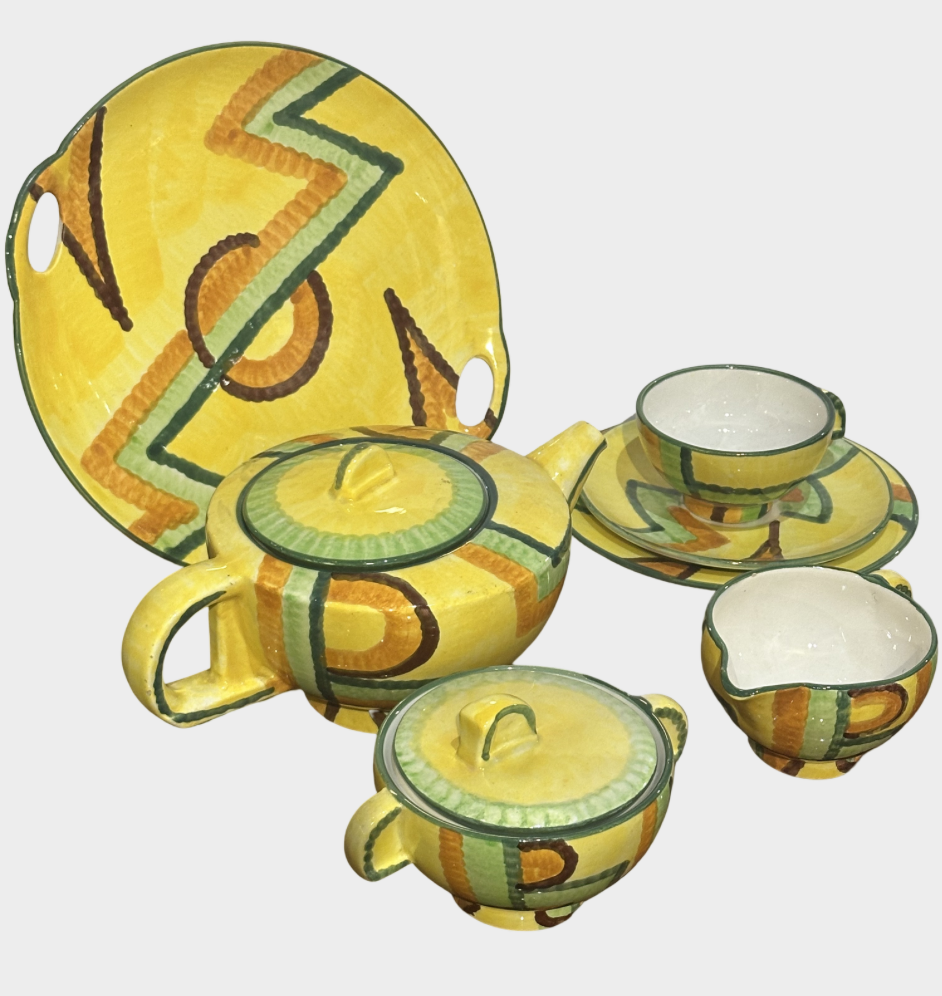
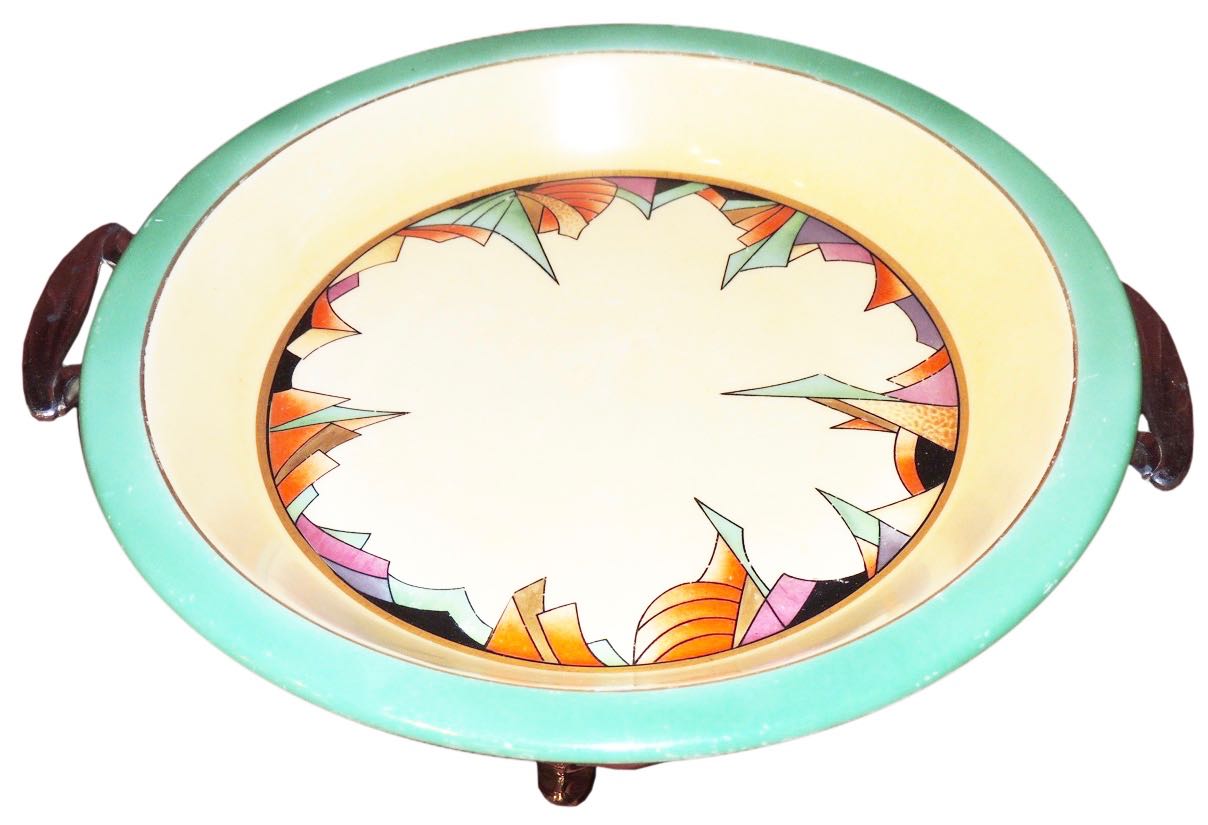
Heymann-Loebenstein designed nearly all of the Haël Workshops’ creations herself, producing an unusually complex range of both practical and decorative ceramics including tea, coffee, and mocha services, tableware, vases, bowls, lamp bases, planters, candlesticks, and smoking sets. By the end of the 1920s, the workshops employed nearly 100 people and exported goods to Africa, Australia, and South America. The company’s products were widely regarded not as simple household objects, but as small, ultra-modern works of art, and the magazine Kunst und Kunstgewerbe praised the range as artistically groundbreaking in terms of form, precision, and glaze. After the forced sale of Haël in 1934, the buyer, Nazi party member Heinrich Schild, appointed Hedwig Bollhagen as the new manager, and the workshops were renamed HB Workshops for Ceramics while continuing to produce nearly half of Heymann-Loebenstein’s original designs, including her “Norma” service, which remained in production until the 1960s. In England, she was briefly employed by the prestigious ceramics manufacturer Minton in Stoke-on-Trent and later founded her own company, Greta Pottery, which did not survive the war. She opened a ceramics studio in London in 1945 and increasingly returned to painting in her later years. The Keramik-Museum Berlin exhibited an overview of her Haël work in 2012, followed by an exhibition at the Milwaukee Art Museum. One of her vases, now in the British Museum, was chosen by Neil MacGregor as the basis for a radio program in his series Germany: Memories of a Nation.
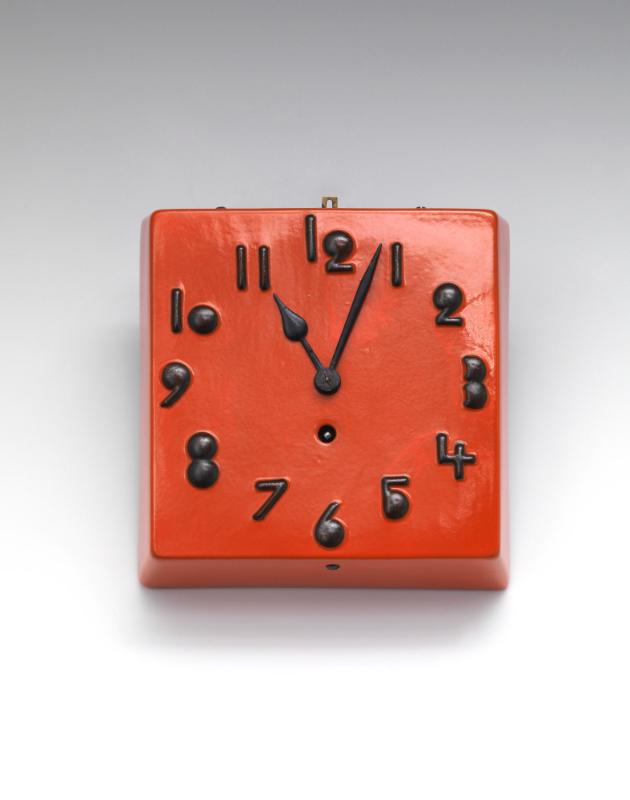
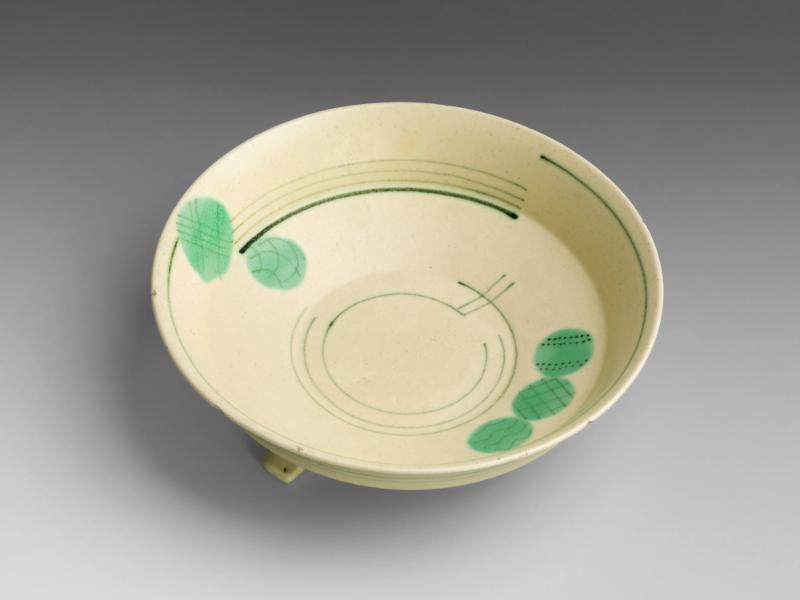
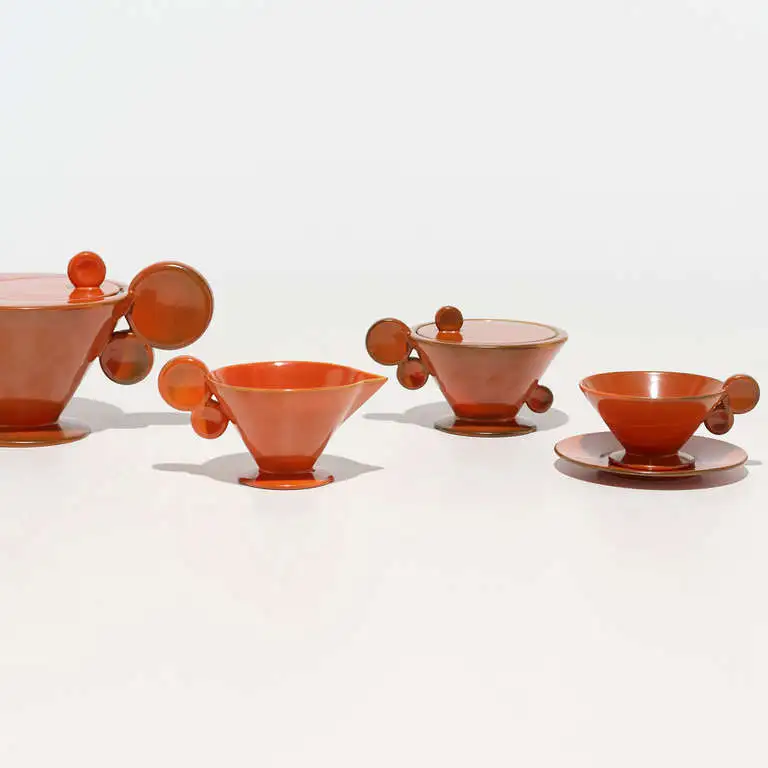
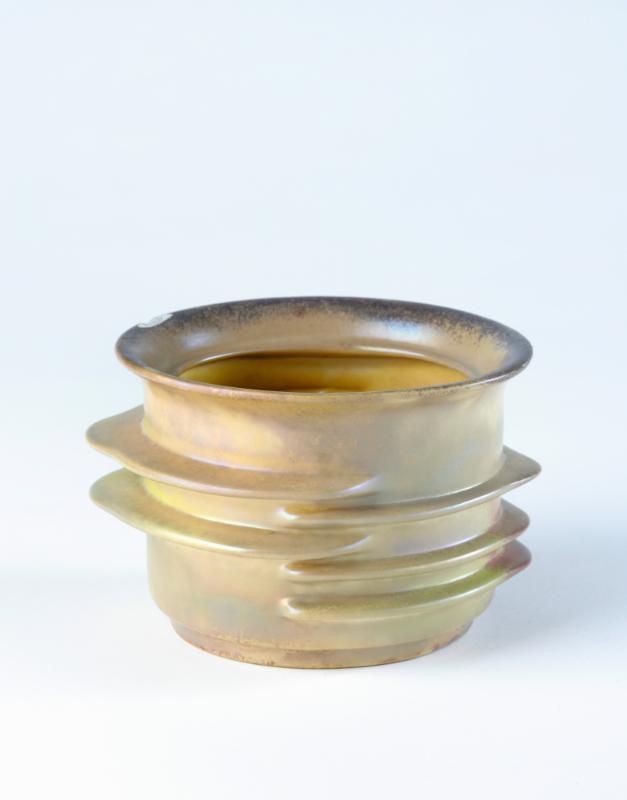
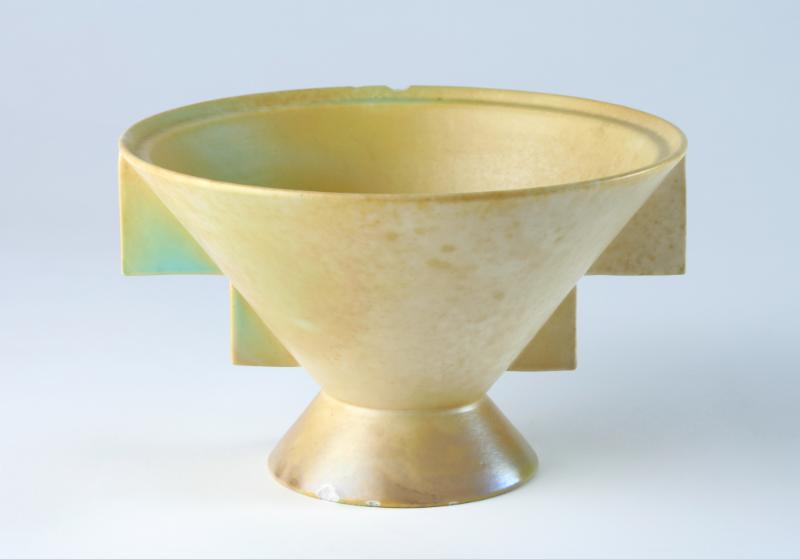

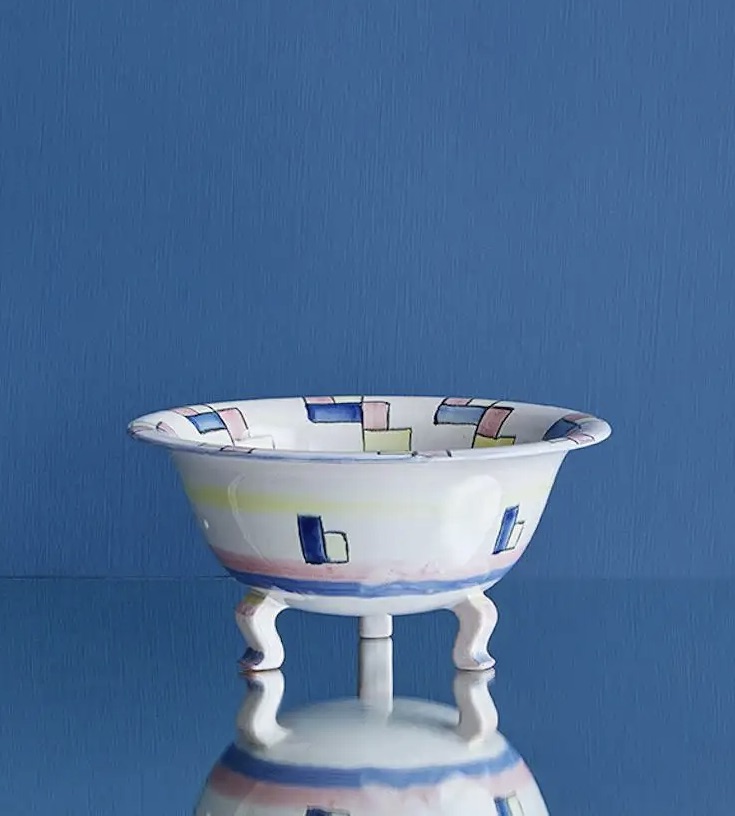
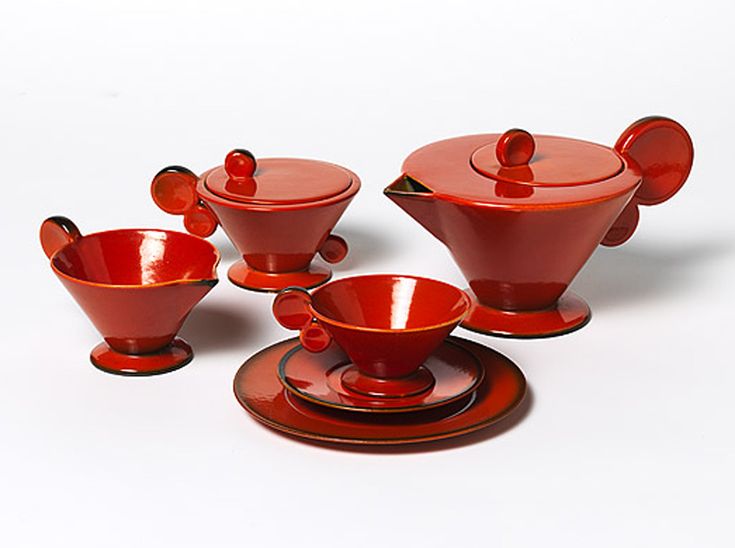
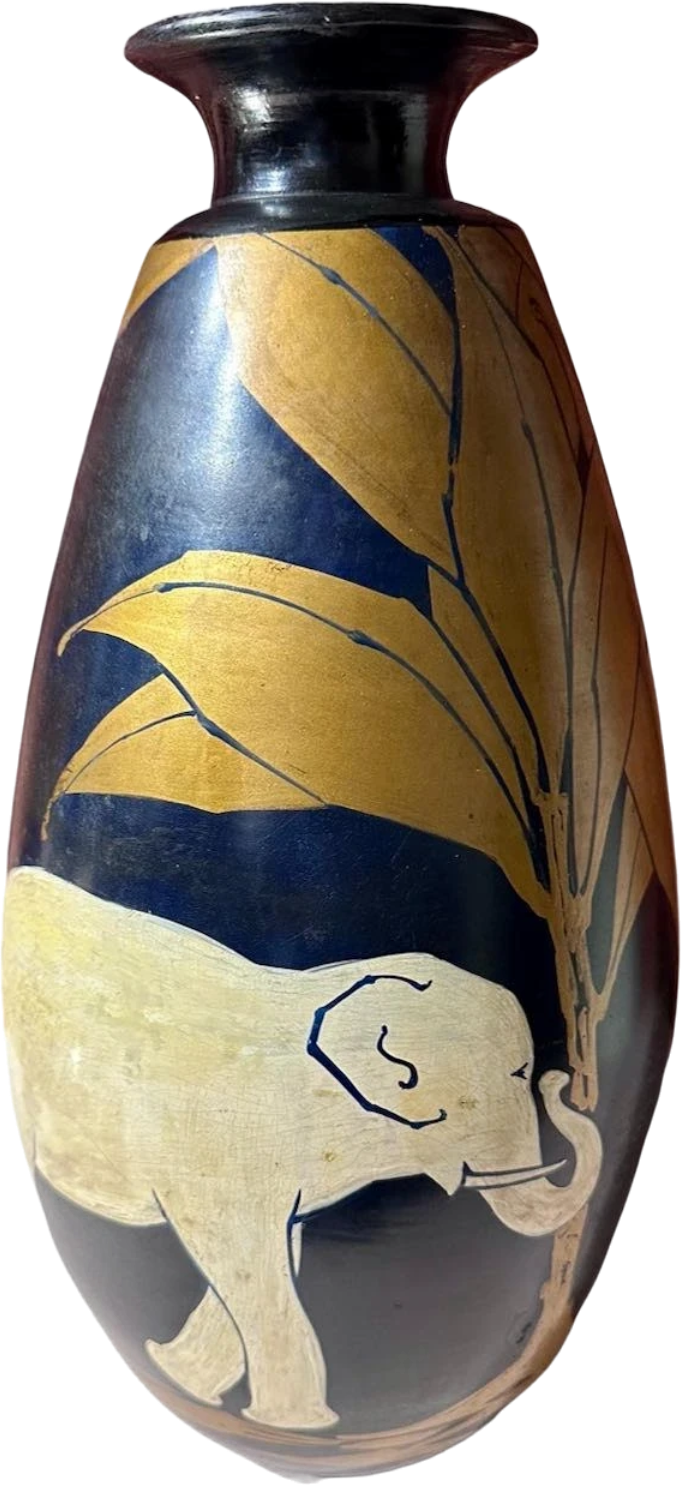
Heymann-Loebenstein’s designs ranged from sober and functional forms to playfully curved shapes, with glazes spanning bright colors such as lemon yellow, uranium red, and pitch black alongside pale monochromes. Her pieces were decorated variously with Kandinsky-like brushstrokes and East Asian motifs, and her double-disk handles in materials such as silver, ebony, and ivory became one of the company’s most striking trademarks. Her work defied easy categorization, with some pieces resembling constructivist sculptures while others served as refined tableware for wealthy customers wishing to break with tradition.
Key Influences
- Avant-Garde Ceramics: The Haël Workshops demonstrated that ceramic objects could function as affordable modern artworks, bridging the gap between studio craft and industrial production.
- Gender and Institutional Resistance: Her fight against the Bauhaus’s exclusion of women from the ceramics workshop exposed the gap between the school’s progressive rhetoric and its regressive gender politics.
- Entrepreneurial Model: As sole owner and designer of a nearly 100-person enterprise, she established a model for the artist-entrepreneur in the decorative arts that was rare for women of her era.
- Emigré Design Legacy: Her career in England, though never matching her German success, represented the broader dispersal of Central European modernist design knowledge driven by Nazi persecution.
- Historical Reckoning: The ongoing scholarly effort to recover her story from decades of distortion has become a case study in how Nazi-era injustices in the design world have been confronted and corrected.
If you are interested in further stories of the artists who shaped Art Deco, return to our artists page to browse the full directory.
Related Products