
Jules Leleu
Jules Leleu was born in 1883 into a long line of artisans and decorators, and he carried the legacy of Maison Leleu into the modern era with a blend of tradition and innovation. He studied sculpture in Brussels and at the École des Beaux Arts, giving him a deep understanding of materials that later informed his furniture designs. After taking over his family’s business with his brother Marcel in the early 1900s, he expanded it into a full decorating and cabinetmaking firm that quickly gained attention in Paris. His breakthrough came in the early 1920s when his furniture was shown at major Paris Salons, where critics praised his refined forms and expert use of rare veneers. In 1925 he won a Grand Prix at the Exposition Internationale des Arts Decoratifs, which established him as one of the key voices of the emerging Art Deco movement. His firm grew rapidly, producing not only furniture but rugs, lighting, lacquerwork, and custom interiors for a rising elite clientele. By the late 1920s he had opened a major showroom in Paris, positioned himself among the foremost designers of the age, and began receiving commissions from aristocrats, diplomats, and industrialists. Maison Leleu became a true family enterprise, and his children eventually joined the firm and helped carry the style forward for decades.
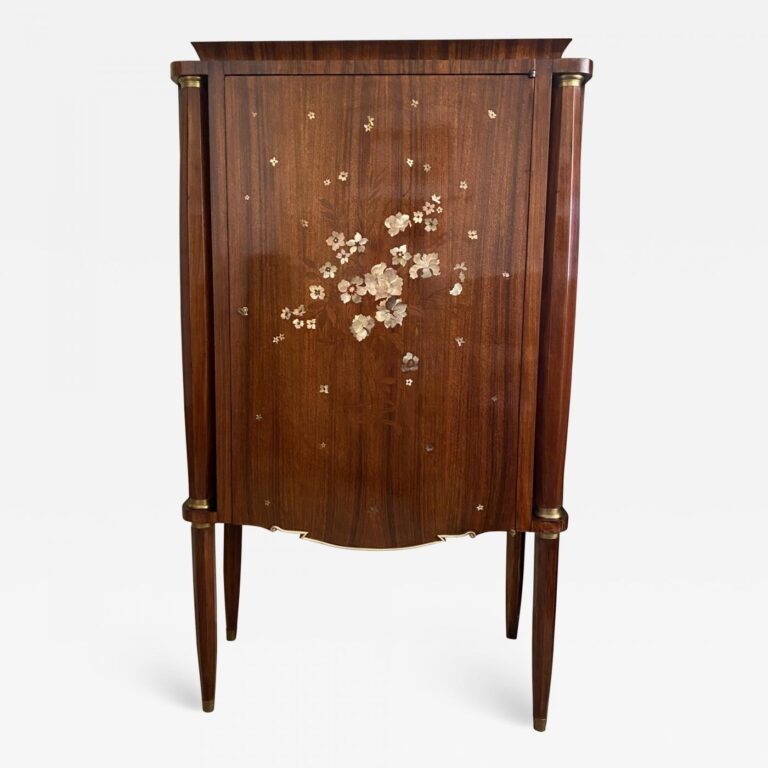
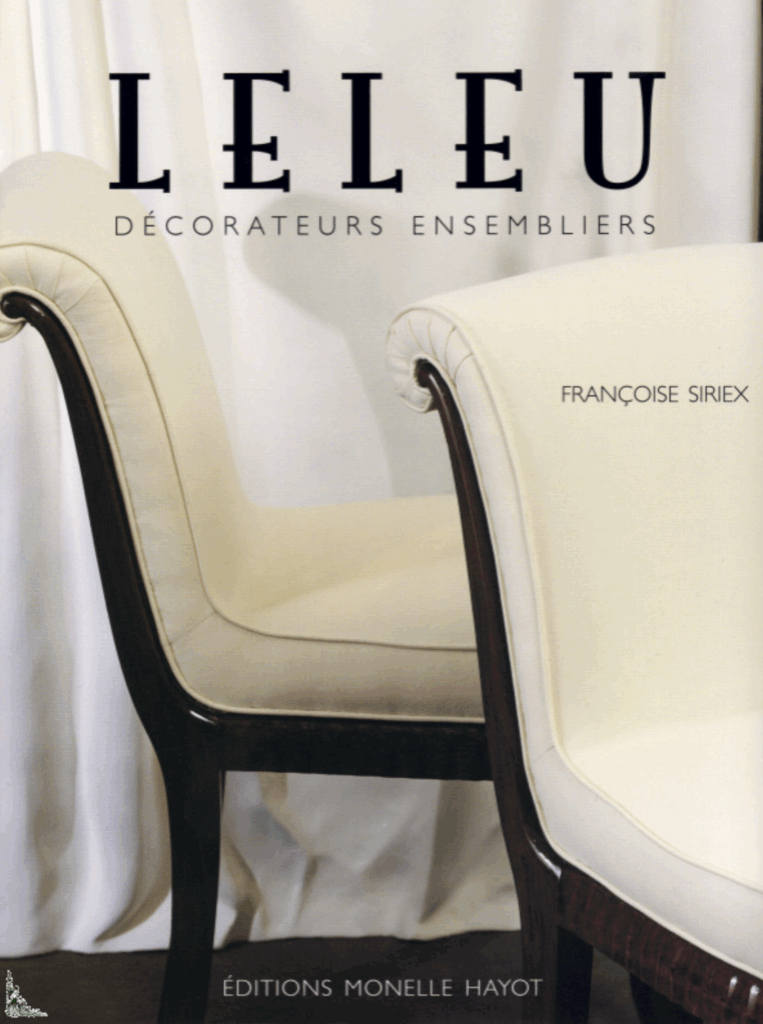
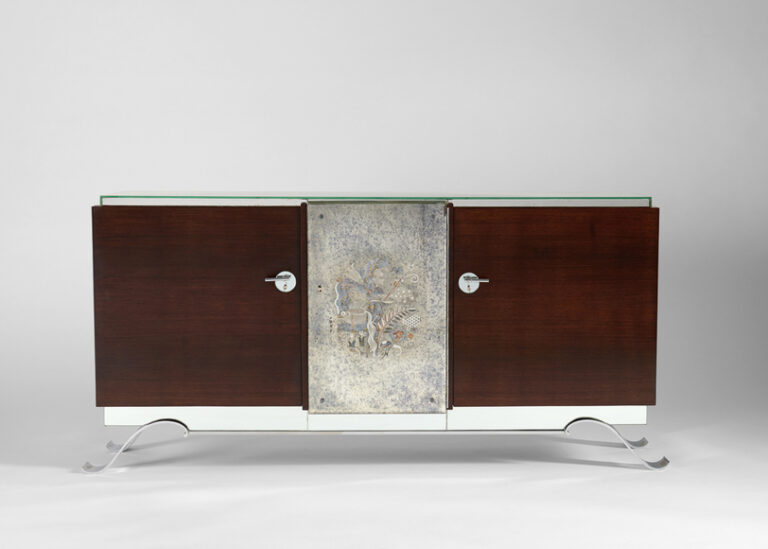
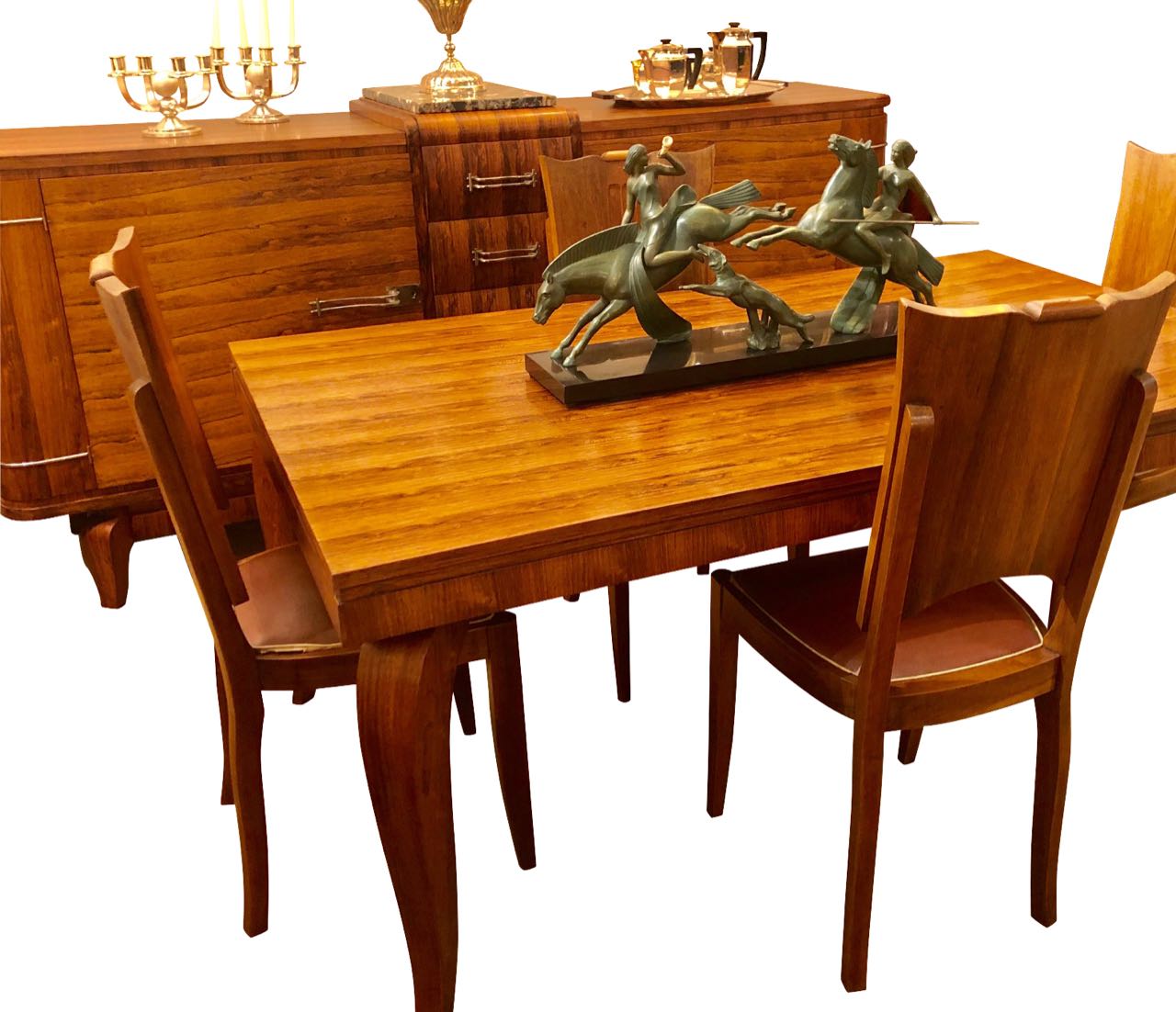
Leleu’s career was remarkable for its longevity and its ability to evolve with changing tastes while maintaining a clear and consistent identity. In the 1920s his work featured sensual curves, rich woods, ivory inlays, and a level of craftsmanship that invited comparison to Ruhlmann, even though his own voice was quieter and more restrained. During the 1930s he embraced the new modernist vocabulary, creating pieces that were more geometric, more minimal, and often accented with nickel plated metal or lacquer. His reputation was strengthened by major commissions for ocean liners like the Île de France, Atlantique, Normandie, and later the France, each of which showcased his mastery of luxury interiors on a grand scale. He also designed important institutional spaces, including rooms for the League of Nations, the Sorbonne, embassies, and the Elysée Palace. After the Second World War he adapted again, using new materials like fiberglass, aluminum, and synthetic lacquer to meet shifting tastes and new production demands. His postwar work retained the refinement of earlier decades but showed a sharper and more linear profile that aligned with mid century ideals. Although he died in 1961, Maison Leleu continued under his children and preserved a level of quality and coherence that kept his legacy alive well into the 1970s.
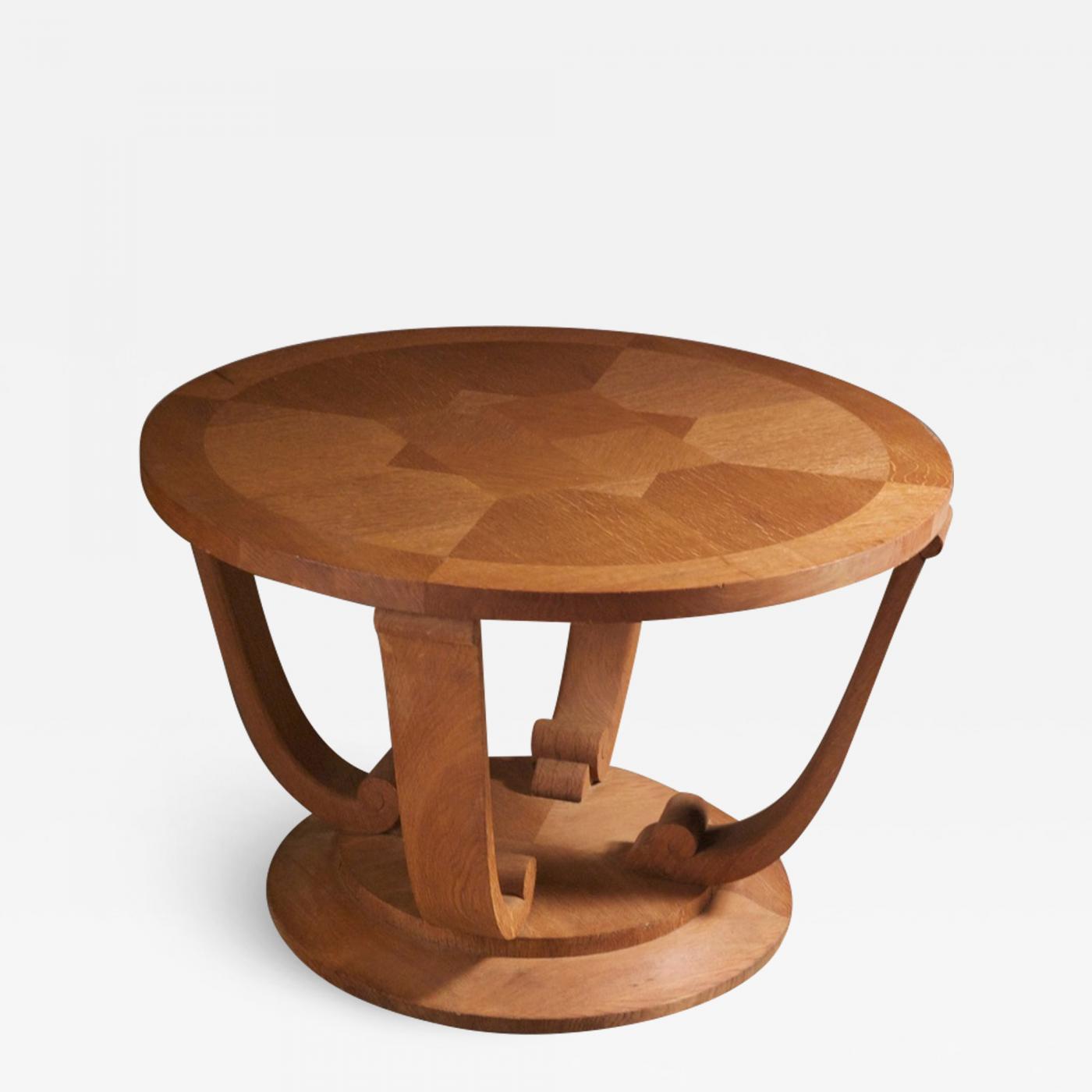
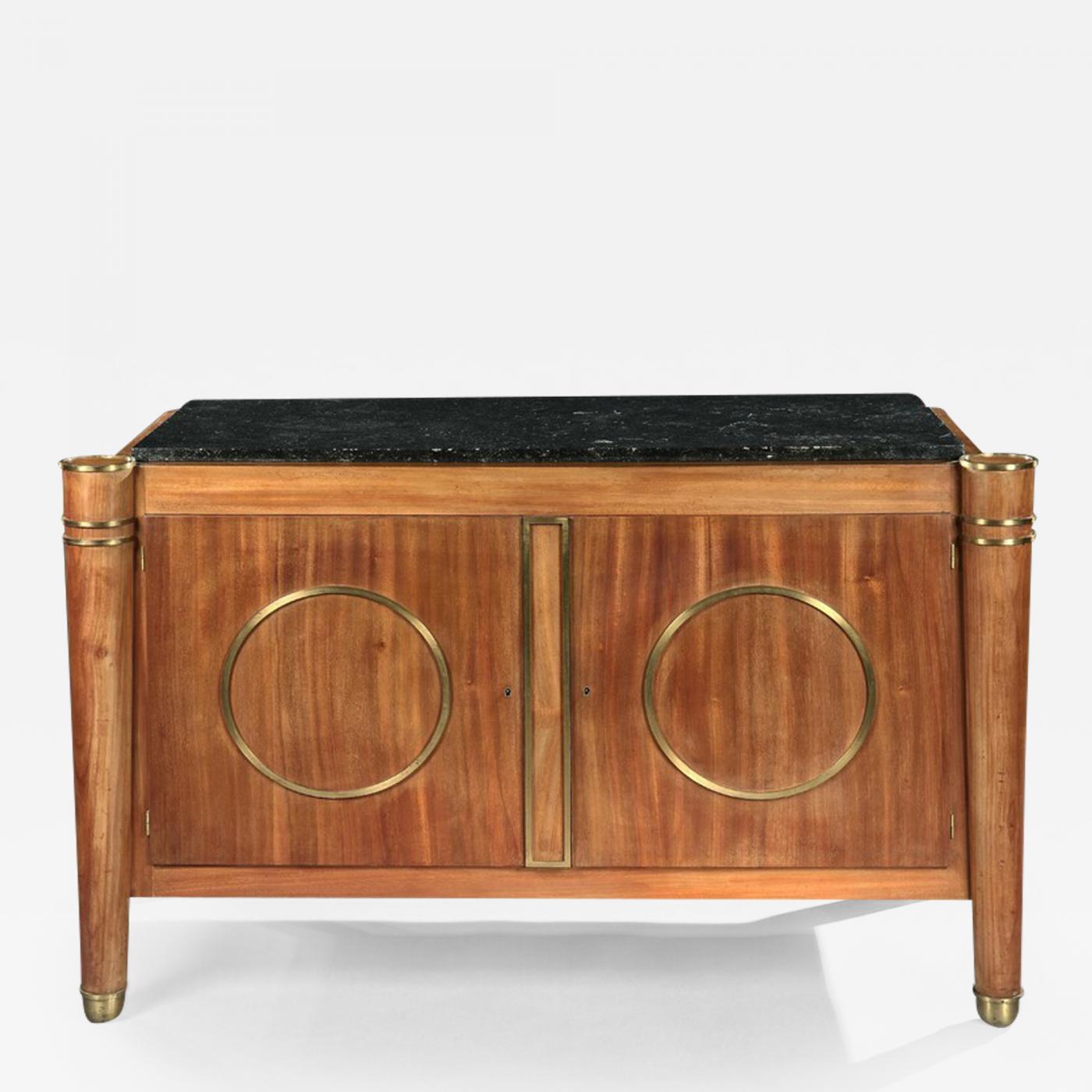

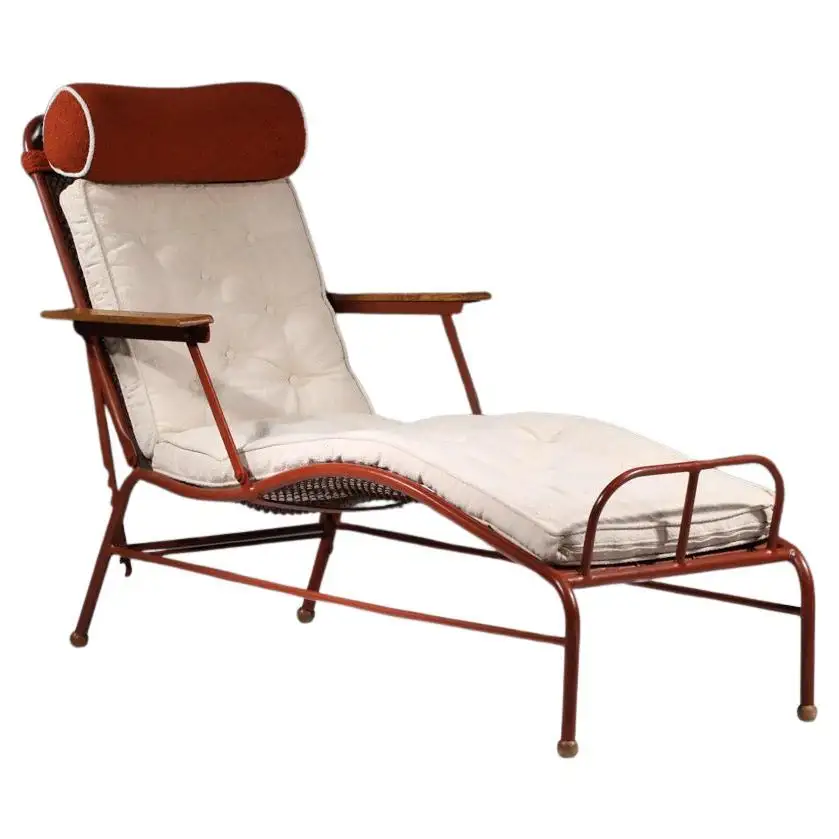
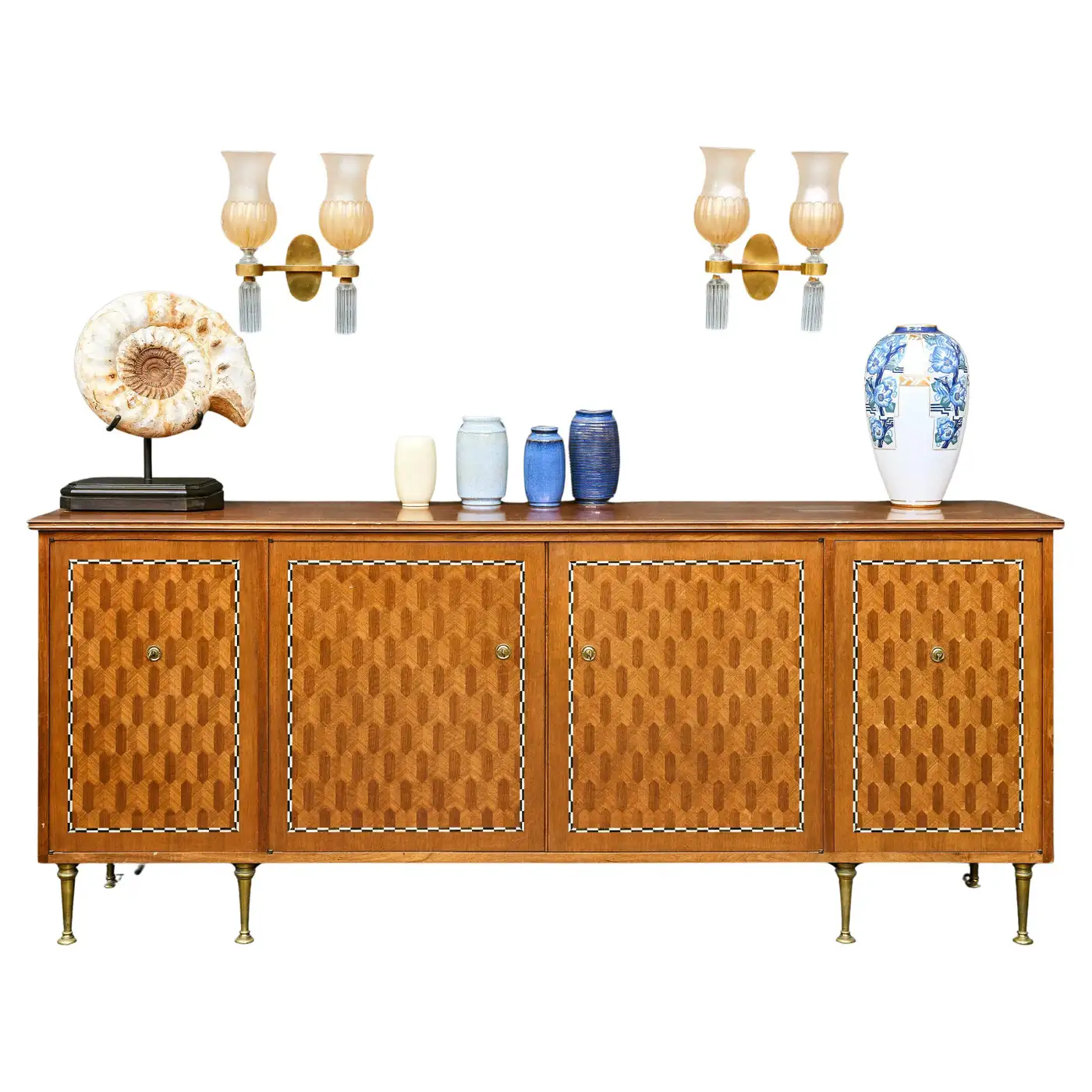
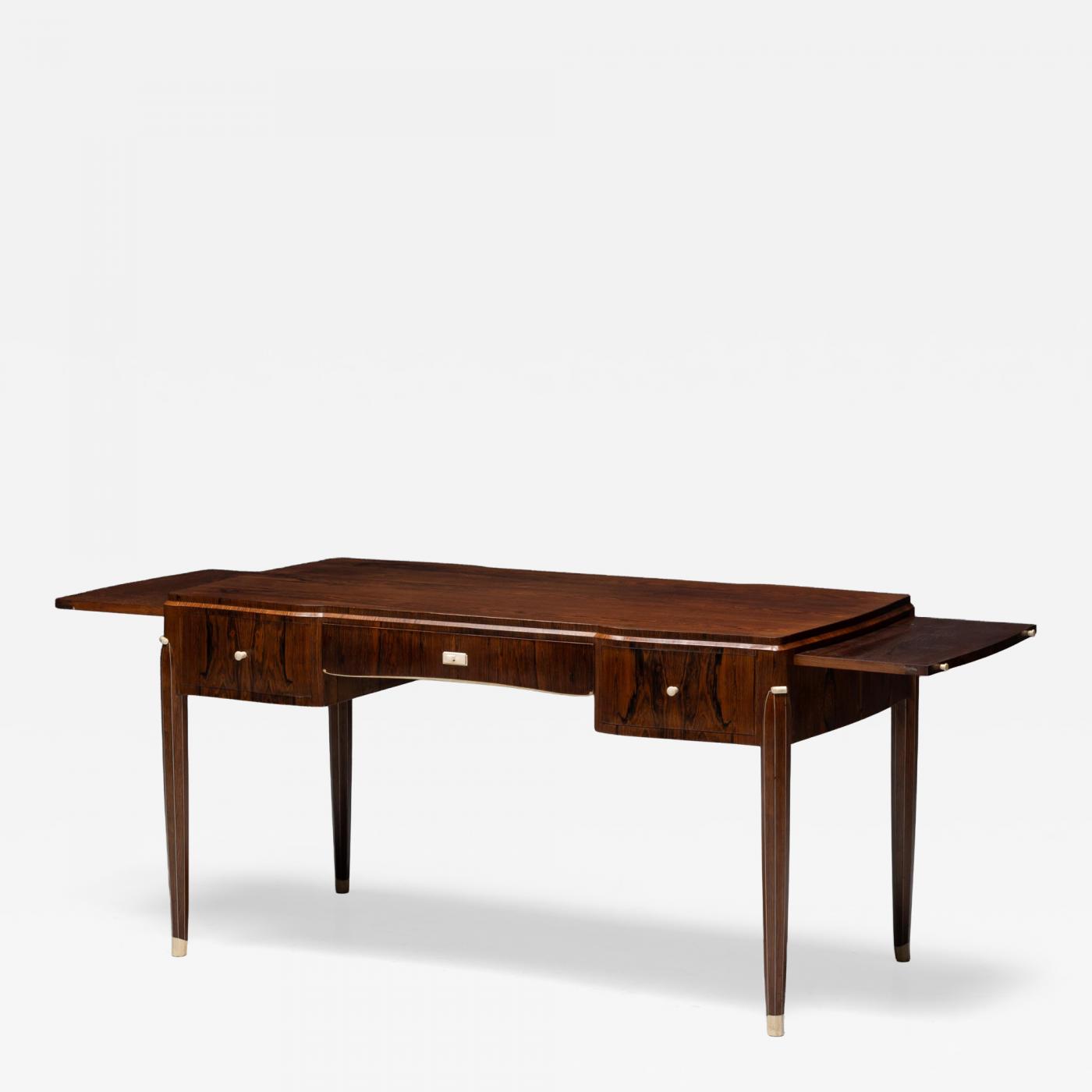
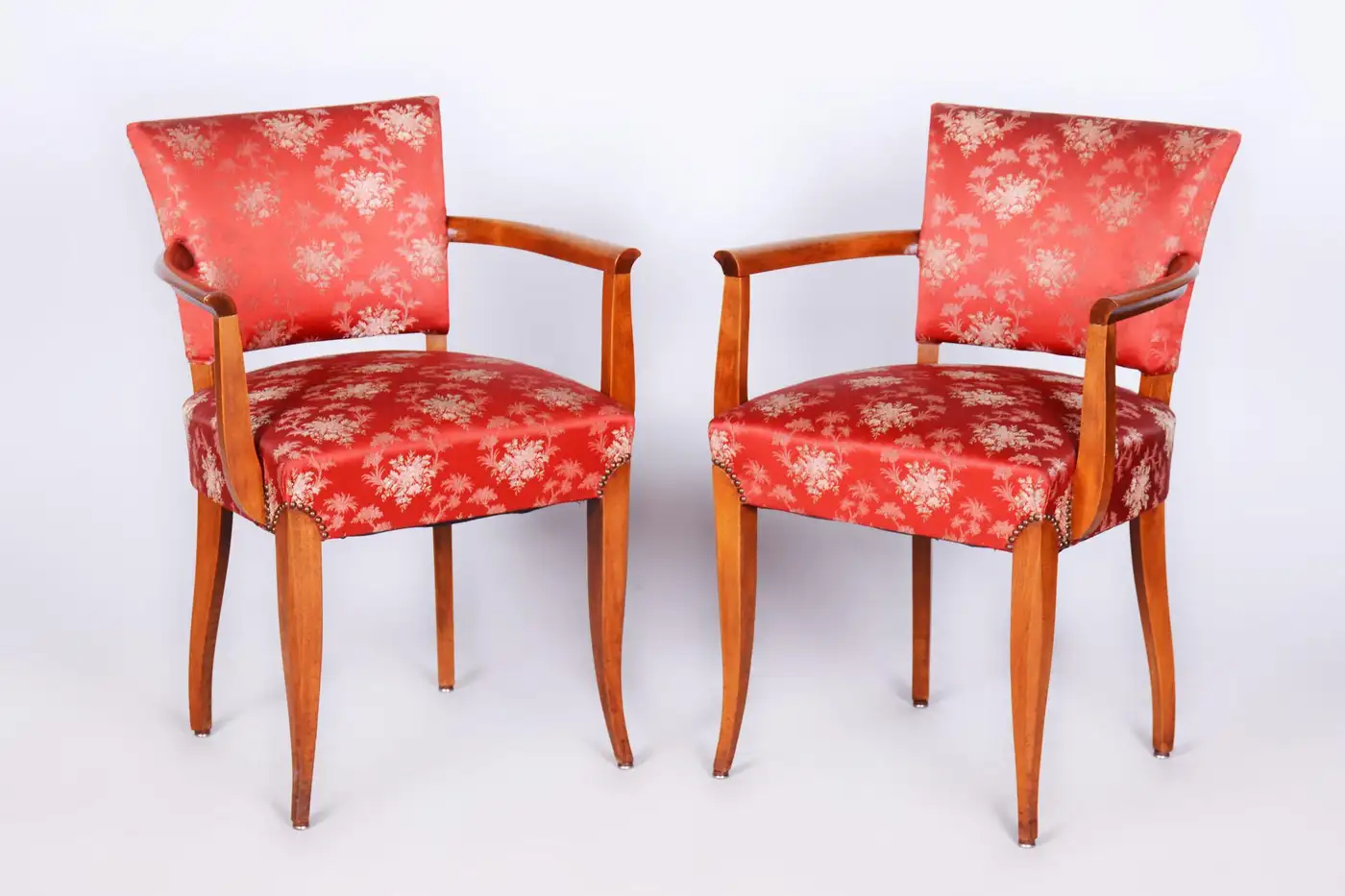
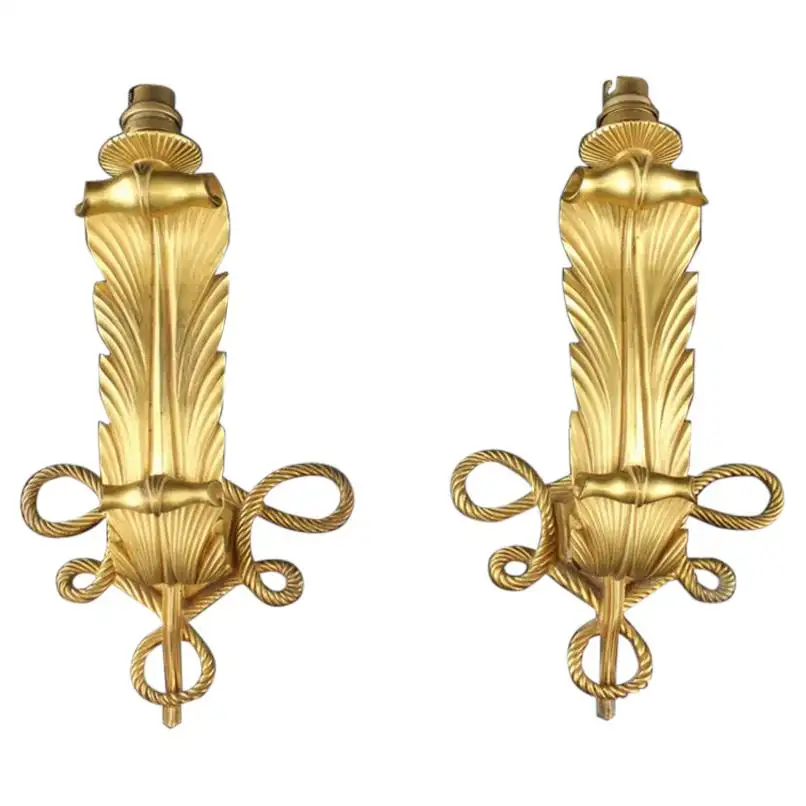
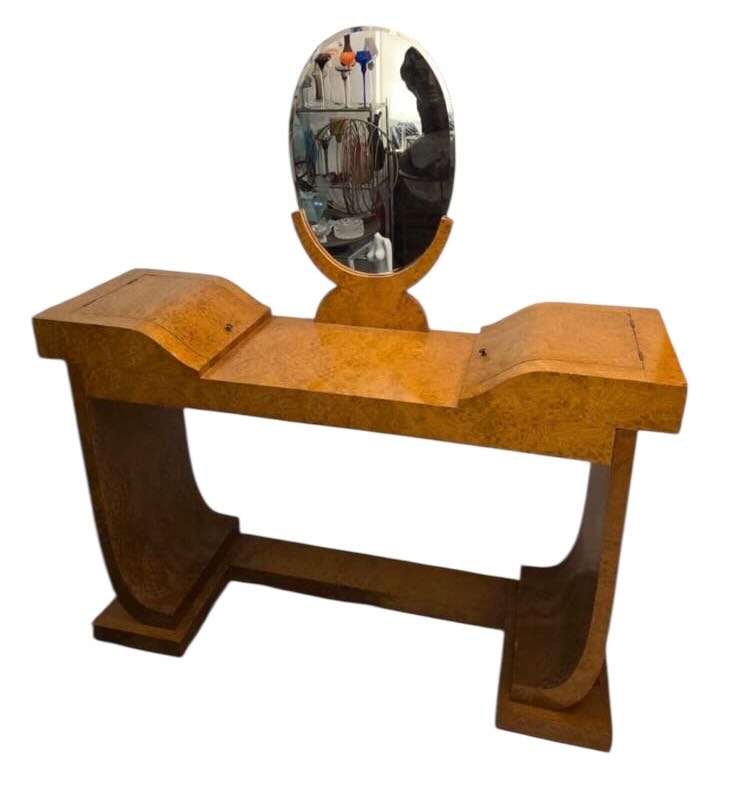
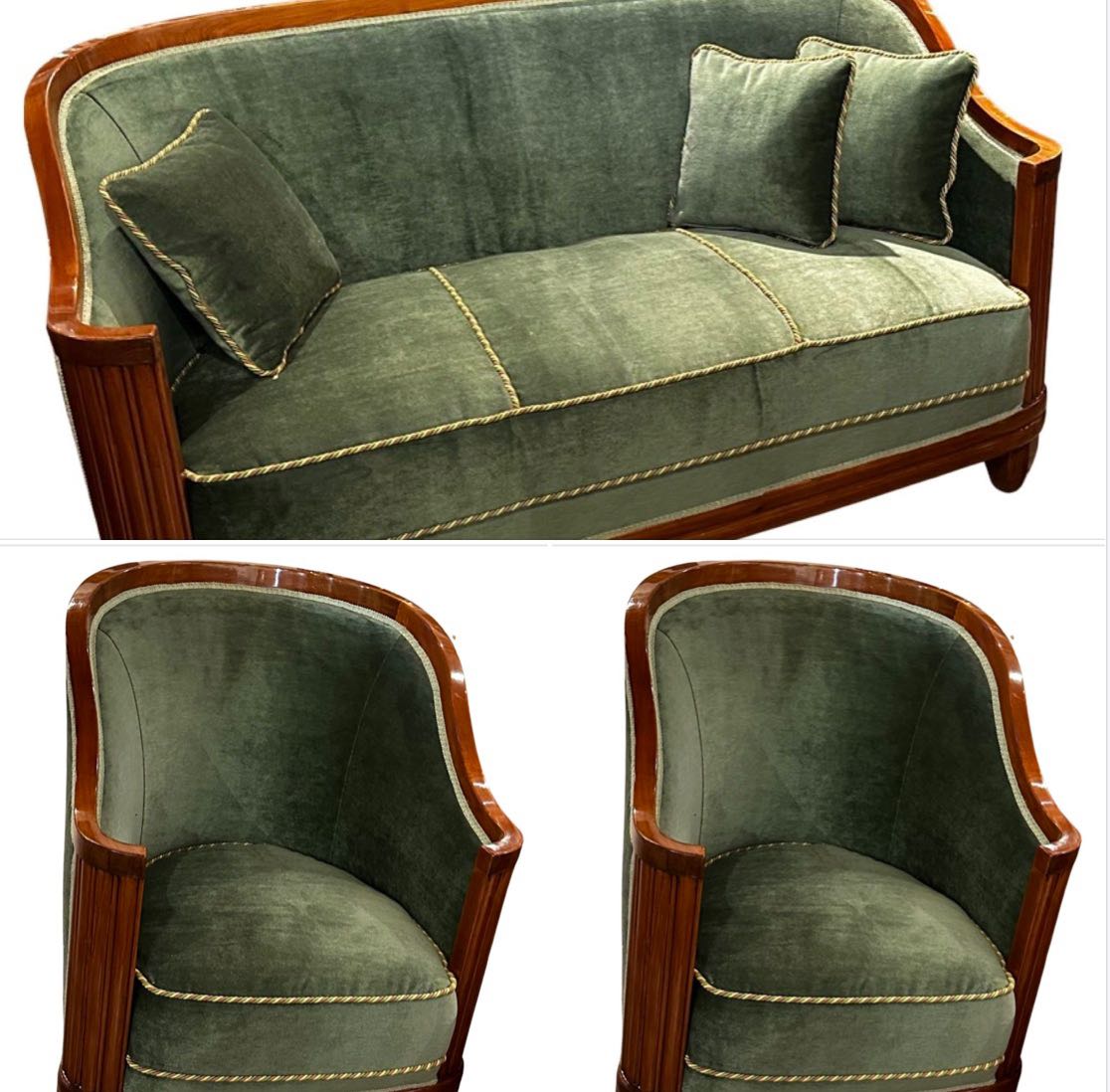
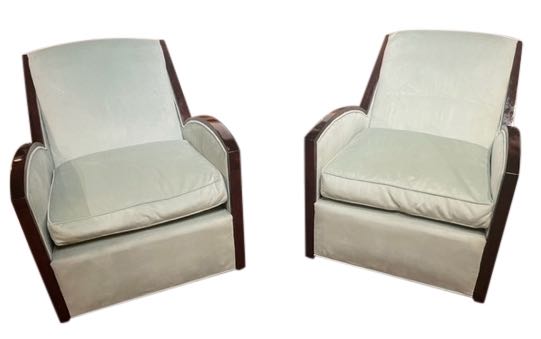
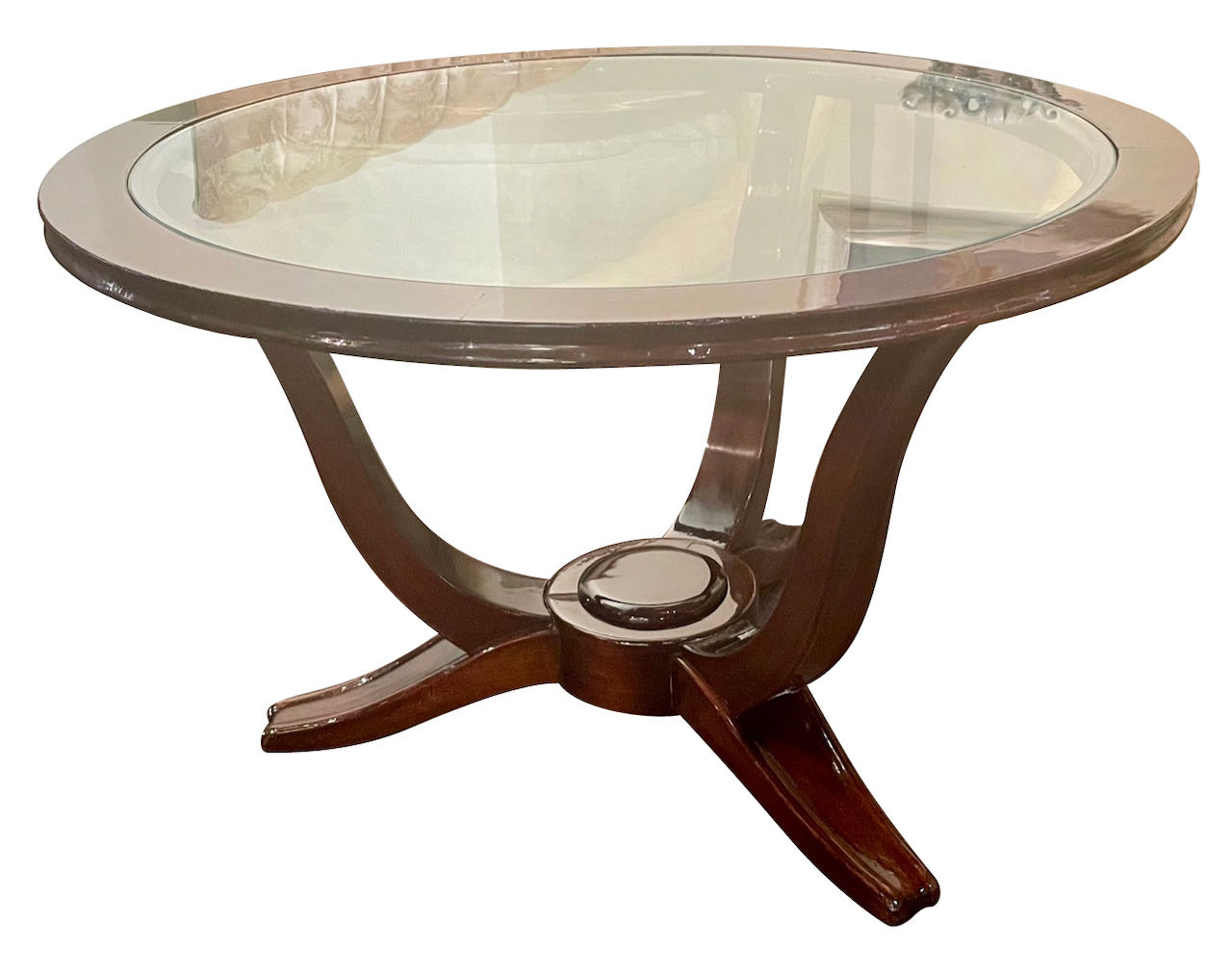
Leleu’s designs balanced classical French elegance with the clarity and control of modern geometry. He favored exotic woods, lacquer, and ivory inlays that added depth and texture without overwhelming the form. His orchestrated use of curves and straight lines gave his furniture a sense of calm proportion and quiet luxury. Metal details, marquetry, and carefully chosen veneers allowed him to explore richness in a subtle and disciplined way. Across decades of change he remained committed to impeccable craftsmanship and harmonious design.
Key Influences:
Luxury French Interiors: Helped define the look of high end Art Deco across ocean liners, embassies, corporate spaces, and elite private homes.
Material Innovation: Advanced the use of exotic woods, lacquer, ivory, shagreen, and later aluminum, fiberglass, and synthetic lacquers.
Family Craft Tradition: Transformed an eighteenth century workshop into one of the longest lasting French design houses of the twentieth century.
Art Deco Refinement: Offered a restrained and balanced alternative to more flamboyant contemporaries, shaping the quieter side of the movement.
Modern Interior Architecture: Pioneered the idea of total environments by designing not only furniture but entire rooms and coordinated ensembles.
If you are interested in further stories of the artists who shaped Art Deco, return to our artists page to browse the full directory.
Related Products from ArtDecoCollection.com