




John Vassos
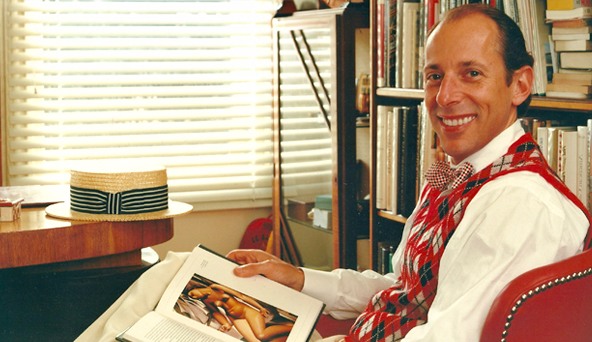
John Vassos was born John Plato Vassacopoulos on October 23, 1898, in Sulina, Romania, to Greek parents, and moved as a young child to Istanbul, Turkey, where he drew political cartoons for a liberal newspaper as a teenager. When one cartoon depicting the Turkish senate unfavorably nearly cost him his life, he fled on a British ship at the age of 16. He served in the British Naval Support Systems during World War I, seeing action at Gallipoli and surviving the torpedoing of a ship he was serving on, before emigrating to Boston in 1919. There he washed windows and attended the Fenway Art School at night, studying alongside John Singer Sargent and working as an assistant to Joseph Urban. In 1924 he moved to New York, studying at the Art Students League under John Sloan and opening his own studio. During World War II he served as a captain in the Engineering Corps before being identified by the OSS and assigned to run a clandestine spy training school in Cairo, Egypt, eventually rising to the rank of colonel. He received the Gold Cross of the Order of the Phoenix from Greece in 1966 for his contribution to the Allied victory. Vassos died in Norwalk, Connecticut, on December 6, 1985.
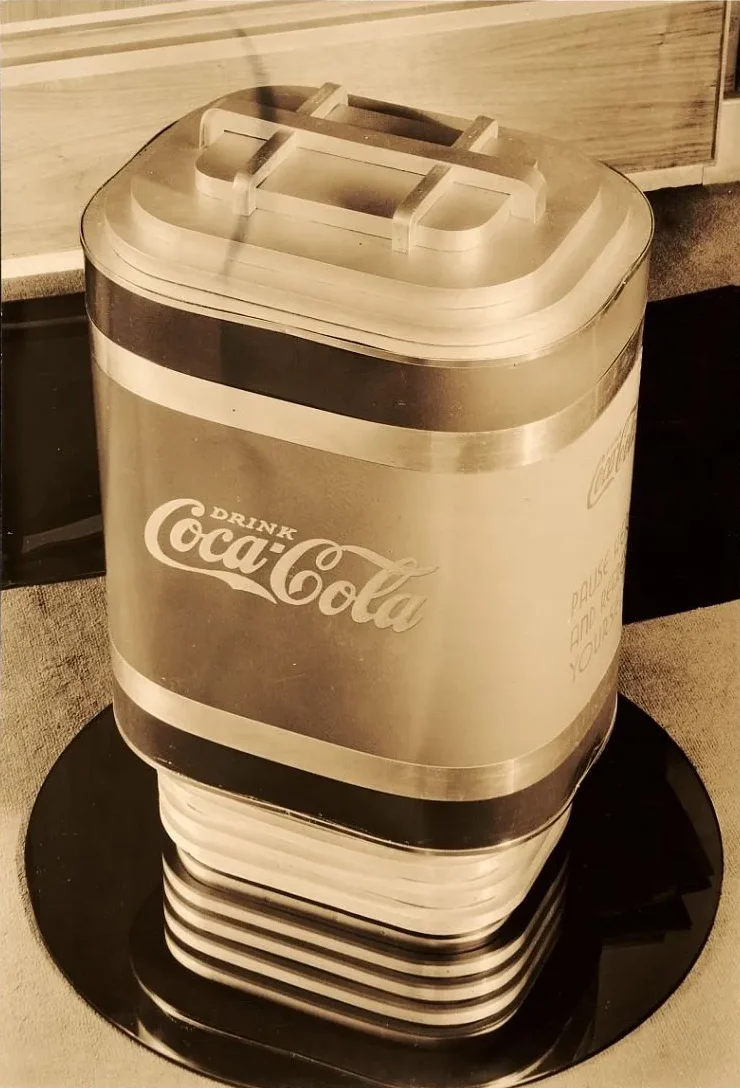
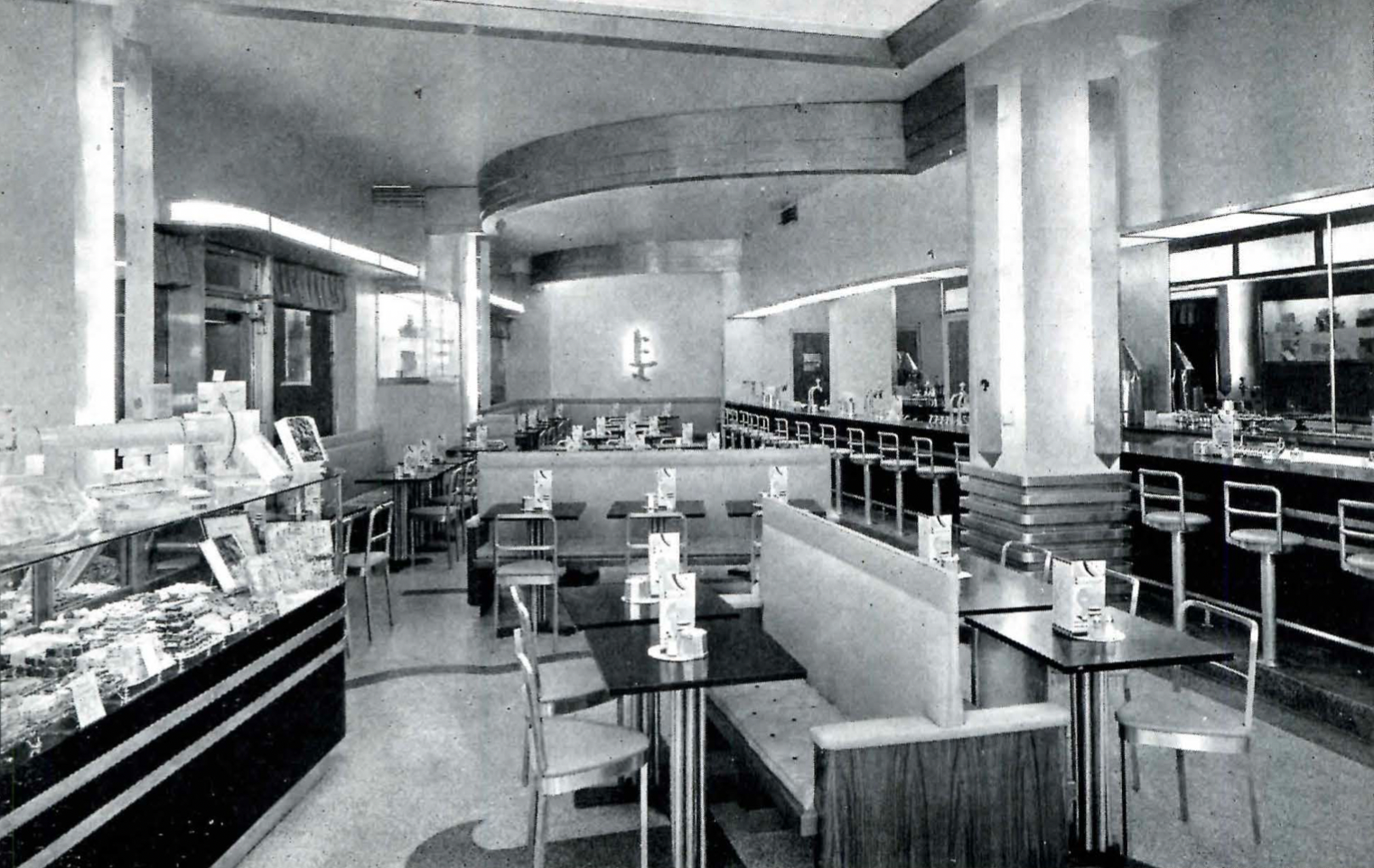
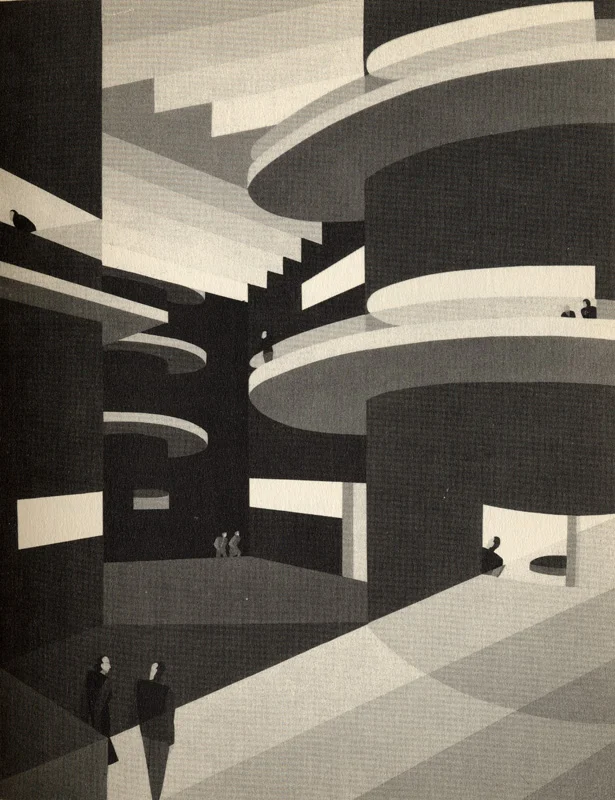
Vassos began his career as an illustrator, creating window displays for department stores and advertisements for Saks Fifth Avenue, Bonwit Teller, and Packard Motor Cars in a distinctive black and white style. Between 1927 and 1935, he illustrated a celebrated series of books for E.P. Dutton, including three works by Oscar Wilde and his most influential book, Phobia, inspired by Freudian psychoanalyst Harry Stack Sullivan, which shaped his lifelong design philosophy around user psychology. In 1933, he established RCA Victor’s first internal styling department, beginning a 38-year consulting relationship that made him the defining designer of American broadcast and consumer media technology. His designs included hundreds of RCA radios, phonographs, broadcast equipment, and the TRK-12 television, the first mass-produced television set in America, which premiered in a transparent Lucite cabinet at the 1939 New York World’s Fair. He also designed the Perey turnstile still found in subway stations today, interiors for restaurants and movie theaters, the RCA 501 solid-state computer, and an electron microscope. He served as president of the American Designers’ Institute from 1938 to 1941 and was the founding chairman of the Industrial Designers Society of America in 1965, alongside Henry Dreyfuss as its first president. His papers are held at Syracuse University and the Archives of American Art at the Smithsonian Institution.

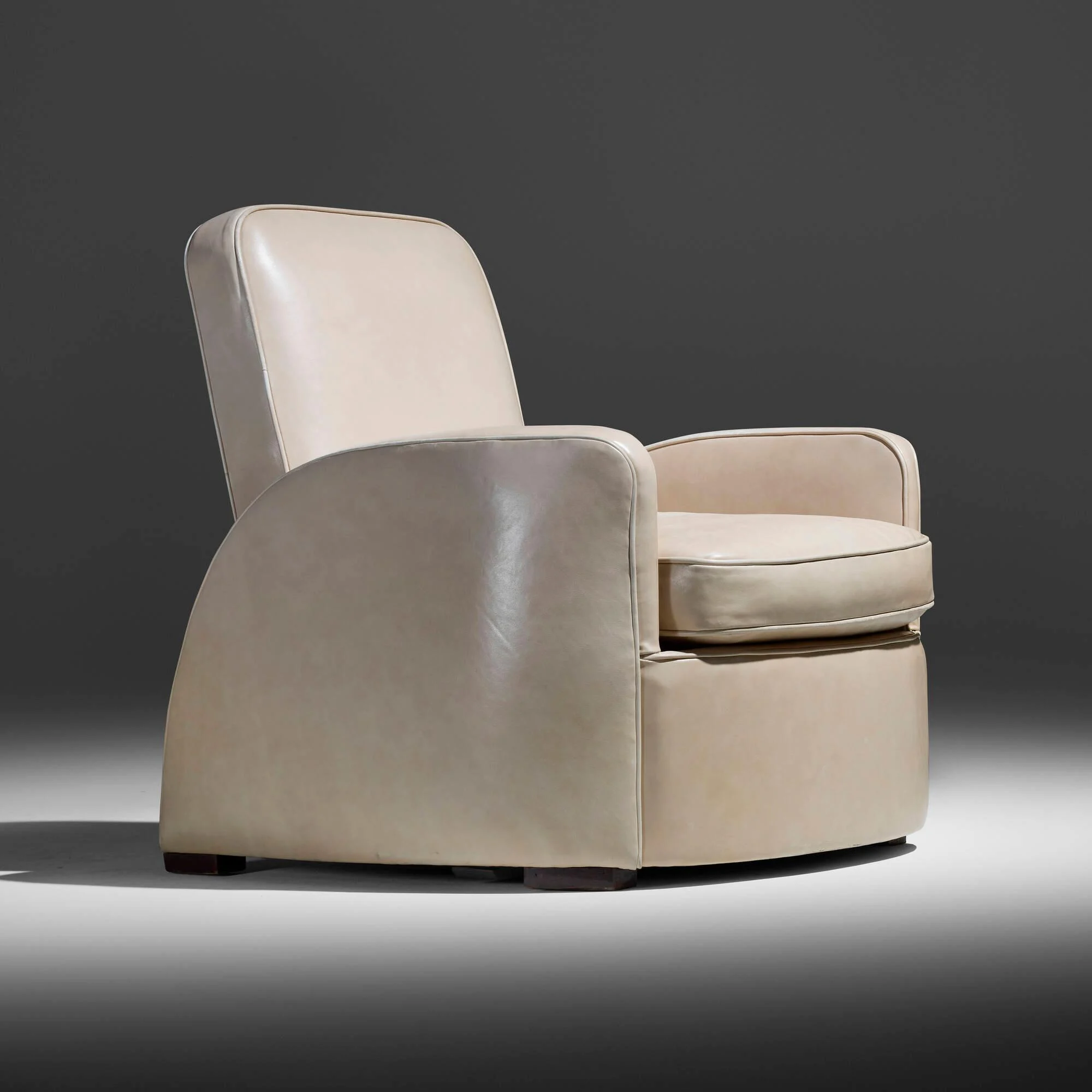
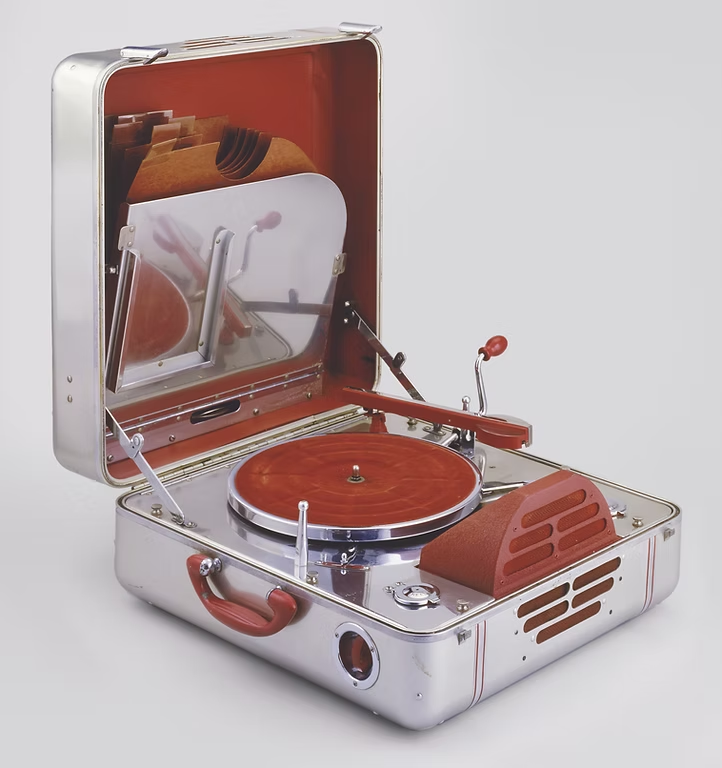
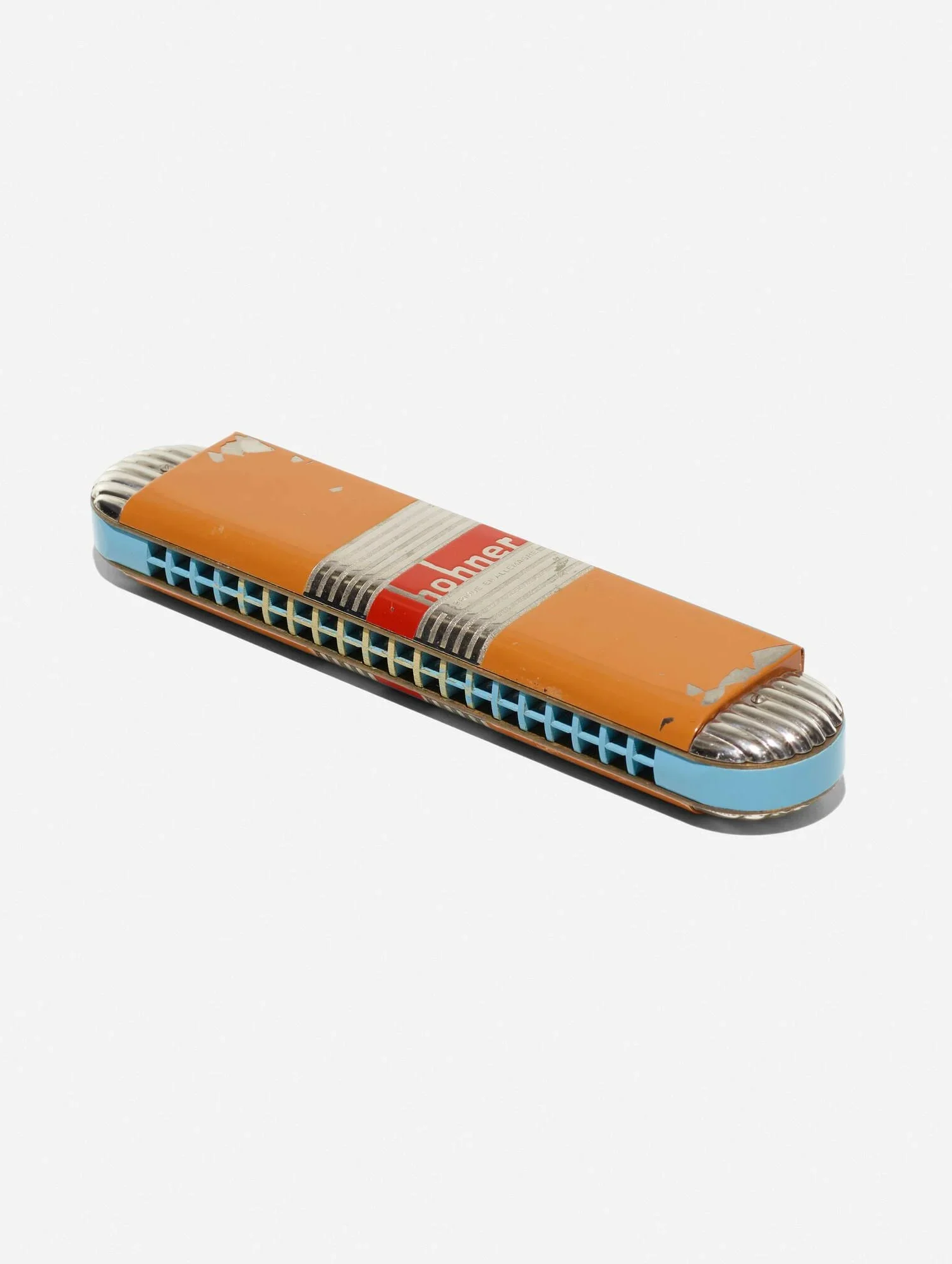

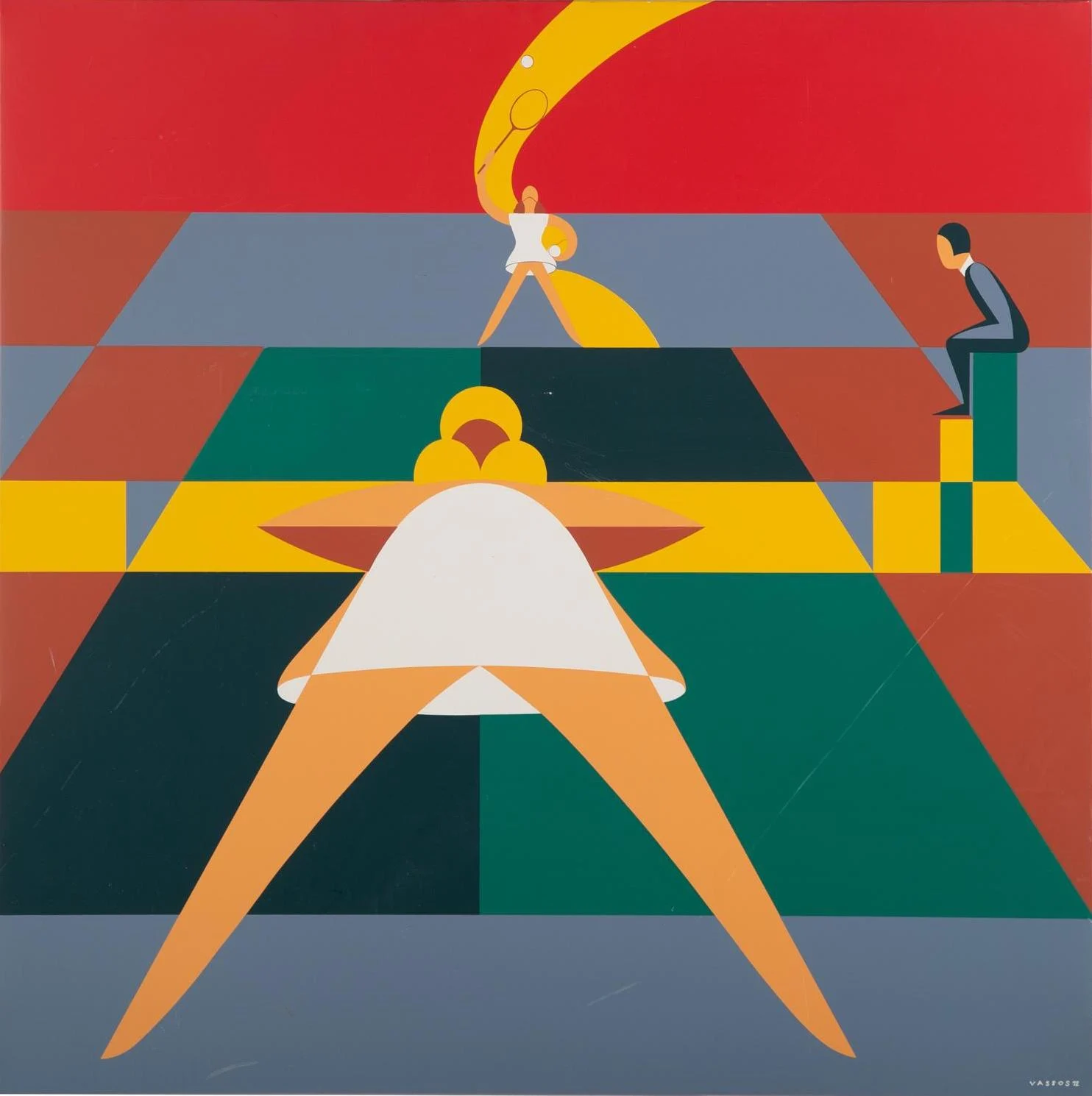

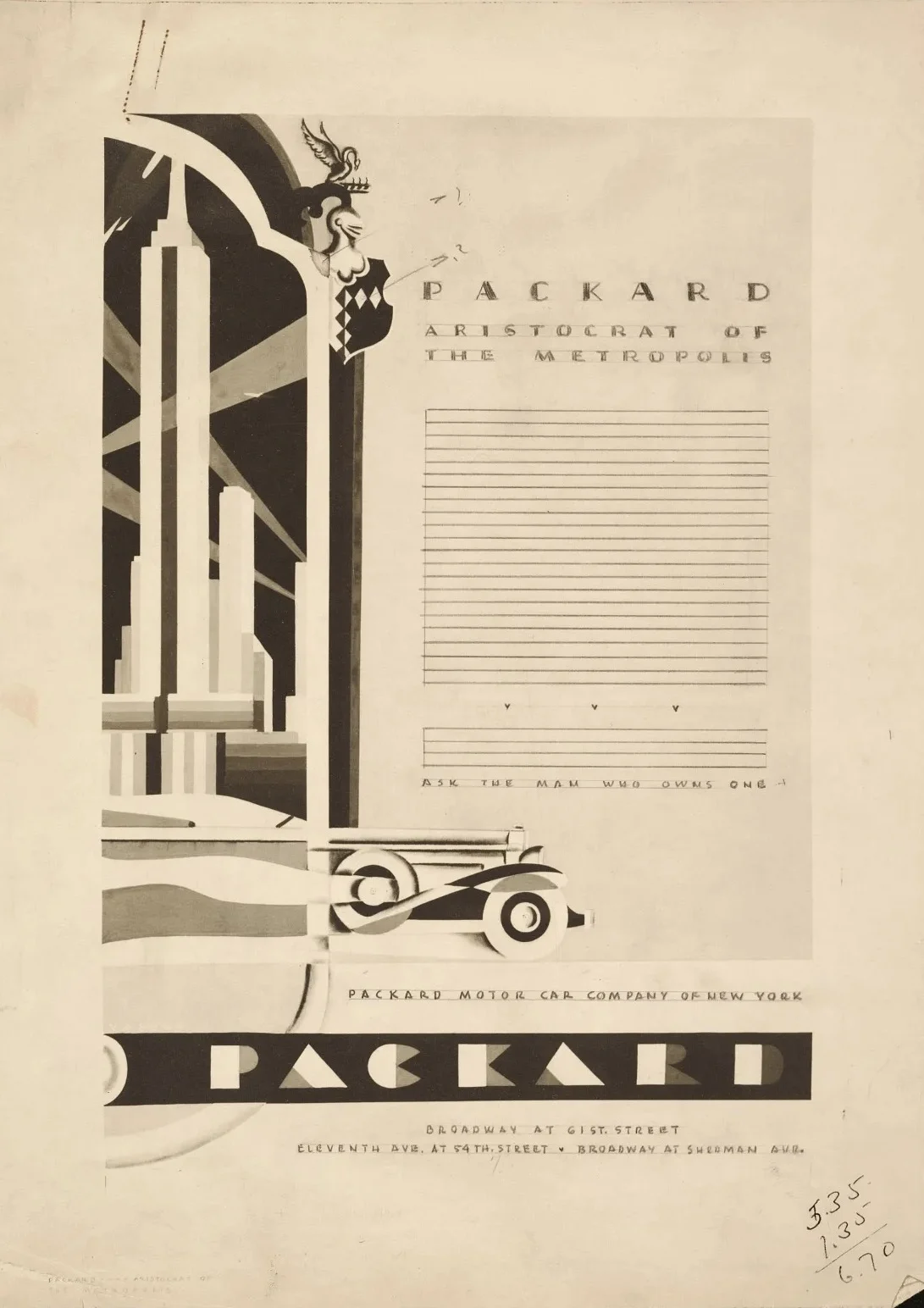
Vassos worked in a bold Art Deco graphic style in his illustrated books, using black and white gouache to create geometrically structured, Cubist-influenced compositions suited to mass reproduction. His industrial design philosophy rejected the extreme streamlined look popular in the 1930s in favor of a clean, functional modernism informed by Bauhaus principles and user psychology, with particular attention to the haptic experience of knobs, dials, and buttons. He was unique among his generation’s industrial designers in treating media technologies as objects requiring the same careful attention to the human body and its interactions as furniture or tools.
Key Influences
- RCA and American Broadcasting: His four decades shaping RCA’s product design defined the visual language of American radio and television from their commercial origins through the computer era.
- Art Deco Illustration: His illustrated books, particularly Phobia and Contempo, are among the finest examples of Art Deco graphic art produced in America and remain collector objects of considerable value.
- User Experience Design: His focus on knobs, dials, and the haptic experience of media technology made him a pioneer of what is now called user interface design, decades before the field existed as a discipline.
- Perey Turnstile: His 1933 turnstile design became the standardized form for mass transit and sports arenas across America, making it one of the most ubiquitous industrial designs of the 20th century.
- Industrial Design Education: His work establishing the IDSA and developing a Bauhaus-grounded four-year industrial design curriculum helped set the standard for collegiate design education in the United States.
If you are interested in further stories of the artists who shaped Art Deco, return to our artists page to browse the full directory.

Related Products from ArtDecoCollection.com