





John Held Jr.
John Held Jr. was born on January 10, 1889, in Salt Lake City, Utah, the oldest of six children in an artistic family. His father, a Swiss immigrant, was a copperplate engraver and musician who taught him woodcutting and engraving at a young age. Held sold his first drawing to a local newspaper at the age of nine and his first cartoon to Life magazine at fifteen. In 1905, he began working as a sports illustrator and cartoonist at The Salt Lake Tribune alongside his high school classmate Harold Ross, who would later found The New Yorker. Held never graduated from high school and received no formal art instruction, claiming that his only teachers were his father and the sculptor Mahonri M. Young, a grandson of Brigham Young. In 1912, he relocated to New York, where he drew posters, department store advertisements, and designed costumes and sets for the theater to make ends meet. During World War I, he worked for U.S. Naval Intelligence in Central America as an artist and cartographer, participating in an archaeological expedition where he recorded Mayan hieroglyphics. Held was married four times, spent his final years on a farm in New Jersey surrounded by animals and family, and died on March 2, 1958, at the age of 69.
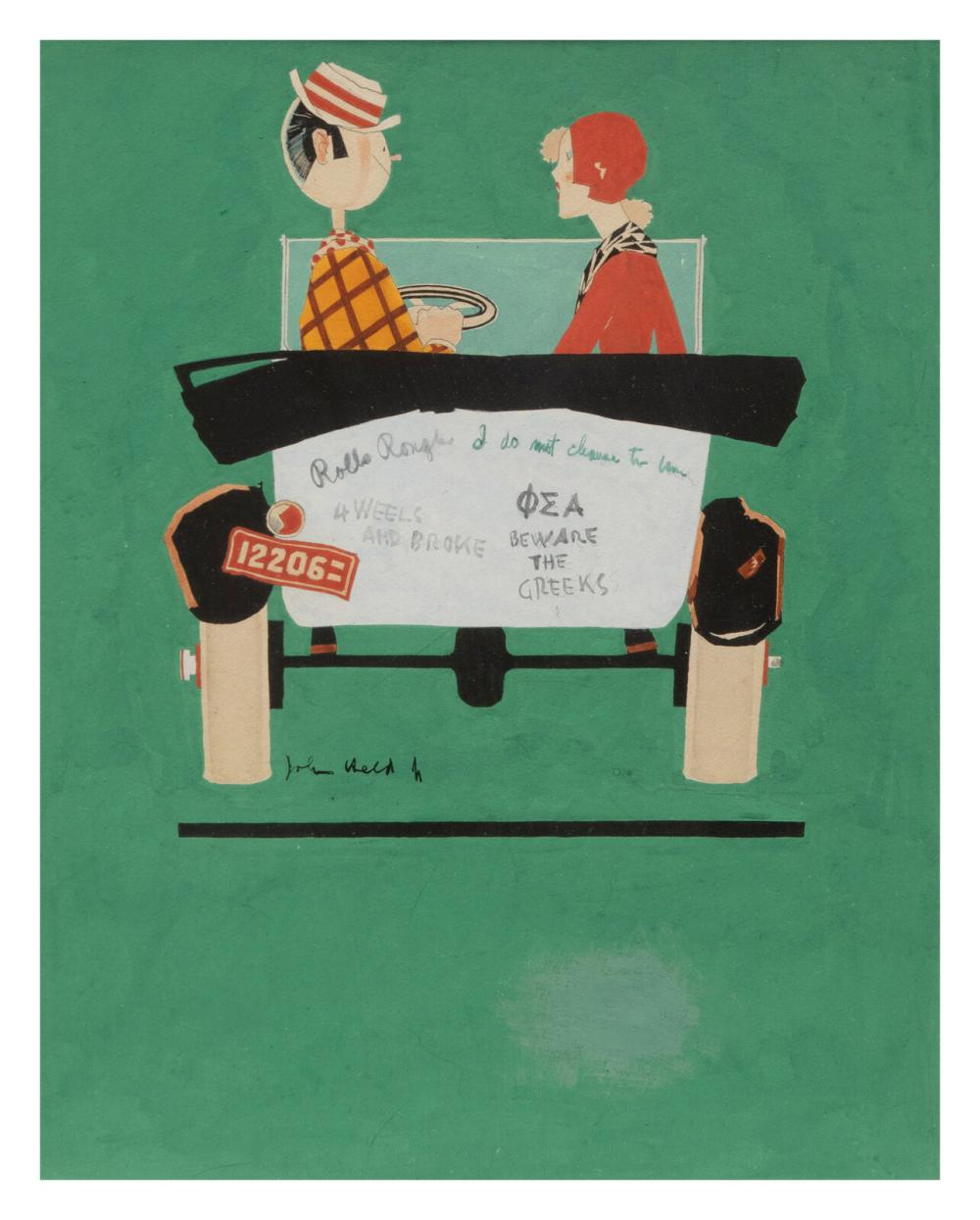


Vanity Fair began publishing Held’s drawings in 1915, initially under the pseudonym “Myrtle Held” because he was too shy to use his own name. By 1927, his work had appeared in Life, Vanity Fair, Harper’s Bazaar, The New Yorker, Judge, and The Smart Set, and he was reportedly so popular that people were sending him blank checks for original pieces. He created the iconic flapper and her counterpart, whom he named Betty Co-ed and Joe College, characters that became perfect archetypes for the generation. After F. Scott Fitzgerald took a liking to his cartoon style, Held illustrated the covers for Tales of the Jazz Age and The Vegetable, as well as the Pulitzer Prize-winning novel So Big. From 1925 to 1932, his woodcut-style cartoons and satirical maps were published frequently in The New Yorker, where he slipped in occasional imagery alluding to the Church of Jesus Christ of Latter-day Saints with Harold Ross’s encouragement. During the Great Depression, he lost much of his fortune in the Ivar Kreuger fraud scheme and turned to writing and illustrating novels, painting somber landscapes, and illustrating children’s books. In 1937, he designed sets for the Broadway comedy revue Hellzapoppin and exhibited bronze sculptures of horses at New York’s Bland Gallery in 1939. He was named artist-in-residence at Harvard and the University of Georgia by the Carnegie Corporation, and in the 1950s a popular wave of nostalgia for the 1920s brought renewed interest in his earlier works.
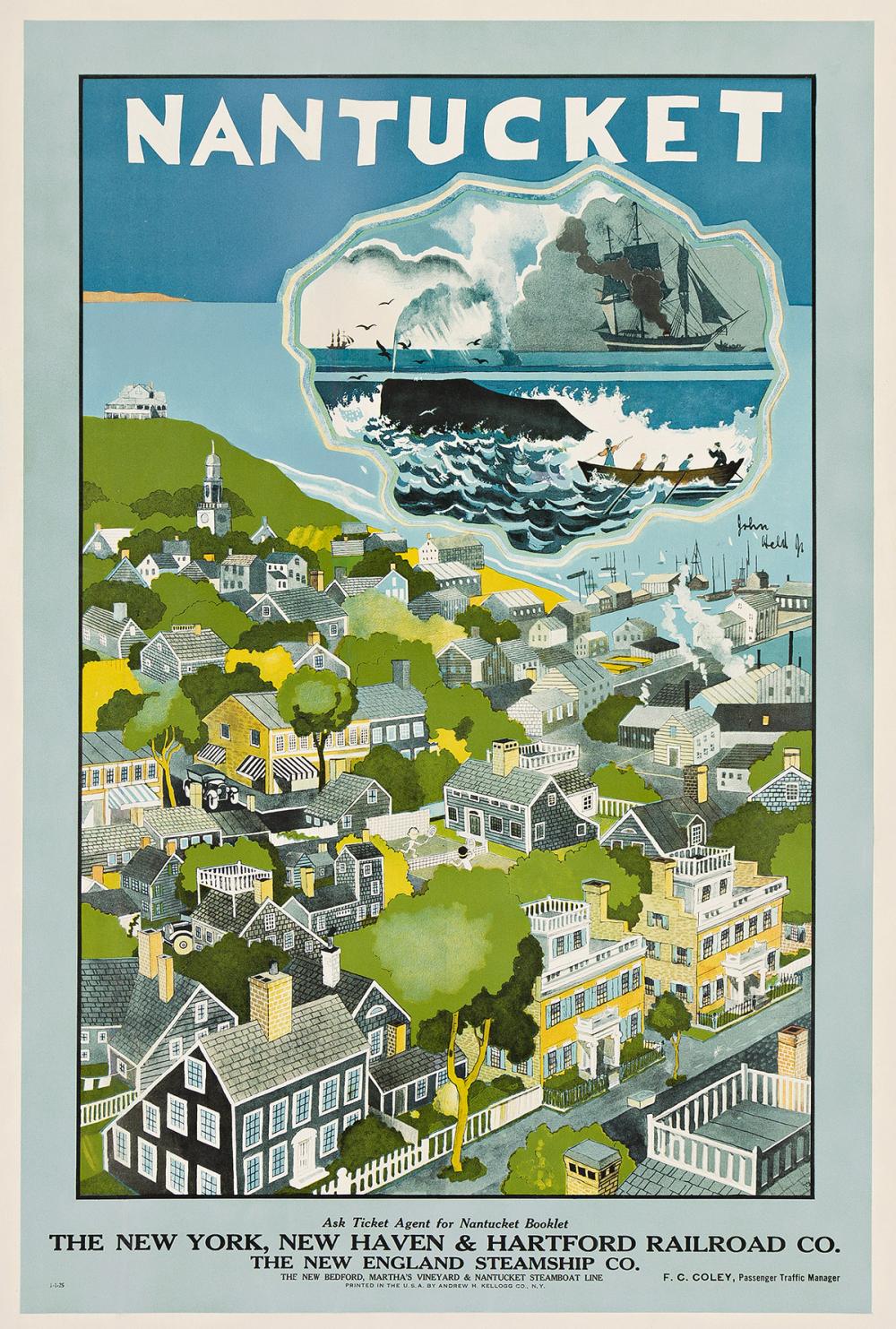
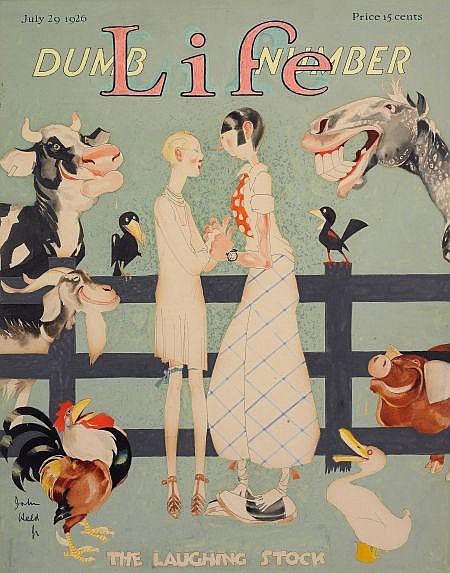
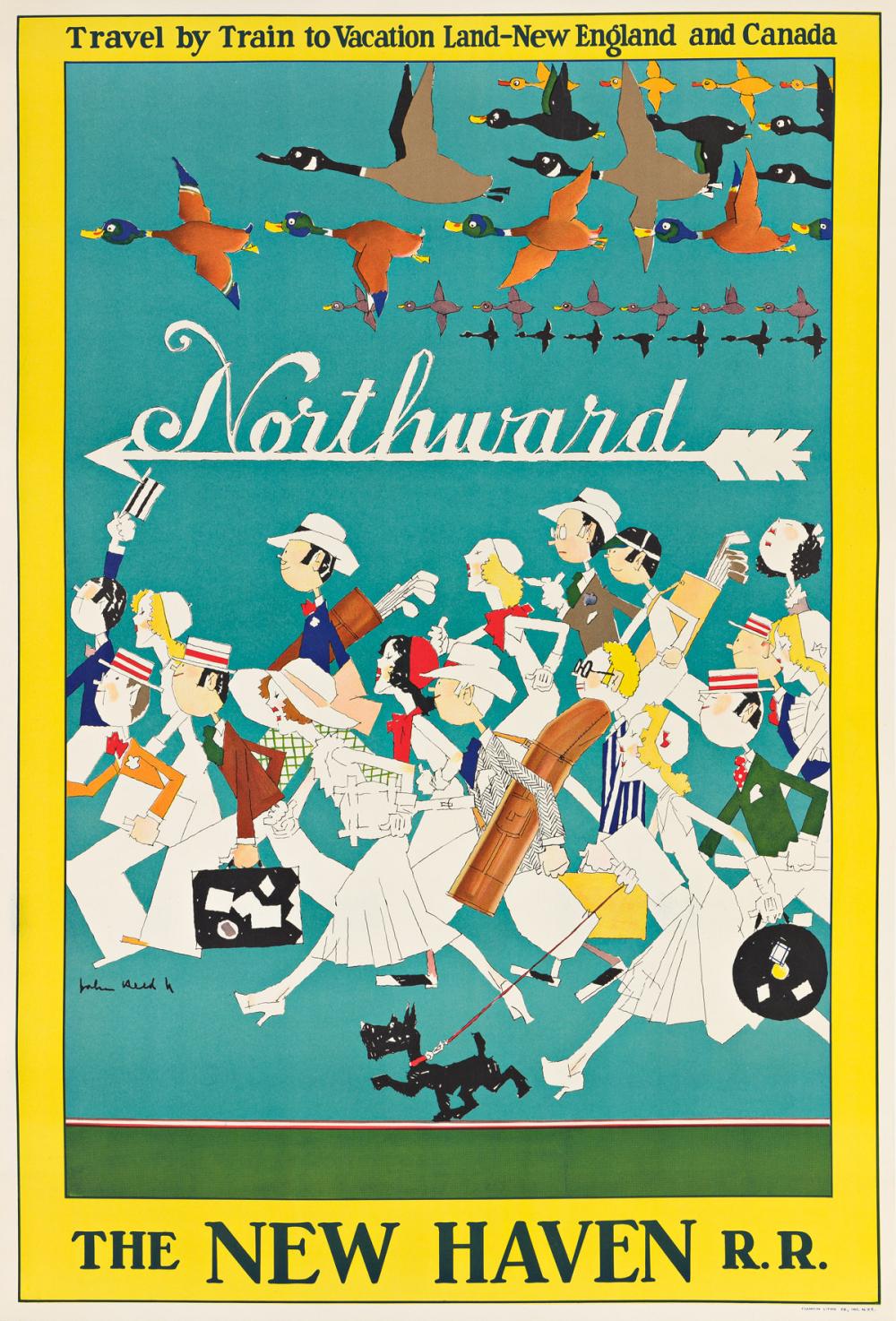
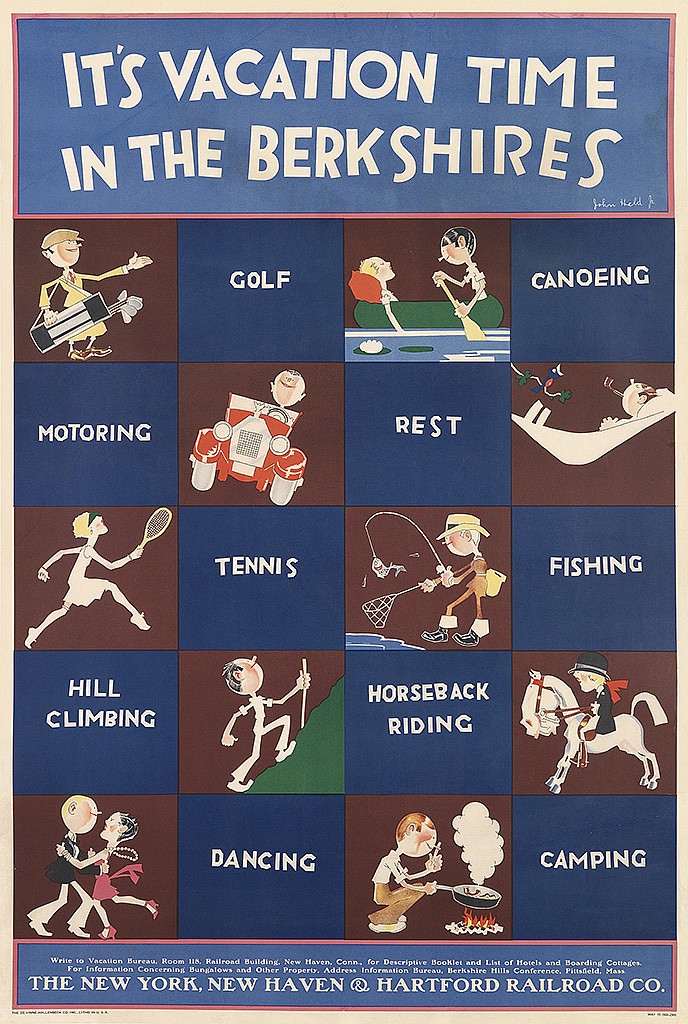

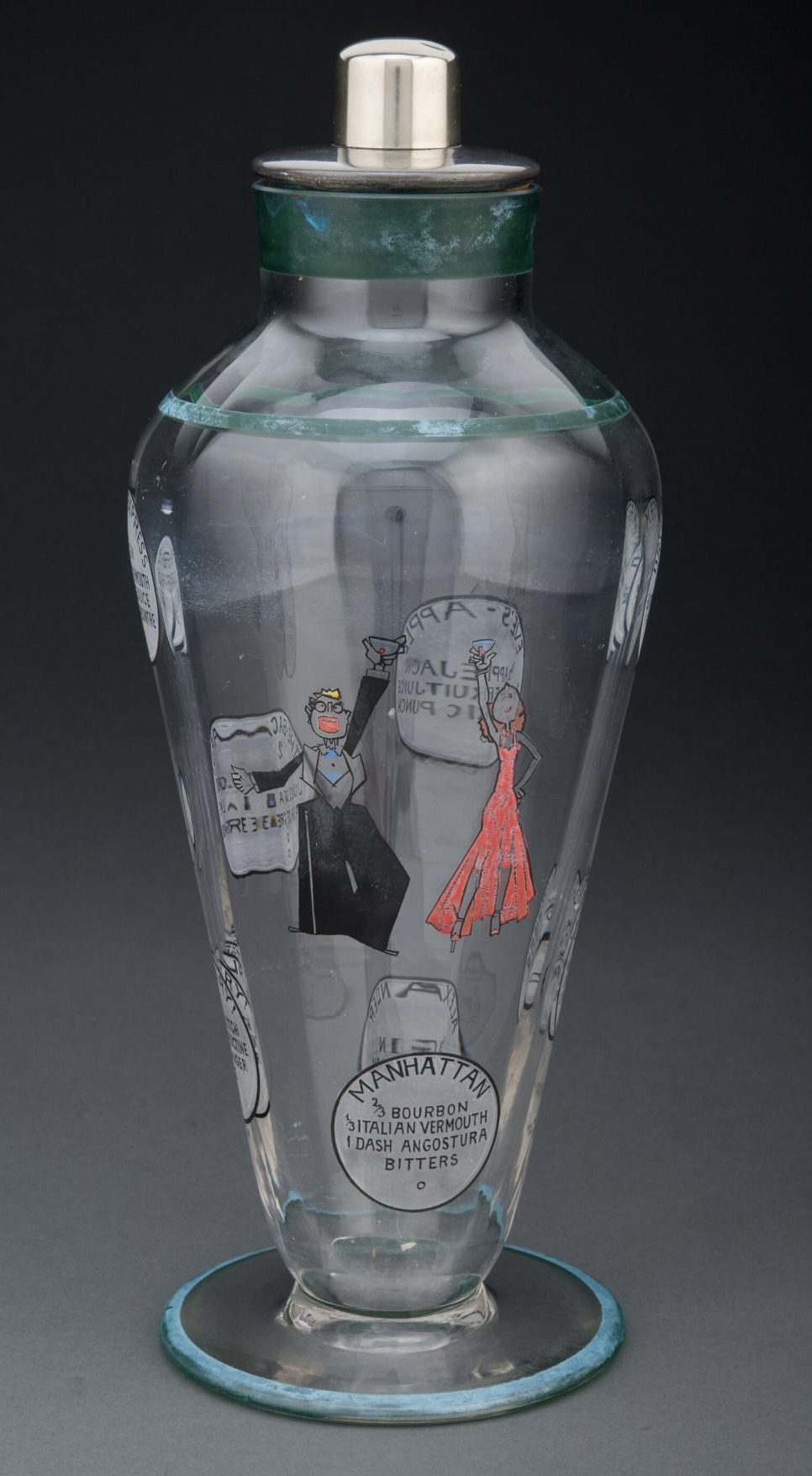
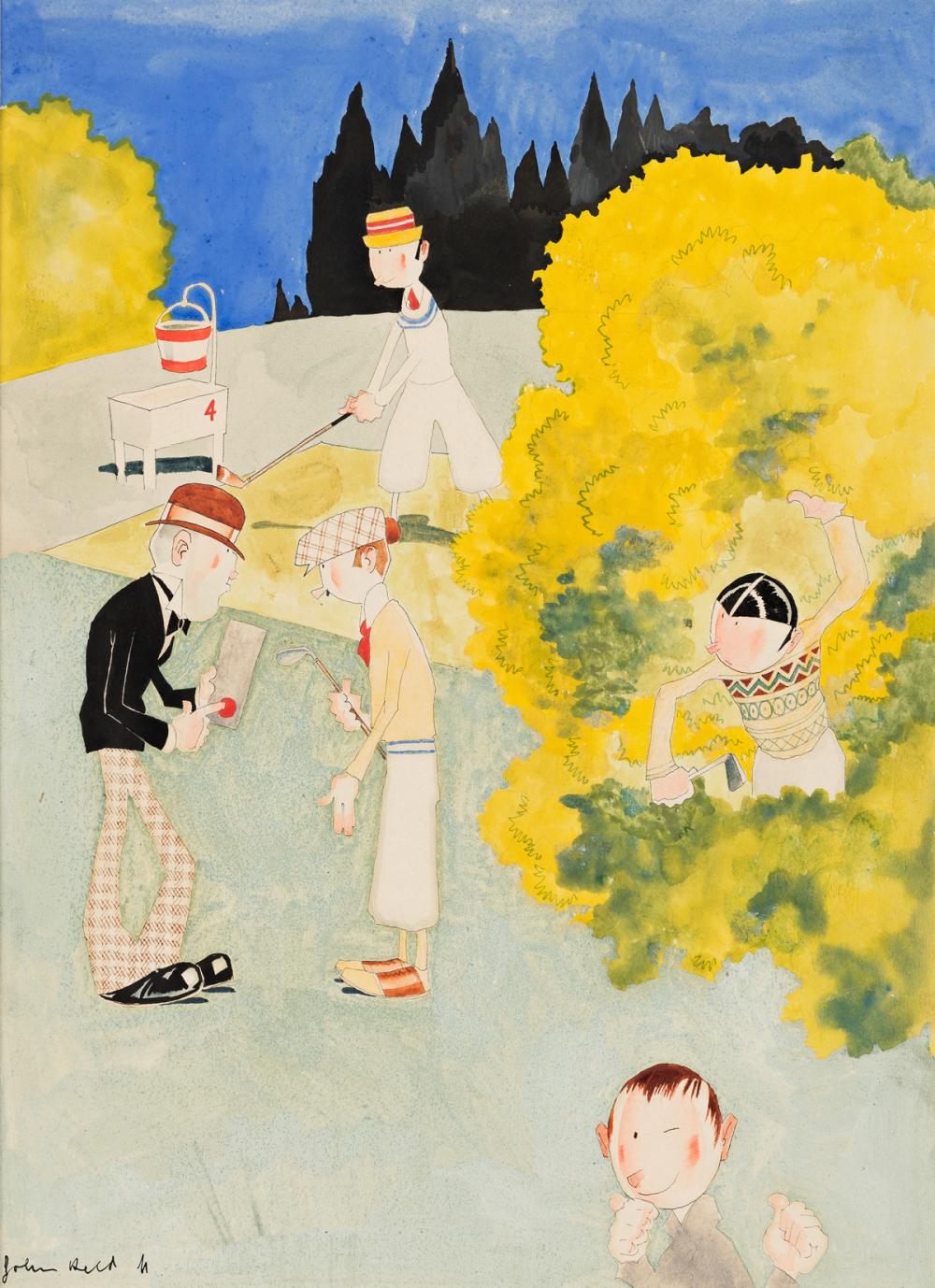
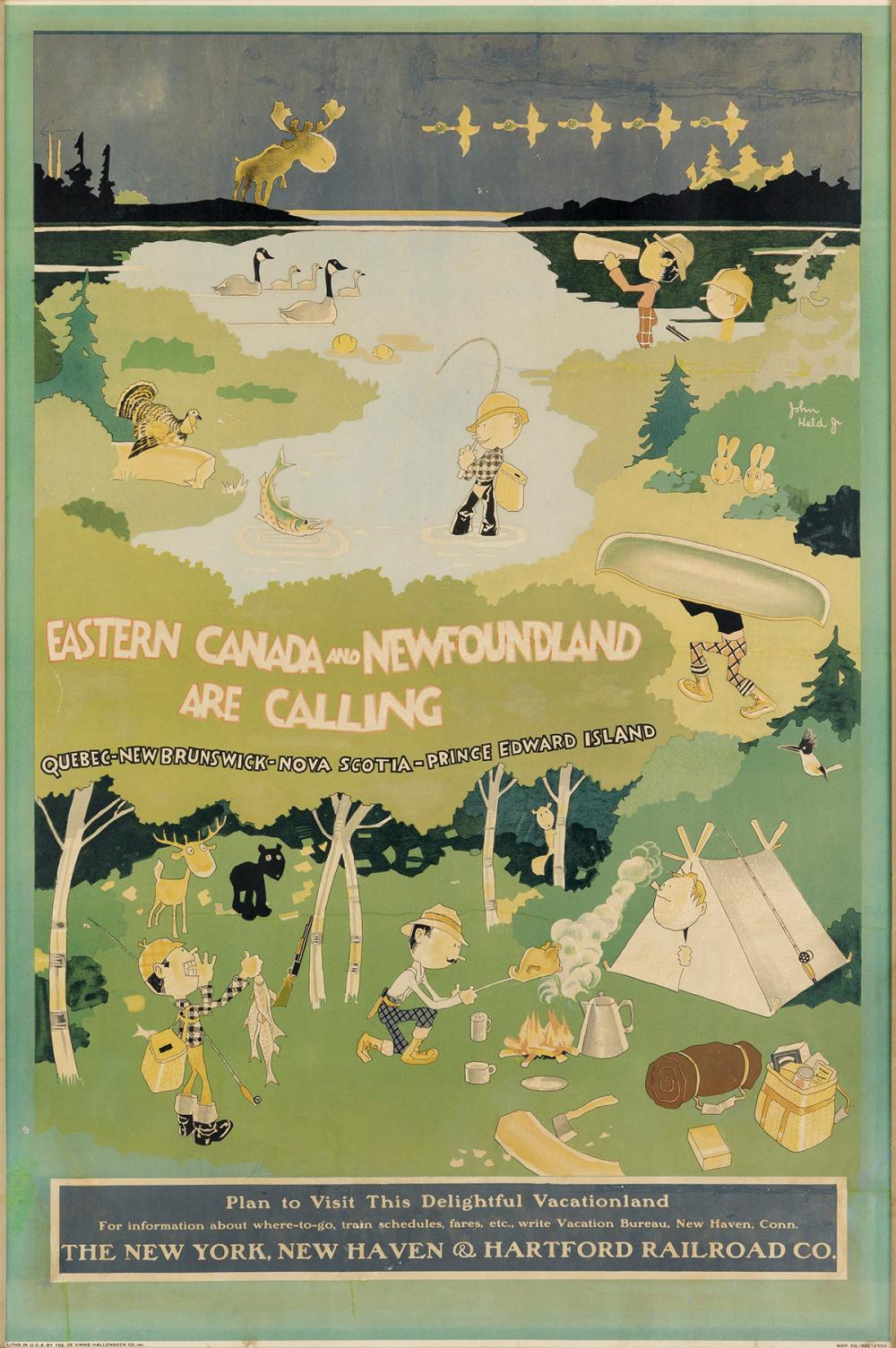
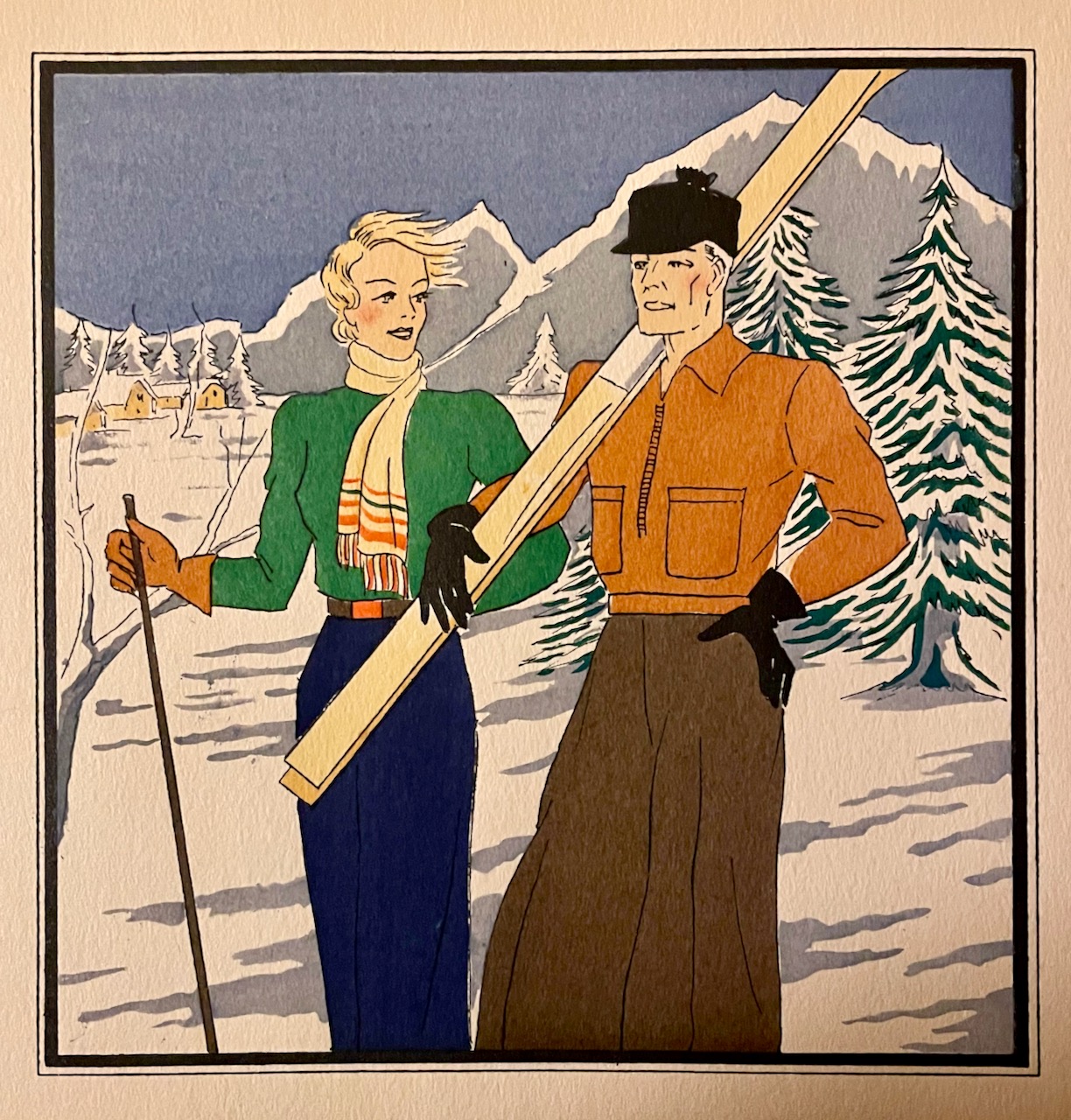
Held’s classic approach was defined by exaggeratedly tall and skinny, yet anatomically correct flapper women rendered in minimal detail with a high influence of angular and diagonal lines and a comedic use of color. He was unorthodox among the artists of his decade, uninterested in copying European art and instead drawing on influences ranging from the Ashcan School to Greek vase painting to the Mayan geometric designs he encountered in Central America. Throughout his career, he worked across woodblock, linocut, bronze, pen, and paint, producing everything from satirical cartography to accurate animal portraits, yet maintained a unity of effect across all his varied output.
Key Influences
- Visual Identity of the Jazz Age: His flapper illustrations became so widely imitated that they ceased to function as satire and instead served as a documentary record of 1920s culture.
- Fashion and Social Mores: His depictions of Betty Co-ed and Joe College both reflected and actively shaped the styles, attitudes, and archetypes embraced by an entire generation.
- American Cartooning: His angular, distinctly non-European style demonstrated that American illustration could develop its own visual language independent of continental traditions.
- Satirical Cartography: His faux maps with purposefully unrealistic proportions and embedded cartoons established a playful tradition of satirical mapmaking that persisted in American illustration.
- Literary Visual Culture: His cover illustrations for F. Scott Fitzgerald and other authors helped define how Jazz Age literature was packaged and perceived, linking visual style to literary identity.
If you are interested in further stories of the artists who shaped Art Deco, return to our artists page to browse the full directory.
Related Products