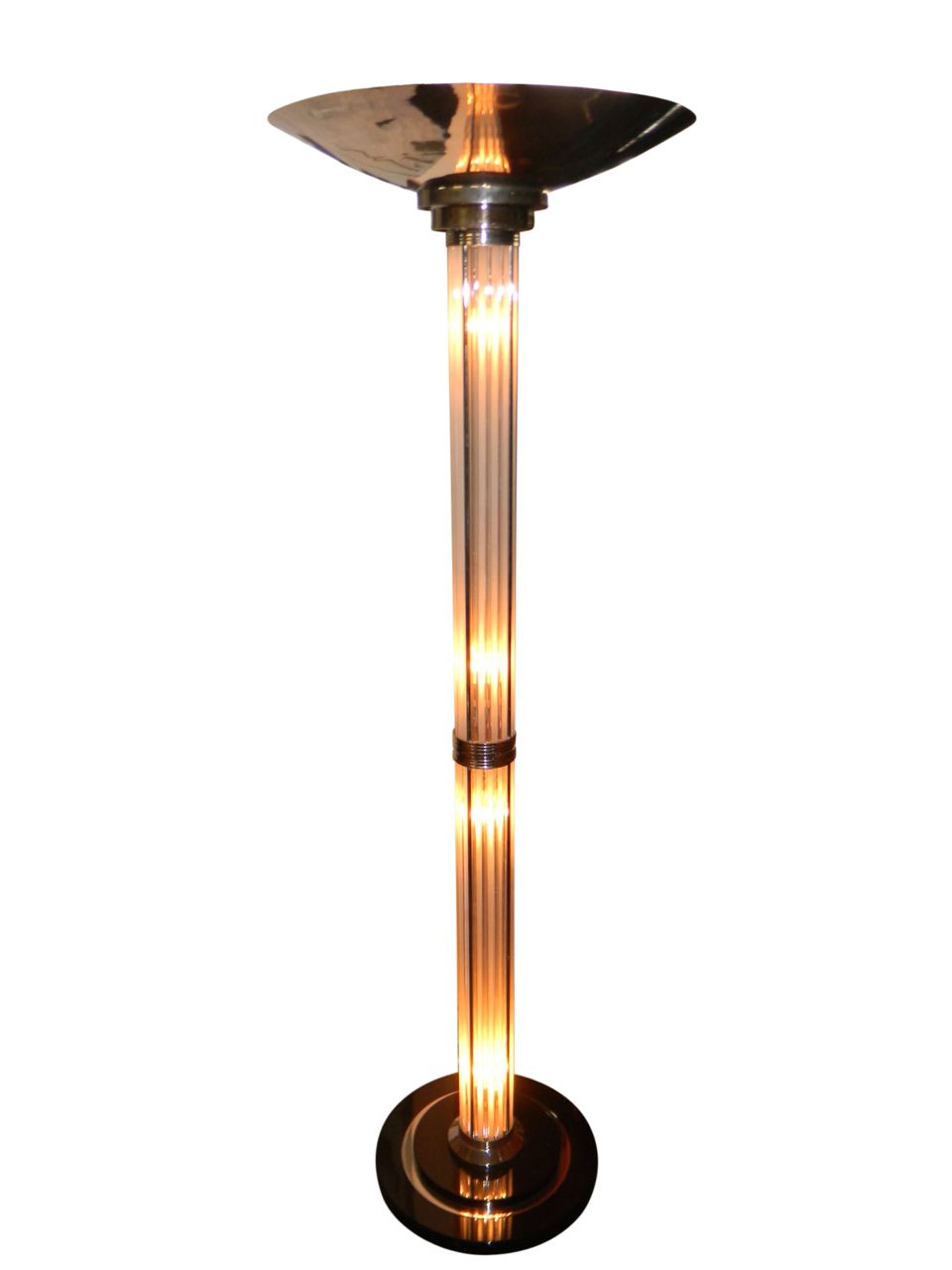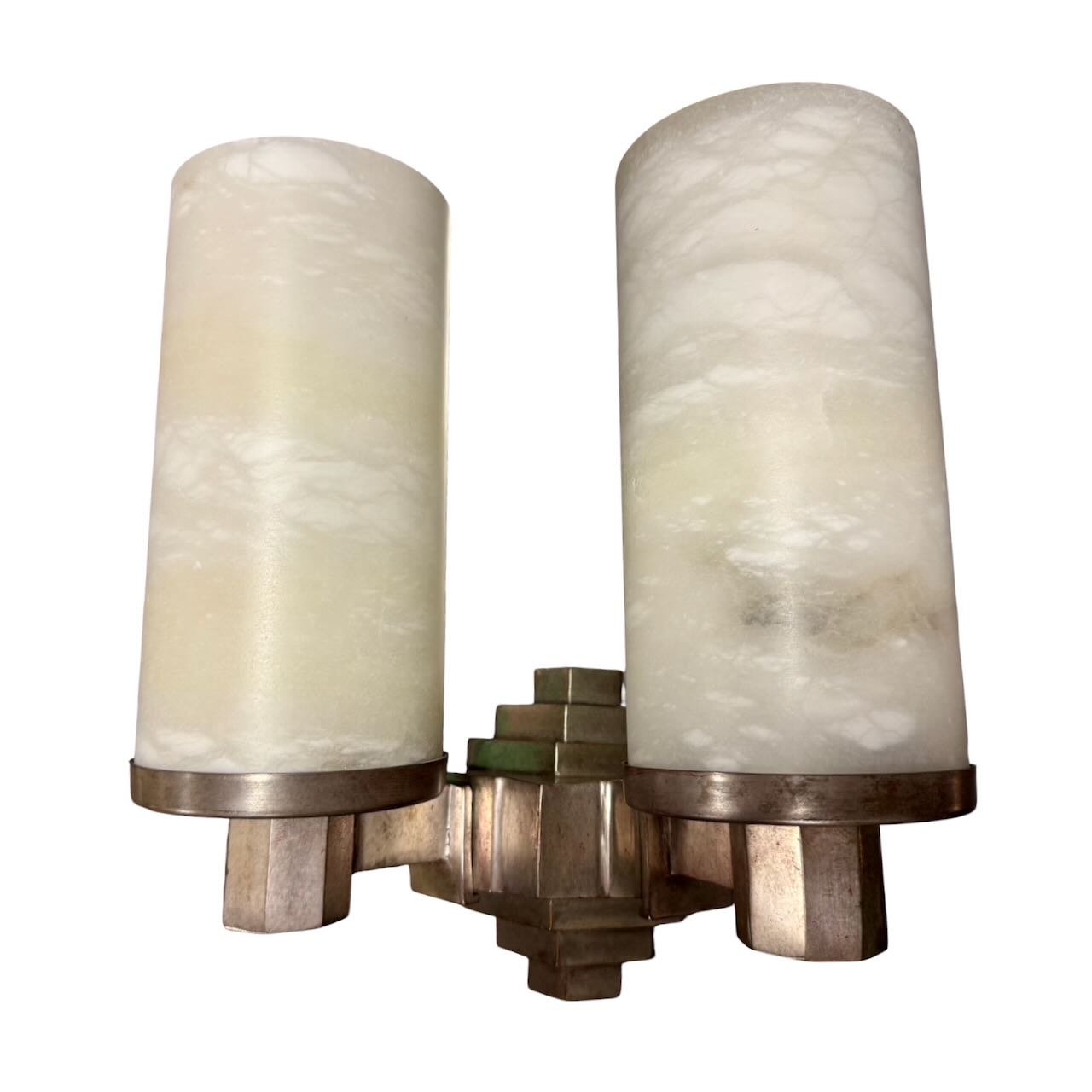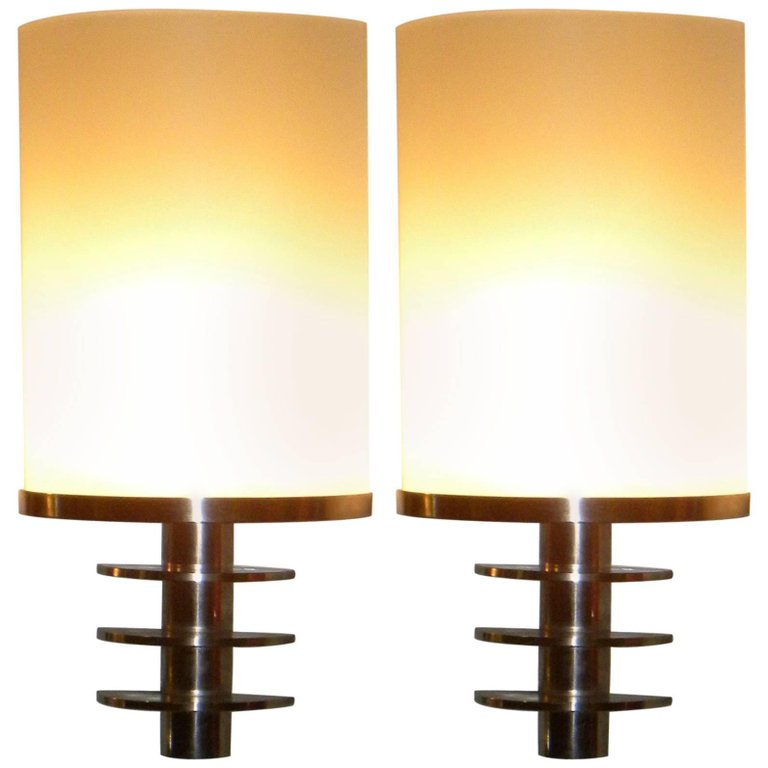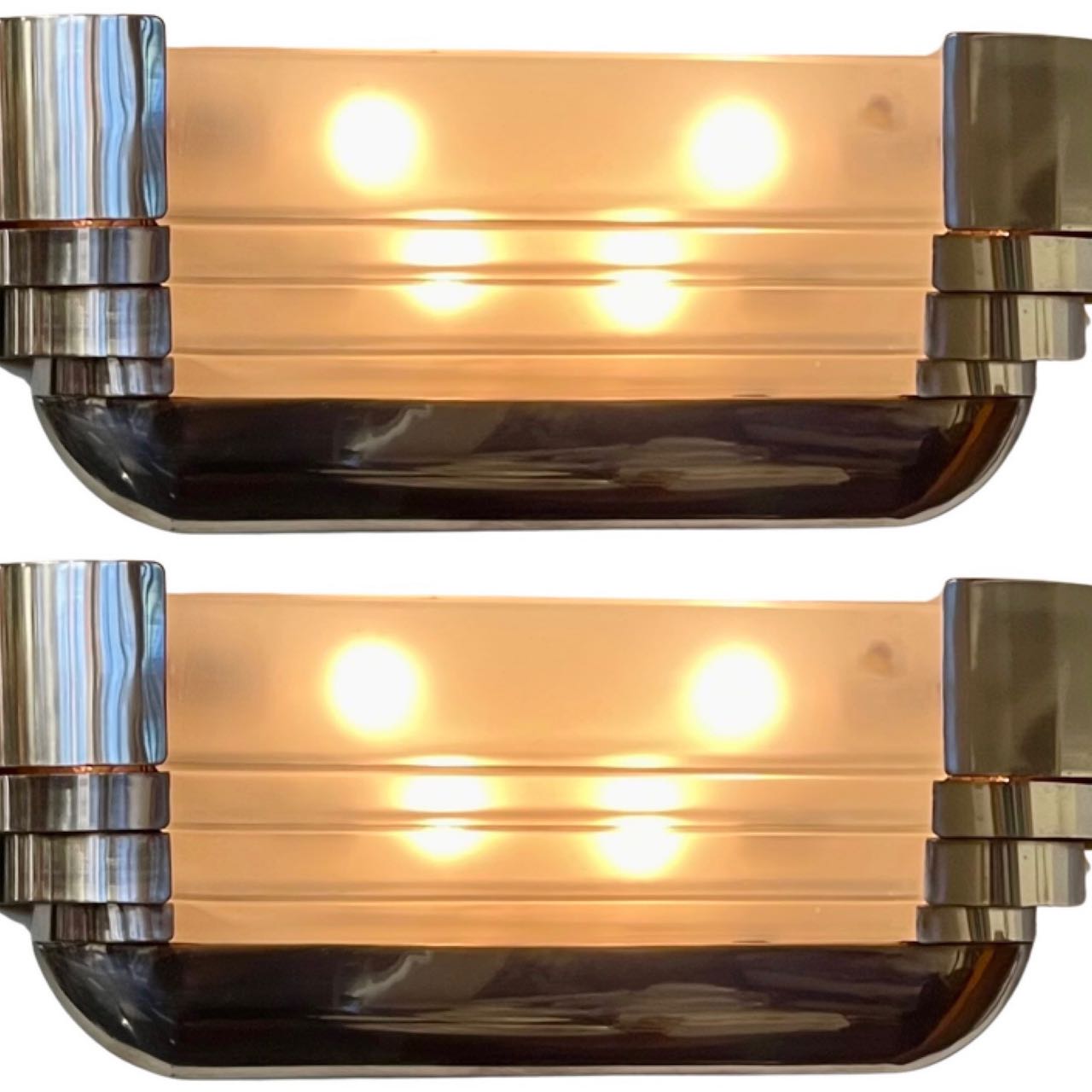


Jean Perzel
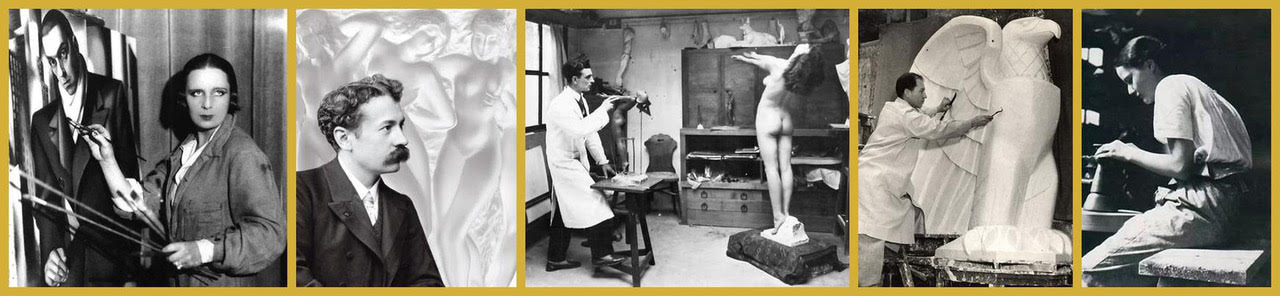
Jean Perzel was born in Bruck, Bavaria, on May 2, 1892, and became one of the most important lighting designers of the Art Deco period. He came from a background rooted in glasswork and learned the craft very young in Munich. He finished first in his class at just sixteen, already showing the technical discipline that would define his career. After that, he set out across Europe on foot, traveling through Austria, Czechoslovakia, Switzerland, northern Italy, and France. Along the way, he worked in studios and workshops, learning different methods of glassmaking and decorative arts wherever he could. By the time he arrived in Paris in 1910, he had built a rare education based on direct experience rather than theory alone. He entered the workshop of a master glassmaker and was soon trusted with important work in Algiers. When the First World War began, he enlisted in the French Foreign Legion, and after the war, he was demobilized and became a naturalized French citizen in 1919. He then returned to his trade and continued working as a painter and glassmaker, notably with Gruber. Those years gave him both the technical precision of a craftsman and the discipline of someone who had already lived through immense change. He understood materials deeply, but he also understood that the modern interior needed something new. That understanding led him away from stained glass and toward the future of electric light.

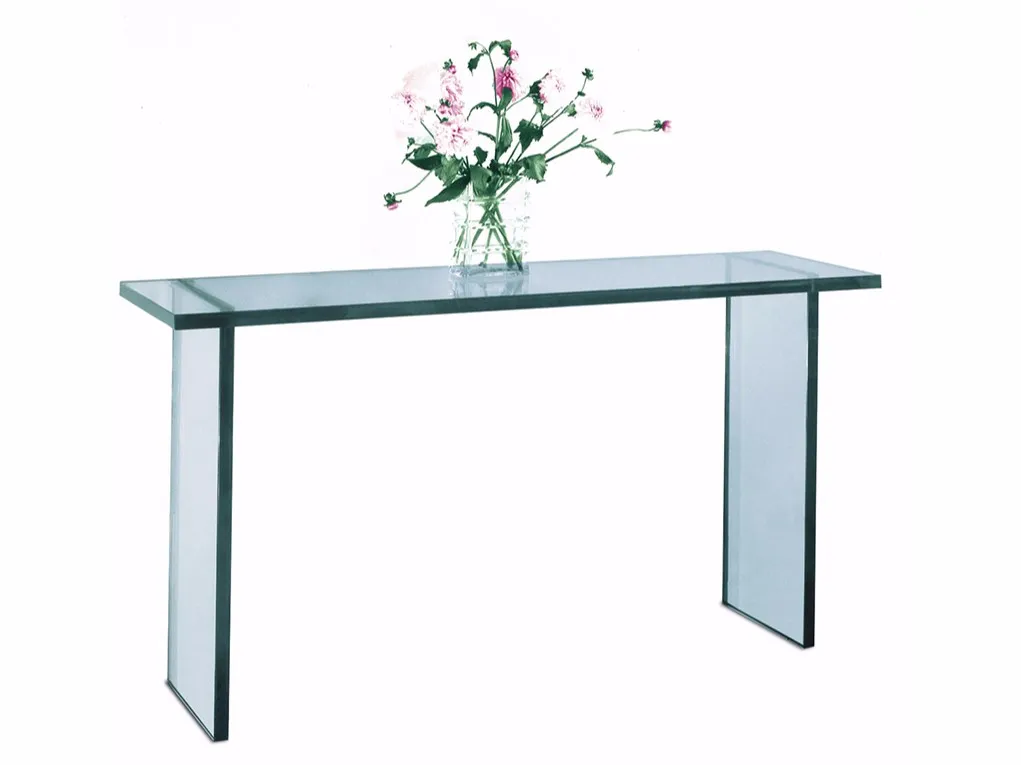
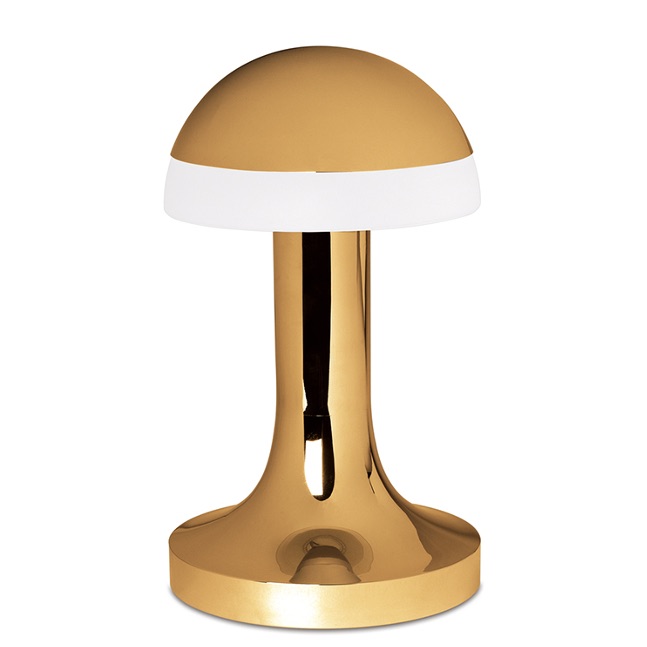
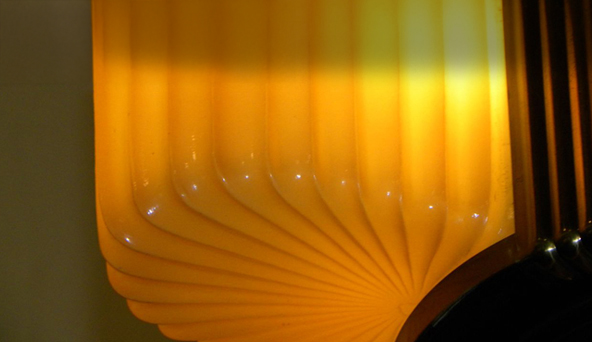
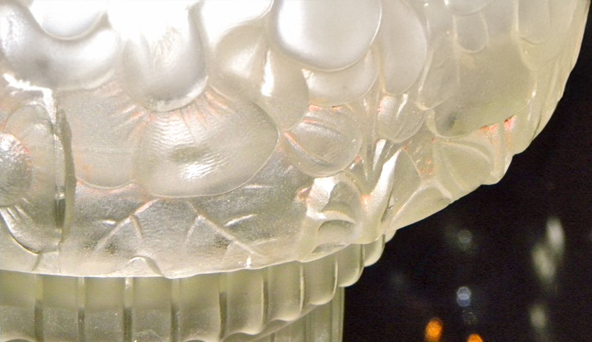
In 1923, Jean Perzel founded his own company and devoted himself to the study of modern interior lighting. This was the turning point that made him a major Art Deco designer rather than simply a skilled glass artist. He approached lighting with unusual seriousness, treating light itself as a material that had to be shaped, controlled, softened, and directed. Rather than expose the bulb, he worked to hide the source and let the effect of light become the true visual experience. From 1925 onward, he made all of his pieces in glass in his effort to intensify and refine illumination. He designed his works himself, always searching for elegance, purity, and perfect balance between function and form. His fixtures and furniture in glass and bronze quickly became associated with the most refined interiors of the age. They were installed in prestigious settings including the court of the King of the Belgians, the homes of the Rothschild family and Henry Ford, the League of Nations in Geneva, Luxembourg Cathedral, and the ocean liner Normandie. His reputation also brought commissions from political leaders and royal clients including the King of Morocco, the King of Siam, the Maharaja of Indore, Charles de Gaulle, and Georges Pompidou. Perzel won important prizes at international exhibitions and became one of the most admired designers in the field of lighting. In 1933, his nephew François Raidt joined the firm and helped refine production while preserving the high standards of the workshop. Together they ensured that Jean Perzel’s lighting remained one of the clearest and most lasting expressions of Art Deco design.
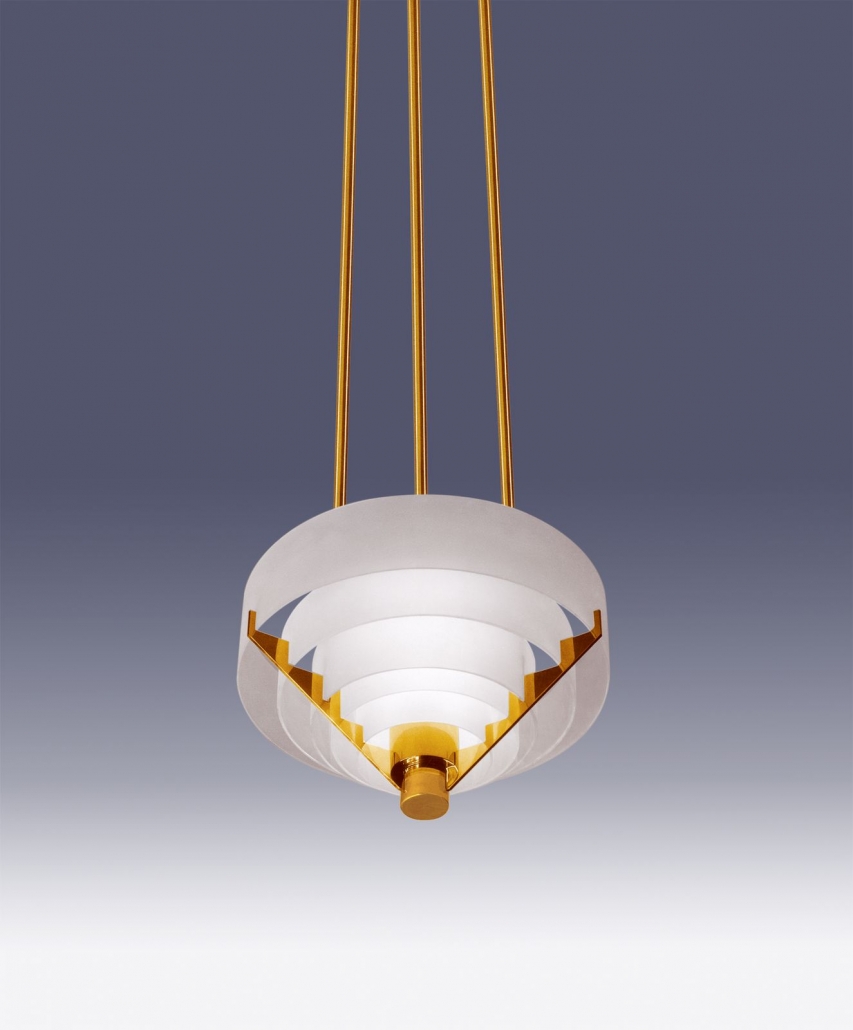
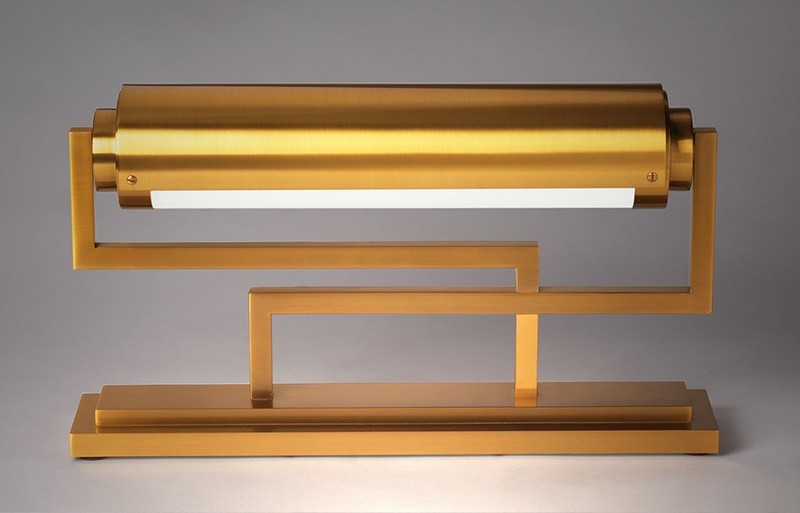
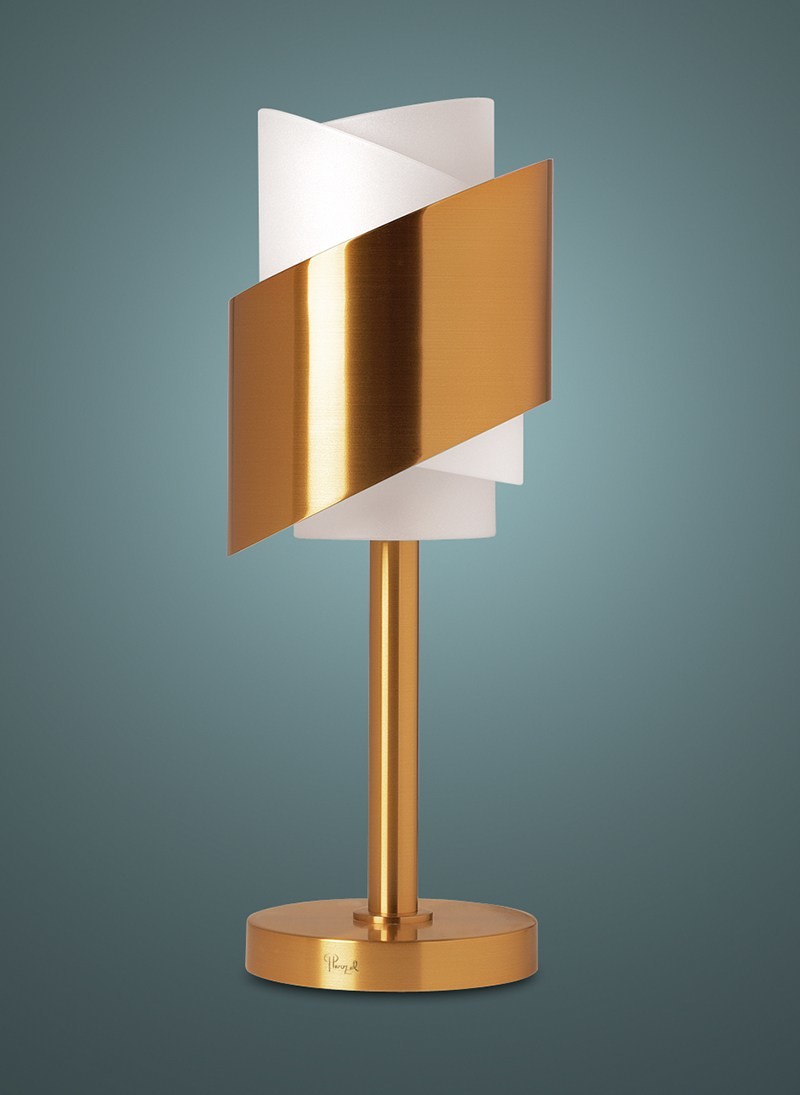
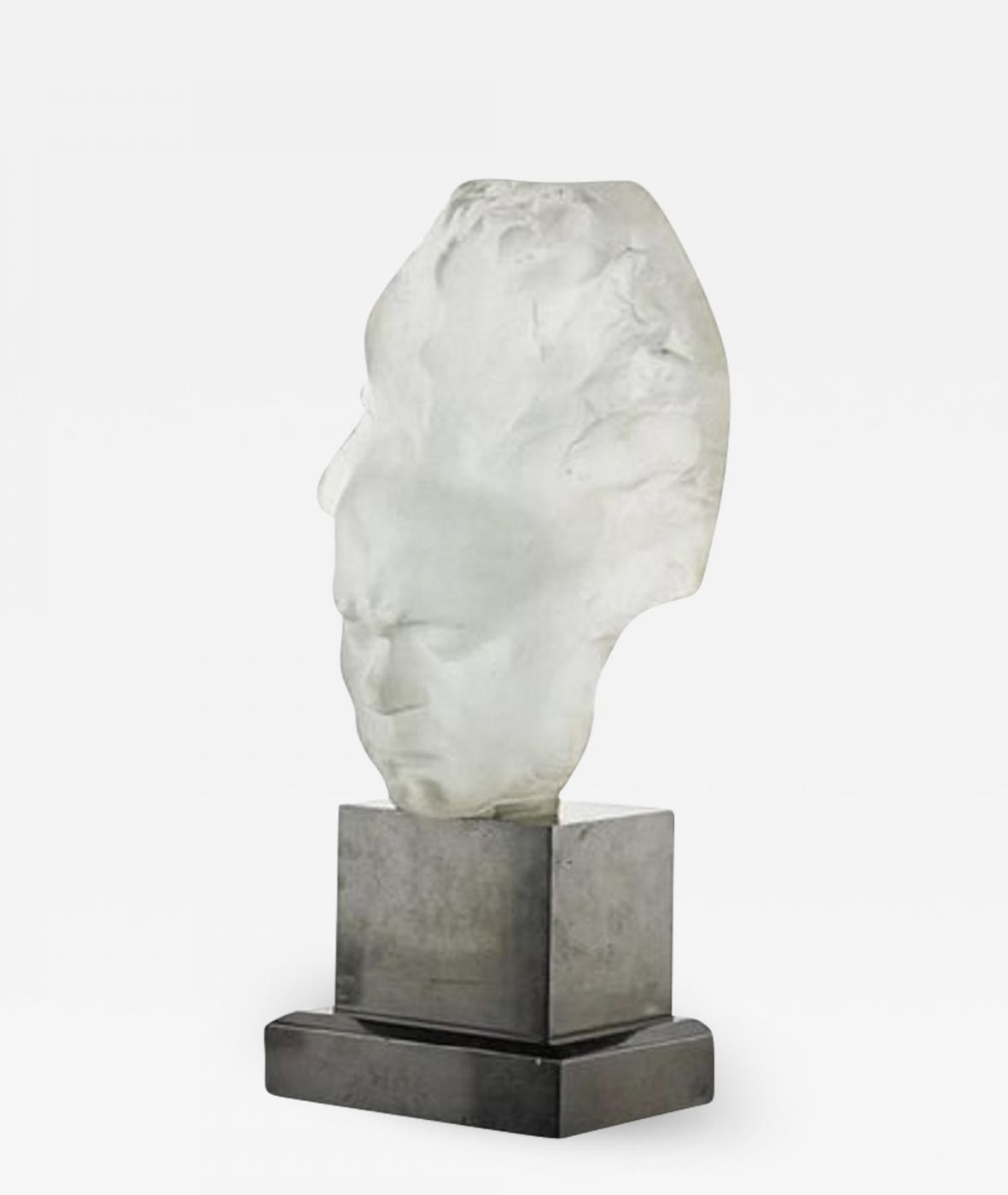
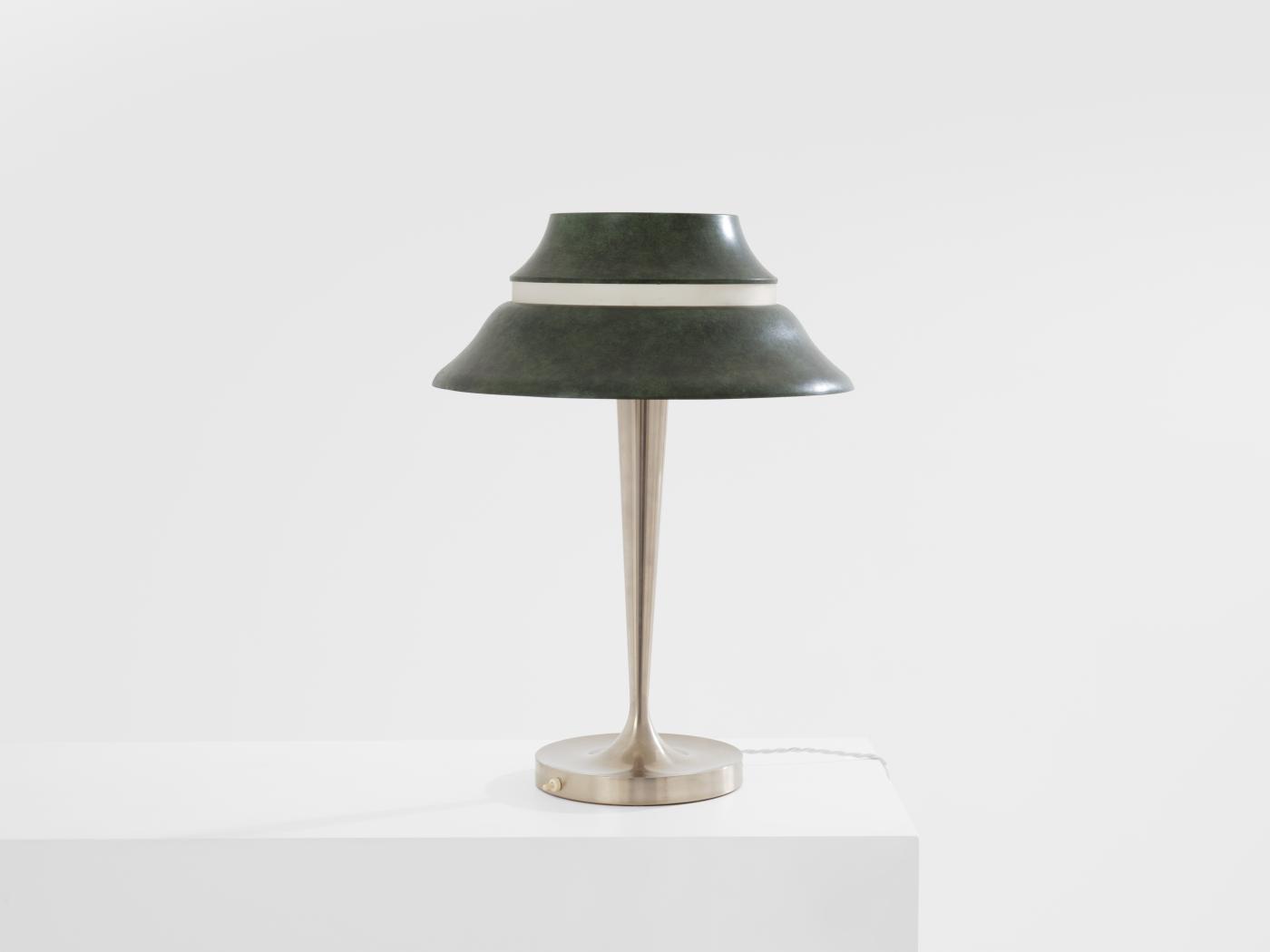
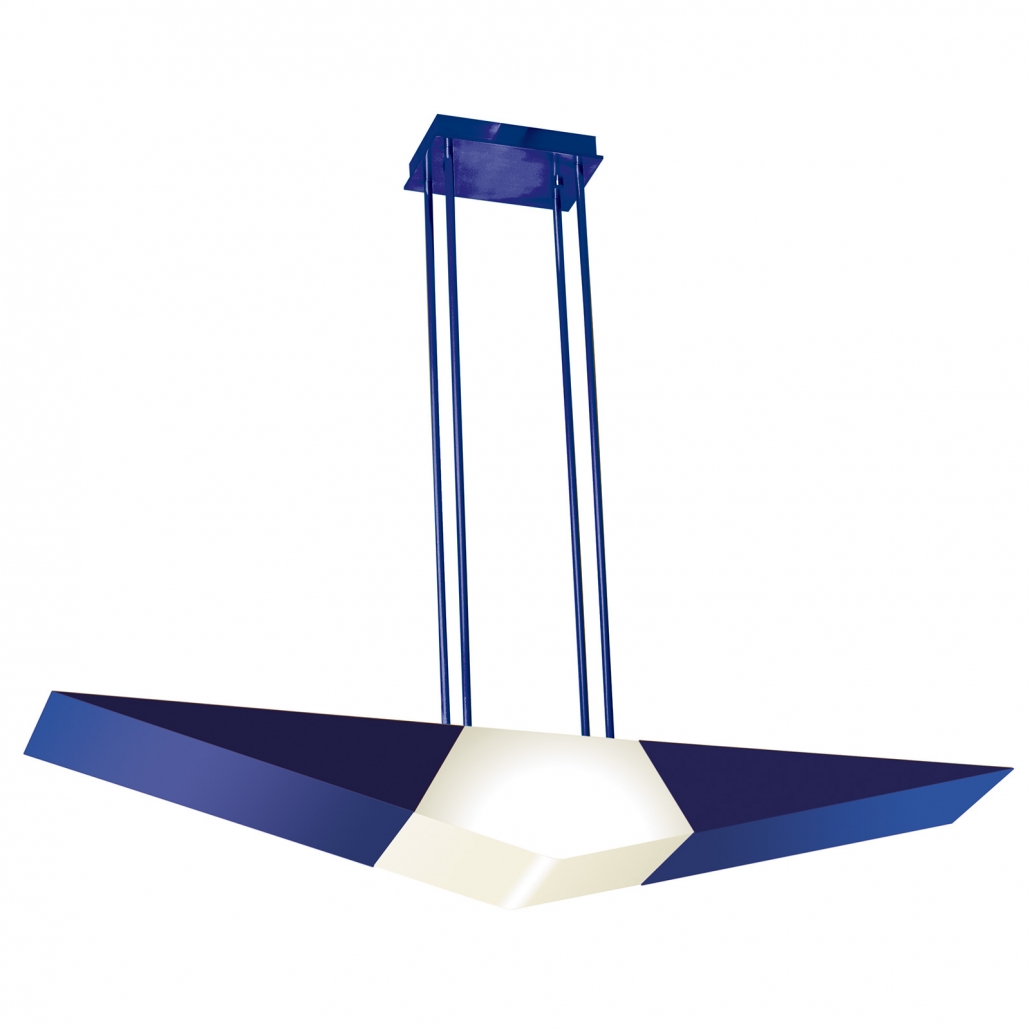
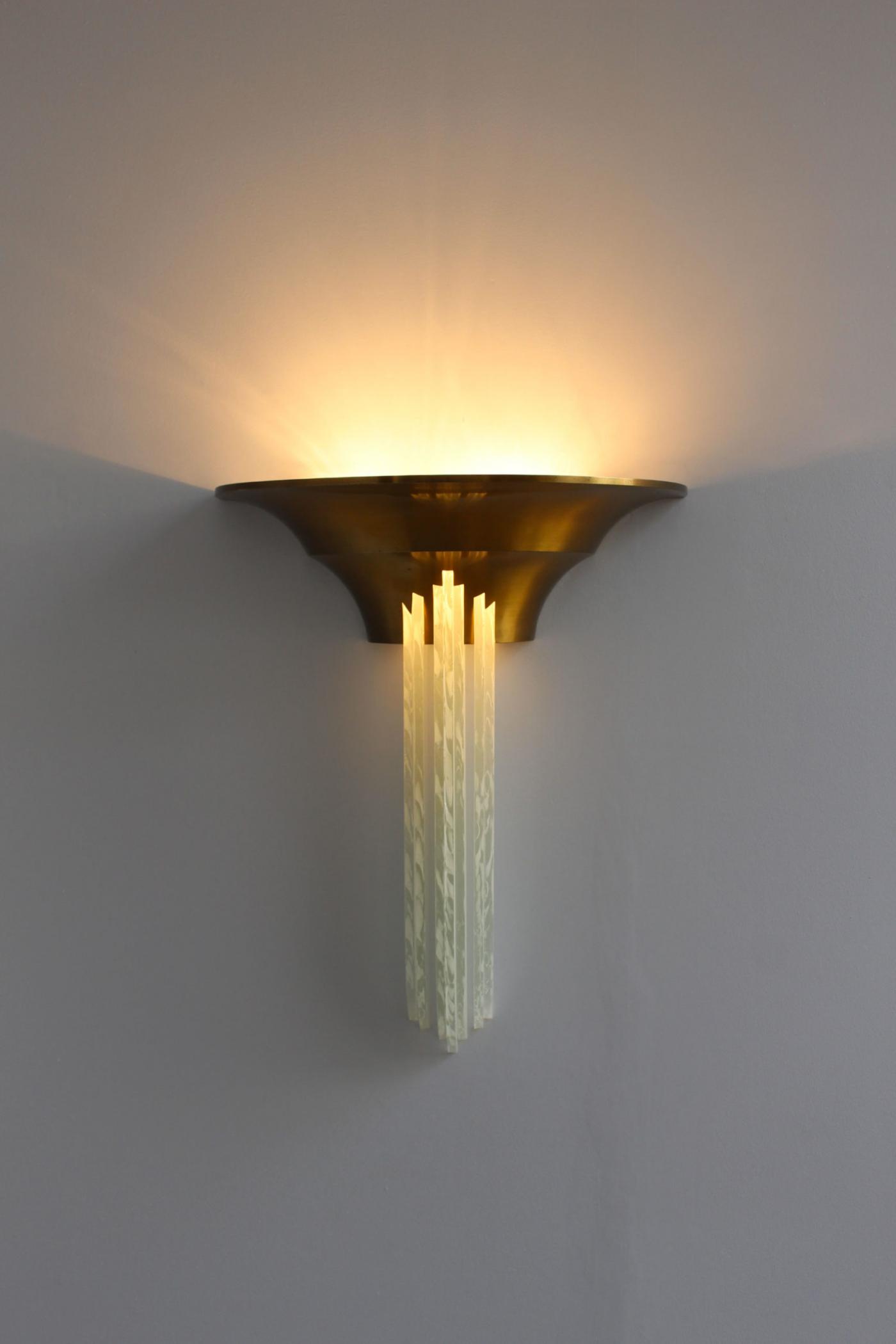
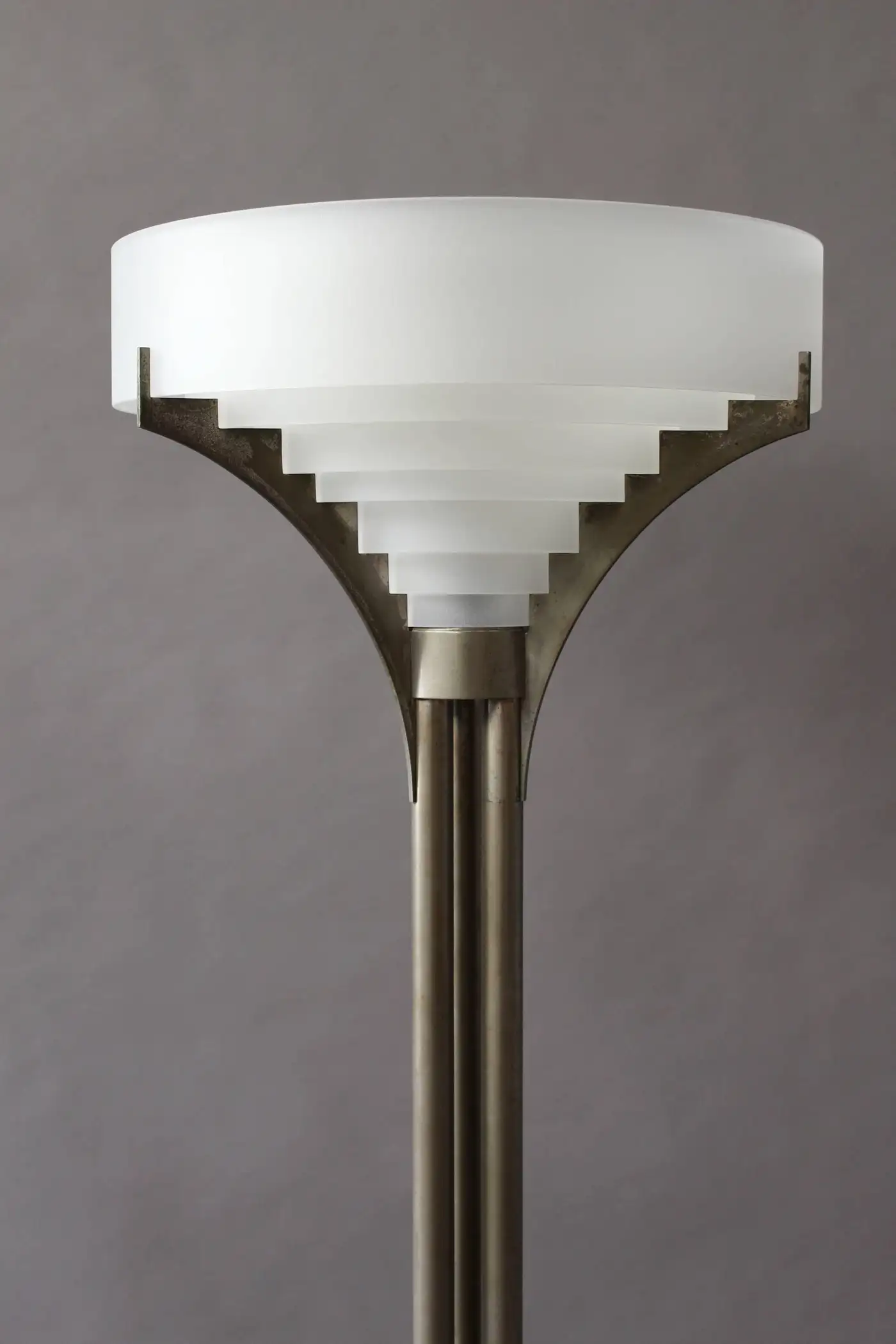
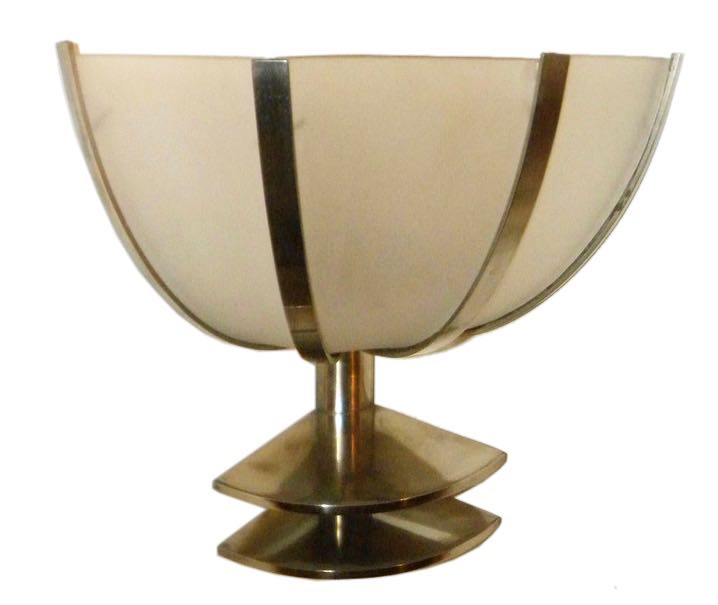
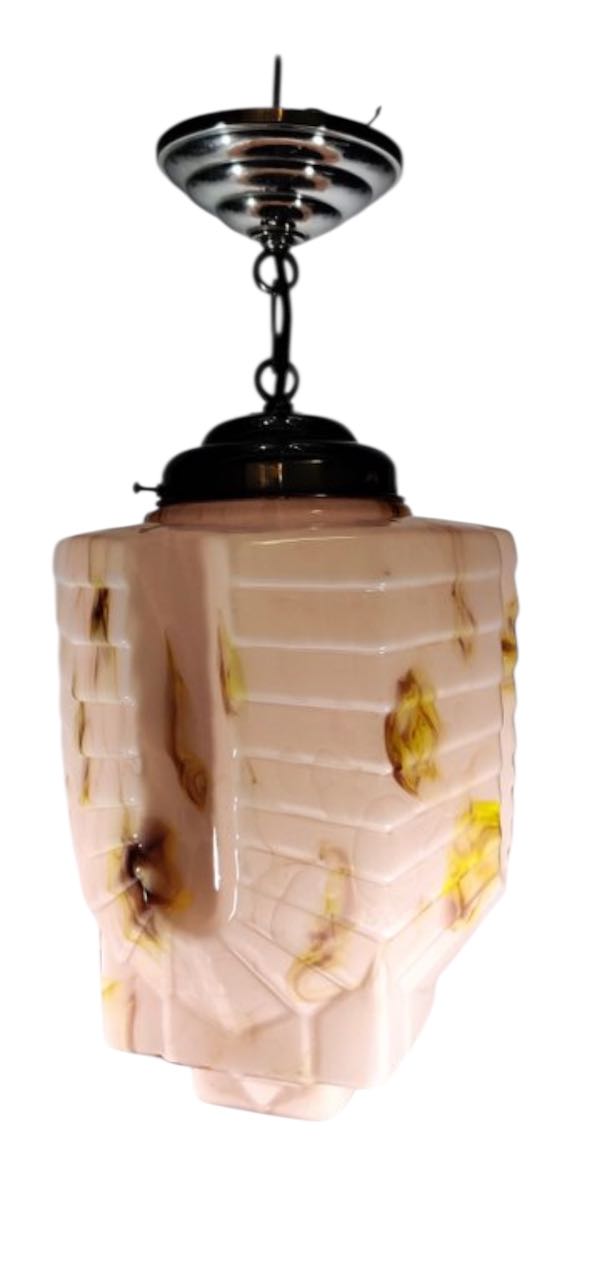
Jean Perzel’s style was defined by clarity, restraint, and the intelligent use of light. He favored pure forms, strong geometry, and glass surfaces that softened illumination without losing strength. His work feels architectural, but never cold or heavy. Even his more luxurious pieces are controlled and disciplined in their design. More than most designers of the period, he made light itself the true decoration.
Key Influences
- European Glass Training: His early education in Munich and his years working across Europe gave him a deep technical command of glass and craftsmanship.
- Modern Electric Light: Perzel understood that electric light was not just practical but a new artistic medium that could shape the mood of an interior.
- Art Deco Architecture: His fixtures were designed to support and enhance modern architecture through geometry, symmetry, and visual order.
- Luxury Interiors: Work for embassies, liners, palaces, and elite private clients pushed him toward a style that was both refined and timeless.
- Functional Purity: He believed beautiful lighting had to work perfectly, and that belief gave his designs their lasting simplicity and strength.
If you are interested in further stories of the artists who shaped Art Deco, return to our artists page to browse the full directory.
Related Products