Jean-Gabriel Domergue
Jean-Gabriel Domergue was born on March 4, 1889, in Bordeaux to a wealthy family, the son of Gabriel Domergue. He attended the Lycée Montaigne in Bordeaux and then the Lycée Rollin in Paris. A precocious draftsman, he won a drawing competition organized by the city of Paris and received his first commission, a portrait of a friend of his mother, at the age of fourteen. He entered the École nationale supérieure des Beaux-Arts in Paris around 1903 and studied under Tony Robert-Fleury and François Flameng, among others, until about 1910. At seventeen, he exhibited at the Salon des Artistes Français, and in 1913 he was awarded the Second Prix de Rome. He admired Giovanni Boldini, whom he came to regard as his master. In 1926 he settled in Cannes, and in 1934 he built the Villa Fiesole, which he designed down to every detail, with gardens by his wife, the sculptor Odette Maugendre-Villers. He was named a Chevalier of the Légion d’honneur and a member of the Académie des Beaux-Arts. Domergue died on November 16, 1962, in Paris while organizing an exhibition devoted to Boldini, and in 1973 his widow bequeathed the villa to the city of Cannes.
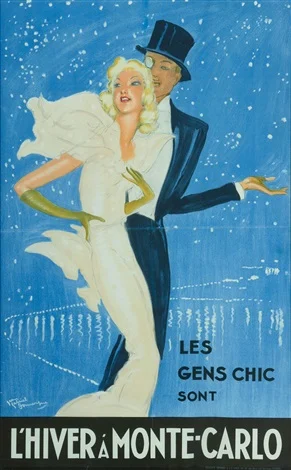
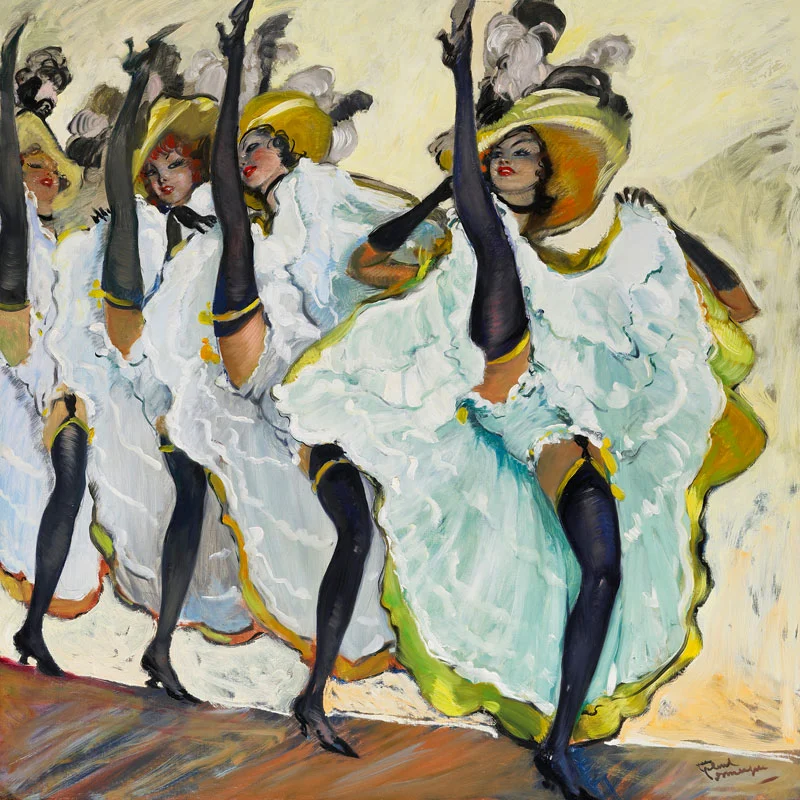
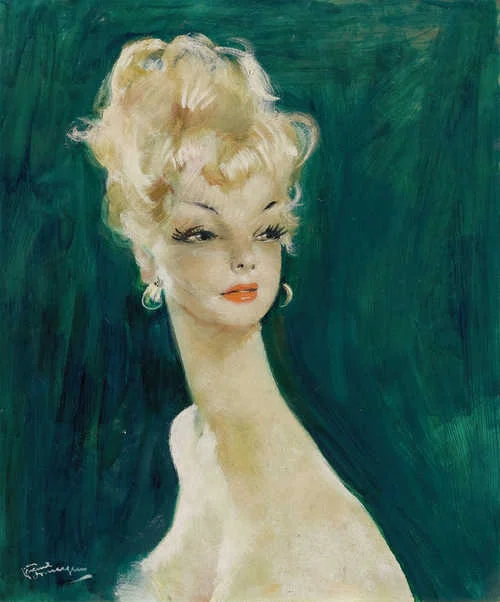
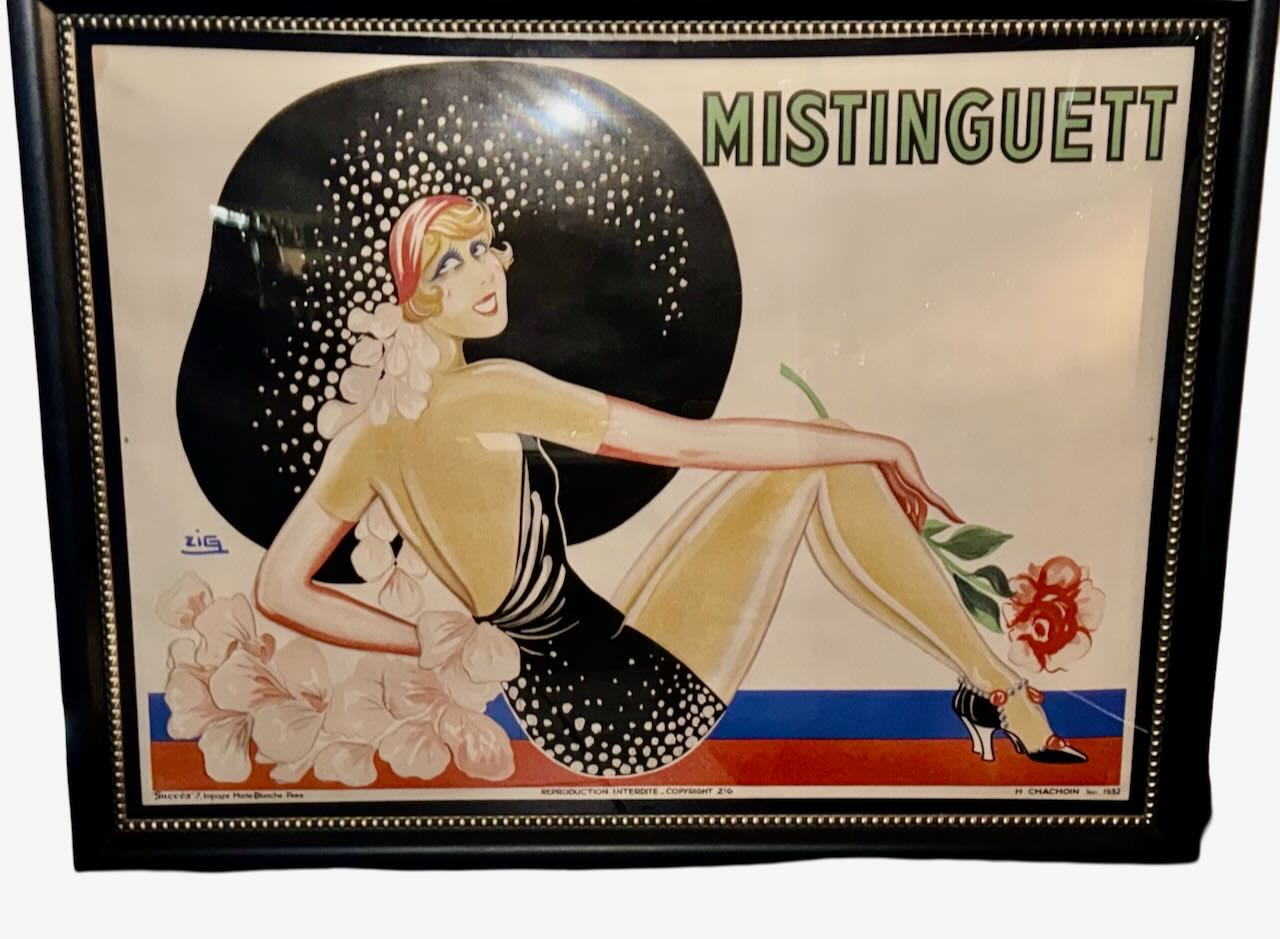
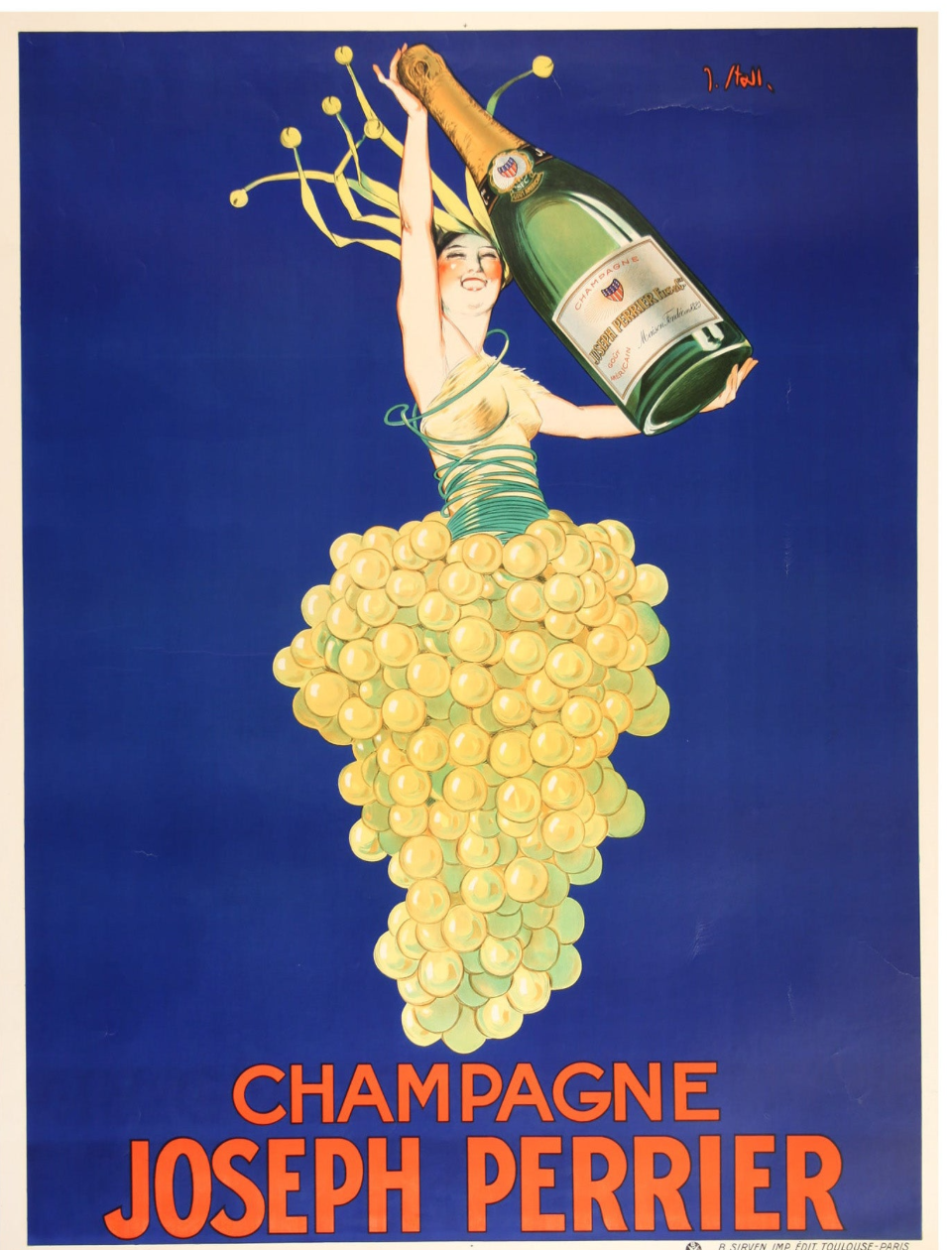
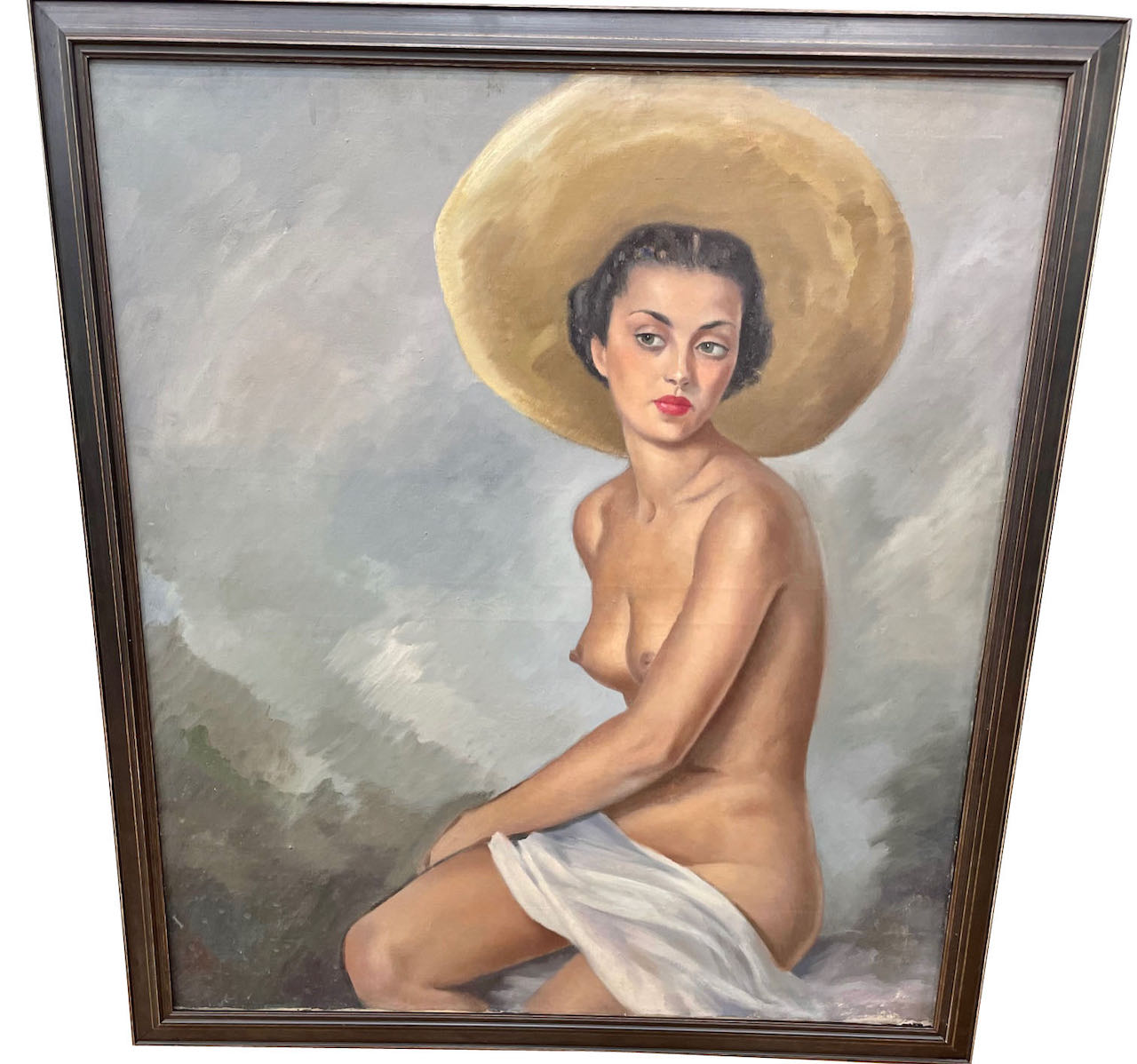
Domergue began as a landscape painter, but after winning the Salon’s gold medal in 1920 he devoted himself almost entirely to portraits and became known as the painter of “la Parisienne.” His women are slim and elegant, with wide eyes and long swan necks, and he later claimed to be “the inventor of the pin-up.” Over his lifetime he painted about 3,000 portraits, and his models were often fashionable actresses and young dancers. He was equally prized in aristocratic and high society circles, painting sitters such as Liane de Pougy and the future Baroness Nadine de Rothschild. He designed dresses and accessories for couturiers such as Paul Poiret and Henry Marque, and Poiret became a close friend. His poster and illustration work, from a 1930s ski travel poster to a 1950s cigarette advertisement, has been credited with pioneering a new visual language for feminine advertising. He also organized celebrated society galas, including the Venetian Ball at the Paris Opéra in 1922 and Second Empire-themed events in Paris and on the Riviera. At the Villa Fiesole he and his wife hosted lavish receptions for years, helping the rise of Cannes, and for twenty years the jury of the Cannes Film Festival met there to choose the winners. From 1955 until his death he was curator of the Musée Jacquemart-André, where he organized tribute exhibitions devoted to masters from Leonardo da Vinci to Van Gogh.
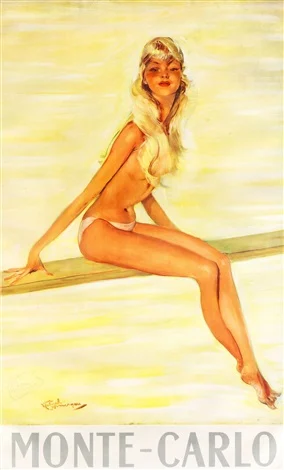
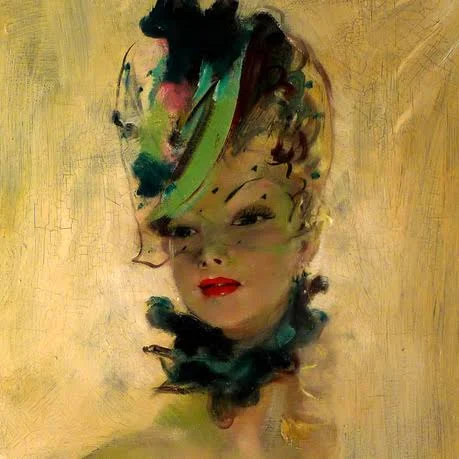
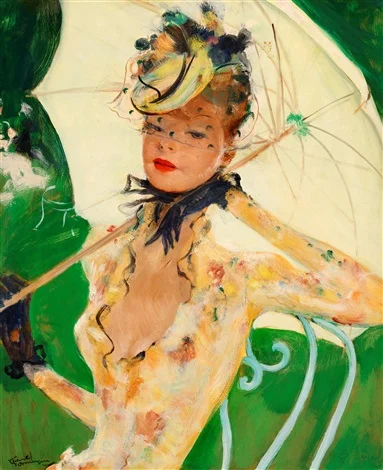
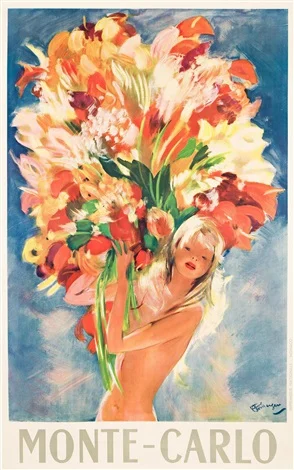
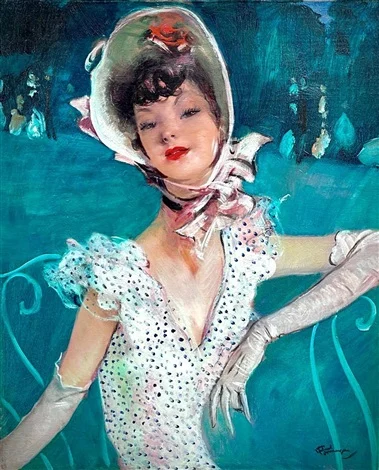
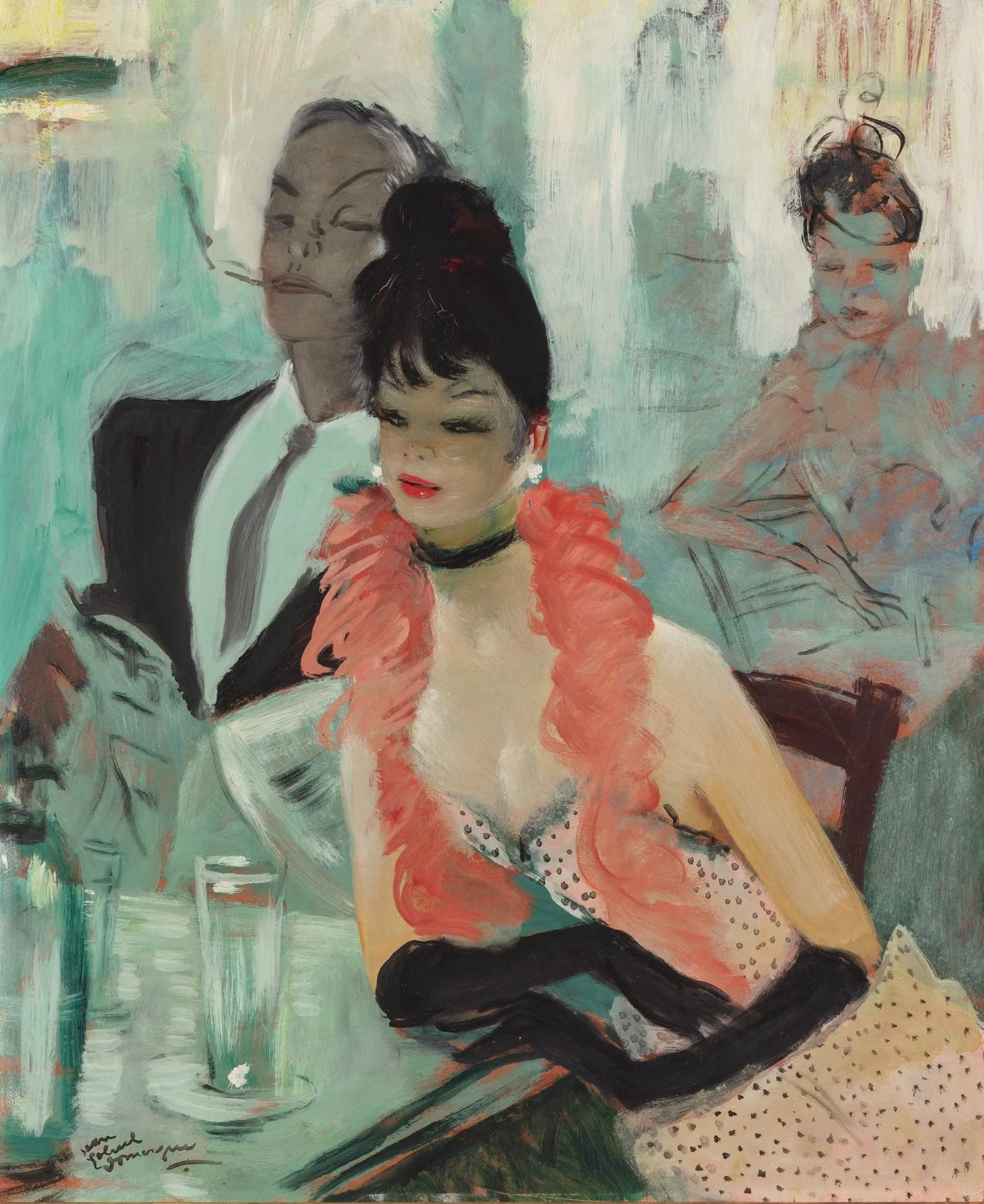
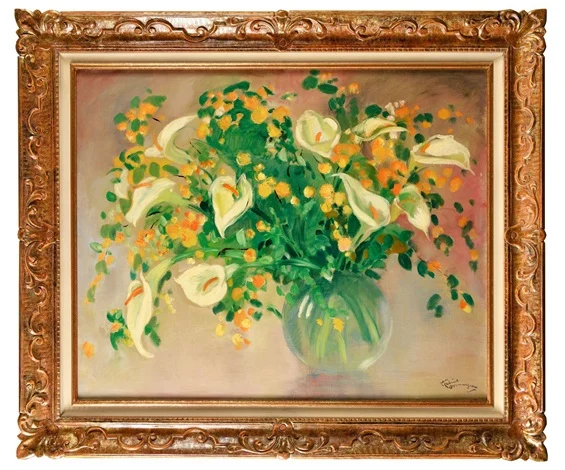
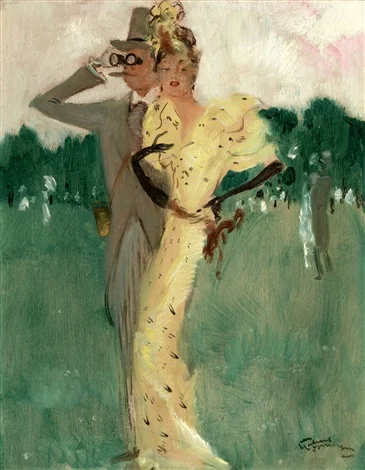
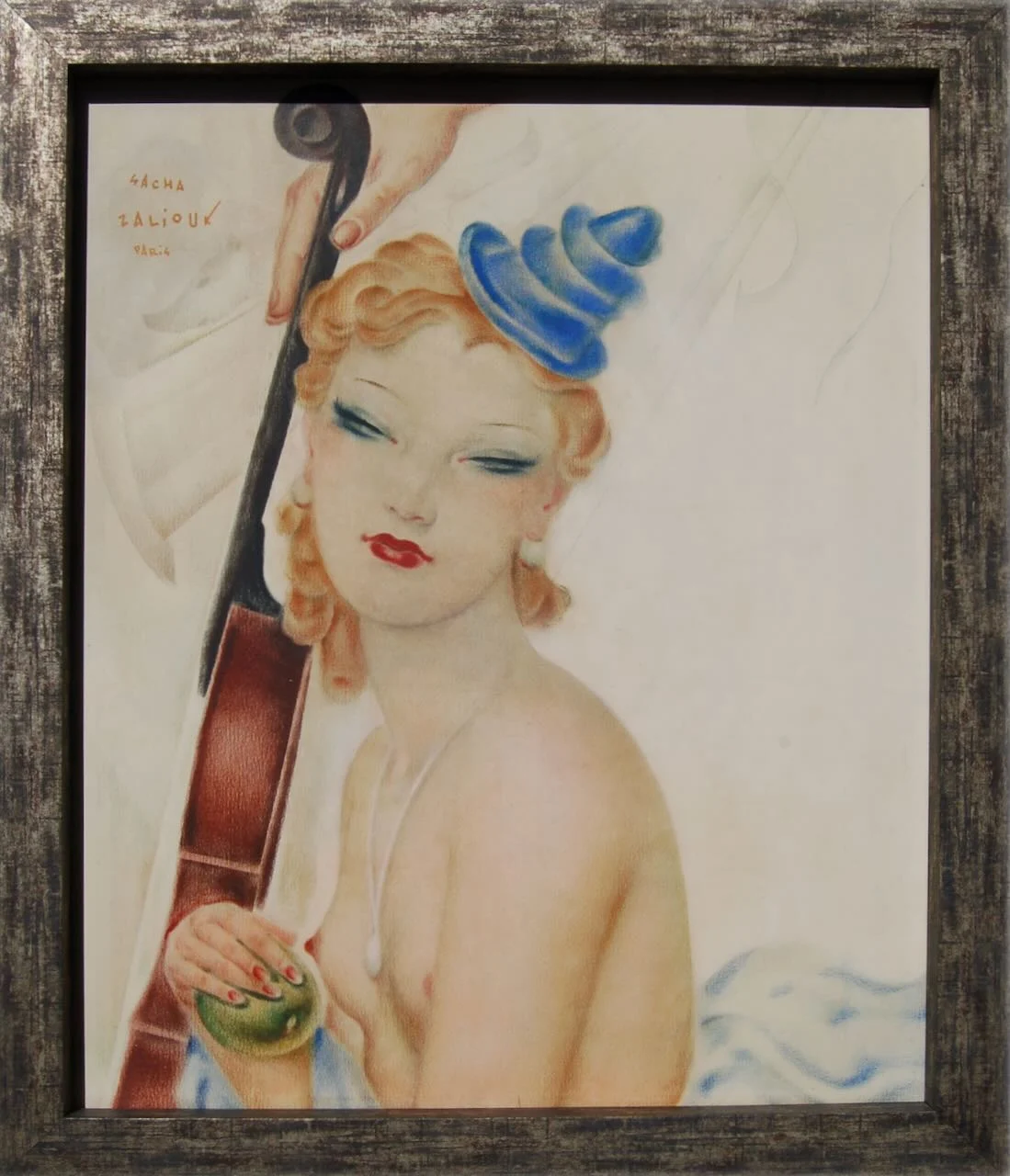
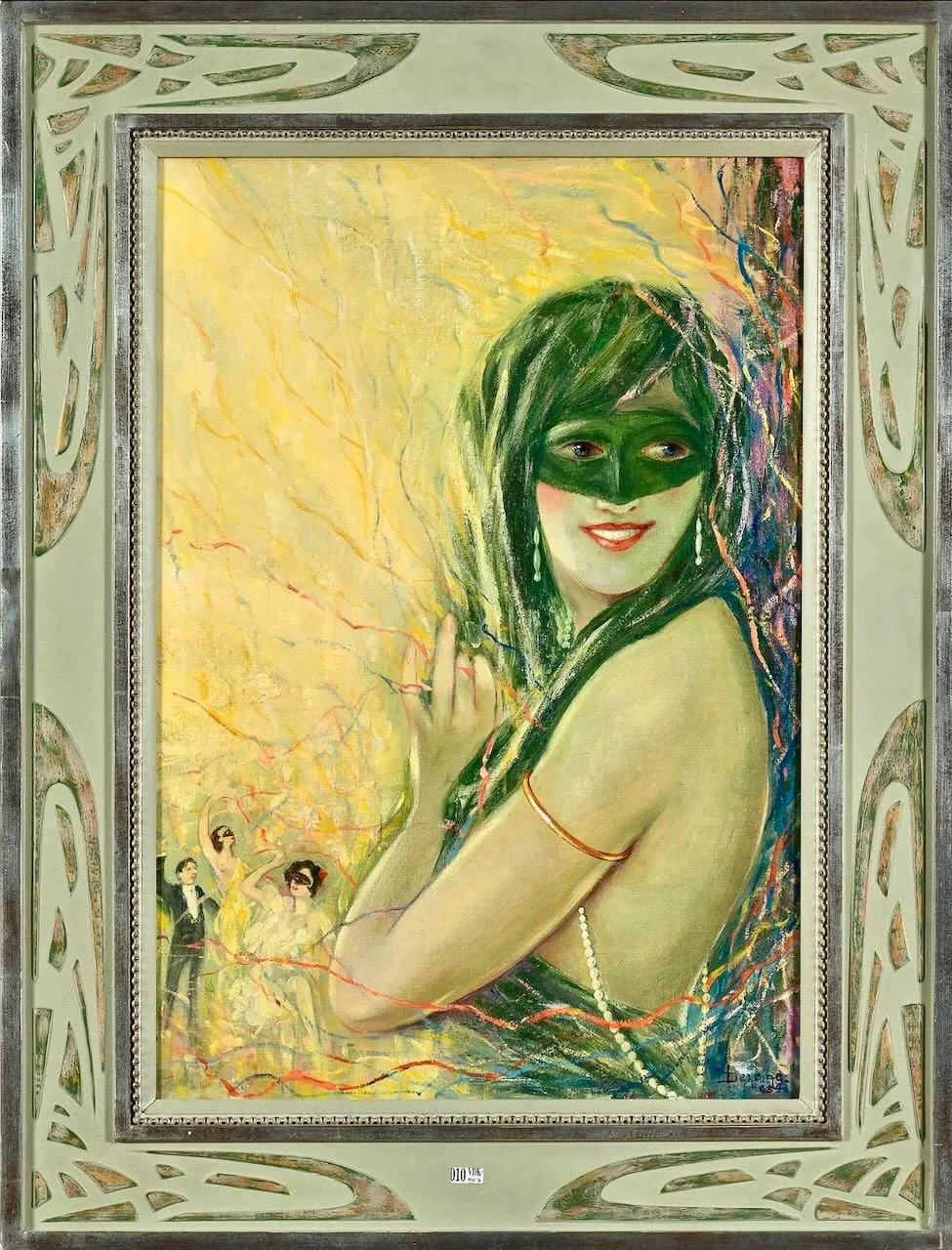
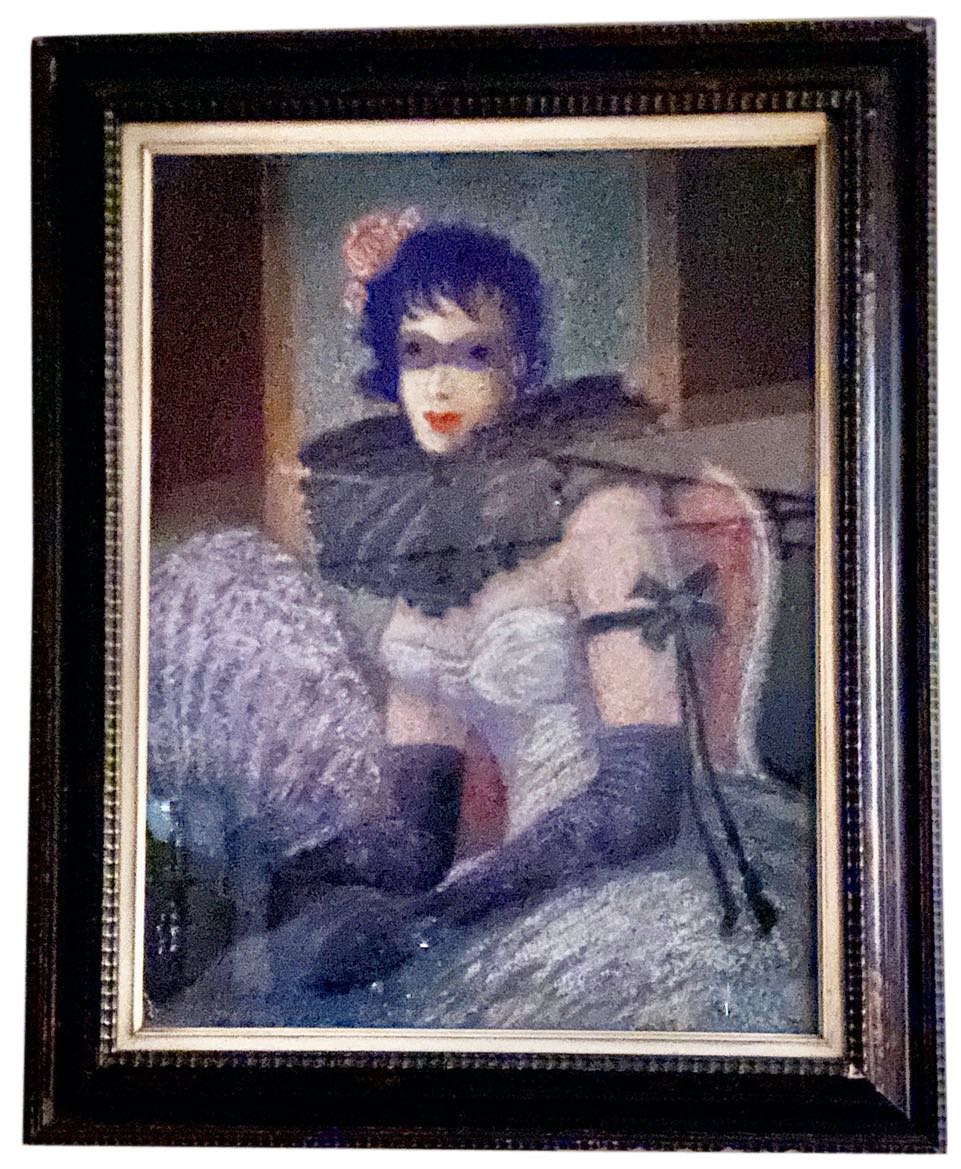
Domergue invented a distinct type of woman, slender and airy, with a swanlike neck and wide, seductive eyes that gaze at the world with longing. His figures have the sleek line and poster-like clarity of advertising art, with meticulous attention to fashion and clothing. Playful and glamorous, they embody a distinctly modern vision of femininity that was widely imitated by other artists.
Key Influences
- The Domergue Woman: His long-necked, wide-eyed Parisienne became one of the defining images of the 1920s.
- The Pin-Up: He is often called the inventor of the pin-up, and his glamorous figures helped shape the genre.
- Fashion and Advertising: His designs for couturiers and his posters helped create a new visual language for feminine advertising.
- Riviera Society: His Villa Fiesole and lavish galas helped build the glamour of Cannes and its film festival.
- Museum Leadership: His tribute exhibitions at the Musée Jacquemart-André honored masters from Leonardo to Goya.
If you are interested in further stories of the artists who shaped Art Deco, return to our artists page to browse the full directory.

Related Products from ArtDecoCollection.com