

Henri de Toulouse-Lautrec
Henri Marie Raymond de Toulouse-Lautrec-Monfa was born on November 24, 1864, in Albi, in the Midi-Pyrénées region of France, the firstborn son of Comte Alphonse and Comtesse Adèle de Toulouse-Lautrec, an aristocratic family descended from the Counts of Toulouse who had fought in the Crusades nearly a thousand years earlier. His parents were first cousins, a common practice in the French aristocracy of the time, and the resulting inbreeding is believed to have caused his lifelong genetic bone disorder, now known as pycnodysostosis or Toulouse-Lautrec Syndrome, which produced brittle bones, short stature, and a distinctive set of facial features. A younger brother born in 1867 died in infancy, leaving Henri the sole heir to the family title. His parents separated shortly afterward, and he was raised largely by a nanny before moving to Paris with his mother at age eight, where he began drawing sketches and caricatures of animals in his exercise books, occasionally receiving informal lessons from his father’s friend, the painter René Princeteau. At thirteen he fractured his left thigh bone, and at fourteen his right, and neither break healed properly, leaving him with a normal-sized torso but stunted legs that never exceeded four feet eleven inches in height. In 1882, at eighteen, his mother used her influence to secure him a place studying under the noted painter Léon Bonnat. He spent much of his adult life battling chronic alcoholism, a response in part to the emotional toll of his physical condition, and in his final years suffered from delirium tremens and paranoid hallucinations that led to a period of forced institutionalization at a sanatorium. He died from complications of alcoholism and syphilis at the family estate at Malrome on September 9, 1901, fewer than three months before his 37th birthday, reportedly with the words “Le vieux con!” as his last.
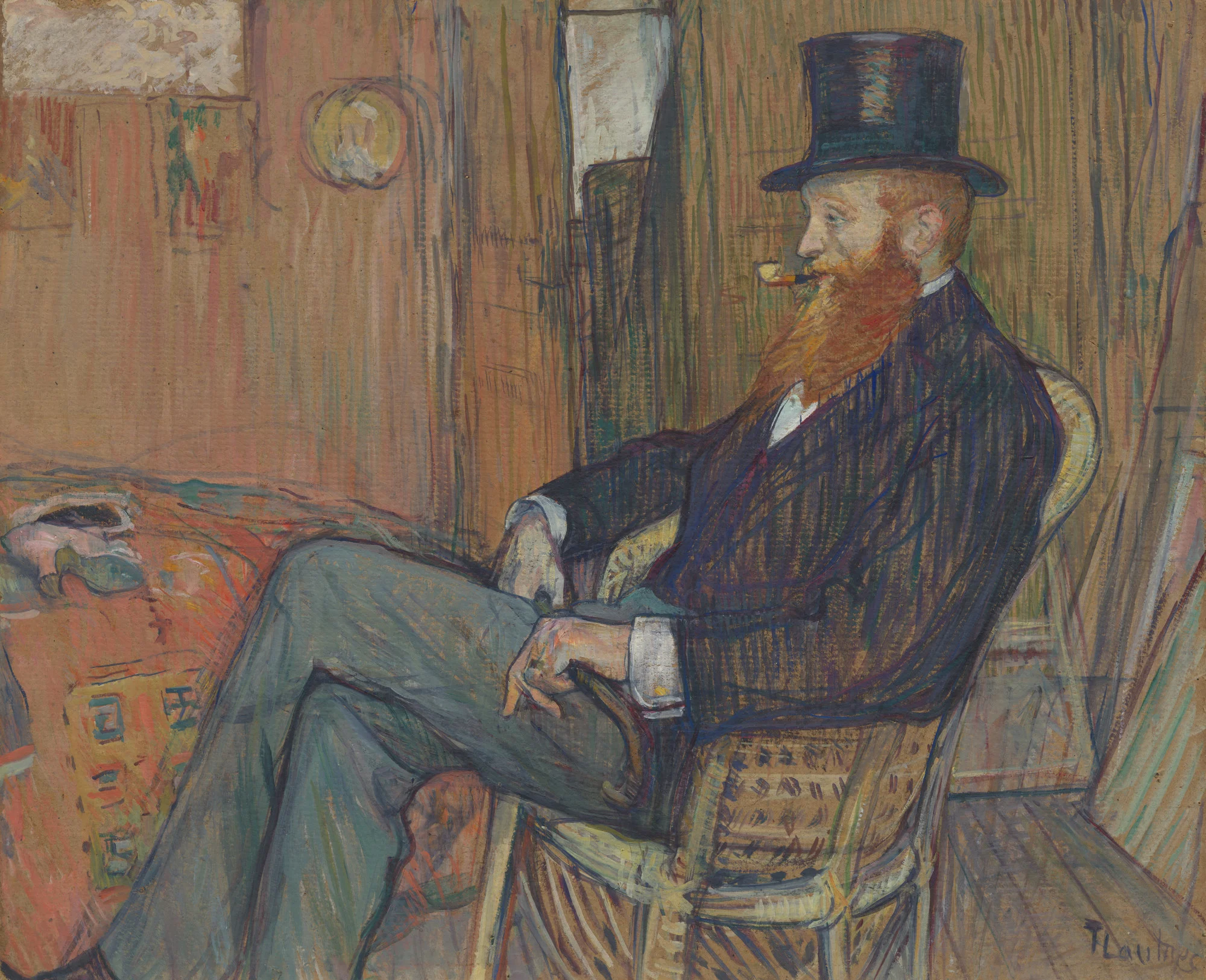
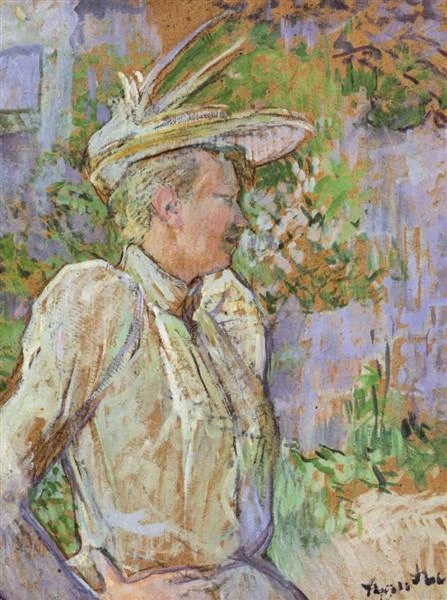
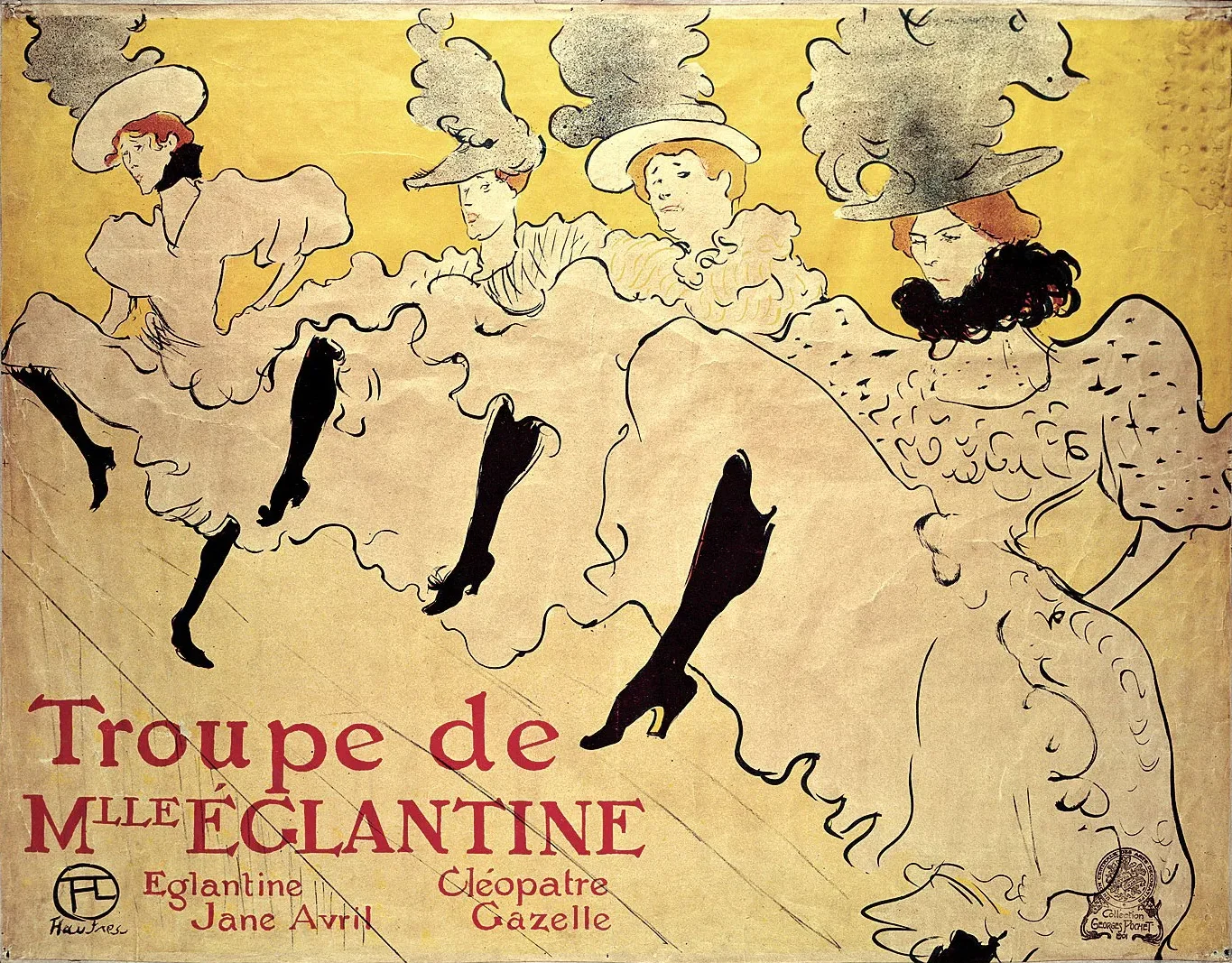
Toulouse-Lautrec found his subject and his muse in the cafés, cabarets, and dance halls of Montmartre, where he was a fixture of the nightlife and beloved by the cancan dancers, who affectionately called him “the little guy.” He rejected the traditional prestige of oil painting on canvas in favor of the poster, a medium generally regarded as commercial rather than artistic, and in 1891 produced his first, Moulin Rouge, La Goulue, commissioned for the newly opened cabaret and depicting the celebrated cancan dancer Louise Weber, known by her stage name La Goulue, or “the glutton.” The poster was an immediate sensation, with three thousand copies drawing crowds into the dance hall, and it marked his meteoric rise to fame as one of the most innovative printmakers of the era, so coveted that fans reportedly tore copies from Parisian walls before the glue had even dried. He went on to produce further landmark posters including Ambassadeurs, Aristide Bruant dans son Cabaret in 1892, and in 1893 Caudieux, Jane Avril, Jardin de Paris, and Divan Japonais. Jane Avril, a rival cancan performer to La Goulue, became his only real romantic relationship and one of his most frequent subjects. His sensitive series Elles depicted brothel life with unusual humanity, portraying prostitutes and their clients without judgment. Toward the end of his career he also loyally created advertising panels for a fairground hut for La Goulue after her fortunes had declined, out of devotion to the woman whose fame had helped launch his own.
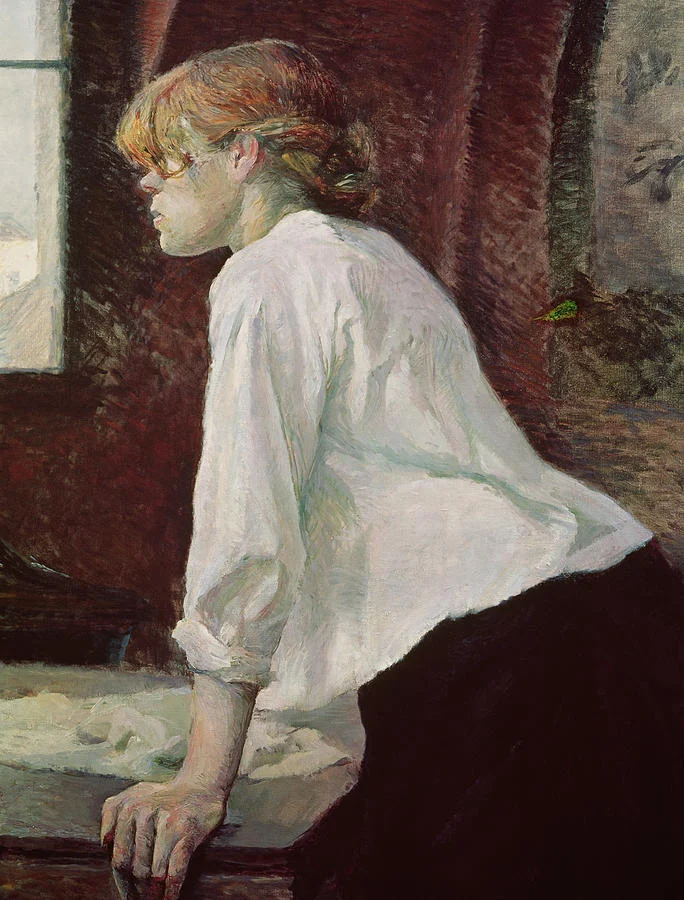
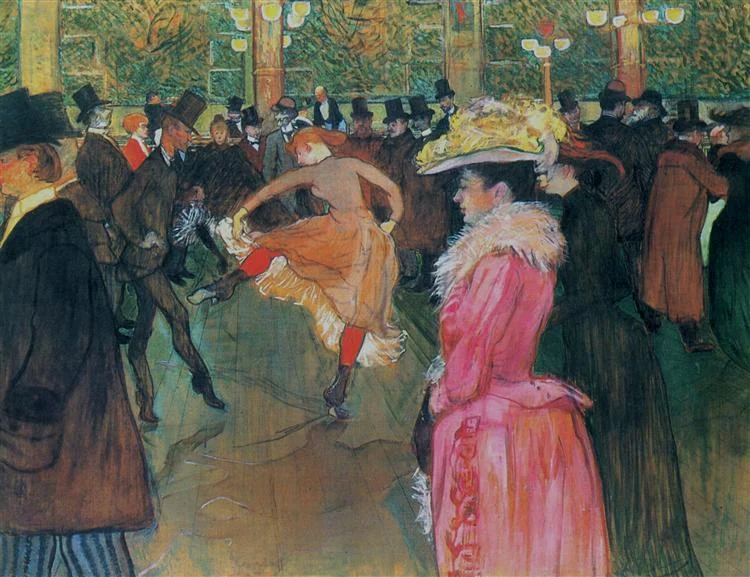
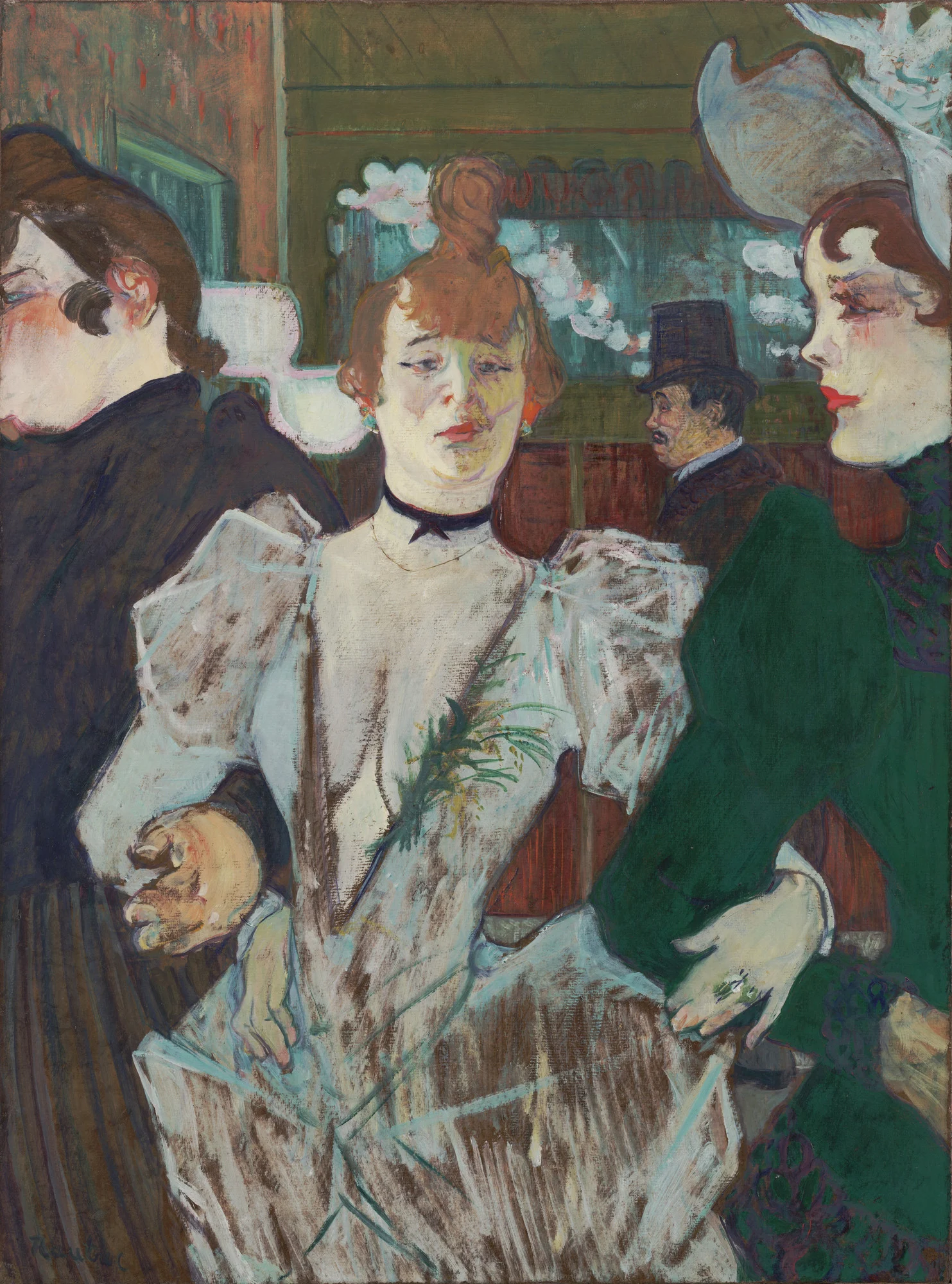

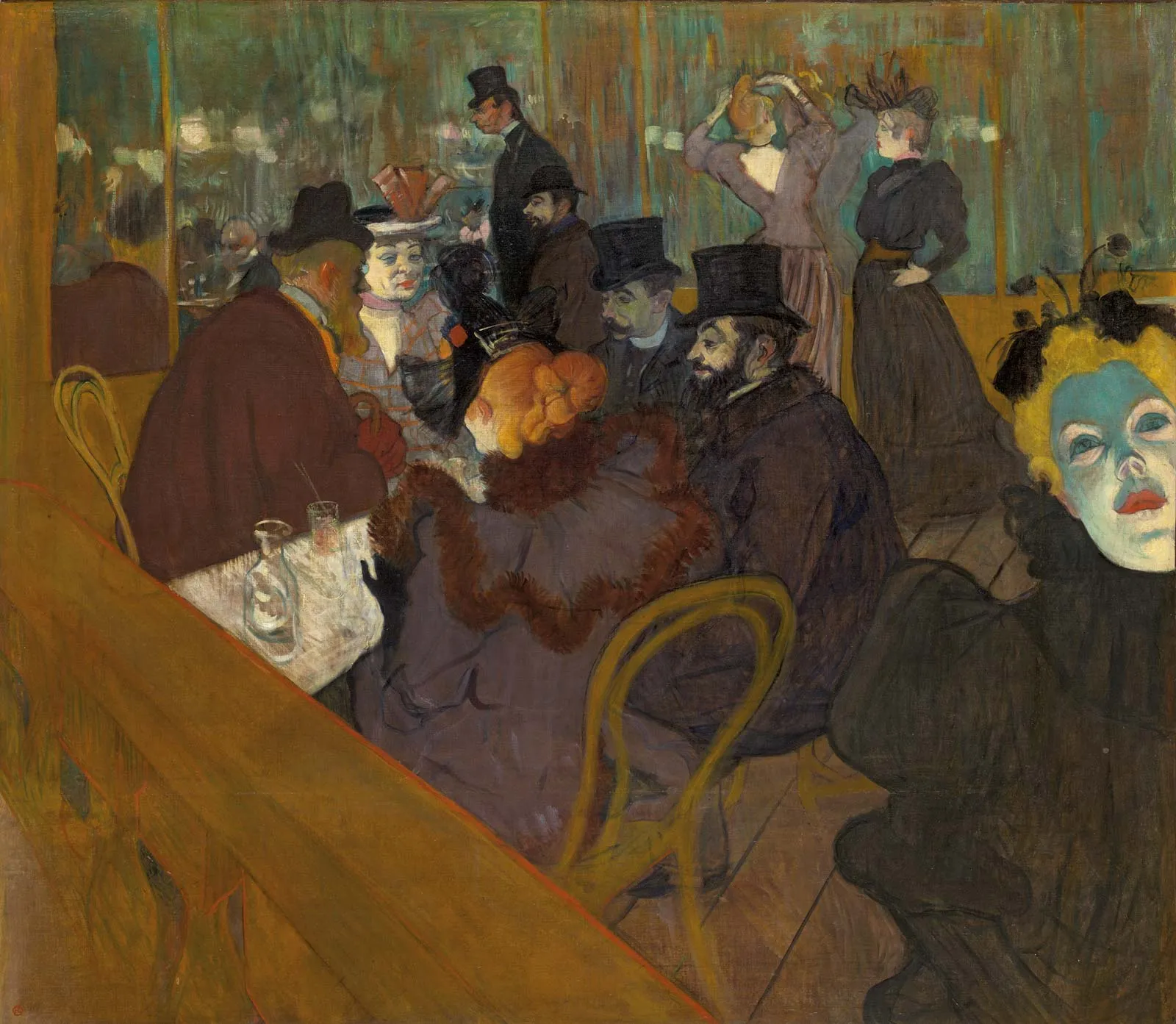

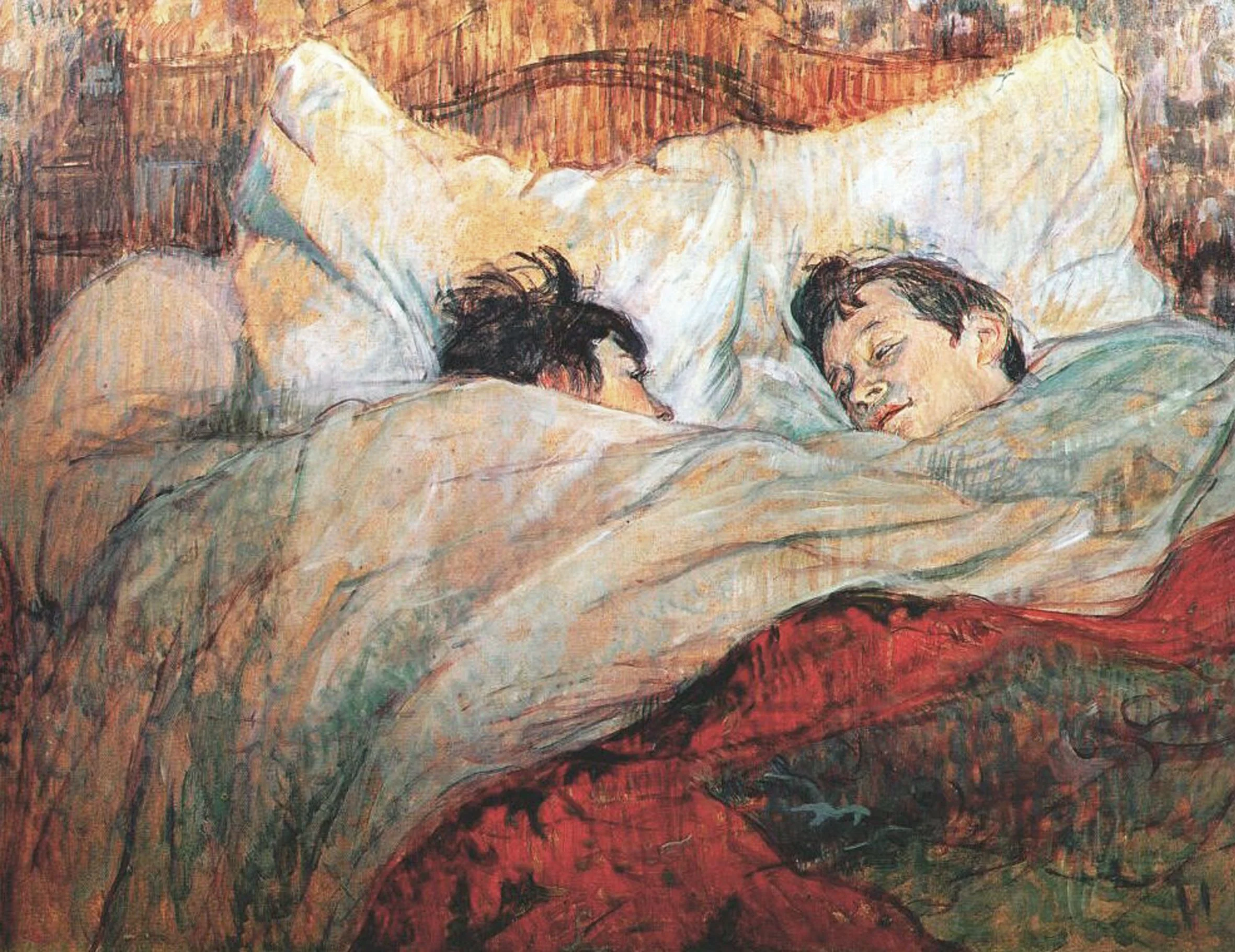
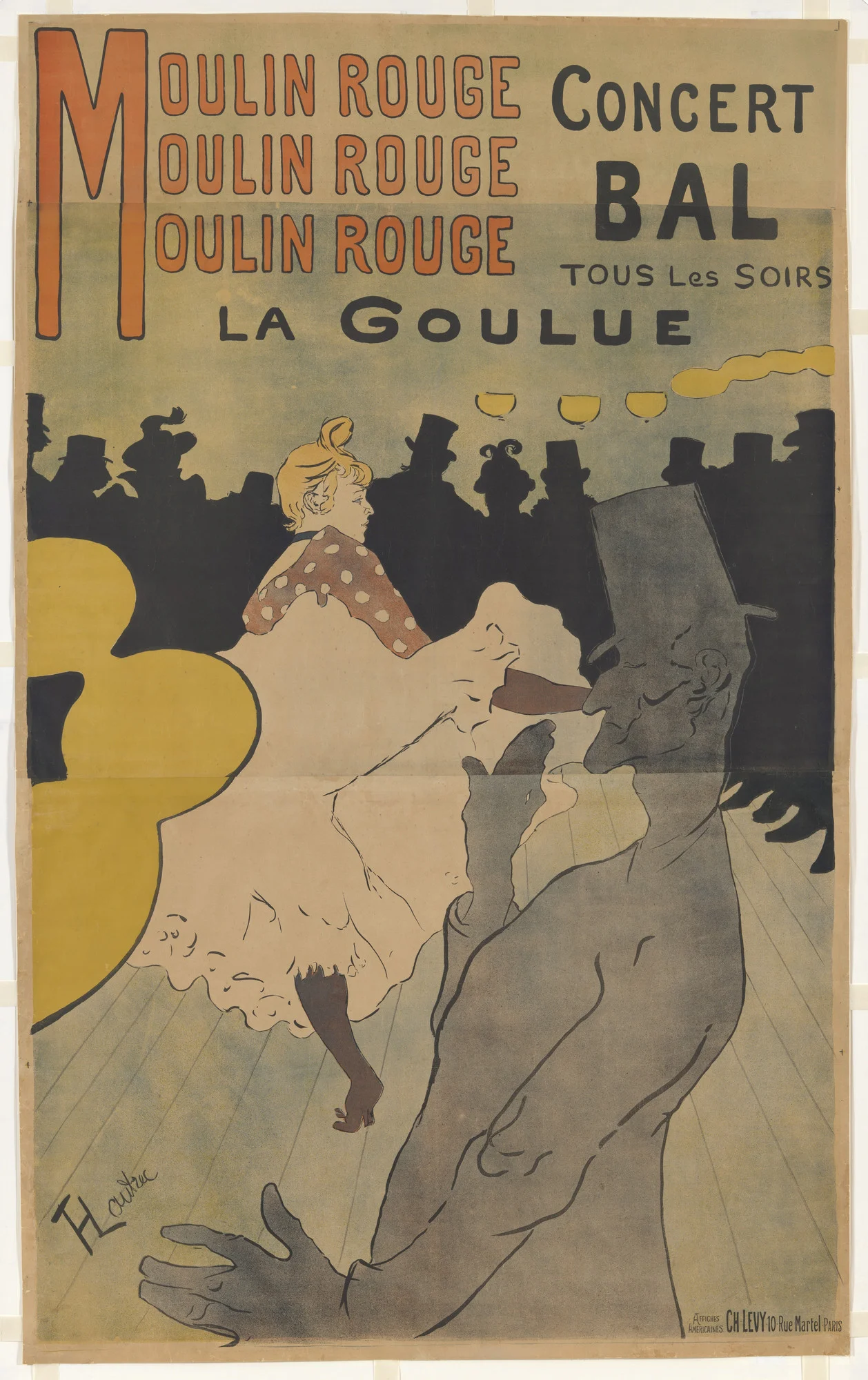
Toulouse-Lautrec’s posters were defined by bold, dramatic design, free-flowing expressive lines, and large flat areas of color arranged into rhythmic, striking compositions that captured the immediacy of Parisian nightlife at a glance. In his lithographs he moved beyond surface likeness to capture the psychological character of his subjects, rendering entertainers, dancers, and patrons with an economy of means that revealed as much about their inner lives as their outward appearance. His work bridged the worlds of fine art and commercial advertising, elevating the poster into a serious artistic medium in its own right.
Key Influences
- Moulin Rouge, La Goulue: His first poster remains the most iconic image of the Moulin Rouge in the world and marked a turning point in the history of poster art as a serious creative medium.
- Elevating the Commercial Poster: His rejection of oil painting in favor of the poster helped establish graphic design and printmaking as legitimate artistic disciplines rather than purely commercial trades.
- Chronicling Montmartre: His documentation of the cabarets, dancers, and demimonde of 1890s Paris created an enduring visual record of an entire era of French entertainment culture.
- Psychological Portraiture: His ability to capture the inner character of his subjects through economical line and color influenced generations of illustrators and printmakers who followed.
- Toulouse-Lautrec Syndrome: His genetic condition, identified by French physicians in 1962 and named in his honor, connects his artistic legacy to ongoing medical research into rare congenital bone disorders.
If you are interested in further stories of the artists who shaped Art Deco, return to our artists page to browse the full directory.
Related Products from ArtDecoCollection.com