



Florence Knoll
Florence Marguerite Schust was born on May 24, 1917, in Saginaw, Michigan, to a baker father who died when she was young, and by age twelve she was orphaned entirely and placed under the care of a legal guardian. Her guardian enrolled her at Kingswood School for Girls, part of the Cranbrook Educational Community in suburban Detroit, where she came under the mentorship of the Finnish architect Eliel Saarinen, head of the adjacent Cranbrook Academy of Art. It was at Cranbrook that she formed lifelong friendships with Saarinen’s son Eero and with the sculptor Harry Bertoia, connections that would shape her entire career. With recommendations from Saarinen and Alvar Aalto, she went on to study under some of the century’s most significant architects, including Walter Gropius and Marcel Breuer at Harvard and MIT in Cambridge, Massachusetts, and Ludwig Mies van der Rohe at the Illinois Institute of Technology. In 1941 she moved to New York, where she met Hans Knoll, who was establishing his own furniture company, and she joined Hans G. Knoll Furniture Company in 1943 before marrying him in 1946. After Hans Knoll died in a car accident in 1955, Florence led the company as president through a period of considerable uncertainty. She later married Harry Hood Bassett in 1958. She received the National Medal of Arts in 2003 and died on January 25, 2019, in Coral Gables, Florida, at the age of 101.
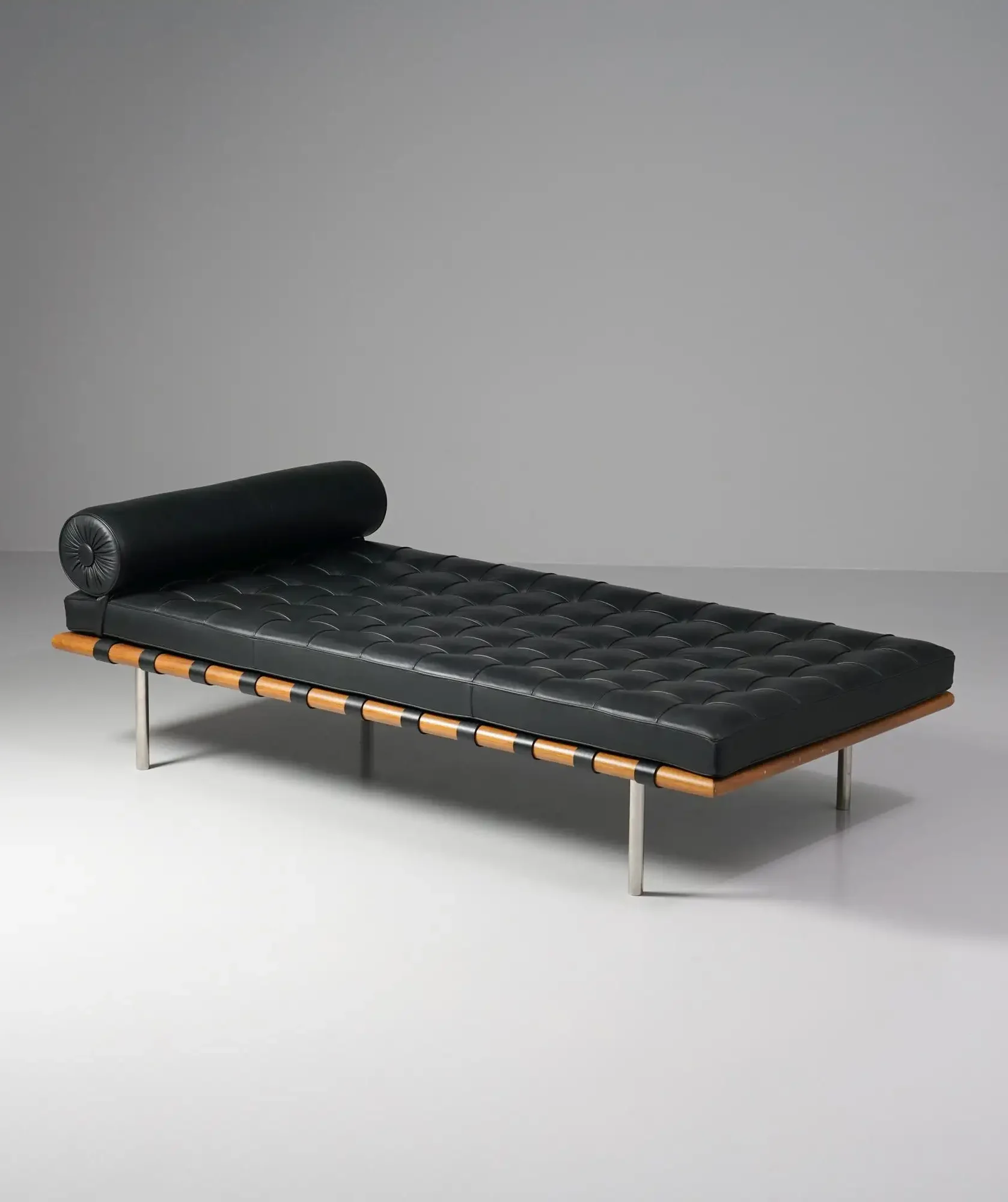
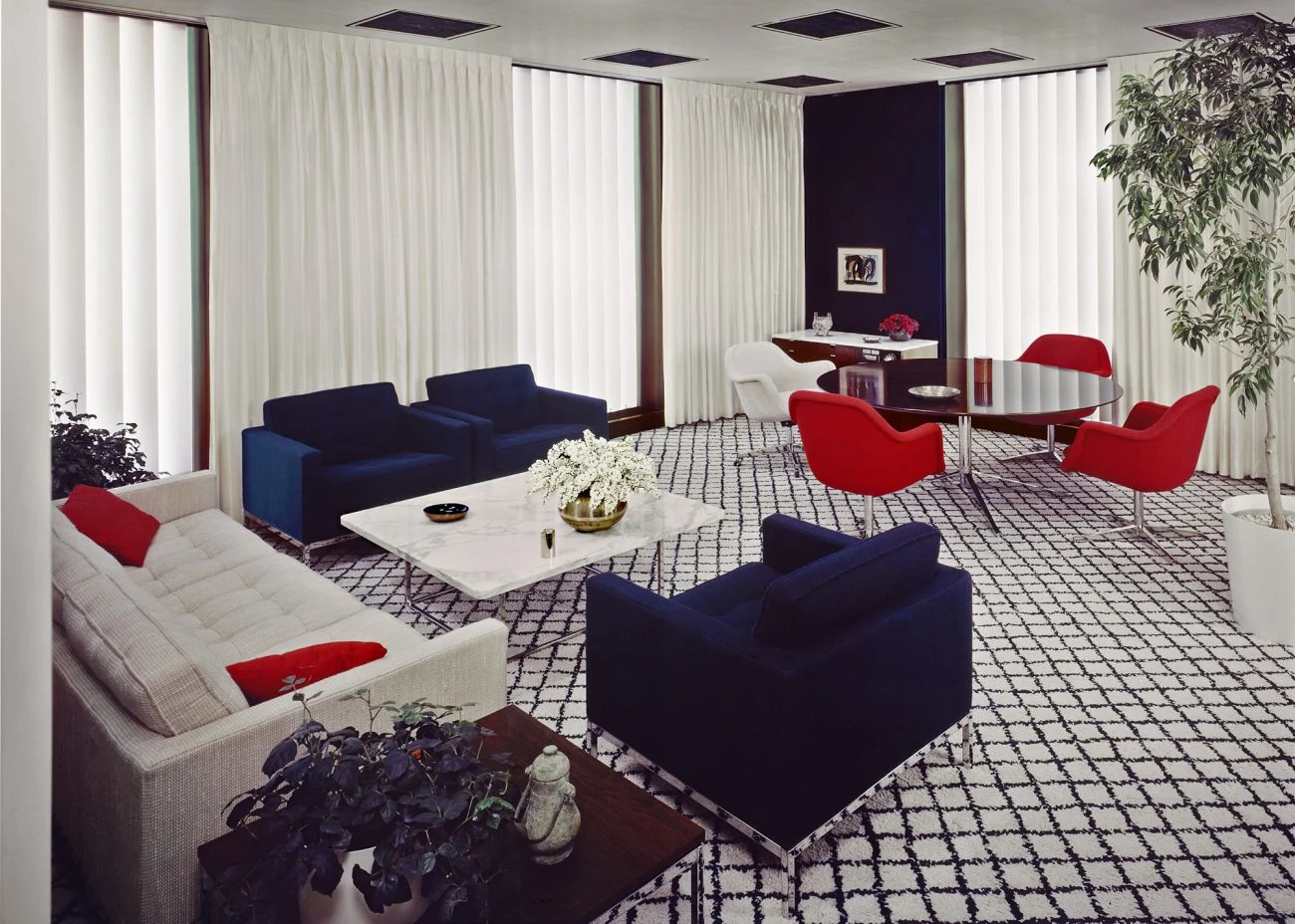
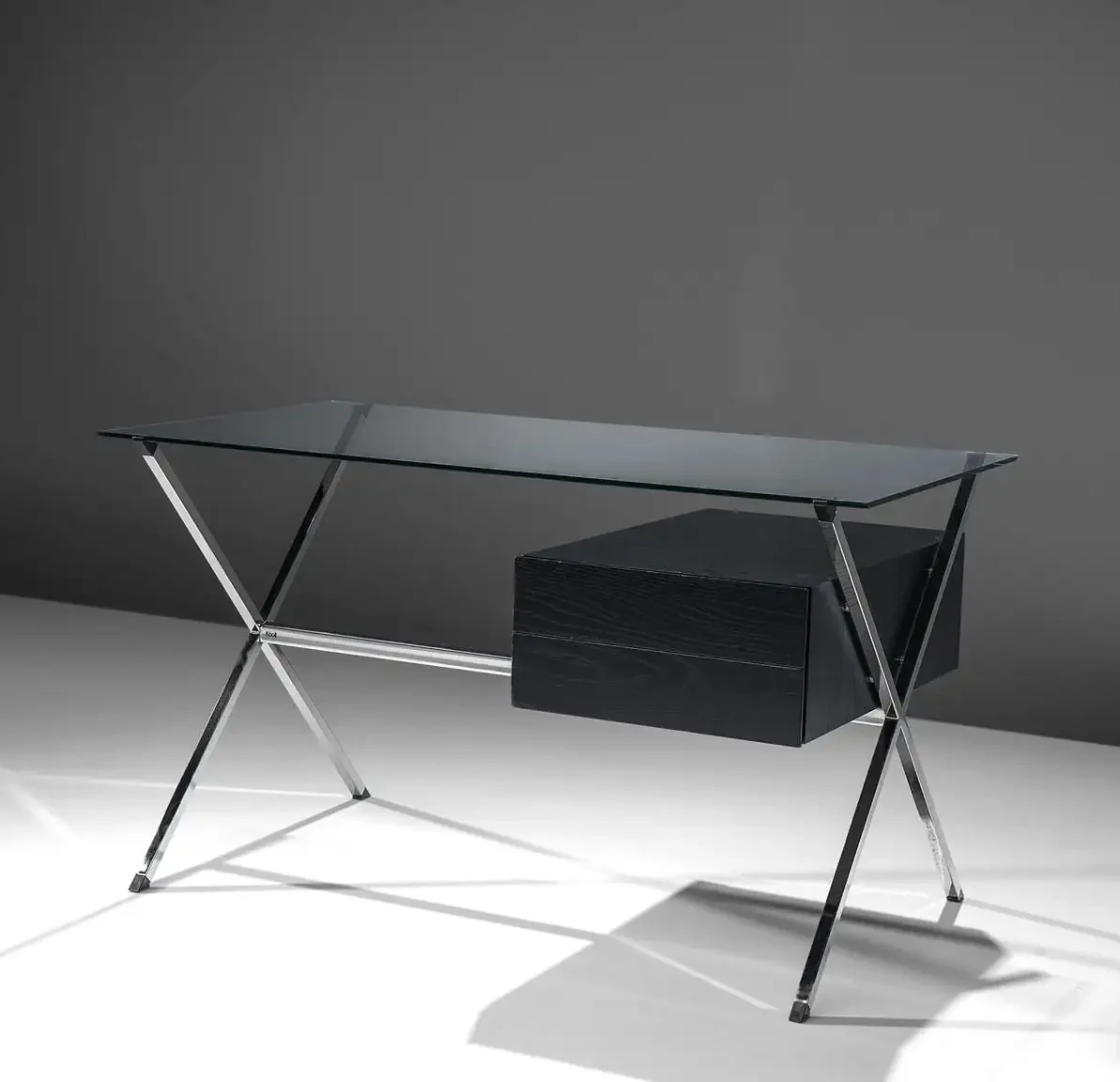
In 1946, the same year she married Hans, Florence founded the Knoll Planning Unit, integrating architecture with furniture and textile design into a single practice, an approach she later described simply as designing the architectural elements needed to make a room work: walls, tables, and sofas. Through the Planning Unit she designed interiors not only for the company’s growing network of showrooms but also for the corporate offices of some of America’s largest companies, including IBM, General Motors, CBS, and Seagram’s. She brokered relationships with leading designers of the era, bringing Mies van der Rohe, Eero Saarinen, Marcel Breuer, Harry Bertoia, and Jens Risom into the Knoll catalog, and referred to her own furniture designs modestly as the “meat and potatoes” that filled gaps around these more celebrated pieces. Despite her humility, her sofas, credenzas, desks, lounge chairs, benches, and settees, prized for their attention to detail and command of proportion, have become as revered today as the work of her more famous collaborators. As president of Knoll Associates following her husband’s death, she continued brokering deals and designing furniture to fill remaining gaps in the market before selling the company in 1959, though she remained design director for several more years.
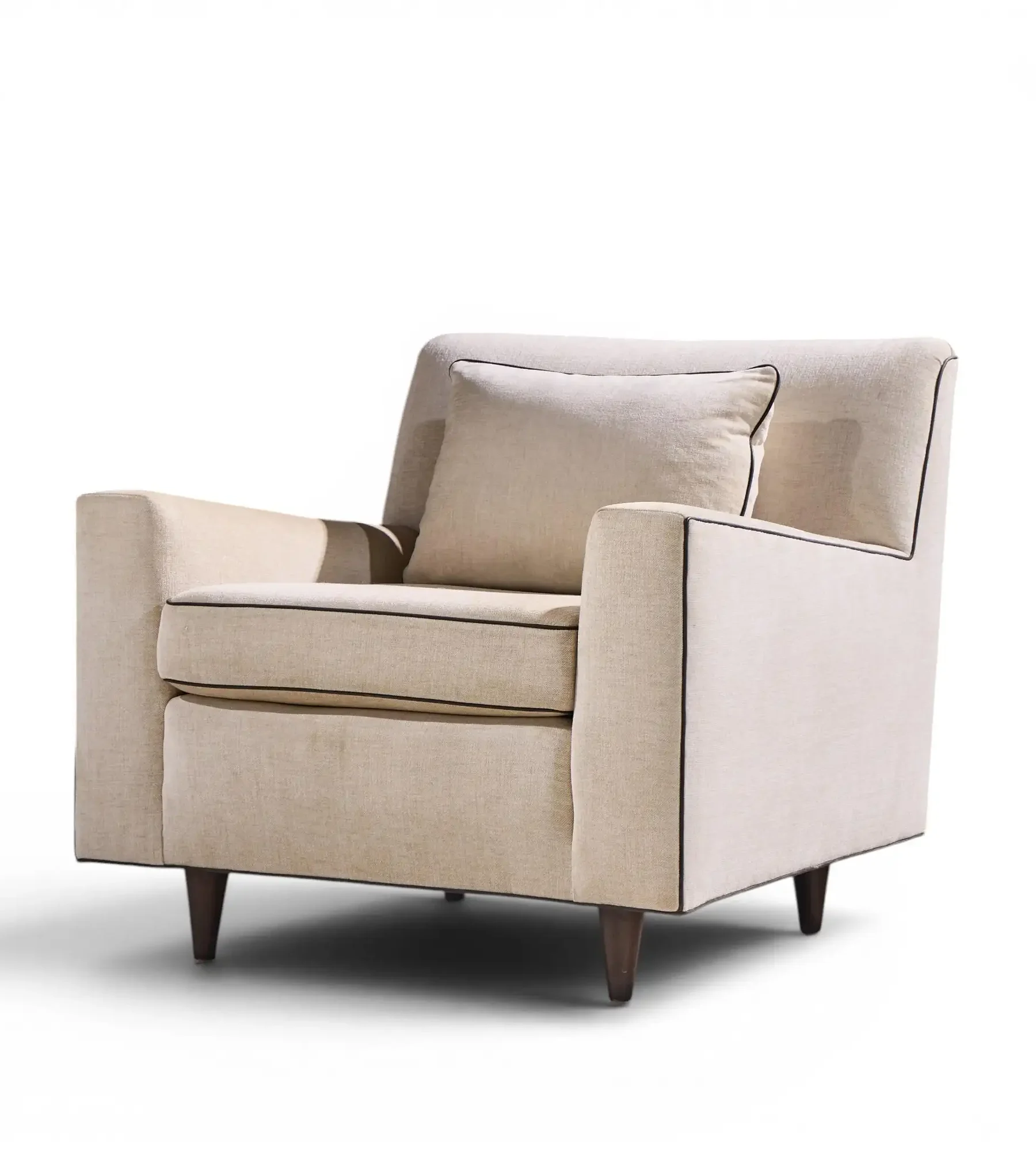
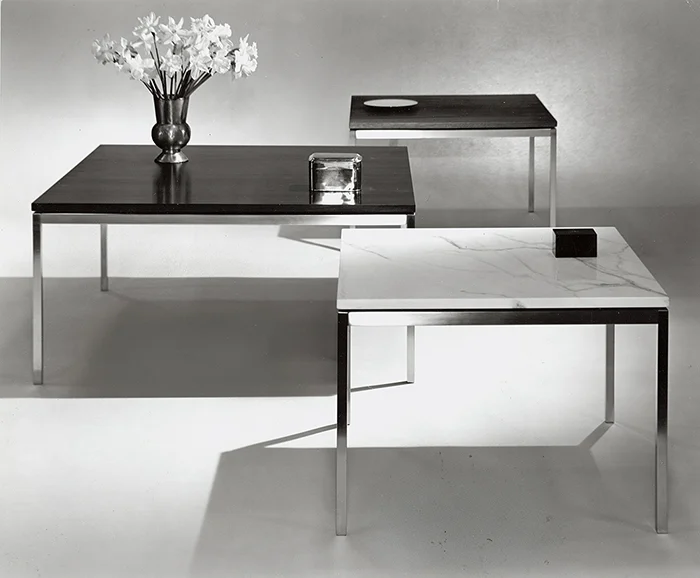


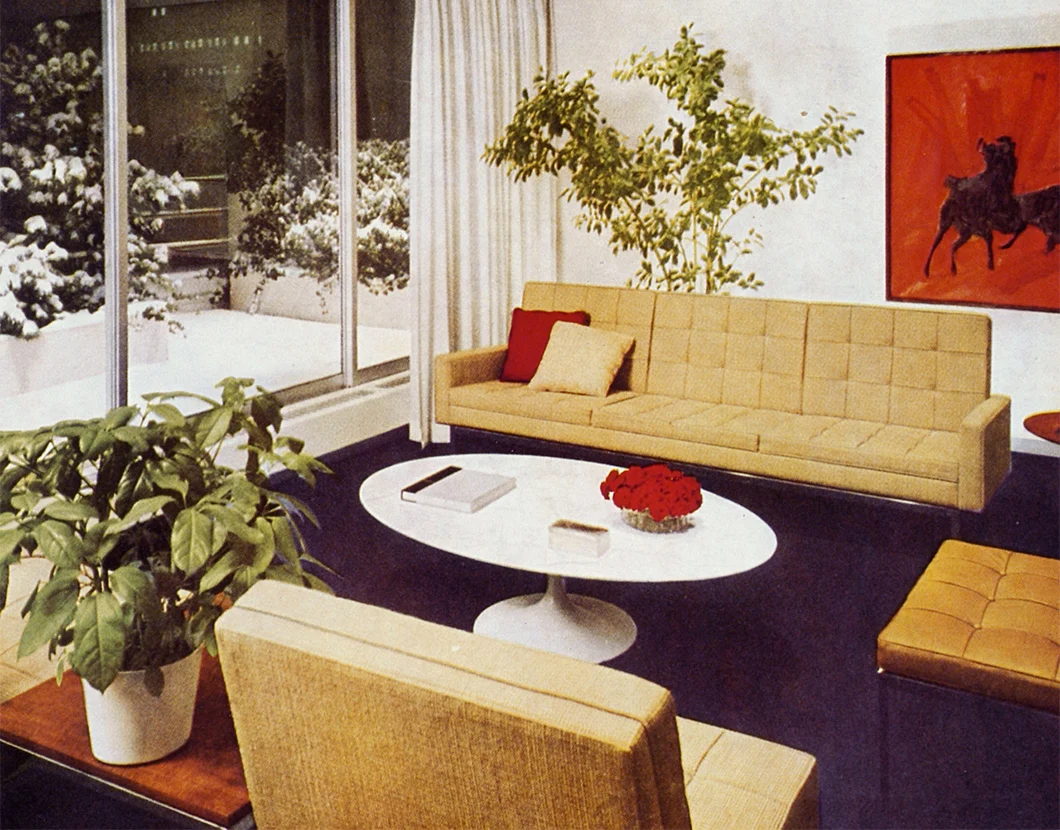
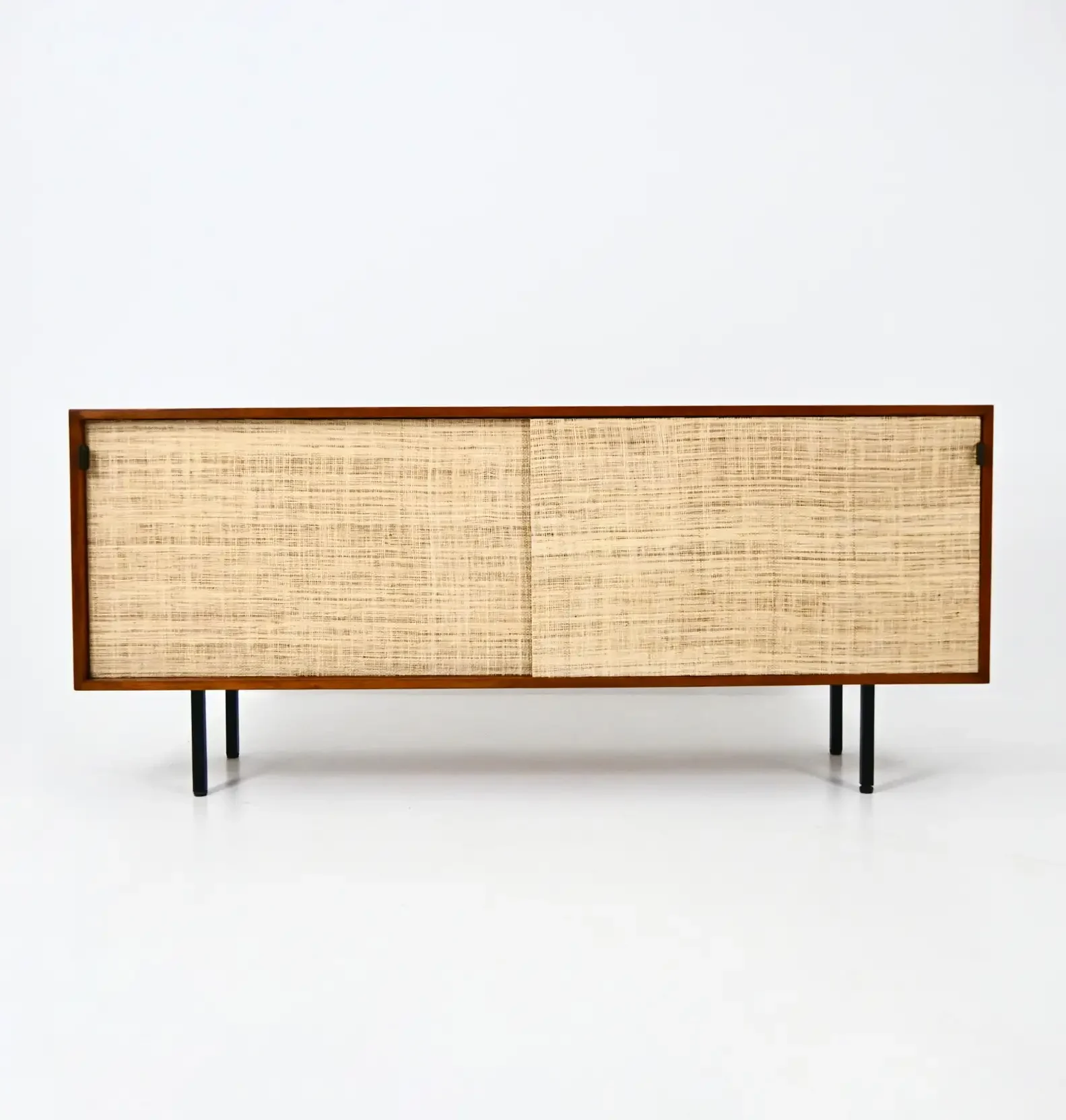
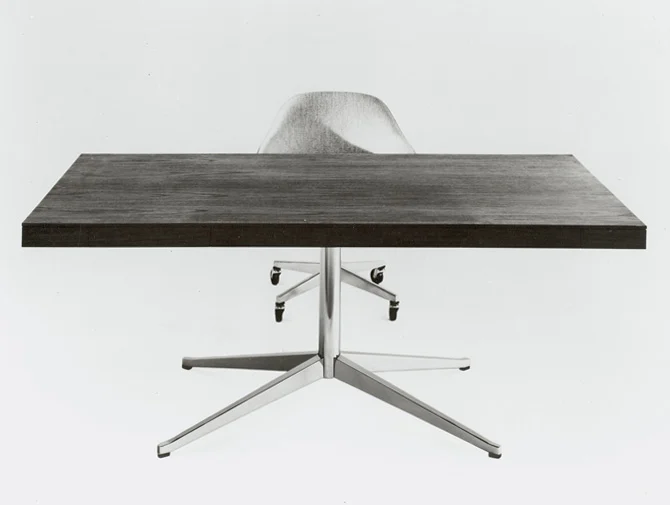
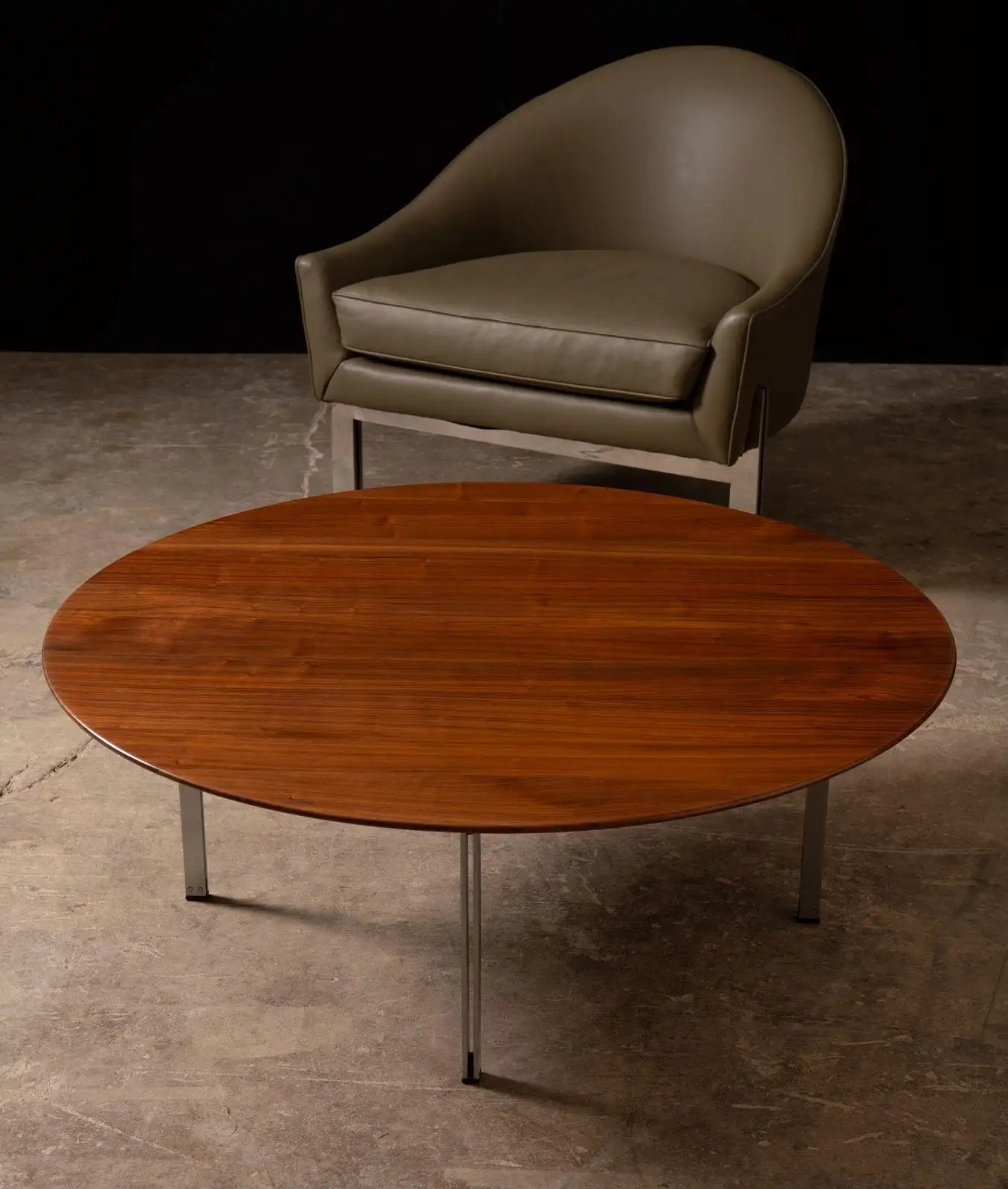
Knoll’s modernist aesthetic was defined by clean lines and clear geometries, humanized through careful attention to texture, organic shape, and color rather than left in the cold austerity often associated with strict modernism. Her furniture was deliberately understated and functional, designed always to complement architecture rather than compete with it, reflecting the discipline of her formal training under some of the century’s leading architectural minds. This restraint, paired with an exacting perfectionism about finish and proportion, gave her designs a quiet authority that has kept them in continuous production and relevant to contemporary interiors.
Key Influences
- Modern Office Design: Her Knoll Planning Unit fundamentally reshaped how American corporations organized and furnished their workspaces, introducing rational, human-centered planning to the postwar office.
- Total Design Concept: Her integration of architecture, furniture, and textiles into a single unified practice established a model of design that influenced generations of interior designers and architects.
- Professionalizing Interior Design: Her insistence on rigorous architectural training and technical seriousness helped elevate interior design from mere decoration into a recognized professional discipline.
- Curating Modernist Furniture: Her role in bringing Mies van der Rohe, Saarinen, Bertoia, and Breuer into the Knoll catalog shaped the very canon of what is now considered classic mid-century modern furniture.
- Women in Design Leadership: Her presidency of Knoll Associates following her husband’s death was an unprecedented achievement for a woman in 1950s American business and design.
If you are interested in further stories of the artists who shaped Art Deco, return to our artists page to browse the full directory.

Related Products from ArtDecoCollection.com