
Edgar Brandt
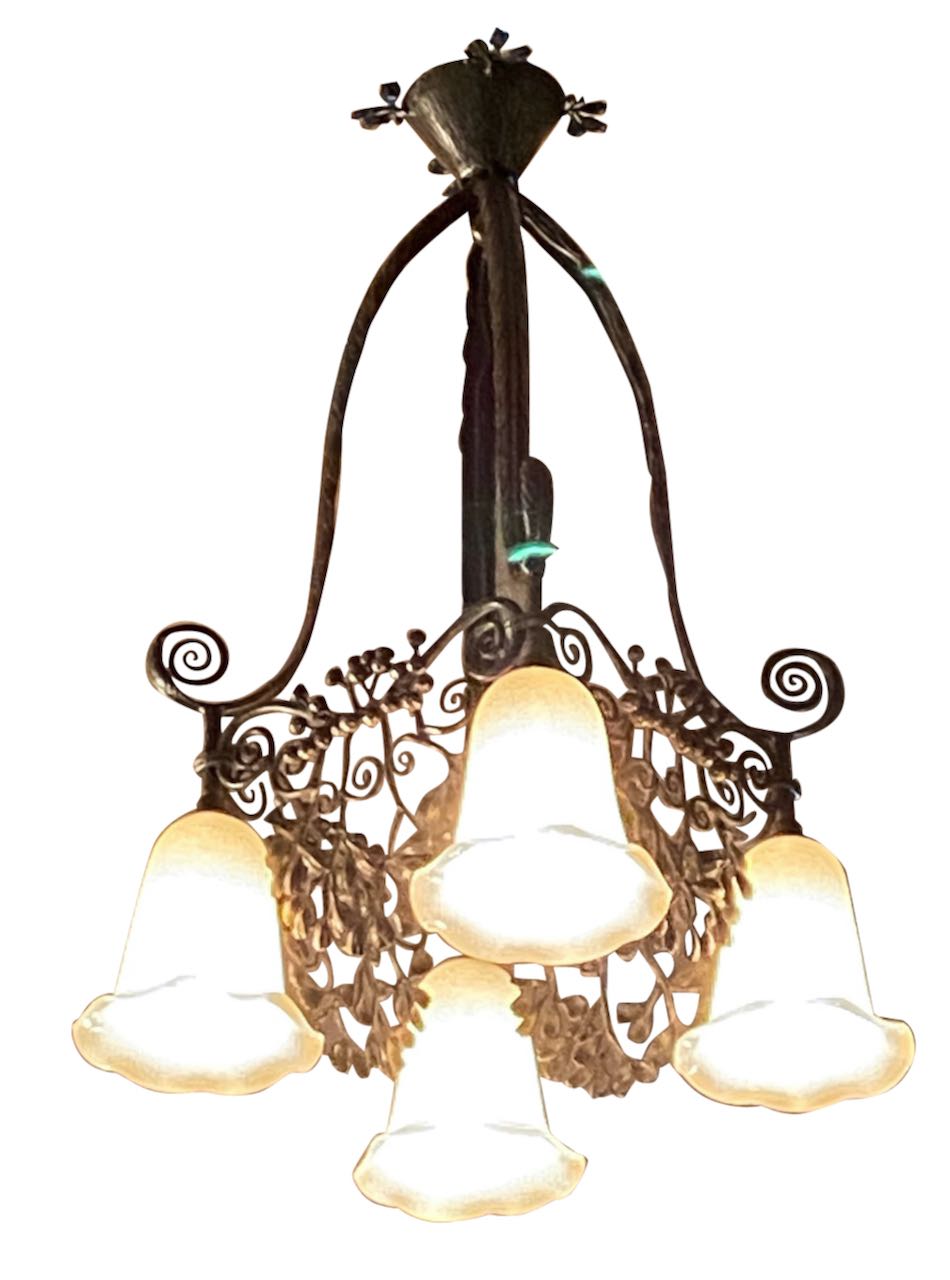
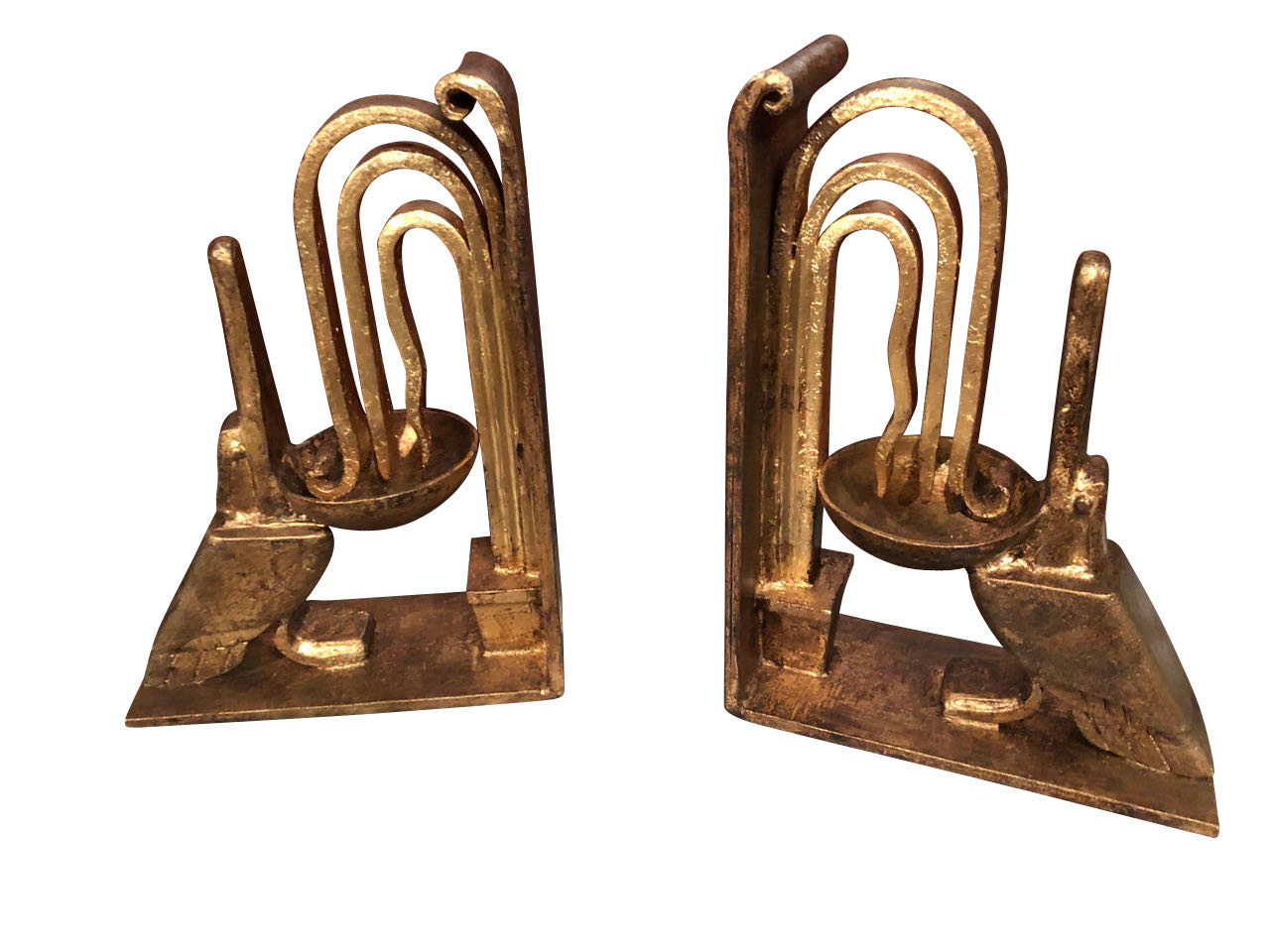
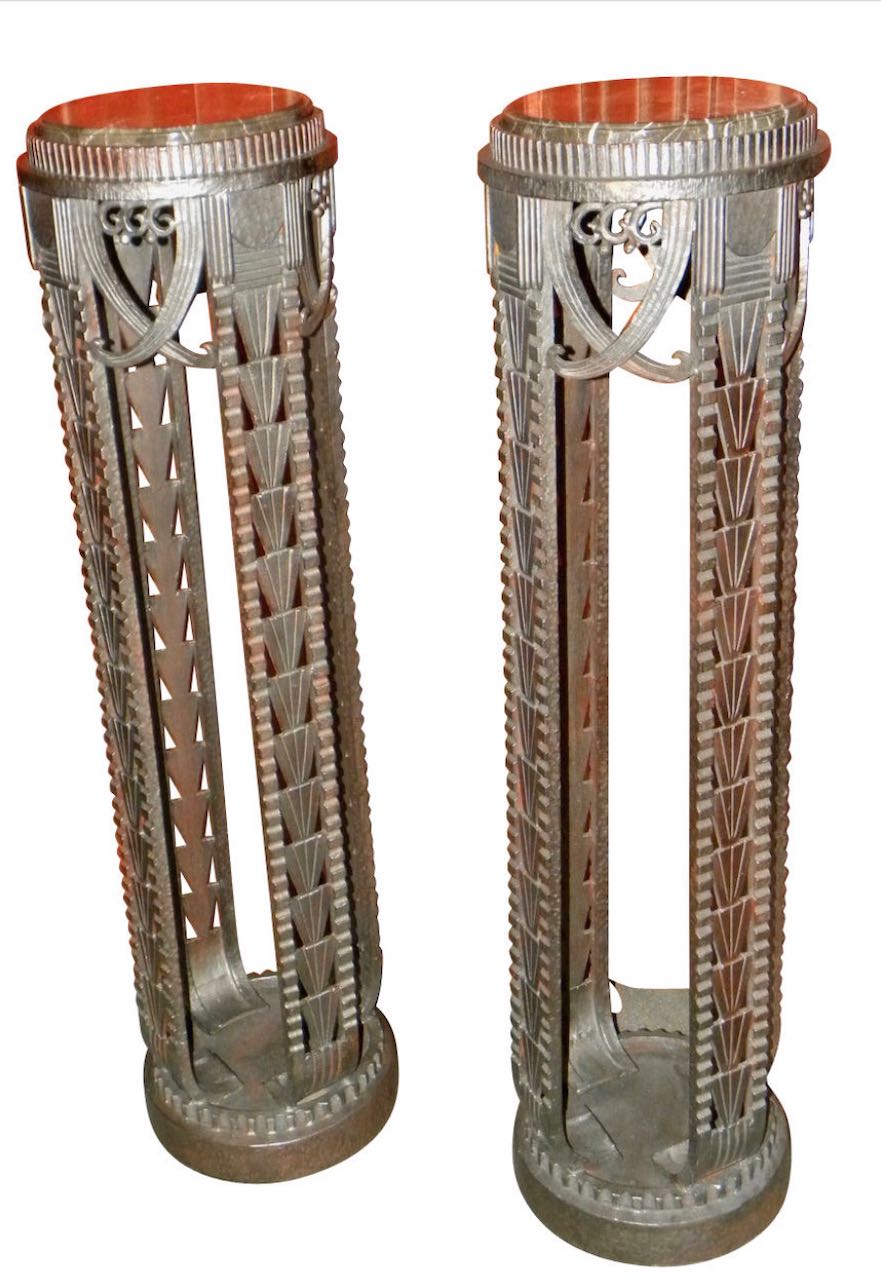
Edgar Brandt was born in Paris in 1880 and trained at the École Nationale Professionnelle de Vierzon, where he developed a deep understanding of metallurgy and precision engineering. He began his career creating weapons and military equipment, but his artistic vision soon led him toward decorative metalwork. In 1901, he opened his own forge and started producing objects that combined technical mastery with artistic expression. His early designs reflected the fluid, organic lines of Art Nouveau, but by the 1920s, he had transitioned to the geometric order and elegance of Art Deco. Brandt’s breakthrough came at the 1925 Paris Exposition, where his monumental wrought-iron gate, La Porte d’Honneur, created with glassmaker René Lalique, became one of the exhibition’s defining works. This fusion of metal and glass demonstrated how craftsmanship could coexist with modern industry, marking Brandt as a pioneer in uniting art and engineering. Throughout his career, he produced everything from tables and lamps to large architectural commissions, all reflecting his belief that metal could be as expressive as marble or wood. His dedication to technical perfection and aesthetic innovation secured his reputation as one of the most important French designers of his time.
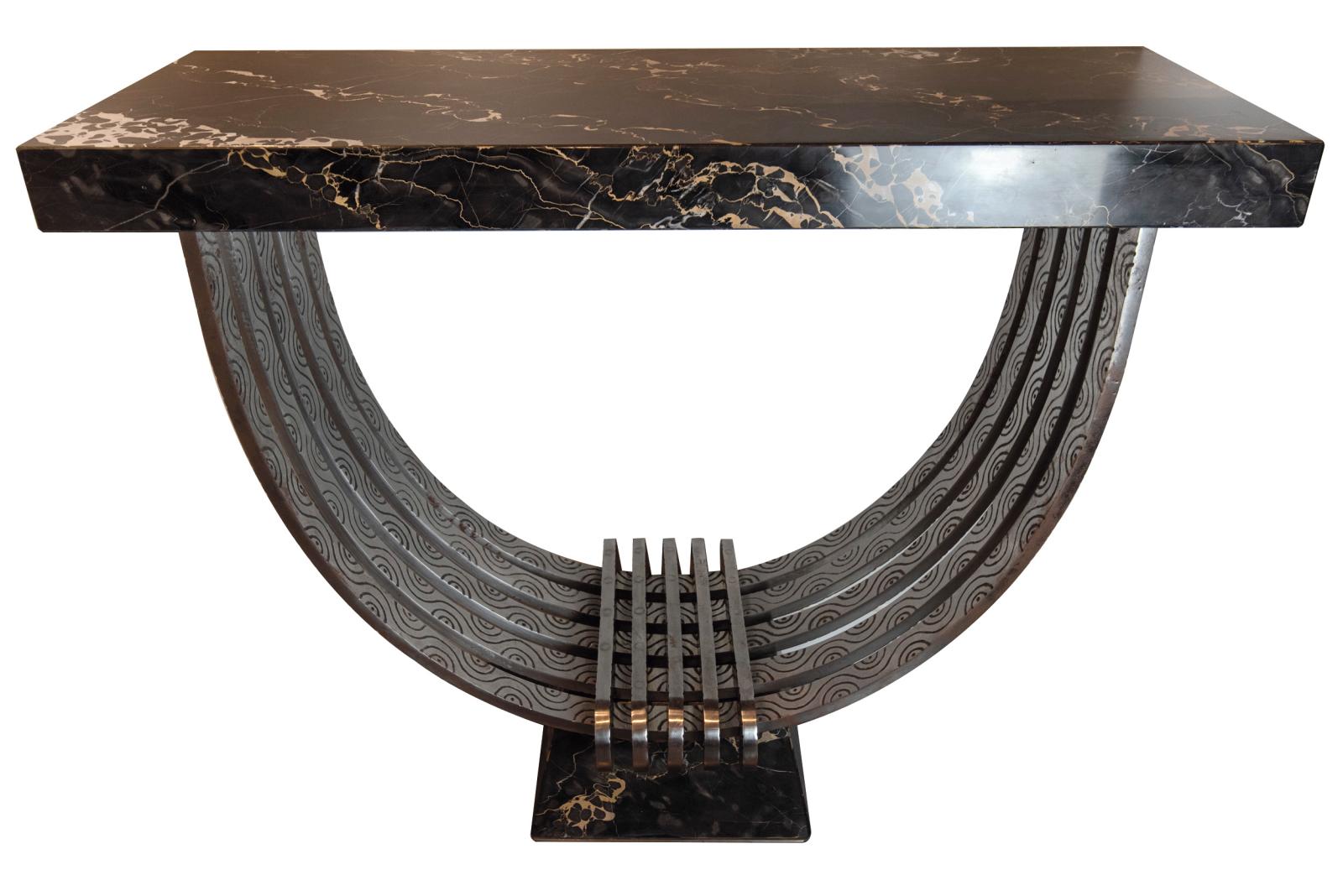
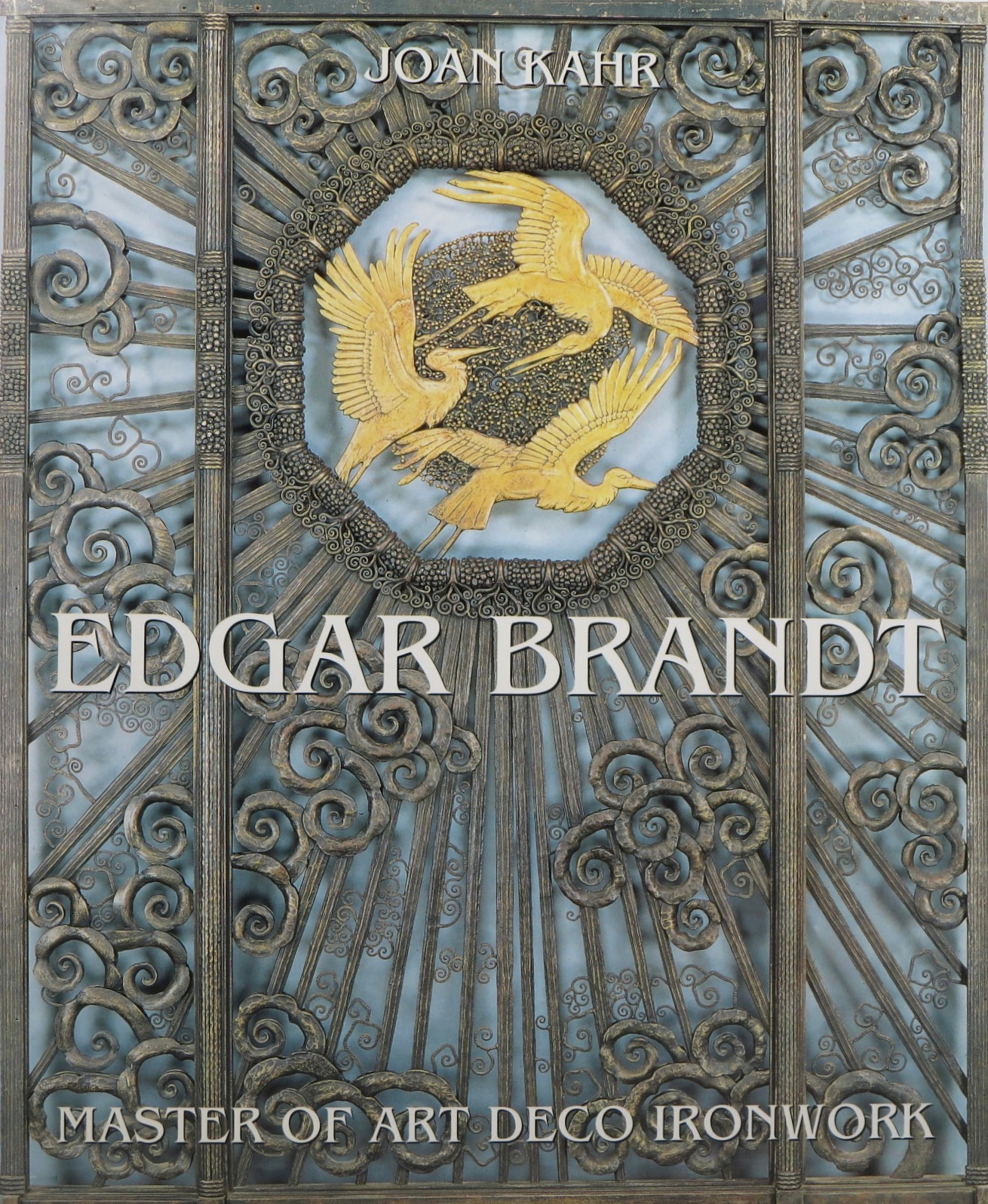

Brandt’s art and impact reach far beyond the beauty of his individual works. His designs transformed wrought iron into a refined artistic medium, elevating it from industrial utility to sculptural sophistication. He developed a visual language where strength met grace, turning hard metal into flowing, rhythmic compositions. His furniture, lighting, and architectural elements were admired for their balance between modern form and classical influence. After World War I, Brandt also designed numerous memorials, most notably the Monument aux Morts de Verdun, blending solemnity with elegance. In the 1930s, he expanded his work through Société Brandt, a company that merged high design with mass production while maintaining artisanal quality. His creations became symbols of modern French luxury and craftsmanship, featured in prestigious institutions such as the Musée des Arts Décoratifs and the Metropolitan Museum of Art. Through his work, Edgar Brandt established a timeless standard for how artistry and industry could coexist in perfect harmony.
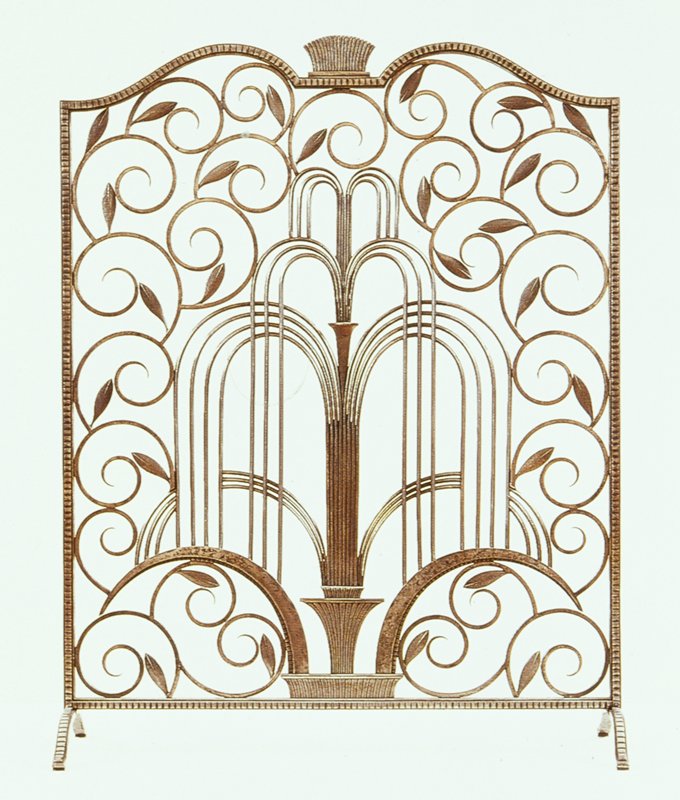

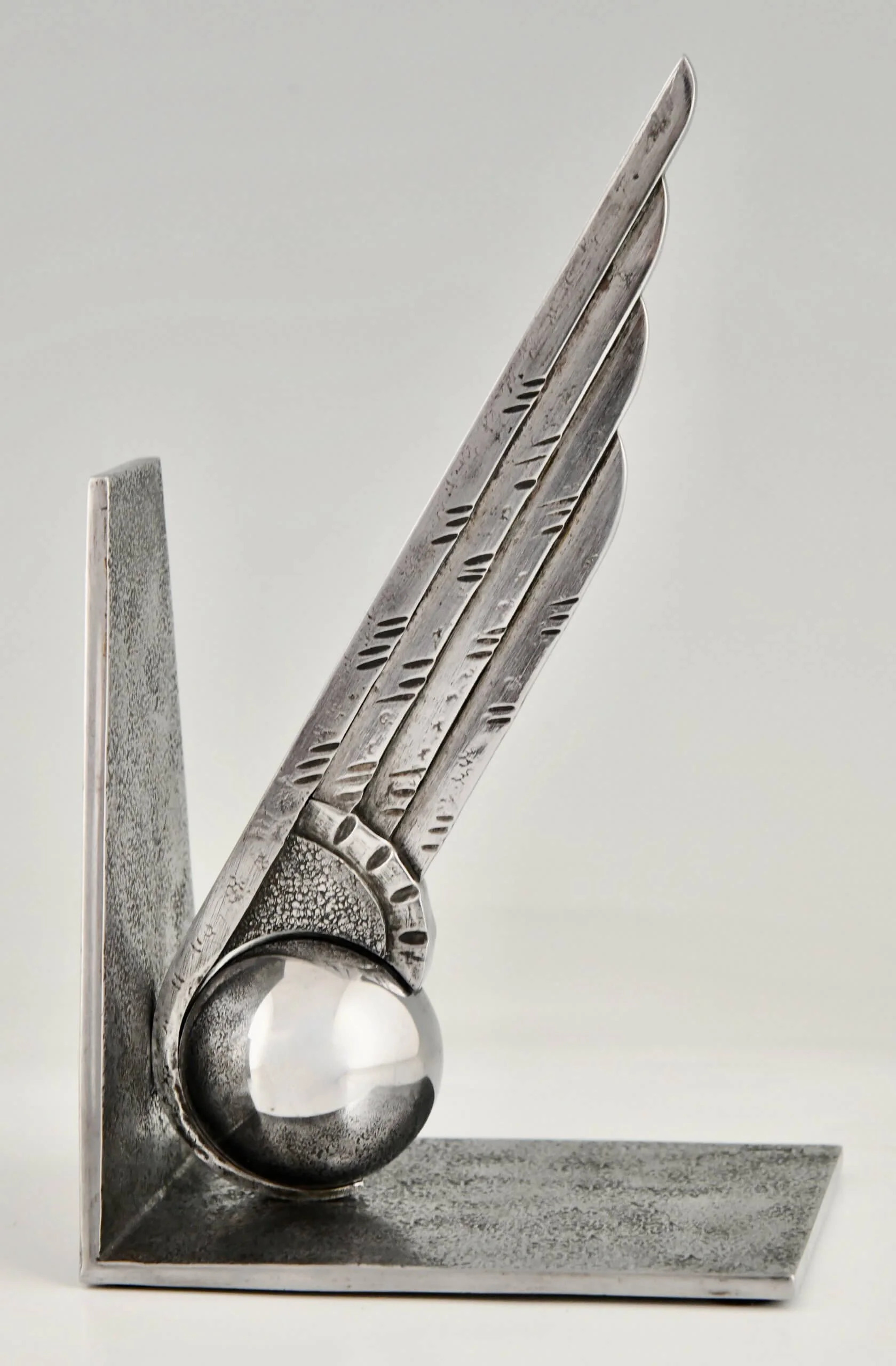
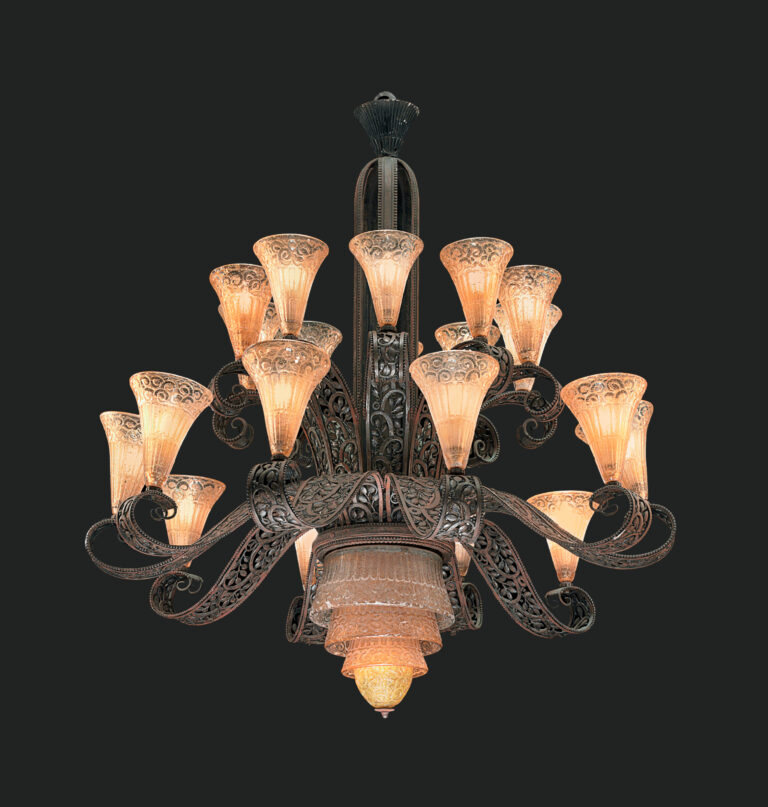

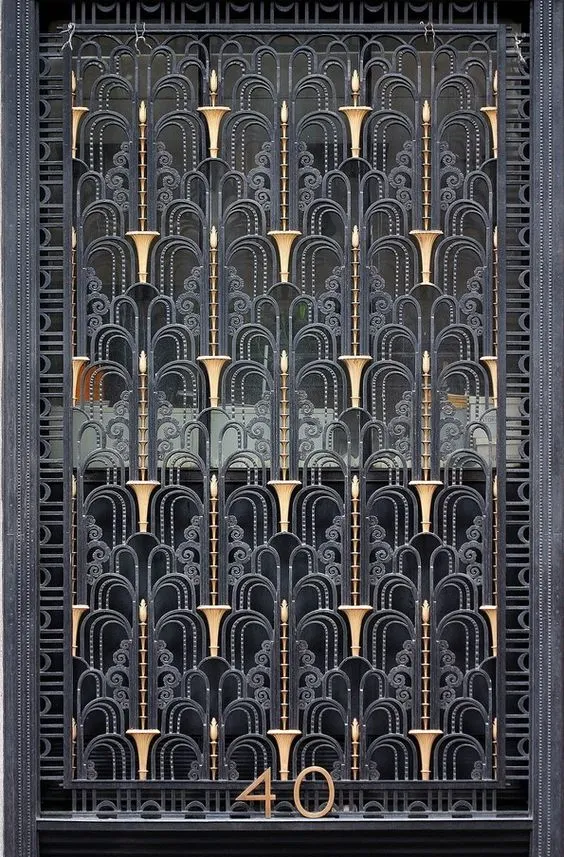
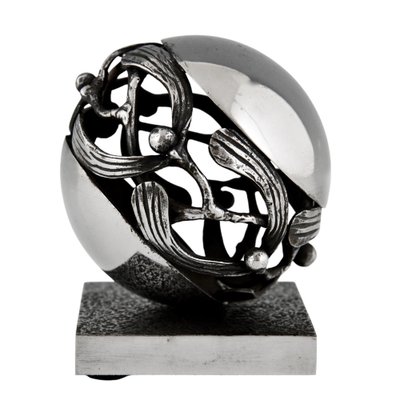
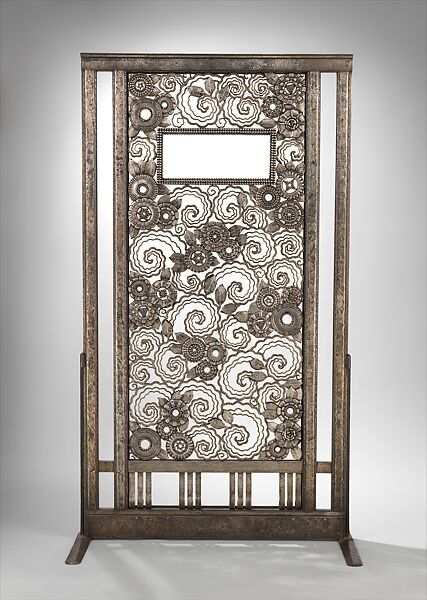
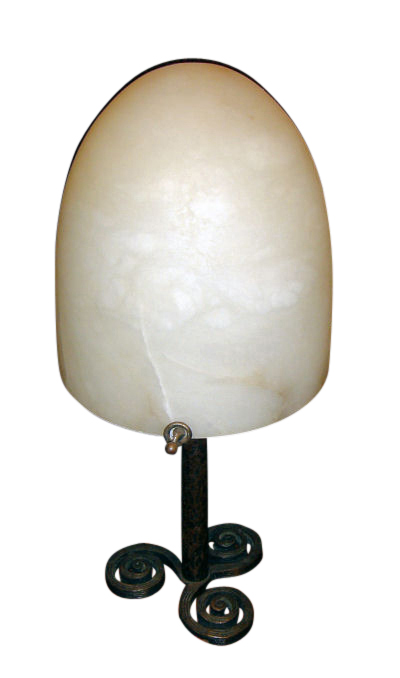
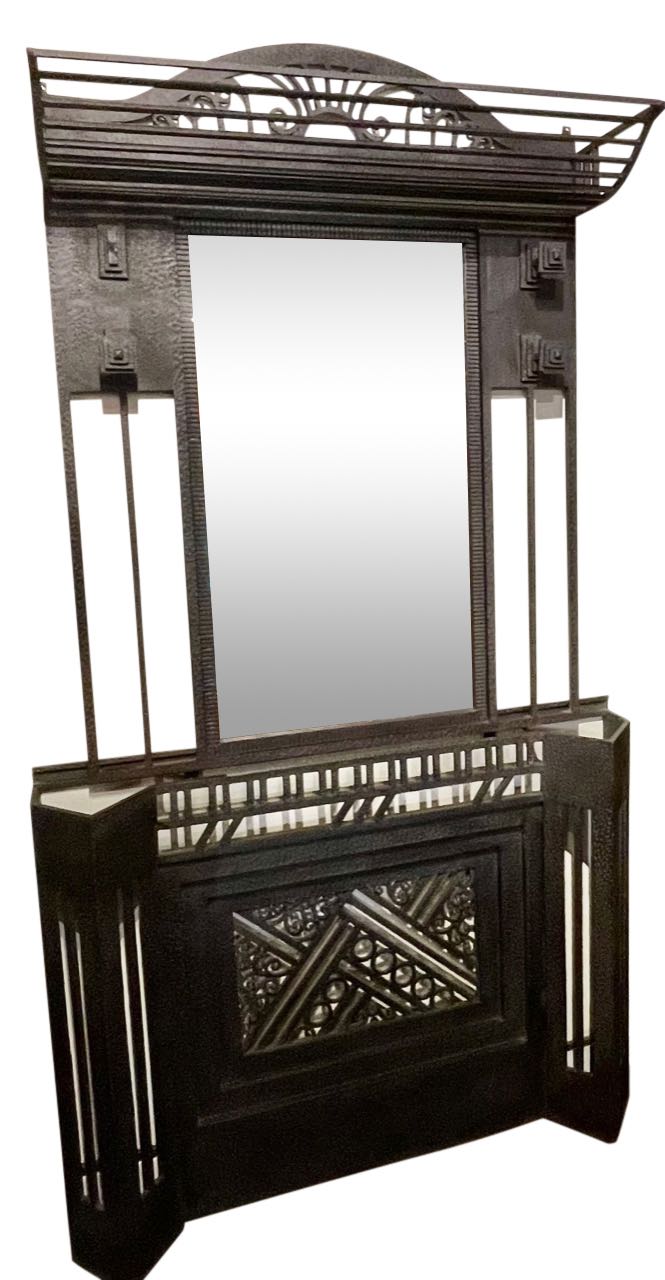
Brandt’s style merged technical precision with graceful design, transforming metal into a medium of beauty and expression. He mastered the contrast between strength and delicacy, shaping wrought iron into fluid, rhythmic patterns inspired by nature and geometry. His early work echoed Art Nouveau’s organic lines, but as his vision matured, he embraced the symmetry, order, and bold simplicity of Art Deco. Brandt often combined iron with glass, creating luminous contrasts that highlighted the interplay between transparency and structure. His furniture, gates, and lighting fixtures embodied a sense of movement and balance, where every curve was measured and every motif intentional. The motifs he favored, sunbursts, stylized foliage, and abstract forms, added rhythm and vitality without overwhelming the form. He treated even the most utilitarian objects as opportunities for elegance, insisting that beauty and function coexist.
Key Influences:
Paris 1925 Exposition: Brandts monumental La Porte d’Honneur, created with Rene Lalique, became one of the defining symbols of the exhibition and established wrought iron as an Art Deco art form.
Industrial Engineering: His training in metallurgy and mechanical design introduced precision and technical rigor to decorative arts.
Art Nouveau: Provided his early vocabulary of organic, flowing forms that later evolved into the structured elegance of Art Deco.
Architectural Collaboration: His work with architects on gates, staircases, and memorials integrated art directly into the built environment.
Monumental Design: Projects like the Verdun memorial redefined how metal could convey solemnity and national pride.
Modern Classicism: Balanced innovation with timeless proportion, shaping the visual language of modern French design.
Societe Brandt: His fusion of industrial production with artisanal standards influenced future generations of designers seeking to unite craft and commerce.
If you are interested in further stories of the artists who shaped Art Deco, return to our artists page to browse the full directory.
Related Products from ArtDecoCollection.com