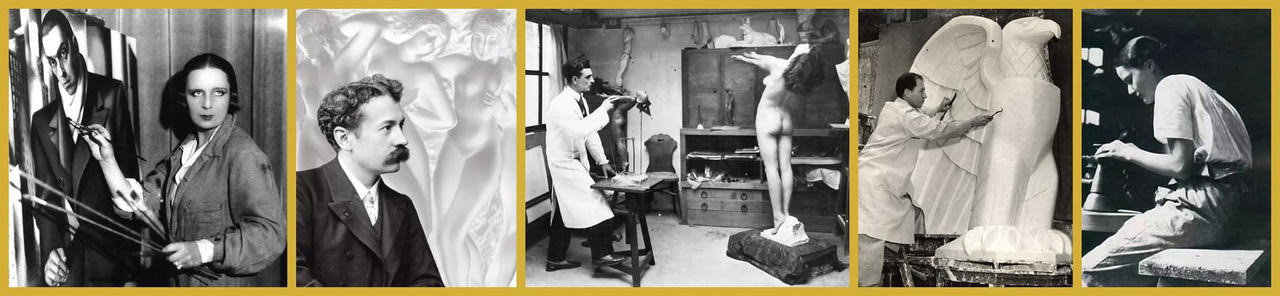
Bernard Boutet de Monvel
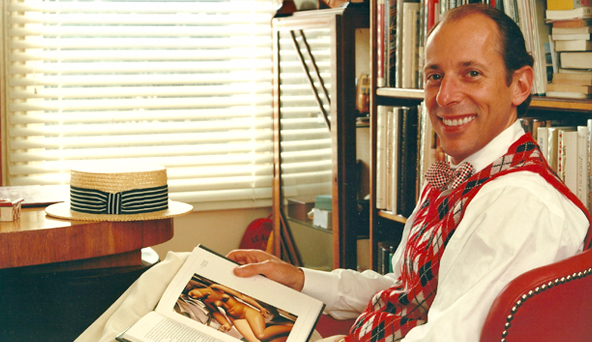
Charles Louis André Bernard Boutet de Monvel was born on August 9, 1881, in Paris, the son of the painter and children’s book illustrator Maurice Boutet de Monvel. His older brother Roger became a fashion writer, and his cousins included the illustrators Georges Barbier and Pierre Brissaud. He studied with Luc-Olivier Merson and Jean Dampt and spent time at the Académie Julian. In 1898 an American painter introduced him to etching, and he mastered the colour method that used a separate plate for each colour. His colour etchings established his reputation while he was still a teenager. He was called up as a reservist in 1914, and after several plane accidents on the Macedonian front he left in June 1917. He was a well-known dandy with an innate sense of style and a reputation for elegant dress. He was honored with the Légion d’honneur and died on October 28, 1949, on São Miguel Island in the Azores, in the crash of the airliner he was traveling on.
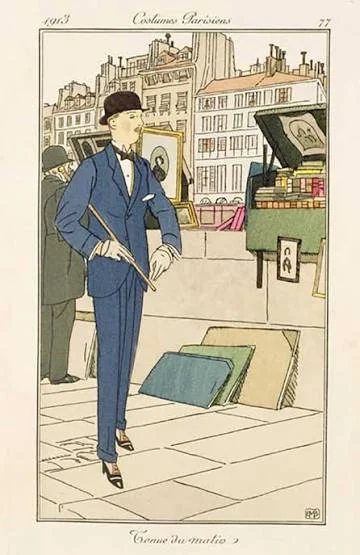
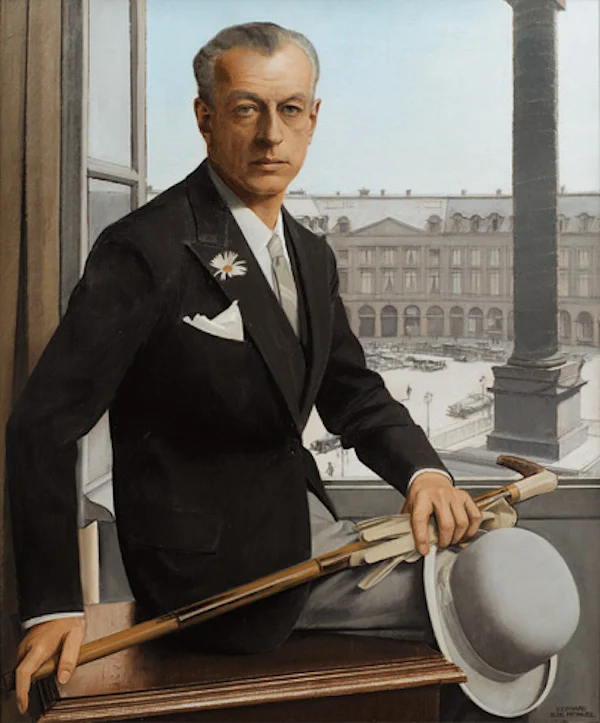
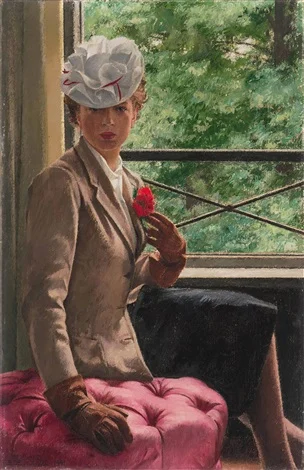
Boutet de Monvel began exhibiting oil portraits at the Société Nationale des Beaux-Arts in 1903 and showed his first decorative painting at the Salon d’Automne in 1905. In 1909 he exhibited a manifesto painting titled Esquisse at the Devambez Gallery, a portrait built using only a ruler and a compass. Critics mocked it as “rectilinear painting,” yet it laid the foundation for his signature style and pointed the way toward Art Deco. For financial reasons he also drew fashion illustrations for Fémina and the Gazette du Bon Ton, and between the wars his work appeared in Vogue and Town & Country. Harper’s Bazaar signed him exclusively from 1926 to 1933. His Moroccan paintings and bas-reliefs, which he always considered his finest work, were shown in 1925 at the Henri Barbazanges gallery under the patronage of Marshal Lyautey. He became the favored portraitist of American café society and painted many of the era’s prominent millionaires, and the art historian Stéphane-Jacques Addade has compared him to Andy Warhol as the painter of the wealthy of his day. Between 1929 and 1934 he painted four portraits of the Maharaja and Maharani of Indore, shown at the Musée des Arts Décoratifs in the 2019 exhibition Moderne Maharajah. His work is held by the Musée des Arts Décoratifs in Paris and the Metropolitan Museum of Art in New York, and Yves Saint Laurent and Pierre Bergé collected his sketches, which now belong to the Musée YSL in Marrakech.
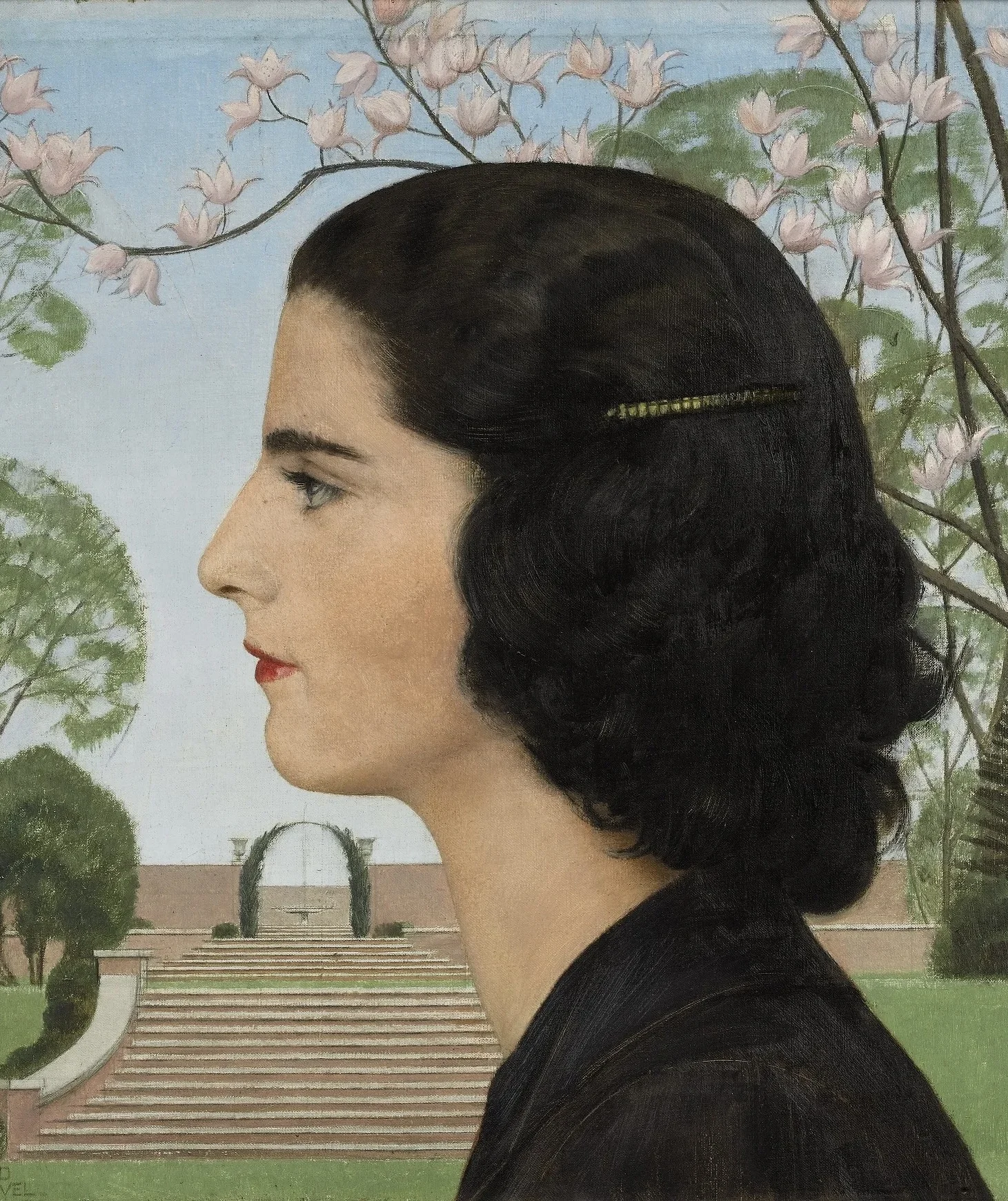
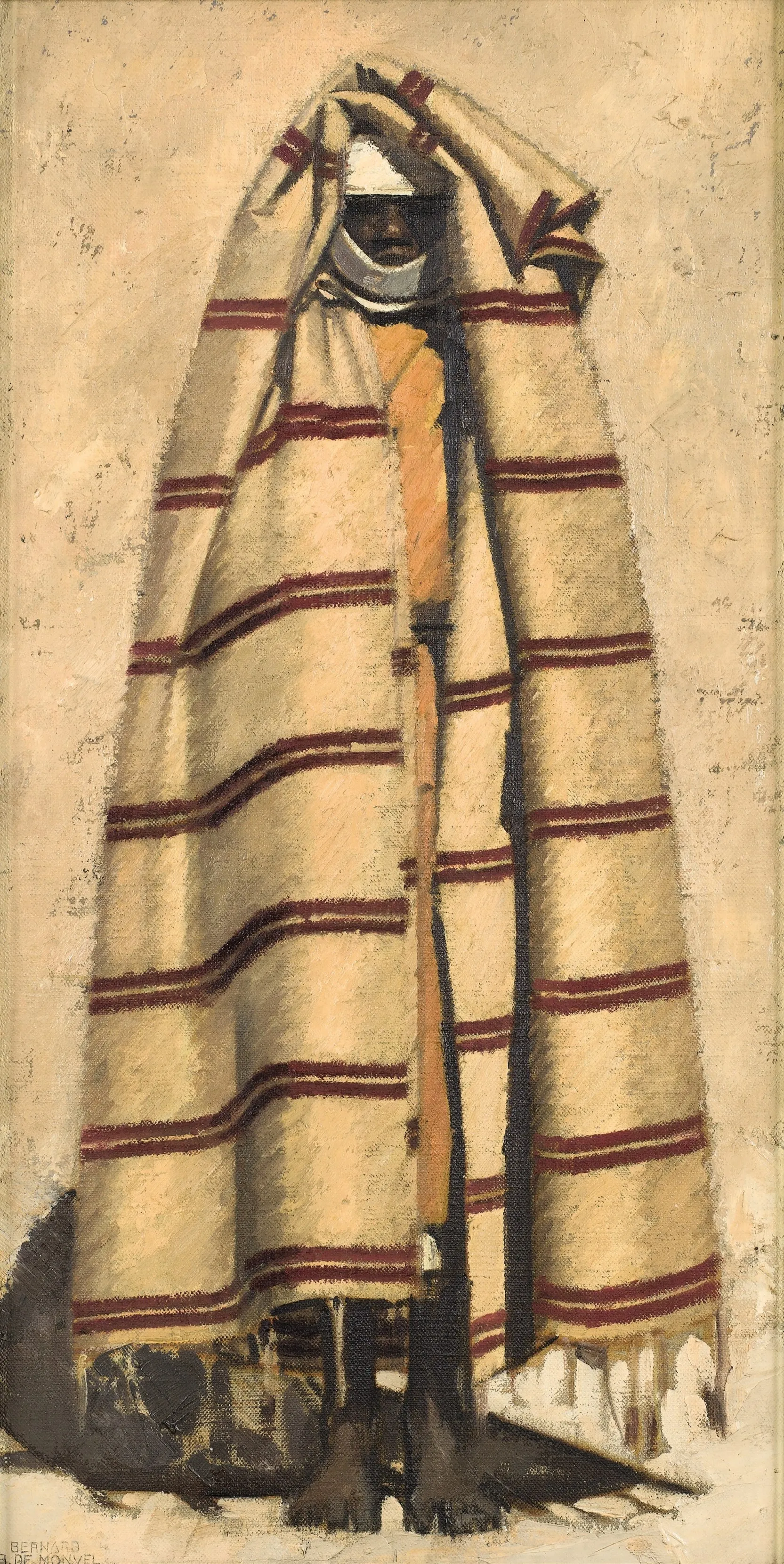
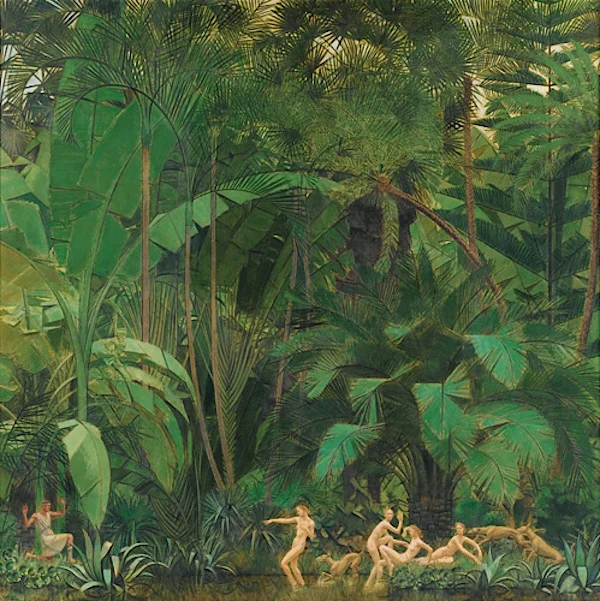
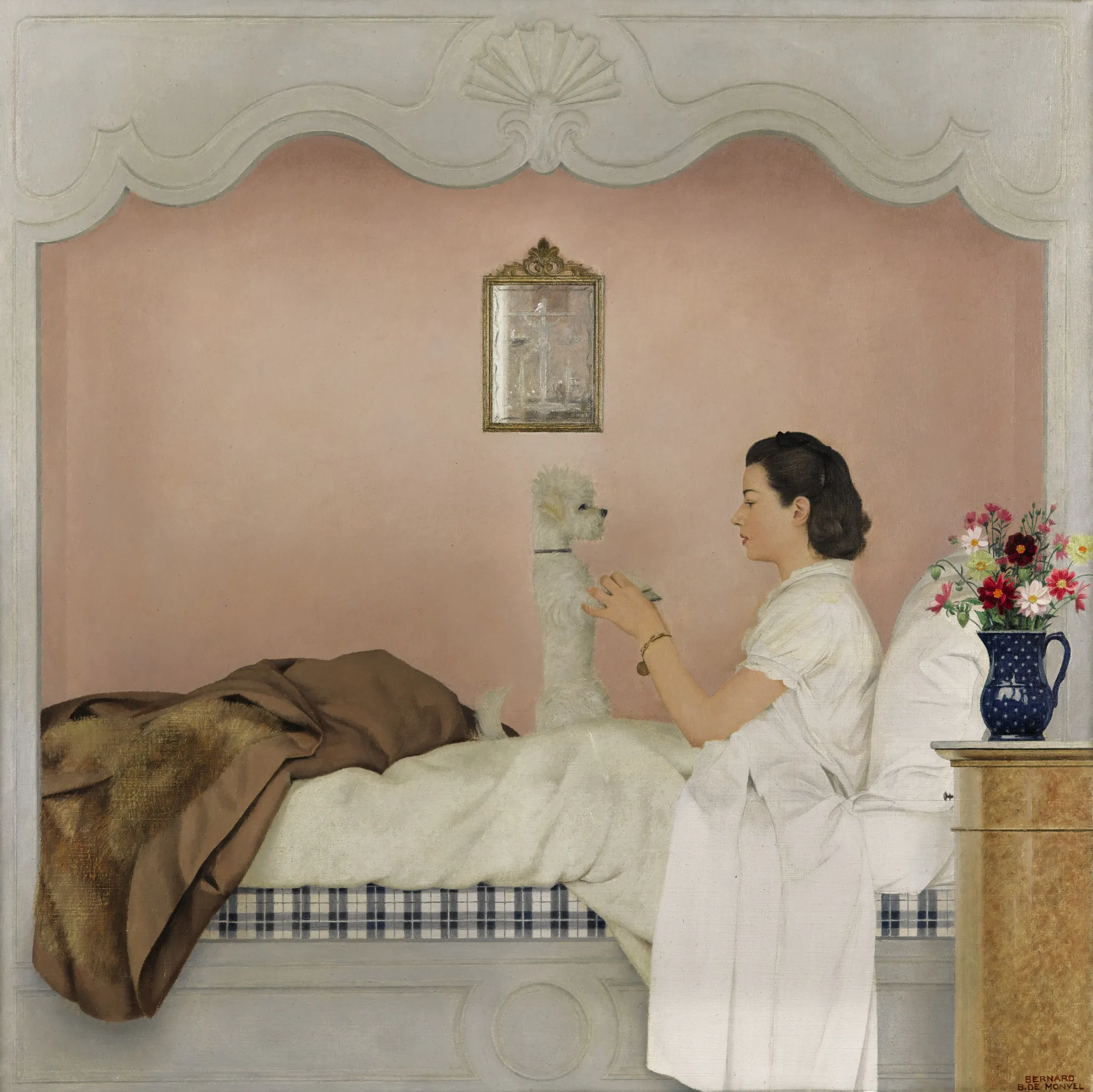
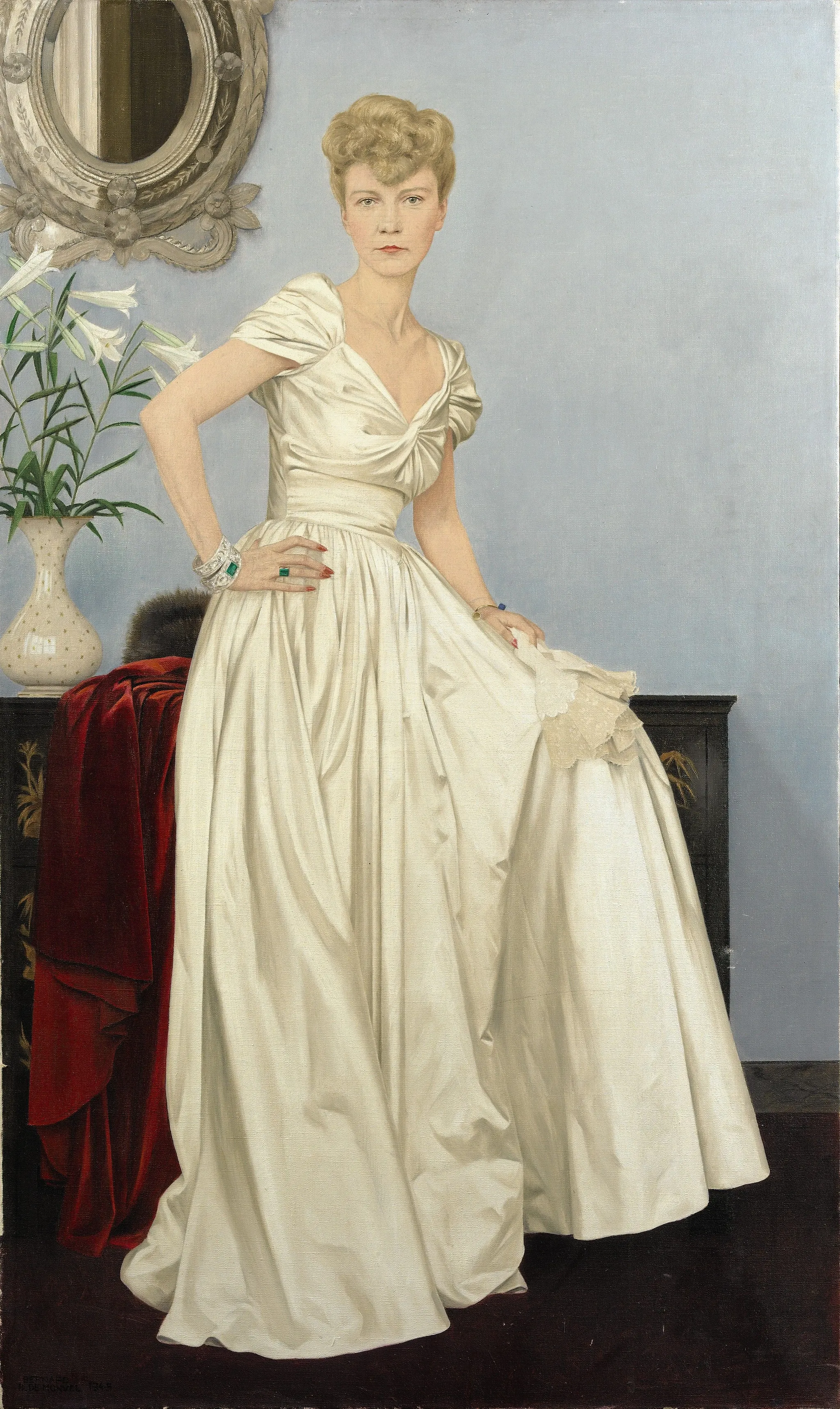
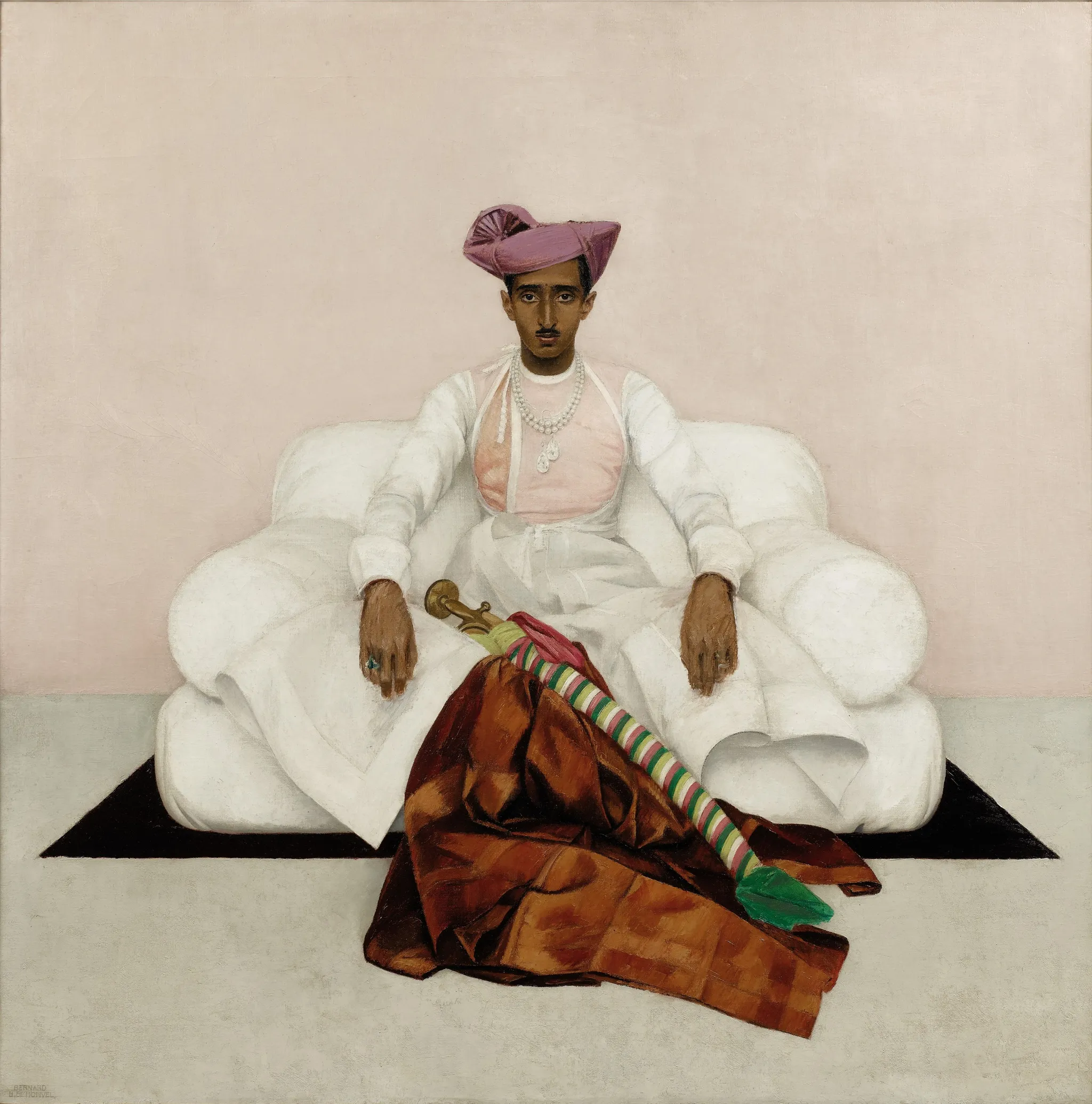
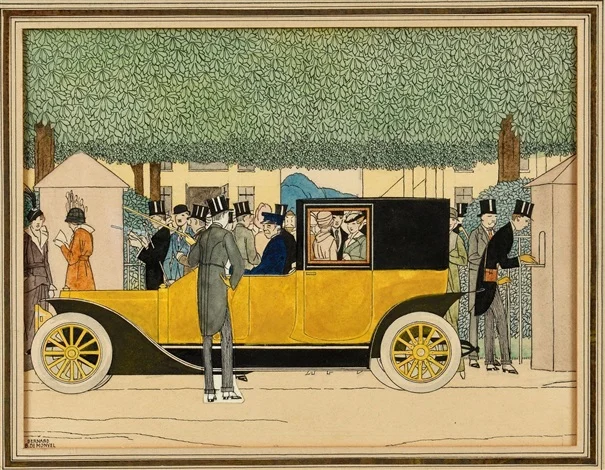
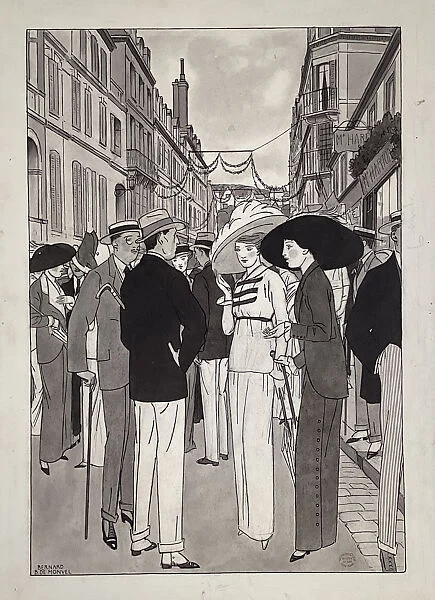
Boutet de Monvel built his figures with solid, simplified construction and a precise geometric line, using a muted palette that kept attention on form. His portraits of sportsmen and dandies reduced elegance to clean planes and sharp edges, a modern vision close to that of the American Precisionist painters. Writing in 1927, the critic Paule de Gironde described him as an architect and sculptor at heart, a lover of line and form and the balance between them.
Key Influences
- Origins of Art Deco: His geometric painting of 1909 anticipated the Art Deco style years before the term existed.
- High Society Portraiture: He became the defining portraitist of American café society between the wars.
- Fashion Illustration: His crisp drawings for Harper’s Bazaar and Vogue helped shape the image of masculine elegance.
- Indore Portraits: His portraits of the Maharaja and Maharani became defining images of 1930s modernist patronage.
- Transatlantic Taste: His following among the American upper class carried French modernist style across the Atlantic.
If you are interested in further stories of the artists who shaped Art Deco, return to our artists page to browse the full directory.
Related Products from ArtDecoCollection.com