


Aubrey Beardsley
Aubrey Vincent Beardsley was born on August 21, 1872, in Brighton, Sussex, England, the son of Vincent Paul Beardsley, who came from a family of tradesmen but relied on private income rather than a trade of his own. Drawing was a passionate interest from early childhood, and Beardsley continued to practice it throughout his youth while earning a living as a clerk. In 1891, at the age of eighteen, he began seriously immersing himself in art, visiting galleries and exhibitions and discovering the work of Dante Gabriel Rossetti, an encounter that fueled his ambition to become an artist himself. That same year he met the celebrated painter Sir Edward Burne-Jones, whose praise of Beardsley’s work and encouragement to pursue formal training led him to attend evening classes at the Westminster School of Art, his only professional artistic instruction. A pivotal trip to Paris in 1892 exposed him to the bold poster designs of Henri de Toulouse-Lautrec and to Japanese woodblock printing, influences that would fundamentally shape his mature style. He became a close friend of the notorious Oscar Wilde and moved within the same decadent literary and artistic circles that scandalized late Victorian society. He died from tuberculosis on March 16, 1898, in Menton, France, at only 25 years old, having compressed an entire influential career into roughly seven working years.
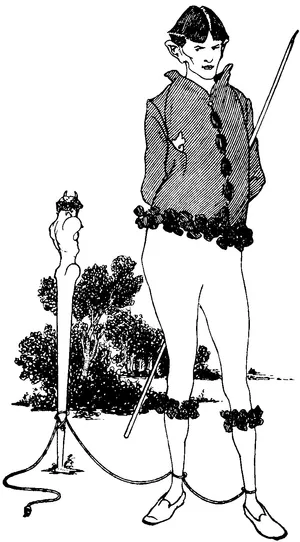
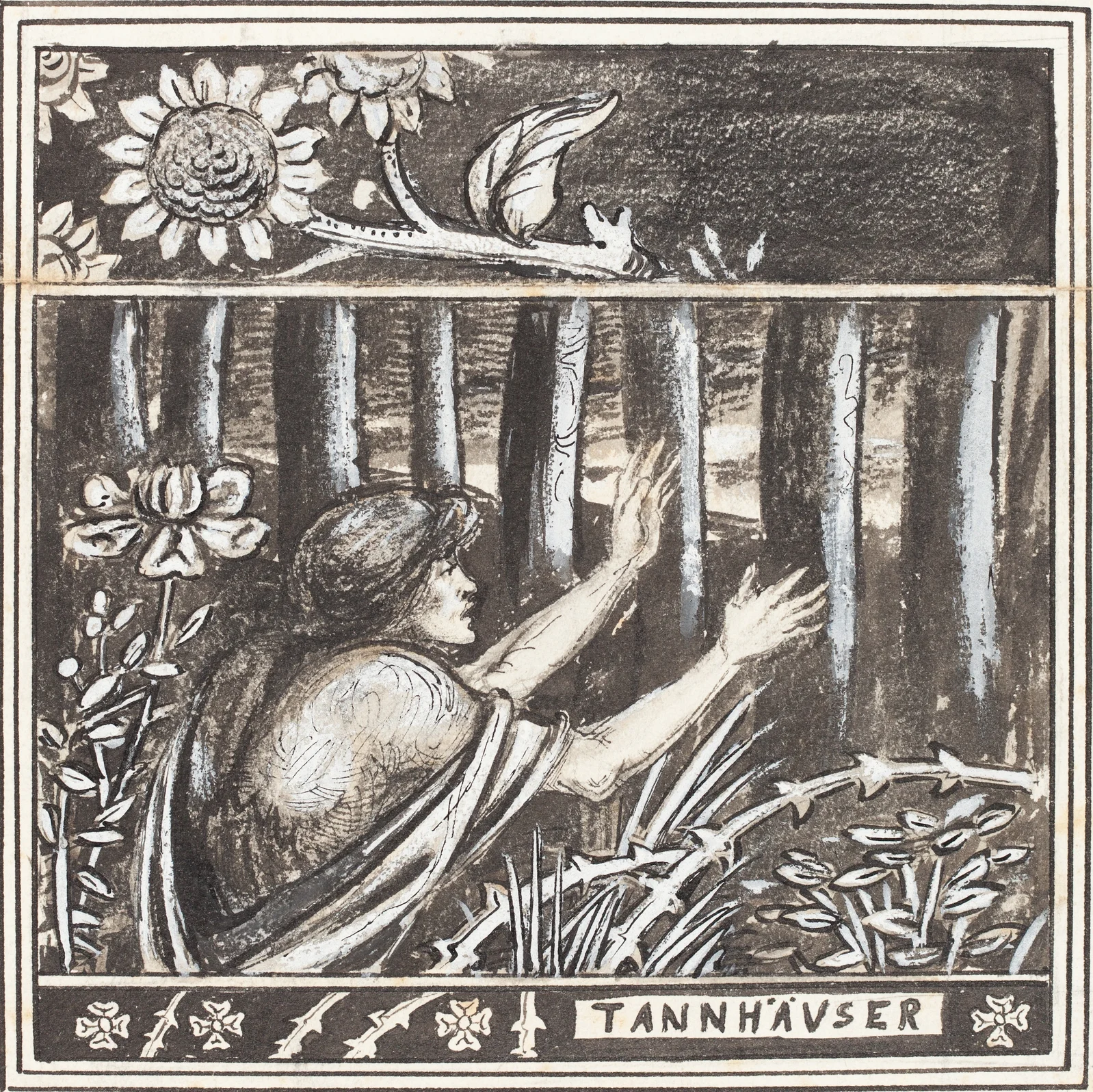
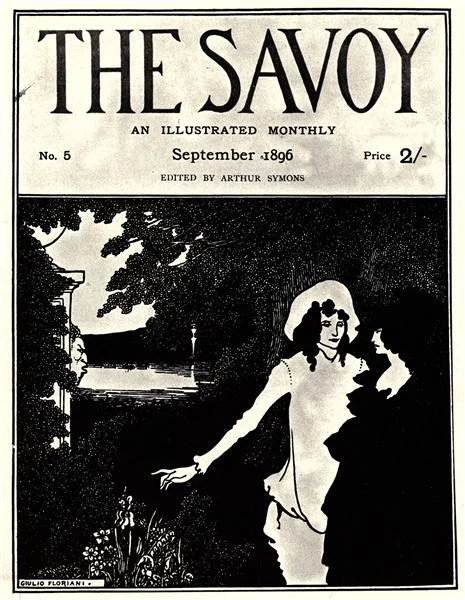
In 1893, Beardsley was commissioned to illustrate a new edition of Sir Thomas Malory’s Le Morte d’Arthur, his first major professional undertaking, which brought together his precise linear style with the medievalism inherited from his Pre-Raphaelite influences. In 1894 he achieved widespread notoriety for his illustrations to Oscar Wilde’s play Salomé, images whose obvious sensuality and morbid eroticism scandalized critics and public alike. That same year he became art editor of The Yellow Book, the controversial quarterly literary periodical that became a defining publication of 1890s British Aestheticism and Decadence. His later work grew increasingly explicit, with his 1896 illustrations exploring openly licentious and erotic themes drawn in part from Japanese shunga artwork, some featuring exaggerated genitalia that pushed against the boundaries of what Victorian publishing would tolerate. Despite the brevity of his career, his contribution to the development of Art Nouveau and poster design was profound, and his work went on to charm and influence artists as significant as Picasso, Klimt, and Kandinsky. His illustrations were reproduced through block printing techniques that allowed for easy and wide circulation, ensuring his visual vocabulary spread rapidly across Europe. He satirized Victorian anxieties about sex and gender at a moment when the women’s movement was making real gains in economic and educational opportunity, using his art as a vehicle for social commentary as much as aesthetic experimentation. By his death at 25 he had already secured a permanent place as the outstanding English illustrator of his decade.
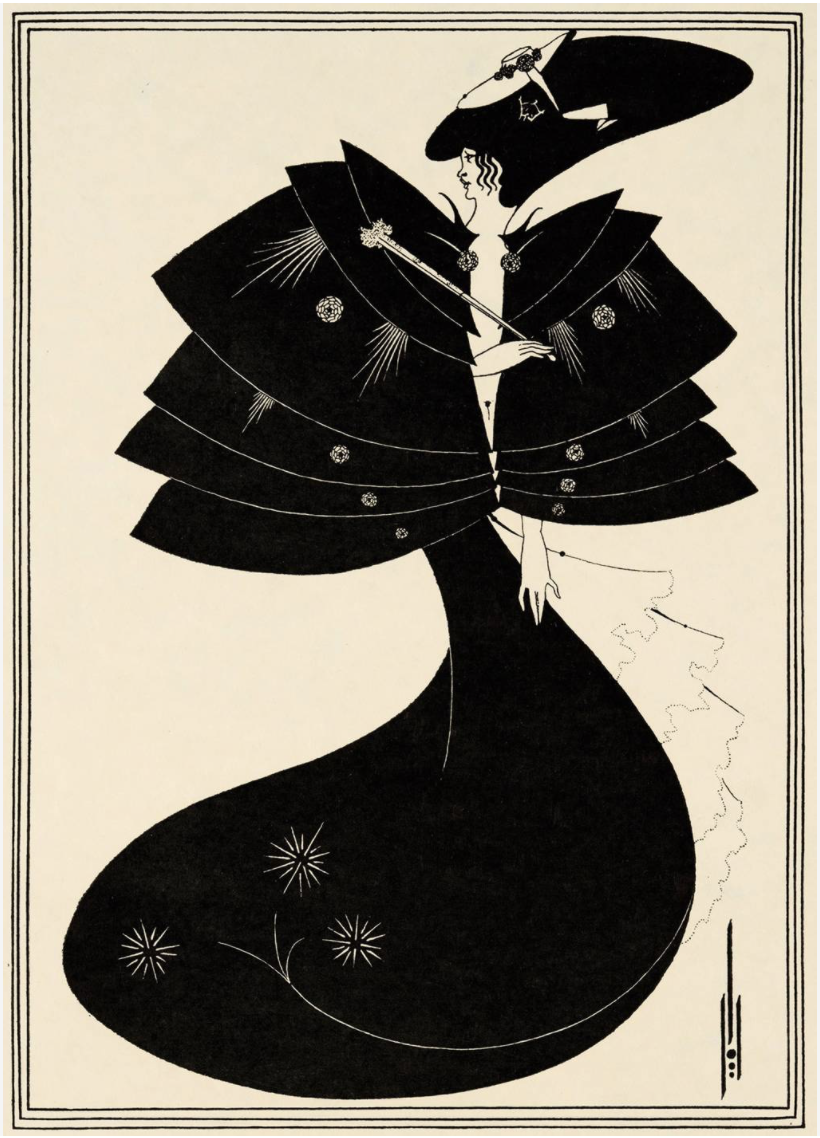
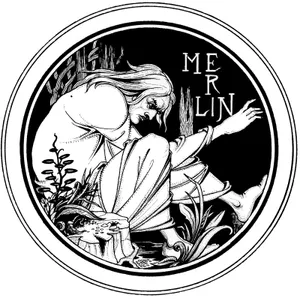
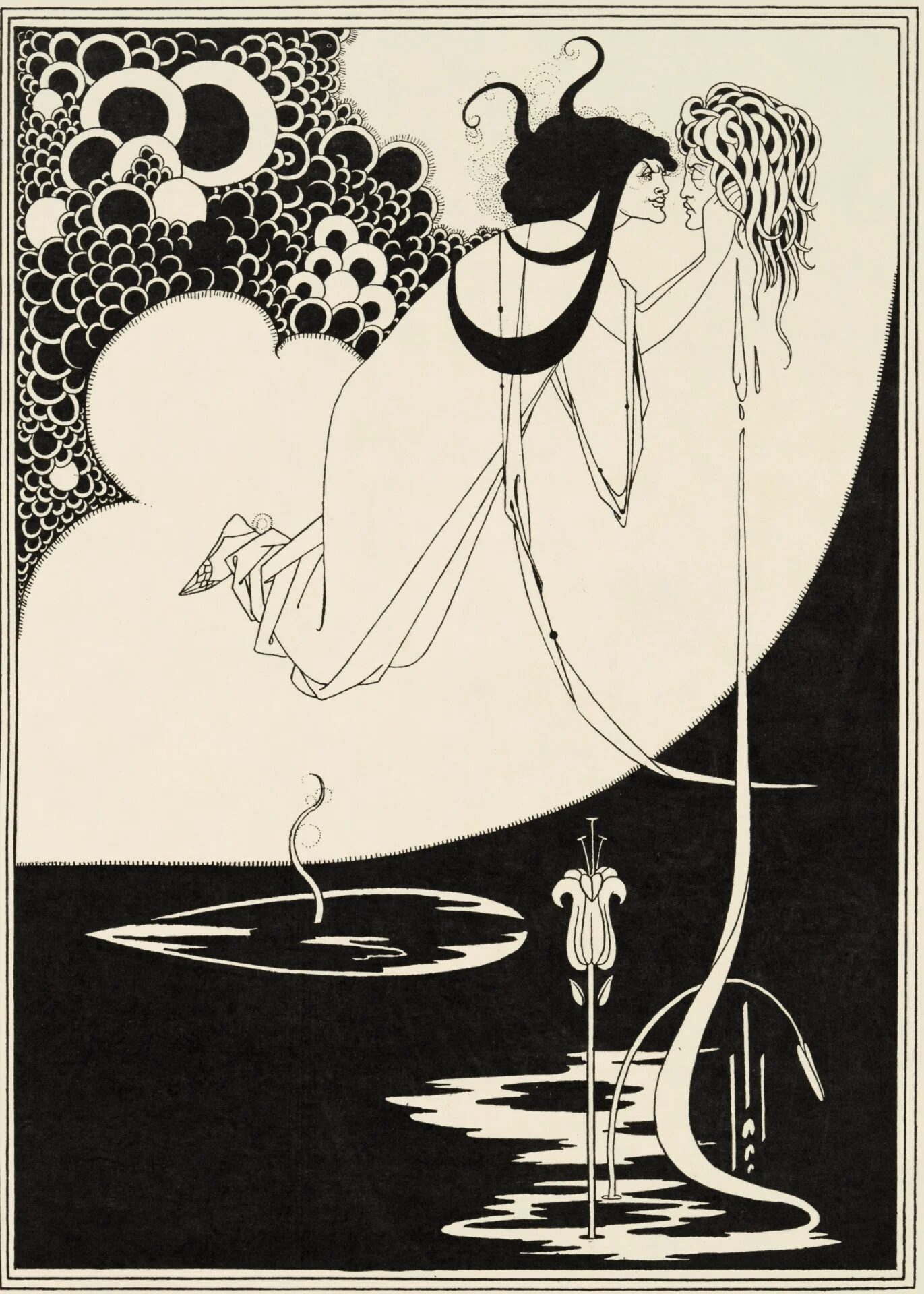
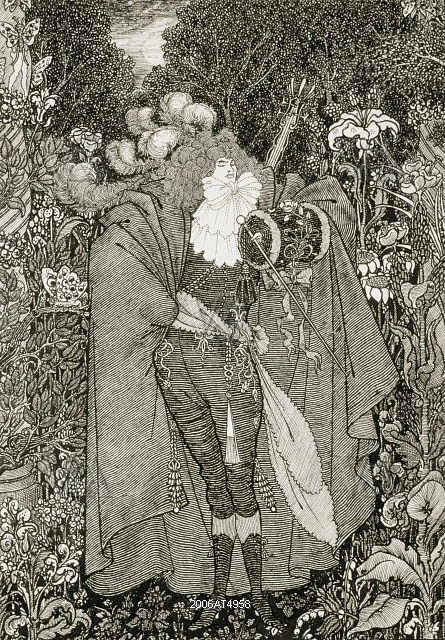
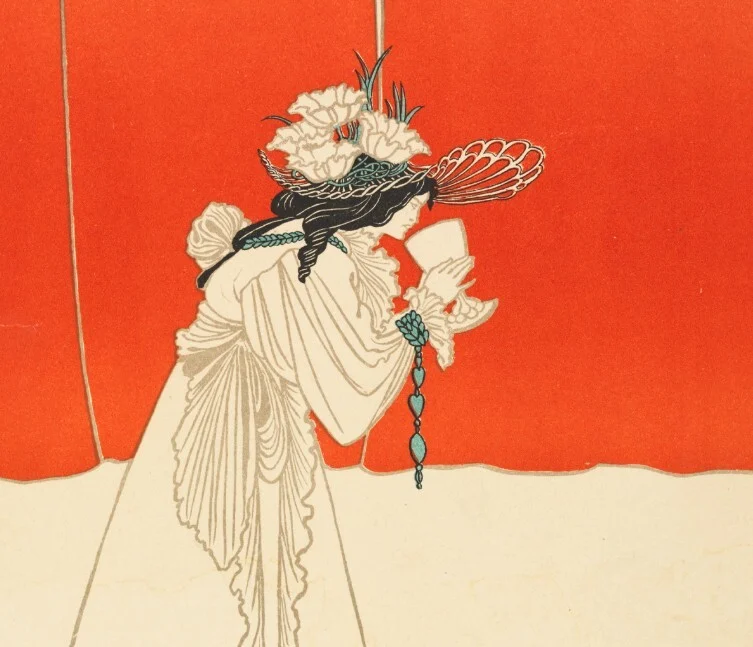
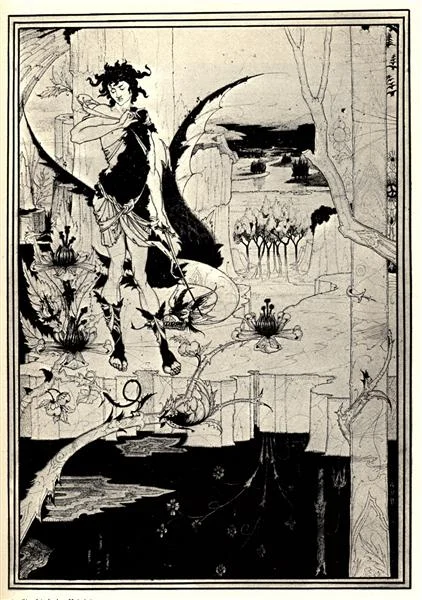
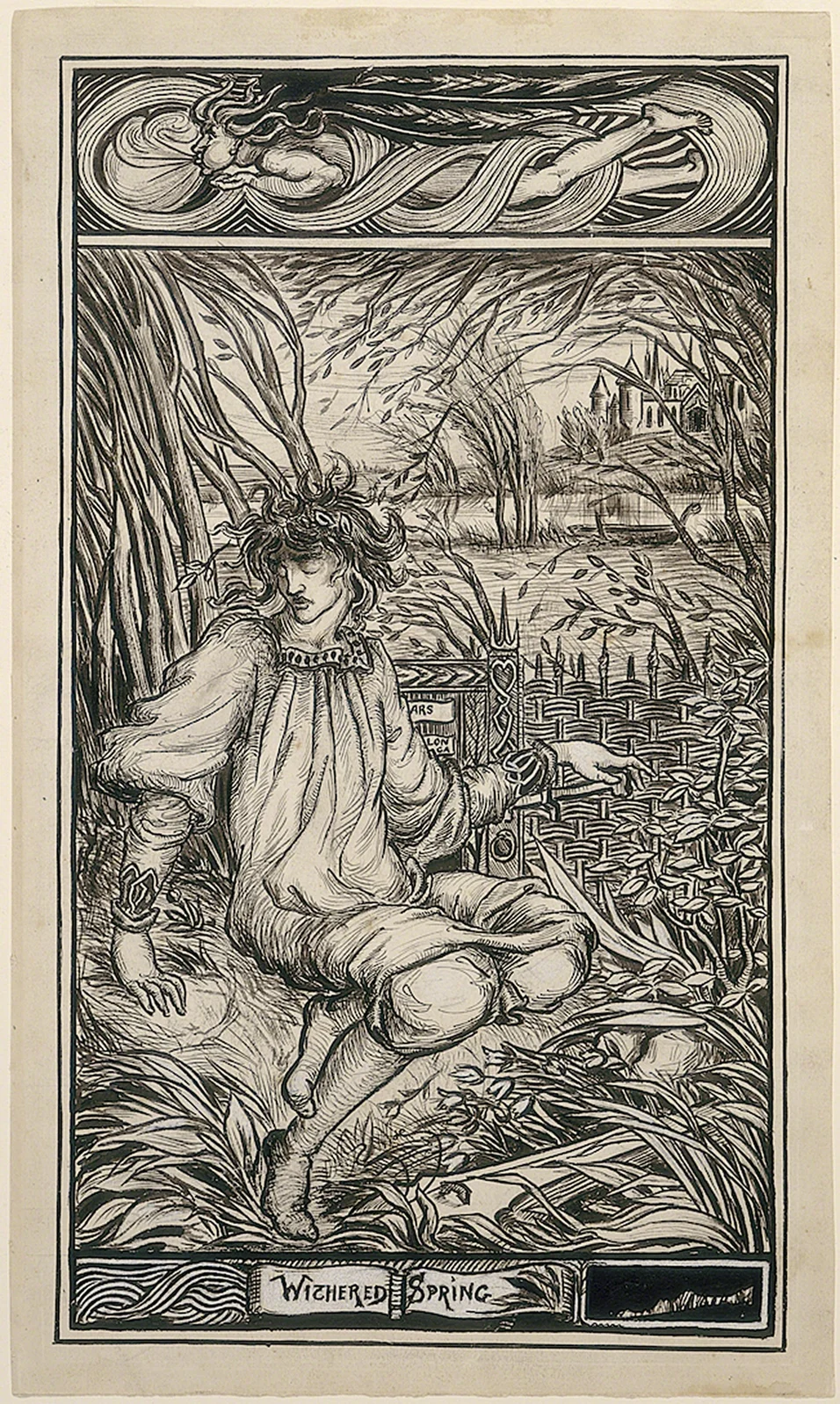
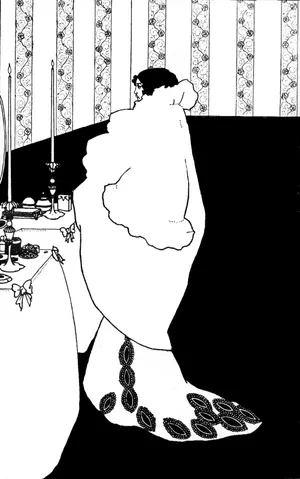
Beardsley’s illustrations were rendered in stark black ink against pure white backgrounds, their elaborate compositions and refined, definite lines drawing directly on the elegant curvilinear vocabulary of Art Nouveau and the flat, bold graphic sensibility of Japanese woodcuts. His work fused characteristics of Aestheticism, Decadence, and Symbolism into a distinctly personal visual language defined by an obsession with the grotesque, famously declaring, “If I am not grotesque, I am nothing.” Beneath the surface elegance of his linework ran a persistent undercurrent of morbid eroticism and dark humor that made his art simultaneously seductive and unsettling to his Victorian audience.
Key Influences
- Art Nouveau Graphics: He is widely considered the most influential master of Art Nouveau illustration, and his linear style shaped the visual language of the movement’s poster and book art across Europe.
- The Yellow Book: His editorship helped define the aesthetic and literary sensibility of 1890s Decadence, giving the movement one of its most recognizable visual identities.
- Japanese Influence in Western Illustration: His absorption of Japanese woodblock techniques into English graphic art helped popularize this cross-cultural exchange for a generation of illustrators that followed.
- Modernist Painters: His work directly influenced Picasso, Klimt, and Kandinsky, connecting a short-lived Victorian illustrator to the foundations of twentieth-century modern art.
- Erotic and Social Critique in Illustration: His willingness to confront Victorian sexual repression and gender anxiety through explicit, provocative imagery expanded what illustration could address as serious social commentary.
If you are interested in further stories of the artists who shaped Art Deco, return to our artists page to browse the full directory.
Related Products from ArtDecoCollection.com