
Arthur Radebaugh
Arthur Radebaugh was born in 1906 and became one of the most imaginative illustrators of the mid-twentieth century, best known for his futuristic visions that blended technology, design, and optimism. Though much of his personal life remains a mystery, his creative work left a strong mark on American visual culture between the 1930s and 1950s. He began as a commercial illustrator and airbrush artist, producing advertisements and magazine covers that celebrated innovation and modern living. His early work was rooted in the Art Deco movement, evident in his use of bold color, sweeping curves, and geometric precision. During the 1930s and 40s, Radebaugh developed a signature style that imagined streamlined cars, luminous cities, and a future powered by progress. He worked for companies like Chrysler and Bohn Aluminum, creating images that merged industrial design with fantasy. Even when depicting machines, his art maintained a sense of human optimism; an unwavering belief that technology could elevate daily life.


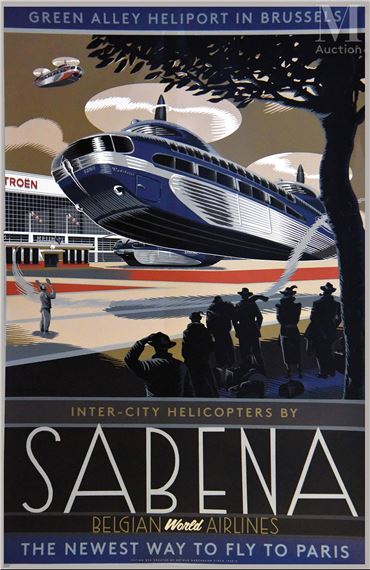
Radebaugh’s art evolved alongside America’s fascination with the future, from the chrome-plated optimism of the prewar era to the atomic age of the 1950s. His illustrations often portrayed utopian cityscapes, air-travel highways, and gleaming vehicles that reflected both the ideals and anxieties of modernity. Between 1958 and 1963, his syndicated newspaper strip Closer Than We Think! brought futuristic predictions to millions of readers, featuring inventions that foreshadowed real technologies such as smart homes, autonomous vehicles, and personal computers. His work captured the dual spirit of Art Deco and mid-century modernism, where streamlined form met social aspiration. Though Radebaugh’s fame faded after his death in 1974, later exhibitions and archival rediscoveries have restored him as a visionary who connected design, art, and imagination. Today, his illustrations are celebrated as cultural time capsules of how the past once dreamed about the future.
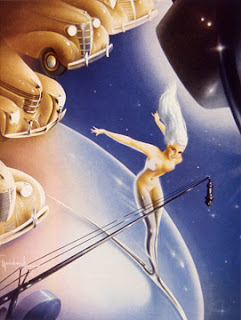

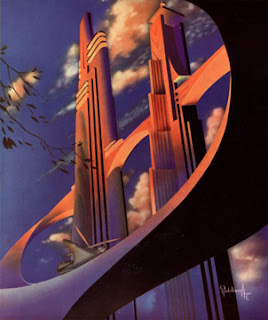
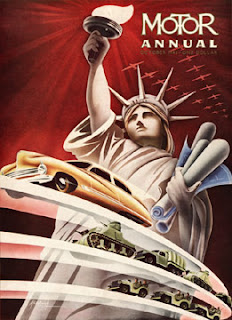


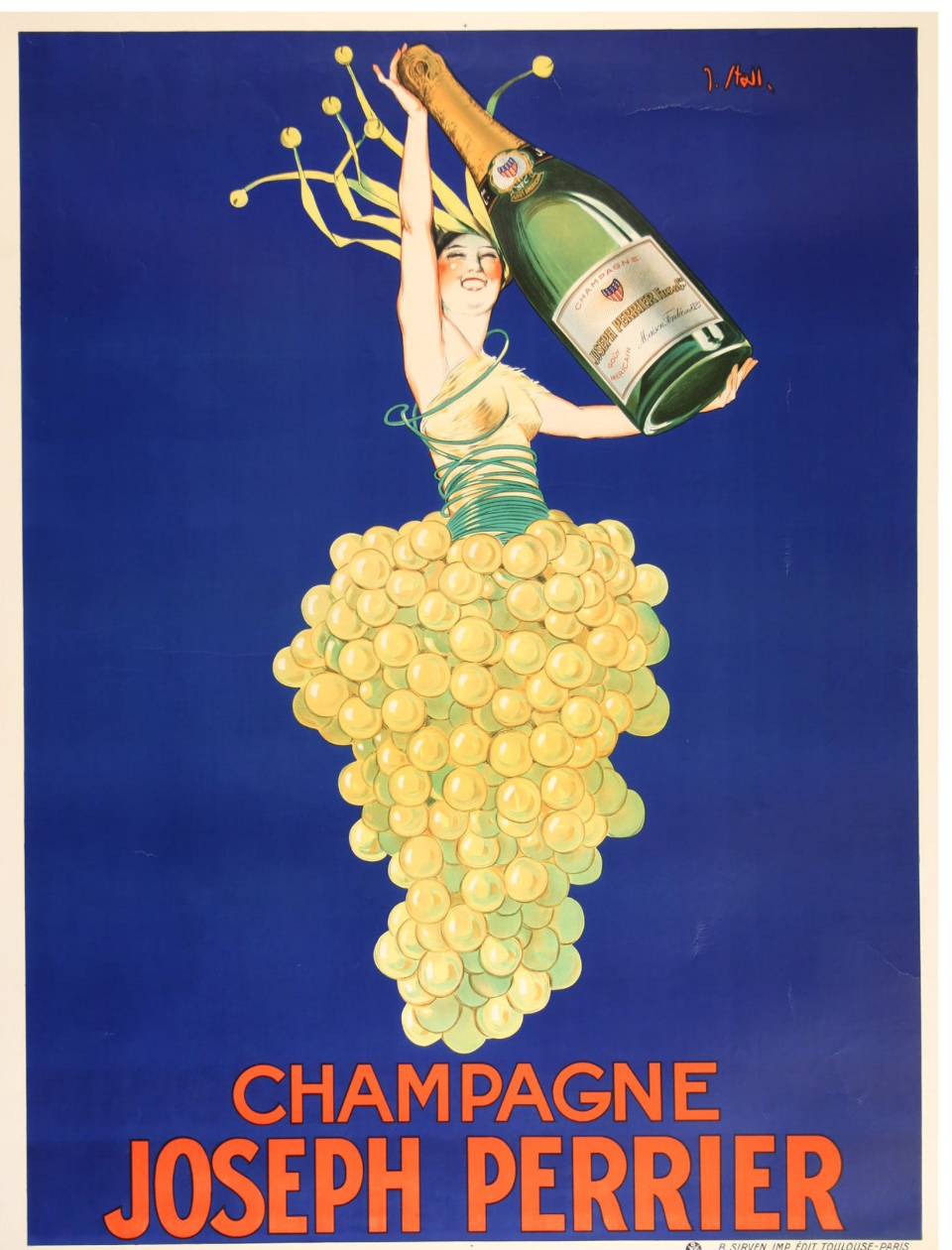
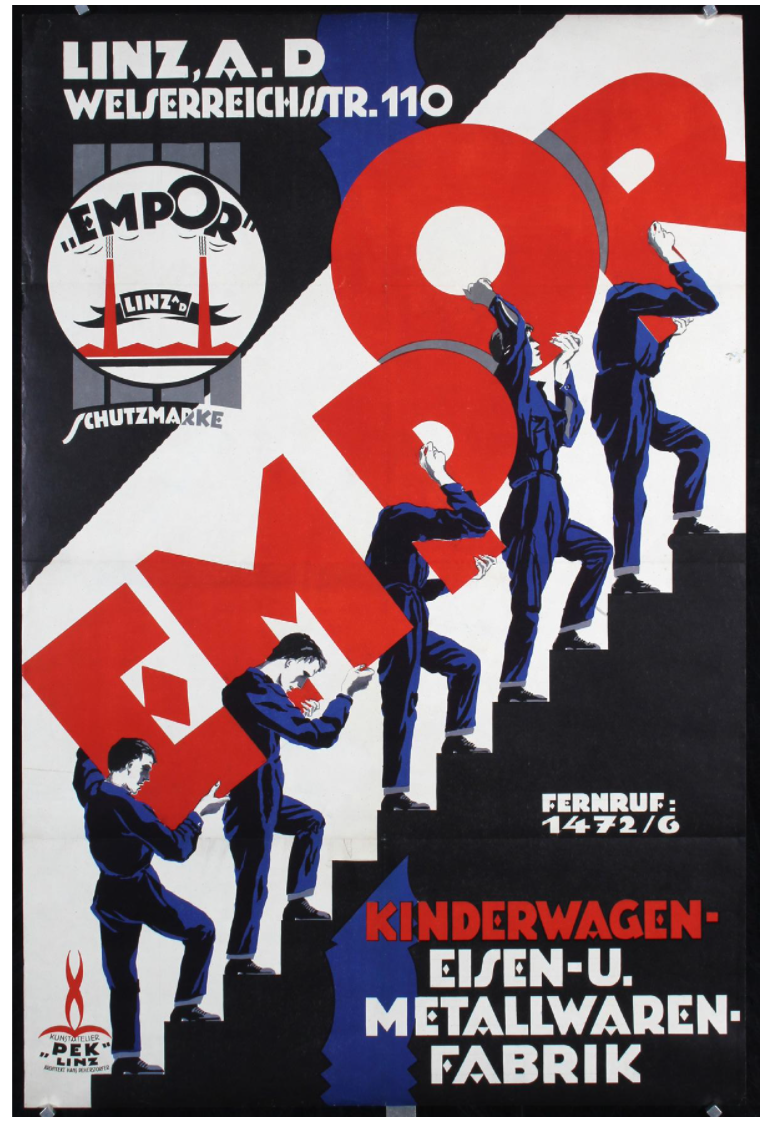
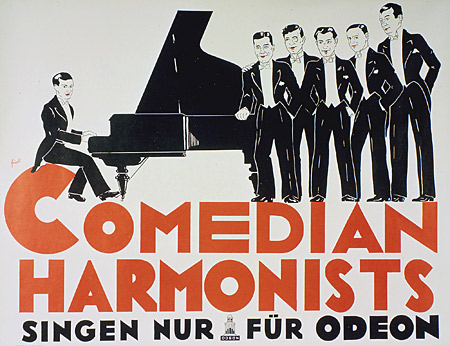
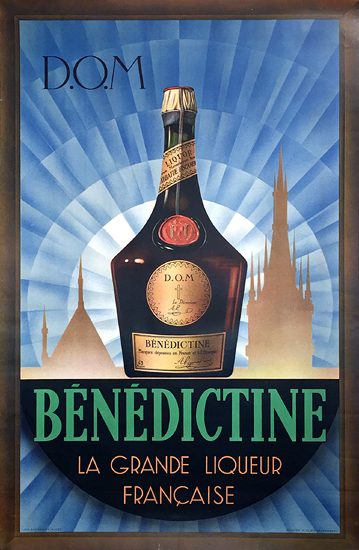
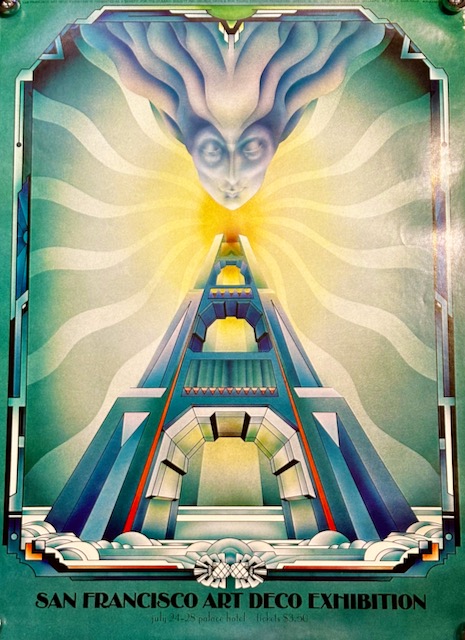
Radebaughs style combined Art Deco elegance with mid-century futurism. He used smooth gradients, vibrant color, and sweeping lines to create depth and movement. His airbrush technique gave metal surfaces and city skylines an almost luminous, otherworldly glow. Each composition balanced technical precision with romantic optimism, capturing both the beauty of machines and the wonder of human progress. His images embody the optimism of an age that saw design as the path to a better world.
Key Influences:
Art Deco and Streamline Design: The sleek geometry and metallic sheen of the 1930s shaped his approach to form and motion.
Industrial Modernity: Automobiles, aviation, and architecture inspired his futuristic subjects and aerodynamic compositions.
Science Fiction and Technology: He bridged pulp-era imagination with practical design, envisioning inventions decades ahead of their time.
Advertising and American Consumerism: His commercial background taught him how to make futuristic imagery visually persuasive and accessible.
Cultural Optimism: Living through rapid technological change, he turned innovation into visual poetry, reflecting both hope and curiosity about the world to come.
If you are interested in further stories of the artists who shaped Art Deco, return to our artists page to browse the full directory.
Related Products from ArtDecoCollection.com