
Arne Jacobsen
Arne Emil Jacobsen was born on February 11, 1902, in Copenhagen, the son of a wholesale trader in safety pins and snap fasteners. As a young man, he dreamed of becoming a painter, but at his mother’s urging chose architecture instead, enrolling at the Royal Danish Academy of Fine Arts in 1924 and studying under leading architects Kay Fisker and Kaj Gottlob. Still a student in 1925, he attended the Paris Exposition Internationale des Arts Décoratifs et Industriels Modernes, where he won a silver medal for a chair design and was struck by Le Corbusier’s L’Esprit Nouveau pavilion. He married Marie Jelstrup Holm in 1927 and later, after meeting her during the design of Søllerød Town Hall, married textile printer Jonna Møller in 1943. Of Jewish descent, he was forced to flee Denmark during the Nazi occupation, rowing a small boat across the Øresund to Sweden in 1943, where he spent two years designing textiles and wallpaper in collaboration with the department store Nordiska Kompaniet. He maintained a lifelong passion for botany, establishing a botanical garden of over 300 plant species at his home in Klampenborg, which served both as refuge and design laboratory. Jacobsen died unexpectedly at his home on March 24, 1971, at the age of 69, with several major projects still underway.
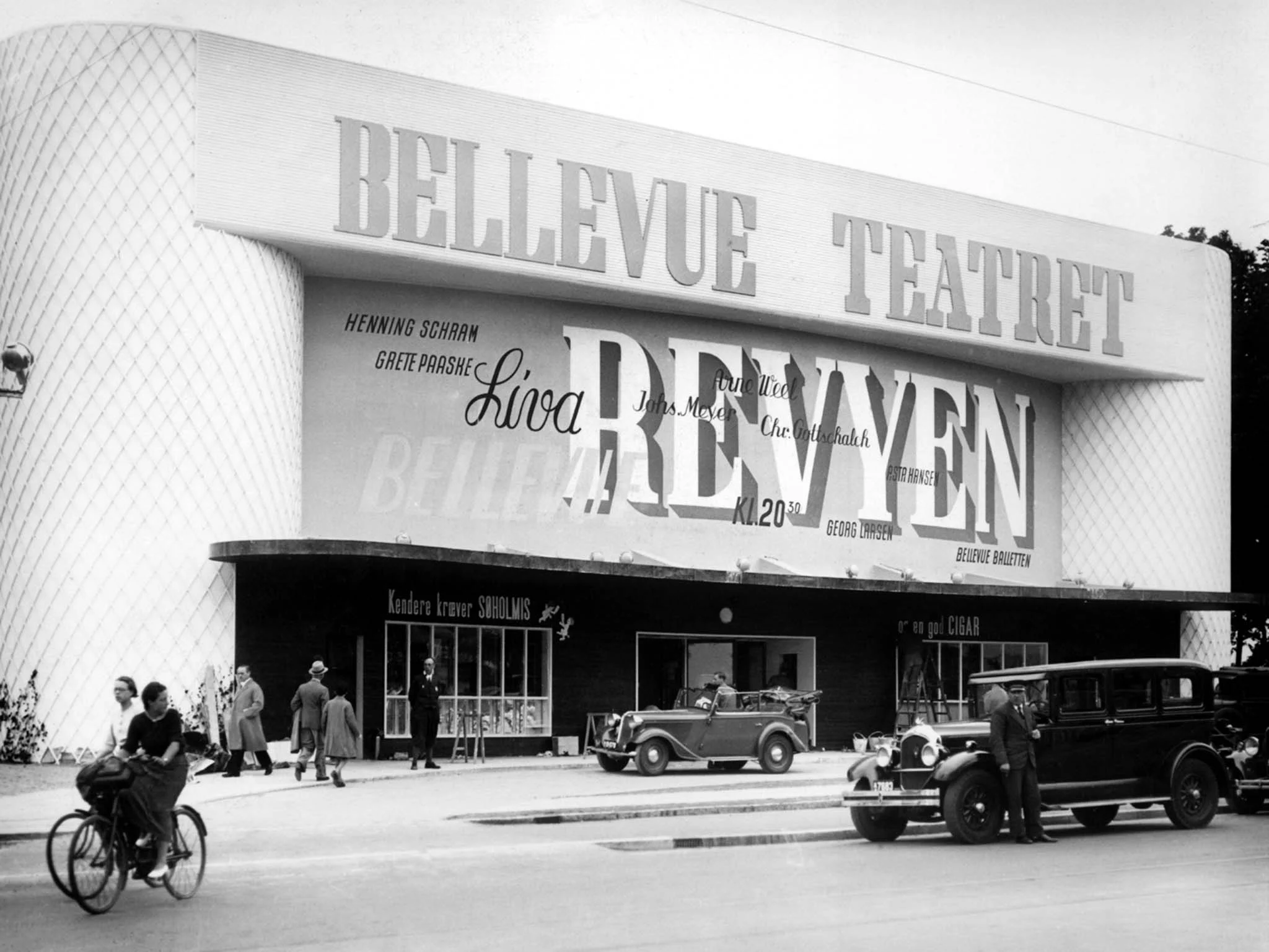
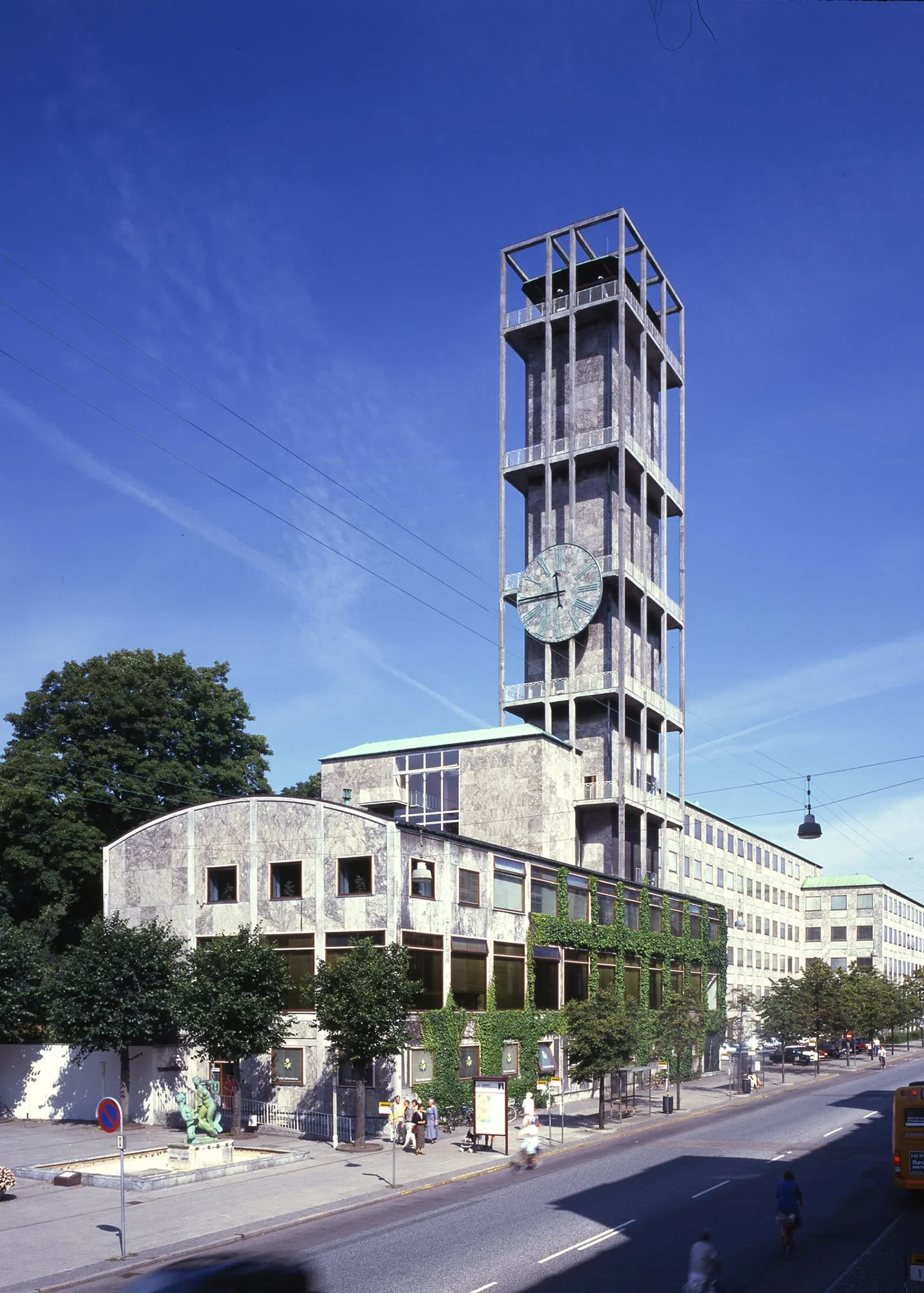
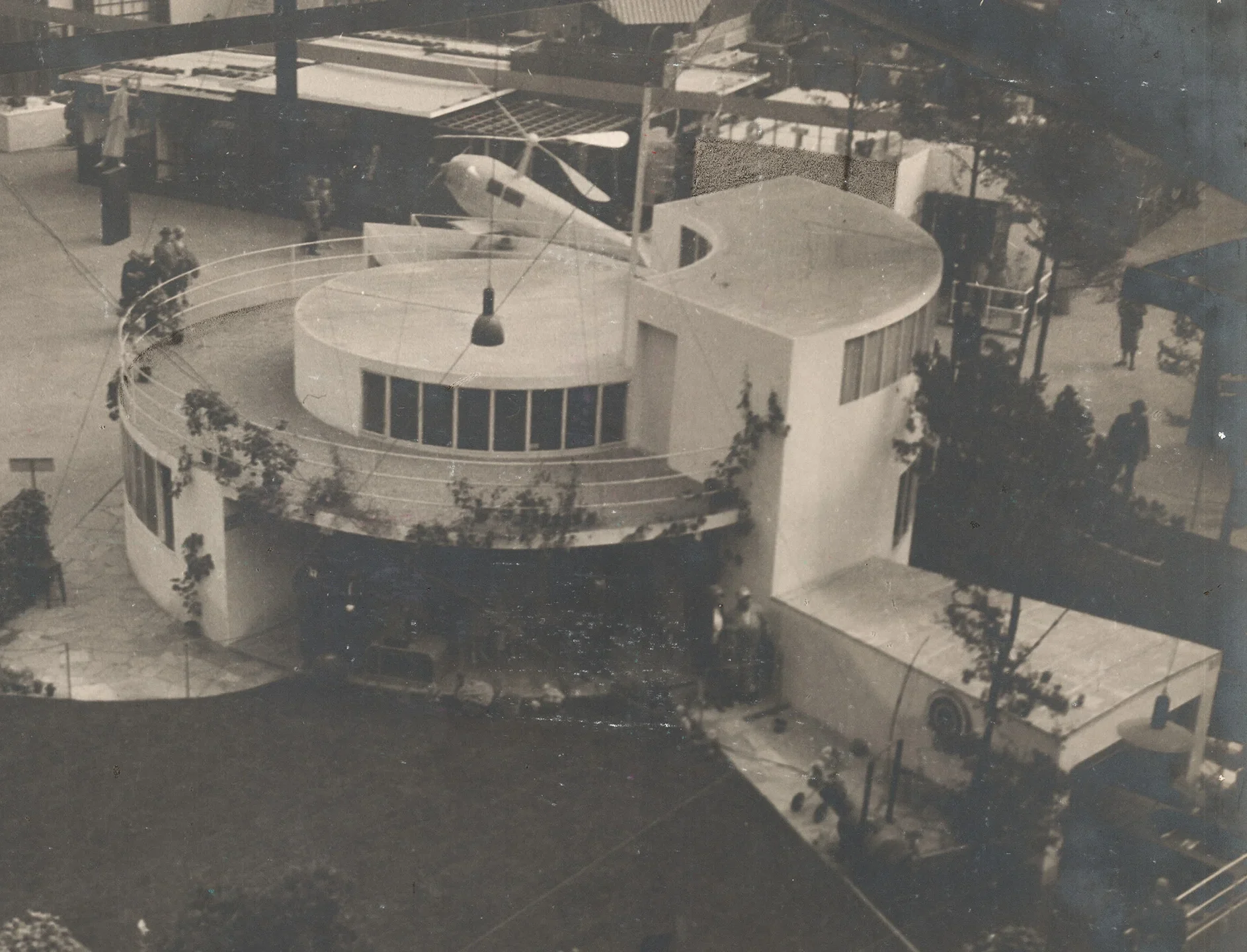
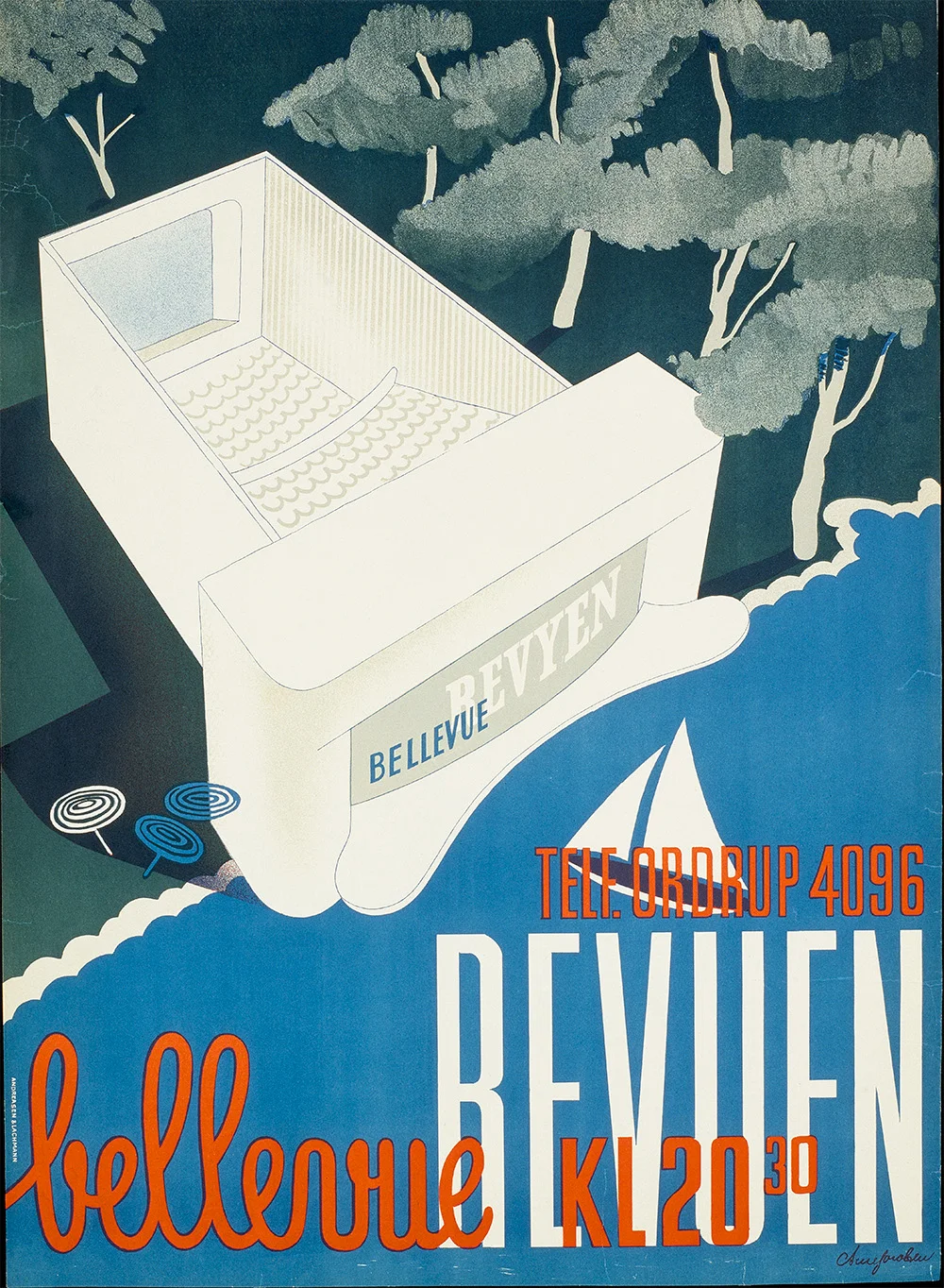
Jacobsen’s first major public breakthrough came in 1929 when he and Flemming Lassen won a competition for a House of the Future, a spiral-shaped glass and concrete structure built full scale at a Copenhagen exhibition. Through the 1930s he developed a cluster of buildings at the Bellevue seaside resort in Klampenborg, designing everything from the striped lifeguard towers to the employee uniforms, establishing himself as Denmark’s leading proponent of the International Modern Style. His Ant chair of 1952, developed with Fritz Hansen from a single sheet of molded plywood, marked a technical and stylistic breakthrough that took the manufacturer’s engineers a year to realize. The Swan and Egg chairs followed in 1958, designed for the SAS Royal Hotel in Copenhagen, which Jacobsen designed as a complete Gesamtkunstwerk from the building to the ashtrays in the souvenir shop. St Catherine’s College at Oxford, completed in 1964, is considered one of his principal works, encompassing architecture, gardens, furniture, and the choice of fish species for the pond. His Cylinda Line stainless steel tableware for Stelton in 1967 and the VOLA series of faucets and accessories in 1969 extended his reach into everyday domestic design. His flatware design, chosen by Stanley Kubrick for 2001: A Space Odyssey for its futuristic appearance, and his Series 7 chair, the prop in Lewis Morley’s famous photograph of Christine Keeler, gave his work an unexpected cultural afterlife.
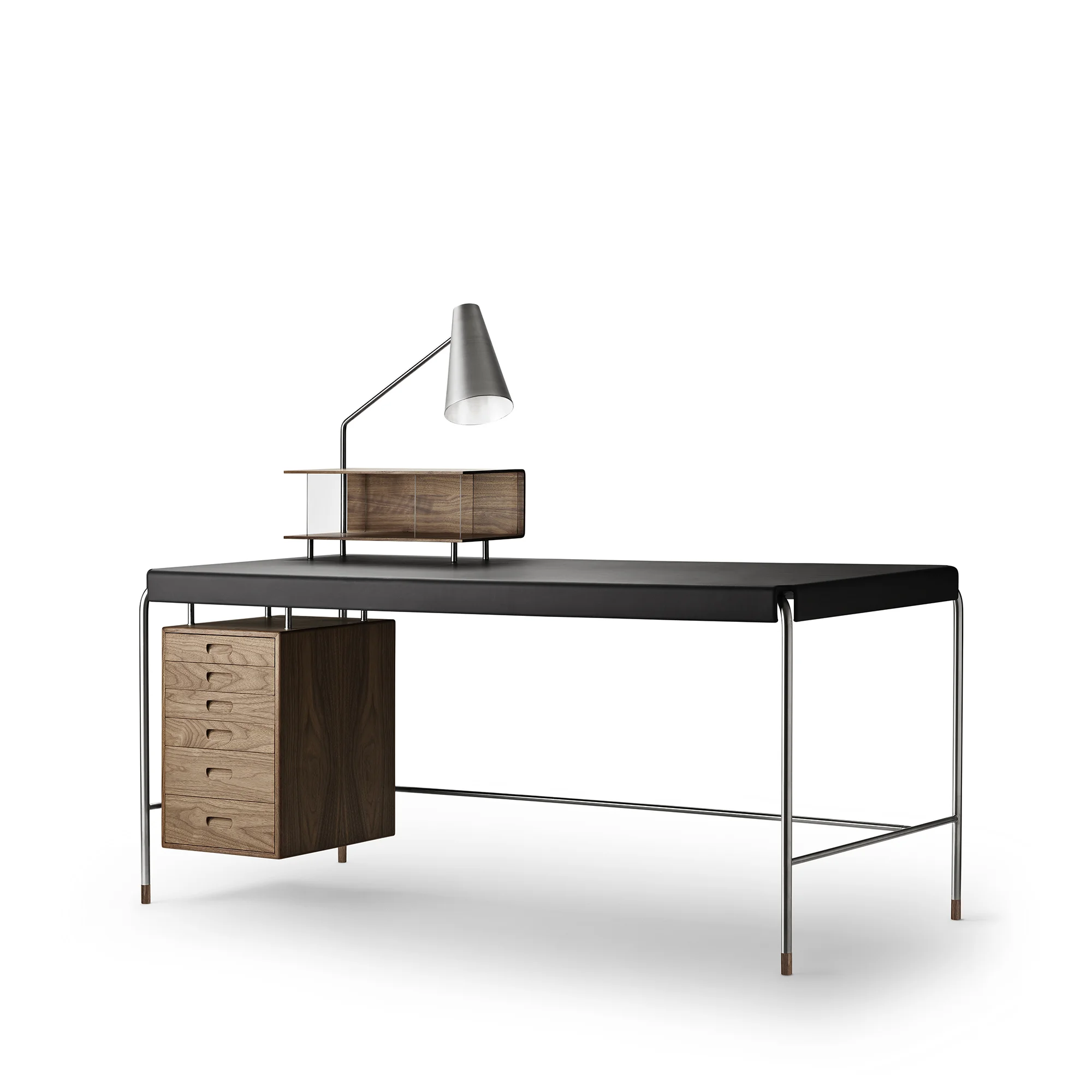
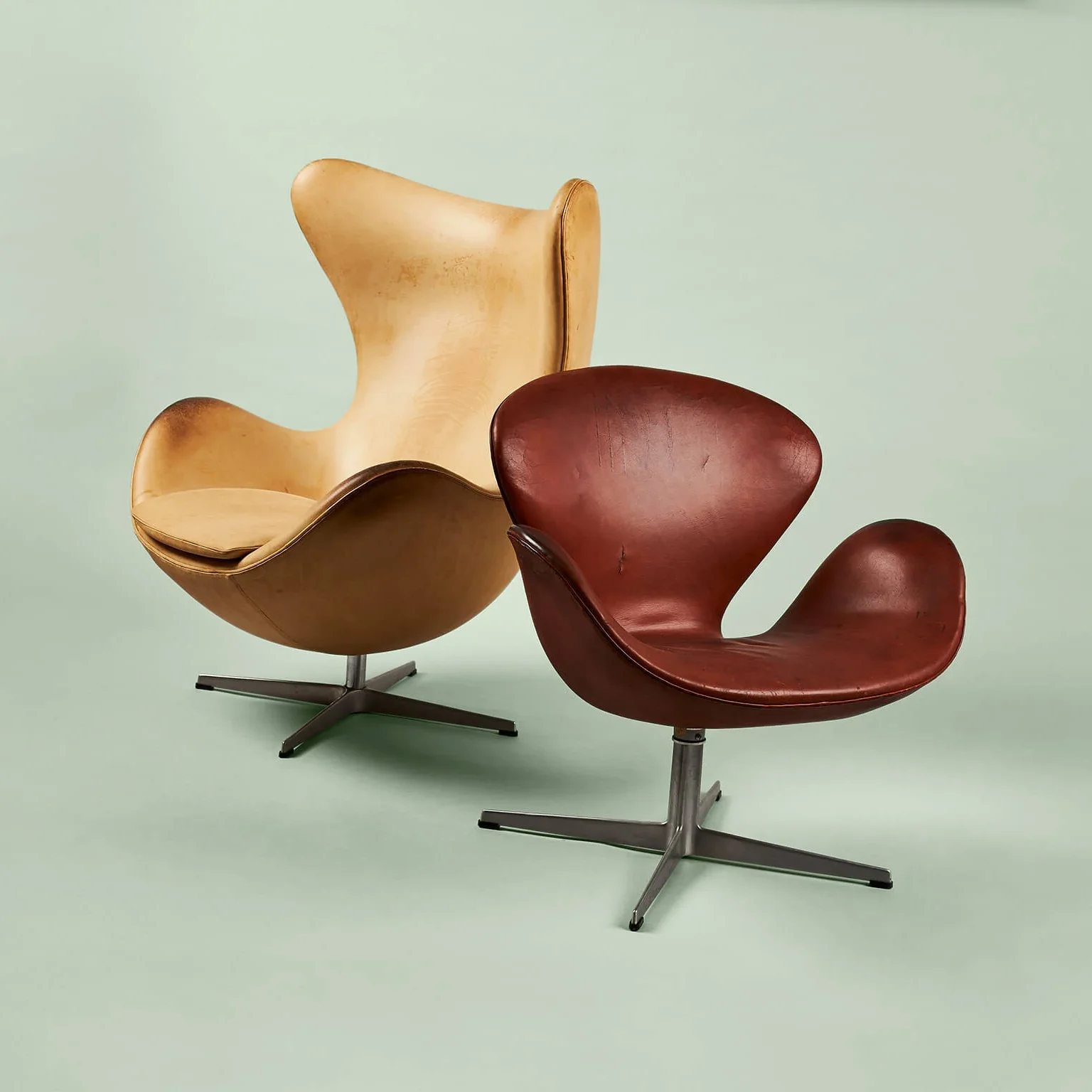
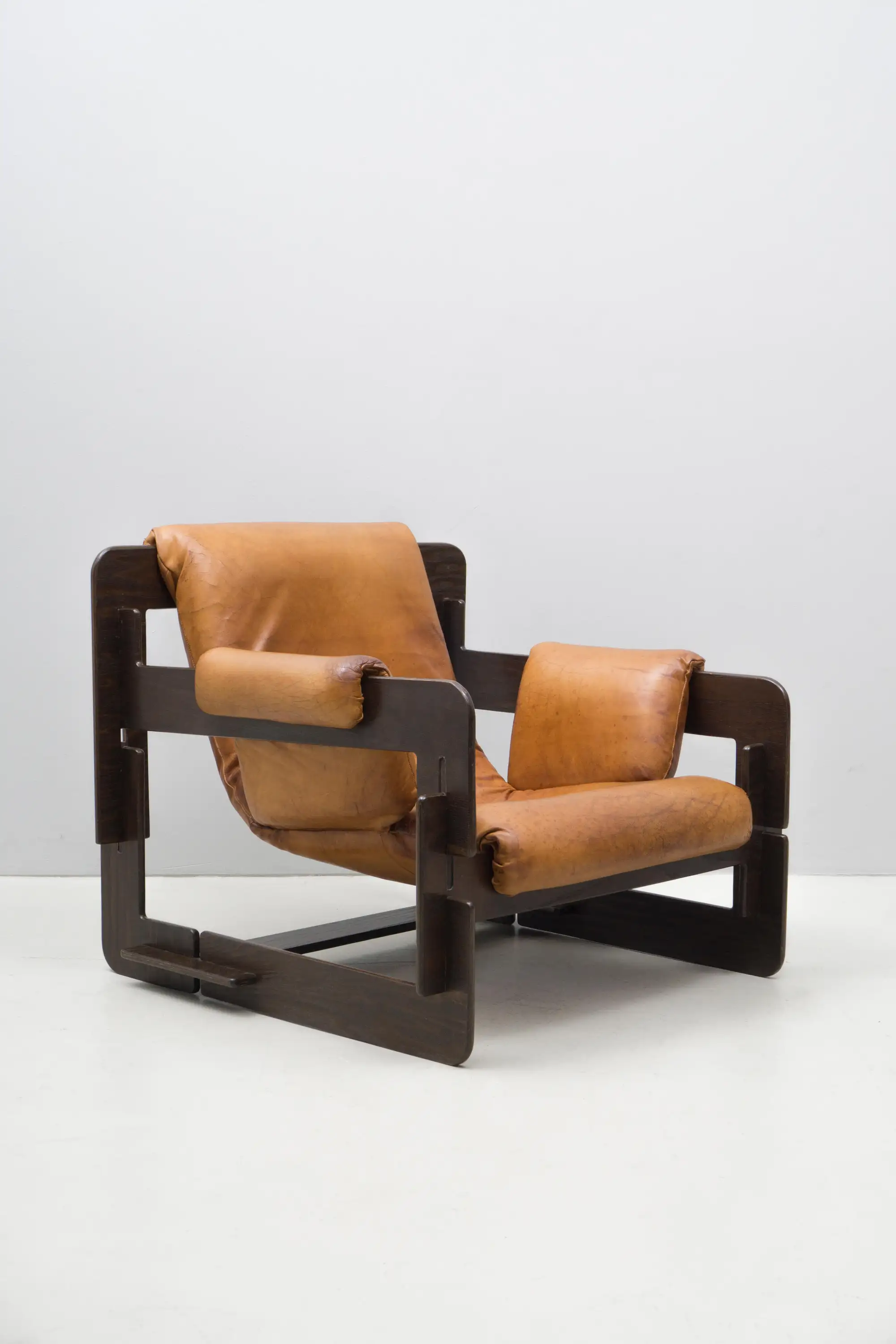
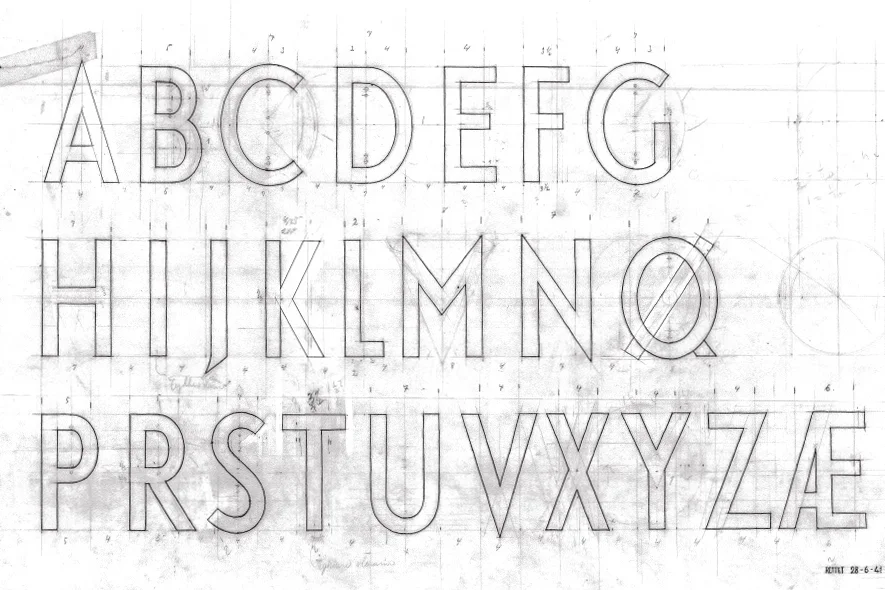
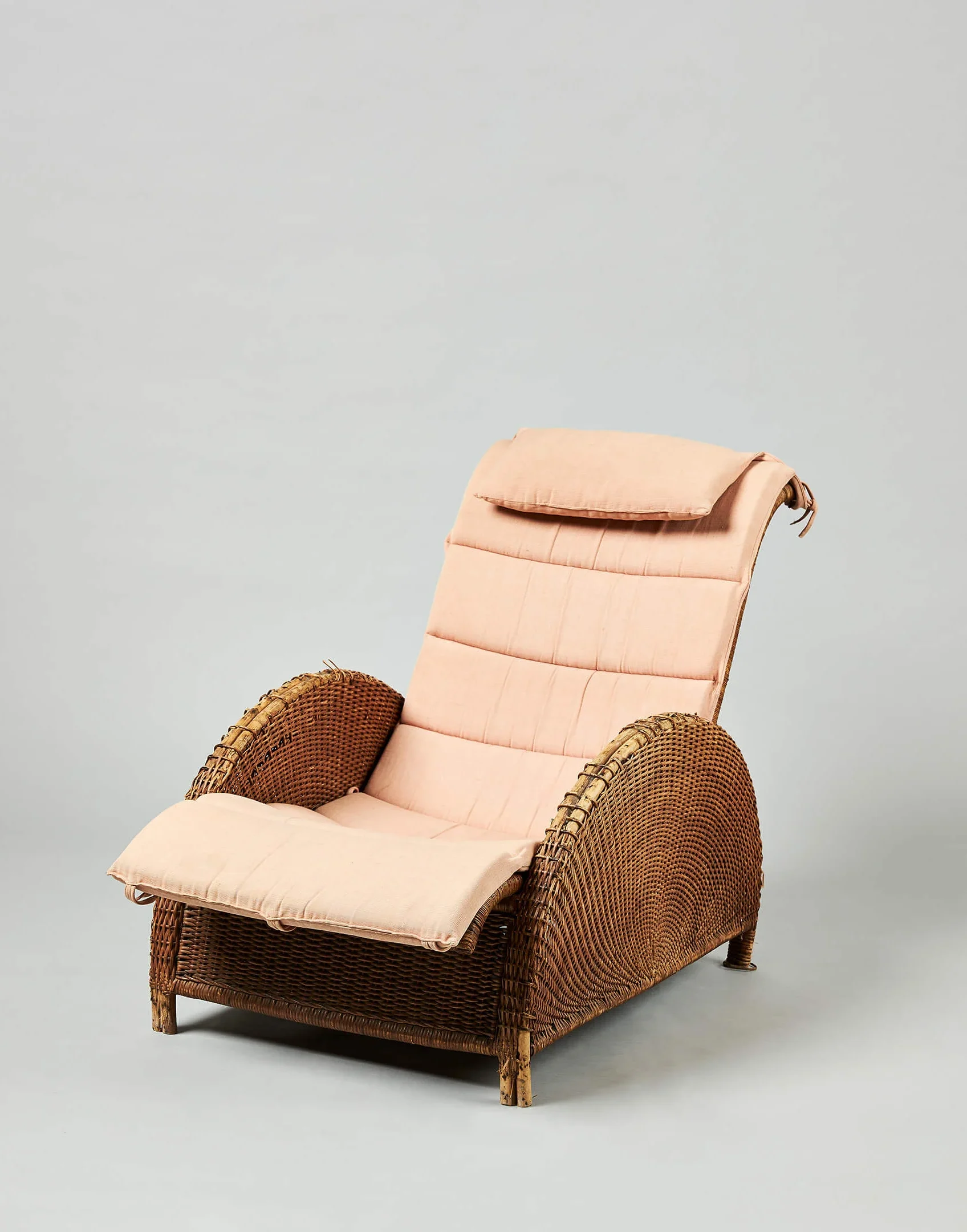
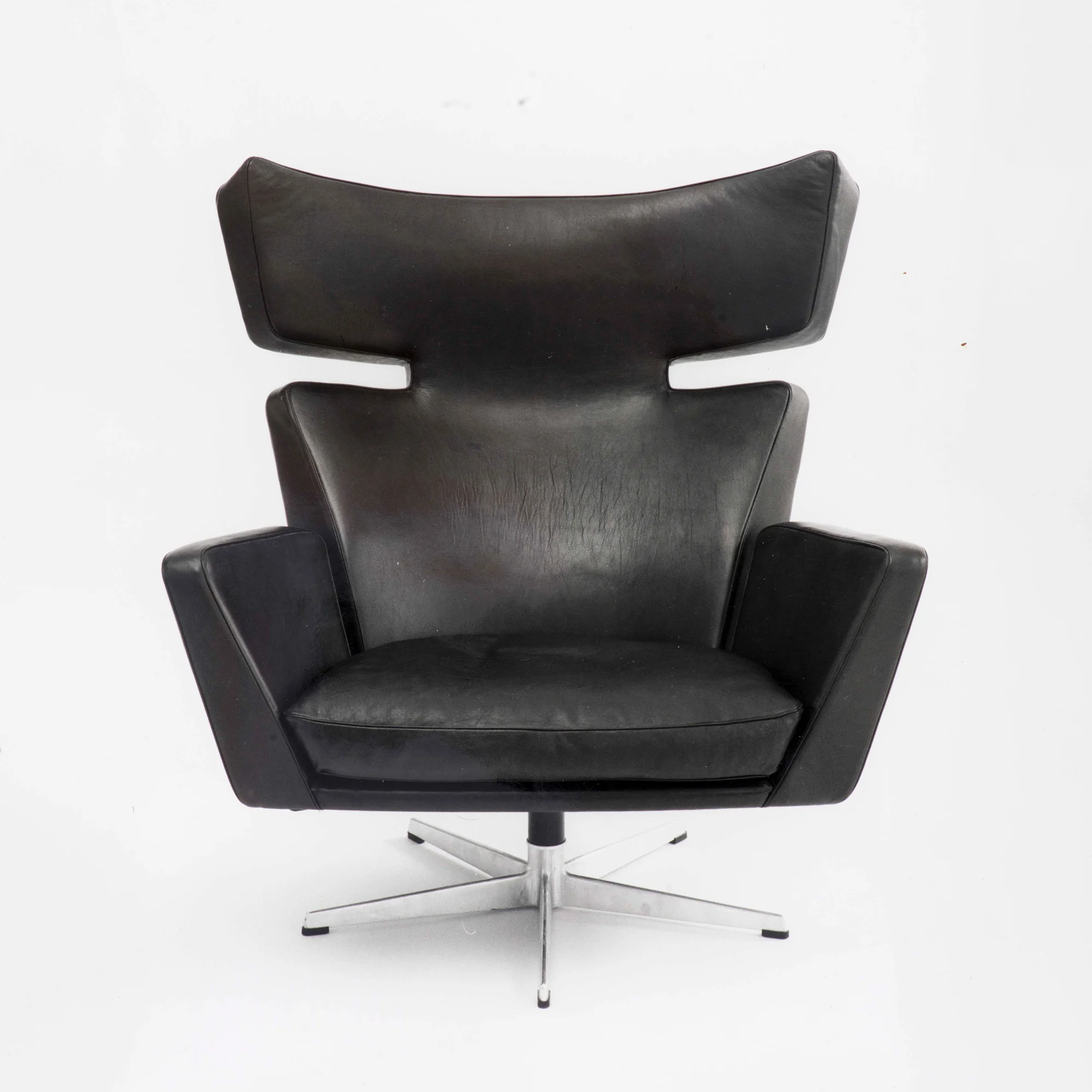

Jacobsen treated proportion as the fundamental quality of architecture and design, citing the ancient Egyptian temples and Renaissance buildings as proof that well-resolved proportion was the basis of all enduring beauty. His approach to every commission was that of the Gesamtkunstwerk, designing every element of a building as part of a unified whole, and his furniture emerged as a direct byproduct of his architectural practice rather than as an independent discipline. The organic shapes of his chair designs, formed in clay and plaster before translation into bent plywood and molded fiberglass, reflected his deep engagement with natural forms and his lifelong botanical studies.
Key Influences
If you are interested in further stories of the artists who shaped Art Deco, return to our artists page to browse the full directory.

Related Products from ArtDecoCollection.com